Guilty Pleasure No. 90: Ice Station Zebra (dir. by John Sturges)


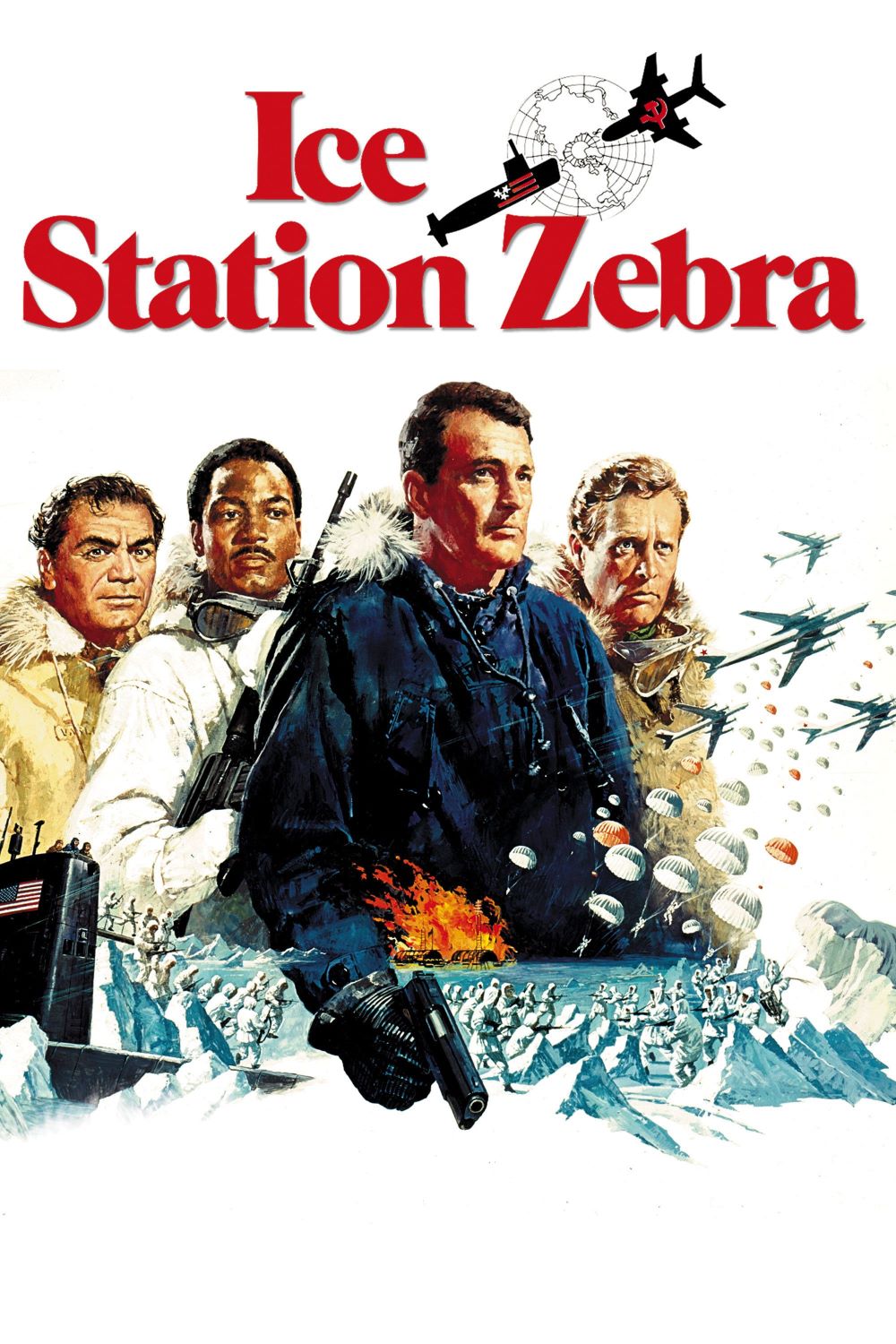
Ice Station Zebra, directed by John Sturges in 1968, slides into guilty pleasure territory like a submarine slipping under polar ice—full of big Cold War ambitions, shadowy spy games, and submarine peril that tease something epic, but so loaded with pacing hiccups, studio shortcuts, and earnest overreach that it ends up a lopsided, lovably messy ride. Sturges had already cemented his rep with crowd-roaring hits like The Magnificent Seven, where a ragtag posse of gunslingers delivered razor-sharp tension and quotable showdowns, or The Great Escape, a WWII breakout yarn crackling with clever schemes, sweaty escapes, and Steve McQueen’s motorcycle glory. Those films moved like a well-oiled engine, every scene stacking stakes and character beats into unforgettable momentum. By contrast, Ice Station Zebra feels like Sturges chasing that same high-wire ensemble vibe—a U.S. nuclear sub, the USS Tigerfish, barreling toward a trashed Arctic outpost—but bloating into a 148-minute sprawl that swaps tight plotting for endless red-lit corridor glares and withheld mission secrets. It’s not in the same league as his earlier triumphs, lacking their propulsive drive and lived-in grit, yet that very shortfall turns it into quirky comfort viewing for fans who dig flawed ’60s spectacle.

The setup hooks you quick: Commander James Ferraday, Rock Hudson’s square-jawed everyman at the helm, gets tapped for a hush-hush run to Ice Station Zebra after a satellite supposedly carrying spy photos crashes nearby. No full briefing for him, just orders to play it cool while three mystery passengers board—Mr. Jones, a buttoned-up British agent with evasive smirks; Boris Vaslov, Ernest Borgnine’s barrel-chested Russian turncoat oozing fake bonhomie; and Captain Anders, Jim Brown’s steely Marine barking orders over a squad of jarheads. As the Tigerfish dives under thickening ice floes, the sub’s innards come alive with flickering sonar pings, steam-hissing valves, and crewmen hunched over gauges in perpetual sweat. It’s claustrophobic gold at first, the hull creaking like it’s got a bad case of frostbite, echoing the trapped dread Sturges nailed in his POW camp classic but without the same spark of rebellion. Then sabotage strikes—a flooded missile bay, a wild plunge toward crush depth—and fingers start pointing. Who tampered with the ballast? Jones with his locked trunk of gadgets? Vaslov’s too-friendly vodka toasts? The Marines itching for a fight? The scene builds real sweat, divers suiting up in the nick of time, but Sturges lets the fallout drag, turning interrogation into a tea party of suspicions rather than the cutthroat blame game his best films thrived on.

These early stumbles set the tone for a film that’s promising yet perpetually off-kilter, far from the seamless revenge rhythm of The Magnificent Seven‘s dusty trails. Production fingerprints show everywhere: rumors swirl of Navy brass forcing script tweaks to glorify their boats, last-minute casting shifts from bigger names to Hudson, and a roadshow rollout with overture, intermission, and 70mm pomp that screams overambition. The Arctic plunge delivers tense highlights—the sub ramming upward through ice chunks like a whale breaching, sparks flying from shorted panels, crew barking damage reports—but lulls follow with tech jargon dumps and characters circling motives without committing to conflict. Hudson anchors it all with unflappable poise, barking commands like a TV dad in a crisis, but he lacks McQueen’s sly charisma or Yul Brynner’s brooding fire. Borgnine hams it up as Vaslov, his accent flipping from gravelly growl to vaudeville schtick during mess-hall ribbing, while McGoohan brings the sharpest edge as Jones, his dry barbs hinting at deeper layers. Brown’s Anders gets muscle but little nuance, leading a Marine crew that feels like stock tough guys waiting for their cue.

Pushing topside, the flaws bloom into full charm. The ice cap arrival unfolds in sweeping widescreen vistas—endless white expanses, howling gales whipping snow devils—but close-quarters betray the soundstage: actors plodding through “blizzards” in lightweight jackets, no puffing breath in the deep freeze, sets that wobble if you squint. It’s the kind of earnest cheesiness that sinks modern blockbusters but endears this relic, especially when the station siege erupts. Soviets drop from the sky in parachutes like deadly snowflakes, scouring the charred ruins for a buried film capsule packed with NATO missile coords. Americans fan out in white camo, trading potshots amid smoke grenades and collapsing tunnels, loyalties cracking as Vaslov’s true colors flash. Ferraday’s cool bluff seals a three-way stalemate, denying everyone the prize in a nod to mutually assured secrets. Michel Legrand’s score surges here, horns blaring over the chaos like a war drum, giving Sturges’ action chops a late workout. Yet even this payoff sprawls, talky standoffs eating screen time where his peak films would’ve sprinted to the finish.

What seals Ice Station Zebra‘s guilty pleasure status is embracing its dated quirks as features, not bugs—hammy all-male bravado, Cold War jitters turned quaint, plot gaps you could park a destroyer in. Sturges conjures submerged panic and frosty fireworks that nod to his glory days, the sub’s practical effects holding up better than some CGI today, but without the narrative steel of The Great Escape‘s tunnel triumphs or The Magnificent Seven‘s mythic standoffs, it coasts on atmosphere over precision. Clocking 148 minutes, it tests patience with filler like extended sail sequences and coy reveals, yet rewards surrender: grin at Borgnine’s bear hugs masking menace, chuckle at the Navy polish glossing gritty potential, savor the sheer balls of staging Arctic Armageddon on a backlot. Howard Hughes reportedly looped it endlessly in his casino screening rooms, and you get why—it’s hypnotic in its wonkiness, a time capsule of late-’60s Hollywood flexing before New Wave grit crashed the party.

Pop this on a stormy night with cocoa and zero expectations, and Ice Station Zebra shines as cozy flawed fun. Sturges’ touch keeps the chills coming amid the clunkers, delivering submarine squeezes, betrayals under the aurora, and a finale with enough brinkmanship bang to forgive the bloat. It’s no peer to his earlier masterpieces, more a quirky footnote, but that’s the hook: imperfect promise wrapped in icy spectacle, begging a rewatch to spot every goofy grace note. For ’60s thriller buffs, submarine nuts, or anyone needing a break from slick reboots, it’s a frosty, flawed feast worth the dive.

Previous Guilty Pleasures

  1. Half-Baked
  2. Save The Last Dance
  3. Every Rose Has Its Thorns
  4. The Jeremy Kyle Show
  5. Invasion USA
  6. The Golden Child
  7. Final Destination 2
  8. Paparazzi
  9. The Principal
  10. The Substitute
  11. Terror In The Family
  12. Pandorum
  13. Lambada
  14. Fear
  15. Cocktail
  16. Keep Off The Grass
  17. Girls, Girls, Girls
  18. Class
  19. Tart
  20. King Kong vs. Godzilla
  21. Hawk the Slayer
  22. Battle Beyond the Stars
  23. Meridian
  24. Walk of Shame
  25. From Justin To Kelly
  26. Project Greenlight
  27. Sex Decoy: Love Stings
  28. Swimfan
  29. On the Line
  30. Wolfen
  31. Hail Caesar!
  32. It’s So Cold In The D
  33. In the Mix
  34. Healed By Grace
  35. Valley of the Dolls
  36. The Legend of Billie Jean
  37. Death Wish
  38. Shipping Wars
  39. Ghost Whisperer
  40. Parking Wars
  41. The Dead Are After Me
  42. Harper’s Island
  43. The Resurrection of Gavin Stone
  44. Paranormal State
  45. Utopia
  46. Bar Rescue
  47. The Powers of Matthew Star
  48. Spiker
  49. Heavenly Bodies
  50. Maid in Manhattan
  51. Rage and Honor
  52. Saved By The Bell 3. 21 “No Hope With Dope”
  53. Happy Gilmore
  54. Solarbabies
  55. The Dawn of Correction
  56. Once You Understand
  57. The Voyeurs 
  58. Robot Jox
  59. Teen Wolf
  60. The Running Man
  61. Double Dragon
  62. Backtrack
  63. Julie and Jack
  64. Karate Warrior
  65. Invaders From Mars
  66. Cloverfield
  67. Aerobicide 
  68. Blood Harvest
  69. Shocking Dark
  70. Face The Truth
  71. Submerged
  72. The Canyons
  73. Days of Thunder
  74. Van Helsing
  75. The Night Comes for Us
  76. Code of Silence
  77. Captain Ron
  78. Armageddon
  79. Kate’s Secret
  80. Point Break
  81. The Replacements
  82. The Shadow
  83. Meteor
  84. Last Action Hero
  85. Attack of the Killer Tomatoes
  86. The Horror at 37,000 Feet
  87. The ‘Burbs
  88. Lifeforce
  89. Highschool of the Dead

Retro Television Review: Decoy 1.3 “The Phoner”


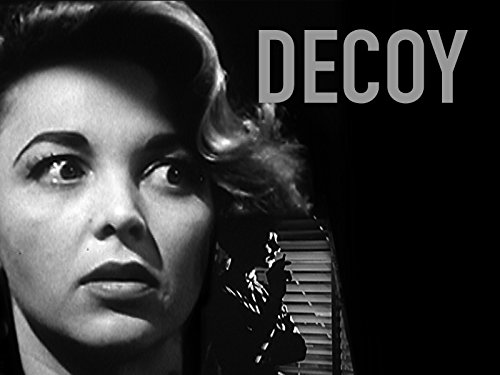
Welcome to Retro Television Reviews, a feature where we review some of our favorite and least favorite shows of the past!  On Thursdays, I will be reviewing Decoy, which aired in Syndication in 1957 and 1958.  The show can be viewed on Tubi!

This week, Casey help to stop an obscene phone caller.

Episode 1.3 “The Phoner”

(Dir by Teddy Sills, originally aired on October 28th, 1957)

Betty Hodges (Pat Englund) has been getting obscene phone calls.  It’s the 1950s.  That means there’s no caller ID, there’s no cell towers to ping signals off of, there’s no way to block a number, the phone rings until its answered, and every call is made and taken on a landline phone.  This is the era when most calls were still connected by an operator.  Terrified of the calls but determined not to be chased out of the city like so many other young women who have targeted by the so-called Phoner, Betty calls the police.  Casey (Beverly Garland) moves in with Betty, pretending to be her sister.  When the phone rings, it’s Casey who will answer and it’s Casey who will have to keep the guy talking for five minutes while the phone company traces the call.

We don’t ever learn the name of the man making the calls.  In the credits, he’s listed as the Phoner.  Played by Frank Sutton, the Phoner is a sweaty man who makes his calls from a phone booth and who brags about how many girlfriends he claims to have  had.  (He’s the 50s version of an incel.)  We’re told that he says disturbingly obscene things over the phone but, this being a 50s show, we don’t hear any of them.  Of course, we don’t have to hear them.  Betty’s terrified reactions are all we need to see.

Eventually, Betty is attacked leaving work.  She stumbles out of an alley, her face beaten and her clothes torn.  And again, it’s the 50s.  So all we hear is that Betty has been attacked but anyone watching would understand what had happened.  In the hospital, Betty whispers to Casey.  When Casey is asked what Betty said, Casey replies, “She wishes she was dead.”

Eventually, the Phoner calls Casey back.  They set up a date in the park.  The Phoner doesn’t show up at the park but he does show up at the apartment later.  After a struggle, he’s subdued by Casey and the other cops watching the apartment.  Even though common sense tells the viewer that nothing too bad is going to happen to the show’s lead character, it’s still a tense scene, largely because of Frank Sutton’s feral performance as the Phoner.

This is a poignant episode, even if it did obviously have to hold back due to the censorship rules of the time.  Just as frightening as Sutton was as the Phoner, Garland was equally impressive as the determined Casey.  If I did have any problem with this episode, it’s that when she’s initially confronted by the Phoner, Casey doesn’t recognize his voice.  When a man threatens you, you never forget the voice.

This was a good episode.  Hopefully, the Phoner died in prison.

An Offer You Can’t Refuse #17: Murder, Inc. (dir by Stuart Rosenberg and Burt Balaban)


We all know the famous line from The Godfather.  “I’m going to make him an offer he can’t refuse.”  Of course, everyone also knows that “It’s not personal.  It’s strictly business.”  There’s another line that’s almost as famous: “One lawyer with his briefcase can steal more than a hundred men with guns.”  That line comes from Mario Puzo’s novel.  It’s never actually used in the film though it’s certainly present as a theme.

The idea of organized crime essentially being a huge corporation is hardly a new one.  In fact, it’s become a bit of a cliche.  Nearly every gangster film ever made has featured at least one scene where someone specifically compares their illegal activities to the day-to-day business of politicians and CEOs.  However, just because it’s a familiar analogy, that doesn’t make it any less important.  It’s hard not to think of organized crime as being big business when you consider that, in the 30s and the 40s, the mafia’s assassination squad was actually known as Murder, Inc.

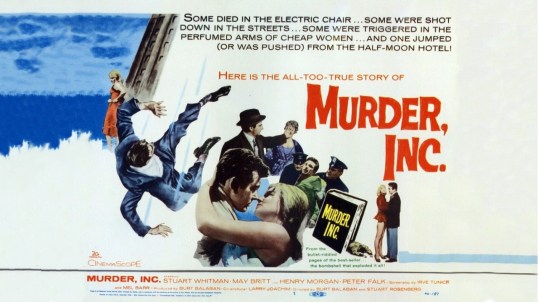
Murder, Inc. was formed in Brooklyn, in the 30s.  It was founded and initially led by a man named Lepke Buchalter.  Lepke was a gangster but, because he was Jewish, he couldn’t actually become a made man.  However, he used that to his advantage when he created Murder, Inc.  The organization was largely made up of non-Italians who couldn’t actually become official members of the Mob.  The major mafia families would hire Murder, Inc. to carry out hits because they knew that, since none of the members were made men, they wouldn’t be able to implicate any of the families if they were caught by the police.

It was a good idea and Lepke and his band of killers made a lot of money.  Of course, eventually, the police did catch on.  A member of the organization by the name Abe Reles was eventually arrested and agreed to be a rat.  Lepke went to the electric chair.  Reles ended up falling out of a window.  Did he jump or was he thrown?  It depends on who you ask.

19 years after Reles plunged from that window and 16 years after Lepke was executed, their story was told in the 1960 film, Murder, Inc.  Lepke was played by David J. Stewart while Reles was played by Peter Falk.  The film is told in a documentary style, complete with a narrator who delivers his lines in a rat-a-tat-tat style.  We follow Reles as he goes to work with Lepke and as he harasses a singer (Stuart Whitman) and his wife (May Britt), forcing them help him carry out a murder and then allowing them to live in a luxury apartment on the condition that they also let Lepke hide out there.  (It’s probably not a surprise that a professional killer wouldn’t turn out to be the best houseguest.)  Eventually, a crusading DA (Henry Morgan) and an honest cop (Simon Oakland) take it upon themselves to take down Murder, Inc.

To be honest, there’s not a whole lot that’s surprising about this film but it’s still an entertaining B-movie.  The black-and-white cinematography and the on-location filming give the film an authentically gritty feel.  The action moves quickly and there’s enough tough talk and violent deaths to keep most gangster aficionados happy.  The best thing about the film is, without a doubt, Peter Falk’s portrayal of Abe Reles.  Falk is magnetically evil in the role, playing Reles as a man without a soul.  Even when Reles finally cooperates with the police, the film leaves no doubt that he’s only doing it to try to save himself.  Falk plays Reles like a tough guy who secretly knows that his days are numbered but who has convinced himself that, as long as he keeps sneering and threatening people, the rest of the world will never figure out that he’s been doomed all the time.  The more people he kills, the higher Reles moves up in the corporation and the more he tries to take on the look of a respectable member of society.  But, no mater how hard he tries, Reles always remains just another violent thug.  Falk was deservedly Oscar-nominated for his performance in this film, though he ultimately lost the award to Spartacus‘s Peter Ustinov.

Murder, Inc. may be a low-budget, B-movie but it’s also a classic of gangster cinema.  It’s an offer you can’t refuse.

Previous Offers You Can’t (or Can) Refuse:

  1. The Public Enemy
  2. Scarface
  3. The Purple Gang
  4. The Gang That Could’t Shoot Straight
  5. The Happening
  6. King of the Roaring Twenties: The Story of Arnold Rothstein 
  7. The Roaring Twenties
  8. Force of Evil
  9. Rob the Mob
  10. Gambling House
  11. Race Street
  12. Racket Girls
  13. Hoffa
  14. Contraband
  15. Bugsy Malone
  16. Love Me or Leave Me


Psycho-Killer: Peter Falk in MURDER INC. (20th Century-Fox 1960)


gary loggins's avatarcracked rear viewer

American filmgoers have had a long love affair with the gangster movie. The Pre-Code era was riddled with rat-a-tat-tat tommy gun action from Warner Brothers, MGM, and the other studios, helping to make stars out of Edward G. Robinson , James Cagney , Clark Gable , and a host of movie tough guys. Things quieted down once the Code was strictly enforced, but the gangster was still around, sometimes in comedy masks as likeable lugs, deneutered yet always lurking on-screen in some capacity.

By the late 1940’s, film noir introduced us to a darker vision, one seething with murderous rage. Cagney in WHITE HEAT, Robinson in KEY LARGO , and virtually everything Lawrence Tierney was in showed us gangsters were no “swell guys”, but anti-social psychopaths. The 50’s saw the gangster relegated mainly to ‘B’ status, just another genre to pit the good guys against the bad guys. Then in…

View original post 568 more words

Cleaning Out The DVR Yet Again #38: The Baby (dir by Ted Post)


(Lisa recently discovered that she only has about 8 hours of space left on her DVR!  It turns out that she’s been recording movies from July and she just hasn’t gotten around to watching and reviewing them yet.  So, once again, Lisa is cleaning out her DVR!  She is going to try to watch and review 52 movies by the end of Thursday, December 8th!  Will she make it?  Keep checking the site to find out!)

poster_of_the_movie_the_baby

On October 30th, I recorded The Baby off of TCM.

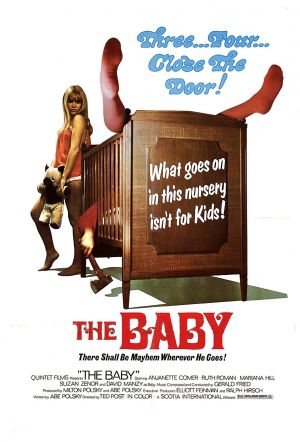
First released back in 1973, The Baby is a seriously strange little movie.  It’s about a 21 year-old man named Baby (played by David Manzy).  Why is he called Baby?  Because he lives in a crib.  And he wears a diaper that occasionally needs changing.  And he sounds exactly like a baby.  (Whenever he opens his mouth, the sound of an actual baby is dubbed in.)  When he’s alone with his babysitter, he eagerly sucks on her breast, half-nursing and half-perving.

Baby is the only son of Mrs. Wadsworth (Ruth Roman, giving a chillingly evil performance).  Mrs. Wadsworth was abandoned by her husband shortly after Baby was born and the film implies that she’s taken a lot of her hatred towards her ex out on her son.  Despite not liking her son, Mrs. Wadsworth is determined to hold onto him.  She gets a weekly welfare check from the state.  The money is supposed to be used to take care of Baby but Mrs. Wadsworth uses it to take care of herself and her two daughters.

Who are her daughters?  Alba Wadsworth (Suzanne Zenor) is an implied nymphomaniac who has a way with a cattle prod.   Germaine Wadsworth (Marianna Hill) is an actress and model who, it’s suggested, has incestuous designs on her brother.

That’s right — they’re a messed up family!  However, they do throw great parties, the type that are full of all the typical characters who you would expect to appear in a low-budget film from 1973.  Hippies, hipsters, aspiring disco dancers, they all show up.  Michael Pataki shows up as well!  You my not know the name but if you’re a fan of 70s exploitation films like me, you’ll immediately recognize Michael Pataki.

In order to continue receiving money from the government, the Wadsworths have to impress their case worker.  They’ve moved through several social workers and, for the most part, they’ve survived by being so strange that no one wants to spend too much time dealing with them.  However, their case has just been assigned to Ann Gentry (Anjanette Comer) and she actually takes an interest in Baby and his life with the Wasdworths.

Ann says that she thinks Baby could benefit from going to a special school.  The Wadsworths suggest that she mind her own business.  Ann, however, has no intention of doing that.  Ann refuses the give up on giving Baby a chance at a better life.

Sounds heart-warming, right?

Well, no.

At first, Ann seems like just another concerned do-gooder.  But, at the film progresses, we start to suspect that Ann might have some secrets of her own.  We’re told that she lost her husband in a car accident but the details are left intentionally vague.  What we do know is that Ann lives in a huge house with her mother-in-law (Beatrice Manley Blau) and we find ourselves wondering why, if her husband is gone, are the two of them still living together.

We also fin ourselves wondering: Does Ann have Baby’s best interests in mind?  For that matter, does anyone?

Being a 70s movie, it all ends with a violent home invasion that’s followed by a surprise twist.  The twist caught me totally off-guard and forced me to reconsider everything that I had previously seen.  It was shocking, it was borderline offensive, it was just a little bit ludicrous, and it was rather brilliant in its odd way.

The same can be said for The Baby as a whole.  This is one weird movie and you’ll never see another like it.  For that reason alone, The Baby is worth seeing at least once.