I didn’t watch the Golden Globes on Sunday night. Technically, it’s because I wasn’t feeling well and I needed to get some rest. In reality, even if I had been healthy, I don’t know that I would have watched. A few years ago, the Golden Globes were not televised and I discovered how liberating it was to not have to pretend to care about this stupid show.
That said, the Globes are considered an Oscar precursor, despite the fact that no one’s even sure who is voting on them nowadays. So, here’s what won on Sunday night:
BEST MOTION PICTURE, DRAMA
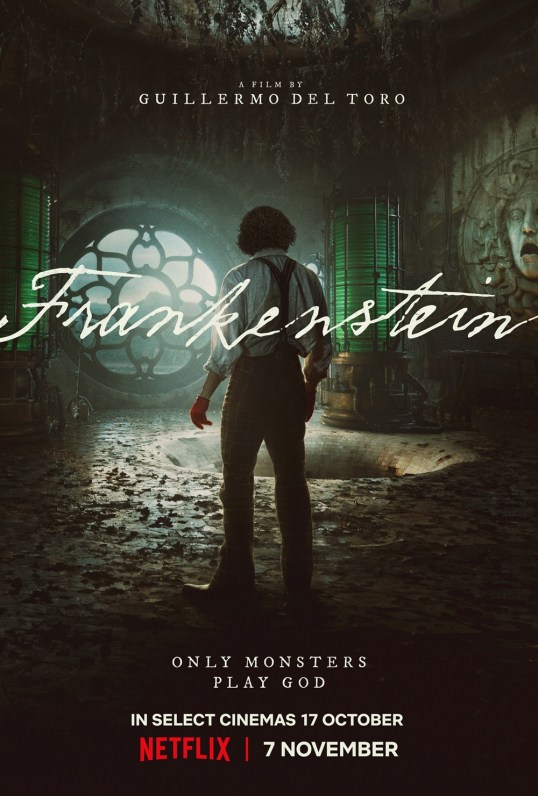
Frankenstein
Hamnet
It Was Just an Accident
The Secret Agent
Sentimental Value
Sinners
BEST MOTION PICTURE, MUSICAL OR COMEDY
Blue Moon
Bugonia
Marty Supreme
No Other Choice
Nouvelle Vague
One Battle After Another
BEST DIRECTOR, MOTION PICTURE
Paul Thomas Anderson – One Battle After Another
Ryan Coogler – Sinners
Guillermo del Toro – Frankenstein
Jafar Panahi – It Was Just an Accident
Joachim Trier – Sentimental Value
Chloe Zhao – Hamnet
BEST PERFORMANCE BY AN ACTRESS IN A MOTION PICTURE, DRAMA
Jessie Buckley – Hamnet
Jennifer Lawrence – Die, My Love
Renate Reinsve – Sentimental Value
Julia Roberts – After the Hunt
Tessa Thompson – Hedda
Eva Victor – Sorry, Baby
BEST PERFORMANCE BY AN ACTRESS IN A MOTION PICTURE, MUSICAL, OR COMEDY
Rose Byrne – If I Had Legs I’d Kick You
Cynthia Erivo – Wicked: For Good
Kate Hudson – Song Sung Blue
Chase Infiniti – One Battle After Another
Amanda Seyfried – The Testament of Ann Lee
Emma Stone – Bugonia
BEST PERFORMANCE BY AN ACTRESS IN A SUPPORTING ROLE IN ANY MOTION PICTURE
Emily Blunt – The Smashing Machine
Elle Fanning – Sentimental Value
Ariana Grande – Wicked: For Good
Inga Ibsdotter Lilleaas – Sentimental Value
Amy Madigan – Weapons
Teyana Taylor – One Battle After Another
BEST PERFORMANCE BY AN ACTOR IN A MOTION PICTURE, DRAMA
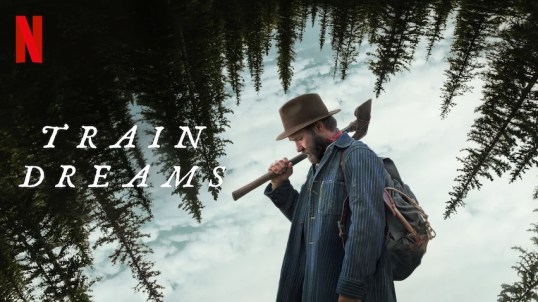
Joel Edgerton – Train Dreams
Oscar Isaac – Frankenstein
Dwayne Johnson – The Smashing Machine
Michael B. Jordan – Sinners
Wagner Moura – The Secret Agent
Jeremy Allen White – Springsteen: Deliver Me from Nowhere
BEST PERFORMANCE BY AN ACTOR IN A MOTION PICTURE, MUSICAL, OR COMEDY
Lee Byung-hun – No Other Choice
Timothee Chalamet – Marty Supreme
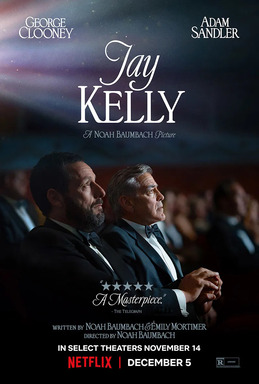
George Clooney – Jay Kelly
Leonardo DiCaprio – One Battle After Another
Ethan Hawke – Blue Moon
Jesse Plemons – Bugonia
BEST PERFORMANCE BY AN ACTOR IN A SUPPORTING ROLE IN ANY MOTION PICTURE
Benicio Del Toro – One Battle After Another
Jacob Elordi – Frankenstein
Paul Mescal – Hamnet
Sean Penn – One Battle After Another
Adam Sandler – Jay Kelly
Stellan Skarsgård – Sentimental Value
BEST SCREENPLAY, MOTION PICTURE
Hamnet
It Was Just an Accident
Marty Supreme
One Battle After Another
Sentimental Value
Sinners
BEST ORIGINAL SCORE, MOTION PICTURE
F1: The Movie
Frankenstein
Hamnet
One Battle After Another
Sinners
Sirat
BEST ORIGINAL SONG, MOTION PICTURE
Avatar: Fire and Ash – “Dream as One”
KPop Demon Hunters – “Golden”
Sinners – “I Lied to You”
Train Dreams – “Train Dreams”
Wicked: For Good – “No Place Life Home”
Wicked: For Good – “The Girl in the Bubble”
BEST MOTION PICTURE, ANIMATED
Arco
Demon Slayer: Kimetsu No Yaiba The Movie
Elio
KPop Demon Hunters
Little Amelie or the Character of Rain
Zootopia 2
BEST MOTION PICTURE, FOREIGN LANGUAGE
It Was Just an Accident
No Other Choice
The Secret Agent
Sentimental Value
Sirat
The Voice of Hind Rajab
GOLDEN GLOBE FOR CINEMATIC & BOX OFFICE ACHIEVEMENT
Avatar: Fire and Ash
F1: The Movie
KPop Demon Hunters
Mission: Impossible — The Final Reckoning
Sinners
Weapons
Wicked: For Good
Zootopia 2

 Through the Shattered Lens