The Dead Among Us: Exploring Society and Self in Romero’s Trilogy


“When there’s no more room in hell, the dead will walk the earth.” — Peter

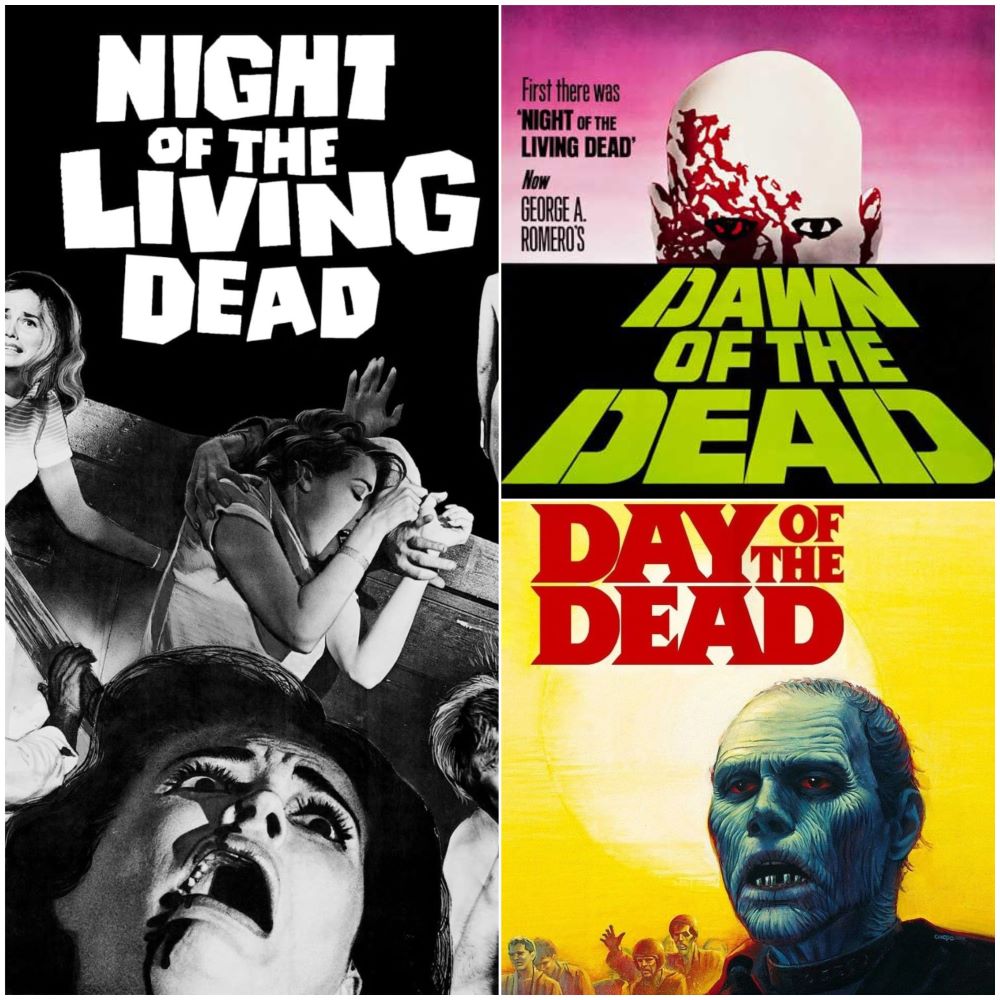
George A. Romero’s zombie trilogy—Night of the Living Dead (1968), Dawn of the Dead (1978), and Day of the Dead (1985)—stands as a landmark achievement in horror cinema, weaving the evolution of the zombie genre with a profound commentary on human nature and societal collapse. Emerging during periods of significant social and political upheaval, each film reflects the anxieties, tensions, and cultural dynamics of its decade. Romero’s zombies were not merely monsters to instill fear but mirrors reflecting society’s darkest fears, prejudices, and failures. The trilogy explores pressing questions about survival, morality, racial and class structures, and the fragility of human relationships when civilization breaks down, making these films persistently relevant beyond their gore and suspense.

What makes Romero’s trilogy particularly striking is its layered richness—each installment presents a standalone narrative that deepens the conversation about humanity’s response to apocalypse while encapsulating the spirit of its era. Night of the Living Dead confronts issues of race, violence, and distrust within a claustrophobic haven; Dawn of the Dead takes viewers to a sprawling shopping mall, a metaphor for 1970s consumer culture’s hollow comforts and social alienation; and Day of the Dead delves into the psychological and ideological fractures under extreme duress in a military bunker, highlighting themes of authoritarianism, scientific ethics, and the struggle for hope in despair. Together, these films form a powerful, intergenerational critique that resonates with viewers as much for their social insights as for their seminal contributions to the horror genre.

The Real Threat: Humans Versus Zombies

In Romero’s trilogy, the zombies provide relentless external pressure, but it is human flaws that become the dominant threat. Night of the Living Dead introduces the idea that fear, selfishness, and mistrust within small groups erode their chances of survival. The movie’s confined setting in a rural farmhouse encapsulates a microcosm of society teetering on the brink. Ben, played by Duane Jones, stands out not just for his calm leadership but also for the racial and social tensions his presence introduces—especially in conflict with Harry, whose obsession with control echoes real-world social divides. The film’s infamous ending, where Ben is killed by a white posse, resonates as a powerful allegory for racial violence, underscoring that the apocalypse in Romero’s world is as much a societal failure as a supernatural event.

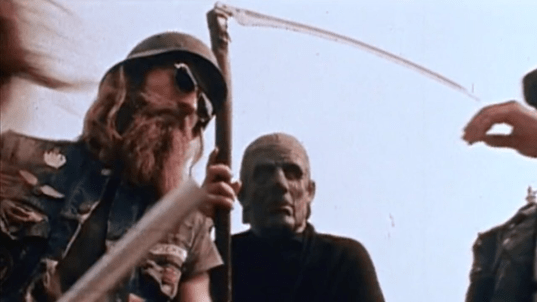
Moving to Dawn of the Dead, the threat shifts toward a metaphorical critique of consumer culture. The survivors’ refuge in a shopping mall represents a modern temple of capitalism, filled with distractions and material goods that provide temporary relief but ultimately expose human weakness. The zombies’ endless wandering in this retail environment ridicule our real-world repetitive consumption, blurring lines between life and death. Human conflicts intensify as greed and recklessness among the survivors hasten their downfall. The bikers’ violent intrusion and consequent chaos symbolize how societal fractures and selfishness can undo fragile pockets of order. Here the zombies are a mirror to humanity’s brainless rituals, and the real menace is people’s inability to rise above base instincts.

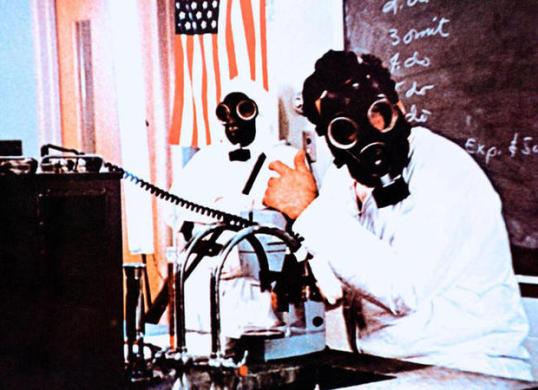
In Day of the Dead, the human threat turns authoritarian and fractured. Set in a cramped underground bunker, the story mines the clash between military pragmatism and scientific inquiry. Soldiers and scientists represent ideologies that fail to reconcile, leading to paranoia, cruelty, and betrayal. Dr. Logan’s work with Bub—the zombie who exhibits flickers of memory and humanity—raises ethical questions, while Captain Rhodes’ hardline attitude embodies the brutal will to survive at any cost. The psychological breakdowns and mounting violence illustrate Romero’s grim thesis: when order and communication collapse, humanity itself becomes the deadliest monster. Romero’s zombies evolve here beyond simple horror fodder into symbolic reflections of humanity’s tragic failures.

Reflecting the Decades

Night of the Living Dead uses black-and-white cinematography to invoke a stark, documentary-like immediacy. This choice grounds the horror in a realism that intensifies dread, making the threat palpable and the social commentary more haunting. The film’s sound design—ambient crickets, creaking homes, radio reports—immerses viewers in a palpable tension. The limited setting and raw performances engage the audience emotionally, resembling a tragic stage play with themes of mistrust and panic spiraling out of control.

Dawn of the Dead shifts dramatically in visual and tonal approach. Its vibrant color palette contrasts the black-and-white predecessor, reflecting the mall’s artificial glow and the pop culture that it satirizes. The film balances broad dark humor with shocking gore, crafting an atmosphere that is surreal yet recognizably familiar. Tom Savini’s makeup and effects render the zombies grotesquely vivid, framing the film’s critique of capitalism with visceral impact. The pacing is more expansive, covering diverse spaces and character arcs as the survivors roam the mall’s labyrinthine insides, a metaphor for society’s complex detours and distractions.

Day of the Dead reverts to a darker, claustrophobic visual style in shadowy tunnels and corridors. The lighting is grim, reflecting the emotional suffocation and moral decay of its characters. Savini’s effects reach a gruesome peak here; every bite, wound, and decomposing corpse is rendered with intense anatomical detail. The film’s soundscape—filled with eerie silence punctuated by horrific violence—places viewers deep in the bunker’s oppressive atmosphere. Its pacing allows tension to build relentlessly, mirroring the psychological disintegration on screen. The film’s tone is unyieldingly bleak, underscoring an apocalypse not just of bodies but of hope and humanity.

The Films as Cultural Mirrors

Romero’s films serve as powerful cultural artifacts, each embodying concerns of its time.

Night of the Living Dead arrived in the late 1960s amid civil rights movements and the Vietnam War. The casting of Duane Jones as Ben was revolutionary, providing an implicit challenge to racial norms without overt political messaging. The film’s stark rural setting underscores isolation and vulnerability, while the tense, fractured group dynamics mirror societal conflicts over race, power, and distrust. The film’s haunting finale, with Ben’s death at the hands of a white mob, connects it powerfully to ongoing real-world violence against African Americans and demands reflection on humanity’s darkest impulses.

In contrast, Dawn of the Dead reflects the 1970s’ explosion of consumer and mass culture. Adventure into a shopping mall—a temple of capitalist excess—becomes a metaphor for societal malaise. Romero critiques consumerism’s seductive yet dehumanizing effects, suggesting that even amid an apocalypse, humans cannot escape compulsions to buy, hoard, and consume. The characters’ indulgence in the mall’s resources reveals social and moral exhaustion, and their downfall exposes the fragility beneath the comfortable facade of consumer society. The film’s biting humor and grotesque shocks harbor an underlying sadness about alienation and decay.

Day of the Dead encapsulates 1980s political anxieties around militarism, institutional authority, and distrust. The bunker setting becomes a suffocating arena where ideological conflicts tear apart what little society remains. This film foregrounds questions around science versus brute force, morality versus survival, and communication breakdown as symbolic of a society fracturing under Reagan-era pressures. The mental breakdowns and spiraling violence illustrate a grim view that humanity might be beyond redemption when stripped of trust and compassion. Its darkness reflects the decade’s cultural cynicism and fears of social disintegration.

Microcosms of Society

Romero’s stories unfold through tight-knit groups whose conflicts illuminate broader social themes.

In Night, Ben’s calm and tactical leadership contrasts sharply with Harry Cooper’s selfishness and paranoia. Their tensions reflect generational and racial divides. Ben strives for unity while Harry clings to control, highlighting a central question of cooperation versus individualism in survival. The other characters, including the traumatized Barbara and the fragile family unit, represent varying responses to fear, illustrating fractured human connections intensified by crisis.

Dawn enlarges the survivor group and diversifies personality types: news reporter Francine, biker gang members, military-like figures, and civilians who each represent different social attitudes. Their conflicts—between indulgence and survival, hope and despair—reflect their inability to fully commit to collective welfare. The chaotic intrusion of bikers on the mall roof, desperate to claim resources, accelerates the internal collapse, demonstrating the fragility of constructed order amid human greed.

Day uses a sharply divided group between scientists and soldiers, emphasizing ideological conflict. Dr. Logan embodies scientific curiosity and empathy, while Captain Rhodes champions military control and harsh pragmatism. Their clash catalyzes the group’s disintegration. Supporting characters like Miguel display mental fragility brought on by isolation and stress. Bub, the experimental zombie, emerges as a surprising figure of sympathy and ethical ambiguity, challenging simplistic notions of life and death. The bunker thus becomes a pressure cooker for the darkest human and philosophical dilemmas.

Evolution of the Undead as Symbol

Zombies are initially mindless monsters but become more layered symbols throughout the trilogy.

In Night, zombies are terrifying yet simple threats. Their inexplicable transformation turns death into relentless hunger, symbolizing uncontrollable social forces and fears of decay.

In Dawn, zombies’ repetitive behavior in the mall symbolizes consumerism’s zombification of society—mindless consumption, ritual, and alienation repeated beyond death. They act as dark reflections of the living’s mechanical habits.

Day transforms zombies into tragic figures represented by Bub, whose flickers of memory and social responsiveness invite empathy. This evolution raises moral questions about identity, consciousness, and the possibility of redemption or understanding within terror. The zombies become mirrors not only of societal collapse but of humanity’s potential for both cruelty and compassion.

Legacy and Impact

Romero’s trilogy didn’t merely redefine zombies but transformed horror into a powerful vehicle for social commentary, intertwining visceral storytelling with sharp critiques of society’s deep flaws and fears. Each film uses the undead not only as monsters but as metaphors reflecting the social and political issues of its time, making the horror resonate beyond the screen.

Night of the Living Dead broke ground by embedding racial and societal tensions into the horror narrative during a turbulent period of the 1960s civil rights movement and political unrest. The black lead character’s fate and the film’s stark depiction of fear and mistrust captured fractured American society—highlighting systemic racial violence, distrust, and the breakdown of community bonds. The zombies, once mindless folk creatures, became symbols of societal collapse, indiscriminate and relentless, emphasizing the idea that the real destruction comes from within human systems and relationships.

Dawn of the Dead advanced Romero’s social critique by targeting consumerism and capitalist excess. The setting of the shopping mall as a sanctuary turned trap was a brilliant allegory for how materialism numbs society, creating cycles of empty consumption akin to the zombies’ repetitive wandering. The film studied societal emptiness beneath the comforts of consumer culture, exploring how greed, self-interest, and a loss of empathy undermine collective survival. Notably, Romero touched on economic and racial inequalities, reflecting real struggles faced by minority and marginalized communities, such as urban violence and police brutality, though these themes are more coded than in Night.

Day of the Dead delivers a bleak critique of institutional failure and authoritarianism amid the 1980s political climate. The bunker’s contained setting represents a society strangled by mistrust between military power and scientific inquiry. As paranoia grows, ethical boundaries and communication collapse, showing a dystopia where humanity’s darkest traits rise to the surface. Characters personify ideological conflicts, illustrating the futility of survival without unity or compassion. The ethical complexity introduced through Bub, the almost-human zombie, forces deeper reflection on humanity and monstrosity. The film presciently portrays societal fragmentation, authoritarian impulses, and mental health crises as ongoing threats to civilization, deepening Romero’s grim message that humanity’s greatest dangers lie within itself.

Romero’s films continue to influence horror and popular culture by demonstrating how genre cinema can engage with pressing social issues. They laid the groundwork for zombie stories as allegories for everything from capitalism and consumerism to racial injustice and political dysfunction. Examples of films and shows influenced by Romero’s Dead trilogy are numerous and diverse. The 2004 remake of Dawn of the Dead by Zack Snyder revitalized zombie cinema for a modern audience while keeping the core social commentary, inspiring other fast-paced, action-oriented zombie films. The television series The Walking Dead drew heavily from Romero’s depiction of the undead apocalypse and the struggles of survivors, exploring themes of community, morality, and leadership in a broken world. Films like 28 Days Later introduced a new breed of zombies with ultra-fast infection rates, yet owe a thematic debt to Romero’s human-centric apocalyptic narratives. The video game series Resident Evil incorporates survival themes and social breakdown, reflecting the fractured human relationships Romero explored. Even non-zombie films like The Road invoke similar bleak atmospheres and moral complexities in post-apocalyptic settings. Romero’s influence also extends to comics, literature, and other media, making his trilogy a foundational pillar in modern horror and pop culture.

In sum, Romero’s trilogy remains a vital cultural touchstone. Each film captures the zeitgeist of its era while addressing timeless questions about human nature, survival, and society under crisis. The powerful fusion of gore, suspense, and social commentary in these movies gives them lasting relevance and impact far beyond the horror genre. They compel audiences to confront the monsters outside and the darker forces within themselves and their communities.
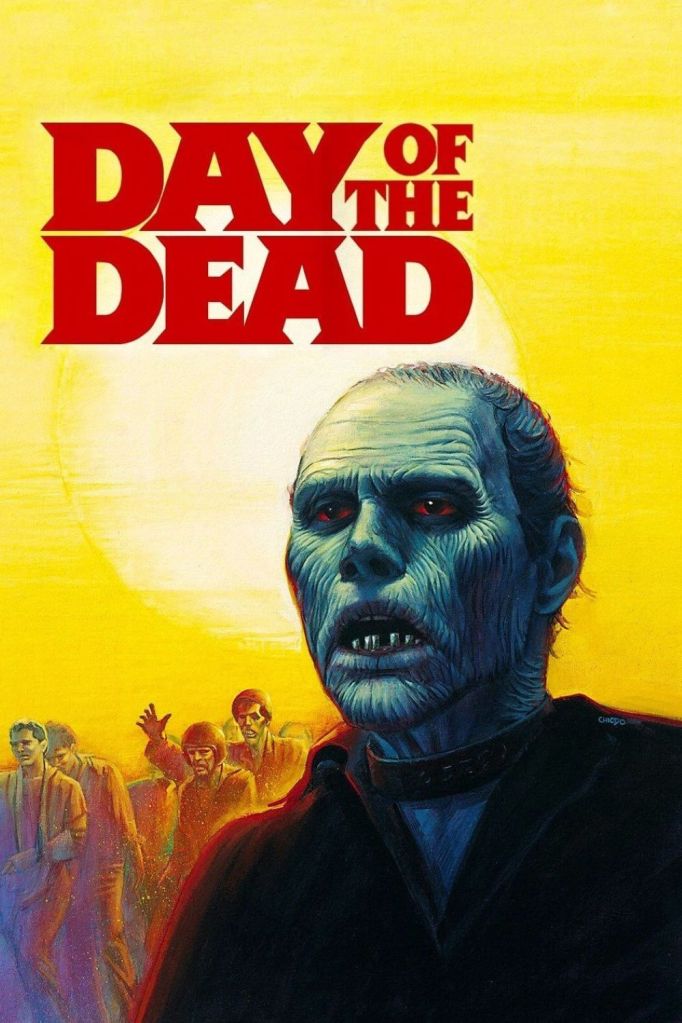
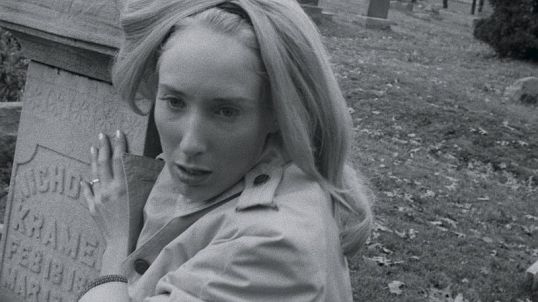
Horror Review: Day of the Dead (dir. by George A. Romero)


“You want to put some kind of explanation down here before you leave? Here’s one as good as any you’re likely to find. We’re bein’ punished by the Creator…” — John “Flyboy”

George A. Romero’s 1985 film Day of the Dead stands as an unflinching and deeply cynical meditation on the collapse of society amid a relentless zombie apocalypse, intensifying thematic and narrative complexities first introduced in Night of the Living Dead (1968) and Dawn of the Dead (1978).

Originally, Romero envisioned the film as an epic, describing it as “the Gone with the Wind of zombie films.” His screenplay featured above-ground scenes and a more expansive narrative, but budget cuts halved the original $7 million budget to $3.5 million, forcing a drastic paredown. While much grandiosity was lost, the trimming resulted in a tighter narrative and heightened the nihilistic tone, deepening the film’s focused exploration of humanity’s darkest aspects during apocalypse.

Set after civilization has collapsed, Day of the Dead places viewers in the suffocating confines of a missile silo bunker in Florida, where scientists and soldiers struggle for survival and solutions amid encroaching undead hordes. The claustrophobic atmosphere—born partly from the abandonment of Romero’s broader original sequences—intensifies the tension between the hopeful scientific pursuit of salvation and the harsh pragmatism of military authority. These competing ideologies escalate into authoritarian violence, embodying the fractured microcosm of a dying society.

Within this claustrophobic world, a third group—composed of characters Flyboy and McDermott—emerges as a stand-in for the rest of humanity. They observe the scientists and soldiers—institutions historically symbols of security and innovation—but witness how these deeply entrenched ways of thinking only exacerbate problems instead of solving them. This third faction characterizes humanity caught between rigid orders and doomed pursuits, reflecting Romero’s broader commentary on societal stagnation and fragmentation.

Central to this conflict are Dr. Logan, or “Frankenstein,” a scientist obsessed with controlling the undead through experimentation, and Captain Rhodes, the hardened soldier who believes survival demands ruthless control.

Logan’s controversial research seeks to domesticate and condition zombies, notably through his most celebrated subject, Bub—the undead zombie capable of rudimentary recognition and emotion—challenging assumptions about humanity and monstrosity.

Here the film benefits greatly from the extraordinary practical effects work of Tom Savini, whose contributions on Day of the Dead are widely considered his magnum opus. Savini’s makeup and gore effects remain unsurpassed in zombie cinema, continually influencing horror visuals to this day. Drawing from his experience as a combat photographer in Vietnam, Savini brought visceral realism to every decomposed corpse and violent injury. The close-quarters zombie encounters showcase meticulous practical work—detailed wounds, biting, and dismemberment—rendered with stunning anatomical authenticity that predates CGI dominance.

Bub, also a masterclass in makeup and animatronics, embodies this fusion of horror and humanity with lifelike textures and movements that blur the line between corpse and creature, rendering the undead terrifyingly believable.

The film captures the growing paranoia and cruelty as resources dwindle—food, ammunition, and medical supplies—and the fragile social order begins to shatter. The characters’ mounting desperation illustrates Romero’s thesis that humanity’s real enemy may be its own incapacity for cooperation.

The moral and social decay is vividly portrayed through characters like Miguel, whose mental breakdown sets destructive events in motion, and Rhodes, whose authoritarian survivalism fractures alliances and moral compass alike. Logan’s cold detachment and experiments push ethical boundaries in a world on the brink.

Romero’s direction combines claustrophobic dread with stark psychological terror, further amplified by Savini’s effects. The cinematography’s low lighting and tight framing create an oppressive environment, while graphic violence underscores a world irrevocably broken. The unsettling sound design—moans, silences, sudden outbreaks—immerses viewers in a relentless atmosphere of decay and fear.

Romero described Day of the Dead as a tragedy about how lack of human communication causes chaos and collapse even in this small slice of society. The dysfunction—soldiers and scientists talking past each other, eroding trust, spirals of paranoia—serves as a bleak allegory for 1980s America’s political and cultural fragmentation. Failed teamwork, mental health crises, and fatal miscommunication thrive as the bunker metaphorically becomes a prison of fractured humanity.

Though not as commercially successful as its predecessors, Day of the Dead remains the bleakest and most nihilistic entry in Romero’s Dead series. Its overall grim tone, combined with mostly unlikable characters, establishes it as the most desolate and truly apocalyptic film of the series. The characters often appear fractured, neurotic, and unable to escape their own destructive tendencies, making the story’s world feel even more hopeless and devastating.
Far beyond a simple gore fest, Day of the Dead serves as a profound social critique infused with psychological depth. It explores fear, isolation, authority abuse, and the ethical limits of science, reflecting enduring anxieties about society and survival. The film’s unsettling portrayal of humanity’s failings, embodied in broken relationships and moral decay, presents a harsh reckoning with what it means to be human when humanity itself is the ultimate threat to its own existence. This thematic complexity, combined with Romero’s unyielding vision and Savini’s unparalleled effects, crafts a chilling and unforgettable cinematic experience.

4 Shots From 4 Horror Films: Special George Romero Edition


4 Shots From 4 Films is just what it says it is, 4 shots from 4 of our favorite films. As opposed to the reviews and recaps that we usually post, 4 Shots From 4 Films is all about letting the visuals do the talking.

Today’s director is one of the most important names in the history of American horror cinema, George Romero!

4 Shots From 4 George Romero Films

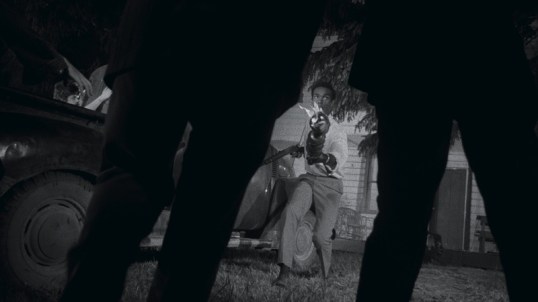
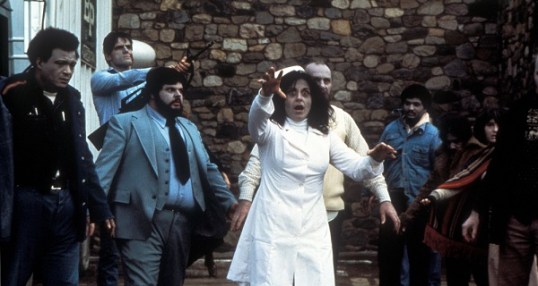
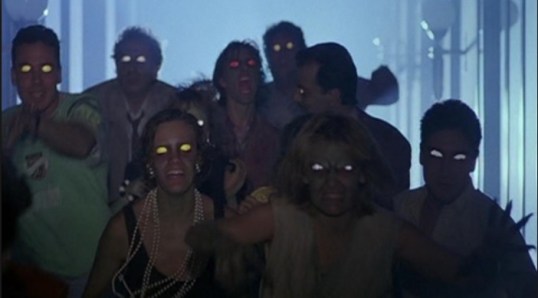
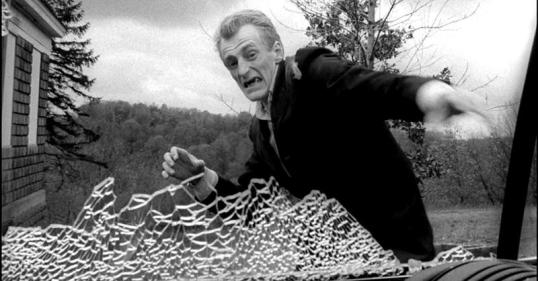
Night of the Living Dead (1968, dir by George Romero, DP: George Romero)

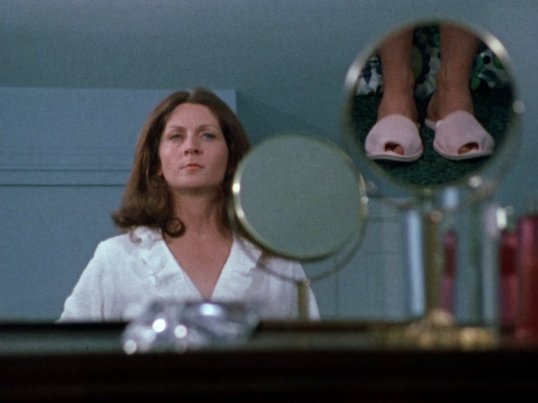
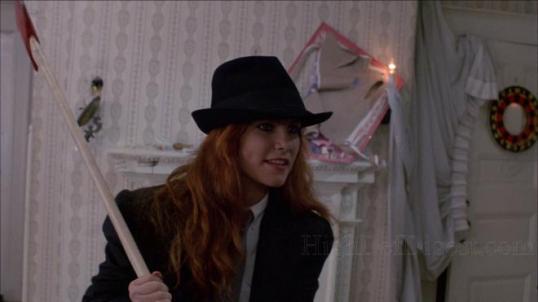
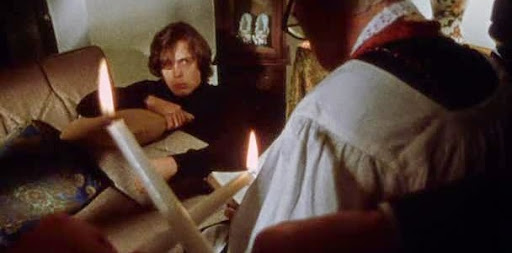
Season of the Witch (1973, dir by George Romero, DP: George Romero)

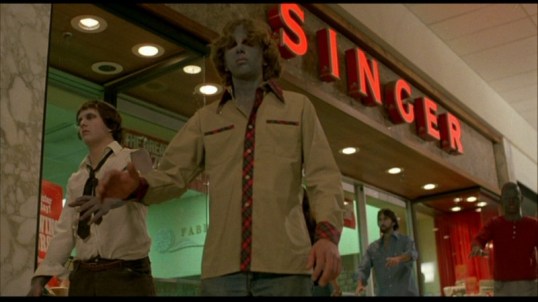
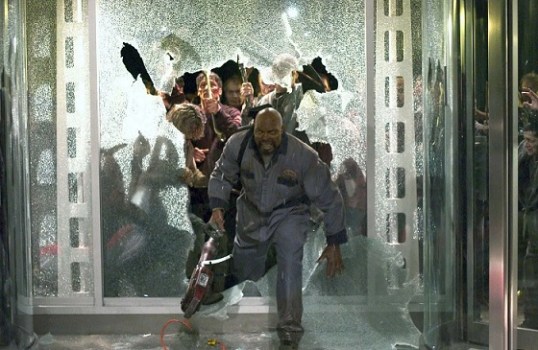
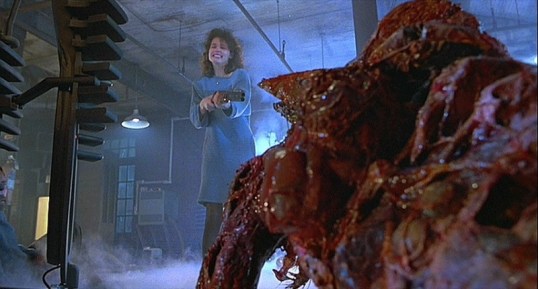
Dawn of the Dead (1978, dir by George Romero, DP: Michael Gornick)

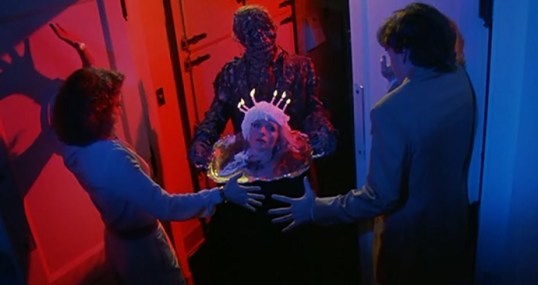
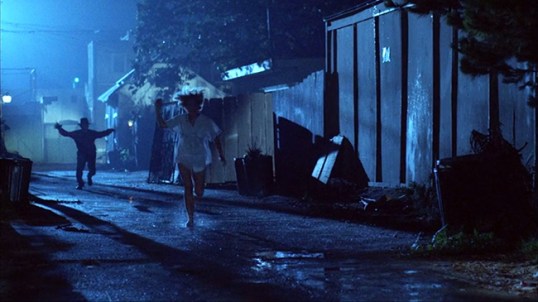
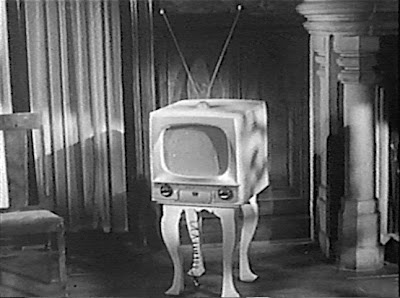
Creepshow (1982, dir by George Romero, written by Stephen King, DP: Michael Gornick)

4 Shots From 4 Horror Films: Special George Romero Edition


4 Shots From 4 Films is just what it says it is, 4 shots from 4 of our favorite films. As opposed to the reviews and recaps that we usually post, 4 Shots From 4 Films is all about letting the visuals do the talking.

This October, I am going to be using our 4 Shots From 4 Films feature to pay tribute to some of my favorite horror directors, in alphabetical order!  That’s right, we’re going from Argento to Zombie in one month!

Today’s director is one of the most important names in the history of American horror cinema, George Romero!

4 Shots From 4 George Romero Films

Night of the Living Dead (1968, dir by George Romero)

Dawn of the Dead (1978, dir by George Romero, DP: Michael Gornick)

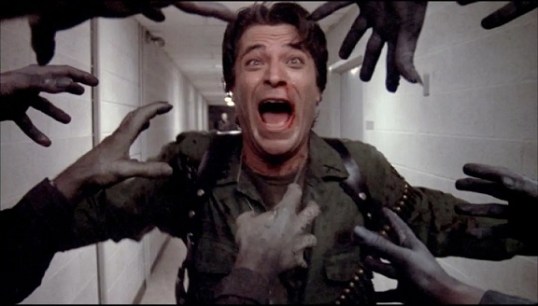
Day of the Dead (1985, dir by George Romero, DP: Michael Gornick)

Land of the Dead (2005, dir by George Romero, DP: Miroslaw Baszak)

8 Shots From 8 Horror Films: 1984 — 1986


4 Or More Shots From 4 Or More Films is just what it says it is, 4 shots from 4 of our favorite films. As opposed to the reviews and recaps that we usually post, 4 Shots From 4 Films lets the visuals do the talking!

This October, I’m going to be doing something a little bit different with my contribution to 4 (or more) Shots From 4 (or more) Films.  I’m going to be taking a little chronological tour of the history of horror cinema, moving from decade to decade.

Today, we take a look at a very important year: 1984, 1985, and 1986.

8 Shots From 8 Films: 1984 — 1986

A Nightmare on Elm Street (1984, dir by Wes Craven, DP: Jacques Haitkin)

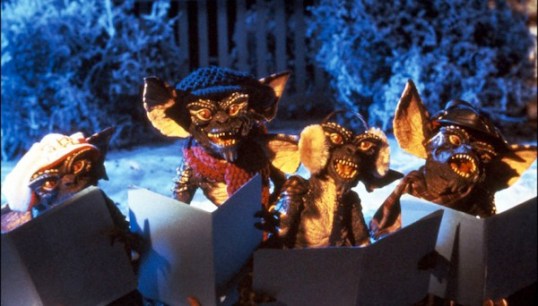
Gremlins (1984, dir by Joe Dante, DP: John Hora)

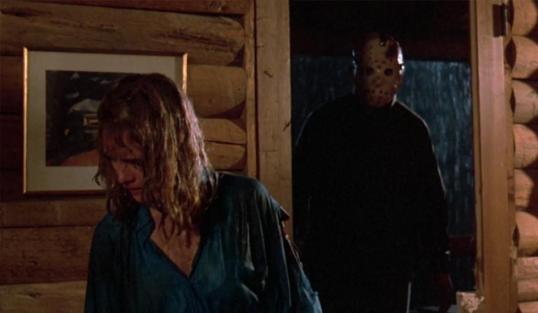
Friday the 13th: The Final Chapter (1984, dir by Joseph Zito, DP: João Fernandes)

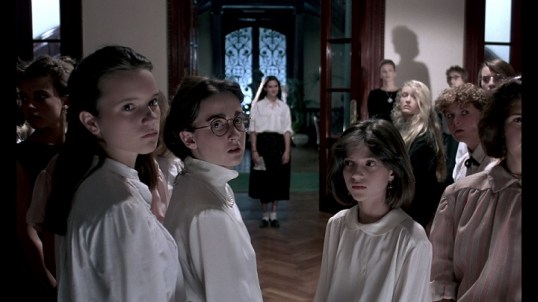
Phenomena (1985, dir by Dario Argento, DP: Romano Albani)

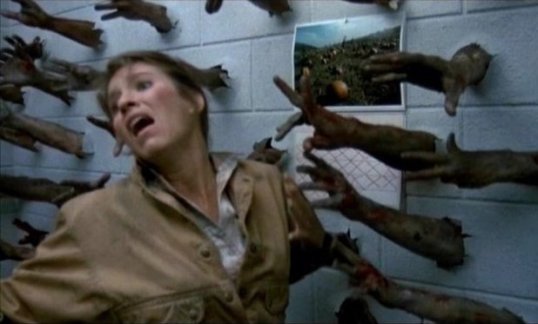
Day of the Dead (1985, dir by George Romero, DP: Michael Gornick)

Demons 2 (1986, dir by Lamberto Bava, DP: Gianlorenzo Battaglia)

Witchboard (1986, dir by Kevin S. Tenney, DP: Roy Wagner)

The Fly (1986, dir by David Cronenberg, DP: Mark Irwin)

Lisa Marie’s Week In Television: 10/31/21 — 11/6/21


I spent the first week after Halloween in a state of exhaustion.  That’s the way it usually is after a successful horrorthon.  I got a lot of work done at the office.  I had the TV on for background noise for quite a bit of the time.  Here’s what I watched:

Allo Allo (Sunday Night, PBS)

With the colonels being held hostage by the Communist Resistance, Michelle came up with a great plan to solve the problem!  Rene could simply rob a bank!  After all, Michelle said, they had access to the greatest safe cracker in all of France.  LeClerc looked confused until he realized she was talking about him.  Rene attempted to refuse but soon found himself in a bank, holding a torch while LeClerc attempted to break into the safe.  It all led, of course, to an explosion.  Monsieur Alphonse was upset that some of his money was set on fire to provide light in the vault.  Who can blame him?  Meanwhile, Officer Crabtree kept asking Michelle and Rene if there done “ribbing the bonk.”  I laughed.

The Bachelorette (Tuesday Night, ABC)

Michelle sent Jamie home, which was good.  But then she canceled the Cocktail Party, which …. eh.  The whole “I’m going to cancel the cocktail party and go straight to the Rose Ceremony” thing has become the biggest Bachelorette cliché move.  It’s right up there with questioning whether someone is on the show for the right reasons.

Baywatch Hawaii (Prime)

Running for two seasons, from 1999 to 2001 (wow, two centuries!), Baywatch Hawaii was an attempt to reenergize the fading popularity of Baywatch by moving all of the lifeguard action to a new state.  Mitch (David “The Hoff” Hasselhoff) left California for Hawaii, where he started a new branch of Baywatch.  JD (Michael Bergin), Jessie (Brooke Burns), and Newman (MICHAEL NEWMAN!) came with him and were joined by a group of new lifeguard trainees.  Of the new cast members, a very young Jason Mamoa played an impetuous lifeguard named …. Jason.

Having binged the original Baywatch earlier this year, I figured that I might as well watch the two seasons of Baywatch Hawaii, just so I could get the complete story.  Luckily, both seasons are on Prime.

On Thursday, I watched the first four episode and they weren’t particularly good.  The Hoff looked extremely bored and really wasn’t in much of the show.  Instead, most of the action revolved around Sean (Jason Brooks), the hardass instructor brought in to train the new lifegaurds and turn them into a team.  Every episode, Sean threatened to send someone back to the mainland and, each time, the lifeguards proved themselves at the last minute.  The first episode opened with the Hoff having an existential crisis in Hawaii, one that was solved when he saved a little girl from drowning.  The second episode featured Sean yelling at the new recruits while the Hoff saved the exact same little girl from suffering a case of secondary drowning at her birthday party.  This was followed by an episode where a new lifeguard named Dawn joined the team and immediately started scheming to seal JD away from from Jessie.  Finally, in episode #4, Jason was nearly sent home for being too “self-reliant,” which didn’t make much sense to me but whatever.  In all four episodes, the Hawiiaian scenery was lovely and everyone had an aesthetically pleasing body and really, that’s the main concern with a show like this.

On Friday, I watched episodes 4 through 8.  Sean yelled at the lifeguards.  Jason struggled to learn how to work as a member of a team.  Dawn kept trying to steal everyone’s boyfriend. So far, this has been a pretty repetitive show.  The same could be said of the original Baywatch but that show often seemed to be cheerfully aware of how silly it was whereas Baywatch Hawaii took itself a bit too seriously.  The 8th episode did feature the return of Hobie.  The Hoff was upset when he discovered that 1) Hobie was marrying a girl that the Hoff had never met and 2) Hobie was apparently embarrassed to introduce the Hoff to the wealthy parents of his wife-to-be.  Embarrassed by the Hoff!?  Say it ain’t so, Hobie!  It all worked out in the end, though. The Hoff saved a wedding photographer who fell in the ocean and Hobie and his girlfriend decided to put off getting married and instead just decided to live together in sin.  My aunt would be very disappointed in them.

Classic Concentration (Weekday Afternoons, Buzzr)

This was an old game show, in which contestants tried to match the pictures that were hiding under the squares.  I watched two episodes on Wednesday and it was actually kind of a fun show.

Cold Case (Weekday Afternoons, Start TV)

On Monday’s episode, the Cold Case Squad investigated why Lilly never seemed to wash her hair.  No, actually, they investigated a 1962 murder that had been disguised to look like a murder.  Seriously, though, what was up with Lilly’s hair?

Court Cam (Wednesday Evening, A&E)

I watched two episodes on Wednesday evening.  One featured a defendant who told the judge to go “<bleep> yourself” and I have to say that the A&E censorship beeps are so loud that they can actually give you a headache after a while.

Crossing Jordan (Weekday Afternoons, Start TV)

I watched two episodes on Monday but, for the most part, I just had the show on for background noise.  In the first episode, Jordan and her team of quirky coroners were outraged over prison conditions.  In the second episode, Jordan and the gang were outraged over a religious cult.  There was a lot of quirky outrage.

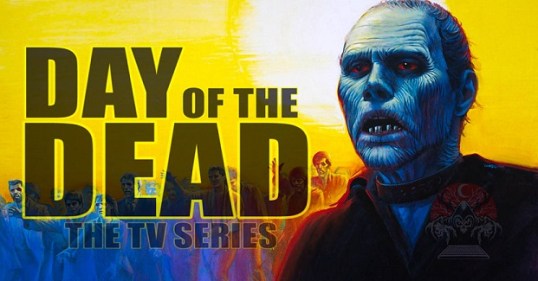
Day of the Dead (Friday Night, SyFy)

Eh.  It’s not really a bad show but, after watching three episodes this week to get caught up, I kind of feel that Day of the Dead is just not going to be for me.  It’s hard to say why I don’t particularly care for it.  The anti-fracking stuff is a bit too on-the-nose but, then again, George Romero wasn’t exactly subtle when it came to making his political points in the latter Dead films either.  I think my main problem is that we’re four episodes in and it’s still doesn’t seem as if the show has established any sort of narrative momentum.  So, I think I’m done with Day of the Dead for now.

Dennis The Menace (Weekday Mornings, Antenna TV)

I kind of watched two episodes of this show on Tuesday morning.  I say “kind of” because I only had the TV on in the office for background noise and Dennis was such a sociopathic little brat that I really couldn’t bring myself to pay that much attention to him.  Poor Mr. Wilson!

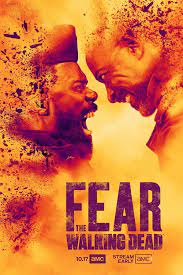
Fear the Walking Dead (Sunday Night, AMC)

Read my thoughts here!

Ghost Whisperer (Weekday morning, Start TV)

I watched an episode at Monday while I was at work.  After a college student was scared into a coma, Melinda had to determine if it was the work of Bloody Mary or if it was just a ghost who needed help crossing over.  This episode was from the Jay Mohr years so it had all of this weird sexual tension between Rick and Melinda, despite Melinda being married to Jim.

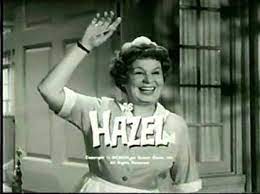
Hazel (Weekday Mornings, Antenna TV)

On Tuesday, I used two episodes of this maid-centered, old sitcom for background noise.  In one, Hazel raised money to repair a broken vase.  In the next one, she helped out a gardener who was in danger of getting fired.  Hazel really needed to get a life outside of work.

I Dream of Jeannie (Weekday Afternoons, Antenna TV)

On Tuesday, I had two episodes on for background noise.  One featured Jeannie’s dog causing chaos.  The other featured Jeannie ruining the marriage of Major Nelson’s commanding officer.  How many lives did Jeannie ruin during her reign of terror?

The Love Boat (Sunday Evening, MeTV)

I wrote about the special Halloween episode of The Love Boat here!

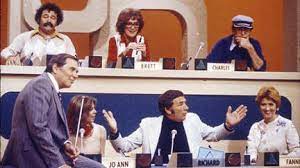
Match Game ’76 (Weekday Mornings, Buzzr)

I watched two episodes of this old game show on Wednesday.  Two contestants tried to match answers with a group of angry-looking alcholics.  The entire set looked like it reeked of gin, cigarettes, and skunk weed.

Match Game/Hollywood Squares Hour (Weekday Mornings, Buzzr)

This was a weird game show from the 80s.  Basically, it’s 30 minutes of the Match Game, followed by 30 minutes of Hollywood Squares with the same contestants and minor celebs taking part in both.  I kind of watched an episode of Wednesday morning but, to be honest, the show was mostly just background noise while I organized the office.

Medium (Weekday Mornings, Start TV)

I caught an episode on Monday, while I was at work.  Alison solved the case of a young woman who was pushed off a cliff.  Alison and her incredibly understanding husband also wondered whether they should warn a friend that Alison had foreseen him having a fatal heart attack.  The low-key and serious approach of Medium provided a clear contrast to the more sensationalistic approach of Ghost Whisperer.  But Ghost Whisperer was a much more fun show to watch.

The Office (Sunday Night, Comedy Central)

Jim and Pam badgered Danny Cordray over why Danny didn’t ask Pam on a second date.  This episode is a good example of how unlikable Jim and Pam became after they got married.

One Step Beyond (YouTube)

Check out the episode that I watched here.

Open All Hours (Sunday Night, PBS)

Granville sadly wondered if he would ever marry.  Arkwright told him he was too young to worry about such things, despite the fact that Granville appears to be nearly 50.  No wonder Granville is losing his grip on reality.

Saved By The Bell (Sunday Morning, MeTV)

No sooner had I recommended that people watch the Mystery Weekend episode for Halloween than MeTV aired it.

Survivor 41 (CBS, Wednesday Night)

I wrote about the latest episode of Survivor here!

Unforgettable (Weekday Afternoons, Start TV)

On Monday’s episode, Carrie and Al investigated a murder in upstate New York.  It reminded Carrie of her sister’s murder, mostly because Carrie has total recall and everything reminds her of her sister’s murder.  To be honest, I think if I had watched this show when it originally aired, I probably would have liked it.  The photographic memory aspect is interesting and Poppy Montgomery and Dylan Walsh are likable in the lead roles.

Walking Dead: World Beyond (Sunday Night, AMC)

Saved by the Dead remains an entertaining-enough show.  I’m still not sure what’s going on but I do enjoy all of the annoyed and rebellious attitudes.

4 Shots From 4 George Romero Films


4 Or More Shots From 4 Or More Films is just what it says it is, 4 shots from 4 of our favorite films. As opposed to the reviews and recaps that we usually post, 4 Shots From 4 Films lets the visuals do the talking!

Happy Halloween!  Today, we pay tribute to the patron saint of American horror, George Romero!  We’ve watched Night of the Living Dead!  Now, it’s time for….

4 Shots From 4 George Romero Films

Night of the Living Dead (1968, dir by George Romero, DP: George Romero)

Dawn of the Dead (1978, dir by George Romero, DP: Michael Gornick)

Martin (1978, dir by George Romero, DP: Michael Gornick)

Day of the Dead (1985, dir by George Romero, DP: Michael Gornick)


Lisa Marie’s Week In Television: 10/17/21 — 10/23/21


Here’s a few thoughts on what I watched this week!

(How’s that for a detailed intro?)

Allo Allo (Sunday Night, PBS)

This week, yet another attempt to smuggle the British airmen out of France failed.  As usual, the plan was too complicated to succeed and the British airmen themselves remained cheerfully oblivious to the danger that they’re putting everyone else into.  (“I say,” one of them said after missing his chance to get smuggled out on a fish truck, “When’s the next fish truck?”)  This episode’s highlight was Crabtree getting to speak perfect English to all of the British airmen who had gathered in Rene’s Cafe before then switching back to his usual mangled French to speak with Rene.  Episodes of Allo Allo are not particularly easy to describe but they almost always make me laugh.

The Bachelorette (Tuesday Night, ABC)

I don’t know.  Going straight from one season of the Bachelorette to Bachelor in Paradise to another season of the Bachelorette is a little bit too much.  It works better when there’s some downtime between the seasons.  I have to admit that I was pretty bored with the premiere of the new season.  I mean, the first episode wasn’t even over and already, I was having to listen to all of that crap about whether or not the men were there for “the right reasons.”  The whole thing with Ryan getting kicked off the show felt very staged and pre-planned and Michelle seems like she’ll be canceling a lot of cocktail parties to get right to kicking people off the show.  I think I’ve just been oversturated with this dumb show for the past few months.

Baywatch (Friday Afternoon, H&I)

H&I has changed up their schedule.  Instead of daily showing of Baywatch, they now air a five-hour block on Fridays.  I watched two episodes.  They were both from the 2nd season and I remembered them both from when I binged the show a few months ago.  The first episode featured Eddie trying to clear his name after being accused of assaulting a teenager.  The 2nd was yet another episode where a mysterious woman stayed with Mitch while someone with a gun hunted for her.  This seemed to happen quite frequently to Mitch but he never commented on either the strangeness or the familiarity of it all.

The Brady Bunch (Sunday Afternoon, MeTV)

I watched three episodes on Sunday while working on my Cry Macho review.  The Brady kids were so self-centered that Alice quit.  Greg conspired to make Marcia the head cheerleader.  Marcia fell in love with a much older dentist and decided she was too mature to go on a date with a classmate.  The Bradys were the worst.

Court Cam (Wednesday Evening, A&E)

I watched two episodes when I got home from work on Wednesday.  One episode featured a loser who was arrested several times for pretending to be a traffic cop.  Maybe he wanted to get on Parking Wars.  Regardless of his motivation, everyone he stopped could tell he wasn’t a cop and no one treated him with the respect that he very loudly demanded.  That was kind of fun to watch.

Day of the Dead (Friday Night, SyFy)

I finally watched last week’s premiere on Thursday and I reviewed it for the site.

Fear the Walking Dead (Sunday Night, AMC)

I reviewed the season premiere here!

Friday the 13th: The Series (YouTube)

Once Horrorthon is over and I have the time, I’m going to go back and binge this entire series.

Hunter (Weekday Mornings, ZLiving)

 I watched two episodes of this surprisingly violent 80s cop show on Friday.  I was also working at the time so the show mostly served as background noise.  (I find having the TV on helps me to focus, oddly enough.)  From what I did see, it seemed like an awful lot of people ended up getting shot. In fact, Hunter’s main personality trait appears to be that he’ll shoot anyone.  (The second episode featured Hunter blowing away a psycho motorcyclist played by Don Swayze.)  One thing I will say about the show, though, is that I love the propulsive music that plays over the opening credits.

King of the Hill (Weekday Afternoons, FXX)

I watched two episodes of Tuesday.  In the first one, Bobby became a peer counselor and quickly started to abuse his position.  This is actually one of my favorite episodes, even though Bobby definitely owed Stacy an apology.  The highlight of the episode was Stacy singing, “I’m your Stacy in a bottle.”  The second episode featured Hank visiting the Platter Ranch in Montana and discovering that Henry Winkler was refusing to allow the ranchers to herd their cattle across his land.  Yes, that Henry Winkler.

The Office (Saturday afternoon, Comedy Central)

I watched some classic episodes from season 5.  Dwight and Michael conducted corporate espionage against Prince Family Paper.  Pam and Michael hit the lecture circuit.  Stanley had a heart attack.  Michael’s golden ticket promotion blew up in his face.  I always say that this show started to go downhill after the third season but Season 5 was actually pretty good.

Open All Hours (Sunday Night, PBS)

This week’s episode was actually kind of charming, as it featured Granville dancing in the rain while holding a mop.  For a second, it seemed like Granville might be something other than incredibly depressed. It didn’t last long but it was still good to see him vaguely smile.  Of course, once the rain stopped, it was time to go back to plotting Arkwright’s death.

Saved By The Bell (Sunday Morning, MeTV)

I watched two episodes on Sunday morning.  The first one featured Zack launching a hostile takeover of the student store and then secretly photographing all of the girls for a calendar.  That was kind of icky but at least Kelly got a modeling career out of it.  She even went to Paris, something that was never mentioned in subsequent episodes.  This was followed by the infamous Running Zack episode, in which Zack learned he was Native American and Jessie demanded that Lisa forgive her for being from a family of slave traders.  The important thing is that Zack was able to compete at the track meet.  So cringey!

Silk Stalkings (Weekday Afternoons, ZLiving)

Agck!  Where are Chris and Rita!?  It’s been over a month since I last caught any episodes of this 90s cop show.  I watched two episodes on Friday and Rob Estes and Mitzi Kapture were gone!  Apparently, they left the show and were replaced by two other cops who had the exact same backstory as Chris and Rita.  What a coincidence!  Anyway, the show still featured the same mix of murder, sex, and attractive people getting undressed but these new detectives just didn’t have the same chemistry.

That said, both of Friday’s episodes were enjoyably sordid, featuring a lot of sem-clad, attractive rich people doing a lot of very bad things.  It was fun!  I may have to start binging this show.

Survivor (Wednesday Night, CBS)

I wrote about the latest episode of Survivor here!

Talking Dead (Sunday Night, AMC)

This week’s episode was a bit by-the-numbers.  Even Chris Hardwick seemed to be struggling to pretend to be interested in either Fear the Walking Dead or Walking Dead: World Beyond, which was odd since both of those shows were fairly good this week.

Walking Dead: The World Beyond (Sunday Night, AMC)

This week’s episode was actually pretty good.  It still feels like Christopher Pike’s The Walking Dead (or maybe Saved By The Dead) but this week’s episode actually did a good job of capturing the contrast between wanting to be a teenager while, at the same time, having to survive in a world that leaves you with little time to actually grow up.

Horror TV Show Review: Day Of The Dead 1.1 “The Thing In The Hole” (dir by Steven Kostanski)


First off, you may be looking at this review and thinking, “Someone’s a little late.”

Yes, I am.  Thank you for pointing that out.  I’m sure you’ve never had a busy week either.

That said, despite the fact that you shouldn’t have pointed it out, it is true that Day of the Dead premiered last Friday and it was only today that I finally got around to watching it on the DVR.  That wasn’t necessarily intentional on my part.  I just haven’t had a chance to sit down and really watch it or any other shows until tonight.  In fact, ever since I first saw the commercials for the show on SyFy, I’ve been looking forward to watching it.  Even though it looked like yet another Walking Dead rip-off, the fact that it was on SyFy held some promise as SyFy’s shows usually move quickly and feature lots of carnage.  If AMC always seems as if it’s trying too hard to turn its zombie franchise into a prestige factory, SyFy promises the opposite approach.

The show is named after George Romero’s Day of the Dead, which featured a group of survivors trying to ride out the zombie apocalypse in an underground bunker.  While the first episode did feature zombies and an anti-fracking plotline that felt like it could have come from one of Romero’s later films, it otherwise didn’t have much in common with Romero’s classic shocker.  The zombie apocalypse did start about halfway through the episode and apparently the show is going to focus on a group of people trying to survive the end of the world but, during the first episode, there was no bunker.  There was no Dr. Logan.  No one shouted “Choke on them” while his intestines were being devoured.  There was, however, some underground scenes due to the whole fracing subplot and there is a sinister character named Rhodes so I imagine we’ll be heading for some sort of underground bunker soon.  I guess we’ll find out over the course of the next few episodes.

After opening with an exciting flashforward the featured plenty of undead chaos, the first episode focused on election day in the town of Mawinhaken.  Mayor Paula Bowman (Miranda Frigon) is concerned about getting reelected but the election is brought to halt when the dead suddenly rise up from their graves and start eating all of the voters.  I got the feeling that we were meant to dislike Mayor Bowman because she’s an ambitious politician who has apparently put her career before her family but, as far as I’m concerned, Mayor Bowman was the best character on the show.  No sooner have the dead arisen than she’s running around with a gun and blowing them away while saying stuff like, “Second amendment, motherfucker!”  Hell yeah!  Plus, she has a great name.  Mayor Bowman has a nice ring to it….

(But if I was mayor, would I still have time to watch and review Lifetime films?  That’s the question.)

As for the rest of the characters …. well, there’s a lot of them.  Hopefully, a few of them will get eaten during the next episode because, otherwise, it’s going to be a struggle to keep everyone straight.  I did like Keenan Tracy, who played Cam McDermott, the son of a police detective who mows lawns to bring in extra money.  The scene where he mowed over the dead as they rose from their graves was a highlight of the episode.  Otherwise, the characters felt a bit interchangeable.  The only woman working on the fracking crew is former special forces.  The mortuary assistant is sarcastic.  There’s two bullies who like to give Cam a hard time.  They all made just enough of an impression that I can remember that they’re on the show but I’d by lying if I said any of them jumped out at me the way that Mayor Bowman and Lawnmower Cam did.

Anyway, it was a good enough first episode.  The action moved quickly and the zombies were gruesome without being quite as icky as the decaying corpses that pop up on The Walking Dead.  So far, the Day of the Dead zombies appear to move faster than the Walking Dead zombies and that’s definitely an improvement.  It’s probably debatable whether or not, at this point, there’s anything new that can be done with whole zombie apocalypse thing but I’ll definitely give Day of the Dead a chance to show me what it has in mind.

4 Shots From 4 George Romero Films: Night of the Living Dead, The Amusement Park, The Crazies, Day of the Dead


4 Shots From 4 Films is just what it says it is, 4 shots from 4 of our favorite films. As opposed to the reviews and recaps that we usually post, 4 Shots From 4 Films lets the visuals do the talking.

This October, we’ve been using 4 Shots from 4 Films to pay tribute to some of our favorite horror filmmakers!  Today, we honor the father of modern horror, George Romero!

4 Shots From 4 George Romero Films

Night of the Living Dead (1968, dir by George Romero)

The Amusement Park (1973, dir by George Romero)

The Crazies (1973, dir by George Romero)

Day of the Dead (1985, dir by George Romero)