Today would have been Johnny Cash’s birthday so here’s a wholesome song and video from the Man in Black.
Enjoy!
Today would have been Johnny Cash’s birthday so here’s a wholesome song and video from the Man in Black.
Enjoy!
Welcome to Late Night Retro Television Reviews, a feature where we review some of our favorite and least favorite shows of the past! On Wednesdays, I will be reviewing 1st and Ten, which aired in syndication from 1984 to 1991. The entire series is streaming on Tubi.

With their best player now dead, the Bull begin their new season.
Episode 3.5 “Illegal Use Of Love”
(Dir by Stan Lathan, originally aired on September 2nd, 1987)
Uh-oh, TD Parker is cheating on his wife with assistant, Kay (Alexa Hamilton). TD explains that his wife is upset about the amount of time that he’s putting in with the team. She feels that he’s neglecting his family. She doesn’t even like football anymore!
Yep, TD has a lot of excuses for cheating on his wife but don’t think that he’s a bad guy or anything. As he tells his mistress, everything is fine except for….
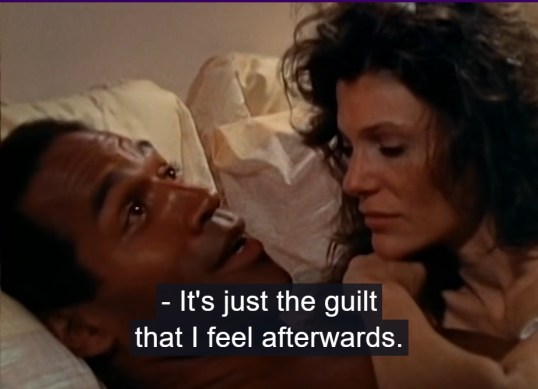
As I’ve said before, probably the most interesting thing about 1st & Ten is the way that everything that OJ Simpson says now has a double meaning. At the time this was filmed, OJ was just a former football player who had become a likable if not particularly versatile actor. Watching it today in 2026 …. well, words land differently.
As the Bulls, the team is in trouble. Their season opener against Baltimore is a disaster. Yinessa is still out and demanding a new contract before he’ll play so, instead, he sits in the stands and watch as the backup quarterback throws interception after interception. Later, he tells Teddy’s daughter, Jill Schrader (Leah Ayres), that all he wants to do is play football. If that’s the case, why not sign your stupid contract and play football? Seriously, when did Yinessa get so whiny?
There’s a brief sign of hope during the Baltimore game. Dr. Death intercept a pass. But then Dr. Death runs the wrong way and gets tackled behind the other team’s goal line. A local sports commentator says that Dr. Death and Mad Dog (who blocked while Death was running the wrong way) are idiots. He’s correct but he retracts his statement after Death and Dog threaten to destroy his car.
The Bulls need a quarterback. Teddy goes behind Diane’s back and arranges a trade for arrogant Johnny Valentine, the coke-addled quarterback who Diane kicked off the team the previous season. Diane gets angry but what can she do? Teddy owns half of the team….
For now!
TD’s mistress shows TD some financial reports that show that Teddy has been making his money through insider trading. TD is shocked.
If anyone knows about illegal….
It looks like Teddy might be in some trouble. It also looks like Diane might be in some trouble as well because the other owners think that she’s failed to control the drug use on her team. (They’re not incorrect.) We’ll see what happens next week but I have a feeling that a change is coming.
And really, that change can’t come a minute too soon. Even with the steroid storyline, this season has been a snoozefest so far. Here’s hoping things perk up next week!
Welcome to Retro Television Reviews, a feature where we review some of our favorite and least favorite shows of the past! On Wednesdays, I will be reviewing the original Love Boat, which aired on ABC from 1977 to 1986! The series can be streamed on Paramount Plus!
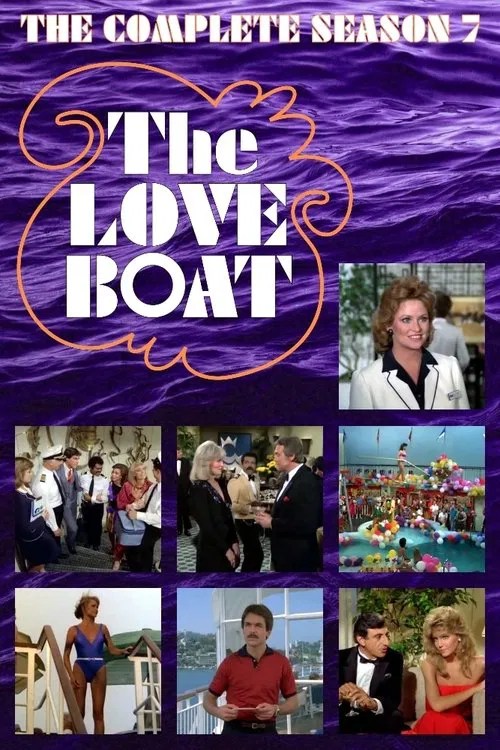
Love, exciting and new. Come aboard, they’re expecting you …. welcome aboard, it’s looooooooove! Yes, it’s time to take another cruise on the Pacific Princess.
Episode 7.10 “Julie and the Bachelor/Set-up for Romance/Intensive Care”
(Dir by Richard Kinon, originally aired on November 19th, 1983)
As always, we start with one very important question.
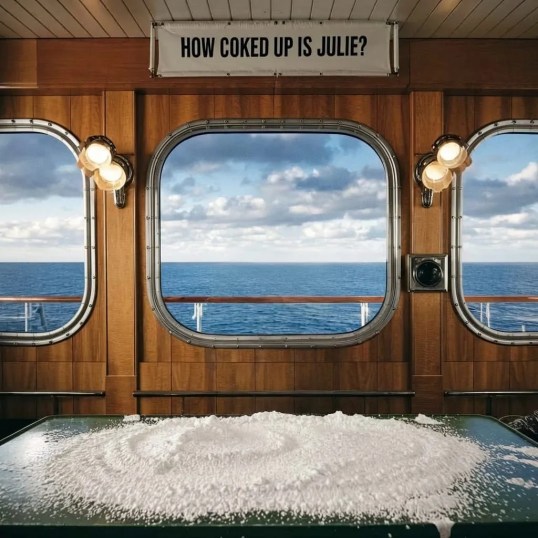
Engelbert Humperdinck is on this cruise so the answer is 11 on a scale of 10.
Engelbert plays Colin Crawford, who is Julie’s favorite film star and singer. Julie is superexcited to meet him and even more thrilled when Colin appears to be romantically interested in her. What Julie doesn’t know is that Colin’s loyal secretary is actually his wife, Gina (Penny Fuller). To maintain Colin’s romantic image, they’ve kept their marriage under wraps. However, Gina is sick of the deception and Colin eventually realizes that major film stars actually can be married. By the end of the cruise, Colin has announced to the world that he’s married and Julie is surprisingly okay with having been manipulated. The cocaine probably helped.
Meanwhile, Herbert Chandler (Tom Bosley) is a grump old man who has been in a wheelchair ever since he was in an accident 8 months ago. Herbert boards the boat with his nurse, Donna (Patricia Carr). “I’m the purser and you’re the nurser,” a smitten Gopher says. Doc. meanwhile, figure out that, after 8 months, Herbert’s legs should be healed and able to walk. It turns out that Herbert is faking his condition because he’s in love with Donna. It turns out that Donna is in love with Herbert and is remarkably forgiving. What better way to start a relationship than with eight months of lies?
Finally, Rick Tucker (Mark Harmon) boards the boat with his boss, Mr. Chandler (Bradford Dillman). Rick also meets Christine Barton (Cristina Raines), who happens to be Chandler’s mistress. Rick is devastated because he likes Christine too. Once Rick discovers that Mr. Chandler is lying about leaving his wife for Christine, he’s able to not only end his boss’s relationship but also to get one of his own. Strangely, it doesn’t occur to Rick to tell Christine that Chandler’s lying about leaving his wife until Rick has a conversation with Isaac. Isaac apparently has the ability to help people realize things that they should have been able to figure out for themselves. As Rick runs off to tell Christine, Isaac mentions that everyone he helps always runs off without leaving a tip. That made me laugh because it’s true.
The Tom Bosley storyline did not work for me. My Dad spent the last three months of his life in wheelchair and watching Herbert pretend that he needed a wheelchair when he didn’t did not sit well with me. Otherwise, this was a pleasant episode. It was one of the episodes that was shot during an actual cruise so it was nice to see the ocean in the background and the wind ruffling everyone’s hair. None of the stories were particularly complicated but Mark Harmon’s easy going charm kept me watching and even Engelbert Humperdinck was tolerable. It’s too bad that Julie once again missed out on love but I’m sure the cocaine helped.
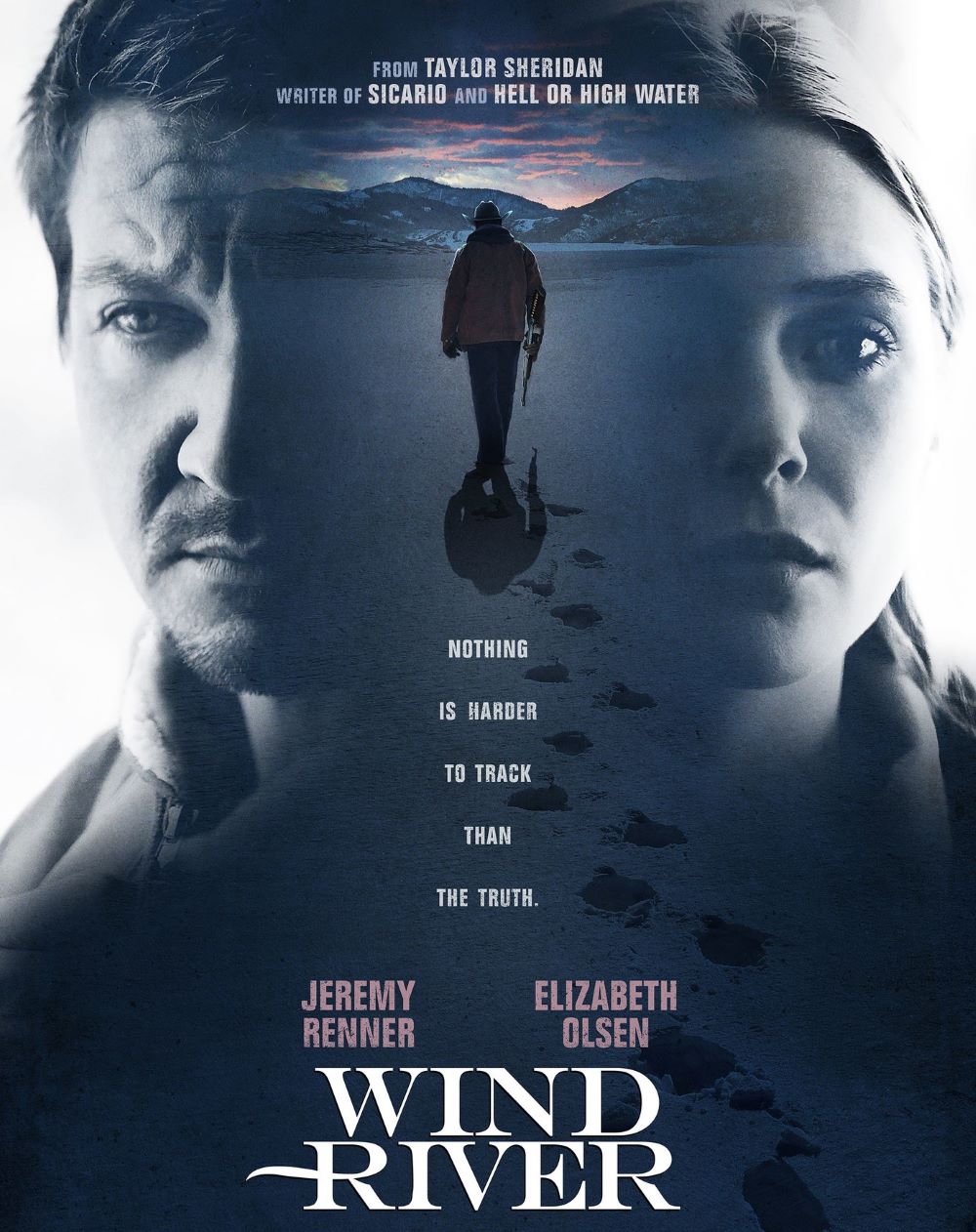
“Luck don’t live out here.” — Cory Lambert
Wind River is a gripping crime thriller set against the stark, frozen backdrop of Wyoming’s Wind River Indian Reservation, where U.S. Fish and Wildlife tracker Cory Lambert teams up with rookie FBI agent Jane Banner to investigate the brutal death of a young Native American woman named Natalie Hanson. Wind River marks the third film in Taylor Sheridan’s American Frontier trilogy that he wrote—following Sicario and Hell or High Water—and it’s the first where Sheridan steps into the director’s chair himself, bringing his sharp eye for gritty realism to the helm. Clocking in at just under two hours, it delivers a mostly positive experience through strong performances, atmospheric visuals, and a script that builds suspense without unnecessary flash, though it occasionally leans on familiar tropes.
Right from the opening moments, Wind River immerses you in a world of isolation and harsh beauty. Snow-covered plains stretch endlessly under a pale sky, and the crunch of boots on ice sets an immediate tone of vulnerability. Cory, played with quiet intensity by Jeremy Renner, discovers Natalie’s frozen body while tracking a mountain lion that’s been preying on livestock. She’s barefoot, half-naked, and miles from any help—details that hit hard and underscore the film’s core mystery: what happened to her, and why does it feel like no one cares? Renner nails the role of a man haunted by his own past loss—his teenage daughter died under mysterious circumstances a few years back—making Cory a grounded everyman rather than a superheroic cowboy. His subtle grief adds layers to every scene, turning routine investigation beats into something personal and raw.
Enter Elizabeth Olsen as Jane Banner, the FBI agent flown in from Vegas who’s clearly out of her depth in sub-zero temperatures and jurisdictional limbo. Olsen brings a mix of determination and wide-eyed realism to the part, avoiding the cliché of the big-city hotshot who learns frontier wisdom overnight. She’s tough but human—hypothermic after a chase, throwing up from the cold, yet pushing through because Natalie deserves justice. The dynamic between Cory and Jane is one of the film’s highlights: no forced romance, just mutual respect born from necessity. Sheridan smartly lets their partnership evolve organically, with Cory’s local knowledge filling Jane’s gaps in protocol and reservation politics. It’s refreshing to see two leads click without sparks flying, focusing instead on shared purpose amid tragedy.
The script shines in its efficient storytelling. Sheridan wastes no time on exposition dumps; instead, he weaves backstory through quiet conversations and flashbacks that pack emotional punch. We learn about the epidemic of missing Indigenous women—thousands vanish yearly, often ignored by media and law enforcement—via stark statistics flashed on screen and through the eyes of Natalie’s family. Gil Birmingham delivers a heartbreaking performance as her father, Martin, a stoic oil rig worker whose rage simmers beneath a veneer of resignation. His scenes with Cory, especially a late-night talk by a bonfire, cut deep, exploring themes of fatherly failure and systemic neglect without preaching. Birmingham’s restrained power elevates what could have been a stock grieving parent into a standout supporting role.
Visually, Wind River is a stunner, thanks to cinematographer Ben Richardson. Those vast, snowy expanses aren’t just pretty—they mirror the characters’ emotional desolation and amplify the stakes. An early tracking sequence, with Cory following Natalie’s footprints in the snow, builds dread masterfully, the silence broken only by wind and labored breaths. The film shifts tones seamlessly: slow-burn investigation gives way to visceral action in the third act, including a raid on an oil site trailer that’s tense, realistic, and over in a flash—no prolonged shootouts or slow-mo heroics. Sound design plays a big role too; the howling wind and muffled gunshots make every moment feel immediate and unforgiving.
Sheridan’s direction keeps things taut without rushing the build-up. This is a slow-burner that earns its pace, letting tension simmer through everyday details like jurisdictional squabbles with underfunded tribal police or Cory teaching Jane to dress for the cold. Nick Cave and Warren Ellis’s score is another winner—sparse, haunting electronics that evoke loneliness rather than bombast. It underscores key scenes without overpowering them, much like the film itself avoids Hollywood excess.
That said, Wind River has its stumbles. Pacing dips in the middle, with some dialogue-heavy stretches that spell out themes a tad too explicitly—like chats about reservation poverty or ignored crimes. It can feel heavy-handed, pulling you out of the immersion. A few characters, like the bumbling FBI contingent or security guards, border on caricature, though the leads stay nuanced. The violence, while sparse and purposeful, includes a harrowing assault scene that’s tough to watch; it’s crucial to the story but might overwhelm sensitive viewers. And while the film tackles real issues facing Native communities, some critics note it centers white protagonists in a Native story, though Sheridan consulted tribal members and cast authentically.
Still, these are minor gripes in a film that largely succeeds on its own terms, especially as the capstone to Sheridan’s trilogy exploring America’s frayed edges. The ending delivers catharsis without easy answers, leaving you with a chill that lingers. Cory gets a measure of redemption, Jane gains hard-won insight, and the reservation’s harsh realities feel unflinchingly real. It’s the kind of movie that sticks because it respects your intelligence—connecting dots about corruption, indifference, and human cost without hand-holding.
What elevates Wind River above standard thrillers is its humanity. Every character, even antagonists, feels fleshed out rather than villainous stock. The oil workers aren’t cartoon evil; they’re desperate men making brutal choices in a forgotten corner of America. Sheridan, drawing from his own ranching background, captures blue-collar grit authentically—no glamour, just survival. Renner’s Cory hunts for a living, bottles his pain, and bonds with his ex-wife’s new family in tender asides that ground the procedural. Olsen’s Jane evolves from outsider to advocate, her arc subtle but satisfying.
The film’s relevance hasn’t faded since its 2017 release. With ongoing conversations around Missing and Murdered Indigenous Women (MMIW), it spotlights a crisis stats show claims over 5,000 cases annually, many unsolved due to jurisdictional messes. Wind River doesn’t solve it but demands attention, blending genre thrills with advocacy seamlessly.
In a crowded field of crime dramas, Wind River stands out for its chill factor, both literal and figurative. It’s not reinventing the wheel, but Sheridan proves he’s a triple threat: writer, director, voice for the voiceless. Renner and Olsen lead a tight ensemble, and the Wyoming wilderness becomes a character itself. If you dig thoughtful thrillers like Hell or High Water or Sicario, this one’s essential. It’s mostly positive vibes from me—intense, moving, and worth cranking up the thermostat for.
Sheridan’s ear for dialogue keeps things natural—terse exchanges crackle with subtext, like Cory’s line to Martin about enduring loss as a father that hits like a gut punch with simple words carrying profound weight. The film trusts silence too; long shots of characters staring into the void say more than monologues ever could, while technically it’s polished with editing that snaps during action and breathes during reflection. Even smaller roles shine—Kelsey Asbille as Natalie brings fire in limited screen time, and James Jordan plays an irredeemable private security contractor so well. Balanced against its preachiness, Wind River earns its emotional heft, dragging occasionally sure, but the payoff of an explosive finale and quiet closure makes it worthwhile, with power in inevitability and quiet fury as Sheridan avoids exploitative rape-revenge clichés to focus on aftermath and accountability.
Wind River delivers assured direction in Sheridan’s feature debut, memorable performances, and a compelling story that resonates. It refreshes the thriller genre with its blend of tension and substance.
George Harrison would have been 83 years old today. He was taken from us at far too young a age and it only feels appropriate that he should provide today’s song of the day.
When We Was Fab was the last track from Harrison’s 1987 album, Cloud Nine. The song is a reflection on his time with the Beatles and Ringo Starr, the one Beatle that never seemed to hold a grudge against anyone else in the band, plays on it.
It is true that almost every solo album from a former Beatle had to have one song that looked back on the days of Beatlemania but why shouldn’t they? If I had been a member of the Beatles, I would have bragged about it too.
Today, we celebrate what would have been the 95th birthday of the rugged American actor Christopher George.
George may have gotten his start in westerns and war movies but he is best remembered for a series of horror films in which he appeared in the late 70s and early 80s. One of the best of those was Lucio Fulci’s 1980 classic, City of the Living Dead.
In today’s scene that I love, Christopher George plays a reporter who realizes that psychic Catriona MacColl has been buried alive. He digs her up. Of course, this is a Fulci film, so things nearly go terribly wrong.
4 Shots From 4 Films is just what it says it is, 4 shots from 4 of our favorite films. As opposed to the reviews and recaps that we usually post, 4 Shots From 4 Films lets the visuals do the talking!
Today, the Shattered Lens wishes a happy birthday to Irish director Neil Jordan! It’s time for….
4 Shots From 4 Neil Jordan Films
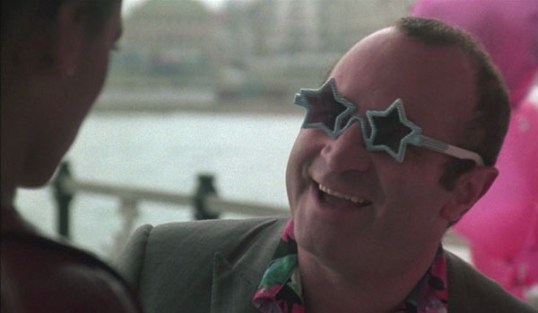
Mona Lisa (1986, dir by Neil Jordan, DP; Roger Pratt)
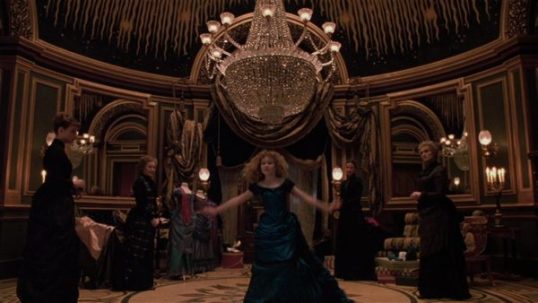
Interview With A Vampire (1994, dir by Neil Jordan, DP: Philippe Rousselot)

The Butcher Boy (1998, dir by Neil Jordan, DP: Adrian Biddle)
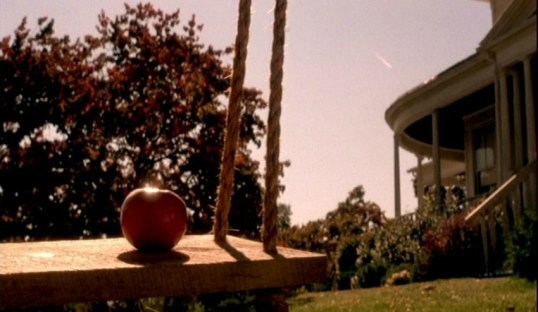
In Dreams (1999, dir by Neil Jordan, DP: Darius Khondji)
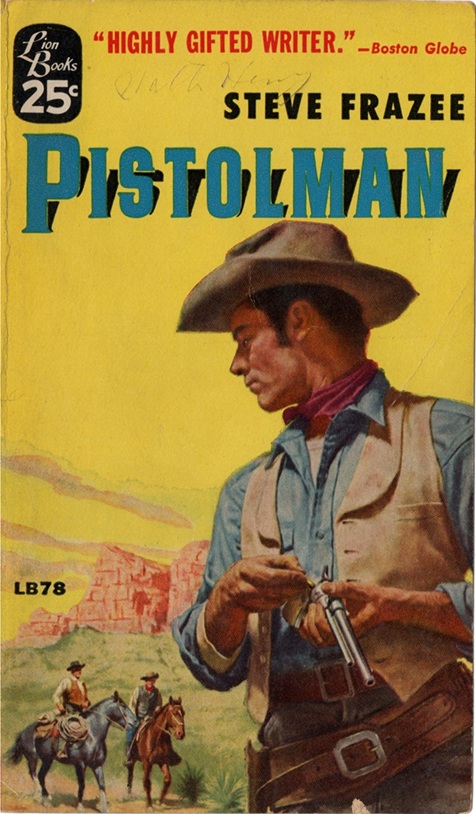
by Stanley Borack
I wonder how he got that nickname. Oh, wait, I see.
Both this song and the scenes in the videos are taken from one of my favorite films of the last few years, The Shock of the Future. A tribute to the women who helped to create electronic music, The Shock of the Future is a wonderfully inspiring film. Go watch it!
But watch the music video first.
Enjoy!
Welcome to Late Night Retro Television Reviews, a feature where we review some of our favorite and least favorite shows of the past! On Tuesdays, I will be reviewing Pacific Blue, a cop show that aired from 1996 to 2000 on the USA Network! It’s currently streaming everywhere, though I’m watching it on Tubi.
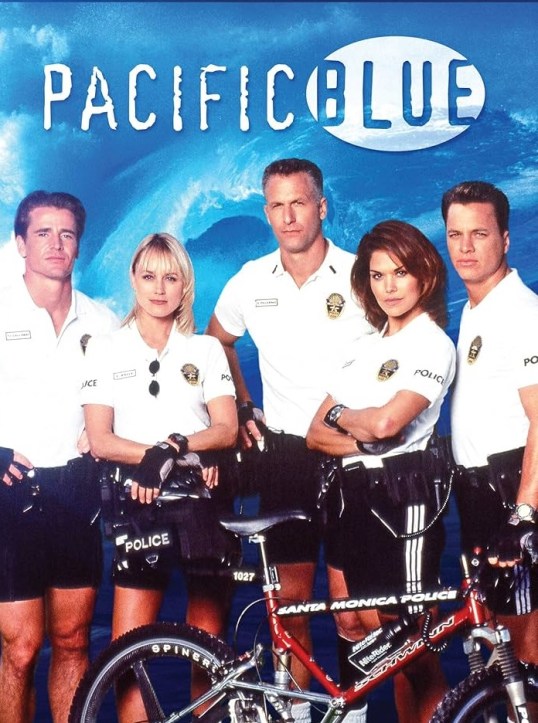
This week, Chris screws up again.
Episode 3.16 “Double Lives”
(Dir by Scott Lautanen, originally aired on January 18th, 1998)
Sean McGovern (Rob Youngblood) shows up on the beach, looking for Chris. It turns out that he’s a former lover who is now in the witness protection agency. We jump forward several months and Sean has not only vanished by Chris has been accused of helping him flee. Chris is being investigated and, as is typical with this show, the reaction of the bicycle cops is to get offended that they’re being held to any sort of professional standard.
Seriously, Chris’s former boyfriend escapes custody? Heck yeah, Chris should be investigated! (I gave up cursing for Lent, everyone.) Instead, Chris pouts about having to answer the most basic of questions and Palermo wanders around in the background, talking about how he needs to get Chris back on a bicycle and doing her job. It’s hard to take any of this seriously when everyone’s wearing bicycle shorts.
Meanwhile, a gang of teenagers is mugging closeted gay men because they know the men won’t go to the police. Victor is told to go undercover as a gay man to catch the muggers. “No one’s going to believe me as a gay man!” Victor says. Fortunately, Victor is wrong and he’s able to capture the muggers.
This episode was well-intentioned. As far as the mugging storyline was concerned, it treated the victims with sensitivity. Judge Annadale (Gil Gerard) refuses to make a police report because coming out of the closet would end his career and, at the time this show aired, he had every reason to believe that. That said, the actors playing the muggers were not exactly the most intimidating teenagers around. As far as Chris’s storyline is concerned …. who cares? Seriously, why does Chris never have to face any consequences for being awful at her job?
Watching this show is becoming a real trial.
 Through the Shattered Lens