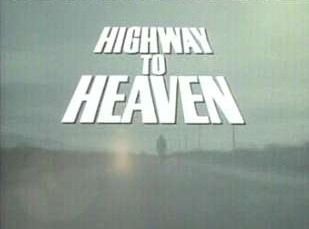
Welcome to Late Night Retro Television Reviews, a feature where we review some of our favorite and least favorite shows of the past! On Thursdays, I will be reviewing Highway to Heaven, which aired on NBC from 1984 to 1989. The entire show is currently streaming on Tubi and several other services!
This week, Jonathan and Mark help out a vet.
Episode 5.7 “The Squeaky Wheel”
(Dir by Michael Landon, originally aired on June 16th, 1989)
Jonathan and Mark attempt to turn Wayne Secret (Robert David Hall) into a disability activist. Having lost his legs in Vietnam, Wayne wants to live a quiet life with his wife (Deborah Benson) but, while staying at a recently renovated hotel, he is woken up by a fire alarm. With the the elevators not working and no ramps, Wayne is forced to depend on the kindness of a stranger who carries him down a flight of stairs. The fire turns out to be a false alarm but the experience leads to Wayne protesting the fact that the hotel is not wheelchair accessible.
The owner of the hotel not only agrees to make changes to the building but he also offers Wayne a job. Things are looking up for Wayne! But, when a gang of young men harass him and his wife at a drive-in movie, Wayne snaps. He buys an Uzi and then heads down to their clubhouse to take them out. Luckily, Jonathan appears and talks Wayne out of becoming a mass murderer. Wayne goes on to receive a “man of the year” award while Jonathan beats up the leader of the gang.
This episode felt very familiar. In the past, this episode would have featured Mark’s brother-in-law, Scotty. Instead, it features Wayne, who is not a particularly compelling character. I think that this episode would have worked if it had just focused on Wayne advocating for wheelchair accessible buildings. I also think it would have worked if it had just focused on Wayne’s anger to the gang and his struggle to let go of his bitterness over his war experiences. Unfortunately, trying to cram both those storylines into one 45-minute show led to the whole thing feeling half-baked.
There was one poignant scene in this episode. It opened with Mark and Jonathan visiting the Hollywood Walk of Fame. Mark got excited when he came across Michael Landon’s star. “Never heard of him,” Jonathan shrugged. “I forget you’ve been dead for forty years,” Mark replies. It captured Jonathan and Mark’s friendship, which was always been one of the more underrated aspects of Highway to Heaven. That said, it was also a bit of a sad scene as the episode itself aired a day after the death of Victor French and Landon himself would pass away nearly two years later.
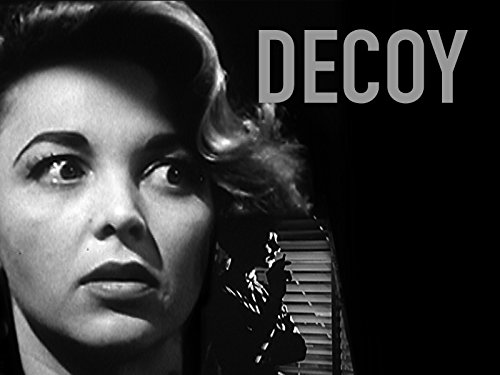
Welcome to Retro Television Reviews, a feature where we review some of our favorite and least favorite shows of the past! On Thursdays, I will be reviewing Decoy, which aired in Syndication in 1957 and 1958. The show can be viewed on Tubi!
This week, Casey gets involved with gun smugglers!
Episode 1.20 “Across the World”
(Dir by Teddy Sills, originally aired on February 24th, 1958)
Andrew Garcia (Frank Silvera), Herbert Carson (Arthur Batanides), and Carl Walton (Nicholas Colasanto) are using an import/export business to smuggle guns to the communists. (Booo!) When the owner of the company finds out, they murder her in a hit-and-run. Because of the suspicious nature of the woman’s death, Casey is sent undercover to investigate. She shows up at the company, claiming to be the woman’s only heir. Her cover is blown early, leading to her getting knocked around by the bad guys. Fortunately, for her, the bad guys end up turning on each other and eventually, the rest of the police force arrives and puts an end to the smuggling once and for all.
This episode didn’t feature much of Beverly Garland. Instead, the majority of it focused on the three smugglers arguing amongst themselves and then plotting various double crosses. Unfortunately, the smugglers weren’t particularly interesting. Sometimes, bad guys can be compelling to watch but these dopes were obviously doomed from the minute that they first appeared. Though it’s never specifically said to whom they were smuggling the weapons, I’m going to assume that it was probably Castro and his forces. In 1958, there were a lot of Americans who actually thought that Castro would be more willing to work with America than Batista was. Needless to say, they turned out to be incorrect. Casey could have warned them if anyone had bothered to listen!
This was a lesser episode of Decoy but the episode did feature some location shots of New York City. The actors where shivering so I can only assume it was very cold when they filmed this episode.
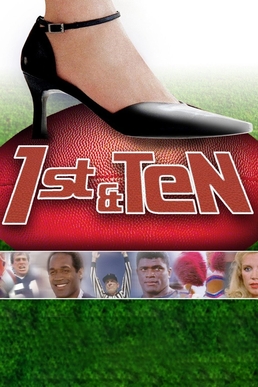
Welcome to Late Night Retro Television Reviews, a feature where we review some of our favorite and least favorite shows of the past! On Wednesdays, I will be reviewing 1st and Ten, which aired in syndication from 1984 to 1991. The entire series is streaming on Tubi.
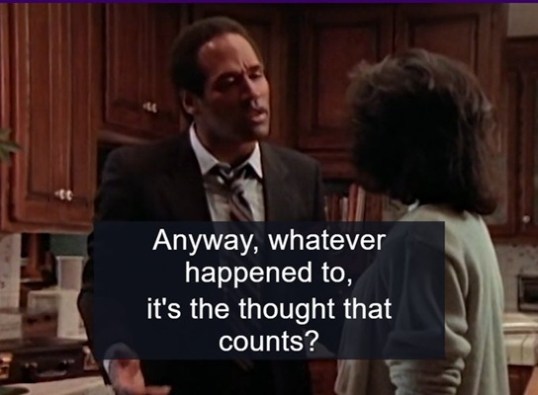
This week, OJ Simpson argues with his wife.
Episode 3.3 “A Loaded Gun”
(Dir by Stan Lathan, originally aired on August 19th, 1987)
With Yinessa continuing to hold out for more money, Teddy thinks that he’s come up with a solution. He tells Yinessa that he will personally take out an insurance policy on him so that Yinessa can work out with the team, despite not having a contract. Yinessa agrees. TD Parker tells all of the defenders not to touch Yinessa because they cannot risk him getting hurt.
“Anyone who touches Yinessa is going to wind up in Buffalo!” Parker tells them.
Unfortunately, John Manzak has been taken too many steroids. As a result, the first thing he does is sack Yinessa. Yinessa is injured. As he’s rushed to the hospital, Diane tells Teddy, “Thank God you got that insurance policy.” Teddy looks worried — uh oh, it looks like someone didn’t get that insurance policy!
At the hospital, a doctor tells Diane that Yinessa has a detached retina and he’ll probably never play football again.
Meanwhile, TD is having trouble in his marriage. He forgets his wife’s birthday but TD’s secretary (Leah Ayres) sends flowers and buys a gift. Unfortunately, TD’s wife sees through the entire ruse. She and TD argue. And because TD Parker is played by OJ Simpson, it’s hard not to worry whenever anyone argues with him.
Hey, that’s a good point, OJ! Let’s move on!
Also, in this episode, Bubba goes to therapy because he hasn’t been able to make love to his wife since she gave birth. Jethro goes with him and pretends to have a shoe fetish. This led to another patient hiding his shoes. 1st and Ten is a comedy that rarely makes me laugh but I have to admit that I did chuckle when Jethro started talking about how much he loved shoes.
Other than the therapy scene, this was a pretty serious episode. Yinessa might never play again. John Manzak is going crazy due to the steroid abuse. (Is he going to be sent to Buffalo? I don’t know how he’s going to handle that!) The kicker is still looking for a wife so he won’t get deported. And Diane has no idea what’s going on with her team.
How will the Bulls ever make it to the championship game!?
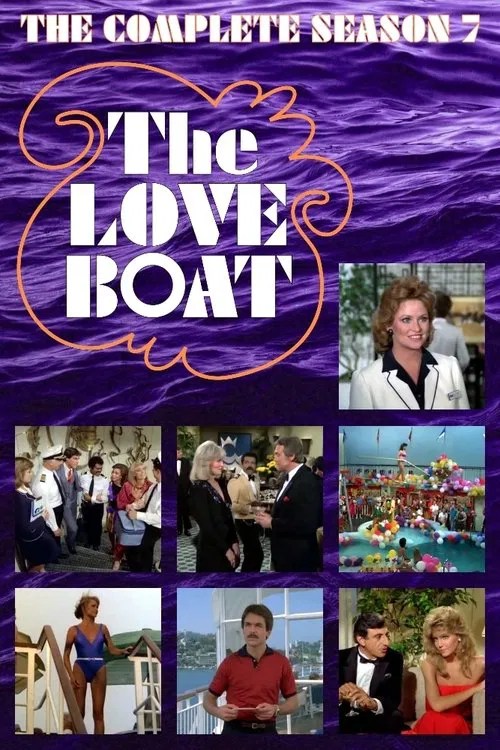
Welcome to Retro Television Reviews, a feature where we review some of our favorite and least favorite shows of the past! On Wednesdays, I will be reviewing the original Love Boat, which aired on ABC from 1977 to 1986! The series can be streamed on Paramount Plus!
This week, it’s a very special cruise of The Love Boat!
Episodes 7.7 and 7.8 “When Worlds Collide/The Captain and the Geisha/The Lotter Winners/The Emperor’s Fortune”
(Dir by Jerome Courtland, originally aired on November 5th, 1983)
The Love Boat is sailing to Japan!
Lila (Heather Thomas) is a photographer whose father is in a wheelchair due to the injuries that he received during World War II. She meets and falls for Bud O’Hara (Tony Danza). It seems like love at first sight but how will she react when they arrive in Japan and she discovers that Bud’s father (James Shigeta) is Japanese!? At first, Lila cannot get over her prejudice but then Bud’s father reveals that his own parents were killed at Hiroshima and that he has also struggled with forgiveness. “I am proud to be Japanese,” Tony Danza declares.
Martha Chambers (Mariette Hartley) is a professor in Asian studies who has a crush on the Captain. When she finds out that the Captain is fascinated by the culture of Japan, Martha pretends to be a geisha.
Barney (Ted Knight) and his wife (Rita Moreno) have just won five million dollars in the lottery and they spend almost the entire cruise showing off how much money they have. The crew isn’t comfortable dealing with the nouveau riche. Myself, I’m just happy that this storyline didn’t feature Ted Knight or Rita Moreno pretending to be Japanese.
Celia (Jean Hoffman) and her daughter, Joanie (Nancy Morgan), own one piece of an embroidered silk artwork. Ben Cummins (John Ritter) owns another piece. They’ve all been invited to Japan by a businessman named Yamamoto. Yamamoto claims to have the third piece and says that, when all the pieces are together, they will form a treasure map. Ben falls for Joanie. Celia falls for Harvey (Harvey Korman), a businessman who happens to be on the cruise. When the other two silk pieces are stolen, it doesn’t take long for Ben to figure out that Harvey is the one who took them. Harvey explains that he is Yamamoto and that he’s a career criminal. However, because he’s fallen in love with Celia, he returns all three of the silk pieces to her.
This two-hour episode was a travelogue. The Love Boat did one or two of these type of episodes every season. The show would leave the sound stages of Los Angeles and instead be filmed on an actual boat during an actual cruise. With these two hour episodes, the storylines were usually just an excuse for the Love Boat crew and their guest stars to see the sights. That’s certainly the case here. Captain Stubing gets a full tour of Japan. (Captain Stubing also has a lengthy fantasy sequence where he imagines himself as a shogun. It’s definitely not the show’s finest moment.)
It’s a good thing that the scenery is lovely in this episode because the stories themselves are nothing special and, in some cases, they’re actually difficult to watch. The Love Boat attempted to make a plea for tolerance and forgiveness and that’s definitely a good thing. But then the show cast Tony Danza as a half-Japanese man named Bud O’Hara and that was more than a bit cringey. There’s nothing about Tony Danza that is the least bit Japanese. For that matter, there’s nothing particularly Irish about him either.
“Well, I hate to break it to you, darlin’, but the way you was raised wasn’t real.” — The Ghoul to Lucy
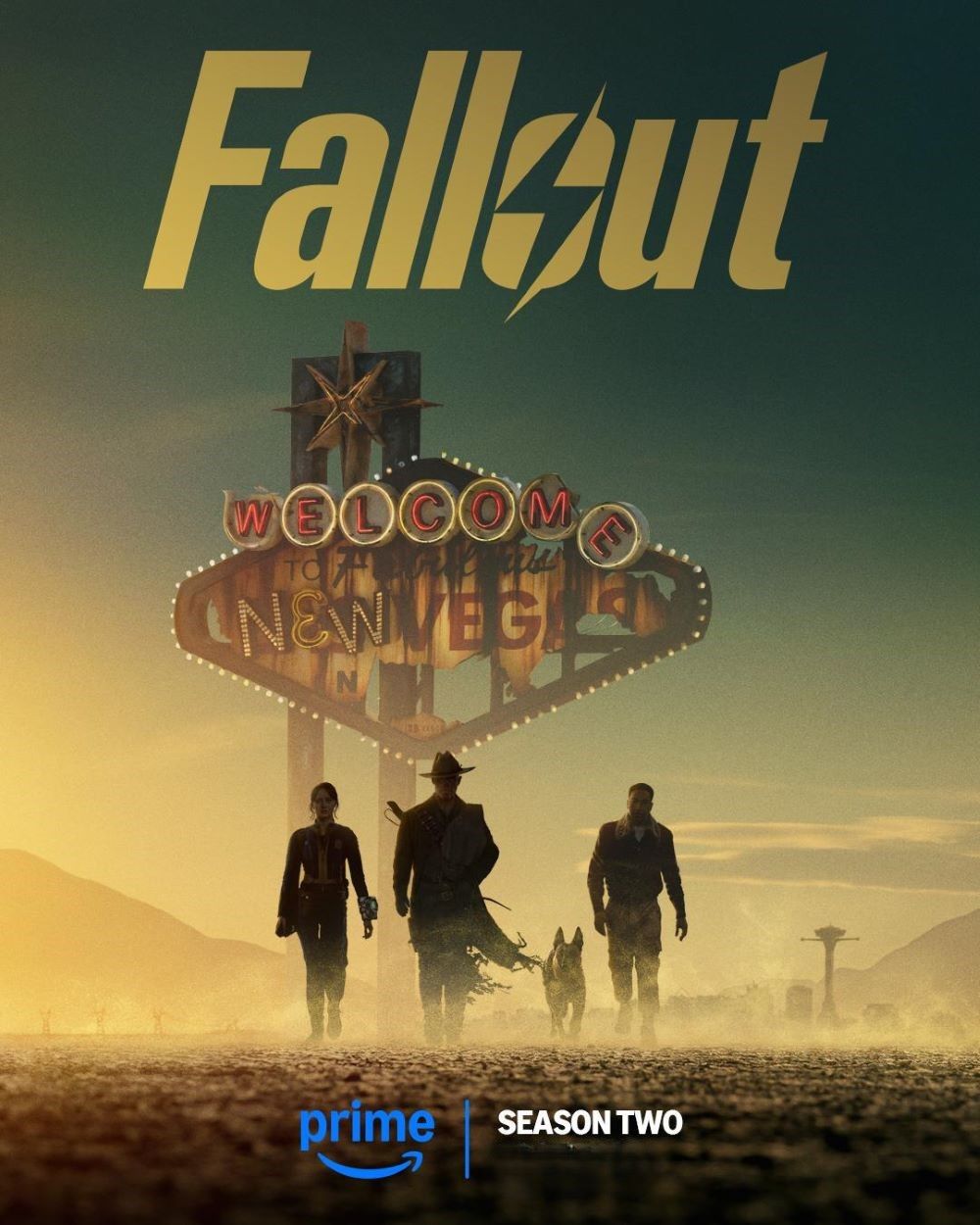
Fallout season 2 already felt like the show leveling up into a bigger, stranger, and more emotionally loaded story; stretching that out to look at specific standout hours just underlines how confidently it plays with tone, lore, and character this year. The season still has its pacing and bloat issues, but episodes like 4, 6, and the finale remind you why this world is worth spending time in: they mix monster‑movie mayhem with sharp character turns and some surprisingly pointed world‑building.
From the outset, season 2 signals that it’s done playing small. Where season 1 often kept things contained to a handful of locations and a relatively tight triangle of conflicts, this run treats the wasteland like a map that’s finally fully unlocked. New Vegas, the Mojave, multiple Vaults, NCR outposts, Enclave facilities, and Legion‑touched territories all start jostling for attention. That expansion comes with an “everything louder” philosophy: more factions, more lore, more experiments gone wrong, and more moral gray areas. The show leans into the idea that the real horror of this world isn’t just the radiation or the monsters; it’s the legacy of people who convinced themselves they were saving humanity while quietly deciding which parts of humanity didn’t deserve to make it.
The overarching cold fusion storyline is the clearest expression of that. Season 1 treated it as a sort of mysterious MacGuffin hovering in the background, but season 2 drags it fully into the spotlight and ties it directly to the choices that triggered the Great War. By steadily revealing how Vault‑Tec, the Enclave, and figures like Hank and House circled the same piece of technology, the show paints a picture of an apocalypse that was less an accident and more an inevitable collision of greed, fear, and hubris. The tragedy is that many of these people genuinely believed they were securing a better future — they just defined “future” in terms that erased anyone outside their bubble. That added nuance gives the season a heavier emotional punch, because the fallout (pun intended) is no longer just a backdrop; it’s the direct consequence of personal betrayals we’ve watched unfold in flashback.
Cooper Howard, now fully embraced as the Ghoul, remains the emotional spine of that history lesson. Season 2 deepens his arc by closing the gap between the smiling pre‑war cowboy and the bitter, sand‑blasted killer stalking the Strip. His encounters with Robert House, especially in the finale, turn into confrontations not just with a technocrat who survived the bombs, but with the version of himself that let things get this far. The realization that he didn’t just lose his family to the apocalypse, but that his own patriotic image and complicity helped build the machine that destroyed them, hits like a slow‑motion punch. Walton Goggins plays those beats with a mix of brittle humor and raw self‑loathing that keeps the character from slipping into pure nihilism; you can see the man he was flicker through the monster he’s become, which makes every choice he makes in the present feel loaded.
Lucy, in contrast, is the series’ ongoing experiment in whether idealism can survive honest contact with the truth. Season 2 pushes her far beyond the naive Vault dweller who stepped into the sun in season 1. Over these episodes, she’s forced to confront not just her father’s lies, but the systemic rot embedded in every power structure she encounters. Vault‑Tec’s “protection,” Brotherhood righteousness, NCR order, Enclave science — every banner comes with its own flavor of atrocity. The brilliance of her arc is that the show doesn’t simply break her and call it growth. Instead, it lets her anger simmer quietly until it finally erupts during the operating‑room showdown with Hank in the finale, where she makes a calm, devastating choice that redefines their relationship forever. That moment isn’t just shock value; it’s the natural endpoint of a season spent watching her tally up cost after cost.
Maximus, meanwhile, evolves from wobbling wannabe knight into one of the show’s most grounded points of view, and episodes 4 and 6 mark very different turning points around him. Episode 4 is where the Brotherhood’s internal fractures stop being subtext and explode into open conflict. It’s the beginning of the Brotherhood civil war, and the first time Maximus is forced to confront the idea that his “family” might be rotten at the core. Watching knights and scribes turn on each other, watching command structures splinter, he starts to see that the Brotherhood’s rhetoric about honor and protection doesn’t hold when power and ideology clash. The moment he realizes the people he idolized are willing to kill their own to maintain control is the moment the halo really slips; he begins to understand that the Brotherhood may not be the good guys after all. It’s not a neat, one‑scene epiphany, but that episode is where denial stops being an option and he starts making choices that reflect his own moral compass rather than the codex.
Episode 6, by contrast, steps away from Maximus’ internal war and digs deeper into the past that shaped the wasteland he’s fighting in. This is much more a Barbara‑and‑Ghoul hour, fleshing out their backstory and giving emotional context to the cold fusion plot and the eventual apocalypse. The episode spends time with Cooper and Barbara before the bombs, letting us see their relationship in more detail: the compromises, the arguments, and the quiet ways Barbara pushes back against Vault‑Tec’s glossy promises. It also charts Cooper’s slide from working actor and family man into patriotic mascot and unknowing cog, showing how easy it was for him to rationalize each step as “doing the right thing.” By anchoring those flashbacks in Barbara’s perspective as much as Cooper’s, the episode makes her more than just a tragic absence — she becomes the person who saw the danger, tried to steer them away from it, and got overruled.
Those mid‑season episodes also shine when it comes to pure lore and creature work. Episode 4’s introduction of the Deathclaws as a real force in the story is one of the season’s best sequences. Rather than just dropping them in for a cameo, the show frames them as the culmination of whispered rumors, suspicious carnage, and mounting dread. When a Deathclaw finally tears into the frame, the direction emphasizes scale and unpredictability: these aren’t just big lizards, they’re apex predators that shrug off conventional tactics. The way they rip through defenses and send even seasoned fighters scrambling instantly re‑calibrates the power dynamics of the wasteland. Later, when they become central to the Strip’s Earth‑shaking siege, you already understand that their presence means no one is safe, no matter how shiny their armor or how fortified their stronghold.
On the lore side, episodes like 4 and 6 weave the Deathclaws and other horrors into a broader tapestry of FEV experimentation and Enclave meddling, making them feel like part of the same long chain of sins that gave us super mutants and other abominations. That connection reinforces the season’s larger point: the worst monsters in Fallout aren’t random mutations, they’re the descendants of carefully planned projects whose creators never fully accepted the consequences. It’s a neat bit of storytelling economy, turning what could have been a simple monster‑of‑the‑week into another thread in the show’s ongoing conversation about responsibility.
Season 2 also benefits from spending more quality time with its side characters instead of just treating them as quest givers or comic relief. Barbara is the most poignant of these. Where she once existed mostly as a memory in Cooper’s flashbacks, she now feels like a fully realized person with her own fears, instincts, and lines she isn’t willing to cross. We see her wrestle with Vault‑Tec’s promises and start to question the cost of all that gleaming corporate optimism. Those glimpses of her pushing back, or trying to pull Cooper back from the brink of total complicity, retroactively deepen every ounce of his guilt. He didn’t just lose a wife and child; he ignored the one person who saw the moral cliff edge coming and still jumped.
Thaddeus, while still often played for uneasy laughs, gets just enough shading to keep him from tipping into cartoon territory. Season 2 makes it clear that his brand of cowardly self‑preservation is less a personality quirk and more a survival strategy in a world that punishes idealism. When he’s swept up in vault‑side chaos and the grotesque side effects of FEV and forced evolution, his panic and bad decisions feel depressingly understandable. He’s the guy with no faction backing, no armor, no immortal body — the perfect lens for showing how regular people get crushed when the big players start moving pieces around. The fate he stumbles into is darkly ironic, but there’s a sting to it because the show has taken the time to make him more than just the butt of the joke.
Stephanie emerges as the wild card of the season, but not for the usual “chaotic Vault teen” reasons. What really drives her is that she’s a product of a very specific trauma: she’s Canadian in a universe where Canada was annexed, occupied, and turned into a horrifying internment state. That history isn’t just backstory flavor — it’s the furnace that forged her worldview. She grew up knowing that her country wasn’t just defeated; it was erased, abused, and folded into an American narrative that pretends it all happened for the greater good. So when she pushes against authority or digs into restricted information, it’s not just adolescent rebellion or a desire to impress anyone in the Vault hierarchy. It’s the instinct of someone who has seen, or inherited, the consequences of letting American power go unquestioned.
That’s why Stephanie’s personal agenda feels so out of step with the usual factional chess game. NCR, Brotherhood, Enclave, House — none of them really matter to her in ideological terms. To her, they’re all just different masks on the same face: American power structures rearranging themselves after the bombs, pretending the past is settled and the ledger is closed. Her curiosity about hidden tech, sealed records, and buried atrocities is less about “how can I leverage this for my people right now?” and more about “how can I expose what America did, and is still doing, to people like me?” Her animosity is directed at the idea of America itself — its myths, its revisionism, its insistence on calling conquest “security” and occupation “peacekeeping.” That’s why she doesn’t fit neatly into anyone’s strategy; she’s playing a longer, more personal game, one where the win condition isn’t territory or tech, but forcing the truth about what happened to Canada and to her people into the light.
What makes Stephanie compelling is that the show lets that animus sit in a morally messy place. She’s not some pure avenger with a perfect plan. Her choices are often reckless, sometimes cruel, and frequently blind to the collateral damage she’s creating in the here and now. But they make sense when you remember her context: she comes from a lineage that was caged, brutalized, and then largely written out of the post‑war power conversation. Of course she doesn’t care about which American faction ends up on top; from her perspective, the game is rigged no matter who’s holding the pieces. That’s why she feels less like a quirky side character and more like a slow, ideological time bomb buried in the story. Everyone else is fighting over the wasteland’s future, but Stephanie is here to settle a very old score with the idea of America itself — and that makes her one of the most unpredictable, and potentially explosive, figures in Fallout’s second season.
All of this character and lore work feeds into the finale, “The Strip,” which plays like the entire season compressed into one frantic, blood‑spattered hour. The Deathclaw assault, NCR push, Legion maneuvering, Enclave gambits, and House’s machinations collide on a single battlefield, turning the Strip into both a literal and symbolic crossroads for the wasteland’s future. Maximus’ rejection of blind Brotherhood obedience, Lucy’s definitive break with Hank, and Cooper’s reckoning with House and his own past all converge in a series of confrontations that feel earned precisely because the season has spent so much time setting the pieces on the board. It’s explosive and overwhelming, and it leaves plenty of threads dangling, but it also makes one thing crystal clear: there’s no going back to the relatively simple story this show started as.
Taken as a whole, Fallout season 2 is still a fair trade‑off, even with its occasional narrative overload. You give up some of the clean, streamlined storytelling of season 1 and accept that a few side plots and characters will drift in and out of focus, but in return you get a richer, more dangerous wasteland where Deathclaws stalk neon streets, the Brotherhood’s halo has visibly slipped, and characters like Barbara, Thaddeus, and especially Stephanie complicate the moral landscape in satisfying ways. It’s a season that believes in escalation — of spectacle, of lore, of emotional stakes — and while that sometimes leads to messiness, it also makes the highs genuinely memorable. If the show can channel that energy into a slightly tighter, more focused third season, this run will stand as the wild, necessary expansion pack that blew the world wide open and dared its characters to survive the consequences.
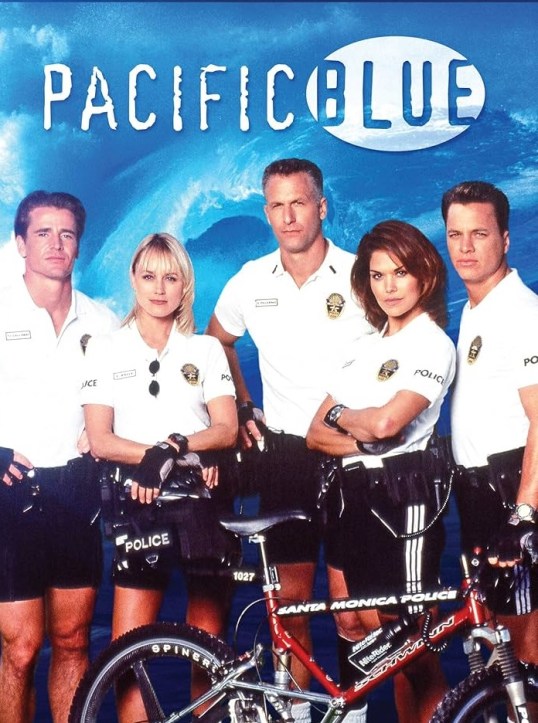
Welcome to Late Night Retro Television Reviews, a feature where we review some of our favorite and least favorite shows of the past! On Tuesdays, I will be reviewing Pacific Blue, a cop show that aired from 1996 to 2000 on the USA Network! It’s currently streaming everywhere, though I’m watching it on Tubi.
This week, Palermo dies but it’s not a permanent condition.
Episode 3.14 “Heartbeat”
(Dir by Terence H. Winkless, originally aired on December 28th, 1997)
This week, Pacific Blue decided to stop pretending that it was anything more than a Baywatch ripoff by having Carmen Electra appear as Lani MacKenzie, the lifeguard that she played on Baywatch. She helped the bicycle cops out with a rescue and then the bike cops helped her out when she had to break up a knife fight on the beach.
Lani was also present to discuss a new program in which two EMTs will ride with the cops. They will learn how to get around on a bicycle while teaching the bike cops stuff like CPR. One of the EMTs is Alexa Cholak (Alex Datcher), an ex-girlfriend of Palermo’s. This complicates things when an explosion rips across the beach. Palermo and a random woman are injured. Alexa and all the bike cops work on restarting Palermo’s heart, giving him mouth-to-mouth and chest compressions. Palermo lives. The woman dies. The woman’s boyfriend then sues the bike patrol because he says that they were so concerned about saving Palermo that they essentially just let his girlfriend die. We’re supposed to dislike the boyfriend but he is actually kind of …. sort of …. right? Chris points out that the woman would have died even if the EMTs had tried to save her but they had no way of knowing that at the time. Essentially, they decided to save their friend Palermo while ignoring someone else who was seriously injured.
This really gets to one of the major problems I have with Pacific Blue. The show just assumes that we’re going to be on the side of the bike patrol no matter what, despite the fact that they often come across as being a bunch of jerks. That’s certainly the case here. When Palermo returns to the office, everyone starts applauding and cheering for him, despite the fact that the dead woman’s boyfriend happens to be standing just a few feet away.
This episode features scenes of the members of the bike patrol being interviewed by a therapist after the explosion. Palermo says that, when he was dead, he didn’t see a bright light or feel any sort of inner peace. He didn’t see his loved ones waiting for him. It’s like even the show is admitting that Palermo is going to go to Hell for creating the bike patrol.
As for the rest of the episode, Chris and Victor investigated the claims of an environmentalist whack job (Michael Houston King) who said that a big evil businessman (Larry Wilcox, of CHiPs fame) was polluting the beach. It turned out the environmentalist was telling the truth. Meanwhile, shaken by the death of the woman and the resulting lawsuit, Alexa resigned from the bike patrol. It would have been touching if Alexa had actually been in more than one episode. Still, each member of the bike patrol popped a wheelie in honor of Alexa. It was dumb. Get those bicycles off the beach!
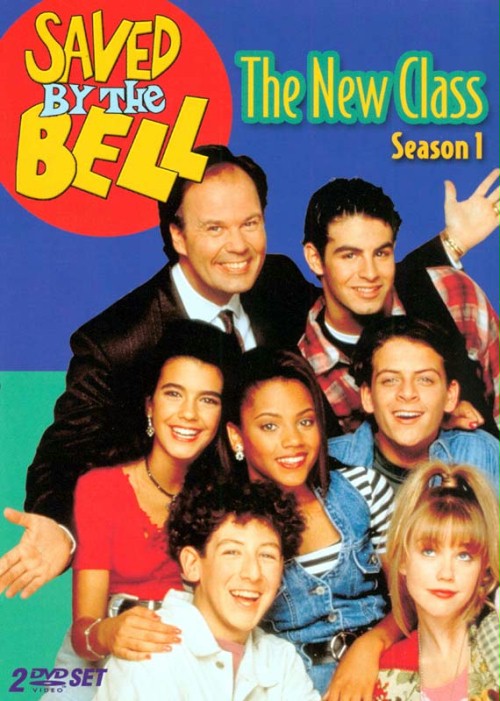
Welcome to Retro Television Reviews, a feature where we review some of our favorite and least favorite shows of the past! On Tuesdays, I will be reviewing Saved By The Bell: The New Class, which ran on NBC from 1993 to 2o00. The show is currently on Prime.
This week, an old friend makes an appearance.
Episode 1.4 “Home Shopping”
(Dir by Don Barnhart, originally aired on October 2nd, 1993)
With the entire school freaking out about midterms and Scott and Lindsay working in the school store (which apparently is just a cardboard sign set up next to a trashcan in the hall), Scott comes up with a brilliant idea. Why not start a home shopping network on Baywatch’s TV station? And why not sell a special memory tonic that is basically just chocolate syrup and fish oil?
Soon, the entire school is drinking Chocolate Memory. Evil old Dr. Hammersmith (David Byrd) announces that he’s going to make his midterm even more difficult as a way to combat the use of Chocolate Memory. Scott recruits James the Actor (Mark Blankfield) to pretend to be a Harvard professor who is willing to offer Dr. Hammersmith a job but only if Dr. Hammersmith gives an easy midterm.
James the Actor, I should mention, appeared in a handful of episodes of the original Saved By The Bell. He was a waiter at the Maxx and an actor who would happily put on a fake beard whenever Zack needed to fool someone. It’s not a surprise that he would come back for Saved By The Bell: The New Class. What is a surprise is that Scott — a transfer student from another school — somehow knows who James is. In fact, how do any of the members of the new cast know James as well as they do? James was Zack’s friend and now, suddenly, he’s Scott’s friend. It seems like James, a grown man approaching 50, just liked hanging out with high school students and helping them with their zany schemes. Red flag! Red flag!
Oh, this episode was dumb. Presumably, everyone flunked their midterms, except for Megan who was so worried about fooling Mr. Hammersmith that she actually studied for them. What’s funny is that the “difficult” questions that Mr. Hammersmith asked weren’t that difficult. I mean, if you can’t remember the year that the Boston Tea Party occurred, maybe you should be held back a grade or two. (1773, by the way.)
One of the more familiar complaints about the first season of Saved By The Bell: The New Class is that it didn’t do much to differentiate itself from the original series. It just brought in a bunch of new people and had them act like Zack, Slater, Kelly, and Weasel. That’s certainly true in this case. As I watched Scott go through the motions with his wacky scheme, I found myself suspecting that the episode’s script probably just had a line marked through “Zack” and “Scott” added in pencil.
At the end of the episode, Megan and Scott share a smile and agree that they make a great team. “Whooooo!” the audience shouts. I guess they make an okay team. I mean, they managed to get everyone in the school to drink a potentially lethal combination of fish oil and chocolate syrup. If Megan wants to become a professional con artist, I guess she’s found her man.
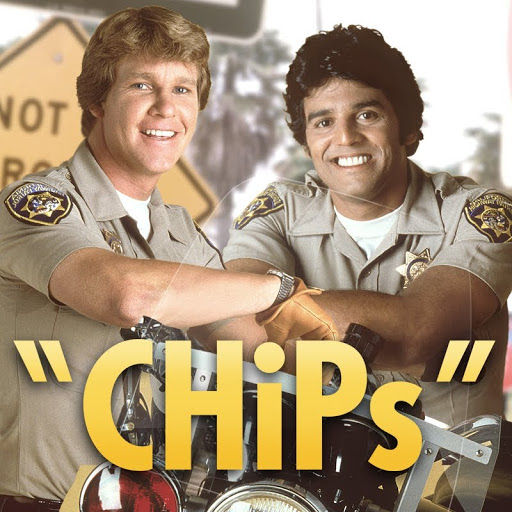
Welcome to Late Night Retro Television Reviews, a feature where we review some of our favorite and least favorite shows of the past! On Mondays, I will be reviewing CHiPs, which ran on NBC from 1977 to 1983. The entire show is currently streaming on Prime!
Who will be Jon’s partner this week? Read on to find out.
Episode 5.8 “Diamond in the Rough”
(Dir by Leslie H. Martinson, originally aired on November 22nd, 1981)
Erik Estrada is not in this episode which means that a pre-transition Caitlyn Jenner is back as Officer Steve McLeish. Yay! Jenner is just as off-putting and unconvincing as the last time that he appeared on this show. Unfortunately, it appears that the show’s producers picked up on the fact that he wasn’t a particularly good (or even appealing) actor and, as a result, neither Jon nor Steve do much in this episode. It’s almost as if the show’s producer didn’t realize that Jenner’s inability to show emotion or deliver his lines without smiling like a goofball was the most entertaining thing about the episodes without Estrada.
Instead, the episode is split between a veteran thief (Henry Jones) plotting his next robbery and an angry kid named Pat (Nicky Katt, in one of his first roles) who stays with the Getraers while his mother is recovering after a car accident. As the car accident was caused by the thief’s car, Pat is in a position where he can identify the thief. But first, Pat has to stop getting angry at everyone.
This episode didn’t add up too much. The whole thing felt a bit half-baked and one gets the feeling that the script was hastily thrown together so that it wouldn’t require Estrada (who was recovering from a stunt-gone-wrong at the time) while, at the same time, it also wouldn’t require Jenner to do much more other than stand around and direct traffic. Robert Pine gets to do a bit more than usual, which is good because he was the best actor on the show. But still, on the whole, this just didn’t feel like a proper episode of CHiPs.
One final note: Nicky Katt was really good as Pat. Most child actors tend to go overboard and come across as being cutesy. Katt, on the other hand, seemed to be sincerely angry in the role of Pat. Your heart really broke for him. Even as a child actor, Katt was a smart and intuitive actor. He is definitely missed.
Welcome to Retro Television Reviews, a feature where we review some of our favorite and least favorite shows of the past! On Mondays, I will be reviewing Miami Vice, which ran on NBC from 1984 to 1989. The entire show can be purchased on Prime!
This week, Crockett and Tubbs — or is it Burnett and Cooper? — enter the art world.
Episode 5.14 “The Lost Madonna”
(Dir by Chip Chalmers, originally aired on March 17th, 1989)
When Crockett and Tubbs take down what they think is a drug deal, they’re shocked to discover that Stanley Costa (Stephen G. Anthony) was actually smuggling two paintings! They could always ask Stanley what’s going on but — whoops! They killed him during the show’s precredit sequence.
Detective Whitehead (Michael Chiklis) comes down from New York City and explains that the two paintings are the side pieces for a triptych called The Last Madonna. It was recently stolen from a Paris museum and Whitehead is convinced that theft was masterminded by Joey Scianti (Peter Dobson).
It’s time for Tubbs and Crockett to — *sigh* — go undercover. Why they’re still always going undercover, I have never really understood. Every time they go undercover, their cover gets blown. Do the members of the Miami underworld just not communicate with each other? Shouldn’t everyone know, by this point, that Tubbs and Crockett are cops? In this case, Tubbs goes undercover as someone who appreciates art. Crockett goes undercover as the crude Sonny Burnett….
Yes, Crockett is still using the Burnett cover. He’s doing this despite the fact that he just recently had a mental breakdown that led to him not only thinking that he actually was Burnett but also becoming Miami’s biggest drug lord. Even if the Scianti family was dumb enough to not know that Crockett was a cop, surely they would have heard enough about drug lord Sonny Burnett to wonder why he would be hanging out with a connoisseur of fine art.
(Indeed, it’s hard not to notice that everyone has apparently moved on rather quickly from Sonny’s mental breakdown and his time as a drug lord. For that matter, Sonny certainly doesn’t seem to ever give much thought to his dead second wife. Remember her? The world-famous singer who was literally gunned down in front of him? She appears to have been forgotten.)
This episode was dull, largely because the Scianti family was never really a credible threat. They came across as being a bunch of buffoons and, as such, it was hard to really get that concerned about whether or not they would figure out that Crockett and Tubbs were actually cops. This is another episode that features a twist that you’ll see coming from miles away. From the minute Michael Chiklis first showed up, I knew that he was eventually going to try to steal the The Lost Madonna for himself.
Considering that there was a lot of humor in this episode (Crockett, not surprisingly, struggled with understanding modern art), there’s also some surprisingly graphic violence. Crockett and Tubbs gun down Stanley Costa and blood splatters all over the wall. Whitehead shoots Joey Scianti and the shocked Joey looks down at his wound and says that it’s “real blood.” Tonally, this episode is all over the place.
Everyone seemed kind of bored with this episode. This was definitely a final season entry.
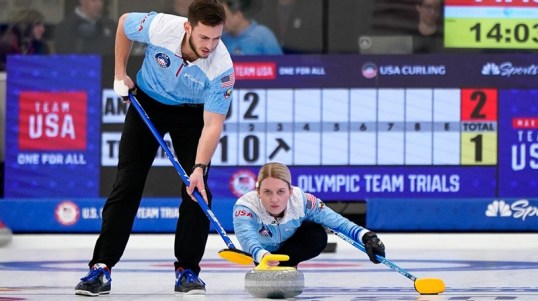
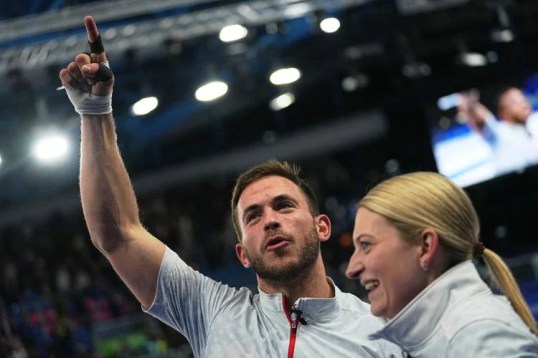
As you all know, I don’t really do sports but I just jumped out of my chair and started cheering when I saw Korey Dropkin and Cory Thiesse defeat the Italian team in the Winter Olympic semi-finals for mixed doubles curling.
The other night, during the Super Bowl, I was talking to some friends about how nothing seems to really unite people anymore. Even the Super Bowl entertainment divided people this year. The once legendary Super Bowl commercials have become bland and boring because there really aren’t universally beloved celebrities any more. It used to be exciting seeing your favorite actor shilling for junk food or car insurance. Now, when an actor shows up in a commercial, we immediately remember all the stupid things they said during the previous election cycle. (The Budweiser commercial was an exception. One reason why everyone loved that commercial with the horse and the eagle is because we all know that neither one of them is going to start spouting off about politics on Twitter.)
Even at the Winter Olympics, the same press that will never ask Eileen Gu about the Chinese government sentencing Jimmy Lai to life imprisonment is all too eager to demand that American athletes denounce their country. Some people say that that goal of the media is to divide us. Personally, I think the goal of the media is to make money and the easiest way to do that is to generate controversy which will then generate the clicks that are needed to survive. Getting people angry is less a subversive plot and more a business model.
But as I watched Korey and Cory — two people from Minnesota who Duluth, Minnesota — come from behind to defeat the very strong Italian team, I felt more optimistic than I have in a long time. Beyond the fact that Cory is a lab technician and Korey is a realtor, I don’t know much about who Korey and Cory are when they’re not on the ice and quite frankly, I don’t need to know. I don’t need to know how they vote. I don’t need to know how they feel about this issue or that. I don’t need to know what movies they watched or what music they listen to or anything else. All I need to know is that they’re good at curling and they’re representing America in Italy and doing a great job of it. Whenever the camera switched to the watch parties in Duluth or to Korey’s family in the stands, I felt very proud of both them and my country.
As individuals, we may not always agree on everything but, as Americans, we can all cheer for Korey and Cory and, in doing so, we can be reminded that we’re not really as divided as the media’s business model and social media’s algorithms would like us to believe. Tomorrow, they go for the gold against Sweden. I’ll be watching.

 Through the Shattered Lens