4 Shots From 4 Films is just what it says it is, 4 shots from 4 of our favorite films. As opposed to the reviews and recaps that we usually post, 4 Shots From 4 Films lets the visuals do the talking!
Today, we celebrate the 83rd birthday of the great Michael Mann! It’s time for….
4 Shots From 4 Michael Mann Films
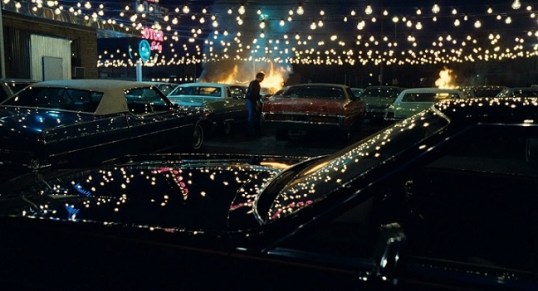
Thief (1981, dir by Michael Mann, DP: Donald Thorin)
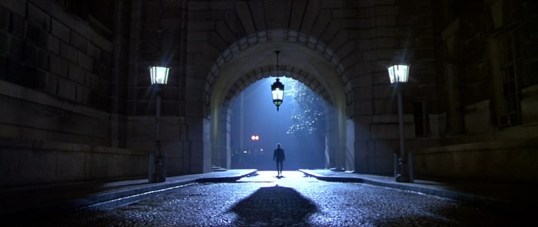
Manhunter (1986, dir by Michael Mann, DP: Dante Spinotii)
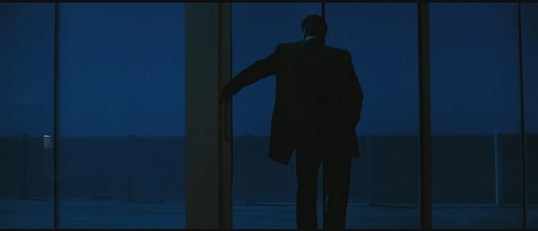
Heat (1995, dir by Michael Mann, DP: Dante Spinotti)
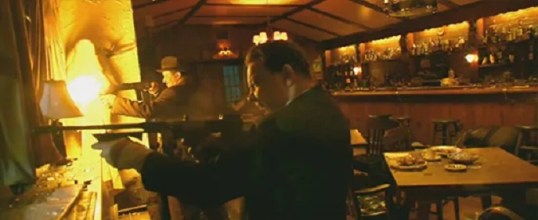
Public Enemies (2009, dir by Michael Mann, DP: Dante Spinotti)
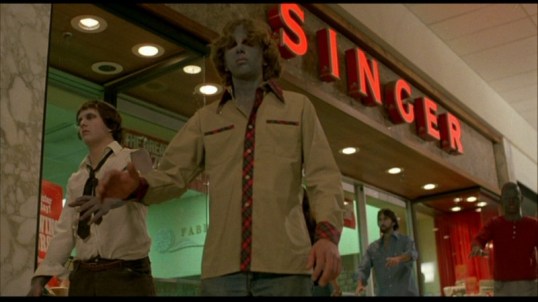
The original Dawn of the Dead, which was released in 1978 and directed by George Romero, is not only one of the most influential horror films of all time. (Even more so than Night of the Living Dead,Dawn was responsible for inspiring the Italian zombie boom.) It’s also a rather dark satire of humanity and commercialism. With the world ending, both humans and zombies head to the mall. Briefly, the humans manage to form their own peaceful society but, inevitably, they end up screwing it all up. The Dead may be slow and not particularly intelligent but, as poor old Steve discovered in that elevator, they’re absolutely determined to get what they want.
Dawn of the Dead ends with an apocalytpic combination of bikers, zombies, and one helicopter that has next to no fuel. Our two remaining survivors head off in search of some place safe but we all know that helicopter isn’t going to stay in the sky for long. In its way, the ending of Dawn of the Dead is even more bleak than the end of Night of the Living Dead. With the end of this film, Romero’s message is clear. Society is as dead as the creatures tearing it down.
4 Shots From 4 Films is just what it says it is, 4 shots from 4 of our favorite films. As opposed to the reviews and recaps that we usually post, 4 Shots From 4 Films lets the visuals do the talking!
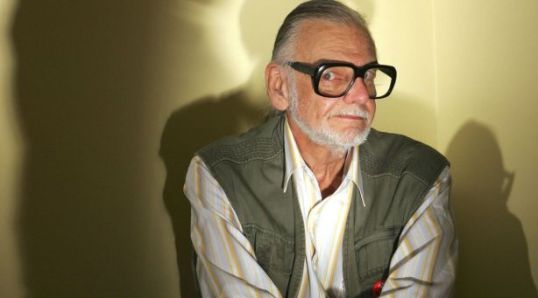
Today would have been George Romero’s 86th birthday.
Now, those of you who have been reading us since the beginning know how important the work of George Romero has been to this site. A mutual appreciation of Night of the Living Dead is one of the things that first brought many of us together. It’s a film that we watch ever Halloween and Arleigh’s review of the original remains one of our most popular posts. If this site had a patron saint, it would probably be George Romero.
And yet, Romero wasn’t just a director of zombie films. He made many films, dealing with everything from hippie lovers (There’s Always Vanilla) to wannabe vampires (Martin) to government conspiracies (The Crazies) and eccentric bikers (Knightriders). George Romero was one of the pioneers of independent films and today, on his birthday, we should all take a minute to consider and appreciate the man’s cinematic legacy. It’s not just horror fans who owe George Romero a debt of gratitude. It’s lovers of cinema everywhere.
With that in mind, here are….
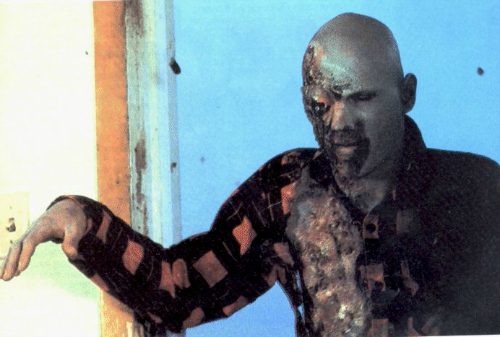
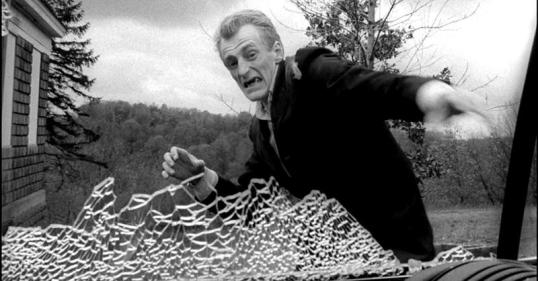
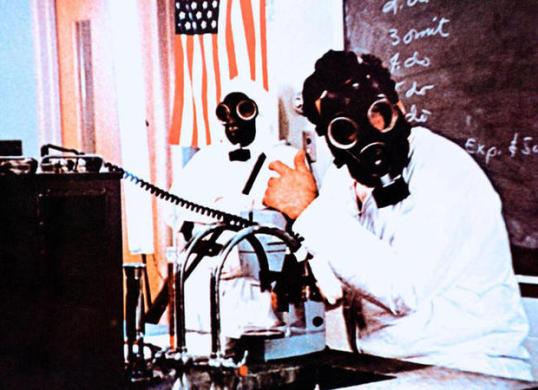
4 Shots From 4 George Romero Films
Night of the Living Dead (1968, dir by George Romero, DP: George Romero)
The Crazies (1973, dir by George Romero, DP: S. William Hinzman)
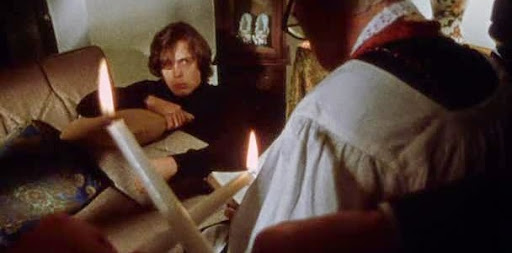
Martin (1978, dir by George Romero, DP: Michael Gornick)
Dawn of the Dead (1978, dir by George Romero, DP: Michael Gornick)
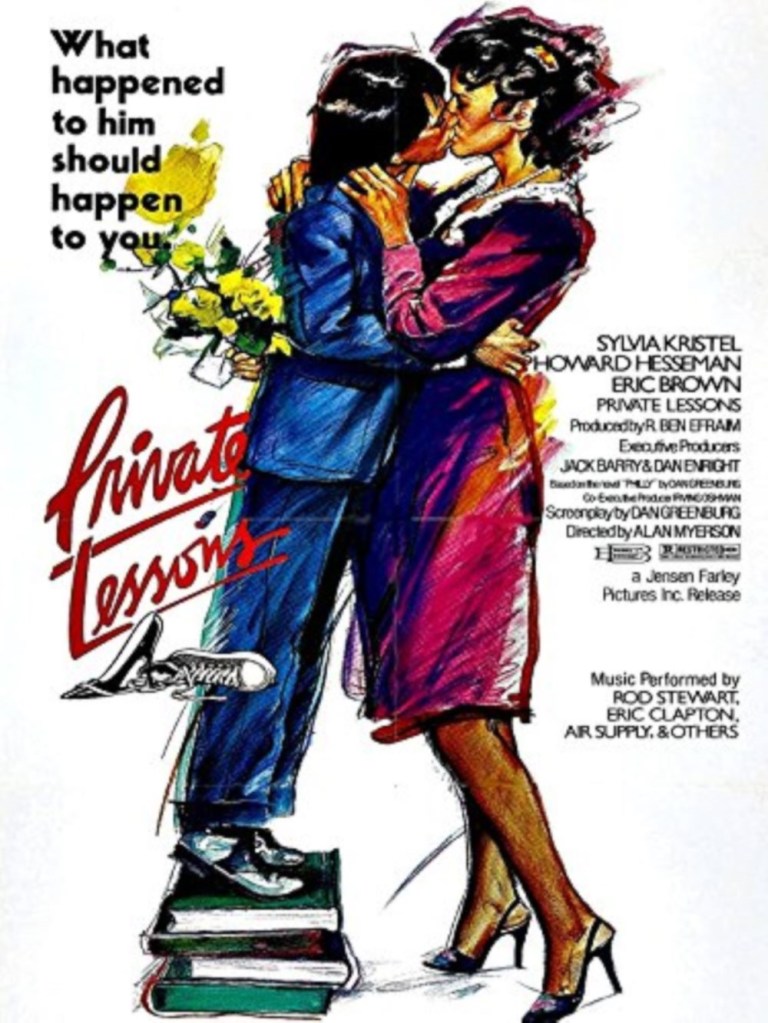
Private Lessons is that kind of early ’80s sex comedy that feels like a time capsule from when movies could get away with stuff that would never fly today. It’s got this awkward charm mixed with some seriously questionable choices, centering on a horny teenager named Philly who gets schooled in the ways of love by his family’s sultry French housekeeper. The film tries to play it all for laughs and titillation, but it lands somewhere between guilty pleasure and uncomfortable relic.
Philly, played by Eric Brown, is your classic 15-year-old rich kid left home alone for the summer in a sprawling Albuquerque mansion while his dad jets off on business. Dad hires Nicole, this alluring European housekeeper portrayed by Sylvia Kristel—yeah, the Emmanuelle star herself—to keep an eye on things, along with the sleazy chauffeur Lester, brought to life by Howard Hesseman in full sleazeball mode. From the jump, Philly’s got a massive crush on Nicole; he’s peeping through keyholes and fumbling over his words whenever she’s around. It’s all very American Pie before American Pie existed, but with a Euro-sex vibe courtesy of Kristel’s effortless sensuality. She catches him spying one night, strips down without a care, and invites him to touch—Philly bolts like his pants are on fire. You can’t help but chuckle at his panic; Brown’s wide-eyed innocence sells it without overplaying the hand.
The setup builds slowly, which is both a strength and a drag. Philly spills the beans to his buddy Sherman, played with manic energy by Patrick Piccininni, who turns every conversation into a roast session about Philly’s virginity. Their banter is some of the film’s highlights—raw, boyish ribbing that feels authentic to awkward teen friendships. Nicole keeps pushing the envelope: a steamy makeout in a dark movie theater, a goodnight kiss that nearly melts the screen, and finally, a fancy French dinner date where they seal the deal back home. Kristel owns these scenes; her Nicole isn’t just a seductress, she’s got this playful confidence that makes the slow seduction believable. The sex scene itself is tame by today’s standards—soft-focus, lots of sighs—but it’s handled with a wink, pretending to be shocking while delivering the era’s softcore goods.
But here’s where Private Lessons swerves into darker territory and kinda loses its footing. Midway through their romp, Nicole fakes a heart attack and “dies” right on top of Philly. Freaked out, he confesses to Lester, who smells opportunity. Turns out, the chauffeur’s been blackmailing Nicole over her immigration status and hatches a scheme to pin her “murder” on Philly, forcing the kid to cough up a chunk of his trust fund to cover it up. They bury a dummy in the desert, and Lester plays the concerned adult while pocketing the cash. It’s a twist that amps up the stakes, but it also shifts the tone from fluffy comedy to something creepier, leaning hard into moral panic territory. Hesseman chews the scenery as Lester, all smarmy grins and side-eye; he’s the perfect villain you love to hate, but the plot machinations feel forced, like the writers ran out of seduction gags and needed conflict.
Nicole, developing real feelings for Philly amid the con, has a change of heart and spills the truth. Together, they rope in Philly’s tennis coach—Ed Begley Jr. in a quick but fun bit—to impersonate a cop and scare Lester straight. The bad guy panics, gets nabbed trying to flee with the money, and everyone agrees to a truce: no one rats anyone out. Nicole’s “child molestation” (the film’s own loaded term for her role in seducing a minor) and immigration issues stay buried, Lester technically keeps his job, and Nicole splits before Dad returns. It’s a tidy wrap-up that dodges real consequences, which fits the film’s escapist fantasy but leaves a sour taste ethically. The romance fizzles without much payoff; you half-expect a heartfelt goodbye, but it’s more pragmatic than emotional.
Tonally, Private Lessons is all over the map. The first half thrives on its lighthearted horniness—Philly’s fumbling advances, Nicole’s teasing allure, and a very of-its-time soundtrack that pumps up the montages. It’s got that innocent raunchiness of films like Porky’s, where sex is the big mystery and everyone’s in on the joke. Brown holds his own as the lead; at 15, he’s convincingly flustered yet game, making Philly relatable rather than cartoonish. Kristel brings actual star power, turning what could be a one-note vixen into someone with hints of depth—her chemistry with Brown sparks genuine warmth amid the sleaze. Hesseman leans into Lester’s slimeball energy, turning every scene with him into a mix of funny and gross.
That said, the film’s not without flaws, and they’re glaring by modern eyes. The premise is straight-up predatory: a grown woman systematically grooming an underage boy, played for comedy without much self-awareness. It’s the male version of Lolita, but without any critique—instead of examining the situation, it just sort of grins and shrugs. The blackmail plot tries to add intrigue but mostly undermines the fun, turning Nicole from free spirit to reluctant crook. Pacing drags in spots; the relatively short runtime still feels stretched when the seduction stalls so the script can set up the con. And the ending? It papers over everything with a shrug, letting all parties walk free like it’s no big deal. The whole thing feels very much like a product of a moment when taboo could be turned into box-office bait without much pushback.
Visually, it’s a product of its time: glossy ’80s cinematography, plenty of skin but no hardcore edge, and that mansion setting screaming wealth fantasy. Director Alan Myerson keeps it breezy, never letting the comedy get too mean-spirited until Lester’s scheme really kicks in. The score and song choices nail the vibe—upbeat for the flirtations, a bit more tense for the con, always keeping things light even when the story goes to shadier places. It very much feels like something that would play late at night on cable and stick in your memory more as a vibe than as a fully coherent film.
Does it hold up? Kind of, if you’re in a nostalgic mood or digging for ’80s cheese. It’s honest about teen lust without being judgmental, and the performances carry the silly plot. But the power imbalance and the underage angle make it tough to fully endorse—watch with that lens, and it’s more cringe than chuckle. Still, for what it is—a raunchy romp with a surprisingly soft center—Private Lessons delivers just enough to warrant a spin on a bored night. Eric Brown and Sylvia Kristel do a lot of heavy lifting; without their chemistry, this would be forgettable smut instead of a strangely endearing, if deeply problematic, relic. If you’re into retro sex comedies like My Tutor or Zapped!, this one sits comfortably in that same dusty corner of the genre, flaws and all, as a snapshot of looser times that’s best taken with a big grain of salt.
How many westerns do you know that open with a graduation ceremony at Harvard? I can only think of Michael Cimino’s Heaven’s Gate.
Today’s scene that I love comes from the controversial 1981 epic western. Some people feel that Heaven’s Gate is a secret masterpiece. I’m not quite one of those people but I do think the Harvard graduation scene was a great way to launch Cimino’s idiosyncratic vision of the Old West.
4 Shots From 4 Films is just what it says it is, 4 shots from 4 of our favorite films. As opposed to the reviews and recaps that we usually post, 4 Shots From 4 Films lets the visuals do the talking!
Today, it is time to celebrate the birth of one of the most intriguing (if uneven) filmmakers of the 20th Century, Michael Cimino! It’s time for….
4 Shots From 4 Michael Cimino Films
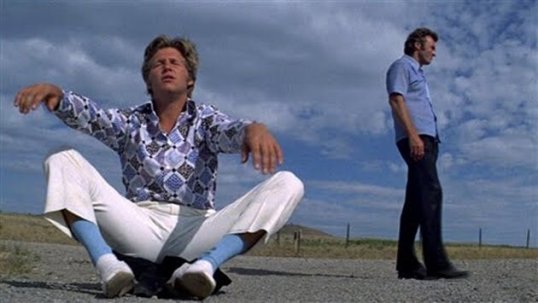
Thunderbolt and Lightfoot (1974, directed by Michael Cimino, DP: Frank Stanley)
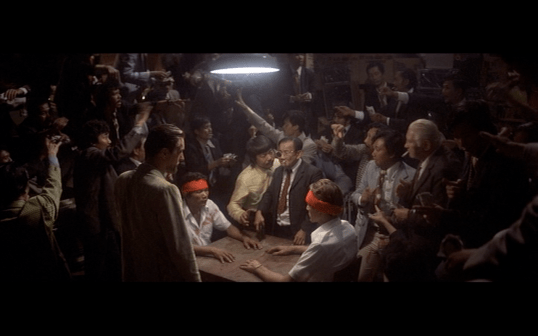
The Deer Hunter (1978, dir by Michael Cimino. DP: Vilmos Zsigmond)
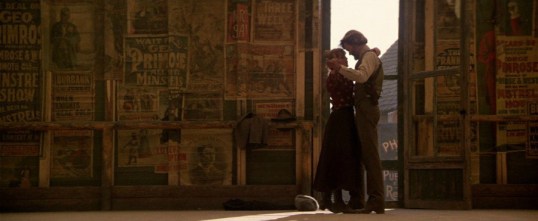
Heaven’s Gate (1980, dir by Michael Cimino, DP: Vilmos Zsigmond)
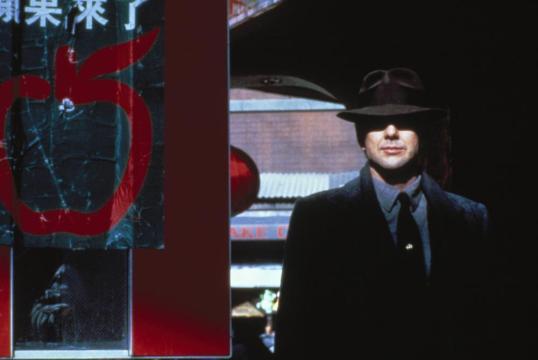
The Year of the Dragon (1985, dir by Michael Cimino, DP: Alex Thomson)
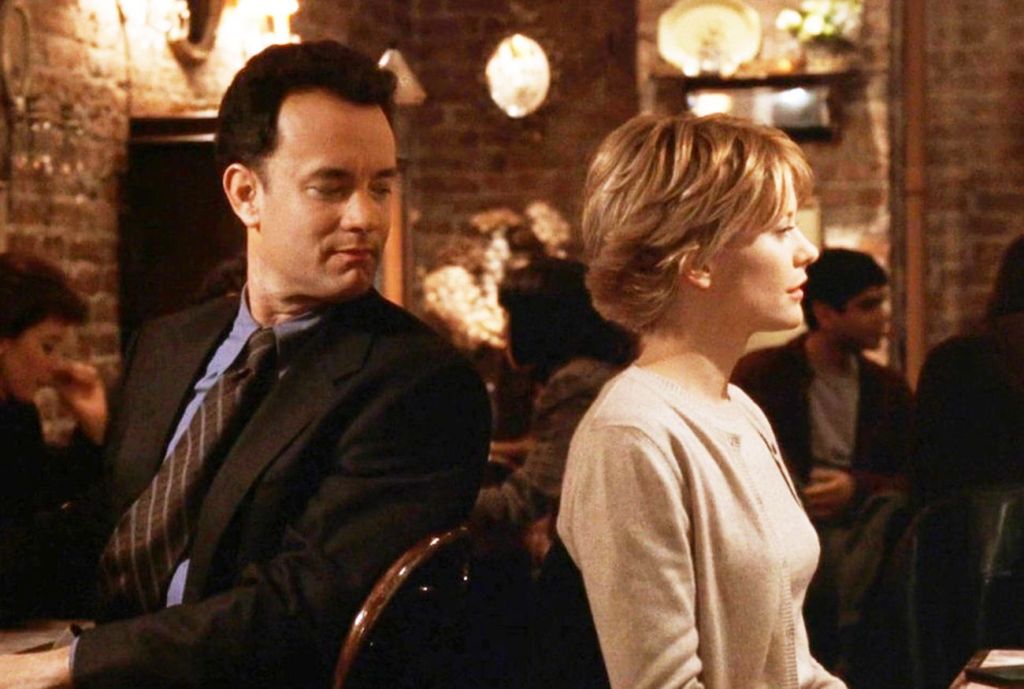
Kathleen Kelly (Meg Ryan) owns a children’s bookstore in New York City named “The Shop Around the Corner.” It’s a small, cozy store that she inherited from her dear mother, and it’s part of the lifeblood of who she is as a person, as well as the community itself. Joe Fox (Tom Hanks), on the other hand, is the heir to a major bookstore chain, Fox Books (think Barnes & Noble), that threatens to wipe places like Kathleen’s off the map. As fate would have it, the two meet anonymously online where they trade their hopes, dreams and insecurities through daily e-mails, with both excitedly opening their computers each night hoping to hear those three little words, “You’ve Got Mail.” Things begin to get interesting when Joe plans to open up a Fox Books Superstore just around the corner from Kathleen’s place with neither knowing that they’re real-life business adversaries. When will they find out that they’re enemies in the business world? Can true love find a way in the most difficult of circumstances? And isn’t that why we watch these kinds of movies in the first place?!
I’ll start off by saying that Meg Ryan is operating at the top of her “America’s sweetheart” phase here… she’s cute, sincere, nostalgic, slightly neurotic, and ultimately quite believable as a person who romanticizes her world and truly believes there will always be a place for her small store and the gigantic superstores! I grew up and still live in the state where Wal-Mart started so I definitely know how hard it is for the “mom and pop” stores to compete. Tom Hanks walks a bit more of a tightrope as Joe Fox. He’s likable enough that you want him to be able to win her heart, but he’s also just arrogant enough that you understand why Kathleen resents everything he stands for. Ultimately, Hanks is able to pull it off with enough charm that you still root for him even when he can be a little bit of a jerk at times.
What’s really strange about revisiting YOU’VE GOT MAIL at this point in my life is the fact that it takes me back to the late 90’s when the internet was something new to me and it seemed like something magical. In this movie, the internet connects two souls, and when we hear “you’ve got mail” as they fire up their computers, the movie expects you to feel genuine excitement, without a hint of irony. Compare that with where the world is today with almost any kind of online activity, especially social media. While there are still a lot of positives to be found, it’s sad that going online now is often exhausting, hateful, and stressful! In 1998, though, it was still possible to believe that logging on could lead to something incredible!
Nora Ephron, who directed the film and co-wrote the screenplay, does a good job of presenting a sad reality of the real world underneath this romantic comedy’s love story. “Progress” can be cruel, and it seems like it just can’t be stopped no matter what! I spend a lot of time talking about the wonderful hours I spent in the video stores of my youth. Those stores are all gone now and have been for decades. The stores that replaced them are mostly gone now, and almost all of my movie viewing is now done through online streaming. In YOU’VE GOT MAIL, Fox Books certainly isn’t better than Kathleen’s Shop Around the Corner. As a matter of fact, it’s not nearly as educational or personal. What it is, however, is bigger, cheaper, and more efficient, and that’s what seems to win in the end, just like it did with the local video stores and Wal-Mart. This is where Ephron does her strongest balancing act. Joe Fox and Kathleen Kelly still fall in love despite the fact that the realities of the world around them take their realistic and natural course. A true human connection is made in the most difficult and painful of circumstances, and that ultimately means more than anything else in the film.
Revisiting YOU’VE GOT MAIL now doesn’t feel that much different than revisiting the film that inspired it, 1940’s THE SHOP AROUND THE CORNER, starring Jimmy Stewart and Margaret Sullavan. Both films are time capsules of a world that no longer really exists. However, both films ultimately realize the time-tested truth that it’s our relationships with other people that provides the most meaning to our lives. That’s a truth that won’t change whether we’re writing letters, sending e-mails, exchanging texts or whatever “progress” the human race achieves in communication in the future! I find some comfort in that.
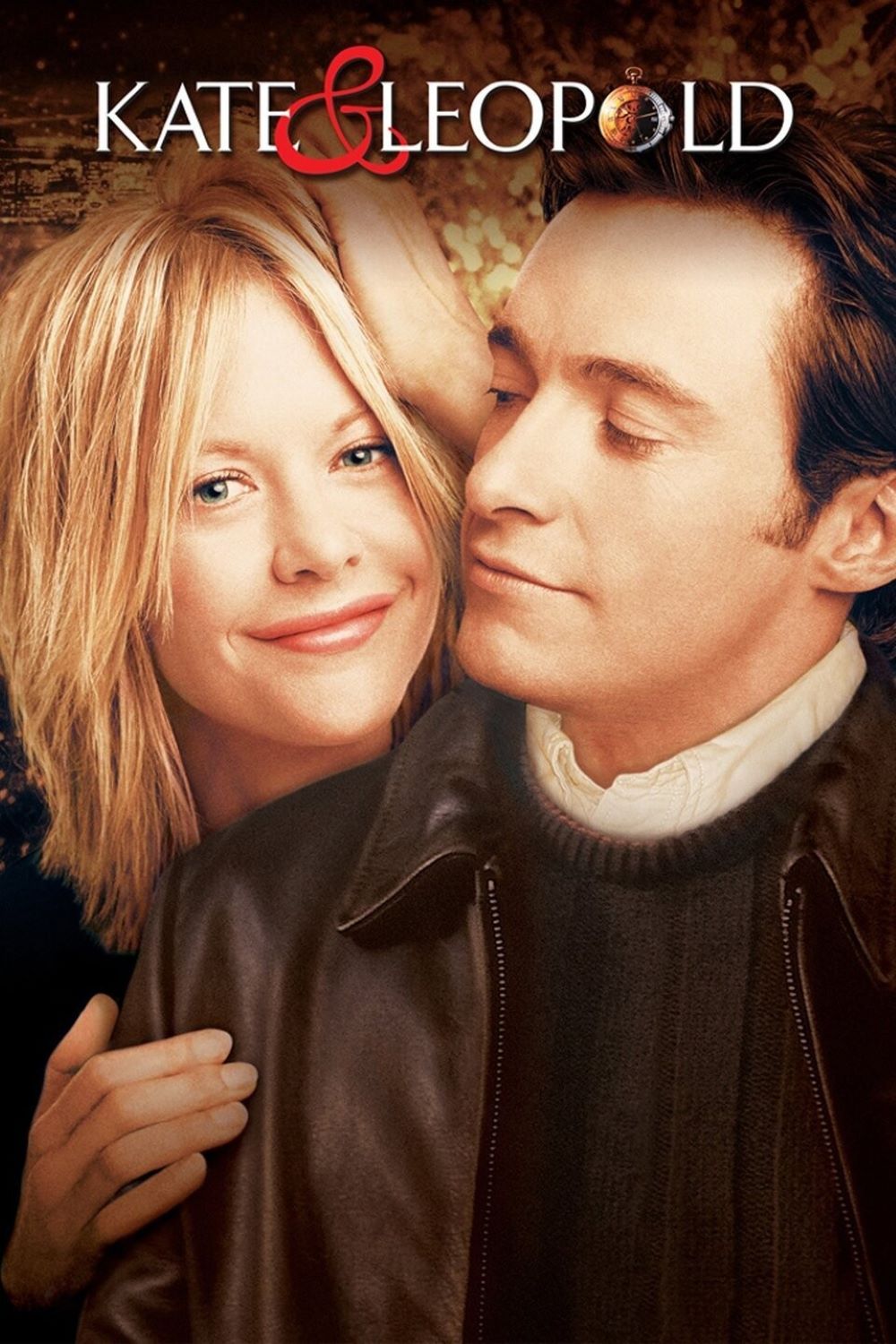
“What has happened to the world? You have every convenience and comfort, yet no time for integrity.” — Leopold
Kate & Leopold is one of those romantic comedies that sneaks up on you with its old-school charm, even if it doesn’t always stick the landing. Released in 2001, it catches Hugh Jackman right after his breakout as Wolverine in the first X-Men film, during that early stretch of hits leading toward epics like The Fountain, giving him a chance to shine in pure rom-com mode before the superhero world fully claimed him. It’s a time-travel tale starring Jackman as a 19th-century duke and Meg Ryan as a modern-day exec, and while it’s predictable in spots, it delivers some genuinely sweet moments amid the silliness, boosted by his fresh, pre-typecast appeal.
The setup is pure fantasy fodder. Leopold, the third Duke of Albany, lives in 1876 New York, tinkering with an elevator prototype that accidentally rips a hole in time. His descendant Stuart, a bumbling scientist played by Liev Schreiber, drags him to the present day. Leopold lands in modern Manhattan, bewildered by cars, skyscrapers, and people who don’t stand when a lady enters the room. Enter Kate McKay, Meg Ryan in full quirky career-woman mode, who’s too busy chasing a promotion to notice the fish-out-of-water nobleman crashing at her place. Her roommate Charlie, a slacker pianist, thinks Leopold’s a method actor at first, leading to some fun roommate hijinks.
What works best is Hugh Jackman’s effortless charisma as Leopold. He nails the role with wide-eyed wonder and impeccable manners, riding a horse through Central Park to chase a mugger, whipping up gourmet meals from sparse ingredients, and delivering lines about life’s simple pleasures—like how food must taste good to nourish the soul—with total sincerity. It’s disarming. Leopold isn’t just a pretty face; he’s a walking critique of 21st-century rudeness. When he calls out advertisers for peddling tasteless margarine or marvels at how folks wolf down burgers without savoring them, you can’t help but chuckle. His old-world chivalry clashes hilariously with New York’s hustle, like when he stands every time Kate leaves the table, leaving her exasperated but secretly charmed.
Meg Ryan holds up her end too, bringing that familiar rom-com energy she perfected in the ’90s. Kate’s a high-powered market researcher obsessed with a big pitch for some farmer’s butter spread—ironic, given Leopold’s later meltdown on set. She’s jaded from a recent breakup with Stuart, prioritizing work over everything, but Leopold slowly cracks her shell. Their first real connection comes over a picnic where he waltzes her around a rooftop to a hired violinist, and yeah, it’s corny, but Jackman sells it. Ryan’s got great chemistry with him; you buy their spark even when the script strains. Liev Schreiber steals scenes as Stuart, evolving from jealous ex to unlikely matchmaker, while Breckin Meyer adds comic relief as Charlie, who learns to woo his crush by channeling Leopold’s authenticity.
The fish-out-of-water gags land most of the laughs. Leopold navigating subways, elevators (his invention, after all), and TV commercials feels fresh enough, especially since the movie leans into his culture shock without overdoing slapstick. There’s a memorable bit where he tours modern New York, gaping at the Brooklyn Bridge and declaring it a marvel, only to learn it’s named after his investment. Director James Mangold keeps things light, blending screwball elements with a touch of Somewhere in Time nostalgia. The score swells romantically, and the production design pops—Leopold’s Victorian tux against neon signs is a nice visual contrast. Early 2000s rom-coms loved these fish-out-of-water tales—like The Holiday or Two Weeks Notice—but this one stands out for its sincere take on manners as a cure for modern cynicism.
But let’s be honest: Kate & Leopold has flaws that keep it from greatness. The time-travel rules are fuzzy at best. Leopold has to return to 1876 or the timeline implodes—elevators stop working, chaos ensues—but it’s hand-waved with vague portal talk. Stuart’s asylum stint feels mean-spirited, and the third act rushes into melodrama. Some supporting bits drag, like the endless ad pitch subplot, and the pacing dips mid-film when everyone’s just hanging out. The plot’s contrived overall, with that bridge-jump climax feeling abrupt, but the earnest vibe carries through.
Still, the romance earns its payoff. Kate and Leopold aren’t insta-lovers; they bicker over integrity versus ambition, with Leopold pushing her to taste life fully and Kate grounding his idealism. Their Central Park chase and final ball scene in 1876 deliver genuine swoon factor. It’s not subversive—Kate ditches her career for corsets, after all—but it celebrates courtesy and heart in a cynical world. Compared to edgier rom-coms like When Harry Met Sally, this one’s softer, more fairy tale than reality check. Ryan’s quirky energy bounces off Jackman’s poise, creating sparks that feel earned, even if the career sacrifice lands a bit dated now.
For a 2001 release, it holds up surprisingly well. No cell phones dominate every scene, letting face-to-face charm shine. Jackman’s glow makes Leopold believable as a duke who’d invent the elevator, and Ryan reminds us why she was America’s sweetheart. It’s PG-13 for mild language and innuendo—nothing racy, safe for date night or family viewing. Critics were mixed; some praised the manners humor but called the plot preposterous, which nails it. Watch it today, and it’s a charming time capsule, as out-of-step as Leopold in a subway.
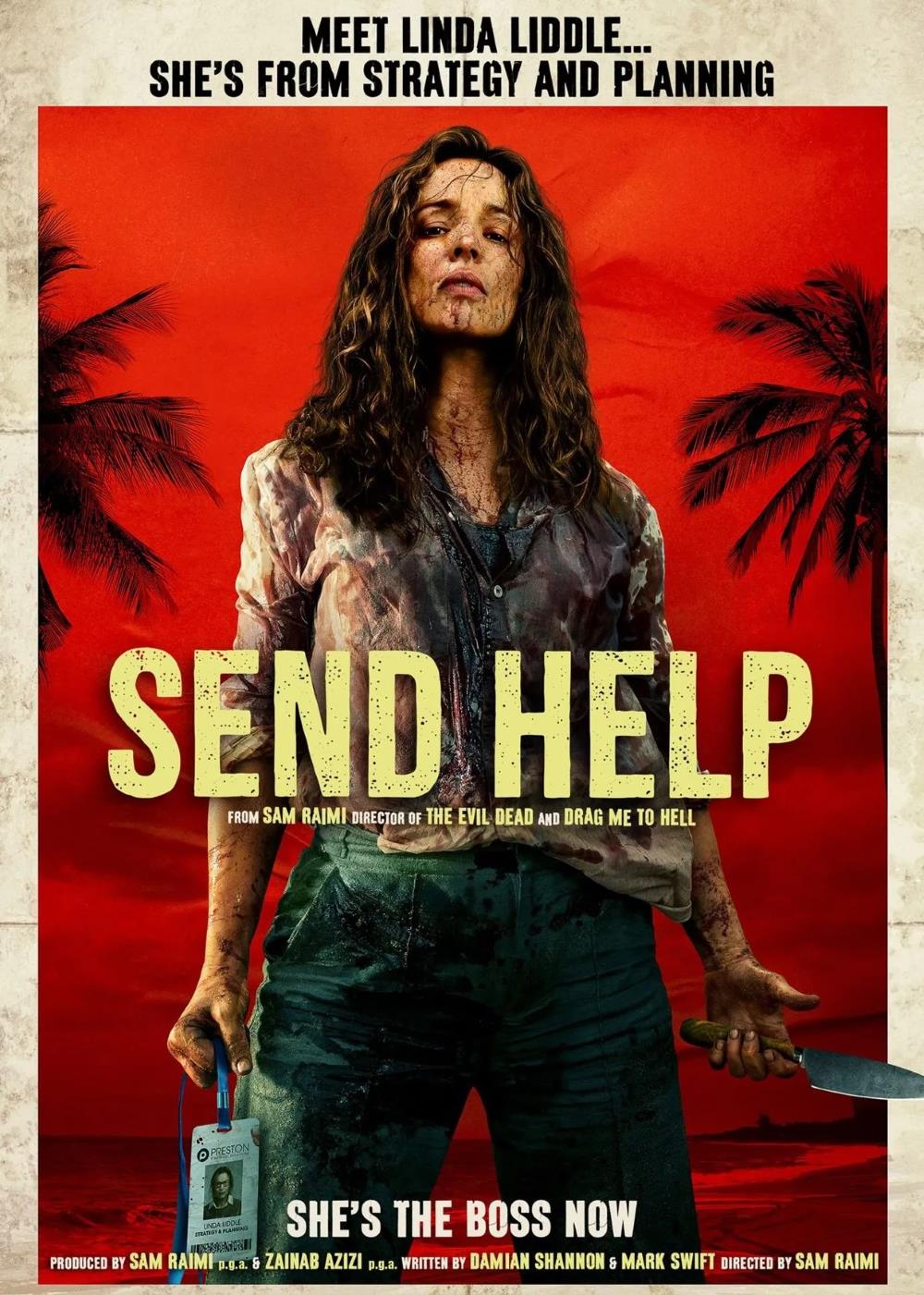
“We’re not in the office anymore, Bradley.” — Linda Liddle
Sam Raimi’s Send Help is a nasty, funny, and surprisingly romantic little pressure cooker that strands two archetypes—the mousy doormat and the smug rich kid—on a desert island and then slowly turns the screws until the film’s “eat the rich” satire curdles into genuine horror. It is neither the triumphant, all‑timer comeback some fans might crave nor a lazy retread, but a confident mid‑budget horror‑comedy from a director who still knows exactly how to make an audience wince and cackle in the same breath.
Raimi and writers Damian Shannon and Mark Swift build Send Help on a simple but potent premise: Linda Liddle (Rachel McAdams), a meek corporate strategist and survival‑show obsessive, has been promised a promotion by her former boss, only for the new CEO—his son Bradley Preston (Dylan O’Brien)—to hand the job to his frat‑bro buddy Donovan and try to shuffle Linda into a dead‑end role. He finds her embarrassing and even comments on her smell; she swallows the humiliation until a company plane trip to a business summit ends in a violent crash, leaving Linda and Bradley as the only known survivors on a remote island in the Gulf of Thailand. Out here, Linda’s years of reality‑TV survival fandom and wilderness prepper skills suddenly matter, while Bradley’s only proven talents—golf, networking, and cruelty—are exposed as useless.
The first act, set in the office and on the doomed flight, plays as Raimi’s version of workplace horror, pitched somewhere between Drag Me to Hell’s moral fable and a nastier episode of The Office. McAdams leans into Linda’s awkwardness without turning her into a caricature, sketching a woman who has internalized decades of minor humiliations and found solace in parasocial survival fantasies. O’Brien, meanwhile, riffs on the archetype of the tech‑adjacent finance bro, weaponizing charm into something brittle and mean so that every “joke” lands like a micro‑aggression. Raimi shoots these early scenes with brisk, unfussy energy, reserving his more flamboyant camera moves for moments when Linda’s resentment starts to spike; the tonal hint is clear that the island will be where his signature style truly erupts.
Once the plane goes down, Send Help shifts into a survival thriller that gradually becomes a duel, and this is where the film finds its most compelling rhythm. Linda wakes up, builds a shelter, secures water, and—crucially—chooses to help the injured Bradley despite every reason not to, only to be met with the same entitled barking as in the office. She abandons him for days to bake in the sun and dehydrate, only to return at the brink and ration out water on her terms, turning what could have been a straightforward revenge fantasy into a looping series of power reversals. Raimi milks the island setting for physical comedy—failed fire‑starting, slapstick injuries, disgusting food gags—before undercutting the laughs with sudden spikes of cruelty and violence that remind you someone could easily die out here.
Raimi’s direction is where Send Help most clearly announces itself as his homecoming to horror. Even without demons or supernatural curses, he brings back the aggressive visual language: lunging crash zooms, canted angles that seem to tilt with Linda’s shifting moral compass, and kinetic tracking shots that whip around the camp as arguments turn into physical scuffles. The gore is heightened but not constant—geysers of blood appear at key turning points, functioning as exclamation marks on the escalating class war rather than wall‑to‑wall splatter. You can still feel the Three Stooges in the staging; even the nastiest beats often end on a punchline built around bodily fluids, improvised weapons, or the absurd indignity of almost dying because you slipped on a fish.
Tonally, the film walks a provocative tightrope between screwball rom‑com and survival horror, and your mileage will depend on how much whiplash you are willing to embrace. There are scenes that play almost like a twisted date movie—Linda cooking up makeshift dinners, trying to build a semblance of “home,” Bradley begrudgingly softening—only for the dynamic to swerve back into emotional manipulation or outright brutality. The film clearly flirts with the tradition of 1930s battle‑of‑the‑sexes comedies, but here the gender and class politics are sharper, and the potential for lethal violence never disappears. For some viewers, this constant oscillation will feel thrillingly unstable; for others, it may make the film’s ultimate stance on these characters’ relationship and culpability feel muddier than intended.
Narratively, Send Help borrows its class‑flipped survival template from the kind of satirical, wealth‑skewering stories where workers suddenly control the only skills that matter. The formerly “lowly” employee—in this case Linda rather than a bathroom janitor or ship’s cleaner—suddenly dictates the terms of existence, upending the old hierarchy once the corporate infrastructure is gone. Where broader ensemble satires linger on systemic critique, Raimi narrows the focus to a two‑hander and uses genre excess to explore how vengeance, desire, and survival blur together when the rules are erased. This narrower scope sometimes makes the class commentary feel schematic—you can spot each new reversal coming like a story beat in a screenwriting manual—but it also gives McAdams and O’Brien ample room to shade their roles.
Performance‑wise, McAdams is the film’s anchor and secret weapon. She charts Linda’s evolution from shy, apologetic office drone to ruthless island operator without losing sight of the character’s essential decency, so that her darker choices land as both cathartic and unsettling. O’Brien has the flashier arc in some ways, modulating Bradley from cartoonish jerk to scared, dependent man‑child and, eventually, something more morally ambiguous as he learns how to play the island power game himself. Their chemistry thrives on friction; the film is at its best when it lets them volley insults, bargains, and threats in long, increasingly twisted negotiations over food, shelter, and the possibility of rescue.
Where Send Help falters is largely in its final stretch, where Raimi has to decide just how far he’s willing to push the “eat the rich” fantasy and what that means for Linda’s soul. Without spoiling specifics, the climax leans into brutal spectacle and a last‑minute moral turn that some may read as a cop‑out and others as a necessary corrective to pure revenge porn. The thematic through‑line—that capitalism warps everyone it touches and that power corrupts even the formerly powerless—is coherent enough, but a few late plot contrivances and cameo‑style appearances from supporting players feel more functional than organic.
Ultimately, Send Help plays like a spiritual cousin to Drag Me to Hell: a small, mean moral tale about how a single workplace injustice can metastasize into something monstrous once the trappings of civilization fall away. It may not reinvent survival horror or class satire, and viewers hoping for the wild supernatural invention of Evil Dead II or the operatic sweep of Spider‑Man 2 might find it comparatively contained. But as a brisk, roughly 100‑minute showcase for Raimi’s enduring flair, anchored by a terrific McAdams performance and a gleefully ugly sense of humor, it is a welcome return to the genre that made his name—and a reminder that sometimes the scariest demons are just your coworkers, stripped of HR and given a machete.
Hi, everyone! Tonight, on twitter, I will be hosting one of my favorite films for #MondayMania! Join us for 2019’s The Wrong Stepmother!
You can find the movie on Prime and Tubi and then you can join us on twitter at 9 pm central time! (That’s 10 pm for you folks on the East Coast.) See you then!
 Through the Shattered Lens