4 Shots From 4 Films: Special James Earl Jones Edition


4 Or More Shots From 4 Or More Films is just what it says it is, 4 shots from 4 of our favorite films. As opposed to the reviews and recaps that we usually post, 4 Shots From 4 Films lets the visuals do the talking!

Today, we remembers the great James Earl Jones.  It’s time for….

4 Shots From 4 James Earl Jones Films

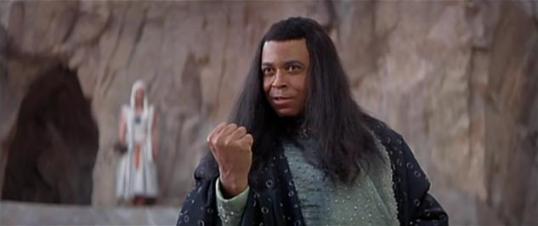
Conan The Barbarian (1982, dir by John Milius, DP: Duke Callaghan)

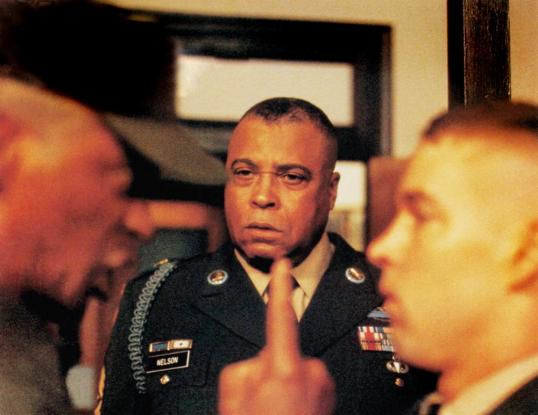
Gardens of Stone (1987, dir by Francis Ford Coppola, DP: Jordan Cronenweth)

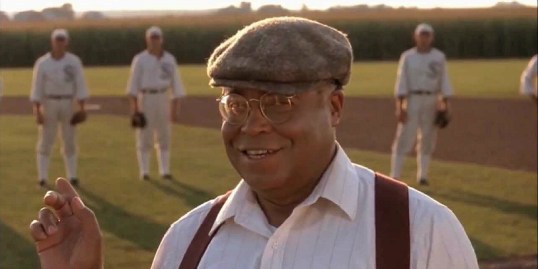
Field of Dreams (1989, dir by Phil Alden Robinson, DP: John Lindley)

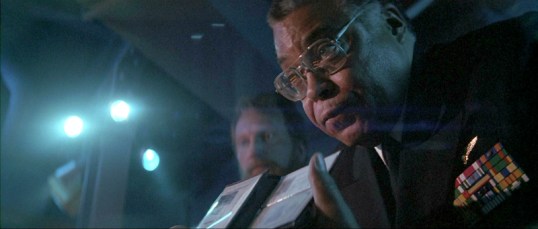
The Hunt for Red October (1990, directed by John McTiernan, DP: Jan de Bont)

Scenes That I Love: James Earl Jones in Field of Dreams


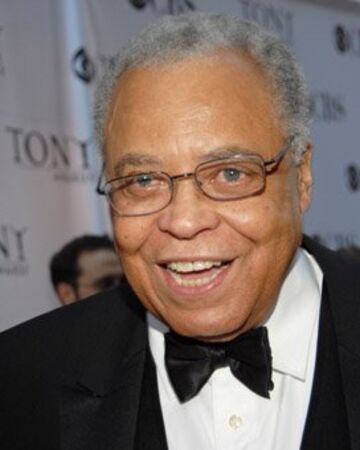
Today would have been James Earl Jones’s 95th birthday.

Today’s scene that I love features him reacting to an impromptu visit from Kevin Costner in 1989’s Field of Dreams.  With his famous voice, his good humor, and his own inspiring story of overcoming a childhood stutter to become one of our greatest actors, it’s often easy to forget that some of Jones’s best moments came when he played characters who were just fed up with the stupidity of the world.

Live Tweet Alert: Join #ScarySocial for Demonic Toys!


As some of our regular readers undoubtedly know, I am involved in a few weekly live tweets on twitter.  I host #FridayNightFlix every Friday, I co-host #ScarySocial on Saturday, and I am one of the five hosts of #MondayActionMovie!  Every week, we get together.  We watch a movie.  We tweet our way through it.

Tonight, at 9 pm et, Deanna Dawn will be hosting #ScarySocial!  The movie?  1992’s Demonic Toys!  

If you want to join us this Saturday, just hop onto twitter, start the movie at 9 pm et, and use the #ScarySocial hashtag!  It’s a friendly group and welcoming of newcomers so don’t be shy.

The film is available on Prime and Tubi!

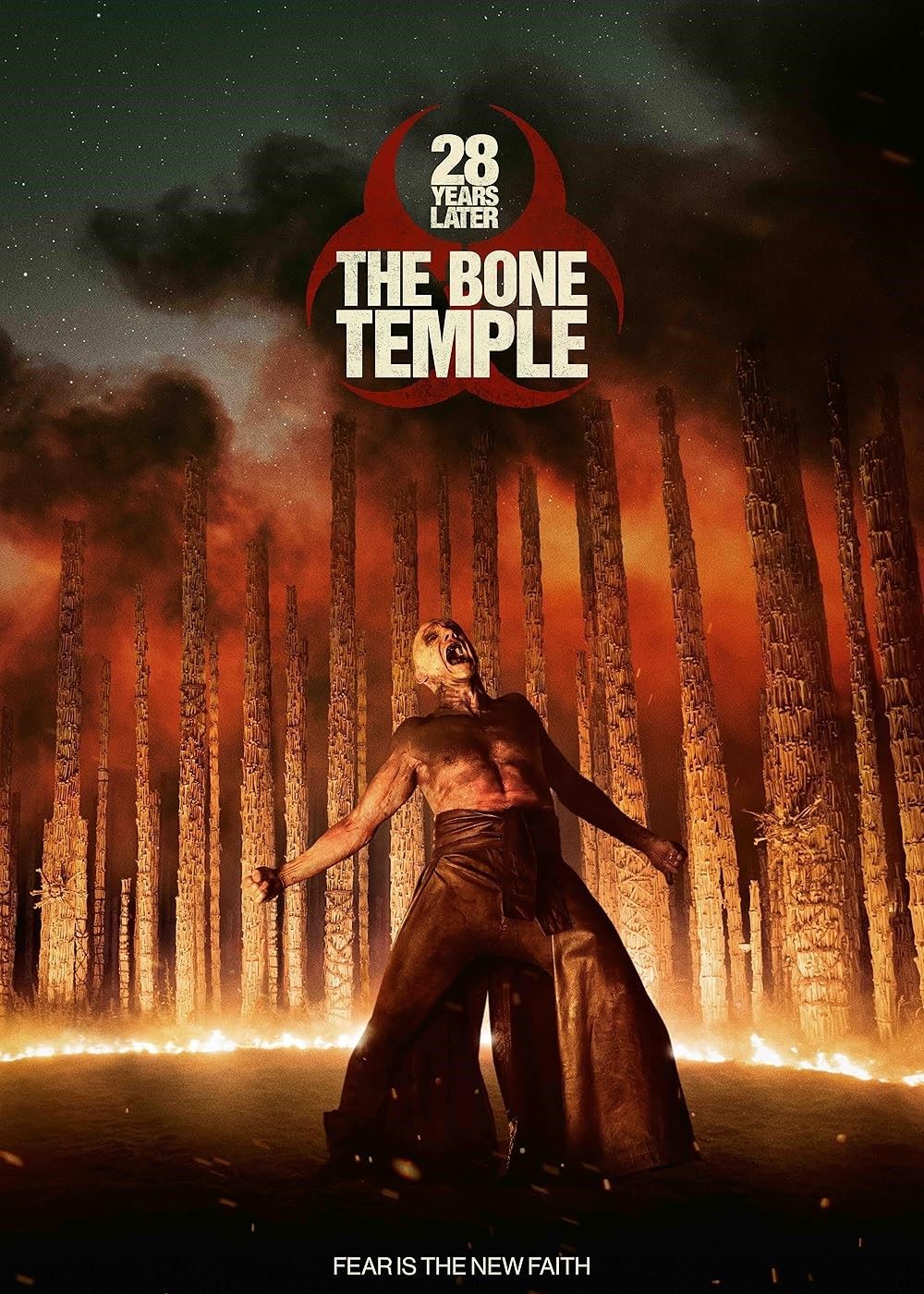
28 Years Later: The Bone Temple (dir. by Nia DaCosta) Review


“Every skull is a set of thoughts. These sockets saw and these jaws spoke and swallowed. This is a monument to them. A temple.” — Dr. Ian Kelson

28 Years Later: The Bone Temple crashes into 2026 with the force of a Rage-infected sprint, claiming its spot as one of the year’s top films right out of the gate, flaws and all. Directed by Nia DaCosta, the film continues to showcase her evolving command as a filmmaker, building directly on the promise of her 2025 character study Hedda, where she dissected emotional isolation with surgical precision and atmospheric tension. Where The Marvels in 2023 felt like a worthy attempt hampered by a screenplay that couldn’t decide on a tone—swinging between quippy banter and high-stakes drama while beholden to the cinematic universe’s endless interconnections—The Bone Temple unleashes DaCosta at full throttle, free from franchise baggage to craft a horror epic that’s visually poetic, thematically fearless, and rhythmically assured.​

Yeah, it revels in bleakness that can border on exhausting, and its structure wanders more than it charges forward, but those imperfections only underscore how fiercely original and alive it feels compared to the rote horror sequels we’re usually fed. Decades past the initial outbreak that defined 28 Days Later and 28 Weeks Later, the apocalypse here isn’t a fresh crisis anymore—it’s infrastructure, a grim new normal etched into the landscape. Survivors haven’t rebuilt so much as repurposed the ruins, carving out rituals and monuments that say as much about lingering trauma as they do about adaptation. The Rage virus still turns people into feral killers, ripping through flesh in those signature bursts of speed and savagery, but the infected have evolved in intriguing ways that deepen the world’s mythology without overshadowing the human core. The spotlight swings to human extremes: towering bone architectures raised as memorials, nomadic gangs treating murder like liturgy, and lone figures wrestling with whether dignity even matters when bodies pile up unmarked. This pivot lets the film breathe in ways the earlier entries couldn’t, expanding a zombie-adjacent thriller into something folk-horrific and introspective.

Dr. Ian Kelson embodies that shift, and Ralph Fiennes delivers what might be his meatiest role in years—a reclusive physician-architect whose Bone Temple dominates the story like a character itself, adding a profound level of tragic humanity that stands in stark, poignant contrast to the nihilistic worldview of Sir Lord Jimmy Crystal and his blindly devoted followers. Picture spires of meticulously arranged skulls and femurs, bleached white against misty Scottish skies, lit at night like profane altars: it’s production design that hits you visually first, then sinks in thematically as Kelson’s obsession with cataloging the dead. Fiennes plays him not as a villain or eccentric, but as a man fraying at the edges—tender when easing a dying woman’s passage (Spike’s mother, in a flashback that sets the whole narrative in motion), ruthless in his logic about preserving memory over sentiment. “Every skull is a set of thoughts,” he murmurs in one standout line, sockets staring empty, jaws frozen mid-word—a perfect encapsulation of the film’s meditation on legacy amid oblivion. Those quiet scenes, where Kelson debates ethics with survivors or observes the infected Samson with clinical curiosity shading into something paternal, ground the movie’s wilder swings and prove Fiennes can carry horror on sheer presence alone.​

Spike, our entry point into this madness, carries scars from that childhood brush with the Temple and his mother’s end, propelling him toward Jimmy Crystal’s orbit like fate’s cruel magnet. He’s no square-jawed lead; he’s reactive, watchful, hardening through trials that test his humanity without fully erasing it. That arc collides with Jimmy’s cult—a roving pack of devotees renamed his “seven fingers,” all aping the leader’s bleach-blond hair, loud tracksuits, and flashy trinkets in a uniformity that’s both comic and chilling. Jack O’Connell chews the scenery as Jimmy, a pint-sized prophet whose charisma masks profound damage: twitchy grins, boyish rants blending kids’ TV catchphrases with fire-and-brimstone, devotion to his “Old Nick” devil figure turning every kill into theater. The Savile visual parallels—those garish outfits evoking the real-life abuser’s predatory fame—add a layer of cultural poison, implying charisma survives apocalypse by mutating into something even uglier, with institutions gone but the hunger for idols intact. O’Connell makes Jimmy magnetic and monstrous, a performance that elevates the cult from trope to tragedy.​

If the film’s greatness shines through performances and visuals, its violence tests that shine—deliberately, one suspects. Infected attacks deliver franchise-expected chaos: heads torn free, eyes clawed out, bodies pulped in handheld frenzy. But Jimmy’s rituals amp the sadism—knife duels extended into endurance ordeals, flayings half-glimpsed but fully heard, victims’ pleas dragging until empathy fatigues. It’s grueling, sometimes overlong, risking audience burnout, yet it serves the theme: in a Rage world, human-inflicted torment outlasts viral rage because it feeds on belief. DaCosta pulls punches visually (smart cuts, shadows over gore) but lingers on emotional fallout, making cruelty feel earned rather than exploited— a maturation from The Marvels‘ tonal whiplash into controlled, purposeful discomfort. Counterpoints pierce through: Jimmy Ink’s furtive kindnesses toward Spike, Ian and Samson’s drug-hazy field dances blurring monster and man, fragments of backstory humanizing even Jimmy’s frenzy. These glimmers don’t redeem the world—they make its harshness sting deeper, proving flickers of connection persist as defiant accidents.

Technically, the film flexes non-stop, with DaCosta’s post-Hedda assurance evident in every frame. Anthony Dod Mantle’s cinematography weds gritty digital shakes to sweeping drone shots, turning Highlands into deceptive idylls ruptured by whip-pans and flame flares. Sound design hums with menace—whistling winds masking howls, train rumbles underscoring rituals, screams echoing into silence for maximum unease. Editing mirrors the narrative’s spiral: episodic loops around Spike’s hardening, Ian’s doubt, Jimmy’s collapse, eschewing linear escalation for dream-logic dread that suits a “settled” apocalypse. The Temple centerpiece ritual explodes into metal-thrash worship, cultists moshing amid pyres—a grotesque stadium parody where faith meets fandom in blood-soaked ecstasy. Even the score pulses with restraint, letting ambient horror fill gaps better than bombast ever could.

Tonally, it juggles masterfully: tender Kelson vignettes abut cult carnage, philosophical riffs on atheism versus delusion frame gore-fests, folk-horror monuments clash with infection thriller roots. Themes of faith-as-coping, grief-as-art, ideology’s pitfalls land without preaching—Kelson’s secular duty versus Jimmy’s ecstatic nihilism debates through action, not monologue. The ending circles back to series emotional cores (survival’s cost, hope’s fragility) while forging ahead, teasing Spike’s grim purpose without cheap uplift.

Flaws? The runtime sags in cult stretches, bleakness borders masochistic, sprawl might frustrate plot-chasers. But these are risks of ambition, not laziness—choices that make triumphs (Fiennes’ gravitas, O’Connell’s feral spark, visuals’ poetry) land harder, all under DaCosta’s steady hand that Hedda honed and The Marvels tested. In January 2026, amid safe genre retreads, The Bone Temple towers: a sequel philosophically dense, actor-propelled, unafraid to wound deeply then whisper mercy. It hurts because it sees us clearly—craving structure in chaos, building temples from bones, real or imagined. One of the year’s best, period, for daring to evolve rather than echo.

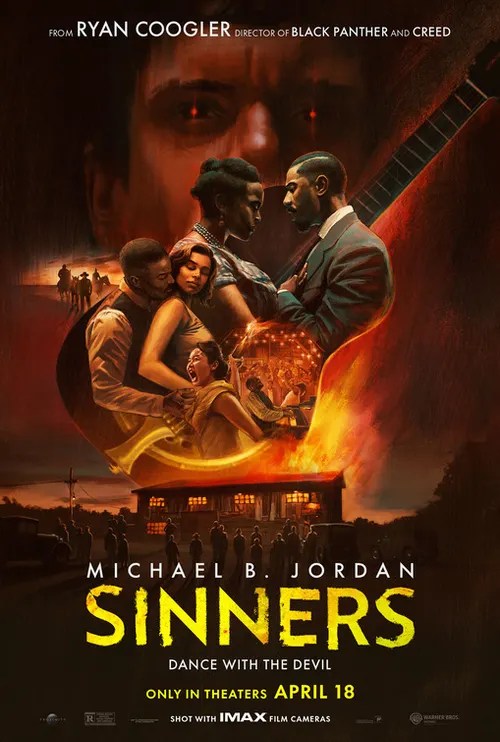
The Chicago Indie Film Critics Honor Train Dreams and Sinners!


The Chicago Indie Critics have announced their picks for the best of 2025!  The winners are listed in bold!

BEST INDEPENDENT FILM
If I Had Legs I’d Kick You – Producers: Sara Murphy, Ryan Zacarias, Ronald Bronstein, Josh Safdie, Eli Bush, Conor Hannon, Richie Doyle
It Was Just an Accident – Producers: Jafar Panahi, Philippe Martin
The Life of Chuck – Producers: Trevor Macy, Mike Flanagan
Sorry, Baby – Producers: Adele Romanski, Mark Ceryak, Barry Jenkins
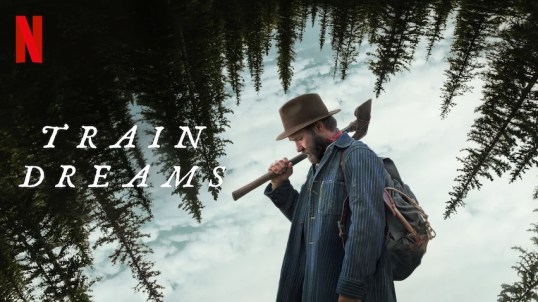
Train Dreams – Producers: Marissa McMahon, Teddy Schwarzman, Will Janowitz, Ashley Schlaifer, Michael Heimler

BEST STUDIO FILM
Hamnet – Producers: Liza Marshall, Pippa Harris, Nicolas Gonda, Sam Mendes, Steven Spielberg
Marty Supreme – Producers: Eli Bush, Ronald Bronstein, Josh Safdie, Anthony Katagas, Timothée Chalamet
One Battle After Another – Producers: Adam Somner, Sara Murphy, Paul Thomas Anderson
Sinners – Producers: Zinzi Coogler, Sev Ohanian, Ryan Coogler
28 Years Later – Producers: Andrew Macdonald, Peter Rice, Bernie Bellew, Danny Boyle, Alex Garland

BEST INTERNATIONAL FILM
It Was Just an Accident – Producers: Jafar Panahi, Philippe Martin
No Other Choice – Producers: Park Chan-wook, Back Jisun, Michèle Ray-Gavras, Alexandre Gavras
The Secret Agent – Producers: Emilie Lesclaux, Kleber Mendonça Filho
Sentimental Value – Producers: Maria Ekerhovd, Andrea Berentsen Ottmar
Sirât – Producers: Domingo Corral, Oliver Laxe, Xavi Font, Pedro Almodóvar, Agustín Almodóvar, Esther García, Oriol Maymó, Mani Mortazavi, Andrea Queralt

BEST DOCUMENTARY
John Candy: I Like Me – Producers: Colin Hanks, Johnny Pariseau, George Dewey, Shane Reid, Ryan Reynolds, Sean Stuart, Glen Zipper
Orwell: 2 + 2 = 5 – Producers: Raoul Peck, Alex Gibney, George Chignell, Nick Shumaker
The Perfect Neighbor – Producers: Alisa Payne, Geeta Gandbhir, Nikon Kwantu, Sam Bisbee
Secret Mall Apartment – Producers: Jeremy Workman, Jesse Eisenberg
Zodiac Killer Project – Producers: Charlie Shackleton, Anthony Ing, Catherine Bray

BEST ANIMATED FILM
Elio – Producers: Madeline Sharafian, Domee Shi, Adrian Molina, Mary Alice Drumm
KPop Demon Hunters – Producers: Maggie Kang, Chris Applehans, Michelle Wong
Looney Tunes: The Day the Earth Blew Up – Producers: Peter Browngardt, Sam Register, Alex Kirwan
Predator: Killer of Killers – Producers: John Davis, Dan Trachtenberg, Marc Toberoff, Ben Rosenblatt
Zootopia 2 – Producers: Jared Bush, Byron Howard, Yvett Merino

BEST DIRECTOR
Paul Thomas Anderson – One Battle After Another
Ryan Coogler – Sinners
Guillermo del Toro – Frankenstein
Jafar Panahi – It Was Just an Accident
Chloé Zhao – Hamnet

BEST ORIGINAL SCREENPLAY
Eddington – Ari Aster
Marty Supreme – Ronald Bronstein, Josh Safdie
Sinners – Ryan Coogler
Sorry, Baby – Eva Victor
Weapons – Zach Cregger

BEST ADAPTED SCREENPLAY
Bugonia – Will Tracy
Frankenstein – Guillermo del Toro
Hamnet – Chloé Zhao, Maggie O’Farrell
One Battle After Another – Paul Thomas Anderson
28 Years Later – Alex Garland

BEST ACTOR
Timothée Chalamet – Marty Supreme
Leonardo DiCaprio – One Battle After Another
Ethan Hawke – Blue Moon
Michael B. Jordan – Sinners
Jesse Plemons – Bugonia

BEST ACTRESS
Jessie Buckley – Hamnet
Rose Byrne – If I Had Legs I’d Kick You
Amanda Seyfried – The Testament of Ann Lee
Emma Stone – Bugonia
Eva Victor – Sorry, Baby

BEST SUPPORTING ACTOR
Benicio del Toro – One Battle After Another
Jacob Elordi – Frankenstein
Delroy Lindo – Sinners
Sean Penn – One Battle After Another
Stellan Skarsgård – Sentimental Value

BEST SUPPORTING ACTRESS
Odessa A’zion – Marty Supreme
Amy Madigan – Weapons
Wunmi Mosaku – Sinners
Hailee Steinfeld – Sinners
Teyana Taylor – One Battle After Another

BEST ENSEMBLE (Casting Director Award)
Black Bag – Carmen Cuba
It Was Just an Accident – Jafar Panahi
Marty Supreme – Jennifer Venditti
One Battle After Another – Cassandra Kulukundis
Sinners – Francine Maisler

BREAKOUT PERFORMER
Odessa A’zion
Miles Caton
Indy the Dog
Chase Infiniti
Jacobi Jupe

BREAKOUT BEHIND-THE-SCENES
Clint Bentley
Harris Dickinson
Scarlett Johansson
James Sweeney
Eva Victor

SIGHT UNSEEN PERFORMANCE
Jason Bateman – Zootopia 2
Oona Chaplin – Avatar: Fire and Ash
Nick Offerman – The Life of Chuck
Will Patton – Train Dreams
Alan Tudyk – Superman

BEST CINEMATOGRAPHY
F1 – Claudio Miranda
Frankenstein – Dan Laustsen
One Battle After Another – Michael Bauman
Sinners – Autumn Durald Arkapaw
Train Dreams – Adolpho Veloso

BEST PRODUCTION DESIGN
The Fantastic Four: First Steps – Kasra Farahani, Jille Azis
Frankenstein – Tamara Deverell
Sinners – Hannah Beachler, Monique Champagne
28 Years Later – Carson McColl, Gareth Pugh
Wicked: For Good – Nathan Crowley, Lee Sandales

BEST EDITING
F1 – Stephen Mirrione
Marty Supreme – Ronald Bronstein, Josh Safdie
One Battle After Another – Andy Jurgensen
Sinners – Michael P. Shawver
Weapons – Joe Murphy

BEST COSTUME DESIGN
The Fantastic Four: First Steps – Alexandra Byrne
Frankenstein – Kate Hawley
Hedda – Lindsay Pugh
Sinners – Ruth E. Carter
Wicked: For Good – Paul Tazewell

BEST MAKEUP
Frankenstein – Mike Hill, Jordan Samuel, Cliona Furey
Sinners – Mike Fontaine, Ken Diaz, Shunika Terry
The Smashing Machine – Kazu Hiro, Felix Fox, Mia Neal
28 Years Later – Flora Moody, John Nolan
Weapons – Leo Satkovich, Melizah Wheat, Jason Collins

BEST VISUAL EFFECTS
Avatar: Fire and Ash – Joe Letteri, Richard Baneham, Eric Saindon, Daniel Barrett
F1 – Ryan Tudhope, Keith Alfred Dawson, Nicholas Chevallier, Robert Harrington
Frankenstein – Dennis Berardi
Sinners – Michael Ralla, Espen Nordahl, Guido Wolter, Donnie Dean
Superman – Stephane Ceretti, Enrico Damm, Stephane Naze, Guy Williams

BEST STUNTS
Ballerina – Jackson Spidell, Stephen Dunlevy
F1 – Gary Powell, Luciano Bacheta
Mission: Impossible – The Final Reckoning – Wade Eastwood
One Battle After Another – Brian Machleit
Superman – Wayne Dalglish

BEST SOUND
Avatar: Fire and Ash – Gwendolyn Yates Whittle, Brent Burge, Gary Summers, Michael Hedges, Alexis Feodoroff, Julian Howarth
F1 – Al Nelson, Gwendolyn Yates Whittle, Gary A. Rizzo, Juan Peralta, Gareth John
Sinners – Chris Welcker, Benny Burtt, Brandon Proctor, Steve Boeddeker, Felipe Pacheco
28 Years Later – Johnnie Burn
Warfare – Mitch Low, Glenn Freemantle, Ben Barker, Howard Bargroff, Richard Spooner

BEST ORIGINAL SCORE
Frankenstein – Alexandre Desplat
Hamnet – Max Richter
Marty Supreme – Daniel Lopatin
One Battle After Another – Jonny Greenwood
Sinners – Ludwig Göransson

BEST ORIGINAL SONG
“Clothed by the Sun” – The Testament of Ann Lee (Written by Daniel Blumberg, Mona Fastvold; Performed by David Cale, Lewis Pullman, Matthew Beard)
“Golden” – KPop Demon Hunters (Written by EJAE, Mark Sonnenblick, IDO, 24, Teddy; Performed by EJAE, Audrey Nuna, Rei Ami)
“Highest 2 Lowest” – Highest 2 Lowest (Written and Performed by Aiyana-Lee)
“I Lied to You” – Sinners (Written by Raphael Saadiq, Ludwig Göransson; Performed by Miles Caton)
“Pale, Pale Moon” – Sinners (Written by Brittany Howard, Ludwig Göransson; Performed by Jayme Lawson)

THE IMPACT AWARD
Elizabeth Arnott – Programmer of “Sapphopalooza”
Tyler Michael Baletine – Programmer of “Life Within the Lens: Juneteenth Edition”
Matthew C. Hoffman – Programmer and Host at the Pickwick Theatre
Anna Pattinson – Editor-in-Chief of Cinema Femme
Michael Phillips – Former Film Critic of The Chicago Tribune
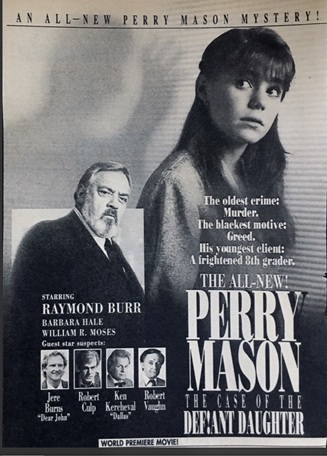
I Watched Perry Mason: The Case of the Defiant Daughter (1990, Dir. by Christian I. Nyby II)


Perry Mason (Raymond Burr) and Ken Malansky (William R. Moses) are in Las Vegas for a boxing match but you know how it is when you’re the world’s most famous defense attorney.  Perry can’t even go to Nevada without getting drawn into a court case.  This time, David Benson (John Posey) is accused of shooting a blackmailer named Richard Stuart (Robert Culp).  David’s teenage daughter, Melanie (Jenny Lewis), convinces Perry to take the case.  She also tries to investigate on her own.  It turns out that Richard Stuart was blackmailing several people.  The suspects include Robert Vaughn, Jere Burns, Ken Kercheval, and Kevin Tighe.

I went back and forth on this entry.  The best thing about this movie were the other suspects, who were all flamboyant Las Vegas characters.  However, Melanie was sometimes annoying, even though it was understandable that she would be upset about her father being accused of murder.  But I do think it was interesting to see how Perry related to Melanie.  There’s a really sad subtext to the movie because Perry’s entire life is about his work.  His friends are other attorneys.  He doesn’t seem to have a family.  While defending David, Perry became a surrogate father for Melanie but, at the end of the movie, Perry was once again alone.

In the end, The Case of the Desperate Daughter won me over.  It was entertaining to see Perry in a different setting and dealing with characters who were more memorable than the usual cast of suspects.  Even Perry Mason needed an occasional change of scenery.

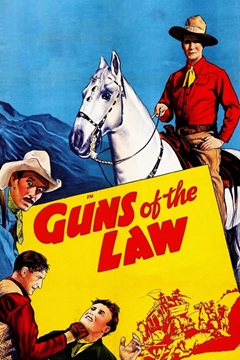
Guns of the Law (1944, directed by Elmer Clifton)


Three Texas Rangers — Tex Wyatt (Dave O’Brien), Jim Steele (James Newill), and Panhandle Perkins (Guy Wilkerson) — ride into a small town.  They each arrive separately and they all sing while sitting on their horses.  They’re in town to help out Jed Wilkins, who was Panhandle’s superior officer during the Civil War.  Jed is having a nervous breakdown because a crooked surveyor (Jack Ingram) and shifty lawyer (Charles King) are trying to cheat him out of his land.  Jed thinks that he’s serving in the war again so Panhandle has to wear his old Confederate uniform to keep Jed from losing it any further.

The Texas Rangers starred in a series of B-westerns.  This one is mostly amiable, though I think modern viewers will probably have a more difficult time with the Confederate uniform than viewers did in 1944.    Having watched enough of these movies, I’ve lost track of the number of crooked lawyers that Charles King played over the years.  He was one of the great B-movie villains, that’s for sure.

I don’t really know what to make of the singing cowboy genre.  Why are they singing while riding through the wilderness and trying not to get shot?  Do all of the Texas Rangers sing or is it just these three?  This movie raises so many questions.  What’s odd is that the songs in this movie are actually really catchy.  I can still remember the tunes, if not all of the lyrics.  Don’t break the law, the Rangers sang as they rode out of town at the end of the movie.  Don’t break the law.

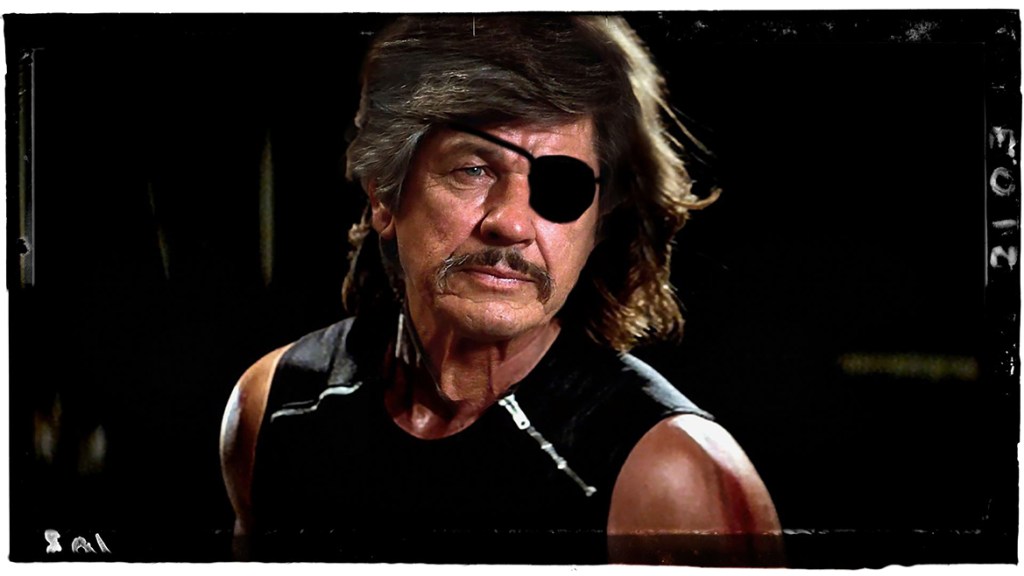
Did you know that Snake Plissken was almost played by….. CHARLES BRONSON?


If you’re following the page today, you know that The Shattered Lens is celebrating the 78th birthday of legendary Director John Carpenter. Did you know that there was a time when the studio “suits” wanted Charles Bronson to play the role of Snake Plissken in Carpenter’s classic, ESCAPE FROM NEW YORK? A big star when the original idea of the film began kicking around, studio executives felt that an experienced, gritty actor like Bronson might be perfect for the role, especially since he was already a solid box office champ.

Carpenter, however, wanted a younger guy to play Plissken and may have even been a little intimidated to work with the veteran action star…

Charles Bronson had expressed interest in playing Snake, but I was afraid of working with him. He was a big star, and I was this little-shit nobody.

It all worked out well in the long run as Carpenter was eventually able to cast his first choice for the role, Kurt Russell, who was at an important stage in his own career as he was still in the process of reinventing his on-screen image from his days as a former child star and Disney star. John Carpenter had worked with Russell a couple of years earlier in the TV movie, ELVIS (1979), so he had confidence in the young actor. Russell turned out to be an incredible choice for the film and key to making it the classic it is today.

Still, for a Bronson fan like me, it’s quite interesting to know that there’s a multiverse out there that could have seen Bronson in the iconic role!

Lisa Marie’s Take On Escape From New York (dir by John Carpenter)


I was a bit shocked to realize that I hadn’t reviewed Escape from New York for this site.  Leonard’s reviewed it.  Jeff’s reviewed it.  I’ve reviewed quite a few Italian films that were inspired by Escape from New York.  Last year, I devoted an entire day to how much I love Kurt Russell.  I’ve shared John Carpenter’s theme music, more than once.  I’ve reacted to Mamdani’s election by telling my friends that it’s time to escape from New York.  I’ve lost track of the number of times that I’ve told Leonard that it is “Time to leave the Bronx,” even though he doesn’t live in the Bronx.  (What do I know?  I live in Texas.)  But I’ve never actually reviewed Escape From New York.

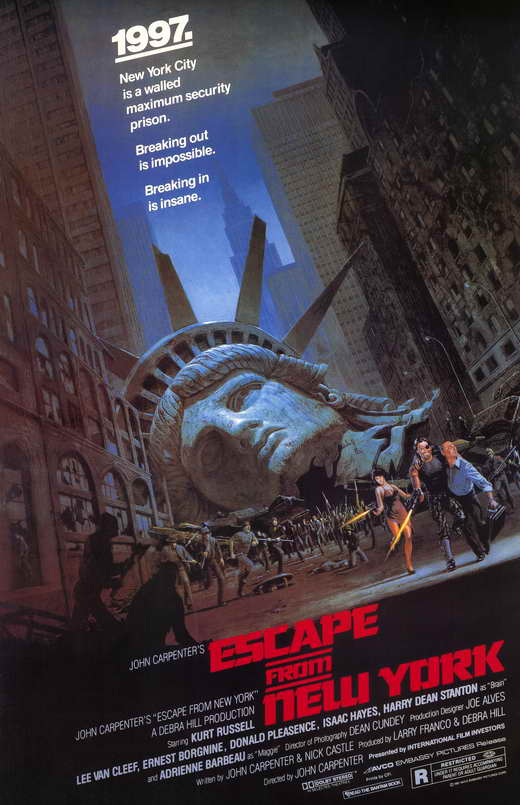
I love Escape from New York but I have to say that the film itself can’t live up the brilliant poster art.  The first time I watched Escape from New York, I was really disappointed that the Statue of Liberty’s head never appeared in the middle of a street in Manhattan.  If the film were made today, one imagines that the filmmakers would be able to do all sorts of things with the Statue of Liberty.  But Escape from New York was made in 1981, in the days before rampant CGI.  Escape from New York was made at a time when directors had to be somewhat clever and that definitely works to the film’s advantage.  The lack of big time special effects meant that Carpenter had to emphasize character and atmosphere.  Escape From New York might not feature the Statue of Liberty’s head but it does feature an amazing cast and a host of unforgettable characters.  When you manage to get Kurt Russell, Ernest Borgnine, Donald Pleasence, Harry Dean Stanton, Adrienne Barbeau, Lee Van Cleef, and Isaac Hayes all in the same film, there’s no way it isn’t going to be memorable.

We all know the plot.  Kurt Russell plays career criminal Snake Plissken.  (Everyone thought Snake was dead.)  When the President (Donald Pleasence) finds himself trapped on the prison island of Manhattan, Snake is the man who is sent to rescue him.  The fate of the world depends on rescuing the President.  If the President isn’t rescued, it could lead to nuclear war.  Snake doesn’t really care about the fate of the world.  He does care about the fate of himself, however.  He’s been injected with a poison that will kill him unless he receives the antidote in 24 hours.

(The doctor who gives Snake the poison is named Dr. Cronenberg.  Meanwhile, Frank Doubleday appears as a thug named Romero.  Lee Van Cleef’s police commissioner is named Hauk, as in Howard Hawks.  Tom Atkins plays Captain Rehme, as in producer Bob Rehme.  The film may be about the collapse and possible end of the world but John Carpenter’s having fun.  And, of course, so are we.)

The President has been captured by the Duke of New York (Isaac Hayes).  It doesn’t take Snake long to track down the Duke.  But rescuing the President and making it back to safety turns out to be far more difficult and violent than anyone was anticipating.  Snake gets some help, from characters like Cabbie (Ernest Borgnine), Brain (Harry Dean Stanton), and Maggie (Adrienne Barbeau).  Of course, that help is largely due to everyone’s self-interest.  The recurring theme is that no one really cares that much about whether or not the President or even Snake lives or dies.  Maggie loves Brain but, otherwise, there’s not much individual loyalty to be found in this film.  Instead, everyone just cares about getting the Hell out of New York.  In the end, even the President turns out to be a bit of a jerk.

(I do have to say that I absolutely love Donald Pleasence’s performance in Escape from New York.  The “You’re the Duke!  You’re the Duke!  A Number One!” scene?  That was Pleasence at his most brilliant.)

It’s a wonderfully acted and directed film, one that is often darkly humorous.  (While Kurt Russell delivers his lines with a endearing self-awareness, Carpenter has a lot of fun imagining the type of criminal society that would emerge on an isolated Manhattan.)  It’s also a film that understands the power of New York City.  Depending on who you ask, New York either represents the worst or the best of America.  That’s true today and, watching Escape from New York, it’s easy to guess that was probably true in 1981 as well.  There’s a power to the “New York” name and it’s why this film wouldn’t have worked if it had been called Escape From Houston or Escape From Spokane.  (One reason why Escape From LA failed was because the cartoonishness of Los Angeles couldn’t compete with the grit of New York.)  We all know the saying — “New York, New York: If you can make it there, you can make it anywhere.”  This film reminds us that it’s also true that if you can escape from there, you can escape from anywhere.  Escape from New York brilliantly captures the way that most of the rest of country view New York but, by limiting the action to Manhattan, it also presents a story that can be enjoyed by people in Brooklyn, the Bronx, Queens, and Staten Island.  I imagine the film is especially popular on Staten Island.

Escape From New York is a brilliant work of the pulp imagination.  It’s a film that will probably outlive the city.

Film Review: Assault on Precinct 13 (dir by John Carpenter)


Legend has it that, when John Carpenter originally offered the role of Dr. Sam Loomis to Donald Pleasence, Pleasence was reluctant to accept it.  To Pleasence, Halloween sounded like it would just be another forgettable horror film.

However, when Donald mentioned to his daughter, actress Angela Pleasence, that he had been offered a role in a film by a young director named John Carpenter, Angela immediately told him to accept.  She assured him that it would turn out to be a great film.  When Donald asked her why she was so sure about this, Angela replied that she had seen Assault on Precinct 13 at the Cannes Film Festival.

1976’s Assault on Precinct 13 was John Carpenter’s second feature film.  (The first was Dark Star, which started out as a student film and, even after being extended to feature length, still ended up feeling very much like a student film.)  The film takes place in Los Angeles, at an isolated police precinct house that is scheduled to be abandonedd.  When the father (Martin Lawson) of a girl (Kim Richards) who was murdered earlier in the day seeks refuge at the precinct, a Che Guevara-influenced street gang launches a relentless late night attack on the building.  (Frank Doubleday, who later played Romero in Escape From New York, appears as a member of the gang.)  Lt. Ethan Bishop (Austin Stoker) is forced to work with criminal Napoleon Wilson (Darwin Joston) to defeat the gang.

Assault on Precinct 13 (1976, dir by John Carpenter. DP: Douglas Knapp)

John Carpenter later said that Assault of Precinct 13 was his attempt to make a Howard Hawks-style western and, despite taking place in the modern era, it is very much a western.  Ethan Bishop is the strong and moral lawman who refuses to allow the untamed land around him to change who he is and what he believes.  Napoleon Wilson is the outlaw who finds redemption.  In most westerns, the attackers would represent the last gasp of the lawless frontier fighting against encroaching civilization.  In the case of Assault on Precinct 13, the opposite is true.  The attackers represent the collapse of society and the people in the precinct find themselves fighting not only for their lives but also the ideals of modern civilization.  With their relentless drive to attack, the members of the street gang resemble the zombies from George Romero’s Night of the Living Dead.  They’re so nihilistic and destructive that even a hardened criminal like Napoleon Wilson knows that they have to be stopped.  The film’s ultimate message seems to be that, even if Bishop and Wilson and Leigh (Laurie Zimmer) survive the night, the assault on Precinct 13 will never truly end.  In a way, we’re all trapped in that abandoned precinct house.

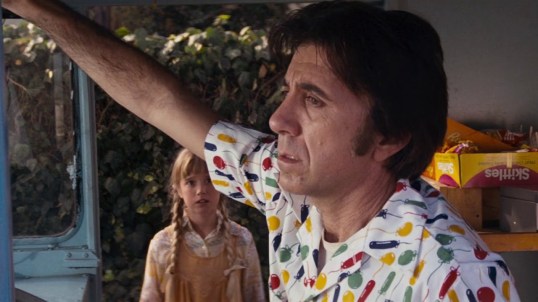
Wow, that sounds pretty grim!  And really, it is a grim film.  This, after all, is the film in which little Kim Richards is graphically shot in the chest while trying to buy ice cream.  (From the start, Carpenter understood the importance of shocking the audience.)  That said, there are unexpected moments of dark humor to be found in the film.  (Even Kim Richards’s indignation over being given the wrong flavor ice cream is rather humorous, up until she asks for a replacement and gets shot as a result.)  Both Bishop and Wilson make for compelling heroes.  As Angela Pleasence realized when she saw the movie at Cannes, John Carpenter was and is a natural-born storyteller.  Assault on Precinct 13 is a film that wastes no time in getting started and is relentless in both its suspense and its action.

Assault on Precinct 13 has been overshadowed by Carpenter’s subsequent successes but it’s still one of Carpenter’s best films.  Without Assault on Precinct 13, we would never have gotten Donald Pleasence as Dr. Sam Loomis.  That alone is reason enough to celebrate the film.