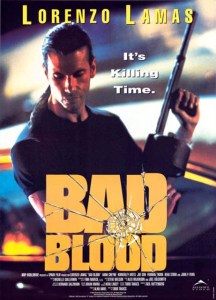
 Though it is sometimes hard to remember, there more on late night Cinemax than just Shannon Tweed films like Scorned and Body Chemistry 3. There were also Lorenzo Lamas action films, movies like the Snake Eater trilogy. Though Lamas was a terrible actor, his direct-to-video efforts were always a hundred times more violent than everyone else’s and, for male viewers of a certain age, it did not hurt that his then-wife, Kathleen Kinmont, often showed up in various states of undress.
Kathleen Kinmont did not appear in Bad Blood but the movie made up for her absence by being so violent that it was originally given an NC-17 rating. As a result, there are actually two versions of this movie floating around: the slightly cut R-rated Bad Blood and an unrated version called Viper. (Interestingly, the violence in both Bad Blood and Viper is really no more graphic than the violence that was featured in a lot of mainstream films released in the mid-90s.)
In this one, Lorenzo Lamas is Travis Blackstone, a former cop who was kicked off the force after he destroyed evidence to protect his smarmy brother, Franklin (Hank Cheyne). Travis was sent to prison but now that he is out, he is working in a shipping yard and coaching little league baseball. (I do not know many parents that would be happy with an ex-con as their child’s little league coach but that is the power of Lorenzo Lamas.) Unfortunately, Franklin has gotten in trouble again, embezzling millions from the mafia. Not only does Travis have to find the money to repay the mob but he also has to keep Franklin safe. Unfortunately, since Franklin is now involved with Travis’s ex, Rhonda (Frankie Thorn), Travis’s new girlfriend (Kimberly Kates) assumes that he is cheating on her and tells the mob where they can track down the Blackstone brothers.
The main bad guy, Chang, is played by Joe Son. (The unrated version begins with Chang giving a little girl a lollipop and then shooting her dead.) Joe Son was a UFC fighter who was later revealed to be just as bad a guy in real life as he was in the movies. After being convicted on rape in 2011, Son was sentenced to seven years to life. As soon as he arrived in prison, he beat his cellmate to death and received an additional sentence of 27 years for voluntary manslaughter.
As for Bad Blood, by the standards of the typical Lorenzo Lamas action movie, it’s not bad. The action is constant and fierce, with Travis gunning down a seemingly endless number of gangsters in designer suits. Tibor Takacs was a better filmmaker than most of the directors that Lamas worked with and it appears that he managed to keep Lorenzo Lamas’s ego under control, the result being far less shots of Lamas posing than in any of the other movies that Lamas made during this period. The production values of Bad Blood are also consistently better than what was on display in the Snake Eater films. There is even a scene where Lamas not only flips over a speeding car but he shoots the driver while he is doing it. Let’s see Steven Seagal or even Dolph Lundgren do that!
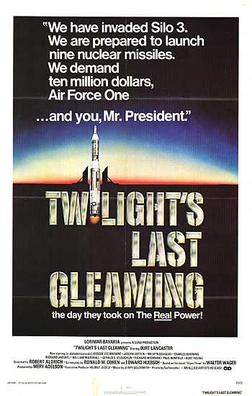 In Montana, four men have infiltrated and taken over a top-secret ICBM complex. Three of the men, Hoxey (William Smith), Garvas (Burt Young), and Powell (Paul Winfield) are considered to be common criminals but their leader is something much different. Until he was court-martialed and sentenced to a military prison, Lawrence Dell (Burt Lancaster) was a respected Air Force general. He even designed the complex that he has now taken over. Dell calls the White House and makes his demands known: he wants ten million dollars and for the President (Charles Durning) to go on television and read the contents of top secret dossier, one that reveals the real reason behind the war in Vietnam. Dell also demands that the President surrender himself so that he can be used as a human shield while Dell and his men make their escape.
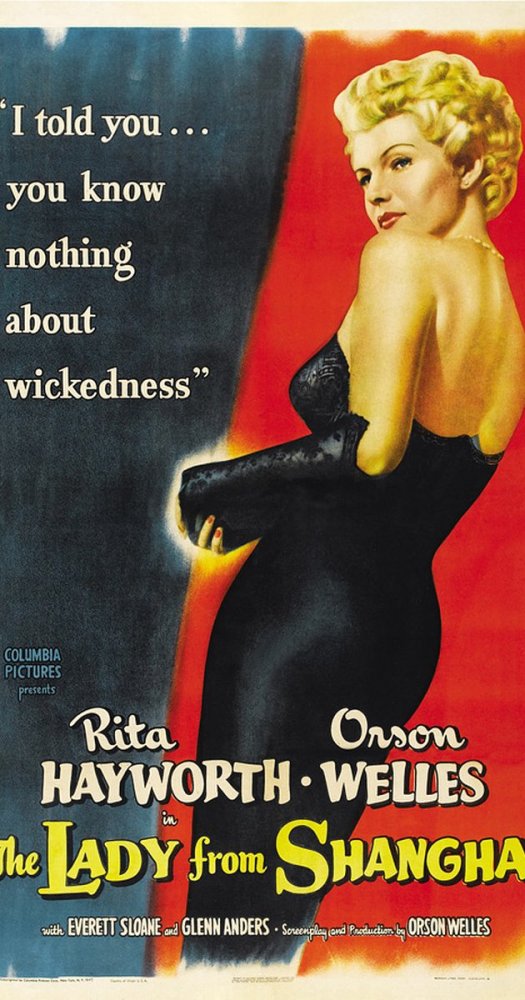
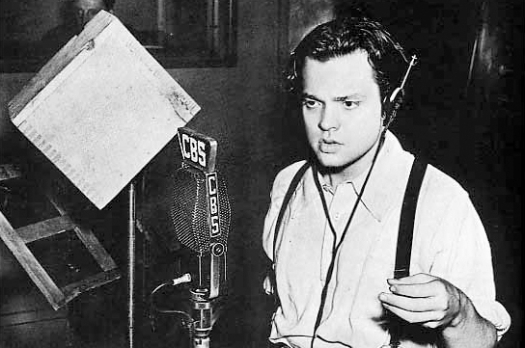
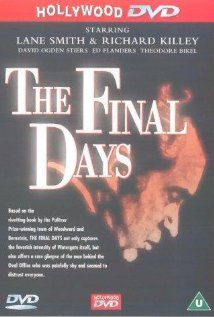 Since yesterday’s entry in movie a day featured Philip Baker Hall playing Richard Nixon in
 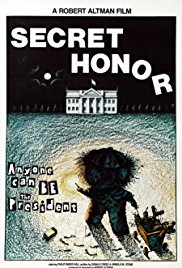 Disgraced former President Richard M. Nixon (Philip Baker Hall) sits alone in his study. He has a bottle of Scotch, a loaded gun, and a tape recorder. He is surrounded by security monitors and paintings. All but one of the paintings are portraits of former presidents, all of whom are destined to be more fondly remembered than Nixon. The only non-presidential painting is a portrait of Henry Kissinger. Over the course of one long night, Nixon drinks and talks. He talks about his Quaker upbringing and his early political campaigns. He rails against all of his perceived enemies: Eishenhower, the Kennedys, the liberals, the conservatives, and everyone in between. As he gets drunker, he starts to talk about the real story behind Watergate and why his resignation actually shielded the country from a greater scandal. As Nixon explains it, his resignation was his greatest act of patriotism, his secret honor.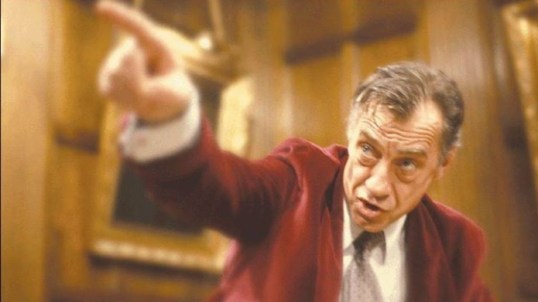
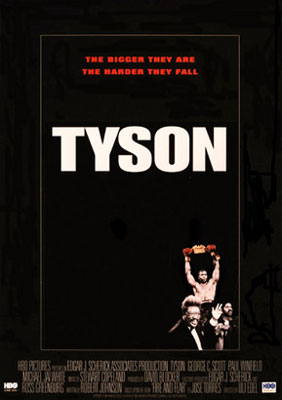 If any heavyweight champion from the post-Ali era of boxing has lived a life that seems like it should be ready-made for the biopic treatment, it is “Iron Mike” Tyson. In 1995, HBO stepped up to provide just such a film.
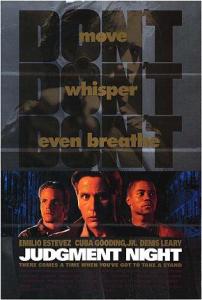 Four suburbanites (Emilio Estevez, Stephen Dorff, Jeremy Piven, and Cuba Gooding, Jr.) are driving to a boxing match in pricey RV when Piven takes a wrong turn and they end up lost in the wrong side of the city. Not only are they lost but they also witness Fallon (Denis Leary) and his gang murdering a young man. Jeremy Piven thinks that he can negotiate with Fallon and get his friends out of the situation by pulling out his wallet and flashing a few bills. Guess how well that works out for them? With Fallon chasing them through the city, these formerly smug and complacent yuppies are forced into a battle for survival.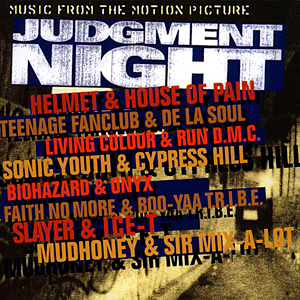


 Bernard Hopkins. Evander Holyfield. Mike Tyson. Three men who came from similar backgrounds and who eventually became three very different heavyweight champions. Bernard Hopkins was the ex-con who transformed himself through boxing. Mike Tyson was the ferocious and self-destructive fighter whose legendary career eventually became a cautionary tale. Evander Holyfield was the underrated fighter, whose discipline and self-control made him a champ but also ensured that he would never get as much attention as the other boxers of the era.
 Through the Shattered Lens