Anime You Should Be Watching: Jin-Roh


“We are not men disguised as dogs. We are wolves disguised as men.” — Hachiro Tohbe

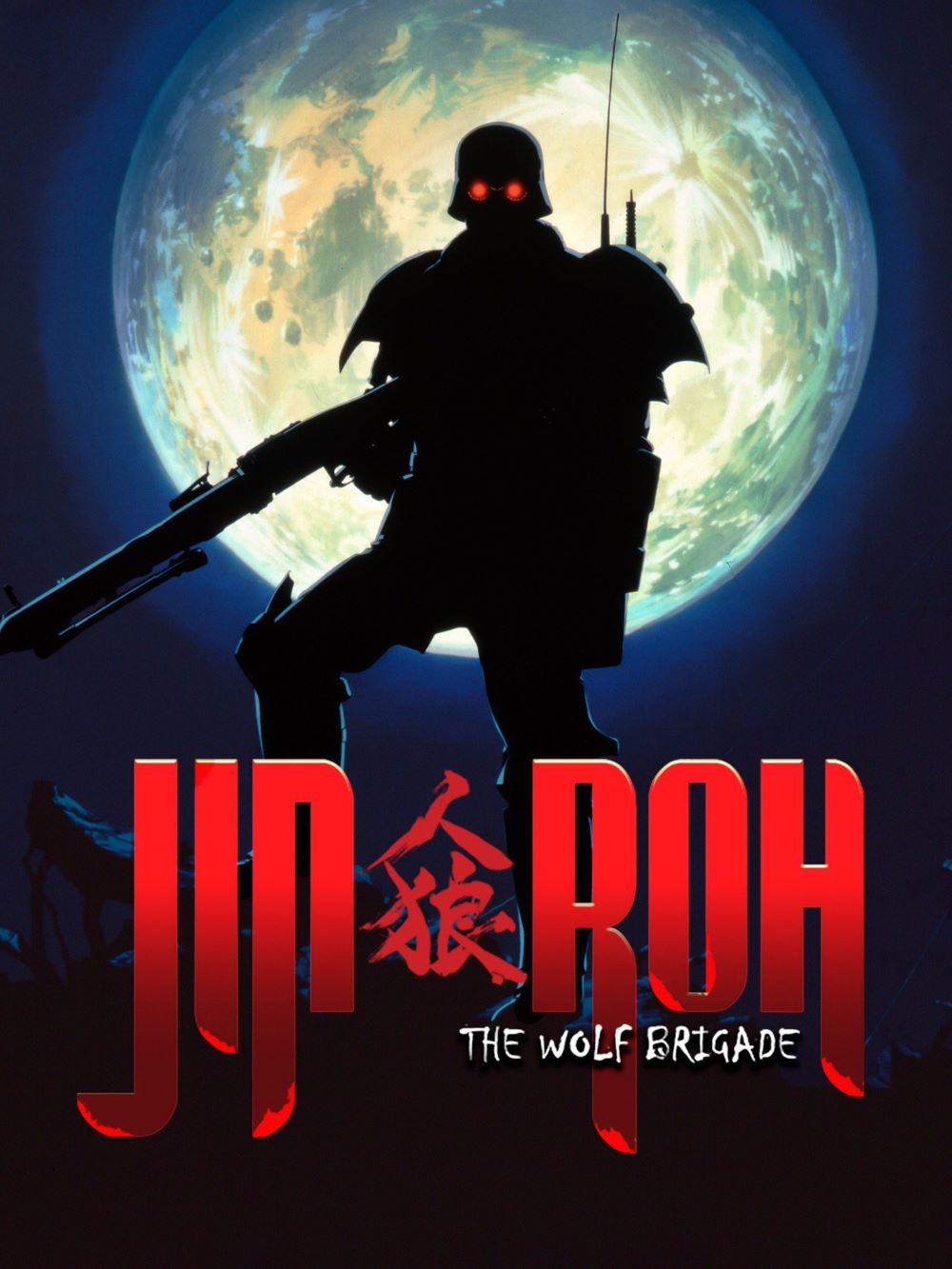
Jin-Roh: The Wolf Brigade stands out as a gripping 1999 anime film that blends political intrigue, psychological depth, and haunting visuals into something truly unforgettable. Directed by Hiroyuki Okiura with a screenplay by Mamoru Oshii, it drops you into an alternate post-WWII Japan where the Allies lost, Nazi influence lingers, and society teeters on chaos from endless terrorist attacks and brutal crackdowns. This isn’t your typical high-octane anime romp; it’s a slow-burn character study wrapped in a thriller that forces you to confront the monsters we become in times of fear and division, making it an absolute must-watch for anyone craving mature storytelling in animation.

Right from the opening scenes, the film hooks you with its oppressive atmosphere. We meet Kazuki Fuse, a stoic member of the Kerberos Panzer Cop (KPC), an elite anti-terror unit decked out in powered exoskeletons called Protect Gear that make them look like armored wolves prowling the streets. Fuse chases a young female terrorist from the far-left Sect group into the sewers. She’s just a scared girl clutching a bomb, and when he has her dead to rights, he hesitates—can’t pull the trigger. She blows herself up instead, leaving him shell-shocked and questioning everything. That moment alone is a gut-punch, setting up Fuse’s arc as a man caught between duty and his fraying humanity. The animation captures it perfectly: shadows swallow the damp tunnels, rain-slicked streets reflect flickering neon, and every footstep in those heavy suits echoes like doom approaching.

What elevates Jin-Roh is its alternate history setup, which feels eerily plausible. Japan never got nuked or occupied by the U.S.; instead, it’s a pressure cooker of failed U.S. aid, communist uprisings, and a government unleashing paramilitary forces to keep control. The Capital Police clash with regular cops and intelligence agencies like Public Security, all vying for power amid riots and bombings. It’s not just backdrop—it’s the beating heart of the story, mirroring real-world tensions like Cold War paranoia or modern insurgencies without ever feeling preachy. Fuse gets sidelined to “re-education” after his hesitation, where he’s grilled by superiors and hauntedJin-Roh: The Wolf Brigade stands out as a gripping 1999 anime film that blends political intrigue, psychological depth, and haunting visuals into something truly unforgettable. Directed by Hiroyuki Okiura with a script from Mamoru Oshii, it crafts an alternate history where Japan never fully shakes off authoritarian shadows after a failed U.S. occupation, making it a slow-burn thriller that demands your attention from the first frame.

The story kicks off in a dystopian 1950s Tokyo gripped by unrest, where the government deploys the elite Kerberos Panzer Cops—think heavily armored stormtroopers in powered exosuits—to combat the far-left Sect, a terrorist group using young girls as human bombs. Our protagonist, Kazuki Fuse, is one of these wolfish enforcers, a guy hardened by the grind of urban warfare. Early on, he chases a teenage Sect courier, Nanami Agawa, into rain-slicked sewers. She’s got a bomb vest strapped on, and point-blank, he hesitates to pull the trigger. She blows herself up instead, leaving Fuse shell-shocked and facing a psych evaluation that sidelines him from the force.

This hesitation isn’t just a plot device; it’s the spark that ignites Fuse’s unraveling. Reassigned to retraining, he bumps into an old academy buddy, Izaki Henmi, now with Public Security, the sneaky intel arm plotting to dismantle Kerberos in favor of subtler tactics. Henmi feeds Fuse details on Nanami, stirring guilt that pulls him to her makeshift grave. There, he meets Kei Amemiya, who claims to be Nanami’s big sister. She’s soft-spoken, cooks him hearty meals like beef stew in her cramped apartment, and slowly cracks through his armored exterior. Their bond feels genuine amid the paranoia—nights reading Little Red Riding Hood, her teasing him about his wolfish instincts—but it’s laced with unease as factions clash in bloody street riots.

What elevates Jin-Roh is how it weaves the fairy tale of Little Red Riding Hood into its core. Fuse embodies the wolf, disguised in human skin but driven by primal loyalties. Kei plays Red, vulnerable yet complicit, her red hood symbolizing the Sect’s cloaked threats. The film flashes back to Fuse’s dreams of this story, narrated in a chilling child’s voice, mirroring his internal war: Can a wolf become a man, or is he doomed to devour what he loves? This allegory sharpens the political knife—Kerberos as fascist wolves protecting the state, Public Security as scheming hunters, the Sect as radical prey fighting back with desperate ferocity.

Visually, it’s a knockout. Production I.G.’s animation captures a gritty, oppressive Tokyo with meticulous detail: foggy streets lit by harsh sodium lamps, the clank of Protect Gear suits echoing like mechanized doom, sewers dripping with menace. No flashy mecha battles here; action hits hard but sparse—a riot scene with cops mowing down protesters in slow-motion chaos, bullets sparking off armor. The color palette stays muted, grays and blues amplifying isolation, while intimate moments glow warmer, like candlelit dinners that hint at fragile humanity. Sound design seals it: muffled gunfire, pounding rain, a sparse score by Shigeto Saegusa that lets silence breathe tension.

Thematically, Jin-Roh doesn’t pull punches on loyalty’s cost. Fuse grapples with betrayal at every turn—Henmi’s double-dealing, Kei’s true role as a Public Security plant coerced into luring him out. Deeper still, it probes dehumanization: soldiers conditioned to kill become liabilities if empathy creeps in. The film’s climax in a foggy junkyard twists the knife—Fuse, reinstated by the shadowy Jin-Roh (a rogue Kerberos splinter), faces an impossible order. Kei recites the fairy tale’s climax, embracing him as he fires, her death echoing Red’s fate. No heroes triumph; just wolves feasting in the dark.

Pacing might test casual viewers—it’s deliberate, more mood piece than adrenaline rush, clocking 99 minutes of brooding buildup. Voice acting shines, especially Fuse’s quiet torment from Hideo Sakaki and Kei’s wistful edge from Yurika Hino. Supporting cast, like the stone-cold Kerberos captain, adds layers without stealing focus. Influences nod to Oshii’s Patlabor and Ghost in the Shell, but Okiura’s touch feels more personal, less cyberpunk flash.

So why is Jin-Roh: The Wolf Brigade a must-watch? First, its prescience. Released amid late-’90s stability, it nails endless cycles of terror and counterterror, loyalty tests, and institutional rot—echoes in today’s headlines that make it feel ripped from 2026 newsreels. Alternate history aside, the human core endures: hesitation as rebellion, love as trap, violence as identity. It’s “grown-up anime” that trusts you to connect dots, rivaling Akira in ambition but surpassing in emotional gut-punch.

Second, technical mastery holds up flawlessly. In an era of CGI slop and quippy spectacles, Jin-Roh‘s hand-drawn grit reminds why anime conquered global imaginations. Every frame rewards rewatches—spot the wolf motifs in shadows, the Red hoods in crowds. It’s not fan service; it’s artistry that lingers, haunting like a bad dream.

Third, it challenges easy morals. No side’s clean: Sect kids are pawns, cops brutal zealots, intel weasels manipulative. Fuse’s arc forces you to question: Is mercy weakness in a wolf’s world? Or the last spark of manhood? This ambiguity sparks debates, perfect for film buffs dissecting authoritarianism or trauma’s scars. Pair it with Patlabor 2 for the full Kerberos saga—it’s expanded universe done right, sans MCU bloat.

Critics rave for reason: 7.3/10 on IMDb, cult status among cinephiles. If you dig thrillers like Children of Men or The Lives of Others, this bridges anime and live-action prestige. Stream it on Crunchyroll or Blu-ray for that crisp transfer—worth every penny. Skip if you crave explosions; dive in if mature stories with fangs appeal.

Ultimately, Jin-Roh argues we’re all wolves under pressure, cloaked in civility until the hood slips. Fuse’s tragedy warns that in fractured states, personal redemption crumbles against systemic hunger. It’s not hopeful—ending on solemn wolf howls—but that’s its power: a mirror to our baser selves, urging vigilance. Must-watch for anyone serious about anime’s potential beyond tropes. It’ll chew you up and spit out questions that stick.

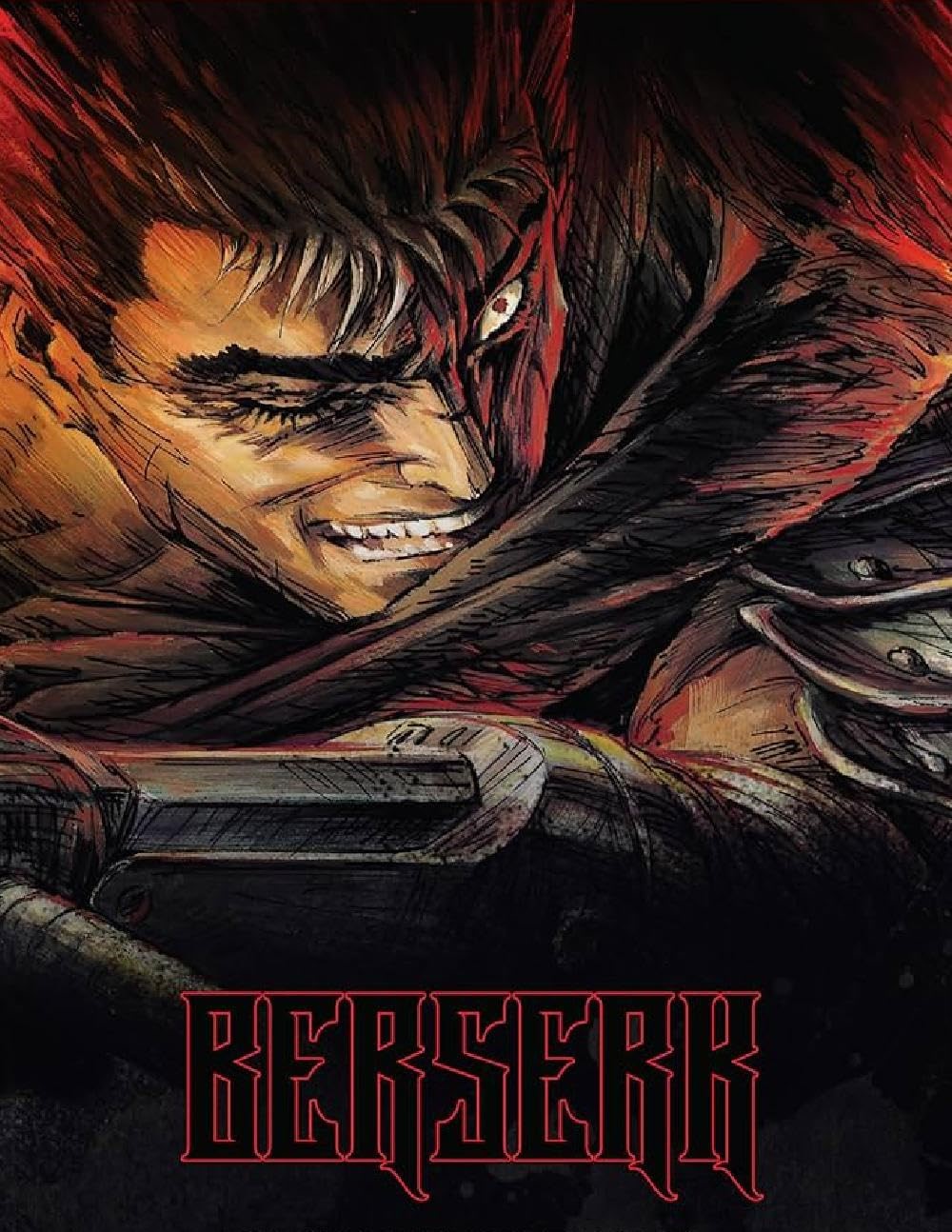
Anime You Should Be Watching: Berserk (Kenpū Denki Berserk)


“This thing… called a heart… it’s just a dream.” — Guts

The 1997 Berserk anime adaptation dives headfirst into Kentaro Miura’s brutal manga world, turning its already savage Golden Age arc into a gut-wrenching visual nightmare that still haunts fans nearly three decades later. This 25-episode series, aired from October 1997 to March 1998, kicks off with a flash-forward to Guts as the Black Swordsman before rewinding to his mercenary days with Griffith’s Band of the Hawk, capturing the raw rise-and-fall tragedy without pulling punches. What makes it stand out is how it cranks up the manga’s inherent darkness, using stark animation and eerie sound design to make themes of betrayal, rape, and demonic sacrifice feel even more inescapable and visceral.

Right from the opener, Berserk the anime slams you with a blood-soaked tease of Guts’ rage-fueled future, setting a tone that’s less hopeful fantasy and more unrelenting descent into hell. The manga already paints a medieval-inspired world of endless war, ambition, and causality—where fate pulls strings like puppet masters—but the anime condenses this into a tighter, more oppressive narrative arc. It skips some manga side elements like Puck the elf or deeper political intrigue in Midland, which actually sharpens the focus on human frailty, making the horror hit harder without distractions. Critics have called it the pinnacle of dark fantasy, praising how its hand-drawn grit and shadowy palettes evoke the ugliness of war better than polished modern takes.

At its core, the series explores ambition’s toxic price through Griffith, the silver-haired charmer whose dream of kingship devours everyone around him. In the manga, Griffith’s charisma shines amid detailed backstories, but the anime amplifies his fall by lingering on his psychological cracks—torture scenes drag with feverish close-ups, his tongue severed, body broken, eyes hollowed out in a way that feels more pathetic and monstrous than the page’s subtlety. This ramps up the grimness; where Miura’s art might imply despair through intricate shading, the anime’s limited budget forces raw, unflinching stares that bore into your soul, turning Griffith from lowborn visionary into a symbol of corrupted free will. Guts, voiced with gravelly intensity by Nobutoshi Canna, embodies endless struggle—born from a corpse, abused as a kid (hinted brutally but not shown in full like the manga), he swings his massive Dragonslayer like an extension of his trauma.

Casca’s arc gets the darkest upgrade, transforming her from fierce Hawk commander to shattered victim in ways that make the manga’s tragedy feel almost restrained. The anime doesn’t shy from her rape during the Eclipse—depicted with nightmarish silence, blood sprays, and Femto’s (Griffith reborn) cold violation right before Guts’ helpless eyes—losing his arm and eye in a frenzy of futile rage. Manga fans note how the adaptation’s Eclipse outdoes even later films in horror: black voids swallow screams, demons tear flesh with grotesque intimacy, and the lack of music lets raw voice acting convey utter hopelessness. This isn’t gratuitous; it’s the manga’s themes of human nature’s depths—betrayal, causality’s spiral, religion as blind comfort—boiled down to soul-crushing visuals that linger longer than words on a page. The God Hand’s emergence, offering Griffith godhood for his band’s sacrifice, hits like cosmic indifference, making the Eclipse not just gore but a philosophical gut-punch on destiny versus defiance.

Susumu Hirasawa’s soundtrack seals the deal, with synth-heavy tracks like “Forces” and “Guts” weaving ethereal dread into every sword clash and quiet betrayal. Where the manga relies on Miura’s hyper-detailed panels for atmosphere, the anime’s OST—haunting flutes over clanging armor—amplifies isolation, turning battles into dirges and the Eclipse into a silent scream. It’s no wonder fans say time flies despite the deliberate pacing; the slow build to horror keeps you hooked, pondering ambition’s cost and humanity’s fragility.

Culturally, the 1997 Berserk anime exploded as a gateway drug to dark fantasy, pulling in viewers who then devoured the manga and reshaped anime tastes. Before it, Japanese fantasy leaned lighter—think Dragon Quest quests—but Berserk proved you could blend Conan the Barbarian savagery with psychological depth, influencing giants like Attack on Titan‘s doomed soldiers, Goblin Slayer‘s trauma-soaked gore, and even Game of Thrones-style betrayals. It sold millions, won Tezuka Osamu nods for the manga, and got rereleased on Blu-ray as recently as 2024, proving its timeless pull. Western critics hail it as intellectually demanding, transcending tropes with Kurosawa-like violence that underscores humanity amid apocalypse.

The anime dials up the manga’s grimness by necessity—budget constraints meant fewer frills, so every frame prioritizes emotional weight over flash, making demons feel mythically terrifying and losses irreparable. Manga’s Golden Age builds subtle bonds; the show condenses them into feverish intensity, so Griffith’s sacrifice stings deeper, Guts’ rage boils hotter. Themes like predetermination—Guts branded for endless demon pursuit—gain visual permanence via the glowing Brand of Sacrifice, a constant night-haunting reminder absent in static panels. Religion’s critique shines too: Midland’s church ignores atrocities until apostles devour believers, a bleak commentary amplified by animation’s hordes of mangled corpses.

Even flaws enhance the darkness—no fairy-tale elf Puck lightens moods, politics skimmed leave a hollow kingdom, and the cliffhanger ending (mid-Eclipse tease) mirrors life’s unfinished cruelties. Later adaptations like 2016’s CGI mess diluted this; 1997’s raw style keeps the manga’s mud-and-blood realism intact, arguably grimmer for its restraint. Voice acting sells it—Canna’s guttural roars, Yuko Miyamura’s Casca cracking under pressure—pairing with Hirasawa’s score to etch trauma into memory.

Today, Berserk‘s legacy towers: over 70 million manga copies sold, crossovers in Diablo IV, endless merch, and debates on its Eclipse as anime’s bleakest peak. It proved dark themes—child abuse hints, schizophrenia-like breaks, ambition’s cannibalism—could captivate without cheap shocks, birthing “grimdark” as genre staple. For a low-budget ’97 relic, it outshines flashier takes by leaning into despair, making Miura’s world feel like fate’s cruel joke you can’t look away from.

Diving deeper into why it darkens the source: manga’s art allows interpretive distance—shadowed horrors imply pain—but anime forces confrontation, blood arcing in real-time, faces twisting in agony. Guts’ childhood rape allusion becomes a spectral flashback nightmare; Griffith’s torture a year-long montage of pus and screams, eroding his beauty into ruin. The Hawks’ slaughter isn’t panel-flipped pages but prolonged screams fading to silence, each apostle maw chewing comrades we grew to love—Judeau’s wit silenced, Pippin’s bulk rent apart. This visceral amp makes causality’s theme suffocating: no escape, just branded survival in a demon-riddled world.

Culturally, it bridged East-West fantasy gaps, echoing Hellraiser body horror and Excalibur medieval grit while predating Dark Souls (born from Miura’s influence). Fans worldwide cite it as therapy-triggering yet cathartic, sparking forums on trauma, resilience, toxic bonds. Its impact endures—Miura’s 2021 passing spiked sales, proving Berserk as monolith.

Ultimately, the 1997 adaptation doesn’t just adapt; it weaponizes the manga’s shadows, forging a bleaker legend that demands you question humanity’s fight against oblivion.

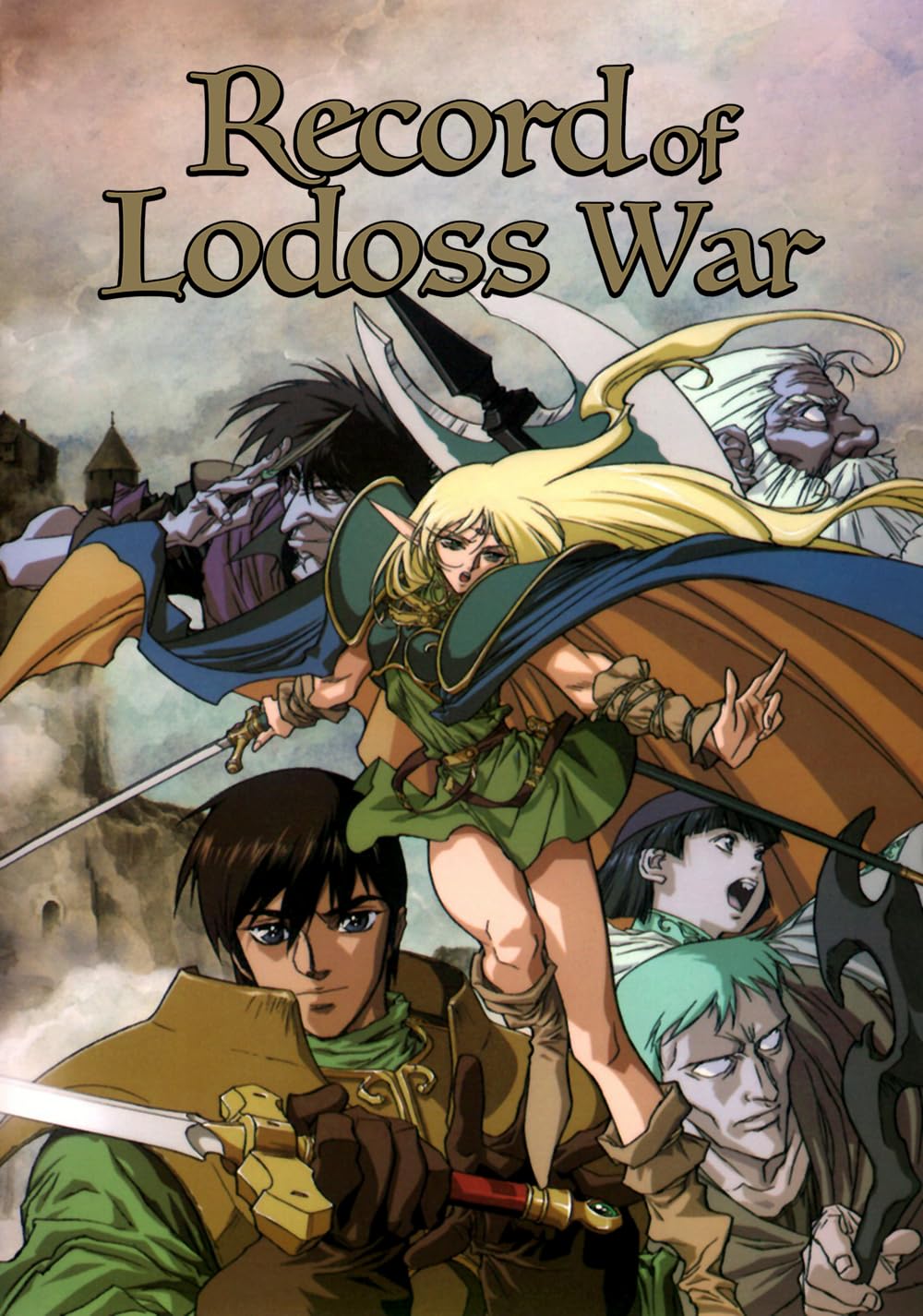
Anime You Should Be Watching: Record Of Lodoss War (Rōdosu-tō Senki)


“I don’t understand you humans at all. But then, maybe that’s what makes you so fascinating!” — Deedlit

Record of Lodoss War is one of those series that feels less like a single anime and more like a crystallized moment in the evolution of fantasy storytelling in Japan: ambitious, clunky, oddly moving, and unmistakably rooted in tabletop role-playing DNA. It is also a work that shows its age in both craft and politics, which makes revisiting it today a fascinating mix of admiration and frustration.

Set on the war-torn island of Lodoss, the story follows Parn, the disgraced knight’s son who sets out to restore his family’s honor, gathering around him the quintessential fantasy party: Etoh the priest, Slayn the mage, Ghim the dwarf, Deedlit the high elf, and Woodchuck the thief. On paper, this is pure campaign log: goblin attacks, dragon encounters, cursed relics, warring kingdoms, and an encroaching darkness embodied by Marmo and its champions, all framed as a grand war for the fate of the land. What makes Record of Lodoss War interesting is how openly it wears that structure; it rarely tries to hide its tabletop origins, and that transparency becomes both a charm and a structural limitation.

The narrative in the original OVA moves briskly to the point of feeling compressed, jumping between key battles, political shifts, and character revelations with very little connective tissue. Characters appear, declare their motivations, and are folded into the party or into the enemy ranks as though someone summarized last week’s game session before tonight’s adventure. That can be engaging—there’s a constant sense that something important is happening—but it also means emotional beats often rely on the audience’s familiarity with genre shorthand rather than carefully built arcs. The later TV series, Record of Lodoss War: Chronicles of the Heroic Knight, attempts to extend and reframe this story, moving the timeline forward and giving more room to Ashram and the continuing conflicts around the scepter of domination, but it still largely lives in that same campaign-style rhythm.

If you come to Record of Lodoss War for worldbuilding, it mostly delivers. Lodoss feels like a fully mapped fantasy setting, complete with divine factions, ancient wars, feuding human kingdoms, and a clear sense of geopolitical stakes. The franchise’s origins in novels and game material mean that offhanded references to past conflicts or legendary heroes feel like the tip of a much larger iceberg rather than improvisations thrown in on the spot. That sense of a lived-in world is one of the show’s enduring strengths, and it’s not hard to see why it earned “anime Lord of the Rings” comparisons for some viewers. At the same time, the story’s focus is surprisingly narrow in practice; we spend most of our time tracking a small cluster of heroes and villains, which can make the world feel oddly claustrophobic despite its epic framing.

Parn is a divisive protagonist, and your tolerance for him may shape how much you enjoy the series. He’s deliberately written as inexperienced and impulsive, a young man who rushes headlong into danger and has to be humbled, trained, and repeatedly corrected by those around him. That arc tracks the classic “wannabe hero becomes real knight” trajectory, and there is a certain sincerity to his straightforward commitment to honor that feels very of its era. On the other hand, his lack of nuance and his tendency to charge spellcasters as if basic tactics don’t exist can make him feel more like an archetype than a fully realized character, especially to modern viewers used to more subversive leads. The series wants you to root for Parn because he is earnest and good-hearted, and if you can accept that at face value, his journey has an old-school charm; if you can’t, he may come off as frustratingly bland.

The supporting cast generally fares better and often carries the emotional weight of the story. Ghim’s quest to free Leylia from the control of the enigmatic Grey Witch Karla has a tragic nobility that gives him more emotional complexity than his gruff dwarf stereotype suggests. Deedlit, meanwhile, is both a clear audience favorite and a bundle of contradictions: proud high elf, jealous love interest, powerful magic user, and emotional anchor for Parn’s growth. There are interesting dynamics scattered throughout—Karla’s manipulative neutrality, Ashram’s stern loyalty, and King Kashue’s charismatic leadership—but the limited runtime and brisk pacing mean that many of these threads feel more sketched than deeply explored. Still, the show does succeed in one key area: it communicates that no one is entirely safe, and deaths and sacrifices land with more impact because the narrative doesn’t treat the core party as invincible.

From a visual standpoint, Record of Lodoss War is a time capsule of late-80s and early-90s OVA aesthetics, complete with lush fantasy backgrounds, detailed armor designs, and occasional bursts of impressive sakuga. Dragons, enchanted forests, and battlefield panoramas often look fantastic, and when the animation budget aligns with central set-pieces, the result can still be striking. That said, the budget limitations are impossible to ignore: reused shots, still frames, and noticeably uneven animation quality crop up often enough to break immersion, especially during less critical scenes. The contrast between its best sequences and its weaker cuts is stark, and modern viewers accustomed to consistently polished fantasy action may find the inconsistency distracting.

Tonally, the series is earnest to the point of feeling almost old-fashioned now. Its focus on honor, duty, and chivalric ideals is straightforward and rarely interrogated, creating a cast of characters who largely operate within established moral frameworks rather than questioning them. That gives the story a kind of mythic simplicity—good kings, cursed knights, devoted priests—that can be comforting in the way classic fantasy often is. But it also means that viewers looking for moral ambiguity, systemic critique, or characters who challenge the underlying social order of their world may find Record of Lodoss War thematically limited. Some of its perspectives, especially regarding gender roles and heroic archetypes, feel antiquated when held up against contemporary fantasy anime that deliberately complicate or deconstruct those tropes.

One of the highlights of the anime series is its orchestral soundtrack composed by Mitsuo Hagita. Symphonic tracks underscore the grander battles with sweeping majesty, while softer themes highlight moments of connection between Parn and Deedlit or the quieter interludes between campaigns. The overall effect is to push the story closer to high fantasy melodrama, which suits the material perfectly; when the writing and visuals are in sync with Hagita’s score, you can see exactly why this anime lodged itself so firmly in fans’ memories. Voice performances, in both Japanese and English dubs, tend to lean into archetype—stoic knights, booming kings, mysterious witches—but that broadness pairs naturally with the show’s narrative style.

A fair assessment of Record of Lodoss War has to acknowledge its historical importance alongside its genuine flaws. It stands as a significant waypoint for fantasy anime, showing that a series could aim for a sweeping, quasi-novelistic epic with detailed lore and long-running political conflict. Many later works, from more grounded fantasy to meta-takes on RPG structures, benefit indirectly from the groundwork Lodoss and its peers laid in translating tabletop sensibilities to the screen. At the same time, its uneven pacing, underdeveloped character arcs, inconsistent animation, and sometimes simplistic moral framing keep it from feeling timeless in the way its influences clearly aspired to be.

Whether Record of Lodoss War is worth watching now depends heavily on what you’re looking for. If you have a soft spot for classic fantasy, tabletop RPG roots, or the particular look and feel of 90s OVAs, the series offers a rewarding, if imperfect, journey through a world that still feels distinct and carefully built. If you prioritize tight plotting, modern character complexity, or consistent visual polish, Lodoss may feel more like an important relic than a compelling contemporary experience. Taken on its own terms—as an earnest, sometimes clumsy, but heartfelt attempt to stage a sprawling heroic saga—it remains a notable, if not unassailable, part of anime history.

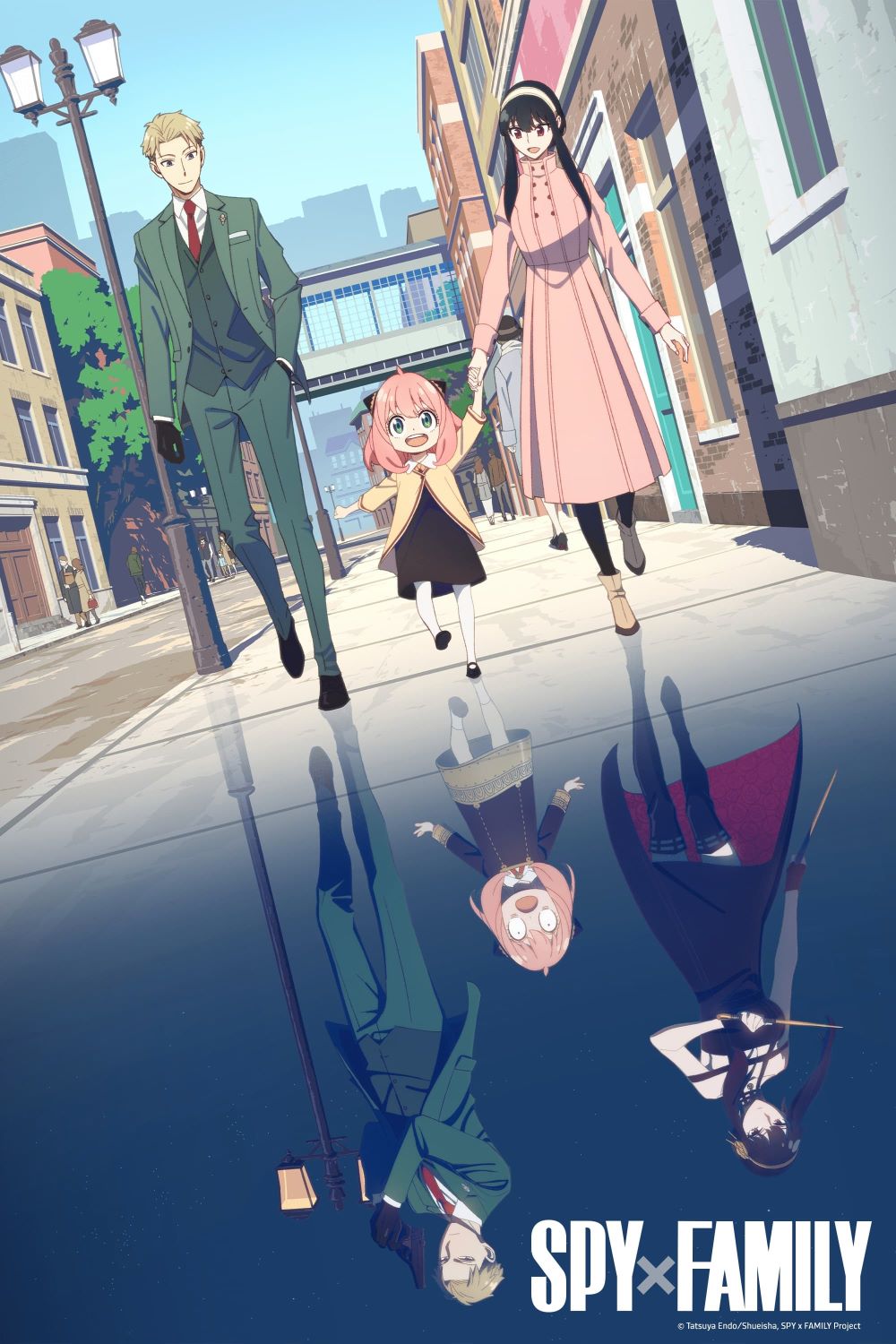
Anime You Should Be Watching: Spy x Family


Sometimes, an anime comes along that doesn’t just entertain — it charms, disarms, and quietly becomes everyone’s go-to comfort watch. Spy x Family is that kind of series. On paper, it sounds like something stitched together from wildly different genres — a spy thriller, a rom-com, a slice-of-life comedy, and an action series — yet somehow, across three seasons and a feature-length film, it balances them all perfectly. What starts as an undercover mission turns into a story about love, belonging, and the odd little family that holds it all together. Whether you’re new to anime or already knee-deep in your watchlist, Spy x Family is absolutely worth your time.

The setup is simple but brilliant. In an uneasy Cold-War-style world, Westalis’s top agent, codenamed Twilight, must go undercover to prevent the outbreak of war. His mission requires him to get close to an influential political figure, but the only way to do that is by enrolling a “child” into the exclusive Eden Academy — which only accepts the offspring of established, respectable families. And so, Twilight builds one from scratch. Under the alias “Loid Forger,” he adopts a six-year-old orphan named Anya and enters into a marriage of convenience with Yor Briar, a sweet but mysterious city hall worker. What Loid doesn’t know is that Yor moonlights as a deadly assassin, and his quiet new daughter happens to be a telepath who can read everyone’s minds.

That’s the hook, and it’s beautifully absurd. But what makes Spy x Family (based on Tatsuya Endo’s manga and its accompanying light novel adaptations) so appealing is how effortlessly the absurd premise gives way to genuine heart. The anime adaptation — skillfully brought to life through a joint production by Wit Studio (Attack on TitanVinland Saga) and CloverWorks (The Promised NeverlandHorimiya) — masterfully captures the manga’s mix of elegant spy-world detail and exaggerated comedic charm. From the first season’s pilot to the explosive third season finale, the animation maintains a crisp polish that perfectly walks the line between cinematic and cartoonish fun.

Season one laid the foundation. It showed us the logistical nightmare of Loid trying to maintain his cover while juggling his secret missions, parenting duties, and the increasing chaos that Anya brings into his life. The tone lands somewhere between Mission: Impossible and My Neighbor Totoro — fast-paced but softhearted. Every episode delivered something different: stealth missions, emotional bonding, laugh-out-loud domestic failures. Yor’s awkward attempts at cooking, Anya’s disastrous adventures at school, and Loid’s obliviously perfectionist approach to “family life” all came together to prove that the show’s greatest strength wasn’t just its clever story — it was its heart.

By season two, the world of Spy x Family expanded, and so did its drama. The writing matured without ever turning grim, deepening both the espionage angle and the emotional relationships at home. Anya’s telepathic insights became more than comic relief; they offered a perspective that grounded the story in empathy. Loid was forced to confront the emotional toll of a double life, and Yor’s violent profession clashed hilariously (and sometimes poignantly) with her desire to protect and nurture her newfound family. The season’s standout arc — the Cruise Adventure — gave Yor her most intense focus yet, crafting an action sequence that justified every bit of Wit and CloverWorks’ collaboration. The fight choreography, the lighting, the flow of Yor’s combat scenes — every frame had purpose and weight, showing how seriously the anime treats even its most outlandish story beats.

And then came season three, the capstone of what’s been an almost-uninterrupted high run for the series. With the family now firmly established, the emphasis shifted from introductions to evolution. The show explored Loid’s moral conflict with unusual tenderness: can a man who’s built a life on lies still find real happiness? Yor’s arc moved beyond secrecy into subtle self-awareness — she’s no longer just pretending to be a wife and mother; she’s realizing that’s what she truly wants to be. Meanwhile, Anya, still the chaotic heart of the Forger family, grew more self-assured while remaining the series’ comedic backbone. Her misadventures at Eden Academy became a microcosm of the show’s central theme: that no one truly fits the mold of “normal,” and that being imperfect doesn’t make you any less worthy of love.

What’s remarkable about Spy x Family is its ability to keep that emotional balance intact while evolving tonally. By the third season, it has developed a comfortable rhythm — equal parts spy intrigue, domestic mishaps, and heartwarming chaos. The humor never feels stale, largely because the writing never forgets that humor comes from truth. Loid’s mission, for instance, may start as professional necessity, but his determination to remain the “perfect father” — even if it means memorizing bedtime stories like they’re classified intel — feels both ridiculous and deeply relatable. Yor’s mix of lethal grace and anxious vulnerability gives her layers rarely afforded to “action mom” archetypes. And Anya — let’s face it — remains one of the most perfectly written kids in anime, her expressive face practically carrying half the show’s comedy on its own.

Then there’s the movie, Spy x Family Code: White, which acts as an extended, film-length episode with blockbuster scale. Set between the second and third seasons, it takes the Forger family on what’s supposed to be a peaceful winter vacation — until international conspiracies, toxic desserts, and a handful of assassins upend their plans. The film doesn’t reinvent the wheel, but it doesn’t need to; it’s a self-contained joyride that amplifies everything people love about the series. The animation quality gets a cinematic upgrade — lush lighting, more fluid action, and stunning color work that gives the film its own visual identity. Both Wit Studio and CloverWorks pushed their production quality to a new peak here, making Code: White not just a companion piece but a genuine event film that delivers a big-screen version of the show’s charm. Fans got the edge-of-your-seat spy action and tear-worthy family moments they love — plus even more Anya faces to meme forever.

Animation aside, the sound design and music remain just as crucial to Spy x Family’s atmosphere. The jazzy, upbeat openings and lush, emotional ending themes reflect the dual nature of the world — equal parts espionage and emotion. The soundtrack carries subtle motifs for each character: Loid’s themes balance tension and meticulous order; Yor’s melodies pair elegance with hidden volatility; and Anya’s cues swing between whimsy and mischief. It’s yet another element that shows how much care has gone into aligning every layer of the production with the story’s emotional rhythms.

But all the polish in the world wouldn’t matter without the show’s soul. Beneath the disguises and absurd premises, Spy x Family is a show about honesty in unlikely places. It’s about people pretending to be something they’re not, only to realize that, through those roles, they’ve stumbled into genuine connection. It’s about an assassin learning gentleness, a spy learning love, and a child who already knows far too much learning that her broken family is still something worth protecting. That sincerity gives the comedy weight. Each laugh — Yor’s overreactions, Loid’s calculated stress, Anya’s mangled “Waku Waku!” enthusiasm — lands because we care about these people. Underneath the disguises and double-crosses, they’re just a family trying their best.

The beauty of Spy x Family is that it rarely rushes to make big statements. Its storytelling prefers warmth over melodrama, pacing itself with the easy confidence of a show that knows its characters can carry anything. Even when new spies, assassins, or political threads appear, the focus always slides back to the Forgers’ living room — dinner conversations, laughter, awkward silences. It’s there, in the small moments, that Spy x Family becomes more than entertainment. It becomes a reflection of what it means to connect, to care, and to find pieces of yourself in others, even when everything begins as a lie.

Three seasons and a movie later, it’s clear why Spy x Family stands out in modern anime. It doesn’t rely on shock twists or brute spectacle to hold attention — it wins you over with its heart. The collaboration between Wit Studio and CloverWorks has resulted in a show that feels both cinematic and cozy, polished yet endlessly rewatchable. Tatsuya Endo’s world is captured with fidelity and personality: richly detailed, emotionally grounded, and irresistibly funny.

If you’re on the fence about starting it, here’s the honest truth: you’ll go in expecting a clever spy comedy, but you’ll stay because it becomes something warmer, deeper, and unforgettable. Spy x Family might be about secret lives and pretend relationships, but the feelings it evokes are absolutely real. At a time when so many shows chase intensity, this one wins through sincerity. And that alone makes it one mission you don’t want to miss.

Anime You Should Be Watching: That Time I Got Reincarnated as a Slime (Tensei Shitara Suraimu Datta Ken)


“If I happen to die because of this, get rid of my PC.” — Satoru Mikami

That Time I Got Reincarnated as a Slime (Tensei Shitara Suraimu Datta Ken or just Tensura) is one of those anime that sounds ridiculous until you actually watch it—and then it wins you over completely. At first glance, it looks like just another overpowered-protagonist isekai: an average guy dies, wakes up in a fantasy world, and immediately breaks every rule of balance by becoming borderline divine. But the secret of Slime is that it plays the genre cliché knowingly, twists it in clever ways, and wraps it around a surprisingly heartfelt story about kindness, leadership, and how to build a community from the ground up. Adapted from the smash-hit light novel series by Fuse, this anime manages to blend humor, politics, action, and emotional sincerity into something both epic and easy to love.

The plot starts simply enough. Satoru Mikami, a 37-year-old office worker in Tokyo, leads an unremarkable life—no family, no glory, just gray daily routine. When he’s stabbed while saving a coworker from an attack, his story seems over. But in those final moments, a disembodied voice (which fans will come to know as the “Great Sage”) grants him strange abilities based on his dying wishes—resist pain, store knowledge, devour anything—and rebirths him in another world. Only there’s a catch: he’s not reborn as a mighty warrior or a handsome prince—he’s a slime. A small, bouncy, blue blob.

And that’s the brilliance of Slime. Right from the start, it refuses to take itself too seriously. Satoru—now officially calling himself Rimuru Tempest—reacts to his new form with more curiosity than despair. He experiments with his strange “Predator” skill, realizing he can absorb monsters, materials, and abilities. What could have been a story about survival quickly becomes something much more strategic and creative. Rimuru uses his curiosity and intelligence—his distinctly human mindset—to adapt and thrive. Rather than treating this world like his personal video game playground, he studies how it works, learns its rules, and decides to reshape it with compassion instead of domination.

The premise is standard isekai dressing, but the execution sets it apart. Instead of endless dungeon fights or brooding antiheroes, Rimuru’s first big win is domestic: helping a desperate goblin tribe survive by organizing them into an early community. That act of leadership kickstarts the show’s core theme—world-building not just in the literal sense, but in the moral one. Rimuru’s journey isn’t just “how strong can I get?” It’s “how can I make life better for everyone who trusts me?”

Season 1 captures this beautifully. It’s full of warmth, humor, and charm, balancing genuine emotional stakes with endlessly creative fantasy world-building. Each new episode adds another layer: goblins evolve, wolves unite, ogres become loyal allies, and soon Rimuru’s little settlement turns into the thriving “Tempest Federation.” Watching this society grow feels oddly satisfying—like SimCity mixed with The Lord of the Rings. Rimuru’s mix of modern knowledge and genuine empathy makes him an ideal leader, not because he’s undefeatable, but because he listens. And yes, he is overpowered—but his strength never alienates him from others. Instead, it’s his compassion that keeps everyone orbiting around him.

Then Season 2 hits, and that’s where Slime surprises anyone who thought it was just a feel-good story. Without spoiling any major turns, the narrative expands dramatically, weaving in politics, moral conflict, and real emotional stakes. We see the pressures that come with leadership—and that building a nation means dealing with jealousy, greed, and betrayal from other powers. Rimuru faces choices that test his entire philosophy: when kindness clashes with survival, which wins? It’s during this stretch that Slime truly proves it’s not all fluff. It’s not afraid to explore tragedy, anger, and questions of responsibility while still maintaining that core optimism. The emotional moments hit harder precisely because the first season was so upbeat—when darkness strikes, it matters.

By Season 3, the show evolves from a fun fantasy romp into full-blown epic world-building. The stage grows larger as Tempest becomes recognized as a power equal to human nations and even the Demon Lords themselves. The scale of the story starts to echo grand political and military dramas, yet Slime never loses its charm or humor. New characters arrive, alliances form, and the world Fuse created in the light novels starts unfolding in earnest, rich with lore and history. The storytelling becomes more intricate, drawing on themes of diplomacy, governance, and the tension between peace and power. Rimuru, now balancing the weight of nations, remains empathetic, even as he stands toe-to-toe with gods and demons. The anime’s pacing gets sharper in these seasons—the stakes feel higher, but every step still connects back to Rimuru’s original dream of coexistence.

What’s striking is how Slime manages to mature without losing its brightness. Other isekai get darker as they grow “serious,” but Slime earns that depth while keeping its warm soul intact. You still get the lovable banter, the laugh-out-loud humor, and the chaotic cooking incidents with Shion’s questionable meals—but now those lighthearted scenes are contrasted by moments of real tension, making the highs and lows hit harder. It’s a tonal balance most anime fumble, but this one handles gracefully.

Credit where it’s due: Studio Eight Bit deserves massive praise for consistency. Across multiple seasons, the animation remains vibrant, colorful, and fluid. Rimuru’s slime form has this elastic motion that never stops being oddly satisfying to watch, while the battle choreography builds steadily in intensity. The later large-scale fights—especially those involving entire armies—carry real cinematic weight, made possible by polished direction and careful scaling of power levels. And yet, some of the most memorable sequences aren’t the battles at all—they’re moments of world expansion, where the show slows down to reveal a new nation, a festival, or a simple shared meal. The world feels tangible, lived-in, and surprisingly peaceful when it needs to be.

The voice acting is equally excellent. Miho Okasaki’s performance as Rimuru captures the rare balance of leadership and levity—cool-headed yet warm, curious yet confident. Other standouts like M.A.O. as Shion and Makoto Furukawa as Benimaru bring distinctive energy to their roles, adding emotion even to comedic exchanges. The soundtrack enhances everything—rousing orchestral pieces for the grand battles, gentle piano and flute motifs for Tempest’s everyday life. The music, like the story itself, isn’t just about big moments; it’s there to remind you of what’s worth protecting.

Where the series really shines, though, is in how it redefines heroism. Rimuru isn’t a lone knight, a destined savior, or a man on a revenge mission. He’s a builder. He wins through collaboration, understanding, and logic as much as through magic or might. That makes him one of the most endearing protagonists in contemporary anime—a soft-spoken optimist who’d rather talk his way to peace than fight needlessly, but who won’t hesitate to defend what matters when push comes to shove. His brand of leadership feels quietly revolutionary, showing strength through empathy rather than ego. That’s the underlying hook of Slime: it’s power fantasy done with heart.

Supporting characters thrive within that dynamic. Shion’s unfiltered enthusiasm, Benimaru’s steady confidence, Shuna’s intelligence and warmth—each plays a vivid role in making Tempest feel like a real, breathing community. Even the side characters grow, gaining new depth as the seasons roll on. By the time you reach Season 3, the relationships built from earlier episodes pay off emotionally. Tempest doesn’t just survive because Rimuru’s strong—it endures because everyone around him shares his vision.

And just when it feels like the story has covered everything, the best news arrives: there’s much more coming. A massive fourth season has already been announced, set to include 60-plus episodes—one of the largest season plans in recent anime memory. This next arc is expected to dive deep into the light novels’ later storylines, some of the most complex and thematically rich in Fuse’s entire saga. Fans can expect broader conflicts, new continents, cosmic-level stakes, and a deeper dive into the philosophical questions the anime hints at. If Seasons 1 through 3 show Rimuru learning how to rule, Season 4 promises to show what it truly means—to lead, to balance ideals and pragmatism, and to face the cost of utopia head-on.

What’s most exciting is that the groundwork is already there. The anime’s consistent quality, expanding world, and loyal fanbase suggest that these upcoming arcs could elevate it into one of the great long-form fantasy anime—something closer to a serialized epic than a simple adventure. It’s rare for an anime adaptation to not just match its light novel source material but to build upon it visually and emotionally, and Slime continues to do exactly that.

So, why call That Time I Got Reincarnated as a Slime a must-watch? Because it does what few modern fantasy anime manage—it believes in its own heart. It’s smart without being cynical, hopeful without being naive, and endlessly entertaining while still exploring meaningful ideas about leadership, identity, and what it means to build something lasting. Rimuru’s world might be made of magic and myth, but his struggles and principles feel deeply human. Every season expands that truth in new directions, and the best part is, the story isn’t even close to over.

Whether you’re a long-time anime fan or someone looking for a genuinely uplifting escape, this series is pure comfort with real depth—a rare blend of world-building, intelligence, and soul. If you’ve overlooked it before because of its funny title, now’s the perfect time to dive in. With a massive new season on the horizon and Rimuru’s journey only getting grander, That Time I Got Reincarnated as a Slime isn’t just an isekai success story—it’s growing into one of the defining fantasy epics of this generation.

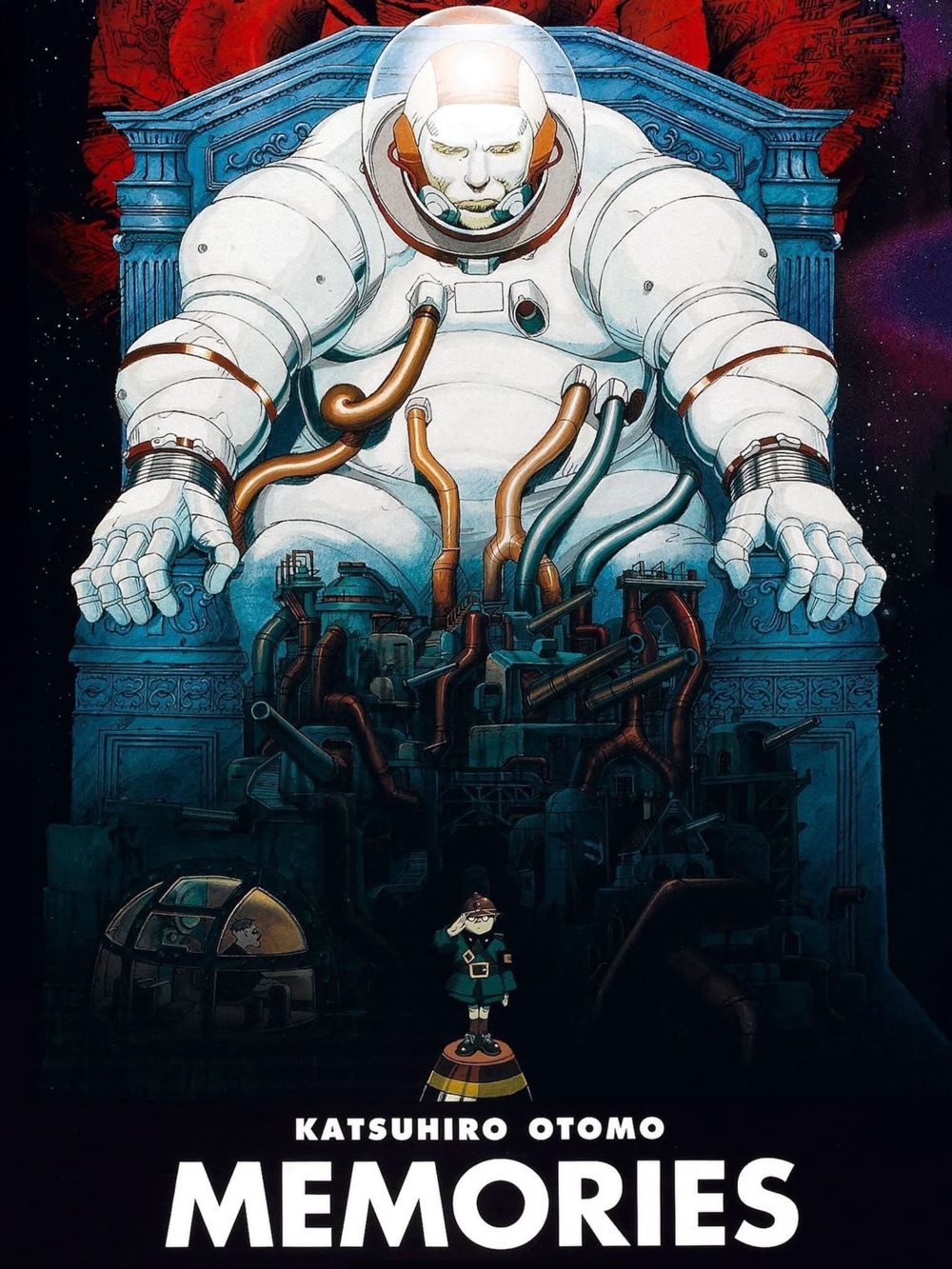
Anime You Should Be Watching: Memories


“Memories… memories are not to be toyed with!” — Heinz

Memories is a mid‑90s anime anthology that feels like a snapshot of how wild and experimental the medium could be when a bunch of heavy hitters got to play in the same sandbox. It’s made up of three separate stories—“Magnetic Rose,” “Stink Bomb,” and “Cannon Fodder”—that don’t connect plot-wise but circle around similar ideas: how technology intersects with memory, systems, and human weakness. The end result is uneven in spots but consistently interesting, and when it clicks, it’s honestly outstanding.

“Magnetic Rose” is the clear showpiece. Directed by Kōji Morimoto and written by Satoshi Kon, it follows a deep-space salvage crew that investigates a distress signal and discovers a derelict structure haunted by the lingering memories of a famous opera singer. The visual approach blends cold, utilitarian sci‑fi hardware with crumbling, ornate interiors, so it feels like the crew is trespassing inside someone’s decaying mind as much as an abandoned ship. The way the environment morphs and lies to the characters, folding past and present together, already hints at the kind of reality‑slipping storytelling Kon would later become famous for.

The sound design and score really push this one over the top. Yoko Kanno leans into big, emotional, opera‑flavored cues that give the segment a tragic, almost theatrical sweep rather than just standard genre tension. Instead of simply backing up jump scares or space thrills, the music amplifies the grief and obsession at the heart of the story, so it plays less like straightforward sci‑fi horror and more like a ghost story built out of longing and denial. The characters themselves are drawn pretty broadly—they mostly function as recognizable types (the seasoned veteran, the younger hothead, the crew just doing their job) rather than deep, fully explored people—but that simplicity keeps the short moving and leaves room for the atmosphere to breathe. In practice, the combination of visuals, sound, and escalating psychological pressure makes “Magnetic Rose” feel rich and layered even without a lot of explicit character backstory.

After that, Memories swerves sharply into “Stink Bomb,” a dark comedy directed by Tensai Okamura. The premise is almost absurd on its face: a lab worker accidentally turns himself into a walking biohazard and slowly becomes the epicenter of a massive crisis. The tone is much lighter, even cartoonish, but there’s a sharp satirical edge underneath. Most of the jokes come from watching institutional systems totally fail to understand or handle what’s happening, ramping up their response in increasingly overblown ways while the poor guy at the center of it all has no idea how dangerous he’s become. It’s a fun, briskly paced piece that lets the animators go wild with chaos and destruction.

That said, “Stink Bomb” is also the segment that feels the most limited conceptually. Once the central gag is in place—this one ordinary guy unintentionally leaving disaster in his wake while officials keep making things worse—the short mostly riffs on variations of that idea. The animation stays lively and the satire lands, and there are flashes of real bite in how it portrays bureaucracy and military decision‑making. But compared to the emotional and thematic density of “Magnetic Rose” or the chilling world‑building of “Cannon Fodder,” it leaves less to chew on once the credits roll. It’s enjoyable, just not as haunting.

“Cannon Fodder,” directed by Katsuhiro Otomo himself, is the quietest but in some ways the most unsettling of the three. It takes place in a city whose entire existence revolves around firing gigantic cannons at an enemy no one ever actually sees. Everything—from education to labor to family routines—is oriented toward that single, unexamined purpose. Visually, it stands apart from the rest of the film: the designs are rougher and more stylized, drawing on European comic and industrial influences rather than sleek anime polish. The big stylistic flex is the way the segment is staged to feel like one continuous movement, with the “camera” drifting through streets, factories, and cramped apartments, watching people go through their day.

There isn’t much conventional plot here, and that’s intentional. The story follows workers and a single family long enough to show how thoroughly the ideology of constant war has soaked into everyday life. Kids learn artillery math at school; adults talk about shell trajectories like it’s the weather. Because the short avoids big twists or overt exposition, it hits more like a living political cartoon: the point is how normalized the whole nightmare has become. Some viewers might find the slower, observational rhythm a bit dry or abstract, especially coming after two more immediately engaging segments. But if the mood clicks, “Cannon Fodder” leaves a lingering, uneasy aftertaste that fits the anthology’s preoccupation with systems and dehumanization.

Stepping back, the three shorts show off just how flexible this medium can be. You get operatic space horror, satirical disaster comedy, and austere anti‑war parable in a single package. There is no explicit framing device tying them together, and the shifts in tone are dramatic, so the film doesn’t feel “smooth” in the way a more unified narrative would. That can be a downside if you’re expecting a cohesive movie rather than a curated set of pieces. On the other hand, that variety is a big part of the appeal: each segment has its own personality and agenda, and the anthology structure lets them coexist without compromise.

On a technical level, Memories holds up surprisingly well. The hand‑drawn animation retains a level of texture and physicality that still looks great today, and the layouts and background work in all three segments are consistently strong. “Magnetic Rose” in particular could be screened alongside other top‑tier anime films from the era and not feel out of place. “Cannon Fodder” still feels formally bold because of its faux‑continuous-shot approach and its distinct visual tone. If anything has aged, it’s more about pacing—modern viewers used to ultra‑fast editing and constant exposition might find some stretches slower than expected—but the film rewards anyone willing to lean into its rhythms.

In terms of accessibility, Memories isn’t the most beginner‑friendly anime film. The first segment leans into psychological horror and tragedy, which can be intense if you’re mostly used to lighter or more straightforward sci‑fi. The comedic whiplash of “Stink Bomb” right after might feel tonally off if you’re still processing the emotional punch of “Magnetic Rose.” And “Cannon Fodder” asks you to be okay with a more metaphor‑driven, open‑ended piece rather than a neatly resolved story. That mix means the anthology is more likely to resonate with viewers who are already interested in anime as a cinematic form and are curious to see different approaches pushed side by side.

What really makes Memories feel important, though, is the cluster of talent involved and what they went on to do. Katsuhiro Otomo brings the weight of Akira and uses this film as a space to experiment with scale and structure. Kōji Morimoto’s work here sits right in the trajectory of his later, more explicitly experimental projects. Satoshi Kon’s script for “Magnetic Rose” reads almost like a prototype for the identity‑fracturing stories he’d later build entire films around. Tensai Okamura and Yoshiaki Kawajiri bring a sensibility for action and genre that gives “Stink Bomb” its bite, and Yoko Kanno is already showing the range and emotional intelligence that would make her one of anime’s most beloved composers. Even if you stripped away the historical context, the film would still be worth watching—but knowing what these creators went on to do makes it feel like catching a moment just before a lot of big ideas fully explode.

Taken as a whole, Memories plays like a compact tour through different corners of what anime could do in the 1990s when it wasn’t worried about franchising or playing it safe. It’s not flawless, and not every segment will work equally well for every viewer, but the high points are strong enough that the anthology earns its reputation. For anyone interested in the evolution of anime as an art form—especially on the sci‑fi and psychological side—it’s absolutely worth the time, both as a film in its own right and as a window into a formative creative era.

Anime You Should Be Watching: Tokyo Godfathers (Tōkyō Goddofāzāzu)


“I’m scared of my family, but I want to go home.” — Miyuki

Tokyo Godfathers is a film that shows how hope and kindness can be found in the most unexpected places, all wrapped up in a hilarious, chaotic, and heartwarming story set on Christmas Eve in Tokyo. Directed by Satoshi Kon, this 2003 anime follows three unlikely characters: Gin, a middle-aged alcoholic with a troubled past; Hana, a lively transgender woman who dreams of being a mother; and Miyuki, a guarded teenage runaway dealing with her own pain.

The adventure begins when the trio, scavenging through garbage for Christmas presents, discovers an abandoned newborn baby. Hana names the baby Kiyoko, meaning “pure child,” and the three set off on a mission to find the baby’s parents using a few clues left behind. Their journey takes them into the depths of Tokyo’s bustling city life—through snowy streets, a yakuza wedding, and encounters with all kinds of characters, from hitmen to estranged families.

What makes Tokyo Godfathers stand out is its perfect blend of humor and emotional depth. It’s easy to laugh at the trio’s bickering and mishaps, but the film also offers sincere moments of vulnerability and growth. Hana’s fierce protectiveness, Gin’s struggle for redemption, and Miyuki’s search for acceptance form a trio of deeply relatable characters. Their rough lives and personal regrets are shown honestly, but the warmth they create together feels genuine and touching.

The film doesn’t shy away from depicting the harsh realities of their world, including violence, abuse, and loss. Yet even in moments of hardship and conflict, acts of giving and empathy persist. Sometimes these harsh and tender moments intersect in the same sequence—such as tense confrontations that unexpectedly end in compassion, or scenes where despair is met with generosity. This layering creates a powerful sense of life’s complexity, showing that kindness can shine brightest amidst chaos and pain.

Visually, the film captures the chilly, neon-lit cityscape with beautiful detail. The animation highlights not only the busy and bright streets of Tokyo but also the subtle emotions of the characters, from shy glances to moments of frustration or tenderness. The film’s mix of grounded realism with moments of coincidence or miracle lends it a magical yet believable atmosphere.

At its core, the film explores what family really means. The three main characters, though not related by blood, support and care for each other in ways many traditional families don’t. The baby Kiyoko serves as a catalyst for each character to confront their past and rethink their relationships. The story gently shows that family can be chosen, formed through shared hardship and love rather than just genetics.

The film’s holiday setting works beautifully because it taps into the holiday themes of forgiveness, second chances, and hope. But it doesn’t shy away from showing the harsh realities of homelessness, loss, and loneliness—making the moments of joy feel even more earned. The characters are flawed but deeply human, and their journey toward reconciliation and connection is both honest and uplifting.

Though the story relies on some lucky coincidences and wild turns, these moments of serendipity feel like part of the film’s charm, highlighting how unpredictable and strange life can be. These surprises keep the story moving and weave a sense of wonder through the gritty city streets.

The supporting characters the trio meet add layers of complexity and humor, and small scenes—like Miyuki bonding with a single mother despite a language barrier or Hana’s reflections on her past love—enrich the narrative. These interactions remind us that no one’s story is simple and everyone carries hidden struggles.

By the end, each main character faces their own moment of truth—whether it’s Gin reconnecting with his daughter or Miyuki standing up to her past. The film leaves viewers with a hopeful message: even when life feels broken, it’s possible to find grace, redemption, and unexpected family.

Tokyo Godfathers is perfect if you want a holiday movie with heart, humor, and a refreshing dose of realness. You don’t need to be an anime fan to appreciate its warmth and message. It’s a touching reminder that kindness and connection can be found in the most unlikely places—even on the coldest winter nights.

Guilty Pleasure No. 89: Highschool of the Dead (dir. by Tetsurō Araki)


Highschool of the Dead is that wild, over-the-top anime that combines your typical zombie apocalypse survival story with a heavy dose of ecchi fanservice and ridiculous fun. The 12-episode series bursts onto the scene with a gang of Japanese high school students trying to stay alive during a sudden zombie outbreak. The show doesn’t waste time explaining how the zombies came to be — it just tosses you straight into the chaos, and honestly, that’s part of the charm.

The main crew is pretty memorable: Takashi Komuro, the guy reluctantly trying to keep everyone alive while having a crush on Rei Miyamoto; Saeko Busujima, the super cool and mysteriously dark girl who quickly became a fan favorite (and cosplay icon); Saya Takagi, the sharp-witted brainiac; Kohta Hirano, a gun-loving otaku; Shizuka Marikawa, the very adult yet hilariously ditzy school nurse; and little Arisu Marikawa with her adorable, zombie-alert puppy Zeke. This group quickly becomes your ragtag team of survivalists… and eye candy.

Now, let’s get to the heart of Highschool of the Dead — the fanservice. This show is basically a non-stop fanservice marathon, from cheeky panty shots to impossibly large breasts bouncing with wild abandon. If you’re looking for subtlety, sorry, this isn’t the show for you. But if you want ridiculous, unapologetic ecchi mixed with zombie carnage, this anime has got you covered. That infamous “Matrix Boobs” scene? Pure hypnotic, absurd fun and the perfect example of what this anime loves to deliver. These moments are so exaggerated, it’s like the anime knows exactly how nuts it is and just leans into it with a big grin.

Beyond the boobs and butt shots, Highschool of the Dead actually throws in some interesting commentary on human nature in disaster. Sure, zombies are the monsters outside, but the real danger might be the surviving humans themselves, who reveal all kinds of ugly, selfish, and sometimes heroic traits. The teenagers actually fare better than most adults who either panic or take advantage of the chaos — except for the right-wing extremist who surprisingly keeps order with a strict but effective approach. It’s crazy but adds a layer of unexpected depth beneath all the fanservice.

The characters aren’t just there for eye candy either. Komuro isn’t your overly confident anime hero but comes across as a likable, grounded guy. Saeko’s combination of calm, deadly skill and mysterious backstory makes her stand out. Kohta’s military geek side provides a lot of the show’s practical survival know-how, and the occasional comic relief too. The mix of serious struggle and ridiculous fanservice moments makes for a weirdly balanced rollercoaster of tone that keeps you hooked.

Visually, the anime shines with clean, high-quality animation by Madhouse that does a great job blending traditional and CGI elements. You get detailed zombie action and clear, pretty character designs that maximize those fanservice shots. It’s not just about the fanservice — the blood, gore, and zombie fights have their own gritty appeal that balances the show’s lighter, sexier moments. The animation style definitely knows what it’s doing: keep things stylish and eye-catching whether it’s a brutal attack or a cheeky panty shot.

The series also leans into some grindhouse and exploitation vibes, with episode titles like Spring of the Dead and All Deads Attack feeling like throwbacks to 1970s B-movie horror flicks. It’s this blend of horror, action, and exploitation that gives the show its unique flavor. And even though it’s mostly fanservice pandering, it manages to keep a pretty good pace and doesn’t get boring, zipping through the story with lots of action and humor. That “Matrix Boob Physics” meme that went viral years back

While the manga that inspired the series goes deeper and cuts back on fanservice in later chapters, the anime stays firmly in the realm of ridiculous fun with its mix of horror and ecchi. It’s not high art or groundbreaking storytelling, and it would never be mistaken for such. Instead, Highschool of the Dead proudly wears its “guilty pleasure” badge, knowing full well it’s an unapologetically silly, over-the-top romp that doesn’t shy away from the fact that it’s made to entertain and tease rather than inspire or provoke deep thought.

For those who enjoy a wild ride packed with boobs, bullets, and brain-munching zombies, Highschool of the Dead is a perfect guilty pleasure that embraces its identity. It’s a weird mashup that knows it’s silly and really loves having a good time with its audience.

Highschool of the Dead is a wild, ecchi-fueled zombie apocalypse romp that’s totally ridiculous in all the best ways. The show rides the line between horror and parody, serving up enough fanservice moments to satisfy anyone who loves their anime with a side of absurdity and cleavage. Not for everyone, but if you like your zombie stories with a lot of bounce and a wink, this one’s definitely worth a look.

Previous Guilty Pleasures

  1. Half-Baked
  2. Save The Last Dance
  3. Every Rose Has Its Thorns
  4. The Jeremy Kyle Show
  5. Invasion USA
  6. The Golden Child
  7. Final Destination 2
  8. Paparazzi
  9. The Principal
  10. The Substitute
  11. Terror In The Family
  12. Pandorum
  13. Lambada
  14. Fear
  15. Cocktail
  16. Keep Off The Grass
  17. Girls, Girls, Girls
  18. Class
  19. Tart
  20. King Kong vs. Godzilla
  21. Hawk the Slayer
  22. Battle Beyond the Stars
  23. Meridian
  24. Walk of Shame
  25. From Justin To Kelly
  26. Project Greenlight
  27. Sex Decoy: Love Stings
  28. Swimfan
  29. On the Line
  30. Wolfen
  31. Hail Caesar!
  32. It’s So Cold In The D
  33. In the Mix
  34. Healed By Grace
  35. Valley of the Dolls
  36. The Legend of Billie Jean
  37. Death Wish
  38. Shipping Wars
  39. Ghost Whisperer
  40. Parking Wars
  41. The Dead Are After Me
  42. Harper’s Island
  43. The Resurrection of Gavin Stone
  44. Paranormal State
  45. Utopia
  46. Bar Rescue
  47. The Powers of Matthew Star
  48. Spiker
  49. Heavenly Bodies
  50. Maid in Manhattan
  51. Rage and Honor
  52. Saved By The Bell 3. 21 “No Hope With Dope”
  53. Happy Gilmore
  54. Solarbabies
  55. The Dawn of Correction
  56. Once You Understand
  57. The Voyeurs 
  58. Robot Jox
  59. Teen Wolf
  60. The Running Man
  61. Double Dragon
  62. Backtrack
  63. Julie and Jack
  64. Karate Warrior
  65. Invaders From Mars
  66. Cloverfield
  67. Aerobicide 
  68. Blood Harvest
  69. Shocking Dark
  70. Face The Truth
  71. Submerged
  72. The Canyons
  73. Days of Thunder
  74. Van Helsing
  75. The Night Comes for Us
  76. Code of Silence
  77. Captain Ron
  78. Armageddon
  79. Kate’s Secret
  80. Point Break
  81. The Replacements
  82. The Shadow
  83. Meteor
  84. Last Action Hero
  85. Attack of the Killer Tomatoes
  86. The Horror at 37,000 Feet
  87. The ‘Burbs
  88. Lifeforce

Anime You Should Be Watching: Ninja Scroll (Jūbē Ninpūchō)


“If you so want the company of devils, you’d better hurry back to hell, Gemma.” — Jubei

Ninja Scroll, the 1993 anime film directed by Yoshiaki Kawajiri, stands as a landmark in anime history for its groundbreaking animation, intense action, mature themes, and unique blending of historical fantasy with the supernatural. Its fluid, detailed hand-drawn animation vividly brings to life brutal sword fights and supernatural battles, while the richly textured 17th-century Japan setting immerses viewers in a dark, menacing world. This artistic achievement set a high benchmark, elevating anime’s global reputation as a cinematic art form beyond works like Akira.

The story follows Kibagami Jubei, a wandering mercenary ninja drawn into a plot involving the immortal villain Genma and the feared Eight Devils of Kimon. Though the plot remains straightforward—largely focused on Jubei’s confrontation with powerful enemies—it gains depth through morally ambiguous characters and mature themes of sacrifice, honor, and survival. A key emotional element is the relationship between Jubei and Kagero, a female poison ninja cursed to kill anyone who touches her, which sidesteps typical romance tropes and develops themes of vulnerability and resilience.

The voice acting, particularly in the English dub, is a significant highlight, delivering performances that imbue characters with seriousness and emotional nuance, broadening the film’s international appeal and cementing it as a gateway for adult animation in the West. While Ninja Scroll excels in action and atmosphere, it also courts controversy for its graphic violence and explicit sexual content. There is a notably disturbing sexual assault scene involving Kagero, which has long sparked discomfort and debate. However, it is important to clarify that while the film uses explicit sexual content to enhance its darker tone, it does not cross into hentai territory; the sexual content serves a narrative purpose rather than mere eroticism. This mature material intensifies the film’s psychological tension and power struggles, positioning it firmly within adult-oriented anime.

Sexual violence directed mostly at female characters has been a persistent source of controversy surrounding Ninja Scroll. While the sexual content is relatively tame compared to many contemporary non-hentai anime, its depiction of sexual assault and coercion has never lost its provocative edge. The character Kagero, despite being a formidable and dangerous figure, is victimized through sexual violence that many viewers and critics find disturbing. Scenes such as her being captured and violated by monstrous enemies contribute to an uneasy juxtaposition of empowerment and victimhood, with Kagero often used as a plot device to motivate male protagonists rather than as a fully autonomous character. This imbalance and the graphic nature of these depictions have led to censorship in some countries and sparked ongoing debates around the ethics of such content in adult media. Critics often argue that these portrayals risk glamorizing or exploiting sexual violence, while defenders contend that the shocking nature heightens the dark tone of the film’s world, reflecting its brutal and morally fraught universe. Nonetheless, these themes remain divisive, challenging viewers to grapple with how mature animation handles issues of gendered violence and trauma.

One of Ninja Scroll’s defining strengths lies in its animation style. The kinetic action sequences are not only meticulously choreographed but also executed with an extraordinary fluidity and dynamism that were revolutionary for the early 1990s. The hand-drawn fight scenes feature sweeping, graceful movements punctuated by sharply detailed strikes and counterattacks, bringing a visceral sense of speed and impact seldom achieved in other works of the period. This fluidity is complemented by innovative techniques like the use of deleter dot screens for shading and shadow effects, which add texture and depth without sacrificing motion smoothness.

The animation’s prowess extends beyond just the fight choreography. The film’s use of lighting and atmospheric effects creates a hauntingly dreamlike world that feels simultaneously realistic and mythical. Backgrounds are richly painted with a softness that evokes Impressionistic influences, enveloping characters in an environment that accentuates the eerie and supernatural tone. The balance between detailed character animation and these painterly settings builds a distinct visual identity that has aged gracefully over decades.

This combination of fluid, kinetic action and richly atmospheric artistry contributed significantly to Ninja Scroll being considered one of the modern classics of anime. It elevated expectations for what animated films could achieve in terms of dynamic movement and aesthetic sophistication. The influence of its animation style can be traced through numerous subsequent anime productions, as well as Western media inspired by anime’s visual storytelling techniques.

Ninja Scroll’s legacy is extensive and multifaceted. Its DNA can be seen clearly in later samurai-themed anime such as Samurai Champloo and Afro SamuraiSamurai Champloo echoes Ninja Scroll’s stylistic blending of Edo-period Japan with anachronistic influences—infusing hip-hop culture with samurai narratives—while maintaining intense, fluid sword fights and a mix of humor and gravitas. Afro Samurai shares its dark tone, violent action, and lone-protagonist vengeance quest, carrying forward the mood and narrative style originally forged by Ninja Scroll. Director Kawajiri’s subsequent works, including his segments in The Animatrix, further pursue this blend of hyper-realistic violence, dark fantasy, and mature storytelling. His visual style and thematic preoccupations continue to set standards for adult anime storytelling.

Beyond anime, Ninja Scroll substantially impacted Western filmmakers. Its dynamic animation and mature tone influenced the Wachowskis’ Matrix trilogy, particularly in its kinetic martial arts choreography and philosophical depth. This cross-cultural influence helped establish anime as a vital creative wellspring for global media, encouraging Hollywood to adopt similar stylistic and narrative innovations. The film’s success helped popularize ninja and samurai mythologies worldwide, inspiring Hollywood action films and series exploring similar themes.

In conclusion, Ninja Scroll is a seminal work blending technical brilliance, compelling voice performances, stark mature themes, and memorable characters. Its relatively simple yet focused plot allows intense action and emotional depth to shine. While its graphic sexual content remains controversial, especially due to its depiction of sexual violence toward women, this aspect underscores the dark world the film portrays rather than serving gratuitous ends. Its influence spans subsequent anime like Samurai Champloo and Afro Samurai and extends into Western filmmaking, confirming Ninja Scroll’s importance as a groundbreaking and enduring classic that shaped adult animation globally.

Song of the Day: Information High (by Yoko Kanno)


“Information High,” by Yoko Kanno for Macross Plus, is a track that’s as electrifying as it is fitting for the anime’s sleek, futuristic vibe. From the moment it kicks in, you get caught up in its propulsive beat and layered electronic sounds that perfectly capture the sense of speed and technological buzz that define the series. It doesn’t just sit in the background but actively drives the energy forward, mirroring the fast-paced aerial dogfights and the intense emotions swirling underneath the sci-fi setting. There’s a hypnotic quality to it — like the perfect soundtrack for a world where human experience and digital overload collide.

What really strikes about “Information High” is how it balances mechanical precision with a playful, almost funky undertone. It’s not simply cold or robotic; Kanno brings in just enough warmth and groove to humanize the electronic pulse, making the song feel alive and vibrant rather than sterile. This duality works beautifully with Macross Plus’s themes—characters caught between their human desires and the artificial worlds they navigate. The track feels like a bridge between those realities, capturing both the exhilaration and the subtle unease of living in an over-connected, data-saturated future.

Beyond its role as a background piece, “Information High” stands on its own as a distinctive expression of Kanno’s genius. It’s got that catchy, infectious energy that sticks with you, yet never feels repetitive or shallow. It’s clear that Kanno tailored this song to complement not just the visuals but the emotional currents of the show, subtly enhancing moments without overpowering them. For anyone familiar with Kanno’s work, this track is a perfect example of her skill in blending genres and moods into a cohesive whole that elevates the experience of the anime itself.

Information High

You know how to get eternal life
In the center of the lightning-speed waltz
Feel your soul cut by a rusty knife
As you head down for the self-destructive edge

Our satori is just floating in the core
Where we can spiritually go through the door
We’ll know how to get eternal life
While we catch the pulse from unknown satellites

If we get the transient facts
Then we’ll feel the info high
If we get the transient facts
Then we are really free
To fly high
In space

We know how to get eternal high
In the center of the lightning-speed waltz
See our soul struggling to survive
As we head down for the self-destructive edge

Sayonara to intrusive noise
No more childish play and no more toys
We know how to get eternal life
While we feel and sense mother nature’s strong might

If we get the transient facts
Then we’ll feel the info high
If we get the transient facts
Then we’ll feel the info high
If we get the transient facts
Then we’ll feel the info high
If we get the transient facts
Then we are really free
To fly high
In space

If we get the transient facts
Then we’ll feel the info high
If we get the transient facts
Then we’ll feel the info high
If we get the transient facts
Then we’ll feel the info high
If we get the transient facts
Then we’ll feel the info high
If we get the transient facts
Then we’ll feel the info high
If we get the transient facts
Then we’ll feel the info high
If we get the transient facts
Then we’ll feel the info high
If we get the transient facts
Then we are really free
To fly high
In space