Blood Mirrors: How I Saw the Devil, Cold Fish, and Revenge Redefine the Horror of Retribution


“Revenge reveals the darkest reflection we hide within.”

Horror cinema has long functioned as a reflective surface, exposing humanity’s deepest fears, desires, and moral uncertainties. The films I Saw the Devil (2010), Cold Fish (2010), and Revenge (2017) serve as “blood mirrors,” revealing not merely the visceral violence inflicted upon their characters but also the profound psychological and ethical transformations that vengeance ignites. Emerging from South Korean, Japanese, and French cinematic traditions, respectively, these works reconceptualize the trauma of retribution into nuanced explorations of identity, power, justice, and morality. This essay unpacks how such acts of revenge fracture and distort the avengers themselves—blurring the boundary between hunter and hunted—and challenge audiences to consider the complicated ethics of vengeance.

Becoming the Monster: I Saw the Devil and the Infinite Cycle of Vengeance

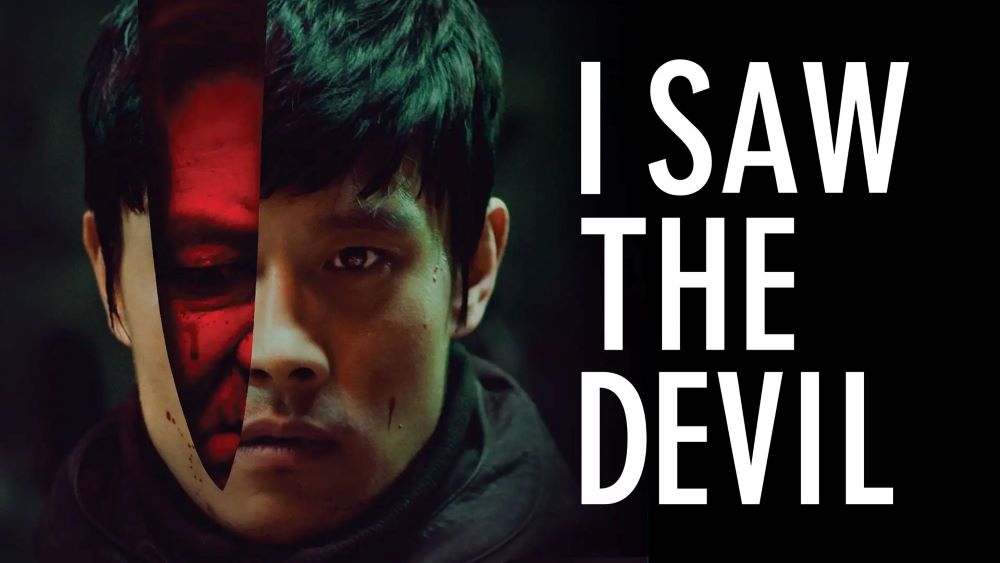
Kim Jee-woon’s I Saw the Devil opens with searing loss. Government agent Kim Soo-hyun’s fiancé is gruesomely murdered by the psychopathic serial killer Jang Kyung-chul. Rather than delivering immediate justice, Kim embarks upon a merciless cycle of capture and release aimed not at ending Kyung-chul’s life but extending his suffering to mirror the anguish Kim feels. This circular vengeance becomes a vehicle for exploring grief’s corrosive power, blurring the avenger’s and victim’s identities.

The film’s structure, with its repetitive cat-and-mouse dynamic, becomes a visual metaphor for obsession and moral degradation. With every brutal encounter, Kim sacrifices more of his humanity, evolving into the very monster he’s vowed to destroy. Lee Mo-gae’s cinematography blends stark clinical detachment with visceral brutality; meticulously framed shots contrast vividly with the film’s emotional chaos, compelling the audience into uncomfortable identification with Kim’s dark crusade. The snowy landscapes and cold colors evoke spiritual desolation, emphasizing the film’s existential chill.

Kim’s work transcends procedural thriller conventions by resisting catharsis—vengeance is portrayed not as liberation but endless torment. Critics laud the film for masterfully challenging traditional revenge narratives by suggesting that acts of retribution can perpetuate cycles of violence, consuming both victim and perpetrator. The tension not only lies in physical danger but in the moral disintegration of a man who becomes what he hates.

Hidden Rage Beneath Ordinary Lives: Social Collapse in Cold Fish

Sion Sono’s Cold Fish presents revenge as an eruption of buried rage within the façade of mundane suburban existence. The gentle tropical fish store owner, Nobuyuki Syamoto, leads a restrained, law-abiding life until meeting the domineering and psychopathic Murata. Their relationship becomes a dance of psychological and physical domination, exposing latent violence simmering under cultural conformity.

Unlike the clinical precision of I Saw the DevilCold Fish captures chaos and collapse. Syamoto’s eventual violent revolt is neither heroic nor cathartic but an enactment of existential despair born of oppressive social codes emphasizing politeness, hierarchy, and silence. The oppressive suburban setting becomes almost a character itself—sterile, suffocating, and emotionally barren. The circling fish motif highlights the recursive cycles of repression and violence that trap the characters.

Sono’s cinematic approach balances absurdist, at times black humor with grim horror. This tonal dissonance destabilizes viewer complacency, forcing reflections on how individual suffering is structured and concealed by social and cultural norms. Syamoto’s dissolution challenges viewers to reconsider traditional narratives of justice and victimhood, emphasizing the fragility of identity under systemic pressures.

From Exploitation to Empowerment: Revenge and the Reclamation of Agency

Coralie Fargeat’s Revenge radically revisits the “rape and revenge” genre notorious since 1970s grindhouse cinema. While drawing inspiration from films like I Spit on Your Grave and The Last House on the LeftRevenge rejects those works’ often exploitative male gaze, recasting the survivor’s story through a fully realized lens of autonomy and violent reclamation.

Jen’s transformation—from a sexualized object within a hyper-saturated, colorful visual palette to a mythic force of nature marked by the symbolic phoenix brand—signifies death and rebirth. Fargeat’s use of chiaroscuro lighting, surreal settings, and visceral violence elevates physical trauma to the level of mythic metamorphosis.

This film subverts traditional victim and villain binaries. Jen’s ascent dismantles deeply embedded patriarchal structures, underscoring a reclamation of body, gaze, and power. The climactic chase, drenched in blood and primal energy, becomes a ritualistic unshackling rather than mere revenge. Through this revival of grindhouse aesthetics, Fargeat forges a new grammar of feminist survival and cinematic empowerment.

Power, Gender, and Hierarchies in Contemporary Revenge Narratives

These films foreground power dynamics traditionally gendered but reinterpreted here in ways promoting gender-neutral critique. In Cold Fish, toxic masculinity manifests as violent domination versus passivity within strict social codes, both Syamoto’s submission and Murata’s cruelty reinforcing systemic violence.

I Saw the Devil portrays injured masculine pride and control as drivers of vengeance. Kim’s obsession symbolizes fragile protector ideals collapsing into moral ruin. Female characters often exist as symbolic voids, underscoring systemic gender violence and erasure.

Revenge, by contrast, deconstructs these codes. Jen transcends rigid gender norms and victimhood, suggesting power as a fluid, elemental force beyond biology. The film’s desert setting serves as a symbolic womb of transformation, projecting possibilities of autonomy and sovereignty through defiance of hierarchical structures.

National Contexts: Morality, Control, and Crisis

Each film emerges from distinct cultural anxieties and historical trajectories. I Saw the Devil reflects South Korean skepticism about institutional justice amid rapid modernization and lingering traditionalism. Private vengeance becomes a desperate, isolating reaction to systemic failure.

Cold Fish critiques a Japanese culture steeped in social conformity and emotional repression, revealing the violent potential beneath controlled civility. The film reflects post-war tensions and growing awareness of societal alienation.

France’s Revenge draws from the New Extremity movement, blending philosophical and visceral approaches to suffering, reflecting intellectual and artistic responses to modern oppression. Fargeat’s fusion of grindhouse with feminist critique signals contemporary cultural struggle for voices outside dominant systems.

Narrative and Visual Style: Diverse Paths to Transformation

The narrative architectures differ but complement one another. I Saw the Devil’s repetitive structure illustrates cyclical moral decay; Cold Fish depicts downward spiral into absurd chaos; Revenge follows mythic death-and-rebirth arc.

Their visual languages communicate complex ethical positions: Kim’s symmetrical, controlled shots reflect calculated cruelty; Sono’s frenetic, disorienting camera work conveys mental disintegration; Fargeat’s vivid, stylized imagery channels surreal transcendence.

Each film implicates the viewer uniquely. I Saw the Devil seduces with calculated violence; Cold Fish overwhelms with chaotic brutality; Revenge reorients the gaze empathetically to survivor experience. Together, they articulate a profound inquiry into horror spectatorship and ethical engagement.

Societal Reflections: Alienation and Moral Fragmentation

These films manifest collective crises of modernity—gendered hierarchies, failed justice, fractured communities—within intimate personal revenge stories. They diagnose alienation and fragmentation, transforming revenge into language for voicing trauma and injustice. This intersection exposes how power, violence, and identity intertwine in contemporary cultural narratives.

The Horror of Becoming

Ultimately, I Saw the DevilCold Fish, and Revenge frame horror as a meditation on transformation rather than pure evil. Vengeance reshapes the self, often toward destruction. Kim becomes the hunted devil; Syamoto lives his oppressor’s violence; Jen transcends human limits through fiery renewal.

Together, they depict revenge as curse, collapse, and painful rebirth—a global meditation on violence and selfhood. Their shared revelation: revenge unmasks the darkness dwelling quietly within us all, proving that horror’s deepest mirror reflects ourselves.
Horror Song of the Day: Call of Ktulu (by Metallica)


Metallica’s “The Call of Ktulu” is like an eerie soundtrack to something ancient and terrifying lurking just beneath the surface. The whole song feels like a slow, deliberate wake-up call for an otherworldly monster straight out of Lovecraft’s nightmares. Without any lyrics, it’s the music itself that tells the story—starting off quiet and haunting, then gradually building layers of tension like the air getting heavier before a storm, pulling you into an unsettling experience of growing dread.

What’s cool is how each instrument adds its own flavor to that feeling. Cliff Burton’s bass rumbles low and deep, almost like the sea itself is grumbling, while the guitars slowly creep in with sharp, sometimes almost claw-like riffs. Lars Ulrich’s drums keep everything feeling urgent without rushing it, like the heartbeat of something big and unstoppable. It’s not just playing metal riffs; it’s like they’re painting a picture of a cosmic beast stirring from an ancient sleep, and you can’t look away even though you’re scared.

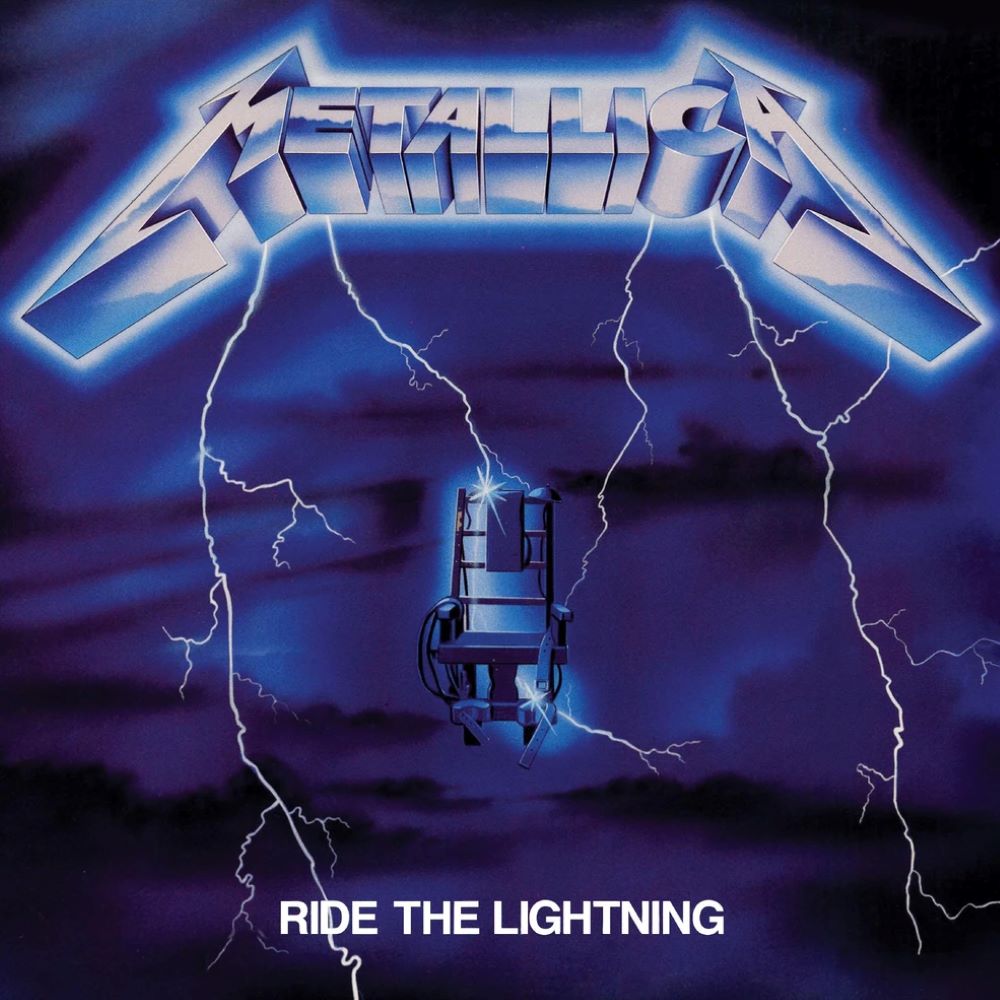
Interestingly, “The Call of Ktulu” was initially started by Dave Mustaine before his dismissal from Metallica, but it ultimately became a collaborative piece among all four original band members. Released as part of their 1984 album Ride the Lightning, the song reached new heights when performed with the San Francisco Symphony Orchestra on the live album S&M. The legendary composer Michael Kamen arranged and conducted the orchestral parts, adding sweeping strings and powerful brass that turned the track into an apocalyptic ritual of sound, blending Metallica’s heavy riffs with symphonic grandeur and amplifying the song’s cosmic horror vibe to an unforgettable level.

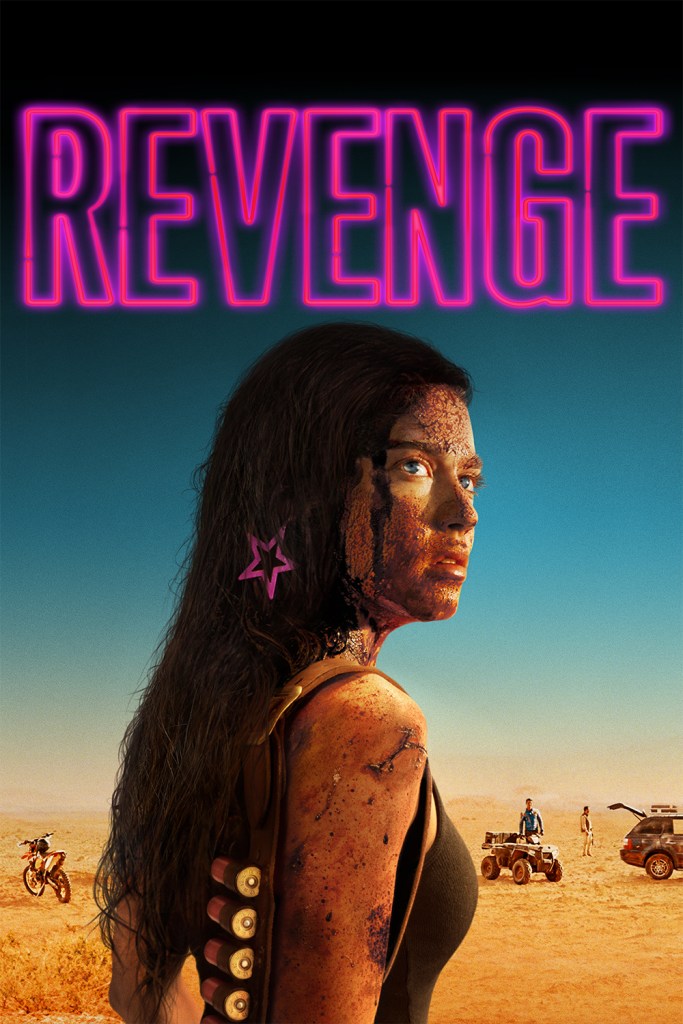
Horror Review: Revenge (dir. by Coralie Fargeat)


“Violence is a language written in blood; it tells the story of those who refuse to be silenced.”

Coralie Fargeat’s 2017 film Revenge is an intense and striking blend of horror and thriller that refreshes the rape-revenge genre with a strong emphasis on female empowerment and resistance. At its core, the film follows Jen, a young woman who is brutally assaulted and left for dead in a desert. Against all odds, she survives and seeks brutal revenge on her attackers. What makes Revenge stand out is its blend of graphic, realistic violence and a striking, highly stylized visual approach, resulting in a film that is both visceral and symbolic.

Revenge sits within a long tradition of rape-revenge films that includes both grindhouse exploitation and serious art films. One of the earliest and most influential films in this tradition is Ingmar Bergman’s The Virgin Spring (1960), a somber and moral exploration of a father’s response to his daughter’s rape and murder in medieval Sweden. Bergman’s film inspired many later works, including Wes Craven’s famously brutal The Last House on the Left (1972), which reinterprets the same story through the lens of exploitation horror. Other notorious examples include I Spit on Your Grave (1978), known for its graphic depiction of sexual violence and violent retaliation. More recent films like Jennifer Kent’s The Nightingale (2018) revisit these narrative themes with psychological and political depth. Fargeat’s Revenge draws on this history, combining symbolic storytelling and thematic depth with the raw brutality and energy of grindhouse exploitation.

The narrative structure of Revenge is familiar: Jen, introduced as the mistress of a wealthy man, is assaulted by his friends. Her lover Richard tries to silence her by pushing her off a cliff, but Jen survives, severely injured and impaled on a tree. Her journey is one of intense physical suffering, but also resurrection and fierce empowerment. The film’s use of bright, vivid colors such as hot pinks and blues shifts the story into a surreal, symbolic space where gender roles are exaggerated and the desert becomes a mythic battleground where Jen fights to reclaim control.

Fargeat depicts Jen’s trauma and physical recovery through graphic and detailed body horror—not simply for shock, but as a visual metaphor for reclaiming agency. For example, Jen’s self-treatment of her impalement wound with a hot beer can brands her skin and symbolizes her rebirth and determination. These elements mark a clear departure from earlier rape-revenge films that sensationalized female suffering, shifting the focus to the survivor’s power and autonomy.

Cinematographer Robrecht Heyvaert’s work enhances this dynamic, contrasting the bright, harsh desert landscape with the cold, sterile luxury of Richard’s home. This contrast symbolizes the clash between raw survival and social control. The violence throughout the film is explicit and often hard to watch, but it is deeply rooted in the reality of trauma rather than fantasy.

Matilda Lutz’s performance as Jen is a key strength of the film. She transforms from a vulnerable, objectified figure into a fierce, focused avenger. The male antagonists are less developed, serving as archetypes of toxic male dominance—entitlement, violence, and cowardice—and their downfall reflects the collapse of that social order.

While Revenge maintains the fast pace and suspense of a thriller, its focus on graphic body horror and trauma places it firmly within the horror genre, aligning with the French Extremity movement known for its intense depictions of suffering and transgression. The source of horror here is not supernatural but very much rooted in the physical and psychological impact of violence.

The film has been praised for its technical skill and its focus on female resistance and empowerment. Instead of exploiting female suffering, it forces audiences to confront violence and trauma in a way that centers strength and rage. This is a clear reimagining of the revenge narrative through a modern lens that highlights resilience.

Revenge stands as both a tribute and a reinvention within its genre. It nods respectfully to the moral complexity of Bergman’s The Virgin Spring, the shock tactics of grindhouse staples like The Last House on the Left and I Spit on Your Grave, and the psychological depth of The Nightingale. Yet it simultaneously reinterprets these influences, making a statement that is both timely and provocative.

Coralie Fargeat’s Revenge is a powerful and contemporary entry into the rape-revenge genre, blending horror and thriller conventions with a focus on survival and agency. The film explores the physical and emotional effects of trauma and the possibility of reclaiming power through violence. Its vivid visuals, symbolism, and intense violence challenge audiences to rethink assumptions about gender, justice, and survival. It is a film that provokes strong reactions while delivering a deeply felt story of empowerment and resilience.

Horror Review: Cold Fish (dir. by Sion Sono)


“Life is pain.” — Nobuyuki Syamoto

Unflinching, subversive, and dripping in corrosive dark humor, Sion Sono’s Cold Fish (2010) doesn’t just showcase Japan’s taste for genre-bending horror—it rips open the underbelly of polite society and exposes what writhes beneath. If I Saw the Devil was a descent into the abyss of revenge, Cold Fish is a fever-dream trek through manipulation, depravity, and the most repressed corners of the psyche. Built around the crucible of violence and sex, Sono’s film dares viewers to question not only the shape of evil, but whether the forces that awaken it could be lurking in anyone.

Before Cold Fish, Sono had already established himself as a subversive force in horror with his earlier film Suicide Club (2001), which helped him gain a loyal cult following and introduced him to the genre scene at large as an innovative and provocative filmmaker unafraid to challenge conventions. With Cold Fish, Sono refined his style, offering a tighter, more psychologically driven narrative that accelerates the intensity while probing deep societal anxieties.

Inspired by the real-life Saitama serial murders of the 1990s, committed by dog breeder Gen Sekine and his common-law wife Hiroko Kazama, Cold Fish draws chilling authenticity from these events. Sekine and Kazama ran a pet shop and poisoned several customers before dismembering their bodies to conceal the murders. Sono reimagines this disturbing history by transforming the pet shop into a tropical fish store and fictionalizing details while preserving the core themes of manipulation, complicity, and violence.

The story opens with Nobuyuki Syamoto, the definition of a beaten-down everyman: a tropical fish shop owner whose daughter openly hates her stepmother, whose marriage is half-drowned in silent resentment, and who drifts through life as little more than a shadow. From the outset, Syamoto’s passivity sets a tremulous undertone—terrible things are happening, but he isn’t doing much to stop them. That changes the moment his daughter Mitsuko is caught stealing and rescued by the charismatic Yukio Murata, proprietor of a flashier fish store. Murata’s manners and generosity are overwhelming, almost caricatured, yet there’s an edge of anticipation: something is amiss, and Sono lets the feeling gradually curdle beneath his gentle facade.

Murata’s initial charm morphs into coercive control as he manipulates the Syamoto family into his orbit. When Syamoto is coerced to become Murata’s “business partner,” the narrative takes its first graphic, kinetic turn: a sales pitch for a rare tropical fish goes lethally wrong. Murata poisons a buyer in cold blood, then erupts into violence, forcing Syamoto and his wife into complicity by helping dispose of the body. The shift is immediate and nightmarish—the performance by Denden (Murata) snaps from quirky salesman to a near-mythical monster, as terrifying for his unpredictability as for his casual approach to killing.

From here, Cold Fish dives into a spiral of murder, sexual domination, and psychological torture. Murata and his partner Aiko have murdered dozens, perfecting the art of erasing their victims. As the body count rises, Sono’s camera remains hauntingly restrained: eschewing frantic cuts for long takes, keeping his characters center-frame, locking viewers in Syamoto’s dread-soaked POV. We are forced to witness every mechanical step in the pair’s routine—the body disposal, the literal scattering of ashes, the casual cruelty.

What makes Cold Fish such a disturbing experience is not merely the gore (though the final act is blood-soaked chaos), but the way deviance is normalized, even made bureaucratic. Murata’s operation feels part nightmare, part dull corporate job. This banality breeds horror. At times, Sono punctuates scenes with black comedy: surf rock tunes play in the background as mutilated bodies are processed in Murata’s shop, and his wife’s participation has a twisted, deadpan humor that makes the violence doubly unsettling.

Syamoto’s trajectory is the film’s secret weapon. By trapping us in his perspective, Sono draws out the uncomfortable reality of learned helplessness, craven compromise, and the latent violence beneath a repressive facade. Syamoto isn’t a hero or anti-hero, but a study in desperation and dissolution. His initial submission slowly ferments into rage, and when he finally snaps, the violence is primal and cathartic—a vengeance that feels less like triumph and more like an act of obliteration. Instead of a neat moral arc, Sono’s script is obsessed with the ambiguity of retribution: what festers beneath apathy, what trauma does when left unaddressed, and what the need to act breeds when suppressed for too long.

This thematic preoccupation connects Cold Fish to the likes of I Saw the Devil: both movies use revenge not as justice, but as a mirror for corruption—how far can the ordinary man go before he becomes indistinguishable from the monsters tormenting him? Sono’s film is ultimately more nihilistic, using social commentary as a subtle undertow, with critiques of Japanese conformity, sexuality, and family decaying beneath the surface. The result is a film that is both emotionally exhausting and intellectually provocative.

Technically, Cold Fish offers Sono at his most focused. The cinematography is subtle but relentless, with natural camera movement amplifying character reactions rather than indulging in spectacle. The use of Mount Fuji as a backdrop for scenes of violence is striking and effective. Costume, color palette, and setting all speak of an ordinary world slowly overtaken by surreal terror. The score plays off these moments, with music choices ranging from nervy tension to surf-rock irony.

The performances are uniformly superb. Denden is magnetic as Murata—making each mood shift obvious, unpredictable, and horrifying. Mitsuru Fukikoshi’s portrayal of Syamoto is raw, fragile, and ultimately explosive. The supporting cast amplifies the film’s extremes without ever feeling cartoonish. Sono pushes them to the edge, finding both tragedy and queasy humor in their unraveling. The sound design, especially in scenes of dismemberment and violence, is overwhelming and intense—forcing the audience into a sensory trap that mirrors Syamoto’s psychological implosion.

Yet Cold Fish isn’t just an exercise in gore or cruelty—it’s an autopsy of repression, cowardice, and compulsion, watched through the lens of a culture known for its traditions of obedience. The film asks what drives people to murder, what keeps them silent, and what happens when those limits are breached. It never gives viewers easy sympathies or clean answers, and the ending is deliberately unnerving—Syamoto’s transformation is complete, but it isn’t heroic, nor is it redemptive.

For some, the film’s length and relentless tone will be too much. Others have pointed out its over-the-top final act, and some feel the excessive violence is hard to justify. However, these very qualities are what cement Cold Fish as a significant work in contemporary Japanese horror—it’s the sort of movie that claws at you for days, sticking in the brain with its grim humor and powerful sense of unease. Like I Saw the Devil, it’s less about catharsis than about exposing the permanent scars left by evil and revenge, and the horrifying possibility that what lurks under the surface of normality is just waiting for an invitation to come out.

Ultimately, Sion Sono’s Cold Fish is an important piece of modern horror—not simply for its brutality, but for its relentless psychological excavation and perverse humor. By channeling the real Saitama serial murders into a study of psychological torment and complicity, Sono creates a film that is designed to provoke, to disturb, and to make audiences ask where the boundaries of morality might finally break. For genre fans, it’s a bracing, unforgettable experience; for those who approach with caution, it’s both a warning and an invitation to glimpse the heart of darkness just beneath the surface.

Horror Review: I Saw the Devil (dir. by Kim Ji-woon)


“Revenge is a fire that burns you the most.”

I Saw the Devil (2010) is a film that refuses to play by the rules of typical revenge thrillers. Instead, it pushes the boundaries into some of the most brutal and unflinching territory South Korean cinema has to offer. Directed by Kim Ji-woon, the movie blends elements of horror and psychological thriller, creating a hybrid that’s as disturbing as it is compelling. Much like Kingdom, it blurs the lines between genres—what starts as a revenge story quickly morphs into something darker and more extreme, turning familiar tropes into a raw exploration of evil’s destructive power.

The story follows Soo-hyeon (Lee Byung-hun), an intelligence agent whose fiancée becomes the victim of a sadistic serial killer named Kyung-chul (Choi Min-sik). Instead of a straightforward pursuit of justice, Soo-hyeon dives into a nightmarish game of cat and mouse. His goal? To inflict suffering on Kyung-chul in return, not for closure but for unleashing a kind of revenge that is almost self-destructive. Repeatedly capturing and releasing Kyung-chul, Soo-hyeon becomes trapped in a cycle of violence that steadily erodes his moral boundaries.

That cyclical pattern forms the backbone of the film, adding a rhythm that oscillates between moments of calm and bursts of brutal violence. Scenes of horror are often tinged with dark humor, adding an unsettling layer to the narrative. One standout moment occurs in a remote farmhouse, where Kyung-chul meets his twisted friend Tae-joo, a cannibalistic serial killer who treats violence like a casual dinner conversation. This scene exemplifies the film’s unsettling ability to find morbid humor in the most horrific circumstances, emphasizing how evil—when normalized—becomes almost banal.

Choi Min-sik’s performance in I Saw the Devil is chilling, showcasing his ability to embody pure evil. It’s a stark contrast to his role in Oldboy, where he played Oh Dae-su, a man seeking revenge for his own suffering. Here, Choi’s Kyung-chul is the embodiment of savagery—an inhuman predator with no remorse, no moral compass, just pure chaos. The role reversal highlights the incredible range of an actor whose presence can turn the screen into a nightmare. This flip from sympathetic avenger to monstrous villain makes the film’s exploration of morality even more compelling.

The film’s approach to violence is unabashed and graphic. Scenes of sexual assault, torture, and murder are depicted in unflinching detail, sparking inevitable debates about whether it’s gratuitous or necessary. Kim Ji-woon doesn’t hold back — he wants you to feel the full weight of evil in its most visceral form. This isn’t horror for shock’s sake; it’s a brutal mirror held up to the darker sides of human nature, exploring how unchecked vengeance can corrupt and destroy everything in its path.

Beyond the violence, I Saw the Devil probes deeper questions about morality and obsession. Soo-hyeon’s transformation from devastated lover to relentless avenger is portrayed with subtlety—they’re not just chasing a killer; they’re unraveling themselves. Lee Byung-hun brings a quiet intensity to his role, capturing the tragic descent into obsession and madness. The film makes you ask: how far can you go to punish someone before you become what you hate? And is vengeance ever truly justified? These aren’t easy questions, but I Saw the Devil forces you to sit with them.

Visually, the film is bleak and cold—mirroring its themes of alienation and moral decay. Kim Ji-woon keeps things straightforward, focusing on clear visuals that highlight the starkness of both urban and rural settings. The action scenes are brutal but precise, often choreographed with a sense of dark beauty that enhances their impact. The pacing is tight—about two hours—delivering a relentless story that never quite lets go of the tension.

The soundtrack and sound design don’t overshadow the visuals but add to the sense of dread. Quiet moments are ominous; violent sequences are thunderous, immersing viewers fully into this nightmare landscape. Every detail, from lighting to camera angles, emphasizes the film’s mood: raw and unsettling from start to finish.

The themes extend beyond personal revenge, touching on broader issues of societal trauma and the cyclical nature of violence. Korea’s history of brutal trauma and social upheaval echoes in the film’s exploration of how wounds—personal or national—can perpetuate more violence if left unresolved. It’s a brutal reminder that revenge can become a self-fulfilling prophecy, devouring everyone involved.

But make no mistake: I Saw the Devil is a challenging film. It doesn’t shy away from explicit content or disturbing themes. It’s brutal, unrelenting, and sometimes hard to watch. But that’s its power. It forces viewers out of their comfort zones and confronts uncomfortable truths about justice, evil, and our capacity for cruelty.

I Saw the Devil is a landmark in Korean cinema—an uncompromising look at revenge as a corrosive force. Its fusion of extreme horror and psychological drama creates a haunting experience that stays with you long after the credits roll. It’s not just a revenge story; it’s a primal reflection on what it means to be human—and what it costs to seek vengeance in a world full of monsters.

Horror Song of the Day: Haunted by Horror (by Diabolical Masquerade)


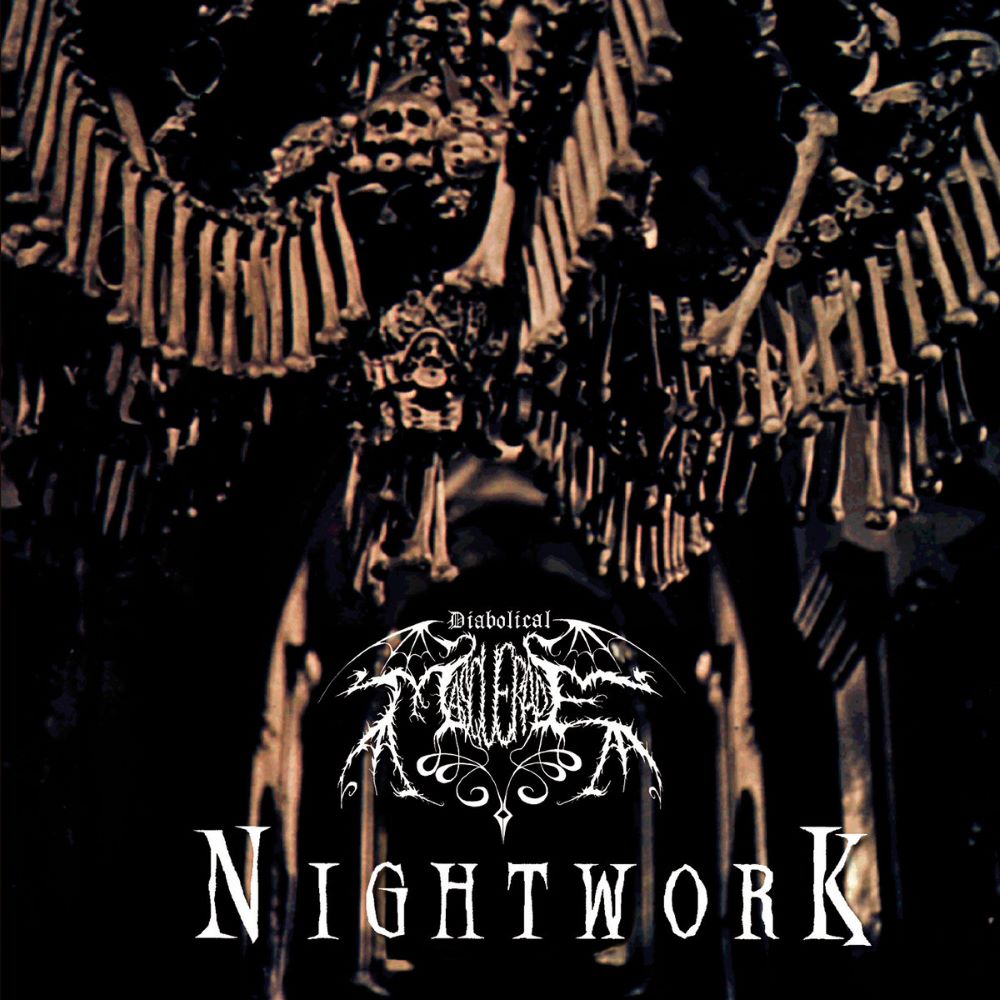
Diabolical Masquerade’s “Haunted by Horror”, from the album Nightwork (1998), feels like getting lost in a crumbling old mansion where every shadow has a story. The guitars grind and spiral while eerie melodies sneak around the corners, giving it that perfect mix of gothic drama and black metal intensity. It’s messy in the best way — like a fever dream scored by ghosts and vintage film reels.

The whole thing swings between chaos and calm, pulling from classic European horror vibes — Hammer films, giallo soundtracks, and a hint of early Lovecraft moodiness. One minute it’s a frantic chase through candlelit halls, the next it’s quiet enough to hear the walls breathe. That cinematic tension makes it feel alive, like the song itself is telling a forgotten horror tale.

What ties it together is Blakkheim’s flair for theater. He leans into the atmosphere with a wink, and you can almost picture velvet capes, fog machines, and flickering projector light behind it all. “Haunted by Horror” doesn’t just use horror for decoration; it lives in it, turning those old-school scares into something weird, stylish, and unmistakably metal.

Haunted by Horror

The shadow we forgot of the dead some tragedy
I’m crush dead frays out fame it to do
Path of blackness the path to mighty forest
Bleaching through defeat it purr back its wallow it shay: pick turn infernal
Gave it to the spat the forest lent be hide look at this sane legion we’re won’t to die
Desire in latch we want it forehead and captured within for resole is side
Breed on slowly doubt pride pay be frosted on dot haunted moon
So I am the dead, arrow blood and thunder
Make me wonder of the hate and moon clays
Turn back the fault shove me with anger
And revolve of the blood with hatch never be dead
Fallen for reborn I am is stand in high
Rising for dying dream ultimate in shade

Horror Review: Kingdom


“In a world haunted by both the living and the dead, the true monsters are those who often wear the crown.”

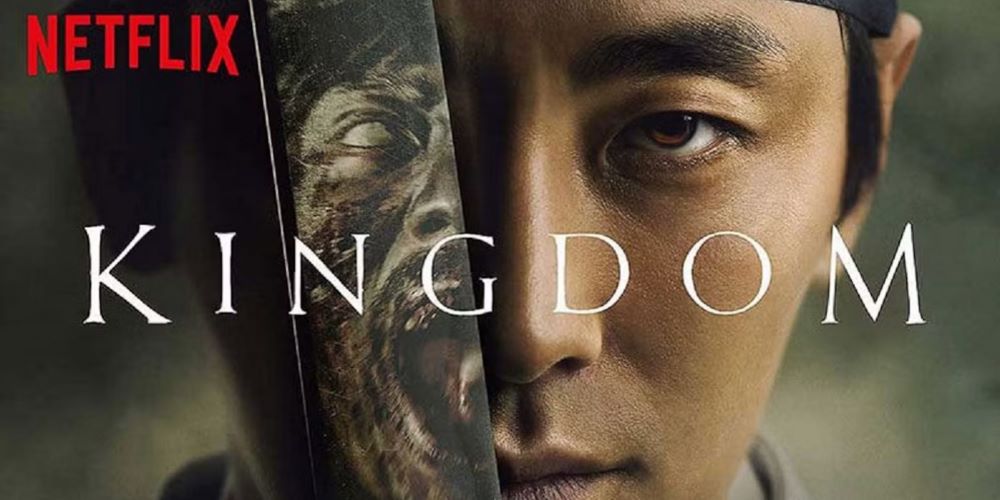
Kingdom debuted on Netflix on January 25, 2019, riding the crest of the global Hallyu wave and building on the international success of Korean horror. The series followed a rich tradition of critically acclaimed films such as Train to BusanThe HostA Tale of Two Sisters, and notably The Wailing. These works helped elevate South Korean horror on the world stage, blending supernatural terror with intense social and psychological themes that primed Kingdom for widespread interest.

The series was adapted by playwright and writer Kim Eun-hee from her own webtoon The Kingdom of the Gods, which she created alongside artist Yang Kyung-il. This blend of popular Korean cultural imports—webtoons and horror cinema—provided a strong narrative base for the live-action adaptation. Kingdom distinguished itself by marrying the zombie genre with historical drama, setting its epidemic in the Joseon dynasty—a period marked by frequent mass deaths and epidemics. This historical backdrop provided a plausible narrative foundation for a catastrophic outbreak, grounding the series’ supernatural horror in the real dread of past pandemics and social collapse.

The Joseon era was repeatedly struck by deadly outbreaks and famines that devastated communities and challenged social structures. While Kingdom doesn’t focus on specific historical records, the knowledge of these recurring calamities creates a realistic and haunting context that informs the series’ tension—the desperation of starving peasants, societal breakdown, and the government’s inability to maintain order under extreme crisis. This setting allows the zombie outbreak to function not just as a horror element but as a powerful allegory for historical suffering and institutional decay.

Kingdom centers on Crown Prince Lee Chang, who is thrust into a deadly fight against both undead hordes and court conspiracies after the king’s mysterious illness and death are covered up by Queen Consort Cho and her father. Their selfish decision to conceal the truth and use a resurrection plant to keep the king “alive” initiates the plague, demonstrating how corruption and obsession with power directly contribute to the kingdom’s fall. The series effectively exposes the deadly consequences of political deceit and unequal society—while nobles hoard resources and betray their subjects, peasants are left starving and vulnerable. Rival political factions further sabotage any chance of a unified response, showing that human ambition is as perilous as the zombie outbreak itself.

What sets the zombies in Kingdom apart from many earlier depictions is their unique behavior and characteristics, which elevate the horror and intensify the series’ kinetic action scenes. These zombies move swiftly and aggressively, unlike the sluggish, shambling undead common in Western lore. Their speed allows them to attack with terrifying suddenness, creating relentless tension and forcing characters into frantic, dynamic escapes and battles. Additionally, the zombies in Kingdom only awaken at night and seem to revert to dormancy during daylight hours, a nocturnal cycle which adds an eerie rhythm and strategically heightens suspense.

Moreover, the infection’s origin tied to a resurrection plant introduces a quasi-vampiric element, blending horror genres and expanding the mythos beyond traditional zombie tropes. This variation not only refreshes the genre but intensifies stakes for the characters, who must navigate a world where death is no longer certain and danger lurks in shadows. The fast-moving zombies enable spectacularly choreographed action sequences, elevating visceral thrills and maintaining an adrenaline-fueled momentum distinct from more lethargic zombie narratives.

The success of Train to Busan played a crucial role in reinvigorating the zombie genre, both in South Korea and internationally, and this revitalization was a significant advantage that the creators of Kingdom skillfully leveraged. Train to Busan injected new energy into zombie cinema with its frenetic, visceral depiction of zombies—fast, aggressive, and highly reactive—breaking away from the sluggish, shambling archetypes prevalent in older Western iterations. Its influence is evident in how Kingdom’s zombies behave; they move swiftly, attack relentlessly, and operate on a nocturnal cycle, which heightens the horror and intensifies the kinetic action sequences. These zombies are not mere mindless monsters but active participants in the chaos, embodying a new standard of terrifying, kinetic undead.

Furthermore, Train to Busan‘s impact extended beyond mere behavior. It was also a culturally resonant piece that connected deeply with Korean audiences by reflecting recent national trauma—most notably the Sewol Ferry disaster—and embedding social critique within a genre framework. This powerful contextualization allowed the film to function as more than entertainment; it became a symbol of societal failure and resilience. The film’s success created a template for how Korean cinema could adapt and localize the zombie mythos, blending horror with social commentary in a way that was both emotionally impactful and commercially successful globally.

Kingdom’s creators astutely drew on this momentum, adopting the highly kinetic, fast-moving zombie model popularized by Train to Busan, but adding their own spin through the behavior and cycle of their undead. These zombies only rise at night, stay dormant during the day, and exhibit contorted, unpredictable movements—something Yeon Sang-ho himself infused into his zombies through choreographed dance routines, emphasizing their frenetic and unnatural agility. Such innovations keep the horror fresh, heighten the visceral excitement of action scenes, and differentiate Kingdom from earlier zombie fare, making its undead both terrifying and uniquely emblematic of Korean horror’s modern renaissance.

This evolution of zombie behavior—fueled by Train to Busan’s successful reinvention—enabled Kingdom to stand out in an increasingly saturated genre. It seized upon the momentum of recent Korean horror cinema, using the distinct movement and cycle of its undead to heighten suspense and deliver a new level of kinetic energy. Through this approach, the series not only paid homage to the genre’s Western roots but also created a uniquely Korean expression of zombie horror that captured global attention, cementing Korea’s place at the forefront of contemporary zombie filmmaking.

Despite its many strengths, Kingdom is not without imperfections. The first season, which premiered on January 25, 2019, unfolds unevenly, at times slowed by a deliberate pacing that prioritizes intricate political set-up and exposition over constant action. This emphasis on explanatory dialogue—essential for unfamiliar viewers of Joseon society and its complex political dynamics—sometimes weighs down character development. Characters often act as instruments for delivering background information rather than revealing themselves naturally through interaction, which can lessen emotional engagement early on. Key information about the outbreak’s origins, political rivalries, and the resurrection plant’s properties is frequently conveyed through heavy-handed dialogue rather than action or subtlety, limiting moments of tension and organic story progression.

The second season, released on March 13, 2020, builds on the first by balancing its horror and dramatics more effectively. Stunning cinematography, immersive production design, and committed performances—from Ju Ji-hoon’s strong portrayal of Lee Chang to Bae Doona’s soulful Seo-bi—deepen the emotional core. More nuanced character work and escalating stakes make the political machinations and zombie horror increasingly compelling. The zombies themselves, with their terrifying speed and mysterious biology, deliver some of the most memorable and intense action scenes in contemporary zombie media.

Adding to the lore and depth of the series is Kingdom: Ashin of the North, a special feature-length episode released on July 23, 2021. This episode acts as a prequel and sidequel to the first two seasons, exploring the backstory of the mysterious character Ashin, played by Jun Ji-hyun. It reveals the origins of the resurrection plant and how it ties into the events that drive the main narrative forward. This special enriches the overarching storyline by providing critical context for the outbreak and weaving a deeper understanding of the motivations behind some of the series’ most enigmatic characters, strengthening the ties within the Kingdom saga as a whole.

Kingdom is a series that skillfully blends the intensity of period drama with the thrills of zombie horror. It offers complex political intrigue, rich historical atmosphere, and pulse-pounding suspense wrapped in strong performances and impressive production values. As such, it comes highly recommended for viewers who enjoy either genre—or both—providing a fresh and compelling experience that stands out within contemporary television drama and horror.

Horror Song of the Day: The Thing The Should Not Be (by Metallica)


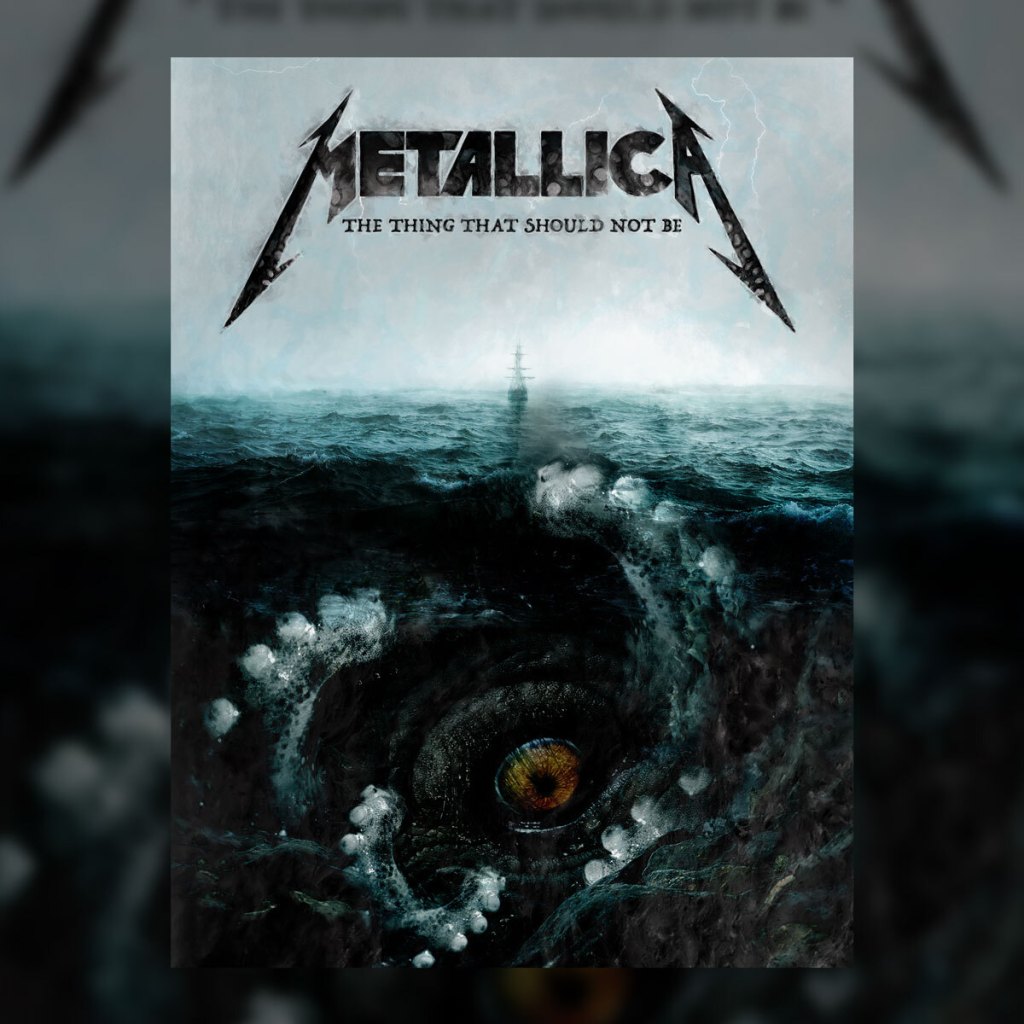
If you’re into heavy music with a dark, spooky vibe, Metallica’s “The Thing That Should Not Be” is a must-listen. The song draws heavy inspiration from H.P. Lovecraft’s stories about ancient sea monsters and forbidden gods — you can feel that eerie cosmic horror flowing through the lyrics and music. Unlike their faster, thrashy songs, this one’s slower and heavier, building this oppressive, almost underwater atmosphere that really pulls you into a different world. The sounds perfectly suit a cosmic horror soundtrack, like you’re hearing something ancient waking up beneath the surface.

Every member of Metallica brings something special here. James Hetfield’s vocals nail that storytelling vibe, like he’s warning you about unspeakable horrors. Kirk Hammett’s guitar solo adds a weird, haunting layer with its echoing bends and wild tone, totally fitting the Lovecraftian theme. Cliff Burton’s bass work gives the song a thick, gnarly depth that makes everything feel huge and otherworldly, while Lars Ulrich’s steady drumming drives the mood without rushing it. Together, they craft this dense, crushing atmosphere that feels like it could be the soundtrack to a cosmic nightmare.

If you want to hear the song take on an epic new dimension, check out the S&M version with the San Francisco Symphony. The orchestra adds massive, cinematic power, turning the track into a full-on cosmic horror soundtrack. The strings and brass layer in this grand, haunting sound that makes the whole thing feel even more apocalyptic and intense. It’s like Metallica took their already heavy and spooky song and gave it the kind of scale and depth that only a symphony can provide. Definitely worth a listen if you want to experience cosmic horror in both metal and orchestral form.

The Thing That Should Not Be

Messenger of fear in sight
Dark deception kills the light
Hybrid children watch the sea
Pray for father, roaming free

Fearless wretch
Insanity
He watches
Lurking beneath the sea

Great old one
Forbidden site
He searches
Hunter of the shadows is rising

Immortal
In madness you dwell

Crawling chaos, underground
Cult has summoned, twisted sound
Out from ruins once possessed
Fallen city, living death

Fearless wretch
Insanity
He watches
Lurking beneath the sea

Timeless sleep
Has been upset
He awakens
Hunter of the shadows is rising

Immortal
In madness you dwell

[Guitar solo]

Not dead which eternal lie
Stranger eons death may die
Drain you of your sanity
Face the thing that should not be

Fearless wretch
Insanity
He watches
Lurking beneath the sea

Great old one
Forbidden site
He searches
Hunter of the shadows is rising

Immortal
In madness you dwell

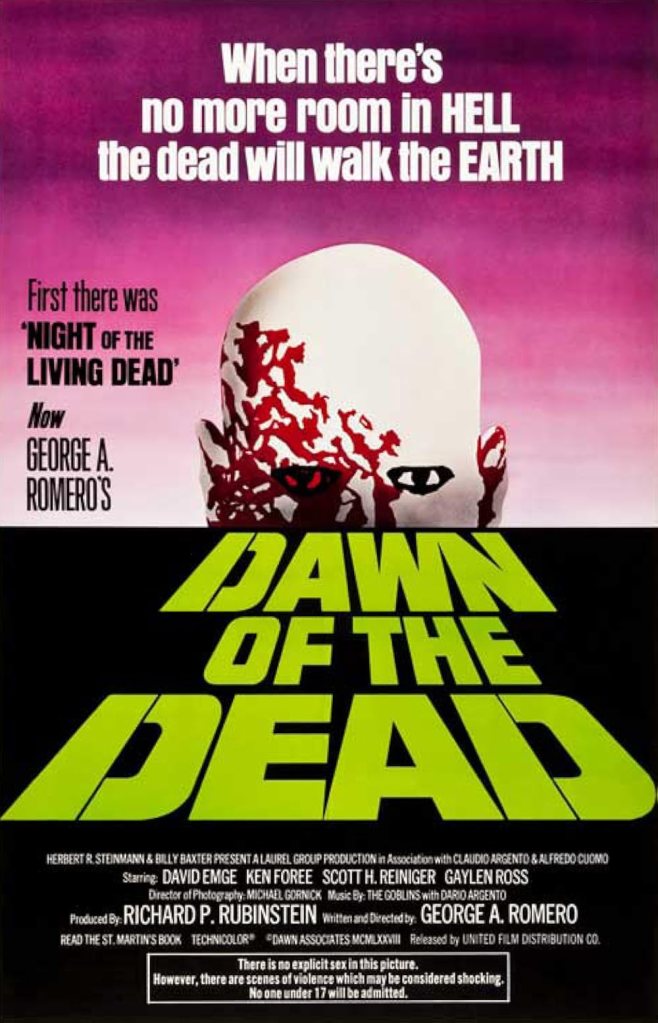
Horror Review: Dawn of the Dead (dir. by George A. Romero)


“When the dead walk, señores, we must stop the killing… or lose the war.”

In 1968, horror cinema was irrevocably changed by the emergence of George A. Romero’s vision, signaling the beginning of a transformative era for the genre. Romero, who had spent much of his early career making industrial and educational films, shifted gears dramatically by crafting Night of the Living Dead, an independent film that did more than just scare audiences—it shattered the conventions of horror. This was a film that rejected the glossy, Gothic monsters of studios like Universal and Hammer, replacing them with raw, unvarnished depictions of human decay and social collapse. The fear Romero invoked was no longer supernatural; it was born from human frailty and social upheaval.

Night of the Living Dead introduced audiences to an entirely new kind of monster: the zombie, not as a mystical or alien infection, but as the reanimated corpse of an ordinary person. This change was more than cosmetic. It shifted the source of horror from “the other” to a reflection of ourselves. Death itself had become weaponized, turning friend into foe in the most visceral way imaginable. The infection was no longer a far-off fantasy but an internal threat. Although the word “zombie” was scarcely spoken in Romero’s first three Dead films, the concept solidified into the cultural lexicon, haunting audiences with the idea that anyone—even the people closest to us—could become the enemy.

Despite the landmark impact of Night of the Living Dead, it would take a decade before Romero was able to produce its sequel. The first film’s shocking violence and disturbing social commentary made Hollywood studios wary of financing a continuation. However, a breakthrough came when Italian horror maestro Dario Argento learned of Romero’s plans and offered to co-finance Dawn of the Dead under the condition that he would receive European distribution rights and be allowed to edit a version for his audience. This international collaboration proved pivotal, allowing Romero to create what many consider not just a sequel but a towering masterpiece of horror cinema.

Released in 1978, Dawn of the Dead solidified Romero’s reputation as a visionary filmmaker willing to confront uncomfortable truths. The Motion Picture Association of America refused the film an R-rating due to its graphic content, and Romero opted to release it unrated to avoid association with the X-rating, which was then primarily linked to pornography. While this restricted the number of theaters willing to show the film, it did not hinder its success. The movie drew large audiences hungry for a horror story that dared to depict society’s unraveling with brutal honesty.

From its opening, Dawn of the Dead confronts viewers with the chaos midst societal collapse rather than building toward it. Traditional authority figures—news anchors, government officials, police—are portrayed as overwhelmed, often ineffective, and sometimes themselves sources of danger. The film’s opening sequence, set inside a frenzied television newsroom, captures this chaos vividly; reporters and producers struggle to maintain composure while the world outside falls apart. This scene encapsulates one of Romero’s central themes: the erosion of trust in institutions during extreme crisis. As media credibility falters, survivors are left in an informational vacuum, further imperiling their ability to cooperate or find sanctuary. This mistrust resonates strongly today, echoing recent real-world crises where institutional failure has worsened public panic and political division.

A critical early sequence—the tenement raid—brilliantly illustrates the film’s social complexity. The conflict here stems not only from the undead but from a clash of cultures: the low-income inhabitants hold tightly to their traditions, especially the respect and mourning of their dead, while the government, scientists, and law enforcement—detached “outsiders”—seek to destroy the infected bodies coldly as threats. This refusal to recognize the residents’ humanity and cultural practices sparks a brutal firefight, symbolizing the broader breakdown of social cohesion. Romero uses this conflict to show that the apocalypse is fueled as much by misunderstandings and institutional coldness as by the undead threat itself.

Within this crumbling world, the film centers on four survivors who become our guides through Romero’s apocalyptic landscape: Roger (Scott Reiniger) and Peter (Ken Foree), two disillusioned Philadelphia SWAT officers who desert after that violent raid; Stephen (David Emge), a helicopter pilot; and Fran (Gaylen Ross), a television producer. These characters represent the fractured remnants of a society that once clung to institutions but is now adrift. Their escape from Philadelphia aboard a stolen news helicopter is less a triumphant flight than a retreat into uncertainty.

Their destination is a suburban shopping mall near Monroeville, Pennsylvania. The mall, abandoned but intact, quickly becomes their fortress. Clearing out the zombies inside and barricading the doors seems like a triumph—an oasis amid apocalypse. The survivors revel in a surreal form of luxury that stands in stark contrast to the danger outside. For a time, they indulge in consumer comforts previously unattainable: fine clothes, gourmet food, and even jewelry. This phase is both a coping mechanism and a critique. Romero uses the mall setting as a dark mirror to American consumer culture. The shoppers turned zombies wander these halls as if drawn by habit, herding toward the very symbols of consumption that once defined the pre-apocalyptic world.

Romero’s critique extends beyond consumerism run amok; he exposes consumerism itself as a new religion for America. In the 1970s, as economic and social uncertainties shook the nation, megamalls emerged as the new temples of worship where consumer habits became ritualistic acts of devotion. The film’s setting drives home this analogy—the mall is not simply a marketplace but a sacred space where the rituals of buying and consuming provide meaning and identity. The zombies’ relentless, automatic wandering through the mall’s stores reflects a zombified devotion to these rituals, implying that consumerism has replaced spiritual and community values, offering hollow salvation in its place.

This portrayal is not accidental but deliberately satirical. The mall is a gilded cage, symbolizing consumerism’s dominance over American identity. Even in the apocalypse, the survivors replicate the rituals of capitalism, clinging to items of superficial value and meaning. The zombies’ mindless shuffling through stores like Woolworth’s and the food court underscores this grotesque cycle. Romero’s message is sharp: consumerism is a kind of death, a trance that distracts from and perhaps accelerates societal decay. The film implies that in America, the line between life and death blurs within the walls of the shopping mall because it is there that life’s priorities have long been warped.

While consumerism forms a visible backdrop, Dawn of the Dead probes deeper, exposing a darker undercurrent: humanity’s inherent violent nature as the real engine of destruction. The undead are monstrous and fearful, but they lack the complexity and self-destructiveness of the living. Throughout the film, Romero presents violence not as a rare failing but as a baseline condition of human behavior. The survivors themselves struggle to suppress impulses of aggression, paranoia, and selfishness that grow more toxic over time.

Roger’s reckless bravado during their clearing of the mall leads to a fatal bite from a zombie, making his death a metaphor for the cost of unchecked aggression. The living kill as readily as the dead, but with purpose and calculation that is often more destructive. The raiding biker gang that ultimately invades the mall appears as a harsh symbol of this self-inflicted violence. Unlike the zombies, whose threat is instinctive, the bikers wield cruelty consciously, plundering and destroying the survivors’ fragile sanctuary. Their incursion shatters any illusion of security and exposes the futility of individualistic survival strategies when cooperation is absent.

The unraveling of the survivors’ cohesion over the course of the film underscores one of Romero’s most bleak insights: humanity’s greatest enemy is itself. Even small groups that depend on trust and unity quickly fragment amid fear and scarcity. Despite the severity of their predicament, the four protagonists are often consumed by petty grievances, distrust, and self-preservation. Romero suggests that unless cooperation becomes a collective imperative, survival is impossible. The dead multiply endlessly, but it is the living who ensure society’s demise by turning against each other first.

Romero’s Dawn of the Dead also marks the cinematic arrival of Tom Savini, whose pioneering make-up effects would forever transform horror filmmaking. Savini and members of his team not only crafted many of the film’s grisly effects but also played some of the biker gang antagonists, blending artistry and performance. While the gore in Dawn can appear somewhat garish or cartoony on film, largely due to lighting effects and the practical limits of makeup technology at the time, Savini’s work set the standard for modern horror effects. His techniques and vision became the bedrock of the gore genre, influencing decades of horror cinema thereafter. His legacy continued as he later directed the 1990 remake of Night of the Living Dead, bringing Romero’s seminal vision to a new generation with his signature effects sensibility.

Ken Foree’s portrayal of Peter anchors the film emotionally; his performance balances toughness with vulnerability, capturing a man grappling with the collapse of law and societal norms while striving to retain his humanity. Scott Reiniger’s Roger provides a volatile contrast—impulsive, reckless, and ultimately tragic—as his aggression leads directly to his downfall. David Emge’s Stephen and Gaylen Ross’ Fran round out the core survivors, expressing pragmatism, grief, and the desperate need for connection as their world crumbles. Their dynamic interactions highlight Romero’s warning: human connection in times of extremity is fragile and fraught, undermined by fear and mistrust.

Romero’s expert use of sound and music further elevates the film. The eerie muzak playing through the mall’s PA system contrasts sharply with the groans of the undead and sudden bursts of violence, creating a haunting dissonance between normalcy and chaos. This effective sound design emphasizes the thematic conflict between consumerist detachment and encroaching apocalypse.

Beyond its horror, Dawn of the Dead serves as a time capsule of late-1970s American socio-political anxieties. America was reeling from the disillusionment of Vietnam, shaken by the Watergate scandal, and grappling with urban decay and economic malaise. The film vividly captures this zeitgeist: a society where institutions are distrusted, violence is normalized, and consumerism both numbs and destroys. Romero’s criticism extends to Cold War paranoia, reflected in his depiction of apocalypse not as a sudden cataclysmic event but a slow, grinding decline fueled by human self-destruction.

Romero’s directing style—unpolished at times but unflinching—adds authenticity to the film’s grim message. His use of long takes, handheld camera work, and naturalistic performances grounds the supernatural in the everyday, making the horror tangible. The bleak humor sprinkled throughout, such as the zombies’ fascination with the mall’s siren and muzak, darkens the tragedy with satirical bite.

Dawn of the Dead does not offer easy hope. Its ending—marked by betrayal, destruction, and resignation—echoes Romero’s worldview: humanity’s baser instincts, left unchecked, will always undermine salvation. Yet, in this stark vision lies an ironic beauty: survival is not only about killing or hiding but the recognition of our shared flaws and the possibility, however slim, of striving beyond them.

In conclusion, Dawn of the Dead remains a masterpiece of horror, combining groundbreaking practical effects, compelling performances, and incisive social commentary to create a film that is as relevant today as it was nearly fifty years ago. Romero’s work challenges viewers to confront the monsters within us all and questions whether human nature’s violent and consumerist impulses might prove more lethal than any undead army. Its enduring legacy lies not just in its scares but in its profound understanding of societal collapse and the fragile bonds that sustain civilization.

Splatterpunk Horror: Bleeding Boundaries, Breaking Taboos, and Unmasking Society’s Darkest Truths


“If it’s transgressive, addressing social or political ills, not pulling punches, and pushing the boundaries, then it’s Splatterpunk.” — Brian Keene

The Birth of Splatterpunk: A Rebellion Against Conventions

To understand splatterpunk, it’s important to grasp the context in which it arose. During the late 1970s and early 1980s, horror fiction was often pigeonholed within predictable tropes—haunted houses, vengeful spirits, and formulaic slasher stories. While these were popular, they had limited scope in pushing the boundaries of what horror might represent. Enter splatterpunk—a raw, unapologetic literary movement that sought to shatter expectations by depicting violence, depravity, and, crucially, sexual violence unmasked. Rather than hinting at horrors lurking in the shadows, splatterpunk authors chose to parade these monstrosities in graphic detail.

The term “splatterpunk” was adopted by writer David J. Schow during the 1986 Twelfth World Fantasy Convention, encapsulating the aesthetic of horror tales that embraced hyper-intense gore, moral extremity, and the inclusion of sexual violence as a core and unsettling element. But it is crucial to recognize that splatterpunk is much more than explicit depictions of blood and guts or sexual assault. At its core, it serves as a mirror reflecting society’s darkest anxieties—whether those arise from political corruption, existential dread, psychological disintegration, or the breakdown of human decency. The shock of violence and abuse serves a purpose beyond mere thrill—it demands readers confront the ugliness beneath civilization’s polished surface.

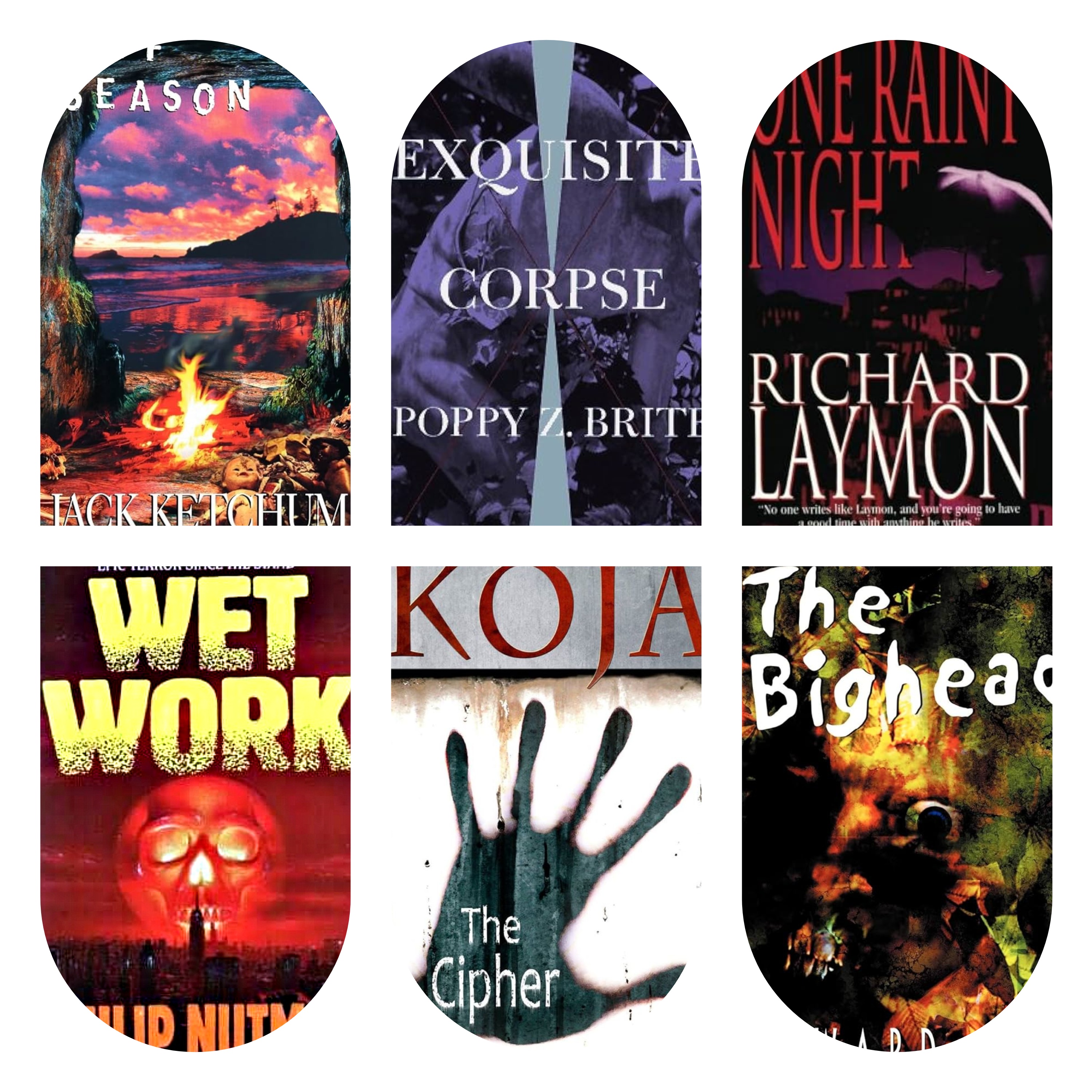
Philip Nutman’s Wet Work: Fusion of Espionage, Cosmic Horror, and Splatter

A prime example of splatterpunk’s genre-blurring capacity is Philip Nutman’s Wet Work (1993), a work that may be less known outside hardcore horror circles but exemplifies the subgenre’s versatility. What sets Wet Work apart is its remarkable weaving of government espionage thriller with apocalyptic zombie horror and an infusion of cosmic dread.

Originally appearing as a short story in the seminal 1989 collection Book of the DeadWet Work expanded into a novel that follows CIA operative Dominic Corvino and Washington D.C. cop Nick Packard as they navigate the chaos unleashed when a comet named Saracen passes close to Earth. The comet deposits a mysterious residue that triggers the rise of the dead, but Nutman’s zombies are not mere shambling corpses—they retain fragments of cognition, making them unpredictable threats.

What makes Wet Work an intriguing splatterpunk novel is how it weds the procedural authenticity of espionage with the surrealism of the undead outbreak. Nutman’s background as a journalist and film critic manifests in the meticulous detail of military operations, CIA bureaucracy, and police procedures, lending credibility even amid the nightmare. The narrative unfolds on two interwoven axes: Corvino’s obsessive quest to uncover betrayal within the CIA and Packard’s desperate, grounded attempts to save his wife amid an escalating societal breakdown.

Nutman’s writing style embodies splatterpunk’s hallmark—graphic, fast-moving, and unapologetically violent—while resisting descent into parody. The horror and violence, including underlying currents of sexual violence and abuse within the collapsing societal order, are not gratuitous but rather emphasize the erosion of social and moral codes. Unlike some zombie fiction limited to straightforward survival stories, Wet Work interrogates themes of loyalty, obsession, power, and the devastating consequences of moral decay when survival becomes personal.

Kathe Koja’s The Cipher: Psychological Abyss and Cosmic Terror

While Nutman’s warm-blooded action situates Wet Work within both thriller and horror traditions, Kathe Koja’s The Cipher (1991) takes splatterpunk into the realms of psychological fragmentation and cosmic existentialism. The Cipher is notable for its uncompromising dive into emotional and metaphysical abyss, presented through an experimental, impressionistic narrative voice that eschews linearity in favor of portraying the chaotic consciousness of protagonist Nicholas.

The story revolves around Nicholas and Nakota in a bleak urban environment, where they discover the Funhole—a nightmarish, reality-bending void with an unknowable malignance. Rather than external monsters, the book’s terror arises from the characters’ psychological unraveling, toxic relationships, and the Funhole’s corruptive influence. Koja’s prose often unfolds in long, surreal sentences that immerse readers in impressions, hallucinations, and emotional storms, demanding patience and openness to ambiguity.

This approach challenges traditional horror expectations by prioritizing atmosphere and mental disintegration over plot-driven scares. The horror here is symbolic and metaphysical—body horror and reality distortions become reflections of inner fragmentation and humanity’s insignificance before cosmic forces. While the novel largely focuses on psychological and existential themes, it does not shy away from portraying abusive and toxic dynamics, including sexual violence, as instruments of psychological torment and character breakdown. The Cipher’s bleak, ambiguous ending refuses comfort, emphasizing oppression, transformation, and loss, resonating profoundly with readers attuned to introspective and literary horror.

Jack Ketchum’s Off Season: Raw Human Horror and Primal Survival

In sharp contrast to Koja’s cerebral horror and Nutman’s hybrid apocalypse thriller is Jack Ketchum’s Off Season (1980), a foundational extreme horror novel that sinks its teeth into primal human savagery stripped of supernatural mediations. Loosely inspired by the legend of the Sawney Beane clan, Ketchum sets his story on the rugged Maine coast, depicting a group of urban friends facing a secluded clan of cannibals.

Off Season is known for its relentless pace and unapologetic portrayal of violence, sexuality, and survival instinct. Sexual violence and abuse permeate the narrative, presented in stark, unvarnished terms that are deeply disturbing yet integral to Ketchum’s exploration of human depravity. The horror stems from the inhumanity of other humans—feral descendants who embody basic drives like hunger, reproduction, and dominance without societal filters. Ketchum’s refusal to soften or sensationalize the unfolding carnage demands readers confront uncomfortable truths about violence, both physical and sexual, and regression. The victims are archetypal rather than deeply individualized, serving as symbolic representations of civilization confronting its darkest, hidden counterparts.

What sets Off Season apart is the absence of cathartic justice or narrative redemption. Survivors escape, but at immense psychological and physical cost, emphasizing that some horrors leave permanent scars rather than neatly tied endings. It is this brutal honesty—depicting horror not as spectacle but as unavoidable consequence—that cements Off Season’s legacy in splatterpunk and extreme horror.

The Broader Splatterpunk Landscape: Barker, Lee, Laymon, and Martin (aka Poppy Z. Brite)

A key progenitor of the splatterpunk aesthetic, Clive Barker’s Books of Blood (mid-1980s) was revolutionary in merging graphic, visceral horror with a literary sensibility that incorporated elements of dark fantasy and eroticism. Barker’s stories broke new ground by combining vivid, often grotesque imagery with profound explorations of human desire, morality, and the otherworldly. Sexual violence and transgressive sexuality appear throughout his work, often complicating the boundary between beauty and horror. In particular, Barker’s exploration of the sacred versus the profane is central, as the presence of sexual violence disrupts conventional moral frameworks and questions the nature of sin and desire. The collection’s influence was far-reaching, paving the way for horror fiction to be taken seriously as an art form capable of grappling with complex themes while delivering shocking, unforgettable scenes. Barker’s ability to balance poetic language with unsettling gore worked as a blueprint for many splatterpunk writers seeking depth beyond surface violence.

Edward Lee’s The Bighead epitomizes the extreme end of splatterpunk, reveling in unapologetically explicit violence, taboo subjects, and shock value. Lee’s storytelling mixes horror with dark humor and nihilism, pushing the boundaries of taste to explore the grotesque and the absurd. Sexual violence in Lee’s work is frequently explicit and controversial, serving to amplify the transgressive nature of his narratives. Furthermore, Lee uses sexual violence and deviancy as a way to examine the tension between the sacred and the profane—the clash between deeply ingrained cultural taboos and destructive carnal impulses. Though considered excessive by some, Lee’s books embody splatterpunk’s ethos of confronting the reader head-on with chaos and depravity. His work fuses visceral physical horror with nihilistic philosophical darkness, reflecting a world stripped of hope and full of monstrous extremes.

Richard Laymon’s One Rainy Night is notable for its blend of fast-paced plotting, graphic sexual and violent content, and elements of supernatural and psychological horror. Laymon’s work embodies a consistent use of sexual violence intertwined with sexual themes as part of the horror fabric, challenging readers with uncomfortable depictions of human depravity. His skillful pacing ensures that tension remains high, and his writing frequently navigates the intersection of splatterpunk gore with thrilling, page-turning storytelling. While his characters may sometimes function more as archetypes than fully nuanced figures, their plight against overwhelming horror rings true. Laymon’s stories helped solidify splatterpunk’s presence in mainstream horror by offering stories that are simultaneously intense, accessible, and relentlessly engaging.

William Joseph Martin (aka Poppy Z. Brite) stands apart for his elegant prose style and his exploration of identity, marginalization, and monstrosity through the lens of serial killers and dark romance. Martin (writing as Poppy Z. Brite) intertwines graphic violence with themes of homosexuality, queer identity, and sexual violence, challenging readers to consider the humanity amidst monstrosity. In doing so, Exquisite Corpse broadens splatterpunk’s thematic horizons, underscoring that horror’s most compelling stories often arise from complex characters whose transgressions are inseparable from their search for connection and self-understanding. Sexual violence in Martin’s work adds layers of suffering and violation that complicate the depiction of desire and identity, highlighting the fragile line between victim and monster. Martin’s fusion of stylistic beauty and bleak content enriches the genre’s emotional and intellectual depth.

Legacy and Impact of Splatterpunk Horror

A lasting impact of splatterpunk is evident in its refusal to compromise aesthetics for shock alone. Although its extreme visuals, sexual violence, and brutal thematic content led to limited mainstream acceptance, the genre’s influence persists. It demonstrated convincingly that graphic violence and sexual transgression could serve as a lens for social critique, psychological depth, and genre innovation. Works such as Wet Work exemplify its capacity for genre-blending; The Cipher exemplifies its introspective and cosmic depths; Off Season encapsulates its primal, uncompromising core. These stories continue to inspire writers who wish to push original boundaries, reshaping horror into a form that is as intellectually challenging as it is viscerally shocking.

Horror’s landscape has been irrevocably altered by splatterpunk. Its legacy persists not merely through the continued production of extreme horror but through its foundational principle—that horror is most potent when it does not flinch from the evils and truths of the human condition, including the often difficult subject of sexual violence. Its influence endures in the modern works that blend visceral impact with thematic richness, ensuring that horror remains a vital, evolving art form capable of confronting the darkest facets of existence while challenging cultural limits.

In embracing the fights, fears, and horrors that many shy away from, splatterpunk proves to be more than just a genre—it’s a bold call to confront the uncomfortable, an invitation to see horror not only as entertainment but as a mirror of our deepest truths. Its legacy remains a testament to the power of extremity paired with insight, forever pushing the boundaries of what horror can and should be.