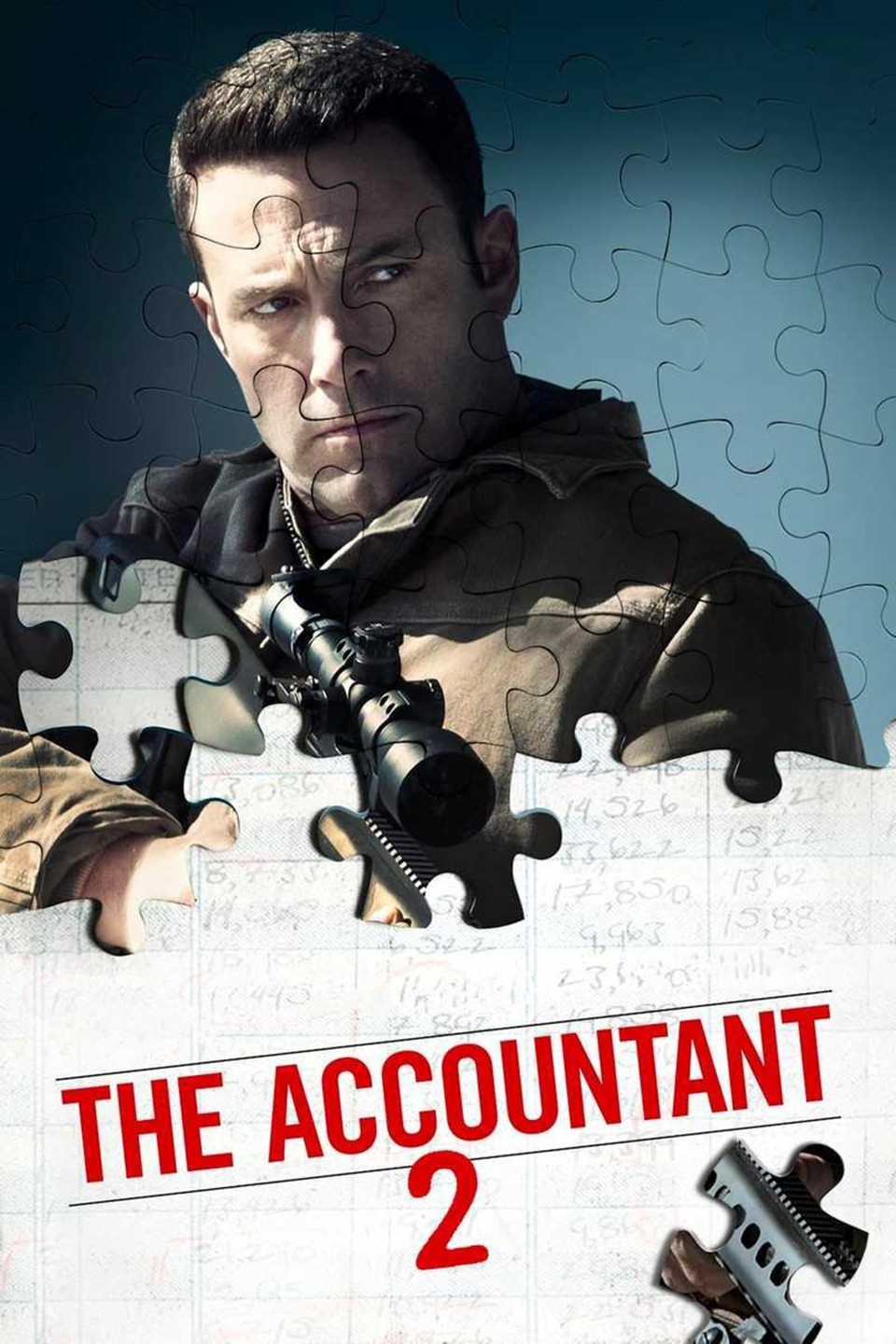
Review: The Accountant (dir. by Gavin O’Connor)


“What I do is not against the law. What I don’t do… is.” — Christian Wolff

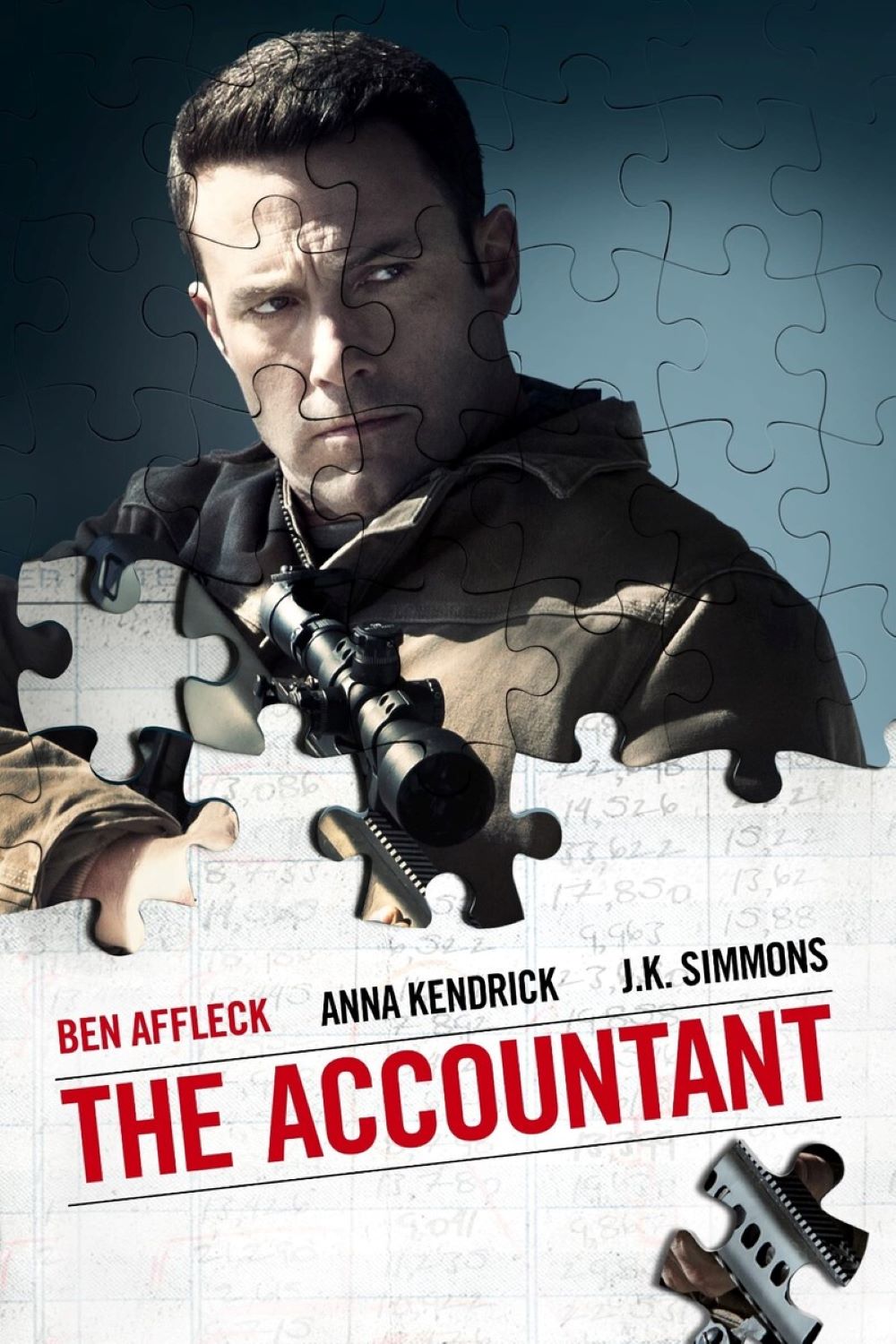
The Accountant is a 2016 action thriller that mixes elements of character drama, crime mystery, and family dynamics into a unique storyline. The movie follows Christian Wolff, a man with autism and exceptional math and accounting skills, who works as a freelance accountant for criminal organizations. Raised by a strict military father who pushed him to develop precision and discipline, Christian has a rigid moral code that guides his actions. As Christian unravels financial fraud within a robotics company, he finds himself hunted by a Treasury agent. The film blends intellectual mystery with high-stakes action, presenting a different take on the typical thriller formula.

Ben Affleck leads as Christian Wolff, bringing a quiet intensity that captures the character’s inner complexities and unique worldview. Anna Kendrick plays Dana Cummings, the robotics company accountant whose discovery of financial irregularities kicks off the central conflict, offering a relatable and warm counterpoint. J.K. Simmons portrays Raymond King, the sharp Treasury agent on Christian’s trail, adding layers of tension and moral ambiguity. Jon Bernthal embodies Braxton Wolff, Christian’s estranged brother and a rugged former military operative, whose presence heightens the family drama. The brothers’ strict and demanding father is portrayed by Rob Treveiler, who appears mainly in flashbacks that showcase the rigorous military-style training and discipline shaping Christian’s development. These performances ground the film’s ambitious mix of genres, making the characters feel lived-in and believable.

Christian Wolff stands out as a well-rounded character whose autism shapes his personality without becoming a mere plot device. The film shows his struggles alongside his strengths, like sensory sensitivities, social awkwardness, and laser focus on details. He relies on strict routines and coping tools to handle his surroundings, mirroring real experiences on the autism spectrum. Affleck’s portrayal draws from this backstory—those intense father-son training montages with Treveiler—to explain Christian’s discipline and guarded emotions, giving audiences a clear window into what drives him.

At the movie’s core sits Christian’s personal moral compass. He might balance the books for shady clients, but he draws a hard line at true ethical breaches, stepping in with his own form of justice. This anti-hero vibe keeps things gray and intriguing. His bond with Dana, played by Kendrick, offers rare moments of connection amid the chaos, though it stays somewhat surface-level and misses chances for deeper emotional pull.

The plot tracks Christian’s dive into massive fraud at the robotics firm, all while dodging Simmons’ relentless agent. The accounting scenes impress with their detail—Christian pores over ledgers, spotting irregularities that expose embezzlement on a grand scale. This cerebral side contrasts sharply with the brutal action, like the raw fights between Affleck’s Christian and Bernthal’s Braxton, which mix physical showdowns with buried family pain. Those brotherly clashes tie back to their shared traumatic past, ramping up the stakes beyond just numbers and guns.

The Accountant handles autism with real care, steering clear of clichés. It spotlights Christian’s sensitivities, routine needs, and social hurdles while celebrating his smarts and toughness. Affleck makes these traits feel authentic, turning what could be quirky into profoundly human. This approach avoids stereotypes, letting viewers connect with Christian on a deeper level and appreciate how his mind works in high-pressure situations.

The film has room for refinement in a few spots. It crams in crime plots, sibling secrets, and shadowy ops, which can jumble the pace as it bounces from fights to feels to financial deep dives. Relationships like Christian and Dana’s, or the Wolff brothers’, might hit harder with extra screen time to build that emotional core and make the risks feel more intimate.

Tonally, The Accountant strikes a balance—serious stakes lightened by Christian’s offbeat interactions and fresh outlook. Autism never turns into a joke; instead, it builds empathy. The ethical murk in his world—cooking books for crooks one day, punishing them the next—flips hero tropes on their head, keeping you guessing.

Overall, The Accountant shines by fusing brainpower and brawn in its lead and narrative, transcending standard shoot-’em-ups as a thoughtful character piece that honors its hero’s nuances. It probes unconventional strengths and ethics in a murky reality while illustrating thriving with distinct abilities and hurdles in a harsh landscape, all while clinging to personal principles—delivering thrills with substance on neurodiversity and payback. Fans of smart action will dig this blend of suspense, puzzles, and character depth, even if the threads tangle at times, making it a solid pick for thriller seekers wanting more than explosions.

Review: Blood Diamond (dir. by Ed Zwick)


“Sometimes I wonder… will God ever forgive us for what we’ve done to each other? Then I look around and I realize, God left this place a long time ago.” — Danny Archer

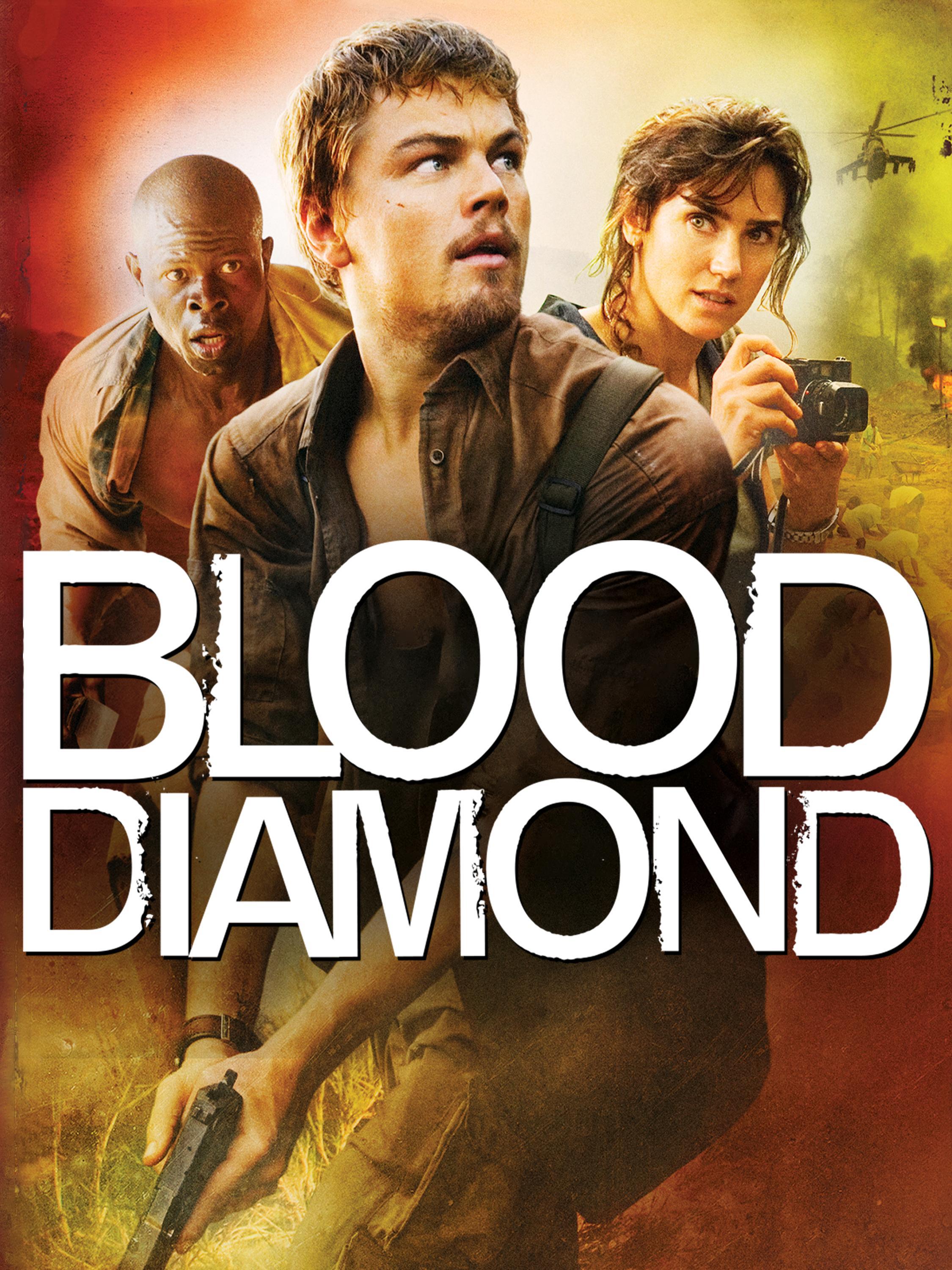
Edward Zwick’s 2006 film Blood Diamond is one of those big Hollywood productions that tries to be both a gritty, globe-trotting thriller and a politically conscious indictment of the diamond trade’s role in African civil wars. Set in Sierra Leone during the 1990s, it stars Leonardo DiCaprio as Danny Archer, a Rhodesian mercenary and diamond smuggler, and Djimon Hounsou as Solomon Vandy, a fisherman torn from his family by rebels and forced into brutal diamond mining. Rounding out the leads is Jennifer Connelly as Maddy Bowen, a tenacious reporter determined to expose the atrocities fueling the global supply of conflict diamonds. The film is ambitious, harrowing, and, at times, as slickly entertaining as it is bluntly didactic. But like many socially minded blockbusters, it walks a tightrope between genuine drama and Hollywood sensationalism.

The story kicks off with a bang—literally—as Solomon’s village is raided by Revolutionary United Front militants, a moment that quickly plunges the viewer into Sierra Leone’s chaotic civil war. Solomon’s family is fragmented: he ends up a slave at a rebel-run mining camp, his son is eventually brainwashed into a child soldier, and his wife flees for safety. Meanwhile, DiCaprio’s Archer lands in jail after a failed smuggling run—which sets the two men on a collision course. Archer learns of Solomon’s discovery of an enormous, rare pink diamond—a stone that could mean escape or redemption for both men but is a magnet for greed, violence, and compromise. Their uneasy partnership with Maddy Bowen, who’s chasing a story, adds layers as their individual motives collide and evolve.

The movie doesn’t shy away from illustrating the devastating effects of the diamond trade—child soldiers, forced labor, mass displacement, and political corruption. While most of the on-screen violence is handled to maximize emotional punch, it never lets the viewer forget the real-world stakes of the Blood Diamond narrative. The film ultimately points viewers toward the establishment of the Kimberley Process—a set of international regulations designed to combat the illicit diamond trade.

A lot of the film’s emotional weight lands on DiCaprio and Hounsou, and for good reason. Leonardo DiCaprio nabs the complex role of Danny Archer with a layered performance and goes the extra mile by working hard on the Zimbabwean (Rhodesian) accent. While accents in film can be divisive, DiCaprio immersed himself deeply, working with dialect coaches and spending time with people from the region to best capture the regional nuances. Although some viewers and critics felt the accent was uneven or shifted at points, many others praised him for nailing this challenging and rare dialect. For an American actor to convincingly embody a mercenary with roots in that part of the world is no small feat. DiCaprio’s commitment brings credibility to Archer’s character, who is morally ambiguous but immensely human.

Djimon Hounsou, playing Solomon Vandy, serves as the emotional core and grounding presence of the film. His portrayal of a man torn apart by civil war, who fights desperately to reclaim his family, is heartbreaking and physically compelling. Their scenes together create genuine tension, as trust is both scarce and necessary for survival. Jennifer Connelly’s Maddy Bowen, while less fleshed out, brings determination and serves as the moral compass driving the film’s exposé of conflict diamonds.

Director Edward Zwick has a way of blending spectacle with raw storytelling. The action sequences, especially the firefights and escapes, feel intense and immersive. The cinematography captures the lush, dangerous landscape of Sierra Leone vividly, contrasting beauty with brutality. Some technical aspects do show their age—like certain digital effects that can feel artificial—but these don’t significantly dampen the overall experience. The soundtrack by James Newton Howard underscores the drama without veering into heavy-handed territory.

Blood Diamond scores high on several fronts. The performances by DiCaprio and Hounsou are standout elements, their evolving relationship carrying the film’s emotional heft. The pulse-pounding action sequences inject thrills while highlighting the chaos of civil war. Perhaps most importantly, the movie exposes the grim realities behind the glittering allure of diamonds, educating audiences about child soldiers, forced labor, and the complicity of international markets in perpetuating violence. Though it sometimes leans into melodrama and moralizing dialogue, the film’s commitment to its message is fairly unambiguous and impactful.

That said, the film sometimes succumbs to the trappings of big-budget Hollywood storytelling. The plot can feel overly convenient, with coincidences and resolutions that stretch credibility. Supporting characters, aside from the leads, are underdeveloped, mainly functioning as plot devices. Dialogue can at times be heavy-handed, particularly in the final act where scenes verge on preachy. Some narrative contrivances—like the recovery and passing of the pink diamond—can feel forced even in a tense, action-driven context. On the technical side, a few CGI moments fail to hold up under scrutiny, but these are minor irritants in an otherwise immersive film.

An important and unavoidable observation about Blood Diamond is how, like many of Edward Zwick’s previous action-dramas, it leans heavily into the “white savior” trope, if not outright embodying it. This trope centers a white protagonist—in this case, Danny Archer—who becomes the crucial figure in the salvation or redemption of non-white characters and communities. While the film sheds light on the horrors and complexity of Sierra Leone’s civil war and the conflict diamond trade, the narrative perspective and moral center overwhelmingly revolve around Archer’s personal journey from cynical mercenary to reluctant hero. The African characters, though vital and powerful especially through Hounsou’s Solomon, are often cast in more reactive roles, with Archer positioned as the key agent for change. The film also features a white journalist, Maddy Bowen, reinforcing this pattern.

Zwick’s leanings toward this trope are not new or isolated. His earlier films Glory (1989) and The Last Samurai (2003) also engage with the white savior narrative. Glory, a Civil War epic about the 54th Massachusetts Infantry Regiment, tells a historically significant story but largely centers on Colonel Robert Gould Shaw, a white officer played by Matthew Broderick, as the story’s main emotional and narrative anchor. The film has been noted for respectfully addressing racism and heroism but still revolves around Shaw’s perspective and sacrifice as a key redemptive figure for the African American soldiers. The Last Samurai similarly places Tom Cruise’s character, an American military advisor, at the heart of a narrative about Japanese samurai culture and resistance, blending cultural appreciation with the problematic trope of the white outsider who becomes indispensable to a non-white community’s fate.

This approach, familiar in Hollywood, walks the line between broad audience engagement and ethical storytelling. Zwick’s films often balance studio and audience expectations with a desire to tell compelling stories about marginalized communities. Yet inevitably, this framing simplifies complex histories and contributes to critiques that such films center whiteness and diminish the agency of non-white characters.

Casually speaking, Blood Diamond is not subtle, but that directness is part of its appeal. For viewers looking for a gripping action drama with strong performances and an ethical core, it delivers. It entertains while providing a sobering look at the high cost of luxury goods. DiCaprio’s portrayal of Danny Archer, complete with an authentically worked-on accent from the region, puts to rest doubts about his action lead capabilities. Hounsou’s performance lingers emotionally, especially in scenes grappling with the trauma of child soldiering. The violence depicted is raw and unvarnished, contributing to a visceral sense of the film’s urgent themes.

Running for about two hours and 23 minutes, the film has plenty of time to develop its complex story and deliver tense action sequences without feeling rushed or padded. Ultimately, Blood Diamond is an effective historical thriller that balances high stakes and moral urgency. While it’s not nuanced in every aspect and occasionally tips into cliché and convenience, it makes a strong case for itself beyond mere entertainment. Whether you’re interested in history, action, or the human stories behind the diamond trade, this film offers a thought-provoking, emotionally resonant experience. Leonardo DiCaprio’s dedication to portraying a Rhodesian mercenary authentically, especially through his accent work, is a highlight that complements the film’s broader narrative ambitions.

Trailer: Sinners (2nd Official)


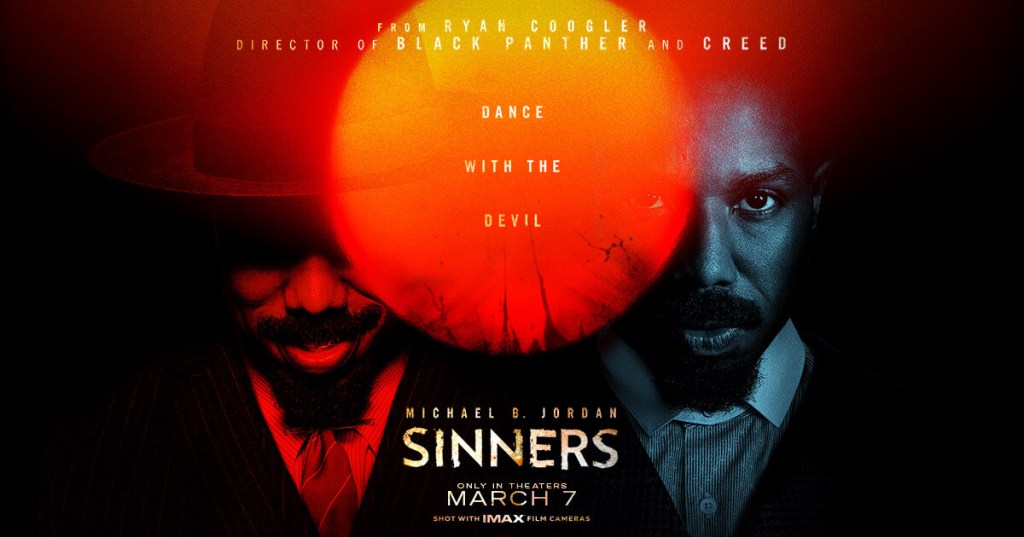
Ryan Coogler and Michael B. Jordan have become their generations director-actor duo. Films like Fruitvale Station, Creed, Creed 2, Black Panther and Black Panther: Wakanda Forever has the two working together for over a decade and they continue with a new film that brings the two into a new genre with the period action horror Sinners.

We haven’t had a good horror film set in the Deep South and this one takes it a layer deeper by setting it during Jim Crow era. Knowing Coogler there’s bound to be more than just visceral action and horror for audiences to sink their teeth on.

Michael B. Jordan will be joined by other MCU alumni Hailee Steinfeld and Wunmi Mosaku and his frequent collaborators Ludwig Göransson, Autumn Durald Arkapaw and Michael Shawver.

Sinners is set for release on April 18, 2025.

Ryan Coogler and Michael B. Jordan take on horror with the Sinners trailer!


Ryan Coogler and Michael B. Jordan are back for another team up. This time, the Creed & Black Panther pair are venturing into horror with Sinners. The trailer doesn’t give much, but it looks as if Jordan may be playing twins. There may possibly be vampires or werewolves involved as well.

Sinners will be in Cinemas in March of 2025.

Jack Black and Jason Momoa in the teaser for A Minecraft Movie!


Much like Fortnite, Minecraft is a game that everyone has either played or at least seen if they’ve kids in their vicinity. It’s basically a low resolution world building game where you face off against sprite skeletons and spiders if you either dig too deep underground or hang outside at night. It can be pretty fun, and is available on every platform from computers to the Nintendo Switch.

Jack Black seems like he’s out to cover every Video Game there is. With Super Mario Bros. and Borderlands under his belt, A Minecraft Movie is his next target. He’s not alone, though. Joining him are Jason Momoa (Fast X), Emma Myers (Netflix’s Wednesday), Emmy Winner Jennifer Coolidge (HBO’s The White Lotus), and Danielle Brooks (DC’s Peacemaker).

A Minecraft Movie will be in cinemas next April.

Timothee Chalamet weaves some magic in the Wonka Trailer!


When it comes to Willie Wonka, I’m at a total loss. I know there was Wonka gum and candy. There’s also the classic film with Gene Wilder and the adaptation from Tim Burton (both I’ve never really watched). This new version from Paul King (Paddington) appears to be prequel, with Timothee Chalamet (Dune) in the lead role. Patterson Joseph (Neverwhere, The Beach), Rowan Atkinson (Mr. Bean), Hugh Grant (Dungeons & Dragons: Honor Among Thieves), Olivia Colman (The Father), Matt Lucas (Bridesmaids), and Sally Hawkins (Paddington).

Wonka premieres in theatres this Christmas.

The Tournament beckons in the Mortal Kombat Trailer


Way back in 1995, Paul W. S. Anderson made his big break with the original Mortal Kombat film. 25 years is high time for an update. Produced by James Wan, this Mortal Kombat seems to be a little stronger with the story it’s sharing. So far, I’m liking the cast here. The Raid‘s Joe Taslim as Sub-Zero, Hiroyuki Sanada (Avengers: Endgame, The Wolverine) as Scorpion, True Blood’s Mechad Brooks as Jax, and those are just the names I recognize. I’m just happy they added Kung Lao to the mix.  I’m hoping there will be more fighting action in this version, and a great soundtrack to boot.

Directed by newcomer Simon McQuoid, Mortal Kombat’s release date is set for later this year, and since it’s a Warner Bros. Picture, there’s a good chance HBO Max may get it early as well.

Joker (dir. by Todd Phillips)


JokerPosterWhen I used to play games like Vampire: The Masquerade, they had this disclaimer that said: “You are not really a Vampire. If you can’t distinguish between fantasy and reality, you need to put this book down.”

I think the same can be said of Todd Phillips Joker, and it may be the source of a lot of the fear associated with it.

I believe the big fear that everyone has with Joker is that it’s going to incite people to violence and/or mimicry. It’s the same kind of fear that probably happened with films like Death Wish and Taxi Driver. It’s also the kind of thing that did happen with 1993’s The Program, a film that contained a scene with kids laying down in the middle of a busy road. Someone actually tried it, and ended up dying. As a result, people get a little nervous when Hollywood produces something that could lead to someone mimicking what they see on screen. In that sense, any film has the potential to have an idiot try it out, despite all of the warnings.

If that makes you in any way uncomfortable, the movie will be out on VOD in 3 months time, not a long wait. Still, Joaquin Phoenix’s performance is easily worth the price of admission.

Looking past all that, Joker is actually very good. The Crow, The Dark Knight and Conan the Barbarian are comic book films, but are so serious that you wouldn’t really associate them with a comic unless you knew it beforehand. Joker falls into the same category for me. This might be a little off putting for some who are expecting a more “comic action” like performance along the lines of say, Batman Forever. It’s the kind of film where if you stripped the credits from it and sat someone down to watch it, they might not figure it all out until 3 quarters of the way in. It feels like just another film, save that happens to be dropped in Gotham City.

Joker is the story of Arthur Fleck, a man with a variant of Tourettes that causes him to laugh at inappropriate moments, among other issues. Working as a clown and hoping to become aThrough a series of events, Arthur falls and is pushed until he reaches a breaking point. That is the quickest way to explain Joker without divulging too much. Let’s focus on the particulars.

Todd Phillips’ direction is good here. We move from scene to scene with ease, and as far as I could tell, there didn’t appear to be any editing issues (which is more than what I can say with The Dark Knight). Gotham is a dark, gritty city, reminiscent of NYC during the late 70’s. The film also manages to make connections to DC Lore in some great ways, My only complaint there is that while it’s a city that could use the Batman, it wasn’t exactly screaming for help. Personally, I thought it would be better if you saw that Gotham had more issues of corruption or crime. Nothing bad, just a nitpick.

From a casting standpoint, Phoenix is the heart and soul of Joker. Having dropped some weight for the role, Phoenix throws himself fully into the role of a man trying to keep it together while his world slowly crumbles. Come awards season, I would be shocked if he wasn’t at least in talks for nominations. Between the moments of laughter, there’s a lot of pain being expressed. Granted, this isn’t entirely new to Joaquin Phoenix, who had a similar role in The Master, but he definitely takes it to some new levels here.


Zazie Beetz (Deadpool 2) is okay here as a woman living in the same apartment complex as Arthur, but isn’t given too much to do here. The same could be said of Frances Conroy (Six Feet Under), who plays Arthur’s mother, who tries to keep him on the right path. Robert DeNiro also stars as a late night tv show host who Arthur admires, which will remind some viewers of Martin Scorcese’s The King of Comedy. Of particular note is the score of the film, handled by Hildur Gudnadottir (Sicario: Day of the Soldado), which ties in nicely to every scene with its haunting themes.

If I had any problems with Joker, it would be that the film makes it sound like being a loner automatically qualifies you for crime. There are tons of people who prefer solitude to companionship (or at least in short doses).  It showcases both Mental Illness and firearms in such a way that could scare some audiences, suggesting that if you are medicated and stop, you will eventually cause someone some harm. If you own a gun, someone will probably be harmed. Having grown up around cops, guns, and family members with Bipolar Disorder, I don’t agree with that. This didn’t make the film bad in any way for me. In the context of the film, however, Joker is bound to raise some concerns.

Again, it’s mainly nitpicks, but for a story that shows the rise of a villain, it does work.  There’s nothing mystical about Joker’s rise, and perhaps that’s scarier than finding out he was irradiated by gamma rays or some other superpower. I will say that watching Phoenix have these strange moments of slow tai chi like movements had me wondering what was up with him. That was strange, indeed.

Joker is also a film that doesn’t have a whole lot in the way of action. If you’re expecting a major third-act action sequence, it’s not exactly there. As a dramatic piece, Joker excels at moving the story forward, and as someone who was originally tired of the idea of yet another Batman related story (with all of the heroes /villains DC has at their disposal), this film was quite the surprise.

Overall, Joker is definitely worth the watch for Joaquin Phoenix’s performance, though if you’re not ready for it at the theatre, you can always wait for it on Digital / VOD.


Trailer – Birds of Prey


Whenever I hear the name “Birds of Prey”, I think of the old CW show with Dina Meyer, Ashley Scott and Rachel Skarsten. Thankfully, WB has seen fit to upgrade all of that. It also changes the story somewhat, as the original Birds of Prey focused on Oracle (a.k.a. Batgirl / Barbara Gordon), The Huntress, and Dinah Lance. I’ll admit that I’m a bit excited for this, as Margot Robbie really was one of the best parts of 2016’s Suicide Squad and this film features Cassandra Cain, one of the more deadly versions of Batgirl in recent DC History. It even has the hyenas from Batman: The Animated Series.

Having broken up with the Joker, Harley is ready to strike out on her own, teaming up with The Huntress and Black Canary to save a child (mostly likely Cassandra).. On board are Mary Elizabeth Winstead (Fargo) as The Huntress, Ewan McGregor (also Fargo) as Black Mask, Jurnee Smolett-Bell (True Blood) as Black CanaryAdditionally, Ella Jay Bosco, Rosie Perez, & Chris Messina are featured.

Christina Hodson wrote the script. Having previously worked on Bumblebee, that definitely should work out well.  Cathy Yan (Dead Pigs) is handling the directing duties.

Birds of Prey: And the Emancipation of One Harley Quinn is set take on Gotham in February 2020.

Built For Speed: Richard Pryor in GREASED LIGHTNING (Warner Brothers 1977)


gary loggins's avatarcracked rear viewer

Richard Pryor  (1940-2005) has been hailed as a comedy genius, and rightly so. But Pryor could also more than hold his own in a dramatic role. Films like WILD IN THE STREETS, LADY SINGS THE BLUES, and BLUE COLLAR gave him the opportunity to strut his thespic stuff, and GREASED LIGHTNING gave him top billing as Wendell Scott, the first African-American NASCAR driver. Pryor plays it straight in this highly fictionalized biopic about a man determined to break the color barrier in the predominantly white sport of stock car racing.

We see Scott returning to his rural Danville, VA hometown after serving in WWII.  He tells everyone he wants to drive a cab and someday open a garage, but his secret wish is to become “a champion race car driver”. He meets and falls in love with Mary (Pam Grier, who’s never looked more beautiful), and they eventually marry…

View original post 427 more words