“A king is but a man, and a crown is just a hat. It is the kingdom that endures.” – Nefertari Cobra
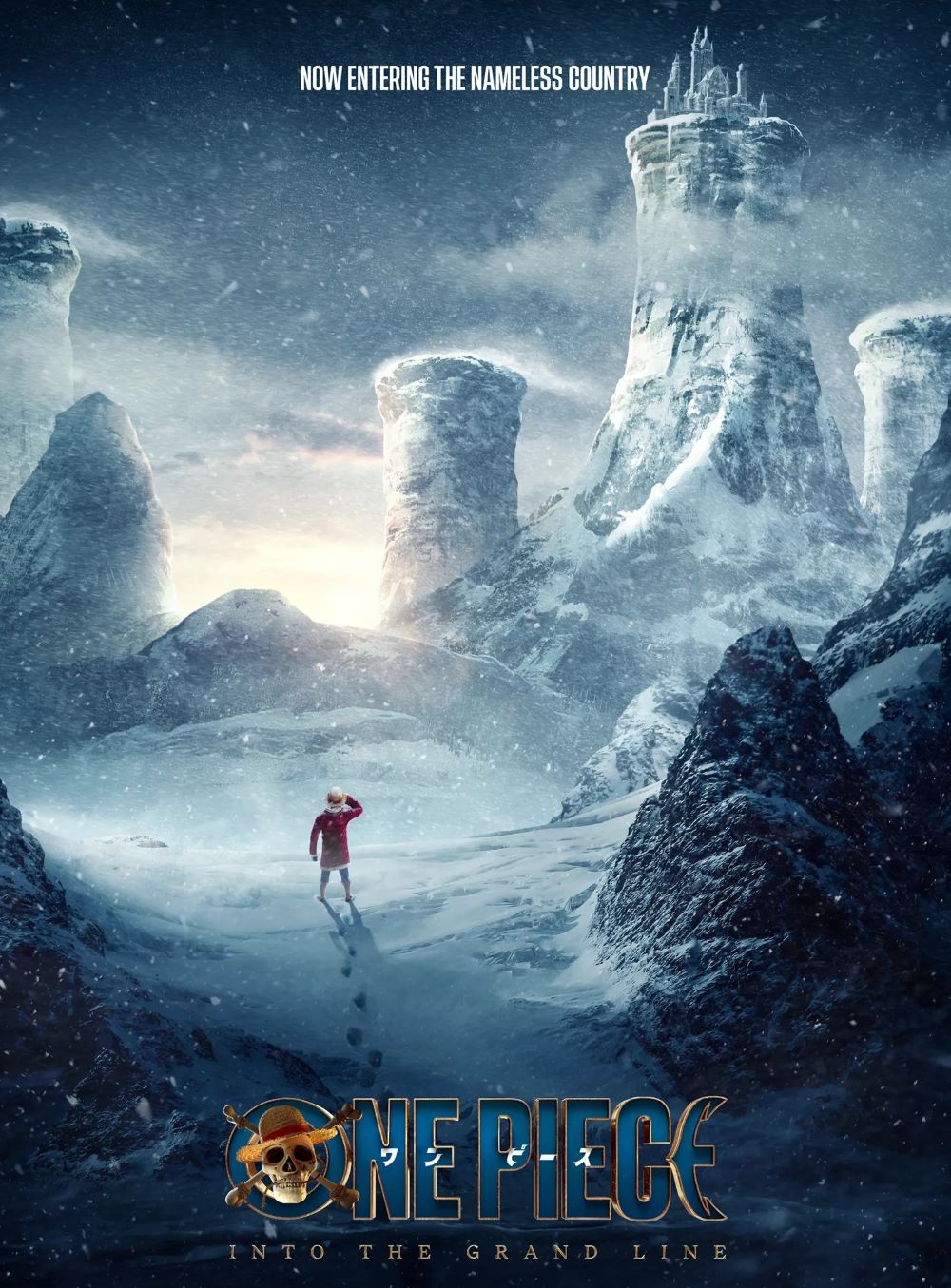
Netflix’s One Piece live-action series keeps delivering with season 2, and episode 6, “Nami Deerest,” hits that sweet spot of high stakes, heartfelt moments, and classic pirate shenanigans. When Nami comes down with a nasty fever from some prehistoric bug bite on Little Garden, the Straw Hats make a desperate pit stop at Drum Island, a snowy wasteland once famous for its doctors but now a shell of its former self. Luffy and Sanji haul her up a brutal mountain to find the last doc standing, Dr. Kureha, while the rest of the crew chills in town with the locals who aren’t exactly rolling out the welcome mat.
Right off the bat, the episode nails the tension around Nami’s illness. Emily Rudd sells her vulnerability without overplaying it—she’s tough as nails usually, but here you see the fear creeping in, making her bond with the crew feel even tighter. Iñaki Godoy’s Luffy is pure determination, strapping Nami to his back and climbing through blizzards and avalanches like it’s just another Tuesday. Taz Skylar’s Sanji gets some solid hero moments too, taking hits to protect everyone, though his flirt game takes a backseat to the urgency. It’s casual crew dynamics at their best: Zoro sharpening his swords, Usopp cracking wise with Vivi, all while the clock ticks on Nami’s condition. Directed by Lukas Ettlin, the cinematography makes Drum Island look unforgiving—those icy peaks and howling winds amp up the peril without feeling gimmicky.
Then we get the big intros: Dr. Kureha and Tony Tony Chopper. Katel Sagal does a great job portraying Dr. Kureha, nailing the grizzled, no-nonsense witch-doctor type living in a rundown castle, boozing it up and barking orders, but patching everyone up with real skill. Her dynamic with the pint-sized reindeer Chopper is gold—he’s skittish, hiding behind pillars, but his big blue nose and hat give him instant charm, and Chopper’s CGI stands up to scrutiny with Mikaela Hoover’s voice performance fitting the live-action well. The reveal that Chopper talks? Luffy’s jaw-drop reaction is comedy perfection, capturing that childlike wonder the manga’s famous for. Without spoiling deeper lore, the episode teases Chopper’s heartbreaking backstory through quick, effective flashbacks, blending humor with pathos in a way that doesn’t drag. Fans of the source material will appreciate how they adapt the Drum Island beats faithfully but tweak pacing for live-action flow—no giant bunnies yet, but the avalanche sequence delivers the thrills.
On the flip side, the Smoker and Tashigi subplot feels a tad obligatory. They’re poking around a Marine outpost massacre, clashing with some Baroque Works goons like Ms. Thursday and Mr. 11, which ties into larger conspiracies but doesn’t advance the main plot much. Smoker’s gravelly pursuit of the Straw Hats is always fun—his logia powers make him a persistent thorn—but this detour mostly serves to remind us the Marines are closing in. It’s balanced by some sharp banter between him and Tashigi, highlighting their odd-couple vibe, yet it pulls focus from Drum’s emotional core. Wapol’s cameo as a gluttonous ex-king scheming his comeback adds menace—he’s cartoonishly vile, scarfing down feasts and plotting revenge—but his full threat looms for later episodes.
What shines brightest is the found-family vibe. The Straw Hats rally without hesitation, showing how far they’ve come since season 1’s ragtag assembly. Vivi’s hidden royal ties to Drum’s messy politics add layers, with flashbacks to her kid self dodging Wapol’s cruelty underscoring the world’s corruption. It’s not all smooth—some transitions between subplots feel rushed, like jumping from the climb to castle recovery. Pacing-wise, it’s a slower burn than action-packed eps, leaning on character beats over fights, which works for setup but might test viewers craving constant devil fruit blasts.
Overall, “Nami Deerest” excels at building investment in the crew’s heart, especially as recruitment teases heat up. The illness plot humanizes these super-powered goofballs, reminding us why Luffy’s dream resonates—it’s about unbreakable bonds in a brutal sea. Production values hold strong: practical snow effects mix well with VFX, and the score swells just right for those quiet, hopeful recoveries. Casual viewers get thrills and laughs; diehards spot nods to Eiichiro Oda’s originals, like Kureha’s gruff mentorship echoing manga mentors. Not flawless—the Baroque sidequest dilutes momentum slightly, and Chopper’s full emotional punch saves for future eps—but it’s a solid bridge episode that deepens the world without stalling.
Clocking in at around emotional highs and setup payoffs, this one’s a win for One Piece‘s live-action run. It keeps the series’ spirit alive: adventure with soul, pirates who fight for friends first. Can’t wait to see Chopper rumble in what’s next—Drum’s just whetting appetites for the chaos ahead. If season 2 keeps this balance of heart-pounding climbs and character warmth, it’ll sail right into must-watch territory.
“True bravery is not the absence of fear, but going into the battle in spite of it.” — Brogy
One Piece season 2 episode 5, “Wax On, Wax Off,” picks up the action on Little Garden with the Straw Hats facing their creepiest foes yet. Right from the start, it’s clear this one’s all about tension building to some clever payoffs, blending the show’s signature humor with real stakes. The episode dives straight into the aftermath of the cliffhanger, where Nami, Zoro, and Miss Wednesday are trapped in Mr. 3’s bizarre wax creations, slowly turning into part of his twisted art project. It’s a smart way to ramp up the dread, making you feel the crew’s vulnerability without overdoing the gore.
Usopp steals the spotlight here, and man, does he earn it. He’s not the fighter Luffy or Zoro are, but watching him scramble to save everyone—eavesdropping on Mr. 3 and Miss Goldenweek’s creepy cake scheme, dodging attacks, and piecing together a plan—feels authentic to his character. That moment where he links up with a battered Sanji and rallies despite the odds? Pure gold. Usopp’s resourcefulness shines, turning what could be a filler beat into a standout arc about stepping up when the heavy hitters can’t. It’s casual heroism at its best, reminding us why he’s the heart of the crew in tight spots.
The villains really elevate this episode too. Mr. 3, played with slimy charisma by David Dastmalchian, treats his wax powers like some avant-garde masterpiece, crafting elaborate traps that look both ridiculous and menacing. Dastmalchian does a fantastic job making Mr. 3 feel even creepier than he ever did in the manga or the anime, leaning into the character’s obsessive precision and theatrical ego in a way that only really lands in live action. Pair him with Miss Goldenweek’s emotion-painting gimmick—think hypnotic colors that turn Luffy into a zoned-out mess—and you’ve got antagonists who unsettle in a fresh way. They’re not just bomb-throwers like Mr. 5 and Miss Valentine from before; these two feel like deranged artists, which adds a psychological edge to the chaos. Dastmalchian’s take on Mr. 3 especially nails that unhinged vibe, making you chuckle at his ego while dreading his next move.
Fight scenes deliver solid thrills without feeling rushed overall. Luffy’s pursuit of Mr. 3 across the island is a highlight, all rubbery stretches and wax-dodging antics that nod to the anime’s energy but fit the live-action scale. Usopp’s duel with Miss Valentine is cleverly staged—he picks her on purpose, using her weight-shifting powers against the wax structure to free the captives. Sanji’s comedic clash with the animal agents adds levity, his kicks landing with flair amid the jungle mess. Even Zoro’s frustration, swords useless against the hardening wax, builds sympathy. It’s balanced action: not every punch is a knockout, but the creativity keeps it engaging.
Where it stumbles a bit is pacing in the back half. The setup from episode 4 pays off nicely, wrapping Little Garden’s arc, but Luffy’s showdown with Mr. 3 wraps quicker than you’d like. A tad more back-and-forth could heighten the intensity—show him really struggling with the wax’s tricks before whatever punchline they land on. It’s not a dealbreaker, though; the episode clocks in tight, prioritizing character beats over endless brawls. Miss Goldenweek’s weirdness lingers too, hinting at Baroque Works’ deeper layers without info-dumping.
Friendship themes hit home casually, as always in One Piece. Vivi’s growing bond with the crew peeks through her despair, whispering about how nice it feels to have backup—subtle foreshadowing she’s sticking around. The giants’ subplot ties in nicely too, with echoes of hope amid the prehistoric wilds. It’s not preachy; just woven into the survival scramble, making the wins feel earned. Nami’s quick thinking and Zoro’s stoic vibe ground the panic, while Luffy’s unbreakable spirit snaps things back to form.
Visually, Little Garden pops—lush dinosaurs, wax sculptures gleaming under dappled light, all shot to feel alive and dangerous. The practical effects on the wax hold up great, gooey yet solid, blending seamlessly with CGI stretches. Sound design amps the unease: Goldenweek’s paints come with eerie whispers, Mr. 3’s laughs echo like a mad sculptor. The score swells just right for triumphs, keeping that adventurous pulse without overpowering dialogue.
On the flip side, some side beats feel trimmed. Sanji’s jungle trek is fun but brief, and Brogy’s injured cameo adds heart without dragging. The episode comes off as a rebound from the prior setup heaviness, delivering unnerving villains and catharsis. Fans will likely buzz about Usopp’s glow-up and Mr. 3’s theatrical menace, even if some gripe that the fights lack anime-length epics. It’s a fair complaint—live-action demands condensation—but it mostly nails the spirit.
Overall, “Wax On, Wax Off” is a strong mid-season pivot, landing as one of season 2’s most character-driven hours. Usopp’s arc anchors it, the villains chill it, and the action pops without overshadowing the bonds that define the crew. It wraps Little Garden satisfyingly while teasing Grand Line perils ahead. Not flawless—the main boss rush could breathe a bit more—but it’s damn entertaining. If you’re digging the crew’s growth amid escalating threats, this episode delivers: solid 8/10 energy, pushing One Piece forward with heart and hustle.
“Your Log Pose has set to an island called Little Garden. The dangers there will likely be your demise.” — Miss All Sunday
One Piece season 2 episode 4, “Big Trouble in Little Garden,” drops the Straw Hats onto a wild, prehistoric island that’s equal parts thrilling and chaotic, blending massive scale with some sneaky character moments. Right off the bat, the episode picks up from the Whisky Peak escape, with Miss All Sunday—Nico Robin in disguise—taunting the crew on the Going Merry before handing over an Eternal Pose and vanishing with her cryptic offer to join them later. It’s a smart transition that keeps the Grand Line’s mystery humming, as the crew sails into Little Garden, a lush spot frozen in time, complete with roaring dinosaurs and towering giants that make every step feel like a Jurassic Park fever dream.
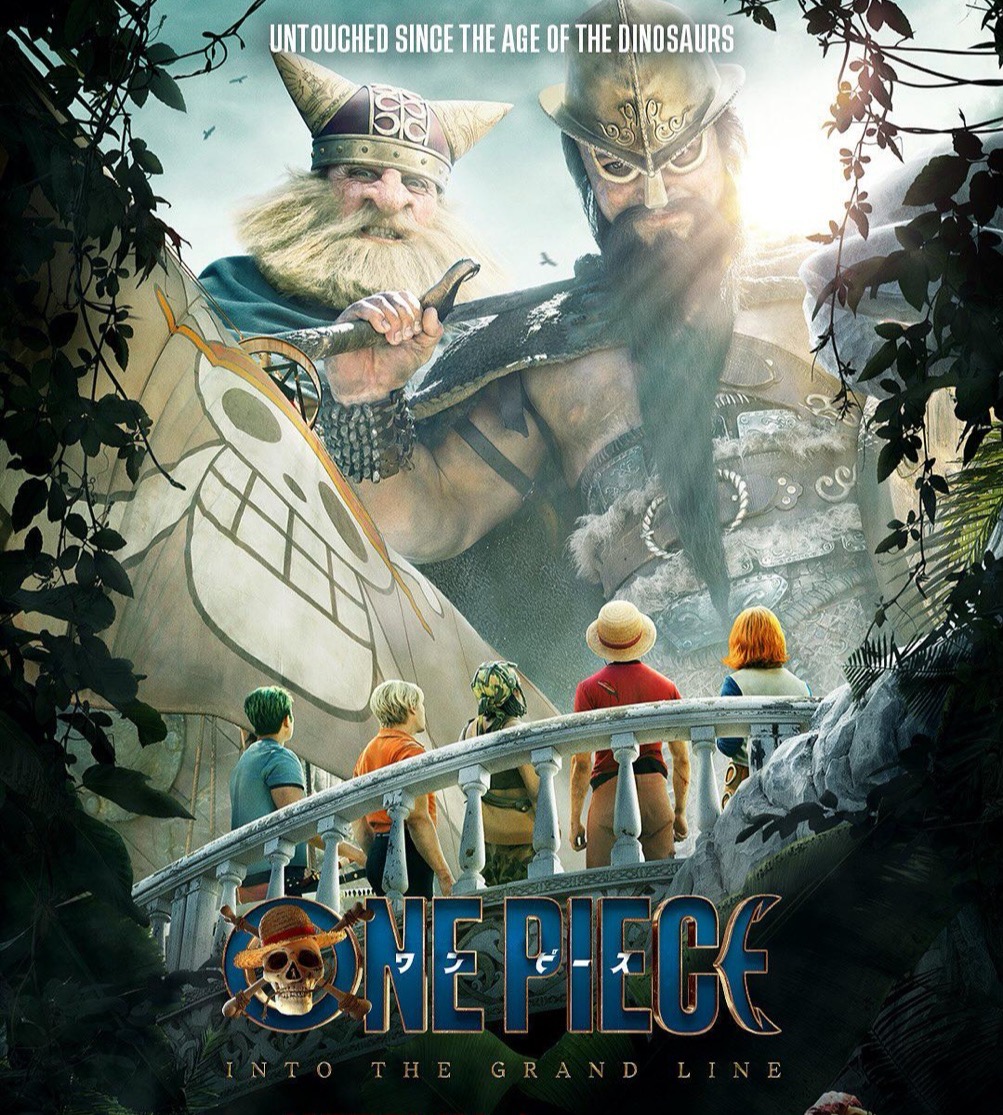
The island’s vibe hits hard from the jump—think overgrown jungles, massive bugs, and those two legendary giants, Brogy and Dorry, locked in a century-long duel they can’t even fully remember why they’re fighting. Luffy, ever the food magnet, chomps on a giant’s meal, sparking a hilarious standoff that flips into hospitality when Brogy invites Nami and Usopp to chow down in his cave. Brogy’s tales of Elbaph and warrior honor give the episode a heartfelt core amid the spectacle, showing how the show grounds its fantasy in camaraderie. Usopp’s wide-eyed awe here shines, as he bonds with the giant over dreams of bravery, even if his lies start slipping under real pressure.
But let’s talk action, because Little Garden delivers on the chaos. The daily volcano eruption triggers Brogy and Dorry’s axe-clashing showdown, a brutal ballet of strength that’s visually stunning with practical effects blending into CGI for those colossal swings. Mr. 5 sabotages Brogy’s ale mug with an explosive bomb, tilting the fight unfairly and leading to what looks like a tragic end—Dorry lands the “killing” blow, only for Luffy to sniff out the foul play. It’s tense stuff, ramping up stakes as Baroque Works agents like Mr. 3 (played by David Dastmalchian), Miss Valentine, and the creepy kid Miss Goldenweek slink in with wax traps and personality-altering paints. That paint trick on Zoro (pink pants and all, turning him bubbly) and Nami (green-eyed loopiness) adds a trippy layer, messing with loyalties in fun, unpredictable ways.
Usopp steals the spotlight in the back half, though. After Brogy “dies,” he confronts a heartbroken Dorry alone, piecing together the sabotage without any backup. It’s a raw moment for the sniper who’s all talk—his “I can’t do this alone” plea turns into gritty resolve as he vows to save Nami from Miss Valentine’s capture. The episode nails his arc without overplaying it, showing growth through quiet desperation rather than big speeches. Meanwhile, Luffy’s chase after the bombers leads to a blue-paint funk courtesy of Miss Goldenweek, humanizing him with uncharacteristic moping. Vivi gets solid screen time too, balancing her Alabasta mission with crew loyalty, like when she hesitates to drag them into deeper danger.
Villain intros are a highlight—David Dastmalchian’s performance as Mr. 3 oozes sly charisma and offbeat menace, perfectly capturing the scheming wax-user’s awkward villainy with deadpan delivery and subtle physicality that hints at his weirdo charm from past roles like Polka-Dot Man. His take brings the candle coffin trap to gross, ingenious life, freezing Dorry while flashing those gross nails and a vibe that’s equal parts pompous and unhinged, promising slick, creative fights ahead. Miss Goldenweek’s paint hypnosis feels fresh, a non-combat threat that toys with emotions over brute force, fitting One Piece‘s eclectic Devil Fruit roster. Sanji and Zoro’s banter keeps the levity, with Sanji’s ladies-man schtick clashing against Zoro’s deadpan in ways that spark real chemistry, even if it’s sibling-rivalry adjacent. Dinosaurs rampage through it all, from roars that shake the screen to a chase that has Luffy grinning like a kid in a candy store—pure adventure fuel.
Pacing-wise, this one’s a mixed bag. The setup drags a tad compared to Whisky Peak’s tight punch-up, feeling like a bridge to bigger Little Garden payoffs in episode 5. More CGI for giants and dinos trades some tactile grit from prior fights for epic scope, which works but lacks the sweaty intimacy of hand-to-hand brawls. Still, the direction keeps energy high with dynamic jungle tracking shots and those giant-scale duels that dwarf the humans just right. Sound design pops too—the volcano’s rumble, axe clashes, and dino bellows build immersion without overwhelming dialogue.
Character dynamics evolve nicely with Vivi aboard, heightening tension as her secrets simmer. Luffy’s optimism clashes with her caution, while Nami’s weather smarts get sidelined by paint shenanigans, hinting at future utility. Zoro naps through half the threats, true to form, but his altered personality bit lands laughs without undermining his edge. The episode smartly foreshadows Baroque Works’ layered hierarchy, with Mr. 3 strong-arming Mr. 5 and Valentine into his giant-killing plot—sets up juicy inter-agent drama.
Fair’s fair, it’s not flawless. Some plot threads, like the paint’s full effects or Robin’s lingering offer, dangle without payoff here, making it setup-heavy. Usopp’s heroism feels earned but rushed in spots, and the giants’ honor code borders on repetitive exposition. CGI holds up under scrutiny less than practical stunts, with a few uncanny giant faces in close-ups. Yet these niggles don’t sink the fun—One Piece thrives on escalating absurdity, and Little Garden embodies that with heart-pounding scale and emotional beats.
Overall, “Big Trouble in Little Garden” clocks in as solid mid-arc fare, leaning on spectacle and Usopp’s growth to offset slower burns. It captures the manga’s spirit—wild locales, quirky powers, unbreakable bonds—while adapting smartly for live-action flair. Fans craving giant brawls and scheming foes get plenty, and newbies stay hooked on the crew’s charm. Can’t wait for the wax to melt and heroes to rise next time.
“I still have a long way to go to get to his level. That’s what the journey’s all about.” — Roronoa Zoro
One Piece season 2 is building serious steam, and episode 3, Whiskey Business, delivers a thrilling payoff after the previous episode’s quieter, more tragic tone centered on fan-favorite Laboon’s bittersweet backstory. While that installment leaned into emotional depth with less chaos, this one explodes into the Grand Line’s wild unpredictability as the Straw Hats wash up on Cactus Island, stepping into the deceptive oasis of Whiskey Peak amid the region’s bizarre “cyclone of seasons”—sweltering heat one moment, flurries the next. Luffy’s unshakeable optimism shines as he greets quirky newcomers like Mr. 9 and Miss Wednesday, setting up the intrigue that defines this arc. It’s a smart move to blend character beats with rising tension early on, reminding viewers why this crew clicks so effortlessly.
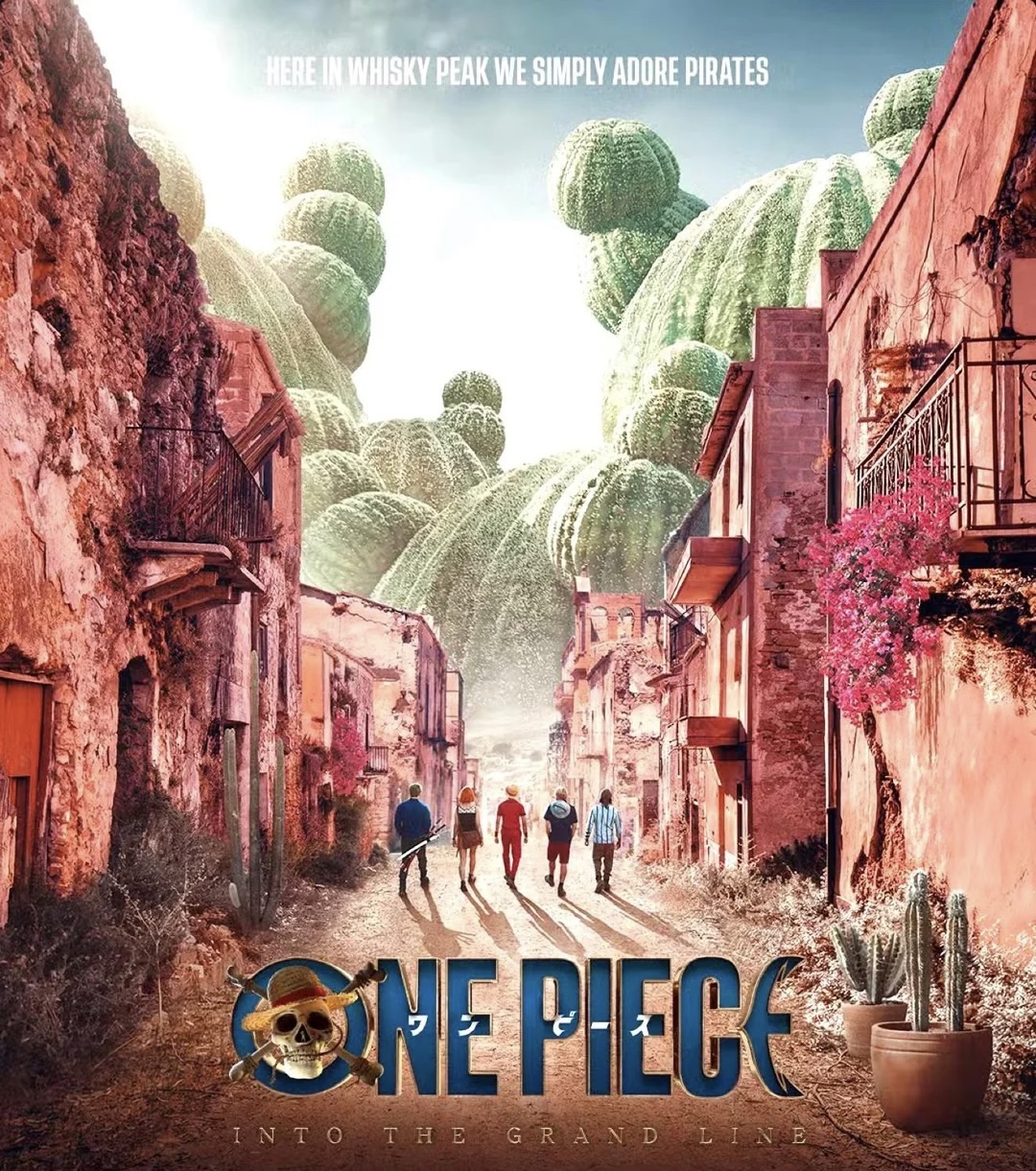
The episode wastes no time establishing Whiskey Peak as a deceptive paradise, a cactus-riddled town on Cactus Island that lures in pirates with open arms and flowing booze. The locals throw an over-the-top welcome party for the Straw Hats, complete with cheers and toasts that feel genuine at first glance. Luffy, ever the glutton for fun, dives right in, scarfing down food while bonding with the quirky newcomers—Miss Wednesday’s poised charm and Mr. 9’s bumbling bravado add fresh dynamics to the mix. Usopp and Sanji get their moments to shine too, with Usopp spinning tall tales that endear him to the crowd and Sanji whipping up dishes that steal the show. These lighter scenes ground the episode, highlighting the crew’s camaraderie before the rug-pull hits.
Then comes the turn, and it’s handled with precision. Zoro, still haunted by his loss to Mihawk, picks up on the off vibes during a tavern scuffle, sniffing out the trap laid by Baroque Works agents masquerading as friendly townsfolk. What follows is the episode’s crown jewel: a brutal, multi-tiered brawl where Zoro faces off against a hundred foes in a stunning set piece. The stunt work is top-tier, choreographed to feel relentless yet stylish, with Zoro’s three-sword style cutting through waves of attackers like a whirlwind. It’s not just mindless action; flashes of his internal struggle—Mihawk visions fueling his drive—add emotional weight, making his dominance feel earned rather than flashy for flashy’s sake. The production design elevates it all, turning Whiskey Peak‘s ramshackle buildings into a vertical battlefield that pops on screen.
Nami’s sharp instincts pair perfectly with Zoro’s blade work, as she uncovers the agents’ hidden weapons and signals the crew to snap out of their stupor. Sanji and Usopp jump into the fray too, their fights more scrappy but no less entertaining—Sanji’s kicks land with precision, while Usopp’s slingshot tricks show his resourcefulness under pressure. Luffy, true to form, stays mostly out of the melee, prioritizing his gut feeling about Miss Wednesday and Mr. 9, which plants seeds for future alliances. This balanced distribution of heroics keeps the episode from relying solely on one star, though Zoro undeniably carries the combat load.
Baroque Works emerges as a credible threat here, their numbers and coordination hinting at a larger syndicate without overwhelming the runtime. Mr. 9’s failed leadership and Miss Wednesday’s hidden agenda tease deeper lore, while the mayor Igaram’s reveal as Mr. 8 adds a layer of betrayal that stings. The episode smartly foreshadows bigger players like Miss Valentine and the enigmatic Mr. 0, building tension for the season without spoiling the payoff. It’s a fair adaptation choice, condensing the Whiskey Peak arc to heighten pacing while preserving Eiichiro Oda’s themes of deception and loyalty.
Emotionally, Whiskey Business punches above its weight. The crew’s kindness amid the carnage—sparing lives where possible—reinforces their pirate ethos, contrasting Baroque Works’ ruthless efficiency. A poignant beat with Vivi (Miss Wednesday’s true identity subtly emerging) tugs at heartstrings, her conflict over duty and friendship feeling authentic in the actors’ hands. Iñaki Godoy’s Luffy remains a beacon of joy, his infectious laugh cutting through the violence, while Mackenyu’s Zoro conveys quiet intensity that hints at growth ahead. The supporting cast nails their roles too; the Baroque agents’ over-the-top designs and quirks make them memorable cannon fodder rather than bland goons.
Visually, the episode impresses across the board. Cactus Island’s stark landscapes, from sun-baked dunes to the town’s mechanical underbelly, blend CGI with on-location shots seamlessly. The Grand Line’s “cyclone of seasons”—sweltering heat flipping to blizzards—amps up the peril right after arrival, selling the world’s dangers. Fights incorporate practical stunts where possible, with wire work enhancing the spectacle without veering into uncanny valley territory. Sound design deserves a nod too; clashing steel and Zoro’s grunts mix with a swelling score that echoes the anime’s adventurous spirit.
That said, it’s not flawless. Pacing dips slightly in the party scenes, stretching what could be tighter to build suspicion—some viewers might fidget before the action erupts. A few Baroque agents blend together, diluting their individuality despite fun powers like Miss Valentine’s weight-shifting (briefly teased). Luffy’s hands-off approach, while canon-faithful, sidelines him a tad in this early season outing, though it smartly spotlights the crew’s expanding talents. For manga veterans, the arc’s brevity skips minor gags, but show-only fans won’t miss much, as the core thrills land intact.
As a key early episode in season 2, Whiskey Business delivers on escalation. Season 1 nailed East Blue’s small-scale wonders; this ramps up to Grand Line stakes with bigger fights, richer world-building, and hints of political intrigue via Baroque Works’ shadow over Arabasta. It balances fan service—like Zoro’s Onigiri stance—with accessibility, ensuring newcomers stay hooked. The emotional core, blending laughs, bonds, and brutality, cements One Piece‘s live-action staying power. By episode’s end, as the Going Merry sails off with new questions about Vivi’s quest, you’re left buzzing for more—not revolutionary TV, but damn fun pirate escapism that honors its roots while carving its path.
“That whale’s been waiting over 50 years for pirates who ain’t coming back.” — Crocus
One Piece’s second season doesn’t ease you back in so much as fire you out of a cannon straight into the Grand Line, and Good Whale Hunting is where it really clicks that this show still knows exactly what kind of emotional rollercoaster it wants to be. Coming right after a premiere that’s busy setting up new Marines, new wanted levels, and the general sense that the East Blue training wheels are off, episode 2 narrows its focus to a single iconic manga arc and treats it with a surprising amount of patience and sincerity.
The season 2 opener (“The Beginning of the End”) is basically the big hand‑off episode: a Loguetown victory lap, a check‑in with Smoker and Tashigi as the new Marine threats, and a reminder that the Straw Hats are now sailing with real eyes on them. It’s longer, busier, and a bit more sprawling, juggling the execution platform legacy of the Pirate King with Luffy’s usual chaotic optimism and a few early‑teased antagonists the anime took its time introducing. As a premiere, it gets the job done—stakes are sketched in, the world opens up—but it can feel like it’s compressing two finales and a soft reboot into one hour‑plus block. The upside is that when episode 2 hits, the show finally breathes.
Good Whale Hunting is the first time this season where you can feel the adaptation relax into a single, weird, very One Piece idea: Reverse Mountain as a death trap, and a lovesick kaiju whale with abandonment issues. The sequence of the Going Merry grinding and climbing up the Grand Line’s infamous entry ramp is shot like a disaster movie: broken steering, a ship that’s very clearly outmatched by the environment, and a bunch of pirates who suddenly remember they’re not exactly seaworthy professionals. It’s a smart way to underline that, for all their wins in season 1, this crew is still held together with duct tape, vibes, and a rubber captain willing to literally turn himself into a human steering system just to survive the climb.
Once they crest Reverse Mountain and slam straight into Laboon, the episode goes full fairy tale without losing the slightly grounded texture the live‑action has worked hard to build. Splitting the cast—most of the crew trapped inside the whale while Luffy ends up outside on Twin Capes with Crocus—is a clever structural move because it lets the show alternate tones: goofy bickering and bafflement inside, melancholy exposition and quiet character beats outside. Clive Russell as Crocus brings that ornery performance the character deserves, playing him like the Grand Line’s grumpy lighthouse keeper therapist, always one snark away from sending these kids back down the mountain but clearly invested in both Laboon and their survival.
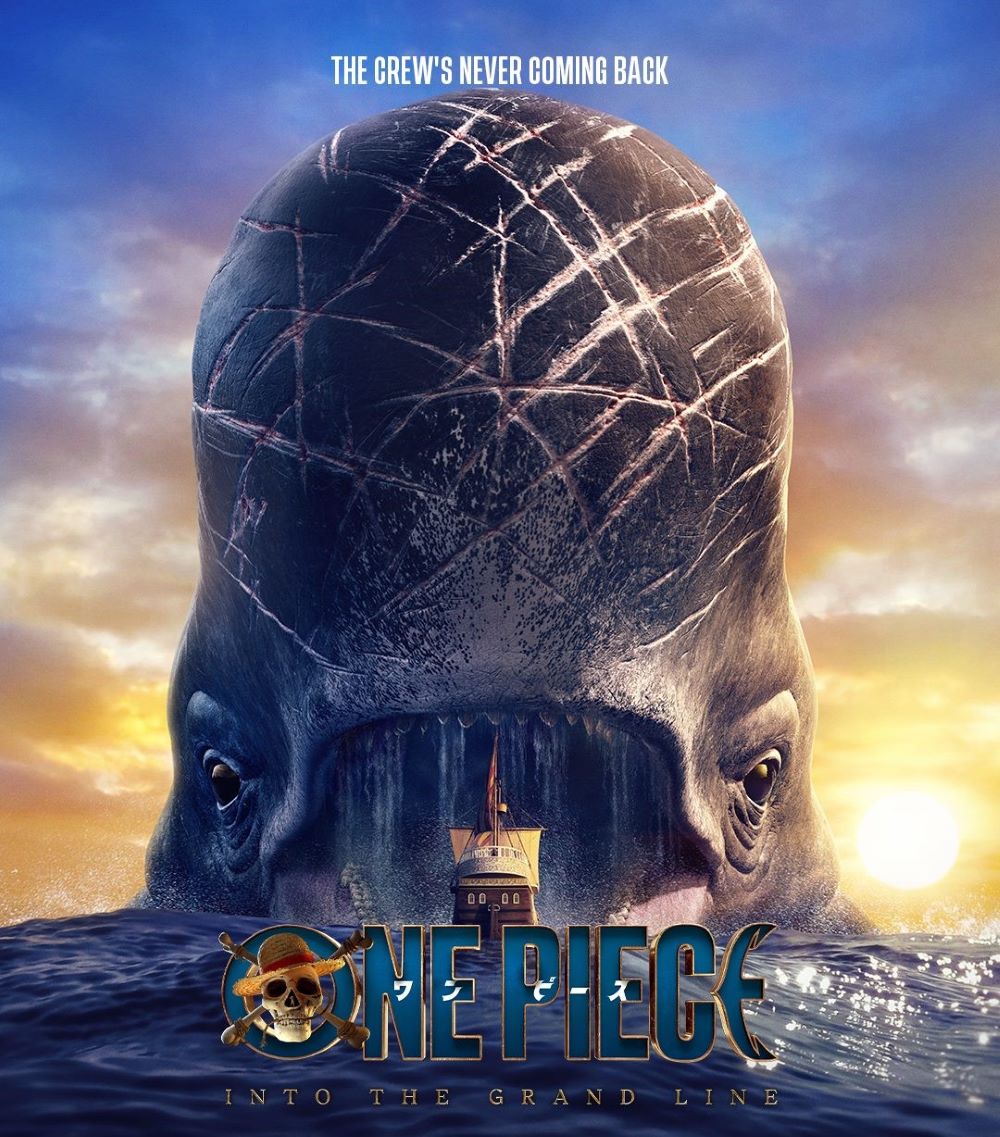
Laboon’s tragedy could have easily tipped into pure melodrama, especially in live action, but the episode mostly earns its feelings. The idea of a whale repeatedly smashing itself against a continent because it refuses to accept a broken promise is inherently big, almost mythic, and the show doesn’t overcomplicate it: Crocus explains the Rumbar Pirates’ disappearance, the Straw Hats process it in their own ways, and Luffy responds not with a speechifying monologue but with a mix of stubbornness and childlike logic. You can feel the writers leaning into what makes Luffy special as a live‑action protagonist—he doesn’t intellectualize the pain, he reframes it through action and a promise that’s simultaneously ridiculous and deeply sincere.
The Jolly Roger moment, where Luffy paints the Straw Hat symbol on Laboon’s head to give the whale a new “contract,” is the kind of scene that tests whether this adaptation can handle the manga’s emotional core. On paper, it’s almost absurd: the solution to suicidal grief is “don’t smash your head anymore or you’ll scuff my cool skull flag, and also, we’re totally coming back to have more adventures.” In practice, the actors sell the hell out of it—Luffy playing the clown and the knight in the same beat, Laboon responding like a giant, wounded kid, and the rest of the crew hovering between “this is insane” and “this is exactly why we follow this guy.”
As a follow‑up to the premiere, Good Whale Hunting also works as a mission statement for how season 2 plans to adapt the early Grand Line arcs. The pace is still accelerated compared to the anime, but not to the point where big emotional tentpoles get flattened into drive‑by cameos; Laboon and Crocus feel like a self‑contained short story inside a larger journey, not just obligatory canon boxes being ticked. The episode also builds up the Baroque Works roster by introducing Miss Wednesday and Mr. 9, which moves that plot point forward without derailing the Laboon storyline. The addition of these Baroque Works characters is done seamlessly, folded into the chaos of the Grand Line in a way that feels organic rather than forced.
Visually, the episode continues the show’s streak of making inherently cartoonish imagery feel tactile without draining it of personality. Reverse Mountain’s chaotic water physics, the internal “whale interior” sets, and Laboon himself all sit in that slightly heightened zone where you never fully forget you’re watching a fantasy, but you also buy the weight and texture of what’s on screen. Season 2’s budget seems to be focused in the right places too: the Grand Line feels bigger and more dangerous, and the effects work on Laboon gives him enough expressiveness that you’re not just staring at a big grey blob while the humans emote around him.
Performance‑wise, the core cast continues to feel more settled in their roles than they sometimes did back in the earliest episodes of season 1. Iñaki Godoy’s Luffy benefits a lot from material like this; you can see how much more comfortable he is playing the captain as both earnest idiot and moral center when the script gives him contained, character‑driven scenarios instead of just bouncing from fight to fight. The supporting Straw Hats get smaller individual spotlight moments here—this isn’t a huge Zoro or Nami showcase hour—but their reactions to Crocus, Laboon, Miss Wednesday, Mr. 9, and the sheer insanity of the Grand Line add warmth and humor that keep the episode from sinking under its own sadness.
The main fair criticism of both the premiere and Good Whale Hunting is that, because the season has to blaze through multiple arcs in eight episodes, some of the build‑up can feel like it’s happening off to the side. Loguetown’s significance as a turning point in pirate history, Smoker’s introduction as a real force of nature, and the mounting Marine pressure on the Straw Hats are all present but slightly undercooked compared to how much emotional space the anime gave them. For viewers who live and breathe the source material, that compression will always sting a bit, even when individual episodes like this one land emotionally.
Still, as a package—season 2’s two‑episode opening stretch capped by Good Whale Hunting—this is a strong re‑entry into the world of One Piece. The premiere lays the geopolitical and Marine groundwork, while episode 2 reminds you that this series survives or dies on whether you care about a whale with a broken heart and a captain who thinks the answer is a paint job and a promise. If you were worried the jump to the Grand Line would sand down the series’ weirder, more sentimental edges, this episode is a pretty clear sign the live‑action is still willing to get strange, sincere, and just a little bit corny in exactly the right ways.
“Don’t hold a father’s sins against his son. Blood doesn’t dictate destiny—everyone chooses their own path on this sea.” — Gol D. Roger
The Season 2 premiere of One Piece feels like a confident “we know what worked, and we’re doubling down” while also quietly admitting there’s still a long Grand Line of growing pains ahead. The episode is busy, sometimes overstuffed, but it’s rarely dull, and it mostly recaptures the scrappy charm that made Season 1 such an unexpected win for anime-to-live-action adaptations.
Season 2 picks up with the Straw Hats heading toward the Grand Line, and the show wastes no time reminding you how much the core ensemble carries this adaptation. Iñaki Godoy’s Luffy still feels like the glue: goofy, earnest, and occasionally dangerous in that “you can’t believe this idiot is a future legend” way that matches the spirit of the source without copying the anime’s louder extremes. Emily Rudd’s Nami and Mackenyu’s Zoro remain the show’s emotional and stoic anchors, respectively, and the premiere leans on their established dynamics rather than reinventing them. You feel like you’re hanging out with a crew that’s already lived together for a while, which is half the battle in making this world feel real.
The premiere’s biggest shift is structural. Season 2 is tasked with bridging Loguetown, Reverse Mountain, and the early Alabasta material, and you can feel the writers trying to thread a needle between faithfulness and streamlining. Instead of lingering on the smaller beats of each arc, the episode compresses them into a fast-moving chain of set pieces and character introductions. Loguetown becomes less a full-fledged arc and more a dense prologue to the Grand Line era, packed with Marines, pirate legends, and hints of the Revolutionaries. Depending on what you want from this adaptation, that’s either exciting or mildly frustrating.
On the positive side, the sense of scale is undeniably bigger. The Marines’ presence, especially with Smoker and Tashigi entering the mix, gives the premiere a sharper cat-and-mouse energy. Smoker arrives as a force of nature—less cartoonishly overpowered than in the manga, but still clearly the kind of threat that turns Luffy’s carefree adventuring into something riskier. The show smartly plays him as a guy who thinks he’s in a different, more serious story, which makes his clashes with the Straw Hats fun to watch. Tashigi, meanwhile, brings a softer, more idealistic edge that contrasts nicely with Zoro’s exhaustion with swordsmen who talk too much.
The premiere also continues the series’ habit of sliding in big-name players earlier than the manga did, and that’s where the episode gets more divisive. Nico Robin and Dragon show up as ominous presences in the larger world, giving you a clearer sense of the many factions circling this goofy rubber pirate. The upside is that it makes the One Piece universe feel interconnected sooner; casual viewers get a better roadmap of who matters long-term. The downside is that some of these appearances flirt with Marvel-style “universe building” more than organic storytelling. When every scene is either paying off an old setup or seeding three new ones, it can be tough to just sit in a moment and feel it.
Production-wise, Season 2’s extra time and budget show. The premiere gives Loguetown and the surrounding seas a lived-in, often cinematic atmosphere that outpaces Season 1’s more patchwork locations. Costumes continue to walk that tightrope between cosplay-accurate and functional; Smoker, in particular, looks like he walked straight out of a stylized military drama with just enough anime flair layered on top. The CGI still isn’t blockbuster-tier, but the show compensates with smart framing and selective use—powers and creatures are used to accent action, not dominate it, which keeps things from tipping into uncanny territory.
Action remains one of the adaptation’s better tools, even if it still doesn’t fully hit the insanity of Oda’s panels. The premiere emphasizes clarity over spectacle: you can actually follow where people are standing, how the fight geography works, and what the emotional stakes are. That’s a big improvement over a lot of modern genre TV. When Smoker crashes into the story or the Straw Hats get caught up in the chaos of Loguetown, the choreography sells impact even when the VFX can’t quite keep up with the wilder Devil Fruit abilities. You won’t mistake it for Hong Kong–tier action cinema, but it’s clean, readable, and character-driven, which matters more for this kind of swashbuckling adventure.
Where the episode stumbles most is pacing and tone. The premiere is under pressure to reintroduce the main cast, onboard new viewers, set up Loguetown, tease Reverse Mountain, and seed the Alabasta saga, all while dropping in cameos and lore nods for fans who know exactly where this is all heading. That leads to a few whiplash moments where the show jumps from lighthearted crew banter to life-or-death tension to ominous worldbuilding monologues in rapid succession. Season 1 sometimes had that problem too, but the stakes are higher now, and you can feel the strain.
Character-wise, the core Straw Hats come out of the premiere in good shape, but some of the supporting cast is still fighting for oxygen. Garp appears in a flashback, speaking to Gol D. Roger before he is sent to the gallows—a visit that teases the arrival of a future fan-favorite set for season 3. While it’s good to see that thread remain important, these cutaways occasionally feel like they belong to a spin-off series. That worked in Season 1 as a way to broaden the world; here, with even more plates spinning and new villains entering, it risks crowding an already packed episode. At the same time, those scenes help underline one of the show’s better instincts: it keeps asking what piracy and justice actually mean in a world this chaotic, rather than just treating the Marines as cartoon bad guys.
Thematically, the premiere starts nudging One Piece toward slightly heavier waters without losing its goofy heart. The looming Grand Line, the introduced Revolutionaries, and the presence of more morally gray Marines all hint at a story that will increasingly interrogate systems of power and inherited ideals. But the episode never forgets that this is, first and foremost, a story about a weird found family chasing impossible dreams. The crew’s conversations on the Going Merry, the small jokes, and the quiet beats where they process what lies ahead are what keep the whole thing grounded.
As a Season 2 premiere, this episode does its job: it reassures fans that the live-action experiment wasn’t a fluke, raises the narrative ceiling, and points the ship squarely at the Grand Line with confidence. It’s not flawless—worldbuilding occasionally overtakes character focus, the pacing can feel like a sprint, and not every early cameo lands as organically as it should. But if you liked Season 1’s mix of earnestness, scrappy visual ambition, and slightly awkward but heartfelt adaptation choices, this opener suggests you’re in for a bigger, messier, and still surprisingly sincere voyage. For a story built on the idea that chasing the horizon is worth the risk, that feels like the right kind of start.
“Being a pirate is not about raiding villages or perfect plans; it’s about adventure and freedom.” — Monkey D. Luffy
Netflix’s first season of the live-action One Piece is one of those rare anime adaptations that’s both messy and genuinely charming, often in the same scene. It doesn’t completely escape the usual problems that come with translating wild, cartoon logic into real people and real sets, but it gets enough right—especially the cast dynamics and worldbuilding—that it feels more like a real show than a cosplay experiment.
The basics: this first season covers the East Blue saga, following Monkey D. Luffy as he puts together the early Straw Hat crew and heads off toward the Grand Line. You get the big beats fans expect: Romance Dawn, Zoro’s introduction, Orange Town and Buggy, Syrup Village with Usopp and Kaya, Baratie with Sanji, and Arlong Park with Nami’s backstory as the emotional anchor. It’s condensed into eight hour-ish episodes, so you’re not getting a one-to-one remake of either the One Piece manga or the anime; this is very much a “greatest hits” version of that early stretch, with a ton of trimming, merging, and reordering to make it work as a bingeable live-action series.
Probably the easiest part to recommend is the core cast and their chemistry, which does a lot of heavy lifting. Iñaki Godoy’s Luffy is unapologetically goofy, earnest, and loud in a way that could’ve gone horribly wrong in live action, but he leans into the character’s optimism so hard that it mostly works. He feels like someone who really does believe he’ll be King of the Pirates and doesn’t see any reason to question it, and that unshakable confidence becomes the emotional center of the crew. Godoy also nails Luffy’s mix of childlike wonder and sudden steel; he can flip from grinning over a new ship to staring down a villain in a way that sells Luffy as more than just a rubbery himbo. His turn as Luffy ends up being the highlight performance of the season, because if he doesn’t work, nothing else does—and he absolutely carries the show’s heart on his sleeve.
Mackenyu’s Zoro is basically the polar opposite energy, which is why their dynamic works so well. He plays Zoro with a dry, deadpan coolness that never tips completely into parody, even when he’s doing something as inherently ridiculous as fighting with three swords. His line delivery is often clipped and understated, and that restraint gives him room to land some of the show’s funnier reactions just by raising an eyebrow or sighing at Luffy’s nonsense. Importantly, Mackenyu makes Zoro feel like someone who’s constantly sizing up the room and quietly choosing when to step in, which fits the character’s “honor-bound mercenary slowly becoming a real crewmate” vibe.
Emily Rudd’s Nami brings a different energy altogether, mixing competence, guardedness, and flashes of vulnerability in a way that really pays off once the Arlong Park material kicks in. Early on, she plays Nami with a kind of wary charm—she’s clearly the most practical person on the ship, always thinking about maps, money, and survival, and Rudd lets that edge peek through even when Nami is going along with Luffy’s madness. When the show finally digs into her backstory, she shifts gears into something rawer and more emotional without it feeling out of character, and her scenes in the latter part of the season give the story a genuine emotional spine. Alongside Godoy, Rudd’s performance is another standout, since the season’s biggest emotional payoff basically hinges on whether you buy Nami’s pain and eventual trust in the crew.
Jacob Romero as Usopp leans into the character’s role as the lovable coward and storyteller, but he doesn’t make him a total joke. His performance captures that mix of bluster and insecurity—he’s a guy who talks a big game, clearly doesn’t always believe himself, and still steps up when it matters. Romero’s physicality and timing help sell Usopp’s more exaggerated reactions, but he also gives the quieter moments with Kaya and the Going Merry a sincerity that keeps the character from being just comic relief. You can see why this crew keeps him around, even when he’s clearly terrified half the time.
Taz Skylar’s Sanji doesn’t show up until later in the season, but he makes a strong impression once he does. Skylar leans into Sanji’s suave, flirtatious side without making him completely insufferable, and he brings a surprising amount of warmth to the character’s loyalty toward Zeff and the Baratie. His fight scenes, built around kicks and flashy movement, give the action a slightly different flavor whenever he’s involved, and his banter with Zoro and Luffy slots into the group dynamic quickly. The show dials back some of Sanji’s more over-the-top anime tendencies, and Skylar’s performance sells that reined-in version pretty well.
One thing that helps the whole project feel less like a random “Hollywood take” and more like a genuine extension of the franchise is how closely One Piece creator Eiichiro Oda worked with the team to adapt his manga and anime for live action. His involvement doesn’t magically make every creative choice perfect, but it does temper some of the bigger changes from the original, since you get the sense that the tweaks to pacing, structure, and certain character beats were made with his blessing rather than behind his back. Even when the show compresses arcs or reshuffles events, it still feels guided by the spirit of One Piece as Oda sees it, which goes a long way toward making the adaptation easier to accept for fans who might otherwise bristle at every deviation.
The show spends a lot of time on relationships and backstory, and that’s both a strength and a weakness. On the plus side, those flashbacks—Luffy and Shanks, Zoro’s childhood, Nami’s history with Arlong, the way characters like Kaya and Usopp connect—give emotional weight to what might otherwise just be colorful pirate antics. By the time Arlong Park rolls around, you actually care enough about Nami and her village that the standoff with Arlong lands as the season’s big payoff rather than just another boss fight. On the minus side, the early episodes can feel overstuffed with introductions and tone-setting. There are a lot of characters and a lot of lore thrown at you quickly, and if you’re not already familiar with One Piece, it can feel chaotic and hard to latch onto at first.
Visually, the show is kind of wild—in a good way. One of the big fears with live-action anime is that the production design ends up feeling cheap, empty, or embarrassed by the source material. Here, the sets are large, busy, and distinct: each island or town has its own look and vibe, from circus-horror weirdness with Buggy to the ocean-front glam of the Baratie to the more oppressive, grimy feel of Arlong Park. There’s a sense that this is a big, strange world rather than just three reused soundstages and a backlot. The costumes, props, and little bits of world detail—like the transponder snails and offbeat outfits—lean into the original’s absurdity instead of trying to “ground” it into blandness, and that helps the show retain a lot of its personality.
The CGI and action are… pretty good, with caveats. Luffy’s rubber powers were always going to be a challenge, and sometimes the stretching looks a little off, but the show smartly leans into the inherent ridiculousness rather than pretending it’s supposed to look “realistic.” The action scenes are choreographed to be big and theatrical rather than gritty, which fits One Piece’s energy. There are moments where the limitations show—fights can be shorter than fans might want, and some sequences are clearly staged to avoid pushing the visual effects too hard—but when the show goes all-in, the results are genuinely fun. The key is that the action is always driven by character: Zoro’s swordsmanship, Sanji’s kicks, and Luffy’s unshakeable confidence all feel distinct and recognizable.
That brings us to the fishmen, which are easily one of the trickiest elements to pull off in live action. The make-up effects and prosthetics do a lot of heavy lifting, and from a distance the designs are bold and striking, but when the camera gets up close, things can get pretty rough. You can see the seams, the stiffness, and the slightly rubbery, mask-like quality that’s hard to completely disguise when you’re turning heavily stylized cartoon fish-people into real actors in costumes. By the time the show gets to that particular section of the season, though, the audience has more or less made its peace with the whole experiment: either you’ve bought into the concept that this is a live-action One Piece—with all the heightened, cosplay-adjacent weirdness that implies—or you haven’t, and the fishmen are just going to be one more thing you can’t get past. For viewers already on the show’s wavelength, the emotional stakes of Arlong Park matter more than the occasional rubbery jawline.
Performance-wise beyond the core Straw Hats, there are a few clear standouts in the supporting cast, and the obvious high point is Jeff Ward as Buggy. He takes a character who’s primarily used as broad, loud comedic relief in the manga and anime and plays him the same way on the surface—still ridiculous, still theatrical, still a clown-themed pirate—but with a bit more bite and cynicism underneath. There’s a mean streak and a sense of bruised ego in his version of Buggy that makes him feel less like a one-note gag and more like an actual threat who just happens to be funny. That extra edge helps his scenes pop whenever he’s on screen and makes Buggy one of the side characters you actually want to see come back later instead of just being a one-arc villain.
Tone-wise, season 1 walks a tightrope between over-the-top anime goofiness and more grounded live-action drama. The first couple of episodes lean heavily into cartoonish humor and big, exaggerated deliveries, which can feel jarring if you’re not already on board with that style. As the season goes on, though, the show settles into a more comfortable rhythm where the comedy and drama balance better. The horror-tinged atmosphere in some mid-season episodes, the emotional flashbacks, and the quieter character moments give it some texture beyond “loud and wacky.” Still, there’s no getting around the fact that some jokes are pushed too hard and some lines land awkwardly; not every animated beat translates cleanly to actors on a physical set.
One of the more interesting aspects is how the story has been compressed and rearranged. Plotlines that took multiple episodes in the anime get condensed, combined, or reordered so that they fit into an eight-episode season with a clear build toward Arlong Park as the climax. On the positive side, this keeps things moving and avoids the bloat that long-running anime can fall into. There aren’t many filler-feeling stretches; almost every scene is trying to push plot, character, or worldbuilding forward. On the negative side, there are moments where you can feel the rush: some conflicts resolve faster than they arguably should, certain relationships don’t get as much space to breathe, and some secondary characters end up feeling like sketches rather than fully realized people.
If you’re a long-time fan of the One Piece manga or anime, that editing is going to be a bit of a mixed bag. Some changes genuinely help the story flow better in live action, tightening up arcs that were originally more meandering. Other changes will probably rub purists the wrong way, especially when beloved scenes are trimmed, altered, or moved around. That said, the adaptation is more faithful in spirit than many other anime-to-live-action attempts. The Straw Hats act like themselves, the world still feels strange and adventurous, and the show never seems ashamed of its source material. It’s clearly designed as an accessible starting point for newcomers rather than a frame-by-frame recreation for existing fans.
Pacing is another area where the season both succeeds and stumbles. The length of the episodes means there’s room for characterization and little worldbuilding beats, but they can sometimes feel bloated, especially in the early going when you’re still figuring out how seriously to take anything. Some viewers may bounce off before the show fully finds its groove. However, once the series gets deeper into the crew’s emotional histories—especially in the middle episodes and leading into the Arlong material—it becomes easier to invest in what’s happening on screen. The season builds nicely toward its finale, even if the path there is occasionally uneven.
As a whole package, season 1 of Netflix’s One Piece is far from perfect but genuinely enjoyable if you’re open to what it’s trying to do. It’s big, colorful, sometimes clumsy, and often surprisingly heartfelt. Fans looking for a meticulous, panel-accurate adaptation are going to notice every shortcut and deviation. People who hate anime-style humor may find parts of it grating or too over-the-top. But if you’re okay with a show that’s earnest, occasionally awkward, and unafraid to be strange, there’s a lot here to like—especially the way the crew’s bond slowly becomes the emotional core of the story.
In the end, this first season feels less like a flawless triumph and more like a strong proof of concept. It shows that One Piece can work in live action without losing its identity, even if compromises have to be made in pacing, tone, and scale. The highlight performances from Godoy as Luffy and Rudd as Nami, backed by a solid ensemble that includes scene-stealers like Jeff Ward’s Buggy, Oda’s guiding hand, the ambitious production design, and the emotional beats of arcs like Arlong Park are strong enough that, by the time the final stinger hints at more adventures to come, it’s easy to imagine sticking around for another voyage with this crew—even if the make-up isn’t always convincing and the rubber powers don’t always look great.
“Well, I hate to break it to you, darlin’, but the way you was raised wasn’t real.” — The Ghoul to Lucy
Fallout season 2 already felt like the show leveling up into a bigger, stranger, and more emotionally loaded story; stretching that out to look at specific standout hours just underlines how confidently it plays with tone, lore, and character this year. The season still has its pacing and bloat issues, but episodes like 4, 6, and the finale remind you why this world is worth spending time in: they mix monster‑movie mayhem with sharp character turns and some surprisingly pointed world‑building.
From the outset, season 2 signals that it’s done playing small. Where season 1 often kept things contained to a handful of locations and a relatively tight triangle of conflicts, this run treats the wasteland like a map that’s finally fully unlocked. New Vegas, the Mojave, multiple Vaults, NCR outposts, Enclave facilities, and Legion‑touched territories all start jostling for attention. That expansion comes with an “everything louder” philosophy: more factions, more lore, more experiments gone wrong, and more moral gray areas. The show leans into the idea that the real horror of this world isn’t just the radiation or the monsters; it’s the legacy of people who convinced themselves they were saving humanity while quietly deciding which parts of humanity didn’t deserve to make it.
The overarching cold fusion storyline is the clearest expression of that. Season 1 treated it as a sort of mysterious MacGuffin hovering in the background, but season 2 drags it fully into the spotlight and ties it directly to the choices that triggered the Great War. By steadily revealing how Vault‑Tec, the Enclave, and figures like Hank and House circled the same piece of technology, the show paints a picture of an apocalypse that was less an accident and more an inevitable collision of greed, fear, and hubris. The tragedy is that many of these people genuinely believed they were securing a better future — they just defined “future” in terms that erased anyone outside their bubble. That added nuance gives the season a heavier emotional punch, because the fallout (pun intended) is no longer just a backdrop; it’s the direct consequence of personal betrayals we’ve watched unfold in flashback.
Cooper Howard, now fully embraced as the Ghoul, remains the emotional spine of that history lesson. Season 2 deepens his arc by closing the gap between the smiling pre‑war cowboy and the bitter, sand‑blasted killer stalking the Strip. His encounters with Robert House, especially in the finale, turn into confrontations not just with a technocrat who survived the bombs, but with the version of himself that let things get this far. The realization that he didn’t just lose his family to the apocalypse, but that his own patriotic image and complicity helped build the machine that destroyed them, hits like a slow‑motion punch. Walton Goggins plays those beats with a mix of brittle humor and raw self‑loathing that keeps the character from slipping into pure nihilism; you can see the man he was flicker through the monster he’s become, which makes every choice he makes in the present feel loaded.
Lucy, in contrast, is the series’ ongoing experiment in whether idealism can survive honest contact with the truth. Season 2 pushes her far beyond the naive Vault dweller who stepped into the sun in season 1. Over these episodes, she’s forced to confront not just her father’s lies, but the systemic rot embedded in every power structure she encounters. Vault‑Tec’s “protection,” Brotherhood righteousness, NCR order, Enclave science — every banner comes with its own flavor of atrocity. The brilliance of her arc is that the show doesn’t simply break her and call it growth. Instead, it lets her anger simmer quietly until it finally erupts during the operating‑room showdown with Hank in the finale, where she makes a calm, devastating choice that redefines their relationship forever. That moment isn’t just shock value; it’s the natural endpoint of a season spent watching her tally up cost after cost.
Maximus, meanwhile, evolves from wobbling wannabe knight into one of the show’s most grounded points of view, and episodes 4 and 6 mark very different turning points around him. Episode 4 is where the Brotherhood’s internal fractures stop being subtext and explode into open conflict. It’s the beginning of the Brotherhood civil war, and the first time Maximus is forced to confront the idea that his “family” might be rotten at the core. Watching knights and scribes turn on each other, watching command structures splinter, he starts to see that the Brotherhood’s rhetoric about honor and protection doesn’t hold when power and ideology clash. The moment he realizes the people he idolized are willing to kill their own to maintain control is the moment the halo really slips; he begins to understand that the Brotherhood may not be the good guys after all. It’s not a neat, one‑scene epiphany, but that episode is where denial stops being an option and he starts making choices that reflect his own moral compass rather than the codex.
Episode 6, by contrast, steps away from Maximus’ internal war and digs deeper into the past that shaped the wasteland he’s fighting in. This is much more a Barbara‑and‑Ghoul hour, fleshing out their backstory and giving emotional context to the cold fusion plot and the eventual apocalypse. The episode spends time with Cooper and Barbara before the bombs, letting us see their relationship in more detail: the compromises, the arguments, and the quiet ways Barbara pushes back against Vault‑Tec’s glossy promises. It also charts Cooper’s slide from working actor and family man into patriotic mascot and unknowing cog, showing how easy it was for him to rationalize each step as “doing the right thing.” By anchoring those flashbacks in Barbara’s perspective as much as Cooper’s, the episode makes her more than just a tragic absence — she becomes the person who saw the danger, tried to steer them away from it, and got overruled.
Those mid‑season episodes also shine when it comes to pure lore and creature work. Episode 4’s introduction of the Deathclaws as a real force in the story is one of the season’s best sequences. Rather than just dropping them in for a cameo, the show frames them as the culmination of whispered rumors, suspicious carnage, and mounting dread. When a Deathclaw finally tears into the frame, the direction emphasizes scale and unpredictability: these aren’t just big lizards, they’re apex predators that shrug off conventional tactics. The way they rip through defenses and send even seasoned fighters scrambling instantly re‑calibrates the power dynamics of the wasteland. Later, when they become central to the Strip’s Earth‑shaking siege, you already understand that their presence means no one is safe, no matter how shiny their armor or how fortified their stronghold.
On the lore side, episodes like 4 and 6 weave the Deathclaws and other horrors into a broader tapestry of FEV experimentation and Enclave meddling, making them feel like part of the same long chain of sins that gave us super mutants and other abominations. That connection reinforces the season’s larger point: the worst monsters in Fallout aren’t random mutations, they’re the descendants of carefully planned projects whose creators never fully accepted the consequences. It’s a neat bit of storytelling economy, turning what could have been a simple monster‑of‑the‑week into another thread in the show’s ongoing conversation about responsibility.
Season 2 also benefits from spending more quality time with its side characters instead of just treating them as quest givers or comic relief. Barbara is the most poignant of these. Where she once existed mostly as a memory in Cooper’s flashbacks, she now feels like a fully realized person with her own fears, instincts, and lines she isn’t willing to cross. We see her wrestle with Vault‑Tec’s promises and start to question the cost of all that gleaming corporate optimism. Those glimpses of her pushing back, or trying to pull Cooper back from the brink of total complicity, retroactively deepen every ounce of his guilt. He didn’t just lose a wife and child; he ignored the one person who saw the moral cliff edge coming and still jumped.
Thaddeus, while still often played for uneasy laughs, gets just enough shading to keep him from tipping into cartoon territory. Season 2 makes it clear that his brand of cowardly self‑preservation is less a personality quirk and more a survival strategy in a world that punishes idealism. When he’s swept up in vault‑side chaos and the grotesque side effects of FEV and forced evolution, his panic and bad decisions feel depressingly understandable. He’s the guy with no faction backing, no armor, no immortal body — the perfect lens for showing how regular people get crushed when the big players start moving pieces around. The fate he stumbles into is darkly ironic, but there’s a sting to it because the show has taken the time to make him more than just the butt of the joke.
Stephanie emerges as the wild card of the season, but not for the usual “chaotic Vault teen” reasons. What really drives her is that she’s a product of a very specific trauma: she’s Canadian in a universe where Canada was annexed, occupied, and turned into a horrifying internment state. That history isn’t just backstory flavor — it’s the furnace that forged her worldview. She grew up knowing that her country wasn’t just defeated; it was erased, abused, and folded into an American narrative that pretends it all happened for the greater good. So when she pushes against authority or digs into restricted information, it’s not just adolescent rebellion or a desire to impress anyone in the Vault hierarchy. It’s the instinct of someone who has seen, or inherited, the consequences of letting American power go unquestioned.
That’s why Stephanie’s personal agenda feels so out of step with the usual factional chess game. NCR, Brotherhood, Enclave, House — none of them really matter to her in ideological terms. To her, they’re all just different masks on the same face: American power structures rearranging themselves after the bombs, pretending the past is settled and the ledger is closed. Her curiosity about hidden tech, sealed records, and buried atrocities is less about “how can I leverage this for my people right now?” and more about “how can I expose what America did, and is still doing, to people like me?” Her animosity is directed at the idea of America itself — its myths, its revisionism, its insistence on calling conquest “security” and occupation “peacekeeping.” That’s why she doesn’t fit neatly into anyone’s strategy; she’s playing a longer, more personal game, one where the win condition isn’t territory or tech, but forcing the truth about what happened to Canada and to her people into the light.
What makes Stephanie compelling is that the show lets that animus sit in a morally messy place. She’s not some pure avenger with a perfect plan. Her choices are often reckless, sometimes cruel, and frequently blind to the collateral damage she’s creating in the here and now. But they make sense when you remember her context: she comes from a lineage that was caged, brutalized, and then largely written out of the post‑war power conversation. Of course she doesn’t care about which American faction ends up on top; from her perspective, the game is rigged no matter who’s holding the pieces. That’s why she feels less like a quirky side character and more like a slow, ideological time bomb buried in the story. Everyone else is fighting over the wasteland’s future, but Stephanie is here to settle a very old score with the idea of America itself — and that makes her one of the most unpredictable, and potentially explosive, figures in Fallout’s second season.
All of this character and lore work feeds into the finale, “The Strip,” which plays like the entire season compressed into one frantic, blood‑spattered hour. The Deathclaw assault, NCR push, Legion maneuvering, Enclave gambits, and House’s machinations collide on a single battlefield, turning the Strip into both a literal and symbolic crossroads for the wasteland’s future. Maximus’ rejection of blind Brotherhood obedience, Lucy’s definitive break with Hank, and Cooper’s reckoning with House and his own past all converge in a series of confrontations that feel earned precisely because the season has spent so much time setting the pieces on the board. It’s explosive and overwhelming, and it leaves plenty of threads dangling, but it also makes one thing crystal clear: there’s no going back to the relatively simple story this show started as.
Taken as a whole, Fallout season 2 is still a fair trade‑off, even with its occasional narrative overload. You give up some of the clean, streamlined storytelling of season 1 and accept that a few side plots and characters will drift in and out of focus, but in return you get a richer, more dangerous wasteland where Deathclaws stalk neon streets, the Brotherhood’s halo has visibly slipped, and characters like Barbara, Thaddeus, and especially Stephanie complicate the moral landscape in satisfying ways. It’s a season that believes in escalation — of spectacle, of lore, of emotional stakes — and while that sometimes leads to messiness, it also makes the highs genuinely memorable. If the show can channel that energy into a slightly tighter, more focused third season, this run will stand as the wild, necessary expansion pack that blew the world wide open and dared its characters to survive the consequences.
Diving headfirst into the season 2 finale of Fallout, episode 8 slammed into me like a radstorm tearing through the garish neon fog of New Vegas—a whirlwind of high-octane mayhem that cranks the overarching tension to eleven while scattering a bunch of tantalizing loose ends across the irradiated sands. Christened “The Strip,” this powerhouse installment rolled out in Prime Video’s carefully recalibrated evening premiere window, the sort of strategic time shift they pulled to maximize viewer frenzy and keep everyone glued from the opening credits. What starts as a scrappy tale of individual survival in the prior episodes morphs here into a sprawling canvas of factional blood feuds, deftly interweaving those delicious Easter eggs from the beloved games with audacious original flourishes that pay homage to the source material’s spirit without ever feeling shackled by it. For the uninitiated casual viewer dipping their toes into the post-apocalyptic pool, there’s just enough emotional resolution on the core trio’s personal odysseys to leave you with a satisfied glow, yet the longtime wasteland wanderers—those of us who’ve logged countless hours in the Mojave—can practically hear the massive plot engines revving up for an explosive season 3 detonation.
From the jump, the episode plunges us into the seedy shadows of Freeside, where Aaron Moten’s Maximus finds himself locked in a ferocious tussle with a rampaging pack of Deathclaws that have breached the barriers, mutating the opulent Strip into a primal pit of razor-sharp talons, spurting blood, and raw survival instinct. Walton Goggins absolutely commandeers the screen as the Ghoul in these sequences, his haunting pre-war flashbacks delivering visceral emotional haymakers as he finally corners Robert House, reimagined here as a razor-tongued artificial intelligence overlord yanked straight from the New Vegas playbook, complete with that signature blend of megalomania and dry wit. Goggins’ Ghoul doesn’t mince words or pull punches, grilling House relentlessly for intel on his vanished family, only for the AI to unload a cascade of devastating revelations: Cooper Howard, in a moment of misguided patriotism, unwittingly funneled critical cold fusion technology right into the Enclave’s greedy claws, igniting the chain reaction that birthed the Great War—turns out the President himself was neck-deep in their shadowy cabal. This bombshell doesn’t just land; it excavates and reframes every lingering enigma from season 1, transforming Coop’s well-meaning actions into the tragic catalyst that obliterated civilization, all underscored by a chilling flashback to his arrest at the hands of a HUAC-inspired congressional witch hunt that systematically dismantles his glittering Hollywood existence, blacklisting him into oblivion.
Shifting gears underground, Ella Purnell’s riveting portrayal in the vault sequences forms the pulsating emotional heartbeat of the entire hour, thrusting Lucy into a harrowing confrontation with her father Hank—now a zombified shell of his former self—trapped within one of House’s ingeniously rigged management vaults that double as psychological torture chambers. Kyle MacLachlan devours the role with gleeful malevolence, laying bare Hank’s insidious brain-chip initiative, where he’s hijacking Congresswoman Welch’s saccharine “gold standard” personality template to overwrite minds, churning out armies of compliant drones stripped of free will. The mercy killing of Welch’s grotesque severed head with a hefty crowbar stands out as a gruesomely poetic flourish, mirroring House’s own hard-knocked tales of endurance in the wastes, but the true masterstroke comes when Lucy seizes control, reversing the procedure to implant the chip into Hank himself—a merciless, ice-cold denouement to their shattered father-daughter dynamic that had been simmering all season. Emerging from the depths, she collapses into a profoundly earned, battle-scarred embrace with Maximus, who moments earlier had improvised a roulette-wheel fragment into a desperate shield during an unarmored casino melee against the Deathclaw horde, only for a thundering cavalry charge from the NCR to barrel in, smashing together divergent game endings in a symphony of chaotic convergence.
The Ghoul’s storyline weaves in its own brand of understated heartbreak, steering clear of mawkish sentimentality; the discovery of empty cryopods meant for his wife Barb and daughter Janey hits like a sledgehammer to the irradiated chest, yet a cryptic postcard from the Colorado badlands injects a slender thread of optimism, slyly foreshadowing a seismic geographical pivot toward the Rockies in the seasons to come. Notably absent is any grand, weepy reunion or reconciliation with Lucy—sure, the group hauls her out of the vault inferno, but they gloss over any substantive dialogue probing the Ghoul’s savage underbelly, marking a subtle but noticeable lapse in peeling back another layer of his evolving humanity. Across the factional divide, the Legion’s intrigue reaches a fevered crescendo as the cunning Legate anoints himself the new Caesar upon deciphering the ailing leader’s final missive—”it ends with me”—executing a textbook power consolidation by silencing potential rivals and forging the splintered hordes into a singular, unstoppable juggernaut aimed squarely at storming the Strip. Brotherhood of Steel devotees score a tantalizing post-credits morsel with blueprints for the colossal Liberty Prime, strongly implying that Michael Cristofer’s Elder Cleric Quintus is gearing up to deploy some serious mech-stomping firepower in future clashes.
Deeper in the vault network, Vault 32 erupts into pandemonium as Annabel O’Hagan’s Steph pries apart Betty’s fortified Enclave Pip-Boy cache, inadvertently triggering “Phase 2” with ominous undertones of Forced Evolutionary Virus (FEV) poised to warp the inhabitants into rampaging super mutants, a thread that masterfully callbacks to the season’s mid-point murmurs. Moisés Arias’ Norm threads the needle through a frenzied Radroach ambush that decimates Bud’s sycophantic crew, hauling Claudia to momentary safety, while Johnny Pemberton’s Thaddeus undergoes a nightmarish metamorphosis into a centaur-esque abomination—proliferating mouths, shedding limbs, and even picking off distant rescuers with opportunistic foot-triggered shots before his body fully succumbs to the mutation. Those fleeting super mutant sightings from episode 6 crystallize in a torrent of exposition, but for all its revelations, this segment mostly serves as intricate groundwork: cementing the Enclave as the puppet masters of apocalypse, with the scorched surface world reduced to their perpetual laboratory playground.
Where “The Strip” truly excels is in its pulse-pounding action choreography and the nuanced character evolution that anchors the spectacle. The Deathclaw showdown unfolds as a ballet of brutality—gory eviscerations and desperate dodges that highlight Moten’s Maximus shedding his power-armored persona for gritty, improvisational brawling prowess. The production design dazzles at every turn: heads bursting in crimson fountains, flesh shredded by incoming missiles, the Strip’s eternal neon splendor grinding mercilessly against the pervasive wasteland squalor for that quintessential Fallout aesthetic tension. Pacing remains a tightrope triumph, deftly juggling a constellation of interwoven plotlines without ever tipping into overload, while those interspersed flashbacks elegantly suture the halcyon pre-war era’s illusions of security to the grim post-apocalyptic reality. The soundscape elevates it further, layering ambient dread with precision—those eerie payphone rings slicing through the cacophony like personalized harbingers of doom.
That relentless propulsion toward future conflicts, however, exacts a toll on immediate gratification. Vault 31 lingers as overt season 3 appetizers rather than a sealed chapter, and the simmering Brotherhood internal schisms peter out without the anticipated fireworks. Hank’s reduction to a mind-wiped vagrant unceremoniously exiled to the wastes provides a poignant, if understated, capstone to his arc, but it lacks the thunderous finality one might expect for a villain of his stature after seasons of buildup. Lingering voids—like a more introspective Ghoul-Lucy exchange or a meatier exploration of House’s centuries-spanning machinations with the Enclave—cry out for expanded breathing room between the explosive set pieces. Ultimately, the episode embraces its serialized “act two finale” DNA, lavishing attention on narrative springboards and cliffhanger bait over comprehensive bow-tying, which suits the binge-watching ecosystem to perfection but might leave traditionalists yearning for a more self-contained punch.
Thematically, “The Strip” captures Fallout‘s savage satirical soul with unerring precision: the pre-war megacorporations like Vault-Tec and the Enclave emerge not as mere enablers of nuclear Armageddon, but as its deliberate architects, with the bombs themselves relegated to collateral damage. Hank’s casual invocation of the surface as his “grand experiment” reverberates with chilling authenticity, evoking the darkest chapters of Cold War psy-ops, loyalty purges, and human experimentation on a societal scale. The major factions stand poised on a razor’s edge—NCR forces rallying for resurgence, a revitalized Caesar’s Legion under iron-fisted renewal, House’s immortal digital tyranny—all converging toward an explosive proxy war in the uncharted expanses of Colorado, terra incognita even for the most seasoned game explorers. The ensemble cast remains a towering strength across the board: Purnell masterfully alloys Lucy’s wide-eyed vault idealism with burgeoning wasteland ferocity, Moten infuses Maximus’ redemption arc with hard-won authenticity, and Goggins perpetually threads the Ghoul’s needle between irreverent monster and profoundly wounded everyman.
All told, “The Strip” forges a riveting, hook-saturated exclamation point that propels Fallout season 2 far beyond the claustrophobic vault escapades and shattered Los Angeles vistas of its debut year, ascending into intricate games of wasteland realpolitik while honoring its RPG lineage and boldly scripting its own legacy. Veterans of the franchise revel in the New Vegas allusions without a whiff of exclusionary gatekeeping, ensuring broad accessibility. As the end credits fade, the anticipation builds unbearably: the Ghoul’s high-stakes pursuit into the peaks, the ripple effects of rampant FEV outbreaks, and the brutal scramble over those reality-warping chips that could redefine power in the wastes. Prime Video has cemented its grip on a genuine phenomenon; those irradiated Rockies are calling, and the fallout promises to be cataclysmic.
“If you have to hurt people, God won’t judge you. Don’t think of them as human beings. Think of them as Americans.” — Joan Harper
Episode 7 of Fallout season 2, “The Handoff,” sneaks up on you like a radstorm on the horizon—one of those late-season gut checks that reshuffles priorities without much fanfare. It’s got ambition oozing from every irradiated pore, bouncing between mind-bending Vault-Tec tech, vault-bound soap opera blowouts, and pre-war nightmares that hit way too close to home. The sprawl can feel chaotic at times, with not every character getting their full due, but the thematic throughline—how far will you go to survive, and what does it cost your soul?—keeps it cohesive and compelling. Dark humor peppers the bleakness, moral lines blur like fallout haze, and by the end, you’re left wondering who’s really pulling the strings in this wasteland mess.
Kicking things off with a bang—or more like a suicide bomber’s blast—the episode dives straight into a harrowing pre-war flashback spotlighting a young Steph Harper and her mother Joan, played with steely desperation by Natasha Henstridge. They’re clawing their way out of the Uranium City internment camp, a grim U.S. holding pen for Canadian citizens rounded up in the Resource Wars’ fever pitch. Power-armored goons close in, hurling firepower and slurs amid the pandemonium, until Joan grabs her kid and hisses that unforgettable line: “Don’t think of them as human beings. Think of them as Americans.” Oof. It’s a dehumanizing gut-punch that sets the episode’s tone right away, illustrating how the pre-apocalypse world was already a powder keg of nationalism run amok, where “us vs. them” justified any atrocity. And talk about prescient or coincidental timing—this drops amid 2026’s real-world headlines of U.S.-Canada friction, from Trump’s tariff saber-rattling and Davos snubs to wild talk of military “hypotheticals” and economic arm-twisting between the North American neighbors. Whether the writers had a crystal ball or just nailed the evergreen vibe of border paranoia, it makes the fiction feel like a mirror held up to today’s geopolitics, amplifying the episode’s warnings about how quickly “allies” turn into existential threats.
That raw survival instinct bleeds seamlessly into Lucy’s arc, which powers the hour like a fusion core. Trapped in a gleaming Vault-Tec bunker, she’s stuck playing house with her dad Hank, who’s equal parts folksy mentor and corporate ghoul. The star of the show here is their memory-reprogramming gizmo—a hulking console that dials memories up, down, or into oblivion like tweaking a Pip-Boy radio. Hank gives her the tour on a goofy golf cart joyride through empty offices, explaining it with the enthusiasm of a salesman hawking timeshares: boost the happy bits, erase the trauma, rinse and repeat. It’s genius-level creepy, transforming what could be bland sci-fi into a satire of corporate wellness gone murderous. Vault-Tec didn’t invent evil; they just bureaucratized it, turning ethical nightmares into quarterly performance metrics. Lucy starts off hopeful, probing for the father she remembers from Vault 33, but those sterile hallways and his breezy justifications erode her faith layer by layer. The awkward father-daughter chats—half bonding session, half indoctrination—build real tension, showing her idealism cracking under the weight of his casual complicity.
Then comes the dinner scene, a masterclass in quiet devastation. Lucy clocks the NCR soldier she’d warmed to earlier, now a vacant-eyed tray jockey slinging slop with a lobotomized grin. Boom—personal loss made visceral. No swelling score or slow-mo needed; it’s the everyday horror of a friend erased that ignites her fire. She snaps, cuffing Hank to the kitchen drawer in a moment that’s equal parts petty revenge and profound symbolism. No more running from the truth, pops. Ella Purnell nails the transformation: Lucy’s not snapping into cynicism, she’s forging resolve from the ashes of naivety. Her wide-eyed wasteland optimism was always her superpower, but here it matures into a fierce moral compass that doesn’t bend for family ties or Vault-Tec spin. It’s the episode’s emotional core, proving Fallout shines brightest when it grounds big ideas in intimate betrayals.
Meanwhile, Vault 32 delivers the chaos quotient with Steph’s implosion, riffing off the flashback’s desperation in a claustrophobic, community-drama wrapper. Steph’s been teetering on insecure overlord vibes all season—fake-it-till-you-make-it overseer masking cracks with smiles and status games. But Woody’s shattered glasses fished from the garbage disposal? That’s the innocuous spark that lights the fuse. Chet, nursing his quiet rage, hits critical mass smack in the middle of their wedding. Steph bulldozing ahead with vows while the room simmers? Cringe gold. When Chet unloads publicly—secrets, lies, the works—it cascades into pandemonium: guests flip to an angry horde, baying for blood as they chase her into the Overseer’s lair. It’s Fallout‘s sweet spot—pulpy melodrama meets social horror, exposing vault life as a fragile illusion of civility. One bad call, one hidden body, and poof: the social contract shreds. Steph morphs from punchline to predator, cornered and feral, hinting she’s capable of worse. The handheld camerawork ramps the frenzy, trapping you in the mob’s ugly momentum, while the petty human stakes keep it relatable amid the apocalypse schlock.
Maximus pulls a solid B-plot shift, hunkered in an NCR gear depot where he finally claims power armor like it’s his birthright. Gone’s the jittery Brotherhood hopeful; enter a guy starting to fill out the role, clanking around with newfound purpose. Aaron Moten plays it understated—no hero pose, just incremental grit that nods to his growth without overshadowing the mains. It’s smart table-setting: the season’s been chipping at Brotherhood dogma, and Maximus suiting up feels like him inching toward their ideal, blind spots and all. Could use more introspection, sure, but it plants seeds for faction fireworks down the line.
Norm? Rough week. His subplot—eavesdropped identity slip, knockout punch, prisoner drag—teases intrigue but fizzles into logistics. It’s the script shuffling pieces, not diving into his vault-rat cunning or isolation. Fans of his sly outsider lens might gripe at the neglect, highlighting the episode’s tightrope walk over ensemble overload.
Technically, it’s a banger. Vault-Tec’s retro-futurist sheen—neon signs, buzzing fluorescents—clashes beautifully with the soul-crushing tech, like a twisted ad for the American Dream. The wedding revolt goes gritty and kinetic, sweat and shouts filling the frame. Purnell anchors the heart, Steph’s portrayer the hysteria, Henstridge the haunting cameo. Sound design pops too: distant echoes in the offices, the wedding’s rising clamor, that bomber’s muffled roar.
Balance is the bugaboo—too many irons mean rushed beats for Maximus and Norm. Yet it embodies Fallout‘s messy ethos: no tidy arcs, just grinding compromises under institutional thumbs. The Uranium City prelude warns of pre-war poison still pumping through the veins, Lucy’s defiance spotlights personal agency, Vault 32’s riot proves communities devour their own. “The Handoff” probes free will amid rigged games, from neural hacks to tribal loyalties, all laced with wasteland wit. Flawed? Marginally. Essential? Hell yes. The finale looms like an Enclave drop-ship—everything teeters, primed for Fallout‘s brand of irradiated reckoning.