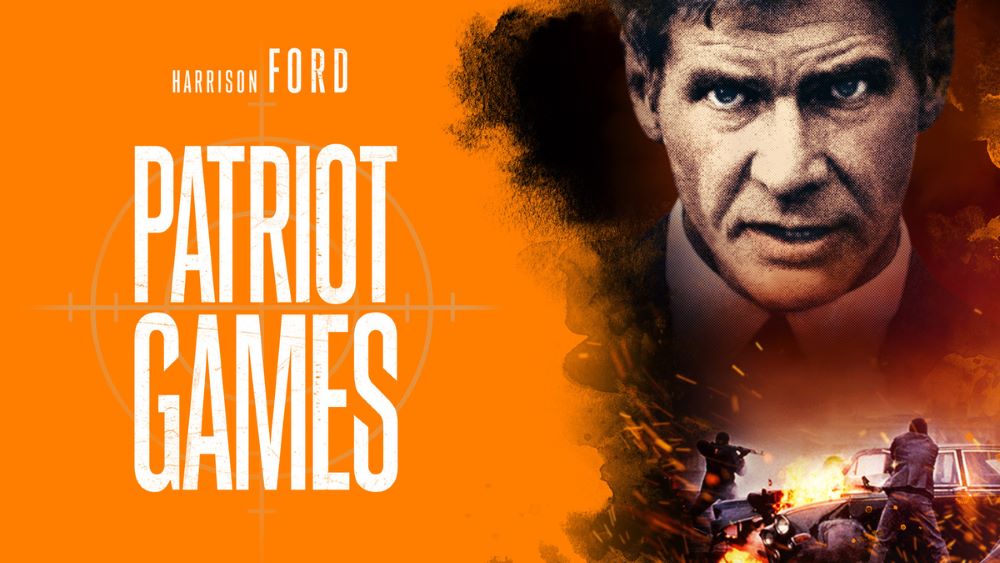
Review: Patriot Games (dir. by Phillip Noyce)


“You don’t know what it’s like to have your life destroyed by one stupid mistake!” — Sean Miller

Patriot Games hits the ground running by thrusting Jack Ryan and his family into the heart of a terrorist ambush on a London street, targeting a key British official tied to the royal family. Harrison Ford plays Ryan as a sharp-minded history professor and former CIA analyst on a simple vacation with his wife Cathy and daughter Sally, but his old Marine training surges up—he charges in, kills two attackers including one terrorist’s brother, and gets winged by a bullet himself. Right away, this setup grabs attention by showing how a random act of guts can boomerang into endless trouble, forcing a guy who craves quiet lectures to dodge bullets and betrayal across oceans, and it plants seeds about whether playing hero is worth the fallout on everyone you love.

Back in Maryland at the Naval Academy, Ryan tries piecing together normalcy, grading papers and dodging CIA calls, but Sean Miller—the captured terrorist whose sibling Ryan killed—gets sprung in a brutal prison convoy hit that leaves cops dead in the dirt. Miller, now laser-focused on payback, reroutes his rogue Ulster splinter group’s rage straight at Ryan’s home front, culminating in a savage freeway pileup where goons ram Cathy’s car off the road, injuring her and Sally badly. Ford nails the shift from composed academic to seething protector, his clenched jaw and urgent phone calls conveying a dad pushed to the brink, while these family-targeted strikes crank the paranoia, transforming everyday drives and school runs into potential kill zones that linger long after the crashes fade.

Sean Bean invests Miller with a coiled, wordless intensity—scarred features and piercing glares that scream obsession without needing speeches, flipping Ryan’s principled stand into the villain’s fuel for a mirror-image crusade. This fictional IRA offshoot rolls with pro-level gear for hits from UK alleys to U.S. suburbs, dodging authorities with insider tips, but their flat-out villainy skips any cracks in loyalty or ideology, turning them into efficient machines rather than messy humans with grudges worth unpacking. Anne Archer holds Cathy together through hospital beds and hushed fears, emerging tougher, as James Earl Jones’ Admiral Greer supplies the gruff guidance that tugs Ryan toward Langley, balancing the intimate home front with globe-spanning spycraft that feels like a real squeeze on one man’s bandwidth.

The camera shifts smoothly from rain-slicked London corners to bright Maryland bays, capturing open spaces that make characters look small and exposed against the sprawl. Gunshots snap clean and engines growl low during pursuits, pulling you deeper into the fray without drowning out the quieter beats. Horner’s soundtrack builds with brooding pipes and driving rhythms that hit hard in the final bay showdown, boats tearing through darkness with bursts of flame from hands-on stunts that pack a punch even now. Action ramps up step by step from early scraps to that watery chaos, mixing smarts with muscle, even if plot points line up a bit too neatly at times.

CIA war rooms buzz with satellite feeds sharpening grainy Libyan camp footage into proof of terror training, a tech showcase that echoes Clancy’s gearhead love and ramps brainpower against brute force without flashy overkill. Ryan hashes out returns to duty with British contacts, including a Sinn Féin type disavowing the extremists, sketching post-Cold War shifts where lone wolves replace nation-states in the threat lineup. Book-to-screen changes crank Ryan’s field time over desk strategy, letting Ford flex rugged moves that thrill audiences but sand off novel layers of naval tactics and alliance chess for punchier pacing.

Ford and Archer capture the raw friction in Ryan’s marriage through tense, whispered spats about diving back into danger, their easy chemistry making the pushback feel lived-in and real rather than scripted melodrama. Miller’s storyline hurtles toward a frantic leap onto Ryan’s rocking boat, boiling his grudge down to savage, no-holds-barred combat amid crashing waves. On-screen locations—from echoing Naval Academy corridors to churning bay waters—breathe life into the settings, casting national pride as a bruising, up-close shield instead of hollow cheers. Subtle audio touches, like distant creaks in the dim Ryan house, crank up the exposed feeling, linking slick production values to gut-punch emotions without piling on the noise.

Those procedural deep dives—poring over red-haired accomplice sketches or grilling shaky informants—add authentic wonkery, like Ryan spotting tells in grainy photos that crack the case wide, but they drag amid family rehab montages where Sally’s recovery mirrors the slow-burn hunt. The baddies’ cartoonish zeal glosses Northern Ireland’s brutal splits, opting for clear-cut evil over thorny politics that could’ve mirrored real headlines from the era, a choice that streamlines tension yet dates the take harshly next to modern nuance. Endgame flips the house siege into a decoy boat trap, Ryan baiting Miller solo on fiery Chesapeake swells, evolving his street-brawl start into tactical payback, though the tidy win lacks the submarine slyness of earlier Ryan yarns.

This swap prioritizes visceral family shields over shadowy sub hunts, hooking casual viewers while purists miss the book’s flowchart plotting, yet it spotlights Ford’s prime reluctant-warrior groove amid practical blasts that crush today’s green-screen slop. Pacing ebbs in alliance huddles, but peaks like the SAS desert wipeout—watched live via infrared ghosts—deliver clinical thrills tying brains to bangs seamlessly.

Taken together, the taut opener, vengeful pursuits, tech-savvy thrills, emotional anchors, dated politics, and solid craftsmanship add up to a clear verdict: Patriot Games is a good film, a reliable ’90s thriller that delivers crowd-pleasing tension and strong leads without reinventing the wheel. It holds up for its practical stunts and intimate stakes, earning replays as Ford’s standout Ryan turn, even if flaws like simplification and lulls keep it from greatness. Worth the watch for anyone craving balanced action with heart.
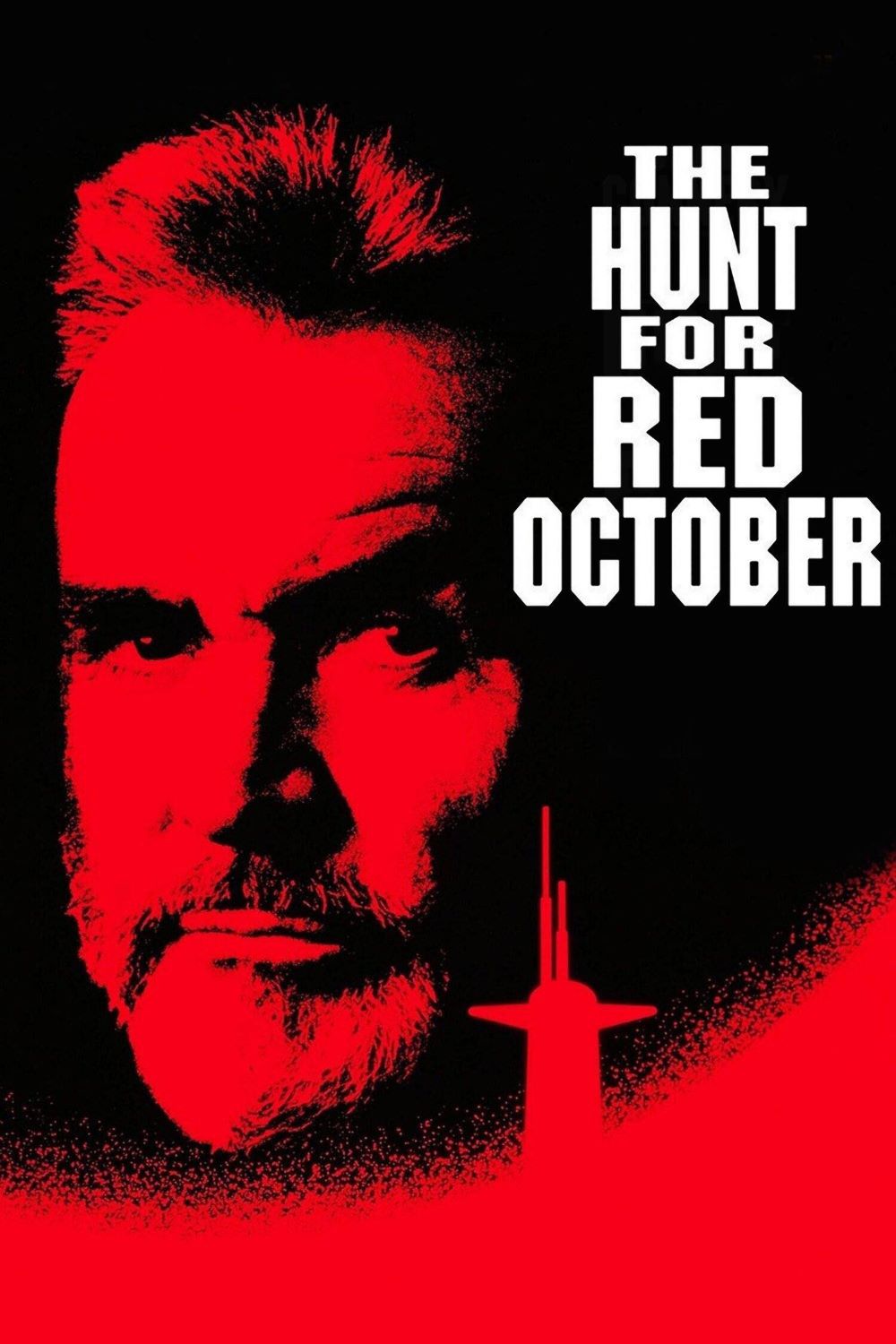
Review: The Hunt for Red October (dir. by John McTiernan)


“I’m a politician. Which means that I am a cheat and a liar, and when I’m not kissing babies, I’m stealing their lollipops.” — Dr. Jeffrey Pelt, National Security Advisor

The Hunt for Red October glides into the tail end of Cold War cinema like a stealthy sub cutting through midnight swells, packing a smart mix of spy intrigue and nail-biting underwater showdowns that keep you locked in from the opening credits. Directed by John McTiernan, fresh from helming Die Hard, this 1990 adaptation of Tom Clancy’s doorstopper novel smartly distills pages of naval geekery into a taut, propulsive thriller where Soviet skipper Marko Ramius—Sean Connery in full brooding mode—pilots the formidable Red October, a behemoth sub with a hush-mode propulsion system that ghosts past detection like a shadow in fog.

McTiernan shines in wrangling the script from Clancy’s tech-heavy tome, slicing through the babble to propel the story with crisp momentum and unrelenting suspense, turning potential info-dumps into pulse-quickening beats that hook casual viewers and sub nerds alike. The premise grabs fast: Ramius’s bold maneuvers ignite a transatlantic frenzy, with U.S. and Soviet forces locked in a paranoid standoff over what looks like an imminent crisis. That ’80s-era distrust simmers perfectly here, crammed into a runtime that pulses with fresh urgency decades later, amplified by those dim-lit sub corridors in steely teal tones that squeeze the air right out of the room.

Alec Baldwin embodies Jack Ryan as the reluctant brainiac from CIA desks, sweaty and green around the gills yet armed with instincts that cut through official noise like a periscope through chop. Pulled from family downtime—teddy bear in tow—he injects everyday stakes into the global chessboard, proving heroes don’t need camo or cockiness, just smarts and stubbornness. Connery’s Ramius dominates as a haunted vet with a personal chip on his shoulder, steering a tight-knit officer corps including Sam Neill’s devoted second-in-command, their quiet bonds hinting at deeper loyalties amid the red menace.

Standouts fill the roster seamlessly: James Earl Jones lends gravitas as the steady Admiral Greer backing Ryan’s wild cards; Scott Glenn commands the American hunter sub with laconic steel; Jeffrey Jones brings quirky spark to the sonar savant whose audio tricks flip the script on silence. The dialogue crackles with shorthand lingo and understated jabs, forging a crew dynamic that’s as pressurized as the hull plates, pulling you into hushed command post vibes without a whiff of cheesiness.

​​

McTiernan elevates the genre by leaning on wits over blasts—thrilling pursuits deliver without dominating, letting mind games and split-second calls drive the dread, all while streamlining Clancy’s minutiae into seamless propulsion. Gadgetry gleams without overwhelming: the sub’s whisper-quiet tech sparks clever cat-and-mouse in hazard-filled depths, ramping uncertainty to fever pitch. Pacing builds masterfully from war-room skepticism—Ryan battling brass skepticism—to heart-in-throat ocean dashes, every frame taut as a bowstring. Practical models and effects ground the peril in gritty tangibility, no digital gloss, evoking Ice Station Zebra‘s frosty traps but streamlined into a relentless machine that dodges the older film’s drag. It’s a clinic in balancing spectacle and smarts, where tension coils from isolation’s cruel math: one ping too many, and it’s lights out.

On the eyes and ears front, the movie plunges into submersed nightmare fuel—consoles pulsing crimson in battle stations, scopes piercing mist-shrouded waves, silo bays looming like sleeping leviathans. McTiernan tempers his action flair for thinker-thrills; Basil Poledouris’s great orchestral score surges with iconic power through the chases—those brooding horns, choral swells, and rhythmic pulses echoing engine throbs have etched into legend, pounding your chest like incoming cavitation and elevating every dive. Audio wizardry seals the immersion: hull groans, ping echoes, bubble roars craft a metallic tomb where errors echo eternally. Flaws peek through—early scenes drag with setup chatter, foes skew broad-stroked—but the core hunt erases them, surging to a sharp, satisfying close that nods to Ryan’s budding legend without overplaying the hand.

’90s tentpole lovers and thaw-era history fans find a benchmark here, as the film plays the long con of trust amid torpedoes, fusing bombast with nuance that reboots chase in vain. It bottles superpower jitters spot-on—frantic commands clashing with strike debates—yet softens adversaries via Connery’s world-weary depth and Neill’s subtle conviction. Endless rewatches uncover gems: crew hints dropped early, sonar hacks foreshadowing real tech leaps. Baldwin’s grounded Ryan—chopper-barfing, suit-clashing, chaos-navigating—earns triumphs the hard way, contrasting Das Boot‘s bleak grind with upbeat ingenuity that feels won, not waved. Poledouris’s motifs linger post-credits, a symphonic anchor boosting replay pulls.

Endurance stems from mastering sub-horror’s essence: solitude sharpening choices, where flubs invite apocalypse. Ramius embodies defector realism—war-weary idealist mirroring history’s turncoats—while Clancy’s specs (sub classes, velocities) anchor without anchoring down. McTiernan sidesteps flags; zero flag-waving, pure operator craft in dodges and climactic finesse that blends brains with boom. Quirks delight—the premier’s bluster, aides’ cool calculus—padding a 134-minute gem that exhales you surfacing, amped. Expands on score’s role too: “Hymn to Red October” choral rise mirrors Ramius’s quiet rebellion, threading emotional undercurrents through mechanical mayhem, a Poledouris hallmark outlasting the film.

Bottom line, The Hunt for Red October captivates via cerebral kick—shadow games in fluid physics, intellect over muscle, audacious plays punking empire folly. Sparks post-view chin-strokes on allegiances and risks. Connery’s gravelly “One ping only, Vasily” endures as gold; storm-watch it, trade sofa for sonar station—raw thrill spiked with savvy. Sub saga staple? This silent stalker nails every target.

Horror on TV: The Night America Trembled (dir by Tom Donovan)


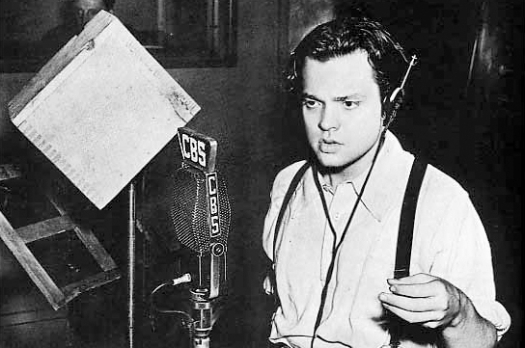
Filmed in 1957 for a television program called Westinghouse Studio One, The Night America Trembled is a dramatization of the night that Orson Welles terrified America with his radio adaptation of War of The Worlds.  

For legal reasons, Orson Welles is not portrayed nor is his name mentioned.  Instead, the focus is mostly on the people listening to the broadcast and getting the wrong idea.  That may sound like a comedy but The Night America Trembled takes itself fairly seriously.  Even pompous old Edward R. Murrow shows up to narrate the film, in between taking drags off a cigarette.

Clocking in at a brisk 60 minutes, The Night America Trembled is an interesting recreation of that October 30th.  Among the people panicking: a group of people in a bar who, before hearing the broadcast, were debating whether or not Hitler was as crazy as people said he was, a babysitter who goes absolutely crazy with fear, and a group of poker-playing college students.  If, like me, you’re a frequent viewer of TCM, you may recognize some of the faces in the large cast: Ed Asner, James Coburn, John Astin, Warren Oates, and Warren Beatty all make early appearances.

It’s an interesting little historical document and you can watch it below!

Bonus Horror on TV: The Night America Trembled (dir by Tom Donovan)


Filmed in 1957 for a television program called Westinghouse Studio One, The Night America Trembled is a dramatization of the night that Orson Welles terrified America with his radio adaptation of War of The Worlds.  

For legal reasons, Orson Welles is not portrayed nor is his name mentioned.  Instead, the focus is mostly on the people listening to the broadcast and getting the wrong idea.  That may sound like a comedy but The Night America Trembled takes itself fairly seriously.  Even pompous old Edward R. Murrow shows up to narrate the film, in between taking drags off a cigarette.

Clocking in at a brisk 60 minutes, The Night America Trembled is an interesting recreation of that October 30th.  Among the people panicking: a group of people in a bar who, before hearing the broadcast, were debating whether or not Hitler was as crazy as people said he was, a babysitter who goes absolutely crazy with fear, and a group of poker-playing college students.  If, like me, you’re a frequent viewer of TCM, you may recognize some of the faces in the large cast: Ed Asner, James Coburn, John Astin, Warren Oates, and Warren Beatty all make early appearances.

It’s an interesting little historical document and you can watch it below!

A Blast From The Past: The Night America Trembled (dir by Tom Donovan)


Filmed in 1957 for a television program called Westinghouse Studio One, The Night America Trembled is a dramatization of the night in 1938 when Orson Welles’s adaptation of H.G. Wells’s The War of the Worlds reportedly caused a panic amongst listeners.

For legal reasons, Orson Welles is not portrayed nor is his name mentioned.  Instead, the focus is mostly on the people listening to the broadcast and getting the wrong idea.  That may sound like a comedy but The Night America Trembled takes itself fairly seriously, complete with Edward R. Murrow narrating and taking drags off of a cigarette.

Clocking in at a brisk 60 minutes, The Night America Trembled is an interesting recreation of that October 30th.  Among the people panicking are a large collection of future stars and character actors.  Ed Asner, James Coburn, John Astin, Warren Oates, and Warren Beatty all make early appearances.

It’s an interesting historical document and you can watch it below!

Jack Ryan (Season 1) Review by Case Wright


jack-ryan-1035300-1280x0

There are two types of streaming television series: Get a sitter and watch in rapt silence with your SO and friends and Elliptical and/or Hangover Television.  Jack Ryan is in the latter category.  It’s a solid: NOT BAD.   Ok, it was a little weird seeing Jack Ryan (John Krasinski) put Osama Bin Laden’s AK-47 in a Jello Mold, but I thought it was a nice call back.  JK!

Jack Ryan has been a staple for nerds who like action for decades.  Jack Ryan is a data analyst badass who defeats terrorism and rogue commies, in other words, fictional.  He’s been in countless books, films, and video games.  The only other character that gets this much media has to use The Force.  In this iteration, Carlton Cuse of “Lost” fame takes a crack the characters.

Jack Ryan is a young Marine Vet turned CIA officer with PTSD.  He is teamed up with Greer who in the books and previous iterations was a tough talking Admiral with shitty dialogue; whereas, in this version, Greer’s a down and out muslim CIA officer whose career is in decline after killing a Pakistani asset.  They are on the hunt for the big bad: Sulieman.

Sulieman is the product of the American intervention in the Lebanese civil war in 1986, which…checks out.  He is hell bent on causing all kinds of mayhem in America and abroad.  They make a big show about how he was treated badly throughout his life-  Boo hoo.  I guess it was supposed to make him more human. I thought it made him really really whiny.  So what, you didn’t get your dream job that gives you the right to blow everybody up?!

The big question most of my readers have: Did John Krasinski – Jim- have a passable performance as a super spy?????  KINDA. He was pretty close at times, but was he held back by some purposely slowed down plot points.  I will get to the derpy derp moments later, but really the season should’ve been 6 episodes instead of 8 because there were too many contrivances, which inhibited John’s performance.  I have to write that he was in fact believable.   I did not know what to expect, but he delivered a good performance.

What they got right:

Sleepless nights with PTSD and drinking too much.  They portrayed that spot on.  I thought, I’ve had those late nights.  Ok, Pass!

The SEAL/Ranger team: I’ve known many Special Operators over the years and they are all real salt of the Earth types.  They played those matter of fact tough guys perfectly. Ok, Pass!

The inherent turpitude of civilian government officials: Very good, they’re all presumptive Dirtbaggus Americanus.  Ok, Pass!

The director building suspense? Yep, the direction was done quite well.  No complaints.

What was so very dumb?  NO F#@#!NG Way!!! NFW!!!! NFW!!!

1.  They portrayed Jack Ryan as dealing PTSD, giving him pause to shoot his weapon.  I get that, BUT he’s still a Marine.  There’s a scene where he makes the decision to shoot and misses by a mile just so they could have fight scene later.  This is just dumb.  Marines are ALL crackshots.  If you are in a Marine’s line of fire and he’s got a clear shot, you’re dust.  When you see it, you’ll roll your eyes.

2.  There’s a terrorist strike by Sulieman and he claims responsibility.  They show his face being plastered on all television networks. He’s on tv more than Anderson Cooper. Then, with no face disguise, he’s NEVER recognized.  We’re not talking just one time, but FIVE times at least.  His face would’ve been burned in everyone’s memory.  It was just dumb,  lazy, and contrived to keep the villain the in the action.

3.  A CIA Officer meets Sulieman’s wife and he just lets her walk away the same day as a major terror attack: NFW! Anyone who said that they knew an Osama equivalent would be sequestered and interrogated immediately, but it was obvious that they needed to pad the plot to squeeze three unnecessary episodes for story arc.

4.  There’s a duo who are drone pilots that are just sort of shoehorned into the story for no reason at all.  I couldn’t even figure out the message if drones were supposed to be good or bad.  I left thinking… Man, drones work really well.  Then, one of the drone pilots gets all guilty about a mistargeting incident and flies to Syria because ya know Active Duty Soldiers just get to go anywhere they like on leave…. NFW!!!!!!! Just think about it…we shouldn’t just get to go wherever we like.  It’s dangerous for us and could lead to a Soldier getting compromised.  NFW!

5.  There’s a plot point where a doctor becomes aware of a biological threat and just sends an email.  WHAAAA?!  She would be calling everyone and their brother to report that because she’s supposed to be smart.

Is it worth watching?

Yes, yes it is.  It’s got real problems in terms of story holes, but my hope is that Carlton Cuse learns from this.  He can DM me if he likes.  I’ll consult or script doctor for a very reasonable rate.  Jack Ryan is great for watching on the Elliptical at the gym or if you’re hungover or something.  It is NOT at this time get a babysitter and everyone be quiet television, but it is …. fun.


An October Film Review: The Night America Trembled (dir by Tom Donovan)


Today is the 79th anniversary of Orson Welles’s infamous War of the Worlds broadcast.

In 1938, Orson Welles and the Mercury Theater of the Air performed a radio adaptation of H.G. Welles’s War of the World.  Presented as a live news program, it was one of the first mockumentaries.  It also caused a panic.  How big the panic was is open for debate.  Some say only a few people took it seriously.  Other sources say that it was a nationwide crisis.  But, regardless, Welles made history on that night.  Not only did he illustrate the power of the media but he also scared the Hell out of a lot of people.  All in all, a pretty good night…

Filmed in 1957 for a television program called Westinghouse Studio One, The Night America Trembled is a dramatization of that night.  For legal reasons, Orson Welles is not portrayed nor is his name mentioned.  Instead, the focus is mostly on the people listening to the broadcast and getting the wrong idea.  That may sound like a comedy but The Night America Trembled takes itself fairly seriously.  Even pompous old Edward R. Murrow shows up to narrate the film, in between taking drags off a cigarette.  (I enjoyed the show but, whenever Murrow showed up, I was reminded of a grumpy old teacher complaining that none of his students cared about the Spanish-American War.)

Clocking in at a brisk 60 minutes, The Night America Trembled is an interesting recreation of that October 30th.  Among the people panicking: a group of people in a bar who, before hearing the broadcast, were debating whether or not Hitler was as crazy as people said he was, a babysitter who goes absolutely crazy with fear, and a group of poker-playing college students.  If, like me, you’re a frequent viewer of TCM, you may recognize some of the faces in the large cast: Ed Asner, James Coburn, John Astin, Warren Oates, and Warren Beatty all make early appearances.

As I said, it’s an interesting little historical document and you can watch it below!

Enjoy!

4 Shots From 4 Films: James Earl Jones Edition


4 Shots From 4 Films is just what it says it is, 4 shots from 4 of our favorite films. As opposed to the reviews and recaps that we usually post, 4 Shots From 4 Films is all about letting the visuals do the talking.

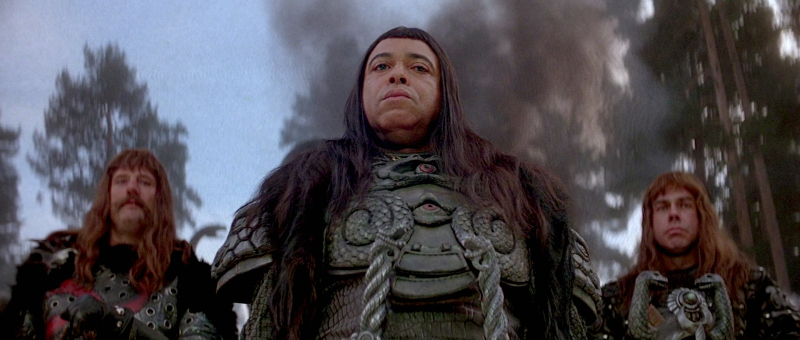
Happy Birthday to the man with the imposing presence: James Earl Jones

4 SHOTS FROM 4 FILMS

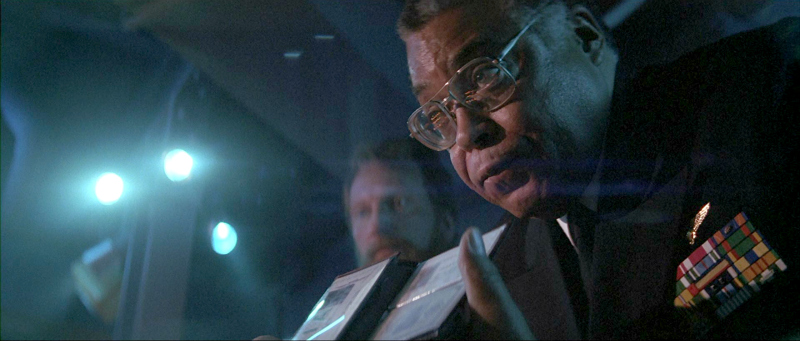
The Hunt for Red October (dir. by John McTiernan)

The Hunt for Red October (dir. by John McTiernan)

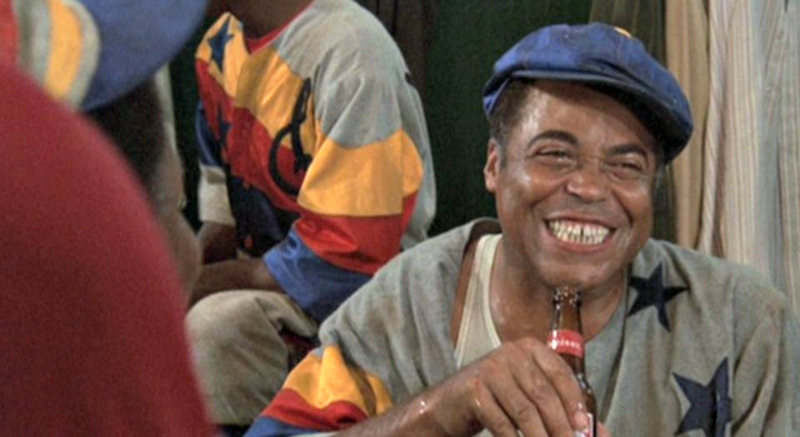
The Bingo Long Traveling All-Stars & Motor Kings (dir. by John Badham)

The Bingo Long Traveling All-Stars & Motor Kings (dir. by John Badham)

E3 2011: Ghost Recon: Future Soldier Trailer and Gameplay Demo


I’ve never been a big fan of Ubisoft’s tactical shooter franchise series. I know many who absolutely love the Ghost Recon franchise and I’m sure this latest entry in the series will be a hit with them as well. Ghost Recon: Future Soldier was first announced at last year’s E3 and some of the advanced tactical gameplay shown by Ubisoft were interesting enough that I was intrigued.

I’m not sure if I’ll be buying this title on it’s release date, but the gameplay demo shown during Microsoft’s E3 Press Conference really built on some of what interested me in the first place. The game looks to make use of the Xbox 360’s Kinect motion controller and it’s voice recognition capability. The important thing is that the player doesn’t have to stop using the regular controller, but just use the Kinect as a nice option and complement to the regular 360 game controller.

With the game still months from being released there’s still ample time for Ubisoft to continue to try and win over non-fans of this series such as myself and from the past year since they first announced this title they’ve done a good job. The only problem this title may run into is the glut of war shooters (first-person, third-person and tactical) that will be flooding the market from now til early next year that it may not find a place for itself. There’s only so much money a gamer has to spend at any given time and with the economy the way it is even gamers like myself with jobs may still have to forgo titles like this to get those were more fans of.

Ghost Recon: Future Soldier has a tentative release date around the Q1 2012.