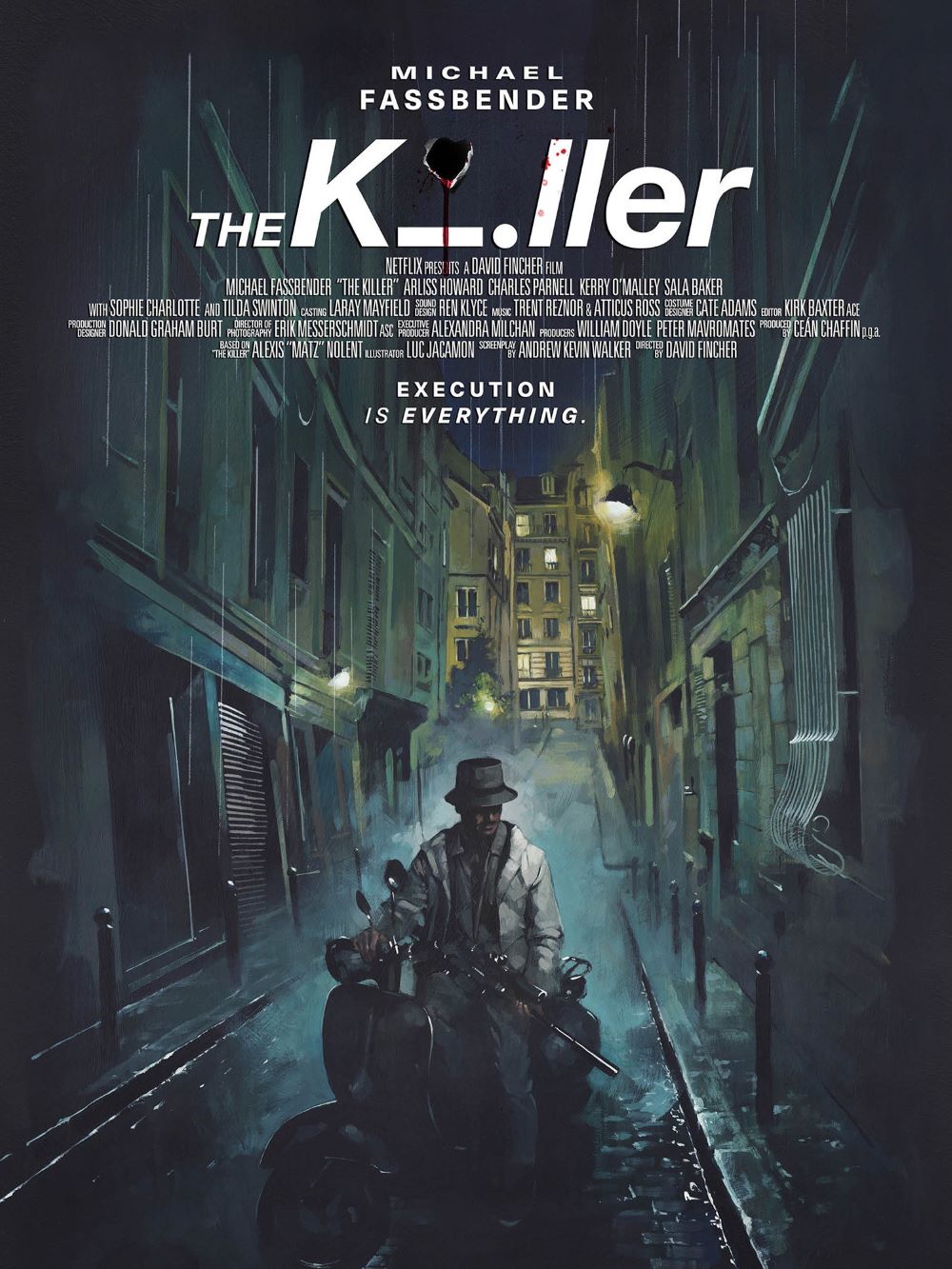
Review: The Killer (dir. by David Fincher)


“Stick to your plan. Anticipate, don’t improvise. Trust no one. Never yield an advantage. Fight only the battle you’re paid to fight. Forbid empathy. Empathy is weakness. Weakness is vulnerability.” — The Killer

David Fincher’s The Killer lands like a perfectly aimed shot: clean, methodical, and laced with just enough twist to make you rethink the whole trajectory. At its core, the film follows an elite assassin—brilliantly played by Michael Fassbender—who suffers a rare professional failure during a high-stakes hit in Paris. After days of obsessive preparation in a WeWork cubicle, complete with hourly surveillance checks, yoga breaks, protein bar sustenance, and a nonstop loop of The Smiths, he pulls the trigger only to miss his target entirely.

This one slip shatters his world of ironclad redundancies and contingencies. Retaliation soon hits close to home, striking his secluded Dominican Republic hideout and drawing in his girlfriend. What begins as a routine job quickly escalates into a personal cleanup mission, spanning cities like New Orleans, Florida, New York, and Chicago. Fincher transforms these stops into taut, self-contained vignettes, layering precise bursts of violence over the protagonist’s gradual psychological fraying—all while keeping major reveals under wraps to maintain the film’s coiled tension.

The structure dovetails perfectly with Fassbender’s commanding performance. He embodies a man radiating icy zen on the surface, while a relentless machine churns underneath. His deadpan voiceover delivers self-imposed rules like a deranged productivity gospel—”forbid empathy,” “stick to your plan,” “anticipate, don’t improvise”—even as he slips seamlessly into civilian guises: faux-German tourist, unassuming janitor, casually ordering tactical gear from Amazon like it’s toothpaste.

The result is darkly hilarious, conjuring a corporate bro reborn as high-functioning sociopath, where bland covers clash absurdly with lethal intent. Yet as stakes mount, subtle cracks appear: split-second hesitations, flickers of unexpected mercy that betray buried humanity. Fassbender nails this evolution through sheer minimalism—piercing stares, economical gestures, weaponized silence—morphing the killer from untouchable elite into a flawed, expendable player in the gig economy’s brutal grind.

These nuances echo the film’s episodic blueprint, quintessential Fincher territory. On-screen city titles act as chapters in a shadowy assassin’s handbook, with tension simmering through drawn-out prep rituals: endless surveillance, gear assembly, contingency mapping that drags just enough to immerse you in the job’s soul-numbing tedium. The Paris mishap ignites the chase—he evades immediate pursuit, sheds evidence, and races home to fallout, then pursues leads through handlers, drivers, and rivals in a chain of escalating confrontations.

Fincher deploys action sparingly but with devastating impact. A standout brawl erupts in raw, prolonged chaos—captured in extended, crystal-clear shots with improvised weapons and no shaky-cam crutches—perfectly embodying the killer’s ethos even as it splinters around him. Each sequence builds without excess, from tense interrogations to standoffs that flip power dynamics, underscoring how the world’s rules bend unevenly.

This kinetic progression meshes flawlessly with Fincher’s visual command. Cinematographer Erik Messerschmidt crafts a hypnotic palette of cool desaturated blues, sterile symmetries, and digital hyper-reality, evoking unblinking surveillance feeds into an emotional void. Tactile details obsess: the rifle case’s satisfying zip, suppressed gunfire’s sharp snick, shadows creeping across WeWork pods, dingy motels, and gleaming penthouses—all mirroring the killer’s frantic grasp for order amid encroaching disarray.

Sound design heightens every layer, sharpening ambient clacks of keyboards, hallway breaths, and gravel footsteps to a razor’s edge. Integral to the immersion is the minimalist electronic score by Trent Reznor and Atticus Ross, Fincher’s trusted collaborators from The Social Network to Mank. Their eerie ambient drones and ominous rhythmic pulses bubble like a suppressed heartbeat—swelling subtly in stakeouts, throbbing through violence, threading haunting motifs into voiceovers. It mirrors the protagonist’s inner turmoil without overwhelming the chill precision, turning silences between notes into weapons as potent as any sniper round.

This sonic and visual restraint powers the film’s bone-dry irony, which methodically punctures the protagonist’s god-complex. He preaches elite status among the “few” lording over the “many sheep,” yet reality paints him as sleep-deprived, rule-bending, and perpetually improvising—empathy leaking through denials in quiet, humanizing beats. Fincher weaves these into his signature obsessions—unmasked control freaks, dissected toxic masculinity, exposed capitalist churn—but with playful lightness, sidestepping the heavier preachiness of Fight Club or Seven.

The killer’s neurotic Smiths fixation injects quirky isolation amid globetrotting nomadism; their melancholic lyrics (“How Soon Is Now?”) punctuate stakeouts and flights like wry commentary on his fraying detachment. It all resolves in a low-key homecoming: no grand redemption or downfall, just weary acknowledgment that even “perfect” plans crack under chaos’s weight.

This sleight-of-hand elevates The Killer beyond standard assassin tropes into a sharp study of elite evil’s banality. Supporting roles deliver pitch-perfect economy: Tilda Swinton’s poised, lethal rival in mind-game restaurant tension; Arliss Howard’s obliviously entitled elite; Charles Parnell’s wearily betrayed handler; Kerry O’Malley’s poignant bargainer; Sala Baker’s raw, physical menace. Under two hours, Fincher packs density without bloat—layered subtext, rewatchable craft everywhere.

Gripes about its procedural chill or emotional distance miss the sleight entirely: this is a revenge thriller masking profound dissection of a borderless mercenary world, where pros prove as disposable as their untouchable clients. Fans of methodical slow-burns like ZodiacThe Game, or Gone Girl will devour the razor wit, process immersion, and unflinching thematic bite.

Ultimately, The Killer crystallizes as a sly late-period Fincher gem, fusing pitch-black humor, visceral horror, and surprising humanism into precision-engineered sleekness. It dismantles mastery illusions in unforgiving reality, leaving Fassbender’s killer stubbornly human: loose ends mostly tied, slipping back to obscurity as a survivor adapting. In a flood of bombastic action sludge, it offers bracing cerebral air—proving restraint, dark laughs, and surgical insight remain the filmmaker’s deadliest tools. For obsessive breakdowns of the human machine at its breaking point, it’s Netflix essential.
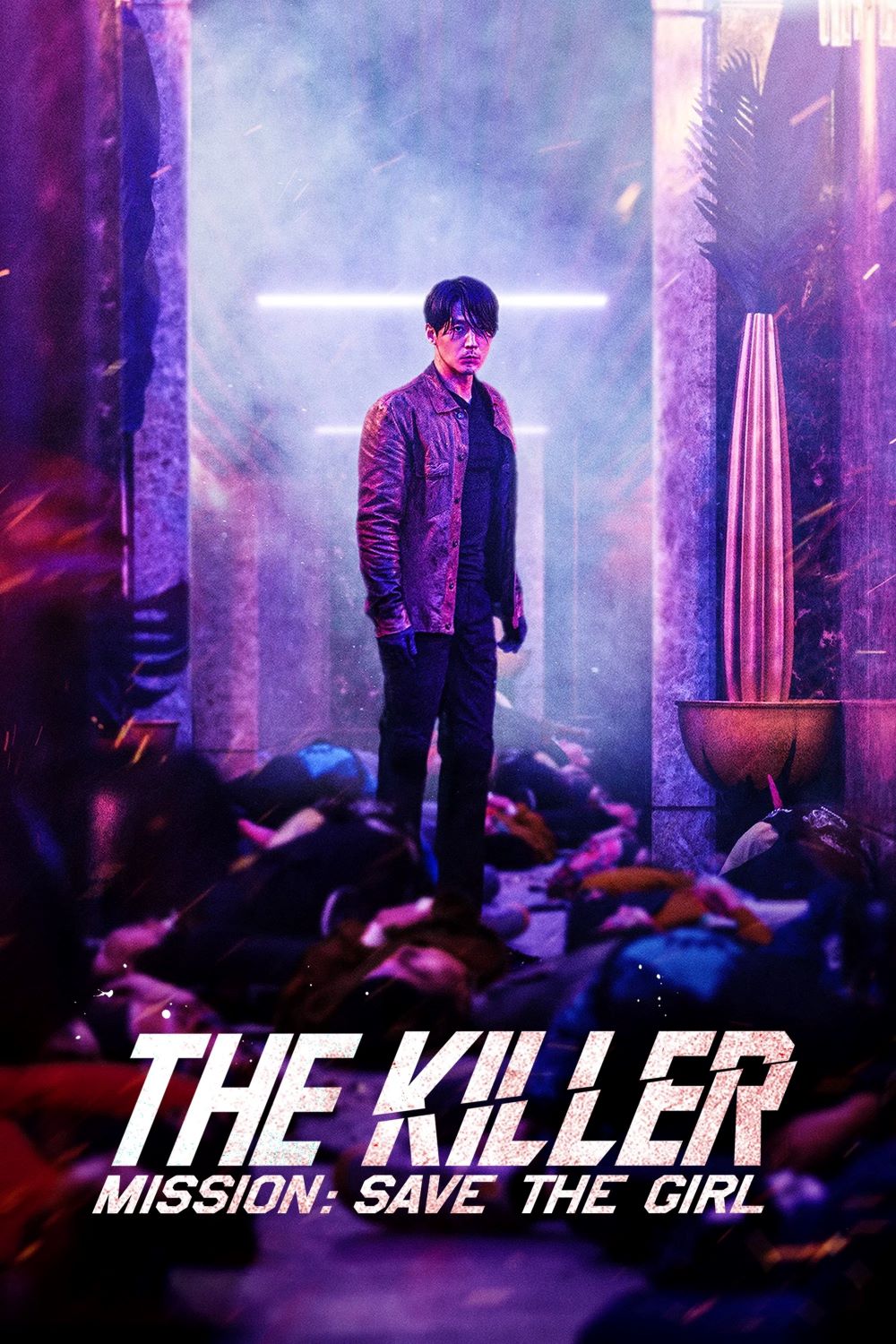
Review: The Killer (dir. by Choi Jae-hoon)


“Don’t give up hope, you might just live.” — Bang Ui-kang

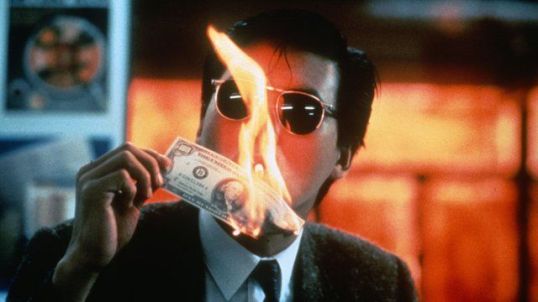
The Killer: A Girl Who Deserves to Die (often just called The Killer) fits into a rich tradition of assassin films sharing this evocative title, tracing back to John Woo’s groundbreaking 1989 Hong Kong action thriller starring Chow Yun-fat, and more recently David Fincher’s 2023 intense character-driven thriller. Beyond the shared name, it belongs to a broader cinematic lineage of cold, lethal assassins portrayed by actors from Alain Delon’s enigmatic Jef Costello in Le Samouraï to Keanu Reeves’s vengeful and stoic John Wick. Bang Ui-kang, the protagonist in this South Korean entry, seamlessly carries forward this archetype—a retired professional killer who reluctantly returns to violence to protect a vulnerable life. The film doesn’t seek to win awards for depth or originality but triumphs at delivering a sleek, steady-paced, and brutal action experience anchored by a compelling central performance.

The film centers on Bang Ui-kang, who has put his violent past behind him to live quietly with his wife. This calm is shattered when his wife asks him to look after her friend’s teenage daughter, Kim Yoon-ji, for a few days. What seems like a simple favor quickly devolves into a nightmare. Yoon-ji finds herself targeted by dangerous criminals wrapped up in human trafficking and corruption, forcing Ui-kang back into the lethal world he thought he’d escaped. The narrative thrives on this inciting incident, propelling Ui-kang into a relentless mission to dismantle the forces that threaten the girl’s life.

What distinguishes Ui-kang from many action heroes is his emotional distance. He isn’t the traumatized, remorseful warrior seeking redemption; rather, he embodies the archetype of the pragmatic, unflappable professional. Jang Hyuk infuses the character with a measured quietude and dry wit, portraying a man whose expertise breeds calm rather than panic. His lethal skills feel like a burden he carries with stoic resolve, not rage or passion. This lends the movie a subtle, darkly humorous undercurrent, with Ui-kang’s cool demeanor standing in stark contrast to the chaos he unleashes.

Yoon-ji’s role is more than mere plot device; she carries the weight of a troubled adolescence marked by neglect and poor choices, which the film touches on just enough to make her predicament feel real and urgent. The movie refrains from turning her into a helpless victim, instead showing glimpses of resilience amid vulnerability. Their relationship eschews overt sentimentality in favor of a tense, urgent bond—he becomes her protector without unnecessary fuss or forced emotionality.

As Ui-kang pursues Yoon-ji’s abductors and their enablers, the storyline peels back layers of criminal enterprise—from street gangs and bent cops to a hidden network of officials and powerful figures. The script offers a steady stream of revelations involving betrayal within Yoon-ji’s family and the depths to which corruption runs. While these twists avoid being groundbreaking, they provide logical motivation and escalation, ensuring the action maintains clear stakes and direction.

Action scenes dominate and define the film’s identity. The fight choreography highlights physicality and precision, with Ui-kang moving not like an invincible superhero but as a seasoned expert executing practiced moves. These scenes unfold in varied, immersive locations—tight stairwells, claustrophobic hallways, grimy nightclubs—where the environment acts as both obstacle and weapon. A standout feature is the recurring confrontation with Yuri, a Russian-trained rival who challenges Ui-kang’s supposed dominance, adding a tense physical rivalry that punctuates the battle-heavy plot.

Visually, the film embraces a neo-noir aesthetic suffused with nighttime blues, shadowy corners, and vibrant neon lights. This creates an atmospheric backdrop that is as stylish as it is gritty, flattering the intense action without sacrificing realism. By employing steady, comprehensible camerawork, the film allows each punch and gunshot to land with tangible weight, distancing itself from the dizzying quick cuts common in the genre’s less disciplined examples.

Though the film gestures towards serious social issues—including human trafficking and systemic abuse—the narrative treats these primarily as catalysts rather than subjects for deep analysis. They provide necessary fuel for the protagonist’s crusade but never overshadow the film’s core focus on kinetic violence and revenge. The story’s cathartic thrust comes from watching evil dismantled by a greater force of cold retribution, rather than through expositional drama or social commentary.

Pacing is a major strength of The Killer. Clocking in at just over 90 minutes, it maintains tight control over the story’s progression, cutting swiftly between thematic setup and relentless action. Dialogue scenes are purposeful and minimal, just enough to clarify character motivations and plot mechanics before jumping back into the physical confrontations. This economy of storytelling makes it perfect for viewers craving a focused, adrenaline-charged experience without unnecessary detours.

On an emotional level, the film deliberately keeps its distance. Ui-kang’s past is briefly hinted at through flashbacks that imply personal loss but refuses to linger or over-explain. Yoon-ji’s peril is treated seriously, yet without descending into melodrama or manipulation. The characters’ emotions serve the plot’s momentum rather than the other way around, fitting the movie’s identity as a streamlined, gritty action thriller.

The Killer is a compelling modern installment in the assassin thriller genre. Jang Hyuk’s performance as Bang Ui-kang brings gravitas and charisma to a familiar archetype, reinvigorating it with a Korean sensibility that feels both fresh and respectful of the genre’s roots. With its sleek visuals, precise choreography, and unrelenting pace, the film satisfies genre fans looking for a no-nonsense, stylish, and violent late-night thrill ride. It confirms that even in a crowded field of cinematic killers, there’s room for new entries that deliver the goods with skill and attitude.

The “This Week in Charles Bronson Podcast” talks THE MECHANIC (1972)!


I don’t know how many of you enjoy listening to podcasts, but I joined a Facebook group back in 2021 focused on the actor Charles Bronson. The group is called the “This Week in Charles Bronson: Podcast.” We focus on Bronson, but the page is really just a springboard for all kinds of pop culture discussions. Well, one of the things we do is periodically produce podcasts focused on Bronson’s movies, the actors who are in them, the directors, the stunt people… you name it, we discuss it. I’ve been lucky enough to meet actors and actresses who’ve worked with Bronson, authors who write about Bronson, and most importantly, people just like me all over the world who love Charles Bronson. It’s been such a fun experience in my life.

Today, I’m sharing just a snippet from one of our podcasts where we discuss the excellent opening sequence of Bronson’s 1972 action classic, THE MECHANIC! If you like what you hear, listen to the full episode and our back catalogue of episodes on YouTube, Spotify, Apple Podcasts, etc. Heck, we’d love you to join our Facebook page and get involved. That’s all I did! Before you know it, you could be part of the show! Enjoy my friends!

4 Shots From 4 Films: Special John Woo Edition


4 Shots From 4 Films is just what it says it is, 4 shots from 4 of our favorite films. As opposed to the reviews and recaps that we usually post, 4 Shots From 4 Films lets the visuals do the talking!

Today, we wish a happy birthday to director John Woo.  It’s time for….

4 Shots From 4 John Woo Films

A Better Tomorrow (1986, dir by John Woo, DP: Wing-Hang Wong)

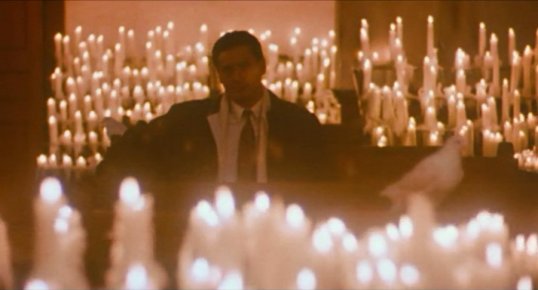
The Killer (1989, dir by John Woo, DP: Peter Pau, Wing-Hang Wong)

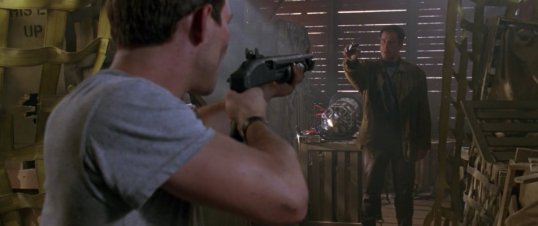
Broken Arrow (1996, dir by John Woo, DP: Peter Levy)

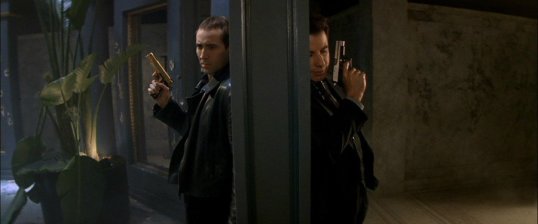
Face/Off (1997, dir by John Woo, DP: Oliver Wood)

4 Shots From 4 Films: Assassin Edition


4 Shots From 4 Films is just what it says it is, 4 shots from 4 of our favorite films. As opposed to the reviews and recaps that we usually post, 4 Shots From 4 Films is all about letting the visuals do the talking.

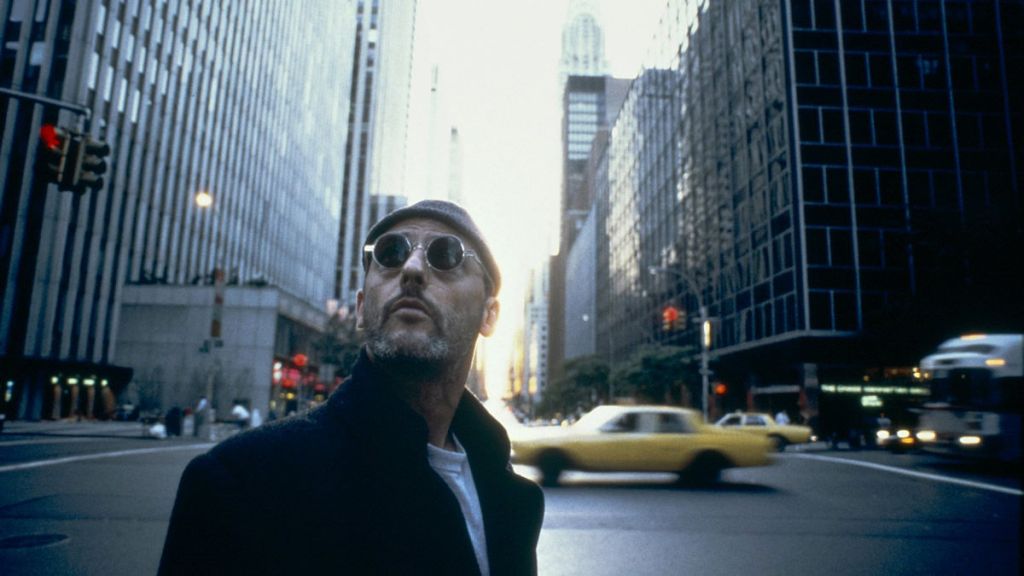
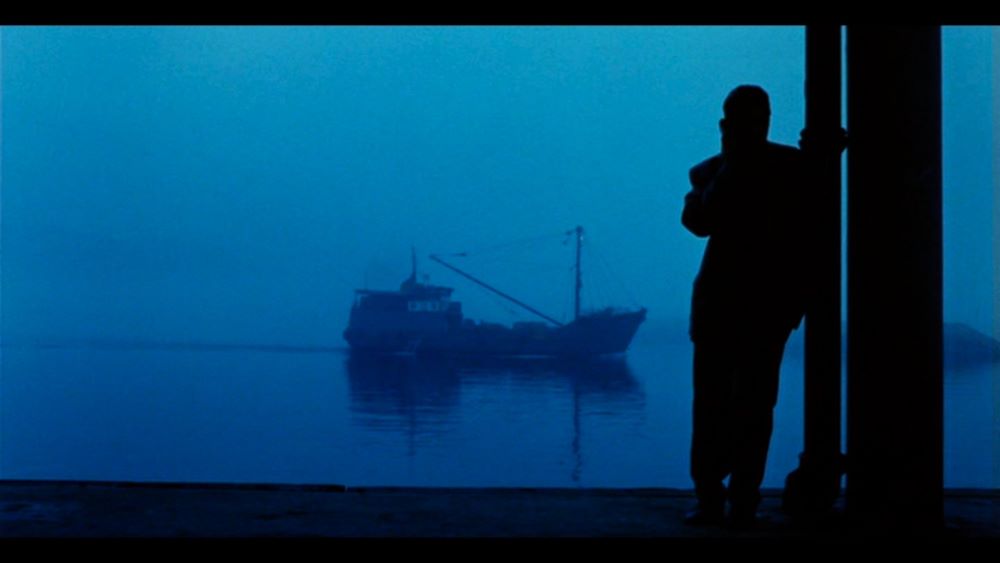
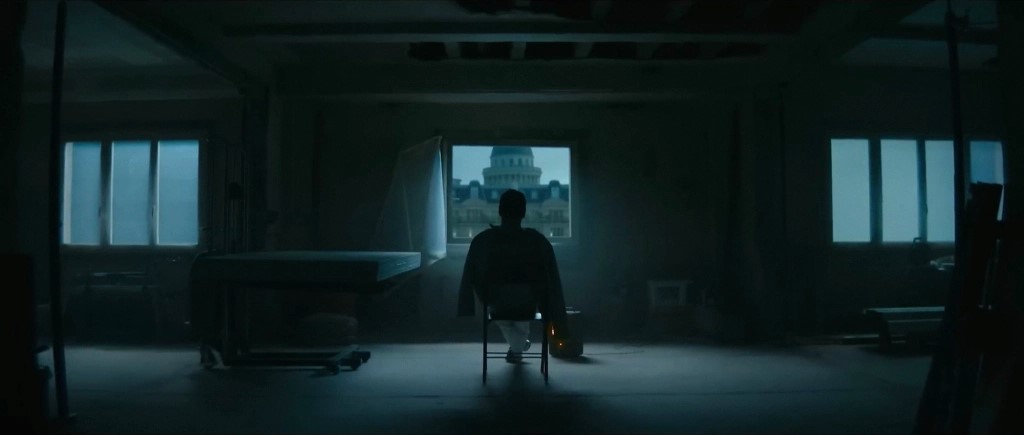
4 Shots from 4 Assassin Films

Le Samourai (1967, dir. by Jean-Pierre Melville, DP: Henri Decaë)
Léon: The Professional (1990, dir. by Luc Besson, DP: Thierry Arbogast)
The Killer (1989, dir. by John Woo, DP: Peter Pau and Wong Wing-Hang)
The Killer (2023, dir. by David Fincher, DP: Erik Messerschmidt)

The Las Vegas Film Critics Society Honors Oppenheimer!


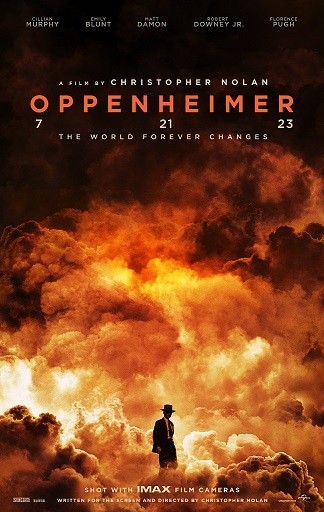
The Las Vegas Film Critics Society announced their picks for the best of 2023!  The winners are listed in bold.

Best Picture
Barbie
The Killer
Killers of the Flower Moon
Maestro
Oppenheimer

Best Actor
Nicolas Cage – Dream Scenario
Bradley Cooper – Maestro
Colman Domingo – Rustin
Cillian Murphy – Oppenheimer
Jeffrey Wright – American Fiction

Best Actress
Annette Bening – Nyad
Emma Stone – Poor Things
Greta Lee – Past Lives
Carey Mulligan – Maestro
Natalie Portman – May December

Best Supporting Actor
Robert Downey Jr. – Oppenheimer
Ryan Gosling – Barbie
Glenn Howerton – BlackBerry
Charles Melton – May December
Mark Ruffalo – Poor Things

Best Supporting Actress
Jodie Foster – Nyad
Da’Vine Joy Randolph – The Holdovers
Rachel McAdams – Are You There God? It’s Me, Margaret.
Julianne Moore – May December
Rosamund Pike – Saltburn

Best Director
Bradley Cooper – Maestro
Greta Gerwig – Barbie
Yorgos Lanthimos – Poor Things
Christopher Nolan – Oppenheimer
Celine Song – Past Lives

Best Original Screenplay
Air
Barbie
Maestro
May December
Past Lives

Best Adapted Screenplay
American Fiction
Are You There God? It’s Me, Margaret.
Killers of the Flower Moon
Oppenheimer
Poor Things

Best Cinematography
Killers of the Flower Moon
Maestro
Napoleon
Oppenheimer
Saltburn

Best Film Editing
Air
Barbie
Maestro
Oppenheimer
Poor Things

Best Score
The Killer
Killers of the Flower Moon
Oppenheimer
Society of the Snow
Spider-Man: Across The Spider-Verse

Best Song
I’m Just Ken – Barbie
What Was I Made For? – Barbie
Road to Freedom – Rustin
Peaches – The Super Mario Bros. Movie
Better Place – Trolls Band Together

Best Documentary
American Symphony
Beyond Utopia
Kokomo City
Little Richard: I Am Everything
Still: A Michael J. Fox Movie

Best Animated Film
The Boy and the Heron
Elemental
Spider-Man: Across The Spider-Verse
The Super Mario Bros. Movie
Teenage Mutant Ninja Turtles: Mutant Mayhem

Best International Movie
Anatomy of a Fall
Godzilla Minus One
Society of the Snow
When Evil Lurks
The Zone of Interest

Best Costumes
Barbie
The Color Purple
Napoleon
Oppenheimer
Poor Things

Best Art Direction
Asteroid City
Barbie
Killers of the Flower Moon
Oppenheimer
Poor Things

Best Visual Effects
The Creator
Guardians of the Galaxy Vol. 3
Godzilla Minus One
Oppenheimer
Spider-Man: Across The Spider-Verse

Best Action Movie
Dungeons & Dragons: Honor Among Thieves
Godzilla Minus One
Guardians of the Galaxy Vol. 3
John Wick: Chapter 4
Mission: Impossible – Dead Reckoning Part One

Best Comedy
American Fiction
Barbie
Dumb Money
Joy Ride
No Hard Feelings

Best Horror/Sci-FI Movie
The Creator
Godzilla Minus One
Talk To Me
Thanksgiving
When Evil Lurks

Best Family Film
Are You There God? It’s Me, Margaret.
Barbie
Elemental
Spider-Man: Across The Spider-Verse
Teenage Mutant Ninja Turtles: Mutant Mayhem

Best Ensemble
Barbie
The Color Purple
Killers of the Flower Moon
Oppenheimer
Saltburn

Breakout Filmmaker
Cord Jefferson – American Fiction
Adele Lim – Joy Ride
Celine Song – Past Lives
Nida Manzoor – Polite Society
Molly Gordon, Nick Lieberman – Theater Camp

Best Stunts
John Wick: Chapter 4
The Killer
Mission: Impossible – Dead Reckoning Part One
Polite Society
Silent Night

Youth In Film (Male)
Milo Machado Graner – Anatomy of a Fall
Jake Ryan – Asteroid City
Christian Convery – Cocaine Bear
Jude Hill – A Haunting in Venice
Chase Dillion – Haunted Mansion

Youth in Film (Female)
Abby Ryder Fortson – Are You There God? It’s Me, Margaret.
Elle Graham – Are You There God? It’s Me, Margaret.
Ariana Greenblatt – Barbie
Iman Vellani – The Marvels
Violet McGraw – M3GAN

The William Holden Lifetime Achievement Award
Nicolas Cage
Paul Giamatti
Hayao Miyazaki
Julianne Moore
Rodrigo Prieto

Here Are The 2023 Nominations of the Las Vegas Film Critics Society


The Las Vegas Film Critics Society announced their nominations for the best of 2023 on December 8th.  While a lot of the usual suspects make an appearance on the list, there are still a few interesting nominations, like David Fincher’s The Killer for Best Picture and Nicolas Cage for Best Actor in Dream Scenario.

The winners will be announced on December 13th!

Best Picture
Barbie
The Killer
Killers of the Flower Moon
Maestro
Oppenheimer

Best Actor
Nicolas Cage – Dream Scenario
Bradley Cooper – Maestro
Colman Domingo – Rustin
Cillian Murphy – Oppenheimer
Jeffrey Wright – American Fiction

Best Actress
Annette Bening – Nyad
Emma Stone – Poor Things
Greta Lee – Past Lives
Carey Mulligan – Maestro
Natalie Portman – May December

Best Supporting Actor
Robert Downey Jr. – Oppenheimer
Ryan Gosling – Barbie
Glenn Howerton – BlackBerry
Charles Melton – May December
Mark Ruffalo – Poor Things

Best Supporting Actress
Jodie Foster – Nyad
Da’Vine Joy Randolph – The Holdovers
Rachel McAdams – Are You There God? It’s Me, Margaret.
Julianne Moore – May December
Rosamund Pike – Saltburn

Best Director
Bradley Cooper – Maestro
Greta Gerwig – Barbie
Yorgos Lanthimos – Poor Things
Christopher Nolan – Oppenheimer
Celine Song – Past Lives

Best Original Screenplay
Air
Barbie
Maestro
May December
Past Lives

Best Adapted Screenplay
American Fiction
Are You There God? It’s Me, Margaret.
Killers of the Flower Moon
Oppenheimer
Poor Things

Best Cinematography
Killers of the Flower Moon
Maestro
Napoleon
Oppenheimer
Saltburn

Best Film Editing
Air
Barbie
Maestro
Oppenheimer
Poor Things

Best Score
The Killer
Killers of the Flower Moon
Oppenheimer
Society of the Snow
Spider-Man: Across The Spider-Verse

Best Song
I’m Just Ken – Barbie
What Was I Made For? – Barbie
Road to Freedom – Rustin
Peaches – The Super Mario Bros. Movie
Better Place – Trolls Band Together

Best Documentary
American Symphony
Beyond Utopia
Kokomo City
Little Richard: I Am Everything
Still: A Michael J. Fox Movie

Best Animated Film
The Boy and the Heron
Elemental
Spider-Man: Across The Spider-Verse
The Super Mario Bros. Movie
Teenage Mutant Ninja Turtles: Mutant Mayhem

Best International Movie
Anatomy of a Fall
Godzilla Minus One
Society of the Snow
When Evil Lurks
The Zone of Interest

Best Costumes
Barbie
The Color Purple
Napoleon
Oppenheimer
Poor Things

Best Art Direction
Asteroid City
Barbie
Killers of the Flower Moon
Oppenheimer
Poor Things

Best Visual Effects
The Creator
Guardians of the Galaxy Vol. 3
Godzilla Minus One
Oppenheimer
Spider-Man: Across The Spider-Verse

Best Action Movie
Dungeons & Dragons: Honor Among Thieves
Godzilla Minus One
Guardians of the Galaxy Vol. 3
John Wick: Chapter 4
Mission: Impossible – Dead Reckoning Part One

Best Comedy
American Fiction
Barbie
Dumb Money
Joy Ride
No Hard Feelings

Best Horror/Sci-FI Movie
The Creator
Godzilla Minus One
Talk To Me
Thanksgiving
When Evil Lurks

Best Family Film
Are You There God? It’s Me, Margaret.
Barbie
Elemental
Spider-Man: Across The Spider-Verse
Teenage Mutant Ninja Turtles: Mutant Mayhem

Best Ensemble
Barbie
The Color Purple
Killers of the Flower Moon
Oppenheimer
Saltburn

Breakout Filmmaker
Cord Jefferson – American Fiction
Adele Lim – Joy Ride
Celine Song – Past Lives
Nida Manzoor – Polite Society
Molly Gordon, Nick Lieberman – Theater Camp

Best Stunts
John Wick: Chapter 4
The Killer
Mission: Impossible – Dead Reckoning Part One
Polite Society
Silent Night

Youth In Film (Male)
Milo Machado Graner – Anatomy of a Fall
Jake Ryan – Asteroid City
Christian Convery – Cocaine Bear
Jude Hill – A Haunting in Venice
Chase Dillion – Haunted Mansion

Youth in Film (Female)
Abby Ryder Fortson – Are You There God? It’s Me, Margaret.
Elle Graham – Are You There God? It’s Me, Margaret.
Ariana Greenblatt – Barbie
Iman Vellani – The Marvels
Violet McGraw – M3GAN

The William Holden Lifetime Achievement Award
Nicolas Cage
Paul Giamatti
Hayao Miyazaki
Julianne Moore
Rodrigo Prieto

The Michigan Movie Critics Guild Honors Barbie!


In their inaugural awards, the Michigan Movie Critics Guild have announced their picks for the best of 2023 and they really liked Barbie!

The winners are listed in bold.

Best Picture
American Fiction
Anatomy of a Fall
Barbie
The Holdovers
Past Lives
Poor Things

Best Director
Greta Gerwig – Barbie
Cord Jefferson – American Fiction
Yorgos Lanthimos – Poor Things
Christopher Nolan – Oppenheimer
Martin Scorsese – Killers of the Flower Moon

Best Actress
Lily Gladstone – Killers of the Flower Moon
Sandra Hüller – Anatomy of a Fall
Greta Lee – Past Lives
Carey Mulligan – Maestro
Emma Stone – Poor Things

Best Actor
Bradley Cooper – Maestro
Zac Efron – The Iron Claw
Paul Giamatti – The Holdovers
Cillian Murphy – Oppenheimer
Jeffrey Wright – American Fiction

Best Supporting Actress
America Ferrera – Barbie
Da’Vine Joy Randolph – The Holdovers
Rachel McAdams – Are You There God? It’s Me, Margaret.
Julianne Moore – May December
Rosamund Pike – Saltburn

Best Supporting Actor
Sterling K. Brown – American Fiction
Robert De Niro – Killers of the Flower Moon
Robert Downey Jr. – Oppenheimer
Ryan Gosling – Barbie
Mark Ruffalo – Poor Things

Best Animated Film
The Boy and The Heron
Nimona
Spider-Man: Across The Spider-Verse
The Super Mario Bros. Movie
Teenage Mutant Ninja Turtles: Mutant Mayhem

Best Documentary
Beyond Utopia
Sly
Still: A Michael J. Fox Movie

Best Ensemble
Air
Barbie
The Holdovers
Killers of the Flower Moon
Oppenheimer

Best Screenplay (Adapted or Original)
American Fiction
Anatomy of a Fall
Barbie
The Holdovers
Past Lives

Breakthrough Award
Sandra Hüller – Actress, Anatomy of a Fall
Cord Jefferson – Director, American Fiction
Greta Lee – Actress, Past Lives
Dominic Sessa – Actor, The Holdovers
Celine Song – Director/Writer Past Lives

Stunts
John Wick: Chapter 4
The Killer
Mission: Impossible – Dead Reckoning Part One
Polite Society
Silent Night

The MMCG Award for Film Excellence (presented to a filmmaker, writer, actor, crew member etc. who has Michigan ties or to a film made or set in Michigan)
Keegan-Michael Key – Actor Wonka/The Super Mario Bros. Movie/Migration
Ashley Park – Actress, Joy Ride
Paul Schrader – Director, Master Gardener
Lily Tomlin – Actress, 80 For Brady
J.K. Simmons – Actor, Spider-Man: Across The Spider-Verse
Bruce Campbell – Producer, Evil Dead Rise

Here Are The 2023 Nominations of the Michigan Movie Critics Guild!


Tis the season when I struggle to keep up with all of the groups of regional film critics!  Today, a new group — Michigan Movie Critics Guild — announced their nominees for the best of 2023!  The winners will be announced on December 4th!

Interestingly enough, neither Killers of the Flower Moon nor Oppenheimer, the two acknowledged front runners, received Best Picture nominations from the MMCG.  (The two films did, however, pick up nominations in other categories.)  It appears that this is going to be a bit of a quirky group, which is fine by me.  We need more quirky film critics!

Also, they nominated Bruce Campbell for an award!  I’m going to like this group!

Best Picture
American Fiction
Anatomy of a Fall
Barbie
The Holdovers
Past Lives
Poor Things

Best Director
Greta Gerwig – Barbie
Cord Jefferson – American Fiction
Yorgos Lanthimos – Poor Things
Christopher Nolan – Oppenheimer
Martin Scorsese – Killers of the Flower Moon

Best Actress
Lily Gladstone – Killers of the Flower Moon
Sandra Hüller – Anatomy of a Fall
Greta Lee – Past Lives
Carey Mulligan – Maestro
Emma Stone – Poor Things

Best Actor
Bradley Cooper – Maestro
Zac Efron – The Iron Claw
Paul Giamatti – The Holdovers
Cillian Murphy – Oppenheimer
Jeffrey Wright – American Fiction

Best Supporting Actress
America Ferrera – Barbie
Da’Vine Joy Randolph – The Holdovers
Rachel McAdams – Are You There God? It’s Me, Margaret.
Julianne Moore – May December
Rosamund Pike – Saltburn

Best Supporting Actor
Sterling K. Brown – American Fiction
Robert De Niro – Killers of the Flower Moon
Robert Downey Jr. – Oppenheimer
Ryan Gosling – Barbie
Mark Ruffalo – Poor Things

Best Animated Film
The Boy and The Heron
Nimona
Spider-Man: Across The Spider-Verse
The Super Mario Bros. Movie
Teenage Mutant Ninja Turtles: Mutant Mayhem

Best Documentary
Beyond Utopia
Sly
Still: A Michael J. Fox Movie

Best Ensemble
Air
Barbie
The Holdovers
Killers of the Flower Moon
Oppenheimer

Best Screenplay (Adapted or Original)
American Fiction
Anatomy of a Fall
Barbie
The Holdovers
Past Lives

Breakthrough Award
Sandra Hüller – Actress, Anatomy of a Fall
Cord Jefferson – Director, American Fiction
Greta Lee – Actress, Past Lives
Dominic Sessa – Actor, The Holdovers
Celine Song – Director/Writer Past Lives

Stunts
John Wick: Chapter 4
The Killer
Mission: Impossible – Dead Reckoning Part One
Polite Society
Silent Night

The MMCG Award for Film Excellence (presented to a filmmaker, writer, actor, crew member etc. who has Michigan ties or to a film made or set in Michigan)
Keegan-Michael Key – Actor Wonka/The Super Mario Bros. Movie/Migration
Ashley Park – Actress, Joy Ride
Paul Schrader – Director, Master Gardener
Lily Tomlin – Actress, 80 For Brady
J.K. Simmons – Actor, Spider-Man: Across The Spider-Verse
Bruce Campbell – Producer, Evil Dead Rise

Film Review: The Killer (dir by David Fincher)


The Killer open with the film’s title character (played by Michael Fassbender) in an abandoned office in Paris.

He spends every day sitting in front of a window, watching the the luxury hotel across the street from him.  As is evident from the film’s title and the character’s voice-over narration, the man is a professional killer.  Sometimes, he kills up close-and-personal.  Sometimes, he kills in a way that makes the death look like it occurred naturally.  In Paris, he’s just waiting in an abandoned WeWork office with a sniper rifle.  The Killer informs us that a good deal of his time is spent waiting and getting bored.  Sometimes, he passes the time by listening to the Smiths.  Sometimes, he takes a moment or two to glance at all of the “normies” living their lives with no idea about what’s happening in the otherwise empty office above their heads.  The Killer spends a lot of time thinking about his philosophy of life and how that effects the way he does his job.  Through his voice-over narration, he talks about the huge amount of people in the world.  He talks about how an assassin should never improvise and how an assassin should never allow any feelings of empathy for other people.

That may sound like the beginning of a rather grim movie and certainly, there have been a lot of recent assassin films that have taken themselves way too seriously.  Indeed, when the movie started with the Killer going on and on and on about how he prepares for a job, I started to have unwelcome flashbacks to Andrew Dominik’s mind-numbingly pretentious Killing Them Softly.  (Really, I can only assume that everyone who was shocked by the mean-spirited ugliness of Blonde must have previously blocked Killing Them Softly from their memory.)

I need not have worried.  Fortunately, The Killer is directed by David Fincher and Fincher is far too clever a director to take any the character’s nonsense seriously.  The Killer may be obsessed with his inner monologue but Fincher clearly is not.  From the start, Fincher pokes fun at the Killer’s self-importance by having him do things like use the names of sitcom characters whenever he has to buy a plane ticket.  More often than not, the Killer’s narration is interrupted by someone proving that, despite what he may believe, the Killer does not have complete control over every situation.  All of the character’s philosophizing is ultimately his way of denying that, just like the people that he is hired to kill, he is also subject to the whims of fate.

For instance, in Paris, the job gets botched.  The Killer does not kill his target and, when he calls his handler (Charles Parnell), he’s informed that there probably will be consequences for his failure.  When the Killer returns to his home in South America, he discovers that his girlfriend has been assaulted and left near death by two other assassins.  The Killer heads to America, to confront the people that he holds responsible.  Some of those people are professionals who have offices and who live in the suburbs.  Some of them live on the fringes of society.  But all of them, like the Killer, exist in a shadowy and amoral world that makes sense to only them and which is invisible to most of the people around them.

It’s a revenge plot, the type that has been popular for decades.  (Indeed, one could easily imagine The Killer being made in the 70s with Charles Bronson playing the title role.)  The story may not be unique but the action plays out with Fincher’s signature visual style and a welcome amount of wit.  The Killer travels from Paris to South America to New Orleans to Florida to New York and eventually Chicago and each location has its own unique feel.  As always, Fincher has a terrific eye for detail and this film is at its strongest when it captures the feel of everyone else’s life going forward while The Killer remains focused on his mission.  Even the worst characters are allowed moments that humanize them.  Meanwhile, The Killer is so coldly determined that he often becomes as frightening as the people that he is pursuing.

The film is dominated by Fassbender, who is in every scene and who brings a feral intensity to the character.  The Killer may have a friendly smile but the viewer only has to look at his eyes to see just how shut off from any sort of human warmth that he actually is.  (Indeed, the Killer only seems to genuinely care about his girlfriend and, even then, we don’t learn much about his relationship with her.)  Over the course of the film, Fassbender shares scenes with Tilda Swinton, Charles Parnell, Arliss Howard, and an actress named Kerry O’Malley, who gives a sympathetic performance as a secretary who knows too much.  Everyone makes a strong impression, bringing the world of The Killer to life.

The Killer can be viewed on Netflix.  It’s a triumphant exercise in pure style.