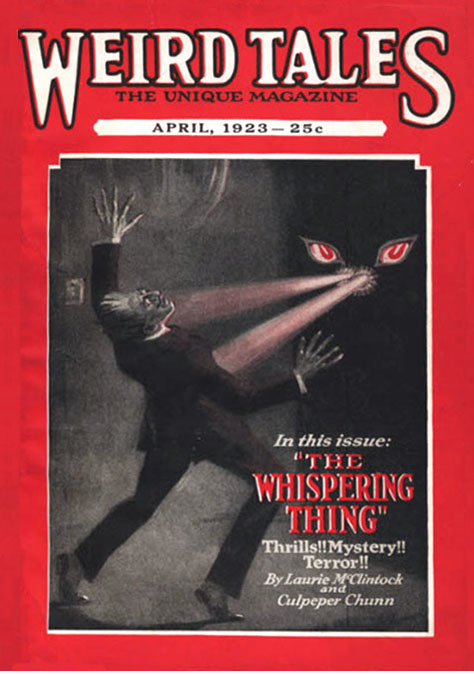
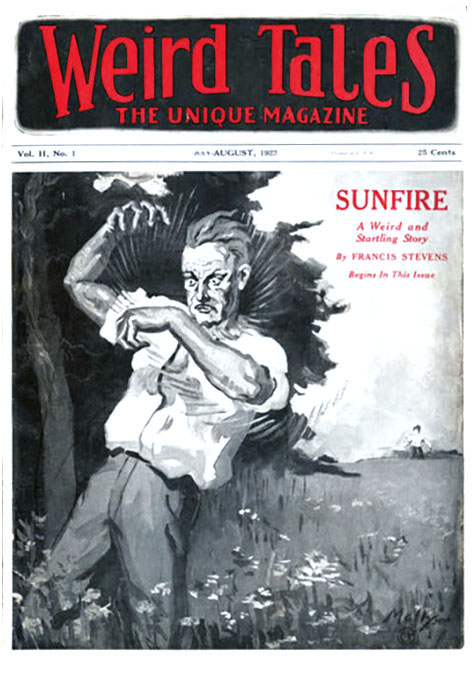
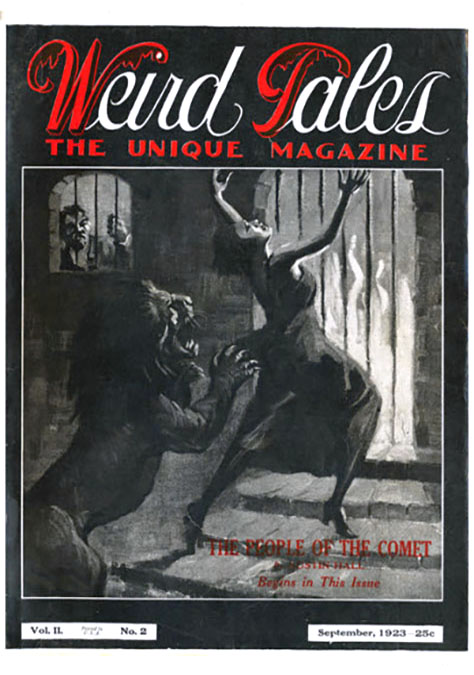
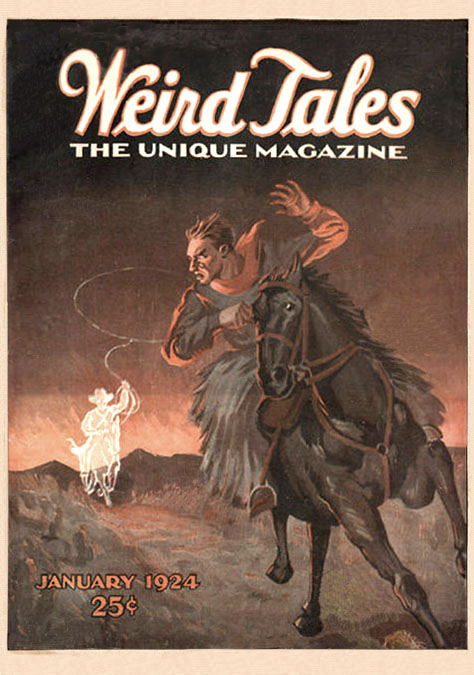
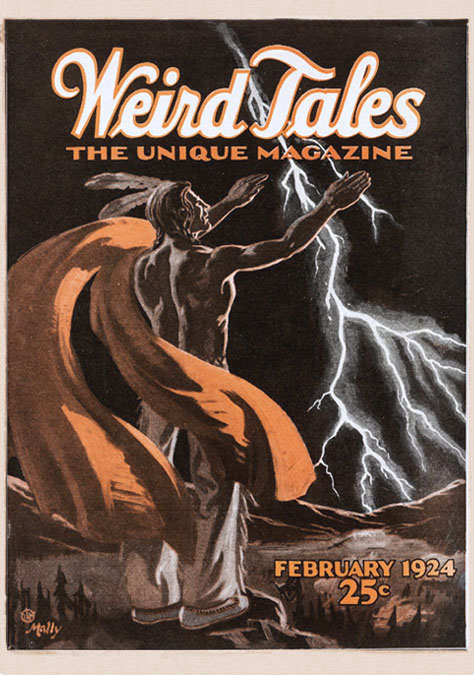
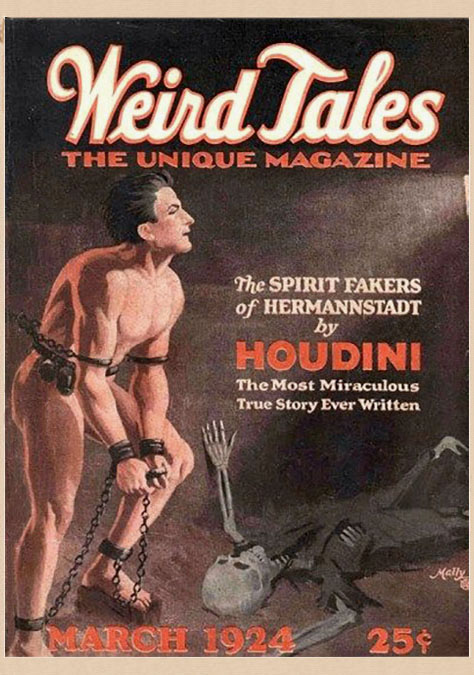
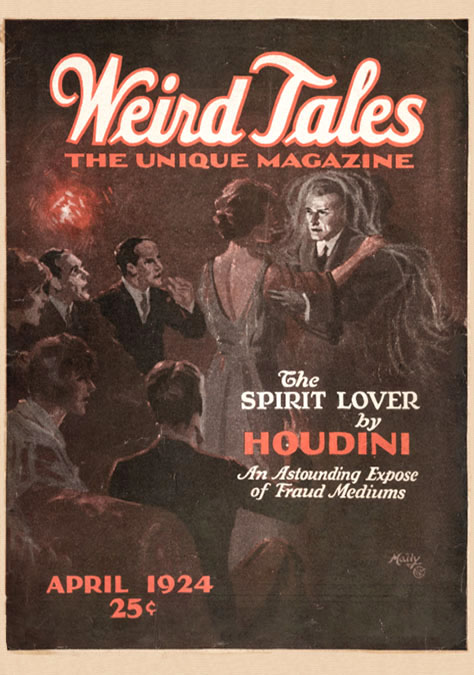
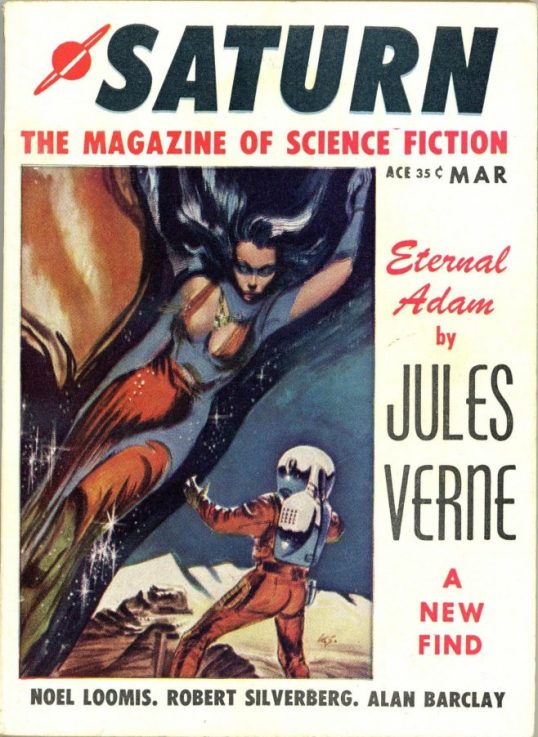
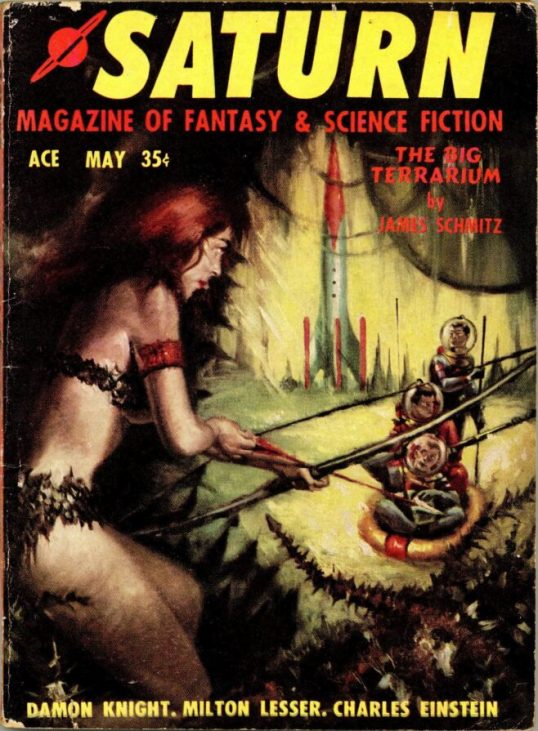
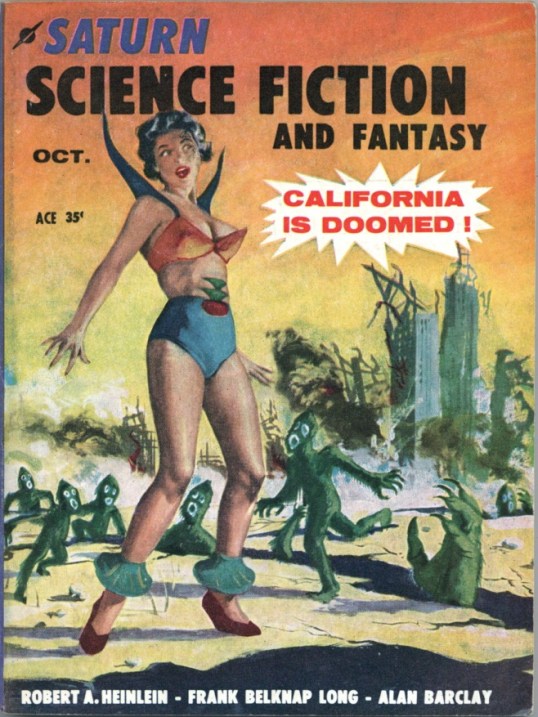
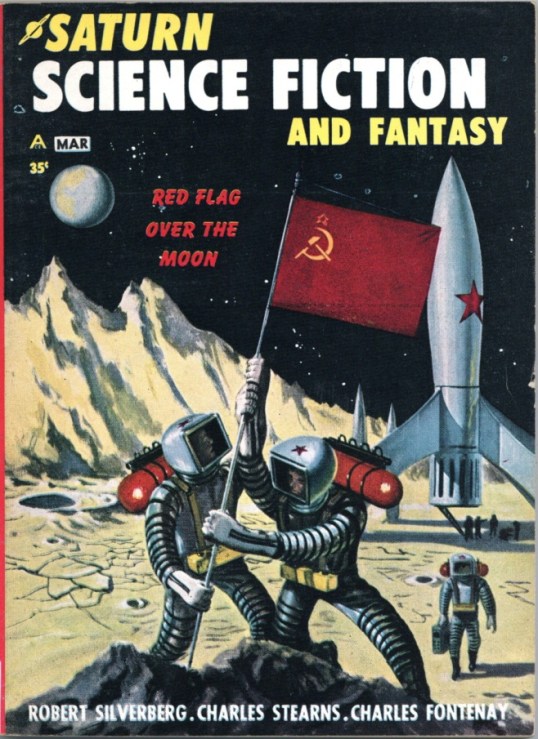
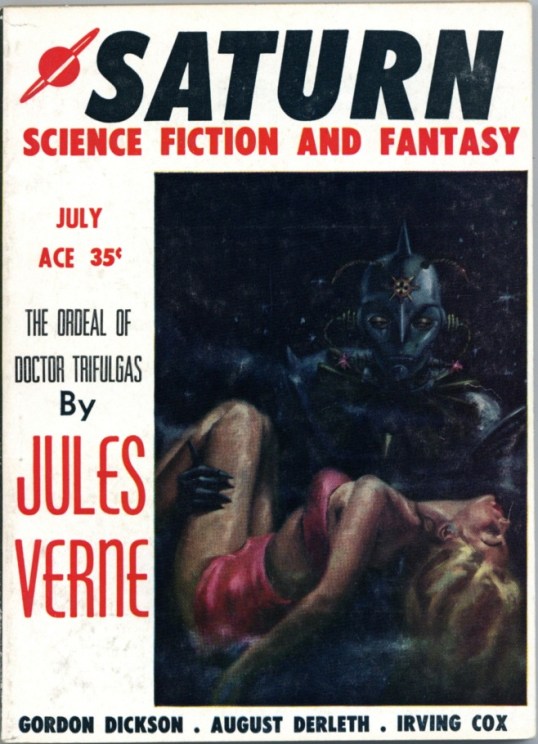
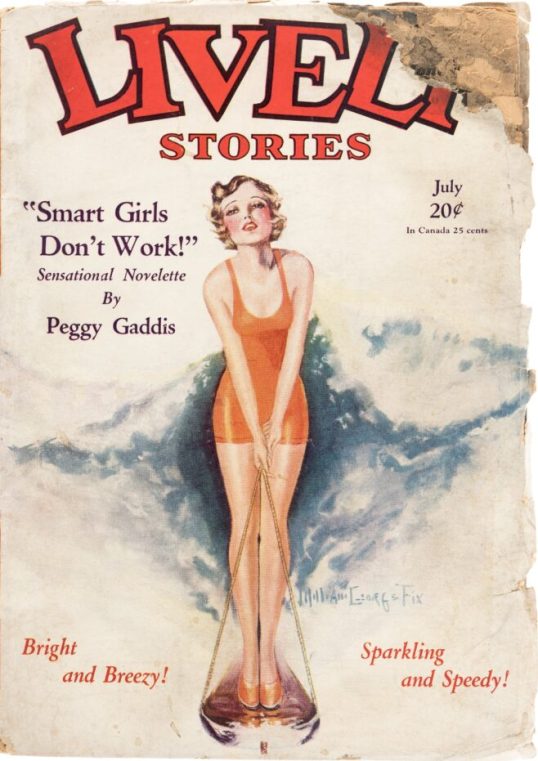
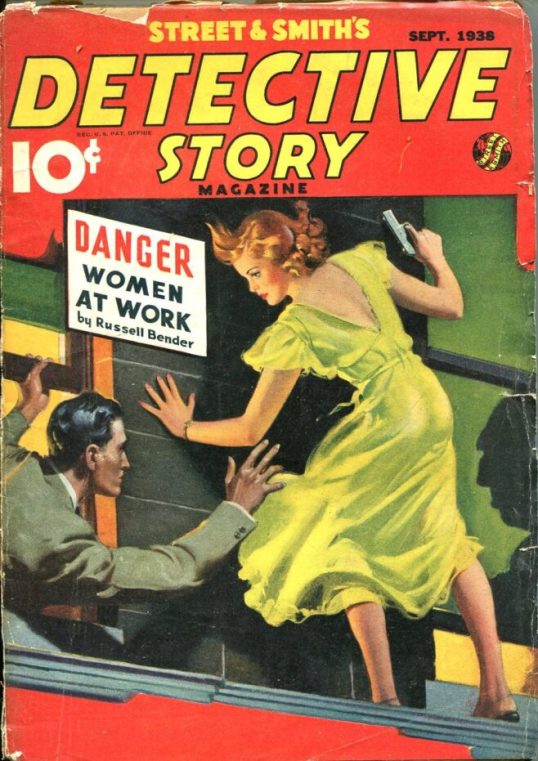
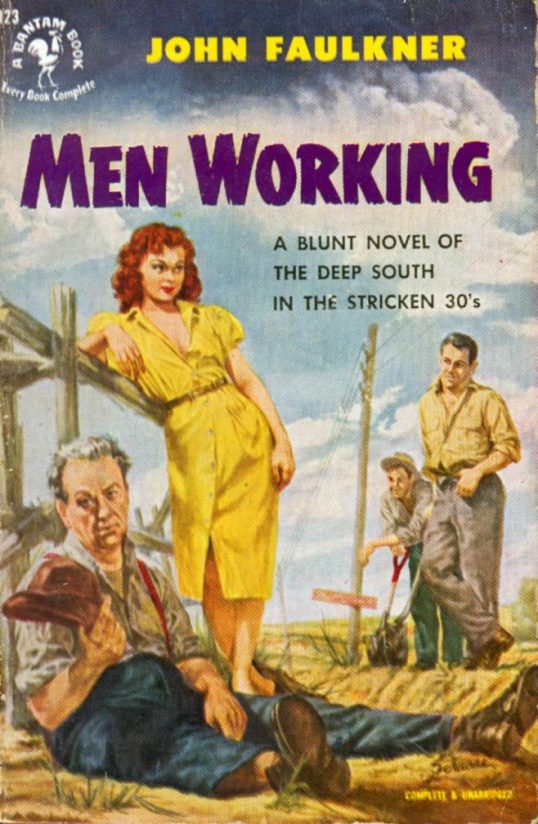
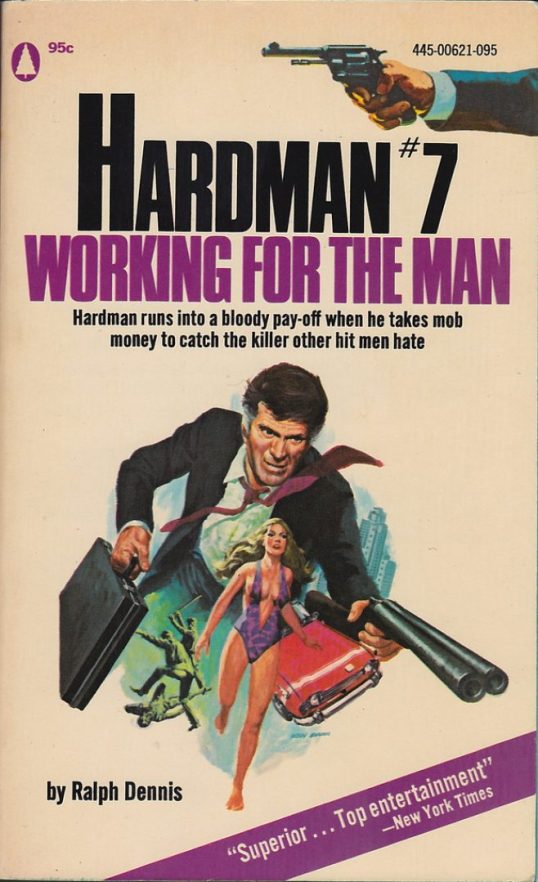
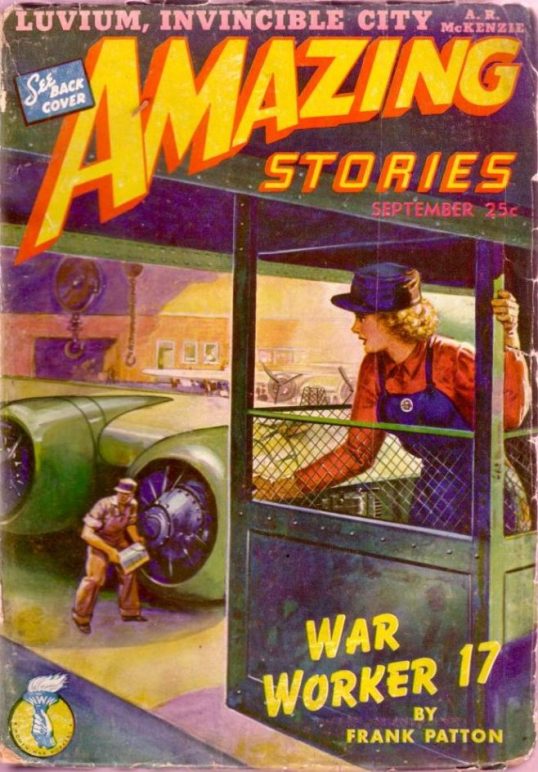
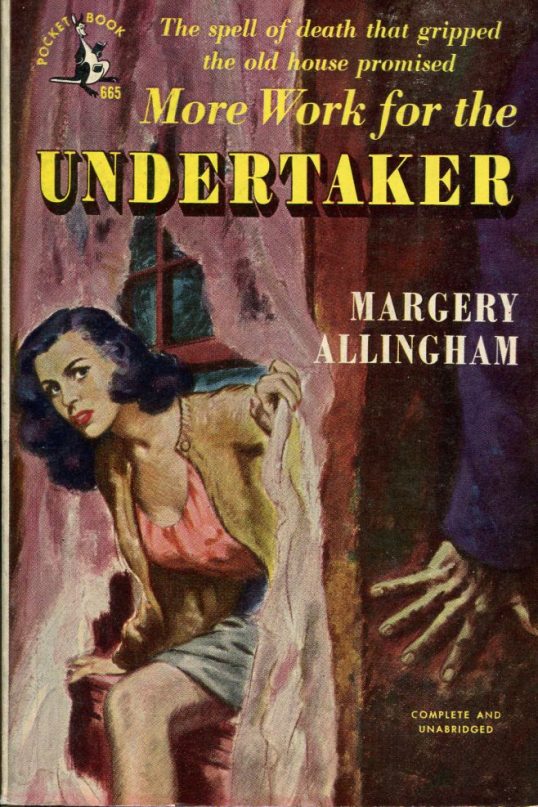
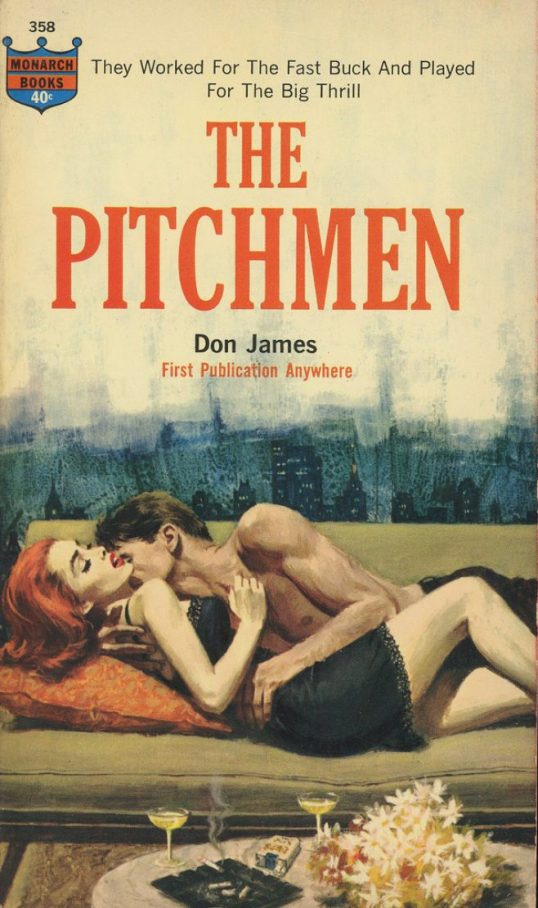
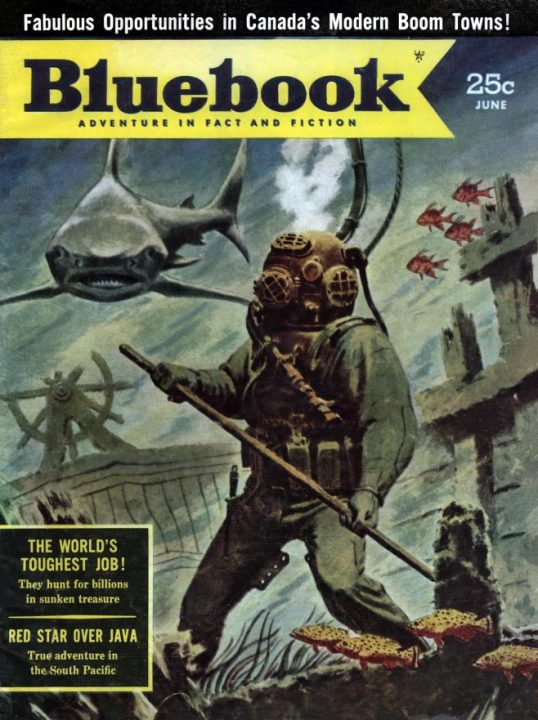
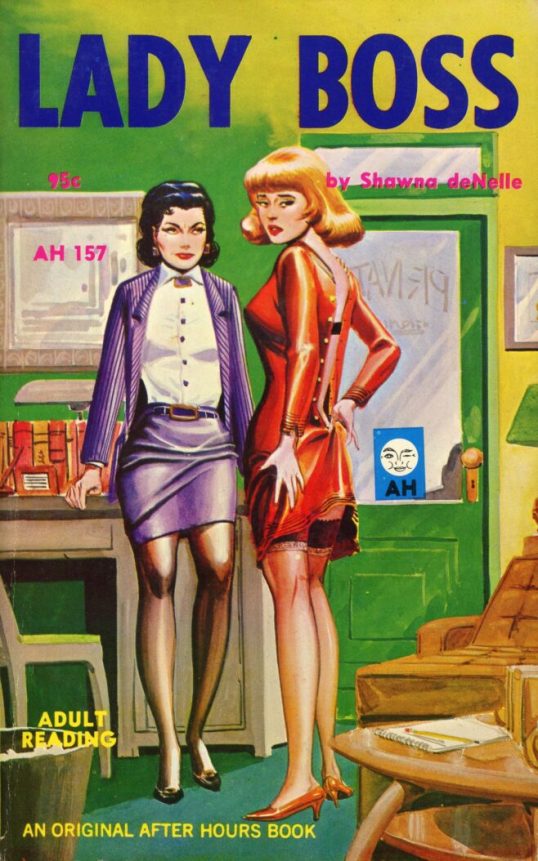
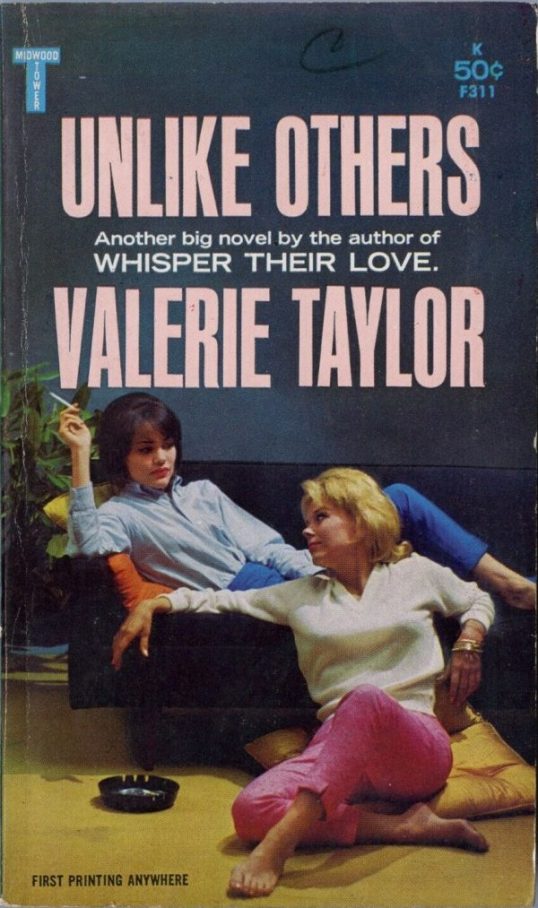
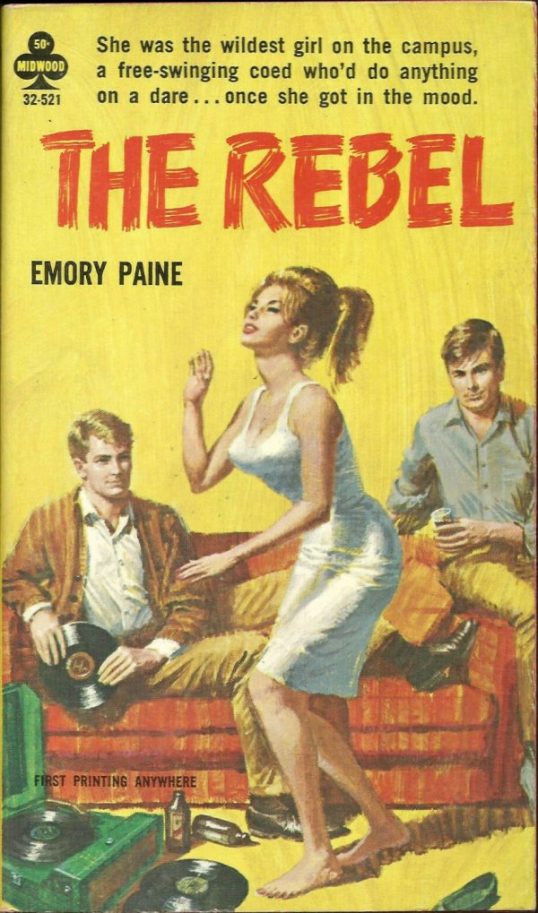
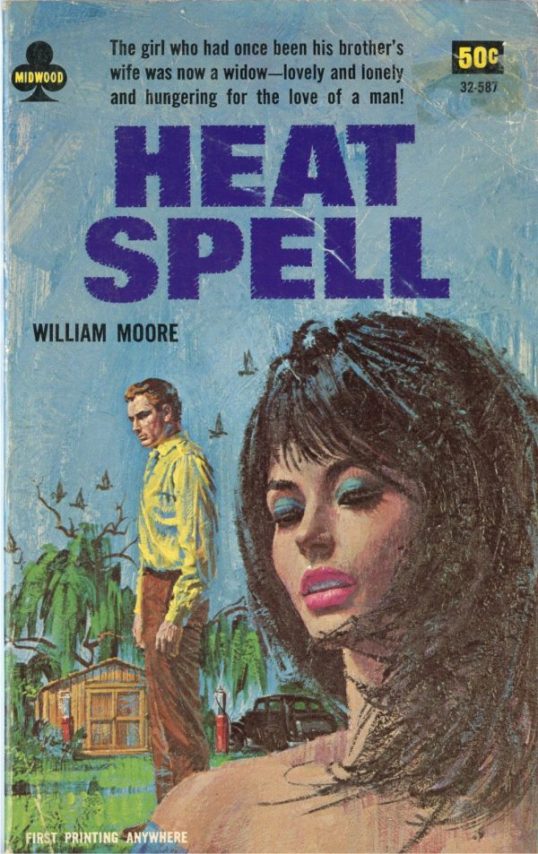
Are you still having trouble getting into the proper Labor Day mood? Don’t worry, the pulps are here to help!
Below are some pulpy covers celebrating the joys of having a job! If these don’t make you say, “Happy Labor Day!,” I don’t know what will!
Are you still having trouble getting into the proper Labor Day mood? Don’t worry, the pulps are here to help!
Below are some pulpy covers celebrating the joys of having a job! If these don’t make you say, “Happy Labor Day!,” I don’t know what will!
With the 4th of July approaching, let’s celebrate the American city with the pulps! Ever since the early days of the pulp industry, writers and artists have excited readers with stories about the lives of those living in America’s cities. Here, curtsey of some of the best artists to have worked in the industry, is a pulp-guided tour of those cities!
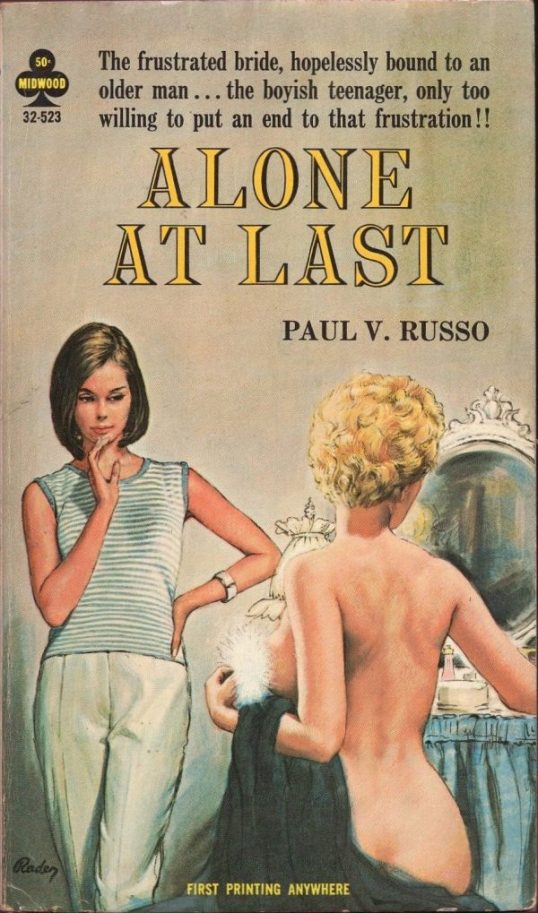
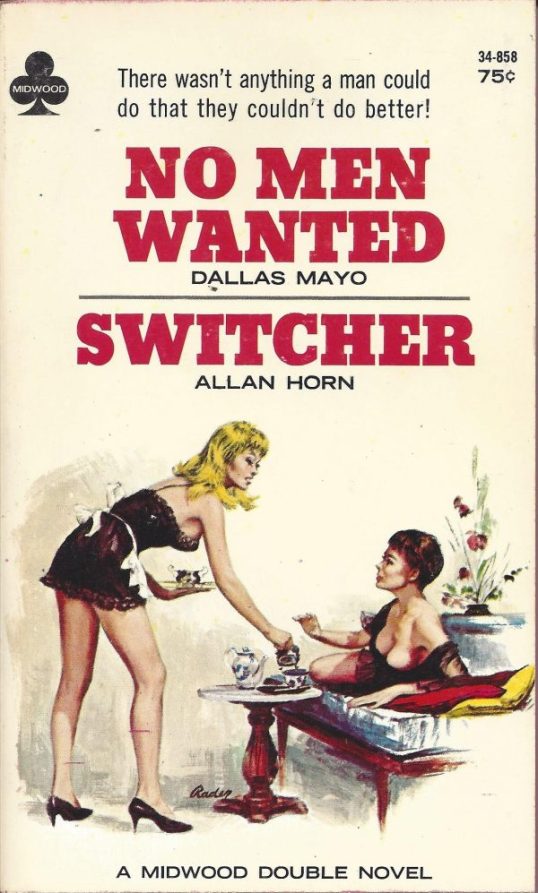
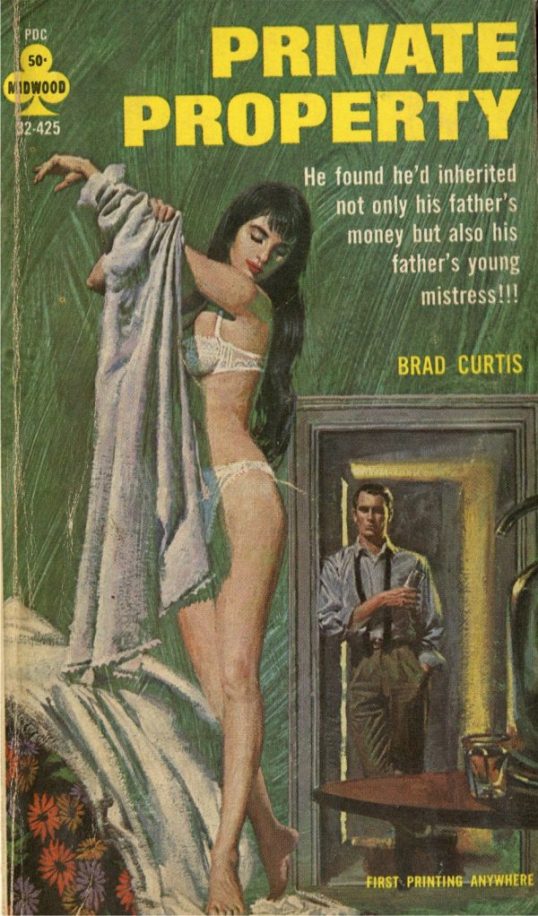
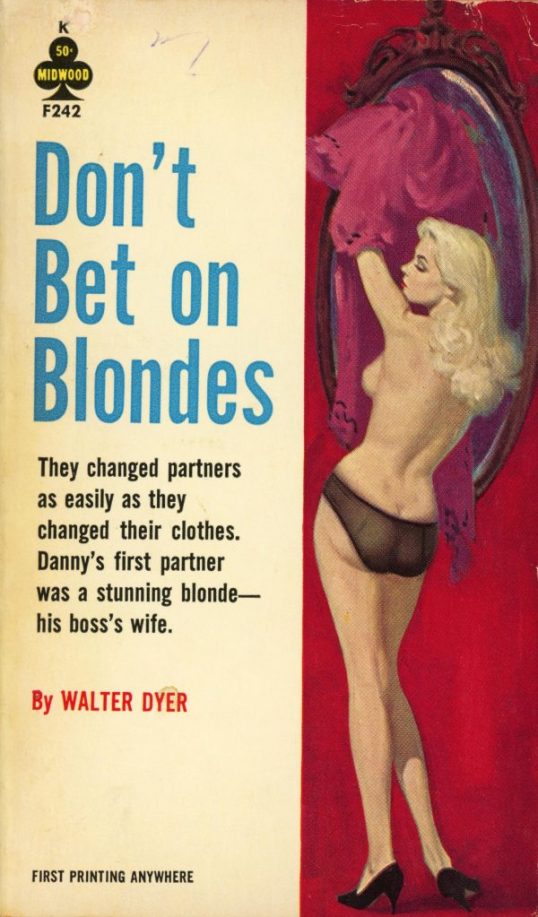
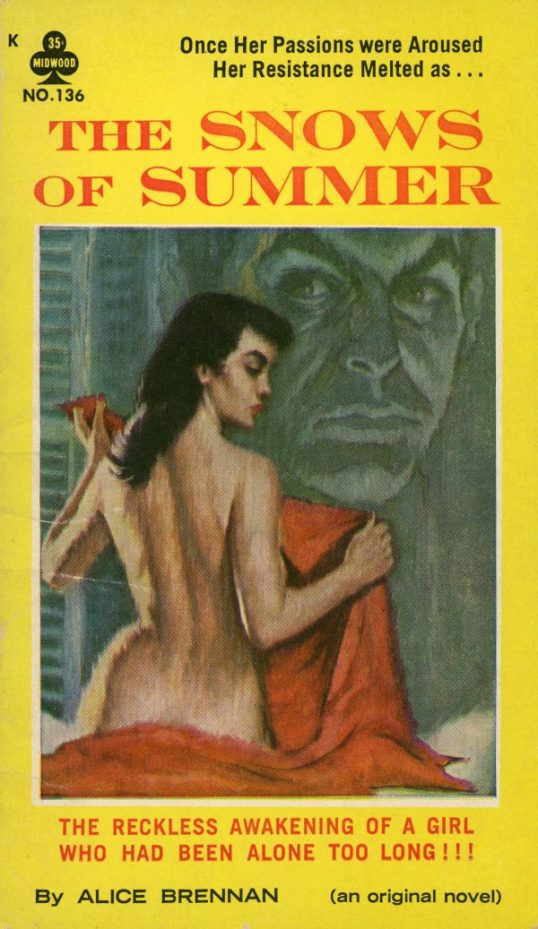
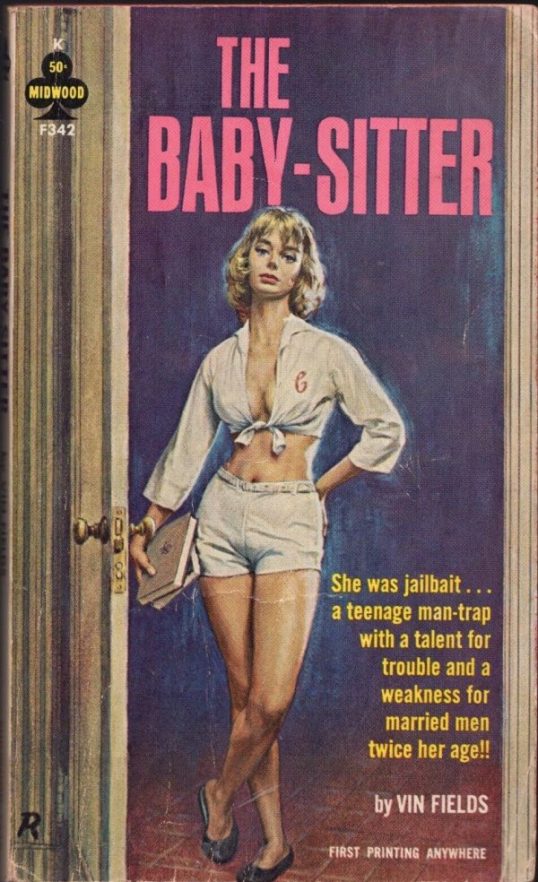
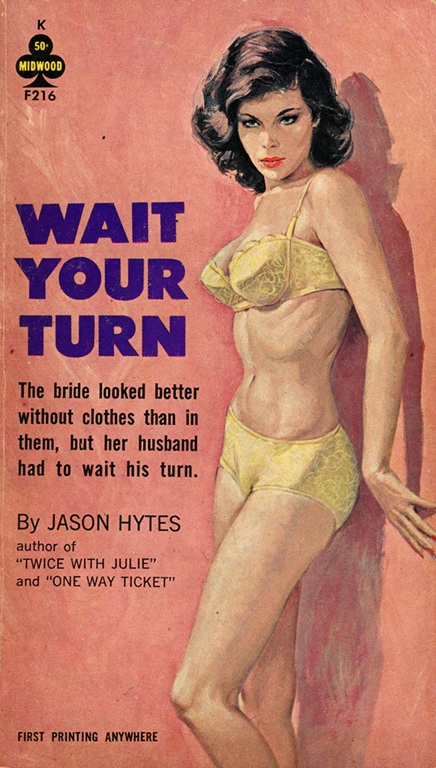
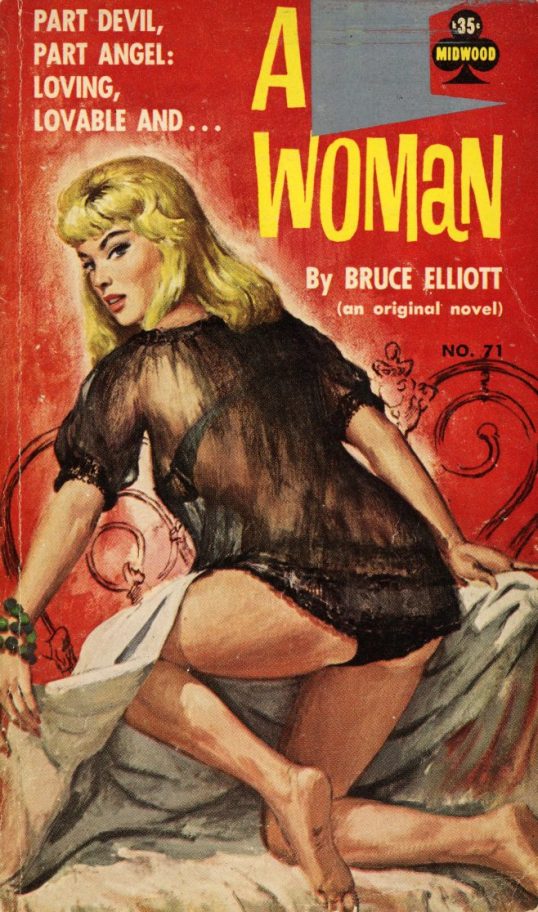
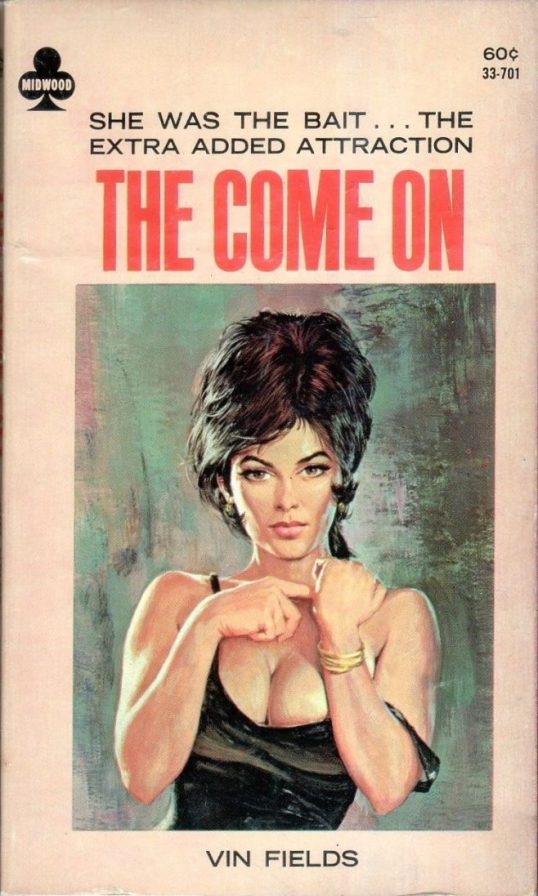
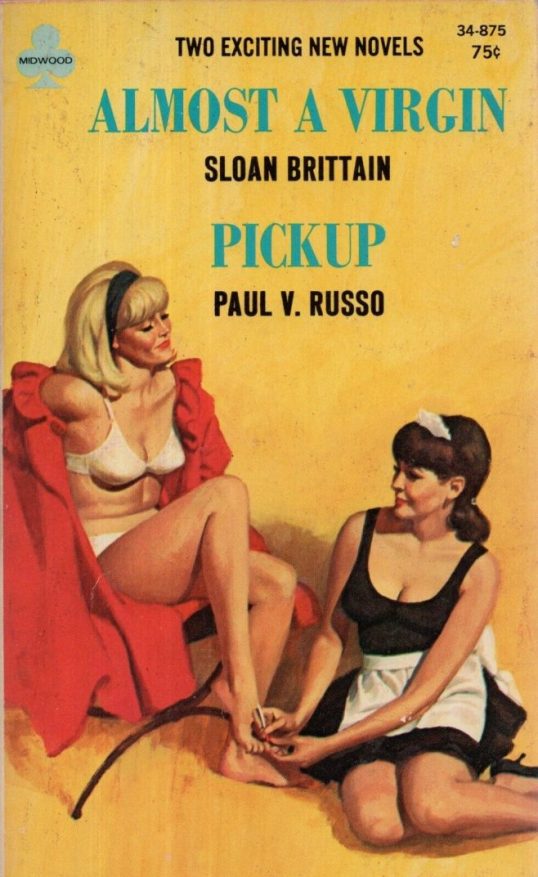
Midwood Books was a publishing house that was active from 1957 to 1968. With a roster of pseudonymous authors, Midwood published “adult” novels that were aimed towards men. Today. their paperbacks are best known for their often racy covers and they are highly prized by collectors as a result.
Here is a small sampling of Midwood covers!
From 1951 through 1958, Imagination magazine brought stories of science fiction and horror to eager readers. Among the writers who appeared in Imagination were Philip K. Dick, Robert Heinlien, Robert Sheckley, and John Wyndham. Today, the magazine is well-remembered for its exciting covers, which were done by some of the best artists working in the pulps. You can’t have art without Imagination.
Below is a sampling of The Covers of Imagination: Stories of Science and Fantasy.
Lejaren Hiller ws born in Wisconsin in 1880. He studied at the Chicago Art Institute and started his career in Paris. Eventually, he returned to America and found found regular work as an illustrator. Hiller would be known as one of the pioneer of photographic illustration, carefully staging his photographs so that they would be as exciting and as full of mystery as any of the more traditional pulp covers.
Even as Hiller found success as a photographer, he also continued to paint and draw. His 1930s covers for Detective Fiction Weekly remain popular amongst collectors. Here’s a sampling of his work for Detective Fiction Weekly:
Hiller passed away in 1969. His son, Lejaren Hiller, Jr., was a prominent chemist and composer.
From the beginning of the pulp era to the modern day, horror has always been a popular genre. And with horror comes the vampires! Vampires were a popular subject for both the writers and the readers of the pulps. Much blood was spilt between the covers. Here are just a few of the vampires of the pulps:
It’s not really October until a vampire comes tapping at your window, asking to be invited in.
Are you scared of tentacles?
Whether they’re reaching down from the sky or coming out of the water, the idea of being grabbed and, even worse, squeezed by several slimy tentacles is a scary one! Perhaps that’s why it was such a popular image during the pulp age. Below is just a sampling of some of the era’s tentacle horror, courtesy of some of the best artists to work in the pulps!
While recently looking through some old pulp covers, I couldn’t help but notice a recurring theme.
Flight attendants!
During the pulp era, flight attendants were apparently a popular subject. Whether they were thwarting hijackings or trying to land the perfect pilot husband, flight attendants lived dramatic, exciting, and sexy lives! It was enough to make me wonder if maybe I made a mistake when I decided that I didn’t want to go to grow up and be a flight attendant. (I was ten so what did I know?)
Here’s just a sampling of pulp covers featuring flight attendants dealing with everything from hijackers to more earthbound pursuits. Where known the artist has been credited.
Enjoy your flight!
In many parts of the country, this week and next will be “back to school week,” so to help everyone get prepared for another academic year, here are some classic paperback covers from the past.