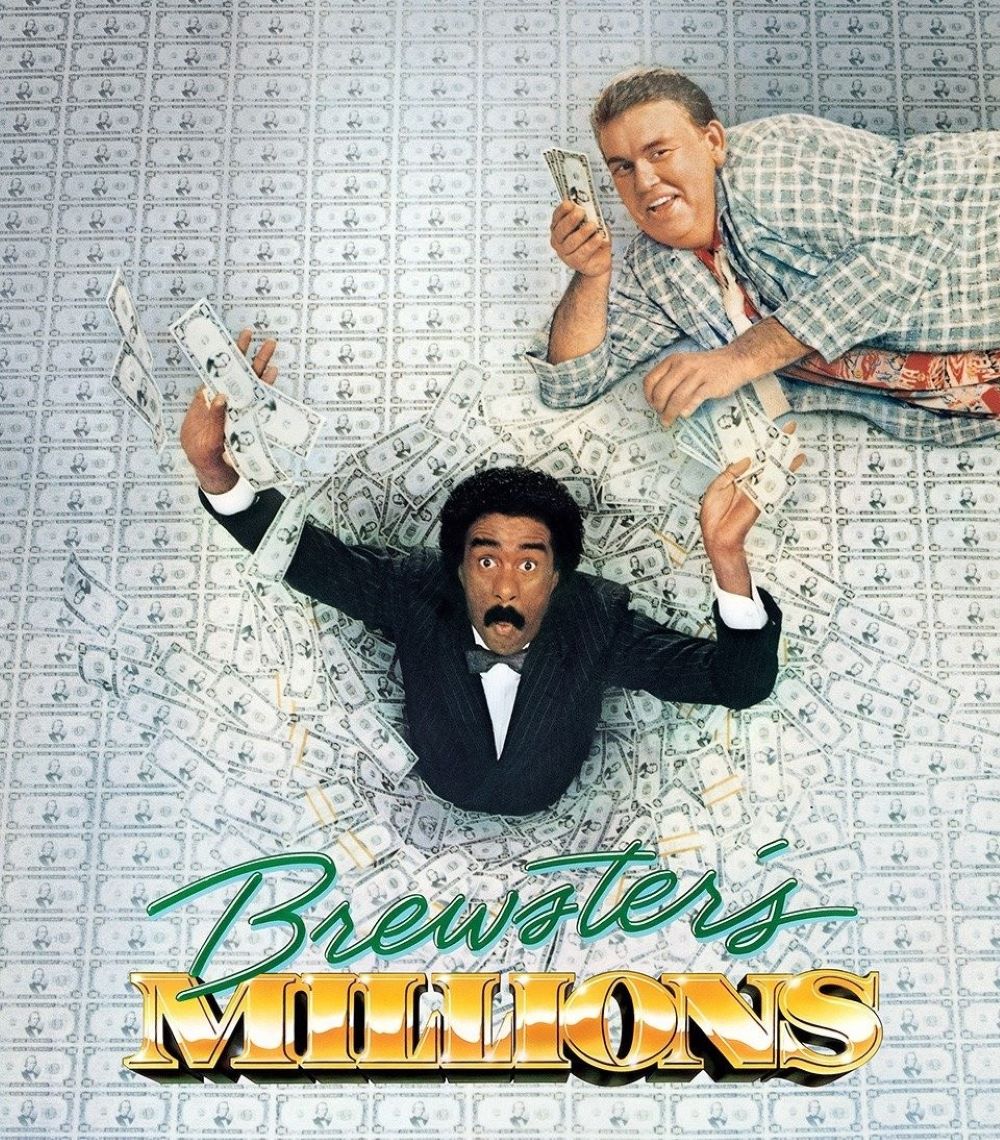
Guilty Pleasure No. 92: Brewster’s Millions (dir. by Walter Hill)


Walter Hill’s Brewster’s Millions (1985) isn’t a perfect movie by any stretch, but it’s the kind of film that sneaks up on you. It may not be sharp enough to qualify as great satire or consistent enough to hit every comedic note, but it has an undeniable charm that pulls you in regardless. It’s loud, uneven, and often ridiculous, yet few comedies from the 1980s are as weirdly entertaining when they’re firing on all cylinders. For many movie fans, it’s that quintessential “guilty pleasure”—a film you know has problems, but that somehow feels impossible to turn off once it starts. And in many ways, that’s exactly where Brewster’s Millions finds its lasting appeal.

The setup alone is too fun to resist. Richard Pryor stars as Montgomery Brewster, a minor league baseball pitcher who unexpectedly inherits the opportunity of a lifetime—to claim a $300 million fortune from a distant relative. The catch? Before he can get it, he has to spend $30 million in 30 days under a bizarre set of conditions that make financial ruin easier said than done. He can’t give the money away, can’t destroy it, can’t buy assets or investments that retain value, and can’t tell anyone why he’s doing it. Fail, and he gets nothing. Succeed, and he becomes one of the richest men alive. It’s the sort of gleefully absurd premise that could only have come from Hollywood in the 1980s, and it’s immediately clear that the film wants audiences to sit back, grab some popcorn, and watch Pryor tear through cash in increasingly funny and desperate ways.

Richard Pryor is, without doubt, the heart and soul of the movie. He imbues Montgomery Brewster with equal parts manic energy and human frustration, giving the character a real emotional arc beneath all the comic spectacle. Pryor’s talent for blending humor with exasperation makes Brewster’s predicament believable, even when it’s insane. Watching him scramble to lose money while the world keeps rewarding him is strangely satisfying. Pryor understood how to play ordinary men caught in extraordinary circumstances, and that quality grounds the film when it could have easily spiraled into total silliness. In scenes where he loses his patience with accountants, schemes wild spending sprees, or watches his good intentions backfire, Pryor’s comic timing keeps the chaos enjoyable.

John Candy adds another layer of charm as Brewster’s best friend and teammate, Spike Nolan. Candy brings warmth, loyalty, and that unmistakable good-heartedness that made him one of the decade’s most beloved comedic actors. The chemistry between Pryor and Candy keeps the film buoyant even through its weaker stretches. Their friendship defines the film’s tone—it’s loose, goofy, and full of bro-ish camaraderie. Without Candy’s infectious energy, the movie’s more hollow comedic beats might have hit the floor with a thud. Together, they create a dynamic that feels real, even inside a premise that’s totally absurd.

As a director, Walter Hill feels like an odd fit for this kind of broad comedy, but that’s part of what makes Brewster’s Millions interesting. Hill, better known for tough, kinetic action films like The Warriors and 48 Hrs., approaches this farce with a surprising amount of structure and visual precision. The film looks slicker and sharper than most comedies of its kind, which gives the excess on-screen an unintentionally epic flair. Hill’s direction keeps the story moving, and though he’s not naturally a comedic filmmaker, his grounded style adds a peculiar edge to all the craziness. It’s chaos with discipline—an aesthetic that somehow works in the movie’s favor.

Still, Brewster’s Millions can’t quite escape its shortcomings. The pacing is uneven, especially in the middle, where the film loses some steam as Brewster cycles through increasingly repetitive spending gimmicks. The story flirts with satire but rarely commits, brushing up against deeper commentary on wealth, politics, and capitalism before retreating to the comfort of broad comedy. The “Vote None of the Above” subplot, where Brewster’s money-wasting political campaign taps into voter cynicism, is one of the smartest parts of the film—but it’s introduced and resolved too quickly to leave a mark. And while the movie is full of lively energy, not every gag lands; a few supporting performances veer into caricature, and some jokes feel very much of their time.

Yet these flaws are partly what make Brewster’s Millions such a delightful guilty pleasure. It’s the cinematic equivalent of junk food—high on calories, low on nutritional value, but deeply enjoyable all the same. Pryor’s constant exasperation, the sheer absurdity of trying to “waste” money legally, and the exaggerated set pieces (like the overblown parties or his failed attempts to lose at gambling) make for irresistible entertainment. Even when the humor dips into predictable territory, the concept keeps pulling you back in. There’s a giddy satisfaction in watching Brewster try—and fail—to lose money, especially because the universe just won’t let him.

The romance subplot with Lonette McKee’s character, Angela Drake, adds just enough heart to balance the absurdity. McKee gives a grounded, intelligent performance that prevents the love story from feeling tacked on, even if it never fully takes center stage. Her presence keeps Brewster tethered to some kind of reality, and the moral through-line—learning that not everything valuable can be bought—lands gently rather than preachily. It’s not profound, but it fits the breezy tone perfectly.

As a comedy of excess, Brewster’s Millions is very much a product of its time. The slick suits, the gaudy parties, the blind faith in wealth, and the Reagan-era optimism about money’s moral neutrality all ooze from every frame. That time-capsule quality is part of its modern appeal. Watching it today, you can’t help but smile at how on-the-nose it feels—a movie from the “greed is good” decade that accidentally ends up mocking the very mindset it sprang from. It’s self-aware only in flashes, but those flashes are enough to make you recognize the movie’s satirical edge hiding beneath its loud surface.

In the end, that’s what makes Brewster’s Millions endure as a lovable guilty pleasure. It has flaws you can’t ignore—uneven pacing, scattershot tone, underdeveloped ideas—but none of them outweigh its charm. Pryor’s comic genius makes even the weakest joke land better than it should. Candy’s warmth keeps the film light. And Hill’s straightforward direction infuses the lunacy with just enough realism to make it believable. The result is a movie that’s too silly to take seriously but too fun to dismiss. You watch it, laugh at its audacity, shake your head at the logic gaps, and yet somehow come away smiling.

Brewster’s Millions may not be a comedy classic, but it’s easy to see why people keep revisiting it. It’s comfort food cinema—lighthearted, clumsy, and endlessly watchable. And like all the best guilty pleasures, it doesn’t need to be perfect to make you happy. Sometimes, seeing Richard Pryor outsmart the meaning of money for two hours is more than enough.

Previous Guilty Pleasures

  1. Half-Baked
  2. Save The Last Dance
  3. Every Rose Has Its Thorns
  4. The Jeremy Kyle Show
  5. Invasion USA
  6. The Golden Child
  7. Final Destination 2
  8. Paparazzi
  9. The Principal
  10. The Substitute
  11. Terror In The Family
  12. Pandorum
  13. Lambada
  14. Fear
  15. Cocktail
  16. Keep Off The Grass
  17. Girls, Girls, Girls
  18. Class
  19. Tart
  20. King Kong vs. Godzilla
  21. Hawk the Slayer
  22. Battle Beyond the Stars
  23. Meridian
  24. Walk of Shame
  25. From Justin To Kelly
  26. Project Greenlight
  27. Sex Decoy: Love Stings
  28. Swimfan
  29. On the Line
  30. Wolfen
  31. Hail Caesar!
  32. It’s So Cold In The D
  33. In the Mix
  34. Healed By Grace
  35. Valley of the Dolls
  36. The Legend of Billie Jean
  37. Death Wish
  38. Shipping Wars
  39. Ghost Whisperer
  40. Parking Wars
  41. The Dead Are After Me
  42. Harper’s Island
  43. The Resurrection of Gavin Stone
  44. Paranormal State
  45. Utopia
  46. Bar Rescue
  47. The Powers of Matthew Star
  48. Spiker
  49. Heavenly Bodies
  50. Maid in Manhattan
  51. Rage and Honor
  52. Saved By The Bell 3. 21 “No Hope With Dope”
  53. Happy Gilmore
  54. Solarbabies
  55. The Dawn of Correction
  56. Once You Understand
  57. The Voyeurs 
  58. Robot Jox
  59. Teen Wolf
  60. The Running Man
  61. Double Dragon
  62. Backtrack
  63. Julie and Jack
  64. Karate Warrior
  65. Invaders From Mars
  66. Cloverfield
  67. Aerobicide 
  68. Blood Harvest
  69. Shocking Dark
  70. Face The Truth
  71. Submerged
  72. The Canyons
  73. Days of Thunder
  74. Van Helsing
  75. The Night Comes for Us
  76. Code of Silence
  77. Captain Ron
  78. Armageddon
  79. Kate’s Secret
  80. Point Break
  81. The Replacements
  82. The Shadow
  83. Meteor
  84. Last Action Hero
  85. Attack of the Killer Tomatoes
  86. The Horror at 37,000 Feet
  87. The ‘Burbs
  88. Lifeforce
  89. Highschool of the Dead
  90. Ice Station Zebra
  91. No One Lives

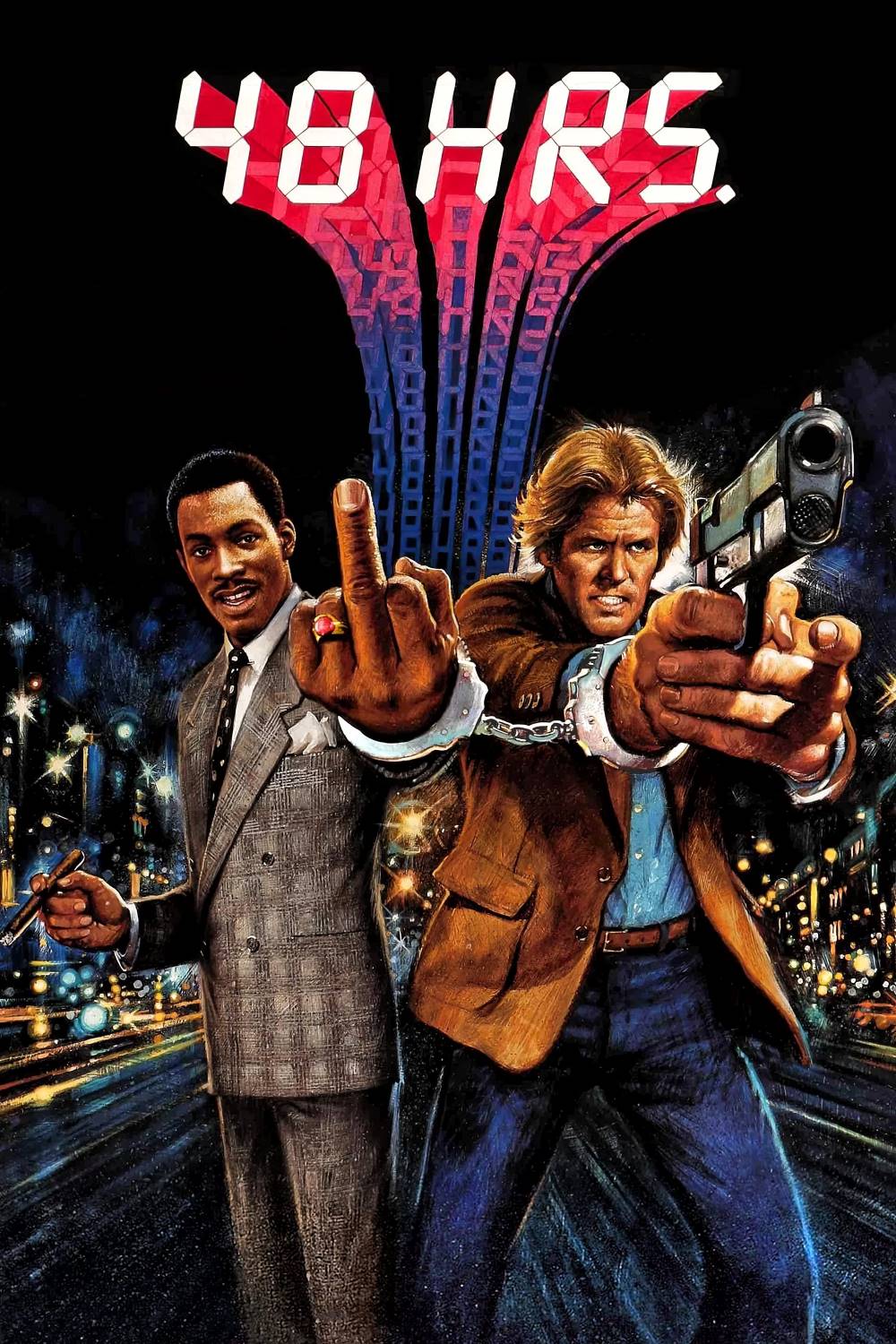
Review: 48 Hrs. (dir. by Walter Hill)


“This ain’t no god damn way to start a partnership.” – Reggie Hammond

48 Hrs. bursts onto the screen with a gritty prison breakout that sets the stage for chaos in the foggy streets of San Francisco, where a pair of ruthless killers slip away after gunning down a cop’s partner in cold blood. Jack Cates, the surviving detective, is left battered and furious, piecing together a case that points to a slick convict named Reggie Hammond holding the key to the crooks’ whereabouts—and a stash of stolen cash. With time ticking down, Jack pulls strings to get Reggie out on a 48-hour pass, thrusting these two polar opposites into a reluctant alliance that turns the city into their personal battlefield of bullets, banter, and bad blood.

From the jump, Jack comes across as the ultimate rough-around-the-edges cop, nursing a flask under his trench coat, snapping at colleagues, and charging headfirst into danger like a man who’s got nothing left to lose. His apartment is a mess of empty bottles and regret, and his rocky relationship with his girlfriend underscores how the job has chewed him up and spit him out, leaving him more beast than man. Reggie, by contrast, rolls in with street-honed swagger, his prison jumpsuit barely containing the energy of a guy who’s survived by being quicker on his feet and sharper with his mouth than anyone around him. He’s got a girlfriend waiting with that hidden money, and no intention of playing nice with a cop who’s eyeing him like fresh meat.

The beauty of their pairing lies in how the film lets their friction spark from the very first shared car ride, where Jack’s growled commands clash against Reggie’s nonstop ribbing, turning a simple stakeout into a verbal demolition derby. Picture them peeling out after a lead goes south, tires screeching through narrow alleys while Reggie gripes about the beat-up car and Jack slams the dash in frustration—it’s these raw, unscripted-feeling moments that make the movie breathe. As they hit up seedy bars, chase informants through strip joints, and dodge ambushes, the script peels back layers: Jack’s not just a bully, he’s haunted by close calls; Reggie’s bravado masks real fear of ending up dead or broke.

One standout sequence drops them into a hillbilly roadhouse packed with hostile locals, where Reggie grabs the mic for an impromptu takedown that flips the room from menace to mayhem, buying them time while Jack backs him up with sheer firepower. It’s tense, hilarious, and perfectly timed, showing how their skills complement each other—Jack’s brute force meeting Reggie’s silver tongue—in ways neither saw coming. The villains, led by a stone-cold Luther and his trigger-happy sidekick, keep the heat cranked high, popping up for savage hits that leave bodies in the gutter and force the duo to improvise on the fly, like hot-wiring rides or shaking down lowlifes for scraps of intel.

Walter Hill’s direction keeps it all taut and visceral, with handheld cameras capturing the sweat and grime of every punch thrown or shot fired, no glossy filters to soften the blows. The San Francisco backdrop shines through rain-slicked hills, neon-lit dives, and shadowy piers, giving the action a grounded, almost documentary edge that amps up the stakes. Sound design punches too—the roar of engines, the crack of gunfire, the thud of fists—layered over a pulsing ’80s score that shifts from funky grooves during chases to ominous drones in quieter beats, mirroring the push-pull between comedy and threat.

Diving deeper into the characters, Jack’s arc feels earned through small touches: a hesitant phone call to his ex, a flicker of respect when Reggie saves his skin, moments that humanize the hardass without forcing redemption. Reggie evolves too, his initial scam-artist vibe giving way to flashes of loyalty, like when he risks his neck to protect that cash not just for himself, but to build something real outside the walls. Supporting roles flesh out the world—the precinct captain barking orders, the sultry singer tangled with the bad guys, Reggie’s tough-as-nails woman who won’t take guff—but they never overshadow the core duo, serving as sparks for conflict or comic relief.

Pacing-wise, the film rarely pauses for breath, clocking in under two hours yet packing in a full meal of twists, from double-crosses at motels to a frantic foot chase across rooftops that leaves you winded. The 48-hour ticking clock adds urgency without gimmicks, every dead end ramping tension as dawn breaks on their deadline. Humor lands organically too, not from slapstick but from character-driven zingers—Reggie calling out Jack’s outdated tough-guy schtick, Jack grumbling about Reggie’s flashy clothes—keeping the tone light even as blood spills.

Of course, watching through modern eyes, the dialogue packs some era-specific punches, with raw language around race, cops, and crooks that reflects ’80s attitudes head-on, for better or worse. It’s unapologetic, mirroring the film’s macho pulse, but adds texture to the time capsule feel, making replays fascinating for how boldly it leaned into taboos. The women, while fierce in spots, often play second fiddle to the bromance brewing, a hallmark of the genre that 48 Hrs. helped cement before it evolved.

What elevates this beyond standard action fare is how it nails the buddy dynamic’s slow burn: no instant high-fives, just gradual thaw from shared survival, culminating in a dockside finale where alliances solidify amid explosions and last stands. The editing zips between high-octane set pieces and downtime breather scenes, like a roadside diner heart-to-heart that reveals backstories without halting momentum. Cinematography plays with shadows and neon to heighten paranoia, turning everyday spots into pressure cookers.

Influence-wise, you can trace lines straight to later hits—the grizzled vet and smooth-talking newbie formula got refined here, blending Lethal Weapon grit with Beverly Hills Cop wit years ahead of schedule. Performances anchor it all: the leads’ chemistry crackles, carrying weaker beats on sheer charisma, while Hill’s lean style ensures every frame earns its keep. Runtime flies because it’s efficient, no fat, just muscle.

Final stretch ramps to operatic violence on those windswept docks, bullets flying as personal scores settle, leaving our heroes bloodied but bonded in a way that feels hard-won. 48 Hrs. endures as a rowdy blueprint for the genre, blending laughs, thrills, and toughness into a package that’s addictive on first watch and rewarding on revisit. It’s got heart under the bruises, edge in the jokes, and a vibe that’s pure ’80s adrenaline—grab it for a night of no-holds-barred entertainment that still packs a wallop over four decades later.

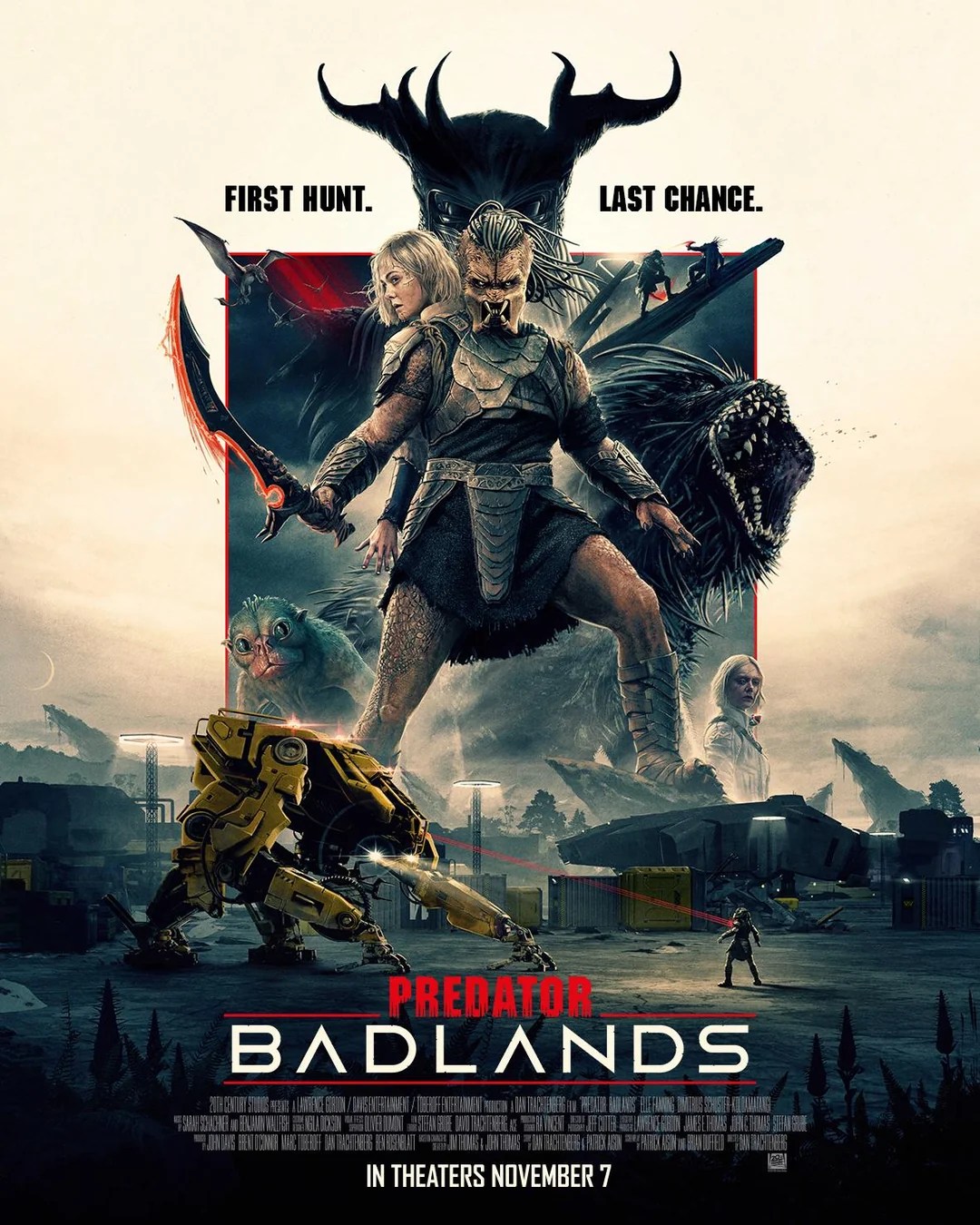
Review: Predator: Badlands (dir. by Dan Trachtenberg)


“Here, you’re not the predator. You’re the prey.” — Thia

Predator: Badlands, directed by Dan Trachtenberg, marks a significant evolution within a franchise that has captivated audiences for nearly four decades. Known for its intense action and the enigmatic extraterrestrial hunters called the Yautja, the Predator series has continuously explored themes of survival, honor, and primal combat. Trachtenberg’s vision shifts the focus toward a more intimate and nuanced perspective by centering the narrative on Dek, the youngest and smallest member of the Predator clan. Through Dek’s journey, the film delves deep into Predator culture, ritual, and the personal struggles of one cast out from his tribe.

Dek, the youngest and smallest member of his Predator clan, finds himself exiled and cast out due to perceptions of weakness. Determined to prove himself worthy, he crash-lands on the hostile planet Genna—infamously named “The Death Planet”—where he must navigate a dangerous ecosystem full of lethal creatures and unpredictable hazards. Struggling to survive alone, Dek forms an uneasy alliance with Thia, a damaged synthetic android with knowledge of the planet. Together, they embark on a perilous journey that will test their strengths, challenge their beliefs, and redefine what it means to be predator and prey.

The chemistry between Dimitrius Schuster-Koloamatangi and Elle Fanning as Dek and Thia is notably believable and compelling. Their performances breathe life into this unconventional duo—Dimitrius conveys Dek’s internal struggle and fierce determination almost entirely through physicality and subtle expression, while Fanning’s portrayal of Thia is richly layered with intelligence, resilience, and warmth despite her synthetic nature. Their interactions—marked by moments of tension, wit, and genuine connection—ground the narrative emotionally, making their partnership feel authentic even amid the film’s relentless action and alien setting.

At the emotional core of the film lies this evolving relationship, where Thia’s intelligence, wit, and empathy contrast Dek’s warrior stoicism. Physically bound to Dek early on, their partnership forged from necessity deepens into a profound bond that challenges traditional Predator stereotypes of ruthless isolation, opening space for exploration of trust, companionship, and mutual reliance in an unforgiving universe.

Adding to this complexity, Fanning also portrays Thia’s sister Tessa, embodying a dogmatic loyalty to the Weyland-Yutani corporation’s ruthless agenda. This dual role enriches the film’s meditation on identity, autonomy, and control, as the opposing android personas reflect divergent paths of resistance and compliance. The tension between Thia’s compassion and Tessa’s dogmatic obedience mirrors Dek’s own conflict between inherited tribal honor and his emerging personal values shaped by empathy and survival.

The narrative intensifies in the second act as the story shifts from Dek and Thia navigating Genna’s rough terrain to confronting the formidable forces of Weyland-Yutani and their synthetic android enforcers. This escalation brings broader stakes and a shift from survival to active resistance, with Dek’s combat style evolving into inventive use of the alien ecosystem’s deadly plants and creatures. His resourcefulness and adaptability are tested as much as his physical prowess.

Thia’s role grows beyond mere survival partner, serving as a moral compass guiding Dek through escalating challenges. Their deepening bond underscores themes of loyalty and defiance against overwhelming power. The rivalry between Thia and Tessa encapsulates both personal and systemic struggles, enriching the narrative’s emotional and thematic layers.

Action scenes in this act blend visceral intensity with strategic ingenuity, highlighting the evolving dynamic between Dek’s warrior instincts and Thia’s empathetic intelligence. This partnership provides an emotional anchor amid rising external threats.

Visually, while some of the VFX may not reach the technical heights of blockbuster films like AvatarPredator: Badlands excels in blending digital effects with practical makeup and effects work. This approach makes the portrayal of Dek and the other Yautja—particularly when not helmeted—convincing and tangible. The hybrid effects allow Dek’s Yautja character to emote convincingly, adding crucial depth and relatability to a typically masked and silent character. This tactile realism enhances the immersive quality of the film and brings the Predator characters to life in a way that CGI alone might not achieve.

A distinct departure for the franchise, the film carries a PG-13 rating—a strategic decision enabled by the filmmakers’ exclusive use of non-human characters—synthetic androids and other alien beings—in violent scenes. This choice eliminates the display of red human blood, substituting blue synthetic fluids, thereby maintaining intensity while broadening audience accessibility. Although this approach softens the visceral brutality traditionally associated with the franchise, it allows for sustained creative violence and suspense without an R-rating’s restrictions. Some fans may find the absence of traditional gore reduces the raw impact and immediacy familiar to previous entries.

Throughout, the violence is intentional and purpose-driven, enriching the narrative rather than serving gratuitous spectacle. The film’s conclusion thoughtfully underscores themes of self-determination, as Dek eschews rigid tribal expectations in favor of personal autonomy, while Thia embraces an evolving identity beyond her synthetic origins.

One of the film’s most impressive achievements—and a testament to its commitment to authenticity—is the introduction of a fully constructed Yautja language. Developed by linguist Britton Watkins, who was recommended by Paul Frommer (the creator of the Na’vi language for James Cameron’s Avatar), this language was crafted with respect for the anatomical and cultural traits of the Predator species. Lead actor Dimitrius Schuster-Koloamatangi and his fellow Yautja cast members learned to perform fluently in this language. This effort adds remarkable depth and realism to the Predator characters, creating a linguistic culture that supports the film’s immersive world-building. Scenes featuring Yautja dialogue are carefully subtitled, offering fans a fascinating and detailed glimpse into Predator communication and ritual.

Predator: Badlands is a layered, compelling addition to the saga. It pairs exhilarating action with thoughtful meditations on identity, survival, and connection. The evolving relationship between Dek and Thia, amplified by Elle Fanning’s complex dual roles, grounds the film emotionally and thematically, broadening the Predator mythos in significant ways.

Director Dan Trachtenberg has firmly cemented his position as the franchise’s caretaker, continuing a remarkable three-film streak following the critically acclaimed Prey and the animated Predator: Killer of Killers. Each installment boasts distinctive narrative voices and innovative approaches that have successfully engaged and expanded the fanbase. Trachtenberg’s vision skillfully balances honoring the franchise’s core elements with fresh storytelling, ensuring Predator remains vital and intriguing for both longtime followers and new viewers alike.

Predator Franchise Reviews

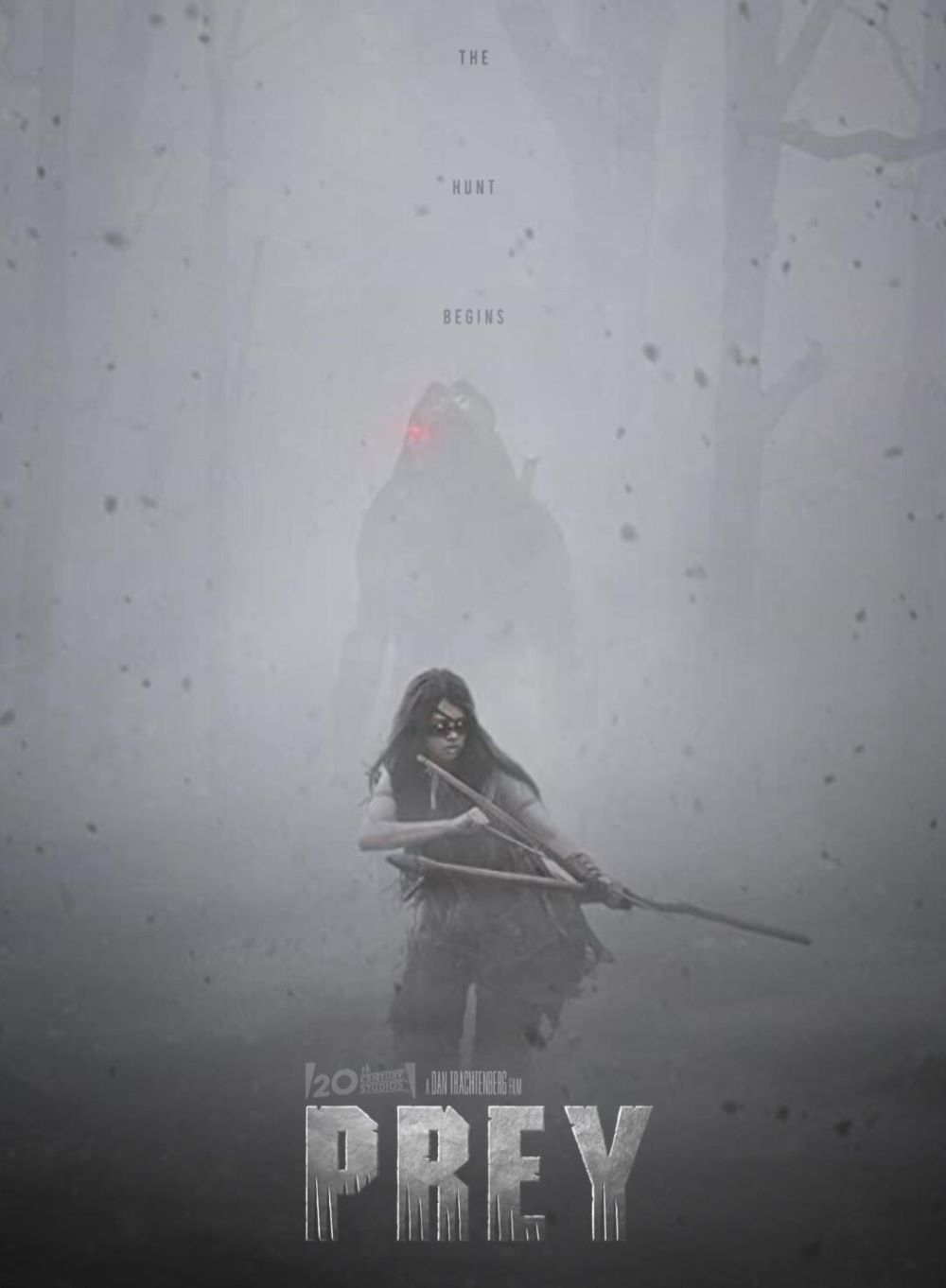
Review: Prey (dir. by Dan Trachtenberg)


“It knows how to hunt, but I know how to survive.” — Naru

Dan Trachtenberg’s Prey is honestly a breath of fresh air for the Predator series. It takes us way back to the early 18th century, deep in the Comanche Nation, ditching the usual sci-fi city jungle for actual wide-open plains and a history-rich vibe. The story follows Naru, a young Comanche woman who’s determined to prove she can hunt just as well as the men in her tribe. Amber Midthunder totally nails it as Naru, giving a performance that’s both vulnerable and tough without trying too hard. Her journey isn’t just about hunting the Predator; it’s also about breaking free from the limits her tribe has set for her as a woman, and that makes the story hit a lot deeper than your typical monster flick.

Speaking of the monster, Prey strips away the Predator’s fancy gadgets and drops it into a more primal, back-to-basics showdown. This Predator isn’t rocking all the high-tech gear we usually see—it’s raw and brutal, with stuff that fits the time period, which makes the whole hunter vs. hunter dynamic feel way more grounded and tense. The movie smartly uses survival skills and brains over flashy tech, and that makes the hunt way more interesting because it’s about anticipation and smarts, not lasers and gadgets.

One of the coolest behind-the-scenes moves with Prey was the filmmakers’ emphasis on cultural authenticity, especially with language. While most of the film is in English, they also made a full Comanche language dub, which is huge because Comanche is a nearly lost language with very few fluent speakers. The cast went back and recorded the whole movie in Comanche, making it the first feature to do so. Originally, they intended to shoot the whole film in Comanche, which would have been even more impressive, but having this dub option available on streaming platforms gives viewers an immersive way to connect with the culture in an authentic way. This shows a real commitment to uplifting Indigenous voices while still making the film accessible.

Trachtenberg did a great job balancing the suspense with action. The Predator’s scenes are super intense and keep you on edge without going overboard. One of the coolest parts is when the Predator takes down a bear—it’s done so cleverly that even though the creature is rarely fully seen, the splashes of its green blood make the moment feel really eerie and unforgettable. The film really puts you in Naru’s shoes, making you feel her fear and determination as she tries to outsmart this deadly creature.

Now, even though the Predator is the main beast to watch out for, the behavior of the French fur trappers is actually more disturbing in many ways. These guys aren’t just out there trying to survive—they’re slaughtering entire herds of bison en masse, skinning the animals and leaving huge carcasses to rot. It’s a brutal, wasteful approach to hunting that contrasts starkly with the Predator, who hunts singularly and with purpose, never wasting what it kills. The trappers’ wanton destruction of the environment and disregard for the land and its creatures makes them a reprehensible presence in the film. They’re essentially invaders who exploit the natural resources with no respect, creating a real commentary on colonial greed. So while the Predator is the alien menace, the human antagonists serve as a grim reminder of real historical violence and environmental exploitation faced by Indigenous peoples. It’s a powerful layer in the story that adds depth to the conflict.

Besides Naru, the rest of the characters feel real and fleshed out. Her brother Taabe adds a nice sibling angle—there’s a good mix of support and conflict that makes their relationship believable and keeps the story grounded. The French fur trappers act as another layer of conflict, showing that not all dangers come from the Predator. Their ruthless ways make you think about the real threats to the Comanche people, adding depth to the narrative beyond just monster vs. human.

Visually, the film is gorgeous. The cinematographer Jeff Cutter captures the sweeping plains and natural beauty in a way that really draws you in, and the natural lighting, weather, and shadows all add to the mood perfectly. The music supports this vibe, mixing suspense with subtle tribal influences that really tie the whole atmosphere together. This combo of visuals and sound creates an immersive world you just want to get lost in.

The themes in Prey are surprisingly meaty. It challenges old-school gender roles, shines a light on indigenous culture with respect, and subtly touches on colonialism through its human villains. Naru’s fight to prove herself becomes more than just physical—it’s a stance against tradition that resonates on a broader level. This isn’t your usual throw-everything-at-the-wall action flick; it’s thoughtful and makes you care about the characters.

Sure, the movie’s pacing slows down a bit toward the end, stretching out the finale more than necessary, and a few moments lean on familiar action tropes, but these are small grumbles in an otherwise tight and exciting film. Practical effects—especially in how the Predator moves and attacks—bring a rawness that CGI-heavy movies often miss, making the battles feel grounded and visceral.

All in all, Prey stands out as probably the best Predator movie since the original. It respects the classic elements fans love but brings fresh ideas and a ton of heart. Amber Midthunder steals the show with her performance, and Dan Trachtenberg’s direction keeps things suspenseful and sharp. The cultural respect and social layers make it more than just another monster movie—it’s a rare example of blockbuster cinema that gets representation right.

If you’re into smart, intense action movies with a meaningful story and some cultural depth, you really shouldn’t miss Prey. It strips things down to the essentials—survival, smarts, and heart—and the result is a movie that sticks with you long after the credits roll. It’s about more than just hunting a monster; it’s about standing your ground, breaking through barriers, and owning your strength. Definitely worth checking out if you haven’t already.

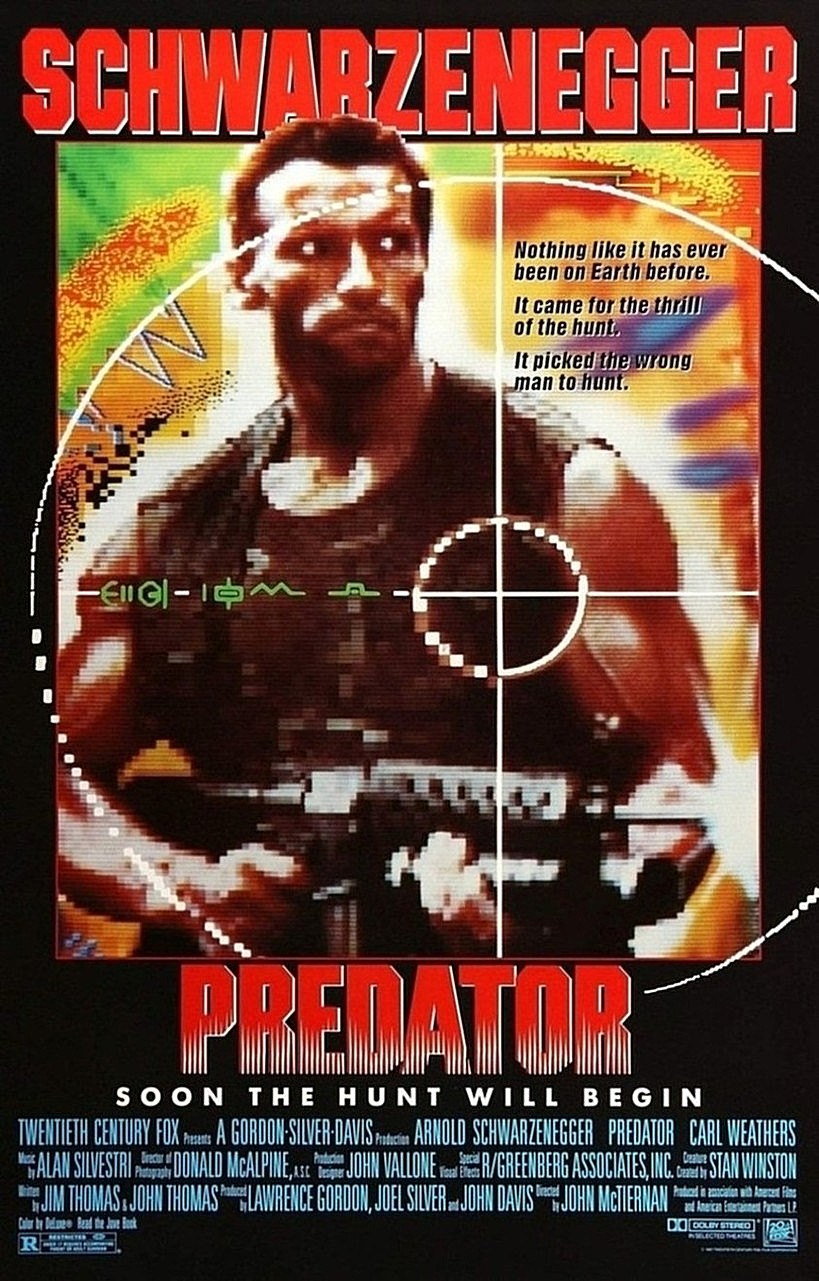
Review: Predator (dir. John McTiernan)


Predator 1987

It would be accurate for one to say that Arnold Schwarzenegger was king of the 80’s action flicks. He first burst onto the scene in the titular role in Conan the Barbarian then it’s follow-up sequel. Yet, it would be his role in James Cameron’s The Terminator in 1985 that would make him a household name.

He began to crank out action films after action film every year to varying degrees of success and quality between 1984 and 1987. It would be in the summer of 1987 that he would add a third iconic action film role to stint as Conan the Barbarian and the relentless cybernetic killer, the Terminator.

Maj. Dutch Schaefer in John McTiernan’s action scifi Predator cemented Arnold Schwarzenegger as the most bankable movie star of the 1980’s. The film itself has become a go-to classic whenever film fans of all stripes discuss what were some of the best films of the era. Yes, I do categorize Predator as one of the best to come out of the 1980’s. It does more than hold it’s own when stacked up against Oscar winners, festival darlings and indie cult-favorites.

It’s a film that takes the premise that “man is the most dangerous game” to new levels by adding in a scifi element to the story. That scifi element being an extraterrestrial hunter who comes to Earth every so often to hunt. It’s chosen prey tends to be killers, fighters and soldiers at the top of their craft and usually during times of extreme conflict.

The film, as written by the two brothers John and Jim Thomas, actually works like a slasher horror film in the beginning as Dutch and his team of elite commandos trek through the Central American jungle on a rescue mission. A mission that lands the team in finding the grisly remains of another American special forces team. Questions come up as to whether their CIA liaison (played by Carl Weathers of Rocky and Rocky II fame) knows more about the true nature of their supposed rescue mission than he’s willing to let on.

It’s once the team, still being stalked through the jungle by an unseen predator, finally find the people they’re suppose to rescue that all hell breaks loose in more ways than one. The action is loud, messy and exquisitely choreographed and filmed. Unlike some of the action films of the last ten years, Predator succeeds with it’s action scenes for having a director who uses very long takes and little to no hand-held to keep the action geography easy to follow and the action choreography unencumbered by too many edits and cuts.

Even once the team realizes that they were now being hunted and that whoever, or whatever is hunting them, the film still continues to stay on a creative track. When I mentioned that the film plays out like slasher film, it does in way in that the titular character behaves and moves like slasher killers. It seems to be everywhere and nowhere. The very victims it’s hunting only see it when it’s too late and death’s upon them.

The film’s dialogue has been quoted by so many fans that memes have been created around them. Yet, this doesn’t mean that the film is hilarious. What it does have was that masculine, brother’s-in-arms banter and quips that’s become a sort of signature for screenwriter and director Shane Black who was hired to do some uncredited rewrites on the Thomas Brother’s original script. Black would also end up playing one of the commandos in the film.

Outside of Arnold himself, Predator would be best-known for the effects work by the late and great Stan Winston, who would come in to help redesign the title character (with some help from his buddy James Cameron) and the rest as they would say was film history. It would be difficult to go anywhere around the world, show the Predator to some random person and they not know what it is.

Predator was one of those films that people, at first, thought was just a mindless, popcorn flick. The type of cinema that was to be seen then forgotten for better fare. Yet, in the end, Predator ended up becoming not just a classic of its genre, but a perfect example of a film that transcends it’s genre roots to become just a great film, in general.