4 Or More Shots From 4 Or More Films is just what it says it is, 4 shots from 4 of our favorite films. As opposed to the reviews and recaps that we usually post, 4 Shots From 4 Films lets the visuals do the talking!
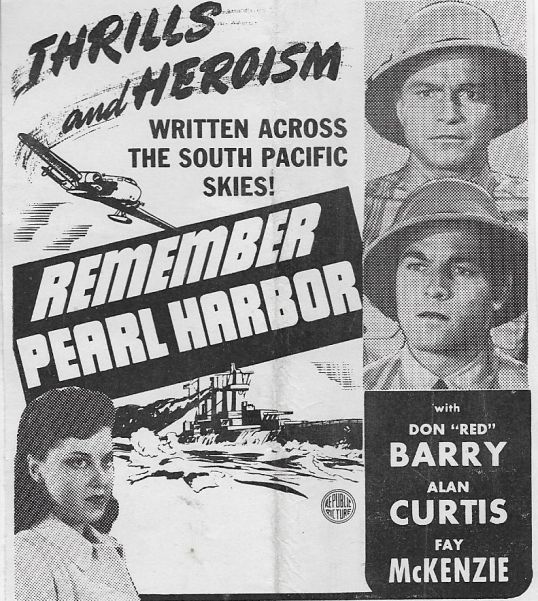
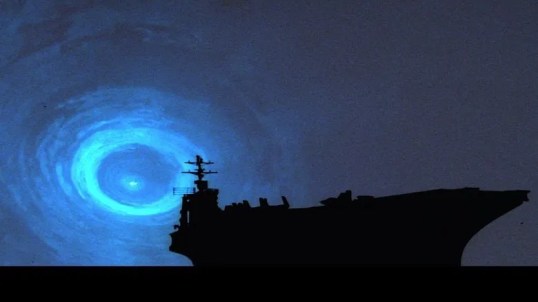
Visiting Pearl Harbor and seeing the remains of the Arizona, still trapped underwater and serving as a tomb for many of its crew, was one of the most moving experiences of my life. It’s not something that you’ll ever forget. You really don’t understand the full tragedy of Pearl Harbor until you visit for yourself. There have been several films made about Pearl Harbor, some better than others. Here are shots from four of them.
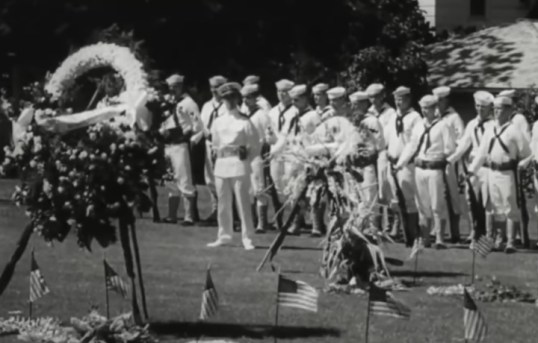
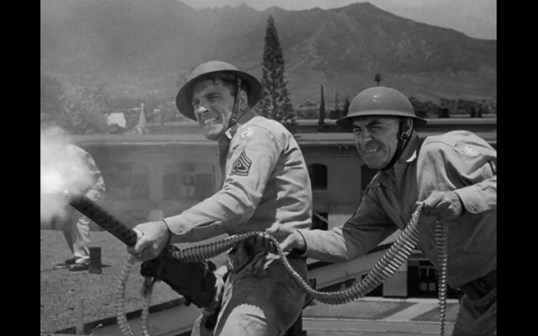
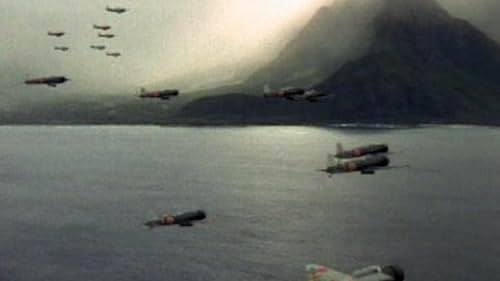
4 Shots From 4 Films: Remembering Pearl Harbor
December 7th (1943, Dir. by John Ford)
From Here To Eternity (1953, Dir. by Fred Zinnemann)
Tora! Tora! Tora! (1970, Dir. by Richard Fleischer)
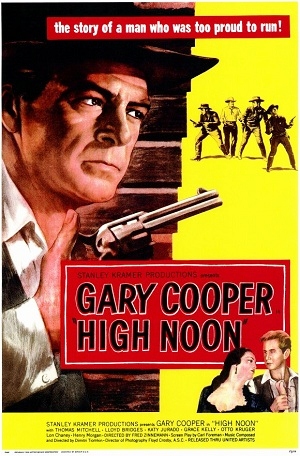
In honor of Fred Zinnemann’s birthday, today’s scene of the day comes from his best film, 1952’s HighNoon. HighNoon tells the story of the honest and forthright Marshal Will Kane (Gary Cooper), who finds himself abandoned by the town that he’s faithfully served when it is rumored that a fearsome gunman will be arriving at noon to seek revenge on the man who previously sent him to prison.
Below, we have the final scene of High Noon, in which the cowardly townspeople finally come to support Marshal Kane. Kane, disgusted by their actions, can only throw away his star and leave town. Even without dialogue, Cooper lets you know exactly what is going through Kane’s mind. It’s a great scene from a great film featuring a great actor and directed by a great filmmaker.
4 Or More Shots From 4 Or More Films is just what it says it is, 4 shots from 4 of our favorite films. As opposed to the reviews and recaps that we usually post, 4 Shots From 4 Films lets the visuals do the talking!
118 years ago, on this date, Fred Zinnemann was born in what is now Poland. Though he originally considered studying to become a lawyer, a teenage Zinnemann instead became fascinated with the relatively new medium of film. He immigrated to the United States in 1928, hoping to find more opportunities as an aspiring director. After working as an actor and crew member on several films, Zinnemann made his directorial debut in 1936.
His film career was span 50 years, during which time Zinnemann became known for making films about strong individuals who refused to back down in the face of societal pressure. In total, his films received 65 Oscar nominations and won 24. Zinnemann was nominated ten times and won three Oscars. Two of his films, From Here To Eternity and A Man For All Seasons, won best picture. While many of his contemporaries were retiring or fading into irrelevance, Zinnemann remained an important director throughout the 70s and early 80s.
Today, we honor the legacy of Fred Zinnemann with….
4 Shots From 4 Fred Zinnemann Films
High Noon (1952, dir by Fred Zinnemann, DP: Floyd Crosby)
From Here To Eternity (1953, dir by Fred Zinnemann, DP: Floyd Crosby and Burnett Guffey)
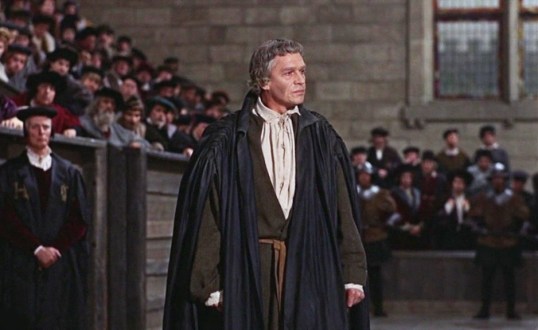
A Man For All Seasons (1966, dir by Fred Zinnemann, DP: Ted Moore)
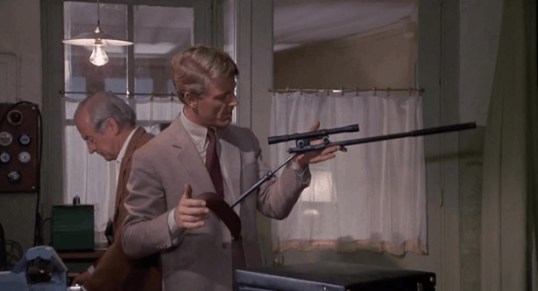
The Day of the Jackal (1973, dir by Fred Zinnemann, DP: Jean Tournier)
4 Shots From 4 Films is just what it says it is, 4 shots from 4 of our favorite films. As opposed to the reviews and recaps that we usually post, 4 Shots From 4 Films lets the visuals do the talking!
Today, we take a look at a classic cinematic year. It’s time for….
4 Shots From 4 1953 Films
From Here To Eternity (1953, dir by Fred Zinnemann, DP: Floyd Crosby and Burnett Guffey)
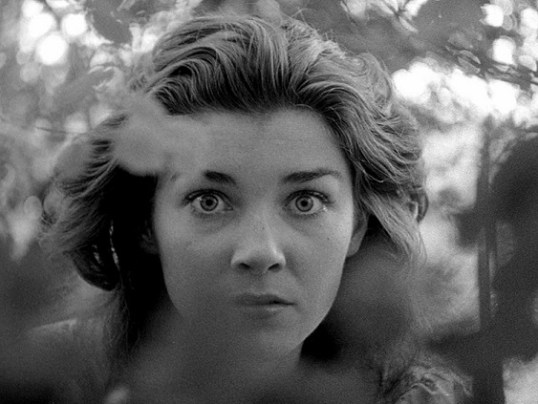
Fear and Desire (1953, dir by Stanley Kubrick, DP: Stanley Kubrick)
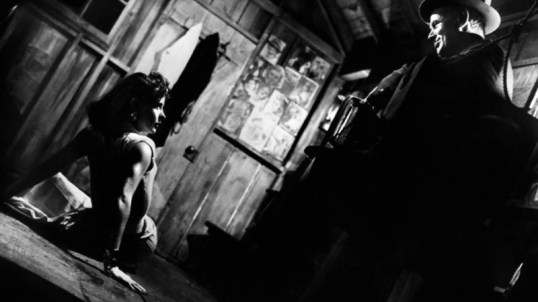
Pickup on South Street (1953, dir by Samuel Fuller, DP: Joseph MacDonald)
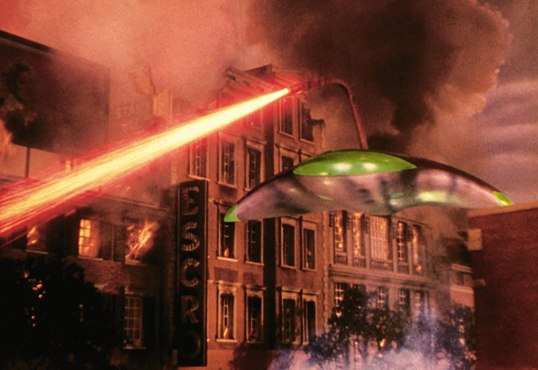
The War of the Worlds (1953, dir by Byron Haskin, DP: George Barnes)
4 Or More Shots From 4 Or More Films is just what it says it is, 4 shots from 4 of our favorite films. As opposed to the reviews and recaps that we usually post, 4 Shots From 4 Films lets the visuals do the talking!
Since today is Oscar nomination day, today’s edition of 4 Shots From 4 Films is dedicated to films that were nominated for Best Picture but which did not win.
4 Shots From 4 Best Picture Nominees
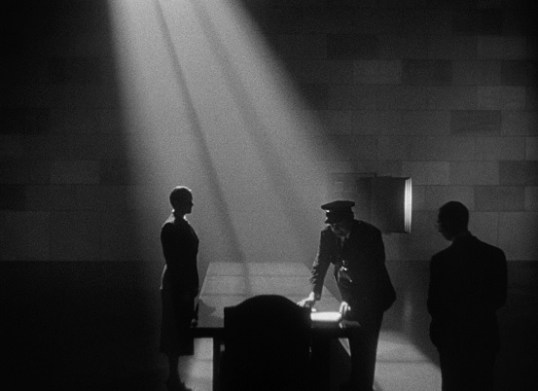
Citizen Kane (1941, dir by Orson Welles, DP: Gregg Toland)
High Noon (1952, dir by Fred Zinnemann, DP: Floyd Crosby)
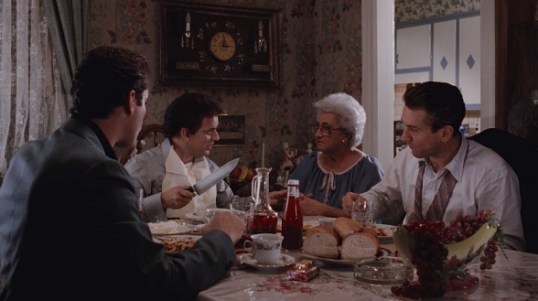
Goodfellas (1990, dir by Martin Scorsese, DP: Michael Ballhaus)
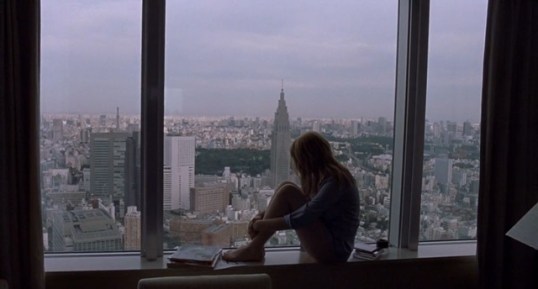
Lost In Translation (2003, dir by Sofia Coppola, DP: Lance Acord)
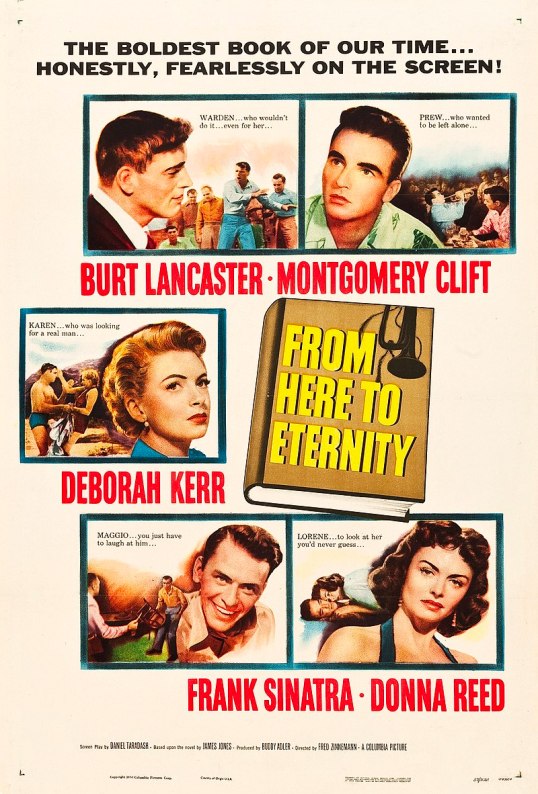
“The boldest book of our time,” shouts the poster art for 1953’s From Here To Eternity, “honestly, fearlessly brought to the screen!”
And indeed, James Jones’s novel was brought to the screen about as boldly as a studio film could be brought in 1953. The book told the story of several soldiers in the days immediately before the attack on Pearl Harbor. The Production Code was still in effect and, as a result, a few changes were made to the film’s plot. Donna Reed played Lorene, a character who is described as being a “hostess” at social club but who, in the book, worked at a brothel that was popular with the soldiers from a nearby army base. In the book, an unfaithful husband gives his wife a venereal disease that leads to her getting a hysterectomy. In the movie, Karen’s (Deborah Kerr) hysterectomy was the result of a miscarriage that occurred after she discovered her husband was being unfaithful. The book was critical of the Army and featured officers who faced no consequences for their actions. The movie definitely presents the enlisted men as being at the mercy of officers but the worst of the officers is ultimately disciplined. The movie was made with the cooperation of the U.S. Army and, as a result, the film’s villains — like Captain Holmes (Philip Ober) and the monstrous Fatso Judson (Ernest Borgnine) — were portrayed as being aberrations who did not represent the Army as a whole. That said, the film version of From Here To Eternity is still a powerful, moving, and daring film. What couldn’t be shown on screen is still suggested. One might not see the specifics of what Fatso Judson does to Maggio (Frank Sinatra) in the stockade but it’s not difficult to figure out.
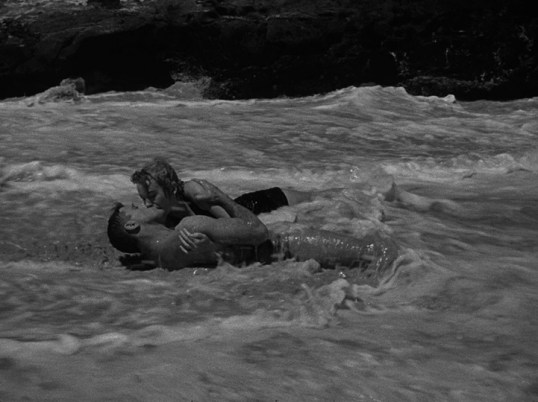
The film follows one company of soldiers as they laugh, fight, and fall in love while stationed in Hawaii. They spend time training for a war that most of them think will never come. Captain Holmes is more concerned with his regimental boxing team than the prospect of going to war and is confused when Private Prewitt (Montgomery Clift) refuses to stop back into the ring. Prewitt, who takes pride in his ability as a bugler, quit boxing after he blinded an opponent in the ring but Holmes doesn’t care. Holmes wants another trophy for his office. He orders Sgt. Warden (Burt Lancaster) to make life Hell for Prewitt until Prewitt agrees to box. Warden, who has seen a lot of officers come and go and who has been tempted to become an non-commissioned officer himself, is having an affair with Holmes’s wife, Karen. Meanwhile, Prewitt and his friend Maggio spend their time looking forward to the weekends they’re allowed to spend off the base. Prewitt has fallen in love with Lenore but, as with all the men in From Here To Eternity, Prewitt’s true love is for the army. Even with Holmes pressuring him to box, Prewitt’s loyalty is to the men with whom he serves. There’s a lot of drama, a lot of death, and a lot of romance. This is the film in which Burt Lancaster and Deborah Kerr make out on the beach while the tide rolls in. But, when Pearl Harbor is attacked, all of the drama and all of the romance is forgotten as America goes to war.
From Here To Eternity is one of the best films of the 1950s and certainly one of the more worthy winners for Best Picture. Intelligently directed, wonderfully acted, deliriously romantic, and finally rather sad, it’s a film that embraces the melodrama without ever hitting a false note. Burt Lancaster’s rugged weariness, Montgomery Clift’s method sensitivity, Frank Sinatra’s naturalism, Ernest Borgnine’s crudeness, Deborah Kerr’s classiness, and Donna Reed’s earnestness all come together to create a film in which the characters feel real and alive. Warden, Prewitt, Lenore, Karen, and Maggio are all interesting, multi-faceted people, trying to find some sort of happiness in the shadow of an inevitable war. The viewer may sometimes have mixed feelings about their actions (and Borgnine’s Judson is one of the most loathsome roles that the normally likable Borgnine ever played) but you never cease to care about them and their stories. With all of the characters and the affairs and the secrets, From Here To Eternity can feel like a soap opera but it’s also a portrait of a world that is on the verge of changing forever.
A few years ago, I attended a screening of From Here To Eternity at the Dallas Angelika. This is a film that definitely deserves to be seen on the big screen. From the famous scene on the beach to the attack on Pearl Harbor to the tragic final moments, this is a big movie that deals with big emotions and big moments. It’s one of the best.
4 Or More Shots From 4 Or More Films is just what it says it is, 4 shots from 4 of our favorite films. As opposed to the reviews and recaps that we usually post, 4 Shots From 4 Films lets the visuals do the talking!
117 years ago, on this date, Fred Zinnemann was born in what is now Poland. Though he originally considered studying to become a lawyer, a teenage Zinnemann instead became fascinated with the relatively new medium of film. He immigrated to the United States in 1928, hoping to find more opportunities as an aspiring director. After working as an actor and crew member on several films, Zinnemann made his directorial debut in 1936.
His film career was span 50 years, during which time Zinnemann became known for making films about strong individuals who refused to back down in the face of societal pressure. In total, his films received 65 Oscar nominations and won 24. Zinnemann was nominated ten times and won three Oscars. Two of his films, From Here To Eternity and A Man For All Seasons, won best picture. While many of his contemporaries were retiring or fading into irrelevance, Zinnemann remained an important director throughout the 70s and early 80s.
Today, we honor the legacy of Fred Zinnemann with….
4 Shots From 4 Fred Zinnemann Films
High Noon (1952, dir by Fred Zinnemann, DP: Floyd Crosby)
From Here To Eternity (1953, dir by Fred Zinnemann, DP: Floyd Crosby and Burnett Guffey)
A Man For All Seasons (1966, dir by Fred Zinnemann, DP: Ted Moore)
The Day of the Jackal (1973, dir by Fred Zinnemann, DP: Jean Tournier)
In honor of what would have been Fred Zinnemann’s 116th birthday, today’s scene that I love comes from 1953’s From Here To Eternity, one of the two Zinnemann-directed films to win the Oscar for Best Picture.
In this scene, Private Prewitt (Montgomery Clift) proves that he’s still a skilled boxer. That’s not something that Prewitt wants the world to know because he’s still guilt-stricken over accidentally blinding one of his sparring partners. Captain Holmes wants Prewitt to fight on the regimental team. Prewitt would rather just play the bugle but, as he shows in this scene, he can still throw a punch if he’s forced to. It leads to a lot of drama, the majority of which is forgotten in the wake of the attack on Pearl Harbor.
4 Shots From 4 Films is just what it says it is, 4 shots from 4 of our favorite films. As opposed to the reviews and recaps that we usually post, 4 Shots From 4 Films lets the visuals do the talking.
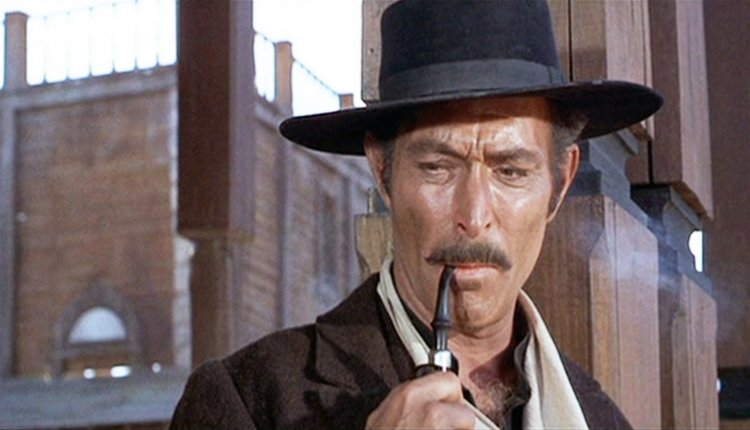
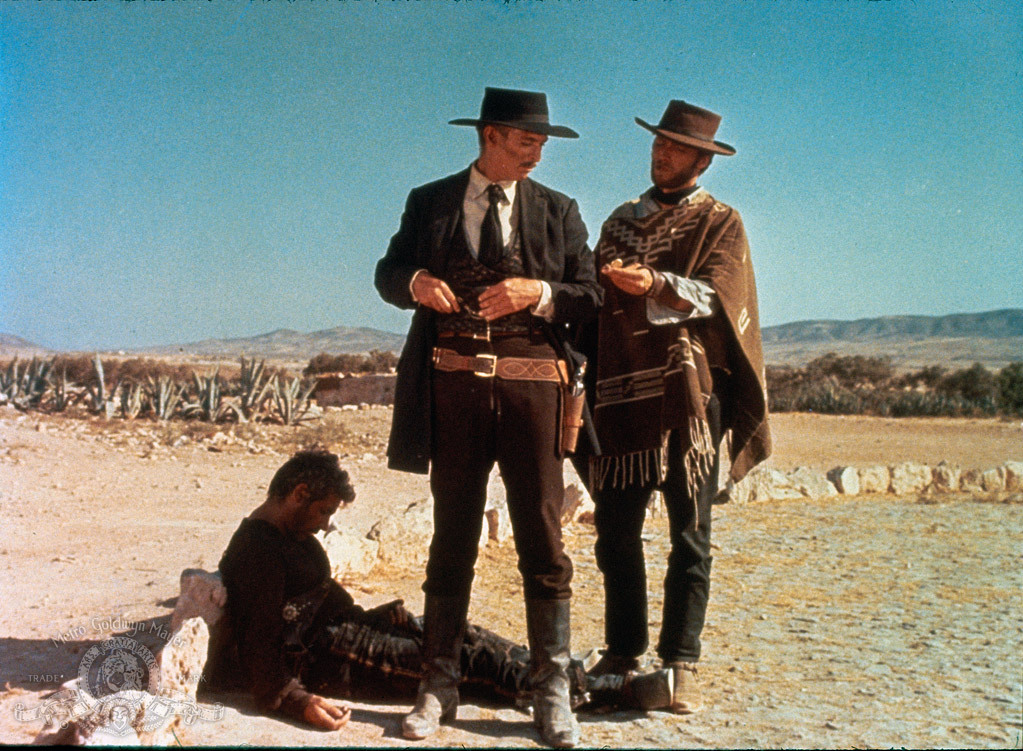
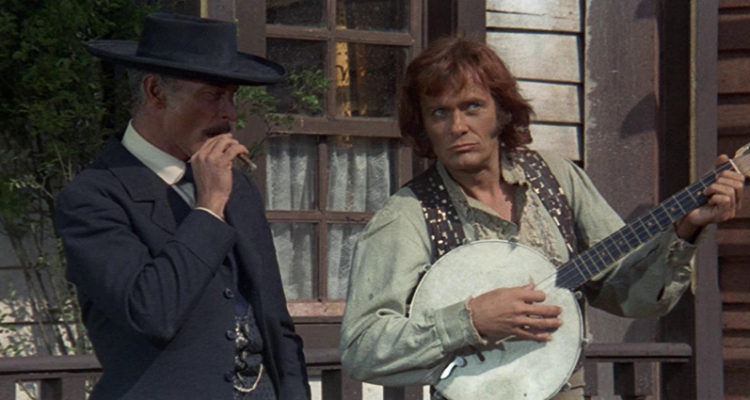
Today is the 95th birthday of the great, late Lee Van Cleef! Van Cleef got his start playing western outlaws in Hollywood westerns like High Noon and The Man Who Shot Liberty Valance. In the 1960s, Van Cleef did what many American actors of the time. He went overseas to find better roles and bigger paychecks. A series of roles in Spaghetti westerns made Van Cleeef one of the biggest stars in Europe and it also made him a timeless film icon.
In honor of the career and legacy of Lee Van Cleef, here are 4 shots from 4 films.
4 Shots From 4 Lee Van Cleef Films
High Noon (1952, directed by Fred Zinnemann)
The Man Who Shot Liberty Valance (1962, directed by John Ford)
For A Few Dollars More (1965, directed by Sergio Leone)
(I am currently in the process of cleaning out my DVR! I recorded the 1952 best picture nominee, High Noon, off of Retroplex on January 28th. This review is scheduled to posted at 12 noon, central time. Clever, no?)
High Noon is a testament to the power of simplicity.
It’s a famous film, one that continues to be influential and which is still studied today. It’s known for being one of the greatest westerns ever made but it’s also a powerful political allegory. Even people who haven’t seen the film know that High Noon is the moment of the day when someone shows their true character. Just as everyone knows the plot of Star Wars, regardless of whether they’ve actually watched the film, everyone knows that High Noon is about a town marshal who, after the entire town deserts him, is forced to face down a gang of gunmen on his own.
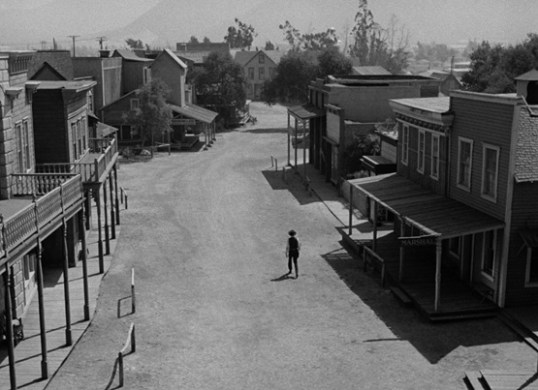
And yet, it really is a surprisingly simple movie. It’s the quintessential western, filmed in black-and-white and taking place in the type of frontier town that you would expect to find hiding on the back lot of an old movie studio. Though wonderfully brought to life by a talented cast, the majority of the characters are familiar western archetypes.
There’s the aging town marshal, a simple man of integrity. Gary Cooper won an Oscar for playing the role of Will Kane. When we first see Will, he’s getting married in a frontier courtroom. All of the town leaders have come to his wedding and all of them wish him luck in the future. Will is retiring and everyone agrees that the town would never have survived and prospered if not for Will Kane. After all, Will is the one who captured the notorious outlaw, Frank Miller. When the news comes that Miller has been pardoned and will be arriving back in town on the noon train, everyone tells Will that he should just leave town and go on his honeymoon. However, the new marshal will not be arriving for another day and Will is not willing to abandon the town. However, the town is more than willing to abandon him.
Will’s new wife is Amy Fowler (Grace Kelly). Amy is a Quaker and a pacifist. Amy begs Kane to leave town but Kane says that he’s never run from a fight. Amy tells him that she’ll be leaving on that noon train, with or without him. Helen Ramirez (Katy Jurado) is the former girlfriend of both Kane and Miller. She is one of the few people in town to call out everyone else’s cowardice but she is still planning to leave before Miller arrives. As she explains it to Amy, she would never abandon Kane if he were her man but he’s not her man anymore.
The townspeople, who first appear to be so friendly and honest, soon prove themselves to be cowards. None of them are willing to stand behind Will. The Mayor (Thomas Mitchell) publicly castigates Will for staying in town and putting everyone else in danger. Deputy Harvey Pell (Lloyd Bridges) says that he’ll only help Will if Will recommends him as his replacement. The town minister (Morgan Farley) is more concerned with why Will was married by the justice of the peace, instead of in the church. The town judge (Otto Kruger) leaves early, saying he can be a judge in some other town. One of the few people to show Will any sympathy is the former marshal (Lon Chaney, Jr.) but, unfortunately, he is too old and crippled by arthritis to provide any help.
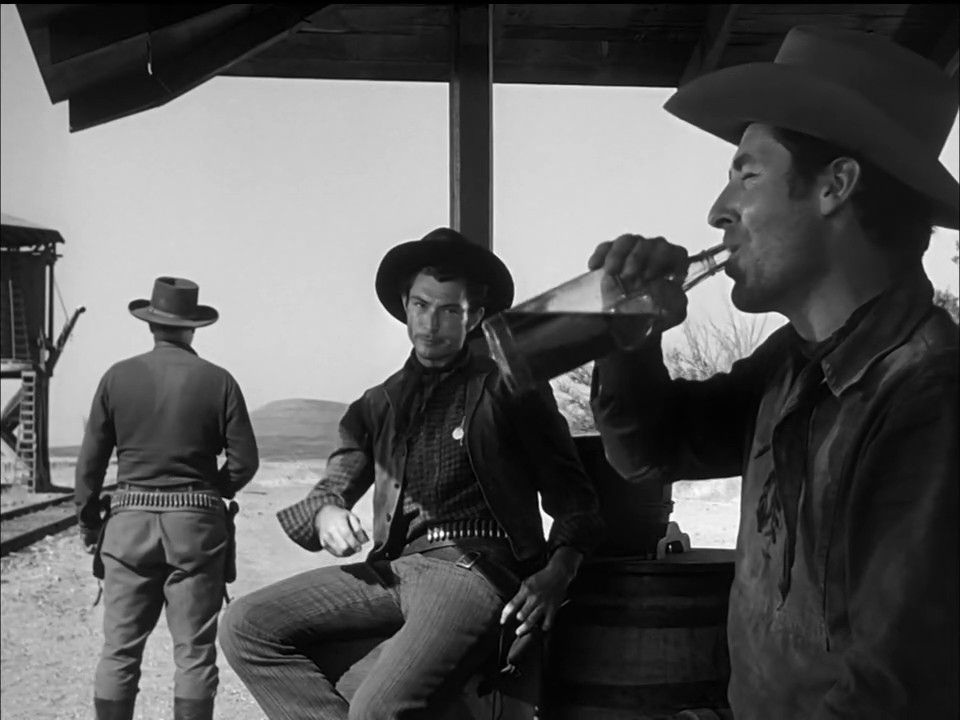
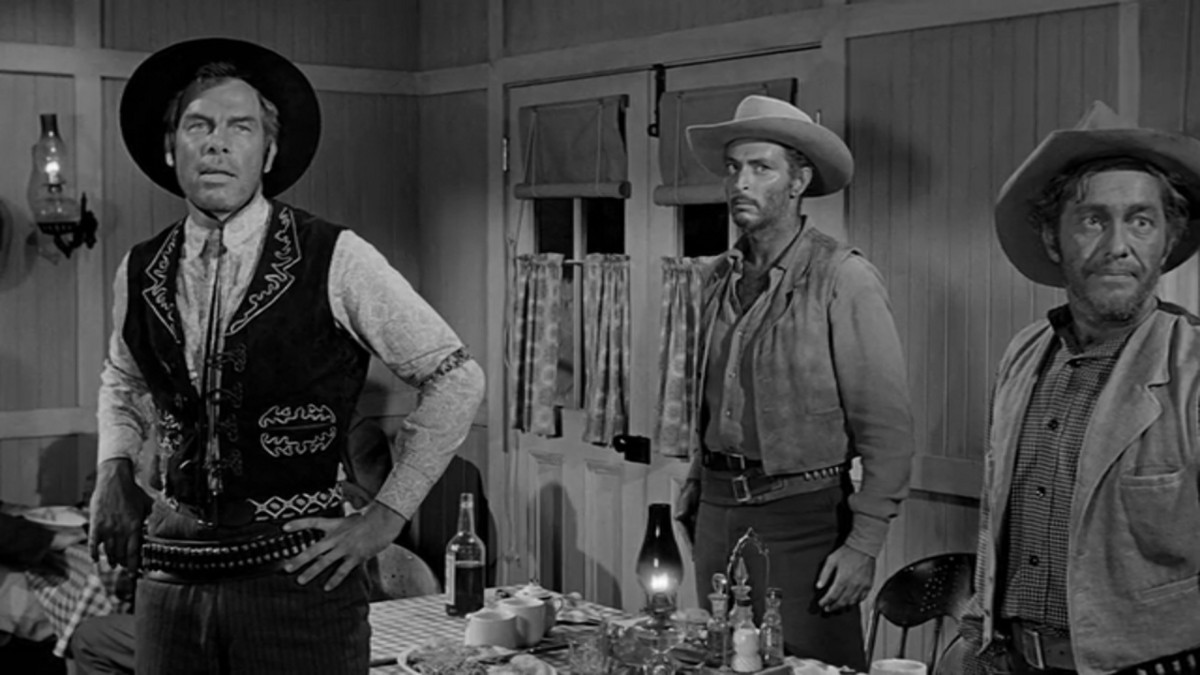
Though it all, Frank’s gang sits at the train station and waits for Frank to arrive. One gang member is played be Lee Van Cleef. He looks really mean!
With a brisk running time of 84 minutes, High Noon unfolds in real time. Throughout the film, as Kane grows increasingly desperate in his attempt to find anyone brave enough to stand with him, we see clocks in the background of nearly every scene. We hear the ticking. We know that both noon and Frank Miller are getting closer and closer. We know that, soon, Will will have no other option but to stand on the street by himself and defend a town that doesn’t deserve him.
It’s simple but it’s undeniably powerful.
It’s been said that High Noon was meant to be a metaphor for the blacklist. Frank Miller and his gang were the fascists that, having been defeated in World War II, were now coming back to power. Will Kane was a stand-in for all the men and women of integrity who found themselves blacklisted. The townspeople represented the studio execs who refused to challenge the blacklist. That’s the theory and it’s probably true. But, honestly, the political metaphor of High Noon works because it can be applied to any situation. Will Kane is anyone who has ever had to face down the forces of totalitarianism. He is anyone who has ever had the courage to take a lonely stand while everyone else cowered in the corner.
It’s a powerful metaphor and it’s also a genuinely entertaining movie. The gunfight is thrilling. The romance between Will and Amy feels real. Even the town feels like an actual place, one that has its own history and culture. It’s a simple film but it’s a great film.
Like a lot of great films, High Noon was nominated for best picture. And, like a lot of great films, it lost. In High Noon‘s case, it lost to a film that is almost its exact opposite, The Greatest Show on Earth. However, Gary Cooper did win an Oscar for his unforgettable performance as Will Kane.
I think we tend to take classic films for granted. Don’t do that with High Noon. See it the next chance you get.
 Through the Shattered Lens