Lisa Reviews An Oscar Winner: In the Heat of the Night (dir by Norman Jewison)


The 1967 film, In the Heat of the Night, tells the story of two very different men.

Chief Gillespie (Rod Steiger) is the police chief of the small town of Sparta, Mississippi.  In many ways, Gillespie appears to the epitome of the bigoted Southern cop.  He’s overweight.  He loses his temper easily.  He chews a lot of gum.  He knows everyone in town and automatically distrusts anyone who he hasn’t seen before, especially if that person happens to be a black man or from the north.

Virgil Tibbs (Sidney Poitier) is a black man from the north.  He’s a detective with the Philadelphia Police Department and he’s as cool and controlled as Gillespie is temperamental and uncouth.  Tibbs has no patience for the casual racism that is epitomized by lawmen like Chief Gillespie.  When Gillespie says that Virgil is a “fancy name” for a black and asks what people call Virgil in Philadelphia, Virgil declares, “They call me Mister Tibbs!,” with an authority that leaves no doubt that he expects Gillespie to do the same.

Together …. THEY SOLVE CRIMES!

For once, that old joke is correct.  When a Chicago industrialist named Phillip Colbert is discover murdered in Sparta, Chief Gillespie heads up the investigation and, assuming that the murderer must be an outsider, orders Deputy Wood (Warren Oates) to check out the train station for any suspicious characters.  When Wood arrives at the station, he discovers Virgil standing on the platform.  Virgil is simply waiting for his train so that he can get back home to Philadelphia.  However, Wood promptly arrests him.  Gilespie accuses him of murdering Colbert, just to discover that Virgil’s a police detective from Philadelphia.

Though neither wants to work with the other, that’s exactly what Gillespie and Virgil are forced to do as they investigate Colbert’s murder.  Colbert was planning on building a factory in Sparta and his wife (Lee Grant) makes it clear that, if Sparta wants the factory and the money that comes with it, Virgil must be kept on the case.  Over the course of the investigation, Gillespie and Virgil come to a weary understanding as both of them are forced to confront their own preconceived notions about both the murder and life in Sparta.  In the end, if it’s impossible for them to truly become friends, they do develop a weary respect for each other.  That is perhaps the best that one could have hoped for in 1967.

I have to admit that it took me a few viewings before I really appreciated In the Heat of the Night.  Though this film won the Oscar for Best Picture of 1967, it’s always suffered when compared to some of the films that it beat.  One can certainly see that the film was superior to Doctor Dolittle and Guess Who’s Coming to Dinner.  But was it a better film than The Graduate or Bonnie and Clyde?  Did Rod Steiger really deserve to win Best Actor over Dustin Hoffman and Warren Beatty?  (Amazingly, Poitier wasn’t even nominated.)

To be honest, I still feel that In The Heat of the Night was probably the 3rd best of the 5 films nominated that year, superior to the condescending Guess Who’s Coming To Dinner but nowhere near as groundbreaking as Bonnie and Clyde or The Graduate.  The first time I watched In the Heat of the Night, I thought Steiger blustered a bit too much and the film’s central mystery didn’t really hold together and, to a large extent, I still feel like that.

But, at the same time, there’s a lot to appreciate about In the Heat of the Night.  On subsequent viewings, I came to better appreciate the way that director Norman Jewison, editor Hal Ashby, and cinematographer Haskwell Wexler created and maintained an atmosphere that was so thick that you can literally feel the Mississippi humidity while watching the film.  I came to appreciate the supporting cast, especially Warren Oates, Lee Grant, Scott Wilson, Anthony James, and Larry Gates.  (Gates especially makes an impression in his one scene, playing an outwardly genteel racist who nearly cries when Tibbs reacts to his slap by slapping him back.)  I also came to appreciate the fact that, while the white cop/black cop partnership has subsequently become a bit of a cliche, it was new and even controversial concept in 1967.

And finally, I came to better appreciate Sidney Poitier’s performance as Virgil.  Poitier underplays Virgil, giving a performance of tightly controlled rage.  While Steiger yells his way through the film, Poitier emphasizes that Virgil is always thinking.  As in the same year’s Guess Who’s Coming To Dinner, Poitier plays a dignified character but, here, that dignity is Virgil’s way of defying the demands and expectations of men like Gillespie.  When Virgil does strike back, it’s a cathartic moment because we understand how many times he’s had to hold back.

In the Heat of the Night may not have been the best film of 1967 but it’s still one worth watching.

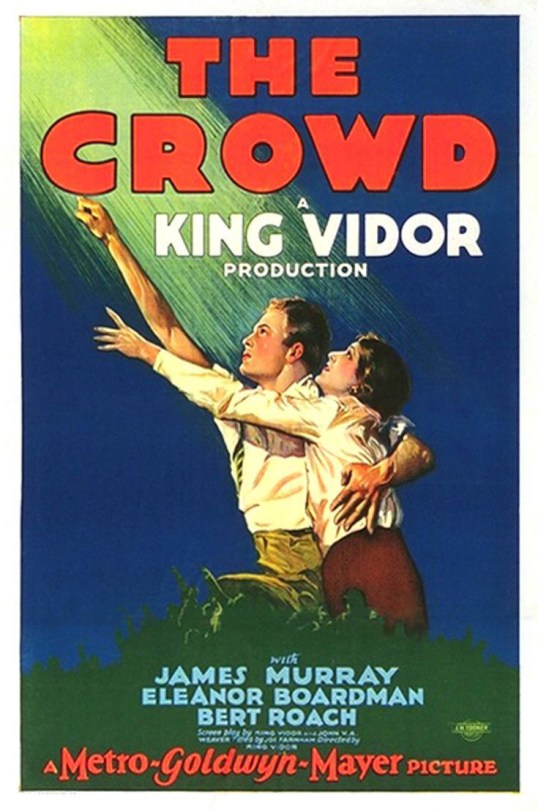
Lisa Reviews An Oscar Nominee: The Crowd (dir by King Vidor)


Way back when the Academy first started to hand out awards to honor the best films of the year, they actually gave out two awards for best picture.  One of the awards was called Oustanding Production and it’s assumed by most Oscar historians that it was meant to go to the most “entertaining” film of the year.  The other award was called Best Unique and Artistic Picture and it was meant to honor the type of films that might not make a huge amount of money at the box office but which did the most to move cinema forward as an art form.

As a result, when the very first Academy Awards were awarded at the Hollywood Roosevelt Hotel on May 16th, 1929, a popular war film named Wings was named Outstanding Production while F.W. Murnau’s Sunrise was named Best Unique and Artistic Picture.  Sunrise defeated two other nominees, a documentary called Chang and King Vidor’s The Crowd.

It’s long been rumored that, when the votes were first counted, The Crowd originally won Best Unique and Artist Picture but that Louis B. Mayer insisted that the award should go to Sunrise instead.  The head of MGM, Louis B. Mayer reportedly disliked The Crowd, even though it was distributed by his own studio.  Mayer felt that the film was too downbeat and he also resented that King Vidor had resisted Mayer’s demand that the film have a traditionally happy ending.  It’s also been suggested that, since the Academy was largely Mayer’s idea, he felt that, if an MGM film won the initial reward, it would lead to his enemies claiming that Mayer had too much influence over the organization.  That may or may not be true, no one can say for sure.  What we can say for sure, however, is that both The Crowd and Sunrise continue to be recognized as classics of the silent era.

The Crowd tells the story of John Sims (James Muray), who goes to New York when he’s 21, convinced that he’s destined to be someone important.  Sims gets a job at Atlas Insurance, where he’s one of many faceless office workers.  He meets and, after one date, marries Mary (Eleanor Broadman).  They live in a tiny apartment next to an elevated track.  Over the next five years, they raise a family.  They fight often.  Occasionally, they beak up but they always get back together.  Throughout it all, John struggles to prove himself as an individual, just to be continually reminded that he’s only a member of the faceless crowd.

It’s not a particularly happy film.  John starts the film as a member of the crowd and he’s still a member of the crowd when it ends.  If there is anything positive to be found in the film, it’s that John’s family loves him but, even taking that in to consideration, it’s obvious that he and Mary are going to spend their entire lives struggling and that the same fate probably awaits their children.  Knowing that the film was made on the verge of the start of the Great Depression makes John’s story all the more poignant.  If he thinks things are bad now, they’re about to get even worse.

Seen today, The Crowd is still a visually striking film.  Influenced by German expressionism (particularly the work of Sunrise‘s director, F.W. Murnau), Vidor presents New York as being a menacing and frequently surreal world of towering skyscrapers and unfriendly faces.  (Vidor even used the then-unheard of technique of using a hidden camera to capture actual documentary footage of star James Murray dealing with real New Yorkers.)  The Crowd is probably best remembered for the shot where the camera pans up the length of a skyscraper, finally entering the building and showing us the anonymous office workers within.  It’s a shot that perfectly captures the film’s theme of being lost and ignored in an impersonal world.  It’s also a shot that’s been duplicated in a countless number of films.  The Crowd may be 92 years old but its legacy lives on.

Sadly, things did not turn out well for James Murray, the former extra who Vidor cast in the lead role.  The success of The Crowd did not translate into success for Murray.  An alcoholic, Murray ended up living on Skid Row, where he once asked King Vidor for money and reacted with anger when Vidor offered him a role in a new film.  In 1936, Murray was found floating in the Hudson River.  He was 35 years old.

As for the Oscar for Best Unique and Artistic Motion Picture, it was only awarded once.  Starting with the second Oscar ceremony, the Academy merged the two best film awards into one.  Interestingly, the idea of giving out two Best Picture awards was briefly revived in 2018 but the response to the idea was so negative that it was quickly abandoned.

The Denver Film Critics Honor 1917!


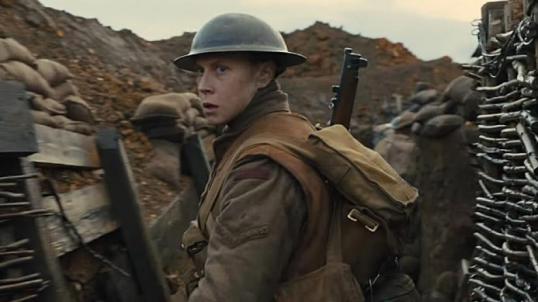
The Denver Film Critics have become the latest group to honor 1917 as the best of 2019!

Here are their winners:

Best Picture: 1917

Best Director: Sam Mendes, 1917

Best Actor: Joaquin Phoenix, Joker
Best Actress: Scarlett Johansson, Marriage Story
Best Supporting Actor: Brad Pitt, Once Upon a Time in Hollywood
Best Supporting Actress (tie): Laura Dern, Marriage Story and Florence Pugh, Little Women

Original Screenplay: Rian Johnson, Knives Out
Adapted Screenplay: Greta Gerwig, Little Women

Best Animated Film: Toy Story 4
Best Documentary: Honeyland
Best Foreign Language Film: Parasite

Best Score: Hildur Guðnadóttir, Joker
Best Original Song: “Glasgow” from Wild Rose
Best VFX: 1917

Lisa Reviews An Oscar Nominee: Marriage Story (dir by Noah Baumbach)


The Oscar nominations were announced earlier today and, as happens every year, some of the nominations were met with acclaim while others left observers scratching their heads.  Right now, on twitter, there’s a fierce debate going on between those who think Joker deserved all of its nominations and those who believe that the Academy has once again deliberately snubbed women and people of color.

As for me, I’m just shaking my head at all the nominations for Marriage Story.  I get the feeling that, out of all of the recently unveiled best picture nominees, Marriage Story is the one that we will have forgotten about within the next year.  It’s an acclaimed film and I’m happy that Scarlett Johansson finally got a nominations (two nominations, as a matter of fact, as she was also nominated for Best Supporting Actress for Jojo Rabbit) but, in the end, Marriage Story feels rather hollow.

Marriage Story is about the end of a marriage.  Charlie Barber (Adam Driver) is a New York-based theatrical director.  Nicole Barber (Scarlett Johansson) is his wife.  Nicole is an actress who, before she married Charlie, was best known for appearing topless in a teen comedy.  Charlie is often credited with having resurrected her career.  On the surface, they’re the perfect New York couple.  However, when we first meet them, their marriage is coming to an end.  Charlie, we learn, cheated on Nicole with a production assistant.  Nicole wants to go to Los Angeles so that she can star in a television series and have a career that’s not dependent upon her husband.  Caught in the middle of all this is their son, Henry (Azhy Robertson).

At first, Charlie and Nicole agree to an amicable split, one with no lawyers and no accusations.  That doesn’t last.  Nicole hires the cheerfully ruthless Nora Fanshaw (Laura Dern).  Charlie, after moving out to Los Angeles, finds himself torn between hiring either the the kindly (but ineffectual) Bert Spitz (Alan Alda, in a role he was born to play) or the somewhat sinister (but definitely effective) Jay Marotta (Ray Liotta, also in a role that he was born to play).  While both Charlie and Nicole try (and often) fail to maintain a civil relationship for Henry’s sake, their attorneys go to war.

There’s a lot of good things to be said about Marriage Story.  Though I think that his truly award-worthy work for 2019 was not in this film but instead in The Report, Adam Driver does a good job with role of Charlie.  Scarlett Johansson, who has so often been unfairly overlooked at awards time, again proves herself to be one of the best actresses around.  Dern, Alda, and Liotta are well-cast as three very different (but very recognizable) attorneys.  Noah Baumbach’s script has several good lines.  The scene where Nicole’s sister is awkwardly recruited to serve Charlie with the divorce papers is both funny and cringey.  The much-acclaimed scene where Charlie and Nicole go from having a polite (if awkward) conversation to yelling at each other is definitely effective even if it’s power has been diluted by it’s subsequent reinvention as a twitter meme.

That said, Marriage Story ultimately left me feeling dissatisfied.  It’s pretty much an open secret that the film is based on Noah Baumbach’s divorce from Jennifer Jason Leigh and, watching the film, you can’t help but feel that you’re only getting one side of a very complex story.  My first warning sign came when Nicole left for Los Angeles and the film cut to her on the set for her new television series.  Marriage Story goes so overboard in portraying Nicole’s show as being vapid and silly that you can’t help but feel that we’re meant to look down on Nicole for abandoning Charlie’s avant-garde theater productions to star in it.  We’re meant to say, “She gave up Broadway so she could star in some second-rate Marvel show!?”  From the claim that no one took Nicole seriously until Charlie married her to it’s portrayal of her being easily manipulated by her attorney, there’s a pettiness to the film’s portrayal of Nicole.

As for Charlie, he’s presented as being flawed but, as the film progresses, it’s hard not to notice that almost all of his flaws can also serve as a humble brag.  He’s a little dorky,  He’s too intense.  He works too hard.  Sometimes, he has a hard time not being the director.  Almost all of Charlie’s flaws are the type of stuff that people mention in job interviews whenever they’re asked to name their biggest weakness.  “Well, I guess I am a bit of a perfectionist, sometimes….” It’s hard not to feel that, despite a few scenes where Nicole gets to open up, the film is really only interested in Charlie’s perspective.  By the end of the film, Marriage Story reduces Nicole to merely being an obstacle standing in the way of Charlie and his son and it’s hard not to feel that both the character and the actress who plays her deserves better than that.  The film goes from being Marriage Story to simply being Charlie’s Story.

While you’re watching the film, it’s easy to get swept up in Driver and Johansson’s performances.  It’s only afterwards, when you really think about it, that you come to realize that Marriage Story doesn’t really add up to much.  It’s a good acting exercise and I’m sure that it will be popular among community theater actors who have been asked to prepare a monologue for their next audition.  But the whole is ultimately far less than the sum of its parts.

Here Are The Joker-Dominated Oscar Nominations!


The Oscar nominations were announced just an hour ago!  As usual, I’m annoyed but not surprised to see that some of my favorites were snubbed.  No Uncut Gems.  No Adam Sandler for Uncut Gems.  I mean, I knew it wasn’t going to happen but still, it should have.  I’m a bit more surprised that neither Jennifer Lopez nor Taron Egerton received nominations this year.  I’m relieved that Bombshell was not nominated for Best Picture because now I don’t actually have to give serious consideration to a Jay Roach film.  That’s a good thing.  My favorite actress, Scarlett Johansson, received two nominations.  That’s an even better thing.  At the age of 25, Saoirse Ronan has now been nominated for a total of four Oscars.  The last actress to do that was Jennifer Lawrence and, fortunately, Ronan has managed to do it without becoming annoying in the process.

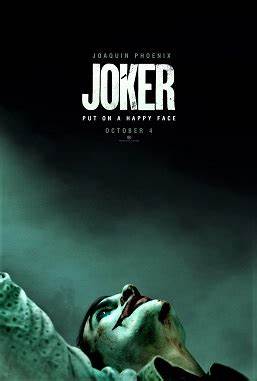
Joker dominated.  11 nominations.  I think we all knew that Joaquin would get nominated and that the film might get a best picture nod but seriously, I don’t think anyone was expecting it to be the most-nominated film of the year.

I’ll be posting my picks for the best of everything this week.  Unfortunately, with the Oscars on a rushed schedule this year, this will be the first time that the Academy announces their picks before me.  Oh well.  Life goes on.  Here are the Oscar nominations:

Best Picture:

“Ford v Ferrari”
“The Irishman”
“Jojo Rabbit”
“Joker”
“Little Women”
“Marriage Story”
“1917”
“Once Upon a Time in Hollywood”
“Parasite”

Lead Actor:

Antonio Banderas “Pain and Glory”
Leonardo DiCaprio “Once Upon a Time in Hollywood”
Adam Driver “Marriage Story”
Joaquin Phoenix “Joker”
Jonathan Pryce “The Two Popes”

Lead Actress:

Cynthia Erivo “Harriet”
Scarlett Johansson “Marriage Story”
Saoirse Ronan “Little Women”
Charlize Theron “Bombshell”
Renee Zellweger “Judy”

Supporting Actor:

Tom Hanks, “A Beautiful Day in the Neighborhood”
Anthony Hopkins, “The Two Popes”
Al Pacino, “The Irishman”
Joe Pesci, “The Irishman”
Brad Pitt, “Once Upon a Time in Hollywood”

Supporting Actress:

Kathy Bates, “Richard Jewell”
Laura Dern, “Marriage Story”
Scarlett Johansson, “Jojo Rabbit”
Florence Pugh, “Little Women”
Margot Robbie, “Bombshell”

Director:

Martin Scorsese, “The Irishman”
Todd Phillips, “Joker”
Sam Mendes, “1917”
Quentin Tarantino, “Once Upon a Time in Hollywood”
Bong Joon Ho, “Parasite”

Animated Feature:

“How to Train Your Dragon: The Hidden World” Dean DeBlois
“I Lost My Body” Jeremy Clapin
“Klaus” Sergio Pablos
“Missing Link” Chris Butler
“Toy Story 4”  Josh Cooley

Animated Short:

“Dcera,” Daria Kashcheeva
“Hair Love,” Matthew A. Cherry
“Kitbull,” Rosana Sullivan
“Memorable,” Bruno Collet
“Sister,” Siqi Song

Adapted Screenplay:

“The Irishman,” Steven Zaillian
“Jojo Rabbit,” Taika Waititi
“Joker,” Todd Phillips, Scott Silver
“Little Women,” Greta Gerwig
“The Two Popes,” Anthony McCarten

Original Screenplay:

“Knives Out,” Rian Johnson
“Marriage Story,” Noah Baumbach
“1917,” Sam Mendes and Krysty Wilson-Cairns
“Once Upon a Time in Hollywood,” Quentin Tarantino
“Parasite,” Bong Joon-ho, Jin Won Han

Cinematography:

“The Irishman,” Rodrigo Prieto
“Joker,” Lawrence Sher
“The Lighthouse,” Jarin Blaschke
“1917,” Roger Deakins
“Once Upon a Time in Hollywood,” Robert Richardson

Best Documentary Feature:

“American Factory,” Julia Rieichert, Steven Bognar
“The Cave,” Feras Fayyad
“The Edge of Democracy,” Petra Costa
“For Sama,” Waad Al-Kateab, Edward Watts
“Honeyland,” Tamara Kotevska, Ljubo Stefanov

Best Documentary Short Subject:

“In the Absence,” Yi Seung-Jun and Gary Byung-Seok Kam
“Learning to Skateboard in a Warzone,” Carol Dysinger
“Life Overtakes Me,” Kristine Samuelson and John Haptas
“St. Louis Superman,” Smriti Mundhra and Sami Khan
“Walk Run Cha-Cha,” Laura Nix

Best Live Action Short Film:

“Brotherhood,” Meryam Joobeur
“Nefta Football Club,” Yves Piat
“The Neighbors’ Window,” Marshall Curry
“Saria,” Bryan Buckley
“A Sister,” Delphine Girard

Best International Feature Film:

“Corpus Christi,” Jan Komasa
“Honeyland,” Tamara Kotevska, Ljubo Stefanov
“Les Miserables,” Ladj Ly
“Pain and Glory,” Pedro Almodovar
“Parasite,” Bong Joon Ho

Film Editing:

“Ford v Ferrari,” Michael McCusker, Andrew Buckland
“The Irishman,” Thelma Schoonmaker
“Jojo Rabbit,” Tom Eagles
“Joker,” Jeff Groth
“Parasite,” Jinmo Yang

Sound Editing:

“Ford v Ferrari,” Don Sylvester
“Joker,” Alan Robert Murray
“1917,” Oliver Tarney, Rachel Tate
“Once Upon a Time in Hollywood,” Wylie Stateman
“Star Wars: The Rise of SkyWalker,” Matthew Wood, David Acord

Sound Mixing:

“Ad Astra”
“Ford v Ferrari”
“Joker”
“1917”
“Once Upon a Time in Hollywood”

Production Design:

“The Irishman,” Bob Shaw and Regina Graves
“Jojo Rabbit,” Ra Vincent and Nora Sopkova
“1917,” Dennis Gassner and Lee Sandales
“Once Upon a Time in Hollywood,” Barbara Ling and Nancy Haigh
“Parasite,” Lee Ha-Jun and Cho Won Woo, Han Ga Ram, and Cho Hee

Original Score:

“Joker,” Hildur Guðnadóttir
“Little Women,” Alexandre Desplat
“Marriage Story,” Randy Newman
“1917,” Thomas Newman
“Star Wars: The Rise of Skywalker,” John Williams*“The King,” Nicholas Britell

Original Song:

“I Can’t Let You Throw Yourself Away,” “Toy Story 4”
“I’m Gonna Love Me Again,” “Rocketman”
“I’m Standing With You,” “Breakthrough”
“Into the Unknown,” “Frozen 2”
“Stand Up,” “Harriet”

Makeup and Hair:

“Bombshell”
“Joker”
“Judy”
“Maleficent: Mistress of Evil”
“1917”

Costume Design:

”The Irishman,” Sandy Powell, Christopher Peterson
“Jojo Rabbit,” Mayes C. Rubeo
“Joker,” Mark Bridges
“Little Women,” Jacqueline Durran
“Once Upon a Time in Hollywood,” Arianne Phillips

Visual Effects:

“Avengers Endgame”
“The Irishman”
“1917”
“The Lion King”
“Star Wars: The Rise of Skywalker”

Here’s What Won At The Critics Choice Awards!


FILM CATEGORIES

BEST PICTURE

  • 1917
  • Ford v Ferrari
  • The Irishman
  • Jojo Rabbit
  • Joker
  • Little Women
  • Marriage Story
  • Once Upon a Time in…Hollywood – WINNER
  • Parasite
  • Uncut Gems

BEST ACTOR

  • Antonio Banderas – Pain and Glory
  • Robert De Niro – The Irishman
  • Leonardo DiCaprio – Once Upon a Time in…Hollywood
  • Adam Driver – Marriage Story
  • Eddie Murphy – Dolemite Is My Name
  • Joaquin Phoenix – Joker – WINNER
  • Adam Sandler – Uncut Gems

BEST ACTRESS

  • Awkwafina – The Farewell
  • Cynthia Erivo – Harriet
  • Scarlett Johansson – Marriage Story
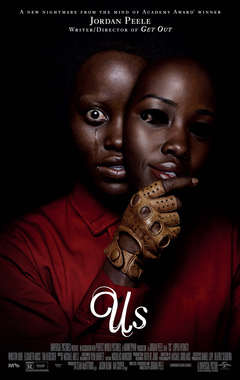
  • Lupita Nyong’o – Us
  • Saoirse Ronan – Little Women
  • Charlize Theron – Bombshell
  • Renée Zellweger – Judy – WINNER

BEST SUPPORTING ACTOR

  • Willem Dafoe – The Lighthouse
  • Tom Hanks – A Beautiful Day in the Neighborhood
  • Anthony Hopkins – The Two Popes
  • Al Pacino – The Irishman
  • Joe Pesci – The Irishman
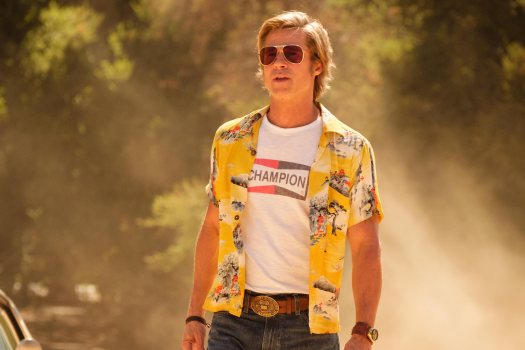
  • Brad Pitt – Once Upon a Time in…Hollywood – WINNER

BEST SUPPORTING ACTRESS

  • Laura Dern – Marriage Story – WINNER
  • Scarlett Johansson – Jojo Rabbit
  • Jennifer Lopez – Hustlers
  • Florence Pugh – Little Women
  • Margot Robbie – Bombshell
  • Zhao Shuzhen  – The Farewell

BEST YOUNG ACTOR/ACTRESS

  • Julia Butters – Once Upon a Time in…Hollywood
  • Roman Griffin Davis – Jojo Rabbit – WINNER
  • Noah Jupe – Honey Boy
  • Thomasin McKenzie – Jojo Rabbit
  • Shahadi Wright Joseph – Us
  • Archie Yates – Jojo Rabbit

BEST ACTING ENSEMBLE

  • Bombshell
  • The Irishman – WINNER
  • Knives Out
  • Little Women
  • Marriage Story
  • Once Upon a Time… in Hollywood
  • Parasite

BEST DIRECTOR (tie)

  • Noah Baumbach – Marriage Story
  • Greta Gerwig – Little Women
  • Bong Joon Ho – Parasite – WINNER
  • Sam Mendes – 1917 – WINNER
  • Josh Safdie and Benny Safdie – Uncut Gems
  • Martin Scorsese – The Irishman
  • Quentin Tarantino – Once Upon a Time in…Hollywood

BEST ORIGINAL SCREENPLAY

  • Noah Baumbach – Marriage Story
  • Rian Johnson – Knives Out
  • Bong Joon Ho and Han Jin Won – Parasite
  • Quentin Tarantino – Once Upon a Time in…Hollywood – WINNER
  • Lulu Wang – The Farewell

BEST ADAPTED SCREENPLAY

  • Greta Gerwig – Little Women – WINNER
  • Noah Harpster and Micah Fitzerman-Blue – A Beautiful Day in the Neighborhood
  • Anthony McCarten – The Two Popes
  • Todd Phillips & Scott Silver – Joker
  • Taika Waititi – Jojo Rabbit
  • Steven Zaillian  – The Irishman

BEST CINEMATOGRAPHY

  • Jarin Blaschke – The Lighthouse
  • Roger Deakins – 1917 – WINNER
  • Phedon Papamichael   – Ford v Ferrari
  • Rodrigo Prieto – The Irishman
  • Robert Richardson – Once Upon a Time in…Hollywood
  • Lawrence Sher – Joker

BEST PRODUCTION DESIGN

  • Mark Friedberg, Kris Moran – Joker
  • Dennis Gassner, Lee Sandales  – 1917
  • Jess Gonchor, Claire Kaufman – Little Women
  • Lee Ha Jun – Parasite
  • Barbara Ling, Nancy Haigh – Once Upon a Time in…Hollywood – WINNER
  • Bob Shaw, Regina Graves – The Irishman
  • Donal Woods, Gina Cromwell – Downton Abbey

BEST EDITING

  • Ronald Bronstein, Benny Safdie – Uncut Gems
  • Andrew Buckland, Michael McCusker – Ford v Ferrari
  • Yang Jinmo  – Parasite
  • Fred Raskin – Once Upon a Time in…Hollywood
  • Thelma Schoonmaker – The Irishman
  • Lee Smith – 1917 – WINNER

BEST COSTUME DESIGN

  • Ruth E. Carter – Dolemite Is My Name – WINNER
  • Julian Day – Rocketman
  • Jacqueline Durran – Little Women
  • Arianne Phillips – Once Upon a Time in…Hollywood
  • Sandy Powell, Christopher Peterson – The Irishman
  • Anna Robbins – Downton Abbey

BEST HAIR AND MAKEUP

  • Bombshell – WINNER
  • Dolemite Is My Name
  • The Irishman
  • Joker
  • Judy
  • Once Upon a Time… in Hollywood
  • Rocketman

BEST VISUAL EFFECTS

  • 1917
  • Ad Astra
  • The Aeronauts
  • Avengers: Endgame – WINNER
  • Ford v Ferrari
  • The Irishman
  • The Lion King

BEST ANIMATED FEATURE

  • Abominable
  • Frozen II
  • How to Train Your Dragon: The Hidden World
  • I Lost My Body
  • Missing Link
  • Toy Story 4 – WINNER

BEST ACTION MOVIE

  • 1917
  • Avengers: Endgame – WINNER
  • Ford v Ferrari
  • John Wick: Chapter 3 – Parabellum
  • Spider-Man: Far From Home

BEST COMEDY

  • Booksmart
  • Dolemite Is My Name – WINNER
  • The Farewell
  • Jojo Rabbit
  • Knives Out

BEST SCI-FI OR HORROR MOVIE

  • Ad Astra
  • Avengers: Endgame
  • Midsommar
  • Us – WINNER

BEST FOREIGN LANGUAGE FILM

  • Atlantics
  • Les Misérables
  • Pain and Glory
  • Parasite – WINNER
  • Portrait of a Lady on Fire

BEST SONG

  • “Glasgow (No Place Like Home)” – Wild Rose – WINNER
  • “(I’m Gonna) Love Me Again” – Rocketman – WINNER
  • “I’m Standing With You” – Breakthrough
  • “Into the Unknown” – Frozen II
  • “Speechless” – Aladdin
  • “Spirit” – The Lion King
  • “Stand Up” – Harriet

BEST SCORE

  • Michael Abels – Us
  • Alexandre Desplat   – Little Women
  • Hildur Guðnadóttir – Joker – WINNER
  • Randy Newman – Marriage Story
  • Thomas Newman  – 1917
  • Robbie Robertson – The Irishman

TELEVISION CATEGORIES

BEST DRAMA SERIES

  • The Crown (Netflix)
  • David Makes Man (OWN)
  • Game of Thrones (HBO)
  • The Good Fight (CBS All Access)
  • Pose (FX)
  • Succession (HBO) – WINNER
  • This Is Us (NBC)
  • Watchmen (HBO)

BEST ACTOR IN A DRAMA SERIES

  • Sterling K. Brown – This Is Us (NBC)
  • Mike Colter – Evil (CBS)
  • Paul Giamatti – Billions (Showtime)
  • Kit Harington – Game of Thrones (HBO)
  • Freddie Highmore – The Good Doctor (ABC)
  • Tobias Menzies – The Crown (Netflix)
  • Billy Porter – Pose (FX)
  • Jeremy Strong – Succession (HBO) – WINNER

BEST ACTRESS IN A DRAMA SERIES

  • Christine Baranski – The Good Fight (CBS All Access)
  • Olivia Colman – The Crown (Netflix)
  • Jodie Comer – Killing Eve (BBC America)
  • Nicole Kidman – Big Little Lies (HBO)
  • Regina King – Watchmen (HBO) – WINNER
  • Mj Rodriguez – Pose (FX)
  • Sarah Snook – Succession (HBO)
  • Zendaya – Euphoria (HBO)

BEST SUPPORTING ACTOR IN A DRAMA SERIES

  • Asante Blackk – This Is Us (NBC)
  • Billy Crudup – The Morning Show (Apple) – WINNER
  • Asia Kate Dillon – Billions (Showtime)
  • Peter Dinklage – Game of Thrones (HBO)
  • Justin Hartley – This Is Us (NBC)
  • Delroy Lindo – The Good Fight (CBS All Access)
  • Tim Blake Nelson – Watchmen (HBO)

BEST SUPPORTING ACTRESS IN A DRAMA SERIES

  • Helena Bonham Carter – The Crown (Netflix)
  • Gwendoline Christie – Game of Thrones (HBO)
  • Laura Dern – Big Little Lies (HBO)
  • Audra McDonald – The Good Fight (CBS All Access)
  • Jean Smart – Watchmen (HBO) – WINNER
  • Meryl Streep – Big Little Lies (HBO)
  • Susan Kelechi Watson – This Is Us (NBC)

BEST COMEDY SERIES

  • Barry (HBO)
  • Fleabag (Amazon) – WINNER
  • The Marvelous Mrs. Maisel (Amazon)
  • Mom (CBS)
  • One Day at a Time (Netflix)
  • PEN15 (Hulu)
  • Schitt’s Creek (Pop)

BEST ACTOR IN A COMEDY SERIES

  • Ted Danson – The Good Place (NBC)
  • Walton Goggins – The Unicorn (CBS)
  • Bill Hader – Barry (HBO) – WINNER
  • Eugene Levy – Schitt’s Creek (Pop)
  • Paul Rudd – Living with Yourself (Netflix)
  • Bashir Salahuddin – Sherman’s Showcase (IFC)
  • Ramy Youssef – Ramy (Hulu)

BEST ACTRESS IN A COMEDY SERIES

  • Christina Applegate – Dead to Me (Netflix)
  • Alison Brie – GLOW (Netflix)
  • Rachel Brosnahan – The Marvelous Mrs. Maisel (Amazon)
  • Kirsten Dunst – On Becoming a God in Central Florida (Showtime)
  • Julia Louis-Dreyfus – Veep (HBO)
  • Catherine O’Hara – Schitt’s Creek (Pop)
  • Phoebe Waller-Bridge – Fleabag (Amazon) – WINNER

BEST SUPPORTING ACTOR IN A COMEDY SERIES

  • Andre Braugher – Brooklyn Nine-Nine (NBC)
  • Anthony Carrigan – Barry (HBO)
  • William Jackson Harper – The Good Place (NBC)
  • Daniel Levy – Schitt’s Creek (Pop)
  • Nico Santos – Superstore (NBC)
  • Andrew Scott – Fleabag (Amazon) – WINNER
  • Henry Winkler – Barry (HBO)

BEST SUPPORTING ACTRESS IN A COMEDY SERIES

  • Alex Borstein – The Marvelous Mrs. Maisel (Amazon) – WINNER
  • D’Arcy Carden – The Good Place (NBC)
  • Sian Clifford – Fleabag (Amazon)
  • Betty Gilpin – GLOW (Netflix)
  • Rita Moreno – One Day at a Time (Netflix)
  • Annie Murphy – Schitt’s Creek (Pop)
  • Molly Shannon – The Other Two (Comedy Central)

BEST LIMITED SERIES

  • Catch-22 (Hulu)
  • Chernobyl (HBO)
  • Fosse/Verdon (FX)
  • The Loudest Voice (Showtime)
  • Unbelievable (Netflix)
  • When They See Us (Netflix) – WINNER
  • Years and Years (HBO)

BEST MOVIE MADE FOR TELEVISION

  • Brexit (HBO)
  • Deadwood: The Movie (HBO)
  • El Camino: A Breaking Bad Movie (Netflix) – WINNER
  • Guava Island (Amazon)
  • Native Son (HBO)
  • Patsy & Loretta (Lifetime)

BEST ACTOR IN A LIMITED SERIES OR MOVIE MADE FOR TELEVISION

  • Christopher Abbott – Catch-22 (Hulu)
  • Mahershala Ali – True Detective (HBO)
  • Russell Crowe – The Loudest Voice (Showtime)
  • Jared Harris – Chernobyl (HBO)
  • Jharrel Jerome – When They See Us (Netflix) – WINNER
  • Sam Rockwell – Fosse/Verdon (FX)
  • Noah Wyle – The Red Line (CBS)

BEST ACTRESS IN A LIMITED SERIES OR MOVIE MADE FOR TELEVISION

  • Kaitlyn Dever – Unbelievable (Netflix)
  • Anne Hathaway – Modern Love (Amazon)
  • Megan Hilty – Patsy & Loretta (Lifetime)
  • Joey King – The Act (Hulu)
  • Jessie Mueller – Patsy & Loretta (Lifetime)
  • Merritt Wever – Unbelievable (Netflix)
  • Michelle Williams – Fosse/Verdon (FX) – WINNER

BEST SUPPORTING ACTOR IN A LIMITED SERIES OR MOVIE MADE FOR TELEVISION

  • Asante Blackk – When They See Us (Netflix)
  • George Clooney – Catch-22 (Hulu)
  • John Leguizamo – When They See Us (Netflix)
  • Dev Patel – Modern Love (Amazon)
  • Jesse Plemons – El Camino: A Breaking Bad Movie (Netflix)
  • Stellan Skarsgård – Chernobyl (HBO) – WINNER
  • Russell Tovey – Years and Years (HBO)

BEST SUPPORTING ACTRESS IN A LIMITED SERIES OR MOVIE MADE FOR TELEVISION

  • Patricia Arquette – The Act (Hulu)
  • Marsha Stephanie Blake – When They See Us (Netflix)
  • Toni Collette – Unbelievable (Netflix) – WINNER
  • Niecy Nash – When They See Us (Netflix)
  • Margaret Qualley – Fosse/Verdon (FX)
  • Emma Thompson – Years and Years (HBO)
  • Emily Watson – Chernobyl (HBO)

BEST ANIMATED SERIES

  • Big Mouth (Netflix)
  • BoJack Horseman (Netflix) – WINNER
  • The Dark Crystal: Age of Resistance (Netflix)
  • She-Ra and the Princesses of Power (Netflix)
  • The Simpsons (Fox)
  • Undone (Amazon)

BEST TALK SHOW (tie)

  • Desus & Mero (Showtime)
  • Full Frontal with Samantha Bee (TBS)
  • The Kelly Clarkson Show (NBC)
  • Last Week Tonight with John Oliver (HBO)
  • The Late Late Show with James Corden (CBS) – WINNER
  • Late Night with Seth Meyers (NBC) – WINNER

BEST COMEDY SPECIAL 

  • Amy Schumer: Growing (Netflix)
  • Jenny Slate: Stage Fright (Netflix)
  • Live in Front of a Studio Audience: Norman Lear’s All in the Family and The Jeffersons (ABC) – WINNER
  • Ramy Youssef: Feelings (HBO)
  • Seth Meyers: Lobby Baby (Netflix)
  • Trevor Noah: Son of Patricia (Netflix)
  • Wanda Sykes: Not Normal (Netflix)

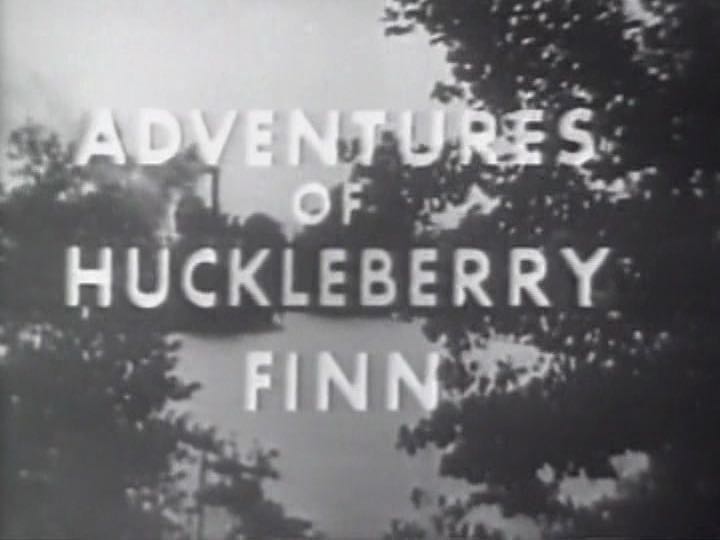
Val’s Mini-Post: Why The Adventures Of Huckleberry Finn (1955, dir. Herbert B. Swope Jr.) Is On My Worst List Of 2019


I mentioned in my annual post about the “25 Best, Worst, and Gems I Saw In 2019” that I wound up seeing 1,266 films. I’m not up to writing lengthly posts at the moment, so instead, I thought I would take advantage of the excessive number of movies I watched to write some mini-posts from time to time about certain aspects of the films that I saw.

This was a 1955 TV Movie adaptation of The Adventures Of Huckleberry Finn. They left out the character of Jim. I couldn’t believe it and even pulled my copy of the book to make sure I wasn’t imagining this character existed in the novel. I’m positive this was because of censorship, but it left me wondering why they even bothered adapting the novel if they were going to omit that character. It basically turns the story into one of a kid who runs away with two con artists that proceed to do shtick for the course of the film. I can only guess that they were desperate to have a movie made for the week and The Adventures Of Huckleberry Finn was not only pre-existing, but in the public domain. It’s kind of like when they used Jane Eyre to make I Walked With A Zombie (1941) expect it’s not creative or interesting. Despite seeing this during March of 2019, it stuck with me enough that I thought of it 9 months later.

Lisa Reviews An Oscar Winner: Gentleman’s Agreement (dir by Elia Kazan)


Earlier today, as I was watching the 1947 film, Gentleman’s Agreement, I found myself thinking about a conversation that I had in 2006.

This was when I was in college.  I was having lunch with some friends from one of my classes.  As we were eating, the conversation turned to the war in Iraq.  That, in itself, was not surprising because, in 2006, it seemed like every conversation somehow turned to what was happening in the Middle East.

One of the people with whom I was having lunch was Olivia, self-styled intellectual who fancied herself as the most knowledgeable person on campus.  To be honest, I can’t think of anyone who liked her that much but she had a skill for subtly weaseling her way into almost every conversation.  She was one of those incredibly pretentious types who started every sentence with “Actually….” and who had embraced Marxism with the shallow vapidness of someone who had grown up in Highland Park and who would never have to struggle to pay a bill.

On that day, Olivia announced to us all that the only reason we were in Iraq was because we were doing the bidding of Israeli lobbyists and then she went on to talk about how 9-11 was an inside job.  She repeated the old lie about Jews calling in sick on 9-11 and claimed that five MOSSAD agents were arrested in New York for celebrating after the collapse of the Twin Towers.

After Olivia said this, there was the briefest silence as everyone else tried to figure out how to react.  Finally, someone tried to change the subject by making a joke about our professor.  Realizing the no one was going to openly disagree with Olivia and risk an argument, I said, “That’s not true.”

“What’s not true?” Olivia asked.

“About Jewish people calling in sick on 9-11 and celebrating after the Towers fell.  That’s not true.”

Olivia looked a little bit surprised that she was being openly challenged.  Finally, she said, in a surprisingly sincere tone of voice, “I’m sorry.  I didn’t realize you were Jewish.”

I’m not Jewish.  I’m Irish-Italian-Spanish and pretty much all of my immediate ancestors were Catholic.  But, as far as Olivia was concerned, I had to be Jewish because why else would I object to her repeating an anti-Semitic conspiracy theory?  When she apologized (and, make no mistake, there was not a hint of sarcasm in her tone when she said she was sorry), it wasn’t for being a bigot.  Instead, it was for being a bigot in front of the “wrong” person.  It didn’t occur to her that I was upset because what she said was bullshit.

Anyway, I wish I could say that I threw a drink in Olivia’s face or that I stood up on the table and delivered an impassioned speech but, once again, the other people at the table hastily changed the subject.  Anything to avoid a conflict, I suppose.  That was the last time I ever had a conversation with Olivia.  For the rest of the semester, I ignored her and I felt pretty proud of myself for shunning her.  It’s only been recently that I realized that Olivia also didn’t really make any effort to really talk to me after that conversation.  I shunned her because of her bigotry and I can only assume that she shunned me because of her misconception about my ancestry.

Gentleman’s Agreement is about a Gentile reporter named Phillip Green (Gregory Peck) who, while researching a story about anti-Semitism, poses as a Jew and discovers that the world is full of people like Olivia.  His own fiancee, a self-declared liberal named Kathy (Dorothy McGuire), reacts to Phil’s plan by asking him, “But you’re not really Jewish …. are you?”  By the simple act of telling everyone that his last name is actually “Greenberg,” Phil discovers that he suddenly can’t get a hotel reservation.  People stop returning his calls.  When he and Kathy have an engagement party in a wealthy community in Connecticut, many of Kathy’s friends stay away.  (Kathy, meanwhile, begs Phil to let her tell her family that she’s not actually engaged to a Jew.)  When Phil’s son, Tommy (Dean Stockwell), is harassed at school, Phil is shocked to hear Kathy tell Tommy that he shouldn’t listen to the bullies not because they’re a bunch of bigots but because “you’re not actually Jewish.”

Meanwhile, Phil’s friend, Dave Goldman (John Garfield), has returned from serving in World War II, just to discover that he can’t even rent a home for his family because many landlords refuse to rent to Jews.  When Phil learns that Katy owns a vacant cottage, he suggests that she rent it out to Dave.  Despite her sympathy for Dave, Kathy is shocked at the suggestion.  What will the neighbors think?

Gentleman’s Agreement was produced by Darryl F. Zanuck, who took on the project after he was refused membership in the Los Angeles Country Club because the membership committee assumed that Zanuck was Jewish.  It was considered to be quite a controversial film in 1947, as it not only dealt with American prejudice but it also called out two prominent elected anti-Semites — Sen. Theodore Bilbo and Rep. John E. Rankin — by name.  Zanuck often claimed that the other studio moguls asked him to abandon the project, saying that a film would only inspire more of what it was trying to condemn.  Still, Zanuck stuck with the project and it was not only a box office hit but it also won the Oscar for Best Picture.

Seen today, Gentleman’s Agreement has its flaws.  In the lead role, Gregory Peck is a bit of a stiff and Elia Kazan’s directs in an efficient but bland manner.  Because this film was made in 1947 and a happy ending was a must, Kathy is given a rather convenient opportunity at redemption.  The film’s most compelling performers — John Garfield, Celeste Holm, and June Havoc (playing Phil’s Jewish secretary, who had to change her last name before anyone would even consider hiring her) — are often underused.

And yet, with all that in mind, Gentleman’s Agreement is still a very effective film.  Gentleman’s Agreement understand that there’s more to prejudice than just the morons who go to rallies or the degenerates who shout slurs across the street.  Gentleman’s Agreement understands that, for prejudice to thrive, it also needs people like Kathy or Olivia, people who have that prejudice so ingrained in their system that they don’t even think twice about it and Dorothy McGuire does a very good job of playing a self-satisfied liberal who is blind to her own prejudice.  Gentleman’s Agreement understands that bigotry isn’t just about the openly hateful.  It’s also about the people who silently tolerate it and who refuse to stand up against it.  It’s about the people who respond to prejudice not with outrage but who instead attempt to change the subject.

In the UK, one of the two major political parties has basically surrendered itself to anti-Semitism.  Here in the US, Congress can’t even bring itself to condemn the frequently anti-Semitic comments of two of its members.  Elected leaders and pundits only offer up the weakest of condemnation when Jewish people are viciously attacked in the streets.  When a man attacked a group of Jews on Hanukkah, many excused the man’s attack by trying to say that he was just upset about  gentrification.  For many reasons, Gentleman’s Agreement is still relevant and important today.

What If Lisa Had All The Power: 2019 Edition


With the Oscar nominations due to be announced tomorrow, now is the time that the Shattered Lens indulges in a little something called, “What if Lisa had all the power.” Listed below are my personal Oscar nominations. Please note that these are not the films that I necessarily think will be nominated. The fact of the matter is that the many of them will not. Instead, these are the films that would be nominated if I was solely responsible for deciding the nominees this year. Winners are listed in bold.

(You’ll also note that I’ve added four categories, all of which I believe the Academy should adopt — Best Voice-Over Performance, Best Casting, Best Stunt Work, and Best Overall Use Of Music In A Film.)

(Click on the links to see my nominations for 2018, 2017201620152014201320122011, and 2010!)

Best Picture

1917
Avengers: Endgame
Crawl
Dolemite Is My Name
Dragged Across Concrete
The Irishman
The Lighthouse
Luce
Once Upon A Time In Hollywood
Parsite
The Souvenir
Uncut Gems

Best Director

Bong Joon-ho for Parasite
Joanne Hogg for The Souvenir
The Safdie Brothers for Uncut Gems
Martin Scorsese for The Irishman
Quentin Tarantino for Once Upon A Time In Hollywood
S. Craig Zahler for Dragged Across Concrete

Best Actor

Adam Driver in The Report
Zac Efron in Extremely Wicked, Shockingly Evil, and Vile
Taron Egerton in Rocketman
Eddie Murphy in Dolemite is My Name
Joaquin Phoenix in Joker
Adam Sandler in Uncut Gems

Best Actress

Awkwafina in The Farewell
Jillian Bell in Brittany Runs A Marathon
Jessie Buckley in Wild Rose
Scarlett Johansson in Marriage Story
Julianne Moore in Gloria Bell
Mary Kay Place in Diane

Best Supporting Actor

Tom Burke in The Souvenir
Willem DaFoe in The Lighthouse
Jonathan Majors in The Last Black Man In San Francisco
Al Pacino in The Irishman
Joe Pesci in The Irishman
Brad Pitt in Once Upon A Time In Hollywood

Best Supporting Actress

Jennifer Lopez in Hustlers
Anna Paquin in The Irishman
Da’Vine Joy Randolph in Dolemite Is My Name
Zhao Shuzhen in The Farewell
Octavia Spencer in Luce
Margot Robbie in Once Upon A Time In Hollywood

Best Voice Over Performance

Kristen Bell in Frozen II
Josh Gad in Frozen II
Tony Hale in Toy Story 4
Tom Hanks in Toy Story 4
Bryce Dallas Howard in A Dog’s Way Home
Hugh Jackman in Missing Link

Best Original Screenplay

Dolemite is My Name
Dragged Across Concrete
Once Upon A Time In Hollywood
Parasite
The Souvenir
Uncut Gems

Best Adapted Screenplay

Downton Abbey
Hustlers
I Lost My Body
The Irishman
Luce
The Two Popes

Best Animated Feature

Frozen II
How To Train Your Dragon: The Dark World
I Lost My Body
The Lego Movie 2
Missing Link
Toy Story 4

Best Documentary Feature

Apollo 11
The Biggest Little Farm
The Inventor
Rolling Thunder Revue: A Bob Dylan Story by Martin Scorsese
Tell Me Who I Am
They Shall Not Grow Old

Best International Feature Film

Atlantics
Everybody Knows
I Lost My Body
Parasite

Best Casting

Diane
Dolemite Is My Name
The Irishman
Luce
Once Upon A Time In Hollywood
Uncut Gems

Best Cinematography

1917
Ad Astra
The Aeronauts
Dragged Across Concrete
The Lighthouse
Once Upon A Time In Hollywood

Best Costume Design

The Aeronauts
Dolemite is My Name
Downton Abbey
Joker
Once Upon A Time In Hollywood
Rocketman

Best Editing

1917
Apollo 11
Crawl
The Irishman
Once Upon A Time In Hollywood
Parasite

Best Makeup and Hair-Styling

1917
Dolemite is My Name
Downton Abbey
Joker
Judy
Rocketman

Best Original Score

1917
Apollo 11
Joker
The Lighthouse
Shadowplay
Uncut Gems

Best Original Song

“Swan Song” from Alita: Battle Angel
“Da Bronx” from The Bronx USA
“The Dead Don’t Die” from The Dead Don’t Die
“Catchy Song” from The LEGO Movie 2
“A Glass of Soju”from Parasite
“Glagow” from Wild Rose

Best Overall Use of Music

Hustlers
Joker
Once Upon A Time In Hollywood
Rocketman
Wild Rose
Yesterday

Best Production Design

Downton Abbey
Dumbo
Escape Room
The Lighthouse
Once Upon A Time In Hollywood
The Two Popes

Best Sound Editing

1917
Avengers: Endgame
Crawl
Godzilla: King of the Monsters
Midway
Spider-Man: Far From Home

Best Sound Mixing

1917
Avengers: Endgame
Crawl
Rocketman
Uncut Gems
Yesterday

Best Stuntwork

1917
Avengers: Endgame
Hobbs & Shaw
John Wick 3
Joker
Once Upon A Time In Hollywood

Best Visual Effects

Ad Astra
The Aeronauts
Avengers: Endgame
High Life
The Irishman
Spider-Man: Far From Home

List of Films By Nominations:

12 Nominations — Once Upon A Time In Hollywood

8 Nominations — 1917, The Irishman

7 Nominations — Dolemite Is My Name, Uncut Gems

6 Nominations — Joker, The Lighthouse

5 Nominations — Avengers: Endgame, Parasite, Rocketman

4 Nominations — Crawl, Downton Abbey, Dragged Across Concrete, Luce, The Souvenir

3 Nominations — The Aeronauts, Apollo 11, Frozen II, Hustlers, I Lost My Body, Toy Story 4, Wild Rose

2 Nominations — Ad Astra, Diane, The Farewell, The Lego Movie 2, Missing Link, Spider-Man: Far From Home, The Two Popes, Yesterday

1 Nominations — Alita: Battle Angel, Atlantics, The Best Little Farm, Brittany Runs a Marathon, The Bronx USA, The Dead Don’t Die, A Dog’s Way Home, Dumbo, Escape Room, Everybody Knows, Extremely Wicked Shocking Evil and Vile, Gloria Bell, Godzilla: King of the Monsters, High Life, Hobbs & Shaw, How Train Your Dragon: The Forbidden World, John Wick 3, Judy, The Last Black Man In San Francisco, Marriage Story, Midway, The Report, The Rolling Thunder Revue, Shadowplay, Tell Me Who I Am, They Shall Not Grow Old

List of Films by Oscars Won:

1 Oscar — 1917, The Aeronauts, Apollo 11, Avengers: Endgame, Crawl, The Dead Don’t Die, Diane, Doletmite is My Name, Escape Room, Hobbs & Shaw, Hustlers, I Lost My Body, The Irishman, Judy, The Lighthouse, Luce, Missing Link, Once Upon A Time In Hollywood, Parasite, Rocketman, Shadowplay, The Souvenir, Uncut Gems, Wild Rose

Lisa Reviews An Oscar Nominee: The Snake Pit (dir by Anatole Litvak)


The 1948 film, The Snake Pit, tells the story of a writer named Virginia Cunningham.

Virginia (Olivia de Havilland) is a patient at the Juniper Hill State Hospital, a psychiatric hospital that only treats female patients.  Some days, Virginia knows where she is and some days, she doesn’t.  Some days, she knows who she is and other days, she doesn’t.  Sometimes, she hears voices and other times, the silence in her head is her only companion.  Sometimes, she’s paranoid and other times, she’s quite lucid.

Virginia has been admitted against her will.  Her husband, Robert (Mark Stevens), visits frequently and sometimes, she knows him and sometimes, she doesn’t.  Through flashbacks, we see how Virginia and Robert first met.  Robert worked at a publishing house.  Virginia was a writer whose work kept getting rejected.  Robert and Virginia fell almost immediately in love but Virginia always refused to consider marrying him.  In fact, she even disappeared at one point, because things were getting too serious.  However, one day, Virginia suddenly declared that she wanted to get married.  Afterwards, her behavior became more and more erratic.

In the hospital, Virginia is treated by Dr. Kik (Leo Genn), who is depicted as being a compassionate and progressive psychiatrist, even as he puts Virginia through electroshock treatment.  (Remember, this film was made in 1948.)  With Dr. Kik’s guidance, Virginia starts to piece her life together and get to the cause of nervous breakdown.  Unfortunately, it often seems like every step forward leads to two steps back and Virginia still reacts to every bit of pressure by acting out, even biting one unhelpful doctor.

The hospital is divided into levels.  With each bit of progress that a patient makes, she’s allowed to move to a new level that allows her just a bit more freedom.  Everyone’s goal is to make it to the final level, Level One.  Unfortunately, Level One is run by Nurse Davis (Helen Craig), a tyrant who is in love with Dr. Kik and jealous of the amount of time he spends on Virginia.  Davis starts to goad Helen, trying to get her to lose control.  And what happens if you lose control?  You end up in the Snake Pit, the dreaded Level 33.  Being sent to Level 33 means being abandoned in a padded cell, surrounded by patients who have been deemed untreatable.

At the time that it was released, The Snake Pit was a groundbreaking film, the first major American studio production to deal seriously and sympathetically with mental illness.  Seen today, it’s still effective but you can’t help but cringe at some of the techniques that are used in Virginia’s treatment.  (Electroshock treatment, for instance, is portrayed as being frightening but ultimately necessary.)  The film works best as a showcase for Olivia de Havilland, who gives an absolutely brilliant and empathetic performance as Virginia.  Neither the film not de Havilland shies away from the reality of Virginia’s condition nor does it make the mistake of sentimentalizing her story.  For me, de Havilland’s best moment comes when she learns that she bit another doctor.  At first, she’s horrified but then she starts to laugh because the doctor in question was such a pompous ass that he undoubtedly deserved it.  de Havilland handles the character’s frequent transitions from lucidity to confusion with great skill, without indulging in the temptation to go over-the-top.  Arguably, The Snake Pit features de Havilland’s best lead performance.

(Olivia de Havilland is, at 103 years old, still with us and living, reportedly quite happily, in France.)

Olivia de Havilland was nominated for Best Actress but she lost to Jane Wyman in Johnny Belinda.  (A year later, De Havilland’s won an Oscar for The Heiress.)  The Snake Pit was also nominated for Best Picture but ultimately lost to Laurence Olivier’s adaptation of Hamlet.