The Power of the Dog Wins In North Carolina!


Yesterday, the North Carolina Film Critics Association became the latest critic group to announce that Jane Campion’s The Power of the Dog was their pick for best picture of 2021!

Here are all of the winners and the nominees from North Carolina!

(Winners are in bold!)

BEST NARRATIVE FILM
Drive My Car
Dune
The French Dispatch
The Green Knight
Licorice Pizza
Mass
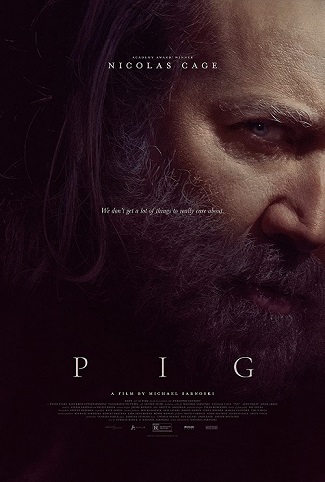
Pig
The Power of the Dog
West Side Story
The Worst Person in the World

BEST DOCUMENTARY FILM
Flee
The Sparks Brothers
Summer of Soul
Val
The Velvet Underground

BEST ANIMATED FILM
Encanto
Flee
Luca
The Mitchells vs. The Machines
Raya and the Last Dragon

BEST FOREIGN LANGUAGE FILM
Drive My Car
A Hero
Riders of Justice
Titane
The Worst Person in the World

BEST DIRECTOR
David Lowery – The Green Knight
Denis Villeneuve – Dune
Jane Campion – The Power of the Dog
Paul Thomas Anderson – Licorice Pizza
Steven Spielberg – West Side Story

BEST CINEMATOGRAPHY
Dune
Nightmare Alley
The Power of the Dog
The Tragedy of Macbeth
West Side Story

BEST ACTOR
Andrew Garfield – tick, tick… BOOM!
Benedict Cumberbatch – The Power of the Dog
Dev Patel – The Green Knight
Nicolas Cage – Pig
Will Smith – King Richard

BEST SUPPORTING ACTOR
Alex Wolff – Pig
Jason Isaacs – Mass
Jeffrey Wright – The French Dispatch
Kodi Smit-McPhee – The Power of the Dog
Woody Norman – C’mon C’mon

BEST ACTRESS
Alana Haim – Licorice Pizza
Jessica Chastain – The Eyes of Tammy Faye
Kristen Stewart – Spencer
Olivia Colman – The Lost Daughter
Renate Reinsve – The Worst Person in the World

BEST SUPPORTING ACTRESS
Aunjanue Ellis – King Richard
Ann Dowd – Mass
Ariana DeBose – West Side Story
Kirsten Dunst – The Power of the Dog
Ruth Negga – Passing

BEST VOCAL PERFORMANCE IN ANIMATION OR MIXED MEDIA
Abbi Jacobson – The Mitchells vs. The Machines
Danny McBride – The Mitchells vs. The Machines
Jacob Tremblay – Luca
Kelly Marie Tran – Raya and the Last Dragon
Stephanie Beatriz – Encanto

BEST ACTING ENSEMBLE
Dune
The French Dispatch
Licorice Pizza
Mass
The Power of the Dog

BEST ORIGINAL SCREENPLAY
C’mon C’mon
The French Dispatch
Licorice Pizza
Mass
Pig

BEST ADAPTED SCREENPLAY
Drive My Car
Dune
The Green Knight
Passing
The Power of the Dog

BEST EDITING
Dune
The French Dispatch
The Last Duel
The Power of the Dog
West Side Story

BEST SPECIAL EFFECTS
Dune
The Green Knight
The Matrix Resurrections
Spider-Man: No Way Home
The Suicide Squad

BEST STUNT COORDINATION
Black Widow
The Matrix Resurrections
No Time To Die
Shang Chi and the Legend of the Ten Rings
Spider-Man: No Way Home

BEST COSTUME DESIGN
Cruella
Dune 
Last Night in Soho
Nightmare Alley
Spencer

BEST HAIR & MAKE-UP
Cruella
Dune
The Eyes of Tammy Faye
House of Gucci
Nightmare Alley

BEST PRODUCTION DESIGN
Dune
The French Dispatch
The Green Knight
Nightmare Alley
West Side Story

BEST SCORE
Don’t Look Up
Dune 
No Time To Die
The Power of the Dog
Spencer

BEST ORIGINAL SONG
Every Letter – Cyrano
Guns Go Bang – The Harder They Fall
Just Look Up – Don’t Look Up
No Time To Die – No Time To Die 
So May We Start – Annette

BEST SOUND DESIGN
Dune 
Nightmare Alley
No Time To Die
tick, tick… BOOM!
West Side Story

BEST DIRECTORIAL DEBUT
Fran Kranz – Mass
Lin-Manuel Miranda – tick, tick… BOOM!
Maggie Gyllenhaal – The Lost Daughter
Michael Sarnoski – Pig
Rebecca Hall – Passing

BEST BREAKTHROUGH PERFORMANCE
Alana Haim – Licorice Pizza
Cooper Hoffman – Licorice Pizza
Emilia Jones – CODA
Woody Norman – C’mon C’mon
Rachel Zegler – West Side Story

KEN HANKE MEMORIAL TAR HEEL AWARD
Anthony Mackie (Falcon and the Winter Soldier; Synchronic; Outside the Wire; The Woman in the Window) – Studied at the University of North Carolina School of the Arts
Ariana DeBose (West Side Story; Schmigadoon) – From Raleigh, North Carolina
Brian Tyree Henry (Eternals; The Woman in the Window; Godzilla vs. Kong) – From Fayetteville, North Carolina
Jonathan Majors (The Harder They Fall, Loki) – Studied at the University of North Carolina School of the Arts
Stephen McKinley Henderson (Dune; Bruised) – Studied at the University of North Carolina School of the Arts

Licorice Pizza Wins In Oklahoma


The Oklahoma Film Critics Circle have named Paul Thomas Anderson’s Licorice Pizza the best film of 2021!

Actually, I really like the OFCC’s picks.  They spread the wealth pretty evenly between Licorice Pizza and The Power of the Dog and they remembered two of my favorite films of the year, Pig and The Green Knight.  They also gave out an award for Most Disappointing Film Of The Year and how can I not cheer their selection of Don’t Look Up?

Here are the winners in Oklahoma!

Best Picture
“Licorice Pizza”

Top 10 Films
1. Licorice Pizza
2. The Power of the Dog
3. West Side Story
4. The Green Knight
5. Summer of Soul
6. The French Dispatch
7. Tick, Tick…Boom!
8. C’mon C’mon
9. Dune
10. Nightmare Alley / Pig / Red Rocket (TIE)

Best Director
Winner: Jane Campion – “The Power of the Dog”
Runner-Up: Paul Thomas Anderson – “Licorice Pizza”

Best Actress
Winner: Alana Haim – “Licorice Pizza”
​Runner-Up: Jessica Chastain – “The Eyes of Tammy Faye”

Best Actor
Winner: Benedict Cumberbatch – “The Power of the Dog”
​Runner-Up: Andrew Garfield – “Tick, Tick…Boom!”

Best Supporting Actress
Winner: Kirsten Dunst – “The Power of the Dog”
​Runner-Up: Ariana DeBose – “West Side Story”

Best Supporting Actor
Winner: Kodi Smit-McPhee – “The Power of the Dog”
Runner-Up: Ciaran Hinds – “Belfast”

Best Adapted Screenplay
Winner: “The Power of the Dog” – Jane Campion
​Runner-Up: “Dune” – Jon Spaihts, Denis Villeneuve & Eric Roth

Best Original Screenplay
Winner: “Licorice Pizza” – Paul Thomas Anderson
​Runner-Up: “The French Dispatch” – Wes Anderson

Best Animated Film
Winner: “The Mitchells vs the Machines”
​Runner-Up: “Encanto”

Best Documentary
Winner: “Summer of Soul (…Or, When the Revolution Could Not Be Televised)”
​Runner-Up: “The First Wave”

Best Foreign Language Film
Winner: “Drive My Car” (Japan)
​Runner-Up: “The Worst Person in the World” (Norway)

Best First Feature
Winner: “The Lost Daughter” – Maggie Gyllenhaal
​Runner-Up: “Tick, Tick…Boom!” – Lin-Manuel Miranda

Best Ensemble
Winner: “The French Dispatch”
​Runners-Up: “Licorice Pizza” & “The Power of the Dog” (TIE)

Best Cinematography
Winner: “Dune” – Greig Fraser
​Runner-Up: “The Power of the Dog” – Ari Wegner

Best Score
Winner: “The Power of the Dog” – Jonny Greenwood
​Runner-Up: “Dune” – Hans Zimmer

Best Body of Work
Winner: Lin-Manuel Miranda (“Tick, Tick…Boom!,” “Encanto,” “In the Heights” & “Vivo”)
​Runner-Up: Andrew Garfield (“Tick, Tick…Boom!,” “The Eyes of Tammy Faye” & “Spider-Man: No Way Home”)

Most Disappointing Film
Winner: “Don’t Look Up”
​Runners-Up: “Halloween Kills” & “Spencer” (TIE)

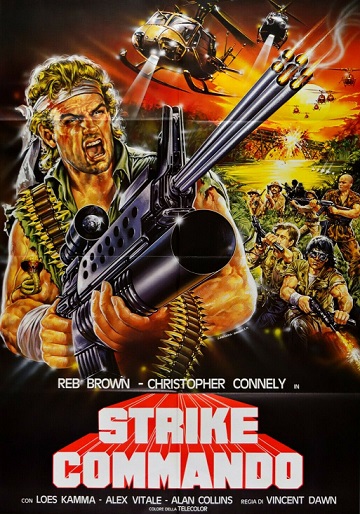
The TSL’s Grindhouse: Strike Commando (dir by Bruno Mattei)


“American,” a young Vietnamese refugee says to Sgt. Mike Ransom, “tell me about Disneyland.”

Ransom tells him all about Disneyland, a magical place where, according to Rasom, the trees are made of ice cream and genies pop out of lamps.  Ransom breaks down in tears, sobbing as he realizes that his friend will never get to experience Disneyland firsthand.

Years later, Ransom is in Manila, blowing up a former American military officer who gave aid to the communists.  “DIE!  DIE!” Ransom shrilly yells as the man literally explodes in front of him.  And while the man may not have been one of the good guys and he did a lot of bad things during the Vietnam War, it’s hard not to feel that Ransom’s attitude would get him banned from Disneyland.  Not even the ghost hitchhikers at the Haunted Mansion would want to accept a ride from the “Die!  Die!” guy.

That Mike Ransom, he’s a complicated man.  As played by Reb Brown, he’s also at the center of the 1987 Italian film, Strike Commando.  As you can probably guess from the film’s title, he’s the leader of an elite squad of soldiers, a team of strike commandoes who are determined to lead America to victory during the Vietnam War.  We’re continually told that Ransom is the best, though we don’t see much of evidence of it.  He’s the type of commando who specializes in sneaking behind enemy lines and hitting the communists before they even realize he’s there but he’s so bulky and loud that it’s hard to imagine that he’s ever been able to successful sneak around anywhere.  He has a particularly bad habit of shrilly screaming every word that he says.  Even when he’s not telling people to die, he’s yelling.  He’s like the athletic coach from Hell.

In fact, as I watched Strike Commando, I started to wonder what it would be like to live next door to someone like Mike Ransom.

“Hi, Mike, are you doing okay?”

“I’M DOING GREAT!  GREAT!  GREAT!”

“Any plans for the day?”

“I’M MOWING THE LAWN!  MOWING!  MOWING!  MOWING!”

“I think I’ve got some mail for you that accidentally left in my mailbox….”

“THE POSTAL SERVICE LIED!  LIED!  LIED!  LIED!”

At first, living next door to Mike Ransom would probably be entertaining but I imagine it would get kind of boring after a while.  Yelling can be an effective way to express yourself but it loses its power if that’s the only thing you ever do.  The same can be said for Strike Commando as a film.  It gets off to a good start, with several extremely over-the-top action sequences and, of course, Mike telling a little refugee child about Disneyland.  But the second half of the film, which involves Mike being held in a POW camp and meeting a fearsome Russian torturer named Jakoda, drags a bit because there’s only so much time you can listen to Ransom yell before you start to tune him out.  It doesn’t help that the second half of the film features some particularly nasty torture scenes.  Still, it is somewhat redeemed by a scene where the Viet Cong attempt to force Ransom to broadcast a propaganda message over their radio station.  “KEEP FIGHTING!” Ransom yells into the microphone.  Hell yeah! You tell ’em, Ransom!

Strike Commando was directed by Bruno Mattei, an Italian exploitation filmmaker who was never one to just turn things up to ten when he could turn them up to 11 instead.  Strike Commando was obviously meant to capitalize on the success of the Rambo films.  In typical Mattei fashion, the action is over-the-top, nonstop, and more than a little silly.  Mattei was never shied away from embracing excess and Strike Commando has everything that you would expect from one of his war films: lots of stuff blowing up, heavy-handed use of slow motion, and plenty of grainy stock footage.  You have to admire Mattei’s dedication to always finding something for Reb Brown to yell about.

6 Shots From 6 Films: Special Robert Duvall Edition


4 Or More Shots From 4 Or More Films is just what it says it is, 4 shots from 4 of our favorite films. As opposed to the reviews and recaps that we usually post, 4 Shots From 4 Films lets the visuals do the talking!

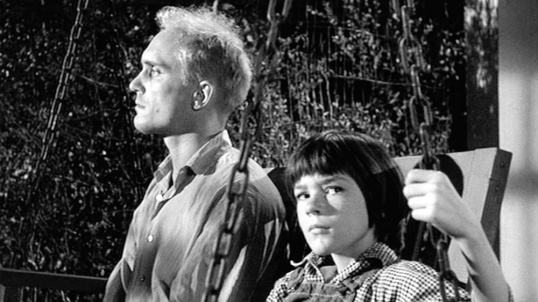
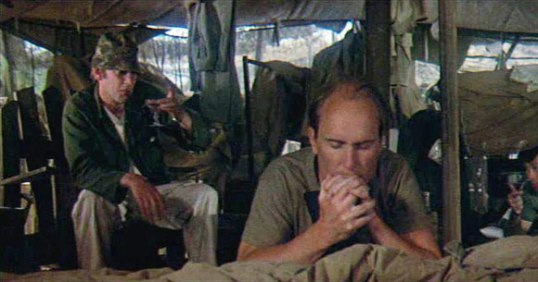
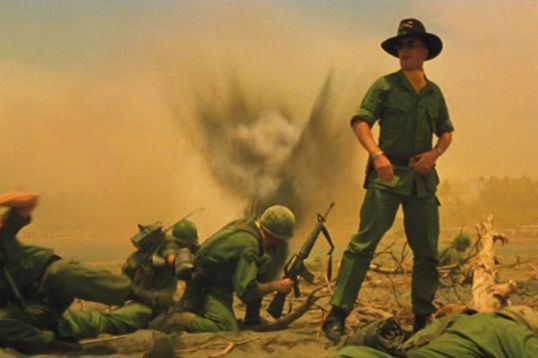
Today, we celebrate the 91st birthday of one of the finest American actors out there, Mr. Robert Duvall.  Ever since he made his film debut in 1962’s To Kill A Mockingbird, Duvall has been a regular presence in American cinema.  He’s an actor who has appeared in some of the best American films ever made (The Godfather, Network, Apocalypse Now, To Kill A Mockingbird, Tender Mercies, and others) and he’s played a wide variety of characters.  He’s been everything from a lawyer to a cowboy to a network executive to a professional criminal to a cop and he’s never been less that convincing.  He’s got a filmography about which anyone would be jealous.  And, at an age when most actors have retired, Duvall is still working and taking the occasional part.

On a personal note, I have to say that, for someone who was born in California, raised in Maryland, and who started his career in New York, Robert Duvall is one of the few actors to have perfected both the Southern and the Southwestern accent.  Whenever I see him playing a Texan, I always have to remind myself that he’s not actually from around here.

In honor of Robert Duvall’s birthday, here are….

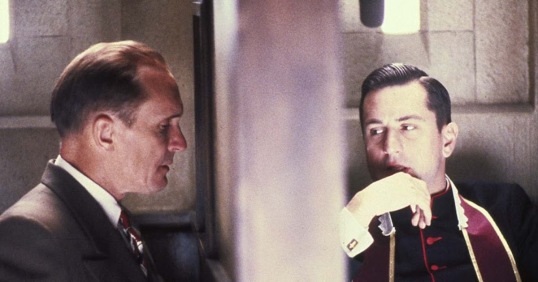
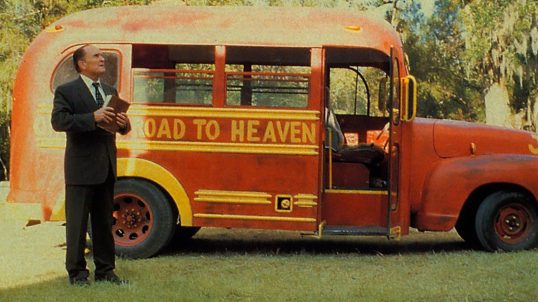
6 Shots From 6 Robert Duvall Films

To Kill A Mockingbird (1962, dir by Robert Mulligan, DP: Russell Harlan)

MASH (1970, dir by Robert Altman, DP: Harold E. Stine)

Apocalypse Now (1979, dir by Francis Ford Coppola, DP: Vittorio Storaro)

True Confessions (1981, dir by Ulu Grosbard, DP: Owen Roizman)

The Apostle (1997, dir by Robert Duvall, DP: Barry Markowitz)

The Judge (2014, dir by David Dobkin, DP: Janusz Kamiński)

Scenes That I Love: The Robot Montage from George P. Cosmatos’s Cobra


On this date, in 1941, future director George Pan Cosmatos was born in Italy.  Cosmatos would go on to direct some of the most financially successfully (if critically lambasted) films of the 80s.  He’s also credited as being the director on Tombstone, though it’s generally agreed that Cosmatos largely deferred to Kurt Russell on that film.  (Cosmatos was a last minute replacement for the film’s original director.)

Other than Tombstone, Cosmatos is best-known for the films that he did with Sylvester Stallone.  And today’s scene that I love comes from the 1986 film, CobraCobra stars Stallone as a motorcycle-riding cop who never asks question when he can just shoot a big gun instead.  Stallone’s show-no-mercy attitude may upset his superiors but it turns out to be just what’s needed to take care of a murderous cult.  Now, Cobra may be a fairly dumb film but it does have one sequence that pretty much epitomizes an era.  If nothing else, George Pan Cosmatos deserves to be remembered for Cobra’s famous robot montage.  While Sylvester Stallone searches for the murders who are decimating his city, model Brigitte Nielsen poses with a bunch of life-size robots.

One reason why this sequence works is because it really does seem to come out of nowhere.  The film goes from Stallone promising to wipe out the bad guys to a bunch of adorable robots.  It’s all very 80s.  And we have George Pan Cosmatos to thank for it.

Here’s a scene that I love:

Film Review: East of the Mountains (dir by SJ Chiro)


Sometimes, a good film just sneaks up on you.

That was certainly the case with me and East of the Mountains, an independent film which came out last September.   I have to admit that the film completely slipped past me when it was initially released.  In fact, I didn’t even know that the film existed until it was nominated for Best Motion Picture Drama by the Satellite Awards in December.  I wasn’t alone in that.  I remember when the Satellite nominations were announced, there were a lot of people who looked at the list of nominees and, upon seeing an unfamiliar title mixed in with West Side Story, The Power of the Dog, and Don’t Look Up, said, “East of what?”

Because I’m always on the lookout for an overlooked gem, I rented East of the Mountains on Prime. I watched it yesterday.  My initial reaction was that it was a well-made film, featuring both pretty scenery and an excellent lead performance from veteran actor Tom Skerritt.  (Skerritt is also credited as being an executive producer on the film.)  I appreciated that, in a time when so many film feels as if they’re at least ten minutes too long, East of the Mountains was a remarkably short film.  It only needed 79 minutes to tell its simple but effective story and it didn’t waste a single one of them.  At the time, I also thought that the film’s direction was perhaps a bit too low-key for the film to really work.  I thought it was a good film but I also thought it was one that I would probably forget about in a day or two.

Instead, the opposite has happened.  East of the Mountains has stuck with me.  Even as I sit here typing, I can still picture the film’s final few scenes in my head.  That’s the type of film that East of the Mountains is.  It’s a film that sneaks up on its audience, capturing their attention so subtly that it’s not until several hours later that they realize that they’re still thinking about the film.

Based on a novel by David Guterson, East of the Mountains is a character study.  Tom Skerritt plays Ben Givens.  Ben is a retired doctor and a veteran of the Korean War.  He lives in Seattle.  His wife has passed away.  He’s estranged from his brother.  His daughter is busy with a family of her own.  Ben’s only companion is his dog, Rex.  When he tells his daughter (played by Mira Sorvino) that he’s planning on going bird hunting for the weekend, she’s concerned.  She knows that her father has been depressed.  She also knows that Ben has recently been diagnosed with cancer.  Ben assures her that he just wants to see his “old stomping grounds” one last time but his daughter worries that Ben may be planning on never coming back.

She’s not wrong.  Since we’ve already seen Ben pressing the barrel of a rifle against his forehead, we know that she has every reason to be concerned about his plans.  Ben is considering ending it all, east of the mountains where he grew up, fell in love, and experienced his happiest moment.  However, from the minute that Ben sets off on what he plans to be his final hunting trip, fate seems to be determined to keep him alive.  After his SUV breaks down, he’s given a ride by a mountain climbing couple and their love reminds Ben of when he first met the woman who he would eventually marry.  After a run-in with a half-crazed mountain man, Ben loses his prized rifle, the one that was given to him by his father and which Ben planned to use to end his own life.  After an unexpected dog fights leads to Ben taking Rex to the local animal hospital, he meets a young veterinarian who can tell that Ben needs someone to talk to.

The plot is rather simple but Tom Skerritt’s performance brings the story a certain depth that it might not otherwise possess.  It would be easy to sentimentalize a character like Ben or to portray him as being flawless.  Instead, Skerritt plays Ben as someone who is genuinely well-meaning and naturally kid but who also can occasionally be a bit self-absorbed.  Watching Ben, one can understand why his brother is estranged from him, which makes their eventual, if rather prickly reunion all the more poignant.  (Ben’s brother is well-played by an actor named Wally Dalton.  He and Skerritt play off of each other with such skill that it’s hard to believe that they actually aren’t brothers.)  The viewer hopes that Ben will find what he needs to find in order to achieve some sort of peace for himself, even if Ben himself doesn’t always seem to be quite sure what that possibly mythical thing would be.

Skerritt’s performance here is comparable to Robert Redford’s turn in All Is Lost, with the main difference being that Ben is far more lost than even Reford’s unnamed sailor.  However, much like the sailor in All is Lost, it’s impossible to look away from Ben’s journey.  It’s also tempting to compare Skerritt’s performance to Rchard Farnsworth’s Oscar-nominated turn in David Lynch’s The Straight Story.  (Indeed, the scene between Skerritt and Dalton is comparable to the final scene between Farnsworth and Harry Dean Stanton.)  Much like Farnsworth in Lynch’s film, Tom Skerritt may move slowly but the viewer is always aware of his mind working.

East of the Mountains may sound like a depressing or heavy-handed film but actually it’s not.  If anything, it’s life-affirming.  The audience is right alongside Ben, learning with him that the world is not as terrible a place as he had convinced himself it was.  In the end, the viewer cares about Ben and worries about what his ultimate fate will be.  The film’s ending sneaks up on you and it stays with you afterwards.

There is one scene involving a dog fight that is difficult to watch but otherwise, East of the Mountains is a simple but poignant film that deserves more attention than it’s received.

4 Shots From 4 Carlos Saura Films: Los Golfos, Carmen, Taxi, Tango


4 Or More Shots From 4 Or More Films is just what it says it is, 4 shots from 4 of our favorite films. As opposed to the reviews and recaps that we usually post, 4 Shots From 4 Films lets the visuals do the talking!

Today, we celebrate the 90th birthday of Spanish director Carlos Saura.  Born in Huesca, Spain in 1932, Saura began his career directing documentaries in the 50s and has been directing feature films since the early 60s.  Saura was originally known as a neorealist, which was not necessarily the safest thing to be when you were a filmmaker in Francisco Franco’s Spain.  His later films have relied more on symbolism and surreal imagery to comment on both Spanish history and culture.  He’s also acclaimed for his dance films.  12 of Saura’s films have competed at Cannes and three of his films were nominated for the Oscar for Best International Film.

In honor of Carlos Saura’s career and vision, it’s time for….

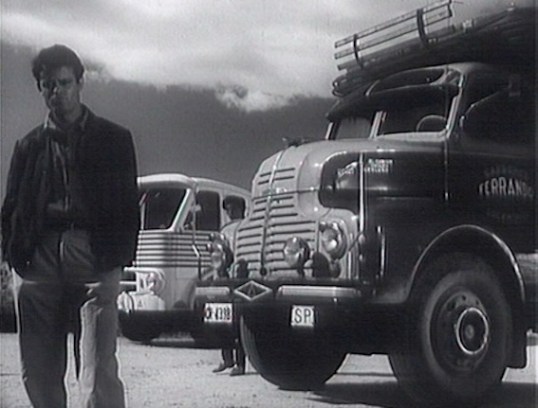
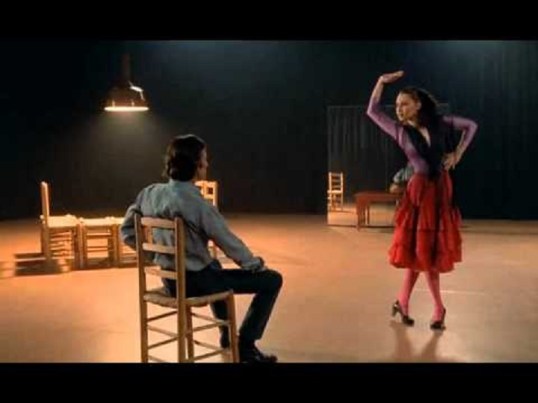
4 Shots From 4 Carlos Saura Films

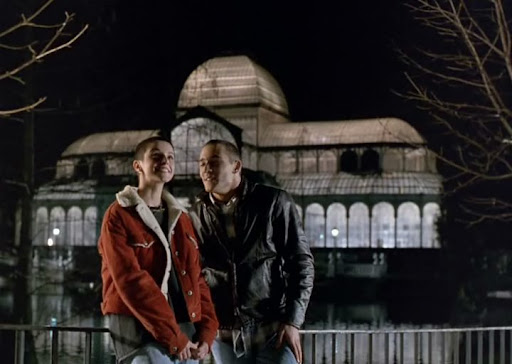
Los Golfos (1962, dir by Carlos Saura, DP: Juan Julio Baena)

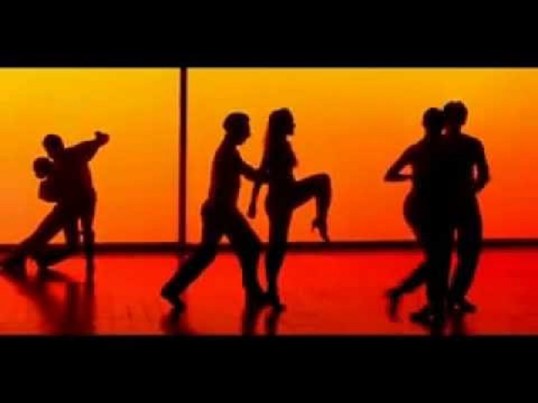
Carmen (1983, dir by Carlos Saura, DP: Teo Escamilla)

Taxi (1996, dir by Carlos Saura, DP: Vittorio Storaro)

Tango (1998, dir by Carlos Saura, DP: Vittorio Storaro)

Scenes That I Love: The Ending of Sergio Leone’s Once Upon A Time In America


(SPOILERS BELOW)

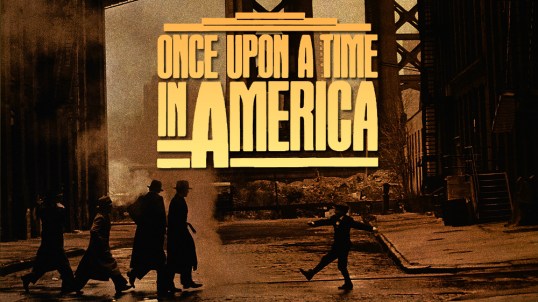
The final moments of Sergio Leone’s epic 1984 gangster film, Once Upon A Time in America, are filed with questions and mysteries.

In 1968, who did Noodles (played by Robert De Niro) see standing outside of Max’s mansion?  When the garbage truck pulled up, did the mysterious man get in the truck or was he thrown in by some unseen force?

Why, in 1968, did Noodles see a car from the 1920s, one that was full of people who appeared to be celebrating the end of prohibition?  Was the car really there, in 1968, or was it an element of Noodles’s past as a gangster suddenly popping into his mind?

When we then see a young Noodles in an opium den, are we flashing back to the 1920s?  Is Noodles remembering the past or is it possible that we’ve been in the 20s the whole time and all of the scenes set in 1968 were actually only a drug-induced dream?

Why, with men looking to kill him and all of his friends apparently dead, does Noodles suddenly smile at the end of the film?  Is that sudden smile a result of the drugs or is there something else going on?

Once Upon A Time In America was Sergio Leone’s final film.  It’s one that he spent decades trying to get made and, once it was finally produced, it was butchered and re-edited by a studio hacks who demanded that the film tell its story in a linear style.  Leone was reportedly heart-broken by how his film was treated.  Some have speculated that his disappointment may have even contributed to the heart attack that eventually killed him.  It was only after Leone passed that his version of Once Upon A Time In America became widely available in the U.S.  This enigmatic epic continues to spark debate.  One thing that can’t be denied is that it’s a brilliant film.

As today is Leone’s birthday, it only seems appropriate to share a scene that I love, the ending of Once Upon A Time In America.

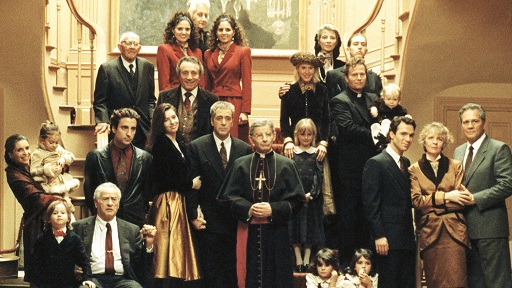
What Could Have Been: The Godfather Part III


If only Tom Hagen had returned….

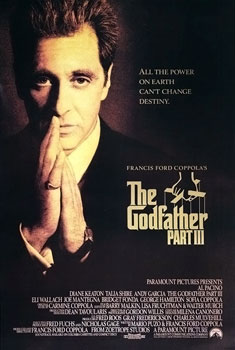
Recently, when asked about The Godfather Part III‘s somewhat lackluster reputation, director Francis Ford Coppola said that the biggest mistake that Paramount made was refusing to meet Robert Duvall’s salary demands.  While Duvall wasn’t demanding to be paid as much as Al Pacino, he still felt that their salaries should be “comparable.”  Paramount, who had already gone through a lot of protracted negotiations to get Coppola, Pacino, and Diane Keaton to agree to do the film, disagreed.  Originally, Coppola had planned for Duvall’s Tom Hagen to be a major part of Godfather Part III.  When Duvall refused to return, the film had to be reimagined.

Coppola’s right.  There’s a lot that I do like about The Godfather Part III but it’s undoubtedly a flawed film.  (It’s a good gangster film but it never feels like a worthy follow-up to the films that came before it.)  And one of the major problems with the film is that Al Pacino’s Michael Corleone doesn’t have anyone with whom he can really confide.  Kay (Diane Keaton) holds him at arm’s length for most of the film.  Connie (Talia Shire) is too busy scheming and plotting on her own.  The rest of the family — Mary (Sofia Coppola), Vincent (Andy Garcia), and Anthony (Franc D’Ambrosio) — are too young to truly understand the sins of the past.  If Tom Hagen had been in the film, Michael would have had someone to whom he could relate.  He would have had an equal.  Hagen’s absence is felt far more than Paramount expected it would be.  They should have paid Duvall his five million.

(For his part, Duvall has defended his salary demands by saying that the only reason anyone was making Godfather Part III was for the money so why shouldn’t he get paid?  And again, Duvall has a point….)

Salud, you bastards.

Of course, for a long time, it seemed like The Godfather Part III would never be made.  After The Godfather Part II swept the 1974 Academy Awards and proved wrong everyone who felt that it would fail, Paramount wanted a sequel.  The only problem was that Coppola and Pacino both said they wouldn’t return.  And, after Coppola disappeared into the jungle for several years and reportedly went mad directing Apocalypse Now, Paramount wasn’t quite sure that they wanted him to return either.

As unthinkable as it may seem now, it was originally quite probable that The Godfather Part III would have featured neither Pacino nor Coppola.  Between 1975 and 1988, several different scripts and treatments were written for a possible Part III.  Many of them opened with Michael either dying or already dead and his son, Anthony, taking over the family business.  Several of the scripts imagined Sonny’s son, Santino, waging war against Anthony and Tom Hagen (yep, Tom again) being forced to take a side.  In the 70s, many of the scripts featured the Mafia working with the CIA to take out Castro and there were more than few that suggested the Corleones were responsible for the Kennedy assassinations.  As the 70s gave way to the 80s, the scripts started to deal with the Corleones getting involved in the drug trade and going to war with the South American drug cartels.  Think of it as The Godfather vs. Scarface, which would have actually been an intereting concept if they could have gotten Al Pacino to return as both Michael Corleone and Tony Montana.  These scripts all reflected the concerns of the time in which they were written but, reportedly, none of them felt like a Godfather movie.  The idea that The Godfather was meant to be the story of a family as much as a story about organized crime was frequently missed by those who tried to stop into the shoes of Coppola and Puzo.

Over the years, with Coppola saying that he wouldn’t return under any circumstances, Paramount considered a lot of different directors as a successor.  Among those who were considered over the years:  Martin Scorsese, Costa-Gavras, James Bridges, Robert Benton, Michael Mann, Philip Kaufman, Alan Pakula, Warren Beatty, Sidney Lumet, Lewis Carlino, and Michael Cimino.  (Scorsese seems like the obvious choice out of that list but, personally, I would love to see what Michael Mann would have done with the Corleones.)  Sylvester Stallone was also apparently interested in both directing and playing the role of Anthony Corleone.  (John Travolta, whom Stallone directed in Staying Alive, was another frequently mentioned Anthony.)  It probably came closer to happening than most people are willing to admit.

Still, it wasn’t until 1989 that The Godfather Part III finally went into production and, as Duvall said, it was all for the money.  Paramount needed money.  Pacino needed money.  Coppola, after a string of flops and several financial setbacks, definitely needed the money.  Coppola wanted to present the film as being an “epilogue” as opposed to a direct sequel.  Paramount was probably correct when they argued that people don’t pay money to watch epilogues.  They pay money for sequels.

The eventual script, by Coppola and Mario Puzo, focused on the forbidden relationship between Sonny’s illegitimate son, Vincent, and Michael’s daughter, Mary.  As written, Mary was supposed to be 23 years old and savvy about the ways of the Corleone family.  Vincent, meanwhile, was a 31 year-old, out-of-control street criminal who, under Michael’s tutelage, became a refined gangster over the course of the film.  We all know that Vincent was eventually played by Andy Garcia while 18 year-old Sofia Coppola was cast, at the last minute, as Mary.  For all the criticism that Francis Ford Coppola took for casting his inexperienced daughter in a role that she was too young for, just imagine the critical reaction if Coppola had followed Paramount’s wishes and cast Madonna.
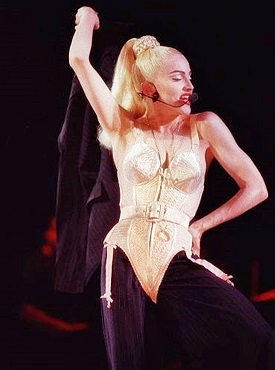
Yes, Madonna was Paramount’s suggestion for Mary and Coppola was interested enough to film a screen test with her.  Acting opposite of Madonna was Robert De Niro, who was interested in playing Vincent!  Though De Niro was in his 40s, he argued that he could still pass for 31 and, having played Vito in Part II, De Niro was intrigued with the idea of playing his own grandson.  However, the screen tests did not convince anyone.  Both Madonna and De Niro were determined to be too old for the roles.  De Niro went on to do Goodfellas and The Awakening instead.

The first choice for Vincent was reportedly Alec Baldwin but, for reasons unknown, Baldwin turned down the role.  (Baldwin was also an early possibility for Henry Hill in Goodfellas.)  Matt Dillon, Vincent Spano, Kevin Anderson, and Luke Perry all tested for the role.  Val Kilmer, Nicolas Cage, Charlie Sheen, and Billy Zane were all considered at one point or another.  The studio pushed Coppola to pick Tom Cruise.  In the end, Coppola went with Andy Garcia.  Garcia received his only Oscar nomination for playing Vincent and his performance is one of the highlights of the film.  Still, Nicolas Cage as Vincent is a fascinating idea.

With Madonna out of the running, Coppola offered the role of Mary to Julia Roberts but Roberts was committed to Pretty Woman.  A television actress named Rebecca Schaeffer was also highly considered but she was shot and killed by an obsessed fan on the same night that she received the script.  Bridget Fonda, Linda Fiorentino, Laura San Giacomo, Annabella Sciorra, and Trini Alvarado were all considered but, in the end, Winona Ryder was selected for the role.  Ryder flew out to Rome to do the film and there’s some debate as to what happened next.  Ryder has said that she arrived in Italy exhausted after having done two previous films back-to-back.  Other reports have said that Ryder had a nervous breakdown in Rome.  Either way, her then-boyfriend, Johnny Depp, requested that she leave the film and return to the States and Ryder did just that.

Reportedly, after Ryder left the film, the role was again offered to Julia Roberts and Roberts again turned it down to focus on Pretty Woman.  At the time, Sofia Coppola happened to be visiting her father in Rome.  Sofia had done a little modeling and had appeared in a few of her father’s films, always in small roles.  She had also co-written her father’s segment of New York Stories.  Francis announced that Sofia would be playing Mary and, with the studio desperate for The Godfather Part III to be ready in time for a Christmas release in 1990, Paramount had little choice but to go along.  The role was rewritten for Sofia.  Mary became a far more innocent and naïve character, sometimes to the point of implausibility.  Sofia, who is one of my favorite directors, has taken a lot of criticism for her performance over the years.  Personally, I think she was pushed into a no-win situation.  She was an inexperienced actress, stuck with a hastily rewritten character and all the worst lines.  Plus, making out with Andy Garcia while her Dad watched from a few feet away had to be awkward.  On the plus side, Sofia’s hair was very pretty in Godfather Part III.

As for the rest of the cast, Joe Spinell was originally meant to return as Willi Cicci but Spinnel died before filming began.  Cicci’s character was transformed into Joey Zasa, New York’s best-dressed gangster.  Dennis Farina, Mickey Rourke, and John Turturro were all considered for Zasa.  The role went to Joe Mantegna, who had a lot of fun with the part.  I’ve always felt one of Part III’s biggest mistakes was killing of Joey Zasa too early in the film.  None of the film’s other villain quite have Zasa’s style.

Virginia Madsen and Diane Lane wee both considered for the role of Grace Hamilton, the photojournalist who has a memorable one night stand with Vincent.  After it was decided that she wouldn’t play Mary, Madonna was also briefly considered.  In the end, the role went to another potential Mary, Bridget Fonda.

For Archbishop Gilday, the corrupt Vatican banker, many international stars were considered.  Presumably, Gilday’s nationality would have changed depending on who got the role.  Vittorio Gassman, Phillipe Noiret, Gian Maria Volonte, Yves Montand, Marcello Mastroianni, and Albert Finney were all possibilities before the role went to Donal Donnelly.

Many of those who were considered for the Archbishop were also considered for the role of Pope John Paul I.  Vittorio Gassman, Yves Montand, and Michel Piccoli were all considered.  The role went to Raf Vallone, who was also considered for the role of Don Vito in the first Godfather.
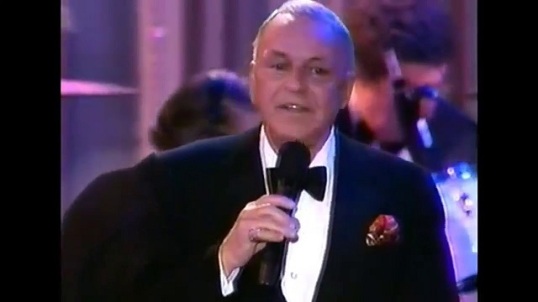
Finally, there was Don Altobello.  Altobello was the latest former Corleone ally to try to betray Michael.  Frank Sinatra, whose offense at being used as the model for Johnny Fontane in Part One was legendary, was reportedly interested in the role.  Timothy Carey, who was considered for both Luca Brasi and Hyman Roth in Parts One and Two, was a possibility until he suffered a stroke.  In the end, Coppola went with Eli Wallach.

As for Tom Hagen, he was gone.  He was written out of the film and described as having died off-screen.  However, Coppola brought in a replacement lawyer.  B.J. Harrison was played by George Hamilton.  Unfortunately, Harrison was never as close to Michael as Hagen had been.  It’s a shame because Godfather Part III definitely could have used a bit more George Hamilton.
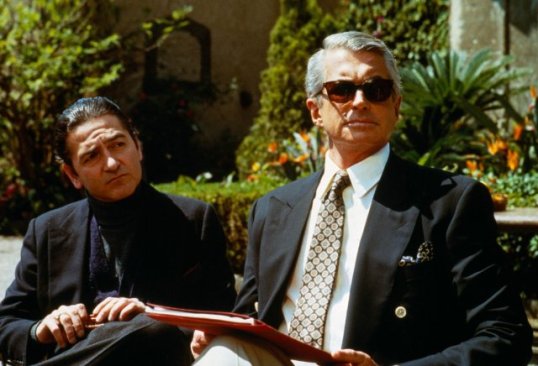
Godfather Part III was released in December of 1990.  It did well at the box office.  It received a number of Oscar nominations.  As a film, The Godfather Part III is heavily flawed but, when it works, it really does work.  It may not live up to the standard set by the first two Godfathers but then again, what does?  I recently watched Coppola’s re-edit of Part Three, the Godfather Coda.  It actually is an improvement.  There aren’t any added scenes but the new version does considerably tighten up the film’s pace.  The opera at the end no longer drags on forever.  Godfather Part III may not be great but it’s not terrible, either.  It’s better than it’s reputation.

Still, it’s hard not to wonder what could have been.  If only Tom Hagen had come back….
Here Are The 2021 Nominees Of The Chicago Indie Critics!


The Chicago Indie Critics have announced their nominees for the best of 2021!  The winners will be announced on January 8th.

Personally, I like the fact that they give an award for both Best Independent Film and Best Studio Film.  I sometimes think that the Oscars should do the same.  Then I remember how the Oscars manage to screw up nearly every cool idea and I change my mind.

BEST INDEPENDENT FILM (budgets under $20 million)
CODA
NINE DAYS
PIG
SPENCER
SUMMER OF SOUL

BEST STUDIO FILM (budgets over $20 million)
THE HARDER THEY FALL
LICORICE PIZZA
THE POWER OF THE DOG
SPIDER-MAN: NO WAY HOME
TICK, TICK… BOOM!

BEST FOREIGN LANGUAGE FILM
BENEDETTA
DRIVE MY CAR
FLEE
A HERO
PARALLEL MOTHERS

BEST DOCUMENTARY
FLEE
THE RESCUE
ROADRUNNER: A FILM ABOUT ANTHONY BOURDAIN
THE SPARKS BROTHERS
SUMMER OF SOUL

BEST ANIMATED FILM
ENCANTO
FLEE
LUCA
THE MITCHELLS VS. THE MACHINES
RAYA AND THE LAST DRAGON

BEST DIRECTOR
Paul Thomas Anderson – LICORICE PIZZA
Kenneth Branagh – BELFAST
Jane Campion – THE POWER OF THE DOG
Pablo Larrain – SPENCER
Edson Oda – NINE DAYS

BEST ORIGINAL SCREENPLAY
THE FRENCH DISPATCH – Wes Anderson
A HERO – Asghar Farhadi
LICORICE PIZZA – Wes Anderson
NINE DAYS – Edson Oda
PIG – Michael Sarnoski

BEST ADAPTED SCREENPLAY
CODA – Sian Heder
DRIVE MY CAR – Ryusuke Hamaguchi, Takamasa Oe
PASSING – Rebecca Hall
THE POWER OF THE DOG – Jane Campion
THE TRAGEDY OF MACBETH – Joel Coen

BEST ACTOR
Nicolas Cage – PIG
Benedict Cumberbatch – THE POWER OF THE DOG
Andrew Garfield – TICK, TICK… BOOM!
Will Smith – KING RICHARD
Denzel Washington – THE TRAGEDY OF MACBETH

BEST ACTRESS
Jessica Chastain – THE EYES OF TAMMY FAYE
Olivia Colman – THE LOST DAUGHTER
Alana Haim – LICORICE PIZZA
Emilia Jones – CODA
Kristen Stewart – SPENCER
Tessa Thompson – PASSING

BEST SUPPORTING ACTOR
Ben Affleck – THE LAST DUEL
Colman Domingo – ZOLA
Mike Faist – WEST SIDE STORY
Troy Kotsur – CODA
Kodi Smit-McPhee – THE POWER OF THE DOG
Jeffrey Wright – THE FRENCH DISPATCH

BEST SUPPORTING ACTRESS
Ariana DeBose – WEST SIDE STORY
Kirsten Dunst – THE POWER OF THE DOG
Aunjanue Ellis – KING RICHARD
Marlee Matlin – CODA
Ruth Negga – PASSING

BEST ENSEMBLE CAST
BELFAST
CODA
THE FRENCH DISPATCH
THE HARDER THEY FALL
THE POWER OF THE DOG
SPIDER-MAN: NO WAY HOME

BEST CINEMATOGRAPHY
BELFAST
DUNE
THE GREEN KNIGHT
THE POWER OF THE DOG
THE TRAGEDY OF MACBETH

BEST PRODUCTION DESIGN
DUNE
THE LAST DUEL
NIGHTMARE ALLEY
THE TRAGEDY OF MACBETH
WEST SIDE STORY

BEST COSTUME DESIGN
CRUELLA
DUNE
THE GREEN KNIGHT
NIGHTMARE ALLEY
WEST SIDE STORY

BEST MAKEUP
CRUELLA
DUNE
THE EYES OF TAMMY FAYE
HOUSE OF GUCCI
NIGHTMARE ALLEY

BEST EDITING
DUNE
THE HARDER THEY FALL
NINE DAYS
SPIDER-MAN: NO WAY HOME
WEST SIDE STORY

BEST MUSICAL SCORE
DUNE
ENCANTO
THE HARDER THEY FALL
THE POWER OF THE DOG
SPENCER

BEST ORIGINAL SONG
“Be Alive” – KING RICHARD
“Guns Go Bang” – THE HARDER THEY FALL
“Just Look Up” – DON’T LOOK UP
“No Time to Die” – NO TIME TO DIE
“So May We Start” – ANNETTE

BEST VISUAL EFFECTS
DUNE
FREE GUY
THE MATRIX RESURRECTIONS
SHANG-CHI AND THE LEGEND OF THE TEN RINGS
SPIDER-MAN: NO WAY HOME

BEST STUNTS
BLACK WIDOW
DUNE
THE MATRIX RESURRECTIONS
NO TIME TO DIE
SHANG-CHI AND THE LEGEND OF THE TEN RINGS
SPIDER-MAN: NO WAY HOME

SPECIAL AWARDS

TRAILBLAZER AWARD 
Honors the work of an artist who truly pushes the boundaries of the medium in terms of form and content
Paul Thomas Anderson, filmmaker
Rebecca Hall, filmmaker
Ryusuke Hamaguchi, filmmaker
Sian Heder, filmmaker
Lin-Manuel Mirandafilmmaker

IMPACT AWARD
Given to a person whose work has had a positive impact on society
Rebecca Fons, Director of Programming – Gene Siskel Film Center
Rebecca Hall, filmmaker
Ryan Oestreich, General Manager – Music Box Theatre
Steven Spielberg, filmmaker
Jill Wheeler, Director of Publicity and Promotions – Allied Global Marketing