Film Review: Run Silent, Run Deep (dir. by Robert Wise)


“That’s strange, Jim. I never even thought of failing.” — Commander Richardson

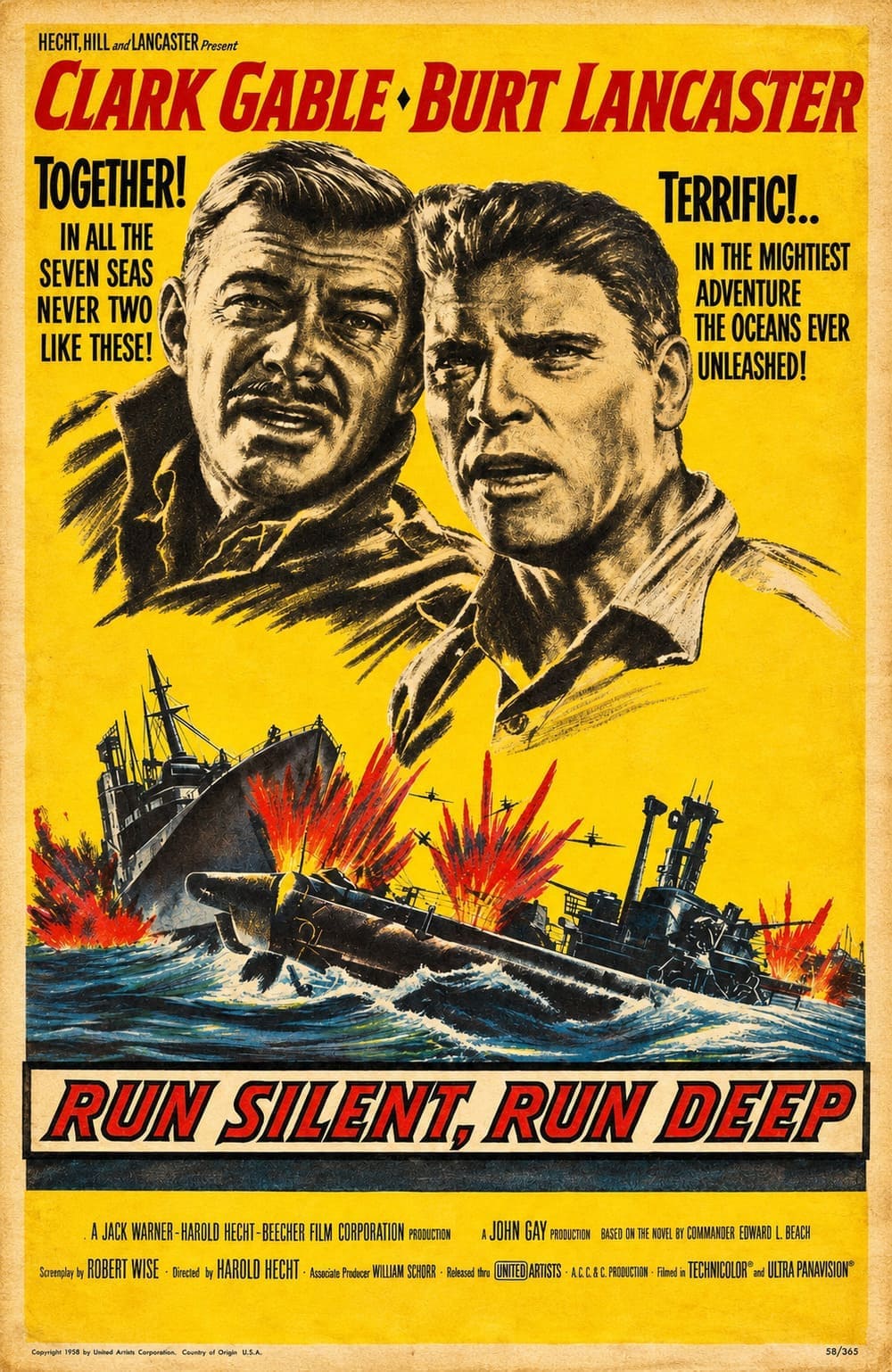
There’s barely enough room to turn around aboard the submarine in Run Silent, Run Deep, but two enormous egos manage to squeeze inside. Robert Wise’s 1958 war film puts Clark Gable and Burt Lancaster in close quarters and lets their competing ideas about leadership drive the action. Enemy ships supply the immediate danger, but the real hook is watching two capable officers work together when neither fully trusts the other. It’s a gripping movie about control, especially what happens when a captain’s personal ambitions start steering a military mission. The confined setting gives their disagreement an edge: nobody can walk away.

Gable plays Commander Richardson, who returns to sea after losing his previous submarine to a Japanese destroyer. His new command, the USS Nerka, comes with a complication: executive officer Jim Bledsoe, played by Lancaster, expected the promotion himself. Bledsoe knows the crew and has their confidence; Richardson brings seniority and unfinished business. The captain orders exhausting drills while keeping his intentions to himself. Before long, Bledsoe suspects that Richardson is preparing not simply for combat but for another encounter with the enemy responsible for his earlier defeat. What looks like demanding leadership begins to resemble a personal campaign.

Richardson works as a character because he isn’t an obvious fool. Gable gives him authority and convincing tactical confidence, making it easy to understand why the crew would follow him. That competence also makes his obsession harder to challenge. His troubling decisions come wrapped in the assurance of a man who usually knows what he’s doing. Gable communicates the danger through impatience, secrecy, and stubbornness rather than theatrical outbursts. Richardson doesn’t suddenly become incapable of command. Instead, he starts confusing what he wants with what his command needs, and the distinction becomes harder for everyone around him to ignore.

Lancaster makes Bledsoe an effective counterweight without turning him into an uncomplicated voice of reason. His concerns are legitimate, but his disappointment over losing command complicates every objection. Is he protecting the crew, defending his pride, or doing both? Lancaster allows those motives to overlap without making Bledsoe seem petty. He remains dependable, yet his frustration gives that professionalism an edge. You can feel the effort involved in showing respect to a superior whose decisions he distrusts. He also understands that challenging Richardson could damage the discipline he wants to preserve.

The scenes between them work because neither actor needs to dominate every exchange. Gable can make an order sound final while Lancaster’s reaction quietly keeps the argument alive. Their different kinds of authority are part of the appeal: Richardson expects obedience because he holds command, while Bledsoe draws strength from his connection to the crew. Those positions aren’t necessarily incompatible, but wounded pride makes cooperation difficult. The movie gives both men enough credibility that their disagreement remains uncomfortable. It’s much more interesting than watching an obviously reckless captain get corrected by an obviously sensible subordinate.

Wise folds that conflict into the submarine’s daily work. Drills, preparations, and clipped orders show how leadership becomes action: Richardson makes a decision, and everyone else must execute it. The procedural detail does more than establish a naval setting. It shows how completely these men depend on one another, making their divided loyalties dangerous. Some exercises become repetitive, but that repetition has a purpose. Richardson wants coordinated movement to become instinctive, and the film makes us appreciate how little margin for error the crew has. When combat tests that preparation, the earlier emphasis on timing pays off.

The black-and-white photography strengthens the enclosed atmosphere. Narrow passages and crowded equipment leave little room for privacy, much less escape from a strained relationship. Wise doesn’t need to make every shot claustrophobic; the arrangement of bodies within the boat already suggests how closely everyone lives and works. A disagreement between officers can affect men who aren’t participating in it but still have to carry out the consequences. The submarine becomes more than a backdrop. It’s a shared space where uncertainty spreads quickly and even a small loss of confidence can become difficult to contain.

Outside the hull, the enemy remains difficult to locate and anticipate. Wise builds suspense around decisions—when to move, when to wait, when to attack—rather than relying entirely on destruction. Faces listening for information can be as compelling as weapons firing. There’s a tension between the crew’s disciplined movements and how little they can know about what awaits them. The action is exciting because it tests judgment as much as nerve. Richardson’s determination might produce a tactical advantage, but that doesn’t automatically settle whether pursuing it was responsible. Success and sound leadership aren’t quite the same thing.

Later submarine films would revisit that captain-and-executive-officer friction. Crimson Tide (1995) turns it into a showdown between Gene Hackman and Denzel Washington over a nuclear launch, while U-571 (2000) echoes Bledsoe’s frustration through Matthew McConaughey’s resentment of a captain who questions his readiness for command. Neither relationship duplicates Gable and Lancaster’s, but all three films draw suspense from the divide between obedience and independent judgment. They also recognize that ambition can complicate a legitimate objection: wanting command doesn’t make a subordinate wrong, but it can make his motives harder to trust. Danger outside the hull becomes more frightening when authority inside it is unsettled.

Wise’s film has limitations. The supporting sailors register mostly through quick impressions, and some dialogue carries the familiar snap of an older Hollywood service picture. Its focus on the two officers leaves less room for the crew as individuals. Still, Gable and Lancaster give the central conflict enough weight to make that narrow focus worthwhile. Command emerges as a burden, not merely a promotion, and confidence alone doesn’t justify the decisions made in its name. The submarine warfare delivers, but the lasting suspense comes from a harder question: when does loyalty require an officer to stop following and push back?
4 Shots From 4 Films: Special Howard Hawks Edition


4 Or More Shots From 4 Or More Films is just what it says it is, 4 shots from 4 of our favorite films. As opposed to the reviews and recaps that we usually post, 4 Shots From 4 Films lets the visuals do the talking!

129 years ago, on this date, the great American filmmaker Howard Hawks was born in Indiana.  Over a career that spanned several decades, Hawks proved himself to be a master of every genre.  He made great crime films, great noirs, great comedies, and great westerns.  His influence continues to be felt to this day.  In honor of his legacy, it’s time for….

4 Shots From 4 Howard Hawks Films

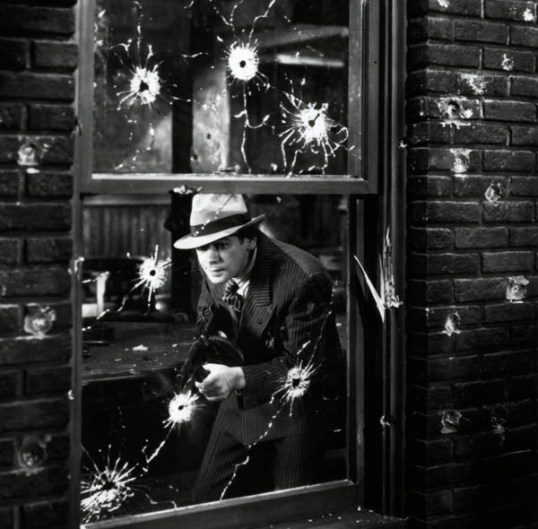
Scarface (1932, dir by Howard Hawks, DP: Lee Garmes)

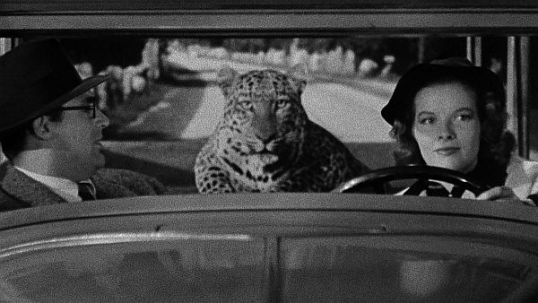
Bringing Up Baby (1938, dir by Howard Hawks, DP: Russell Metty)

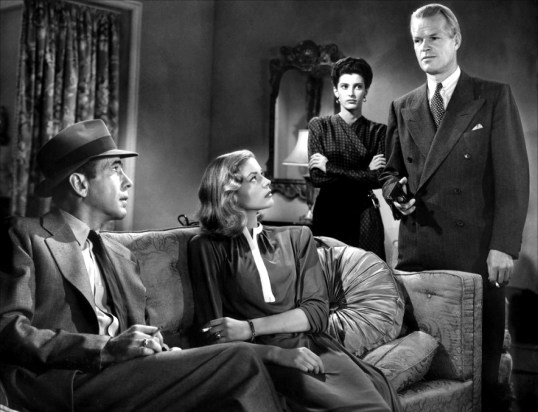
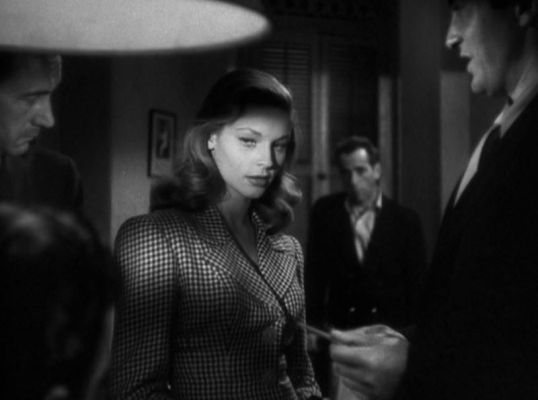
The Big Sleep (1946, dir by Howard Hawks, DP: Sidney Hickox)

Rio Bravo (1959, dir by Howard Hawks, DP: Russell Harlan)

4 Shots From 4 Films: Special Ward Bond Edition


4 (or more) Shots From 4 (or more) Films is just what it says it is, 4 (or more) shots from 4 (or more) of our favorite films. As opposed to the reviews and recaps that we usually post, 4 (or more) Shots From 4 (or more) Films lets the visuals do the talking.

121 years ago today, the great American character actor Ward Bond was born in Benkleman, Nebraska.  In a career that last nearly forty years, Ward Bond appeared in more than 200 films and he currently holds the record for being the actor to appear in the most films nominated for Best Picture.  (He appeared in 13 nominated films, two of which won.)  He did 22 films with John Wayne and was a favorite of both John Ford and Frank Capra.

It’s time for….

4 Shots From 4 Ward Bond Films

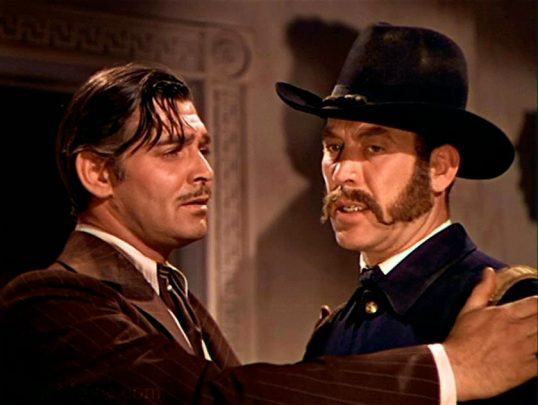
Gone With The Wind (1939, dir by Victor Fleming, DP: Ernest Haller)

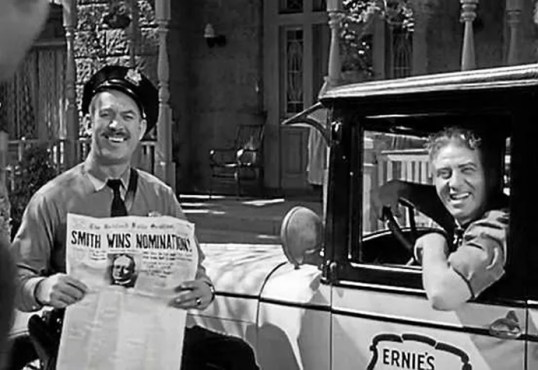
It’s A Wonderful Life (1946, dir by Frank Capra, DP: Joseph Walker and Joseph Biroc)

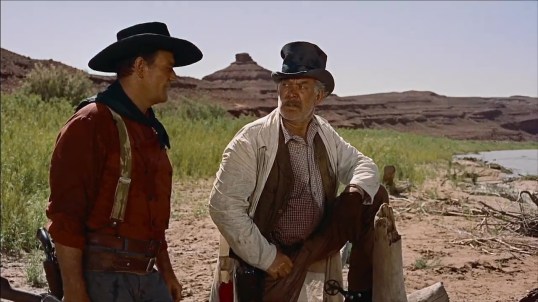
The Searchers (1956, dir by John Ford, DP: Winston C. Hoch)

Rio Bravo (1959, dir by Howard Hawks, DP: Russell Harlan)

4 Shots From 4 Horror Films: The Early 50s


4 Or More Shots From 4 Or More Films is just what it says it is, 4 shots from 4 of our favorite films. As opposed to the reviews and recaps that we usually post, 4 Shots From 4 Films lets the visuals do the talking!

This October, I’m going to be doing something a little bit different with my contribution to 4 (or more) Shots From 4 (or more) Films.  I’m going to be taking a little chronological tour of the history of horror cinema, moving from decade to decade.

Today, we take a look at the early 50s!

4 Shots From 4 Horror Films: The Early 50s

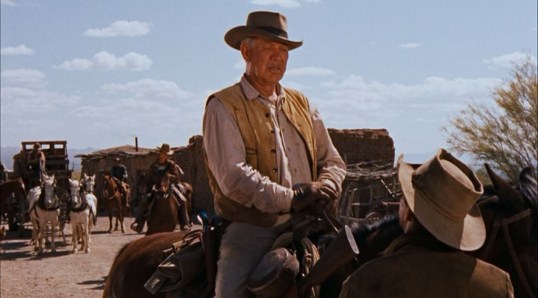
The Thing From Another World (1951, dir by Christian Nyby, DP: Russell Harlan)

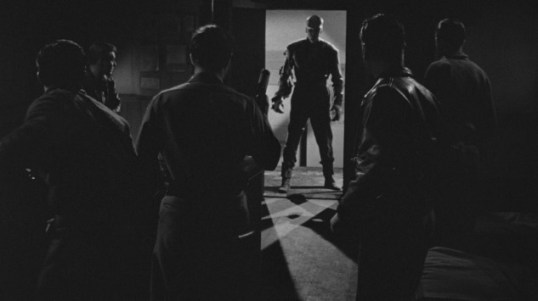
It Came From Outer Space (1953, dir by Jack Arnold, DP: Clifford Stine)

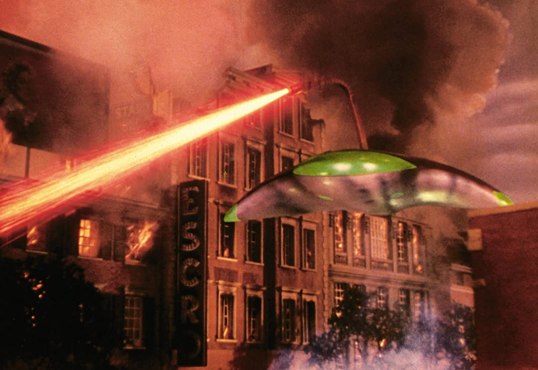
The War of the Worlds (1953, dir by Byron Haskin, DP: George Barnes)

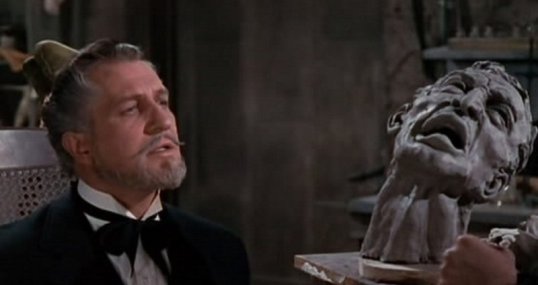
House of Wax (1953, dir by Andre de Toth, DP: Bert Glennon, J. Peverell Marley, and Lothrop B. Worth)

4 Shots From 4 Films: Special Howard Hawks Edition


4 Or More Shots From 4 Or More Films is just what it says it is, 4 shots from 4 of our favorite films. As opposed to the reviews and recaps that we usually post, 4 Shots From 4 Films lets the visuals do the talking!

126 years ago, on this date, the great American filmmaker Howard Hawks was born in Indiana.  Over a career that spanned several decades, Hawks proved himself to be a master of every genre.  He made great crime films, great noirs, great comedies, and great westerns.  His influence continues to be felt to this day.  In honor of his legacy, it’s time for….

4 Shots From 4 Howard Hawks Films

Scarface (1932, dir by Howard Hawks, DP: Lee Garmes)

Bringing Up Baby (1938, dir by Howard Hawks, DP: Russell Metty)

To Have and Have Not (1944, dir by Howard Hawks, DP: Sidney Hickox)

Rio Bravo (1959, dir by Howard Hawks, DP: Russell Harlan)

6 Shots From 6 Films: Special Robert Duvall Edition


4 Or More Shots From 4 Or More Films is just what it says it is, 4 shots from 4 of our favorite films. As opposed to the reviews and recaps that we usually post, 4 Shots From 4 Films lets the visuals do the talking!

Today, we celebrate the 91st birthday of one of the finest American actors out there, Mr. Robert Duvall.  Ever since he made his film debut in 1962’s To Kill A Mockingbird, Duvall has been a regular presence in American cinema.  He’s an actor who has appeared in some of the best American films ever made (The Godfather, Network, Apocalypse Now, To Kill A Mockingbird, Tender Mercies, and others) and he’s played a wide variety of characters.  He’s been everything from a lawyer to a cowboy to a network executive to a professional criminal to a cop and he’s never been less that convincing.  He’s got a filmography about which anyone would be jealous.  And, at an age when most actors have retired, Duvall is still working and taking the occasional part.

On a personal note, I have to say that, for someone who was born in California, raised in Maryland, and who started his career in New York, Robert Duvall is one of the few actors to have perfected both the Southern and the Southwestern accent.  Whenever I see him playing a Texan, I always have to remind myself that he’s not actually from around here.

In honor of Robert Duvall’s birthday, here are….

6 Shots From 6 Robert Duvall Films

To Kill A Mockingbird (1962, dir by Robert Mulligan, DP: Russell Harlan)

MASH (1970, dir by Robert Altman, DP: Harold E. Stine)

Apocalypse Now (1979, dir by Francis Ford Coppola, DP: Vittorio Storaro)

True Confessions (1981, dir by Ulu Grosbard, DP: Owen Roizman)

The Apostle (1997, dir by Robert Duvall, DP: Barry Markowitz)

The Judge (2014, dir by David Dobkin, DP: Janusz Kamiński)

6 Shots From 6 Films: Special Richard Brooks Edition


4 (or more) Shots From 4 (or more) Films is just what it says it is, 4 (or more) shots from 4 (or more) of our favorite films. As opposed to the reviews and recaps that we usually post, 4 (or more) Shots From 4 (or more) Films lets the visuals do the talking.

109 years ago today, Richard Brooks was born in Philadelphia, Pennsylvania. He would go on to become an iconoclastic director, making films that challenged taboos and often dealt with the social issues that most mainstream Hollywood filmmakers refused to touch. With In Cold Blood, he launched the entire true crime genre. With Elmer Gantry, he was one of the first American directors to examine how religion became a big business. Throughout his long career, Brooks was a consistent opponent of bigotry, censorship, and hate. As one of the few independent directors to regularly work and achieve prominence during the studio era, he was a trailblazer for many today’s best directors.

In honor of the date of his birth, it’s time for….

6 Shots From 6 Richard Brooks Films

Blackboard Jungle (1955, dir by Richard Brooks, DP: Russell Harlan)
Cat On A Hot Tin Roof (1958, dir by Richard Brooks, DP: William Daniels)
Elmer Gantry (1960, dir by Richard Brooks, DP: John Alton)
In Cold Blood (1967, dir by Richard Brooks, DP: Conrad Hall)
Bite The Bullet (1975, dir by Richard Brooks, DP: Harry Stradling, Jr.)
Looking for Mr. Goodbar (1977, dir by Richard Brooks, DP: John A. Fraker)

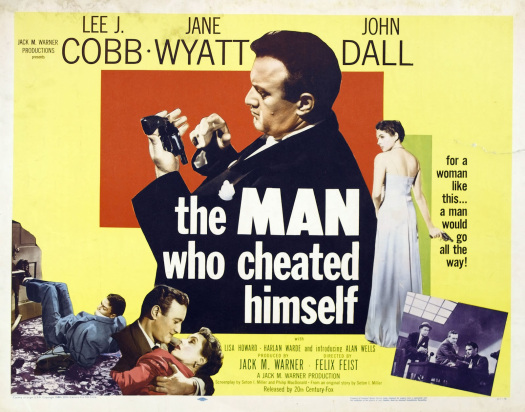
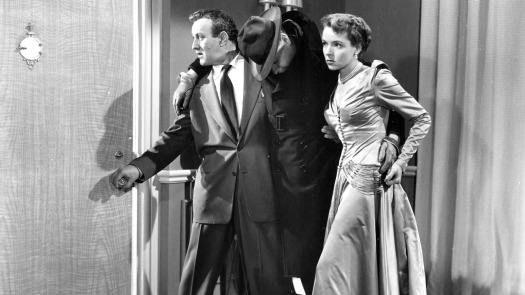
Midnight Snack: THE MAN WHO CHEATED HIMSELF (2Oth Century-Fox 1950)


gary loggins's avatarcracked rear viewer

THE MAN WHO CHEATED HIMSELF made it’s TCM debut last Saturday night on Noir Alley, hosted by “The Czar of Noir” Eddie Muller. This is a ‘B’ film I’d never heard of before, and since you all know how much I love discovering new/old ‘B’ movies, I stayed up past the midnight hour to give it a watch (which I usually do on Saturday nights anyway, being a Noir Alley fan!).

The film doesn’t waste any time, quickly introducing the main characters and getting right into the story. Thinking her husband is planning to murder her, rich San Francisco socialite Lois Frazer guns him down in cold blood directly in front of her lover, Homicide Lt. Ed Cullen. Ed dumps the body at the airport to make it look like a robbery/murder, tossing the murder weapon off the Golden Gate Bridge. Then he takes the lead in the investigation, along…

View original post 320 more words