4 Shots From 4 Films is just what it says it is, 4 shots from 4 of our favorite films. As opposed to the reviews and recaps that we usually post, 4 Shots From 4 Films lets the visuals do the talking!
Today, on what would have been his 72nd birthday, we celebrate filmmaker Albert Pyun!
It’s time for….
4 Shots From 4 Albert Pyun Films
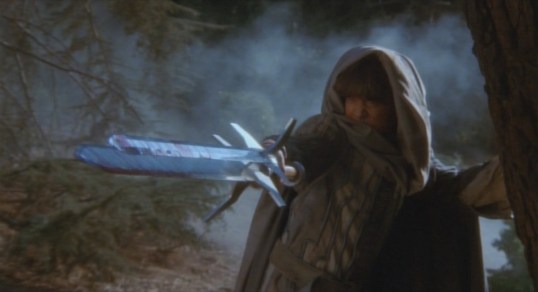
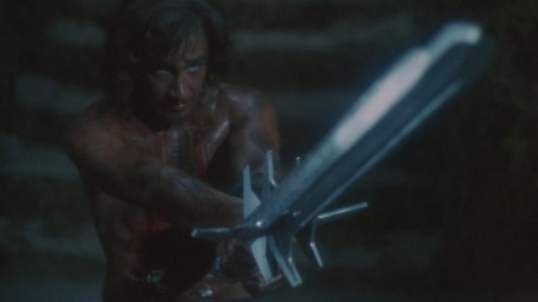
The Sword and the Sorcerer (1982, dir by Albert Pyun, DP: Joseph Margine)
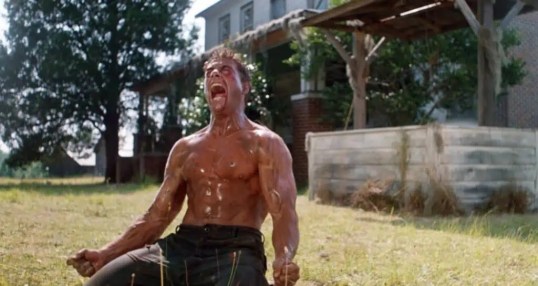
Cyborg (1989, dir by Albert Pyun, DP: Philip Alan Waters)
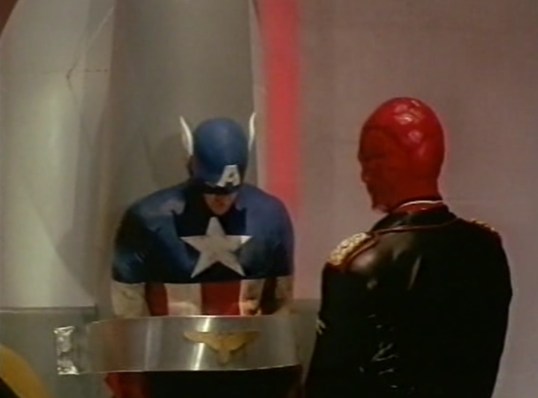
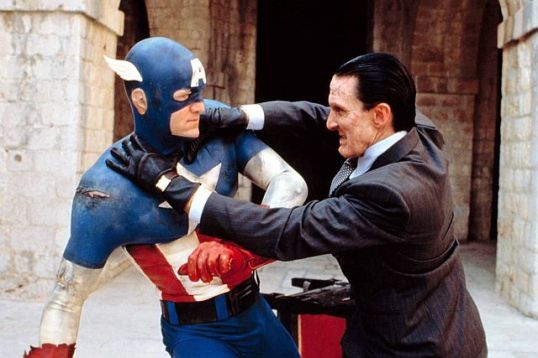
Captain America (1990, dir by Albert Pyun, DP: Philp Alan Waters)
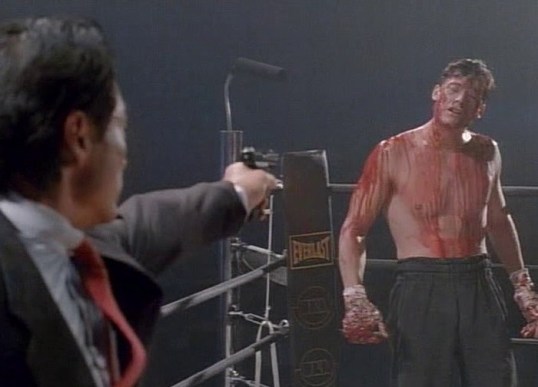
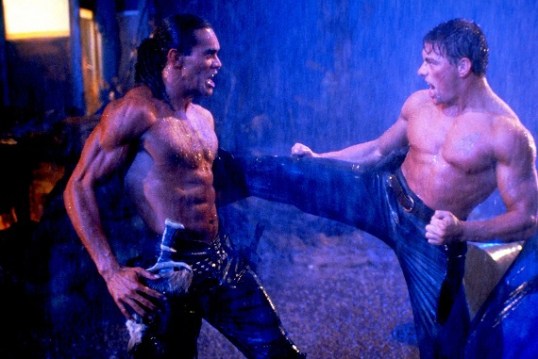
Kickboxer 2 (1991, dir by Albert Pyun, DP: George Mooradian)
4 Shots From 4 Films is just what it says it is, 4 shots from 4 of our favorite films. As opposed to the reviews and recaps that we usually post, 4 Shots From 4 Films lets the visuals do the talking!
Today, on what would have been his 71st birthday, we celebrate filmmaker Albert Pyun!
It’s time for….
4 Shots From 4 Albert Pyun Films
The Sword and the Sorcerer (1982, dir by Albert Pyun, DP: Joseph Margine)
Cyborg (1989, dir by Albert Pyun, DP: Philip Alan Waters)
Captain America (1990, dir by Albert Pyun, DP: Philp Alan Waters)
Kickboxer 2 (1991, dir by Albert Pyun, DP: George Mooradian)
Captain America (1990, dir by Albert Pyun, DP: Philp Alan Waters)
As some of our regular readers undoubtedly know, I am involved in a few weekly live tweets on twitter. I host #FridayNightFlix every Friday, I co-host #ScarySocial on Saturday, and I am one of the five hosts of #MondayActionMovie! Every week, we get together. We watch a movie. We tweet our way through it.
Tonight, at 10 pm et, #FridayNightFlix has got 1990’s Captain America!
No, it’s not the MCU Captain America. Instead, this is the Captain America that was directed by Albert Pyun and which stars J.D. Salinger’s son! Captain America battles not only the Red Skull but also climate change!
If you want to join us this Friday, just hop onto twitter, start the movie at 10 pm et, and use the #FridayNightFlix hashtag! It’s a friendly group and welcoming of newcomers so don’t be shy.
Captain America is available on Prime! See you there!
4 Shots From 4 Films is just what it says it is, 4 shots from 4 of our favorite films. As opposed to the reviews and recaps that we usually post, 4 Shots From 4 Films lets the visuals do the talking!
Today, on what would have been his 70th birthday, we celebrate filmmaker Albert Pyun!
It’s time for….
4 Shots From 4 Albert Pyun Films
The Sword and the Sorcerer (1982, dir by Albert Pyun, DP: Joseph Margine)
Cyborg (1989, dir by Albert Pyun, DP: Philip Alan Waters)
Captain America (1990, dir by Albert Pyun, DP: Philp Alan Waters)
Kickboxer 2 (1991, dir by Albert Pyun, DP: George Mooradian)
Albert Pyun made his directorial debut with this film, which starred Richard Lynch. The Sword and the Sorcerer was Pyun’s most financially successful film.
2. Dangerously Close (1986)
In 1986, Albert Pyun directed the teen vigilante classic, Dangerously Close.
3. Cyborg (1989)
Due to the presence of Jean-Claude Van Damme in the leading role, Cyborg remains one of Pyun’s best-known films.
4. Captain America (1990)
20 years before Kevin Feige and the MCU, Albert Pyun brought Captain America to the big screen!
5. Omega Doom (1996)
In 1996, Albert Pyun was responsible for this post-apocalyptic western, starring Rutger Hauer.
6. Tales of an Ancient Empire (2011)
Finally, in 2011, Pyun directed his long-awaited sequel to The Sword and the Sorcerer, Tales of An Ancient Empire.
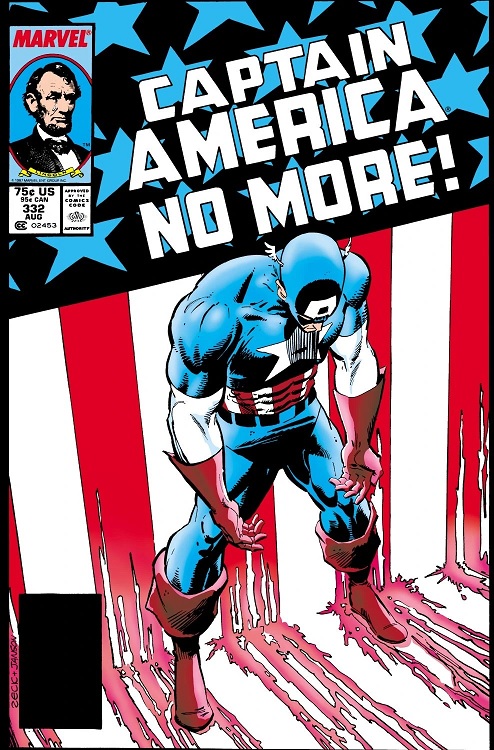
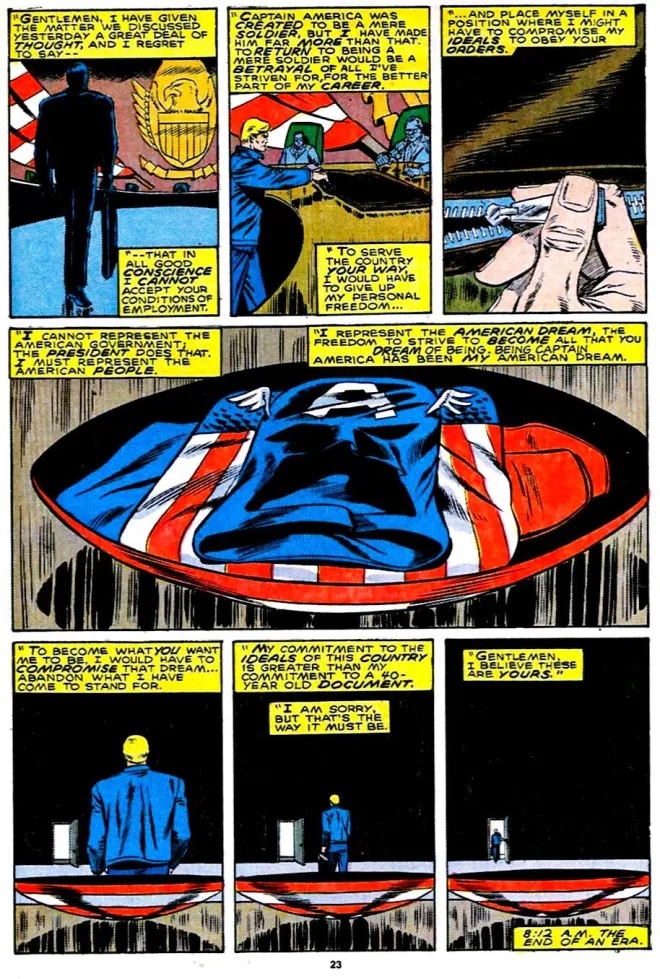
Captain America #332 (August, 1987) opens with Captain America, the living symbol of the USA, being summoned to the Pentagon. A group of faceless bureaucrats known as The Commission tell Captain America that it is time for him to become an official agent of the U.S. Government. They argue that Steve Rogers would not even be Captain America if he hadn’t enlisted in the armed forces and been injected with the super soldier formula. It’s time for Steve Rogers to stop acting as a free agent and serve his government. And, if Steve can’t do that, the Commission can find someone to take his place, someone who understands the importance of following orders. Maybe even someone like the Super-Patriot, who is busy fighting a group of terrorists while Steve is at the meeting.
Steve thinks it over and then does the only thing that his conscience will allow.
He quits.
Of course, this wasn’t the first time that Steve Rogers quit being Captain America. In the 1970s, he was so disillusioned to discover that the President was a part of a secret conspiracy that he resigned his commission and briefly called himself The Captain. Eventually, he returned to being Captain America, just as he would do the second time that he quit. After The Commission named recruited Super Patriot to carry the shield, Steve didn’t have much choice but to take it back.
Still, this moment defined what Steve Rogers was all about. He wasn’t about serving the government or enforcing anyone’s particular policy. He was about America and the ideals that he felt it should stand for. And if that meant defying his government, that’s what he would do.
It was a great moment.
Captain America Vol. 1#332 (August, 1987)
“The Choice”
Writer — Mark Gruenwald Penciler — Tom Morgan Inker — Bob McLeod Colorist — Ken Feduniewicz Letterer — Diana Albers Editor — Don Daley
In 1980, John Anderson was briefly a viable third party presidential candidate so it made sense that Marvel would come up with a storyline in which a group of activists attempt to convince Captain America to make a third party bid of his own. When The Daily Globe broke the news that Captain America was being courted by the New Populist Party, both the Democrats and the Republicans offered to nominate him. The Beast offered to be his campaign manager. (Imagine that!) The Wasp said that Captain America was the people’s choice. Iron Man warned that the red tape would get frustrating while the always logical Vision argued that, other than having a patriotic spirit, Captain America knew nothing about politics and international relations.
As a patriot, Captain America was tempted though, in typical Marvel fashion, his actual positions were kept vague. Ultimately, Cap turned down their offer because he felt that it was important that he remain above the pettiness of partisan politics. Captain America was meant to protect all the people of America, regardless of whether they voted for Ronald Reagan, Jimmy Carter, John Anderson, Ed Clark, Barry Commoner, or even Gus Hall!
(In the end, the activists approached the wrong Avenger. Despite what he told Cap, Iron Man would have done it in a heartbeat.)
A later issue of What If… revealed that, if Captain America had run, he would have easily been elected President. Then, he would have been assassinated because almost every issue of What If… ended with everyone dead. It’s a good thing he didn’t run. By not running, he not only saved his own life but he also set a precedent that has kept a countless number of super powered individual from taking the plunge into electoral politics. It didn’t stop J. Jonah Jameson from running for mayor of New York but I doubt anything could have.
Could Captain America win the election if he ran today? As a fictional character who has a history of making questionable decisions and who is now over a hundred years old, it’s doubtful. Despite what happened in What If, it was probably just as much of a lost cause in 1980. If Howard the Duck couldn’t beat Carter and Ford in 1976, it’s doubtful Captain America could have beaten both Reagan and Ed Clark in 1980. Still, who better to rebuild America than America himself?
Captain America Vol. 1 No. 250 (October, 1980)
“Cap President”
Writer(s) Roger Stern, Don Perlin, Roger McKenzie, Jim Shooter
Above, we see Captain America punching out Hitler on the cover of the first issue of his new comic book.
It’s an image that we’ve all seen before. It’s often held up as a perfect piece of wartime propaganda, as well as an answer to question of what should be done to anyone who wants to follow in Hitler’s footsteps. However, the most important thing about this cover is often overlooked.
It was published in December of 1940.
In 1940, America was officially neutral. Europe was at war and, while the U.S. was on the side of the Allies, the country still hadn’t entered the conflict. Due to the trauma of World War I, many American voters and politicians were still “isolationists,” saying that it was not America’s place to get involved in a conflict taking place on the other side of the world.
Joe Simon and Jack Kirby, however, disagreed. Kirby and Simon were both first-generation Americans and they understood what was happening in Europe. As Jews, they understood the evil that Hitler represented and, Simon later said, they both felt helpless whenever they heard reports about what was happening from the members of their family who were still in Europe. In one of his final interviews, Joe Simon said that he and Kirby created Captain America to serve as the antithesis of Hitler. And, with this cover, Simon and Kirby left no doubt where they and Captain America stood on the issue of neutrality. What is often forgotten today is how much courage it took to take that stand in 1940. At a time when comic books were viewed as being for kids and avoided taking a stand on anything beyond being anti-crime and also when there were any who still defended Hitler and shared his anti-Semitic views, Simon and Kirby took a stand and, to his credit, publisher Martin Goodman took that stand with them.
When this issue first came out, it sold a million copies. At the time, that was an unheard of amount. Though it would be another year before the U.S. officially entered the war after the attack on Pearl Harbor, Simon and Kirby took an early stand and created a great moment in comic book history.
This 4th of July, while celebrating America’s birthday, don’t forget that there was a time when superheroes not only starred in movies but also made the world safe for democracy! From World War II, here is a gallery of patriotic super heroes fighting for the freedoms that we enjoy today!
Not even the most powerful of heroes could do it alone. For that reason, when they weren’t beating the enemy in their own backyard, they were encouraging their readers to support the armed forces by buying war bonds.
Over the course of World War II, 85 million Americans purchased war bonds totaling an estimated $185 billion.
Finally, what other way to end this patriotic post than with a musical tribute to the Star-Spangled Man With A Plan?
And to all the real, flesh-and-blood heroes who made the ultimate sacrifice to save the world from tyranny, thank you.
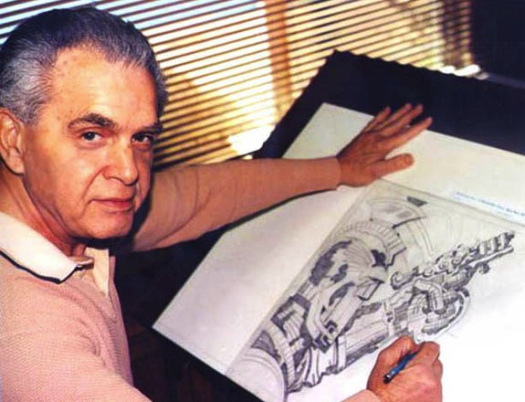
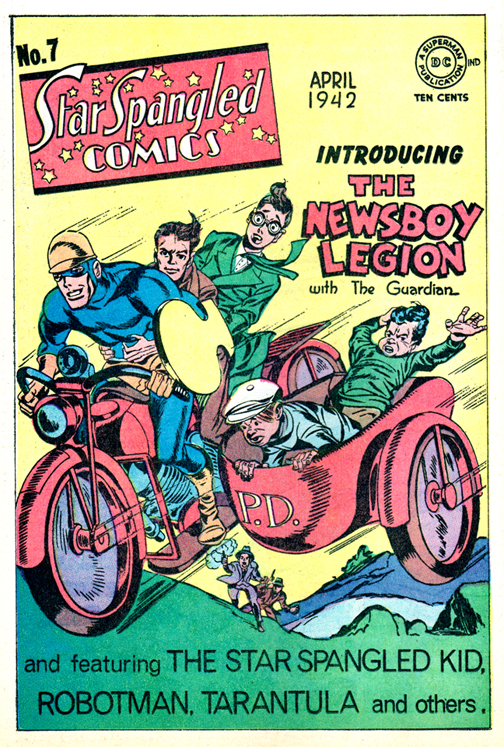
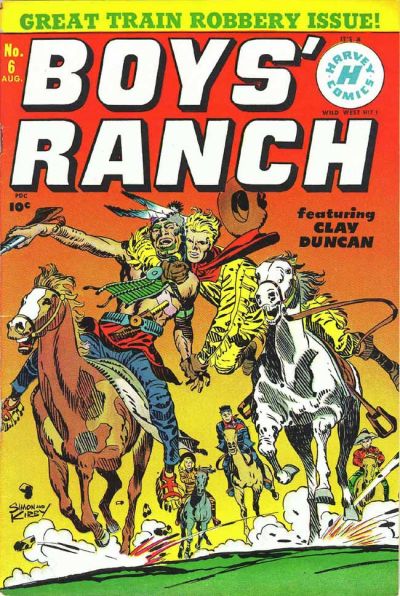
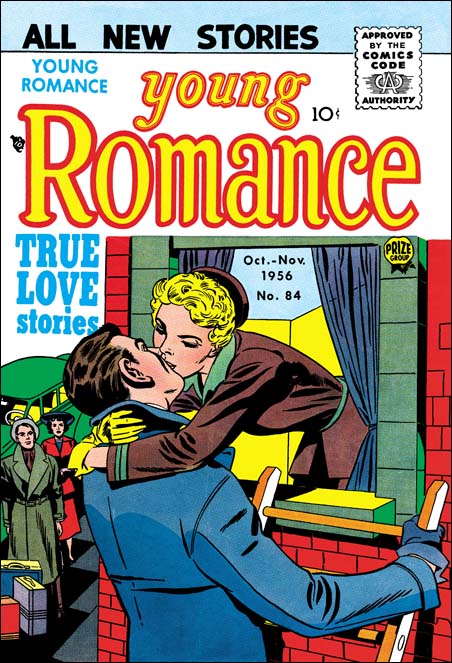
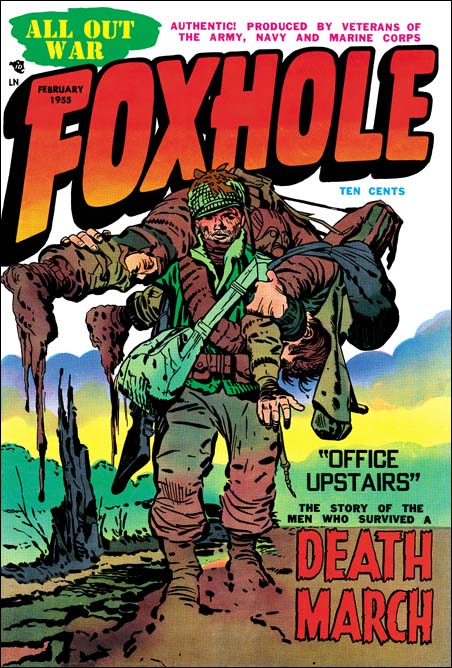
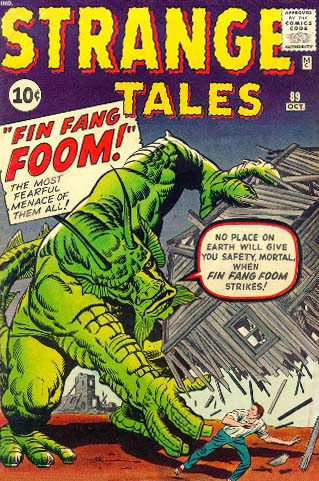
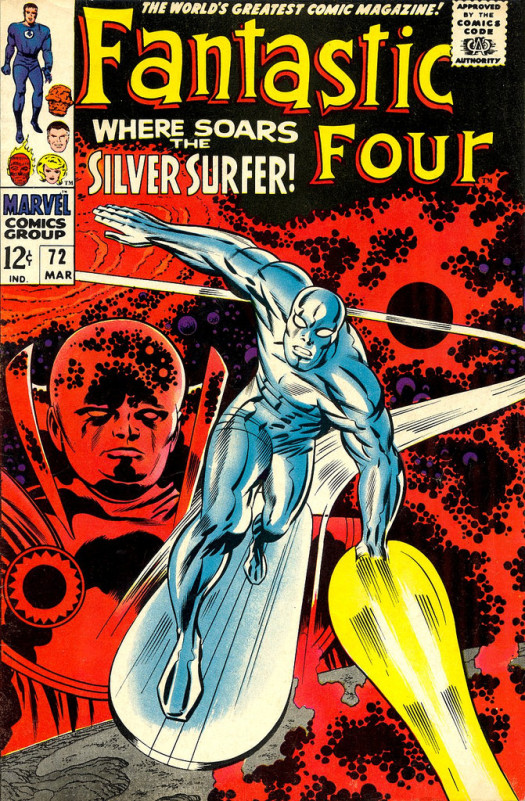
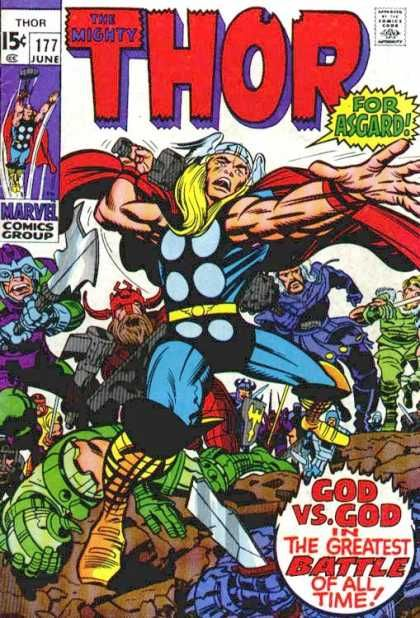
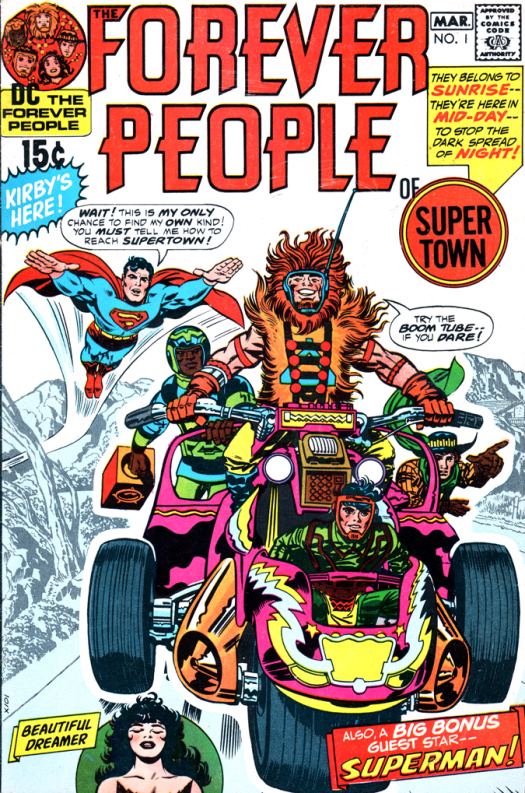
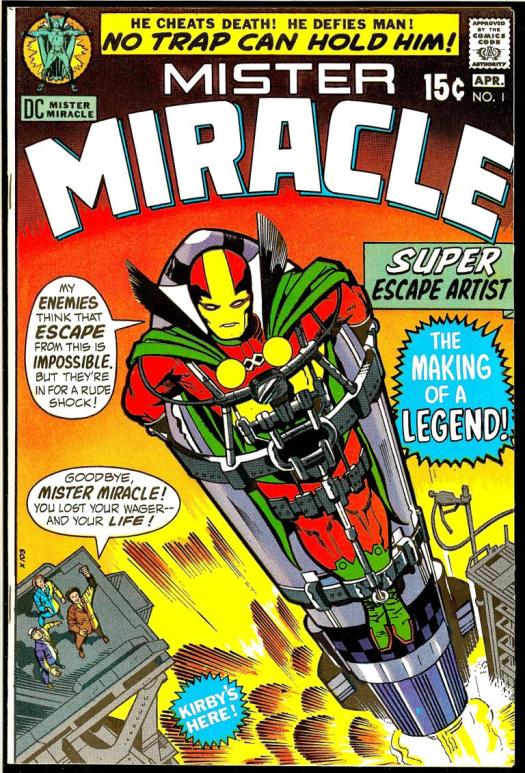
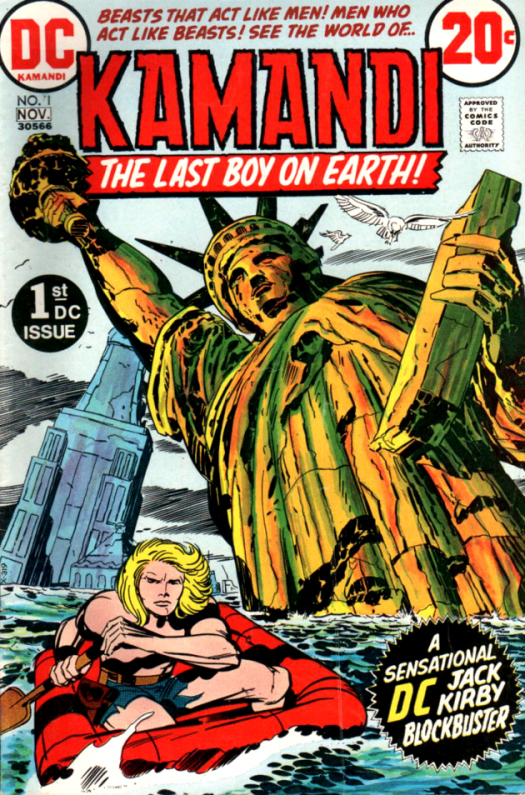
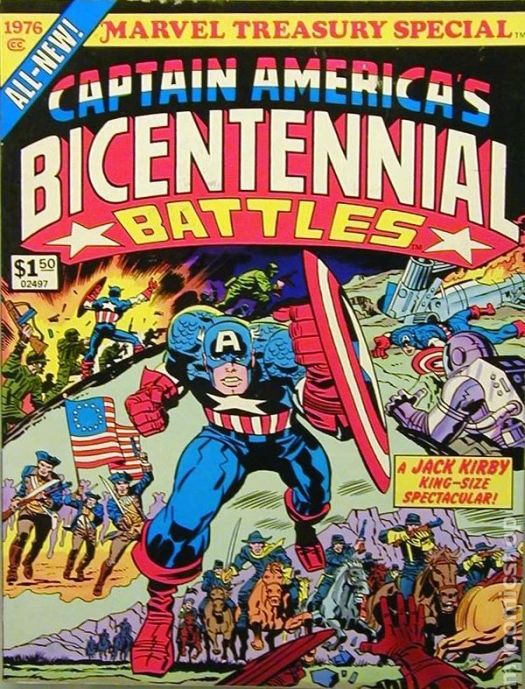
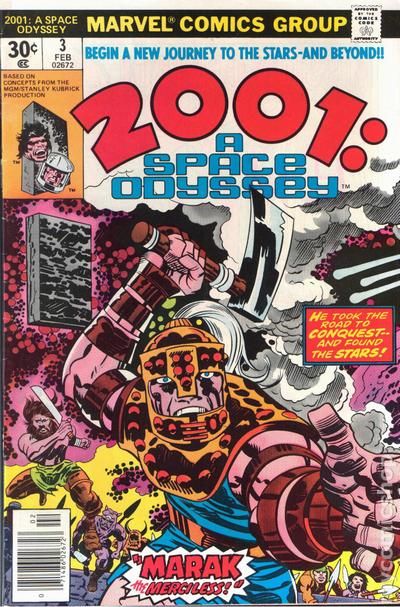
Today marks the centennial anniversary of the undisputed King of Comics, ‘Jolly’ Jack Kirby! This creative genius was responsible for some of the best known (and loved) characters of the 20th Century, and his influence is still felt to this day. Rather than using my meager words, here’s a gallery of comic cover art featuring the amazing talent of Jack ‘King’ Kirby!







 Through the Shattered Lens