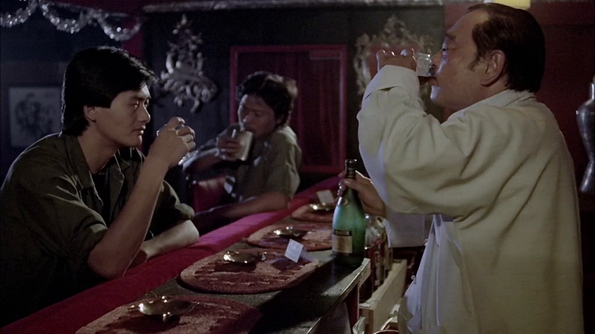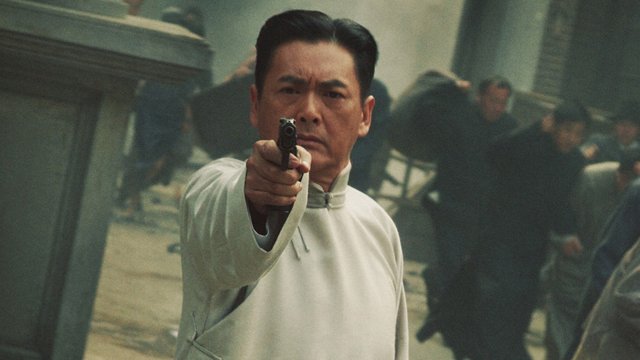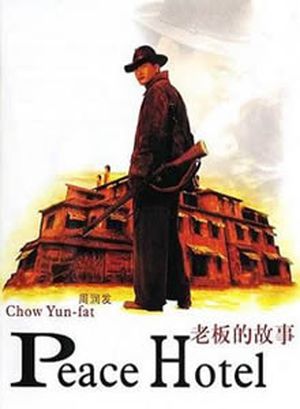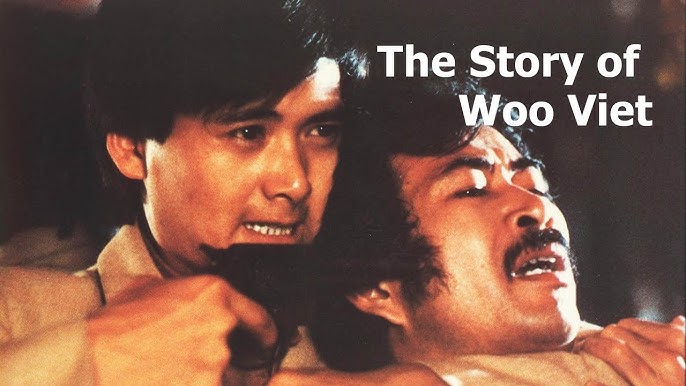
Just like November is Charles Bronson month in my house, May is Chow Yun-Fat month. My favorite living actor, Chow made so many good movies during his Hong Kong heyday, he made a few good movies here in America, and he’s still working to this day! This year I plan on revisiting some of his lesser known films and sharing my thoughts on them with you. I don’t know how many reviews I’ll have time to write, but I’m certainly looking forward to the movies! To kick off the month, I decided to revisit PEACE HOTEL, which was the last Hong Kong film that Chow starred in prior to making his English language debut with THE REPLACEMENT KILLERS in 1998.
PEACE HOTEL is a Chinese “western,” which is certainly different for Chow Yun-Fat who made his name by playing heroic gangsters and badass cops. Even though it’s not a movie I revisit often, its uniqueness in his filmography is something I enjoy when the right mood hits. The story setup, which is credited to Chow, is classic. Chow plays the notorious “killer,” a reformed man who has set up a remote “hotel” where violence is never allowed, no matter who you are or who’s after you. When a desperate woman shows up at the hotel, with a horde of outlaws right behind her, the rules are tested. The outlaws set up shop just outside the gates of the hotel and give the residents a few days to get out, or they’re all going to die. Considering they’ll have to go through the killer, things are certainly going to get interesting.
Fans of westerns and samurai films will recognize many of the story elements, but I’d have to say that this movie is less about originality and more about establishing a mythic mood. Director Wai Ka-Fai plays up the legend of the killer, so there’s a lot of setup to get through. This does require some patience for those used to the star’s wall to wall action-fests with director John Woo. Let’s just say the action is used sparingly, but when it comes, it’s good stuff.
Chow Yun-Fat carries the film effortlessly. His charisma, toughness and charm is fully on display whether he’s horsing around with a small child, romancing the beautiful Cecilia Yip, or dispatching throngs of bad guys with his blade. The role certainly isn’t flashy, but he’s just so cool. Nobody can portray a noble killer as well as Chow Yun-Fat.
PEACE HOTEL is currently playing on Tubi. When I first saw the film back in the 90’s, I remember a sequence where Chow Yun-Fat slides down a ladder while mowing down bad guys with a machine gun. That sequence is not included in the cut playing on Tubi, which is a little disappointing for me. Still, the film has so much going in its favor, that I still give it an easy recommendation. It may not be balls-to-the-wall action like THE KILLER, FULL CONTACT or HARD BOILED, but I’ll definitely be reaching for PEACE HOTEL again someday when I’m in the mood for something different than your typical action film.
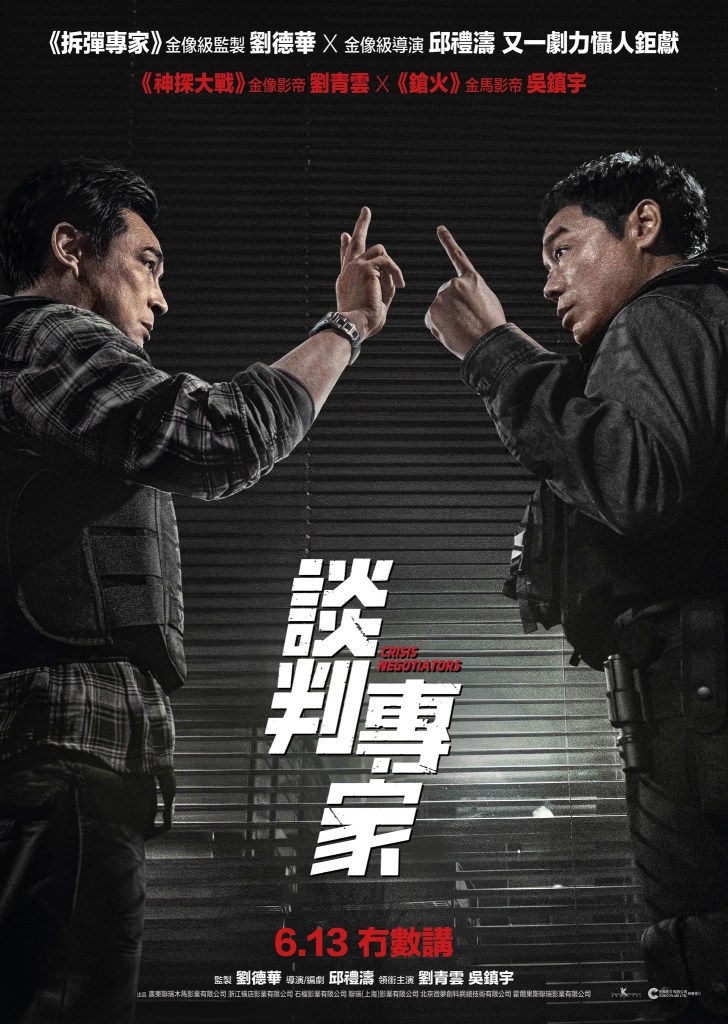
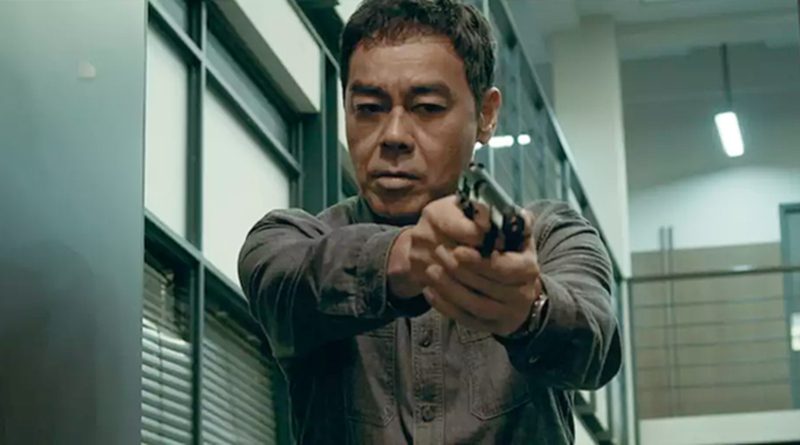
My wife loves Hallmark movies and a handful of other movies that she tends to want to watch over and over again. That list of movies includes DIE HARD, VOLCANO, STRIKING DISTANCE and THE NEGOTIATOR. Every time we go to the family cabin for a weekend getaway, she insists that I pack our DVD of THE NEGOTIATOR to watch at some point over the weekend. It’s fair to say I’ve watched the film at least 10 times over the last 10 years or so, and I really do enjoy it. Did you know that filmmakers in Hong Kong remade THE NEGOTIATOR back in 2024 under the title of CRISIS NEGOTIATORS? It’s produced by superstar Andy Lau, who does a cameo. It’s directed by Herman Yau, who’s directed such successful and diverse films as THE UNTOLD STORY and the SHOCK WAVE franchise. It stars two of the best Hong Kong actors of the last 3 decades in Lau Ching-Wan & Francis Ng. Of course I had to see it!
If you’ve seen the original film, there aren’t a lot of surprises in CRISIS NEGOTIATORS. Lau Ching-Wan plays Man Wai, an expert police negotiator. After celebrating his latest birthday, he gets a message to meet a friend and co-worker whose investigation into thefts from the “Police Welfare Fund” seems to implicate fellow members of the police force. When he shows up at the meeting, his friend has been murdered and the cops are soon on the scene. Arrested and determined to prove his innocence, Man Wai escapes custody and makes his way to the Internal Investigations Unit. He takes his own set of hostages, one of which may be involved in taking money from the Police Welfare Funds. He has an interesting request… I’ll only talk to Tse Ka Chun (Francis Ng). Chun, a former police negotiator who left the force to become a social worker, is soon on the scene. As Man interrogates the hostages and talks to Chun, it becomes apparent that he’s been set up. But will he live long enough to expose the real killers?!
As a huge fan of Hong Kong cinema, and after having seen THE NEGOTIATOR so many times, I thought it would be fun to compare the two films and look for things that stand out in the Hong Kong version. CRISIS NEGOTIATORS opens with a particularly interesting sequence where an unstable couple armed with knives takes the workers of a family services center hostage. It seems that their young son has been forcibly removed from their home and they want him back. Man Wai (Lau Ching-Wan) and Chun (Francis Ng) work together to try to resolve the situation. What makes this opening unique is that the actor playing the unstable man is Andy Lau, a true superstar of Hong Cinema and entertainment in general (he’s one of the 4 “Heavenly Kings of Cantopop). Lau is one of the producers of the film, so it makes sense he threw a little of his star power in front of the camera, even if the cameo is the exact opposite of many of his roles. In English language terms, it would be like Brad Pitt or Leonardo DiCaprio being in the opening scene of THE NEGOTIATOR.
Another difference in the two films that I really appreciate is the character of Tse Ka Chun, played so well by veteran Hong Kong star Francis Ng. As good as Kevin Spacey is in THE NEGOTIATOR, I really appreciate the tweaks made for the Hong Kong version to Chun. In this version, Chun reluctantly comes back to help the police in this specific situation. He has dedicated his life to helping the poor and unfortunate souls who have found themselves on the lowest rungs of Hong Kong society. In other words, he’s just a really good guy. There are a couple of sequences where he interacts with this poor beggar of an old granny that makes my heart swell as he treats her with kindness and dignity while others do not. It also provides a hilarious payoff at the film’s conclusion.
Lau Ching-Wan is great in the central role of Cheuk Man Wai. A 4-time winner (and 18 time nominee) of the Hong Kong Film Award for Best Actor, Lau is simply one of the best actors working in Chinese language cinema. While I don’t give him an edge over Samuel Jackson’s intense performance in the original film, Lau brings his talent to bear in the role and doesn’t miss a beat. Other performances that stand out to me are provided by veterans like Michael Miu as a corrupt superior officer and Kent Cheng as the older cop in charge of everything. Cheng’s character and performance isn’t anything special, but I just enjoy seeing him on screen. One character who can’t be replaced in the original movie is the smarmy Internal Affairs officer played by the late, great J.T. Walsh. Walsh was truly a one-of-a-kind talent, and I don’t think anyone else can do what he did so well. Veteran Hong Kong actor Michael Chow gives a solid turn as the corrupt II agent here, but it’s just too much of an uphill climb. Man Wai’s hostages are pretty good as well, but can’t really compete with the memorable work by Siobhan Fallon Hogan and Paul Giamatti in the original.
CRISIS NEGOTIATORS would have no chance to work if it didn’t capture some of the intensity of the original film, and I think it was largely successful in that endeavor. Director Herman Yau does a fine job, and I did find myself really getting into the film as the pressure ratcheted up on the main characters. With that being said, outside of a couple of changes, the film sticks pretty close to the original so fans will definitely be in very familiar territory.
The primary purpose for making CRISIS NEGOTIATORS was to take the excellent story of THE NEGOTIATOR into the lucrative Chinese language market. It had a respectable box office return in the summer of 2024, bringing in around $22 million in mainland China and around $11 million HK dollars in Hong Kong. With good, but not great numbers, the film mostly fulfills its purpose. At the end of the day, CRISIS NEGOTIATORS won’t replace THE NEGOTIATOR on my watch list, but I still enjoyed it very much. I appreciate the cinema and stars of other parts of the world, and this remake was time well spent!
CRISIS NEGOTIATORS is currently streaming on Tubi.
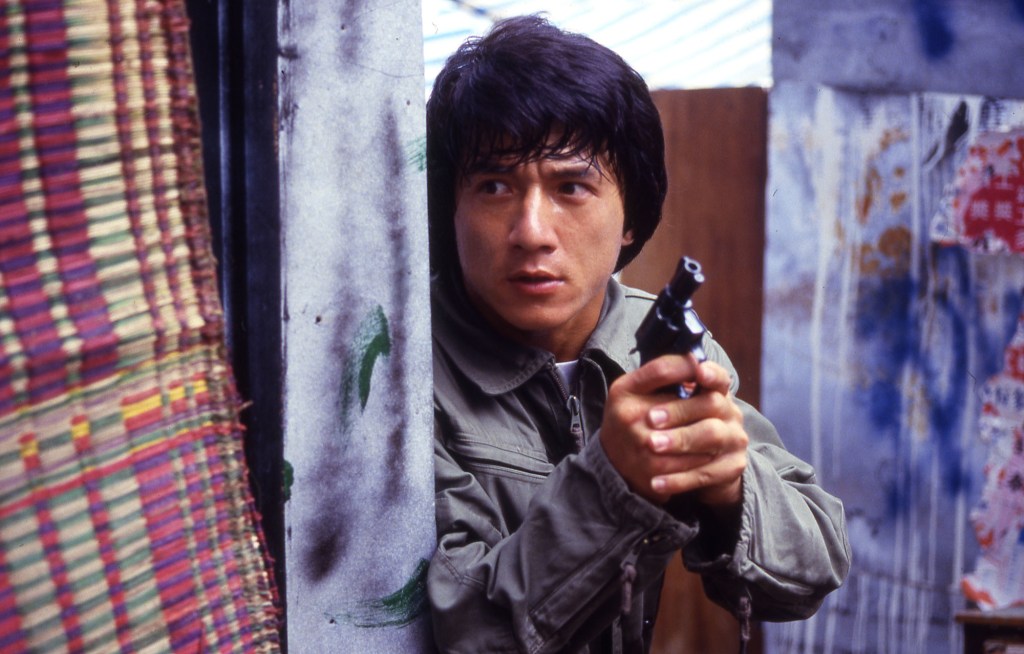
I knew who Jackie Chan was well before I discovered Hong Kong cinema in the early 90’s through the works of John Woo and Chow Yun-Fat. I had seen him in the CANNONBALL RUN movies, including part 2 in the movie theater, and I recognized the VHS for THE PROTECTOR (1985) at my local video store, but I had no idea just how amazing he was as a filmmaker and performer until I became obsessed with Hong Kong’s local film industry in the mid-90’s. As I read about the incredible work that Chan had done or was doing in books like “Hong Kong Babylon,” I made notes on all of his movies that I wanted to see. Of course, the original POLICE STORY was at the top of the list.
In POLICE STORY, Chan plays Hong Kong cop Chan Ka-Kui. In the film’s opening scene, he takes part in a sting operation to bring down Chu (Yuen Chor), one of Hong’s major drug kingpins. After the plan goes awry, we get an incredible action sequence where cars crash through a shantytown, bullets fly, cops piss themselves, Chan hangs off of a bus with the handle of an umbrella, runs down a mountain, arrests the drug lord, and we’re just getting started!
From that amazing opening, Chan is assigned to protect the key witness, Salina (the gorgeous Brigitte Lin), whose testimony is key to bringing Chu down. This doesn’t go well. Between corruption in the police force, false accusations, and Chan’s tenuous relationship with his girlfriend May (Maggie Cheung), the ensuing chaos seems to indicate that Chu is going to get off on the drug charges and Chan just may end up dead.
But let’s be honest, the plot is just a reason to get to the action. And once you’ve seen a few of Jackie Chan’s Hong Kong movies, you just settle in for a loose story, lots of goofy humor (that doesn’t always work), and some of the most insane stunt work you’ll ever see. POLICE STORY is a perfect example of that formula, and quite honestly, it’s one of the great action films. The stunts feel and look dangerous. The final sequence, set in a shopping mall, is some of the best action I’ve ever seen in a movie. I sat there with my mouth open and shaking my head as great stunt after grunt stunt takes place. I can’t help but wonder how many people got injured doing those scenes as glass shatters, bodies fly, and Chan puts himself through hell for the sake of the scene. It can’t be described… it needs to be experienced.
And yet, for all the amazing action, I can relate to Jackie Chan. He messes up. He gets hurt. He argues with his girlfriend. I’ve done all of these things, and I love it when he gets his stuff together and uses his unique set of skills to save the day!
As awesome as POLICE STORY is, viewers need to be aware of the serious tonal shifts that take place in the Hong Kong cinema of the 80’s. It can be a little jarring if you’re not used to it, as the movie goes from slapstick comedy to brutal action to melodrama, sometimes within the same scene. In some ways, that’s part of the charm, but these films can feel very strange for the uninitiated.
At the end of the day POLICE STORY isn’t perfect, but it is Jackie Chan at his best… fearless, inventive, and committed to giving the audience their money’s worth. If you’re interested in the unique and dangerous films that Chan made at this physical peak, this is as good as it gets.
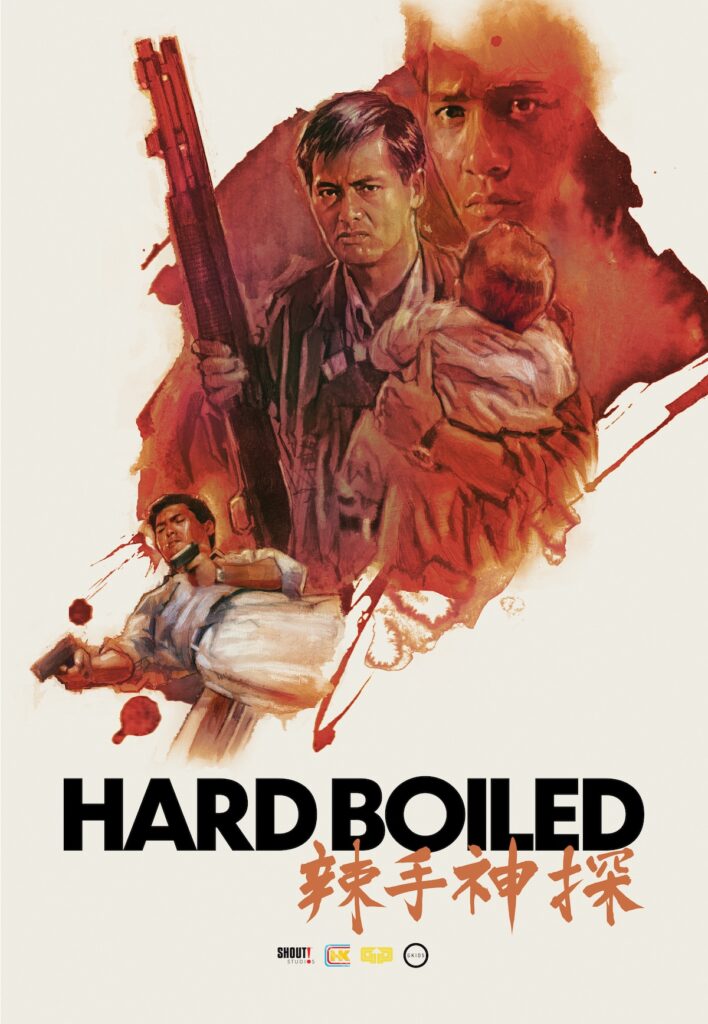
I just got an e-mail today from “Shout Studios!” that makes me very happy! In 2026, the John Woo / Chow Yun-Fat classics HARD BOILED (1992), A BETTER TOMORROW (1986), and THE KILLER (1989) will be getting extremely limited theatrical releases. If you love these movies as much as I do, or if you want to see some of the greatest action films of all time, I just want to make sure my readers are aware of this incredible opportunity. You can buy your tickets now, and I’ve checked and they’re even playing in Little Rock, Arkansas, so I know they’ll be playing all over the country. The schedule is as follows:
HARD BOILED – January 25th, 26th and 28th
A BETTER TOMORROW – March 1st, 2nd, and 4th
THE KILLER – April 5th, 6th, and 8th
These may be being released during tax season, but I usually take Sundays off and each of these limited windows include a Sunday. YAY!! This is finally my chance to see these iconic films on the big screen! I hope some of you will plan to watch them as well! To whet your appetite, enjoy this incredible action sequence from THE KILLER!
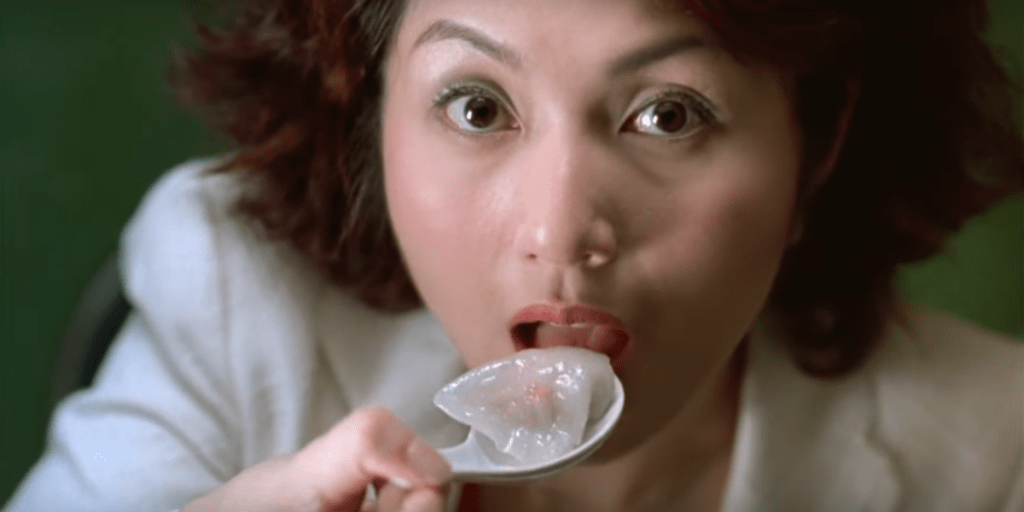
DUMPLINGS (2004) centers on Mrs. Li (Miriam Yeung), a former actress now in her forties, who’s struggling with getting older and no longer being attractive to her husband, Mr. Li (Tony Leung Ka-Fai). It seems he’s more interested in his beautiful young masseuse than he is in her, which leads Mrs. Li to seek out Aunt Mei (Bai Ling), an ex-gynecologist from mainland China who has a reputation in the underground for her expensive “miracle” dumplings that promise a fountain of youth. Initially appalled by Aunt Mei’s not-so-secret ingredients, once she starts looking better, Mrs. Li begins to not only accept the recipe, but she also starts to relish it. Soon she’s making passionate love to her husband and finding herself the envy of her friends again. But what is that fishy smell and why is she so itchy all of a sudden? And does it even matter if she feels young and beautiful again?!! Expanded into a feature length movie from a segment of the 2004 anthology film, THREE…EXTREMES (2004), DUMPLINGS ponders just how far we’re willing to go to defy the aging process.
I recently reviewed the category III Hong Kong film THE UNTOLD STORY, one of the most graphically violent films I could possibly imagine. Today, I’m discussing the category III film DUMPLINGS. While receiving the same rating, these movies couldn’t be more different. While THE UNTOLD STORY presents murderous violence in horrific detail, DUMPLINGS makes us imagine what it’s like to be so vain that unspeakable and immoral acts against others are meaningless as long as we feel good about the way we look. Even though the film gives away the “secret” of the dumplings somewhere in the first twenty minutes, I’m not going to give it away here. Just know that it’s repulsive, and the gleeful manner with which Aunt Mei goes about her work is every bit as sick to me as serial killer Wong in THE UNTOLD STORY. At the end of the day, each of us must ask what we’re willing to do to feel good about ourselves. In DUMPLINGS, it appears that the characters will do anything it takes!
This is the first time I’ve ever watched a film directed by Fruit Chan, whose MADE IN HONG KONG (1997) swept all the major Hong Kong Film awards a number of years before this film came out. Blending culinary horror with human self-obsession, his DUMPLINGS is a patient film, willing to let his gruesome story seep into our bones without relying on a lot of graphic shock value. Chan doesn’t flinch from showing the extreme subject matter a number of times, but he still crafts an almost elegant film that deals with real world human emotions, albeit extremely selfish and morally bankrupt ones. He also gets really strong performances from the cast. Bai Ling’s casually demented and sexualized turn as the eternally young Aunt Mei is the showpiece of the film, with her cleavage practically in a supporting role all to themselves. Her performance was strong enough to earn her the Hong Kong Film Award for Best Supporting Actress for this movie. Miriam Yeung, who was best known at the time for her fluffy romantic comedies like LOVE UNDERCOVER (2002) and THREE OF A KIND (2004), is solid as the lady whose desire for beautiful, tight skin allows her to willingly abandon basic human dignity, transforming into a remorseless monster just below the surface of that skin. And finally, Tony Leung Ka-Fai, as the philandering husband who thinks with his male anatomy more than he does with his heart, is suitably effective in the way he makes us wish Mrs. Li would have just accepted the aging process and left his sorry ass from the very beginning.
Overall, DUMPLINGS is a slow burn that will reward patient and attentive viewers with a tale of madness that touches on real world petty concerns while using extremely sick and twisted subject matter. As viewers, our discomfort with both that subject matter and the unchecked evolution of the characters seem to almost be the point. I don’t know how much you’ll truly enjoy the film, but I can’t imagine it not provoking a reaction.
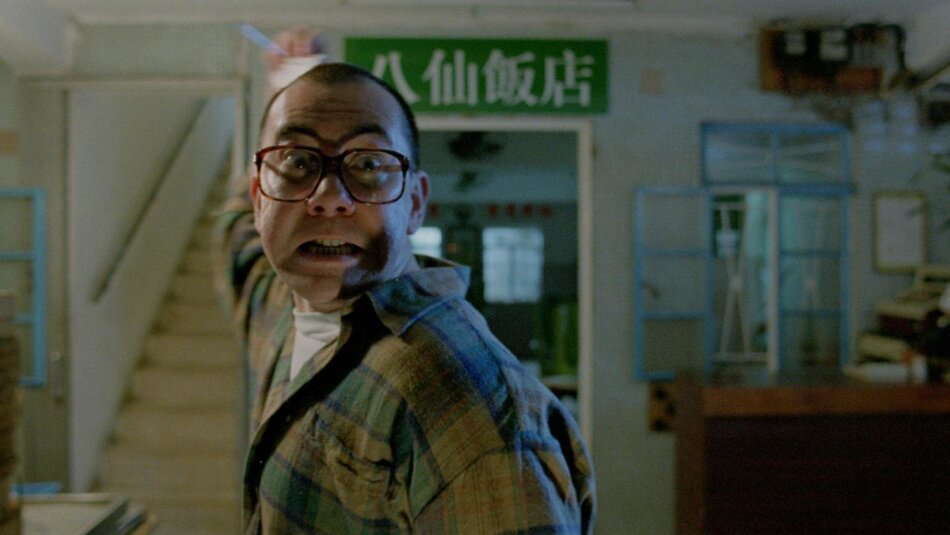
Loosely based on the real-life exploits of a serial killer in Hong Kong in the mid-80’s, THE UNTOLD STORY (1993) unfolds over a couple of different timelines. The film opens with a flashback to Hong Kong circa 1978, where we witness a horrific murder committed by Chan Chi-Leung (Anthony Wong) over a game of mahjong. In order to try to conceal the murder, we see the killer as he destroys his old identification documents and creates a completely new identity. As the opening credits end, we’re “in the present” and join a group of kids playing on the beach when they discover a plastic bag containing severed human body parts. Soon the police are on the scene, led by Inspector Lee (Danny Lee) and a ragtag team of wisecracking detectives. Their investigation leads them to the Eight Immortals Restaurant, a place that is known for its barbecued pork buns, and its seemingly polite but evasive owner, Wong Chi Hang, who just happens to be the same guy we saw committing vicious murder at the opening of the film. Wong claims he bought the place from Cheng Lam (Siu-Ming Lau), who along with his entire family, has mysteriously vanished. As the cops dig deeper, too many things just aren’t adding up, like the restaurant’s high employee turnover rate and Wong’s inability to produce ownership papers. The cops eventually arrest him and attempt to torture a confession out of him. The flashback timeline kicks back in after Wong is arrested and put through hell by his fellow jailbirds and by the police themselves. When he finally cracks, we learn the secrets of “the untold story!”
Right off the bat, I want to make the statement that THE UNTOLD STORY is not a film that’s meant for everyone. Unless you have a strong stomach and can handle extreme gore and vicious cruelty (of both a violent and sexual nature) depicted in graphic detail, you may want to stay away. As I’m definitely a squeamish viewer, I stayed away from this film for many years due to its reputation. My curiosity eventually overcame my good sense, and I gave it a watch a number of years ago. I mean, the film is a Hong Kong “Category III” rated landmark, and Anthony Wong did win the Best Actor Award at the Hong Kong Film Awards for his performance in the movie. It stands to reason that a guy who calls himself a true fan of Hong Kong cinema should give THE UNTOLD STORY a go! Let me just say this, as someone who grew up on Hollywood films, even the goriest films had certain lines that they would not cross. There are no such lines in this film. Director Herman Yau’s 1993 Hong Kong exploitation film is an unflinching punch to the gut in its willingness to go to unacceptable extremes without any apology to the viewer. Just know that going in.
Now that I’ve properly prepared you for the excessively cruel and gruesome nature of the violence in the film, I now have to try to put into words my actual thoughts on the film itself. One of the things that stood out to me as I watched the movie is the stark contrast between the horrific nature of the violence on screen and the “zany antics” of the police who are working the case. Led by THE KILLER’s Danny Lee as the distracted Inspector Lee, who always has a beautiful prostitute on his arm as he visits crimes scenes and the police station, this group of investigators spends a lot of their time acting like immature teenagers rather than serious cops. Imagine if you and your friends in high school were trying to solve a serial killer case, and we got to watch how you acted on stakeouts and in the police locker room, and you might get an idea of what I mean. My guess is that this is meant to make the violent content a little easier to swallow, as well as poke some fun at the “macho men” who are in charge of solving these kinds of crimes. In some ways it works, but there’s still no protection once Wong goes bonkers.
And speaking of Anthony Wong, he is absolutely incredible in this film as the unimaginably disturbed killer. We watch him explode with rage, commit the most heinous acts imaginable, and then just clean up his mess like he’s doing his daily household chores. I guess it helps that he’s a good cook! Hell, there’s a point near the end of the film where his performance almost leads you to having sympathy for him as the police and his fellow inmates are torturing him! Almost, because the worst flashbacks are still yet to come. Wong is one of the best actors to have ever worked in Hong Kong cinema, and his masterful acting elevates the film to a level of cinematic respectability not yet afforded to such a grisly exploitation film. This is the first of five Hong Kong Film awards won by Anthony Wong.
Overall, THE UNTOLD STORY is cinema as an endurance test, delivering an all too real depiction of a vicious killer committing unspeakable violence on screen. The goofy police squad provides some tonal relief, but this movie is not for the faint of stomach. However, for those brave viewers who can handle the graphic violence and who enjoy dramatizations of true crime from incredible actors, you will be rewarded because the filmmakers were able to come up with something special. As I type this, it’s streaming on Tubi for free!
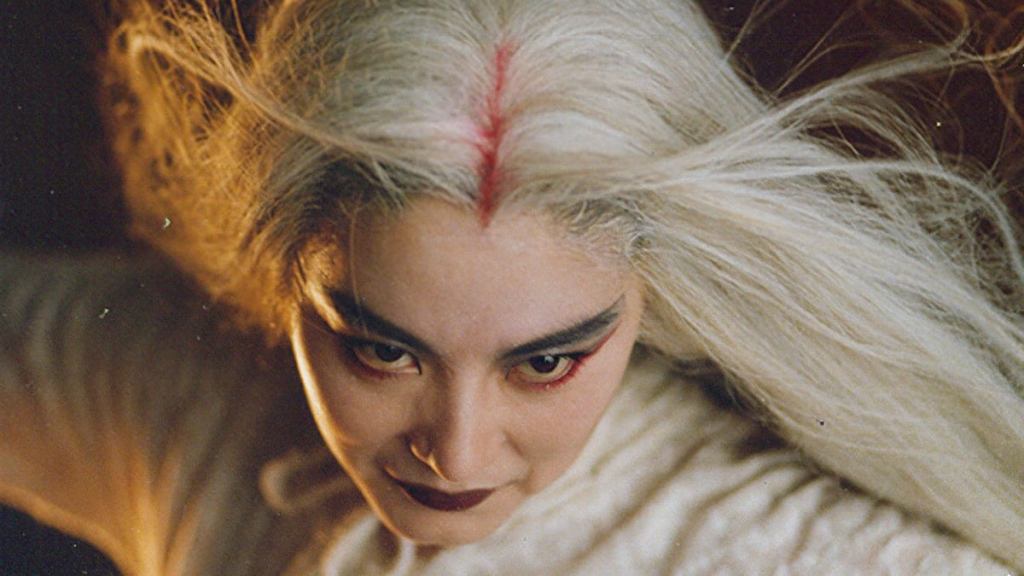
THE BRIDE WITH WHITE HAIR (1993), a Hong Kong fantasy film directed by Ronny Yu (THE BRIDE OF CHUCKY, Jet Li’s FEARLESS), follows Zhuo Yihang (Leslie Cheung), a master swordsman and reluctant young leader of the Wudang Sect, who is tasked with protecting his clan’s interests during a time of political turmoil and clan rivalries. The Ming Dynasty is weakening, and various factions vie for power, including an evil cult led by sinister conjoined twins, Gei Mou-Seung (Francis Ng and Elaine Lui). During a mission, Zhuo encounters Ni-Chang (Brigitte Lin), a fierce female warrior raised by the cult but disillusioned with their cruelty. Despite their opposing allegiances, Zhuo and Ni-Chang fall in love, drawn together by their unique senses of honor and a shared desire for freedom. Their romance faces intense opposition from both the Wudang Sect and the cult. A series of misunderstandings, betrayals, and tragic events, culminating in Zhuo’s hesitation to fully trust Ni-Chang, leads to her heart breaking. Will she be able to forgive Zhuo for breaking his promise to “always trust her” or will the pain of a broken heart transform her into the “Bride with White Hair,” where everyone else on Earth needs to watch TF out?!!
With its blend of fantasy action, romance and tragedy, THE BRIDE WITH WHITE HAIR is a visually spectacular and emotionally powerful masterpiece of Hong Kong cinema. In collaboration with cinematographer Peter Pau (Oscar winner for CROUCHING TIGER, HIDDEN DRAGON), director Ronny Yu creates a dreamlike atmosphere with surreal imagery that helps elevate the film into the unique awesomeness of early 90’s Hong Kong. The inventive choreography of the somewhat gory fight scenes, combined with flowing costumes and foggy landscapes, creates an exciting world for this film. This is bold visual and emotional storytelling, and I loved it. Brigitte Lin is amazing as Ni-Chang, balancing powerful strength with a surprising amount of vulnerability, which makes her ultimate transformation into the white-haired Bride both devastating and badass, cementing her as one of Hong Kong cinema’s most memorable heroines. Leslie Cheung is good as Zhuo Yihang, portraying a man who longs to be free, especially after he falls in love with Ni-Chang, but circumstances have a way of keeping him bound to his clan. The chemistry between Lin and Cheung drives this film, which makes the ultimate outcome of their romance very moving. Francis Ng and Elaine Lui are appropriately insane as the deadly and dangerous conjoined twins and cult leaders. The fact that Francis’ character is evil and in love with Ni-Chang himself ensures that our lovers are not going to get an easy path for flying off into the sunset together.
Ultimately, I consider THE BRIDE WITH WHITE HAIR to be a must-watch for fans of action-based fantasy films, or anyone drawn to stories of forbidden love and personal sacrifice. It’s one of the first “non-Chow Yun-Fat” Hong Kong movies I ever watched. The moving romance at the film’s center and the excellent performances from Lin and Cheung make it a standout of Hong Kong cinema.
A CHINESE GHOST STORY (1987) is a landmark film in the golden age of 1980’s Hong Kong cinema. While my primary interest in the cinema of Hong Kong centers around directors like John Woo, Ringo Lam and Johnnie To, as well as the actors Chow Yun-Fat, Lau Ching-Wan and Andy Lau, I’ve been aware of this film from the very beginning. It’s been a couple of decades since I watched it, so I felt I was well past due for a revisit.
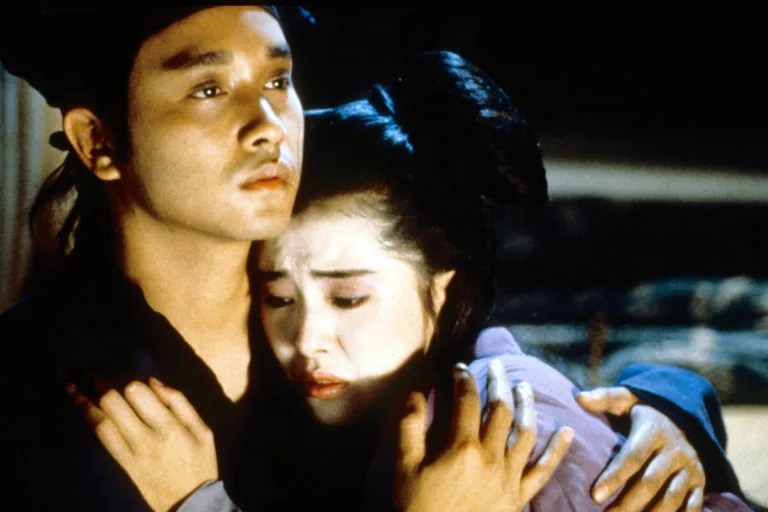
Directed by Ching Siu-tung and produced by the legendary Tsui Hark, A CHINESE GHOST STORY follows Ling Choi San (Leslie Cheung), a naive young scholar who finds himself working as a tax collector. Overly timid and a complete failure at his job, Ling is completely broke, so he seeks shelter in the only place he can afford, a haunted temple on the outskirts of a remote village. That night he encounters Lip Siu Sin (Joey Wong), a ghostly maiden who is being forced to use her feminine wiles to lure unfortunate men to their doom at the hands, or shall I say tongue, of the millennium-old, shape-shifting Tree Demoness Lao Lao (Lau Siu-Ming), who devours the life essence of its victims. Ling’s unusual and genuine kindness towards Siu Sin causes her to have pity on the young man so she decides to protect him from Lao Lao. The two soon share a night of tender romance, where Siu Sin reveals her tragic past and Ling immediately pledges to do anything he can to protect her. As part of this protection, Ling seeks the assistance of the Taoist swordsman Yin Chek Ha (Wu Ma), who initially rejects his request but eventually becomes an unlikely and powerful ally in the young scholar’s quest to keep Siu Sin safe. Ling and Master Yin soon find themselves in the underworld, battling armies of the undead and writhing tongue-tentacles, in an attempt to save Siu Sin from the evil Tree Demoness. Will they free her, or will she spend eternity setting up horny guys to have their essences sucked away and turned into zombies? It’s the age old question that will be answered by the end of the film’s 96 minute runtime.
Blending elements of horror, romance, comedy, and swordplay, while incorporating innovative special effects, A CHINESE GHOST STORY revitalized the Hong Kong fantasy film and kicked off a trend for folklore ghost films, including its own two sequels. At its core, the film is a timeless, love story, and even with all of the crazy stuff going on, that central theme kept me engaged to the very end. Director Ching Siu-tung is at the top of his game as his film contains a poetic energy that’s extremely rare in any nation’s cinema these days, including Hong Kong. Leslie Cheung, who plays the scholar Ling, had a tendency to overplay the annoying aspects of his characters at this point in his career in the 80’s (I’m looking at you A BETTER TOMORROW). Here, while I don’t love his character for the early sections of the film, I do enjoy it when he decides he’s going to do anything possible to save Siu Sin’s eternal soul and give her a chance to reincarnate. What he lacks in bravery, he makes up in sheer will and his character grows on me by the end. And then there’s Joey Wong as the ghostly seductress Siu Sin. What can I say about her other than this… if you don’t fall in love with Joey Wong in A CHINESE GHOST STORY, there’s probably something wrong with you. It’s a performance that helped propel Wong into her stardom across Asia. Her strong chemistry with Cheung elevates the film’s central love story and gives his character some much needed credibility. Wu Ma plays the cynical and brave Taoist swordsman, Yin, who gives Ling a fighting chance against the tree demoness. It’s a fun character and his mid-film, sword-training “rap” is one of my favorite scenes in the movie. Lau Siu-Ming, a man, plays the tree demoness Lao Lao. It’s an interesting character. Siu Sin continually refers to the tree demon as an “old woman,” but the demon is actually gender fluid and when we see it, it looks more like a man, which seems to enhance its power. We also see the tree demon in its monster form, which is the biggest, longest and slimiest tongue you will ever see. It’s unique and gross at the same time!
I will admit that watching any film starring Leslie Cheung, at this point in my life, is bittersweet. The man was a Canto-Pop superstar and over time, grew to become one of the best and most interesting actors from Hong Kong. That’s Cheung singing the theme song that plays over the opening credits of A CHINESE GHOST STORY. His work with John Woo and Chow Yun-Fat in the A BETTER TOMORROW film series and ONCE A THIEF are some of the first films I watched when I began my obsession with Hong Kong Cinema in the 90’s. In some ways, my love of Hong Kong movies is inseparable from Leslie Cheung. Suffering from depression, Cheung tragically took his own life on April 1st, 2003 by jumping from the 24th floor of the Mandarin Oriental Hotel, which is located in the central district on Hong Kong Island. It was a horrifically sad end for an extremely talented man.
Ultimately, in the world of Hong Kong Cinema, A CHINESE GHOST STORY is an easy recommendation in much the same way that movies like JAWS or STAR WARS are here in America. Its legacy of influence over the Hong Kong film industry has stood the test of time, making it a true classic!
I’ve had the Hong Kong horror flick RIGOR MORTIS (2013) sitting on my shelf for quite a few years. I remember reading a lot about it when it first came out in Hong Kong back in 2013, so I just went ahead and bought it. There was a lot of talk about it resurrecting the Hong Kong “hopping vampire” genre of films that was very popular in the 80’s, led by movies like the MR. VAMPIRE series and ENCOUNTERS OF THE SPOOKY KIND 2. My personal favorite Hong Kong films are the “heroic bloodshed” gangster films featuring actors like Chow Yun-Fat, Lau Ching-Wan and Andy Lau, but I do enjoy the idea of hopping vampires. In the spirit of October and Halloween, I decided to tear open the plastic wrap and finally give it a go!
Actor Chin Siu-Ho (portrayed by Hong Kong actor Chin Siu-Ho in a Meta version of himself) is suicidal after his wife leaves him and takes away their young son. He moves into a huge, dilapidated apartment building and immediately hangs himself. As his hung body is convulsing and jerking around, the supernatural story immediately kicks in and a pair of twin sister ghosts, who just happened to die tragically in the same apartment, emerge and take over his body. Out of nowhere, Yau (Anthony Chan), a neighbor, busts through the door, cuts the noose, and smashes Chin against a wall, saving his life and driving the ghosts out in one fell swoop! Yep, there are strange things afoot in this apartment complex and Yau decides to fill Chin in on a couple of items. First, he’s a vampire hunter, but there aren’t really any vampires left in Hong Kong, so he mostly just cooks rice these days. Second, there are a lot of ghosts hanging around the building that won’t leave, but there’s really no reason to be that scared of them because most of them aren’t trying to possess anyone, with the twin sisters being a notable exception. Wouldn’t you know it though, around the same time they’re having this conversation, an older neighbor named Tung (Richard Ng) slips and breaks his neck. Rather than just letting him die, his devastated wife Mui (Hee Ching Paw) goes to see her neighbor Gau (Fat Chung), a master practitioner of the blackest of black magic. Soon Gau has Tung’s dead body covered in dirt, wearing a mask made of Chinese coins and being fed crow’s blood. In seven days, Gau tells the wife, your husband will be back. I won’t go into all the details, because there are a bunch, but soon people will start dying, a vampire will be hopping, Yau will be living up to his family’s vampire hunting legacy, and Chin will be fighting ghosts and vampires, only this time without a director yelling “CUT” when things get dangerous!
I truly appreciate a movie like RIGOR MORTIS. Actor-director-producer-singer Juno Mak was only 29 years old when he directed this film that truly does pay lots of respect to the popular MR. VAMPIRE series of films from the 80’s. His casting goes a long way in bringing back those nostalgic memories. Actors Chin Siu-Ho, Anthony Chan, Billy Chau, Richard Ng, and Fat Chung all appeared in the MR. VAMPIRE series, along with tons of other films during the golden age of Hong Kong cinema, and its fun for me to see them all here. Chin Siu-Ho especially sticks out to me because of the film he made with Chow Yun-Fat in 1986 called THE SEVENTH CURSE. And the image of a slow-motion Richard Ng, decked out in full Hong Kong vampire regalia, hopping his way towards some serious trouble, is pure fan service. That part had me sitting up with a smile on my face.
While the tributes to the Hong Kong vampire genre are all here, the tone of RIGOR MORTIS is decidedly different. Completely foregoing the elements of slapstick and comedy that existed in the 80’s films, Mak has made a moody, supernatural film that’s full of emotionally damaged characters in need of some sort of purpose or redemption. Most of the characters are incapable of dealing with the difficult events of their life even remotely in a positive way, and it’s their collective bad decisions that lead to so much of the death and destruction in the film. Chin doesn’t know how to deal with his divorce, so he tries to kill himself, unleashing the twin sister ghosts. Auntie Mui so hates the prospect of being alone that she wants to bring back her dead husband, unleashing the vampire. And when the vampire and twin sister ghosts join forces, things get really crazy! Now that I write out the things that Chin and Mui are dealing with, Yau’s situation doesn’t really seem that bad. Sure, he may not get to fight vampires like his dad did, but is that any reason to mope around? Chin tells him that he makes the best glutinous rice in Hong Kong, and since Chin has been a successful actor, I’m sure he’s had a lot of the best glutinous rice around. The compliment doesn’t move Yau in any way, with the man brushing it off as meaningless. It’s actually kind of sad that Yau finding his purpose requires a supernatural unleashing of evil and many tragic victims. Come on Yau!
Since Director Mak is going for melancholy horror, to be truly successful, a movie like RIGOR MORTIS really needs good performances from its cast, and it needs to be somewhat scary. Chin Siu-Ho is good as the former actor whose life has turned into a dumpster fire. He’s introduced to us wearing shades that would have been perfectly at home on Chow Yun-Fat’s face in the Hong Kong Classic A BETTER TOMORROW (1986). I enjoyed that nod to Hong Kong’s legacy of cool action stars. Thinking back on it now, I may have criticized his character’s moping around, but Anthony Chan’s performance as the vampire hunter Yau is probably my favorite performance of the film. He’s a man who doesn’t care, until he does, and then he’s all in. I also liked Kara Hui as a woman whose life was destroyed in the same apartment that Chin now lives in, and who now just kind of wanders around the building with her son Pak. Her character is somewhat peripheral to the main story, but there is definitely something appealing about her performance. Heck, it may just be that she’s really pretty. Old veterans like Richard Ng, Fat Chung, and Hee Ching Paw give solid, professional performances just as you’d expect them to.
So, the performances in RIGOR MORTIS are good, but is the film scary? I will say that if there would be any criticism I would level at the film, it’s the fact that I just didn’t find it very scary, or really even that spooky for that matter. The setting, the dilapidated apartment building, seems like a perfect background for jump scares, yet there are very few. Mak seemed to prioritize special effects driven visuals over sending shivers down our spines. That’s not necessarily a bad thing because Mak does find some true horror in his story. For example, one of the most horrific scenes in the film is our first real image of the dangerous vampire, whose fingernails grow in front of us as it sets its sights on a truly innocent young victim, a scene that proves that no one is safe in the world of this film. However, if you’re looking for a movie that’s going to make you jump throughout its hour and forty-five-minute runtime, this film did not have that effect on me.
Ultimately, I would give RIGOR MORTIS a solid recommendation to any person who might appreciate a modern take on Hong Kong horror films of the 1980’s. I’d also recommend it to people who enjoy visually impressive horror films that rely more on mood than outright scares. I probably would not recommend it strongly to those who insist on lots of gotcha moments in their horror films. For me personally, I enjoyed it very much, and I’m glad I finally got around to watching it. It may be time to pull out my old DVD of MR. VAMPIRE for a revisit!
THE WHITE STORM (2013) centers around three lifelong friends and police officers in the Hong Kong Narcotics Bureau: Chief Inspector Ma (Lau Ching-Wan), undercover agent So (Louis Koo), and Inspector Cheung (Nick Cheung). The story follows their mission to take down a powerful Thai drug lord, Eight-Faced Buddha (Hoi Pang-Lo), in a high-stakes undercover operation. So, tired of his undercover work and wanting to just go home and take care of his pregnant wife, finds himself in more and more danger as the operation unfolds. A botched raid in Thailand leads to an impossible choice for Ma that comes with devastating consequences for the three friends. Five years later, those who survived must overcome feelings of guilt and betrayal in a final attempt to bring down the drug lord.
I enjoy director Benny Chan’s THE WHITE STORM for two primary reasons. First, THE WHITE STORM is a modern example of the “heroic bloodshed” genre of action film that was so popular in Hong Kong in the 80’s and 90’s, beginning with the John Woo / Chow Yun-Fat classic, A BETTER TOMORROW (1986). This genre is defined by stylized violence, as well as themes of brotherhood, loyalty, and extremely difficult moral dilemmas. THE WHITE STORM definitely delivers on the stylized violence inherent in the genre, giving us even bigger action set-pieces based on the expectations of more modern audiences. While not necessarily as innovative as John Woo’s best work, the action sequences are exciting and further develop the emotional dynamics between the main characters. The central emotional conflict at hand in THE WHITE STORM seems to be the value of friendship versus each of the cop’s civic duties to stop a drug trade that is crippling Hong Kong. In the best heroic bloodshed tradition, the characters are continually forced to make impossible decisions that may be for the greater good, but are bad for somebody. These decisions lead to a lot of melodrama over the course of the film, but the drama is done well for the most part.
A “heroic bloodshed” film like THE WHITE STORM cannot possibly work without strong performances, and Benny Chan gets excellent work from some of Hong Kong’s best actors. Lau Ching-Wan’s stoic intensity, Louis Koo’s conflicted desperation, and Nick Cheung’s emotional vulnerability create a chemistry that sells the “brotherhood” of our main characters. It’s a delicate balancing act as each character has their own motivations for their actions, but we can understand where they are coming from and still believe that they truly care about each other. Of course, this emotional connection makes the film that much harder to watch as the story heads into more tragic directions.
Overall, THE WHITE STORM is a solid action film that showcases excellent action scenes and emotionally satisfying drama, delivered by some of Hong Kong’s best actors. If you’re a fan of the Hong Kong’s heroic bloodshed genre, in my opinion, it’s a worthy addition and a must-watch.
THE WHITE STORM is currently steaming on Tubi. I’ve included the trailer below: