TSL’s Horror Grindhouse: Queen of Blood (dir by Curtis Harrington)


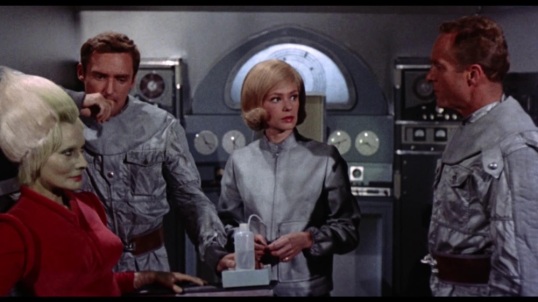
Queen of Blood (1966, dir by Curtis Harrington, DP: Vilis Lapenieks)

Here’s a question: what happens when Roger Corman buys the rights to two Russian science fiction films, decides to jettison basically everything but the special effects footage, and then hires experimental filmmaker Curtis Harrington to shoot an entirely new film around that footage?

You end up with the 1966 film, Queen of Blood!

Not that that’s a bad thing, mind you. Queen of Blood is actually pretty good and director Harrington manages to smoothly integrate the Russian footage with the new footage. Basically, it works out so that you’ll see a Russian shot of the spaceship taking off or landing and then you’ll see a shot of John Saxon, Dennis Hopper, or Basil Rathbone sitting on a set and pretending like they’re in space.

The film opens with Dr. Faraday (Basil Rathbone) discovering that aliens have been transmitting a message to Earth. They’re sending an ambassador to meet with the Earthlings but the aliens’ spaceship ends up crash landing on Mars! Faraday arranges for an Earth spaceship, the Oceano, to go to Mars and rescue the ambassador.

Aboard the Oceano is a cast made up of a few familiar faces. John Saxon plays Allan, who is the de facto leader of the expedition and also engaged to marry Dr. Faraday’s assistant, Laura (Judi Meredith). A young-looking Dennis Hopper is Paul Grant, an astronaut. Don’t get too excited about Hopper being in the cast. Queen of Blood was made when Hopper was still trying to pursue mainstream film stardom so he gives a rather bland performance here. There’s a few scenes where you can tells that Hopper is on the verge of smirking at some of his dialogue but, for the most part, he plays the role extremely straight. Rounding out the crew is Anders (Robert Boon) and Tony (Don Eitner), neither one of whom would go on to star in Easy Rider, Blue Velvet, or Nightmare on Elm Street.

It’s a difficult journey. The Oceano keeps running into Russian-filmed turbulence on the way to Mars. When they do land, they discover that the ambassador (Florence Marly) is waiting for them to rescue her. She doesn’t talk much nor does she have any interest in eating Earth food. She does seem to like every member of the crew except for Laura. Of course, the ambassador’s defining trait is that she likes to drink blood….

All things considered, Queen of Blood works pretty well. While none of the performances are particularly memorable (though Basil Rathbone does bring some old school class to what is essentially a cameo role), Curtis Harrington does a great job creating and maintaining a properly ominous atmosphere. It takes a while for the crew to finally find the Queen of Blood but, when they do, Harrington gets every bit of creepiness that he can out of the character. The film even ends on an appropriately dark note, suggesting that the human race may be just too stupid to survive.

Queen of Blood is an entertaining B-movie. Watch it the next time you’re in the mood for some intergalactic blood-sucking fun!

8 Shots From 8 Horror Films: 1990 — 1993


4 Or More Shots From 4 Or More Films is just what it says it is, 4 shots from 4 of our favorite films. As opposed to the reviews and recaps that we usually post, 4 Shots From 4 Films lets the visuals do the talking!

This October, I’m going to be doing something a little bit different with my contribution to 4 (or more) Shots From 4 (or more) Films.  I’m going to be taking a little chronological tour of the history of horror cinema, moving from decade to decade.

Today, we take a look at 1990, 1991, 1992, and 1993!

8 Shots From 8 Horror Films: 1990 — 1993

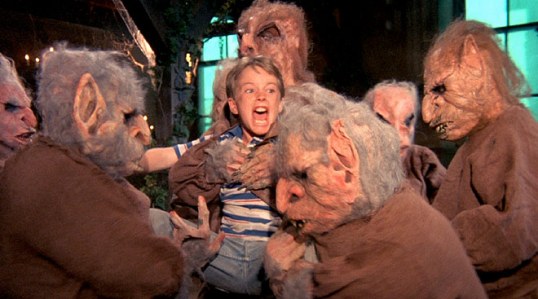
Troll 2 (1990, dir by Claudio Fragasso, DP: Giancarlo Ferrando)

It (1990, dir by Tommy Lee Wallace, DP: Richard Lieterman)

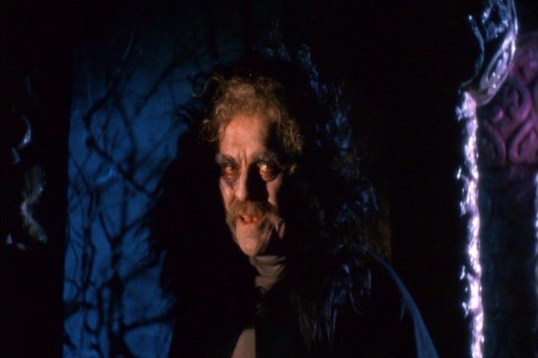
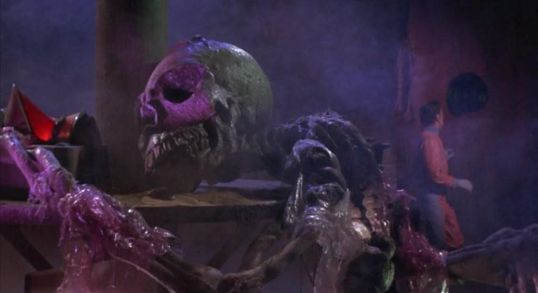
Frankenstein Unbound (1990, dir by Roger Corman, DP: Armando Nannuzzi)

The People Under The Stairs (1991, dir by Wes Craven, DP: Sandi Sissel)

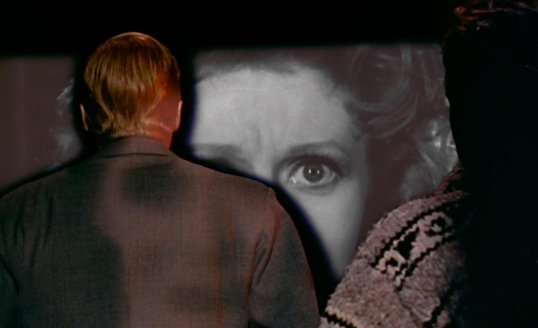
Twin Peaks: Fire Walk With Me (1992, dir by David Lynch, DP: Ron Garcia)

Bram Stoker’s Dracula (1992, dir by Francis Ford Coppola, DP: Michael Ballhaus)

Witchboard 2: The Devil’s Doorway (1993, dir by Kevin S. Tenney, DP: David Lewis)

Cronos (1993, dir by Guillermo Del Toro, DP: Guillermo Navarro)

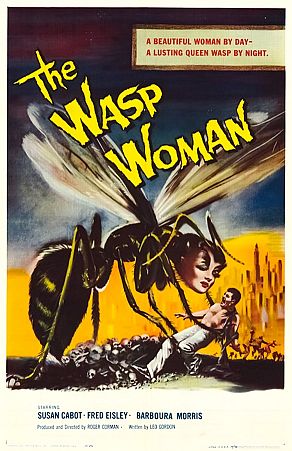
Horror Film Review: The Wasp Woman (dir by Roger Corman)


Aging sucks!

I mean, let’s just be honest about that. No one wants to get older. No one wakes up in the morning and thinks to themselves, “Yay! I’m one day closer to death!” People do not celebrate the appearance of a wrinkle or a laugh line. No one is happy when their vision gets blurrier or when they start to ache more and more frequently. No one wants to get old! That’s a simple truth and it’s the truth that is at the heart of the 1958 film, The Wasp Woman.

Directed by B-movie maestro Roger Corman, The Wasp Woman tells the story of Janice Starlin (Susan Cabot). Janice owns a cosmetic company. She’s made a fortune helping people defy their age. Unfortunately, the company’s sales are down because Janice herself cannot defy the passage of time. She’s looking older and apparently, people across the world are saying, “Why would I buy makeup for a mortal? I only buy my makeup from ageless mythological goddesses, who never age.”

So, Janice does what anyone would do. She tries to find a way to stop herself from getting old. When she discovers that a scientist is experimenting with using the enzymes from the royal jelly of a queen wasp to reverse the aging process, she agrees to fund his work. However, she has one condition. She has to be the test subject …. which, now that I think about it, makes absolutely no sense. Surely Janice could hire someone else to be the test subject before undergoing a highly experimental and unproven scientific process herself. I mean, Janice is extremely wealthy! Or maybe Janice could just hire a model to be the new face of her company. Or she could retire and take her millions to Europe and spend the rest of her life living in luxury. My point is that it seems like Janice is acting a bit impulsively here.

Anyway, Dr. Eric Zinthrop (Michael Mark) reluctantly agrees to Janice’s demands. He really needs the money, I guess. And if Janice dies, it’ll just means that he’ll probably go to prison for life. He certainly won’t ever be allowed to experiment with any more wasps. Is anyone in this movie capable of thinking ahead?

At first, the experiments seem to work. After one weekend, Janice looks 20 years younger! However, there is an unfortunate side effect. Janice occasionally transforms into a wasp/human hybrid! Uh-oh! That’s not good….

Clocking in at barely 70 minutes, The Wasp Woman is an entertainingly daft movie. As I’ve already pointed out, this is one of those movies where so much drama could be avoided if people would just consider the possible consequences of their actions. That said, the pace is fast and Susan Cabot is enjoyably bitchy in the role of Janice. The Wasp Woman costume manages to be both ludicrous and effective at the same time. Laugh? Scream? Why not do both!?

In the end, this is a silly but entertaining movie. If nothing else, it proves that sometimes it’s best just to accept that no one stays young forever.

One final note: This film has a great poster, even if it is totally misleading.

8 Shots From 8 Horror Films: The Mid 60s


4 Or More Shots From 4 Or More Films is just what it says it is, 4 shots from 4 of our favorite films. As opposed to the reviews and recaps that we usually post, 4 Shots From 4 Films lets the visuals do the talking!

This October, I’m going to be doing something a little bit different with my contribution to 4 (or more) Shots From 4 (or more) Films.  I’m going to be taking a little chronological tour of the history of horror cinema, moving from decade to decade.

Today, we take a look at the mid-60s!

8 Shots From 8 Horror Films: The Mid 60s

Black Sabbath (1963, dir by Mario Bava DP: Mario Bava)

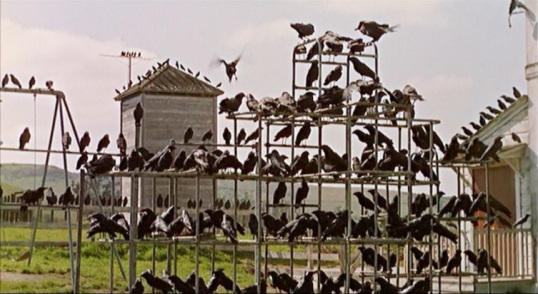
The Birds (1963, dir by Alfred Hitchcock, DP: Robert Burks)

The Raven (1963, dir by Roger Corman, DP: Floyd Crosby)

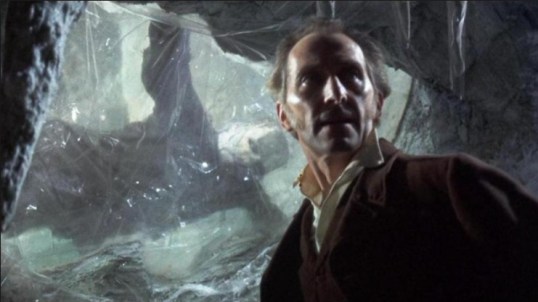
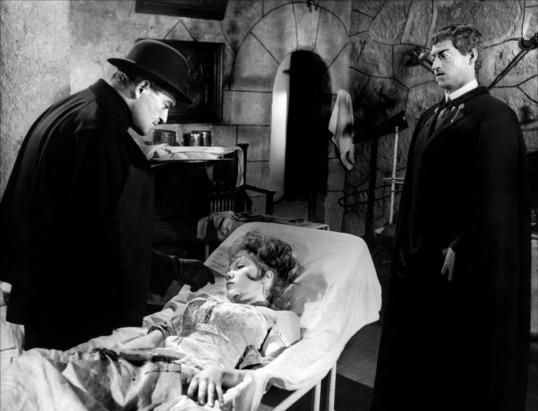
The Evil of Frankenstein (1963, dir by Freddie Francis, DP: John Wilcox)

The Masque of the Red Death (1964, dir by Roger Corman, DP: Nicolas Roeg)

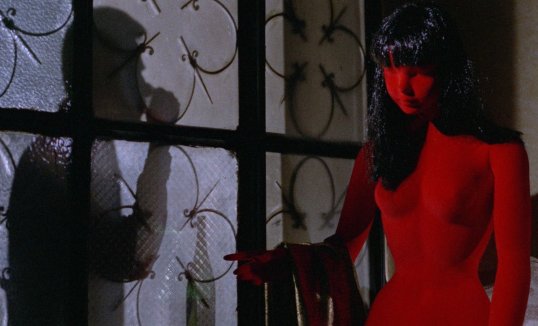
Blood and Black Lace (1964, dir by Mario Bava, DP: Mario Bava)

Planet of the Vampires (1965, dir by Mario Bava, DP: Antonio Rinaldi)

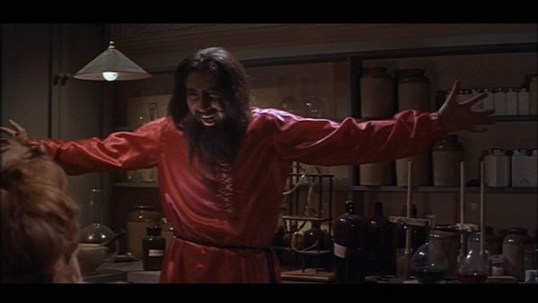
Rasputin The Mad Monk (1966, dir by Don Sharp, DP: Michael Reed)

6 Shots From 6 Horror Films: The Early 60s


4 Or More Shots From 4 Or More Films is just what it says it is, 4 shots from 4 of our favorite films. As opposed to the reviews and recaps that we usually post, 4 Shots From 4 Films lets the visuals do the talking!

This October, I’m going to be doing something a little bit different with my contribution to 4 (or more) Shots From 4 (or more) Films.  I’m going to be taking a little chronological tour of the history of horror cinema, moving from decade to decade.

Today, we take a look at the early 60s!

6 Shots From 6 Horror Films: The Early 60s

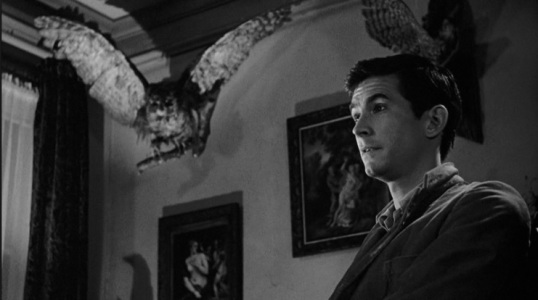
Psycho (1960, dir by Alfred Hitchcock, DP: John L. Russell)


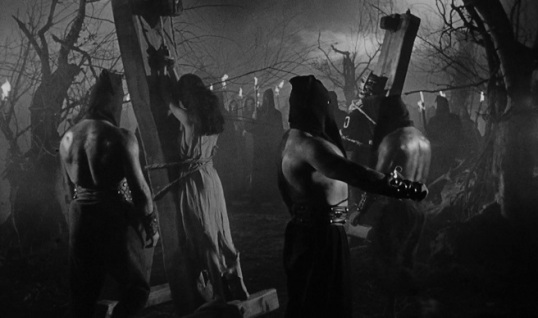
Black Sunday (1960, dir by Mario Bava)


Peeping Tom (1960, dir by Michael Powell, DP: Otto Heller)


Pit and the Pendulum (1961, dir by Roger Corman, DP: Floyd Crosby)


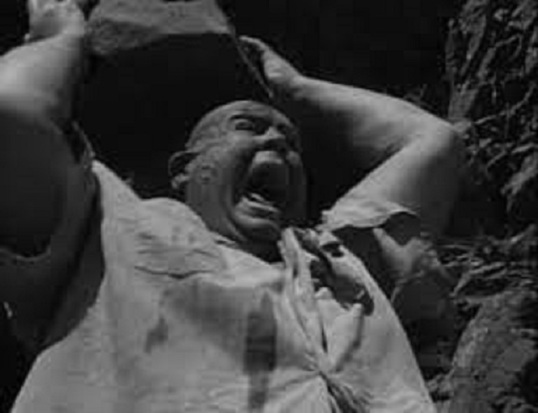
The Best of Yucca Flats (1961, dir by Coleman Francis, DP: John Cagle and Leo Strosnider)


The Awful Dr. Orloff (1962, dir by Jess Franco, DP: Godofredo Pacheco)

8 Shots From 8 Horror Films: The Late 50s


4 Or More Shots From 4 Or More Films is just what it says it is, 4 shots from 4 of our favorite films. As opposed to the reviews and recaps that we usually post, 4 Shots From 4 Films lets the visuals do the talking!

This October, I’m going to be doing something a little bit different with my contribution to 4 (or more) Shots From 4 (or more) Films.  I’m going to be taking a little chronological tour of the history of horror cinema, moving from decade to decade.

Today, we take a look at the late 50s!

8 Shots From 8 Horror Films: The Late 50s

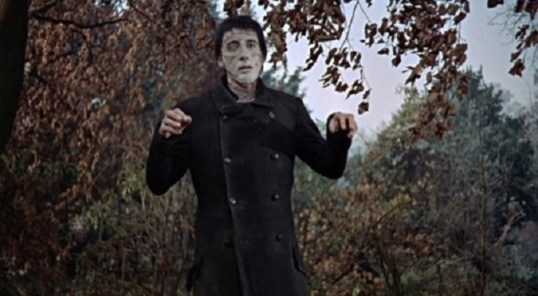
The Curse of Frankenstein (1957, dir by Terence Fisher, DP: Jack Asher)

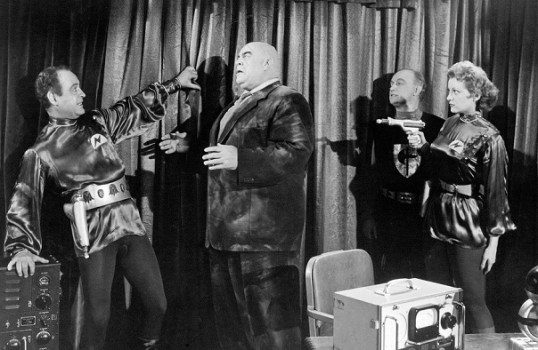
Plan 9 From Outer Space (1957, dir by Edward D. Wood, Jr., DP: William C. Thompson)

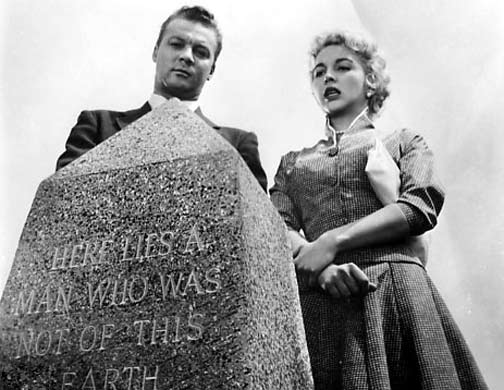
Not Of This Earth (1957, dir by Roger Corman DP: John J. Mescall)

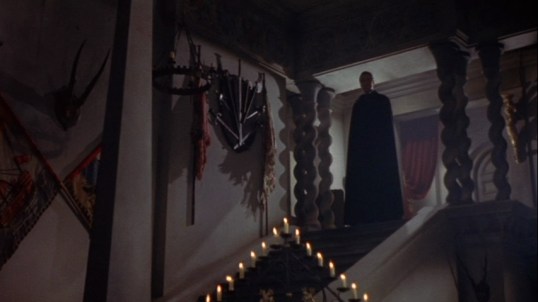
Horror of Dracula (1958, starring Christopher Lee as the Count, Dir by Terence Fisher, DP: Jack Asher)

Night of the Ghouls (1959, dir by Edward D Wood, Jr. DP: William C. Thompson)

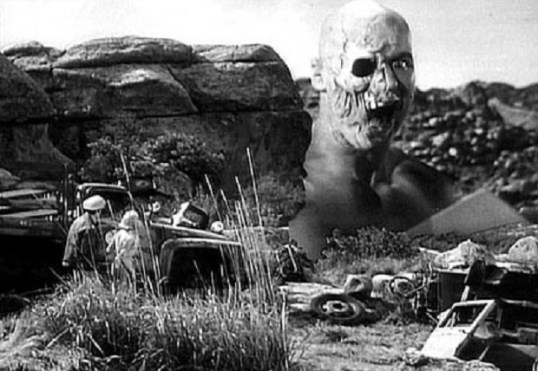
War of the Colossal Beast (1958, dir by Bert I. Gordon, DP: Jack A. Marta)

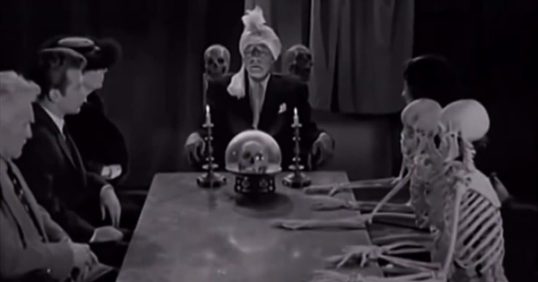
House on Haunted Hill (1959, dir by William Castle, DP: Carl E. Guthrie)

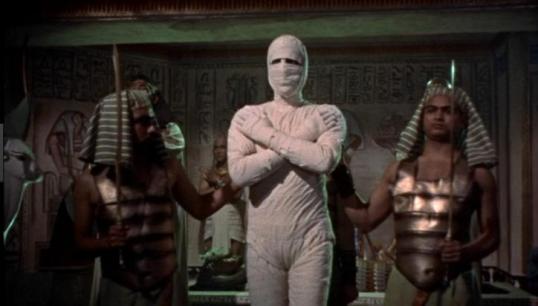
The Mummy (1959, dir by Terence Fisher, DP: Jack Asher)

4 Shots From 4 Horror Films: The Mid 50s


4 Or More Shots From 4 Or More Films is just what it says it is, 4 shots from 4 of our favorite films. As opposed to the reviews and recaps that we usually post, 4 Shots From 4 Films lets the visuals do the talking!

This October, I’m going to be doing something a little bit different with my contribution to 4 (or more) Shots From 4 (or more) Films.  I’m going to be taking a little chronological tour of the history of horror cinema, moving from decade to decade.

Today, we take a look at the mid-50s!

4 Shots From 4 Horror Films: The Mid 50s

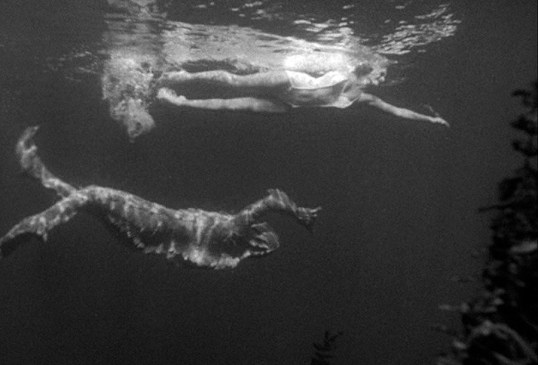
Creature From The Black Lagoon (1954, dir by Jack Arnold, DP: William E. Snyder)

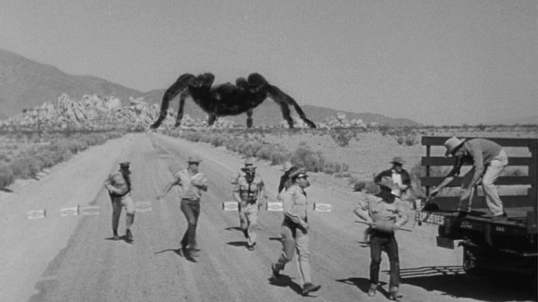
Tarantula (1955, dir by Jack Arnold, DP: George Robinson)

Bride of the Monster (1955, dir by Ed Wood, DP: Ted Allan and William C. Thompson)

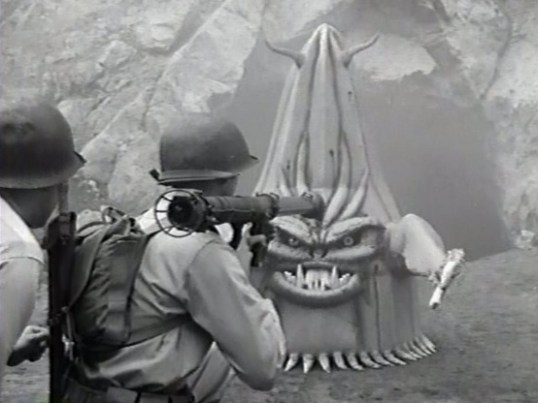
It Conquered The World (1956, dir by Roger Corman, DP: Fred E. West)

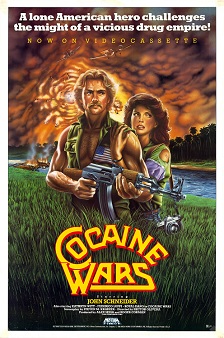
Cocaine Wars (1985, directed by Hector Olivera)


In 1980s Bolivia, the most powerful drug lord is Gonzalo Reyes (Federico Luppi).  Working with General Lujan (Rodolfo Ranni), Reyes runs his own concentration camp, where people are forced to process the cocaine that is then sold in the United States.  Reyes’s pilot is an American named Cliff Adams (John Schneider).  Reyes eventually gives Cliff a very important assignment.  He wants Cliff to assassinate Marcelo Villalba (John Vitali), a crusading journalist who is running for president of the country.

What Reyes and Lugan don’t know but soon learn is that Cliff is actually a Miami-based DEA agent who has been working deep undercover.  Despite his assignment and the fact that even the U.S. government seems to consider Villalba to be expendable, Cliff refuses to carry out the assassination.  Soon, he and his girlfriend (Kathryn Witt) and their friend Bailey (Royal Dano) are being pursued by Reyes and Lujan.  Cliff’s girlfriend is also a reporter and she has compiled a story that, if it is published, will blow the lid off of Reyes and Lujan’s partndership.

Produced by Roger Corman and filmed in Argentina, Cocaine Wars is very much a product of its time.  In the 1980s, America was all about the War on Drugs, especially the War on Cocaine.  However, some of the world’s biggest drug lords were working with the tactic approval of some of America’s most important allies in South and Central America.  For as long as it was convenient and strategically useful, the American government would look the other way.  It was only when the situation became internationally embarrassing, as in the case of Panama’s General Manuel Noriega, that the U.S. would actually step in.  This was certainly the case in Bolivia, where drug lords were so essential to overthrowing the government that the subsequent coup was referred to as being “the cocaine coup.”  General Lujan is a stand-in for a large number of Bolivian military men who continually overthrew the country’s democratically-elected leaders.  By including several Germans among Reyes’s organization, Cocaine Wars also acknowledges the role that Nazi war criminal Klaus Barbie played in not only propping up a series of Bolivian strongmen and drug organizations but also teaching the Bolivian secret police how to torture information out of political prisoners.  While Cocaine Wars is not primarily a political film, it is still notable as an early example of a film that pointed out why the War on Drugs was destined for failure.

As for the film itself, it is a standard low-budget action film.  There aren’t any huge surprises to be found but, at 82 minutes, it moves quickly and it has enough action to satisfy fans of the genre.  John Schneider may not have been Sylvester Stallone, Arnold Schwarzengger, or even Chuck Norris but that works to the movie’s advantage.  Unlike those bigger-than-life heroes, Schneider does not come across as being indestructible and that adds a little more suspense to the inevitable gunfights and torture scenes.  Schneider is a likable and effective action lead, even if you never do forget that you’re essentially watching a TV actor taking a stab at the big screen.

Scenes That I Love: Peter Fonda Explores The City In The Trip


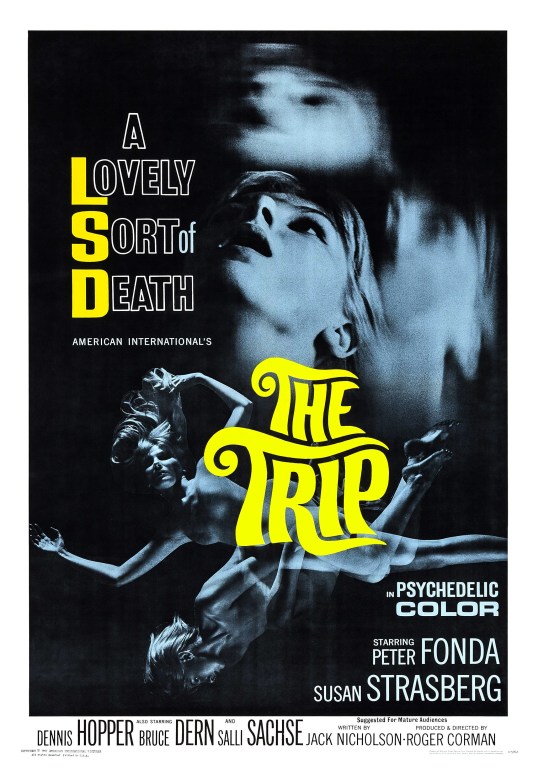
Today’s scene is from Roger Corman’s 1967 film, The Trip. Corman dropped acid himself before filming Peter Fonda doing the same thing in this film. Regardless of how one views Corman’s cinematic recreation of Fonda’s experience with acid, The Trip is considered to be one of the first nuanced drug films. While it doesn’t endorse drug use, it also doesn’t descend into the hysterics of a film like Reefer Madness. Interestingly enough, the script was written by Jack Nicholson.

Here is Peter Fonda, exploring the city on LSD, in The Trip:

4 Shots From 4 Roger Corman Films


4 Or More Shots From 4 Or More Films is just what it says it is, 4 shots from 4 of our favorite films. As opposed to the reviews and recaps that we usually post, 4 Shots From 4 Films lets the visuals do the talking!

Today, we pay tribute to the legendary director and producer, Roger Corman!  It’s time for….

4 Shots From 4 Roger Corman Films

It Conquered The World (1956, dir by Roger Corman, DP: Fred E. West)

Not Of This Earth (1957, dir by Roger Corman, DP: John J. Mescall)

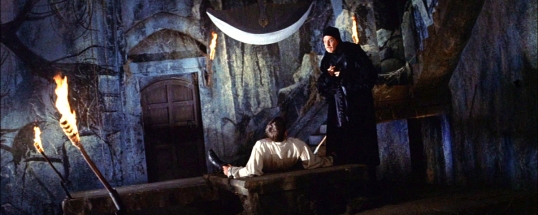
Pit and the Pendulum (1961, dir by Roger Corman, DP: Floyd Crosby)

The Masque of the Red Death (1964, dir by Roger Corman, DP: Nicolas Roeg)