6 Shots From 6 Films: Special Alfred Hitchcock Edition


4 Or More Shots From 4 Or More Films is just what it says it is, 4 shots from 4 of our favorite films. As opposed to the reviews and recaps that we usually post, 4 Shots From 4 Films lets the visuals do the talking!

124 years ago, the master of suspense was born in England.  Today, we honor the career and legacy of the great Alfred Hitchock with….

6 Shots From 6 Alfred Hitchcock Films

Rebecca (1940, dir by Alfred Hitchcock, DP: George Barnes)

Shadow of a Doubt (1943, directed by Alfred Hitchcock, DP: Joseph A. Valentine)

Notorious (1946, dir by Alfred Hitchcock, DP: Ted Tetzlaff)

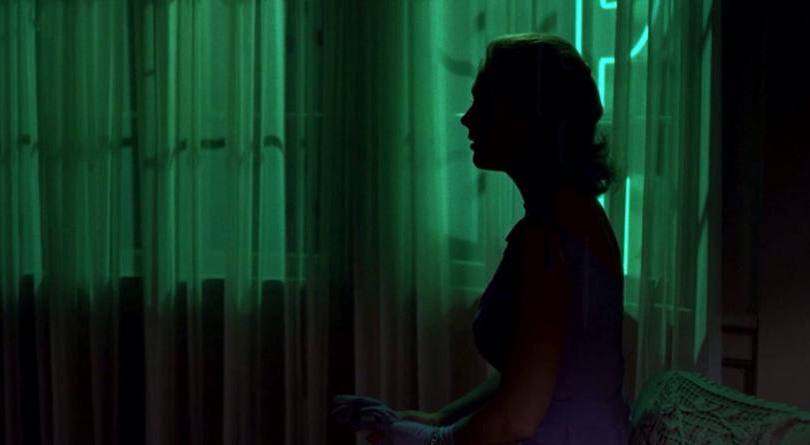
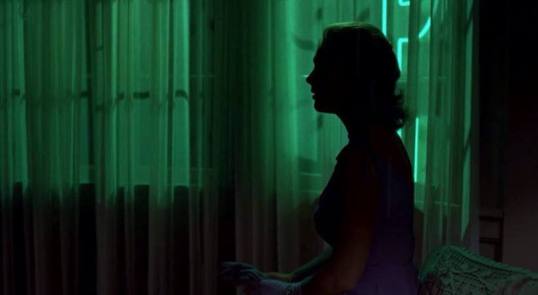
Vertigo (1958, dir by Alfred Hitchcock, DP: Robert Burks)

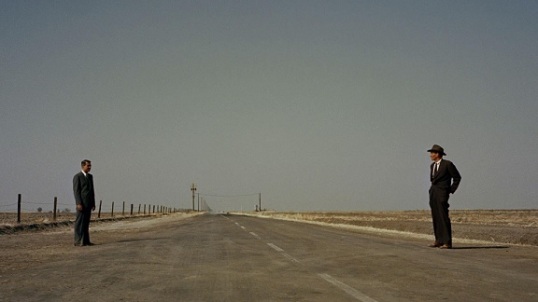
North by Northwest (1959, dir by Alfred Hitchcock, DP: Robert Burks)

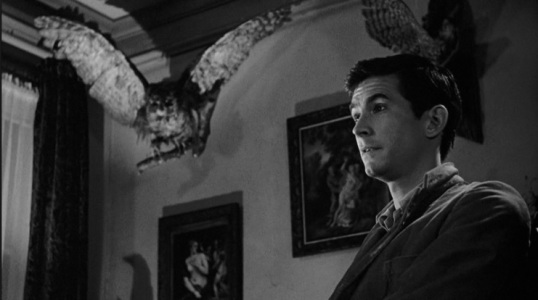
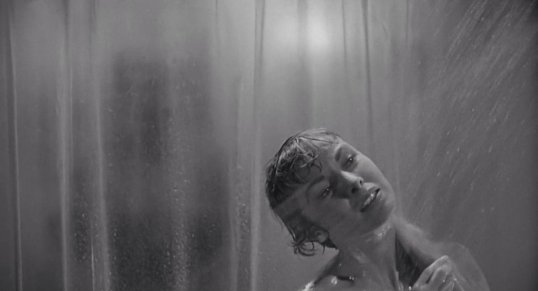
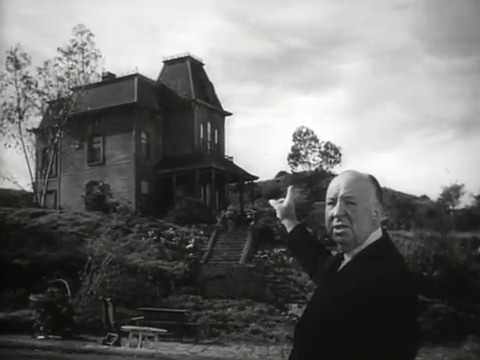
Psycho (1960, dir by Alfred Hitchcock, DP: John L. Russell)

10 Oscar Snubs From The 1960s


Ah, the 60s. Both the studio system and the production code collapsed as Hollywood struggled to remain relevant during a time of great social upheaval. The Academy alternated between nominating films that took chances and nominating films that cost a lot of money. It led to some odd best picture lineups and some notable snubs!

1960: Psycho Is Not Nominated For Best Picture and Anthony Perkins Is Not Nominated For Best Actor

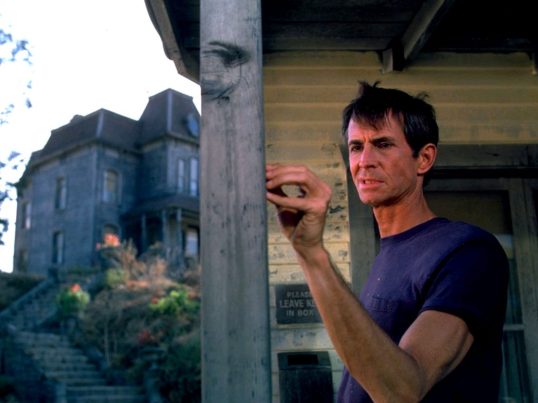
To be honest, considering that the Academy has never really embraced horror as a genre and spent most of the 60s nominating big budget prestige pictures, it’s a bit surprising that Psycho was actually nominated for four Oscars.  Along with being nominated for its production design and its cinematography, Psycho also won nominations for Alfred Hitchcock and Janet Leigh.  However, Anthony Perkins was not nominated for Best Actor, despite giving one of the most memorable performances of all time.  The film literally would not work without Perkins’s performance and, considering that Perkins pretty much spent the rest of his career in the shadow of Norman Bates, it’s a shame that he didn’t at least get a nomination for his trouble.  Psycho was also not nominated for Best Picture, despite being better remembered and certainly more influential than most of the films that were.

1962: The Man Who Shot Liberty Valance Is Almost Totally Snubbed

The Man Who Shot Liberty Valance was not totally snubbed by the Academy.  It received a nomination for Best Costume Design.  But still, it deserved so much more!  John Ford, James Stewart, John Wayne, Lee Marvin, Vera Miles, and the picture itself were all worthy of nominations.  Admittedly, 1962 was a year full of great American films and there was a lot of competition when it came to the Oscars.  Still, The Man Who Shot Liberty Valance definitely deserved a best picture nomination over the bloated remake of Mutiny on the Bounty.  Today, if the first Mutiny on the Bounty remake is known for anything, it’s for Marlon Brando being difficult on the set.  But The Man Who Shot Liberty Valance is still remembered for telling us to always print the legend.
1964: From Russia With Love Is Totally Snubbed

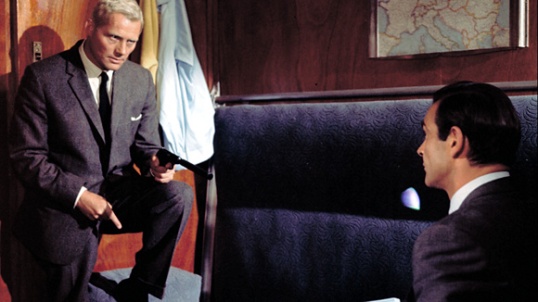
The same year that the Academy honored George Cukor’s creaky adaptation of My Fair Lady, it totally ignored my favorite James Bond film.  From Russia With Love is a Bond film that works wonderfully as both a love story and a thriller.  Sean Connery, Lotte Lenya, Robert Shaw, and Terence Young all deserved some award consideration.  From Russia With Love was released in the UK in 1963.  In a perfect world, it would have also been released concurrently in the U.S., allowing From Russia With Love to be the film that gave the the Academy the chance to recognize the British invasion.  Instead, Tom Jones was named the Best Picture of 1963 and From Russia With Love had to wait until 1964 to premiere in the U.S.  It was snubbed in favor of one of old Hollywood’s last grasps at relevance.

1964: Slim Pickens Is Not Nominated For Best Supporting Actor

Playing three separate roles, Peter Sellers dominates Dr. Strangelove: Or How I Learned To Stop Worrying And Love The Bomb.  But, as good as Sellers is, the film’s most memorable image is definitely Slim Pickens whooping it up as he rides the bomb down to Earth.  George C. Scott and Sterling Hyaden also undoubtedly deserved some award consideration but, in the end, Pickens is the one who brings the film to life even as he helps to bring society to an end.

1967: In Cold Blood Is Not Nominated For Best Picture

In Cold Blood, though not a perfect film, certainly deserved a nomination over Dr. Doolittle.  In Cold Blood is a film that still has the power to disturb and haunt viewers today.  Dr. Doolittle was a box office debacle that was nominated in an attempt to help 20th Century Fox make back some of their money.

1967: Sidney Poitier Is Not Nominated For Best Actor For In The Heat Of The Night

In 1967, Sidney Poitier starred in two of the films that were nominated for Best Picture but somehow, he did not pick up a nomination himself.  His restrained but fiercely intelligent performance in In The Heat Of The Night provided a powerful contrast to Rod Steiger’s more blustery turn.  That Poitier was not nominated for his performance as Virgil Tibbs truly is one of the stranger snubs in Academy history.  (If I had to guess, I’d say that the Actors Branch was split on whether to honor him for In The Heat of the Night or Guess Who’s Coming To Dinner or even for To Sir With Love and, as a result, he ended up getting nominated for none of them.)

1968: 2001: A Space Odyssey and Planet of the Apes Are Not Nominated For Best Picture

Neither one of these classic science fiction films were nominated for Best Picture, despite the fact that both of them are far superior and far more influential than Oliver!, the film that won that year.

1968: The Good, The Bad, and the Ugly Is Totally Ignored

Not even Ennio Morricone’s score received a nomination!

1968: Petulia Is Totally Snubbed

Seriously, I don’t know what was going on with the Academy in 1968 but it seems they went out of their way to ignore the best films of the year.  Richard Lester’s Petulia is usually cited as one of the definitive films of the 60s but it received not a single Oscar nomination.  Not only did the film fail to receive a nomination for Best Picture but Richard Lester, George C. Scott, Julie Christie, Shirley Knight, Richard Chamberlain, and the film’s screenwriters were snubbed as well.

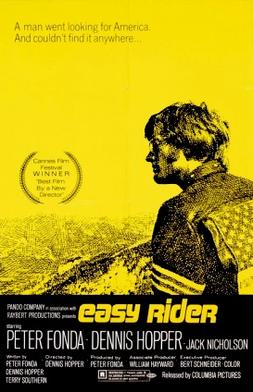
1969: Easy Rider Is Not Nominated For Best Picture

Yes, I know.  Easy Rider is a flawed film and there are certain moments that are just incredibly pretentious.  That said, Easy Rider defined an era and it also presented a portrait of everything that was and is good, bad, and timeless about America.  The film may have been produced, directed, and acted in a drug-razed haze but it’s also an important historical document and it was also a film whose success permanently changed Hollywood.  Certainly, Easy Rider’s legacy is superior to that of Hello, Dolly!

Agree? Disagree? Do you have an Oscar snub that you think is even worse than the 10 listed here? Let us know in the comments!

Up next: It’s the 70s!
6 Shots From 6 Horror Films: The Early 60s


4 Or More Shots From 4 Or More Films is just what it says it is, 4 shots from 4 of our favorite films. As opposed to the reviews and recaps that we usually post, 4 Shots From 4 Films lets the visuals do the talking!

This October, I’m going to be doing something a little bit different with my contribution to 4 (or more) Shots From 4 (or more) Films.  I’m going to be taking a little chronological tour of the history of horror cinema, moving from decade to decade.

Today, we take a look at the early 60s!

6 Shots From 6 Horror Films: The Early 60s

Psycho (1960, dir by Alfred Hitchcock, DP: John L. Russell)


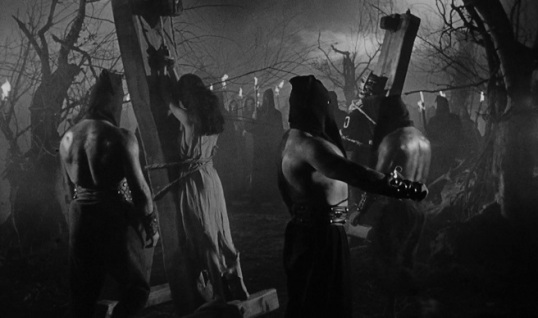
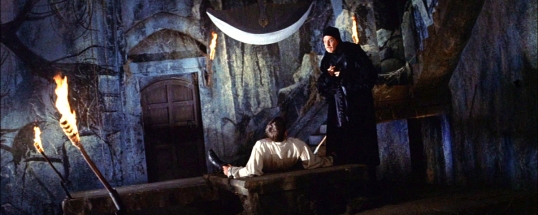
Black Sunday (1960, dir by Mario Bava)


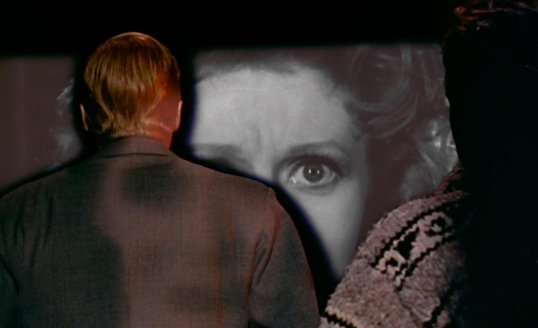
Peeping Tom (1960, dir by Michael Powell, DP: Otto Heller)


Pit and the Pendulum (1961, dir by Roger Corman, DP: Floyd Crosby)


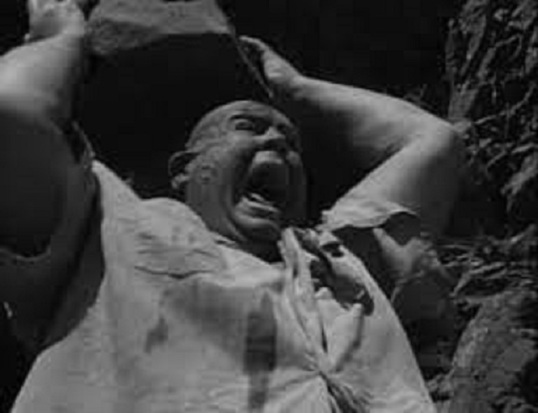
The Best of Yucca Flats (1961, dir by Coleman Francis, DP: John Cagle and Leo Strosnider)


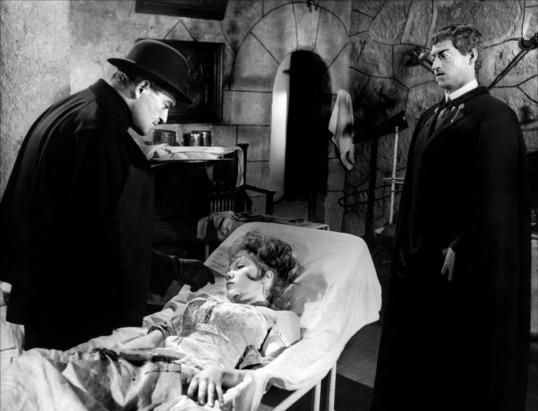
The Awful Dr. Orloff (1962, dir by Jess Franco, DP: Godofredo Pacheco)

6 Shots From 6 Films: Special Alfred Hitchcock Edition


4 Or More Shots From 4 Or More Films is just what it says it is, 4 shots from 4 of our favorite films. As opposed to the reviews and recaps that we usually post, 4 Shots From 4 Films lets the visuals do the talking!

123 years ago, the master of suspense was born in England.  Today, we honor the career and legacy of the great Alfred Hitchock with….

6 Shots From 6 Alfred Hitchcock Films

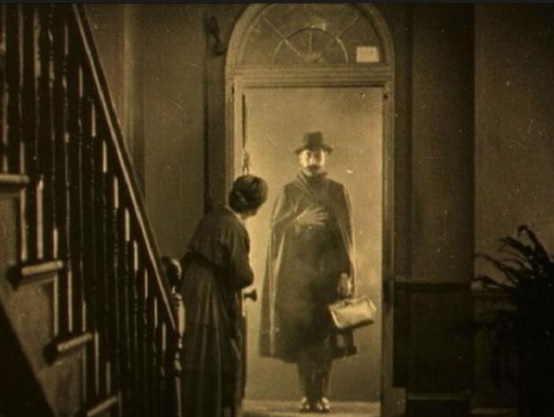
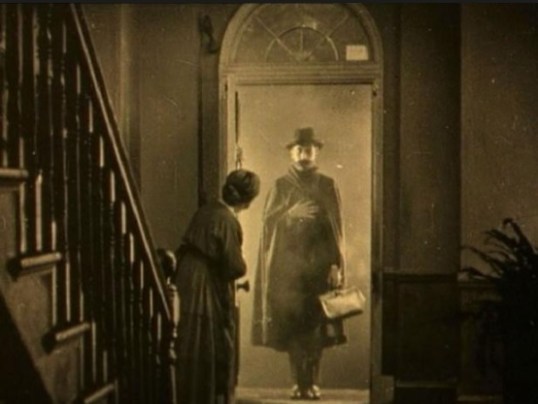
The Lodger (1926, dir by Alfred Hitchcock, DP:Gaetano di Ventimiglia )

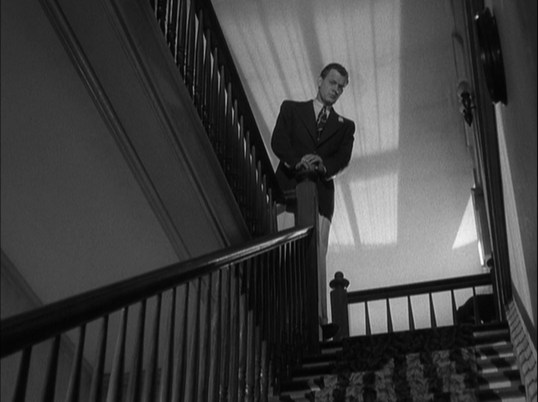
Shadow of a Doubt (1943, directed by Alfred Hitchcock, DP: Joseph A. Valentine)

Vertigo (1958, dir by Alfred Hitchcock, DP: Robert Burks)

North by Northwest (1959, dir by Alfred Hitchcock, DP: Robert Burks)

Psycho (1960, dir by Alfred Hitchcock, DP: John L. Russell)

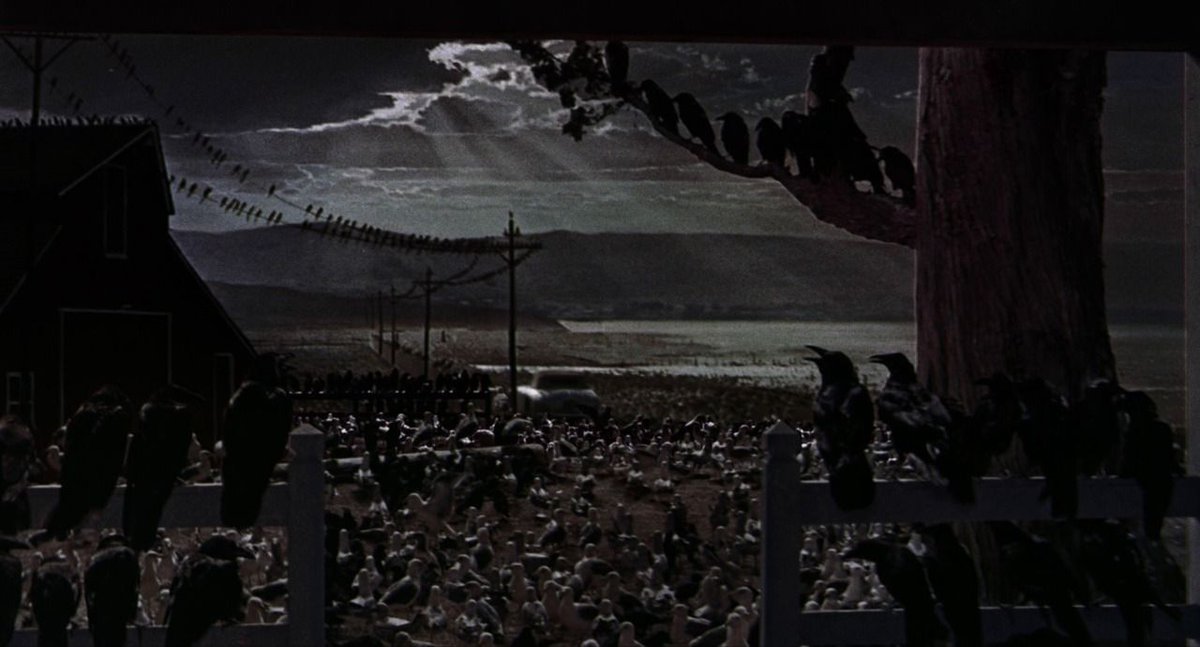
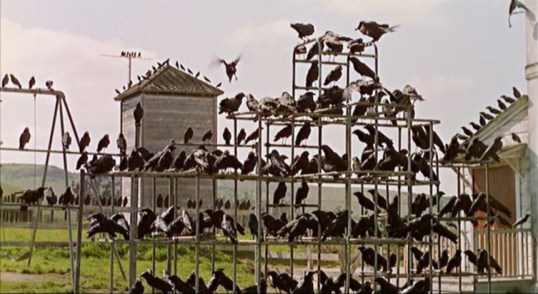
The Birds (1963, dir by Alfred Hitchcock, DP: Robert Burks)

4 Shots From 4 Alfred Hitchcock Films


4 Shots From 4 Films is just what it says it is, 4 shots from 4 of our favorite films. As opposed to the reviews and recaps that we usually post, 4 Shots From 4 Films lets the visuals do the talking.

Today, we honor the master of suspense, Alfred Hitchcock.  Not all of his film were horror films, of course.  In fact, the majority were not.  But his influence on the genre cannot be overstated.  Just try to keep track of how many horror films owe a debt to Psycho or The Birds.

It’s time for….

4 Shots From 4 Alfred Hitchcock Films

The Lodger (1926, dir by Alfred Hitchcock, DP: Gaetano di Ventimiglia)

Shadow of a Doubt (1943, dir by Alfred Hitchcock, DP: Joseph A.Valetine))

Psycho (1960, dir by Alfred Hitchcock, DP: John L. Russell)

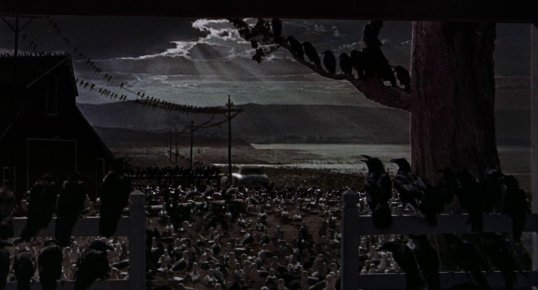
The Birds (1963, dir by Alfred Hitchcock, DP: Robert Burks)

4 Shots From 4 Alfred Hitchcock Films: The Lodger, Psycho, The Birds, Frenzy


4 Shots From 4 Films is just what it says it is, 4 shots from 4 of our favorite films. As opposed to the reviews and recaps that we usually post, 4 Shots From 4 Films lets the visuals do the talking.

This month, we’ve been using 4 Shots From 4 Films to honor some of our favorite filmmakers!  Today, we pay tribute to the one and only Alfred Hitchcock!

4 Shots From 4 Alfred Hitchcock Films

The Lodger (1926, dir by Alfred Hitchcock)

Psycho (1960, dir by Alfred Hitchcock)

The Birds (1963, dir by Alfred Hitchcock)

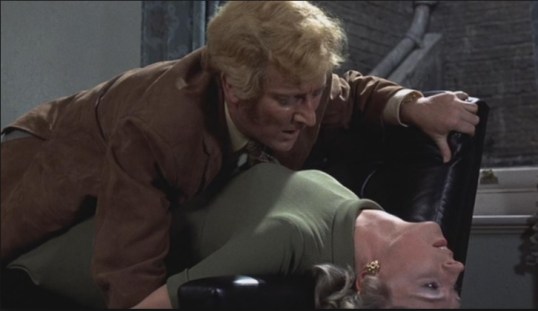
Frenzy (1972, dir by Alfred Hitchcock)

4 Shots From 4 Films: Special Alfred Hitchcock Edition


4 Shots From 4 Films is just what it says it is, 4 shots from 4 of our favorite films. As opposed to the reviews and recaps that we usually post, 4 Shots From 4 Films lets the visuals do the talking!

121 years ago today, the master of suspense, Alfred Hitchcock, was born!

In honor of the most influential director all time, here are….

4 Shots From 4 Films

Spellbound (1945, dir by Alfred Hitchcock)

Vertigo (1958, dir by Alfred Hitchcock)

Psycho (1960, dir by Alfred Hitchcock)

The Birds (1963, dir by Alfred Hitchcock)

6 Horror Performances That Deserved An Oscar Nomination


Despite making some inroads as of late, horror films still never quite get the respect that they deserve when it comes Oscar time.  That’s especially true of the performers who regularly appear in horror films.  If it’s rare for a horror movie to receive a best picture nomination, it’s even rarer for someone to get nominated for appearing in one of them.

And yet, it takes as much skill to make a monster compelling as it does a historical figure or a literary character.  In fact, it may take even more skill.  After all, everyone knows that Queen Elizabeth I actually ruled over England and that Atticus Finch was an attorney in the South.  However, everyone also knows that there’s no such things as vampires and that the dead cannot be reanimated or raised as a zombie.  It takes a lot of skill to make a monster seem human.

With that in mind, here are 6 horror performances that deserved, at the very least, an Oscar nomination:

1. Boris Karloff as The Monster in Frankenstein (1931) and The Bride of Frankenstein(1935)

The great Boris Karloff is perhaps the most egregious example of a deserving actor who was consistently ignored by the Academy because of the type of films in which he appeared.  In the role of Monster, Karloff was never less than brilliant and he set the standard by which all future monsters are judged.

Dracula (1931, directed by Tod Browning)

2. Bela Lugosi in Dracula (1931)

When viewed today, it’s perhaps a little bit too easy to be dismissive of Lugosi’s grandly theatrical interpretation of Dracula.  But, if you can ignore all of the bad imitations that you’ve seen and heard over the years, you’ll discover that Lugosi’s performance is perfect for the film in which he’s appearing.  Indeed, Lugosi’s best moments are the silent ones, when he goes from being a courtly (if vaguely sinister) nobleman to a hungry animal.  In those moments, you see why Lugosi’s performance endures.

3. Anthony Perkins as Norman Bates in Psycho (1960)

Ah, poor Anthony Perkins.  Before he played Norman Bates, he was considered to be something an up-and-coming star and even something of a neurotic romantic lead.  As with Lugosi’s Dracula, we’ve seen so many bad imitations of Perkins’s performance that it’s easy to overlook just how good he is in the role.  He was so perfect as Norman that spent the rest of his career typecast.  And, sadly enough, he didn’t even get a much-deserved Oscar nomination out of it.

4. Christopher Lee as Lord Summerisle in The Wicker Man (1973)

Christopher Lee was one of the great actors and, though he may be best remembered for his horror work, he actually appeared in almost every genre of film imaginable.  Lee was often dismissive of the Dracula films that he made for Hammer so, as much as I’d love to argue that he deserved a nomination for The Horror of Dracula, I’m instead going to suggest that Lee deserved one for the role that he often cited as his favorite, the pagan Lord Summerisle in The Wicker Man.  Lee brings the perfect mix of wit and menace to the role and, in the process, shows that not all monsters have to be undead.

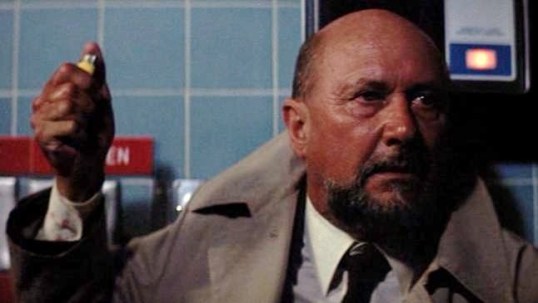
5. Donald Pleasence as Dr. Sam Loomis in Halloween (1978) and Halloween II (1981)

Much as with Lugosi and Anthony Perkins, it’s important (and perhaps a little bit difficult) to separate Pleasence’s performances in these two slasher films with all of the imitations that have followed.  In both films, Pleasence does a great job of playing a man who has been driven to the verge of madness as a result of having spent too much time in the presence of evil.  As potentially dangerous as Sam Loomis sometimes appears to be, there’s no way not to sympathize with him as he continually tries to get people to understand that he wasn’t the one who left Michael escape.  If nothing else, Pleasence deserved a nomination just for his delivery of the line, “As a matter of fact, it was.”

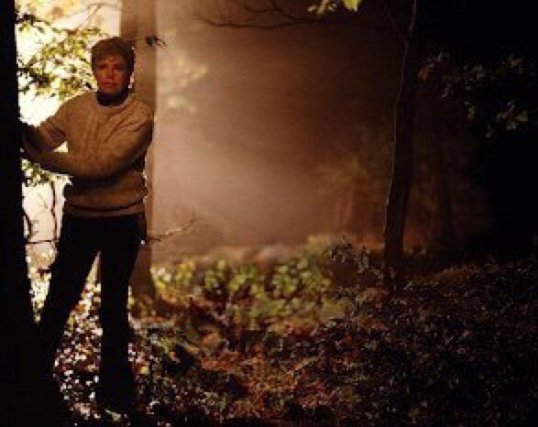
6. Betsy Palmer as Pamela Voorhees in Friday the 13th (1980)

“I’m an old friend of the Christys.”  AGCK!  RUN!

Scenes That I Love: Norman and Arborgast Talk In Psycho


When it comes to Psycho, everyone always talk about the first half of the film, in which Marion Crane steals the money, gets interrogated by the highway patrolman, meets Norman Bates, and eventually takes that fateful shower.

Those are all great scenes that are wonderfully acted and directed.  But they’re also the scenes that always get shared whenever anyone shares something about Psycho.  So, for today’s scene that I love, I’m sharing a scene from the 2nd half of the film.  In this scene, Milton Arborgast (Martin Balsam) attempts to question Norman (Anthony Perkins, of course!) about whether or not Marion came by the motel.  Detective Arborgast thinks that Norman is hiding something.  Norman thinks that he can out talk the detective.

This scene is a master class in great acting.  Balsam and Perkins are like two tennis players, just knocking the ball back and forth without missing a beat.  What I love is that both men are pretending as if they’re having a friendly conversation, whereas they both know that they’re not.  Of course, when audience saw this movie for the first time (before the famous ending became common knowledge), they probably thought that Norman was trying to protect Arborgast from his mother.

Anyway, here’s the scene.  It’s Arborgast vs. Bates, Balsam vs. Perkins, and it’s rather brilliant:

Horror Film Review: Psycho II (dir by Richard Franklin)


Norman Bates is back!

No, I don’t mean Freddie Highmore from Bates Motel or Vince Vaughn from the odd Psycho remake that I keep seeing on Showtime.  No, I’m talking about the original Norman Bates, Anthony Perkins!

First released in 1983, Psycho II is a direct sequel to the classic shocker from Alfred Hitchcock.  The film opens with a replay of the original film’s famous shower scene and then immediately jumps forward 22 years.  Having been found not guilty by reason of insanity, Norman Bates has been in a mental institution ever since he was arrested for the murders of Marion Crane and Milton Arborgast.  However, Norman’s psychiatrist, Dr. Raymond (Robert Loggia, who was considered for the role of Sam Loomis in the original film), now feels that Norman has been cured and is no longer a danger to himself or others.  A judge agrees.  Marion Crane’s sister, Lila Loomis (Vera Miles, reprising her role from the original) does not.  She presents the judge with a petition demanding that Norman not be released.  When the judge ignores her, Lila yells that Norman will murder again!

Now free, Norman returns to the Bates Motel and discovers that it’s now being run by the sleazy Warren Toomey (Dennis Franz).  When Norman finds various party favors in the motel rooms and asks Warren what they are, Warren laughs and says, “They’re drugs, Norman.”  Norman’s not too happy about that.  As Dr. Raymond tells him, the world has changed considerably over the past two decades.

However, Norman has other issues to deal with.  For the most part, most of the people in town are not happy that their most famous resident has returned.  Emma Spool (Claudia Bryar) gets Norman a job at a local diner because, in her words, she believes in forgiveness and second chances.  Norman gets to know the new waitress, Mary Samuels (Meg Tilly) and, when Mary tells him that she’s had a fight with her boyfriend, he invites her to stay at the hotel until she can get things together.

From the minute that he returns home, Norman is struggling to keep it together.  When he first reenters his former house, he hears his mother’s voice but he tells himself that she’s not really there.  But if his mother isn’t there, then who keeps calling him on the phone and yelling at him about the state of the motel?  Who keeps taunting him about his awkward (yet rather sweet) relationship with Mary?  And when two teenagers are attacked after breaking into the house, who else could it possibly be but Norman’s mother?

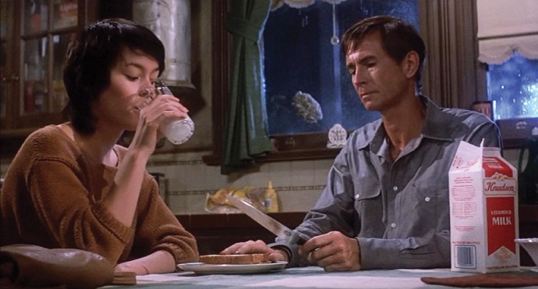
I was really surprised by Psycho II, which turned out to be a really entertaining little movie, an effective thriller with a healthy dash of dark humor.  It’s a very plot-heavy film, with almost every scene introducing a new twist to the story.  With the exception of the sleazy Warren Toomey, no one in this film turns out to be who you initially expected them to be, including Norman.  Meg Tilly does a good job in the somewhat oddly written role of Mary Samuels and even manages to make an awkward line like “Norman, you’re as mad as a hatter” sound natural.  Not surprisingly, the film is dominated by Perkins’s performance as Norman Bates and what a great performance it is.  The best moments are the ones where Norman awkwardly tries to fit back in with society, nervously laughing at his own jokes and struggling to maintain eye contact with whoever he’s talking to.  You really can’t help but feel sorry for him, especially as the film progresses.

Wisely, Psycho II set out to establish it own identity as a film, as opposed to just trying to duplicate the shocks of Psycho.  (There is a shower scene that’s filmed similarly to the one from the first scene, with a key difference that I won’t spoil.)  It’s what a sequel should be, not a remake but a continuation of the original’s story.  This is definitely a film that’s far better than you may expect.