Today’s horror scene that I love comes from Lucio Fulci’s 1981 masterpiece, The Beyond.
In this memorably gruesome scene, Joe the Plumber (Tonino Pulci) comes back to life. Having previously lost an eye in the basement of the film’s haunted hotel, he proceeds to claim an eye for himself. I’ll tell you right now that if I ever stepped into a house or a hotel or anywhere that had a sink that looked like that, I would quickly leave and never come back.
6 Shots From 6 Films is just what it says it is, 6 shots from 6 of our favorite films. As opposed to the reviews and recaps that we usually post, 6 Shots From 6 Films is all about letting the visuals do the talking.
Today, the 2nd of October, the TSL honors of the greatest of all Italian horror directors, the one and only Lucio Fulci!
6 Shots From 6 Lucio Fulci Films
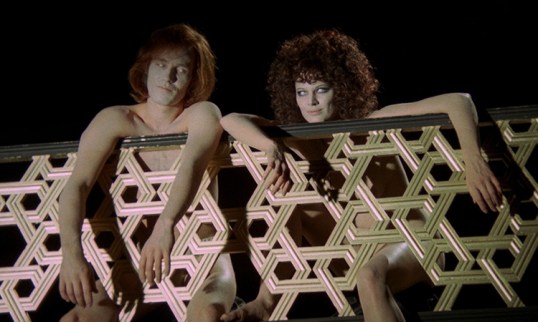
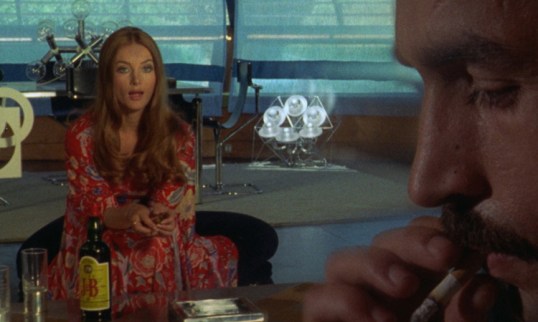
A Lizard In A Woman’s Skin (1971, dir by Lucio Fulci, DP: Luigi Kuveiller)
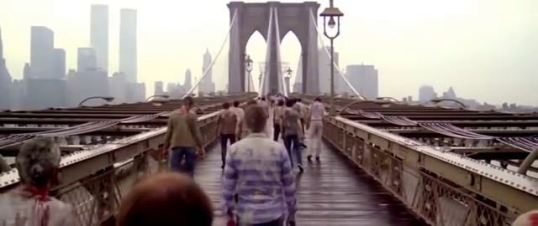
Zombi 2 (1979, dir. Lucio Fulci, DP: Sergio Salvati)
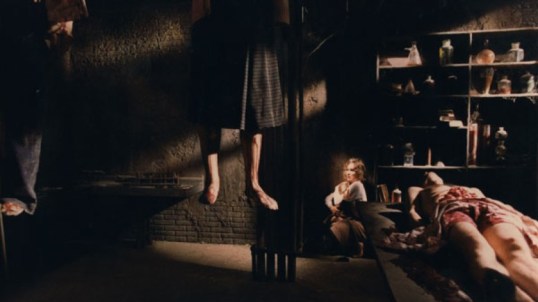
The Beyond (1981, dir by Lucio Fulci, DP: Sergio Salvati)
The House By The Cemetery (1981, dir by Lucio Fulci, DP: Sergio Salvati)
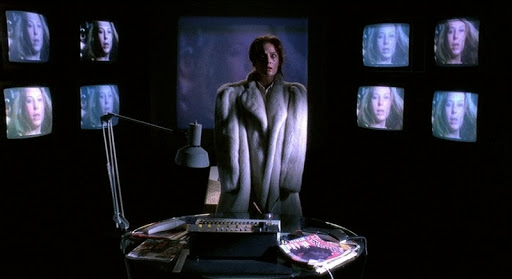
The New York Ripper (1982, dir by Lucio Fulci, DP: Luigi Kuveiller )
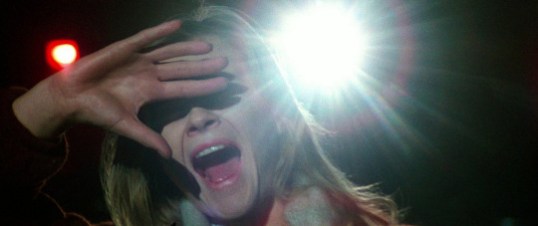
Murder Rock (1984, dir by Lucio Fulci, DP: Guiseppe Pinori)
Today, we celebrate what would have been the 93rd birthday of the rugged American actor Christopher George.
George may have gotten his start in westerns and war movies but he is best remembered for a series of horror films in which he appeared in the late 70s and early 80s. One of the best of those was Lucio Fulci’s 1980 classic, City of the Living Dead.
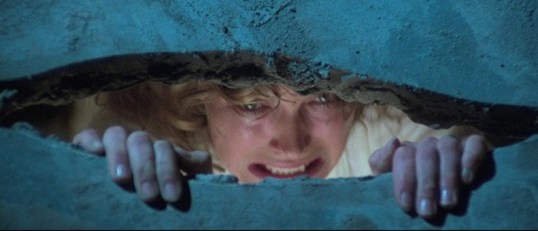
In today’s scene that I love, Christopher George plays a reporter who realizes that psychic Catriona MacColl has been buried alive. He digs her up. Of course, this is a Fulci film, so things nearly go terribly wrong.
6 Shots From 6 Films is just what it says it is, 6 shots from 6 of our favorite films. As opposed to the reviews and recaps that we usually post, 6 Shots From 6 Films is all about letting the visuals do the talking.
This October, I am going to be using our 6 Shots From 6 Films feature to pay tribute to some of my favorite horror directors, in alphabetical order! That’s right, we’re going from Argento to Zombie in one month!
Today’s director? The master of Italian horror himself, Lucio Fulci!
6 Shots From 6 Lucio Fulci Films
Zombi 2 (1979, dir by Lucio Fulci, DP: Sergio Salvati)
City of the Living Dead (1980, dir by Lucio Fulci, DP: Sergio Salvati)
The Beyond (1981, dir by Lucio Fulci, DP: Sergio Salvati)
The House By The Cemetery (1981, dir by Lucio Fulci, DP: Sergio Salvati)
The Black Cat (1981, dir by Lucio Fulci, DP: Sergio Salvati)
Manhattan Baby (1982, dir by Lucio Fulci, DP: Guglielmo Mancori)
4 (or more) Shots From 4 (or more) Films is just what it says it is, 4 (or more) shots from 4 (or more) of our favorite films. As opposed to the reviews and recaps that we usually post, 4 (or more) Shots From 4 (or more) Films lets the visuals do the talking.
96 years ago today, Lucio Fulci — the maestro of Italian genre filmmaking — was born in Rome. Fulci would go on to direct some of the most visually stunning (and, occasionally, most narratively incoherent) films ever made. Fulci worked in all genres but he’ll probably always be best remembered for launching the Italian zombie boom with Zombi2. His subsequent Beyond trilogy continues to fascinate and delight lovers of both horror and grindhouse filmmaking.
Lucio Fulci, needless to say, is a pretty popular figure here at the TSL. In honor of the date of his birth, it’s time for….
6 Shots From 6 Lucio Fulci Films
Lizard in a Woman’s Skin (1971, dir by Lucio Fulci, DP: Luigi Kuveiller )
Don’t Torture A Duckling (1972, dir by Lucio Fulci, DP: Sergio D’Offizi)
Zombi 2 (1979, dir. Lucio Fulci, DP: Sergio Salvati)
The Beyond (1981, dir by Lucio Fulci, DP: Sergio Salvati)
The House by The Cemetery (1981, dir by Lucio Fulci, DP: Sergio Salvati)
Murder Rock (1984, dir by Lucio Fulci, DP: Guiseppe Pinori)
It’s Sunday and it’s October and that means that it’s time for another edition of Lisa Marie’s Favorite Grindhouse trailers! For today, we have six trailers from the early 80s! These where the years when the only thing bigger than the Italian zombie boom was the American slasher boom. And we’ve got the trailers to prove it!
1. Friday the 13th (1980)
Needless to say, if you’re going to talk about American horror in the early 80s, you have to start with Friday the 13th. Interestingly enough, the first Friday the 13th was less a traditional slasher film and more an American take on the giallo genre.
2. Halloween II (1981)
The 80s were also the year that Hollywood learned to love the sequel. As a result, Michael Myers returned and so did Dr. Loomis. The current franchise claims that all of this never happened but we all know better.
3. The Beyond (1981)
While the Americans were dealing with slashers, the Italians were committing themselves to the zombies. Though Lucio Fulci’s The Beyond was not widely appreciated when first released, it’s reputation has grown over the years.
4. The House By The Cemetery (1981)
Eventually, Fulci combined both zombies and slashers with The House By The Cemetery.
5. Poltergeist (1982)
Of course, not every horror film that came out in the early 80s was about a slasher or a zombie. Poltergeist was a haunted house story. Though the trailer says “Steven Spielberg production,” the film was directed by Tobe Hooper.
6. Halloween III: Season of the Witch (1982)
Even the Halloween franchise tried to do something new with the third film in the series. Like The Beyond, this is a film that was underappreciated when released but which has since become a horror classic.
4 Or More Shots From 4 Or More Films is just what it says it is, 4 shots from 4 of our favorite films. As opposed to the reviews and recaps that we usually post, 4 Shots From 4 Films lets the visuals do the talking!
This October, I’m going to be doing something a little bit different with my contribution to 4 (or more) Shots From 4 (or more) Films. I’m going to be taking a little chronological tour of the history of horror cinema, moving from decade to decade.
Today, we take a look at 1981, 1982, and 1983!
10 Shots From 10 Horror Films: 1981 — 1983
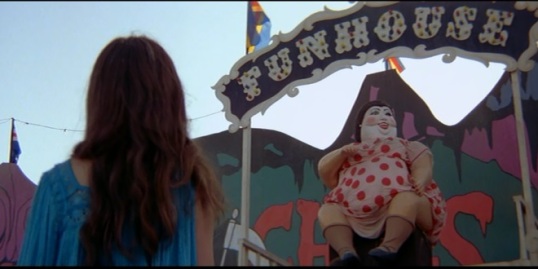
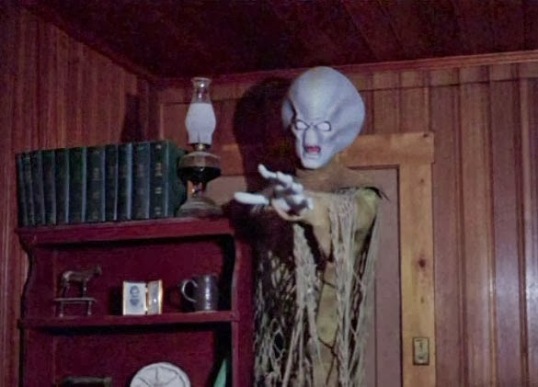
The Funhouse (1981, dir by Tobe Hooper. DP: Andrew Laszlo)
The Beyond (1981, dir by Lucio Fulci, DP: Sergio Salvati)
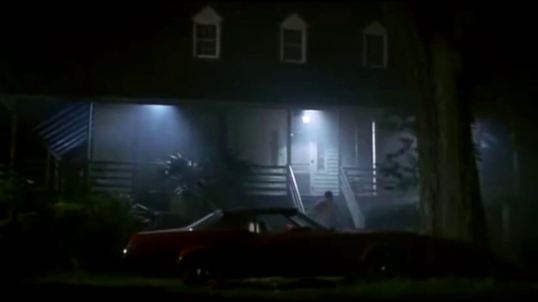
The House By The Cemetery (1981, dir by Lucio Fulci, DP: Sergio Salvati)
The Evil Dead (1981, dir by Sam Raimi, DP: Tim Philo)
Creepshow (1982, dir by George Romero, written by Stephen King, DP: Michael Gornick)
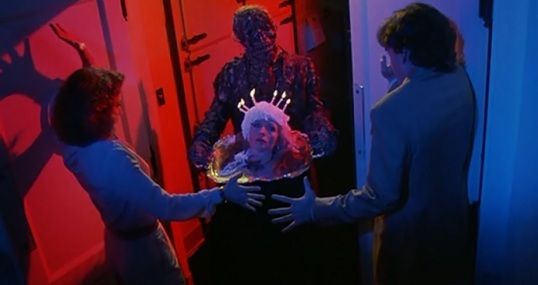
Tenebrae (1982, dir by Dario Argento, DP: Luciano Tovoli)
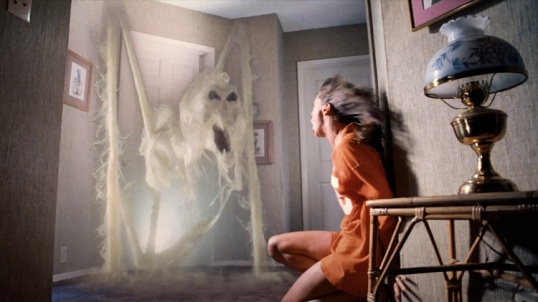
Poltergeist (1982, dir by Tobe Hooper, DP: Matthew F. Leonetti)
The Dead Zone (1983, dir by David Cronenberg, DP: Mark Irwin)
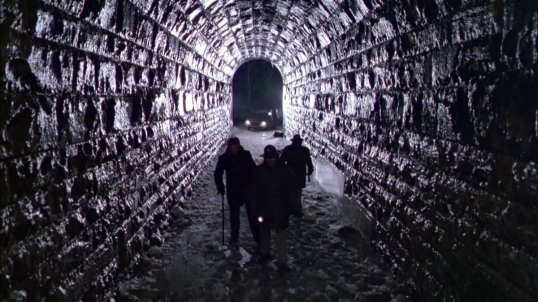
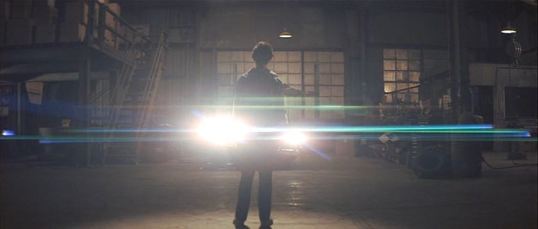
Christine (1983, dir. John Carpenter, DP: Donald M. Morgan)
Halloween III: Season of the Witch (dir by Tommy Lee Wallace, DP: Dean Cundey)
4 Or More Shots From 4 Or More Films is just what it says it is, 4 shots from 4 of our favorite films. As opposed to the reviews and recaps that we usually post, 4 Shots From 4 Films lets the visuals do the talking!
This October, I’m going to be doing something a little bit different with my contribution to 4 (or more) Shots From 4 (or more) Films. I’m going to be taking a little chronological tour of the history of horror cinema, moving from decade to decade.
Today, we take a look at a very important year: 1980
8 Shots From 8 Horror Films: 1980
Inferno (1980, dir by Dario Argento, DP: Romana Albano)
Without Warning (1980, dir by Greydon Clark, DP: Dean Cundey)
Friday the 13th (1980, dir by Sean S. Cunningham, DP: Barry Abrams)
Maniac (1980, dir. William Lusting, DP: Robert Lindsay)
City of the Living Dead (1980, dir by Lucio Fulci, DP: Sergio Salvati)
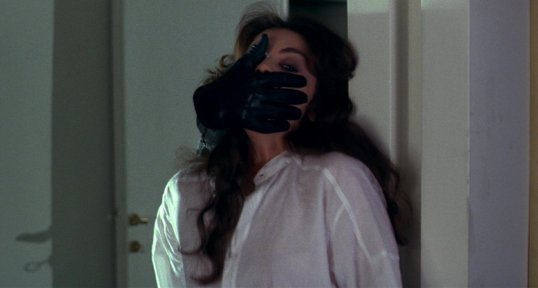
Dressed To Kill (1980, dir by Brian De Palma, DP: Ralf D. Bode)
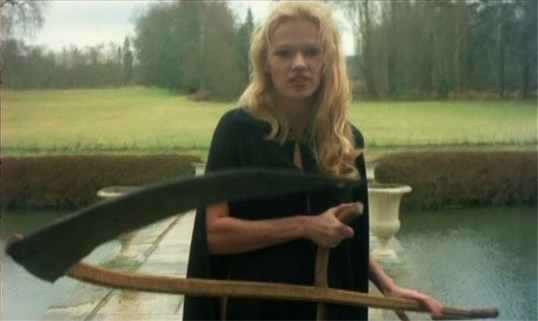
Night of the Hunted (1980, dir by Jean Rollin)
The Shining (1980, directed by Stanley Kubrick, DP: John Alcott)
In this scene from 1979’s Zombi 2, a group of humans try to destroy the zombies that are invading a small hospital on an isolated island. Director Lucio Fulci later pointed out, in many interviews, that he used the same clips of Al Cliver throwing a Molotov cocktail and firing a shotgun multiple times in the scene.
Two things to note about this scene:
First off, it captures what is truly scary about zombies. They are relentless. They do not stop coming. No matter how many you destroy, there’s always another one following behind it.
Secondly, Italian zombies actually looked like decaying walking corpses that are on the verge of falling apart. That was one huge difference between the Italian zombie films and many of the ones that were made in America.
4 Or More Shots From 4 Or More Films is just what it says it is, 4 shots from 4 of our favorite films. As opposed to the reviews and recaps that we usually post, 4 Shots From 4 Films lets the visuals do the talking!
This October, I’m going to be doing something a little bit different with my contribution to 4 (or more) Shots From 4 (or more) Films. I’m going to be taking a little chronological tour of the history of horror cinema, moving from decade to decade.
Today, we take a look at a very important year: 1979.
6 Shots From 6 Horror Films: 1979
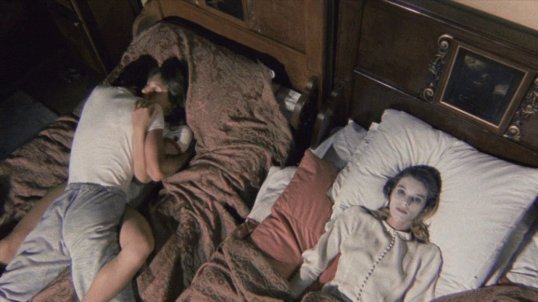
Fascination (1979, dir by Jean Rollin)
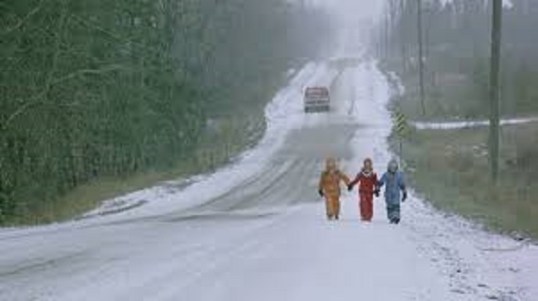
The Brood (1979, dir by David Cronenberg, DP: Mark Irwin)
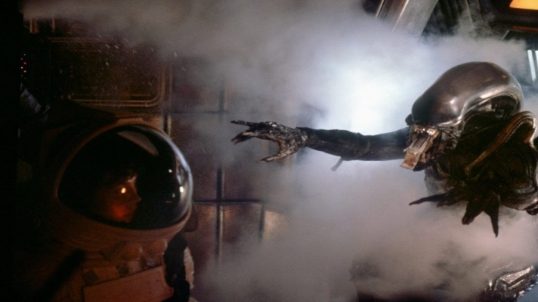
Alien (1979, dir by Ridley Scott, DP: Derek Vanlint)
Beyond the Darkness (1979, dir by Joe D’Amato, DP: Joe D’Amato)
Nosferatu The Vampyre (1979, dir by Werner Herzog, DP: Jörg Schmidt-Reitwein)
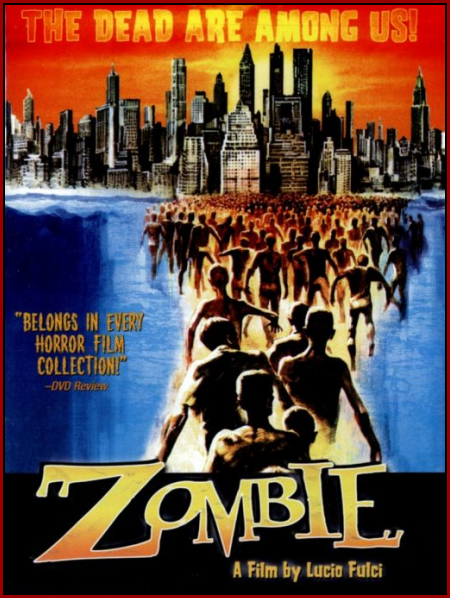
Zombi 2 (1979, dir. Lucio Fulci, DP: Sergio Salvati)















 Through the Shattered Lens