That may seem like an obvious statement but I think it’s important to sometimes reiterate these things. That’s especially true with someone like Richard Ramirez. Ramirez murdered at least 15 people in California in 1984 and 1985 and, to this day, no one is sure why. The press gave Ramirez a cool nickname, christening him “The Night Stalker.” When he was captured, the press covered his claims of being a Satanist. Because he was a dark-haired bad boy with intense eyes, a large number of true crime groupies attended his trial and later claimed to be in love with him. (That will always be strange to me as Ramirez was also described as having rotten teeth and rancid breath. That would be a definite turn-off for me. Well, that and all of the raping and murdering.) Even when he was sent to Death Row, Ramirez’s admirers continued to send him money and gifts in the mail. For a select group of people, he was an icon.
That’s why I think it’s important to make a few things clear about Richard Ramirez.
He was a drug addict who reportedly struggled with impotence.
He was barely literate.
He specifically targeted women and the elderly because he knew he could overpower them.
He was captured because he was too much of a dumbass to realize that his picture was in every newspaper. He ended up getting his ass kicked by several angry citizens and he probably would have been killed by them if the police hadn’t shown up.
He was a Satanist, which is one of most boring things that you can be.
He said “See you in Disneyland,” after he was sentenced to death. He could have just gone to Disneyland on his own without killing people beforehand.
He had terrible personal hygiene. The long dark hair? There’s no way it wasn’t full of lice.
When he died, no one claimed his body so the prison just set him on fire and today, they probably use his ashes to help soak up spills.
In short, the dude was a loser and certainly not worthy of being played by Lou Diamond Phillips.
1989’s Manhunt: The Search For The Night Stalker deals with the search for the Night Stalker while not making the mistake of glamorizing him. We see Ramirez’s crimes but the film doesn’t waste much time trying to figure out what makes Ramirez tick. Instead, Ramirez remains a shadow of evil, descending on Los Angeles and reminding us all the lock our doors. The emphasis is instead on the two detectives (Richard Jordan and A Martinez) who are investigating the crimes and the journalists who often sensationalized the murders but who also played an important role in getting the uncaptured Ramirez’s face in front of everyone in California. The film itself delves into all of the true crime made-for-TV movie cliches but Jordan and Martinez both give good performances, the film does a good job of capturing the paranoia of a city under siege, and, most importantly, the film reminds us that Richard Ramirez was, above all else, a total and complete loser.
This October, I’m going to be doing something a little bit different with my contribution to 4 Shots From 4 Films. I’m going to be taking a little chronological tour of the history of horror cinema, moving from decade to decade.
Today, we start the 1960s!
4 Shots From 4 Horror Films
Psycho (1960, dir by Alfred Hitchcock)
The Pit and the Pendulum (1961, dir by Roger Corman)
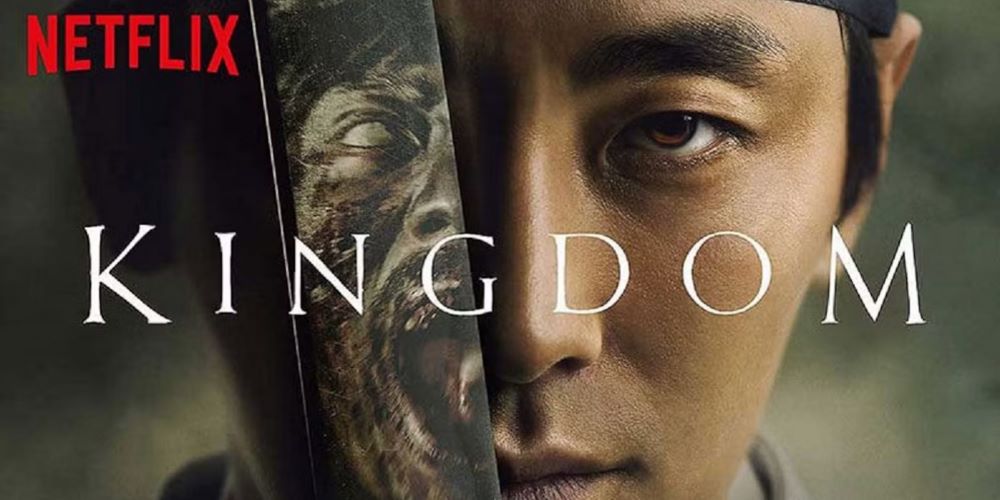
“In a world haunted by both the living and the dead, the true monsters are those who often wear the crown.”
Kingdom debuted on Netflix on January 25, 2019, riding the crest of the global Hallyu wave and building on the international success of Korean horror. The series followed a rich tradition of critically acclaimed films such as Train to Busan, The Host, A Tale of Two Sisters, and notably The Wailing. These works helped elevate South Korean horror on the world stage, blending supernatural terror with intense social and psychological themes that primed Kingdom for widespread interest.
The series was adapted by playwright and writer Kim Eun-hee from her own webtoon The Kingdom of the Gods, which she created alongside artist Yang Kyung-il. This blend of popular Korean cultural imports—webtoons and horror cinema—provided a strong narrative base for the live-action adaptation. Kingdom distinguished itself by marrying the zombie genre with historical drama, setting its epidemic in the Joseon dynasty—a period marked by frequent mass deaths and epidemics. This historical backdrop provided a plausible narrative foundation for a catastrophic outbreak, grounding the series’ supernatural horror in the real dread of past pandemics and social collapse.
The Joseon era was repeatedly struck by deadly outbreaks and famines that devastated communities and challenged social structures. While Kingdom doesn’t focus on specific historical records, the knowledge of these recurring calamities creates a realistic and haunting context that informs the series’ tension—the desperation of starving peasants, societal breakdown, and the government’s inability to maintain order under extreme crisis. This setting allows the zombie outbreak to function not just as a horror element but as a powerful allegory for historical suffering and institutional decay.
Kingdom centers on Crown Prince Lee Chang, who is thrust into a deadly fight against both undead hordes and court conspiracies after the king’s mysterious illness and death are covered up by Queen Consort Cho and her father. Their selfish decision to conceal the truth and use a resurrection plant to keep the king “alive” initiates the plague, demonstrating how corruption and obsession with power directly contribute to the kingdom’s fall. The series effectively exposes the deadly consequences of political deceit and unequal society—while nobles hoard resources and betray their subjects, peasants are left starving and vulnerable. Rival political factions further sabotage any chance of a unified response, showing that human ambition is as perilous as the zombie outbreak itself.
What sets the zombies in Kingdom apart from many earlier depictions is their unique behavior and characteristics, which elevate the horror and intensify the series’ kinetic action scenes. These zombies move swiftly and aggressively, unlike the sluggish, shambling undead common in Western lore. Their speed allows them to attack with terrifying suddenness, creating relentless tension and forcing characters into frantic, dynamic escapes and battles. Additionally, the zombies in Kingdom only awaken at night and seem to revert to dormancy during daylight hours, a nocturnal cycle which adds an eerie rhythm and strategically heightens suspense.
Moreover, the infection’s origin tied to a resurrection plant introduces a quasi-vampiric element, blending horror genres and expanding the mythos beyond traditional zombie tropes. This variation not only refreshes the genre but intensifies stakes for the characters, who must navigate a world where death is no longer certain and danger lurks in shadows. The fast-moving zombies enable spectacularly choreographed action sequences, elevating visceral thrills and maintaining an adrenaline-fueled momentum distinct from more lethargic zombie narratives.
The success of Train to Busan played a crucial role in reinvigorating the zombie genre, both in South Korea and internationally, and this revitalization was a significant advantage that the creators of Kingdom skillfully leveraged. Train to Busan injected new energy into zombie cinema with its frenetic, visceral depiction of zombies—fast, aggressive, and highly reactive—breaking away from the sluggish, shambling archetypes prevalent in older Western iterations. Its influence is evident in how Kingdom’s zombies behave; they move swiftly, attack relentlessly, and operate on a nocturnal cycle, which heightens the horror and intensifies the kinetic action sequences. These zombies are not mere mindless monsters but active participants in the chaos, embodying a new standard of terrifying, kinetic undead.
Furthermore, Train to Busan‘s impact extended beyond mere behavior. It was also a culturally resonant piece that connected deeply with Korean audiences by reflecting recent national trauma—most notably the Sewol Ferry disaster—and embedding social critique within a genre framework. This powerful contextualization allowed the film to function as more than entertainment; it became a symbol of societal failure and resilience. The film’s success created a template for how Korean cinema could adapt and localize the zombie mythos, blending horror with social commentary in a way that was both emotionally impactful and commercially successful globally.
Kingdom’s creators astutely drew on this momentum, adopting the highly kinetic, fast-moving zombie model popularized by Train to Busan, but adding their own spin through the behavior and cycle of their undead. These zombies only rise at night, stay dormant during the day, and exhibit contorted, unpredictable movements—something Yeon Sang-ho himself infused into his zombies through choreographed dance routines, emphasizing their frenetic and unnatural agility. Such innovations keep the horror fresh, heighten the visceral excitement of action scenes, and differentiate Kingdom from earlier zombie fare, making its undead both terrifying and uniquely emblematic of Korean horror’s modern renaissance.
This evolution of zombie behavior—fueled by Train to Busan’s successful reinvention—enabled Kingdom to stand out in an increasingly saturated genre. It seized upon the momentum of recent Korean horror cinema, using the distinct movement and cycle of its undead to heighten suspense and deliver a new level of kinetic energy. Through this approach, the series not only paid homage to the genre’s Western roots but also created a uniquely Korean expression of zombie horror that captured global attention, cementing Korea’s place at the forefront of contemporary zombie filmmaking.
Despite its many strengths, Kingdom is not without imperfections. The first season, which premiered on January 25, 2019, unfolds unevenly, at times slowed by a deliberate pacing that prioritizes intricate political set-up and exposition over constant action. This emphasis on explanatory dialogue—essential for unfamiliar viewers of Joseon society and its complex political dynamics—sometimes weighs down character development. Characters often act as instruments for delivering background information rather than revealing themselves naturally through interaction, which can lessen emotional engagement early on. Key information about the outbreak’s origins, political rivalries, and the resurrection plant’s properties is frequently conveyed through heavy-handed dialogue rather than action or subtlety, limiting moments of tension and organic story progression.
The second season, released on March 13, 2020, builds on the first by balancing its horror and dramatics more effectively. Stunning cinematography, immersive production design, and committed performances—from Ju Ji-hoon’s strong portrayal of Lee Chang to Bae Doona’s soulful Seo-bi—deepen the emotional core. More nuanced character work and escalating stakes make the political machinations and zombie horror increasingly compelling. The zombies themselves, with their terrifying speed and mysterious biology, deliver some of the most memorable and intense action scenes in contemporary zombie media.
Adding to the lore and depth of the series is Kingdom: Ashin of the North, a special feature-length episode released on July 23, 2021. This episode acts as a prequel and sidequel to the first two seasons, exploring the backstory of the mysterious character Ashin, played by Jun Ji-hyun. It reveals the origins of the resurrection plant and how it ties into the events that drive the main narrative forward. This special enriches the overarching storyline by providing critical context for the outbreak and weaving a deeper understanding of the motivations behind some of the series’ most enigmatic characters, strengthening the ties within the Kingdom saga as a whole.
Kingdom is a series that skillfully blends the intensity of period drama with the thrills of zombie horror. It offers complex political intrigue, rich historical atmosphere, and pulse-pounding suspense wrapped in strong performances and impressive production values. As such, it comes highly recommended for viewers who enjoy either genre—or both—providing a fresh and compelling experience that stands out within contemporary television drama and horror.
First released in 1959 and starring the great Vincent Price, the original House on Haunted Hill is a bit of a Halloween tradition here at the Shattered Lens.
The House on Haunted Hill features Price as a millionaire who invites five people to a party that he and his wife are throwing in a supposedly haunted house. Price explains that anyone who can actually make it through the entire night will receive $10,000. (That’s the equivalent of a $110,000 today.) Is the house truly haunted? The groundskeeper (Elisha Cook, Jr.) certainly seems to think so!
This is a classic haunted house movie, featuring Price at his best and a number of genuinely fun twists. Even if you’ve seen it a hundred times, you need to watch it again. Here is …. THE HOUSE ON HAUNTED HILL!
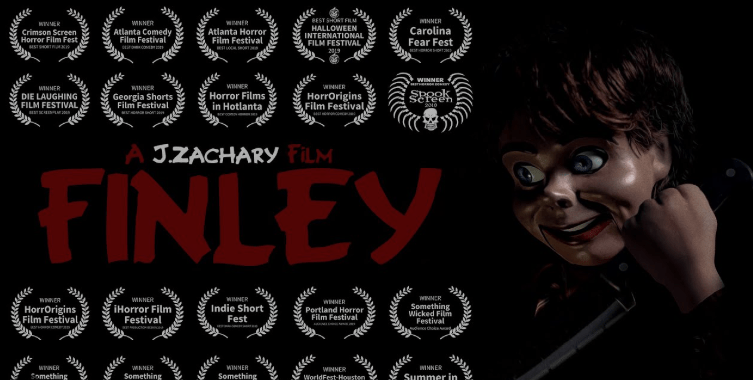
I can’t believe that Horrorthon is half over! I’m having A LOT of fun this year with it. “Finley” has been on my “To Review” list for a long time, but I was apprehensive because it was 25 minutes long, which made me wonder if it really was a short film? Is a failed feature? I think it could’ve been a feature length film…. maybe. The premise doesn’t fully lend itself to a feature length horror comedy. However, there could’ve been a pretty funny montage of Finley training….. I will explain.
Three friends Jennifer, Alexandra, and Chris rent or buy a house together in the exurbs. Chris and Jennifer are a typical post-college couple sort of grown up and Alexandra is the sensible brunette. They venture up to the attic and find a coffin with the eponymous Finley chained and gagged. At night, Finley begins stalking them, but he’s terrible at his job. Is Finley a psychopathic possessed doll? Yes. Does he have an affection for Chris’ tuxedo cat? Yes. Can Finley kill…he tries, but he sucks at it….repeatedly. He tries to electrocute Jennifer by throwing a toaster into her bath, but he forgets to plug it in. Finley tries and tries to kill, but only succeeds in annoying them to the point that they spray him with a water bottle like he’s a destructive house cat.
We enter a mini-third act with two would-be rapist home invader/cat killers breaking into their home and tying up Jennifer, Alexandra, and Chris. When the home invaders try to hurt the cat, Finley snaps and goes full – successful – psycho! Of course, Finley’s new found murder skill has mixed results for Jennifer, Alexandra, and Chris.
I highly recommend this short. However, this is bittersweet because as good as the short was, the cast, writer, and director did not take off in a huge way. It really bothers me when there are really talented people who don’t get the traction they deserved. I hope that they reunite and something big happens for all of them.
If pressed, I could certainly make the argument that it could be considered to be at least partially a horror film. It’s work of German Expressionism, a cinematic movement that was definitely an influence on the emerging horror genre. It features a mad scientist named Rotwang (Rudolph Klein-Rogge), who designs a robot that he hopes he can transform into his lost love, a woman who instead chose to be with the wealthy and powerful Joh Fredersen (Alfred Abel). The robot instead adopts the form of the saintly Maria (Brigitte Helm) and becomes a temptress who inspires a violent revolution in Fredersen’s city. At one point, when Fredersen’s son, Freder (Gustav Frohlich), falls ill, he has a hallucination of the machines under the city transforming into a demon the devours the workers. Later, statues of the Seven Deadly Sins come to life. The film ends with the message that “The Mediator Between the Head and the Hands Must Be the Heart,” which is exactly the type of empty slogan that repressive regimes have used to defend their own horrific abuses of power. It’s right up there with John Lennon’s Imagine as far as horrifying ideological statements are concerned. (The world will live as one as long as everyone imagines the exact same thing. Don’t ask what will happen to those who imagine something different than an empty world shaped by ideology.)
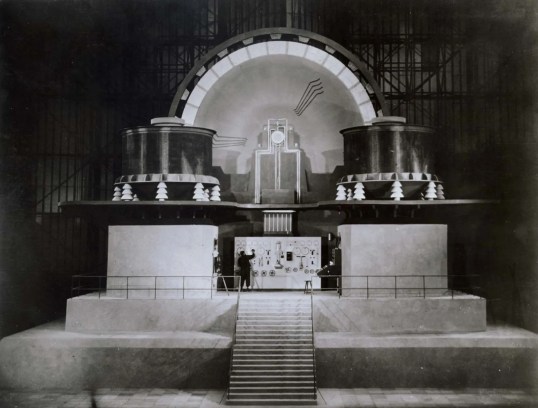
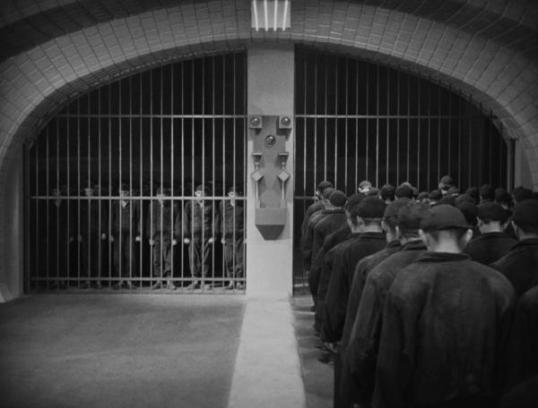
That said, Metropolis is, at best, a horror-adjacent film. As much as I want to hammer it into a straight horror film for the sake of October, Metropolis is better describe as being one of the first great science fiction films. Director Fritz Lang creates two visually stunning worlds, one on top of the other. Above ground, the city of Metropolis is all about towering skyscrapers, airplanes (at a time when they were still a novelty), high speed rail, and even the occasional zeppelin. It’s a sleek and beautiful city, where the inhabitants all seem to be rich and everyone is too busy enjoying the gardens and the clubs to truly pay much attention to what is happening beneath them. Underground is where one finds the machines that keep the city moving and also the anonymous workers who often risk their lives to keep those machines from breaking down. Underground, the city is dirty and dark and the workers go about their activities with the realization that things are never going to get better for them. Above ground, Metropolis is paradise but below it, the city is a hellscape.
Joh Fredersen is the man who created and controls Metropolis. His office is in the new Tower of Babel, a symbol of how there’s no communication between Fredersen and those who work underneath the city. He’s not an evil man, as much he’s just one who chooses to remain unaware about the conditions underground. When his son meets and falls in love with the peaceful activist Maria, Fredersen does not listen to either one of them but instead plots on how to discredit her. Fredersen’s old friend Rotwang has a robot but, what Frederson does not know, is that Rotwang has never forgiven Fredersen for marrying the woman that Rotwang loved. Rotwang creates his robot not to discredit Maria but to instead inspire the workers to destroy the machines and kill Fredersen’s son.
(Like so many other Marxist films, Metropolis ultimately doesn’t have much respect for the workers that it tries to uplift. They’re almost all portrayed as being easily led and incapable of thinking for themselves. At best, they’re noble savages. At worst, they’re drones.)
Even seen today, Metropolis remains a technical marvel. The underground scenes, with their emphasis on huge machines that seem to dwarf the men who work on them, are still visually powerful while the above ground scenes still make Metropolis itself look like the type of city where many of us would want to live. The scenes in which the robot is transformed into Maria is a silent spectacle of lights, science and madness. Beyond that, the acting holds up surprisingly well for a silent film. Alfred Abel plays Fredersen not as being a tyrant but instead as just a man who has been rich for so long that he’s no longer aware of how anyone else is living. Rudolf Klein-Rogge turns Rotwang into one of the great mad scientists. And Brigitte Helm leads the worker’s rebellion with a nearly feral intensity. Her dance scene is a classic, with every move meant to seduce the citizens of Metropolis into destroying their own city.
Metropolis remains a visual feast and, over the course of nearly 100 years, it’s inspired countless other science fiction and horror films. Every film that features a dystopian future city owes a debt to Metropolis. It may only be horror adjacent but it’s still worth seeing this October season.
First released in 1922, the original and silent Nosferatu remains a masterpiece.
The story …. well, we all know that story. Even if you’ve never seen any of three film versions of Nosferatu, you still know the story because it’s basically just Dracula with the names and the locations change. Dracula is now Count Orlok (Max Schreck), a mysterious nobleman with bat-like features and a fascination with blood. Jonathan Harker, the estate agent who traveled from England to Transylvania to visit with Dracula, is now Thomas Hutter (Gustav van Wangenheim), a real estate agent who travels from Germany to Transylvania to see Count Orlok. The mad, bug-eating Renfield is now the mad, bug-eating Knock (Alexander Granach). Mina Harker is now Ellen (Greta Schroder). Prof. Van Helsing is now Professor Bulwer (John Gottowt). Dracula came to England aboard the Demeter. Count Orlok comes to Germany about the Empusa.
There are a few differences, of course. Director F.W. Murnau may have used Dracula as his starting point but he brought his own ideas and sensibility to the project as well. In Nosferatu, Orlok received his vampiric powers from the demon Belial and he not only drinks blood but he also brings with him the threat of plague. The Empusa brings not just Orlok but also thousands of rats who spread disease in the German town of Wisburg. The town, which is so vibrant during the early parts of the film, soon becomes a dark and ominous place where the people blame Knock for every curse the Orlok has brought to them. If Dracula could be destroyed by a stake to the heart and stopped by a cross, Orlok can be stopped by a pure woman sacrificing herself and allowing him to drink her blood as the sun rises. Orlok, for all of his feral cleverness, cannot resist the twin temptation of blood and innocence. It leads to an ending that’s quite a bit different from the ending of Bram Stoker’s novel. In Werner Herzog’s 1979 remake of the film, the insinuation was that the town itself was not worth the sacrifice. F.W. Murnau is far less cynical.
Typically, it takes some effort to adjust to watching a silent movie. Everything from the frequently melodramatic title cards to the overly expressive acting can tend to make silent cinema seem more than a little campy. Nosferatu, however, requires less adjustment than most because it’s a film that it still being imitated to this day. The images of Orlok standing on the bridge of the ship or slowly entering Hutter’s room or leaning down over Ellen’s neck are so haunting and dream-like that it doesn’t matter that they are found in a silent film. Fear is the universal language and Murnau’s visuals still carry a lot of power.
Made at a time when the world was still recovering from the carnage of the First World War, Nosferatu perfectly captures the feeling of innocence and optimism being replaced by despair and paranoia. It’s been argued that Nosferatu reflected the fears and anxieties of post-war German society, with the vampire representing the fear of Germany being taken over by outside forces. There’s probably something to that. Tragically, those fears also led to the rise of Hitler so I’ll just say that the majority of the cast of Nosferatu fled Germany when Hitler came to power. John Gottowt, the film’s version of Van Helsing, was murdered by the SS. Director F.W. Murnau died in a car accident before Hitler came to power but, as a gay man, he would not have been welcome in Hitler’s Germany.
The film itself was a hit when it was first released in Germany. Unfortunately, calling the vampire Orlok instead of Dracula did not dissuade Bram Stoker’s widow from suing for copyright infringement. Mrs. Stoker won her case and all copies of Nosferatu were ordered destroyed. Fortunately, a few prints survived and Nosferatu continues to be regarded as one of the greatest horror films ever made.
2004’s Godzilla: Final Wars once again reboots the Godzilla franchise.
Godzilla: Final Wars opens with a narrator explaining that a series of environmental disasters have led to giant monsters attacking various cities over the course of the 20th Century. Perhaps the most fearsome of those monsters was a giant dinosaur named Godzilla that breathed radioactive fire. The same environmental disasters that created the monsters also gave rise to a group of mutant humans who had psychic powers. The mutants were recruited into Earth Defense Force to battle the monsters. Godzilla was finally imprisoned in the ice of Antarctica as the result of an attack led by a heroic American Douglas Gordon (Don Frye).
It may seem like Earth is in good hands but, after Gordon is suspended for damaging EDF property during a battle with a monster, the mummified remains of Gigan are found. This somehow leads to an appearance of those two annoying little girls who always follow Mothra around. A battle of good vs evil is coming, they explain. Everyone will have to choose a side. Okay, I choose the side of good. Hey, that was easy!
Soon, aliens arrive. Led by the fanatical Controller (Kazuki Kitamura), they cause all of the other monsters to attack every major city on Earth. Cue scenes of the Statue of Liberty in ruins, the Eiffel Tower getting destroyed, and the Sydney Opera House getting crushed. Almost every monster from every previous films shows up, even the American version of Godzilla! While the members of the EDF attempt to fight the aliens, the monsters appear to be unstoppable. Maybe Godzilla needs to be freed from Antarctica. Too bad the paper pushers at the EDF suspended Major Gordon….
Oh, how I love Godzilla: Final Wars. It’s over two-hours of nonstop action, nonstop monsters, and Kazuki Kitamura giving one of the most insanely over-the-top performances that I’ve ever seen. It’s a big, colorful celebration of the entire Godzilla franchise and it features cameos from every monster that matters. (It also features that lame son of Godzilla but nothing’s perfect.) Ghidorah makes an appearance towards the end. It’s not a Godzilla film without a final battle with Ghidorah.
Godzilla: Final Wars is terrifically entertaining. Surprisingly, it was also the last Godzilla film for ten years. When Godzilla returned, it would again be in an American film. In fact, it would be 12 years before there was another Japanese Godzilla film.
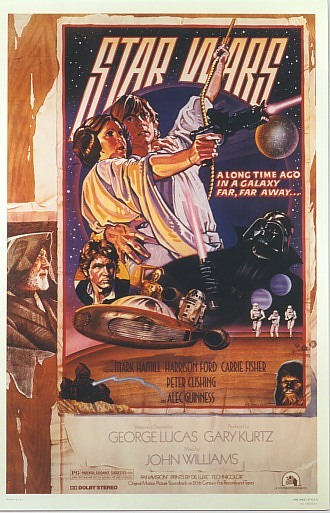
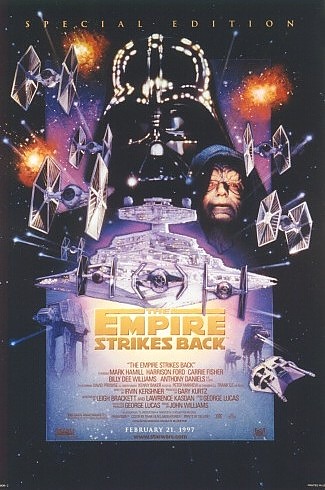
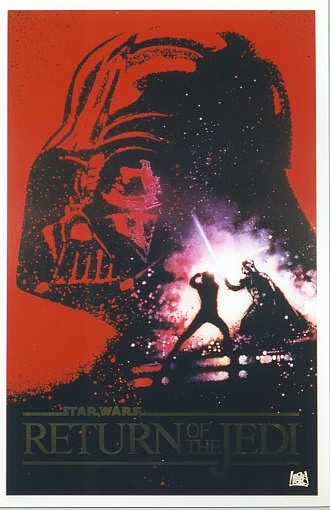
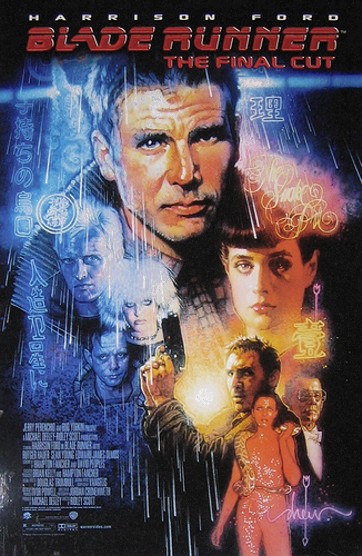
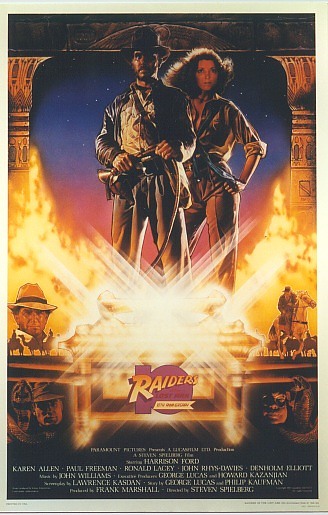
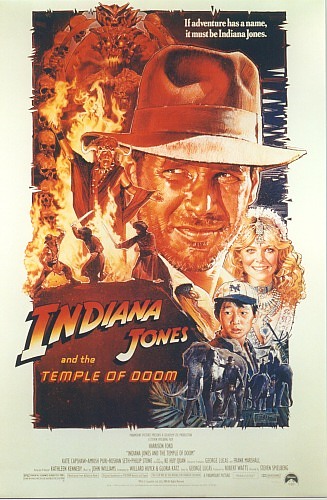
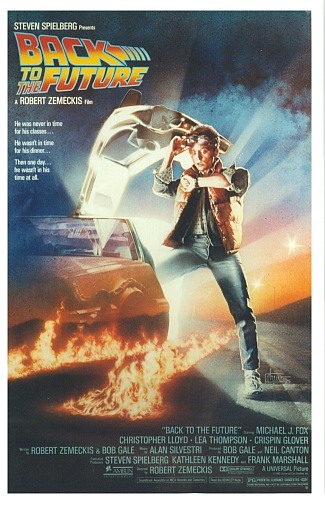
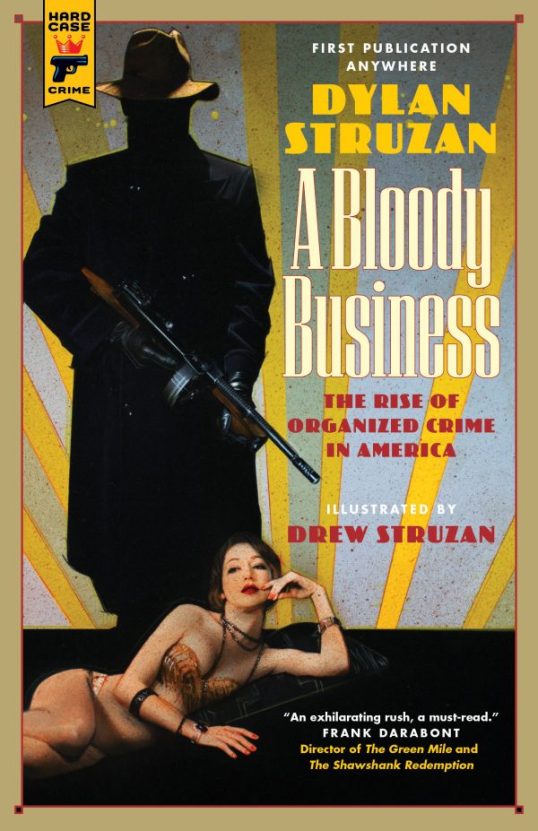
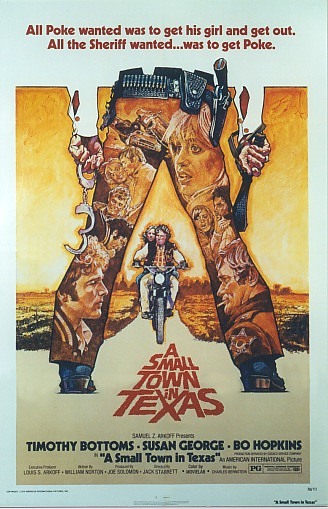
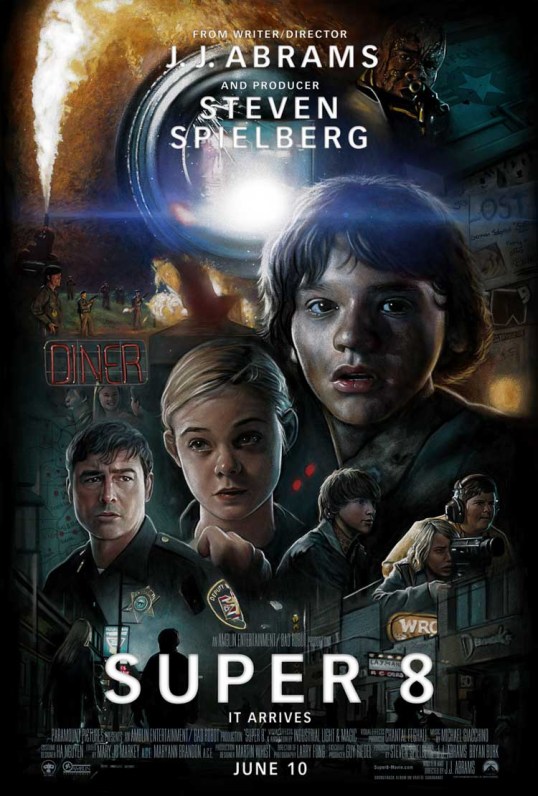
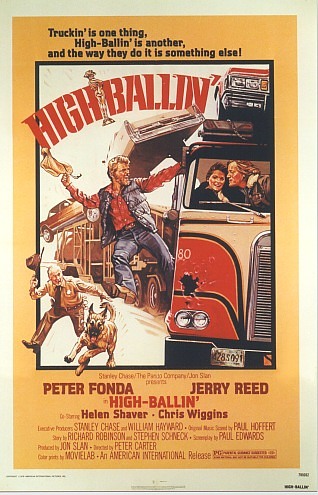
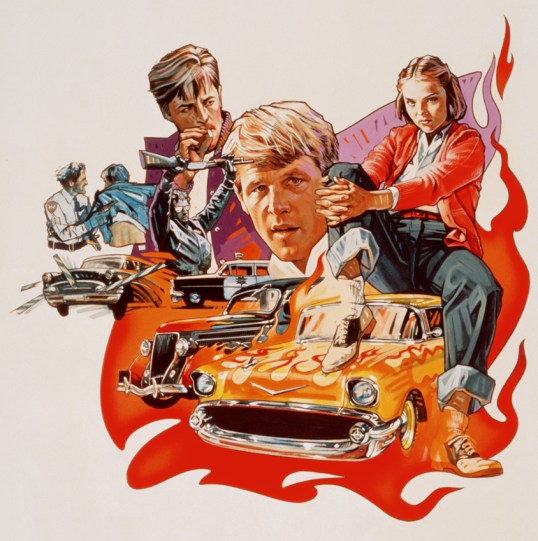
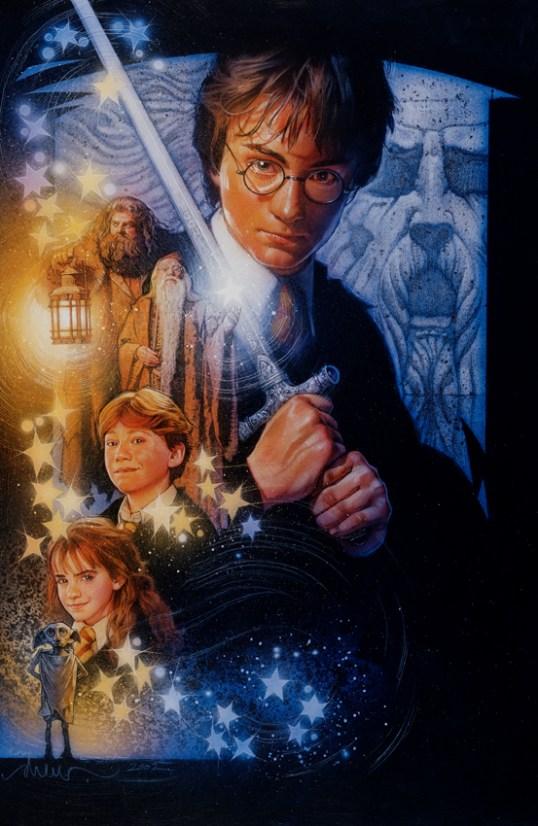
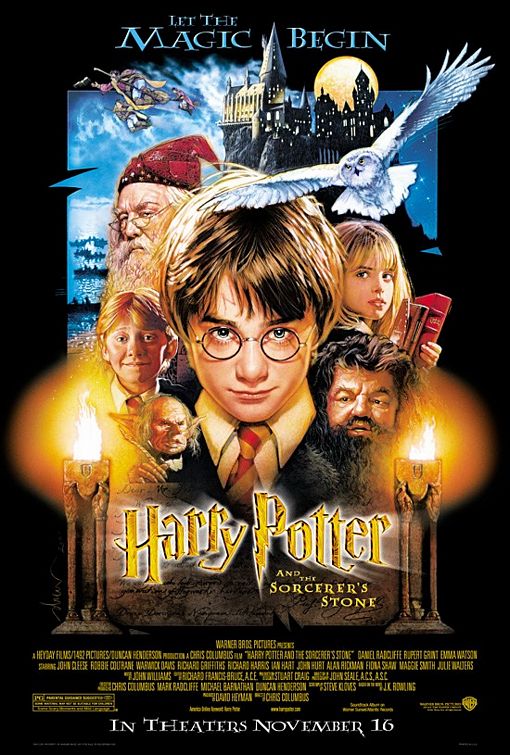
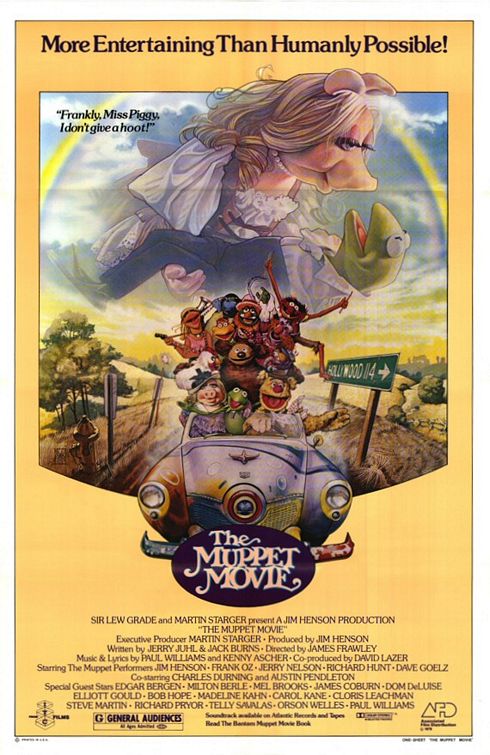
I woke up to the sad news that Drew Struzan, who created some of the most iconic movie posters of all time, had died. Here are just a few of the Struzan posters that have been featured on this site over the years.






 Through the Shattered Lens