One Piece: Into the Grand Line (Season 2, Episode 3 “Whiskey Business”) Review


“I still have a long way to go to get to his level. That’s what the journey’s all about.” — Roronoa Zoro

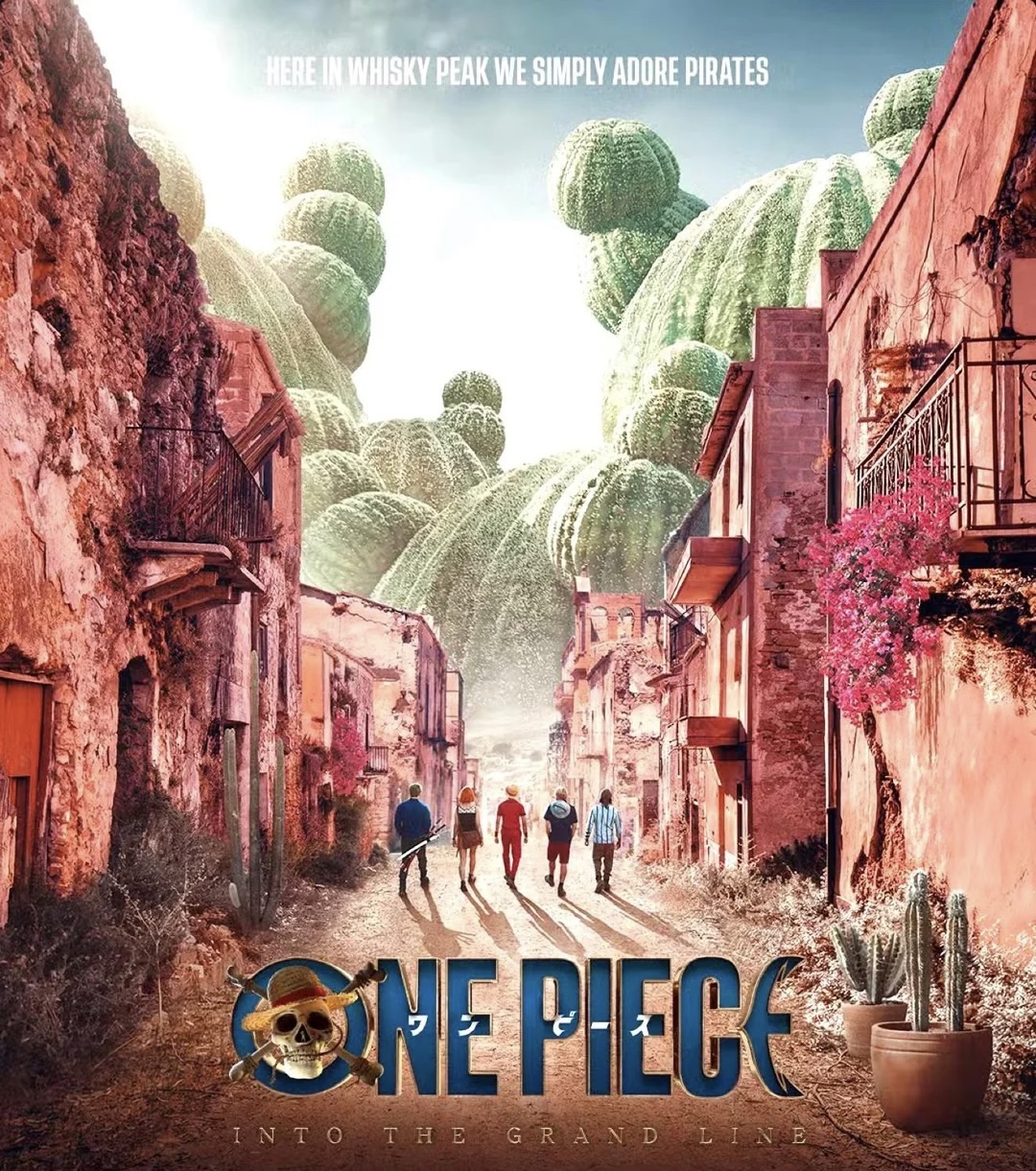
One Piece season 2 is building serious steam, and episode 3, Whiskey Business, delivers a thrilling payoff after the previous episode’s quieter, more tragic tone centered on fan-favorite Laboon’s bittersweet backstory. While that installment leaned into emotional depth with less chaos, this one explodes into the Grand Line’s wild unpredictability as the Straw Hats wash up on Cactus Island, stepping into the deceptive oasis of Whiskey Peak amid the region’s bizarre “cyclone of seasons”—sweltering heat one moment, flurries the next. Luffy’s unshakeable optimism shines as he greets quirky newcomers like Mr. 9 and Miss Wednesday, setting up the intrigue that defines this arc. It’s a smart move to blend character beats with rising tension early on, reminding viewers why this crew clicks so effortlessly.

The episode wastes no time establishing Whiskey Peak as a deceptive paradise, a cactus-riddled town on Cactus Island that lures in pirates with open arms and flowing booze. The locals throw an over-the-top welcome party for the Straw Hats, complete with cheers and toasts that feel genuine at first glance. Luffy, ever the glutton for fun, dives right in, scarfing down food while bonding with the quirky newcomers—Miss Wednesday’s poised charm and Mr. 9’s bumbling bravado add fresh dynamics to the mix. Usopp and Sanji get their moments to shine too, with Usopp spinning tall tales that endear him to the crowd and Sanji whipping up dishes that steal the show. These lighter scenes ground the episode, highlighting the crew’s camaraderie before the rug-pull hits.

Then comes the turn, and it’s handled with precision. Zoro, still haunted by his loss to Mihawk, picks up on the off vibes during a tavern scuffle, sniffing out the trap laid by Baroque Works agents masquerading as friendly townsfolk. What follows is the episode’s crown jewel: a brutal, multi-tiered brawl where Zoro faces off against a hundred foes in a stunning set piece. The stunt work is top-tier, choreographed to feel relentless yet stylish, with Zoro’s three-sword style cutting through waves of attackers like a whirlwind. It’s not just mindless action; flashes of his internal struggle—Mihawk visions fueling his drive—add emotional weight, making his dominance feel earned rather than flashy for flashy’s sake. The production design elevates it all, turning Whiskey Peak‘s ramshackle buildings into a vertical battlefield that pops on screen.

Nami’s sharp instincts pair perfectly with Zoro’s blade work, as she uncovers the agents’ hidden weapons and signals the crew to snap out of their stupor. Sanji and Usopp jump into the fray too, their fights more scrappy but no less entertaining—Sanji’s kicks land with precision, while Usopp’s slingshot tricks show his resourcefulness under pressure. Luffy, true to form, stays mostly out of the melee, prioritizing his gut feeling about Miss Wednesday and Mr. 9, which plants seeds for future alliances. This balanced distribution of heroics keeps the episode from relying solely on one star, though Zoro undeniably carries the combat load.

Baroque Works emerges as a credible threat here, their numbers and coordination hinting at a larger syndicate without overwhelming the runtime. Mr. 9’s failed leadership and Miss Wednesday’s hidden agenda tease deeper lore, while the mayor Igaram’s reveal as Mr. 8 adds a layer of betrayal that stings. The episode smartly foreshadows bigger players like Miss Valentine and the enigmatic Mr. 0, building tension for the season without spoiling the payoff. It’s a fair adaptation choice, condensing the Whiskey Peak arc to heighten pacing while preserving Eiichiro Oda’s themes of deception and loyalty.

Emotionally, Whiskey Business punches above its weight. The crew’s kindness amid the carnage—sparing lives where possible—reinforces their pirate ethos, contrasting Baroque Works’ ruthless efficiency. A poignant beat with Vivi (Miss Wednesday’s true identity subtly emerging) tugs at heartstrings, her conflict over duty and friendship feeling authentic in the actors’ hands. Iñaki Godoy’s Luffy remains a beacon of joy, his infectious laugh cutting through the violence, while Mackenyu’s Zoro conveys quiet intensity that hints at growth ahead. The supporting cast nails their roles too; the Baroque agents’ over-the-top designs and quirks make them memorable cannon fodder rather than bland goons.

Visually, the episode impresses across the board. Cactus Island’s stark landscapes, from sun-baked dunes to the town’s mechanical underbelly, blend CGI with on-location shots seamlessly. The Grand Line’s “cyclone of seasons”—sweltering heat flipping to blizzards—amps up the peril right after arrival, selling the world’s dangers. Fights incorporate practical stunts where possible, with wire work enhancing the spectacle without veering into uncanny valley territory. Sound design deserves a nod too; clashing steel and Zoro’s grunts mix with a swelling score that echoes the anime’s adventurous spirit.

That said, it’s not flawless. Pacing dips slightly in the party scenes, stretching what could be tighter to build suspicion—some viewers might fidget before the action erupts. A few Baroque agents blend together, diluting their individuality despite fun powers like Miss Valentine’s weight-shifting (briefly teased). Luffy’s hands-off approach, while canon-faithful, sidelines him a tad in this early season outing, though it smartly spotlights the crew’s expanding talents. For manga veterans, the arc’s brevity skips minor gags, but show-only fans won’t miss much, as the core thrills land intact.

As a key early episode in season 2, Whiskey Business delivers on escalation. Season 1 nailed East Blue’s small-scale wonders; this ramps up to Grand Line stakes with bigger fights, richer world-building, and hints of political intrigue via Baroque Works’ shadow over Arabasta. It balances fan service—like Zoro’s Onigiri stance—with accessibility, ensuring newcomers stay hooked. The emotional core, blending laughs, bonds, and brutality, cements One Piece‘s live-action staying power. By episode’s end, as the Going Merry sails off with new questions about Vivi’s quest, you’re left buzzing for more—not revolutionary TV, but damn fun pirate escapism that honors its roots while carving its path.

One Piece: Into the Grand Line Season 2 Episodes
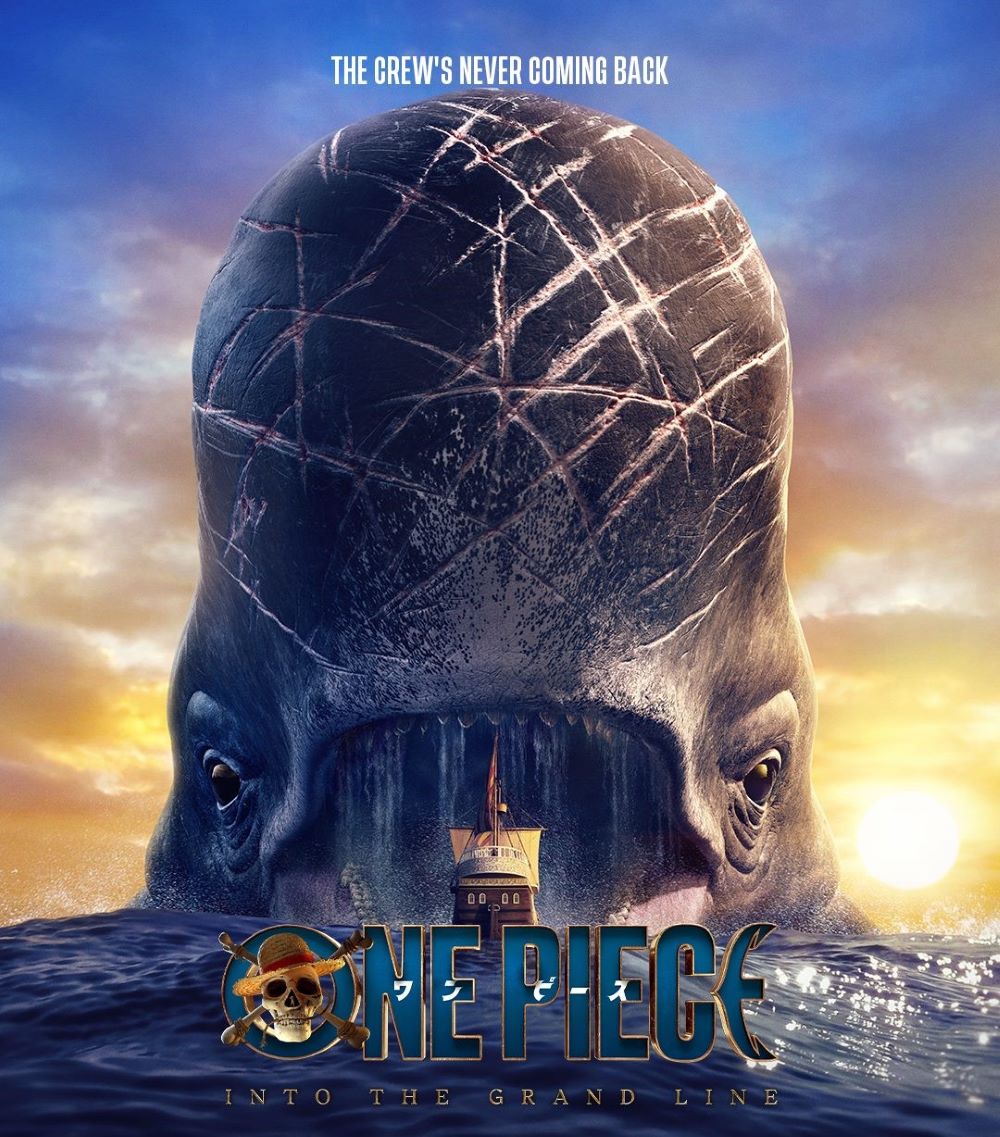
One Piece: Into the Grand Line (Season 2, Episode 2 “Good Whale Hunting”) Review


“That whale’s been waiting over 50 years for pirates who ain’t coming back.” — Crocus

One Piece’s second season doesn’t ease you back in so much as fire you out of a cannon straight into the Grand Line, and Good Whale Hunting is where it really clicks that this show still knows exactly what kind of emotional rollercoaster it wants to be. Coming right after a premiere that’s busy setting up new Marines, new wanted levels, and the general sense that the East Blue training wheels are off, episode 2 narrows its focus to a single iconic manga arc and treats it with a surprising amount of patience and sincerity.

The season 2 opener (“The Beginning of the End”) is basically the big hand‑off episode: a Loguetown victory lap, a check‑in with Smoker and Tashigi as the new Marine threats, and a reminder that the Straw Hats are now sailing with real eyes on them. It’s longer, busier, and a bit more sprawling, juggling the execution platform legacy of the Pirate King with Luffy’s usual chaotic optimism and a few early‑teased antagonists the anime took its time introducing. As a premiere, it gets the job done—stakes are sketched in, the world opens up—but it can feel like it’s compressing two finales and a soft reboot into one hour‑plus block. The upside is that when episode 2 hits, the show finally breathes.

Good Whale Hunting is the first time this season where you can feel the adaptation relax into a single, weird, very One Piece idea: Reverse Mountain as a death trap, and a lovesick kaiju whale with abandonment issues. The sequence of the Going Merry grinding and climbing up the Grand Line’s infamous entry ramp is shot like a disaster movie: broken steering, a ship that’s very clearly outmatched by the environment, and a bunch of pirates who suddenly remember they’re not exactly seaworthy professionals. It’s a smart way to underline that, for all their wins in season 1, this crew is still held together with duct tape, vibes, and a rubber captain willing to literally turn himself into a human steering system just to survive the climb.

Once they crest Reverse Mountain and slam straight into Laboon, the episode goes full fairy tale without losing the slightly grounded texture the live‑action has worked hard to build. Splitting the cast—most of the crew trapped inside the whale while Luffy ends up outside on Twin Capes with Crocus—is a clever structural move because it lets the show alternate tones: goofy bickering and bafflement inside, melancholy exposition and quiet character beats outside. Clive Russell as Crocus brings that ornery performance the character deserves, playing him like the Grand Line’s grumpy lighthouse keeper therapist, always one snark away from sending these kids back down the mountain but clearly invested in both Laboon and their survival.

Laboon’s tragedy could have easily tipped into pure melodrama, especially in live action, but the episode mostly earns its feelings. The idea of a whale repeatedly smashing itself against a continent because it refuses to accept a broken promise is inherently big, almost mythic, and the show doesn’t overcomplicate it: Crocus explains the Rumbar Pirates’ disappearance, the Straw Hats process it in their own ways, and Luffy responds not with a speechifying monologue but with a mix of stubbornness and childlike logic. You can feel the writers leaning into what makes Luffy special as a live‑action protagonist—he doesn’t intellectualize the pain, he reframes it through action and a promise that’s simultaneously ridiculous and deeply sincere.

The Jolly Roger moment, where Luffy paints the Straw Hat symbol on Laboon’s head to give the whale a new “contract,” is the kind of scene that tests whether this adaptation can handle the manga’s emotional core. On paper, it’s almost absurd: the solution to suicidal grief is “don’t smash your head anymore or you’ll scuff my cool skull flag, and also, we’re totally coming back to have more adventures.” In practice, the actors sell the hell out of it—Luffy playing the clown and the knight in the same beat, Laboon responding like a giant, wounded kid, and the rest of the crew hovering between “this is insane” and “this is exactly why we follow this guy.”

As a follow‑up to the premiere, Good Whale Hunting also works as a mission statement for how season 2 plans to adapt the early Grand Line arcs. The pace is still accelerated compared to the anime, but not to the point where big emotional tentpoles get flattened into drive‑by cameos; Laboon and Crocus feel like a self‑contained short story inside a larger journey, not just obligatory canon boxes being ticked. The episode also builds up the Baroque Works roster by introducing Miss Wednesday and Mr. 9, which moves that plot point forward without derailing the Laboon storyline. The addition of these Baroque Works characters is done seamlessly, folded into the chaos of the Grand Line in a way that feels organic rather than forced.

Visually, the episode continues the show’s streak of making inherently cartoonish imagery feel tactile without draining it of personality. Reverse Mountain’s chaotic water physics, the internal “whale interior” sets, and Laboon himself all sit in that slightly heightened zone where you never fully forget you’re watching a fantasy, but you also buy the weight and texture of what’s on screen. Season 2’s budget seems to be focused in the right places too: the Grand Line feels bigger and more dangerous, and the effects work on Laboon gives him enough expressiveness that you’re not just staring at a big grey blob while the humans emote around him.

Performance‑wise, the core cast continues to feel more settled in their roles than they sometimes did back in the earliest episodes of season 1. Iñaki Godoy’s Luffy benefits a lot from material like this; you can see how much more comfortable he is playing the captain as both earnest idiot and moral center when the script gives him contained, character‑driven scenarios instead of just bouncing from fight to fight. The supporting Straw Hats get smaller individual spotlight moments here—this isn’t a huge Zoro or Nami showcase hour—but their reactions to Crocus, Laboon, Miss Wednesday, Mr. 9, and the sheer insanity of the Grand Line add warmth and humor that keep the episode from sinking under its own sadness.

The main fair criticism of both the premiere and Good Whale Hunting is that, because the season has to blaze through multiple arcs in eight episodes, some of the build‑up can feel like it’s happening off to the side. Loguetown’s significance as a turning point in pirate history, Smoker’s introduction as a real force of nature, and the mounting Marine pressure on the Straw Hats are all present but slightly undercooked compared to how much emotional space the anime gave them. For viewers who live and breathe the source material, that compression will always sting a bit, even when individual episodes like this one land emotionally.

Still, as a package—season 2’s two‑episode opening stretch capped by Good Whale Hunting—this is a strong re‑entry into the world of One Piece. The premiere lays the geopolitical and Marine groundwork, while episode 2 reminds you that this series survives or dies on whether you care about a whale with a broken heart and a captain who thinks the answer is a paint job and a promise. If you were worried the jump to the Grand Line would sand down the series’ weirder, more sentimental edges, this episode is a pretty clear sign the live‑action is still willing to get strange, sincere, and just a little bit corny in exactly the right ways.

One Piece: Into the Grand Line Season 2 Episodes
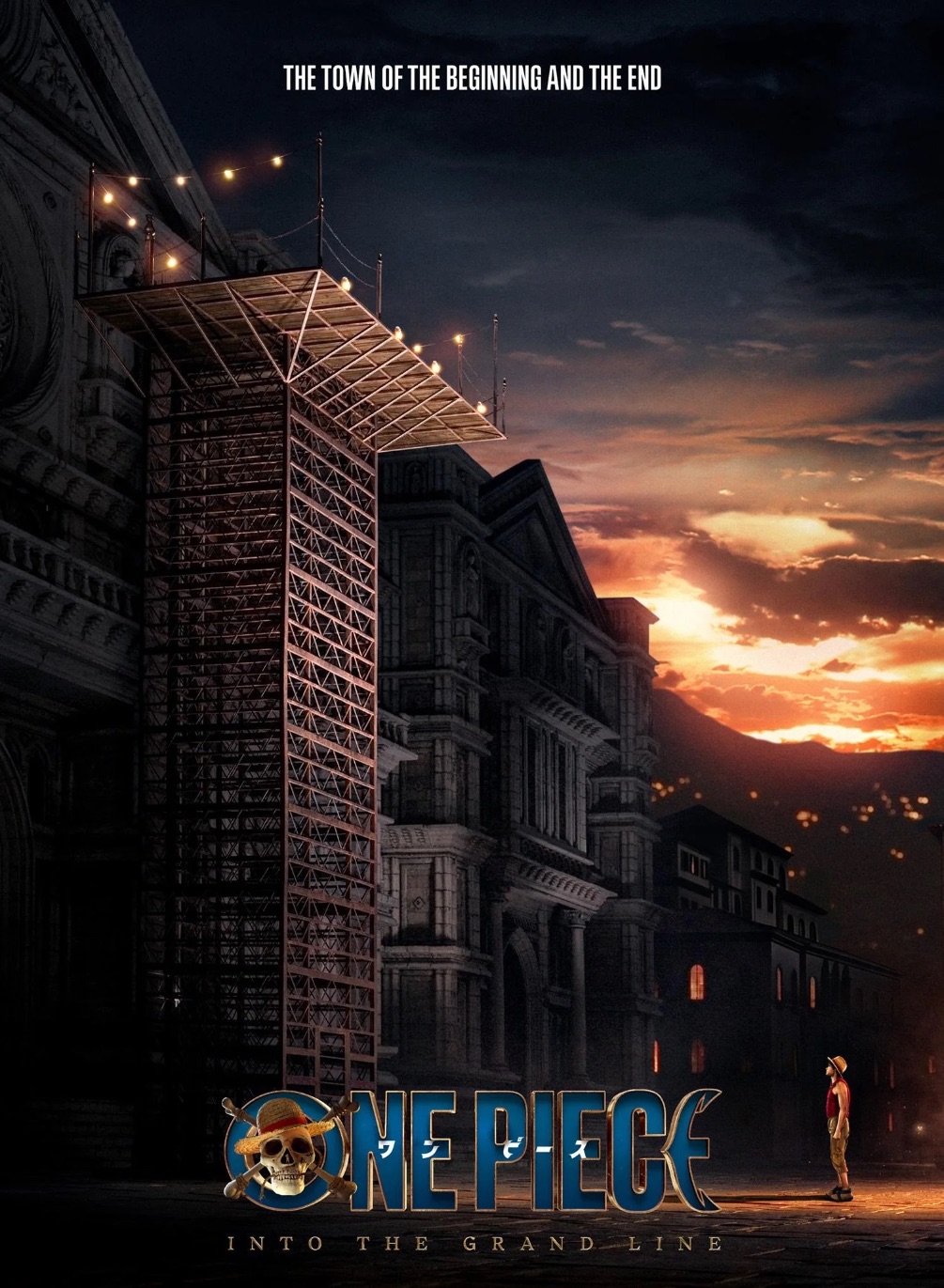
One Piece: Into the Grand Line (Season 2, Episode 1 “The Beginning and the End”) Review


“Don’t hold a father’s sins against his son. Blood doesn’t dictate destiny—everyone chooses their own path on this sea.” — Gol D. Roger

The Season 2 premiere of One Piece feels like a confident “we know what worked, and we’re doubling down” while also quietly admitting there’s still a long Grand Line of growing pains ahead. The episode is busy, sometimes overstuffed, but it’s rarely dull, and it mostly recaptures the scrappy charm that made Season 1 such an unexpected win for anime-to-live-action adaptations.

Season 2 picks up with the Straw Hats heading toward the Grand Line, and the show wastes no time reminding you how much the core ensemble carries this adaptation. Iñaki Godoy’s Luffy still feels like the glue: goofy, earnest, and occasionally dangerous in that “you can’t believe this idiot is a future legend” way that matches the spirit of the source without copying the anime’s louder extremes. Emily Rudd’s Nami and Mackenyu’s Zoro remain the show’s emotional and stoic anchors, respectively, and the premiere leans on their established dynamics rather than reinventing them. You feel like you’re hanging out with a crew that’s already lived together for a while, which is half the battle in making this world feel real.

The premiere’s biggest shift is structural. Season 2 is tasked with bridging Loguetown, Reverse Mountain, and the early Alabasta material, and you can feel the writers trying to thread a needle between faithfulness and streamlining. Instead of lingering on the smaller beats of each arc, the episode compresses them into a fast-moving chain of set pieces and character introductions. Loguetown becomes less a full-fledged arc and more a dense prologue to the Grand Line era, packed with Marines, pirate legends, and hints of the Revolutionaries. Depending on what you want from this adaptation, that’s either exciting or mildly frustrating.

On the positive side, the sense of scale is undeniably bigger. The Marines’ presence, especially with Smoker and Tashigi entering the mix, gives the premiere a sharper cat-and-mouse energy. Smoker arrives as a force of nature—less cartoonishly overpowered than in the manga, but still clearly the kind of threat that turns Luffy’s carefree adventuring into something riskier. The show smartly plays him as a guy who thinks he’s in a different, more serious story, which makes his clashes with the Straw Hats fun to watch. Tashigi, meanwhile, brings a softer, more idealistic edge that contrasts nicely with Zoro’s exhaustion with swordsmen who talk too much.

The premiere also continues the series’ habit of sliding in big-name players earlier than the manga did, and that’s where the episode gets more divisive. Nico Robin and Dragon show up as ominous presences in the larger world, giving you a clearer sense of the many factions circling this goofy rubber pirate. The upside is that it makes the One Piece universe feel interconnected sooner; casual viewers get a better roadmap of who matters long-term. The downside is that some of these appearances flirt with Marvel-style “universe building” more than organic storytelling. When every scene is either paying off an old setup or seeding three new ones, it can be tough to just sit in a moment and feel it.

Production-wise, Season 2’s extra time and budget show. The premiere gives Loguetown and the surrounding seas a lived-in, often cinematic atmosphere that outpaces Season 1’s more patchwork locations. Costumes continue to walk that tightrope between cosplay-accurate and functional; Smoker, in particular, looks like he walked straight out of a stylized military drama with just enough anime flair layered on top. The CGI still isn’t blockbuster-tier, but the show compensates with smart framing and selective use—powers and creatures are used to accent action, not dominate it, which keeps things from tipping into uncanny territory.

Action remains one of the adaptation’s better tools, even if it still doesn’t fully hit the insanity of Oda’s panels. The premiere emphasizes clarity over spectacle: you can actually follow where people are standing, how the fight geography works, and what the emotional stakes are. That’s a big improvement over a lot of modern genre TV. When Smoker crashes into the story or the Straw Hats get caught up in the chaos of Loguetown, the choreography sells impact even when the VFX can’t quite keep up with the wilder Devil Fruit abilities. You won’t mistake it for Hong Kong–tier action cinema, but it’s clean, readable, and character-driven, which matters more for this kind of swashbuckling adventure.

Where the episode stumbles most is pacing and tone. The premiere is under pressure to reintroduce the main cast, onboard new viewers, set up Loguetown, tease Reverse Mountain, and seed the Alabasta saga, all while dropping in cameos and lore nods for fans who know exactly where this is all heading. That leads to a few whiplash moments where the show jumps from lighthearted crew banter to life-or-death tension to ominous worldbuilding monologues in rapid succession. Season 1 sometimes had that problem too, but the stakes are higher now, and you can feel the strain.

Character-wise, the core Straw Hats come out of the premiere in good shape, but some of the supporting cast is still fighting for oxygen. Garp appears in a flashback, speaking to Gol D. Roger before he is sent to the gallows—a visit that teases the arrival of a future fan-favorite set for season 3. While it’s good to see that thread remain important, these cutaways occasionally feel like they belong to a spin-off series. That worked in Season 1 as a way to broaden the world; here, with even more plates spinning and new villains entering, it risks crowding an already packed episode. At the same time, those scenes help underline one of the show’s better instincts: it keeps asking what piracy and justice actually mean in a world this chaotic, rather than just treating the Marines as cartoon bad guys.

Thematically, the premiere starts nudging One Piece toward slightly heavier waters without losing its goofy heart. The looming Grand Line, the introduced Revolutionaries, and the presence of more morally gray Marines all hint at a story that will increasingly interrogate systems of power and inherited ideals. But the episode never forgets that this is, first and foremost, a story about a weird found family chasing impossible dreams. The crew’s conversations on the Going Merry, the small jokes, and the quiet beats where they process what lies ahead are what keep the whole thing grounded.

As a Season 2 premiere, this episode does its job: it reassures fans that the live-action experiment wasn’t a fluke, raises the narrative ceiling, and points the ship squarely at the Grand Line with confidence. It’s not flawless—worldbuilding occasionally overtakes character focus, the pacing can feel like a sprint, and not every early cameo lands as organically as it should. But if you liked Season 1’s mix of earnestness, scrappy visual ambition, and slightly awkward but heartfelt adaptation choices, this opener suggests you’re in for a bigger, messier, and still surprisingly sincere voyage. For a story built on the idea that chasing the horizon is worth the risk, that feels like the right kind of start.

Retro Television Reviews Will Return On March 23rd


With both 2026’s second Friday the 13th approaching and Oscar Sunday this weekend and then St. Patrick’s Day and Bruce Willis’s birthday coming up the week after, this is going to be a busy 14 days for me.  I’ve got a lot of movies to watch and reviews to write so my Retro Television Reviews are going to take a break for the next two weeks.  They will return on March 23rd, at which point I will hopefully be all caught up!

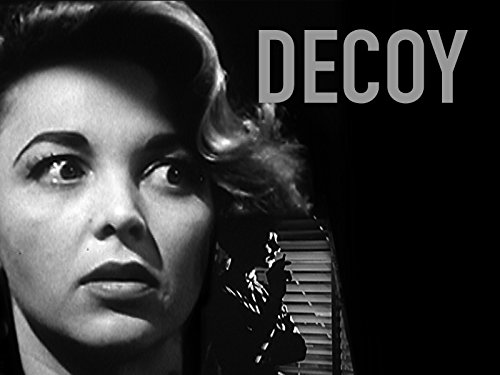
Retro Television Review: Decoy 1.23 “Night of Fire”


Welcome to Retro Television Reviews, a feature where we review some of our favorite and least favorite shows of the past!  On Thursdays, I will be reviewing Decoy, which aired in Syndication in 1957 and 1958.  The show can be viewed on Tubi!

This week, Casey investigates a case of arson!

Episode 1.23 “Night of Fire”

(Dir by Don Medford, originally aired on March 17th, 1957)

This is one of those episodes that ends with Casey speaking directly to the camera.  She tells us that Michele (Betty Lou Holland) will be hitting the streets in search of a new job.  If she comes in your office, Casey says, give her a chance.

It’s a nice sentiment, especially since the viewer has just spent 30 minutes watching a number of people wrongly accuse of Michele of having set a fire at a factory.  Casey, working undercover as another secretary, knows that Michele has recently been released from a mental hospital and that she’s still haunted by a bad relationship that she had with an older man.  But Casey also understands that evidence against Michele is circumstantial.  Yes, Michele had some matches in desk.  Yes, Michele had a can of turpentine in her desk.  All the rest, though, is gossip.

And it does turn out that Michele is innocent.  Co-worker Joe (Clifford David) has an alibi for the night of the fire.  While the factory was burning, Joe was getting arrested for making a scene at the bar.  When Casey learns that Joe is diabetic, she announces that diabetics can’t drink so Joe must have been faking being drunk to give himself an alibi.  Joe confesses that he was hired by the owner of the factory to set the place on fire for the insurance money.

(And it’s a good thing that Joe confessed because I’m pretty sure Casey’s logic would not have held up in court.)

Problems with Casey’s logic aside, I did like this episode.  Betty Lou Holland gave a very good performance as Michele, as did Betty Walker as Jenny, Michele’s main tormenter.  Beverly Garland did a great job communicating Casey’s righteous fury over Jenny’s self-righteous attitude. Finally, after two stage-bound episodes, this story saw a return to the location shooting that makes Decoy such a fun show for history nerds like you and me.  1950s New York was apparently the best place in the world to go shopping with a suspect.

As this episode ended, I found myself hoping that someone did give Michele a shot.

She deserved it.


Late Night Retro Television Review: 1st & Ten 3.6 “The Bulls Change Hands”


Welcome to Late Night Retro Television Reviews, a feature where we review some of our favorite and least favorite shows of the past! On Wednesdays, I will be reviewing 1st and Ten, which aired in syndication from 1984 to 1991. The entire series is streaming on Tubi.

This episode was confusing.  Is syndication to blame?

Episode 3.6 “The Bulls Change Hands”

(Dir by Stan Lathan, originally aired on September 9th, 1987)

Diana no longer owns the Bulls!

That was the main plot development to be found in this cluttered episode of 1st & Ten.  As I’ve mentioned before, the episodes of 1st & Ten that are available on Tubi are the heavily edited versions that were sold into syndication as opposed to the original, R-rated versions that appeared on HBO.  With quite a few of these episodes, it’s obvious that entire plotlines have been pretty much chopped out.  That certainly feels like the case here because, despite having watched the episode, I’m still not totally sure how Diane lost the Bulls in the first place.

What I do know is that she threatened to expose Teddy’s insider trading.  Teddy responded by leaving the country but, before he left, he gave his ownership shares to his daughter, Jill (Leah Ayres).  Teddy explains that this makes Jill the owner of the Bulls.  But my understanding was that Teddy only owned half the team so it seems like that would mean Jill and Diane would now be co-owners.  Perhaps I missed something in an earlier episode or maybe some line of dialogue was cut out for syndication, I’m not sure.  What I do know is that Jill now owns the Bulls.  The first thing she does is break up with Yinessa because she can’t be both his boss and his girlfriend.

In her final locker room speech, Diane orders the Bulls to win because Diane is taking Jill to court and she wants the team to be in the playoffs once she returns as the owner.  It’s not a bad speech but again, I thought Diane still owned at least half of the team.

Meanwhile, Yinessa is back as quarterback.  And he leads the Bulls to their first victory of the season.  His new wide receiver, Billy Cooper (Michael Toland) catches the game-winning pass.  At the same time that Billy is scoring, some guy who we’ve never seen before is shooting at him from the roof of the stadium.  The police arrest the guy and Billy later discovers a bullet lodged in his helmet.

Bubba’s sex therapist (Penny Johnson) is now obsessed with him, despite Bubba’s attempts to set her up with with Jethro.  I have a feeling that the Jethro/Bubba storylines were the ones that really got left on the cutting room floor when it came to editing these episodes for syndication.  Jethro and Bubba have been with the show since the beginning and they’ve got prominent billing in the opening credits but, when it comes to their roles in the episodes themselves, it seems like the only thing that happens is Bubba says that he needs to get laid and then the two of them disappear for several weeks.  When they do finally reappear, Bubba is always in some sort of new trouble with his wife.

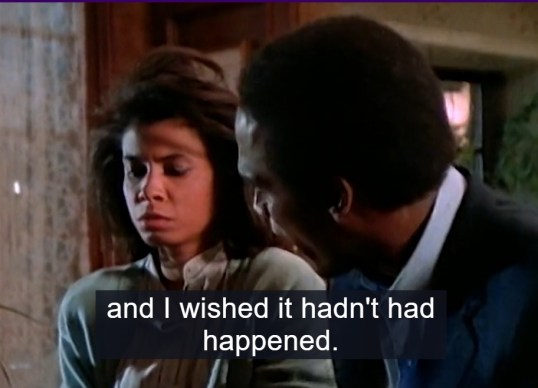
Speaking of marriage, in this episode, TD Parker finally confesses to his wife that he’s been having an affair.

TD apologizes.  His wife tells him to get out.  Agck!  I can see where this storyline is heading but OJ Simpson fighting with his wife still lands differently in 2026 than it probably did in 1987.

This episode was a mess but I guess Jill is the owner of the Bulls now and Teddy’s fled to South America.  Can’t the Bull just concentrate on playing football and earning their paycheck?

Retro Television Review: The Love Boat 7.11 “The World’s Greatest Kisser/Don’t Take My Wife, Please/The Reluctant Father”


Welcome to Retro Television Reviews, a feature where we review some of our favorite and least favorite shows of the past!  On Wednesdays, I will be reviewing the original Love Boat, which aired on ABC from 1977 to 1986!  The series can be streamed on Paramount Plus!

Love wont hurt anymore….

Episode 7.11 “The World’s Greatest Kisser/Don’t Take My Wife, Please/The Reluctant Father”

(Dir by Ted Lange, originally aired on November 26th, 1983)

Sawdust Radell (Dan Haggerty) is looking for revenge.  The woman he loved dumped him after having a romance with one of the officers on the Pacific Princess.  She didn’t tell him the officer’s name but she did say that he was “the greatest kisser in the world.”  Ol’ Sawdust boards the ship with his best friend, Bonnie Lee Boone (Elaine Joyce).  He wants Bonnie Lee to kiss each of the ship’s officers and then report back on which one is the greatest kisser.  What is Sawdust planning on doing?  I have no idea but I have a feeling that Sawdust might have a prison stint in his future.

(That was certainly true for actor Dan Haggerty who, two years after this episode ended, was arrested for trying to sell cocaine to an undercover police officer.)

Bonnie Lee kisses the Captain, Doc, and Gopher.  She causes a lot of jealousy amongst the crew but they’re not the only ones getting jealous.  Sawdust realizes that he’s in love with Bonnie Lee.  He also gets a cable from his ex, informing him of the name of the officer.  It turns out that the “world’s greatest kisser” is some guy who we have never seen or heard of before and he has since transferred to a different ship.  Well, that’s convenient.

Before leaving the ship, the Captain asks Bonnie who the best kisser amongst the remaining crew was.  Wisely, Bonnie Lee looks over at Sawdust and says, “Him!”

(No, she did not kiss Isaac.  Then again, Ted Lange was busy directing this episode so Isaac’s not really around that much.)

Young executive Matt Stevens (Parker Stevenson) is taking a business cruise.  He boards with his new wife, Marion (Kirstie Alley).  Uh-oh, it turns out that Matt’s boss, Arthur Boggs (David Doyle), gave strict orders that wives were not allowed on the cruise!  As Arthur explains it, “If I let you bring your wife, then I have to bring my wife.”  And it turns out that Arthur — who says stuff like “As they say in Moscow, I’m hot to Trotsky!” — really wants to cheat on his wife.

Matt asks Marion to remove her wedding ring and pretend she doesn’t know him.  Marion agrees.  (Personally, I would have just asked for a maritime divorce.)  But when Arthur starts hitting on Marion and Marion starts spending time with Arthur, Matt is finally forced to stand up and announce, “This is my wife!”

“You’re fired!” Arthur replies.

And you’re sued, Matt should have said.  Seriously, you can’t fire someone for being married.  And perhaps Arthur figures that out because he later offers to give Matt back his job.  Matt smiles and accepts.  Does Matt have any self-respect?

Finally, teenage Melissa Weatherly (Danielle Brisebois) boards the boat with her father, Elliot (William Christopher).  Melissa’s parents divorced when Melissa was young and she’s never really known her father.  But now that her mom has died, Melissa is living with Elliot and the two are trying to adjust.  Elliot makes the mistake of suggesting that Melissa go to boarding school.  Melissa becomes convinced that Elliot doesn’t love her.  Fortunately, Vicki is there to talk to Melissa and the Captain is there to talk to Elliot.

This storyline made me think of my own relationship with my Dad and, as a result, it brought tears to my eyes.  Gavin MacLeod always did well whenever the show gave him a serious storyline.  Plus, it was good that Vicki actually had someone her own age to hang out with for once.  I always worry about the fact that Vicki seems to spend all of her time on a cruise ship, surrounded by people who are about 40 years older than her.

This is one of the many episodes that Ted Lange directed.  Lange always seemed to get better-than-average performances out of both the regulars and the guest stars and that’s certainly the case here.  William Christopher and Danielle Brisebois both turn in strong performances as the father and the daughter.  Parker Stevenson and Kirstie Alley were themselves newlyweds when they did this episode and their chemistry comes through, even if Stevenson is playing an annoyingly wimpy character.

This was a good cruise!

Late Night Retro Television Review: Pacific Blue 3.17 “House Party”


Welcome to Late Night Retro Television Reviews, a feature where we review some of our favorite and least favorite shows of the past! On Tuesdays, I will be reviewing Pacific Blue, a cop show that aired from 1996 to 2000 on the USA Network!  It’s currently streaming everywhere, though I’m watching it on Tubi.

This week, the bicycle cops screw up again.

Episode 3.17 “House Party”

(Dir by Michael Levine, originally aired on February 1st, 1997)

One of the one more entertaining things about Pacific Blue is witnessing how bad the bicycle cops actually are at their job.

I don’t think that was intentional on the part of the show.  I think the show meant for us to watch TC, Palermo, and Victor on their bikes and think to ourselves, “Those are the men that I want protecting me!”  However, the narrative demands of an hour show required that the bike cops always screw up in some way, whether it’s failing to catch the bad guys the first time that they commit a crime or suspecting the wrong guy while working undercover or just letting their personal lives get in the way of their professional judgment.  Combine that with some bad scripts and a group of actors who struggled with showing any emotion beyond grim annoyance and you have a show about cops who are not only incompetent but also kind of rude.

That’s certainly the case with this week’s episode.  Not only do they allow an escaped murderer (Currie Graham) to grab a gun and take over the station but then TC proceeds to spend almost the entire episode arguing with Palermo and the SWAT team because Chris is among those being held hostage on the inside.  When the cops realize that the murderer’s girlfriend is somewhere on the beach, they put Cory in a chicken uniform and have her walk around pretending to hand out flyers for a restaurant.  “Chickelicous,” Cory says as she walks along the beach.  Of course, the murder’s girlfriend spots her and taking off running.  Guess what?  It’s not easy to chase someone when you’re dressed like a chicken!  Seriously, I can understand trying to maintain some element of surprise but why would they put Coy in a costume that severely limits her mobility?

Anyway, this was a hostage episode, which means that almost whole thing was the hostage taker barking orders while the hostages either cowered in fear or tried to stalk some sense into him and the members of his gang.  Episodes about hostage situations are almost always incredibly dull and this episode was no exception.  In the end, Victor — who was in the station when the situation started and managed to go unseen by the hostage takers — was there to do his John McClane thing.  All of the bad guys died.  The hostages were freed.  The bike patrol’s main concern was that Chris was okay.  I would probably be offended if I was one of the civilian hostages.  Just because their friend is okay doesn’t excuse the incompetence that led to the situation in the first place.

Eh.  Just another day in L.A., I guess.

A Blast From The Past: ShamWow!


Remember the ShamWow guy?

Vince from ShamWow was a candidate in tonight’s Texas primary election.  He was running for the U.S. House and …. well, he lost.  He lost big time.  Like even the crazy woman who moved down to Texas from Missouri so that she could run in a district she barely knew managed to outpoll him.  That’s how badly he lost.

I’m kind of depressed about that.  Seriously, what fun are celebrity candidates if we don’t elect them?  Really, he should have run in my district.  My district didn’t have anyone interesting running.  I ended up voting for a former Olympic fencer.  I would have voted for Vince from Shamwow.

In honor of Vince’s political dreams and as a reminder of a simpler age, here is tonight’s blast from the past!  From 2007, it’s ShamWow!

Seriously, folks, Olympic divers used it as a towel!

Retro Television Review: Saved By The Bell: The New Class 1.7 “Homecoming King”


Welcome to Retro Television Reviews, a feature where we review some of our favorite and least favorite shows of the past!  On Tuesdays, I will be reviewing Saved By The Bell: The New Class, which ran on NBC from 1993 to 2o00.  The show is currently on Prime.

I’m saved by the bell! …. but for how long?

Episode 1.7 “Homecoming King”

(Dir by Don Barnhart, originally aired on October 23rd, 1993)

The big Homecoming dance is coming up and Lindsay has been nominated for Homecoming Queen, just as her mom (Diane Sainte-Marie) was years ago.  Lindsay should be excited but her mom has made it clear that she doesn’t want Lindsay going to the dance with Tommy D.  In fact, her mom doesn’t want Lindsay dating Tommy D at all.  Tommy D is a troublemaker!  Lindsay gets so angry that she decides not to go to the dance at all but instead, Tommy D tells her that she has to go to the dance so that she can be crowned as Homecoming Queen.  Tommy says that he does screw up a lot.  Maybe they should see other people.

Scott, who just a few episodes ago was trying to break Tommy and Lindsay up, announces that “Tommy D stands for Decent Dude.”

(Then his name would be Tommy DD.  I swear, does anyone even go to class at this school?)

Uh-oh.  It looks like smarmy Chad Westerfield (Jimmy Mardsen) is planning on asking Lindsay to the dance.  Scott’s going to have to come up with a scheme to make sure that Chad doesn’t win Homecoming King and that Tommy and Lindsay get back together….

Wait a minute …. who is that playing Chad Westerfield?  THAT’S A YOUNG JAMES MARSDEN!  Lindsay should definitely go to the dance with Chad Westerfield!  Screw Tommy D!  Lindsay, your date is here!

This was one of James Marsden’s earliest roles but he already had the looks and the charisma that would make him one of my favorite actors.  Even though we’re supposed to hate Chad and there’s a scene where he reveals that he’s just pretending to be nice so that he’ll win the Homecoming King election, James Marsden is still so innately likable that it’s hard not to be disappointed when Scott rigs the election so that Tommy wins as a write-in candidate.  (Homecoming Queen is won by Megan, also a write-in candidate.  The “nerds” voted for her because she came to the dance with Weasel after Chad ghosted her once he found out Lindsay was available.)  Jonathan Angel was likably earnest as Tommy D but sorry, he just can’t compete with James Marsden.

(What type of school allows write-in votes in an election?)

Beyond featuring James Marsden in an early role, this episode is notable as a good example of Saved By The Bell at its most hypocritical.  Lindsay’s mother is portrayed as being wrong-headed because she judges Tommy D on his appearance.  And yet, we’re supposed to howl with laughter when Scott asks one of the nerdy girls to the dance.  (Scott is trying to get the school’s nerds to vote for Tommy.)  Saved By The Bell was always been quick to preach tolerance while also encouraging its audience to laugh at anyone who didn’t have the right look.  That was especially true during New Class.

Sad to say, this was the only appearance that James Marsden made on Saved By The Bell: The New Class.  He was smart enough not to stick around.