The year was 2001 and *NSYNC was sick of being dismissed as just being another pop boy band. So, Justin Timberlake and Wade Robson wrote a song satirizing the band’s image and trying to show that they were everything but “pop.” Of course, they called the song Pop. And then they went on a tour called PopOdyssey.
One of my fondest memories of growing up with Lisa Marie is all of the time that we would spend singing Britney Spears’s song whenever we went on a road trip. We would sing at the top of our lungs and, if we got bored with that, we would start singing with exaggerated country accents. There was nothing more fun than singing off-key and off-pitch, though I guess maybe the other people in the car with us would have disagreed.
I think My Prerogative is the only Britney music video that hasn’t been a music video of the day yet. This music video also features Kevin Federline. Remember him? Where did he go? He just disappeared one day. Hope he’s okay.
Lisa asked me to pick a music video for today and I was so excited that I yelled, “Backstreet Boys!”
Who was your favorite Backstreet Boy? I liked Nick!
Trivia about this video? AJ McClean didn’t know the lyrics for the song until he showed up for the video shoot. That tells you everything you need to know about the Lou Pearlman boy band era.
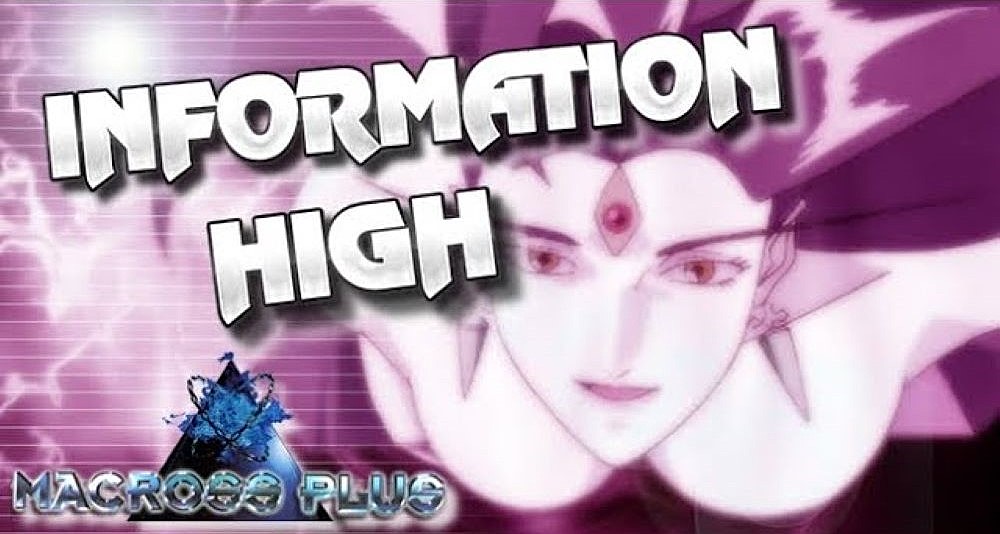
“Information High,” by Yoko Kanno for Macross Plus, is a track that’s as electrifying as it is fitting for the anime’s sleek, futuristic vibe. From the moment it kicks in, you get caught up in its propulsive beat and layered electronic sounds that perfectly capture the sense of speed and technological buzz that define the series. It doesn’t just sit in the background but actively drives the energy forward, mirroring the fast-paced aerial dogfights and the intense emotions swirling underneath the sci-fi setting. There’s a hypnotic quality to it — like the perfect soundtrack for a world where human experience and digital overload collide.
What really strikes about “Information High” is how it balances mechanical precision with a playful, almost funky undertone. It’s not simply cold or robotic; Kanno brings in just enough warmth and groove to humanize the electronic pulse, making the song feel alive and vibrant rather than sterile. This duality works beautifully with Macross Plus’s themes—characters caught between their human desires and the artificial worlds they navigate. The track feels like a bridge between those realities, capturing both the exhilaration and the subtle unease of living in an over-connected, data-saturated future.
Beyond its role as a background piece, “Information High” stands on its own as a distinctive expression of Kanno’s genius. It’s got that catchy, infectious energy that sticks with you, yet never feels repetitive or shallow. It’s clear that Kanno tailored this song to complement not just the visuals but the emotional currents of the show, subtly enhancing moments without overpowering them. For anyone familiar with Kanno’s work, this track is a perfect example of her skill in blending genres and moods into a cohesive whole that elevates the experience of the anime itself.
Information High
You know how to get eternal life In the center of the lightning-speed waltz Feel your soul cut by a rusty knife As you head down for the self-destructive edge
Our satori is just floating in the core Where we can spiritually go through the door We’ll know how to get eternal life While we catch the pulse from unknown satellites
If we get the transient facts Then we’ll feel the info high If we get the transient facts Then we are really free To fly high In space
We know how to get eternal high In the center of the lightning-speed waltz See our soul struggling to survive As we head down for the self-destructive edge
Sayonara to intrusive noise No more childish play and no more toys We know how to get eternal life While we feel and sense mother nature’s strong might
If we get the transient facts Then we’ll feel the info high If we get the transient facts Then we’ll feel the info high If we get the transient facts Then we’ll feel the info high If we get the transient facts Then we are really free To fly high In space
If we get the transient facts Then we’ll feel the info high If we get the transient facts Then we’ll feel the info high If we get the transient facts Then we’ll feel the info high If we get the transient facts Then we’ll feel the info high If we get the transient facts Then we’ll feel the info high If we get the transient facts Then we’ll feel the info high If we get the transient facts Then we’ll feel the info high If we get the transient facts Then we are really free To fly high In space
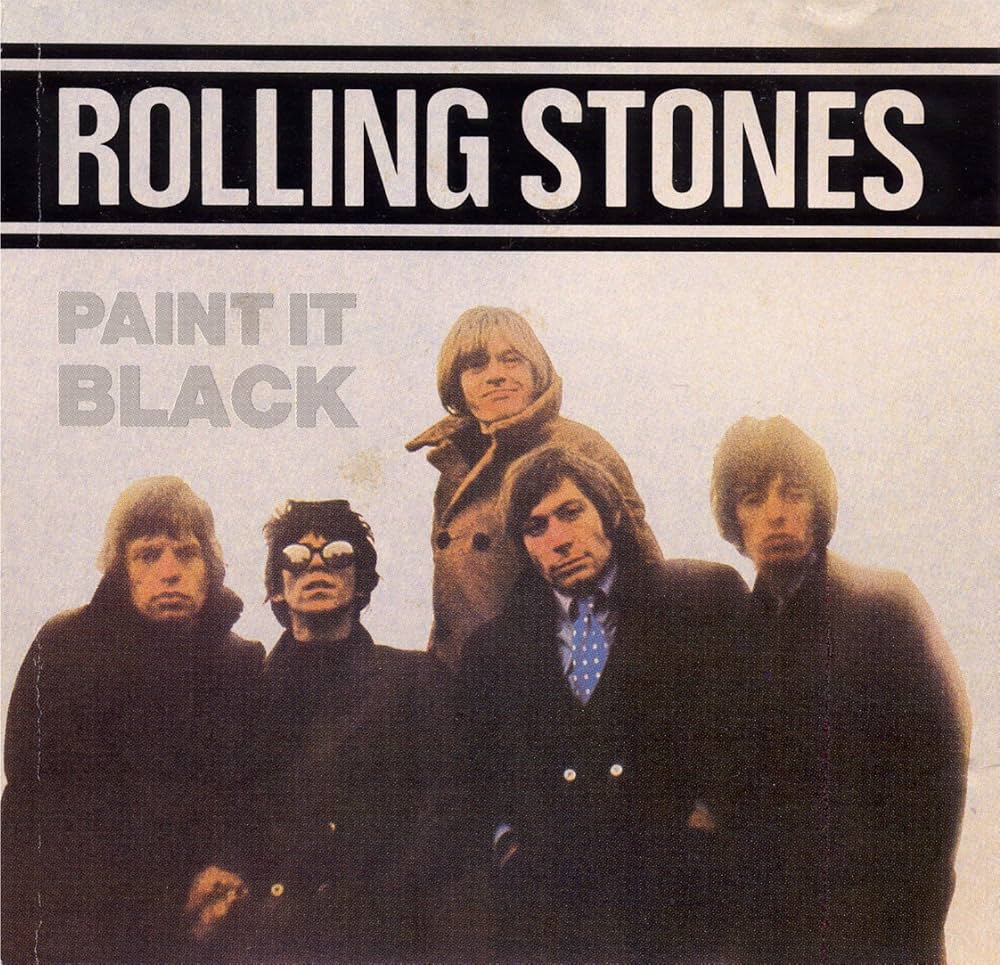
You ever notice how “Paint It Black” doesn’t really start so much as it unfolds—that strange sitar riff creeping in like a bad dream you can’t quite shake? The Stones captured something that feels less like heartbreak and more like a total emotional blackout. The sound is restless, paranoid even, like someone pacing around inside their own thoughts at 3 a.m. That’s what makes it such a sharp symbol of depression: it’s not just sadness, it’s this all-consuming fog where color, joy, and even meaning itself disappear.
The thing that always strikes me is how the song turns that private darkness into a worldview. The singer doesn’t only feel grief—he wants the whole world to match how he feels inside. That line between self and everything else completely breaks down. You can hear it in the drumming, that pounding rhythm chasing itself in circles, or the sitar’s looping melody that never resolves. It’s like he’s trapped in motion, unable to stop thinking or feeling, stuck in a spiral that makes sense only to him. It’s haunting because it sounds familiar to anyone who’s been that low.
And that’s why, even decades later, “Paint It Black” still feels so alive—so uncomfortably modern. Underneath the 60s cool, it taps into that quiet nihilism a lot of people still wrestle with today: the idea that maybe there’s nothing left worth looking at, so you might as well black it all out. But there’s something cathartic in that honesty. The song doesn’t try to fix anything or offer redemption; it just sits in the darkness. And sometimes, that’s what makes it hit harder than any happy ending could.
Paint It Black
I see a red door And I want it painted black No colors anymore I want them to turn black
I see the girls walk by Dressed in their summer clothes I have to turn my head Until my darkness goes
I see a line of cars And they’re all painted black With flowers and my love Both never to come back
I’ve seen people turn their heads And quickly look away Like a newborn baby It just happens everyday
I look inside myself And see my heart is black I see my red door I must have it painted black
Maybe then, I’ll fade away And not have to face the facts It’s not easy facing up When your whole world is black
No more will my green sea Go turn a deeper blue I could not foresee this thing Happening to you
If I look hard enough Into the setting sun My love will laugh with me Before the morning comes
I see a red door And I want it painted black No colors anymore I want them to turn black
I see the girls walk by Dressed in their summer clothes I have to turn my head Until my darkness goes
I wanna see it painted Painted black Black as night Black as coal I wanna see the sun Blotted out from the sky I wanna see it painted, painted, painted Painted black, yeah
There’s always been something very annoying about the cult surrounding Che Guevara. Because his face looked good on a poster and his execution was probably carried out by the CIA, a lot of people have deified a shallow-minded rich kid whose main accomplishment was executing several of his fellow countrymen and then totally failing in his attempts to overthrow the government of Bolivia.
Thankfully, there’s a song that tells the truth. From Ola Fresca, here is El Chacal.
 Through the Shattered Lens