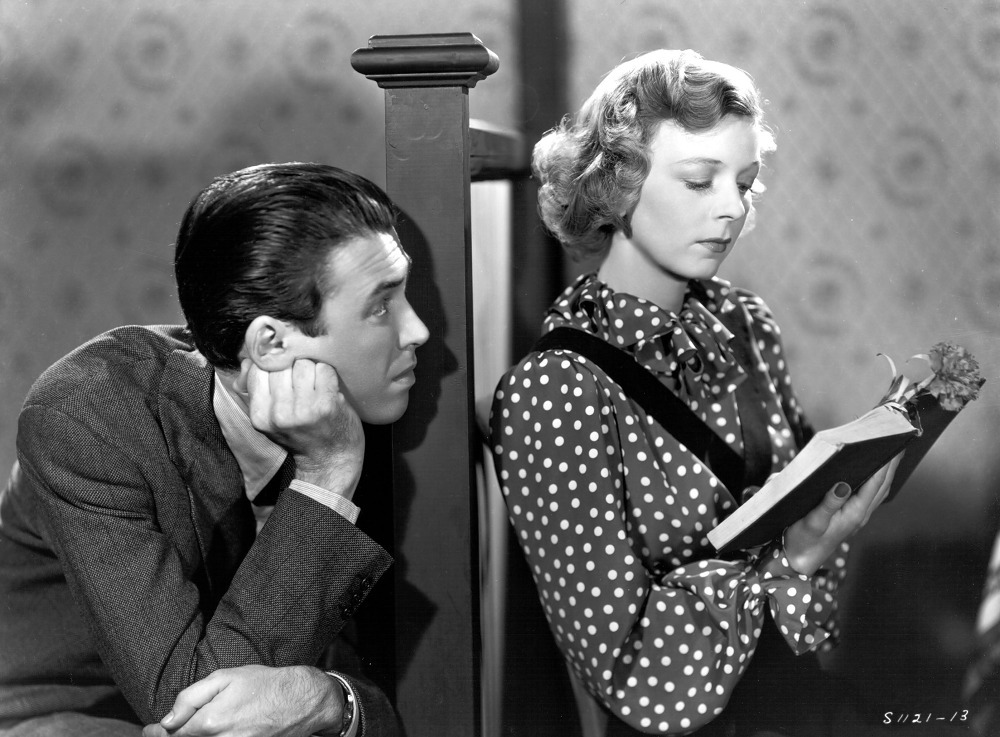
Set in Budapest, Hungary, we meet Alfred Kralik (James Stewart), the dependable head clerk at a retail establishment named Matuschek and Company. In walks Klara Novak (Margaret Sullavan), an attractive young lady who’s desperately in need of a job, so Mr. Matuschek (Frank Morgan) hires her as a new salesgirl. Alfred and Klara immediately take a disliking to each other and give each other quite a hard time at work. As we get to know Alfred and Klara, we find out that each of them is involved in a treasured “pen-pal” relationship with a mysterious someone who truly seems to understand their heart and soul. Wouldn’t you know it, even though they get on each other’s last nerves at the shop, Alfred and Klara are each other’s secret pen-pal! While navigating unexpected drama at work, mainly involving Mr. Matuschek, his wife, and a duplicitous employee, Alfred eventually discovers that Klara is his mystery correspondent without her knowing it. As he tries to reconcile the actions of the lady he knows from work with the heart of the person who wrote those letters, Alfred decides to show Klara who he really is to see if they can fall in love in real life!
THE SHOP AROUND THE CORNER is one of my very favorite romantic comedies, and I’d guess the lead performance of James Stewart is probably the main reason. He’s just perfect in the role of Alfred Kralik… earnest, proud, awkward, vulnerable, and above all else, decent. Stewart’s ability to portray characters with believable decency separate him as one of the all-time greats and that quality is well on display here. Margaret Sullavan, as Klara Novak, matches him perfectly. Known to have a good relationship off screen as well, the chemistry between Stewart and Sullavan is off the charts and their scenes together are quite powerful. Mostly known by me for his performance as the Wizard of Oz, Frank Morgan is also incredible as Mr. Matuschek, at times jealous, volatile, and ultimately benevolent.
Director Ernst Lubitsch, known for his “Lubitsch touch,” has made a movie that has stood the test of time because of its core of emotional truth. Even though it was made well before the days of social media or online dating, THE SHOP AROUND THE CORNER understands just how differently we present ourselves when writing (or online, or on social media), compared to how we actually behave in person. Maybe it’s because THE SHOP AROUND THE CORNER was made in 1940, but I love the way its time-tested story idea is used for comedy and sweet romance, without becoming cynical. That lack of cynicism leaves room not only for comedy and romance but also a genuine compassion for its characters as they deal with the very real emotions of loneliness, pride, jealousy, and fear.
All in all, THE SHOP AROUND THE CORNER may be 85 years old, but its tender and romantic payoff set on Christmas Eve still gets me every time. As far as I’m concerned, this is about as close to perfect as a romantic comedy can get!
(Author’s note: I’m also a fan of the 1998 remake, YOU’VE GOT MAIL, starring Tom Hanks and Meg Ryan, but I rate it below Lubitsch’s film.)
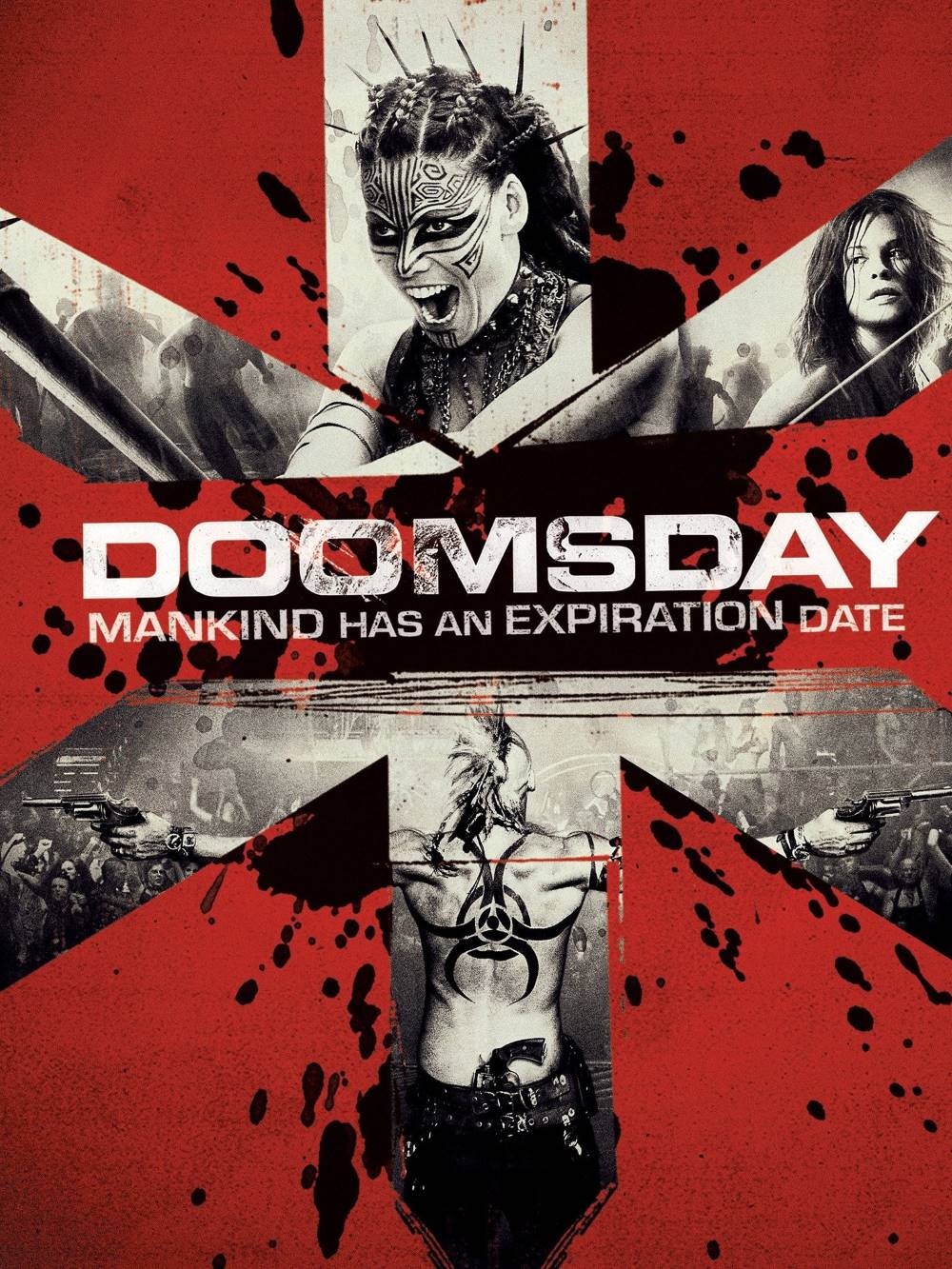
Doomsday tries to be a wild post-apocalyptic romp but ends up as such a profound disappointment, especially coming from Neil Marshall, whose previous two films, Dog Soldiers and The Descent, were much better entries in the horror genre where his attempts to inject new ideas landed the mark with precision and style. Here, Marshall shifts gears into a sprawling, uneven action-horror hybrid that feels like a highlight reel of better movies, bloated and unfocused where his earlier works thrived on tight scripting and fresh twists. While there are flashes of fun in the chaos, the film’s glaring flaws in plotting, tone, and originality outweigh any guilty-pleasure moments, leaving it as more of a curiosity than a recommendation.
The story kicks off with a decent hook: a deadly Reaper virus wipes out much of Scotland, prompting the government to seal it off behind a massive wall and leave the population to fend for itself. Years later, the virus resurfaces in London, and intel suggests survivors—and possibly a cure—lurk inside the quarantine zone. Major Eden Sinclair (Rhona Mitra) leads a ragtag military squad across the wall to hunt down a rogue scientist. It’s a setup that echoes classics like Escape from New York, but Doomsday quickly abandons any tension for a parade of borrowed set pieces that rarely gel, a far cry from the inventive werewolf siege of Dog Soldiers or the claustrophobic crawler terror in The Descent.
Once inside, the movie lurches from one aesthetic to the next without much logic or buildup. First comes a punk-anarchist wasteland with cannibals hosting gladiatorial freak shows amid flames and mohawks, then a sudden pivot to medieval knights in castles complete with jousts and sieges. These shifts feel arbitrary, like Marshall couldn’t decide on a vibe and just threw them all in—a scattershot approach that lacks the confident genre-blending of his prior successes. The worldbuilding is shallow—how did feudalism sprout up so neatly amid the apocalypse?—and the transitions are jarring, undermining any sense of immersion or stakes.
Rhona Mitra holds the center as Sinclair, a one-eyed badass who dispatches foes with grim efficiency, but even she can’t overcome the script’s limitations. Her character is a walking archetype: tough, quippy, and competent, with zero emotional depth or growth. The supporting players, including Malcolm McDowell as a scenery-chewing lord and Bob Hoskins as a gruff boss, are wasted on one-note roles. They’re recognizable enough to highlight how little the film does with its cast, turning potential strengths into reminders of squandered talent.
Visually, Doomsday has some grit thanks to practical effects and location shooting, especially in the grimy urban ruins and over-the-top chases that nod to Mad Max. The gore is plentiful and messy, which might appeal to splatter fans. But the action often devolves into incoherent shaky-cam slogs, and the pacing drags in spots despite the constant escalation. Worse, the film’s self-indulgent excess tips into silliness that undercuts its own grim premise, making it hard to buy the horror of the virus or the desperation of survival.
Tonally, Doomsday is all over the map, swinging from bleak quarantine dread to campy medieval farce without warning. This inconsistency is its biggest sin—serious moments clash with cartoon violence, and the humor lands flat or feels forced. Influences from 28 Days Later, The Road Warrior, and even Excalibur are blatant, but Marshall doesn’t elevate them; he just remixes them into something louder yet less impactful. The result feels like fan fiction for genre nerds rather than a fresh take, missing the spark that made his earlier horrors stand out.
Thematically, there are glimmers of commentary on government abandonment, class divides, and viral panic, but they’re buried under the bombast and never explored. Instead of probing the ethics of walling off a nation, the film prioritizes spectacle, leaving those ideas as window dressing. It’s a missed opportunity that makes the whole endeavor feel hollow, especially when real-world parallels to pandemics could have added bite.
Doomsday struggles to stand on its own amid a crowded genre field, weighed down by narrative sloppiness and tonal whiplash that overshadow its few strengths. The positives—like visceral kills and Mitra’s presence—fail to overcome the disjointed plotting and lack of fresh ideas. Ultimately, it feels like a missed chance for something more cohesive, leaving little reason to revisit beyond a one-off curiosity.
In the end, Doomsday is a swing-and-a-miss for Neil Marshall, ambitious in scope but sloppy in execution, a letdown after the highs of Dog Soldiers and The Descent. The negatives dominate: uneven pacing, logical gaps, borrowed aesthetics without innovation, and a tone that alienates more than it entertains. If you’re in the mood for undemanding B-movie chaos on a slow night, it might scratch a minor itch. Otherwise, skip it for the films it rips off—they deliver the thrills without the frustration. At around 105 minutes, it’s not a huge time sink, but better options abound in the post-apoc genre.
The Phoenix Critics Circle has announced their picks for the best of 2025! The winners are listed in bold.
BEST PICTURE
HAMNET
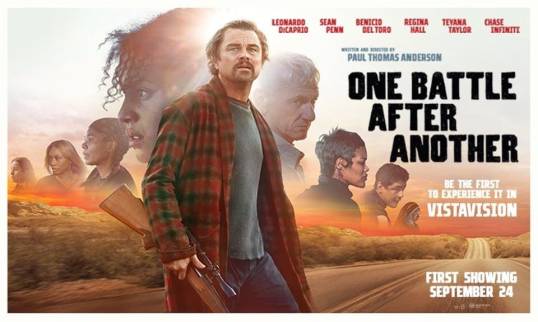
IT WAS JUST AN ACCIDENT ONE BATTLE AFTER ANOTHER
SENTIMENTAL VALUE
SINNERS
BEST COMEDY FILM
THE BALLAD OF WALLIS ISLAND
BUGONIA
FRIENDSHIP THE NAKED GUN
RENTAL FAMILY
BEST SCIENCE FICTION FILM
BUGONIA
COMPANION FRANKENSTEIN
MICKEY 17
THE RUNNING MAN
BEST HORROR FILM
28 YEARS LATER
BRING HER BACK SINNERS
THE UGLY STEPSISTER
WEAPONS
BEST ANIMATED FILM
ELIO KPOP DEMON HUNTERS
PREDATOR: KILLER OF KILLERS
ZOOTOPIA 2
BEST DOCUMENTARY
DEAF PRESIDENT NOW!
LILITH FAIR: BUILDING A MYSTERY
ORWELL: 2+2=5
PREDATORS THE PERFECT NEIGHBOR
BEST FOREIGN LANGUAGE FILM
IT WAS JUST AN ACCIDENT
NO OTHER CHOICE
THE SECRET AGENT SENTIMENTAL VALUE
SIRAT
BEST ACTOR IN A LEADING ROLE TIMOTHEE CHALAMET, MARTY SUPREME
LEONARDO DICAPRIO, ONE BATTLE AFTER ANOTHER
JOEL EDGERTON, TRAIN DREAMS
OSCAR ISAAC, FRANKENSTEIN
MICHAEL B. JORDAN, SINNERS
BEST ACTRESS IN A LEADING ROLE JESSIE BUCKLEY, HAMNET
ROSE BYRNE, IF I HAD LEGS I’D KICK YOU
CHASE INFINITI, ONE BATTLE AFTER ANOTHER
JENNIFER LAWRENCE, DIE MY LOVE
RENATE REINSVE, SENTIMENTAL VALUE
BEST ACTOR IN A SUPPORTING ROLE BENICIO DEL TORO, ONE BATTLE AFTER ANOTHER
JACOB ELORDI, FRANKENSTEIN
DELROY LINDO, SINNERS
SEAN PENN, ONE BATTLE AFTER ANOTHER
STELLAN SKARSGARD, SENTIMENTAL VALUE
BEST ACTRESS IN A SUPPORTING ROLE
ODESSA A’ZION, MARTY SUPREME
INGA IBSDOTTER LILLEAAS, SENTIMENTAL VALUE AMY MADIGAN, WEAPONS
WUNMI MOSAKU, SINNERS
TEYANA TAYLOR, ONE BATTLE AFTER ANOTHER
BEST DIRECTOR PAUL THOMAS ANDERSON, ONE BATTLE AFTER ANOTHER
PARK CHAN-WOOK, NO OTHER CHOICE
RYAN COOGLER, SINNERS
JAFAR PANAHI, IT WAS JUST AN ACCIDENT
JOACHIM TRIER, SENTIMENTAL VALUE
BEST SCREENPLAY PAUL THOMAS ANDERSON, ONE BATTLE AFTER ANOTHER RYAN COOGLER, SINNERS
JAFAR PANAHI, IT WAS JUST AN ACCIDENT
JOACHIM TRIER & ESKIL VOGT, SENTIMENTAL VALUE
EVA VICTOR, SORRY, BABY
BEST CINEMATOGRAPHY MICHAEL BAUMAN, ONE BATTLE AFTER ANOTHER
AUTUMN DURALD ARKAPAW, SINNERS
ADOLPHO VELOSO, TRAIN DREAMS
KIM WOO-HYUNG, NO OTHER CHOICE
BEST SCORE
ALEXANDRE DESPLAT, FRANKENSTEIN JONNY GREENWOOD, ONE BATTLE AFTER ANOTHER
LUDWIG GORANSSON, SINNERS
KANGDING RAY, SIRAT
BEST STUNT COORDINATION
FRANKENSTEIN MISSION: IMPOSSIBLE – THE FINAL RECKONING
ONE BATTLE AFTER ANOTHER
SINNERS
WEAPONS
The Chicago Film Critics Association has announced their picks for the best of 2025. The winners are listed in bold.
BEST PICTURE
It Was Just an Accident
Marty Supreme One Battle After Another
Sinners
Train Dreams
BEST DIRECTOR Paul Thomas Anderson – One Battle After Another
Ryan Coogler – Sinners
Mona Fastvold – The Testament of Ann Lee
Jafar Panahi – It Was Just an Accident
Josh Safdie – Marty Supreme
BEST ACTOR Timothée Chalamet – Marty Supreme
Leonardo DiCaprio – One Battle After Another
Joel Edgerton – Train Dreams
Ethan Hawke – Blue Moon
Michael B. Jordan – Sinners
Wagner Moura – The Secret Agent
BEST ACTRESS
Jessie Buckley – Hamnet Rose Byrne – If I Had Legs I’d Kick You
Jennifer Lawrence – Die, My Love
Amanda Seyfried – The Testament of Ann Lee
Tessa Thompson – Hedda
BEST SUPPORTING ACTOR Benicio del Toro – One Battle After Another
Jacob Elordi – Frankenstein
Delroy Lindo – Sinners
Sean Penn – One Battle After Another
Stellan Skarsgard – Sentimental Value
BEST SUPPORTING ACTRESS
Odessa A’Zion – Marty Supreme
Nina Hoss – Hedda
Inga Ibsdotter Lilleaas – Sentimental Value
Amy Madigan – Weapons
Wunmi Mosaku – Sinners Teyana Taylor – One Battle After Another
BEST ORIGINAL SCREENPLAY
Blue Moon by Robert Kaplow It Was Just an Accident by Jafar Panahi
Marty Supreme by Ronald Bronstein & Josh Safdie
Sinners by Ryan Coogler
Sorry, Baby by Eva Victor
BEST ADAPTED SCREENPLAY
Hamnet by Chloe Zhao & Maggie O’Farrell
No Other Choice by Park Chan-wook – Lee Kyoung-mi – Don McKellar – & Jahye Lee One Battle After Another by Paul Thomas Anderson
Train Dreams by Clint Bentley & Greg Kwedar
Wake Up Dead Man by Rian Johnson
BEST ANIMATED FEATURE
Arco
Boys Go to Jupiter KPop Demon Hunters
Little Amelie or the Character of Rain
Zootopia 2
BEST DOCUMENTARY
Cover-Up
My Undesirable Friends – Part 1 – Last Air in Moscow The Perfect Neighbor
Predators
Put Your Soul on Your Hand and Walk
BEST FOREIGN LANGUAGE FILM It Was Just an Accident
No Other Choice
The Secret Agent
Sentimental Value
Sirat
BEST ART DIRECTION/PRODUCTION DESIGN Frankenstein
Marty Supreme
One Battle After Another
The Phoenician Scheme
Sinners
BEST CINEMATOGRAPHY
Dan Laustsen – Frankenstein
Lukasz Zal – Hamnet Michael Bauman – One Battle After Another
Autumn Durald Arkapaw – Sinners
Adolpho Veloso – Train Dreams
BEST COSTUME DESIGN Kate Hawley – Frankenstein
Lindsay Pugh – Hedda
Ruth E. Carter – Sinners
Malgorzata Karpiuk – The Testament of Ann Lee
Paul Tazewell – Wicked: For Good
BEST EDITING
Jon Harris – 28 Years Later
Stephen Mirrione & Patrick J. Smith – F1: The Movie
Ronald Bronstein & Josh Safdie – Marty Supreme
Kim Sang-beom & Kim Ho-bin – No Other Choice Andy Jurgensen – One Battle After Another
BEST ORIGINAL SCORE
Rob Mazurek – The Mastermind Jonny Greenwood – One Battle After Another
Ludwig Goransson – Sinners
Daniel Blumberg – The Testament of Ann Lee
Bryce Dessner – Train Dreams
BEST USE OF VISUAL EFFECTS
Avatar: Fire and Ash
Frankenstein
Mickey 17
Mission: Impossible — The Final Reckoning Sinners
MILOS STEHLIK AWARD FOR BREAKTHROUGH FILMMAKER
Mary Bronstein – If I Had Legs I’d Kick You
Sarah Friedland – Familiar Touch
Carson Lund – Eephus
James Sweeney – Twinless Eva Victor – Sorry, Baby
MOST PROMISING PERFORMER
Miles Caton – Sinners Chase Infiniti – One Battle After Another
Abou Sangare – Souleymane’s Story
Tonatiuh – Kiss of the Spider Woman
Eva Victor – Sorry, Baby
In 2023’s Christmas At The Amish Bakery, book editor Sarah (Alexandra Harris) returns to her Amish roots, hoping to put together an Amish cookbook. (“The Amish are famous for the baking!” Sarah’s boss says.) But what happens when Sarah discovers love and the true meaning of the holidays?
You can probably guess.
This is like the ultimate Hallmark Amish Christmas movie. If you know, you know.
Today would have been the 99th birthday of actress Betsy Palmer.
Though Palmer started her acting career in 1951 and was a regular on television, she will always be best known for playing Mrs. Voorhees in 1980’s Friday the 13th. It’s a role that she took, in her own words, because she needed $10,000 to buy a new car. At the time that the film was first released, Palmer did not particularly care for the film but she also definitely also gave the best performance. It’s impossible to imagine that the film would have been as much of a success without her. The scene where she speaks in the voice of Jason inspired Harry Manfredini’s iconic score. Palmer eventually came to embrace her status of being a horror icon.
Today’s scene of the day comes from Friday the 13th. Here is Betsy Palmer as Mrs. Voorhees, an old friend of the Christys.
4 Shots From 4 Films is just what it says it is, 4 shots from 4 of our favorite films. As opposed to the reviews and recaps that we usually post, 4 Shots From 4 Films is all about letting the visuals do the talking.
4 Shots From 4 Holiday Films
Silent Night, Bloody Night (1972, dir by Theodore Gershuny)
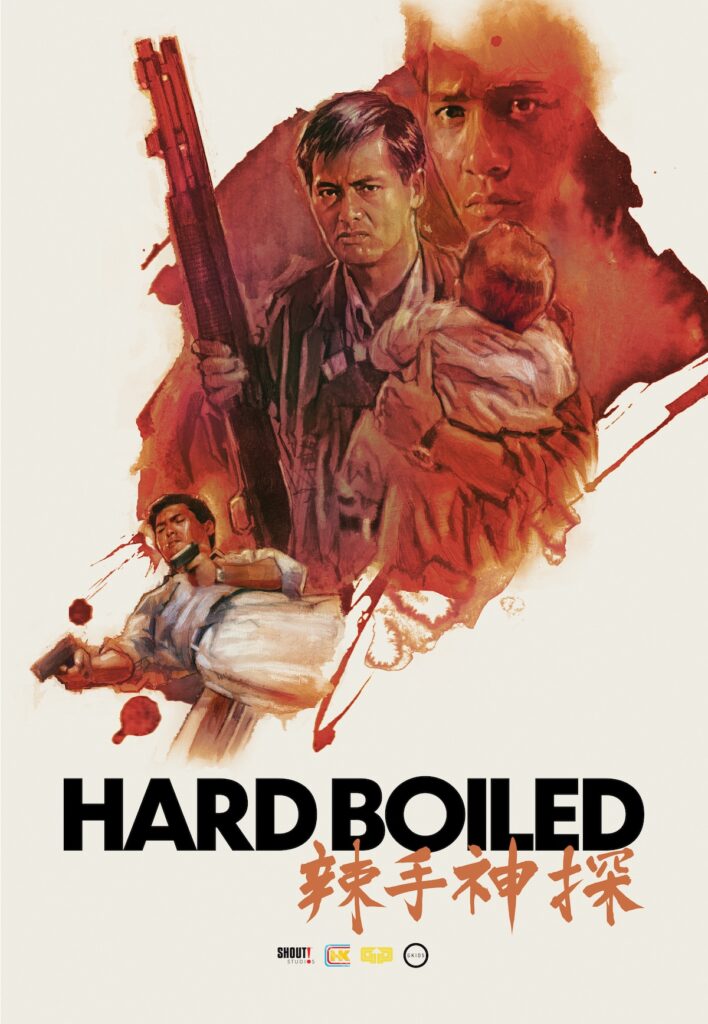
I just got an e-mail today from “Shout Studios!” that makes me very happy! In 2026, the John Woo / Chow Yun-Fat classics HARD BOILED (1992), A BETTER TOMORROW (1986), and THE KILLER (1989) will be getting extremely limited theatrical releases. If you love these movies as much as I do, or if you want to see some of the greatest action films of all time, I just want to make sure my readers are aware of this incredible opportunity. You can buy your tickets now, and I’ve checked and they’re even playing in Little Rock, Arkansas, so I know they’ll be playing all over the country. The schedule is as follows:
HARD BOILED – January 25th, 26th and 28th
A BETTER TOMORROW – March 1st, 2nd, and 4th
THE KILLER – April 5th, 6th, and 8th
These may be being released during tax season, but I usually take Sundays off and each of these limited windows include a Sunday. YAY!! This is finally my chance to see these iconic films on the big screen! I hope some of you will plan to watch them as well! To whet your appetite, enjoy this incredible action sequence from THE KILLER!
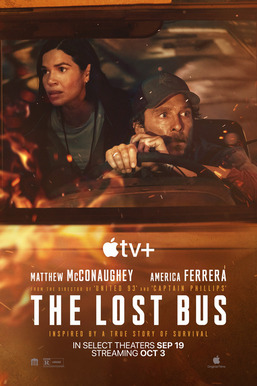
If you’re like me and you have not only asthma but also a huge phobia about getting caught in the middle of an out-of-control fire, you should definitely make sure you have your inhaler nearby while watching The Lost Bus.
Based on an actual California wildfire that killed over 80 people in 2018, The Lost Bus takes the viewer straight into the fire. We watch as one power line falls off of a poorly maintained tower. We see the sparks and then we see the fire that starts to burn almost immediately. Soon, the fire is moving down the mountain and through the forest. The camera zooms into the heart of the growing disaster and the viewer spends many horrifying minutes in the middle of the inferno, watching as trees burst into flames and the black smoke turns the sky dark as night. We hear the wind blowing the fire closer and closer to civilization and we realize, even before the majority of the characters in the film, that there’s no way to stop it. Tears came to my eyes as I watched the fire destroying everything that it touched and I did have to grab my inhaler at one point. The film’s visualization of the wildfire overwhelms you, to the extent that you might actually feel the heat radiating off of the screen.
When the film shifts away from the fire, it’s focuses on Kevin (Matthew McConaughey), a directionless man who has recently returned to his hometown and who works as a school bus driver. When he first realizes how bad the fire is, his first instinct is to rush back to his home but then he hears over the radio that there are over 20 children at an elementary school who need to be taken to safety. Kevin’s bus is the only one in the area. He picks up the children and their teacher, Mary (America Ferrara) and tries to drive them to another area so that they can be reunited with their parents. While Kevin is just trying to get his bus and the kids to safety, the California Department of Forestry and Fire Protection fights a losing battle to try to contain the inferno.
Both Matthew McConaughey and America Ferrara are playing rather familiar characters. Kevin is the perennial screw-up, the guy who is on the verge of losing his job but who ultimately proves himself to be the type of hero that no one expected him to be. Mary is the dedicated teacher who tells the kids to walk in a straight line and who tries to keep them calm even when new fires are erupting around them. Kevin never wanted to come back to his hometown while Mary never wants to leave it. Though the characters may be familiar, McConaughey and Ferrara both give authentic and lived-in performances. That said, the most compelling character remains the fire itself, a creation of pure out-of-control chaos and a reminder of the heart-breaking randomness of life.
This is another one of Paul Greengrass’s shaky cam docudramas. As a filmmaker, Greengrass is one of the best when it comes to putting the viewer right in the middle of the action and, for once, not even Greengrass’s signature political posturing can stop the film’s momentum. The Lost Bus is a film that ultimately celebrates not only community but also how one individual can make a difference in a time of crisis. It’s a film that left me out-of-breath and with tears in my eyes.
“This ain’t no god damn way to start a partnership.” – Reggie Hammond
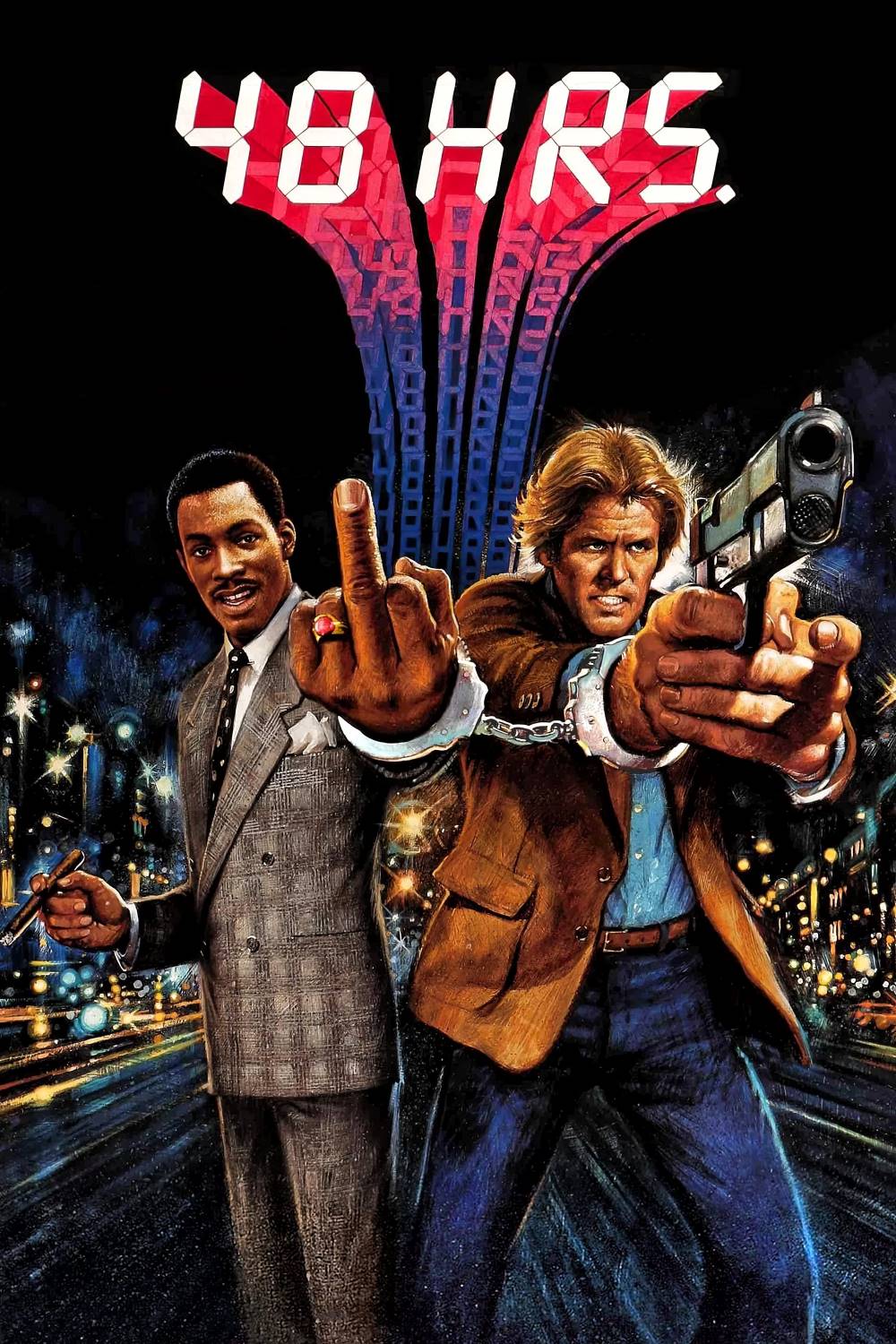
48 Hrs. bursts onto the screen with a gritty prison breakout that sets the stage for chaos in the foggy streets of San Francisco, where a pair of ruthless killers slip away after gunning down a cop’s partner in cold blood. Jack Cates, the surviving detective, is left battered and furious, piecing together a case that points to a slick convict named Reggie Hammond holding the key to the crooks’ whereabouts—and a stash of stolen cash. With time ticking down, Jack pulls strings to get Reggie out on a 48-hour pass, thrusting these two polar opposites into a reluctant alliance that turns the city into their personal battlefield of bullets, banter, and bad blood.
From the jump, Jack comes across as the ultimate rough-around-the-edges cop, nursing a flask under his trench coat, snapping at colleagues, and charging headfirst into danger like a man who’s got nothing left to lose. His apartment is a mess of empty bottles and regret, and his rocky relationship with his girlfriend underscores how the job has chewed him up and spit him out, leaving him more beast than man. Reggie, by contrast, rolls in with street-honed swagger, his prison jumpsuit barely containing the energy of a guy who’s survived by being quicker on his feet and sharper with his mouth than anyone around him. He’s got a girlfriend waiting with that hidden money, and no intention of playing nice with a cop who’s eyeing him like fresh meat.
The beauty of their pairing lies in how the film lets their friction spark from the very first shared car ride, where Jack’s growled commands clash against Reggie’s nonstop ribbing, turning a simple stakeout into a verbal demolition derby. Picture them peeling out after a lead goes south, tires screeching through narrow alleys while Reggie gripes about the beat-up car and Jack slams the dash in frustration—it’s these raw, unscripted-feeling moments that make the movie breathe. As they hit up seedy bars, chase informants through strip joints, and dodge ambushes, the script peels back layers: Jack’s not just a bully, he’s haunted by close calls; Reggie’s bravado masks real fear of ending up dead or broke.
One standout sequence drops them into a hillbilly roadhouse packed with hostile locals, where Reggie grabs the mic for an impromptu takedown that flips the room from menace to mayhem, buying them time while Jack backs him up with sheer firepower. It’s tense, hilarious, and perfectly timed, showing how their skills complement each other—Jack’s brute force meeting Reggie’s silver tongue—in ways neither saw coming. The villains, led by a stone-cold Luther and his trigger-happy sidekick, keep the heat cranked high, popping up for savage hits that leave bodies in the gutter and force the duo to improvise on the fly, like hot-wiring rides or shaking down lowlifes for scraps of intel.
Walter Hill’s direction keeps it all taut and visceral, with handheld cameras capturing the sweat and grime of every punch thrown or shot fired, no glossy filters to soften the blows. The San Francisco backdrop shines through rain-slicked hills, neon-lit dives, and shadowy piers, giving the action a grounded, almost documentary edge that amps up the stakes. Sound design punches too—the roar of engines, the crack of gunfire, the thud of fists—layered over a pulsing ’80s score that shifts from funky grooves during chases to ominous drones in quieter beats, mirroring the push-pull between comedy and threat.
Diving deeper into the characters, Jack’s arc feels earned through small touches: a hesitant phone call to his ex, a flicker of respect when Reggie saves his skin, moments that humanize the hardass without forcing redemption. Reggie evolves too, his initial scam-artist vibe giving way to flashes of loyalty, like when he risks his neck to protect that cash not just for himself, but to build something real outside the walls. Supporting roles flesh out the world—the precinct captain barking orders, the sultry singer tangled with the bad guys, Reggie’s tough-as-nails woman who won’t take guff—but they never overshadow the core duo, serving as sparks for conflict or comic relief.
Pacing-wise, the film rarely pauses for breath, clocking in under two hours yet packing in a full meal of twists, from double-crosses at motels to a frantic foot chase across rooftops that leaves you winded. The 48-hour ticking clock adds urgency without gimmicks, every dead end ramping tension as dawn breaks on their deadline. Humor lands organically too, not from slapstick but from character-driven zingers—Reggie calling out Jack’s outdated tough-guy schtick, Jack grumbling about Reggie’s flashy clothes—keeping the tone light even as blood spills.
Of course, watching through modern eyes, the dialogue packs some era-specific punches, with raw language around race, cops, and crooks that reflects ’80s attitudes head-on, for better or worse. It’s unapologetic, mirroring the film’s macho pulse, but adds texture to the time capsule feel, making replays fascinating for how boldly it leaned into taboos. The women, while fierce in spots, often play second fiddle to the bromance brewing, a hallmark of the genre that 48 Hrs. helped cement before it evolved.
What elevates this beyond standard action fare is how it nails the buddy dynamic’s slow burn: no instant high-fives, just gradual thaw from shared survival, culminating in a dockside finale where alliances solidify amid explosions and last stands. The editing zips between high-octane set pieces and downtime breather scenes, like a roadside diner heart-to-heart that reveals backstories without halting momentum. Cinematography plays with shadows and neon to heighten paranoia, turning everyday spots into pressure cookers.
Influence-wise, you can trace lines straight to later hits—the grizzled vet and smooth-talking newbie formula got refined here, blending Lethal Weapon grit with Beverly Hills Cop wit years ahead of schedule. Performances anchor it all: the leads’ chemistry crackles, carrying weaker beats on sheer charisma, while Hill’s lean style ensures every frame earns its keep. Runtime flies because it’s efficient, no fat, just muscle.
Final stretch ramps to operatic violence on those windswept docks, bullets flying as personal scores settle, leaving our heroes bloodied but bonded in a way that feels hard-won. 48 Hrs. endures as a rowdy blueprint for the genre, blending laughs, thrills, and toughness into a package that’s addictive on first watch and rewarding on revisit. It’s got heart under the bruises, edge in the jokes, and a vibe that’s pure ’80s adrenaline—grab it for a night of no-holds-barred entertainment that still packs a wallop over four decades later.


 Through the Shattered Lens