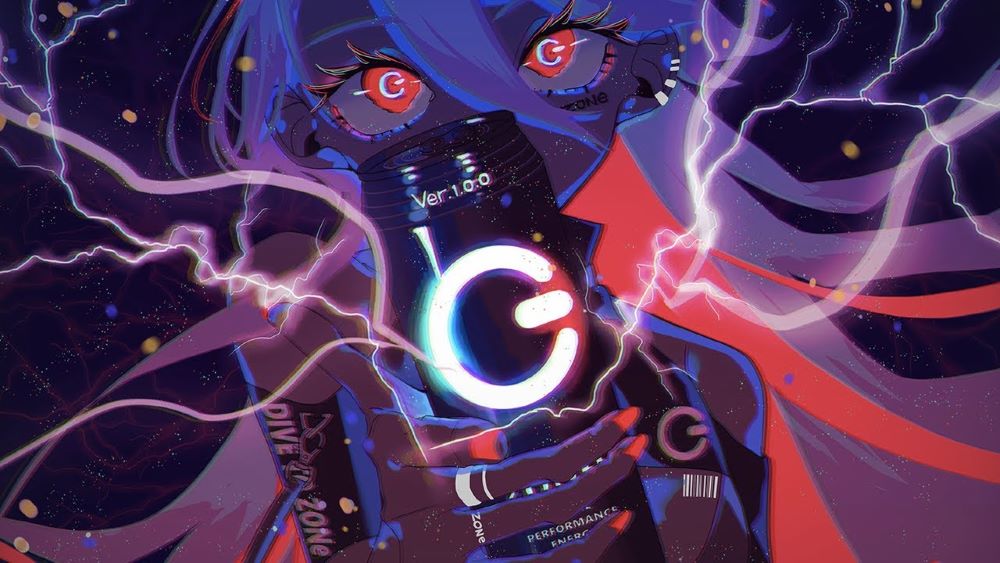
CHUNZ’s “Here Comes Trouble” AMV is definitely worth checking out. It brings together a range of clips from well-known series like Corpse Party, Shiki, and Tokyo Ghoul, blending them skillfully with a haunting soundtrack that really sets the mood. The editing is tight and deliberate, syncing scenes with the music to create a suspenseful, eerie atmosphere that draws you in. It feels less like just a montage and more like a crafted experience that captures the unsettling spirit of these shows in just a few minutes.
What makes this AMV stand out is how it balances energy with a dark, atmospheric tone. ItzMona knows how to keep things engaging without losing the creepy vibe, which makes for a satisfying watch whether you’re a longtime fan of horror anime or just looking for a quick dose of spine-chilling visuals. It’s a great example of how AMVs can be an art form in their own right, blending visuals and sound to tell a mood-driven story. If you want a neat way to revisit some iconic horror anime moments or just want something atmospheric and well-edited to watch, this AMV is an excellent pick.
Song: Here Comes Trouble by Neoni
Anime: Aldnoah Zero, Cowboy Bebop, Canaan, Megalo Box, W’Z, Elfen Lied, Tokyo Ghoul, Mirai Nikki, Tengen Toppa Gurren Lagann, Another, Jujutsu Kaisen, The Promised Neverland, Gleipnir, Corpse Princess, Ga-Rei-Zero, Koutetsujou no Kabaneri, Overlord, Darling In The FranXX, Blood C, Kekkai sensen, Tales of Zestiria the X, Youjo Senki, Tate no Yuusha no Nariagari, Kimetsu No Yaiba, Fire Force, Your Lie In April, Hunterxhunter, One piece, Gintama, One punch man, Ao no Exorcist, Taboo Tattoo, Fullmetal Alchemist, Monogatari, Shinmai Maou no Testament, Mahou Shoujo Madoka Magica, Highschool Of The Dead, Akame Ga Kill, Dororo, Hellsing, Owari no Seraph, Parasite, Black Rock Shooter, Magi, Kill la kill, No Game No Life, Noragami
Creator: CHUNZ
Past AMVs of the Day
- Hide and Seek (Corpse Party)
- Crazy In The Night (Gakkou no Kaidan)
- Don’t Stop Believing (Various)
- Whatever It Takes (Spy x Family)
- Eye of the Storm (Gate: Thus the Japanese Self-Defense Force Fought…)
- Gods (Solo Leveling)
- Blinding Lights (Yofukashi no Uta)
- Down The Road (Cowboy Bebop)
- Lullaby (Corpse Party)
- Godzilla (Dragonball Z)
- Summer (Naruto Shippūden)
- This Is Halloween (Various)
- Horror Movies (Mieruko-chan)
- Don’t Let Me Down (High School of the Dead)
- Sweet But Psycho (High School of the Dead)
- Haunted House (Various)
- Shatter Me (The Irregular at Magic High School)
- Shatter Me (Fate/Stay night: Unlimited Blade Works)
- Time of Our Lives (Ace Attorney)
- Work Bitch (Kakegurui)
- Wake Me Up When September Ends (Various)
- Mother (Bleach)
- The Phoenix (Ace Attorney)
- Circus (Act Attorney)
- Space Oddity (Cowboy Bebop)
- This is Halloween (RWBY)
- Another (Scary Song)
- Sunako Nakahara (You’re So Creepy)
- Sarcasm (Corpse Party)
- This Is Halloween (Blood-C)
- Horror Movies (Satsuriku no Tenshi)
- The Test (Final Fantasy X)
- The Boxer (Midori No Hibi)
- Phobia (NHK ni Youkoso!)
- Galvanize (Bleach)
- Keep Hope Alive (Initial D)
- Want To Be My Soldier? (Hakuouki)
- Teeth (Scissor Seven)
- Shake It Off (Various)
- Miss Independent (Okami-San And Her Seven Companions)
- Trouble (Kill La Kill)
- Clint Eastwood (Soul Eater)
- Dracula No Innocence (Castlevania)
- Madness (Castlevania)
- Non-Stop (Ace Attorney)
- A Good Song Never Dies (Black Butler)
- Baby One More Time (Diabolik Lovers)
- Toxic (Kuroshitsuji)
- If U Seek Amy (Shiki)
- Gimme More (Kakegurui)
- 3 (Winx Club)
- Monster (Various)
- Blood/Water (Various)
- Panic Room (Various)
- Just Gold (Corpse Party)
- Tag, You’re In (Corpse Party)
- It’s My Life (Lady Oscar)
- You’ll Be In My Heart (my roommate is a cat)
- Jingle Bell Rock (Various)
- Secret (Another)
- Madness (Various)
- Dracula (Diabolik Lovers)
- Control (Various)
- Blood in the Water (Castlevania)
- Believer (Ace Attorney)
- Shatter Me (Vampire Knight)
- I’m Not A Vampire (Blood Lad)
- I’m Not A Vampire (Soul Eater)
- Shut Me Up (Soul Eater)
- Carry A Big Fist (One Punch Man)
- You Can Be King Again (Hotarubi no Mori e)
- Serve and Protect (Space Battleship Yamato 2199)
- Hey Brother (One Piece)
- This Is Halloween (Soul Eater)
- Leave Me Alone (Ace Attorney)
- Something For You (Sekirei)
- Everybody Wants To Rule The World (Ace Attorney)
- Brand New Day (Ace Attorney)
- Angel With Shotgun (Fairy Tail)
- I’m Strong (Re:Creators)
- I’m A Kitty Cat (Nichijou)
- Dazzling Inferno (Little Witch Academia)
- Children of the Grave (Gakkou Gurashi)
- Homura’s Seven Devils (Mahou Shoujo Madoka Magica)
- Moonlight Requiem (Sailor Moon Crystal)
- Just Funkin’ Dandy (Space Dandy)
- Clarity (various)
- Skyfall (Cowboy Bebop, Fate/Zero)
- Chained (Princess Tutu)
- Breaking (Various)
- Another Fanny Service Video (Kemeko DX)
- Cosplay Bargain Bin (various)
- Can Can Pantsu (various)
- Warriors (Various)
- Sweet Dreams (Various)
- Carnivore (Tokyo Ghoul)
- Sweet Dreams (Another)
- Ship Happens (various)
- Evangelion 2.22 [Lights]
- Snowball Genocide (various)
- Iwatobi Weather Service (Free! – Iwatobi Swim Club and Attack On Titan)
- Otaku Paradise (various)
- The Breath of Spring (Bakemonogatari)
- Spiral Ascension (Tengen Toppa Gurren Lagann)
- Strangers Like Us (Gargantia on the Verdorous Planet)
- The Gore Never Bothered Me Anyway (Elfen Lied)
- Valor (Kill la Kill)
- Time Falls Away (Tokyo Magnitude 8.0)
- Don’t Stop (Nichijou)
- Left Us Falling (Clannad and Clannad: After Story)
- Devil’s Game 2.0 (Puella Magi Madoka Magica Series and Films)
- Animegraphy 2013 (Various)
- See Who I Am (Various)
- Demons of the Past (Black Lagoon: Roberta’s Blood Trail)
- Ride or Die (Redline)
- Yurei (Another, Dusk Maiden of Amnesia, Mirai Nikki)
- Bloody Ayase (Oreimo)
- The End of My World (Clannad/Clannad: After Story)
- Life Is Fantastic (Nichijou)
- Event (Nichijou)
- Star x Crossed (Romeo x Juliet)
- Protectors of the Earth (Shingeki no Kyojin)
- Let Them Eat Rei (Neon Genesis Evangelion)
- Sorry for being Hercule, Sincerely Mr. Satan (Dragonball Z)
- Fidelity (Wolf Children Ame and Yuki)
- Nothing to Lose (One Piece)
- Affective Schoolgirls (Nichijou)
- RadioAkshun (Neon Genesis Evangelion)
- Danger Zone (Macross Plus)
- Maid to Kill (Black Lagoon)
- A Thousand Years (Clannad/Toradora!)
- Careful What You Wish (Black Lagoon)
- Ash vs Gary (Pokemon)
- Just Can’t Get Enough (Bakemonogatari)
- Our Miracle (Sword Art Online)
- Dead End (Mirai Nikki)
- Am I Not Human? (Another)
- Moves Like Jagger (NSFW)
- Mayoi Calling Araragi (Bakemonogatari)
- Troll of Hearts (The World God Only Knows)
- Written in the Spirals (Tengen Toppa Gurren Lagann)
- The Way You Are
- Means to an Endgame (Code Geass)
- Azumanga Daioh 1985
- Safety Dance (Nichijou)
- Cherry – Chronicles of PHOTOpanic
- Remember My Name
- Futuristic Lover (Bakemonogatari)
- Sexy and I Know It
- Everytime We Touch (Toradora!)
- War (Valkyria Chronicles)
- Hold On To That Feeling
- Disco Heaven
- Hands Up! (Dragonball/Z)
- A Little Late
- Sexy
- I Heart Tsundere
- The New Era (One Piece)
- Fairytale of Lies
- Calling
- Alchanum
- This Is War (One Piece)
- Move Along (One Piece)
- Party Rock (One Piece)
- Remember the Name (One Piece)
- Imagica
- Maya and Company
- Who’s That Chick?
- Just The Way You Are
- My First Kiss
- Death Romance
- Furor (Oreimo)
- Highschool of the Dead Game
- Kobato – Ring A Bell
- Devil’s Game
- Mahou Shoujo Requiem
- A Prelude to Dreams
- A Thousand Miles (Macross Frontier)
- Instinct
- Hold Me Now (Princess Tutu)
- The Beautiful People of Black Lagoon
- SugardanSen & Attack of the Otaku
- Fairy Tail Teenage Dream
- Repeat (Puella Magi Madoka Magica)
- Toradora! Rough Love (Grow A Pear)
- Black Lagoon…To Be Loved
- This Is War (Fullmetal Alchemist)
- Danse De Raven
- Azumanga Daioh – Little Girls
- Something Fishy
- And Now, A Word From Our Sponsors
- Against All Odds (Macross Frontier)
- A Thousand Miles (Todaradora!)
- Toradora Fireflies
- Spinning Infinity
- Have You Got It In You?
- Azumanga Daioh Portal






 Through the Shattered Lens