Great Moments In Television History: Doctor Who Begins Its 100th Story


Forty-three years ago, on October 28th, 1978, the first episode of the 100th story of Doctor Who was broadcast in the UK.

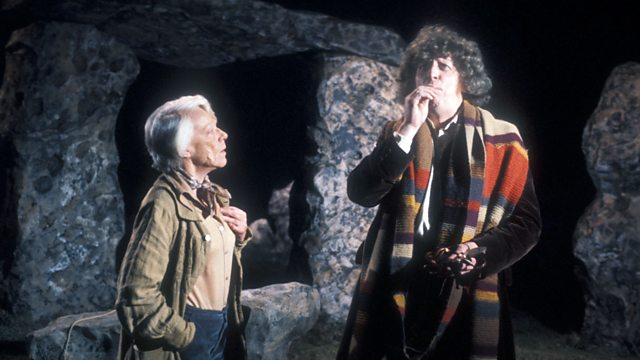
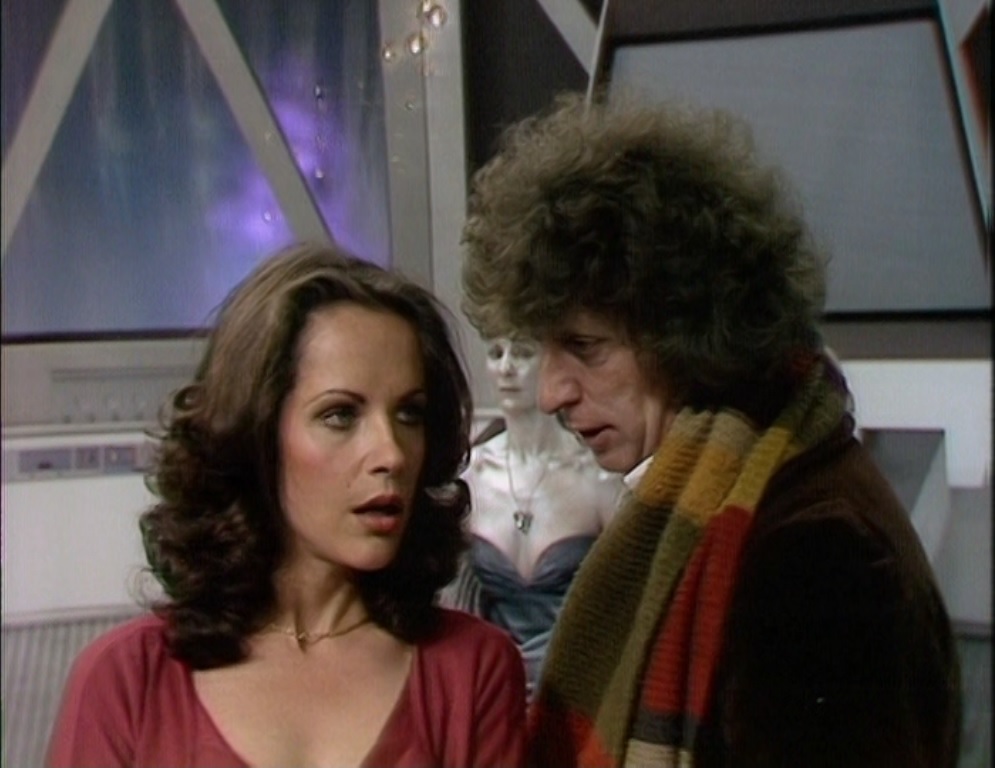
The Stones of Blood, as the story was named, was a part of the season-long quest for the separate pieces of the Key to Time. The Doctor (played, in his fourth television incarnation, by Tom Baker) and his companions, Romana (Mary Tamm) and K-9 (voiced by John Leeson) traveled across time and space, searching for the pieces. The catch was that each piece was disguised as something that didn’t look like it would be a part of a key. So, the Doctor would have to fight space pirates, space androids, and even space prisoners before managing to figure out what each piece was disguised as.

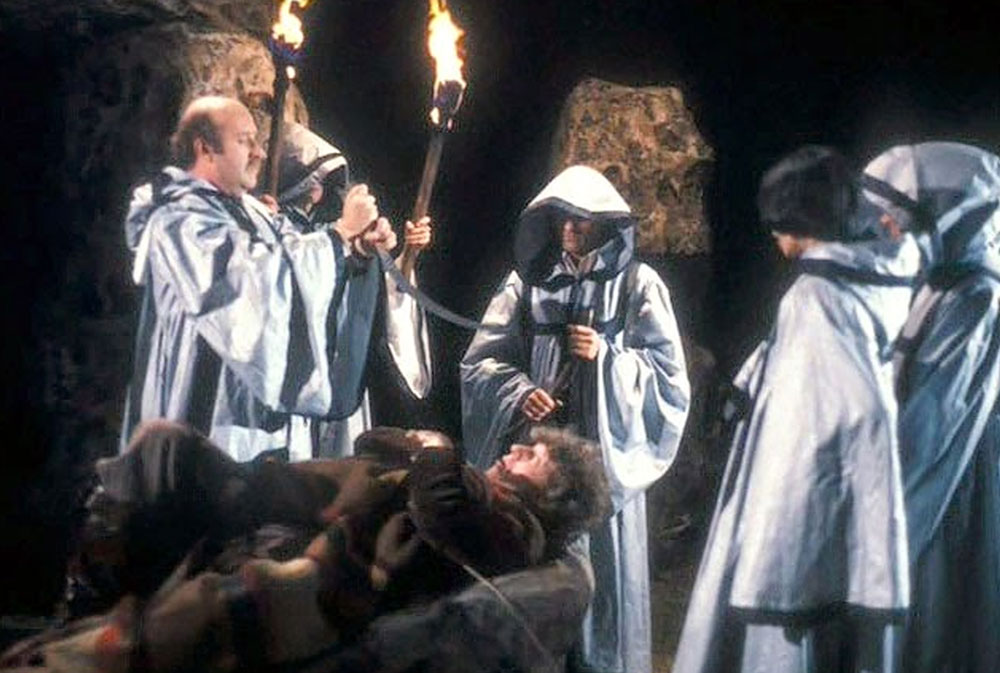
The Stones of Blood was a four-part story. The first two parts find the Doctor and his companions on Earth, investigating a set of standing stones in Cornwall and fighting a group of modern-day druids. The second half of the story moves the action to a prison ship, where the Doctor pursues an intergalactic thief who has stolen one of the stones. In fact, the thief has stolen the most important of the stones because it’s actually a piece of the Key of Time.

The Stones of Blood is middle-of-the-road Doctor Who. It starts out strong. My favorite episodes of the original Doctor Who are almost always the ones that bring the Doctor back to the UK. The earthbound episodes usually have more humor and they don’t suffer from the handicap of having to create an alien world out of cardboard and papier-mâché. The use of the standing stones especially gives this episode an even more British feel than usual. Once the action moves to the prison ship, things get much less interesting. Tom Baker is an acquired taste for some but he’s always been one of my favorite Doctors and whenever I see any of the Key of Time episodes, I always think it’s unfortunate that Baker and Mary Tamm apparently didn’t enjoy working together. She’s been overshadowed by Lalla Ward’s interpretation of the character but Mary Tamm’s Romana was intriguing as well. It was always interesting to see the Doctor have to work with someone who took the rules of time and space seriously.

It may be hard to believe now but, when Doctor Who began in 1963, it’s doubtful anyone expected that it would be still going strong in 1978. Certainly, no one would have expected it to still be as popular as it is in 2021. Much like the Doctor, Doctor Who has proven to be indestructible.

Previous Great Moments In Television History:

  1. Planet of the Apes The TV Series
  2. Lonely Water
  3. Ghostwatch Traumatizes The UK
  4. Frasier Meets The Candidate
  5. The Autons Terrify The UK
  6. Freedom’s Last Stand
  7. Bing Crosby and David Bowie Share A Duet
  8. Apaches Traumatizes the UK

Here’s The Trailer for A Hero


A Hero, which is the latest film from Iranian director Asghar Farhadi, was one of the most acclaimed films to play at Cannes this year and its release has definitely been highly anticipated here in the States. The film deals with a man who has been imprisoned for being unable to pay a debt. When he gets a two-day leave, he tries to convince the man to whom he owes money to forgive the debt. Apparently, things do not go as planned.

A Hero is Iran’s official entry for this year’s Best International Film Oscar. It will be released in the U.S. in early January of 2022.

Here’s the trailer:

The Martian Chronicles: Episode 1: The Expeditions (1980, directed by Michael Anderson)


In 1980, NBC adapted the Ray Bradbury short story collection, The Martian Chronicles, into a three-part miniseries.  Though Bradbury’s original book featured short stories that were only loosely connected by two shared locations (Earth and Mars), the miniseries connected most of the stories through the character of Colonel John Wilder (Rock Hudson), the NASA project director who headed up the project to colonize Mars and who later regretted his decision after it became clear that humanity was going to treat Mars just as badly as they treated their previous home.  The miniseries was adapted by Richard Matheson and directed by Michael Anderson.
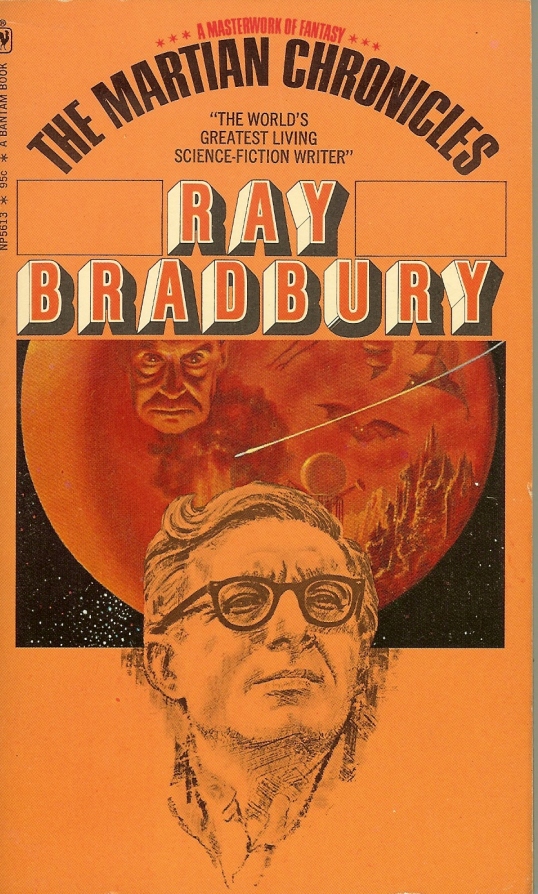
Unfortunately, the miniseries itself was not a hit with critics, who complained that the story moved too slowly.  Audiences, having just experienced Star Wars and Close Encounters of the Third Kind, were not impressed with the special effects, in which miniatures were used to simulate spacecraft flying through space.  Despite all of that, though, The Martian Chronicles has built up a cult following.  I can remember first catching the miniseries playing late at night on one of the local station in Baltimore.  I’ve always liked it.  It’s not as good as Bradbury’s original collection, of course.  But the miniseries still has its strengths, despite the miniatures.
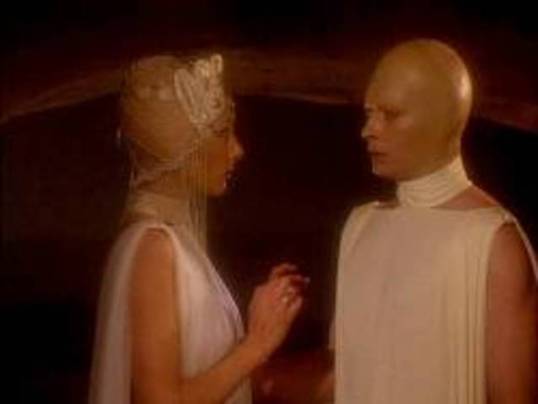
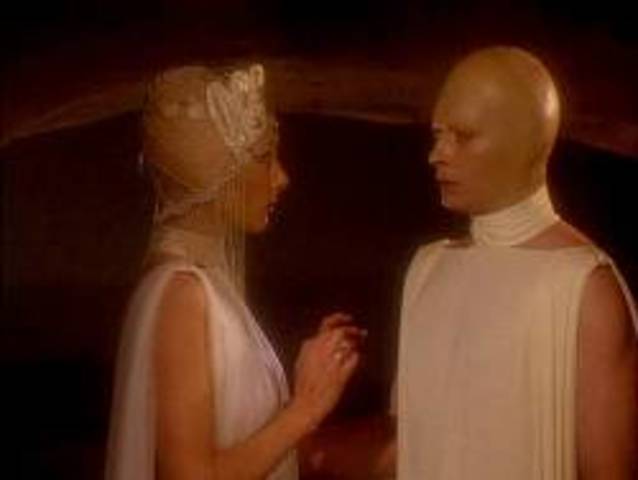
The first and best episode of the miniseries was The Expeditions.  Starting with a recreation of Viking 1 landing on Mars in 1976, the episode jumps forward to the far future of 1999!  The first manned spacecraft lands on Mars and the two astronauts aboard are promptly killed by the first Martian that they meet, an angry husband who thinks that one of the astronauts is going to have an affair with his wife.
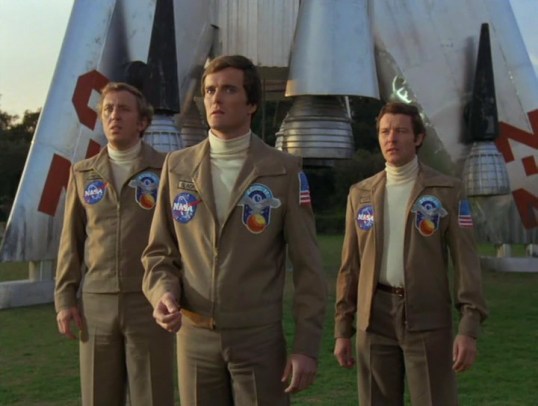
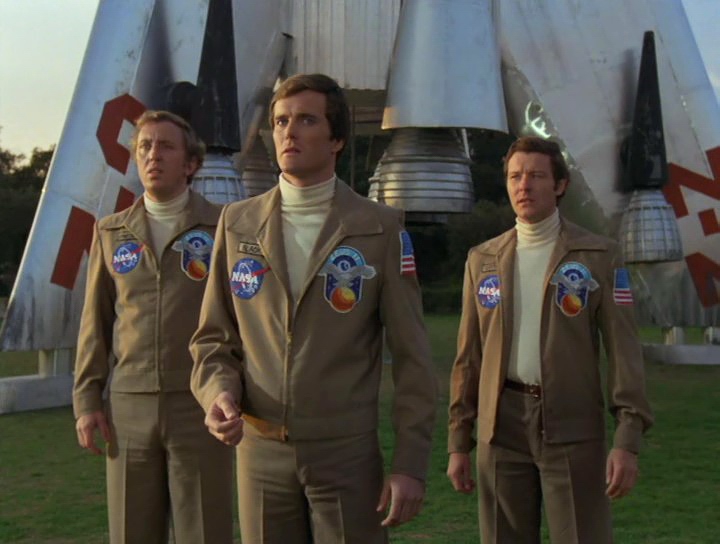
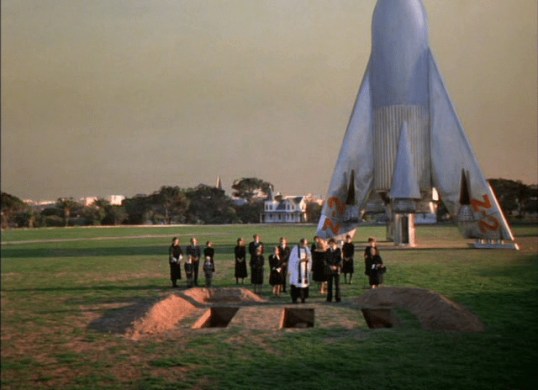
The second expedition is led by Captain Arthur Black (Nicholas Hammond, best-know for playing Spider-Man in the late 70s TV series).  When they land on Mars, they discover that the formerly Red Planet now looks like Black’s childhood home of Green Bluff, Illinois.  All of their relatives are waiting for them!  Falling into the belief that they’ve returned to the past, the astronauts are killed by their “families” that night.  It turns out that the Martians were using Black’s memories to set a trap for them.  As the Martian who disguises himself as Black’s brother explains it, they’ve seen, in the minds of the astronauts, what the humans are doing to their own planet and they can’t allow that to happen to Mars.  “Forgive us,” the Martians says, “we were once an honorable race.”  In one of the best scenes in both the book and the miniseries, the Martians still have an Earth-style funeral for the men that they’ve killed because they too got sucked into the world that they created and came to care about the men they felt they had to kill.
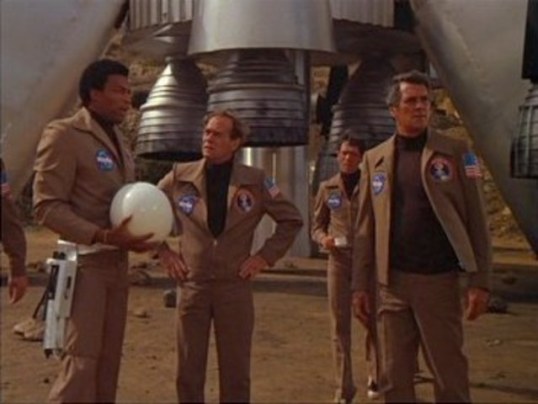
Years later, a third expedition arrives.  This one takes up the majority of the episode.  It’s led by Colonel Wilder himself and includes Sam Parkhill (Darren McGavin), Jeff Spender (Bernie Casey), Briggs (John Cassady), and McClure (Peter Marinker).  Almost all of the Martians have apparently died, the victims of the Earth germs that were brought to the planet by the second expedition.  While Parkhill plots to open a barbecue joint and Briggs gets drunk and tosses his empty beer cans into a waterway that he christens, “Biggs Canal,” Spender investigates a deserted Martian city.  Unlike the others, Spender is in awe of the Martian civilization and angry that it’s been so casually destroyed.  When Spender returns, he declares himself to be “the last Martian” and tries to kill the members of the expedition.
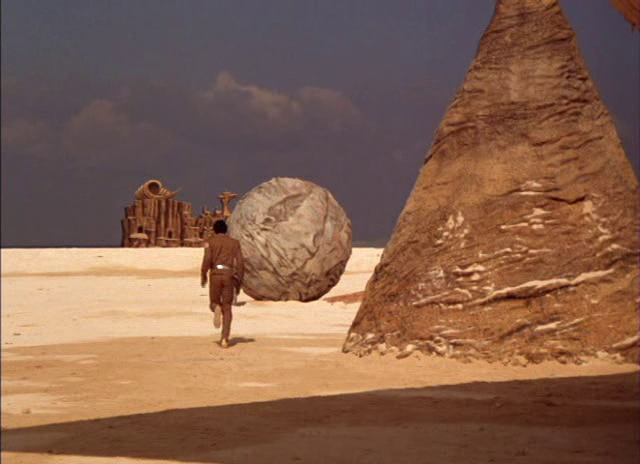
Of the three episodes, The Expeditions is the one that sticks closest to the stories on which it was based, in both content and theme.  Not surprisingly, it’s also the best of the miniseries, with each vignette working as both a separate story and a part of a larger whole.  It’s the episode that sticks closest to what Bradbuy himself was going for in his original collection.  While the miniature spaceships are a distraction, the desolate Martian landscape is sharply realized and the first episode is full of striking shots, from the Martian husband walking through the red desert to “greet” the first expedition to the funeral for the second expedition to the final battle between Spender and the survivors of the third expedition.  Among the members of the cast, Nicholas Hammond and Bernie Casey are the stand-outs but everyone plays their part well.  Darren McGavin is always a welcome presece in any miniseries and John Cassady is so obnoxious as Briggs that it’s impossible not to see where Spender is coming from.  (Back when the IMDb still has message boards, every message on Cassady’s board was someone posting about Briggs Canal.)  Rock Hudson is as stiff as ever but it’s appropriate for his character.  The scene where he and Bernie Casey debate whether humanity is worthy of a planet like Mars is well-acted by both actors, with the different opinions of their characters reflected in the different performing styles of the two actors.  Though the miniseries never explicitly states it, it is perhaps not a coincidence that Spender, as the only black character in the miniseries, is the only one to truly understand what humans colonizing Mars could lead to.
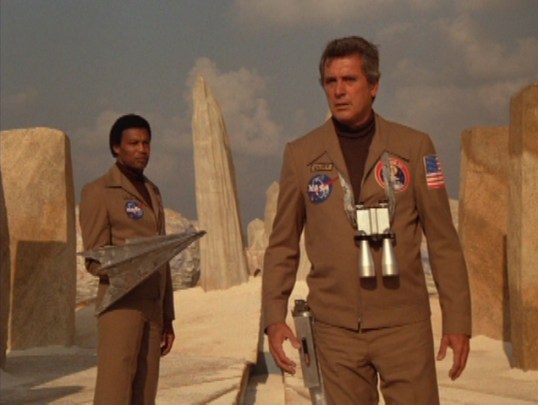
The Expeditions ends with Spender warning that humans will destroy Mars if they’re allowed to colonize it.  The next episode would explore whether he was correct.  We’ll take a look at The Settlers tomorrow.
Here’s The 2nd Trailer For House of Gucci!


At this point, it seems pretty clear that Ridley Scott’s House of Gucci is either going to be:

  1. A complete mess

or

2. A whole lot of sordid fun.

My personal hope is that it will be both.  With The Last Duel struggling at the box office, it’s also probably that House of Gucci is going to be Scott’s main Oscar contender this year.  It certainly seems likely to pick up a hair and makeup nomination, if just for making Jared Leto look like Jeffrey Tambor.

The 2nd trailer for House of Gucci dropped today.  And here it is!

Great Moments In Comic Book History: The First Appearance of Werewolf By Night


From 1954 to 1971, comic book readers across America were safe from werewolves. The Comics Code Authority, that set of rules instituted to get Dr. Frederic Wertham to stop declaring comic books to be the greatest menace to the American way of life since the horseless carriage, forbade any supernatural characters. Werewolves were not allowed to fight alongside or against any of the super heroes published by D.C., Marvel, or any of the other comic books companies governed by the CCA.

The CCA started to relax their rules in 1971, especially after Marvel published an issue of Spider-Man that did not get the CCA’s seal of approval because it featured a friend of Peter Parker’s getting hooked on drugs. When the issue not only sold well but also generated a lot of negative publicity about how out-of-touch the CCA was with what comic book readers were actually having to deal with, the CCA started to relax their rules.

Marvel reacted by introducing a whole host of supernatural characters who had previously been banned under the CCA. Throughout the 70s, Captain America, Spider-Man, and others often shared their pages with the likes of Dracula, Frankenstein’s Monster, and sometimes even Satan himself.

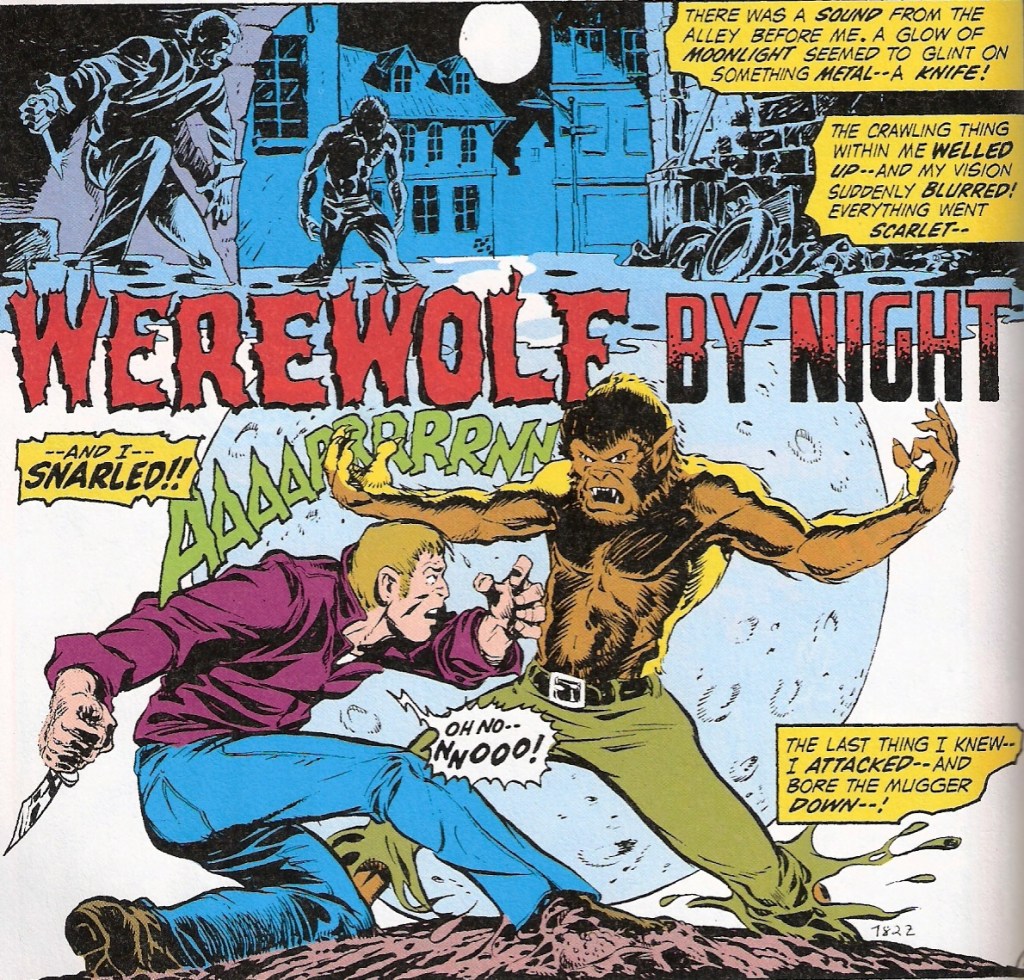
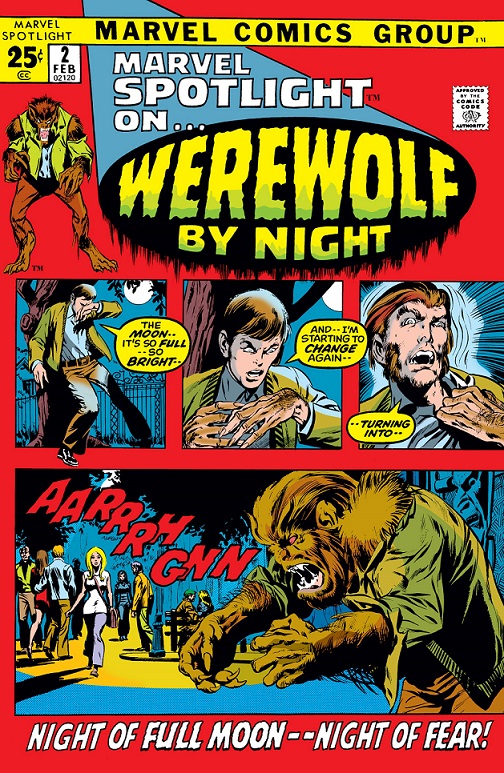
Werewolf by Night was Marvel’s first werewolf. (The title had previously been used before the CCA went into effect, back when Marvel was still known as Atlas.) He made his first appearance in the 2nd issue of Marvel Spotlight. By day, he was Jack Russell. He was also Jack Russell by night, unless there was a full moon. Then, he was Werewolf by Night! He was different from most Marvel characters in that he lived in Los Angeles instead of Manhattan. However, one thing that he did have in common with a surprisingly large amount of comic book heroes is that his story started with a mugging.

At first, Jack thinks this was just a dream. It’s only later in the issue that his mother confesses that Jack’s father was a werewolf and apparently, the curse has been passed down. Jack is not happy to hear that and after promising to never attack his stepfather, Jack runs off into the night. Later, when Jack nearly breaks his promise, he realizes that a werewolf cannot have a family. A werewolf must always be alone.

From such simple beginnings, one of Marvel’s most venerable characters was born. Many of the Marvel horror characters disappeared after a few issues but Werewolf by Night has remained an active member of the Marvel Universe. Though my favorite Marvel werewolf remains Man-Wolf, Werewolf By Night has had his moments. My personal favorite was when he, Spider-Man, and Franenstein’s Monster teamed up to take down the Monster Maker. It’s not easy being a werewolf but Jack Russell (and, when the series was recently rebooted, Jake Gomez) has always done his best.

Marvel Spotlight Vol.1 #2 (February 1972) — “Night of Full Moon — Night of Fear

Writers — Roy Thomas, Dean Thomas, Gerry Conway

Penciler and Inker — Mike Ploog

Letterer — John Costanza

Editor — Stan Lee

Previous Great Moments In Comic Book History:

  1. Winchester Before Winchester: Swamp Thing Vol. 2 #45 “Ghost Dance” 
  2. The Avengers Appear on David Letterman
  3. Crisis on Campus
  4. “Even in Death”
  5. The Debut of Man-Wolf in Amazing Spider-Man
  6. Spider-Man Meets The Monster Maker
  7. Conan The Barbarian Visits Times Square
  8. Dracula Joins The Marvel Universe
  9. The Death of Dr. Druid
  10. To All A Good Night
  11. Zombie!
  12. The First Appearance of Ghost Rider

Game Review: Hercules! (2021, Leo Weinreb)


Hercules! is an entrant in 2021 Interactive Fiction competition.  Browse and experience all of the games by clicking here.

Usually, I don’t like to start a game review by quoting a huge chunk of text from the game but the opening to Hercules! and the game’s response to the first few commands that I typed in will tell you a lot about whether or not this game is for you.

From Hercules!, by Leo Weinreb:

“Hi! My name’s Hercules, and I want to be a hero!”

That was your opening line to the Gods on the glowing marble steps of Mount Olympus. There was a beat of silence as your words rang through the air – and then a roaring, hysterical fit of laughter that could not be quelled.

You can’t really blame them, you suppose – you don’t exactly fit the heroic mold. You’re near-sighted, scrawny, constantly allergic, and have far more phobias than a demigod should. Your spiteful stepmother Hera discounts you out of hand, and even your father Zeus is skeptical at best. But you know you can be as great as the Gods themselves if only someone would just give you a chance!

As luck would have it, the day after your meeting with the Gods, your cousin Eurystheus offered you a temp job. Finally, you’ve been given a chance to prove yourself, and you’ll be sure not to squander this opportunity! Let’s see, this to-do list he gave you can’t be all that hard…

Main Road
You are on a plain dirt road leading east to the land of Tiryns, where your cousin Eurystheus serves as king.

>verbose
Hercules! is now in its “verbose” mode, which always gives long descriptions of locations (even if you’ve been there before).

>x me
You’ve never been one for vanity, but you give yourself a good once-over. Your limbs are scrawny and weak, almost spaghetti-noodle like, and your acne hasn’t improved since middle school. Your spectacles slide down your nose so much that you’ve gotten into a habit of just pushing them back up again, and your height is considerably below average. Sure you may not be much to look at, but you’d rather be brainy than brawny any day. Give me a good instruction manual and some Albuterol and nothing is impossible!

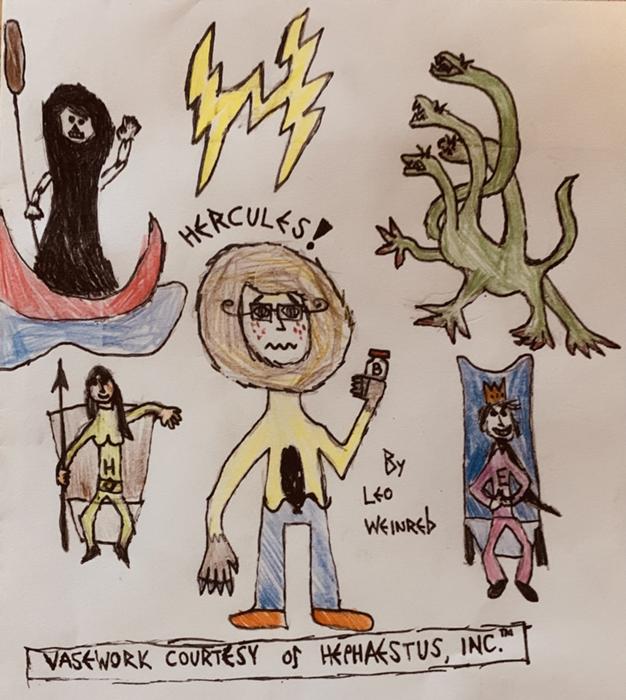
This game imagines a Hercules who, for lack of a better term, is a nerd.  If you think being a nerd is difficult in the modern world, just try to being one in ancient Greece, at a time when muscles and ludicrous feats of strength are everything!  Determined to prove yourself, you accept the 12 impossible tasks that have been assigned to you by your cousin.

This is a fun game.  Obviously, the main appeal of the game is the way that it pokes fun at Greek mythology but the writing is also consistently funny and the NPCs are all enjoyably quirky and weird.  The puzzles aren’t too difficult and, fortunately, you can download a walkthrough.  I laughed several times while walking through Hercules!  There’s not many IF games that I can say that about.

Play Herclues!

International Horror Film Review: The Brood (dir by David Cronenberg)


O Canada!
Our home and native land!
True patriot love in all of us command.
With glowing hearts we see thee rise,
The True North strong and free!
From far and wide,
O Canada, we stand on guard for thee.
God keep our land glorious and free!
O Canada, we stand on guard for thee.

Canada!  It always seems like such a nice country until you watch a David Cronenberg film.  Hailing from Toronto, Cronenberg started his film career with two satirical, black-and-white science fiction shorts and then went on to become one of Canada’s best-known filmmakers.  At a time when most people associated Canada with politeness and maple syrup, Cronenberg made visceral and often-disturbing films, ones that often mixed sexuality with graphic body horror.  At a time when the genre was being dominated by Italian filmmakers, Cronenberg brought a uniquely Canadian sensibility to horror.

Take 1979’s The Brood, for instance.

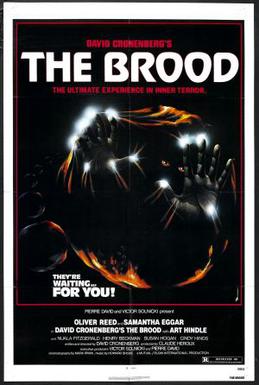
The Brood tells the story of one very doomed marriage.  Frank (Art Hindle) and Nola (Samantha Eggar) Carveth are fighting for custody of their five year-old daughter, Candice (Cindy Hinds).  (Not coincidentally, Cronenberg was going through his own custody battle when he first came up with the idea for The Brood.)  Nola, who has been emotionally scarred by both her alcoholic parents and her troubled marriage to Frank, is a patient at Somafree Institute.  Her psychotherapist, Dr. Hal Raglan (Oliver Reed), practices a technique called “psychoplasmics.”  Though it’s not easy to describe (and, wisely, Cronenberg doesn’t spend too much time trying to justify the science of it), it basically involves channeling anger and suppressed emotions into body modification.  What you or I might consider to be a hive or a welt is what Dr. Raglan would call a major breakthrough.

Frank is skeptical about Dr. Raglan’s theories but he still takes Candice to visit her mom.  However, when Candice returns from one visit bruised and scratched, Frank is convinced that Nola has been abusing her.  Hoping to both win custody of Candice and prove that Dr. Raglan’s methods are dangerous, Frank starts his own investigation into just what exactly has been happening at the Somafree Institute.

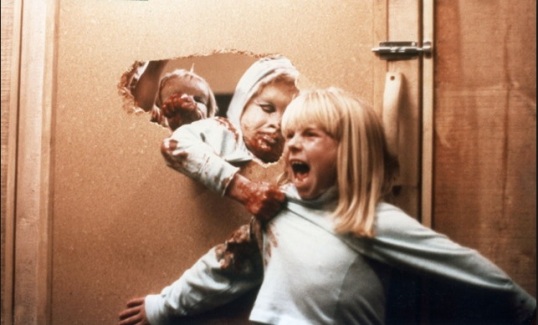
That’s when the children start to show up.  The children are small, with pale skin and light hair and oddly featureless faces.  They never smile.  They never speak.  They show up without any warning and violence always seems to follow them.  They attack both Nola’s mother and father.  When Nola suspects that Frank might be having an affair with Candice’s teacher, two of the children suddenly appear in her classroom.  Candice is scared of the children but still seems to have some sort of connection to them…

Even if you didn’t know this was a Cronenberg film, it would take just one look at the snow-covered landscape to identify The Brood as being a Canadian film.  As was often the case with Cronenberg’s early horror films, the imagery is frequently cold and chilly.  However, The Brood is not a cold film.  With its look at dysfunctional families and its emphasis on Frank’s attempts to protect his daughter, The Brood is actually one of Cronenberg’s most emotional films.  It’s a film about not only anger but also how people deal with that anger.  The killer kids are both literally and metaphorically children of rage.

Even by the standards of Cronenberg, things get grotesque.  Fortunately, the film’s talented cast keeps you interested, even when the bloody visuals might make you want to find a nice comedy to watch instead.  Art Hindle and Cindy Hinds are sympathetic as the father and daughter.  Oliver Reed keeps you guessing as to what exactly Dr. Raglan is actually trying to accomplish.  Nicholas Campbell and Robert A. Silverman, two members of the Cronenberg stock company, both make an impression in smallish roles.  And Samantha Eggar totally throws herself into her role, turning Nola into an absolutely terrifying monster.

Though it never quite reaches the flamboyant heights of either Scanners or ShiversThe Brood is still an effective horror film.  As opposed to some of his other films of the period, Cronenberg actually seems to not only care about the characters in the film but it also comfortable with encouraging us to care about them as well.  As a result, The Brood becomes about more than just trying to shock the audience.  The Brood is a film that sticks with you.

The Brood (1979, dir by David Cronenberg DP: Mark Irwin)

4 Shots From 4 Mario Bava Films


4 Or More Shots From 4 Or More Films is just what it says it is, 4 shots from 4 of our favorite films. As opposed to the reviews and recaps that we usually post, 4 Shots From 4 Films lets the visuals do the talking!

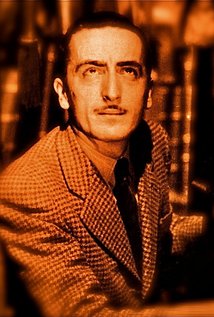
Today, we pay tribute to one of the greatest filmmakers of all time, the one and only Mario Bava!  It’s time for….

4 Shots From 4 Mario Bava Films

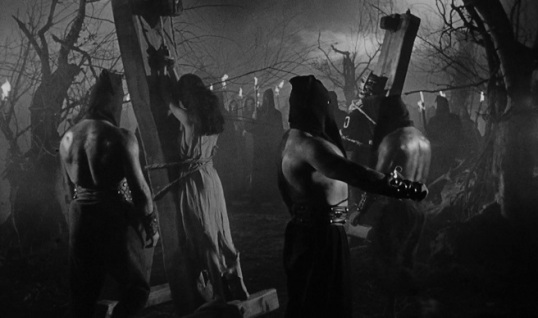
Black Sunday (1960, dir by Mario Bava)

Kill, Baby, Kill (1966, dir by Mario Bava)

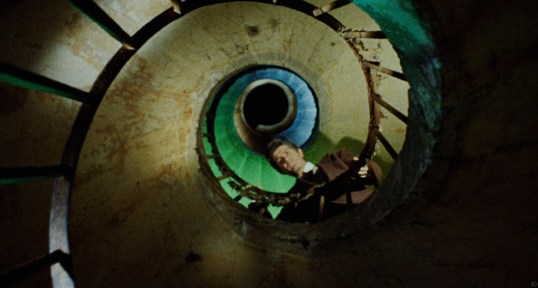
Lisa and the Devil (1973, dir by Mario Bava)

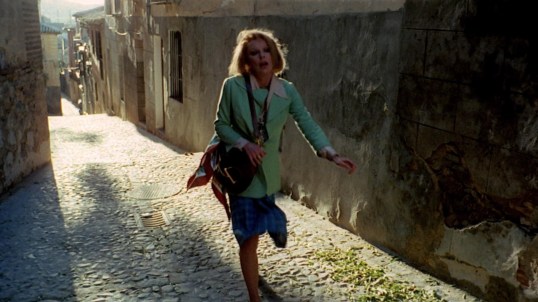
Shock (1977, dir by Mario Bava)

A Blast From The Past: Shake Hands With Danger (dir by Herk Harvey)


Director Herk Harvey

Since I’m going to be sharing Herk Harvey’s Carnival of Souls on Saturday, I’ve been preparing by showing some of the short films that Harvey directed before and after making his only feature. 1980’s Shake Hands With Danger was actually one of Harvey’s final films and, needless to say, it came out long after Carnival of Souls.

This short film is all about being safe while working with heavy machinery. If Candace Hilligoss had shown more caution, she wouldn’t have had to shake hands with danger in Carnival of Souls. See, it’s all connected! Welcome to the Herkiverse.

Here’s the film. Watch and learn: