Live Tweet Alert: Watch The Howling With #ScarySocial!


As some of our regular readers undoubtedly know, I am involved in a few weekly live tweets on twitter.  I host #FridayNightFlix every Friday, I co-host #ScarySocial on Saturday, and I am one of the five hosts of #MondayActionMovie!  Every week, we get together.  We watch a movie.  We tweet our way through it.

Tonight, for #ScarySocial, I will be hosting a true classic, The Howling!

If you want to join us on Saturday night, just hop onto twitter, start the film at 9 pm et, and use the #ScarySocial hashtag!  The film is available on Prime!  I’ll be there co-hosting and I imagine some other members of the TSL Crew will be there as well.  It’s a friendly group and welcoming of newcomers so don’t be shy!


4 Shots From 4 Horror Films: The 1980s Part One


This October, I’m going to be doing something a little bit different with my contribution to 4 Shots From 4 Films.  I’m going to be taking a little chronological tour of the history of horror cinema, moving from decade to decade.

Today, we begin the 80s!

4 Shots From 4 Horror Films

Friday the  13th (1980, dir by Sean S. Cunningham)

Friday the 13th (1980, dir by Sean S. Cunningham)

The Shining (1980, dir by Stanley Kubrick)

The Shining (1980, dir by Stanley Kubrick)

The Beyond (1981, dir by Lucio Fulci)

The Beyond (1981, dir by Lucio Fulci)

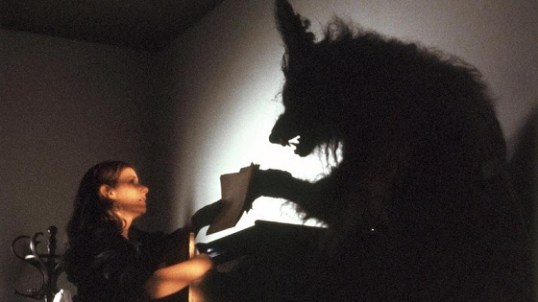
The Howling (1981, dir by Joe Dante)

The Howling (1981, dir by Joe Dante)

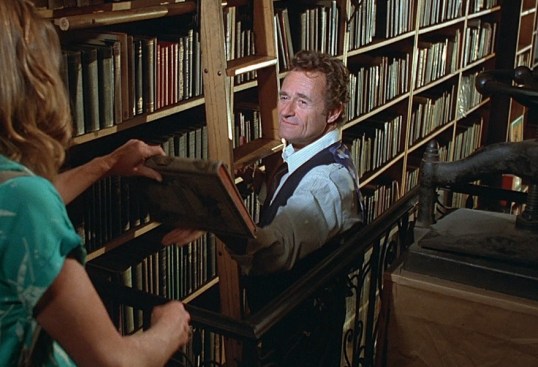
Horror Scenes That I Love: Dick Miller In The Howling


A true scene stealer, the character actor Dick Miller was a Navy veteran who earned a Phd in psychology, even while he was already appearing on stage.  His 1952 move from New York to California was originally so that he could pursue a career as a writer.  Instead, he ended up becoming one of the most beloved members of Roger Corman’s stock company.  (Famously, in 1952’s Apache Woman, he played both a Native American and the townsperson who shot him.)  Many of the directors who started their careers under Roger Corman continued to cast Dick Miller in their own films, keeping Miller busy as a character actor.  Miller worked with everyone from Martin Scorsese to Joe Dante to James Cameron to Steven Spielberg to Jim Wynorski.  Miller often played characters named Walter Paisley, a reference to his first starring role in Corman’s A Bucket of Blood.

In this scene from 1981’s The Howling, Dick Miller lets two reporters know what’s truly going on with the werewolves.

Under the Moon’s Shadow: The Many Faces of the Modern Werewolf in Cinema


“Beneath the full moon’s gaze, the werewolf’s howl reminds us that the monster we fear most lives within.”

Werewolves have been haunting movies for almost a century, capturing our deepest fears and hidden desires. But today’s werewolf films go beyond the classic horror formula, offering fresh takes that reflect different genres, tones, and cultural vibes. From the intense, action-packed Dog Soldiers to the emotionally charged coming-of-age story in Ginger Snaps, modern werewolf stories keep evolving. This piece explores five standout films—Dog Soldiers (2002), Ginger Snaps (2000), Wolfen (1981), The Howling (1981), and An American Werewolf in London (1981)—to see how they each put their unique spin on the age-old monster myth.

The Werewolf as Warrior: Dog Soldiers’ Brutal Siege

Neil Marshall’s Dog Soldiers breaks away from the lonely, tragic werewolf trope and cranks up the action. Set deep in the Scottish Highlands, it throws a squad of British soldiers against a ferocious pack of werewolves. This film turns the myth into a survival war story packed with tension and raw energy, reminiscent of classics like Aliens and Zulu. The werewolves here aren’t lonely victims—they’re terrifying predators, more beast than man, rarely fully shown to keep the suspense sharp. The movie focuses on the squad’s fight to survive and the bonds they share, putting teamwork and instinct front and center.

The werewolves are intentionally faceless threats, less about human drama and more about pure danger. Instead of personal transformation, Dog Soldiers is about external combat, the struggle between man and beast in its rawest form.

Adolescence Unleashed: Ginger Snaps and the Lycanthropic Metaphor

Ginger Snaps takes a totally different route, using werewolf transformation as a metaphor for female puberty and all the confusing emotions that come with growing up. The bridge between monster and metaphor is Ginger’s first period, which triggers her curse and mirrors the changes and fears of adolescence. The movie digs deep into sisterhood, identity crises, and the loss of control, wrapping its horror in psychological drama and dark humor.

Instead of flashy creature effects, Ginger Snaps keeps things subtle, focusing on emotional truth. It’s a personal story about change and fear of becoming “other,” making the monster symbolic of real-life struggles rather than just an external threat.

Urban Shadows: Wolfen’s Mystical Guardians of Decay

Wolfen stands apart for taking the werewolf myth into the world of urban decay and social unrest. Set in New York City’s rundown South Bronx, it follows detectives chasing a mysterious “Wolfen” creature tied to Native American spirituality. These aren’t just monsters—they’re ancient protectors fighting back against the destruction of nature by the city.

This movie trades fast-paced horror for slow-building atmosphere and social commentary. It uses the werewolf myth to reflect on displacement, environmental trauma, and the clash between nature and modern life.

Satire and Savagery: The Howling’s Shifting Tones

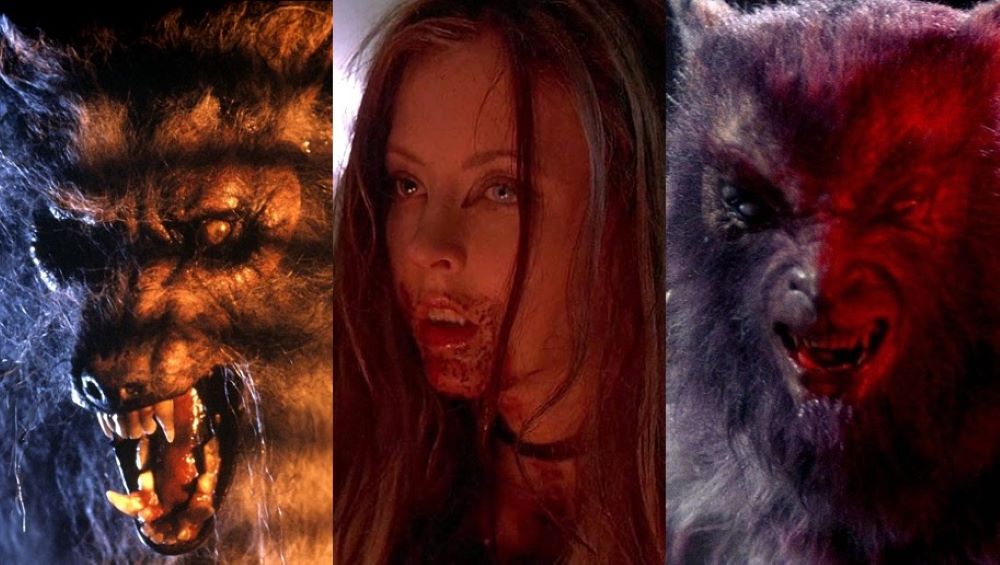
Joe Dante’s The Howling mixes body horror, camp, and satire in a way few horror movies do. The film tracks a journalist who stumbles upon a hidden werewolf colony and shifts effortlessly between chilling scares and self-aware humor. The transformation scenes set a new standard with unforgettable effects, and the movie sneaks in sharp critiques of media culture and cult mentality.

The werewolves in The Howling have a raw, animalistic design inspired by medieval art, which adds to the unsettling vibe. The film plays with expectations, flipping between serious horror and playful camp to keep viewers on their toes.

Tragedy and Humor: An American Werewolf in London’s Genre Fusion

An American Werewolf in London changed the game by blending horror, comedy, and tragedy all in one. It tells the bittersweet story of an American backpacker cursed after a werewolf attack in England. The special effects were groundbreaking, making the transformation scenes legendary. But more than the effects, its mix of sharp wit and real sadness gives it an emotional depth rare for horror films.

Unlike the external threats in Dog Soldiers or Wolfen, this film focuses on the inner turmoil of becoming a monster and the tragic human cost. The humor lightens the mood but never undercuts the emotional punch.

Thematic and Stylistic Divergence: A Closer Look

What stands out most when looking at these films is just how differently each approaches the werewolf myth, using it to tap into a wide variety of fears and ideas.

Tone and Mood

The films differ widely in tone. Dog Soldiers is intense and gritty, pulling viewers into a tense battle for survival marked by an unrelenting external threat. In contrast, Ginger Snaps is more reflective and symbolic, presenting the werewolf as a metaphor for adolescent change and identity struggles, especially in the context of female puberty. Its tone is intimate and emotionally charged.

Wolfen adopts a slower, more brooding atmosphere, emphasizing mystery and social critique through ecological and urban decay themes. The Howling fluctuates between genuine body horror and camp satire, challenging viewer expectations with its mix of fear and humor. Finally, An American Werewolf in London balances horror and comedy with a tragic undertone, creating an emotional complexity that few other werewolf films achieve.

Narrative Focus

The stories told by these films further highlight their differences. Dog Soldiers centers on a group dynamic, focusing on survival against a faceless external menace. Ginger Snaps is more inward-looking, exploring personal growth, family bonds, and the emotional upheaval of transformation.

Wolfen zooms out to look at social and environmental issues, making the werewolf a symbol of nature fighting back against urban chaos. Similarly, The Howling blends personal horror with cultural critique, exploring media obsession and cult psychology, all while keeping the story focused on its characters. An American Werewolf in London chooses to dive deep into one man’s tragic journey, showing the emotional impact of becoming a monster.

Cultural Themes

Together, these films show how the werewolf myth can reflect whatever fears or themes society is grappling with. Dog Soldiers taps into worries about survival and overwhelming outside forces; Ginger Snaps gets at the confusion and pain of growing up; Wolfen reflects alienation and environmental concerns; The Howling examines media hype and societal madness; and An American Werewolf in London highlights inner conflict and loss.

This broad range of themes and styles proves the werewolf legend is still incredibly adaptable—still a powerful way for films to engage with human experience in all its complexity.

Other Modern Werewolf Films in Context

Beyond these main works, many other films contribute to the werewolf legacy. The Company of Wolves (1984) explores gender and sexuality through fairy tale visuals. Silver Bullet (1985) adapts Stephen King for a small-town horror tale. Joe Johnston’s The Wolfman (2010) revives gothic horror with modern effects and includes standout makeup work by Rick Baker, delivering a visually rich yet emotionally complex take on the classic. Mike Nichols’ Wolf (1994) uses lycanthropy as a metaphor for aging and desire.

Most recently, Leigh Whannell’s remake of The Wolfman (2024) offers a fresh perspective on the myth, blending psychological horror with visceral transformation sequences. Whannell’s version emphasizes the protagonist’s internal struggle and familial curses within a contemporary setting, melding suspense with a nuanced character study and updated special effects to appeal to modern audiences while honoring the gothic roots.

Adding a lighter touch is The Monster Squad (1987), where a group of kids face off against classic monsters—including a reluctant Wolfman—in a mix of horror, adventure, and youthful courage. Its playful tone offers a nostalgic, fun take on the werewolf legend, proving that these creatures can captivate across genres and generations.

Together, these films highlight how the werewolf myth keeps evolving, adapting to reflect new cultural moments and storytelling styles.

Conclusion: Why the Werewolf Still Howls

The lasting power of werewolves in cinema lies in their extraordinary adaptability. These films show how the werewolf morphs to fit different narratives and cultural concerns: from brutal external threats in Dog Soldiers to metaphors for personal growth in Ginger Snaps; from mystical protectors in Wolfen to symbols of media mania in The Howling; and from tragic heroes in An American Werewolf in London to youthful adventurers in The Monster Squad.

The werewolf is not just a monster of flesh and fur but a cultural shape-shifter—malleable, symbolic, and endlessly fascinating. Its transformations mirror not only physical change but societal anxieties, personal struggles, and the complexities of human nature. This versatility guarantees the werewolf’s howl will echo across cinema for generations to come.

Horror Film Review: The Howling (dir by Joe Dante)


The 1981 film, The Howling, takes place at The Colony.

The Colony is a lovely place, a nice resort out in the middle of the countryside.  It’s a place that celebrity therapist George Waggener (Patrick Macnee) sends his clients so that they can recover from trauma.  It’s a bit of a grown-up version of the ranch to which Dr. Phil used to send juvenile delinquents.  Of course, the Colony is full of adults and they’re an eccentric bunch.  I mean, one of them — named Erle Kenton — is actually played by John Carradine!  That’s just how eccentric the place is.  Sheriff Sam Newfield (Slim Pickens) keeps an eye on the place but everyone knows that there’s nothing to worry about when it comes to The Colony.  Dr. Waggner does good work.

Karen White (Dee Wallace) is a Los Angeles news anchor who was held hostage by a serial killer named Eddie Quist (Robert Picardo).  While she was with Eddie, she was forced to not only watch videos of Eddie’s crimes but she also saw something happen with Eddie that terrified her to such an extent that she has blocked it from her mind.  Karen was rescued by the police but she is haunted by nightmares.  Dr. Waggner arranges for Karen and her husband, Bill Neill (Christopher Stone, who was married to Dee Wallace when they co-starred in this film), to spend some time at the Colony.

Bill loves the Colony, especially after he attracts the eye of Marsha (Elisabeth Brooks), the resort’s resident seductress.  Karen, however, is less enamored of the place.  The Colony feels off to her and she’s not happy about the howling in the distance or the fact that Bill has suddenly started to grow distant from her.  Could it be that The Colony is actually crawling with werewolves and that Bill has become one of them?  (It’s totally possible and, to The Howling‘s credit, it doesn’t waste any time letting us know that.)  Karen’s friend, Terry Fisher (Belinda Balanski), and her boyfriend, Chris Halloran (Dennis Dugan), do some research of their own into Eddie Quist, The Colony, and whether or not werewolves exists and they meet a helpful bookstore owner named Walter Paisley (Dick Miller).

To understand the approach that director Joe Dante and screenwriter John Sayles take to The Howling, one needs to only consider the names of some of the characters.  George Waggner.  Bill Neill. Terry (which can be short for Terence) Fisher.  Fred (or is that Freddie) Francis.  Erle Kenton.  Sam Newfield.  Jerry Warren.  All of these characters are named after horror film directors.  This is the type of werewolf film where Chris Halloran has a copy of The Three Little Pigs sitting on his desk.  Veteran actors like Kevin McCarthy, John Carradine, Slim Pickens, and Kenneth Tobey show up in small roles.  Roger Corman mainstay Dick Miller plays yet another character named Walter Paisley and he kicks Forrest J. Ackerman out of his bookstore.  Roger Corman himself plays a man making a phone call.  After a werewolf is shot on live TV, the program immediately cuts to a dog food commercial and we see a blank-faced child telling his unconcerned parents that someone just turned into a wolf.  The Howling was made by people who obviously love B-horror and that love is present in every frame of the film.

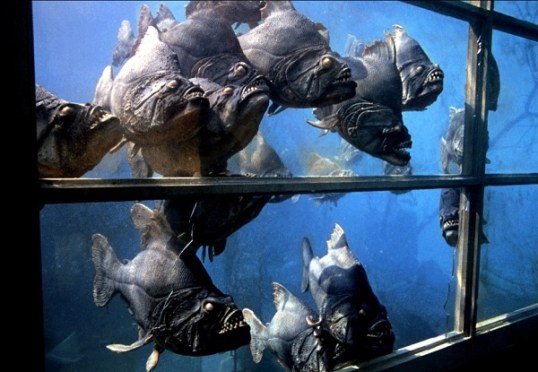
Like Dante’s Piranha, The Howling is a film with a sense of humor but it’s not a comedy.  The werewolves are still impressive, even forty-two years after the film was first released.  The character of Eddie Quist (“I’m going to give you a piece of my mind”) is a terrifying monster and the sight of his signature smiley face will fill you with dread, especially when it shows up in a place where it really shouldn’t be.  The film cynically ends on a note of noble sacrifice that will apparently not make much difference, with the suggestion being that human beings are either too distracted or too jaded to realize that there are monsters among them.  The Howling is a fast-paced and well-directed homage to B-horror and it’s still terrifically entertaining.

Horror Scenes That I Love: Dick Miller In The Howling


A true scene stealer, the character actor Dick Miller was a Navy veteran who went to City College of New York, Columbia University, and New York University and eventually earned a Phd in psychology.  Even as Miller was earning his degree, he was already appearing on stage.  In 1952, he moved to California to pursue a career as a writer and ended up becoming one of the most beloved members of Roger Corman’s stock company.  Famously, in 1952’s Apache Woman, he played both a Native American and the townsperson who shot him.

The many directors who started their careers under Roger Corman continued to cast Dick Miller in their own films, keeping Miller busy as a character actor.  Miller worked with everyone from Martin Scorsese to Joe Dante to James Cameron to Steven Spielberg to Jim Wynorski.  Miller often played characters named Walter Paisley, a reference to his first starring role in Corman’s A Bucket of Blood.

In this scene from 1981’s The Howling, Dick Miller lets us know what’s truly going on with the werewolves.

4 Shots From 4 Horror Films: Special Joe Dante Edition


4 Shots From 4 Films is just what it says it is, 4 shots from 4 of our favorite films. As opposed to the reviews and recaps that we usually post, 4 Shots From 4 Films lets the visuals do the talking.

This month, we’re using 4 Shots from 4 Films to honor some of our favorite horror filmmakers!  Today, we honor the one and only Joe Dante!

4 Shots From 4 Joe Dante Films

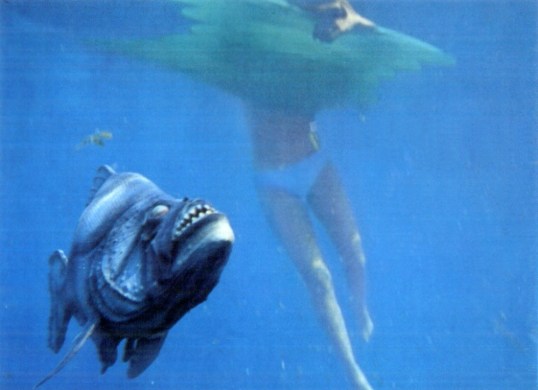
Piranha (1978, dir by Joe Dante, DP: Jamie Anderson)

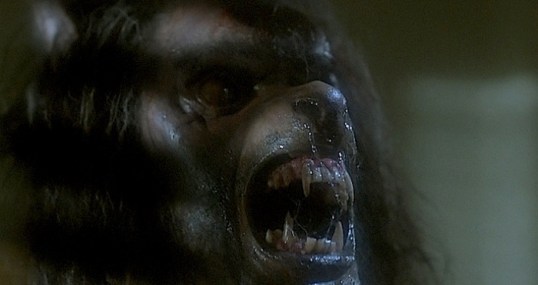
The Howling (1981, dir by Joe Dante, DP: John Hora)

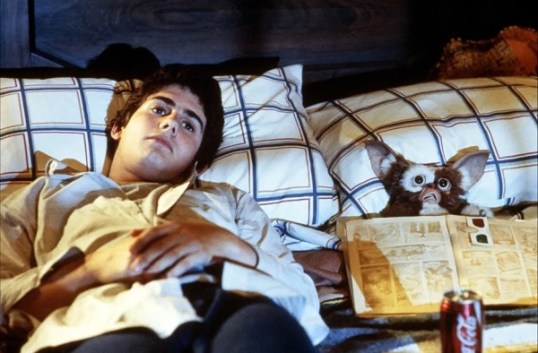
Gremlins (1984, dir by Joe Dante, DP: John Hora)

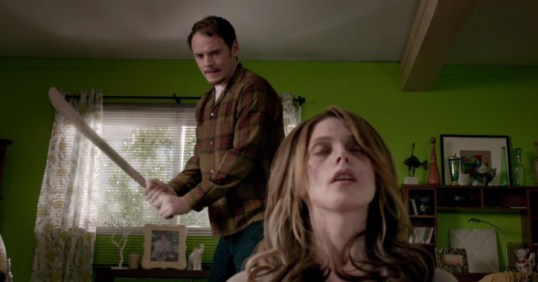
Burying The Ex (2014, dir by Joe Dante, DP: Jonathan Hall)

4 Shots From 4 Joe Dante Films: Piranha, The Howling, Twilight Zone: The Movie, Gremlins


4 Shots From 4 Films is just what it says it is, 4 shots from 4 of our favorite films. As opposed to the reviews and recaps that we usually post, 4 Shots From 4 Films lets the visuals do the talking.

This month, we’re using 4 Shots from 4 Films to honor some of our favorite horror filmmakers!  Today, we honor the one and only Joe Dante!

4 Shots From 4 Joe Dante Films

Piranha (1978, dir by Joe Dante)

The Howling (1981, dir by Joe Dante)

Twilight Zone: The Movie (1983, dir by Joe Dante et al)

Gremlins (1984, dir by Joe Dante)

6 Trailers Designed To Bring Out The Beast In You


St. Larry, patron of werewolves

For today’s special Devil’s Night edition of Lisa Marie’s Favorite Grindhouse Trailers, we pay tribute to the werewolves!

Sadly, werewolves have been kind of overshadowed lately.  Everyone loves the zombies.  Everyone loves the vampires.  Everyone loves the weird little creatures that secretly control the Dark Web.  But, werewolves — those brave lycanthropes — have not been getting the respect that they deserve.

So, to correct that, here are 6 trailers for the wolves!

  1. The Curse of the Werewolf (1961)

Oliver Reed as a werewolf?  Hey, it makes sense.  This classic Hammer film brought new fame to the werewolves of London.

2. The Werewolf of Washington (1973)

The movie has its issues but that is a great title!

http://www.youtube.com/watch?v=d1ssPV5g3R0

3. Werewolf Woman (1976)

This is an Italian film, starring Annik Borel as a woman who thinks that she’s a werewolf.  And, depending on which version of this film that you see, she might be right.

4. An American Werewolf in London (1981)

Meanwhile, back in London, a young American backpacker discovers why American tourists are not universally beloved in Europe.  They have a bad habit of wandering out to the moors on nights when there is a full moon.  This classic film features perhaps the best scene to ever take place in a sleazy porno theater.

5. The Howling (1981)

1981 was a good year for werewolf films.

6. An American Werewolf in Paris (1997)

It’s not a very good film but …. hey!  Look!  Paris!

Have a howlingly good Halloween, everyone!