4 Or More Shots From 4 Or More Films is just what it says it is, 4 shots from 4 of our favorite films. As opposed to the reviews and recaps that we usually post, 4 Shots From 4 Films lets the visuals do the talking!
Today, we pay tribute to the year 1975. It’s time for….
4 Shots From 4 1975 Films
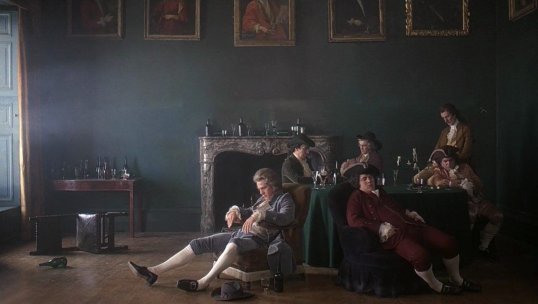
Barry Lyndon (1975, dir by Stanley Kubrick, DP: John Alcott)
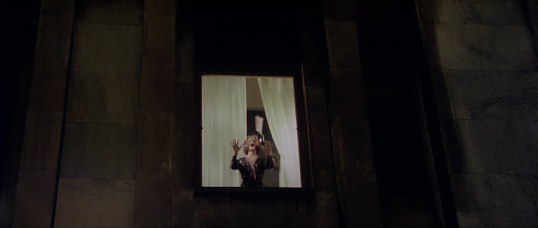
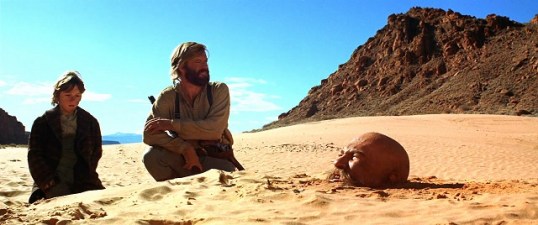
Deep Red (1975, dir by Dario Argento, DP: Luigi Kuveiller)
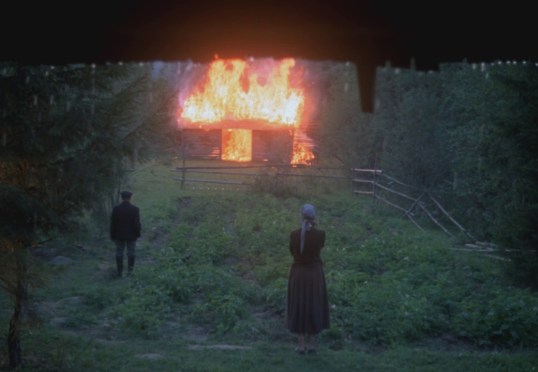
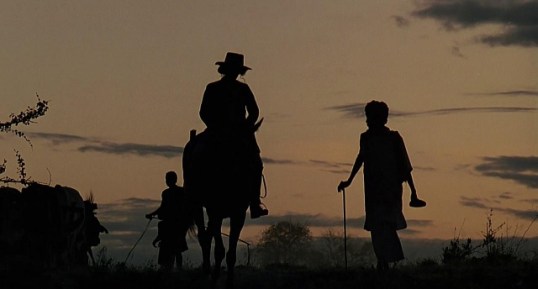
Mirror (1975, dir by Andrei Tarkovsky, DP: Georgy Rerberg)
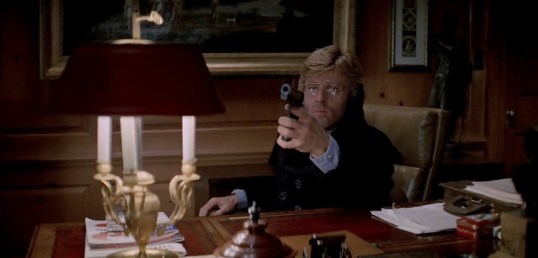
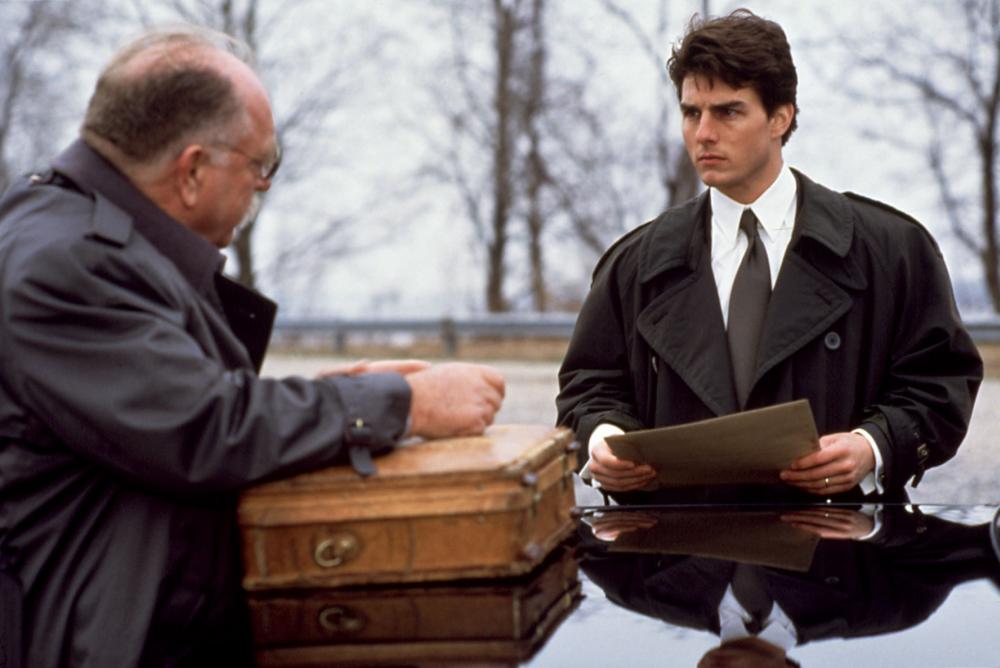
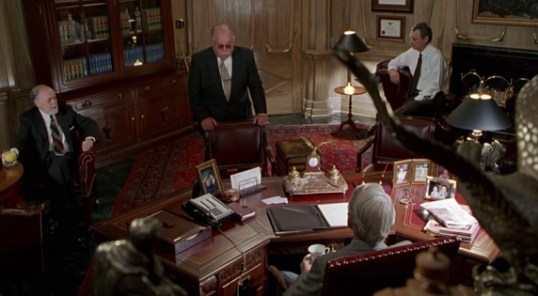
Three Days Of The Condor (1975, dir by Sydney Pollack, DP: Owen Roizman)
4 Shots From 4 Films is just what it says it is, 4 shots from 4 of our favorite films. As opposed to the reviews and recaps that we usually post, 4 Shots From 4 Films is all about letting the visuals do the talking.
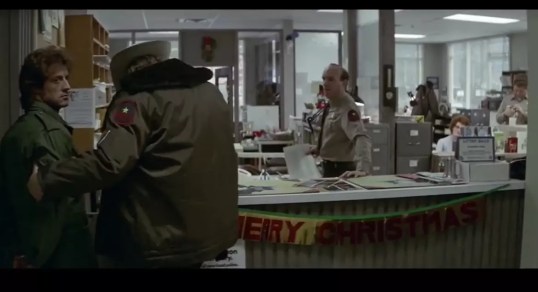
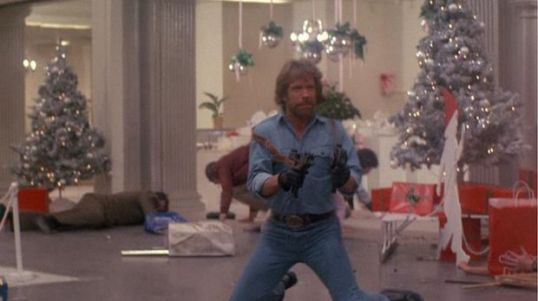
4 Shots From 4 Holiday Films
Three Days of the Condor (1975, dir by Sydney Pollack)
In honor of Tom Cruise’s 63rd birthday, I decided to watch THE FIRM, which is based on the 1991 novel from author John Grisham. Cruise stars as the brilliant Harvard law graduate Mitch McBride, who convinces his wife Abby (Jeanne Tripplehorn) to move to Memphis, TN, so he can join the prestigious Memphis law firm of Bendini, Lambert & Locke. With the help of his veteran mentor Avery Tolar (Gene Hackman), Mitch seems to be excelling at his job, and everything is just so perfect. Unfortunately, the good times don’t last as Mitch starts to notice some suspicious stuff going on with the firm, beginning with the mysterious deaths of two of his fellow attorneys. He’s soon approached by FBI agents, led by Wayne Tarrance (Ed Harris), who tell him that there are nefarious deeds taking place at the firm, including the laundering of money for the Chicago mob. When Mitch starts questioning the activities of the firm, he finds himself the subject of blackmail and intimidation from the firm’s security officer William Devasher (Wilford Brimley) because the firm will do anything to protect its secrets. Mitch is soon caught between betraying his corrupt employers, who are threatening to kill him, and the FBI, who is pressuring him to expose the firm’s criminal activities. Not wanting to lose his life, go to jail, or get disbarred, Mitch devises an extremely risky plan to outsmart the firm and the FBI, but is even he brilliant enough to pull this one off?!
Back in the early 90’s, it seemed that every other movie being released was adapted from a John Grisham novel, and the very first of those adaptations was THE FIRM in 1993. Extremely successful at the box office, THE FIRM grossed over $270 million worldwide, setting the stage for five new movies based on Grisham novels over the next five years. THE FIRM was not only financially successful, it’s also an extremely effective movie that showcases a 30-year-old Tom Cruise at his very best. Director Sydney Pollack crafted a creepy and paranoid thriller, using a slow-burn buildup that relies on Cruise’s ability to believably go from naïve and starstruck at the beginning, to scared and desperate during the middle portion of the film, and ultimately to resourceful and intelligent at the end, as he navigates the dangerous situations he finds himself in. It’s a dynamic, intense performance, and even with a huge supporting cast of excellent actors around him, Cruise dominates every frame of this film. Other performances that stand out to me are Jeanne Tripplehorn as Mitch’s wife Abby, Wilford Brimley as the firm’s enforcer, Gary Busey and Holly Hunter as a private investigator and his administrative assistant from Little Rock, and David Strathairn as Mitch’s jailbird brother in Arkansas. Gene Hackman is good in his role as Mitch’s corrupted mentor Avery Tolar, but his character is not one of my favorites from the legendary actor. His character has accepted his corruption and learned to cope with it over the years through alcohol and womanizing, just so he can keep making the money. He knows better and that’s the part that ultimately makes him the most pathetic. Ed Harris is also good in the film as the FBI Agent, but his character is kind of an asshole, and it’s fun to see Mitch outsmart him.
I also like the Memphis, Tennessee locations showcased in THE FIRM, locations that I’ve been to many times, such as Beale Street, Mud Island, and The Peabody Hotel. Early in the movie, Cruise’s character flips right along with the “Beale Street flippers,” popular Beale Street entertainers who perform nightly for tips. I’ve given them some of my cash over the years! And the chase sequence that starts at Mud Island and spills over into downtown Memphis is one of the most exciting parts of the movie. My home state of Arkansas even gets in on the action when Mitch meets FBI agent Wayne Tarrance at the Southland Greyhound Park located in West Memphis, Arkansas. The greyhound race track no longer exists at that location, as the final dog race was held on December 31, 2022. The site has now become the Southland Casino, one of three operating casinos in Arkansas, with the other two being the Oaklawn Casino in Hot Springs and The Saracen Casino in Pine Bluff. I also like the fact that the sleazy private investigator, played by Gary Busey, is from Little Rock, Arkansas. I commute to Little Rock daily to work at my accounting and tax firm, and it’s fun imagining that there could be an “Eddie Lomax” somewhere around here.
THE FIRM may not be a perfect film… some fat could have been trimmed out as it runs for over two and a half hours, a lot of time for a “thriller;” and while effective on paper, I also can’t help but wonder if the resolution would have worked quite as well in real life as it’s portrayed in the film. I still love the movie and consider it to be one of Tom Cruise’s best. I revisit it quite often, and I’m glad his birthday gave me another excuse to watch it again today!
4 Or More Shots From 4 Or More Films is just what it says it is, 4 shots from 4 of our favorite films. As opposed to the reviews and recaps that we usually post, 4 Shots From 4 Films lets the visuals do the talking!
90 years ago today, Sydney Pollack was born in Indiana. Though Pollack got his start as an actor, he soon moved into directing and was one of the key television directors of the 1960s. He eventually branched out into film, making a name for himself as a director of intelligent and sensitive comedies and dramas. Though he only directed 21 films over the course of his career, his films received a total of 48 Oscar nominations and 11 wins. 1982’s Tootsie and 1985’s Out of Africa were both nominated for Best Picture. Out of Africa won. Pollack also returned to acting in the 90s, making a name for himself as a skilled character actor. I’ll always remember him from Eyes Wide Shut, intimidating Tom Cruise while playing pool.
In memory of Sydney Pollack, here are….
4 Shots From 4 Sydney Pollack Films
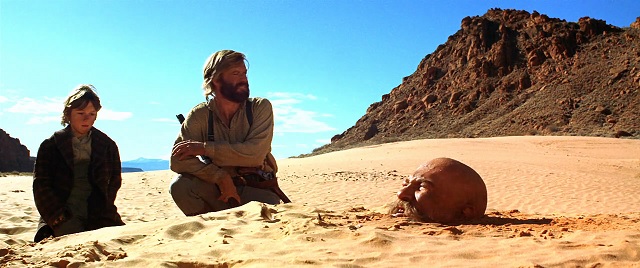
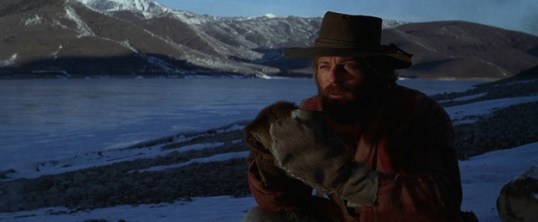
Jeremiah Johnson (1972, dir by Sydney Pollack, DP: Duke Callaghan)
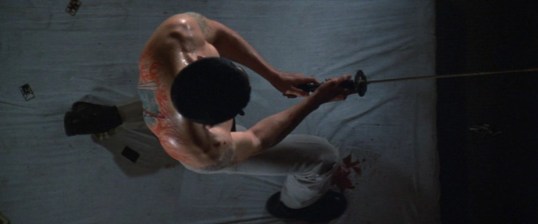
The Yakuza (1974, dir by Sydney Pollack, DP: Duke Callaghan and Kozo Okazaki)
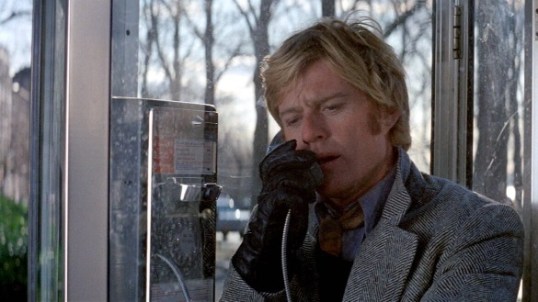
Three Days of Condor (1975, dir by Sydney Pollack, DP: Owen Roizman)
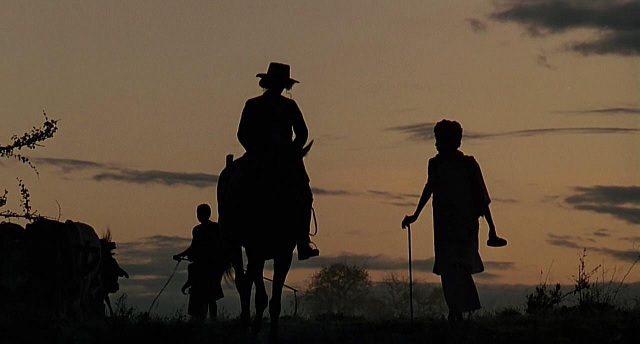
Out of Africa (1985, dir by Sydney Pollack, DP: David Watkins)
1992’s The Player tells the story of Griffin Mill (Tim Robbins).
It’s not easy being Griffin Mill. From the outside, of course, it looks like he has the perfect life. He’s a studio executive with a nice house in Hollywood. He’s young. He’s up-and-coming. Some people, especially Griffin, suspect that he’ll be the president of the studio some day. By day, he sits in his office and listens to pitches from respected screenwriters like Buck Henry. (Henry has a great idea for The Graduate II!) During the afternoon, he might attends dailies and watch endless takes of actors like Scott Glenn and Lily Tomlin arguing with each other. Or he might go to lunch and take a minute to say hello to Burt Reynolds. (“Asshole,” Burt says as Griffin walks away.) At night, he might go to a nice party in a big mansion and mingle with actors who are both young and old. He might even run into and share some sharp words with Malcolm McDowell.
But Griffin’s life isn’t as easy as it seems. He’s constantly worried about his position in the studio, knowing that one box office failure could end his career. He fears that a new executive named Larry Levy (Peter Gallagher) is after his job. Two new screenwriters (Richard E. Grant and Dean Stockwell) keep bugging him to produce their downbeat, no-stars anti-capitol punishment film. His girlfriend (Cynthia Stevenson) wants to make good movies that mean something. Even worse, someone is sending Griffin threatening notes.
It doesn’t take long for Griffin to decide that the notes are coming from a screenwriter named Dave Kahane (Vincent D’Onofrio). Griffin’s attempt to arrange a meeting with Dave at a bar so that Griffin can offer him a production deal instead leads to Griffin murdering Dave in a parking lot. While the other writers in Hollywood mourn Dave’s death, Griffin starts a relationship with Dave’s artist girlfriend (Great Scacchi) and tried to hide his guilt from two investigating detectives (Whoopi Goldberg and Lyle Lovett). Worst of all, the notes keep coming. The writer, whomever they may be, is now not only threatening Griffin but also seems to know what Griffin did.
After spend more than a decade in the industry wilderness, Robert Altman made a critical and commercial comeback with The Player. It’s a satire of Hollywood but it’s also a celebration of the film industry, featuring 60 celebrities cameoing as themselves. Everyone, it seems, wanted to appear in a movie that portrayed studio execs as being sociopathic and screenwriters as being whiny and kind of annoying. The Player both loves and ridicules Hollywood and the often anonymous men who run the industry. Largely motivated by greed and self-preservation, Griffin may not love movies but he certainly loves controlling what the public sees. In the end, only one character in The Player sticks to her values and her ideals and, by the end of the movie, she’s out of a job. At the same time, Griffin has a social life that those in the audience can’t help but envy. He can’t step out of his office without running into someone famous.
The Player is one Altman’s most entertaining films, with the camera continually tracking from one location to another and giving as a vision of Hollywood that feels very much alive. Tim Robbins gives one of his best performances as Griffin Mill and Altman surrounds him with a great supporting cast. I especially liked Fred Ward as the studio’s head of security. With The Player, Altman mixes melodrama with a sharp and sometimes bizarre comedy, with dialogue so snappy that the film is as much a joy to listen to as to watch. That said, the real attraction of the film is spotting all of the celebrity cameos. (That and cheering when Bruce Willis saves Julia Roberts from certain death.) Altman was a director who often used his films to explore eccentric communities. With The Player, he opened up his own home.
4 Or More Shots From 4 Or More Films is just what it says it is, 4 shots from 4 of our favorite films. As opposed to the reviews and recaps that we usually post, 4 Shots From 4 Films lets the visuals do the talking!
89 years ago today, Sydney Pollack was born in Indiana. Though Pollack got his start as an actor, he soon moved into directing and was one of the key television directors of the 1960s. He eventually branched out into film, making a name for himself as a director of intelligent and sensitive comedies and dramas. Though he only directed 21 films over the course of his career, his films received a total of 48 Oscar nominations and 11 wins. 1982’s Tootsie and 1985’s Out of Africa were both nominated for Best Picture. Out of Africa won.
Pollack also returned to acting in the 90s, making a name for himself as a skilled character actor. I’ll always remember him from Eyes Wide Shut, intimidating Tom Cruise while playing pool.
When he passed away in 2008, Pollack was remembered as one of the best directors of Hollywood’s second golden age.
In honor of Sydney Pollack, here are….
4 Shots From 4 Sydney Pollack Films
Jeremiah Johnson (1972, dir by Sydney Pollack, DP: Duke Callaghan)
The Yakuza (1974, dir by Sydney Pollack, DP: Duke Callaghan and Kozo Okazaki)
Three Days of Condor (1975, dir by Sydney Pollack, DP: Owen Roizman)
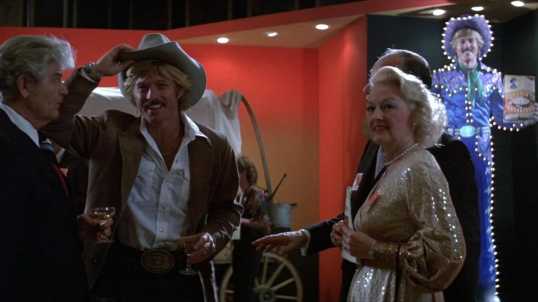
The Electric Horseman (1979, dir by Sydney Pollack, DP: Owen Roizman)
4 Or More Shots From 4 Or More Films is just what it says it is, 4 shots from 4 of our favorite films. As opposed to the reviews and recaps that we usually post, 4 Shots From 4 Films lets the visuals do the talking!
88 years ago today, Sydney Pollack was born in Indiana. Though Pollack got his start as an actor, he soon moved into directing and was one of the key television directors of the 1960s. He eventually branched out into film, making a name for himself as a director of intelligent and sensitive comedies and dramas. Though he only directed 21 films over the course of his career, his films received a total of 48 Oscar nominations and 11 wins. 1982’s Tootsie and 1985’s Out of Africa were both nominated for Best Picture. Out of Africa won.
Pollack also returned to acting in the 90s, making a name for himself as a skilled character actor. I’ll always remember him from Eyes Wide Shut, intimidating Tom Cruise while playing pool.
When he passed away in 2008, Pollack was remembered as one of the best directors of Hollywood’s second golden age.
In honor of Sydney Pollack, here are….
4 Shots From 4 Sydney Pollack Films
Jeremiah Johnson (1972, dir by Sydney Pollack, DP: Duke Callaghan)
Three Days of Condor (1975, dir by Sydney Pollack, DP: Owen Roizman)
Out of Africa (1985, dir by Sydney Pollack, DP: David Watkin)
The Firm (1993, dir by Sydney Pollack, DP: John Seale)
4 Or More Shots From 4 Or More Films is just what it says it is, 4 shots from 4 of our favorite films. As opposed to the reviews and recaps that we usually post, 4 Shots From 4 Films lets the visuals do the talking!
87 years ago today, Sydney Pollack was born in Indiana. Though Pollack got his start as an actor, he soon moved into directing and was one of the key television directors of the 1960s. He eventually branched out into film, making a name for himself as a director of intelligent and sensitive comedies and dramas. Though he only directed 21 films over the course of his career, his films received a total of 48 Oscar nominations and 11 wins. 1982’s Tootsie and 1985’s Out of Africa were both nominated for Best Picture. Out of Africa won.
Pollack also returned to acting in the 90s, making a name for himself as a skilled character actor. I’ll always remember him from Eyes Wide Shut, interrogating Tom Cruise while playing pool.
When he passed away in 2008, Pollack was remembered as one of the best directors of Hollywood’s second golden age.
In honor of Sydney Pollack, here are….
4 Shots From 4 Sydney Pollack Films
Jeremiah Johnson (1972, dir by Sydney Pollack, DP: Duke Callaghan)
The Yakuza (1974, dir by Sydney Pollack, DP: Duke Callaghan and Kozo Okazaki)
The Electric Horseman (1979, dir by Sydney Pollack, DP: Owen Roizman)
The Firm (1993, dir by Sydney Pollack, DP: John Seale)
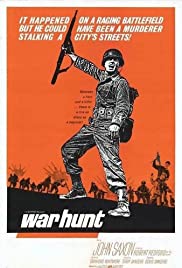
In the last days of the Korean War, Pvt. Roy Loomis (Robert Redford) is assigned to an infantry unit that’s serving on the front lines. Loomis is an idealist who believes in always doing the right thing and who believes that he’s truly fighting for the American way of life in Korea. The company’s commander (Charles Aidman) is more cynical. As he explains it, the job of the soldiers is not to win the war. Their job is to stall the advance of the enemy long enough to let the politicians and the diplomats get what they want out of a peace settlement. The soldiers are merely there to be sacrificed.
Loomis soon finds himself in conflict with Pvt. Endore (John Saxon). Endore spends his night sneaking around behind enemy lines, killing soldiers, and gathering intelligence. No one goes with Endore on these missions and Endore makes it clear that he doesn’t want to have anything to do with the other solders in the unit. Because Endore usually returns with valuable intelligence, he’s allowed to do what he wants but it becomes clear that gathering intelligence is not what motivates Endore. Endore loves war and killing. In the United States, he would probably be on death row. In Korea, at the height of the war, he’s a valuable asset.
Charlie (Tommy Matsuda) is an orphan boy who has been adopted as the company’s mascot. Both Loomis and Endore have a bond with Charlie. Loomis wants Charlie to go to an orphanage after the war so that he can hopefully be adopted and maybe brought over the United States. Endore, however, plans to stay in Korea even after the war ends and he wants to keep Charlie with him. He wants to turn Charlie into as efficient a killing machine as he is.
This low-budget but effective anti-war film may be best known for featuring Robert Redford in his first starring role but the film is stolen by John Saxon, who is frighteningly intense as Endore. Endore is so in love with war that he continues to fight it even after the Armistice is declared. Saxon plays him like a cool and calculating predator, a natural born killer. He’s an introvert who rarely speaks to the other members of the company. Even though he helps them by killing the enemy before the enemy can kill them, it’s clear that Endore doesn’t really care about the other members of the unit. He just cares about killing. He’s close to Charlie because Charlie is too young to realize just how dangerous Endore actually is.
Along with Saxon and Redford, War Hunt also features early performances from Tom Skerritt, Sydney Pollack, and Francis Ford Coppola. (Coppola, who goes uncredited, plays an ambulance driver.) Pollack and Redford met while they were both acting in this film and Pollack would go on to direct Redford in several more films. One of those films, The Electric Horseman, would reunite Redford and Saxon. Again, they would play adversaries.
Last night, when I heard John Saxon had died, I tried to pick his best performance. I know that most people know him from his horror work and his role in Enter the Dragon. Those are all good performances but, for me, Saxon was at his absolute best in War Hunt.
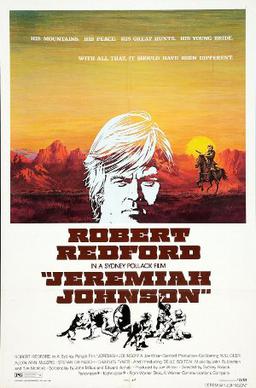
In the 1840s, Jeremiah Johnson (Robert Redford) is a veteran of the Mexican War who wants to get away from civilization. He sets up an isolated life for himself in the Rocky Mountains and looks to support himself by working as a trapper. At first, he struggles but eventually he gets some much-needed help from a veteran trapped named Chris Lapp (Will Geer). Along the way, Johnson discovers that life in the mountains can be harsh and violent. He adopts a mute boy named Caleb, whose family has been killed by Blackfoot warriors. Later, the chief of the local Flathead tribe “gives” Jeremiah his daughter. Despite the language barrier between him and his new wife, Jeremiah is soon the head of a happy family.
One day, when the U.S. Calvary shows up and requests that Jeremiah guide them through the mountains so that they can rescue some starving missionaries, Jeremiah reluctantly leaves behind his family and helps them. However, Lt. Mulvey (Jack Colvin) insists that Jeremiah lead them through a sacred Crow burial ground. The Crow retaliate by killing Jeremiah’s family. Driven mad by grief, Jeremiah sets out to kill every Crow that he can find.
Jeremiah Johnson is really two movies in one. The story starts out with Jeremiah as a proto-hippie who wants to get away from the hypocrisy and violence of modern society. Jeremiah takes care of the land, makes friends with other outcasts, and makes a good life for himself. After Jeremiah’s family is killed, the movie turns into a Death Wish-style revenge thriller, with Jeremiah losing himself in his rage and killing almost everyone that he sees. Redford is surprisingly convincing as the insane, murderous Jeremiah and the sudden outbursts of violence provide a strong contrast to the relatively peaceful first half of the film.
Jeremiah is a like a lot of the early American settlers. He wants to get away from the world and start an entirely new life for himself. He’s seen what the civilization has to offer and he would rather just build a cabin in the mountains and pretend that the rest of the world doesn’t exist. If Jeremiah had been born earlier, he probably could have pulled it off. But, by the time Jeremiah tries to go off the grid, it’s already too late. Society is growing too fast for him to escape from it. Jeremiah discovers that it’s impossible to truly cut yourself off from humanity. In the end, he’s much like the Crow Indians that he’s declared war upon. His way of life is ending, whether he’s ready for it or not. When he and the Crow chief greet each other with a raised open hand (meaning that they come in peace), they are both acknowledging that they are bonded as men whose time is coming to an end.
Jeremiah Johnson was the second of Robert Redford’s many collaborations with director Sydney Pollack and it’s one of their best. This may be an epic film but it never loses its humanity and, for once, Redford plays someone who isn’t a cut-and-dried hero. Jeremiah Johnson has recently been rediscovered because of a popular meme of a bearded Redford looking at the camera and nodding but people should know that it’s also a damn fine film on its own.




 Through the Shattered Lens