4 Shots From 4 Films is just what it says it is, 4 shots from 4 of our favorite films. As opposed to the reviews and recaps that we usually post, 4 Shots From 4 Films lets the visuals do the talking.
Today, we wish a happy birthday to one the early pioneers of independent film, Steven Soderbergh. Soderbergh was 26 years old in 1989, when he became the youngest director to ever win the Palme d’Or at Cannes. Soderbergh went on to become one of the busiest and most interesting director in Hollywood, working in all genres and inspiring filmmakers the world over.
4 Shots From 4 Films
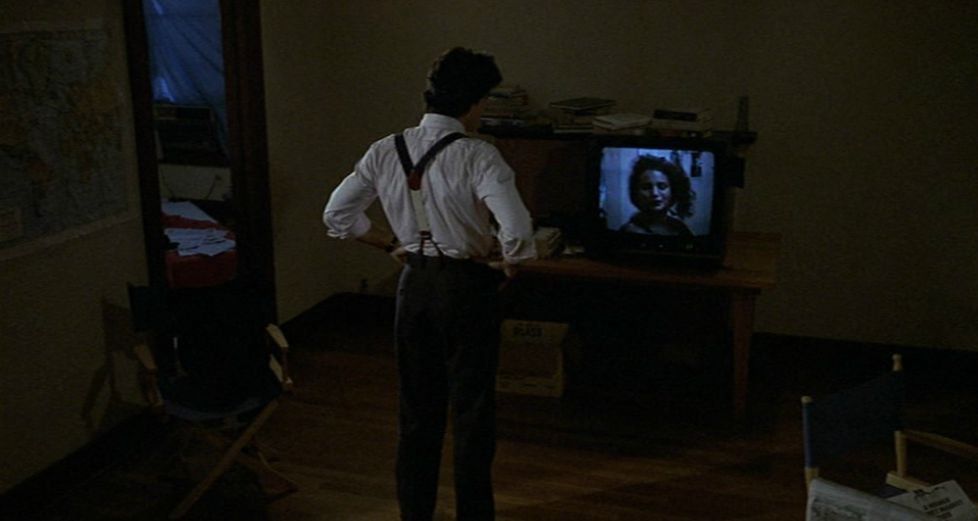
sex, lies, and videotape (1989, directed by Steven Soderbergh)
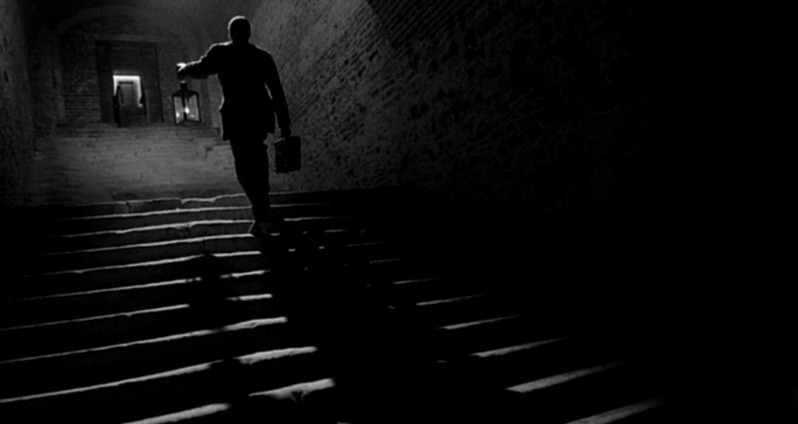
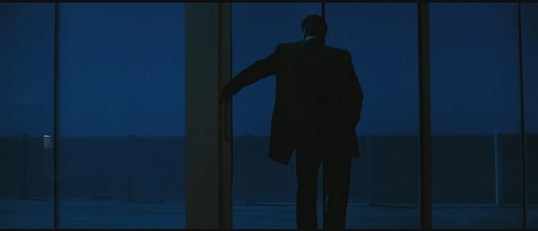
Kafka (1991, directed by Steven Soderbergh)
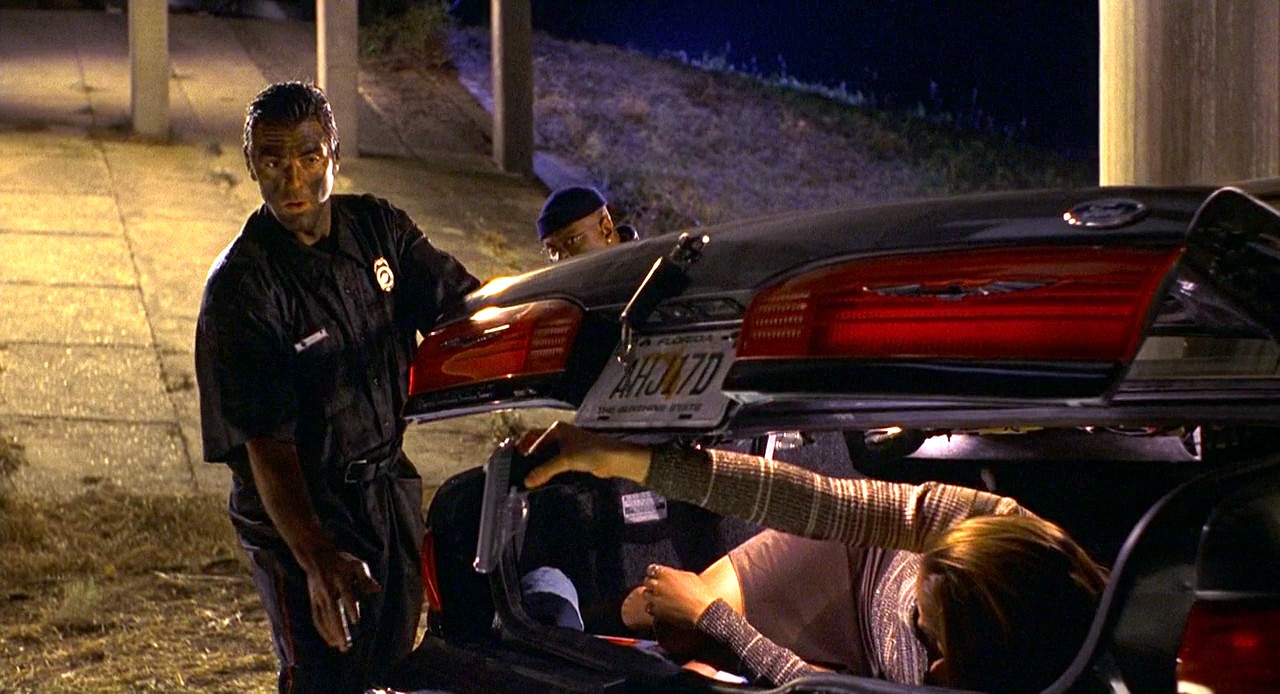
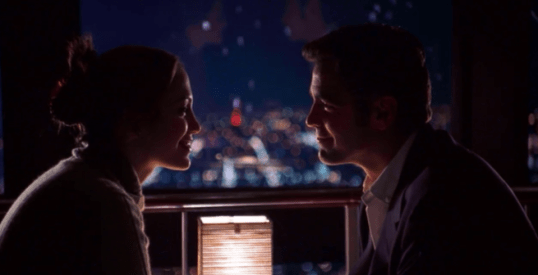
Out of Sight (1998, directed by Steven Soderbergh)
Yesterday, the Indiana Film Journalists Association announced its picks for the best of 2025. The winners are listed in bold.
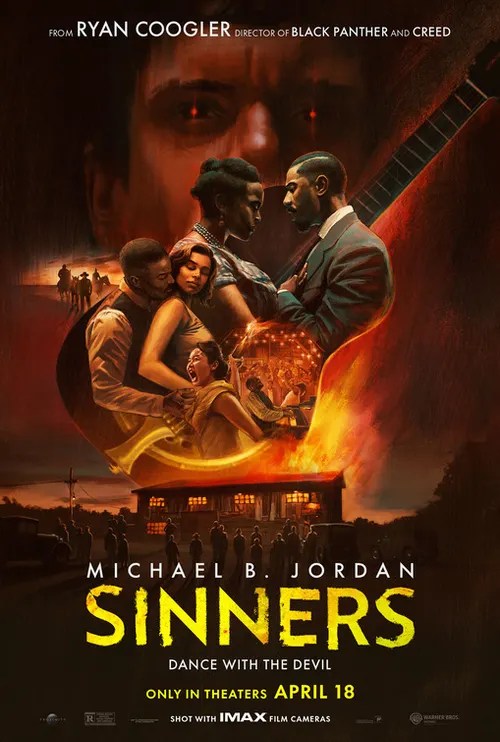
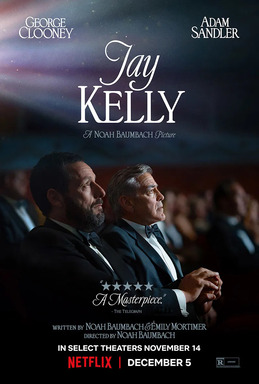
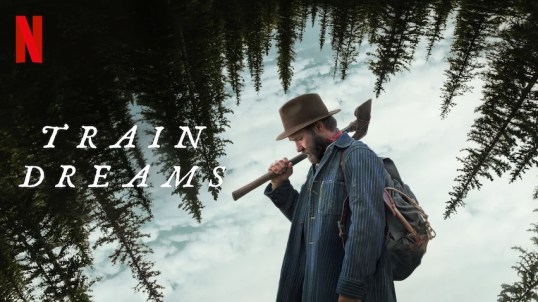
BEST FILM 28 Years Later Black Bag Bob Trevino Likes It Bugonia Frankenstein Friendship Hamnet Jay Kelly The Life of Chuck Marty Supreme No Other Choice One Battle After Another (RUNNER-UP) The Phoenician Scheme The Plague Sinners (WINNER) Splitsville Superman Train Dreams Wake Up Dead Man: A Knives Out Mystery Weapons
Other Best Film Finalists / Top 10 Films: (listed alphabetically)
Bob Trevino Likes It
Hamnet
The Life of Chuck
Marty Supreme
No Other Choice
Train Dreams
Wake Up Dead Man: A Knives Out Mystery
Weapons
BEST ANIMATED FILM In Your Dreams KPop Demon Hunters (WINNER) The Legend of Hei 2 (RUNNER-UP) Little Amélie Or The Character Of Rain Ne Zha 2 Predator: Killer of Killers Zootopia 2
BEST FOREIGN LANGUAGE FILM Cloud It Was Just an Accident Left-Handed Girl No Other Choice (WINNER) Reflection In A Dead Diamond Rental Family The Secret Agent Sentimental Value (RUNNER-UP) Universal Language The Voice of Hind Rajab
BEST DOCUMENTARY Are We Good? Deaf President Now! Disposable Humanity Grand Theft Hamlet Hacking at Leaves Orwell: 2+2=5 (RUNNER-UP) Pavements The Perfect Neighbor The Tenderness Tour (WINNER)
BEST ORIGINAL SCREENPLAY Noah Baumbach and Emily Mortimer – Jay Kelly Mary Bronstein – If I Had Legs I’d Kick You Ronald Bronstein and Josh Safdie – Marty Supreme (RUNNER-UP) Ryan Coogler – Sinners (WINNER) Michael Angelo Covino and Kyle Marvin – Splitsville Zach Cregger – Weapons David Koepp – Black Bag Tracie Laymon – Bob Trevino Likes It Jafar Panahi – It Was Just an Accident Charlie Polinger – The Plague
BEST ADAPTED SCREENPLAY Paul Thomas Anderson – One Battle After Another (WINNER) Clint Bentley and Greg Kwedar – Train Dreams Guillermo del Toro – Frankenstein Mike Flanagan – The Life of Chuck (RUNNER-UP) Alex Garland – 28 Years Later Dan Gregor, Doug Mand, and Akiva Schaffer – The Naked Gun James Gunn – Superman Rian Johnson – Wake Up Dead Man: A Knives Out Mystery Park Chan-wook, Lee Kyoung-mi, Don McKellar and Lee Ja-hye – No Other Choice Will Tracy – Bugonia
BEST DIRECTOR Paul Thomas Anderson – One Battle After Another (WINNER) Clint Bentley – Train Dreams Ryan Coogler – Sinners (RUNNER-UP) Michael Angelo Covino – Splitsville Zach Cregger – Weapons James Gunn – Superman Park Chan-wook – No Other Choice Charlie Polinger – The Plague Josh Safdie – Marty Supreme Steven Soderbergh – Black Bag
BEST LEAD PERFORMANCE Everett Blunck – The Plague Jessie Buckley – Hamnet (RUNNER-UP) Rose Byrne – If I Had Legs I’d Kick You Timothée Chalamet – Marty Supreme (WINNER) David Corenswet – Superman Leonardo DiCaprio – One Battle After Another Joel Edgerton – Train Dreams Michael Fassbender – Black Bag Barbie Ferreira – Bob Trevino Likes It Ethan Hawke – Blue Moon Michael B. Jordan – Sinners Liam Neeson – The Naked Gun Josh O’Connor – Wake Up Dead Man: A Knives Out Mystery Jesse Plemons – Bugonia Emma Stone – Bugonia
BEST SUPPORTING PERFORMANCE Pamela Anderson – The Naked Gun Miles Caton – Sinners Benicio del Toro – One Battle After Another (WINNER) Jacob Elordi – Frankenstein Nicholas Hoult – Superman Chase Infiniti – One Battle After Another John Leguizamo – Bob Trevino Likes It Amy Madigan – Weapons (RUNNER-UP) Paul Mescal – Hamnet Sean Penn – One Battle After Another Adam Sandler – Jay Kelly Stellan Skarsgård – Sentimental Value French Stewart – Bob Trevino Likes It Teyana Taylor – One Battle After Another
BEST VOCAL / MOTION-CAPTURE PERFORMANCE Oona Chaplin – Avatar: Fire And Ash Ebon Moss-Bachrach – The Fantastic Four: First Steps (RUNNER-UP) Will Patton – Train Dreams (WINNER) Dimitrius Schuster-Koloamatangi – Predator: Badlands Zhu Jing – The Legend of Hei 2
BEST ENSEMBLE ACTING Black Bag Bugonia The Life of Chuck Marty Supreme One Battle After Another (RUNNER-UP) The Plague Sinners (WINNER) Superman Wake Up Dead Man: A Knives Out Mystery Weapons
BEST EDITING Ronald Bronstein and Josh Safdie – Marty Supreme Barry Alexander Brown and Allyson C. Johnson – Highest 2 Lowest Mike Flanagan – The Life of Chuck Jon Harris – 28 Years Later Andy Jurgensen – One Battle After Another (RUNNER-UP) Kim Sang-bum – No Other Choice Brian Scott Olds – The Naked Gun Sara Shaw – Splitsville Michael P. Shawver – Sinners (WINNER) Steven Soderbergh – Black Bag
BEST CINEMATOGRAPHY Autumn Durald Arkapaw – Sinners (WINNER) Michael Bauman – One Battle After Another (RUNNER-UP) Steven Breckon – The Plague Darius Khondji – Marty Supreme Dan Laustsen – Frankenstein Anthony Dod Mantle – 28 Years Later Larkin Seiple – Weapons Steven Soderbergh – Black Bag Fraser Taggart – Mission: Impossible – The Final Reckoning Adolpho Veloso – Train Dreams
BEST MUSICAL SCORE Jerskin Fendrix – Bugonia Ludwig Göransson – Sinners (WINNER) Jonny Greenwood – One Battle After Another (RUNNER-UP) Ryan Holladay, Hays Holladay and Zach Cregger – Weapons David Holmes – Black Bag Johan Lenox – The Plague Daniel Lopatin – Marty Supreme John Murphy and David Fleming – Superman Nine Inch Nails – Tron: Ares Young Fathers – 28 Years Later
BEST STUNT / MOVEMENT CHOREOGRAPHY Wade Eastwood (second unit director / stunt coordinator) – Mission: Impossible – The Final Reckoning (WINNER) Timothy Eulich (stunt coordinator) – Eddington Tyler Hall (stunt coordinator / stunt driver) and Dave McKeown (stunt coordinator) – Splitsville Brian Machleit (stunt coordinator) – One Battle After Another (RUNNER-UP) Mandy Moore (choreographer) – The Life of Chuck Alain Moussi (stunt coordinator), Brahim Chab (fight coordinator), László Kósa (stunt coordinator, Hungary) and Balázs Lengyel (fight coordinator, Hungary) – Fight or Flight Celia Rowlson-Hall (choreographer) – The Testament of Ann Lee Jacob Tomuri (stunt coordinator) – Predator: Badlands
BEST SPECIAL EFFECTS Dennis Berardi, Ayo Burgess and Ivan Busquets (VFX supervisors) and José Granell (miniatures / models supervisor) – Frankenstein (WINNER) Jeff Capogreco (VFX supervisor), Dave Funston (VFX supervisor, OPSIS), Ross McCabe (VFX supervisor, Image Engine), Abishek Nair (VFX supervisor, Industrial Light and Magic / VFX supervisor, second unit), Vincent Papaix (VFX supervisor, Industrial Light and Magic) and Cameron Waldbauer (SFX supervisor) – Tron: Ares Stephane Ceretti, Enrico Damm, Stéphane Nazé and Guy Williams (VFX supervisors) – Superman Olivier Dumont and Sheldon Stopsack (VFX supervisors, Wētā), Kathy Siegel (VFX producer / co-producer) and Karl Rapley (animation supervisor, Wētā) – Predator: Badlands Dan Glass, Chris McLaughlin and Stuart Penn (VFX supervisors) and Dominic Tuohy (SFX supervisor) – Mickey 17 Joe Letteri (senior VFX supervisor), Richard Baneham (VFX supervisor, Lightstorm / virtual second unit director), Eric Saindon (senior VFX supervisor, Wētā Digital) and Daniel Barrett (senior animation supervisor, Wētā Digital) – Avatar: Fire And Ash Charlie Noble (VFX supervisor), David Zaretti (VFX supervisor, ILM), Russell Bowen (VFX supervisor, beloFX) and Brandon K. McLaughlin (SFX coordinator) – The Lost Bus Michael Ralla, Espen Nordahl and Guido Wolter (VFX supervisors) and Donnie Dean (SFX coordinator) – Sinners (RUNNER-UP) Scott Stokdyk (VFX supervisor, Marvel), Robert Allman (VFX supervisor, Framestore), Daniele Bigi (VFX supervisor, ILM), Theodore Bialek (VFX supervisor, SPI) and Alistair Williams (SFX supervisor) – The Fantastic Four: First Steps
BREAKOUT OF THE YEAR Clint Bentley (director / co-writer) – Train Dreams Everett Blunck (performer) – The Plague Miles Caton (performer) – Sinners (RUNNER-UP) Aidan Delbis (performer) – Bugonia Chase Infiniti (performer) – One Battle After Another (WINNER) Jacobi Jupe (performer) – Hamnet Tracie Laymon (director / writer) – Bob Trevino Likes It Charlie Polinger (director / writer) – The Plague Eva Victor (director / writer / performer) – Sorry, Baby Alfie Williams (performer) – 28 Years Later
ORIGINAL VISION Good Boy (WINNER) If I Had Legs I’d Kick You One Battle After Another The Plague Reflection In A Dead Diamond The Testament of Ann Lee (RUNNER-UP) Train Dreams
The Edward Johnson-Ott Hoosier Award
Chase Infiniti – One Battle After Another
Here are the 2025 nominations of the Indiana Film Journalists Association.
There’s a lot of them.
BEST FILM 28 Years Later Black Bag Bob Trevino Likes It Bugonia Frankenstein Friendship Hamnet Jay Kelly The Life of Chuck Marty Supreme No Other Choice One Battle After Another The Phoenician Scheme The Plague Sinners Splitsville Superman Train Dreams Wake Up Dead Man: A Knives Out Mystery Weapons
BEST ANIMATED FILM In Your Dreams KPop Demon Hunters The Legend of Hei 2 Little Amélie Or The Character Of Rain Ne Zha 2 Predator: Killer of Killers Zootopia 2
BEST FOREIGN LANGUAGE FILM Cloud It Was Just an Accident Left-Handed Girl No Other Choice Reflection In A Dead Diamond Rental Family The Secret Agent Sentimental Value Universal Language The Voice of Hind Rajab
BEST DOCUMENTARY Are We Good? Deaf President Now! Disposable Humanity Grand Theft Hamlet Hacking at Leaves Orwell: 2+2=5 Pavements The Perfect Neighbor
The Tenderness Tour
BEST ORIGINAL SCREENPLAY Noah Baumbach and Emily Mortimer – Jay Kelly Mary Bronstein – If I Had Legs I’d Kick You Ronald Bronstein and Josh Safdie – Marty Supreme Ryan Coogler – Sinners Michael Angelo Covino and Kyle Marvin – Splitsville Zach Cregger – Weapons David Koepp – Black Bag Tracie Laymon – Bob Trevino Likes It Jafar Panahi – It Was Just an Accident Charlie Polinger – The Plague
BEST ADAPTED SCREENPLAY Paul Thomas Anderson – One Battle After Another Clint Bentley and Greg Kwedar – Train Dreams Guillermo del Toro – Frankenstein Mike Flanagan – The Life of Chuck Alex Garland – 28 Years Later Dan Gregor, Doug Mand, and Akiva Schaffer – The Naked Gun James Gunn – Superman Rian Johnson – Wake Up Dead Man: A Knives Out Mystery Park Chan-wook, Lee Kyoung-mi, Don McKellar and Lee Ja-hye – No Other Choice Will Tracy – Bugonia
BEST DIRECTOR Paul Thomas Anderson – One Battle After Another Clint Bentley – Train Dreams Ryan Coogler – Sinners Michael Angelo Covino – Splitsville Zach Cregger – Weapons James Gunn – Superman Park Chan-wook – No Other Choice Charlie Polinger – The Plague Josh Safdie – Marty Supreme Steven Soderbergh – Black Bag
BEST LEAD PERFORMANCE Everett Blunck – The Plague Jessie Buckley – Hamnet Rose Byrne – If I Had Legs I’d Kick You Timothée Chalamet – Marty Supreme David Corenswet – Superman Leonardo DiCaprio – One Battle After Another Joel Edgerton – Train Dreams Michael Fassbender – Black Bag Barbie Ferreira – Bob Trevino Likes It Ethan Hawke – Blue Moon Michael B. Jordan – Sinners Liam Neeson – The Naked Gun Josh O’Connor – Wake Up Dead Man: A Knives Out Mystery Jesse Plemons – Bugonia Emma Stone – Bugonia
BEST SUPPORTING PERFORMANCE Pamela Anderson – The Naked Gun Miles Caton – Sinners Benicio del Toro – One Battle After Another Jacob Elordi – Frankenstein Nicholas Hoult – Superman Chase Infiniti – One Battle After Another John Leguizamo – Bob Trevino Likes It Amy Madigan – Weapons Paul Mescal – Hamnet Sean Penn – One Battle After Another Adam Sandler – Jay Kelly Stellan Skarsgård – Sentimental Value French Stewart – Bob Trevino Likes It Teyana Taylor – One Battle After Another
BEST VOCAL / MOTION-CAPTURE PERFORMANCE Oona Chaplin – Avatar: Fire And Ash Ebon Moss-Bachrach – The Fantastic Four: First Steps Will Patton – Train Dreams Dimitrius Schuster-Koloamatangi – Predator: Badlands Zhu Jing – The Legend of Hei 2
BEST ENSEMBLE ACTING Black Bag Bugonia The Life of Chuck Marty Supreme One Battle After Another The Plague Sinners Superman Wake Up Dead Man: A Knives Out Mystery Weapons
BEST EDITING Ronald Bronstein and Josh Safdie – Marty Supreme Barry Alexander Brown and Allyson C. Johnson – Highest 2 Lowest Mike Flanagan – The Life of Chuck Jon Harris – 28 Years Later Andy Jurgensen – One Battle After Another Kim Sang-bum – No Other Choice Brian Scott Olds – The Naked Gun Sara Shaw – Splitsville Michael P. Shawver – Sinners Steven Soderbergh – Black Bag
BEST CINEMATOGRAPHY Autumn Durald Arkapaw – Sinners Michael Bauman – One Battle After Another Steven Breckon – The Plague Darius Khondji – Marty Supreme Dan Laustsen – Frankenstein Anthony Dod Mantle – 28 Years Later Larkin Seiple – Weapons Steven Soderbergh – Black Bag Fraser Taggart – Mission: Impossible – The Final Reckoning Adolpho Veloso – Train Dreams
BEST MUSICAL SCORE Jerskin Fendrix – Bugonia Ludwig Göransson – Sinners Jonny Greenwood – One Battle After Another Ryan Holladay, Hays Holladay and Zach Cregger – Weapons David Holmes – Black Bag Johan Lenox – The Plague Daniel Lopatin – Marty Supreme John Murphy and David Fleming – Superman Nine Inch Nails – Tron: Ares Young Fathers – 28 Years Later
BEST STUNT / MOVEMENT CHOREOGRAPHY Wade Eastwood (second unit director / stunt coordinator) – Mission: Impossible – The Final Reckoning Timothy Eulich (stunt coordinator) – Eddington Tyler Hall (stunt coordinator / stunt driver) and Dave McKeown (stunt coordinator) – Splitsville Brian Machleit (stunt coordinator) – One Battle After Another Mandy Moore (choreographer) – The Life of Chuck Alain Moussi (stunt coordinator), Brahim Chab (fight coordinator), László Kósa (stunt coordinator, Hungary) and Balázs Lengyel (fight coordinator, Hungary) – Fight or Flight Celia Rowlson-Hall (choreographer) – The Testament of Ann Lee Jacob Tomuri (stunt coordinator) – Predator: Badlands
BEST SPECIAL EFFECTS Dennis Berardi, Ayo Burgess and Ivan Busquets (VFX supervisors) and José Granell (miniatures / models supervisor) – Frankenstein Jeff Capogreco (VFX supervisor), Dave Funston (VFX supervisor, OPSIS), Ross McCabe (VFX supervisor, Image Engine), Abishek Nair (VFX supervisor, Industrial Light and Magic / VFX supervisor, second unit), Vincent Papaix (VFX supervisor, Industrial Light and Magic) and Cameron Waldbauer (SFX supervisor) – Tron: Ares Stephane Ceretti, Enrico Damm, Stéphane Nazé and Guy Williams (VFX supervisors) – Superman Olivier Dumont and Sheldon Stopsack (VFX supervisors, Wētā), Kathy Siegel (VFX producer / co-producer) and Karl Rapley (animation supervisor, Wētā) – Predator: Badlands Dan Glass, Chris McLaughlin and Stuart Penn (VFX supervisors) and Dominic Tuohy (SFX supervisor) – Mickey 17 Joe Letteri (senior VFX supervisor), Richard Baneham (VFX supervisor, Lightstorm / virtual second unit director), Eric Saindon (senior VFX supervisor, Wētā Digital) and Daniel Barrett (senior animation supervisor, Wētā Digital) – Avatar: Fire And Ash Charlie Noble (VFX supervisor), David Zaretti (VFX supervisor, ILM), Russell Bowen (VFX supervisor, beloFX) and Brandon K. McLaughlin (SFX coordinator) – The Lost Bus Michael Ralla, Espen Nordahl and Guido Wolter (VFX supervisors) and Donnie Dean (SFX coordinator) – Sinners Scott Stokdyk (VFX supervisor, Marvel), Robert Allman (VFX supervisor, Framestore), Daniele Bigi (VFX supervisor, ILM), Theodore Bialek (VFX supervisor, SPI) and Alistair Williams (SFX supervisor) – The Fantastic Four: First Steps
BREAKOUT OF THE YEAR Clint Bentley (director / co-writer) – Train Dreams Everett Blunck (performer) – The Plague Miles Caton (performer) – Sinners Aidan Delbis (performer) – Bugonia Chase Infiniti (performer) – One Battle After Another Jacobi Jupe (performer) – Hamnet Tracie Laymon (director / writer) – Bob Trevino Likes It Charlie Polinger (director / writer) – The Plague Eva Victor (director / writer / performer) – Sorry, Baby Alfie Williams (performer) – 28 Years Later
ORIGINAL VISION Good Boy If I Had Legs I’d Kick You One Battle After Another The Plague Reflection In A Dead Diamond The Testament of Ann Lee Train Dreams
4 Or More Shots From 4 Or More Films is just what it says it is, 4 shots from 4 of our favorite films. As opposed to the reviews and recaps that we usually post, 4 Shots From 4 Films lets the visuals do the talking!
It’s tax day, which means that it’s time for….
4 Shots from 4 Heist Films
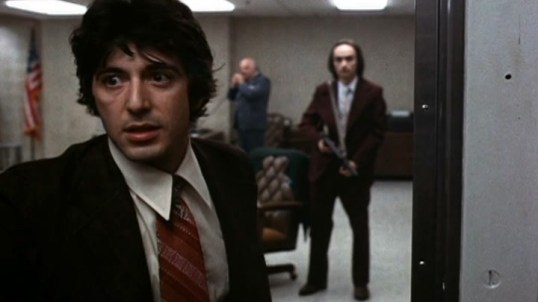
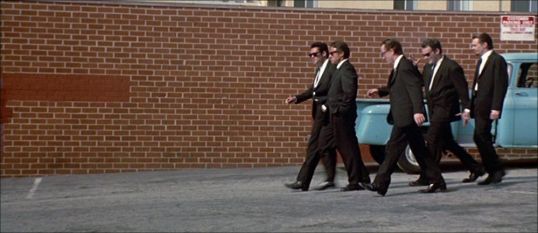
Dog Day Afternoon (1975, dir by Sidney Lumet, DP: Victor J. Kemper)
Reservoir Dogs (1992, dir by Quentin Tarantino, DP: Andrzej Sekuła)
Heat (1995, dir by Michael Mann, DP: Dante Spinotti)
Out of Sight (1998, dir by Steven Soderbergh, DP: Elliot Davis)
Presence takes place in one very big house. The Payne family — Rebekah (Lucy Liu) and Chris (Chris Sullivan) and their teenage children, Tyler (Eddy Maday) and Chloe (Callina Liang) — have moved into the house, little aware that it is already haunted by a poltergeist. The entire film is seen through the eyes of the poltergeist, the Presence.
The Presence floats through the house, going from room to room and allowing us to hear snippets of conversation that help us to put the plot together. The Paynes have moved to what they hope will be a better neighborhood and school district for their children. Tyler is a swimmer and his new school will perhaps make it easier for him to get the attention of college scouts. Chloe is still mourning the death of one of her friends. Her friend died of a drug overdose and we hear enough conversations to learn that drugs were apparently a problem at Chloe’s old school. More than one of Chloe’s classmates have died. Chris keeps an eye on Chloe, looking for any signs of drug addiction. Rebekah, meanwhile, is more concerned with the future of Tyler. As for the Presence, it gets upset easily. It’s not happy that Chloe seems to like Ryan (West Mulholland), a friend of Tyler’s who, at first, seems like almost a parody of sensitivity. The Presence gets even more upset when Tyler circulates a nude photo of another student online. What does the Presence want with the Paynes and will Rebekah and Chris’s already strained marriage survive the pressure of living with the mysterious spirit?
Written by David Koepp and directed by Steven Soderbergh, Presence is told with long takes and naturalistic lighting. Following the film’s plot requires listening to snippets of conversations that sometimes drift in from a neighboring room. It’s an interesting technique, or at least it is for the first half of the film. Eventually, it becomes apparent that Soderbergh is more interested in the film as a technical experiment than as an actual story involving interesting characters or surprising twists. At first, the long shots and the lack of close-ups seem to symbolize that the Presence is an outsider amongst the living family but eventually, they come to symbolize Soderbergh’s detachment from the story that he’s telling. As with so many of Soderbergh’s genre exercises, it’s a film that’s easier to respect than enjoy. Soderbergh sticks with his technique for the entire film, even when it would easier to abandon it. I appreciate the dedication but sometimes, I wish Soderbergh could just make a genre film without continually trying to convince us that he’s actually too good for the material.
On the plus side, Soderbergh does get fairly effective performances from his cast. There’s a twist involving Ryan’s character that isn’t really surprising but West Mulholland still does an excellent job selling it. Callina Liang realistically portrays Chloe’s sadness and I could definitely relate to her need to rebel, as I would think anyone who has ever been a teenager would. As so often happens with Soderbergh’s films, the extreme stylization gets in the way of the story but Liang still brings a bit humanity to Soderbergh’s chilly vision.
Traditionally, as far as pop culture goes, January doesn’t get much respect. If a studio has a film that they knew isn’t going to be a hit with critics or audiences, January is where they usually dump it with the full knowledge that, as bad as it is, everyone will have forgotten about it by the time summer rolls around. The same can often be said of publishers. With everyone busy getting caught up on what they missed during the last few months of the previous year, chances are that they won’t notice a few bombs dropped on the cultural landscape. That’s the theory anyways.
But, you know me! I’m an optimist. And I remain convinced that, even in January, there are things to which we can look forward, And here’s six of those things!
(Why six? Because Lisa Marie doesn’t do odd numbers!)
The Oscars
Yes, it’s that time of year! The Oscar nominations are going to be announced on January 17th! That’s two and a half weeks from now! Obviously, I’ve got quite a bit that I still need to watch. Wish me luck!
2. Sundance Film Festival
The first big film festival of the year opens on January 23rd. Which films will emerge as Oscar contenders from this year’s festival? It’s also possible that this year’s Sundance could be the last to be held in the snowy mountains of Utah. If Sundance does move to either Boulder or Cincinnati, this year’s festival will indeed be the end of an era. (Quite frankly, it’s hard for me to imagine a Sundance Film Festival without snow.)
3. Wolf Man
Directed by Leigh Whannell, the latest version of the Wolf Man will be released on January 17th. Will this Wolf Man be as full of self-pity as Lon Chaney Jr’s version was? We’ll find out!
4, Presence
As a filmmaker, Steven Soderbergh can be hit-or-miss. He’s directed some truly brilliant films. He’s also directed some rather pretentious dreck. His latest film, Presence, appears to be a horror film but, knowing Soderbergh, there will probably be some twist that will annoy me to no end. That said, the film stars Lucy Liu and she’s someone who definitely deserves to make a comeback. The film is due to be released on the 24th and I’m hoping for the best!
5. Screamboat
This is apparently a horror version of Steamboat Willie. This movie is probably going to suck but I’m just curious to see whether it’s going to be merely forgettable or a full-on disaster. Screamboat is destined to ruin some childhood memories on January 24th. Normally, I’d assign Case to check this out for us but I don’t think he’s forgiven me for making him watch Escape From Tomorrow.
6. Back In Action
Cameron Diaz came out of retirement to star in this action comedy. The script must have been really amazing, right? Uhmm….right? We’ll find out when the film is released on January 17th.
What are you looking forward to in January? Let us know in the comments!
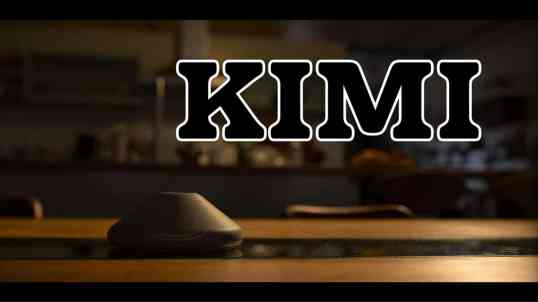
KIMI, the latest addition to Steven Soderbergh’s interesting but frustratingly inconsistent filmography, stars Zoe Kravitz as Angela Childs. Angela is an agoraphobic tech worker who is living in Seattle during the COVID pandemic. A sexual assault survivor, Angela spends her days and nights safely locked away in her apartment. She works from home. She always keeps her mask some place near. Occasionally, she’ll have a video session with her therapist. Her mom calls and scolds her for not going outside. She exchanges texts and occasionally more with Terry Hughes (Byron Bowers), an attorney who lives across the street.
And, she’s watched by Kevin (Devin Ratray). Kevin also lives across the street and, throughout the film, he’s occasionally seen watching her from his top floor apartment. It’s creepy but it’s not surprising. KIMI is a film in which everyone is being watched by someone else. Sometimes, they realize it and often they don’t. Welcome to the Surveillance State, where privacy is the ultimate illusion.
Angela works for the Amygdala Corporation. Under the leadership of CEO Bradley Hasling (Derek DelGuado), Amygdala has created KIMI, the virtual assistant that is superior to Alexa because all of KIMI’s errors are corrected not by a pre-programmed algorithm but instead by human workers who are constantly listening to KIMI’s data stream and correcting errors. Angela is one of those engineers. Usually, her job consists of programming KIMIs to play individual Taylor Swift songs as opposed to building Taylor Swift playlists. When one owner calls KIMI a peckerwood, Angela programs the KIMI to understand that peckerwood is an “insult; vulgar.” However, one data stream contains the sounds of what Angela believes to be a sexual assault and a subsequent murder.
Uniquely, for a film like this, Angela’s struggle is not to get people to believe that she heard what she heard. Instead, her struggle is to get the evidence to the people who need to hear it for themselves. Angela is terrified of leaving her apartment and, once she finally does, the outside world confirms all of her fears. KIMI is a film about paranoia, a portrait of a world where everyone can be tracked and no one — from Angela’s too-helpful boss (Rita Wilson) to the man who casually walks by with an umbrella — can be trusted.
As I’ve said in the past, Steven Soderbergh has always been hit and miss for me. It’s remarkable how many Soderbergh films that I love but it’s equally remarkable just how many Soderbergh films I absolutely loathe. At his best, he can be a clever stylist and, at his worst, he can be painfully pretentious. And yet, regardless of anything else, you do have to respect Soderbergh’s willingness to experiment with different genres and styles. Soderbergh never stops working, despite the fact that he announced his retirement years ago. Despite getting off to a slow start, KIMI is one of Soderbergh’s more entertaining thrillers, one that does a great job creating an atmosphere of paranoia and one that is also blessed with excellent performances from Zoe Kravitz and Rita Wilson, who makes good use of her limited screen time. KIMI is a well-made Hitchcockian thriller and, along with No Sudden Move, it’s a return to form for Soderbergh after the two terrible movies that he made with Meryl Streep, The Laundromat and Let Them All Talk. Yes, Soderbergh can be inconsistent but when he’s good …. he’s very, very good. (Sometimes, he’s even brilliant.) Narratively, KIMI may be a relatively simple film by Soderbergh standards but it’s undeniably effective.
Along with being a portrait of our paranoid age, KIMI is very much a pandemic thriller. Angela mentions that her relationship with Terry started during the lockdowns, a time when no one found it strange that someone would be unwilling to leave their apartment. When Angela does finally step out of her apartment, she is, of course, fully masked up and her paranoia about being followed severs as a metaphor for the paranoia that many people felt (and continue to feel) during the pandemic. KIMI is not the first pandemic thriller and it certainly won’t be the last. Still, what’s interesting to me that the pandemic subtext will probably be more noticeable to those who lived in states with mask mandates and aggressively regulated lockdowns than it will be for those of us who live in states that never had mandates and which, for lack of a better term, re-opened last year. Half the people viewing KIMI will nod in recognition as Angela grabs her mask before walking up to her front door and as she quickly dashes down the street, careful not get too close to anyone else. The other half will feel as if they’re watching some sort of dystopian science fiction film. It all depends on where you’ve lived for the past two years.
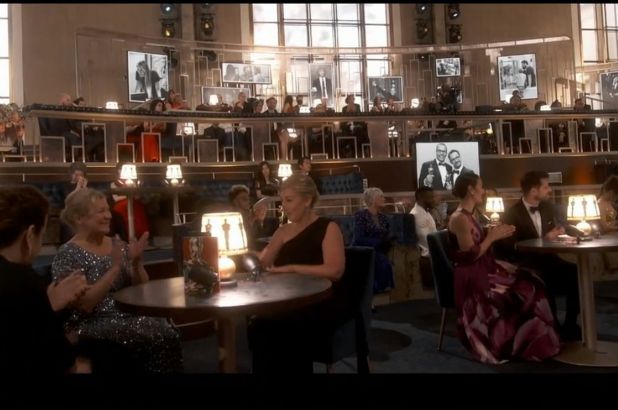
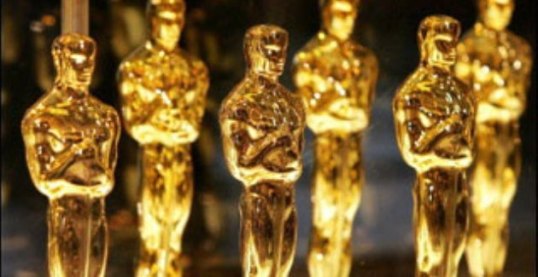
Footage of viewers doing what they had to do to make it through last night’s Oscar ceremony
This morning, I woke up and I thought about the cult of Steven Soderbergh.
Soderbergh is a filmmaker who is fervently adored by some film and cultural critics. They eagerly devour his every thought. They examine his annual list of the things that he watched during the year with the intensity of theological scholars studying an ancient-but-just-discovered religious text. The Cult of Soderbergh reacts with excitement whenever it’s announced that Soderbergh has secretly filmed an improvised comedy on his phone and that he’ll be releasing it on HBOMax. The fact that the movie itself will probably turn out to be a self-indulgent mess never really seems to concern them.
Don’t get me wrong. Steven Soderbergh has directed some very good movies. There are quite a few Soderbergh films — Out of the Past, The Girlfriend Experience, The Informant!, Logan Lucky, Magic Mike — that I really, really like. However, Soderbergh has directed and otherwise been involved with some truly mediocre films as well, films that would probably be totally forgotten if not for the fact of his involvement. Even his worst films tend to get good initial reviews, if just because people tend to assume that anything Soderbergh directs has to be good even when it’s not. But, in retrospect, many of his films are stylish and ultimately empty. Haywire is a mess. The Laundromat was self-indulgent and pretentious. Let Them All Talk was so dull that it felt as if it was specifically made to troll the type of people who proudly proclaim that they will watch Meryl Streep in anything. Contagion may have predicted a pandemic but that doesn’t make it any less of a drag to sit through. When Steven Soderbergh is good, he’s very good. When he’s bad, he’s incredibly bad. He’s one of the most frustratingly inconsistent filmmakers around. That’s something that many film fans and critics have yet to come to terms with.
It’s also why I kind of groaned a little when, last month, I read that Steven Soderbergh would be producing the Oscars this year. Everyone knows that the Oscars are struggling to stay relevant and that the ceremony needed to be jazzed up a little and, if nothing else, that seemed to be something that Soderbergh could deliver. But, even while the Cult of Soderbergh was celebrating, I was thinking about how the Oscars seemed like just the type of event that would draw out Soderbergh’s worst tendencies.
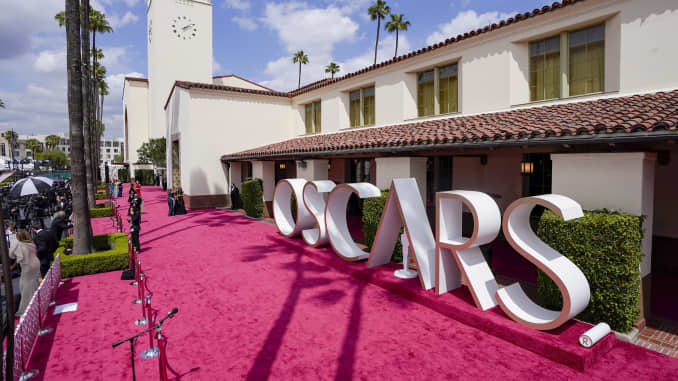
Now, at this point, I should make clear that Soderbergh did not direct last night’s ceremony. He was strictly the producer and, in fact, he was just one of three producers. That said, from the opening scene of Regina King walking through Union Station to the decision to allow the winners to ramble on for as long as they wanted (almost as if they were Meryl Streep and Candice Bergen shooting an improvised film during an ocean cruise), this definitely felt like a Steven Soderbergh production. Even more importantly, it felt like a bad Soderbergh production. This wasn’t Traffic or even Ocean’s 11. This was Solaris. This was Full Frontal. This was one of those terrible movies that he agreed to executive producer as a favor to George Clooney. This was the type of train wreck that could only have been put together by a genius who no one was willing to double guess.
We all knew that last night’s Oscars were going to be a bit different, of course. And I guess we should be glad that they didn’t make the same mistakes that the Golden Globes made. That said, the ceremony was an endurance test. Last night’s ceremony did away with a lot of the things that have been criticized about previous ceremonies but, in doing so, it only made us realize that an awards show actually does need a host. It does need a cheesy montage. It needs spectacle. It needs live performances of the nominated songs. It needs humor, even bad humor. (Glenn Close twerking after her record-setting eighth Oscar loss does not count.) And, perhaps most importantly, it needs a band that’s willing to start playing the exit music whenever a winner goes on for too long. Who didn’t want a full orchestra to drown out the Documentary Feature winners? Do we really need a filibuster from someone who probably had sex with an octopus? That’s what the Senate’s for.
As I watched the ceremony, I thought about something one of my creative writing teachers once told me. Seriously, this is one of the most important lessons that I’ve ever learned and anyone who knows how much I hate learning anything will understand that’s high praise coming for me. If you want your reader to truly feel as if they know your characters, show. Don’t tell. Show. If you want your readers to understand that someone is good at their job, don’t just say, “She was good at her job.” Instead, write a scene that shows she’s good at her job. For the most part, last night’s ceremony eschewed showing clips of the nominated films and instead, we were provided with trivia factoids about the nominees, the type of stuff that you typically find on the imdb or Wikipedia. But hearing that someone worked in a movie theater when they were a teenager doesn’t tell us anything about why they were nominated. Last night, the lack of clips made it seem as if the Academy ashamed of the films they had nominated. They kept telling us the nominees were good but, at the same time, they refused to show us.
At least they avoided this….
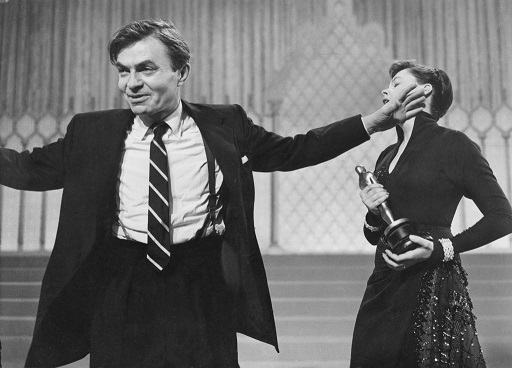
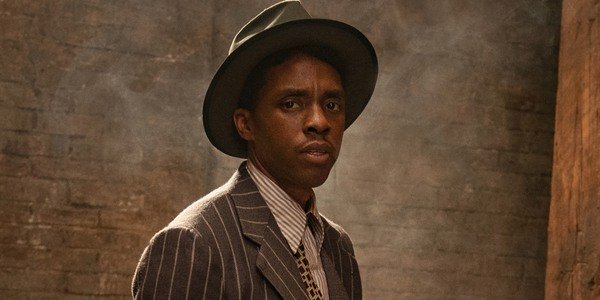
Finally, there was the weird choice to move around some of the categories. It’s obvious what the show’s producers — and I won’t lay the blame squarely on Soderbergh because there were two other credited producers on the show — were trying to do. They assumed Chadwick Boseman would win best actor. They assumed it would be a huge emotional moment, the 21st century’s equivalent of Judy Garland introducing herself as “Mrs. Norman Maine” in the 1954 version of A Star is Born. And so, they moved the categories around.
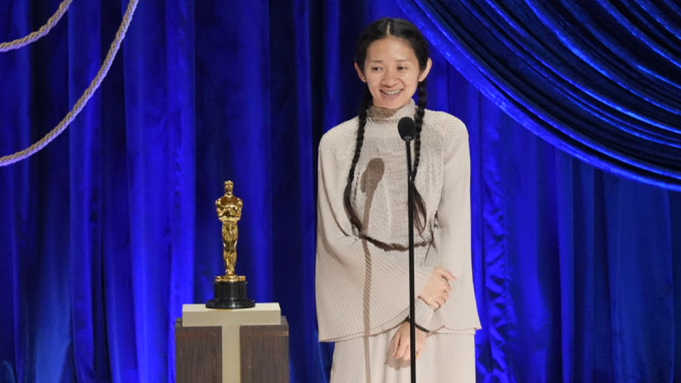
Chloe Zhao, only the second woman in 93 years to win Best Director
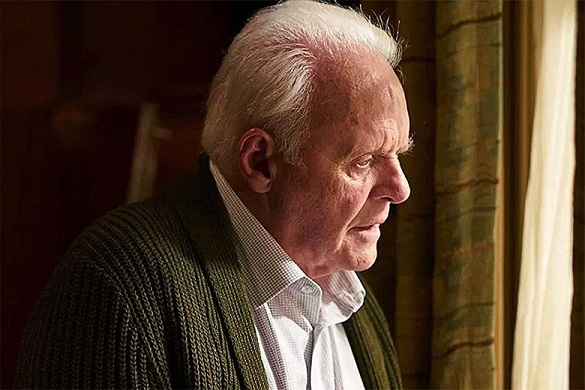
As a result, Chloe Zhao won Best Director in the middle of the show. Zhao is only the second woman to win best director and the first woman of color. It should have been a great Oscar moment but instead, it was just randomly tossed in there, with no build-up or anything else. Best Picture, which is traditionally the joyous end of the ceremony, was moved so that the final award could go to Chadwick Boseman. Of course, that didn’t happen. The final award went to Anthony Hopkins for The Father. When presenting the award, Joaquin Phoenix read the name of the winner so quickly that it actually took a few minutes for me to realize that Hopkins had won. Phoenix read the name and the end credits rolled so quickly that you got the feeling someone in the control room panicked. It was an odd moment. Obviously, Hopkins couldn’t come to L.A. for the ceremony but he was also apparently so convinced that Boseman was going to win that he didn’t even bother to stay up for the ceremony. (According to People Magazine, he was asleep when his name was called. Actually, that was true for a lot of people in America as well.)
It was an anti-climatic end to the ceremony but, putting aside the question of who should have won best actor, it was hard not to feel some schadenfreude. The show’s producers basically messed up the show’s entire momentum for a big moment that they assumed was going to happen and then it didn’t. They got a bit too clever for their own good. As more than one person pointed out on twitter, last night was proof that the producers do not know, ahead of time, who is going to win. I know some would say that it’s easy to be critical in hindsight but that if Boseman had won last night, we would be talking about what a moving moment it was. Yes, we would but it would been just as moving if Boseman had won at the end of the ceremony or at the beginning of it or in the middle. Instead, the producers took a risk that only succeeded in making Boseman’s loss the defining moment of the 93rd Academy Awards.
(Incidentally, I watched The Father on Sunday, before the ceremony. Hopkins is amazing in the film and I feel he deserved the award. At the same time, I’m also very aware that Boseman was very good in Ma Rainey’s Black Bottom and that this was literally the Academy’s last chance to honor both his performance and his legacy. So, when I say that it’s unfortunate Boseman loss, that should not be taken as criticism of Hopkins. Nor should my praise of Hopkins be viewed as criticism of Chadwick Boseman.)
Many of the changes last night felt less like they were the result of seriously considering what would improve the ceremony and more like change for the sake of change. It felt like the people in charge basically said, “This is our show and we have to do something to show that we know better than everyone who has come before us.” There was a lot of hubris involved in last night’s ceremony. There was a definite lack of understanding of why people watch the Oscars in the first place. Watching the ceremony, I was reminded of the experiencing of listening to countless Steven Soderbergh commentary tracks where he got so caught up in discussing dry technical details that he didn’t actually bother to comment much on what it was like to actually make the film and work with the actors. (One gets the feeling that Soderbergh is more comfortable talking about lenses than about human emotions.)
I’m not going to get into an argument about what the Oscars are “supposed” to be. Obviously, there’s no set rule that says the Oscars have to take place in a giant theater or that there has to be a host or a live musical performance. But I will say that, for me, the most memorable Oscar ceremonies have been entertaining to watch, even if they did inspire a bit of snarkiness on the part of many viewers. (The snarkiness, let’s be honest, is a part of what we all look forward to.) The show’s producers were so busy patting themselves on the back for not being tacky that they failed to consider that shameless tackiness is actually one of the things that makes the Oscars the Oscars. Last night’s show was boring. And beyond everything else, that was the main problem. People want to have fun. They want to escape for a few hours. They want a little spectacle. If the Academy and Hollywood at large can’t remember how to deliver that, I don’t know how much longer this yearly tradition of watching the Oscars will continue.
Ever since the COVID lockdowns started roughly 12 months ago ago, there have been people saying that we should cancel all of the big events that usually define the year. Sometimes, the argument has been that it’s just simply gauche to celebrate or indulge in sort of distraction while the world is suffering. Other times the argument has been that doing anything other than staying inside and feeling miserable will lead to a superspreader event. Over the past 12 months, there have been efforts to cancel everything from football and baseball to Halloween and Christmas.
My response to these efforts has always been to proudly yell, “No! People need some sort of normalcy, now more than ever! Traditions are important and we all need something to look forward to. The show must go on!” Even though I’m not into football, I was happy that the regular NFL season went forward as scheduled. I was happy that, even with everything going on, there was at least a Super Bowl. Even though I’ve never cared that much about the Emmys, I was still glad that they made it a point to hold some sort of ceremony. And when it comes to Oscars, I’ve been looking forward to them for a year now. The show must go on, right?
Indeed, ever since the lockdown started, I’ve been saying that the show must go on. It’s a belief in which my faith was unwavering.
Until last night.
Last night, I watched The Golden Globes and, as I’ve already said on this site, it was an amazingly depressing experience. While I knew that the Globes would be different this year and there would undoubtedly be a few awkward moments, nothing could have prepared for me for just how terrible last night’s show truly was. The entire show felt weird and creepy and vaguely dystopian. Even the jokes about the HFPA’s lack of diversity and the nominations for stuff like Music and Emily In Paris felt less like speaking truth to power and more like officially sanctioned dissent, delivered in smarmy fashion by officially approved messengers. It felt like watching a carefully rehearsed roast of a corrupt politician, where all of the jokes are carefully written so that the subject of them can later say, “See, I can laugh at myself!” in between looting the treasury and putting dissidents in prison. It was depressing not just because it reflected what’s currently going on in the world but also because it seemed to indicate what we had to look forward to in the future.
Awards show have always been vapid, of course. For the most part, the humor has always been smarmy and self-congratulatory. (There’s a reason why Ricky Gervais will probably never be invited back to host another Golden Globes ceremony.) The political statements have always lacked self-awareness. The winners have often been regrettable. But, in the past, we could at least focus on the glamour. We could distract ourselves with the clothes and the hair and the gossip. There was no glamour last night. There was just an overwhelming blandness.
Traditionally, the Golden Globes are the “fun” awards ceremony so, if the Golden Globes were that bad, can you imagine what the Oscars are going to be like? The Oscars, after all, are the staid and, at times, painfully formal ceremony. If the Globes represent your shady, self-destructive, but always unpredictable uncle, the Oscars represent the rich uncle who awkwardly shows up at the annual family reunion out of a sense of obligation and who never seems to be having as much fun as he should. (That said, you’re still always happy to see him and you know you’ll miss him if he ever stops coming.) If the Globes were that depressing, it’s frightening to imagine the depths of despair to which the Oscars could potentially descend.
It’s enough to make you wonder whether the show must really go on! I mean, technically, there’s really no need to have a big Oscar ceremony. The show gets terrible ratings, with less and less people watching each year. In fact, it’s only a few of us awards fanatics who really care about the ceremony. One could just as easily post the names of the winners online and then everyone could just upload their acceptance speeches to YouTube, where people like me could watch the speeches we care about and ignore the rest. At this point, even those of who love the show understand that it’s rare that the best films actually win. The appeal of the Oscars is not really to be found in the results of the contest. Instead, the appeal of the Oscars has always been the glamour of the ceremony. If there’s no glamour, what’s the point? One could just as easily take the money that’s usually spent on the ceremony and instead donate it to the communities that are still recovering from last month’s winter storm.
It’s a legitimate question. Must the show go on?
Despite the way that I found my faith wavering last night, I still ultimately think that the show should go on. I still believe that, psychologically, it’s important to have some sort of normalcy. I think that if the world could survive the lack of good Super Bowl commercials, it should be able to survive the Oscars. But, seriously, let’s hope that the Oscar producers learned something from last night’s disastrous ceremony. Let’s hope that the producers give some serious thought to what went wrong for the Globes and that they make an effort not to repeat the same mistakes. Somehow, the Oscars have to keep glamour alive. They can’t repeat the mistake of the Golden Globes of allowing themselves to just become a tepid zoom conference call. The Oscars are many things, both good and bad. But they should never be depressing.
This year, Steven Soderbergh is one of the Oscar producers and, while I’m not really a huge fan of some of his more recent films, I think he does understand the importance of glitz and glamour. (Let’s hope we get the Ocean’s 11 Soderbergh as opposed to the Soderbergh who makes self-indulgent Meryl Streep films.) I’m looking to you, Steven Soderbergh, with hope in my eyes. Don’t let me down.
Well, it’s nearly February so I guess it’s time for me to start listing my picks for the best and the worst of 2020.
It’s pretty much a tradition here at the Shattered Lens that I always end up running behind as far as posting these lists are concerned. I always think that I’m going to have everything ready to go during the first week of January but then I realize that there’s still a host of movies that I need to see before I can, in good conscience, post any sort of list. In fact, as I sit here writing this post, I’m watching some films that could very well make it onto my best of 2020 list.
Of course, the list below is not my best of 2020 list. Instead, below, you’ll find my picks for the 16 worst films of 2020. Why 16 films? Because Lisa doesn’t do odd numbers!
It probably won’t be a surprise you to see some of these films on the list. For instance, I don’t think anyone will be shocked to see The Grudge or After We Collided mentioned. However, I imagine that some people will be surprised to see The Trial of the Chicago 7 on the list. What can I say? The more I thought about it, the more it represented everything that I dislike about mainstream Hollywood filmmaking. The fact that it’s probably going to be a major Oscar contender made it even more important to list it. I’m sure there’s a lot of critics, for instance, who wish they had found room for Green Bookwhen they were compiling their 2018 lists.
In the end, of course, this list is my opinion. You’re free to agree or disagree. That’s the wonderful thing about having an opinion.
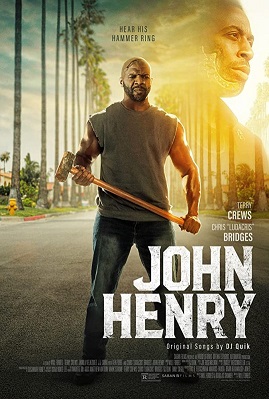
16. John Henry (dir by Will Forbes) — I actually feel kind of bad for listing this silly B-movie as one of the worst of 2020 but it was just so slowly paced and thematically muddled that I really didn’t have a choice.
15. The Binge (dir by Jeremy Garelick) — Doing The Purge with drugs and alcohol as opposed to murder is actually a pretty cool idea so this movie has no excuse for being so dull. There is one fun dance number that livens things up, which is why The Binge is listed at number 15 as opposed to number 3.
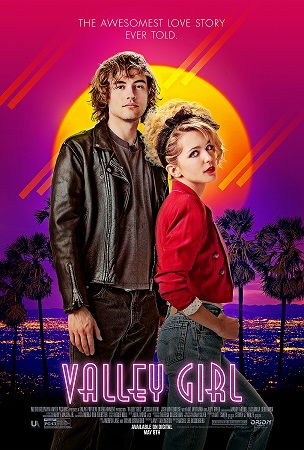
13. Valley Girl (dir by Rachel Lee Goldenberg) — This remake was a boring jukebox musical that featured 30 year-old high school students and unimaginative use of a host of 80s songs. (A girl at the beach says that she just wants to have fun. Can you guess what song the cast started singing?)
12. Ava (dir by Tate Taylor) — Jessica Chastain’s an assassin and …. *yawn.* Tate Taylor was exactly the wrong director to be expected to do anything interesting with this story.
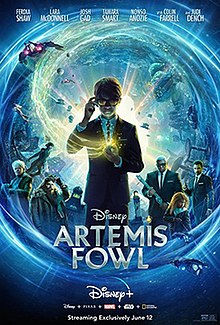
9. Artemis Fowl (dir by Kenneth Branagh) — This was a confusing movie that mixed the least interesting parts of the Harry Potter franchise with the least interesting bits of the Marvel Cinematic Universe.
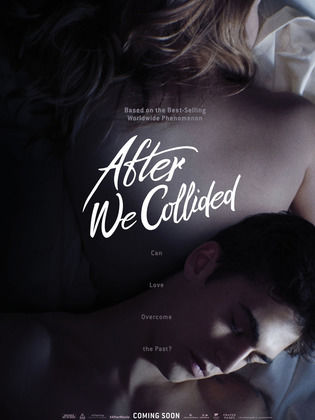
6. After We Collided (dir by Roger Kumble) — This was marginally better than the first Afterbut that’s not saying much. The total lack of chemistry between the two romantic leads makes it difficult to care about whether or not they ever end up together. The cloying cameo from writer Anna Todd (“What have you written?” “Oh, this and that,”) almost made me throw a shoe at my TV.
5. The Trial of the Chicago 7 (dir by Aaron Sorkin) — I liked Joseph Gordon-Levitt’s performance and the scene where Bobby Seale gets gagged in court was powerful and disturbing. Otherwise, this movie represented Hollywood at its most vapid.
2. The Last Thing He Wanted (dir by Dee Rees) — This was the first bad film that I saw in 2020 and it’s remained here, near the bottom of the list, for 12 months. This movie was a muddle mess that thought it had more to say than it did. It did feature a good performance from Willem DaFoe, which saved it from being the worst film of the year. Instead, that honor goes to….
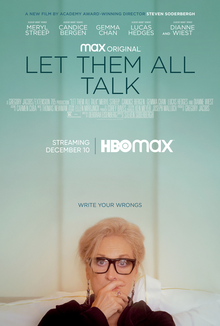
1. Let Them All Talk (dir by Steven Soderbergh) — This mind-numbingly dull film from Steven Soderbergh seems to be determined to troll everyone who has ever said that they’d watch Meryl Streep in anything.


 Through the Shattered Lens