Today, we wish a happy birthday to Ron Howard with this classic Howard-directed scene from 1995’s Apollo 13!
Today, we wish a happy birthday to Ron Howard with this classic Howard-directed scene from 1995’s Apollo 13!
4 Or More Shots From 4 Or More Films is just what it says it is, 4 shots from 4 of our favorite films. As opposed to the reviews and recaps that we usually post, 4 Shots From 4 Films lets the visuals do the talking!
Today, we celebrate Ron Howard’s birthday with….
4 Shots from 4 Ron Howard Films
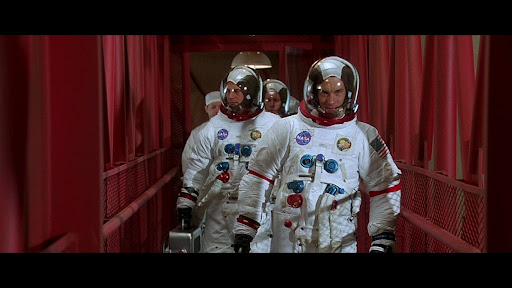
Apollo 13 (1995, dir by Ron Howard, DP: Dean Cundey)
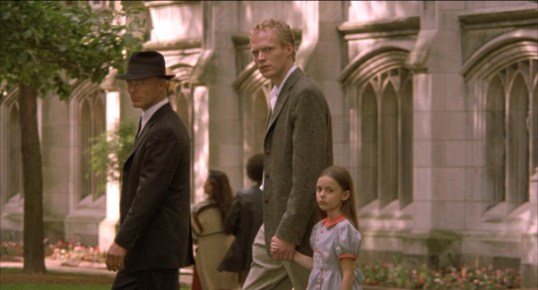
A Beautiful Mind (2001, dir by Ron Howard, DP: Roger Deakins)
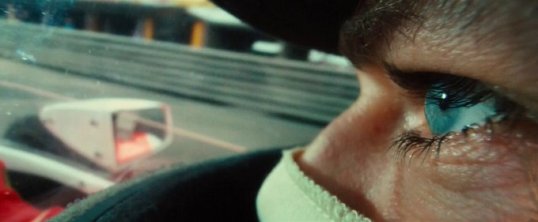
Rush (2013, dir by Ron Howard, DP: Anthony Dod Mantle)

Solo (2018, dir by Ron Howard, DP: Bradford Young)
As a tax accountant, I get pretty stressed every year from the months of January through April 15th. To help relieve that stress, I like to watch my favorite movies and TV shows on my 3rd computer screen at night and on the weekends. I don’t necessarily pay much attention to them but just having them playing so I can look over and see my favorite scenes helps me feel better. A few years ago, I ended up watching all eight seasons of THE ANDY GRIFFITH SHOW three times during tax season. There’s just something about hanging out in Mayberry that makes me happy. Today, I thought it would be fun to revisit the one and only Christmas episode of the show.
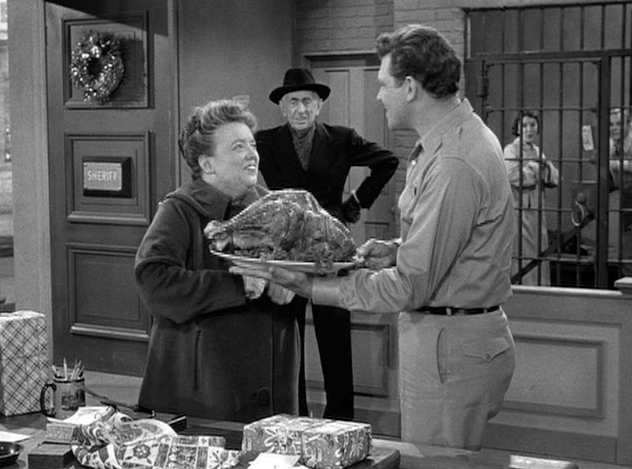
“Christmas Story” centers on Ben Weaver (Will Wright), a crotchety old scrooge of a businessman, who catches local moonshiner Sam Muggins (Sam Edwards) pedaling his illegal liquor on Christmas Eve. Ben takes Sam, and the jug full of evidence, into Sheriff Andy Taylor’s (Andy Griffith) office, where he insists that Andy and his deputy Barney Fife (Don Knotts) lock Sam up even though it’s Christmas. Andy, who’s trying to keep the peace with the important and politically connected Ben Weaver, and who still wants to have the holiday gathering he had planned with his own family, comes up with a solution. He arrests Sam’s wife and kids as “accessories” so they can spend Christmas together at the jail, and then he deputizes his girlfriend Ellie (Elinor Donahue), his son Opie (Ron Howard), and Aunt Bee (Frances Bavier) to help watch over the prisoners. Before long, the jail has turned into a Christmas party, complete with food, laughter, and singing. Everyone is enjoying themselves…everyone, that is, except Ben Weaver.
“Christmas Story” is such a good example of why I love the Christmas season and THE ANDY GRIFFITH SHOW. As the show plays out, the crotchety Ben Weaver spends most of his time spying through the windows of the sheriff’s station as everyone, including the prisoners, is having the best time. He’s clearly lonely, but his pride won’t allow him to admit that what he really wants is to be inside with the rest of them. After trying to get himself arrested a couple of times, the ever-perceptive Andy figures out what Ben is up to. He arrests him, but before he takes him to jail, he lets him stop by his store to pick up a few presents for the others. By the time of the feel-good ending, Ben Weaver has gone from bitter and lonely to generous and happy, all because Andy took the time to see past his gruff exterior.
Other than the satisfying emotional arc for Ben Weaver, there were a few other things that stood out to me while watching “Christmas Story.” First, this was the 1st season of the series, so Andy Griffith was still playing Andy Taylor much more broadly. He would eventually play his character almost completely straight to give something for Don Knotts’ standout character of Barney Fife to play against. Second, the opening scene where Andy and Barney are going through the Christmas cards that they have received, specifically one from the Hubacher Brothers who are all in the state prison, is a comic masterpiece. I laughed out loud when Barney paid off the scene with the following line while viewing the picture of three smiling brothers behind bars… “Yeah, I think it’s just wonderful that they’re all together at Christmas.” Finally, when Andy plays the guitar and duets with Ellie to “Away in a Manger,” it’s just a perfect moment, one that brings up nostalgic feelings of singing the song at church or with my own family around the holidays.
At the end of the day, “Christmas Story,” like the entire series itself, isn’t really a realistic representation of the world around us. Rather, it’s a representation of a world more like we want it to be. In Mayberry, decent people do thoughtful things for other people, for no other reason than the fact that they genuinely care. And in Mayberry, the most bitter man in town, can recognize his weaknesses and turn his life around when he’s shown a little understanding and compassion. This episode provides hope for a better future for its characters, which makes it a perfect episode to watch during the Christmas season. In some ways, isn’t that what Christmas is all about?

After reading the memoir THE BOYS, from Ron Howard and Clint Howard, I’ve taken a renewed interest in their careers. While scanning Ron’s IMDB listing, I noticed that he directed a film in 2022 called THIRTEEN LIVES. Movies had such strange release patterns in the post-Covid years, and somehow this film had flown completely under my radar. Seeing that the movie was very highly rated and that it was based on what seemed like an incredible true story, I became very interested. So much so, that I started the two and a half hour movie after midnight!
THIRTEEN LIVES is based on a real life “flooded cave” rescue in Thailand in 2018 after 12 boys and their soccer coach become stranded deep inside a cave system when unexpectedly early monsoon rains hit the area. We watch as an international coalition of Thai Navy SEALS, British cave divers, including Rick Stanton (Viggo Mortensen) and John Volanthen (Colin Farrell), and other expert volunteers take part in an extremely urgent and dangerous mission to save the thirteen lives. When it appears that all hope may be lost, the men come up with a risky, experimental plan requiring the expertise of anesthetist and cave diver Harry Harris (Joel Edgerton). As scary as the plan is, everyone agrees it’s the only chance they have…
I mentioned earlier that one of the reasons that THIRTEEN LIVES piqued my interest is the fact that it’s based on a true story. The real world has been full of heartbreaking tragedy this year, and this story seemed like something I really needed to see. On a personal note, 2018 was one of the most difficult years in my life. I don’t remember hearing about this real life drama out of Thailand, so I honestly didn’t know what was going to happen. I’ll give Director Ron Howard a lot of credit for how effectively he captures the seemingly hopeless and terrifying situation over the 18 day period from the time the team was first trapped to the time that the rescue attempt reaches its conclusion. His deliberate pacing doesn’t rush the story, and we can’t help but become invested in the emotions being experienced by the families and the rescue teams. I also enjoyed watching people from all over the world working together and not caring who gets the credit. There was tension at times of course, but the focus was never about ego. It was always about their mission to save those who were trapped. This movie is about regular people who became real heroes. The film captures the psychological cost of that transition as not every person will survive the 18 day journey.
The incredible real-life story of THIRTEEN LIVES is complimented very well by an excellent cast. I’ve been a fan of Viggo Mortensen since he starred in the film THE INDIAN RUNNER in 1991, which happened to co-star my movie hero Charles Bronson. I’ve also been a fan of Colin Farrell since he emerged in what seemed like a concerted effort in the early 2000’s to make him a star. Both men bring their “A” games here in understated and powerful performances. Other actors that stood out to me include Joel Edgerton as the expert who holds the key to the rescue plan, Sahajek Boonthanakit as Governor Narongsak, the man who takes the ultimate responsibility for their mission, and Pattrakorn Tungsupakul, the distraught mother of one of the trapped boys. Howard assembled a great cast that brings the incredible story to life.
I mentioned earlier that I started watching THIRTEEN LIVES after midnight. For a 51 year old man, the fact that I watched the entire film at that time of the night, without falling asleep, says a lot about the way this extraordinary story pulled me in. I highly recommend this powerful film to any person who enjoys movies based on true stories.
4 Or More Shots From 4 Or More Films is just what it says it is, 4 shots from 4 of our favorite films. As opposed to the reviews and recaps that we usually post, 4 Shots From 4 Films lets the visuals do the talking!
Since Brad just reviewed Ron and Clint Howard’s new memoir, it seems like it’s time for….
4 Shots from 4 Ron Howard Films
Apollo 13 (1995, dir by Ron Howard, DP: Dean Cundey)
A Beautiful Mind (2001, dir by Ron Howard, DP: Roger Deakins)
Rush (2013, dir by Ron Howard, DP: Anthony Dod Mantle)
Solo (2018, dir by Ron Howard, DP: Bradford Young)
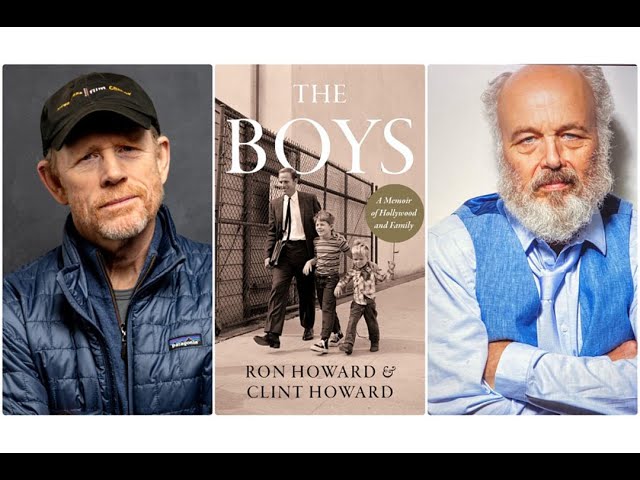
Every year during tax season, I get in the habit of playing movies and TV series on my third computer screen as I work. I don’t necessarily watch the shows, but they do provide a soothing background noise as I provide high quality tax preparation services for my clients. A few years back I played the entire series of “The Andy Griffith Show” all the way through a total of three times. I began to develop favorite episodes and would actually stop and watch certain parts as favorite scenes would play out. My very favorite moments would typically involve emotional scenes between Sheriff Andy Taylor and his son, Opie. Ron Howard began playing Opie when he was only six years old and there was never a cuter kid on a TV show. Needless to say, I was always bringing up the show in just about any conversation I was having during this time, whether it be with my wife, other family members or friends. Almost any situation that came up would remind me of something found on “The Andy Griffith Show.” Based on this newfound obsession, when Christmas rolled around that year, my wife purchased me a copy of the book THE BOYS by Ron Howard and Clint Howard. When we were preparing for our trip to Maui recently, I knew I had several plane flights and many beach hours ahead of me. While I don’t often read for pleasure, it did seem like the perfect time to dig in and find out what it was like to grow up as a kid actor on one of America’s most beloved TV shows.
THE BOYS has a pretty interesting setup as Ron Howard and Clint Howard share their various viewpoints on key moments and events in the evolution of the Howard family. It becomes clear very quickly that Ron and Clint are very different as we make our way through the first few chapters. They just see the world from wildly different perspectives. Ron emerges as kind of a rule following “square” while Clint proves to have quite the rebellious streak. But you can also tell how deeply they care about each other as brothers. The book takes its time to really focus in on their parents, Rance and Jean Howard, and how they instilled a “family comes first” philosophy in their heads from the very beginning. There were a few times where this philosophy was put to the test, but all in all the family unit retained its position as being more important than any roles in film and TV. Rance and Jean were both very present in their sons’ lives, and in a positive way. They took a very nominal management fee from their sons’ earnings, much less than the industry standards, and saved the rest for Ron and Clint. After all the stories of child actors, their stage parents, and their ultimate downfalls, the Howard’s situation couldn’t have been much more ideal thanks mostly to the consistency and character of Rance and Jean. While they don’t always shy away from their parents’ faults, these boys truly loved and appreciated their mom and dad, and that was refreshing to read.
As far as Ron’s and Clint’s acting careers, THE BOYS doesn’t necessarily dwell too much on their various shows and movies that they were in, outside of those that really had the biggest impacts on their family and futures. We hear quite a bit about “The Andy Griffith Show” and “Gentle Ben,” but when you consider how young the boys were when they starred in those shows, there is a limit to how much they can really remember. Once again, most of the memories they share of these shows seem to be based on their work with their dad to learn their lines and understand the plots. I can say from firsthand experience that Rance’s coaching is amazing based on Ron’s performances as Opie Taylor. I don’t remember Clint as well in those early years, except for his handful of appearances as the PB & Jelly smeared Leon, also on “The Andy Griffith Show.” We do get some nice info on actors like Griffith, Don Knotts and Dennis Weaver that only serves to help me appreciate them even more. If you want a deep dive into any of their shows or movies, this book is probably not the place to look for that kind of detailed information, but they do sprinkle in some fun nuggets along the way. I especially enjoyed Ron’s stories about George Lucas and Henry Winkler, as well as Clint’s memories of playing Balok on “Star Trek.” We get quite a few stories from Ron and Clint about how hard it could be to be a well known child actor in grade school and high school. It makes sense that there were quite a few kids that gave them a hard time and each of the boys had to develop their own way for dealing with these people.
The book ultimately reaches its crescendo with the boys sharing details about their transitions into adulthood, both personally and professionally. We learn about Ron’s own love story with his wife Cheryl who was basically his first real girlfriend. With the perfect life partner in tow, Ron was free to pursue his passion to direct films, and he had to make some risky decisions for that to happen. It was fun reading about the “deal” he made with the legendary Roger Corman that gave him his big directorial break with the B-movie GRAND THEFT AUTO (1977). We all know where his directorial career eventually would go, but it certainly was no foregone conclusion in the late 70’s. Clint’s journey was difficult in a much different way, as he was a full blown alcoholic and drug addict when he was trying to figure things out. Once again, his own personal integrity and the strong bonds of a loving family ultimately allowed him to get an upper hand on his problems and go on to the unique and interesting career he has had. One of my main takeaways from reading THE BOYS is that I just love their family. No matter what, they always valued integrity and would always stick together. Ultimately, I think that was the most important story that the boys wanted to tell.
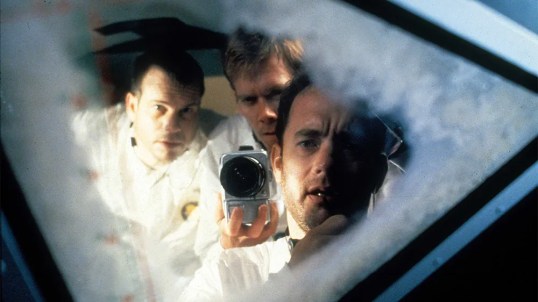
Apollo 13 (1995, dir by Ron Howard, DP: Dean Cundey)
Today we have an absolutely beautiful scene from 1995’s Apollo 13. In this scene, astronaut Jim Lovell (Tom Hanks) takes a look at the moon and, for a minute, thinks about what could have been, if only a malfunction hadn’t scuttled Apollo 13’s moon landing and left Lovell and his two crewmates apparently stranded in space. Though Lovell may dream of walking on the moon, he knows it won’t happen and that his only concern now is getting both himself and his crew back home.
Some critics have a tendency to dismiss Ron Howard as just being a director who makes middlebrow films but this scene shows him to be a director who instinctively understands not only what it’s like to dream but also what it’s like when reality intrudes on those dreams. This scene features both Howard and Tom Hanks at their best.
Welcome to Retro Television Reviews, a feature where we review some of our favorite and least favorite shows of the past! On Saturdays, I will be reviewing The American Short Story, which ran semi-regularly on PBS in 1974 to 1981. The entire show can be purchased on Prime and found on YouTube and Tubi.
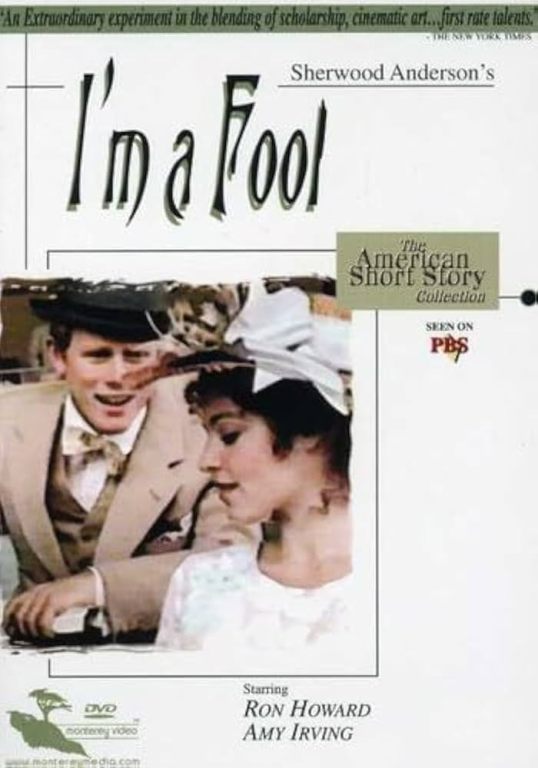
This week, after an introduction from Henry Fonda, The American Short Story presents a short film about a young man discovers that he’s a fool.
Episode 6 “I’m A Fool”
(Dir by Noel Black, originally aired in 1977)
In this adaptation of a Sherwood Anderson short story, Ron Howard (back in his younger days, before he became better-known as a director) stars as Andy. Andy is a young man who runs away from his safe and comfortable life in search of adventure. He gets a job as a “swipe,” which was apparently what people used to call the folks who took care of the horses at a racetrack. He and an older black man named Burt (Santiago Gonzalez) travel the racing circuit in Ohio and form a tentative friendship. Burt can tell that, for all of his attempts to come across as being tough and worldly, Andy is a virgin who gets drunk easily and who has no idea what the real world is like.
Andy claims to be a proud member of the working class but then he meets a pretty and rich girl named Lucy (Amy Irving). Andy introduces himself as being Walter, the son of a wealthy stable owner. Andy and Lucy spend the day together and Andy comes to realize that he loves her and that she seems to love him as well. But then Andy realizes that she only knows him as Walter and that it’s too late to tell her the truth. “I’m a fool,” Andy says before leaving with Burt.
This 35-minute short film featured good performances from Ron Howard and Amy Irving and some lovely shots of the countryside, showing why a life of wandering through rural Ohio might appeal to a young person searching for meaning. There’s a great scene in a bar where the outclassed Andy tries to prove himself to a bunch of snobs by drinking whiskey and smoking a cigar. Unfortunately, the strength of Sherwood Anderson’s original short story is that it puts us straight into Andy’s head and allows us to see the thought process that led to him coming up with his foolish lie. Despite featuring narration from Ron Howard, this adaptation doesn’t really accomplish that and, as a result, the viewer is always on the outside looking in.
It’s not a bad adaptation but it can’t beat sitting down and reading the original story.
4 Or More Shots From 4 Or More Films is just what it says it is, 4 shots from 4 of our favorite films. As opposed to the reviews and recaps that we usually post, 4 Shots From 4 Films lets the visuals do the talking!
Today, the Shattered Lens wishes a happy birthday to Tom Hanks! It’s time for….
4 Shots From 4 Tom Hanks Films
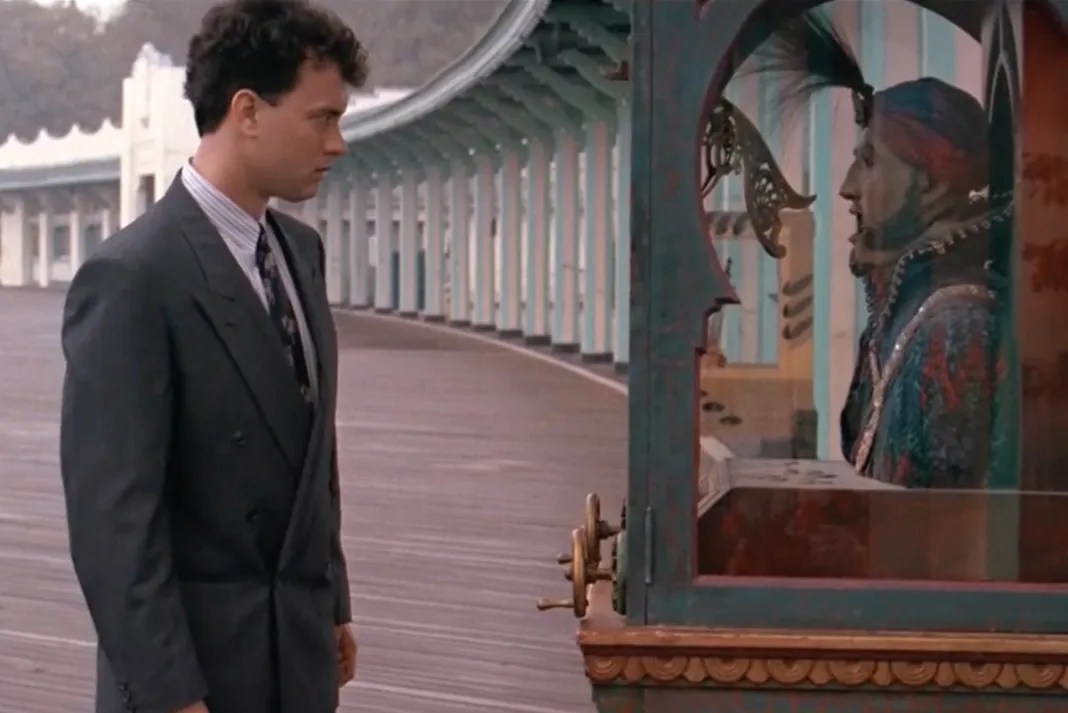
Big (1988, dir by Tom Hanks, DP: Barry Sonnenfeld)
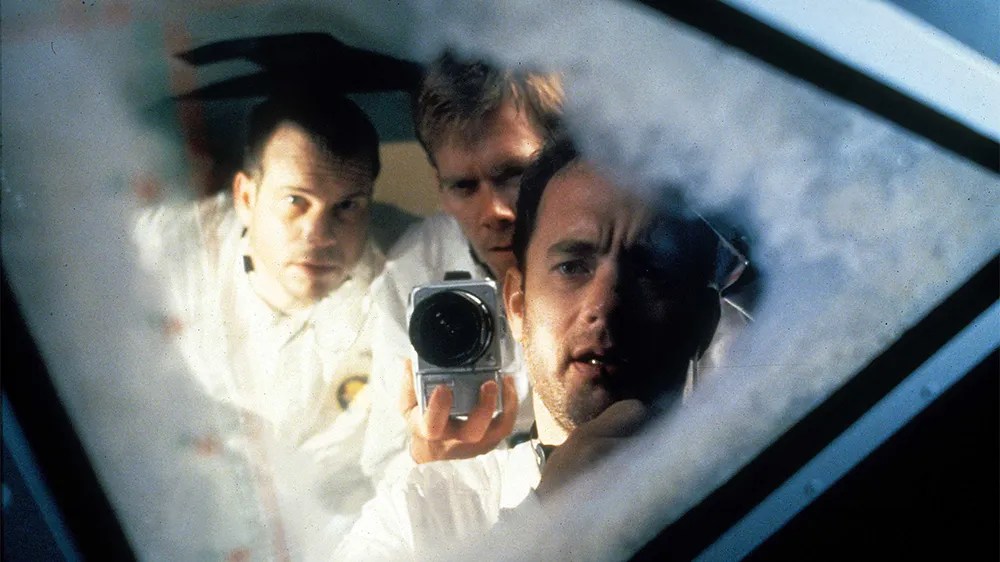
Apollo 13 (1995, dir by Ron Howard, DP: Dean Cundey)
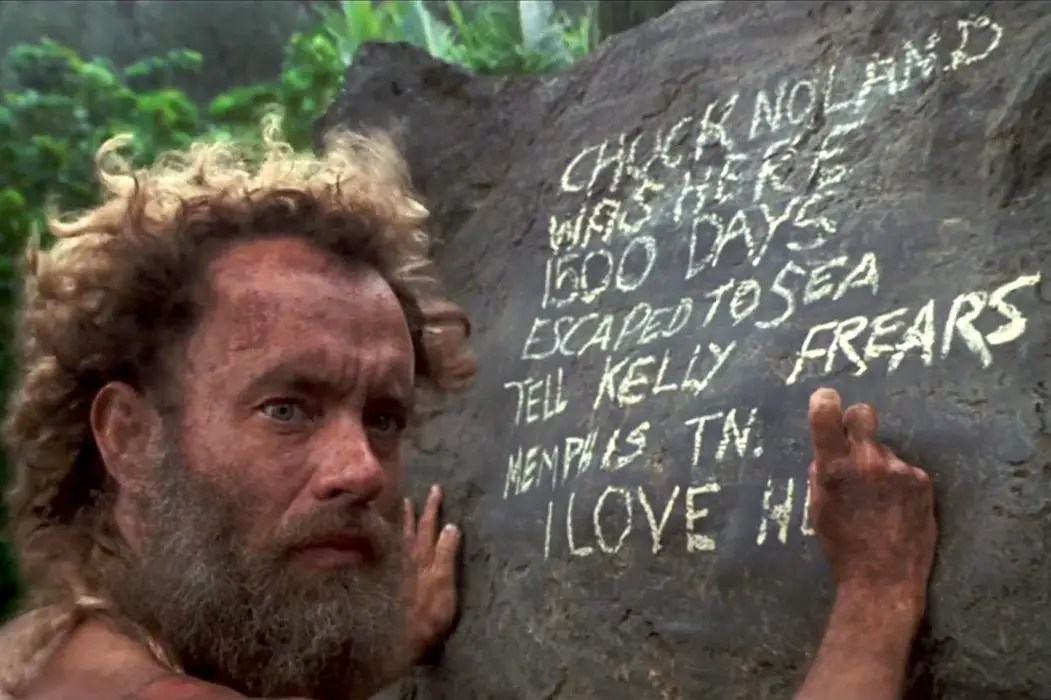
Cast Away (2000, dir by Robert Zemeckis, DP: Don Burgess)
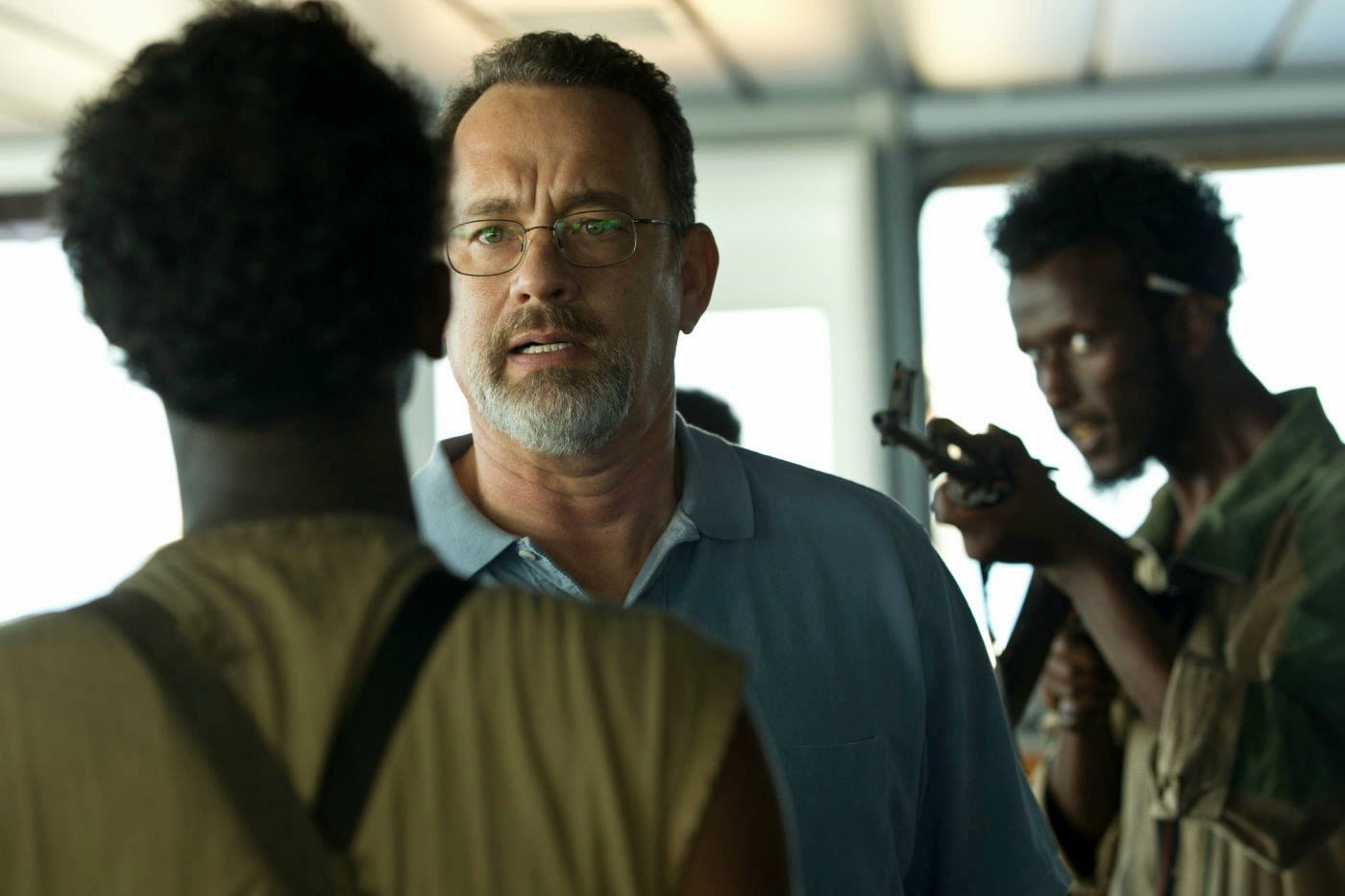
Captain Phillips (2013, dir by Paul Greengrass, DP: Barry Ackroyd)
Andy Griffith would have been 99 years old today. This man has brought so much joy into my life over the years, and that joy has primarily come from his performance as Sheriff Andy Taylor on THE ANDY GRIFFITH SHOW (1960-1968). There are 249 episodes of the classic TV series, and I have watched every single one of them many times. I love Andy’s relationship with his deputy Barney Fife (Don Knotts), and their adventures lead to so many laughs, but the shows that touch me the most emotionally involve his relationship with his son, Opie (Ron Howard). There are several episodes throughout the series where Andy will put his trust in Opie even when he’s unsure if it’s the right thing to do. One of those episodes is the first episode of season 3, entitled “Mr. McBeevee.” It’s one of my favorite episodes of the entire series, and it illustrates the special relationship between a dad and his son.
Enjoy, my friends.
 Through the Shattered Lens