HELLOWEEN is the Band
HALLOWEEN is the Song
Anyone who confuses the two shall be turned into a Great Big Pumpkin.
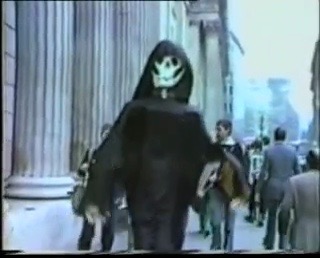
I don’t own the 1987 cassette album that this song was on, but that’s what a YouTube commenter said is on it, and YouTube comments have never mislead me before. I tried to look it up, but it only lead me to a “Christian” website about the evils of Halloween. They even include that clip from The Pagan Invasion series that the general consensus says is just a guy reciting the plot to Hack-O-Lantern/Halloween Night (1988) as if it were his own experience.
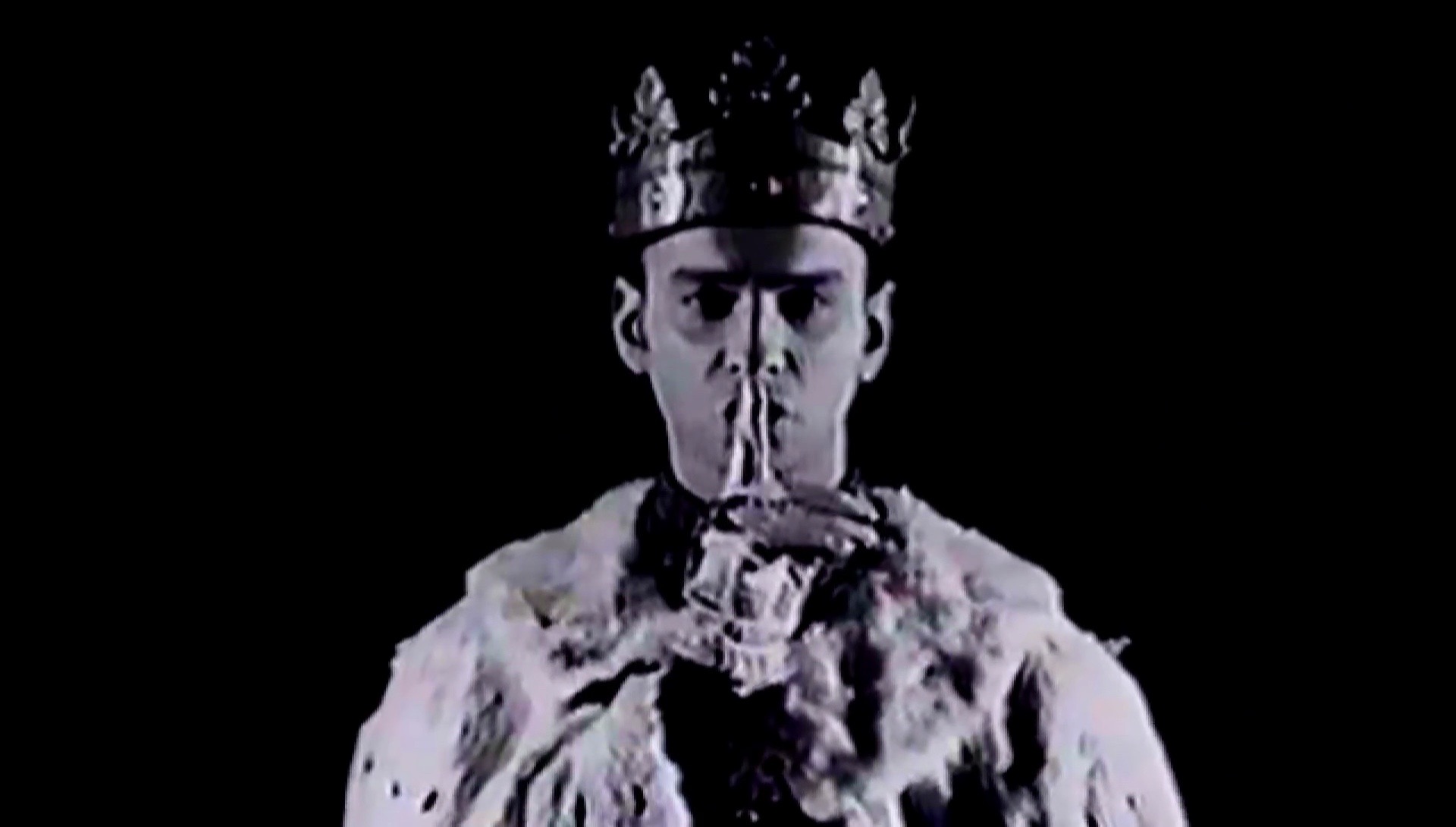
I had no idea this band or song existed till I stumbled upon it in director Mark Rezyka’s filmography. He is the one who brought us the music video for Quiet Riot’s Bang Your Head (Metal Health). They are a German power metal band, not to be confused with the band Halloween from Detroit, Michigan. The band appears to have recognized that YouTube was a good thing for them as far back as 2006. This music video is on the official Helloween YouTube channel and was posted on August 14th, 2006.
I like that it references Charlie Brown, Linus, and The Great Pumpkin. Oh, and the opening line is “Masquerade, masquerade”, no matter how much it sounds like “Masturbate, masturbate.” It doesn’t help that misheard lyric when director Mark Rezyka is the one who also brought us the music video for Quiet Riot’s Cum On Feel The Noize.
I think I only saw this music video once before now. It is as crazy as I remember. I think the best part is when the lady they are singing about appears by knocking down that wall. If you are thinking they didn’t quite know what to do with Mötley Crüe at this point, then I highly recommend you check out the music video they did before this for the song Live Wire. They seemed to have been under the impression they were Van Halen in that one. In fact, it looks like it wasn’t till director Wayne Isham got ahold of them in 1985 that they found the way to really sell this Sunset Strip band.
But what else could we expect from director Marcelo Epstein who brought us the notoriously bad breakdancing movie with Lorenzo Lamas called Body Rock the following year. I could only find out that he did a handful of music videos, but it appears that Body Rock killed his career in film. I even found one review that was convinced that “Marcelo Epstein” must have been a pseudonym for Michael Haneke or Jonas Mekas.
While Epstein is a bit of a mystery, producer Alexis Omeltchenko sure isn’t. You can find all kinds of information about him online. I can tell you when he was born, who his parents were, his political party of choice, where he went to college, and more. I can only find 15 producing credits on mvdbase, but I highly doubt that’s it. He owns his own production company and has been a member of the Music Video Producers Association since 1984. I’m sure there’s more.
What else can I say? If by some chance you haven’t seen this thing, then watch it. You won’t be sorry. It’s really stupid.
There’s so little to say about this music video that I’m surprised they even bothered. The only noteworthy thing I can see is the beginning where we have somebody–possibly Dave Holland–drumming sans drums. Other than that, I believe that with Dancing in the Dark by Bruce Springsteen, it is the only one I have done so far that is partially made up of a live performance rather than being lip-synced (according to mvdbase). It feels like they needed a promotional video for the song, so they took a filmed live version they had, and spliced it together with some footage they shot at another time. So, exactly how we got Dancing in the Dark, except I have a feeling it wasn’t planned in this case. But I could be wrong. According to Wikipedia, it was filmed at Sheffield City Hall.
It is the second music video directed by Julien Temple that I have spotlighted. He has worked in both music videos and other types of films. His music video output was quite large from the beginning of the 1980s till the mid-1990s. Then he seemed to drop off the face of the Earth in music videos except for one here and there. He did a bunch of music videos with the group ABC, so it’s no surprise that they brought him back this year for the music video of their comeback song Viva Love. Unfortunately, it has been blocked on YouTube in certain countries (including the United States).
Enjoy this quite unremarkable video for a fun Judas Priest party song.
My earliest memory of this song is a 6th grade math class. I don’t remember why, but they had a computer in there, and one of the kids put the song on. I have no idea when I first saw the music video. All I remembered about it was the bed getting hit by a truck. The rest of the music video is pretty forgettable.
I guess you could take it simply. It’s about a kid having nightmares that we ascribe to the “Sandman” bringing by putting you to sleep. Trying to carefully watch it now and paying attention to the lyrics, it looks a lot like the kid is having nightmares of death that don’t go away with age, but only become closer and closer to reality as the years pass. According to Songfacts, the line “off to Never Never Land” was supposed to be “disrupt the perfect family” as a reference to Sudden Infant Death Syndrome. The Sandman can bring you sleep, which is where you can die at any age, as shown by the old man who we also see alone in the bed. Plus, we tend to use sleep to mean both going to sleep at night and death, as in putting an animal to sleep. You also see that in the image of the old man underwater as if he is trying to kill himself. The scene with the kid praying as the old man watches really makes me think that they are meant to be the same person. In particular, since you are your own Sandman in reality. Never Never Land is a place where you never grow up, but sung darkly as Enter Sandman is by Metallica, then it makes it sound like a fantasy to cloak the fear of your eventual death. In that case, the Sandman could also be seen as The Reaper, and Never Never Land is just death. Or maybe I am just overthinking all of this because I had a friend who died in his sleep when he was a teenager. Probably not though seeing as this kind of thing is a bit of a motif in Metallica’s music such as the songs One and The Memory Remains.
The music video was directed by veteran music video director Wayne Isham. Unless you have never watched a music video before, you probably have seen his work. One minute it’s Enter Sandman for Metallica, and the next he is directing Bye Bye Bye for *NSYNC. More recently he brought us a music video for Nickelback and a couple for Neil Diamond. The point is that Wayne Isham seems to be willing to direct anything you give him.
Martin Coppen shot the music video. He has done around 40 music videos.
Jay Torres edited the music video. He has a handful of music video credits, but based on his website, seems to have gone on to other things.
Curt Marvis, Jeff Tannebring, and Matt Mahurin were producers on the music video. Matt Mahurin is the only one that seems noteworthy. He appears to have directed somewhere around 70-80 music videos. One of them was as Allen Smithee for the music video for Building A Mystery by Sarah McLachlan.
I have never seen Mommie Dearest (1981), so I can’t speak to the tie-ins with that film. Wikipedia does assure me that the music video is inspired by both the book and the film. That’s actually kind of interesting. I say that because the song can only be inspired by the book since the album this was on came out two months prior to the release of Mommie Dearest. The music video was released at the same time as the film. That means the song and music video were only inspired by the book. This is according to Billboard magazine, circa September 19th, 1981
Going purely off of the music video, it seems to be doing several things. The first being that Joan Crawford was a force to be reckoned with that should strike fear into people’s hearts if she were to suddenly come back to life. I wouldn’t say that part is explicitly directed at her daughter Christina, but people in general. The second thing would appear to be a commentary on stable studio actors who are all waiting to be stars or struggling to hold on to stardom (Crawford and Davis), and having no problem killing off anyone who got in their way. That part being represented by the Catholic schoolgirls who act like vampires. However, that could also all be part of the way Christina was raised by Joan Crawford. That’s what some sites imply. The music video also seems to be saying that the greatest horror is that she lived so much under the watchful eye of her mother that she became her until we see her broken free to be left silently wiping the makeup off her face by the pool. It could be that the entire video is supposed to be one of Christina Crawford’s nightmares. Of course it’s all speculation based on the music video. I have not seen the movie, nor read the book. I just couldn’t resist spotlighting this during October.
The music video was filmed at Beulyland in Los Angeles that was allegedly the former home of silent film star Mabel Normand, also according to the aforementioned release of Billboard Magazine.
Richard Casey directed it, and appears to have only done a handful of music videos before going on to do other work in film.
I used up all my juices yesterday writing about Nirvana’s Heart-Shaped Box. I’m sure that “Metal Health” can drive you mad, but apparently looking at a bunch of music videos composed of loads of symbolism, surrealism, metaphors, and more can cause you to wind up with a migraine headache. With that in mind, I only have a couple of things to say.
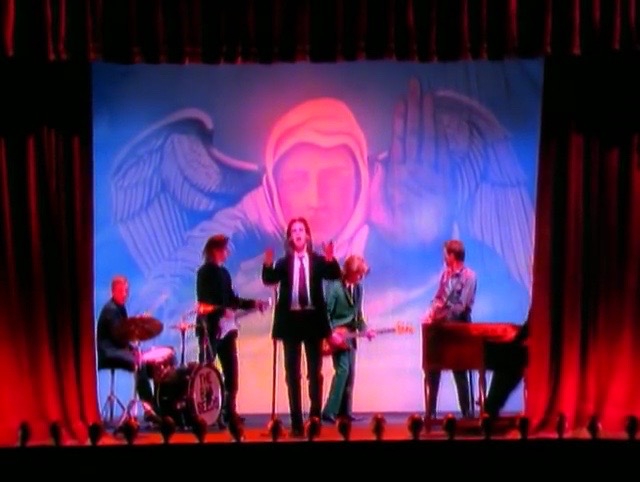
According to Wikipedia, the music video was filmed in the Walt Disney Modular Theater and hallways of the California Institute of the Arts using students as extras. Walt Disney and a song about headbanging. I love connections.
It was filmed by Mark Rezyka who made about 50 or so music videos in the 80s. They seem to be primarily heavy metal and hard rock. He also happened to direct Billy Bob Thornton’s second movie called South of Reno (1988).
Patricia Friedman produced the music video. She seems to have at least produced around 20 music videos such as Weird Science by Oingo Boingo and Pretty In Pink by The Psychedelic Furs. Just like Rezyka, she appears to have continued to stay in the field of music, but moved on to music documentaries and concert films. She actually has a bio on mvdbase with more information about her work.
As if watching the first one again after all these years wasn’t hard enough, that director’s cut is even harder to watch. I am really thankful I am not director/photographer Anton Corbijn. Talk about a blessing, and a curse to have worked with those bands over the years. I mean considering he got his start with Joy Division, only to make the last music video with Nirvana about a decade later. Let’s not forget having made Enjoy The Silence and other things with Depeche Mode considering what happened with Dave Gahan.
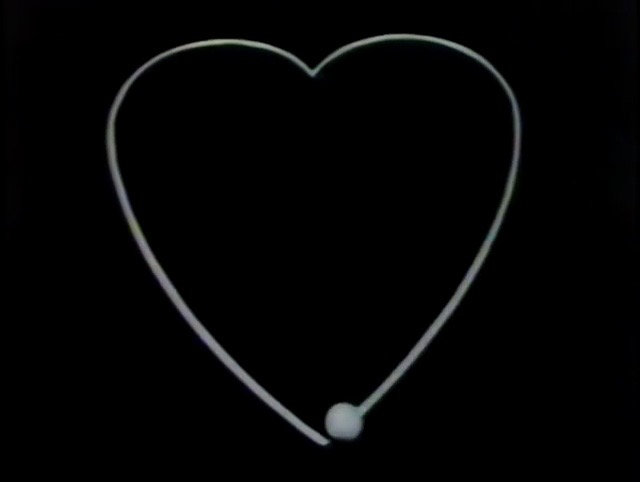
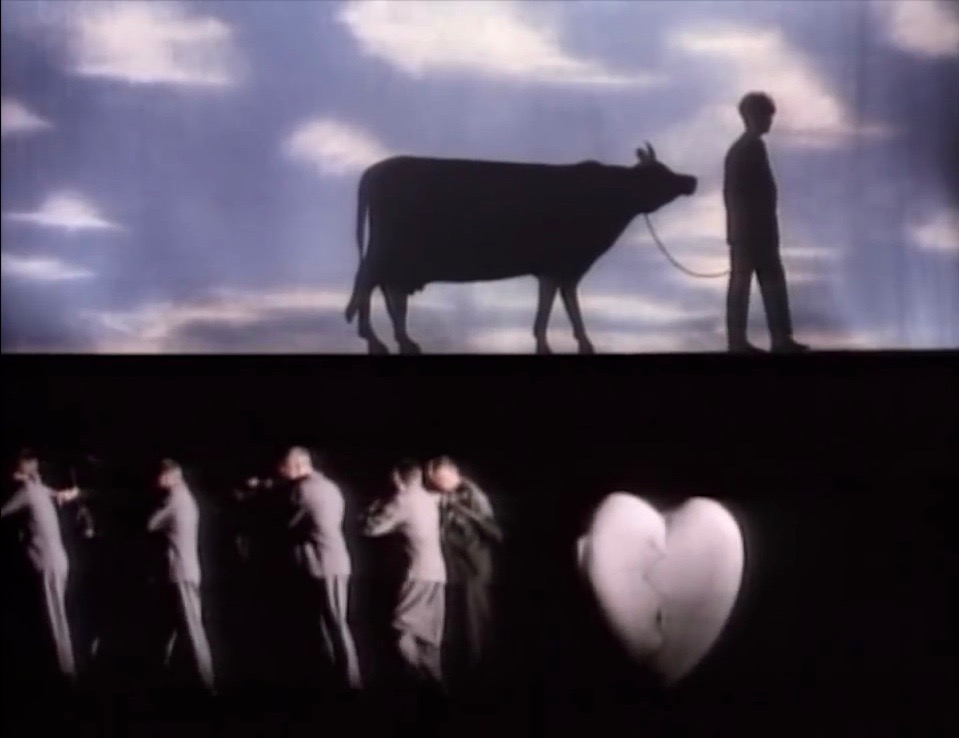
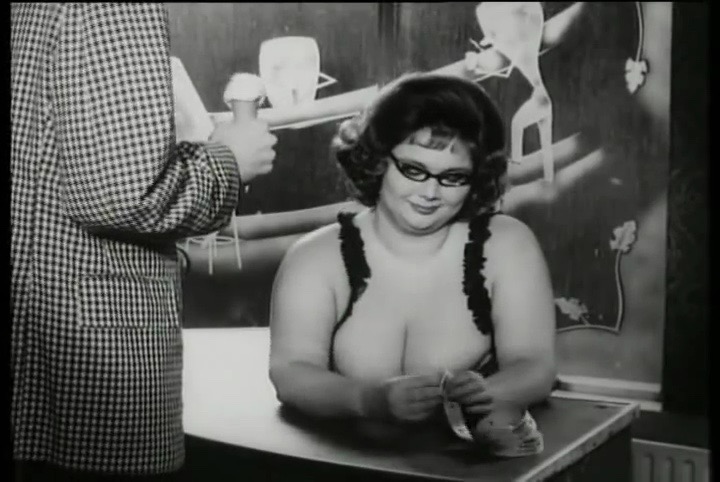
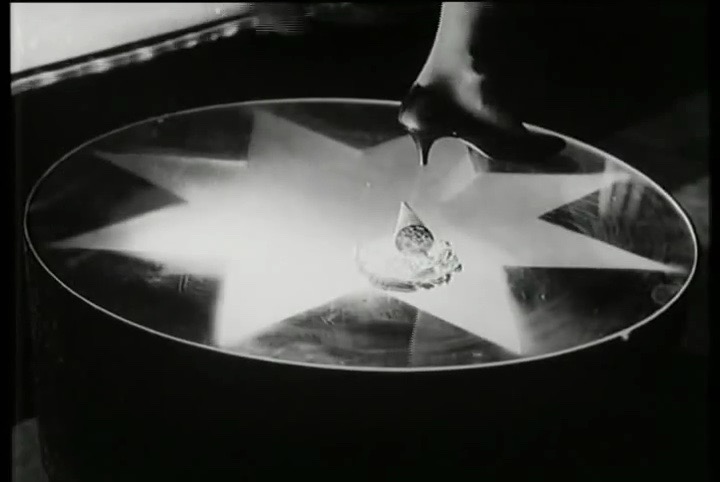
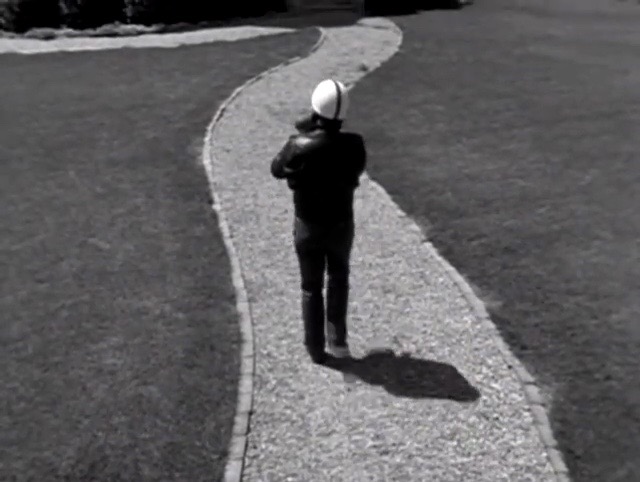
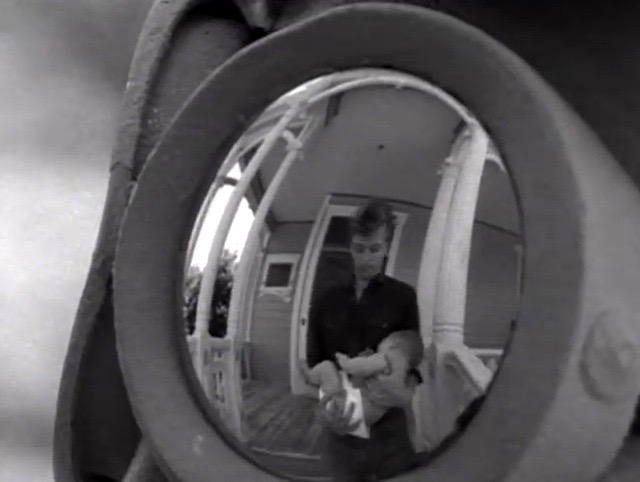
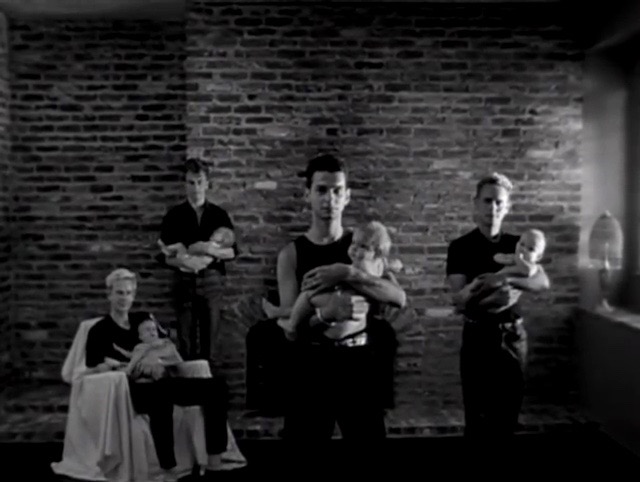
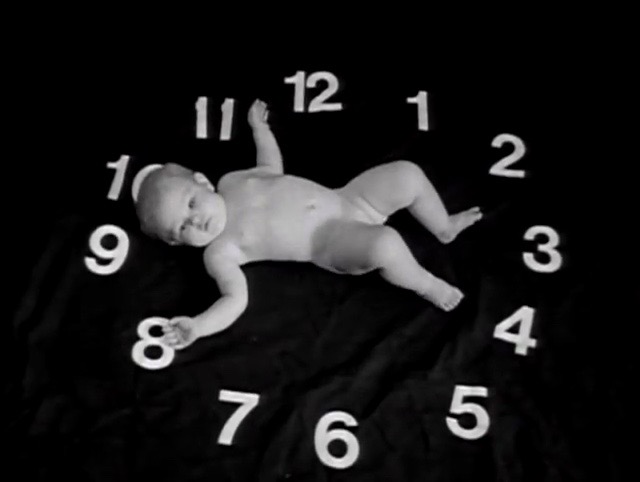
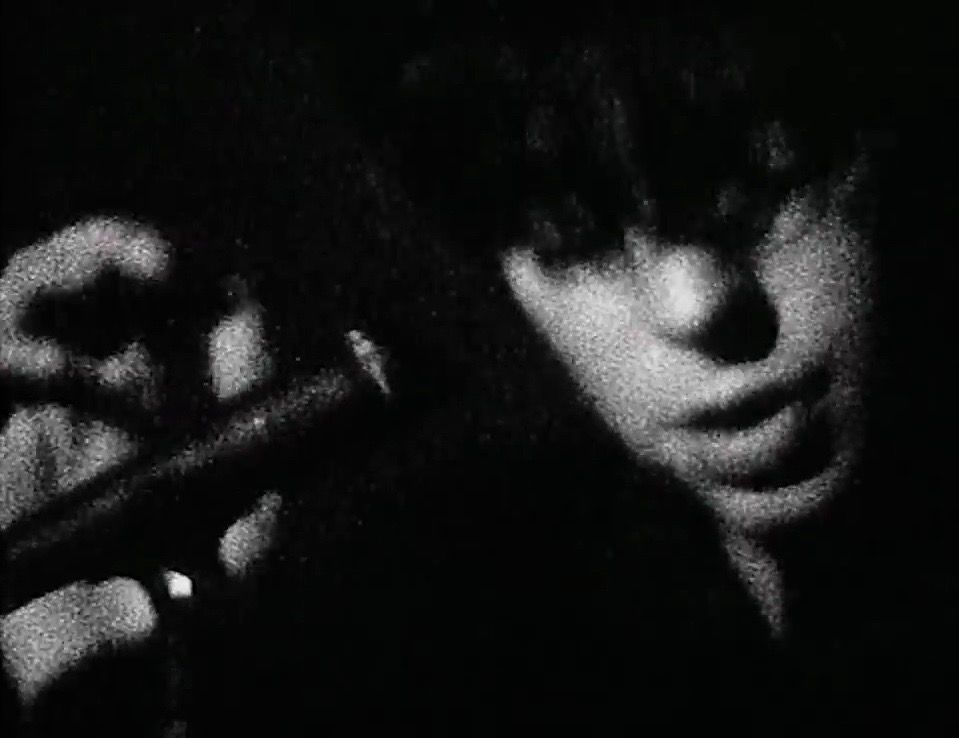
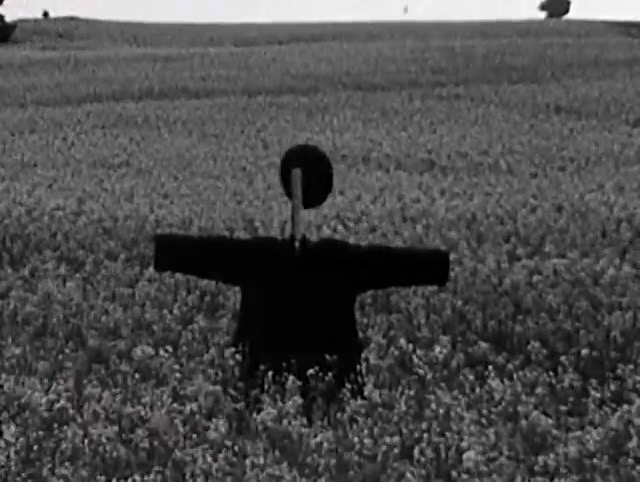
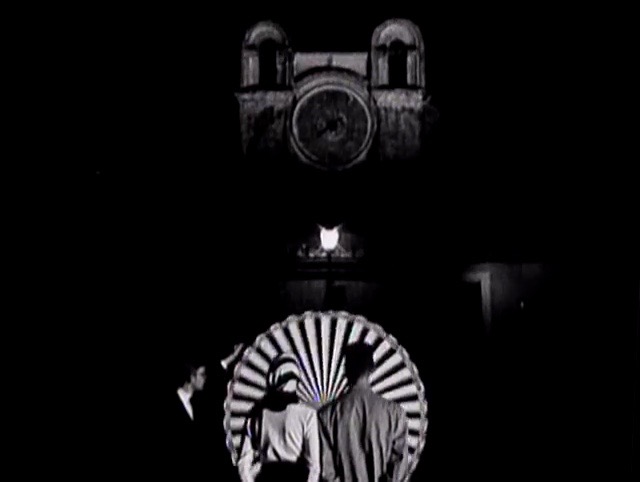
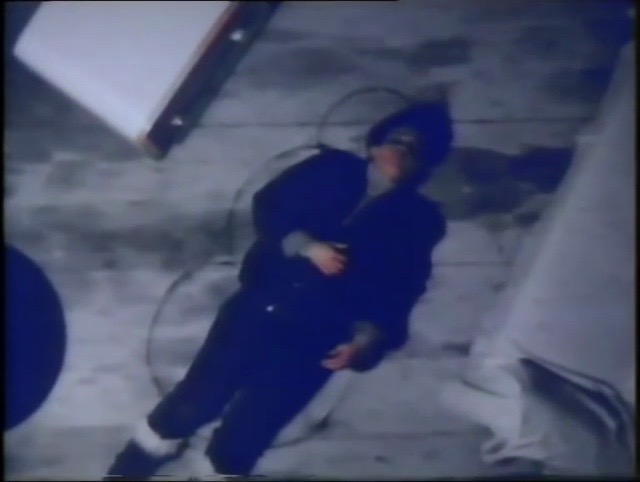
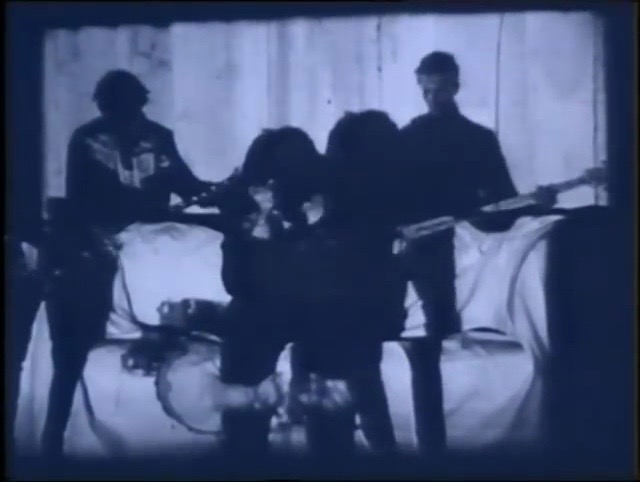
Everyone seems to have talked about this music video on its own. I don’t intend to do that. I find it more interesting to look back at Corbijn’s earlier music videos to see where some of the notorious weirdness of this music video comes from and other visual ties to Nirvana in his work. Some things don’t translate well to only a still image, but otherwise, enjoy! I found all, but one or two music videos released prior to Heart-Shaped Box. Oh, and the heart appears a little over 30 seconds into his very first music video.
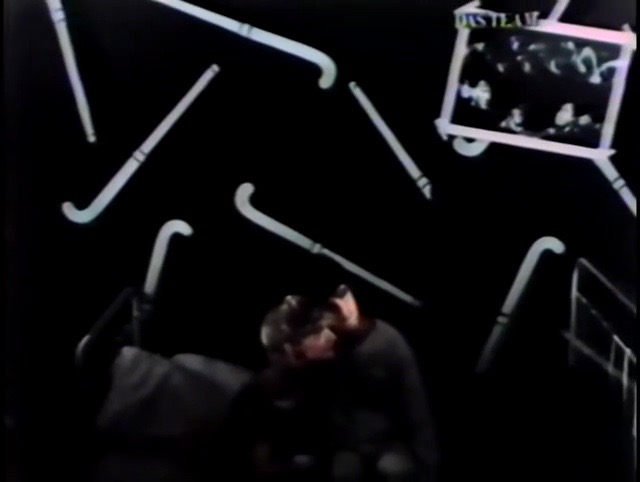
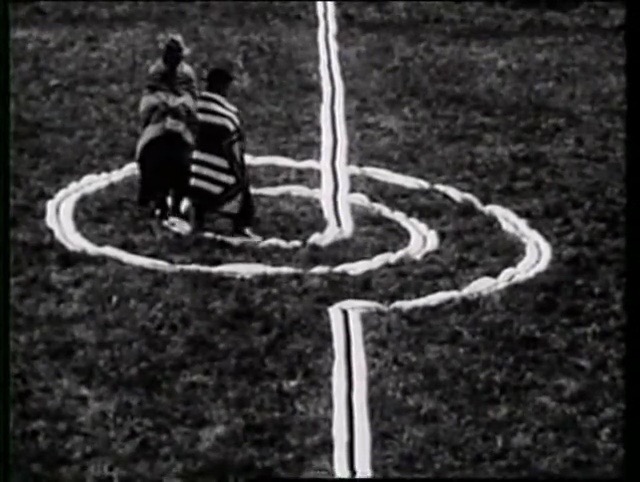
Hockey by Palais Chaumburg (1983)
Hockey by Palais Chaumburg (1983)
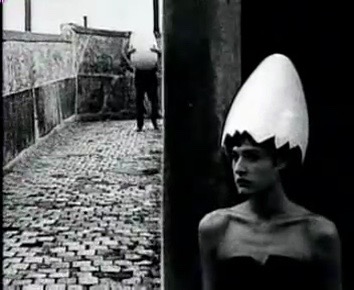
Beat Box by Art of Noise (1984)
Beat Box by Art of Noise (1984)
Beat Box by Art of Noise (1984)
Beat Box by Art of Noise (1984)
Dr. Mabuse by Propaganda (1984)
Red Guitar by David Sylvian (1984)
Seven Seas by Echo & the Bunnymen (1984)
Seven Seas by Echo & the Bunnymen (1984)
The Ink in the Well by David Sylvian (1984)
The Ink in the Well by David Sylvian (1984)
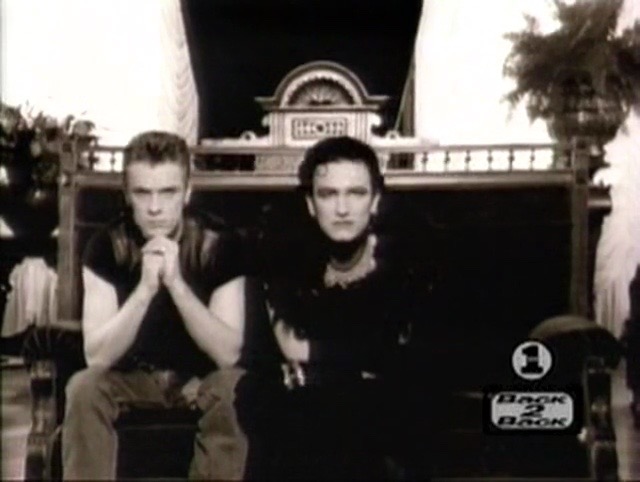
Pride (In the Name of Love) by U2 (1984)
Pride (In the Name of Love) by U2 (1984)
Bring on the Dancing Horses by Echo & the Bunnymen (1985)
Quiet Eyes by Golden Earring (1986)
Quiet Eyes by Golden Earring (1986)
A Question of Time by Depeche Mode (1986)
A Question of Time by Depeche Mode (1986)
A Question of Time by Depeche Mode (1986)
A Question of Time by Depeche Mode (1986)
Bedbugs and Ballyhoo by Echo & the Bunnymen (1987)
Strangelove by Depeche Mode (1987)
Strangelove by Depeche Mode (1987)
Strangelove by Depeche Mode (1987)
Pimpf by Depeche Mode (1987)
The Game by Echo & the Bunnymen (1987)
Lips Like Sugar by Echo & the Bunnymen (1987)
Never Let Me Down Again by Depeche Mode (1987)
Never Let Me Down Again by Depeche Mode (1987)
Behind the Wheel by Depeche Mode (1987)
Blueprint by Rainbirds (1988)
Blueprint by Rainbirds (1988)
My Secret Place by Joni Mitchell & Peter Gabriel (1988)
Atmosphere by Joy Division (1988)
Atmosphere by Joy Division (1988)
Headhunter by Front 242 (1988)
Love is a Better Word (White City of Light) by Rainbirds (1989)
Love is a Better Word (White City of Light) by Rainbirds (1989)
Sea of Time by Rainbirds (1989)
Sea of Time by Rainbirds (1989)
Faith and Healing by Ian McCulloch (1989)
Faith and Healing by Ian McCulloch (1989)
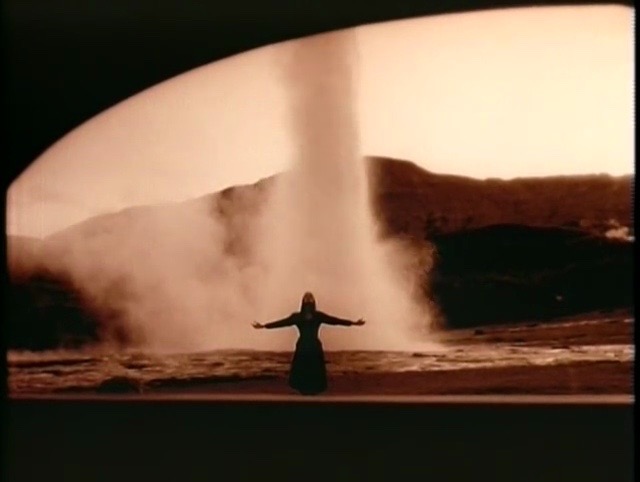
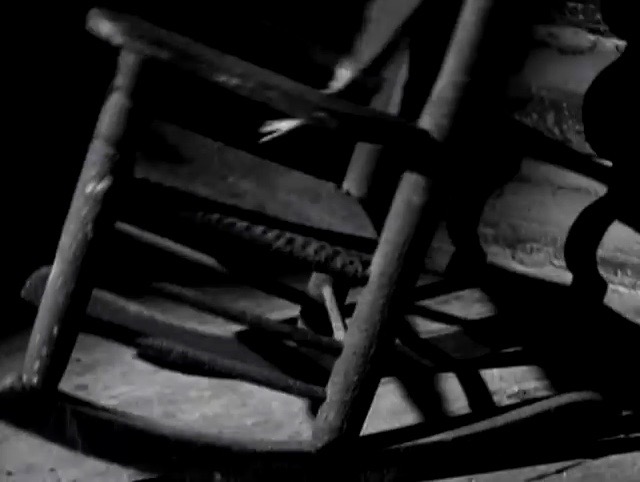
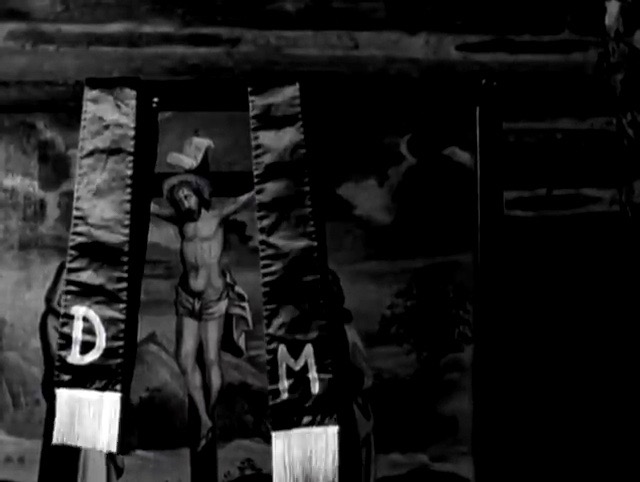
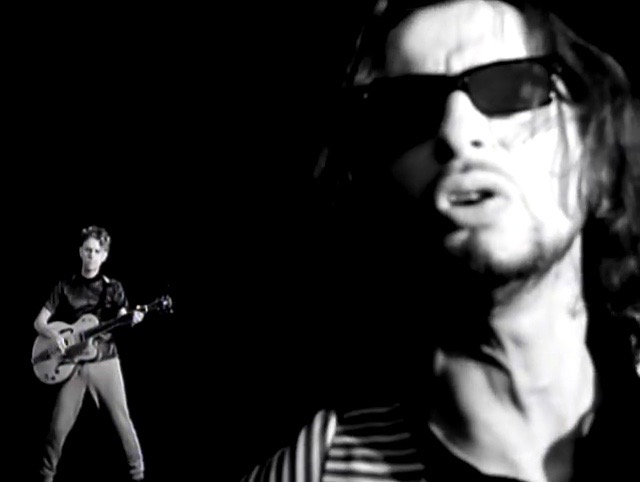
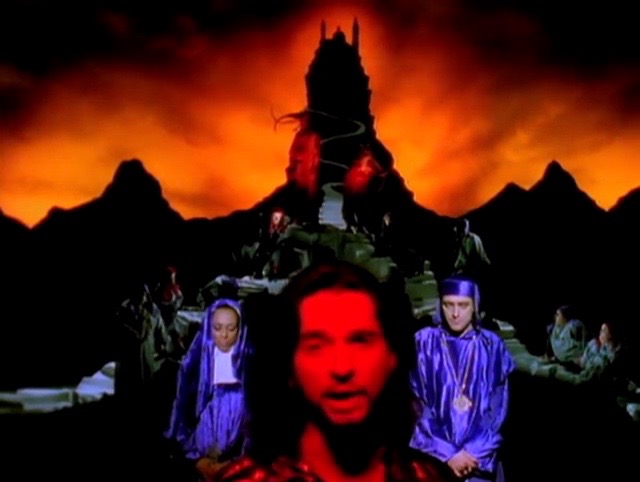
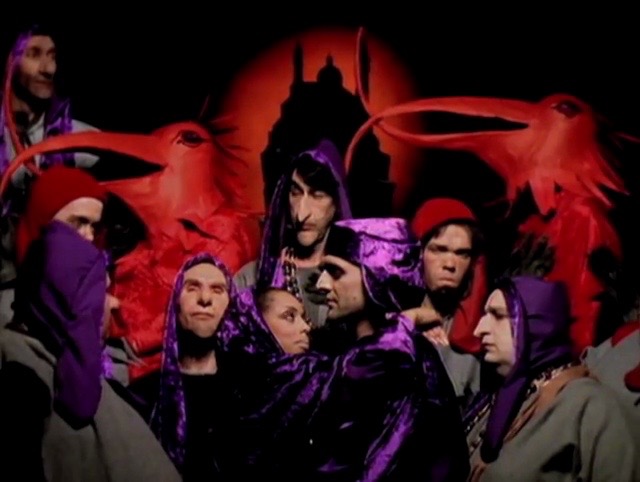
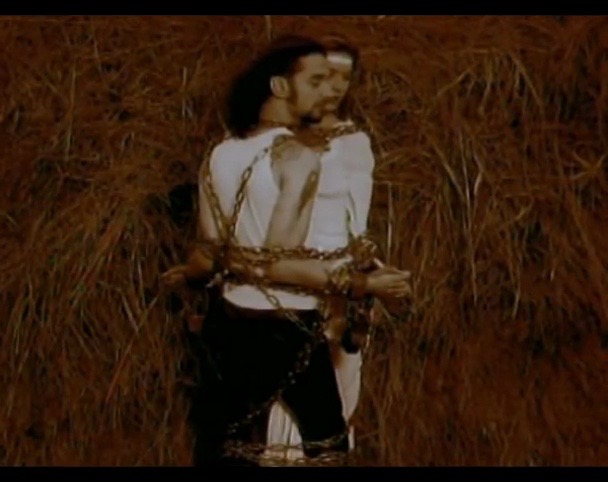
Personal Jesus by Depeche Mode (1989)
Personal Jesus by Depeche Mode (1989)
Personal Jesus by Depeche Mode (1989)
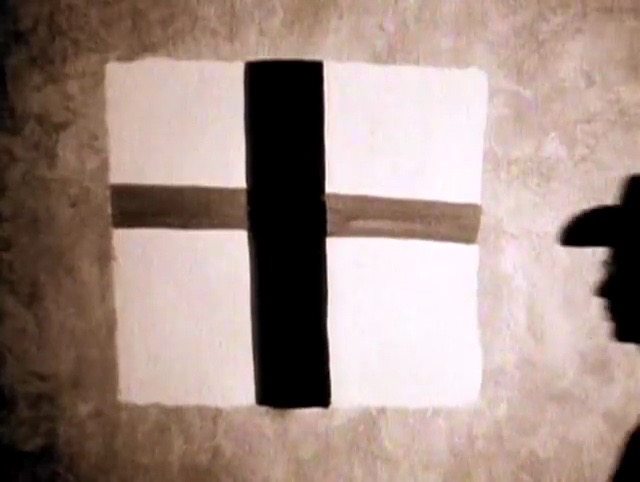
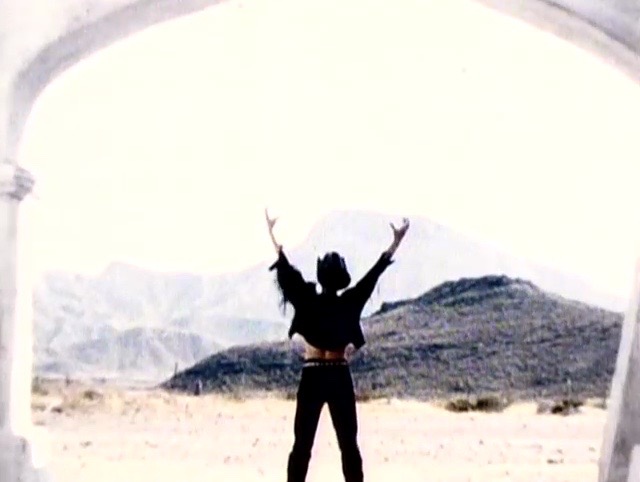
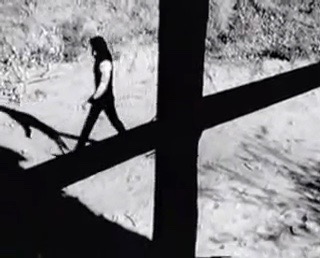
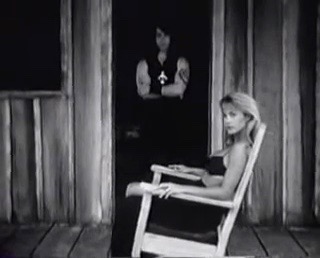
Killer Wolf by Danzig (1990)
Killer Wolf by Danzig (1990)
Killer Wolf by Danzig (1990)
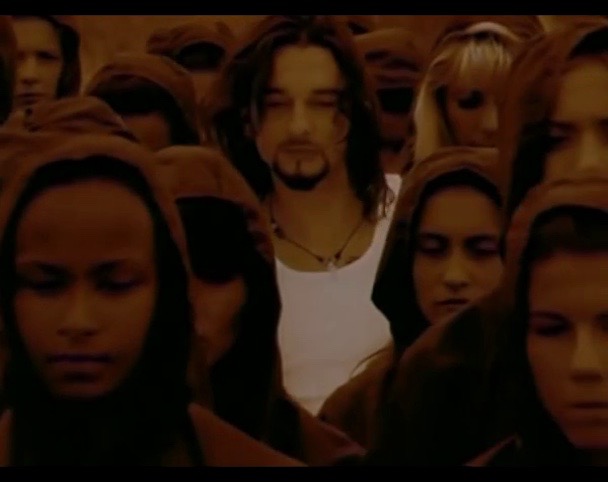
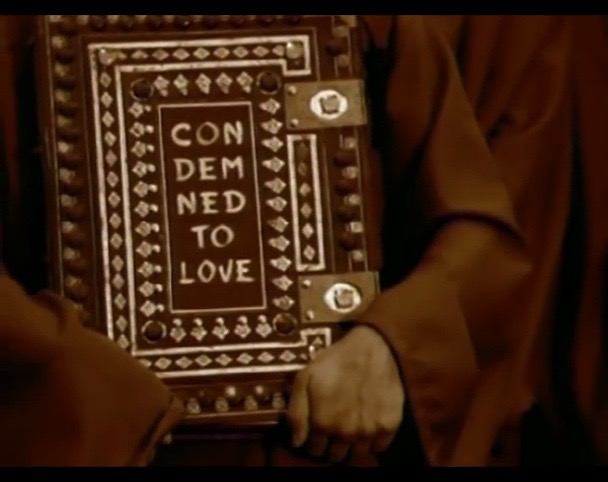
Enjoy the Silence by Depeche Mode (1990)
Enjoy the Silence by Depeche Mode (1990)
Enjoy the Silence by Depeche Mode (1990)
Policy of Truth by Depeche Mode (1990)
World in My Eyes by Depeche Mode (1990)
World in My Eyes by Depeche Mode (1990)
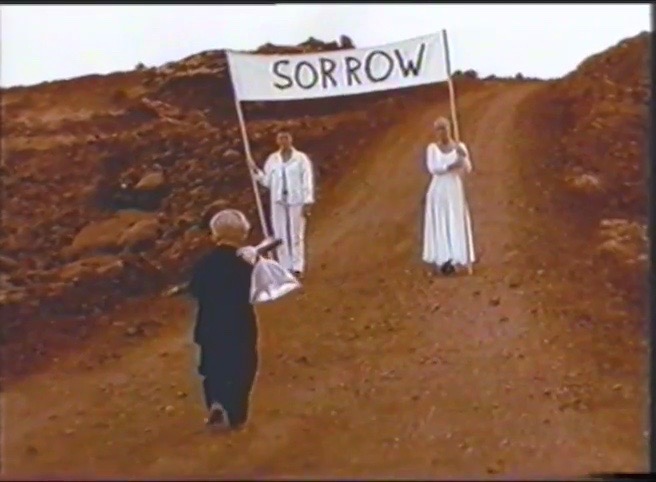
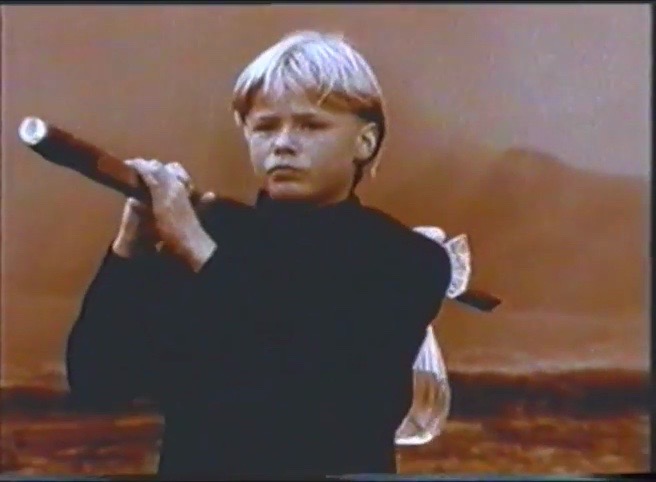
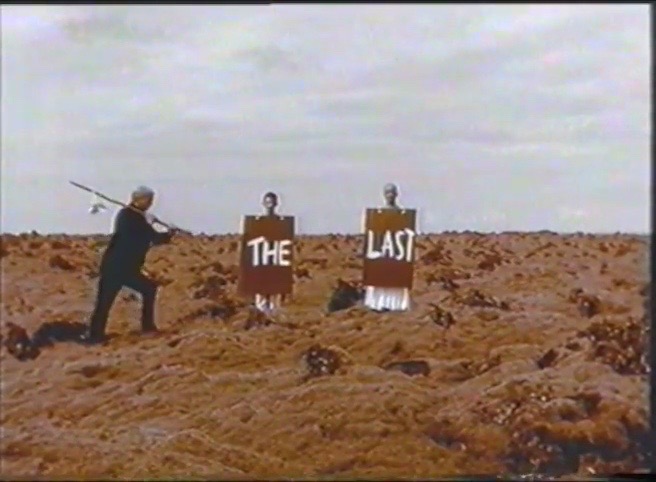
May This Be Your Last Sorrow by Banderas (1991)
May This Be Your Last Sorrow by Banderas (1991)
May This Be Your Last Sorrow by Banderas (1991)
May This Be Your Last Sorrow by Banderas (1991)
Clean by Depeche Mode (1991)
Two Faces by Rainbirds (1991)
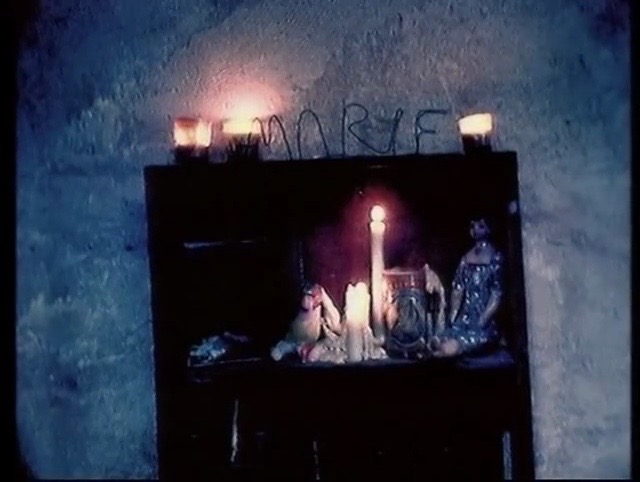
Marie by Herbert Grönemeyer (1991)
Marie by Herbert Grönemeyer (1991)
Marie by Herbert Grönemeyer (1991)
Tragedy (For You) by Front 242 (1991)
Tragedy (For You) by Front 242 (1991)
Halo by Depeche Mode (1991)
One by U2 (1992)
Hail Hail Rock ‘n’ Roll by Garland Jefferys (1992)
Lover Lover Lover by Ian McCulloch (1992)
Straight to You by Nick Cave & the Bad Seeds (1992)
I don’t have a lot to say about this music video. It’s the Beastie Boys having fun with Japanese monster movies just like they did with Danger: Diabolik (1968) for the Body Movin’ music video. They even filmed parts of it in Japan. It was directed by Adam Yauch under the pseudonym Nathaniel Hornblower. What I mostly have to say about this is the interesting copyright/version issues that seem to be at work here.
You may have noticed that video above is not official. I’m pretty sure you can find any other Beastie Boys music video on YouTube, but not this one. Well, not since sometime after September 14th, 2009 as you can see where EMI once had it posted. You can find the song posted twice as part of this new YouTube music thing they have been doing.
You’ll hear that both of them are missing something that is in the music video. It is also missing from my copy that I obtained from iTunes a few years ago. According to Wikipedia, it was on the album. This song originally began with a sample of Stravinsky’s ballet Rite of Spring. I guess they must have lost the rights, or didn’t think it was worth it. How much you wanna bet it was after the Men at Work fiasco over the flute riff in Down Under in 2009?
The Wikipedia article on Rite of Spring makes it look like it’s very well-known, but is a nightmare of a piece when it comes to copyright and different versions of it.
Songfacts sorta comes to my rescue here. They say it opens with a sample from Night on Bald Mountain by Modest Mussorgsky that was edited out of the radio version. From what I can tell, the version I posted at the start samples the beginning of Night on Bald Mountain.
However, the version I linked to that is on VEVO and embedded from Dailymotion does sample from Rite of Spring as you can hear below.
According to Songfacts and Wikipedia, they also incorporated Les Baxter’s version of Rachmaninoff’s “Prelude C-sharp Minor” and “Love is Blue” by The Jazz Crusaders. I’ve embedded the first one and a different version of the second one below.
I couldn’t pick out those in the song. I also don’t know for sure what was on the original album cause I don’t own a hard copy. Wikipedia also seems to indicate that there were two different versions of the music video to begin with, but doesn’t shine any light on the online posting situation from what I can see.
It’s always an adventure when I sit down to write one of these posts. Enjoy!
I have very little to say about this music video. It was the first one fully directed by Rob Zombie. According to Wikipedia, the title and lyrics draw from Philip K. Dick’s book Do Androids Dream of Electric Sheep?, more commonly known by its’ film adaptation, Blade Runner (1982). The music video is taken from several places. Some of it was shot in the halls of Framingham High School, Framingham, Massachusetts and on the streets of Hollywood Boulevard. The home video footage is just that. It’s of Rob, his brother, Michael Cummings of the band Powerman 5000, and a cousin.
If you’ve heard the song, then you know that there is orgasmic moaning at the beginning of the song that is missing from the music video. That is from the post-apocalyptic film Café Flesh (1982). I haven’t had a chance to see it yet, but I do hear really good things about it. I would not be surprised if this music video is inspired more by it than Philip K. Dick. It fits with the post-apocalyptic feel of the music video while also touching on the whole implanted memories thing from Blade Runner as represented by the home movie footage. I’m sure there are more tie-ins with Café Flesh, but I haven’t seen it yet. I can only really tell you that the apocalypse left the majority of the population unable to have sex without getting sick while the rest are forced to perform onstage for them.
Yeah, that certainly is Ronnie James Dio showing us why he was a fantastic singer, but had a bit of a rough start in music videos. As much as I still love this one, it is largely to see him trying to look like someone who is taking their job seriously, but coming across as stiff as Alan Bagh in Birdemic: Shock and Terror (2010).
I never really thought about this song or music video much until recently. To me it’s Dio once again drawing on his upbringing that famously turned the Italian evil-eye hand gesture into the favorite of faux-Christians as something Satanic. I thought of it as Ronnie going in to vanquish the Devil that has taken seat in the Church. Maybe that’s the thought process that was going on in Clear Channel’s mind when they included this song on their list of songs they sent to the stations they owned as songs they might not want to play shortly after 9/11. It wasn’t a blacklist, but just a suggestion. I understand that. You wouldn’t want to be playing It’s the End of the World as We Know It (And I Feel Fine) by R.E.M. in the days immediately following the attacks. But I find it hilarious that while AC/DC has the most songs on the list–Thunderstruck is not one of them (there are numerous military montages set to that song on YouTube). Yet, Peace Train by Cat Stevens is on the list.
This time Quora came to my rescue as to an interpretation of the song and music video. Basically, it’s about Jesus Christ–the Holy Diver–coming to Earth, delivering the New Testament, being crucified, and then rising back to Heaven having fooled the Devil and redeemed humanity. It fits with the music video. Dio takes the sword that represents the Word of God as the ultimate weapon to deal with the Devil that had taken foot in humanity between the Old and New Testaments as represented by the decaying church. I would say that in the music video, when he gets the newly forged sword, he is tossing aside the Old Testament for the New Testament. The analysis on Quora is more detailed if you are interested.
One of the best things about the music video for Holy Diver is that someone took Pat Boone’s cover version and combined it with the music video. I know this kind of thing bothers some people, but I find it priceless to hear Pat Boone essentially cheering on Ronnie’s character as he goes on his mission.
I have a feeling that director/editor Arthur Ellis would probably approve seeing as he did make the short film Stanley Kubrick Goes Shopping (2001) where you see Kubrick buy the same item 193 times to make sure he has shopped perfectly. He seems to have only done a few music videos, and primarily worked on TV Shows.
Adam Whittaker was the producer of this music video. He and Ellis teamed up to also do Rainbow in the Dark for Dio. He only has a few credits in music videos, but like producers and video commissioners, I’m sure there are plenty more that are undocumented.