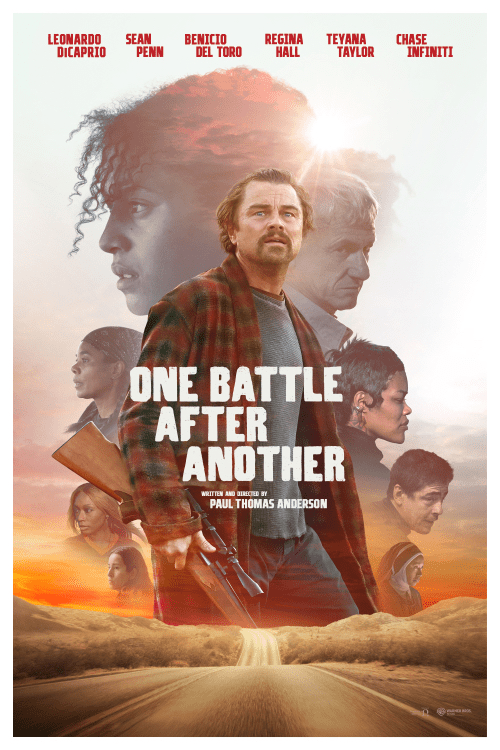
One Battle After Another Wins In Columbus!


The Columbus Film Critics Association has announced its picks for the best of 2025. The winners are listed in bold.

Best Film
1. One Battle After Another
2. No Other Choice
3. Sinners
4. It Was Just an Accident
5. Bugonia
6. Wake Up Dead Man
7. Sentimental Value
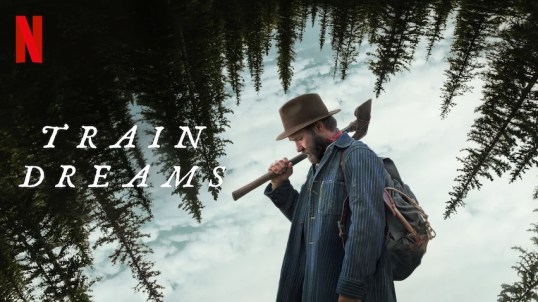
8. Train Dreams
9. Weapons
10. Marty Supreme
11. Frankenstein

Best Director
Paul Thomas Anderson, One Battle After Another (WINNER)
Ryan Coogler, Sinners (RUNNER-UP)
Rian Johnson, Wake Up Dead Man
Jafar Panahi, It Was Just an Accident
Josh Safdie, Marty Supreme

Best Lead Performance
Jessie Buckley, Hamnet (RUNNER-UP)
Rose Byrne, If I Had Legs I’d Kick You
Timothée Chalamet, Marty Supreme
Leonardo DiCaprio, One Battle After Another
Joel Edgerton, Train Dreams
Ethan Hawke, Blue Moon (WINNER)
Chase Infiniti, One Battle After Another
Michael B. Jordan, Sinners
Wagner Moura, The Secret Agent
Jesse Plemons, Bugonia
Renate Reinsve, Sentimental Value
Emma Stone, Bugonia

Best Supporting Performance
Benicio Del Toro, One Battle After Another (WINNER)
Jacob Elordi, Frankenstein
Inga Ibsdotter Lilleaas, Sentimental Value
Delroy Lindo, Sinners
Amy Madigan, Weapons
Wunmi Mosaku, Sinners
Sean Penn, One Battle After Another (RUNNER-UP)
Adam Sandler, Jay Kelly
Stellan Skarsgård, Sentimental Value
Teyana Taylor, One Battle After Another

Best Ensemble
It Was Just an Accident
Marty Supreme
One Battle After Another (WINNER)
Sinners (RUNNER-UP)
Wake Up Dead Man

Actor of the Year (For an Exemplary Body of Work)
Josh Brolin, The Running Man, Wake Up Dead Man, and Weapons
Benicio Del Toro, One Battle After Another and The Phoenician Scheme (RUNNER-UP)
Josh O’Connor, The History of Sound, The Mastermind, Rebuilding, and Wake Up Dead Man (WINNER)
Amanda Seyfried, The Housemaid and The Testament of Ann Lee
Emma Stone, Bugonia and Eddington

Breakthrough Film Artist
Odessa A’zion, Marty Supreme (Acting)
Miles Caton, Sinners (Acting)
Chase Infiniti, One Battle After Another (Acting) (WINNER)
Carson Lund, Eephus (Directing and Screenwriting)
Eva Victor, Sorry, Baby (Acting, Directing, and Screenwriting) (RUNNER-UP)

Best Cinematography
Autumn Durald Arkapaw, Sinners (WINNER)
Michael Bauman, One Battle After Another (RUNNER-UP)
Dan Laustsen, Frankenstein
Claudio Miranda, F1
Adolpho Veloso, Train Dreams
Łukasz Żal, Hamnet

Best Film Editing
Ronald Bronstein and Josh Safdie, Marty Supreme
Andy Jurgensen, One Battle After Another (WINNER)
Stephen Mirrione, F1 (RUNNER-UP)
Joe Murphy, Weapons
Michael P. Shawver, Sinners

Best Adapted Screenplay
Paul Thomas Anderson, One Battle After Another (WINNER)
Clint Bentley and Greg Kwedar, Train Dreams
Guillermo Del Toro, Frankenstein
Park Chan-Wook, Lee Kyoung-Mi, Don McKellar, and Jahye Lee, No Other Choice (RUNNER-UP)
Will Tracy, Bugonia
Chloé Zhao and Maggie O’Farrell, Hamnet

Best Original Screenplay
Ryan Coogler, Sinners (WINNER)
Zach Cregger, Weapons
Jafar Panahi, It Was Just an Accident (RUNNER-UP)
Josh Safdie and Ronald Bronstein, Marty Supreme
Eskil Vogt and Joachim Trier, Sentimental Value

Best Score
Alexandre Desplat, Frankenstein
Ludwig Göransson, Sinners (WINNER)
Jonny Greenwood, One Battle After Another (RUNNER-UP)
Daniel Lopatin, Marty Supreme
Max Richter, Hamnet

Best Documentary
Cover-Up (RUNNER-UP)
Orwell: 2+2=5
The Perfect Neighbor
Predators (WINNER)
Seeds

Best Foreign Language Film
It Was Just an Accident (WINNER)
No Other Choice (RUNNER-UP)
The Secret Agent
Sentimental Value
Sirât

Best Animated Film
Arco
The Bad Guys 2
Elio
KPop Demon Hunters (RUNNER-UP)
Little Amélie or the Character of Rain (WINNER)
Predator: Killer of Killers
Zootopia 2

Frank Gabrenya Award for Best Comedy
The Baltimorons (RUNNER-UP)
Friendship
The Naked Gun
One of Them Days (WINNER)
Splitsville

Best Overlooked Film
The Ballad of Wallis Island
The Baltimorons
The Mastermind (RUNNER-UP)
Peter Hujar’s Day
Springsteen: Deliver Me From Nowhere
Warfare (WINNER)

Here Are The 2025 Nominations of the Columbus Film Critics Association


Here are the 2025 nominations of the Columbus Film Critics Association.

Best Film
Bugonia
Frankenstein
It Was Just an Accident
Marty Supreme
No Other Choice
One Battle After Another
Sentimental Value
Sinners
Train Dreams
Wake Up Dead Man
Weapons

Best Director
Paul Thomas Anderson, One Battle After Another
Ryan Coogler, Sinners
Rian Johnson, Wake Up Dead Man
Jafar Panahi, It Was Just an Accident
Josh Safdie, Marty Supreme

Best Lead Performance
Jessie Buckley, Hamnet
Rose Byrne, If I Had Legs I’d Kick You
Timothée Chalamet, Marty Supreme
Leonardo DiCaprio, One Battle After Another
Joel Edgerton, Train Dreams
Ethan Hawke, Blue Moon
Chase Infiniti, One Battle After Another
Michael B. Jordan, Sinners
Wagner Moura, The Secret Agent
Jesse Plemons, Bugonia
Renate Reinsve, Sentimental Value
Emma Stone, Bugonia

Best Supporting Performance
Benicio Del Toro, One Battle After Another
Jacob Elordi, Frankenstein
Inga Ibsdotter Lilleaas, Sentimental Value
Delroy Lindo, Sinners
Amy Madigan, Weapons
Wunmi Mosaku, Sinners
Sean Penn, One Battle After Another
Adam Sandler, Jay Kelly
Stellan Skarsgård, Sentimental Value
Teyana Taylor, One Battle After Another

Best Ensemble
It Was Just an Accident
Marty Supreme
One Battle After Another
Sinners
Wake Up Dead Man

Actor of the Year (For an Exemplary Body of Work)
Josh Brolin, The Running Man, Wake Up Dead Man, and Weapons
Benicio Del Toro, One Battle After Another and The Phoenician Scheme
Josh O’Connor, The History of Sound, The Mastermind, Rebuilding, and Wake Up Dead Man
Amanda Seyfried, The Housemaid and The Testament of Ann Lee
Emma Stone, Bugonia and Eddington

Breakthrough Film Artist
Odessa A’zion, Marty Supreme (Acting)
Miles Caton, Sinners (Acting)
Chase Infiniti, One Battle After Another (Acting)
Carson Lund, Eephus (Directing and Screenwriting)
Eva Victor, Sorry, Baby (Acting, Directing, and Screenwriting)

Best Cinematography
Autumn Durald Arkapaw, Sinners
Michael Bauman, One Battle After Another
Dan Laustsen, Frankenstein
Claudio Miranda, F1
Adolpho Veloso, Train Dreams
Łukasz Żal, Hamnet

Best Film Editing
Ronald Bronstein and Josh Safdie, Marty Supreme
Andy Jurgensen, One Battle After Another
Stephen Mirrione, F1
Joe Murphy, Weapons
Michael P. Shawver, Sinners

Best Adapted Screenplay
Paul Thomas Anderson, One Battle After Another
Clint Bentley and Greg Kwedar, Train Dreams
Guillermo Del Toro, Frankenstein
Park Chan-Wook, Lee Kyoung-Mi, Don McKellar, and Jahye Lee, No Other Choice
Will Tracy, Bugonia
Chloé Zhao and Maggie O’Farrell, Hamnet

Best Original Screenplay
Ryan Coogler, Sinners
Zach Cregger, Weapons
Jafar Panahi, It Was Just an Accident
Josh Safdie and Ronald Bronstein, Marty Supreme
Eskil Vogt and Joachim Trier, Sentimental Value

Best Score
Alexandre Desplat, Frankenstein
Ludwig Göransson, Sinners
Jonny Greenwood, One Battle After Another
Daniel Lopatin, Marty Supreme
Max Richter, Hamnet

Best Documentary
Cover-Up
Orwell: 2+2=5
The Perfect Neighbor
Predators
Seeds

Best Foreign Language Film
It Was Just an Accident
No Other Choice
The Secret Agent
Sentimental Value
Sirât

Best Animated Film
Arco
The Bad Guys 2
Elio
KPop Demon Hunters
Little Amélie or the Character of Rain
Predator: Killer of Killers
Zootopia 2

Frank Gabrenya Award for Best Comedy
The Baltimorons
Friendship
The Naked Gun
One of Them Days
Splitsville

Best Overlooked Film
The Ballad of Wallis Island
The Baltimorons
The Mastermind
Peter Hujar’s Day
Springsteen: Deliver Me From Nowhere
Warfare

Review: Wake Up Dead Man (dir. by Rian Johnson)


“Grace isn’t cheap. It’s bought with blood and fire, not your weak-kneed handshakes with sin.” Monsignor Jefferson Wicks

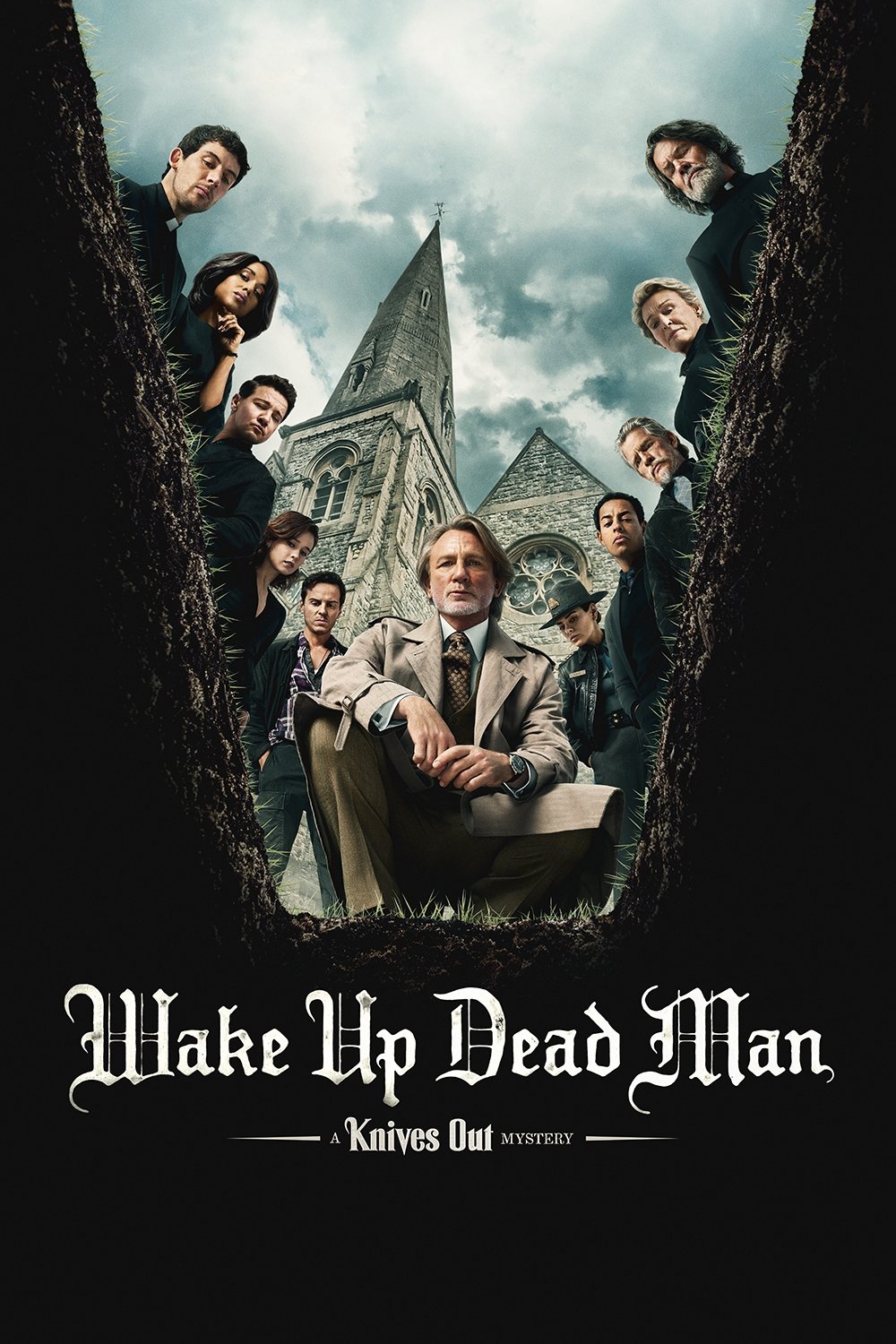
Wake Up Dead Man: A Knives Out Mystery is Rian Johnson’s latest entry in his whodunit series. It reunites Daniel Craig with his charismatic detective Benoit Blanc. The film trades the intimate family drama of the first movie and the over-the-top glamour of the second for a tense, small-town tale of faith, secrets, and an impossible crime at a rural church. It’s an ambitious evolution. Yet it doesn’t always land every punch in the trilogy.

To appreciate where this fits, glance back at the predecessors. The original Knives Out from 2019 burst onto the scene. It updated classic mystery tropes cleverly. The story centered on the death of a wealthy author. The dysfunctional Thrombey family circled like vultures over his estate. Blanc’s folksy charm cut through the lies with surgical precision. He delivered razor-sharp twists. His commentary bit into privilege and entitlement. All this wrapped in a snug, stage-play setup. It felt like a modern And Then There Were None. Every character popped—from Chris Evans’ smirking man-child to Ana de Armas’ wide-eyed nurse. The script’s misdirections kept you guessing until the final gut-punch reveal. It was tight, surprising, and endlessly rewatchable. Humor, heart, and social satire blended into a perfect whodunit package.

Glass Onion: A Knives Out Mystery followed in 2022. It cranked up the scale dramatically. A billionaire’s private island became the playground. A squad of self-important influencers played at being geniuses. The satire shifted gears. It skewered tech elites and performative allyship. Bigger laughs came from set pieces like the glass onion puzzle. Wilder ensemble clashes featured Edward Norton’s bumbling Miles Bron. Blanc unraveled the chaos with gleeful theatricality. Sure, it leaned heavier into farce than the original’s grounded tension. But those oh-so-satisfying reveals kept the momentum roaring. Janelle Monáe’s layered turn helped too. Each film stands alone as a self-contained puzzle. Yet they build Blanc’s legend incrementally. They refresh the murder-mystery playbook. Johnson’s signature flair nods to Agatha Christie roots.

Wake Up Dead Man arrives a few years after those events. Blanc looks more rumpled—bearded and brooding. He carries the visible weight of prior investigations. These have chipped away at his unflappable facade. Detective Benoit Blanc dives into a fresh case. It orbits a magnetic priest, Monsignor Jefferson Wicks. His tight-knit parish sits at Our Lady of Perpetual Fortitude. This is a fading rural church in snow-dusted upstate New York. A baffling death strikes right in the middle of services. It’s a stabbing during a Good Friday ritual. The congregation watches it unfold. It’s framed as an impossible crime with no clear entry or escape. Blanc must sift through hidden motives. He navigates frayed bonds and simmering tensions in the flock. His goal is to expose the culprit. Young assistant priest Rev. Jud Duplenticy becomes an unlikely ally.

Josh O’Connor stands out as Jud. He’s the earnest, ex-boxer priest. He brings raw vulnerability and quiet intensity. This grounds the film’s more outlandish elements. The powerhouse lineup fuels suspicion and sparks. Josh Brolin plays the commanding, domineering Wicks. His sermons blend fire-and-brimstone charisma with manipulative control. Glenn Close is the loyal church pillar Martha Delacroix. She’s his steely right-hand woman. She hides decades of devotion and resentment. Mila Kunis is police chief Geraldine Scott. She’s tough and skeptical but out of her depth. Jeremy Renner plays local doc Dr. Nat Sharp. His bedside manner conceals shadier dealings. Kerry Washington is attorney Vera Draven. She’s sharp-tongued and protective. Thomas Haden Church is reserved groundskeeper Samson Holt. He observes everything with cryptic folksiness. Andrew Scott plays best-selling author Lee Ross. He peddles scandalous exposes on the parish. Cailee Spaeny is the disabled former concert cellist Simone Vivane. Her ethereal presence masks deeper pain. Daryl McCormack is aspiring politician Cy Draven. He’s ambitious and entangled in family webs. Noah Segan pops up as sleazy Nikolai. It’s a fun callback to his earlier roles. This adds series continuity without stealing focus. The ensemble ignites every scene. Clashing agendas and barbed dialogue keep the paranoia boiling.

This installment carves its own distinct path. It embraces a darker, more introspective tone. Think faith-versus-reason noir laced with locked-room impossibility. The setting is a snow-dusted upstate New York parish. This contrasts the polished puzzle-box feel of the originals. The church throbs with simmering divisions. They feel palpably real. Fiery sermons alienate younger parishioners. They drive attendance into the dirt. Whispers hint at buried family fortunes. These tie to the church’s crumbling foundations. Rituals mask exploitation, abuse of power, and grudges. All hide under a veneer of piety.

Cinematographer Steve Yedlin works masterfully. He captures stark contrasts. Candlelit services flicker against vaulted ceilings. Shadowy mausoleums hide grisly secrets. Fog-shrouded grounds host midnight confessions that turn sinister. A cold, wintry palette amplifies isolation. Nathan Johnson’s score blends ominous orchestral swells. It adds subtle choral hints and dissonant organ tones. This creates a haunting vibe. It underscores spiritual unease without overpowering dialogue. Blanc prowls with trademark wit and theatrical flourishes. But a deeper layer emerges. He grapples with existential questions. These involve belief, deception, and waking from illusions. The title ties in directly. It calls amid apparent miracles, staged resurrections, and devilish symbolism. This blurs divine intervention and human malice.

The storyline thrives on classic misdirection. It piles on clues like a stolen devil’s-head knife from the altar. Vanished evidence dissolves in acid. Eerie occurrences hint at the otherworldly. Ghostly apparitions and bleeding statues appear. Then it snaps back to human frailty and greed. The film peels back the parish’s seedy underbelly. Hypocrisy rules the pulpit. Opportunism infects the flock. Buried sins span generations. It avoids preachiness or heavy-handedness. Instead, it fuels interpersonal fireworks. These erupt in confessionals, potlucks gone wrong, and heated vestry arguments.

Highlights abound. Blanc holds probing chats during tense masses. A single hymn masks frantic whispers. Late-night graveyard prowls use flashlights. They reveal half-buried scandals. A pulse-pounding chase winds through labyrinthine catacombs. Jud’s raw confession scenes blend vulnerability with defiance. The unmaskings cascade like dominoes. They form a brilliantly orchestrated finale. This echoes the first film’s precision. But it adds emotional stakes. Themes of redemption, forgiveness, and blind faith’s cost hit hard. They linger longer.

Flaws exist. The runtime stretches past two hours, leading to noticeable drag in the back half where explanatory flashbacks overstay their welcome and blunt the mounting tension. The crowded suspect list feels star-studded to a fault, with the expanded cast and their distinct personalities—from Renner’s oily doc to Washington’s sharp lawyer—often coming across more as a parade of familiar cameos than fully fleshed-out suspects. This dilutes the razor-sharp individual motivations that made the earlier entries so airtight, as some characters blend into the background despite the name recognition.

Craig remains the beating heart. He refines Blanc into a weary yet unbreakable warrior. Twinkling eyes hide hard-earned cynicism and quiet scars. This bridges the series’ growth perfectly. He evolves from wide-eyed newcomer to seasoned truth-seeker. Notably, his performance dials back bombastic Foghorn Leghorn bluster. It drops the scenery-chewing antics from Glass Onion. Instead, it opts for nuanced eccentricities. Subtle drawl inflections shift from playful to piercing. Haunted pauses carry unspoken regrets. Layered glances reveal a detective worn by deceptions. He keeps infectious charm and deductive brilliance.

He bounces off O’Connor’s conflicted priest. Their electric, buddy-cop chemistry grounds the mystery. It adds human connection amid supernatural tinges. Brolin chews scenery as tyrannical Wicks. His booming voice and piercing stare dominate. Close brings steely devotion to Martha. She layers quiet menace under pious smiles. The ensemble delivers scene-stealing turns. Renner’s oily doc has subtle tics. Washington’s lawyer cuts through BS like a blade. Church’s groundskeeper drops cryptic wisdom. Spaeny’s cellist haunts the score. The group dynamic crackles. Suspicion, snark, and alliances build tension. It doesn’t fully match Knives Out‘s intimacy. Nor does it rival Glass Onion‘s ego clashes. Raw charisma and sharp writing carry it far. Tighter arcs would elevate it further.

Behind the camera, Johnson amps visual and thematic style. It reflects the trilogy’s arc masterfully. The debut had cozy, rain-lashed Thrombey manor confines. The sequel brought flashy, tropical island excess. This film offers brooding parish grit. Sacred spaces twist into battlegrounds. Production design captures ecclesiastical opulence turned sinister. Vibrant stained glass casts blood-red shadows. Ancient relics whisper curses. Fog-shrouded grounds pulse with menace. It avoids campy parody. The balance feels reverent yet unsettling.

Dialogue pops with Blanc’s poetic rants. Extended musings explore faith’s illusions. They mirror “dead men walking” through empty rituals. This weaves personal growth into procedural beats. It never halts the pace. Screenplay-wise, it remixes boldly. It expands from domestic squabbles to global posers. Now it targets a fractured flock in dogma and greed. Subtle nods hint at Blanc’s odyssey. No direct sequel hook burdens it. No franchise baggage weighs it down.

In the end, Wake Up Dead Man solidifies the saga. It spins timeless whodunits freshly and vitally. Each outing sharpens the social knife. Targets evolve—from greedy kin to tycoons to holy hypocrites wielding faith. Pacing hiccups hit the bloated third act. The overwhelming ensemble poses challenges. Still, it grabs from the opening sermon-gone-wrong. It rewards with twists, depth, and a hopeful close. This lingers like a benediction. Devotees find layers to chew. Mystery fans geek over mechanics. Newcomers benefit from earlier starts. But this standalone shines. Johnson’s vision evolves fearlessly. Craig’s magnetism deepens. The door cracks for more mayhem. Pop the popcorn. Dim the lights. Let confessions begin.

Wake Up Dead Man: A Knives Out Mystery Trailer


Wake Up Dead Man: A Knives Out Mystery is the third movie in Rian Johnson’s fun and twisty murder mystery series. Daniel Craig is back as the sharp detective Benoit Blanc, who’s got his work cut out for him with a seemingly impossible case this time. The movie is set in a small-town church with some pretty creepy secrets, and Blanc teams up with a young priest to crack the case. The cast is packed with great talent like Josh O’Connor, Glenn Close, Josh Brolin, Mila Kunis, Jeremy Renner, and Kerry Washington, so there’s a lot of star power mixed with sharp writing and those clever twists Johnson’s known for.

The movie mixes mystery, drama, and a bit of dark humor while diving into themes like faith, secrets, and lies. Benoit Blanc has to navigate a tangled web of hidden motives and dark pasts—all wrapped in the spooky atmosphere of the church and its community.

It’s dropping in theaters on November 26, 2025, and then hitting Netflix worldwide on December 12, so it’s definitely one to keep an eye out for whether you’re already a fan or just love a good whodunnit.

Review: The Running Man (dir. by Edgar Wright)


“Bloodlust is our birthright!” — Bobby Thompson

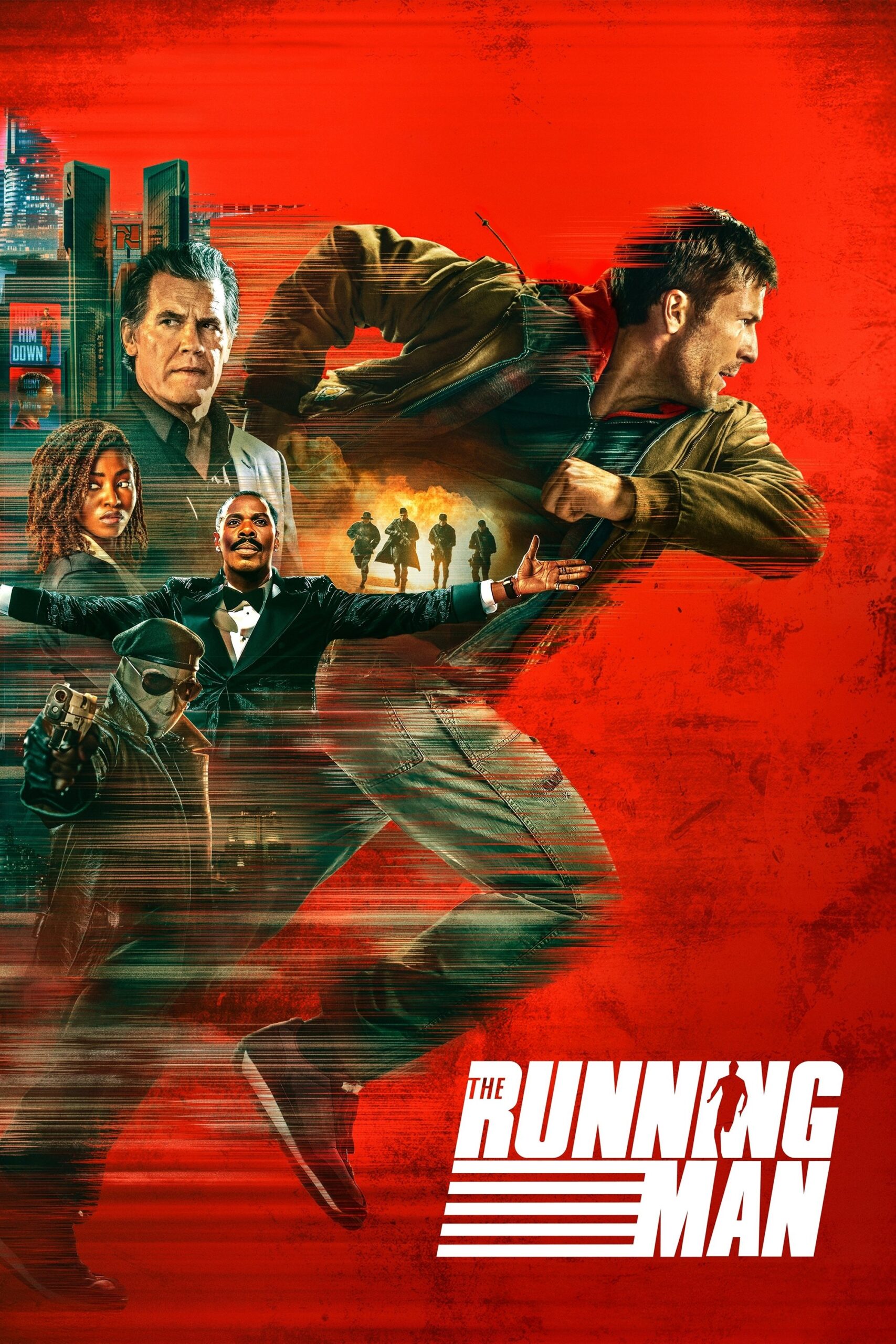
Edgar Wright’s 2025 take on The Running Man is an adrenaline shot to the chest and a sly riff on our era’s obsession with dystopian game shows, all filtered through his own eye for spectacle and pacing. Unlike many of his earlier works, such as Shaun of the Dead and Scott Pilgrim vs. The World, which bristle with meta-commentary, the film is a sleeker and more bruising affair. At its core, this is a survival thriller decked out in neon, driven by a director who wants to both honor and outpace what’s come before.

Wright’s version ditches the muscle-bound caricature of the 1987 Schwarzenegger adaptation, recentering on a more grounded protagonist. Glen Powell’s Ben Richards isn’t a quip-dispensing tank; he’s a desperate father, pressed to extremes, haunted more by anxiety than rage. We meet him in a world where reality TV devours everything, and nothing is too cruel if it wins the ratings war. Richards is cast as the sacrificial everyman, volunteering for the deadly Running Man show only because his family’s survival is at stake, not his ego. This lends the film a more human—and frankly, more believable—edge than either of its predecessors.

Visually, The Running Man is vintage Wright: kinetic and muscular, with chase scenes propelled by propulsive synths and punchy editing, each set piece designed as much to thrill as to disorient. Gone, however, is much of the director’s comedic ribbing; what remains is a tense visual feast, saturated in electric colors and relentless motion. The camera rarely settles. The television show itself is depicted as both garish and sinister, a spectacle that feels plausible because it’s only five minutes into our own future.

The film takes sharp aim at the machinery of television and the spectacle it creates, exposing how entertainment can thrive on cruelty and manipulation. It highlights a world where reality is heavily curated and shaped to serve ratings and control, with the audience complicit in consuming and encouraging the degradation of genuine human experience. The media in the film mirrors warnings that have circulated in recent years—that it has become a tool designed to appease the masses, even going so far as to use deepfakes to manipulate narratives in favor of particular agendas. While this focus on broadcast media delivers potent social commentary, Wright does drop the ball a bit by concentrating too much on traditional TV media at a time when entertainment consumption is largely online and more fragmented. This narrower scope misses an opportunity to deeply engage with the digital age’s sprawling and insidious impact on public attention and truth.

Glen Powell’s performance is pivotal to the film’s success. He anchors the story, selling both the exhaustion and the resolve required for the role. This Ben Richards is no superhero—his fear feels palpable, and his reactions are messy, urgent, and often impulsive. Opposite him, Josh Brolin steps in as Dan Killian, the show’s orchestrator. Brolin’s performance, smooth and menacing, turns every negotiation and threat into a master class in corporate evil. The stalkers, the show’s gladiatorial killers, are less cartoon than their 1987 counterparts, but all the more chilling for their believability—branding themselves like influencers, they embody a world where violence and popularity are inseparable.

On the surface, Wright’s Running Man leans heavily into social satire. It lobs grenades at infotainment, the exploitation inherent in reality TV, and the way audiences are silently implicated in all the carnage they consume. Reality is a construct, truth is whatever the network decides to show, and every moment of suffering is a data point in an endless quest for engagement. The critique is loud, though not always nuanced. Where Wright has previously reveled in self-aware storytelling, here he pulls back, focusing on the mechanics and cost of spectacle more than its digital afterlife.

Action is where the film hits hardest. Wright brings his expected flair for movement and tension, with chase sequences escalating to wild, blood-smeared crescendos, and hand-to-hand fights that feel tactile rather than stylized. The film borrows more heavily from the structure of King’s novel, raising stakes with each new adversary and refusing to let viewers catch their breath. Despite the non-stop pace, the movie runs a little too long—some sequences feel indulgent, and the final act’s rhythm stutters as it builds toward its conclusion. Still, even in its bloat, there’s always something energetic or visually inventive happening onscreen.

The movie’s climax and resolution avoid over-explaining or revealing too much, instead choosing to leave room for interpretation and suspense about the outcomes for the characters and the world they inhabit. This restraint preserves the tension and leaves viewers with something to chew on beyond the final credits.

For fans of Edgar Wright, there’s a sense of something both familiar and altered here. The visual wit, the muscular editing, the stylish sound cues—they’re all present. Yet the film feels less like a playground for Wright’s usual whimsy and more like a taut, collaborative blockbuster. It’s playfully brutal and thoroughly engaging, but does not, in the end, subvert the genre quite as gleefully as some might hope. For every moment of subtext or clever visual flourish, there is another in which the movie simply barrels forward, content to dazzle and provoke in equal measure.

The Running Man (2025) is a film with a target audience—those who want action, smart but accessible social commentary, and just enough character work to feel the stakes. It will delight viewers drawn to a flashier, meaner take on dystopian spectacle, and Powell’s central performance is likely to win over skeptics and fans alike. If you’re hoping for a thesis on algorithmic age or a meditation on surveillance capitalism, you may need to look elsewhere. But if you want a turbo-charged chase movie that occasionally stops to wag a finger at the world that spawned it, you’re likely to have a great time.

Ultimately, Edgar Wright’s Running Man is a sharp, glossy refit of a classic dystopian story, packed with high-octane action and grounded by its central performance. It won’t please everyone and doesn’t attempt to, but it never forgets that, above all, good television keeps us running. In the era of spectacle, that might be all you need.

Glen Powell is everyone’s target in Edgar Wright’s The Running Man trailer!


I’m happy to see Edgar Wright back making movies. It’s been a while since 2021’s Last Night in Soho, and this time around, he’s remaking 1987’s The Running Man. Based off the story by Stephen King, Ben Richards (Glen Powell, Twisters, Hit Man) is a man who needs some help, living in the slums with his wife (Jayme Lawson, Sinners, The Batman) and child. To earn a high stakes reward, he joins The Running Man, a tv show that puts him in the spotlight for 30 days while everyone hunts him down. Should he survive, his family will be set. The movie looks like it has a good cast, with Colman Domingo (Sing Sing) and Josh Brolin (Dune) also in the mix. Admittedly, I’m curious of what the soundtrack to this will be like, given Wright’s flair for pairing scenes with music.

The Running Man will be in theatres this November.

Late Night Retro Television Review: Highway to Heaven 3.1 and 3.2 “A Special Love”


Welcome to Late Night Retro Television Reviews, a feature where we review some of our favorite and least favorite shows of the past!  On Thursdays, I will be reviewing Highway to Heaven, which aired on NBC from 1984 to 1989.  The entire show is currently streaming on Freevee and several other services!

This week, we start season 3 of Highway to Heaven!

Episodes 3.1 and 3.2 “A Special Love”

(Dir by Michael Landon, originally aired on September 24th and October 1st, 1986)

The third season of Highway to Heaven opens with a two-parter.

A Special Love is centered around Jonathan and Mark working at the Special Olympics and meeting a developmentally disabled child named Todd Bryant (played by a 15 year-old Paul Walker …. yes, that Paul Walker).  Given up by his parents (who only did so when told by their doctors that they would never be able to give Todd the care that he needed), Todd lives in a group home and desperately wants to be a part of a family.  Can Mark and Jonathan help Todd find the confidence to compete in the Special Olympics?  Can they reunite Todd with his older brother (played by none other than Josh Brolin), who just happens to be a coach with the Special Olympics?  And can they make his dream of being adopted come true?  You already know the answers.  This is Highway to Heaven, after all.

This is also a Scotty episode.  Scotty (played by James Troesh) is a paraplegic attorney who is married to Mark’s cousin, Diane (Margie Impert).  Scotty and Diane appeared in several episodes during the first three seasons of Highway to Heaven.  Every Scotty episode follows the same basic pattern.  Mark and Jonathan drop in on Scotty and Diane.  Scotty is feeling happy and optimistic about his future.  Then, something happens that derails whatever Scotty’s latest plan is.  Scotty gets upset and tells everyone to leave him alone.  Diane says that she can’t deal with him anymore.  While Mark comforts Diane, Jonathan tells Scotty to stop feeling for himself.  Scotty eventually apologizes.  Everything works out in the end.

Though the Scotty episodes were always predictable, I do think that Highway to Heaven deserved some credit for never turning Scotty into a saint.  Too many films and television shows tend to use disabled characters as idealized props who exists only to impress everyone with their upbeat attitude and homespun wisdom.  They show up.  They say a few words of wisdom that serve to inspire the lead character.  And then they’re never seen again.  They often exist only to help the star and their lives are never explored beyond how the lead character relates to them.  Scotty, on the other hand, was frequently angry about being a paraplegic.  Even when his life was going well, Scotty would get understandably frustrated.  Scotty was not always perfect.  He made mistakes, just like anyone else would have.  What’s important is that, in the end, he always tried to do the right thing.  James Troesch, a real-life paraplegic, was not the best actor in the world but, as was so often the case with Highway to Heaven, he played the role with such sincerity that it didn’t matter that he often sounded stiff while delivering his lines.  He brought a lot of humanity to the role.

In this episode, Scotty is upset because he has just learned that he and Diane will never be able to have children.  When both Jonathan and Diane suggest adopting Todd, Scotty bitterly refuses.  Scotty claims that, due to his disability, he wouldn’t be able to properly take care of Todd.  However, when Todd announces that he’s going to win a race at the Special Olympics to prove that he’s worthy of being adopted, Scotty realizes that he’s just using his disability as an excuse to not face up to his own fears.  Scotty and Diane decide to adopt Todd.  Unfortunately, Todd’s parents suddenly decide that they don’t want another family to adopt Todd.  They want Todd to say in the group home where he is currently living.  It leads to a teary-eyed courtroom showdown.  It also leads to a happy ending.  Again, was there ever any doubt?

The story may have been melodramatic but this was still a touching episode and a good example of how Highway to Heaven‘s earnest sincerity helped the show overcome plot twists that could have been mawkish in the wrong hangs.  The first hour is especially touching, as it’s largely a tribute to the Special Olympics and the athletes involved.  There’s a lot of negative things that can be said about the Kennedy family and their impact on American political culture but Eunice Kennedy Shriver deserves all of the credit and praise in the world for founding the Special Olympics.  This episode did make me cry and it earned every tear.

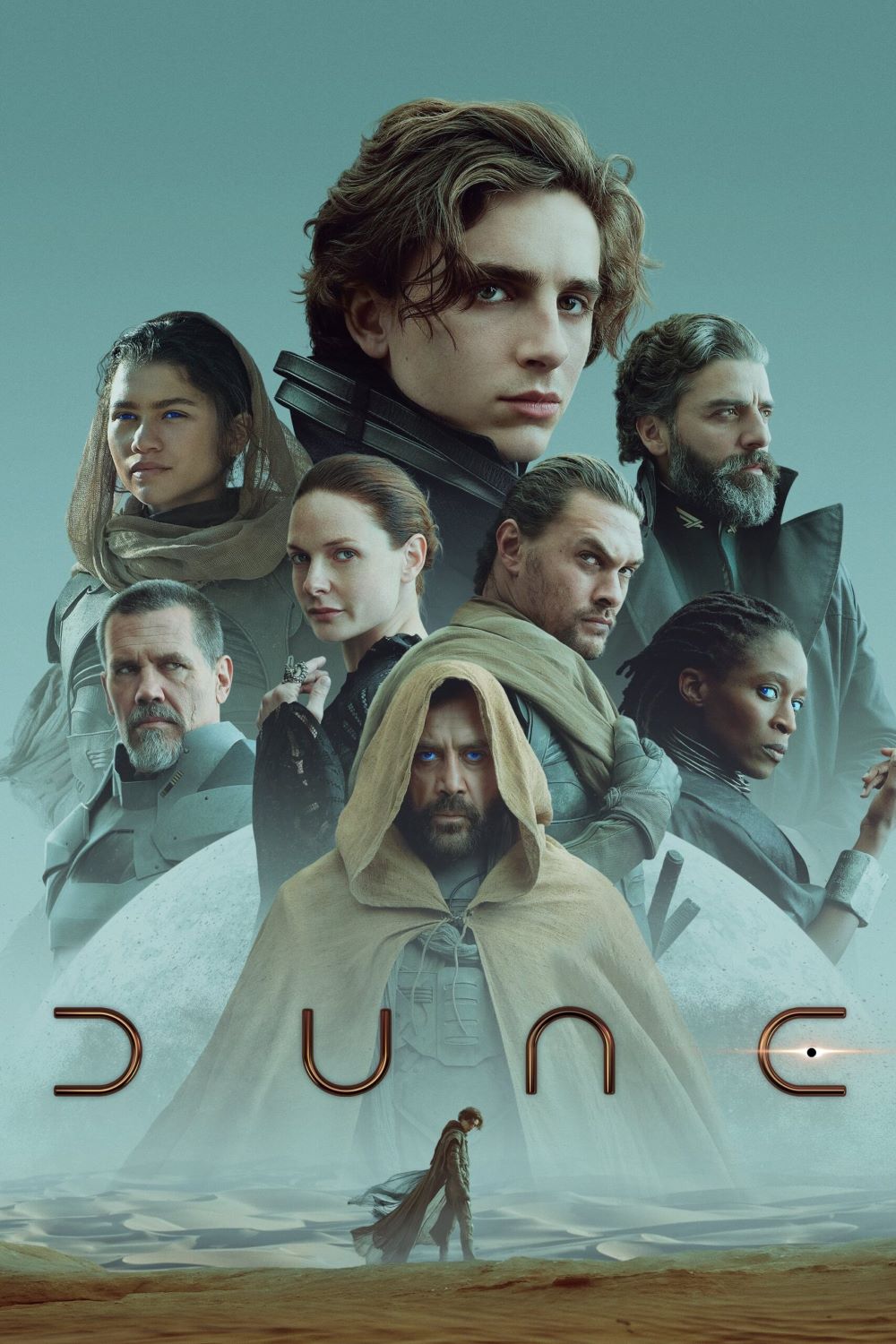
Bless the Maker – The Dune Part Two trailer has arrived!


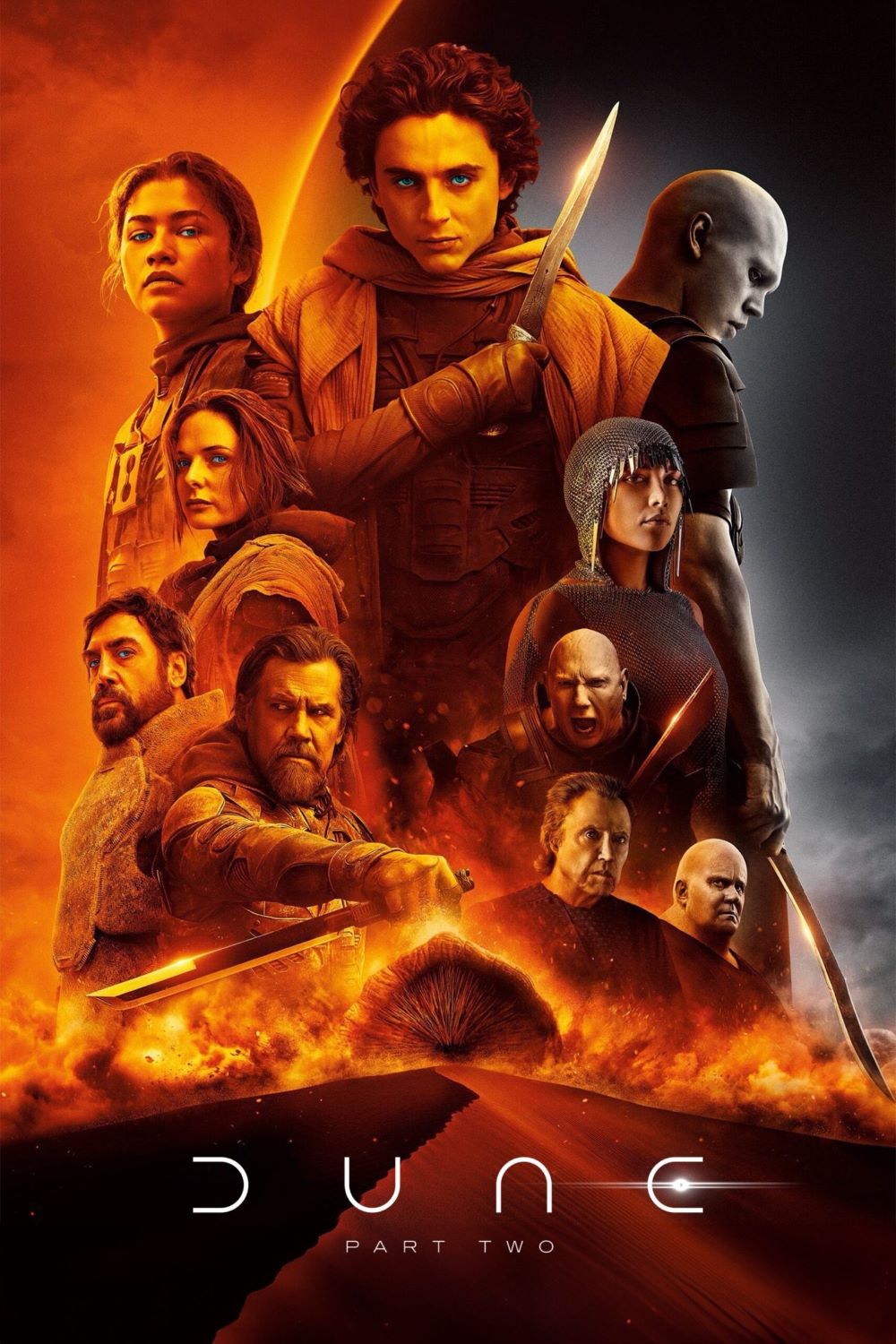
The trailer for Denis Villeneuve’s Dune Part Two was just released. We’re seeing some new faces in Florence Pugh as Princess Irulan, Austin Butler as Feyd, Lea Seydoux as Lady Margot and Christopher Walken as the Padishah Emperor Shaddam IV. I like Javier Bardem’s Stilgar telling Paul to “Keep things simple.” here. So far, it’s looking good!

Dune Part Two will be released on November 3rd.

Quick Review – Grindhouse (dir. by Robert Rodriguez & Quentin Tarantino)


The following was posted on 4/6/2007 from my LiveJournal on Grindhouse (which is celebrating it’s 15th Anniversary). I’ll admit I respect Death Proof a bit more now than I did back then:

Gotta write fast. Have to jump into shower and head for work.

I got into the movie theatre at about 8pm, and spent the hour talking with a pair of film students from the School of Visual Arts. At 9 (an hour before the movie), the rest of the sold out crowd appeared. I was officially 3rd in line. Sweet. 🙂 I didn’t my preferred seat (the single one on the right reserved for patrons coming in with someone in a wheelchair), but did get a seat in the empty row (meaning I could stretch my legs, even better).

The short of it: Grindhouse is paying one low price for 2 bad movies, on purpose. You get 3 great built in trailers, and two mini movies. Between the two mini movies, I loved “Planet Terror” (the Rodriguez one) more than “Death Proof” (The Tarantino film), simply because Death Proof had too much of Tarantino’s conversational style that all of his films have. It’s like you’re listening to a conversation that absolutely doesn’t tie itself to any of the storyline’s major points. It’s just “cool” stuff, but I literally almost fell asleep until Kurt Russell showed up on screen. I think that if one knows to expect this from Tarantino, it comes across better. It’s like watching both Kill Bill volumes back to back. The first one’s cool and action packed, and the second one has some action (the chase scene alone in Death Proof had me wondering how they did that), but is so slow before getting there, you want to sigh.

Being a Charmed Fan, it was great to see Rose McGowan again, and there were so many cameos to laugh at. Fergie has a cameo, and Michael Biehn’s (“Hicks” from Aliens, Navy Seals) even in this. Where did they dig up these guys?

Grindhouse is easily a party film. I’d go see it again in the theatre, but I don’t see myself getting the DVD. It takes you back about a good 30 years, and does that really well. There are missing reels, serious jump cuts in the film and the sound sometimes cuts out. 🙂 In that sense, it’s really beautiful. The audience laughed and applauded, though there were some that at the end were like “Man, that sucked.” In the 60’s and 70’s, Grindhouse movies were pretty bad. I guess it’s like watching one of those old Hammer films, mixed in with a cheap horror flick. You have to walk into this movie not expecting “The Departed” for it to work. Just have fun with what you’re seeing and remember, this is what your parents sometimes saw in the movies (it should be noted that my parents went to something of a Grindhouse once – the movie they went to see was Night of the Living Dead. The other movie that was in the show was John Carpenter’s “Halloween”, which freaked my Dad out).

The music in particular is really great. Robert Rodriguez, Chingon, and a few friends come up with a sound for Planet Terror that’s in essence a John Carpenter like sound. If you have access to the Itunes Music Store, give it a listen (I bought it). Plus, if you’re a fan of some of the older movies out there, you’ll find references to some of Carpenter’s films in there (for example, one of the songs from “Escape from New York” is actually used in the film). The same occurs with the soundtrack from “Creepshow” – The story with the drowned couple. There are also tons of older Tarantino/Rodriguez references in there. One fellow actually yelled out a line, word for word, from what was on screen. It took me a second to realize the line came from “From Dusk Till Dawn”. Sweet.

The in betwen trailers are absolutely fantastic. If I were to get the DVD, it would probably be for this reason alone. You can tell that Rob Zombie, Edgar Wright (Shaun of the Dead) and Eli Roth (Hostel) really had fun with their pieces.

So, Grindhouse is worth seeing in theatre at least once with a bunch of friends, but know what you’re walking into. The movie can get gross at times and no young kid should even be brought near to this (we got carded to actually get into the theatre, and a Weinstein Rep. was on hand after the film to let us take surveys). Also before the movies, one of the teaser trailers is for Rob Zombie’s “Halloween”. I haven’t been so excited for a horror film like this since Zack Snyder’s version of “Dawn of the Dead”. This looks really good, and I’m wondering what Michael Myers is going to look like when someone like Tyler Mane (Sabretooth from the first X-Men movie) is playing him. That’s going to be creepy.

The Sleeper Awakens with the new Dune Trailer


Just about everyone’s waiting for Denis Villeneuve’s remake of Frank Herbert’s Dune. Having grown up on the David Lynch version (and making my way through the novel), it has some big shoes to fill. Thankfully, what we’ve seen of it so far seems interesting. Villeneuve should have an easy time with the source material, though the movie has had its share of reshoots and dealing with the pandemic. We’ll see how it goes.

We finally have a trailer and some Wormsign!!. I’m liking the look of it. Chalamet’s Paul Atreides has some attitude to him, and I’m curious to see what Stellan Skarsgard does with the Baron Harkonnen.

Enjoy.

<- Artwork of the Day: A Bloody Business Artist Profile: Stewart Rouse ->