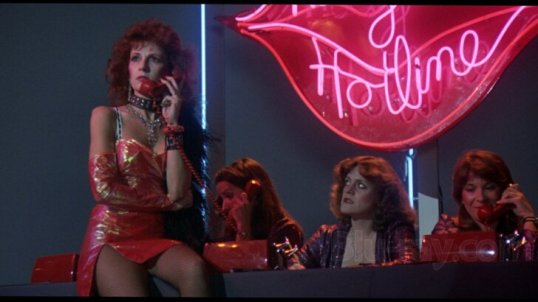
4 Shots From 4 Films is just what it says it is, 4 shots from 4 of our favorite films. As opposed to the reviews and recaps that we usually post, 4 Shots From 4 Films lets the visuals do the talking!
Today, I’m using this feature to take a look at the history of the Academy Award for Best Picture. Decade by decade, I’m going to highlight my picks for best of the winning films. To start with, here are 6 shots from 6 Films that won Best Picture during the 1970s! Here are….
6 Shots From 6 Best Picture Winners: The 1970s
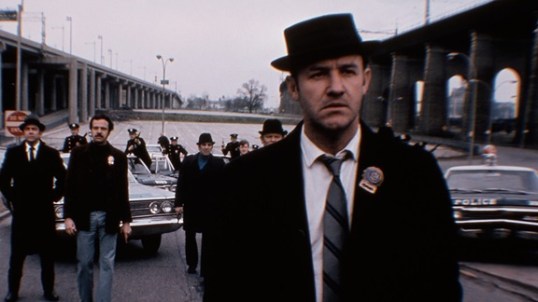
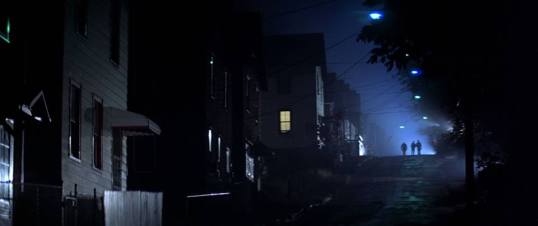
The French Connection (1971, dir by William Friedkin, DP: Owen Roizman)
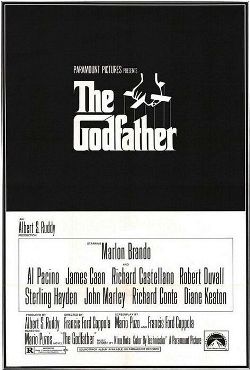
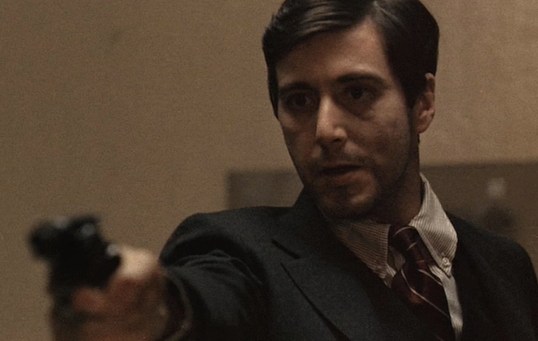
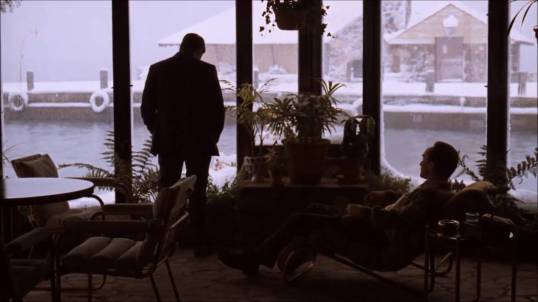
The Godfather (1972, dir by Francis Ford Coppola, DP: Gordon Willis)
The Godfather Part II (dir by Francis Ford Coppola, DP: Gordon Willis)
One Flew Over The Cuckoo’s Nest (1975, dir by Milos Forman, DP: Haskell Wexler and Bill Butler)
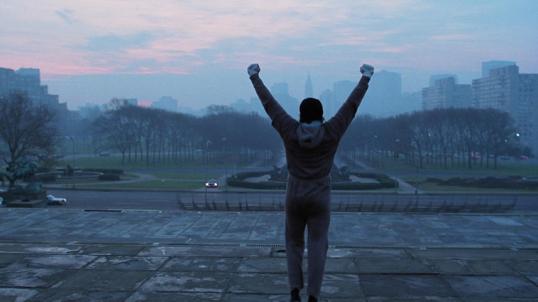
Rocky (1976, dir by John G. Avildsen, DP: James Crabe)
The Deer Hunter (1978, dir by Michael Cimino, DP: Vilmos Zsigmond)
4 Or More Shots From 4 Or More Films is just what it says it is, 4 shots from 4 of our favorite films. As opposed to the reviews and recaps that we usually post, 4 Shots From 4 Films lets the visuals do the talking!
Today, we wish a happy birthday to the one and only James Earl Jones!
4 Shots From 4 James Earl Jones Films
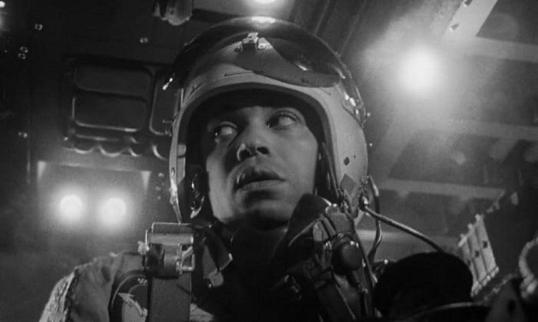
Dr. Strangelove: Or How I Learned To Stop Worrying And Love The Bomb (1964, dir by Stanley Kubrick, DP: Gilbert Taylor)
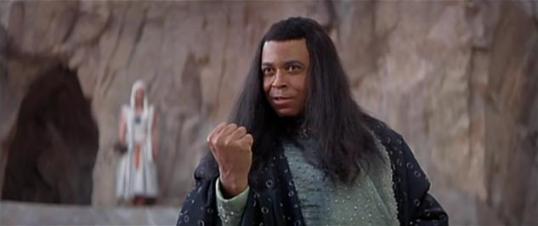
Conan The Barbarian (1982, dir by John Milius, DP: Duke Callaghan)
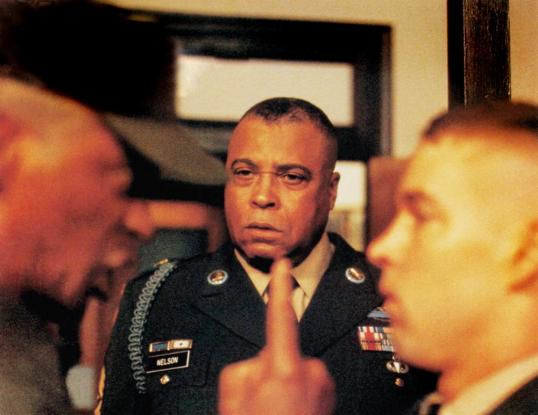
Gardens of Stone (1987, dir by Francis Ford Coppola, DP: Jordan Cronenweth)
Field of Dreams (1989, dir by Phil Alden Robinson, DP: John Lindley)
4 Shots From 4 Films is just what it says it is, 4 shots from 4 of our favorite films. As opposed to the reviews and recaps that we usually post, 4 Shots From 4 Films lets the visuals do the talking.
Happy New Year’s Day! Did you have as wonderful a celebration as the characters featured in today’s special edition of 4 Shots From 4 Films?
4 Shots From 4 Films
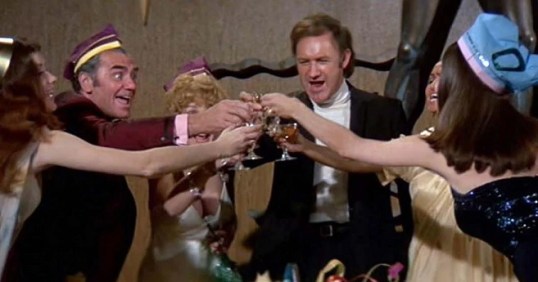
The Poseidon Adventure (1972, dir by Ronald Neame, DP: Harold E. Stine)
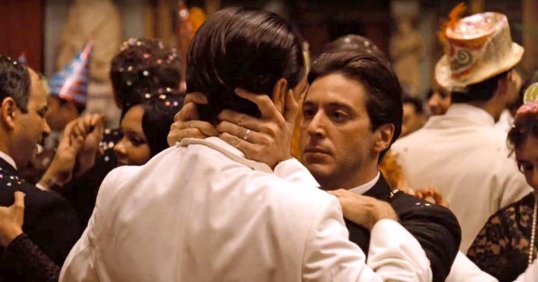
The Godfather Part II (1974, dir by Francis Ford Coppola, DP: Gordon Willis)
New Year’s Evil (1980, dir by Emmett Alston, DP: Edward Thomas)
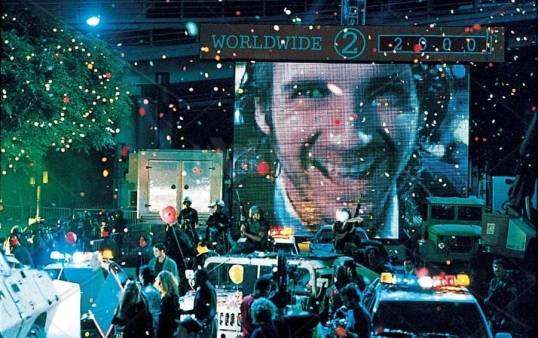
Strange Days (1995, dir by Kathryn Bigelow, DP: Matthew F. Leonetti)
Have you ever woken up and thought to yourself, “I’d love to see a movie where a youngish Jack Nicholson played a French soldier who, while searching for a mysterious woman, comes across a castle that’s inhabited by both Dick Miller and Boris Karloff?”
Of course you have! Who hasn’t?
Well, fortunately, it’s YouTube to the rescue. In Roger Corman’s 1963 film The Terror, Jack Nicholson is the least believable 19th century French soldier ever. However, it’s still interesting to watch him before he became a cinematic icon. (Judging from his performance here and in Cry Baby Killer, Jack was not a natural-born actor.) Boris Karloff is, as usual, great and familiar Corman actor Dick Miller gets a much larger role than usual. Pay attention to the actress playing the mysterious woman. That’s Sandra Knight who, at the time of filming, was married to Jack Nicholson.
Reportedly, The Terror was one of those films that Corman made because he still had the sets from his much more acclaimed film version of The Raven. The script was never finished, the story was made up as filming moved alone, and no less than five directors shot different parts of this 81 minute movie. Among the directors: Roger Corman, Jack Hill, Monte Hellman, Francis Ford Coppola, and even Jack Nicholson himself! Perhaps not surprisingly, the final film is a total mess but it does have some historical value.
(In typical Corman fashion, scenes from The Terror were later used in the 1968 film, Targets.)
(I originally shared this film back in 2011, 2019, and 2022 — can you believe we’ve been doing this for that long? — but the YouTube upload keeps getting taken down! So, I’m resharing it today!)
For today’s excursion into the world of public domain horror, I offer up the film debut of Francis Ford Coppola. Before Coppola directed the Godfather and Apocalypse Now, he directed a low-budget, black-and-white thriller that was called Dementia 13. In a possible sign of things to come, producer Roger Corman and Coppola ended up disagreeing on the film’s final cut and Corman reportedly brought in director Jack Hill to film and, in some cases, re-film additional scenes.
Regardless of whether the credit should go to Coppola, Corman, or Hill, Dementia 13 is a brutally effective little film that is full of moody photography and which clearly served as an influence on the slasher films that would follow it in the future. Speaking of influence, Dementia 13 itself is obviously influenced by the Italian giallo films that, in 1963, were just now starting to make their way into the drive-ins and grindhouses of America.
Speaking of giallo films, keep an eye out for Patrick Magee, who gave a memorable performance in Lucio Fulci’s The Black Cat. Luana Anders, who plays the duplicitous wife in this film, showed up in just about every other exploitation film made in the 60s and yes, the scene where she’s swimming freaks me out to no end. Other films featuring Luana Anders include Night Tide and Easy Rider, in which she played one of the hippies who unsuccessfully enticed Peter Fonda and Dennis Hopper to stay at the commune.
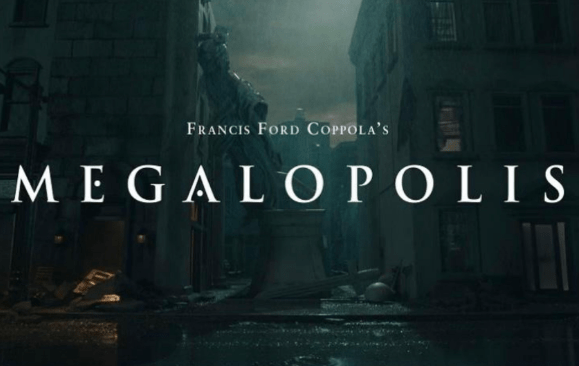
As for Francis Ford Coppola, his career has had its up and downs but he’s a beloved figured on the pop cultural landscape and a director whose best films continue to inspire and influence. He is currently filming Megalopolis.
Today’s scene that I love features Harrison Ford in one of his more unexpected roles. In Francis Ford Coppola’s Apocalypse Now, he played one of the three men who ordered Martin Sheen to go upriver and assassinate Marlon Brando. It’s a small role, especially when one considers that Ford had appeared as Han Solo just two years before. Given the lengthy shooting of Apocalypse Now, there’s some debate as to whether Ford was actually cast in the role before he was selected for Star Wars. Giving credence to that theory is that Ford played a similar role for director Francis Ford Coppola in The Conversation. However, it’s hard not to notice that Ford plays Col. G. Lucas, which would suggest that his casting was a bit of an inside joke. Speaking of inside jokes, G.D. Spradlin plays General R. Corman, no doubt named for the man who gave Coppola his start in the business.
(Interesting enough, both Spradlin and Corman played U.S. Senators in The Godfather Part II.)
In this scene, Ford shows off the nerdy intensity that was actually kind of his acting trademark before Star Wars changed his screen persona. This scene, along with his work in The Conversation, serves as a reminder that Harrison Ford is a pretty good character actor along with being one of the last great movie stars.
97 years ago, on this date, Lenny Montana was born in Brooklyn, New York.
Montana started out as a boxer and a wrestler. He eventually ended up working as a bouncer and a bodyguard for the leadership of the Colombo Crime Family. However, Montana achieved his immortality as a result of veteran tough guy actor Timothy Carey turning down the role of Luca Brasi in The Godfather. Brasi was the Corleone Family’s most feared enforcer and Carey, who had made a career out of playing psychos, was one of the most feared men in Hollywood, one who was rumored to have pulled a gun on more than a few directors. (For the record, Stanley Kubrick loved him.) When Carey turned down the role in favor of doing a television series, Francis Ford Coppola offered the role to Lenny Montana. Montana may not have had Carey’s screen acting experience but he brought real-life authenticity to the role. When Michael says that Luca Brasi is a “very scary man,” one look at Lenny Montana confirms it. Unfailingly loyal to the family and willing to do anything for the Don, Luca Brasi represents the Family’s strength. When Luca Brasi is killed, you know that the old era of the Corleones is ending as well. Without Luca, the Corleones are in deep trouble.
My favorite Luca Brasi scene comes at the beginning of the film. Surprised to be invited to Connie’s wedding, Luca wants to thank the Don personally. Nervous about acting opposite Marlon Brando, Montana flubbed his lines. The scene, with the flub, was kept in the film and it served to humanize both Luca and Don Corleone. (The Don’s smile was due to the fact that Marlon Brando was having trouble not laughing.) It’s a nice little scene, one that reminds us that even gangsters are human.
(I originally shared this film back in 2011 and 2019 — can you believe we’ve been doing this for that long? — but the YouTube vid was taken down both times! So, I’m resharing it today!)
For today’s excursion into the world of public domain horror, I offer up the film debut of Francis Ford Coppola. Before Coppola directed the Godfather and Apocalypse Now, he directed a low-budget, black-and-white thriller that was called Dementia 13. (Though, in a sign of things to come, producer Roger Corman and Coppola ended up disagreeing on the film’s final cut and Corman reportedly brought in director Jack Hill to film and, in some cases, re-film additional scenes.)
Regardless of whether the credit should go to Coppola, Corman, or Hill, Dementia 13 is a brutally effective little film that is full of moody photography and which clearly served as an influence on the slasher films that would follow it in the future. Speaking of influence,Dementia 13 itself is obviously influenced by the Italian giallo films that, in 1963, were just now starting to make their way into the drive-ins and grindhouses of America.
In the cast, keep an eye out for Patrick Magee, who later appeared as Mr. Alexander in A Clockwork Orange as well as giving a memorable performance in Lucio Fulci’s The Black Cat. Luana Anders, who plays the duplicitous wife in this film, showed up in just about every other exploitation film made in the 60s and yes, the scene where she’s swimming freaks me out to no end.
Have you ever woken up and thought to yourself, “I’d love to see a movie where a youngish Jack Nicholson played a French soldier who, while searching for a mysterious woman, comes across a castle that’s inhabited by both Dick Miller and Boris Karloff?”
Of course you have! Who hasn’t?
Well, fortunately, it’s YouTube to the rescue. In Roger Corman’s 1963 film The Terror, Jack Nicholson is the least believable 19th century French soldier ever. However, it’s still interesting to watch him before he became a cinematic icon. (Judging from his performance here and in Cry Baby Killer, Jack was not a natural-born actor.) Boris Karloff is, as usual, great and familiar Corman actor Dick Miller gets a much larger role than usual. Pay attention to the actress playing the mysterious woman. That’s Sandra Knight who, at the time of filming, was married to Jack Nicholson.
Reportedly, The Terror was one of those films that Corman made because he still had the sets from his much more acclaimed film version of The Raven. The script was never finished, the story was made up as filming moved alone, and no less than five directors shot different parts of this 81 minute movie. Among the directors: Roger Corman, Jack Hill, Monte Hellman, Francis Ford Coppola, and even Jack Nicholson himself! Perhaps not surprisingly, the final film is a total mess but it does have some historical value.
(In typical Corman fashion, scenes from The Terror were later used in the 1968 film, Targets.)
4 Or More Shots From 4 Or More Films is just what it says it is, 4 shots from 4 of our favorite films. As opposed to the reviews and recaps that we usually post, 4 Shots From 4 Films lets the visuals do the talking!
This October, I’m going to be doing something a little bit different with my contribution to 4 (or more) Shots From 4 (or more) Films. I’m going to be taking a little chronological tour of the history of horror cinema, moving from decade to decade.
Today, we take a look at 1990, 1991, 1992, and 1993!
8 Shots From 8 Horror Films: 1990 — 1993
Troll 2 (1990, dir by Claudio Fragasso, DP: Giancarlo Ferrando)
It (1990, dir by Tommy Lee Wallace, DP: Richard Lieterman)
Frankenstein Unbound (1990, dir by Roger Corman, DP: Armando Nannuzzi)
The People Under The Stairs (1991, dir by Wes Craven, DP: Sandi Sissel)
Twin Peaks: Fire Walk With Me (1992, dir by David Lynch, DP: Ron Garcia)
Bram Stoker’s Dracula (1992, dir by Francis Ford Coppola, DP: Michael Ballhaus)
Witchboard 2: The Devil’s Doorway (1993, dir by Kevin S. Tenney, DP: David Lewis)
Cronos (1993, dir by Guillermo Del Toro, DP: Guillermo Navarro)