Today’s song of the day comes from 1941’s The Maltese Falcon, directed by John Huston.
Today’s song of the day comes from 1941’s The Maltese Falcon, directed by John Huston.
She thinks she’s Brenda Starr/her nose job is real atomic….
I love this song. It makes me regret that I was born to late to experience New York in the 70s. “She’s do dull …. rip her to shreds,” is a favorite expression of mine, one that gets me strange looks from people who are not familiar with this song.
Oh well. I can live with the looks!
I’m not even really a Led Zeppelin fan but I do like this song. Most Zeppelin songs go on too long for my ADHD brain but Kashmir always manages to hold my attention.
Today’s song of the day comes from Wes Craven’s infamous Last House On The Left. Of course, many people might know it better from it’s use in Quentin Tarantino’s The Hateful Eight.
This haunting piece of music was composed by David Hess, who played the murderous Krug in Craven’s film.
Today’s song of the day is Bernard Herrmann’s main title track for one of J. Lee Thompson’s best films, 1962’s Cape Fear.
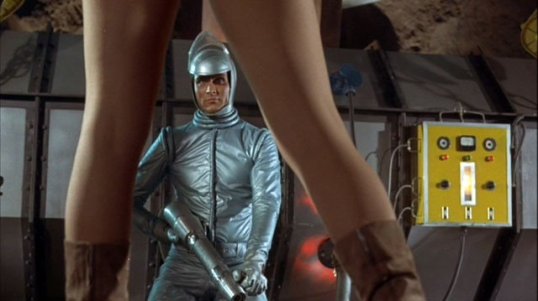
Danger: Diabolik (1968)
Since today is Mario Bava’s birthday, it only seems appropriate that today’s song of the day should come from one of his films.
From Ennio Morricone’s score to Mario Bava’s 1968 film Danger: Diabolik, here is Deep Down!
Today’s song of the day is one that I will always associate with Richard Linklater’s Dazed and Confused. Here is War, with Low Rider.
Glen Hansard, RIP.
This song haunts me.
It’s shark week so today’s song of the day is one that means something to sharks everywhere! Imagine what a shark could do with legs!
Here’s David Bowie with Changes!
Still don’t know what I was waiting for
And my time was running wild, a million dead-end streets and
Every time I thought I’d got it made
It seemed the taste was not so sweet
So I turned myself to face me
But I’ve never caught a glimpse
Of how the others must see the faker
I’m much too fast to take that test
Ch-ch-changes
(Turn and face the strain)
Ch-ch-changes
(Don’t want to be a richer man)
Ch-ch-changes
(Turn and face the strain)
Ch-ch-changes
(Just gonna have to be a different man)
Time may change me
But I can’t trace time
I watch the ripples change their size
But never leave the stream of warm impermanence and
So the days float through my eyes
But still the days seem the same
And these children that you spit on
As they try to change their worlds
Are immune to your consultations
They’re quite aware of what they’re going through
Ch-ch-changes
(Turn and face the strain)
Ch-ch-changes
(Don’t tell them to grow up and out of it)
Ch-ch-changes
(Turn and face the strain)
Ch-ch-changes
(Where’s your shame, you’ve left us up to our necks in it)
Time may change me
But you can’t trace time
Strange fascination, fascinating me
Ah changes are taking the pace I’m going through
Ch-ch-changes
(Turn and face the strain)
Ch-ch-changes
(Oh, look out you rock ‘n rollers)
Ch-ch-changes
(Turn and face the strain)
Ch-ch-changes
(Pretty soon now you’re gonna get older)
Time may change me
But I can’t trace time
I said that time may change me
But I can’t trace time
Songwriters: David Bowie

