Horror Artist Profile: Alan M. Clark (1957– )


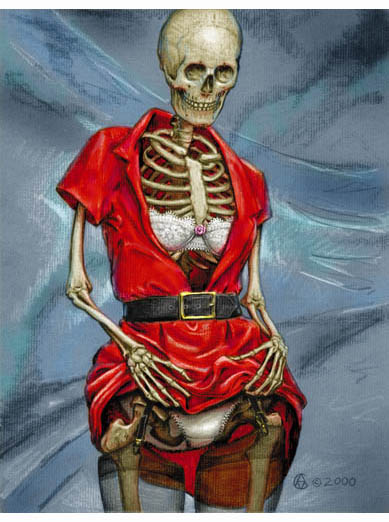
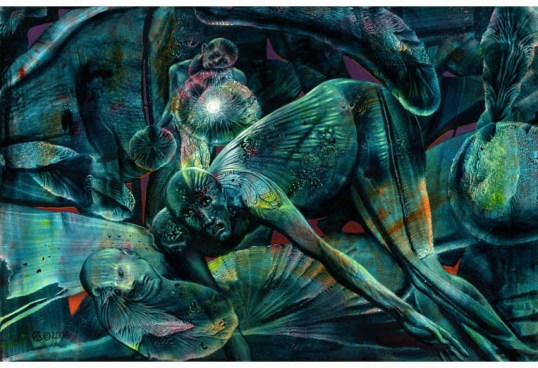
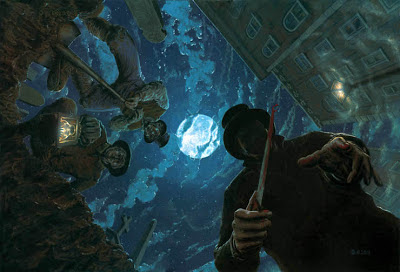
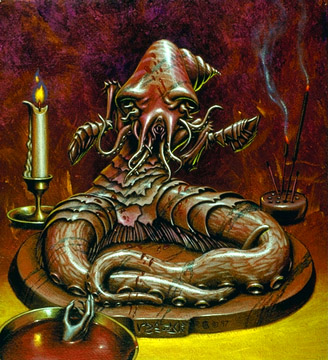
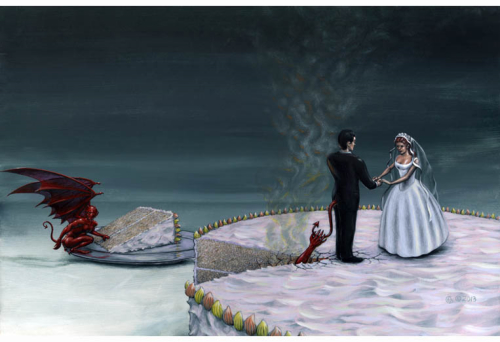
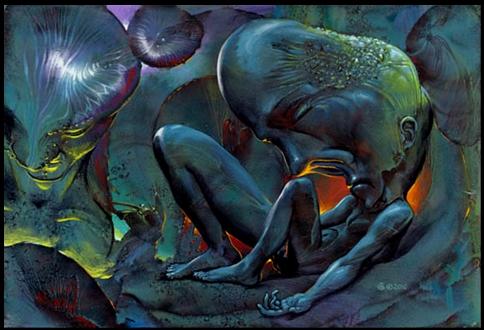
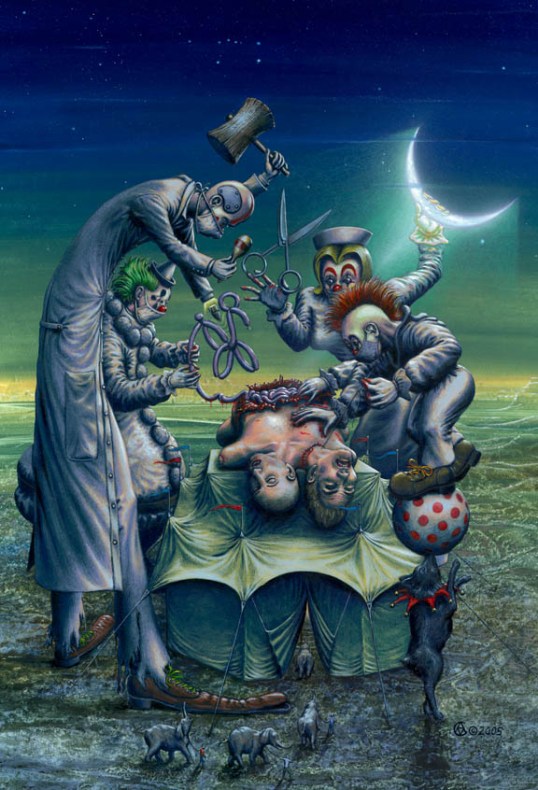
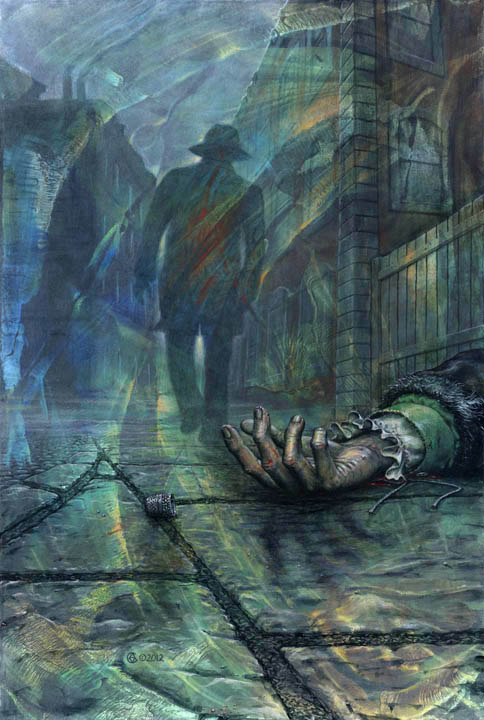
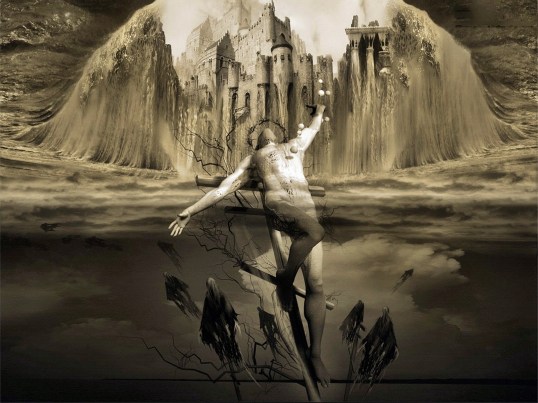
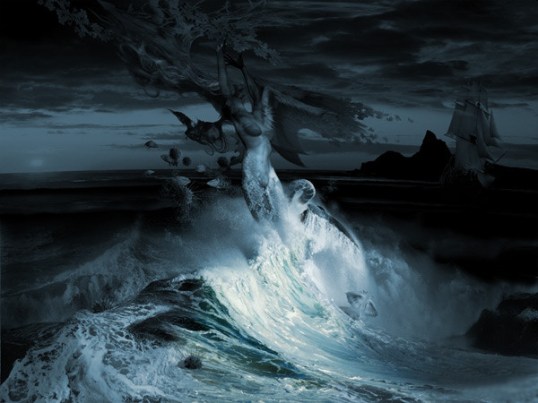
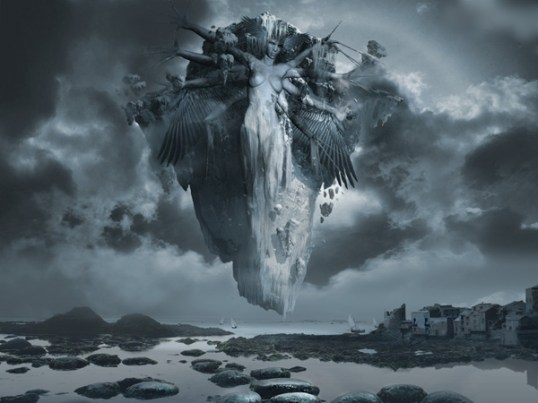
After receiving his Bachelor of Fine Arts from the San Francisco Art Institute in 1979, Alan M. Clark has gone on to become a prominent illustrator and book cover painter.  Most of his work has been in the horror genre.  Along with winning the World Fantasy Award in 1994, Clark was nominated for a Bram Stoker Award for Best First Novel in 2005 for his book, Siren Promised.  You can see and purchase more of his work on his website.

Amy Will Never Know Apple Blossom Bend Over Beneath the Trap Door Cthulhu Statuette Devil and the Bride I Became My Resting Place il-surrealismo-dark-di-alan-m-clark-L-76YcM- o_sideshow_large Of Thimble and Threat

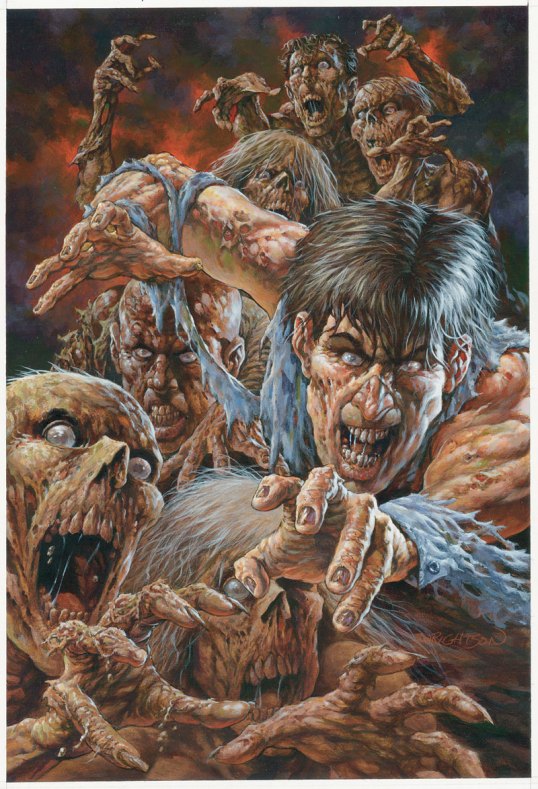
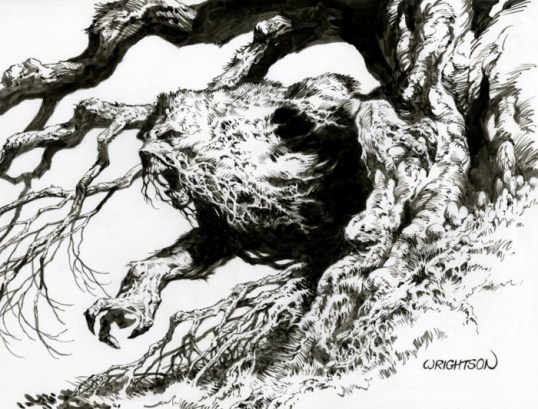
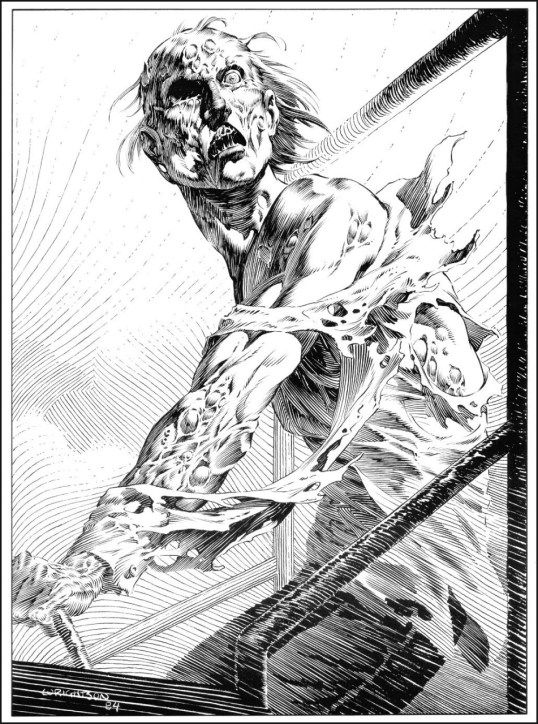
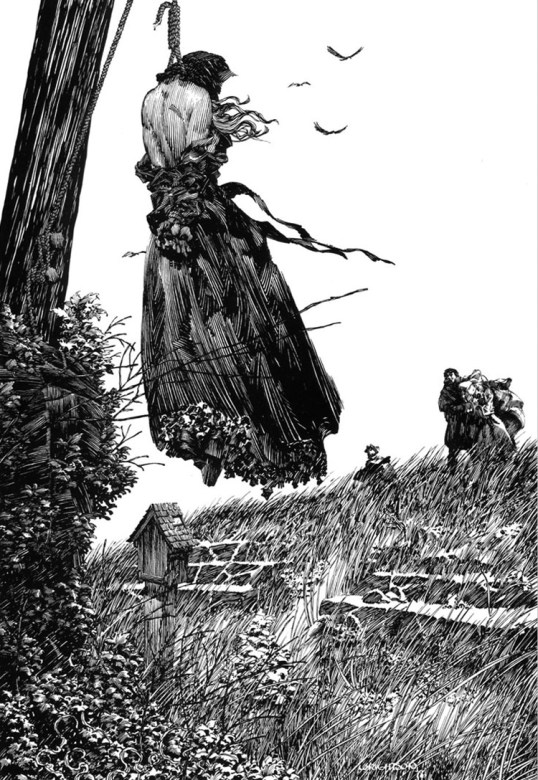
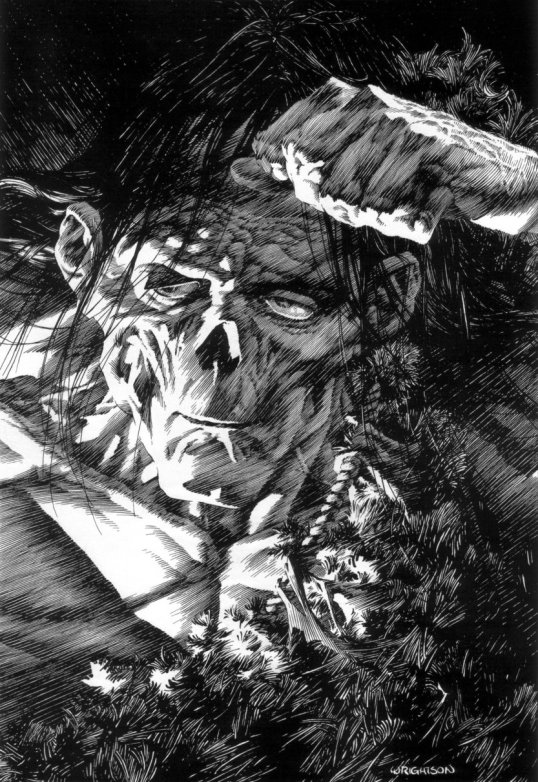
Horror Artist Profile: Bernie Wrightson (1948- )


BerniWrightson01

Horror fans know who Bernie Wrightson is even if not by name, but by the work he has done in the horror field.

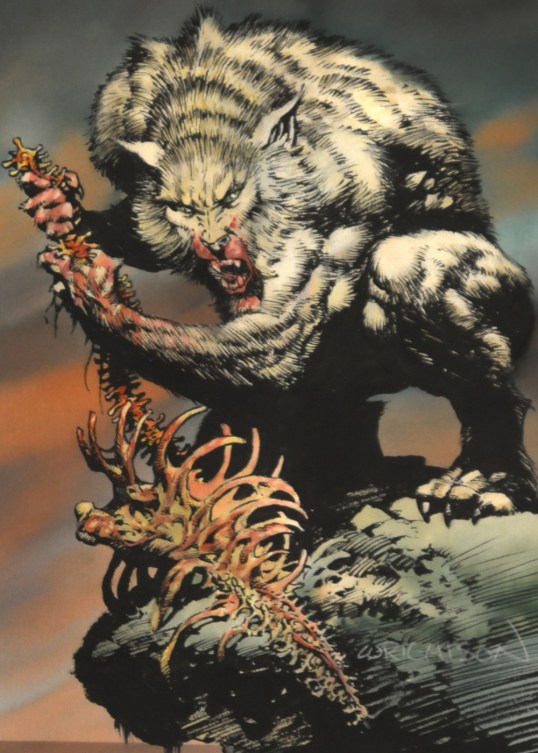
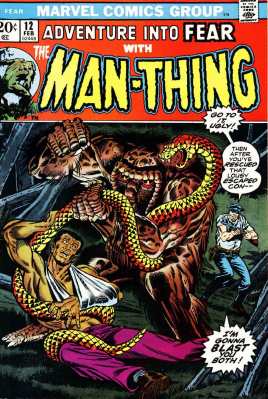
Born in October 27, 1948, Bernie Wrightson has made his name creating some of the more recognizable horror illustrations since the 1970’s. Wrightson would have his break out work in conjunction with Len Wein in co-creating the character Swamp Thing for DC Comics in 1971. In time, Wrightson would move on from DC Comics and the character he created for Warren Publishing that were well-known for producing black-and-white horror titles.

Throughout the years, Wrightson would end up producing some classic images for horror stories ranging from Mary Shelley’s novel Frankenstein right up to several Stephen King novels (The Stand, Cycle of the Werewolf and Wolves of the Calla).

Here’s to hoping that Wrightson has many more years of horror work ready to fire up the imaginations of horror fans everywhere.

BernieWrightson02

BernieWrightson03

BernieWrightson05

BernieWrightson06

BernieWrightson07

BernieWrightson08

BernieWrightson09

BernieWrightson04

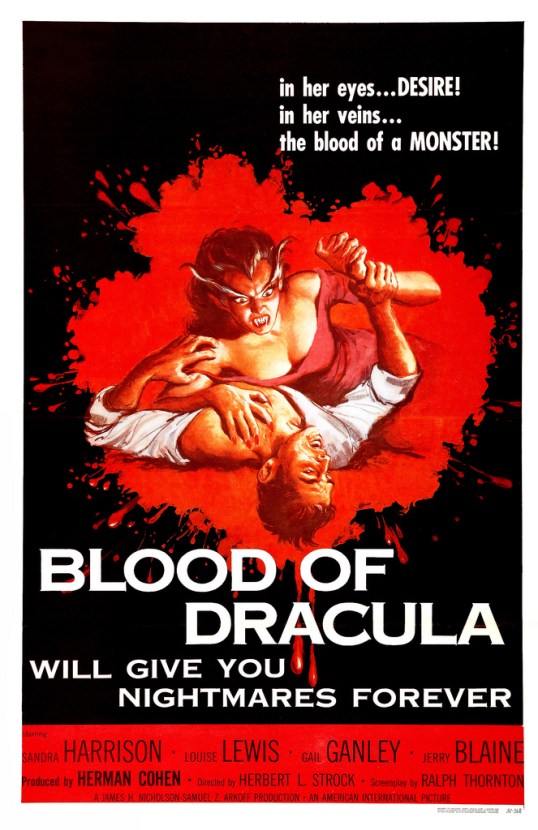
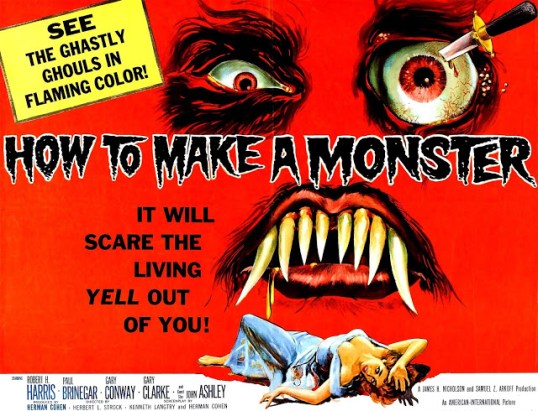
Artist Profile: Albert Kralis


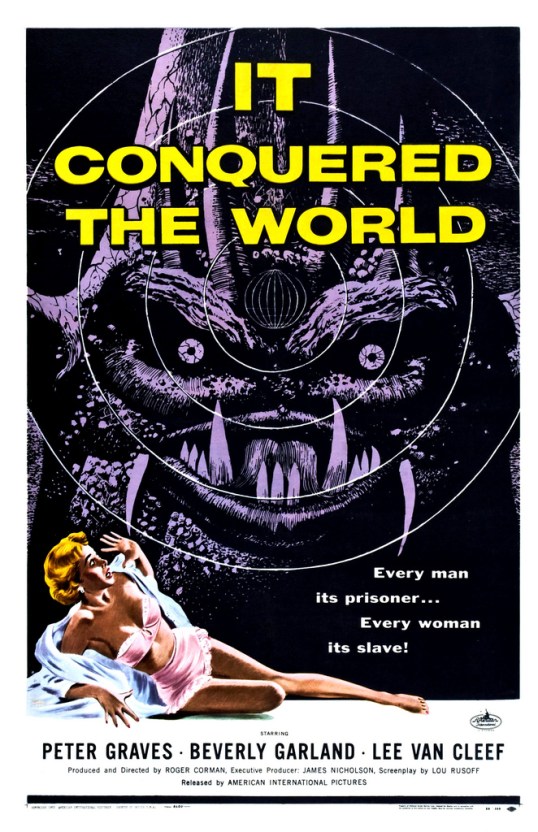
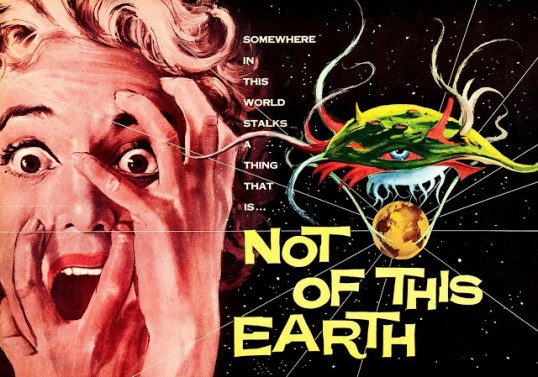
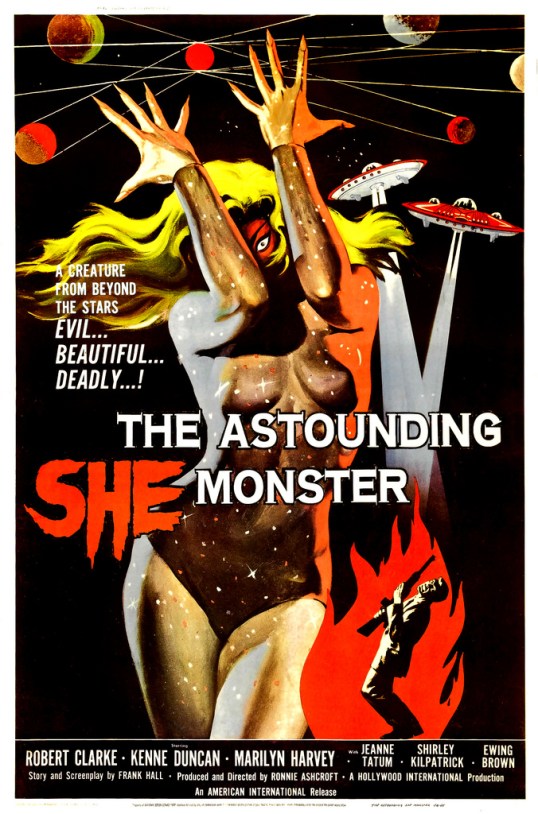
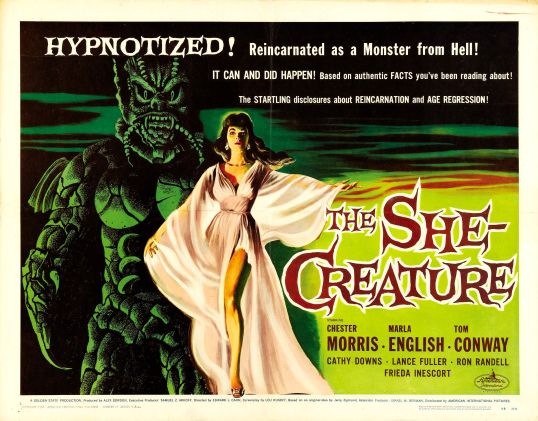
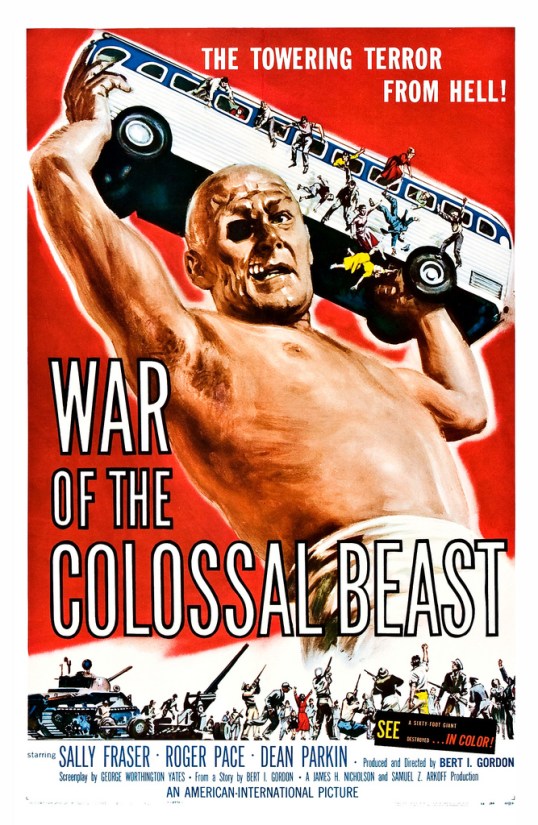
Blood of DraculaAlbert Kralis was a member of the Art Students League of New York City and studied at the Art Center School of Los Angeles before he was hired to serve as art director at American International Pictures in the 1950s.  Not only did he design some of the most memorable film posters of the period, he also went on to be one of the founders of the International House of Pancakes!

A small sampling of his work can be found below:

How To Make A Monster I Was A Teenage Frankenstein Invasion of the Saucer Men It Conquered The World Not of the Earth Terror From The Year 5000 The Amazing Colossal Man The Astounding She Monster The Brain Eaters The She Creature The Undead War of the Colossal Beast

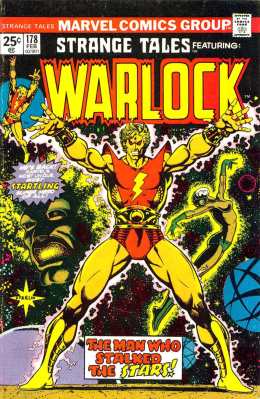
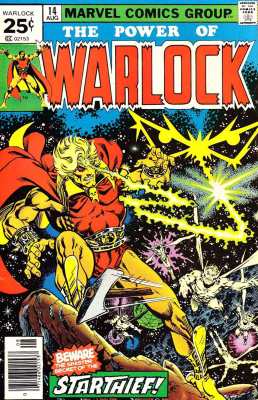
Artist Profile: Jim Starlin (1949– )


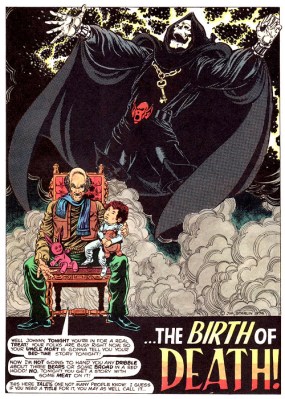
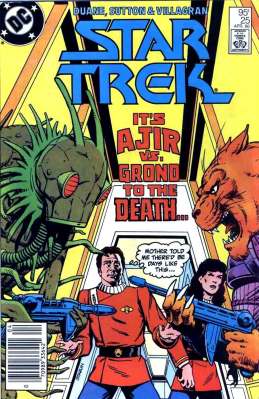
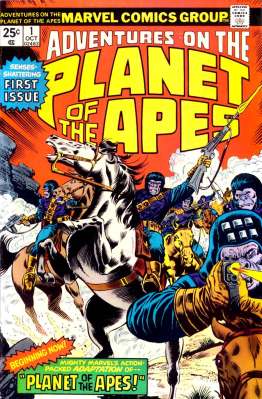
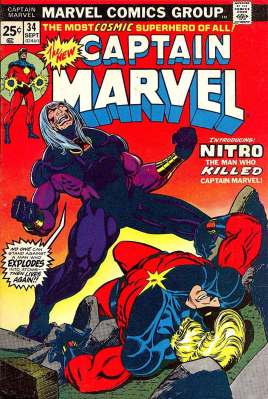
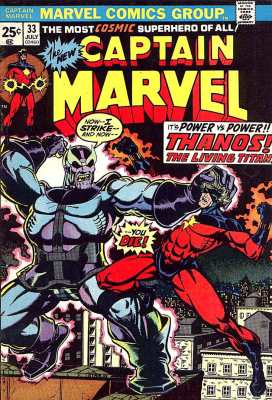
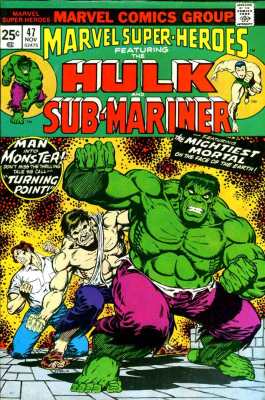
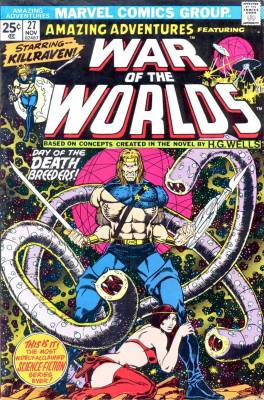
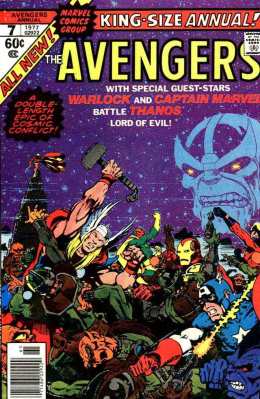
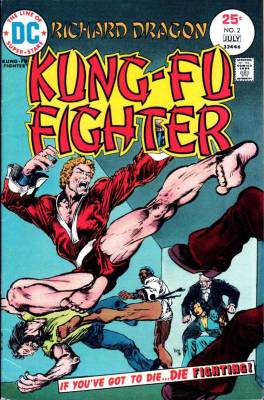
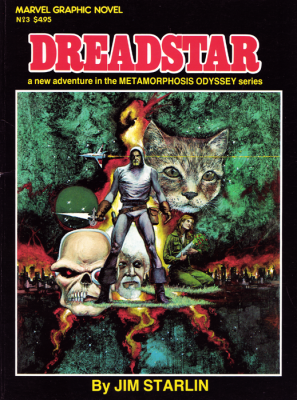
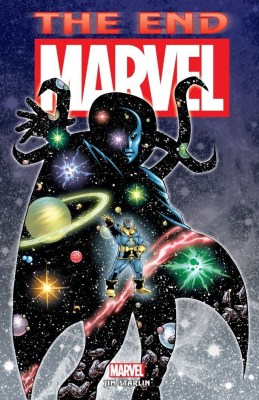
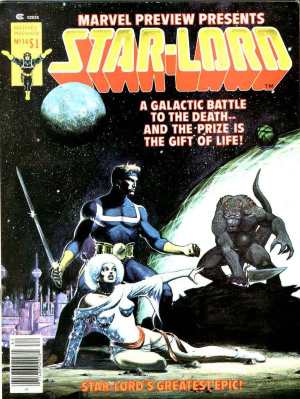
birth_of_death_starlin_1974The legendary comics artist Jim Starlin was born in Detroit, Michigan and served in the Navy from 1969 until 1971 as a photographer’s mate.  He started working at Marvel Comics in 1972 and has been involved in the comics industry ever since.  He is best known for his science fiction-themed stories and characters and helped to create several of the characters who are currently featured in the film Guardians of the Galaxy.  A small sampling of his work can be found below.Starlin 14Starlin 15Starlin 16 Starlin2 Starlin3 Starlin4 Starlin5 Starlin6 Starlin7 Starlin8 Starlin9 Starlin10 Starlin11 Starlin12 Starlin17 Starlin18 Starlin20

Starlin 1

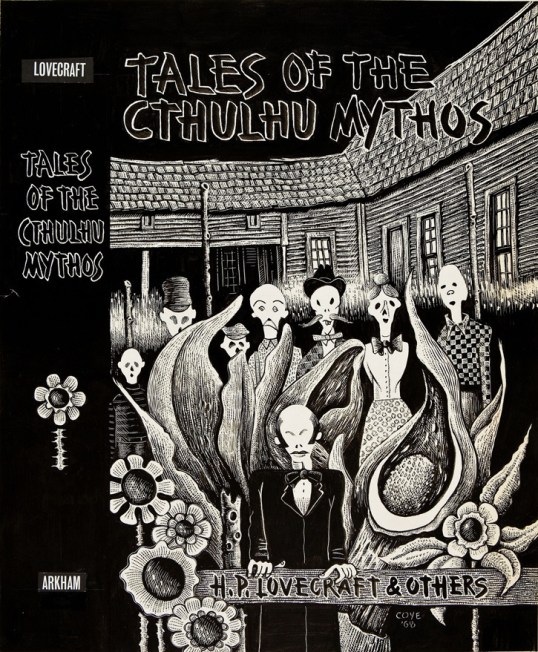
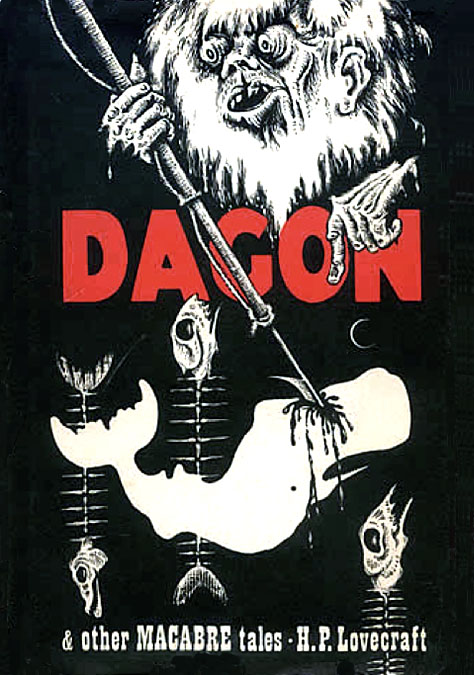
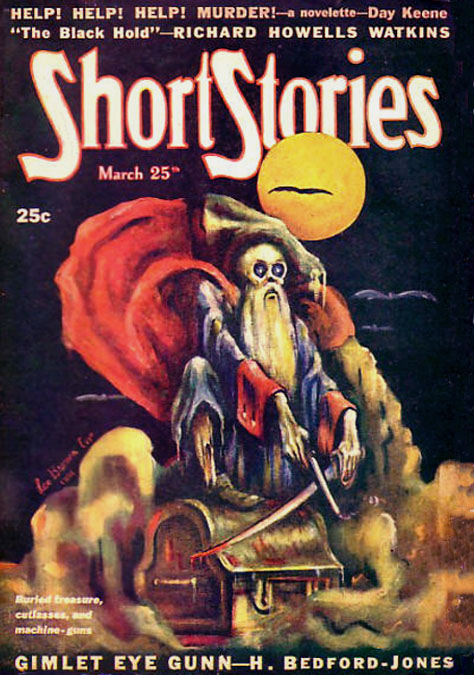
Artist Profile: Lee Brown Coye (1907 — 1981)


1 Tales of the Cthulhu Madness

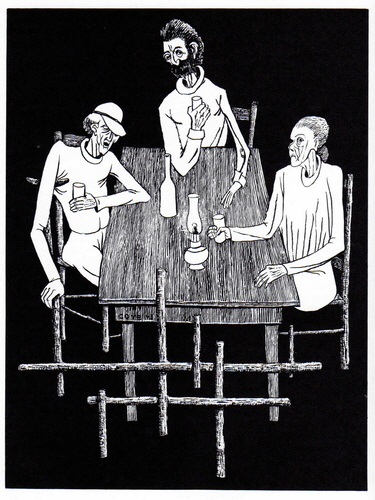
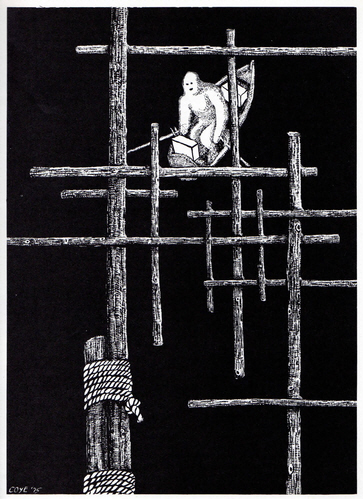
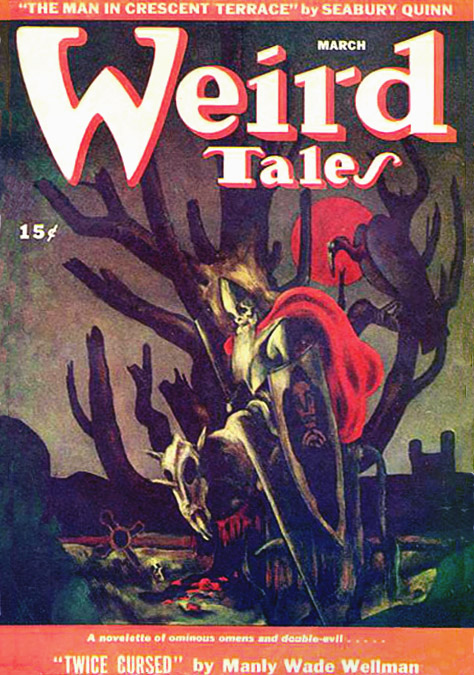
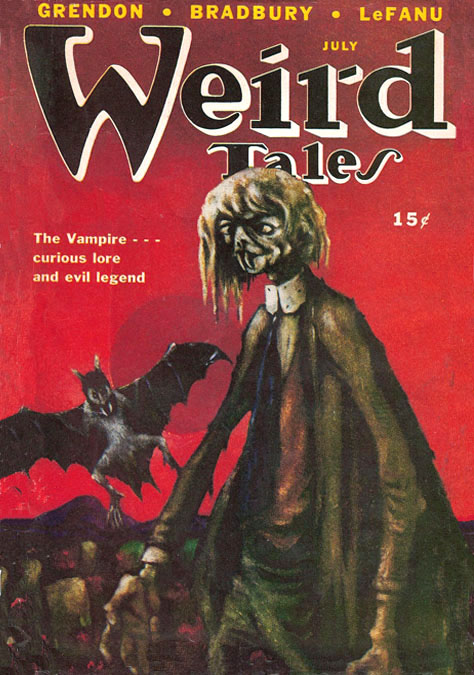
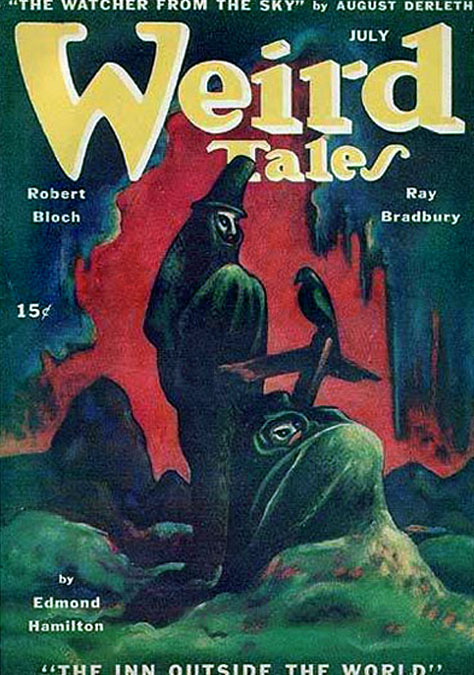
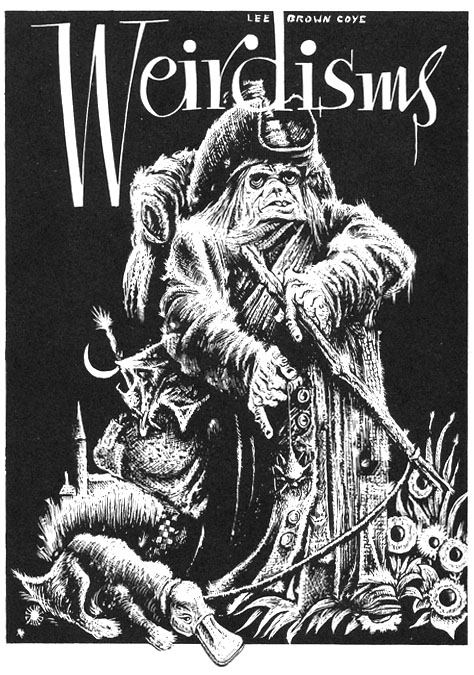
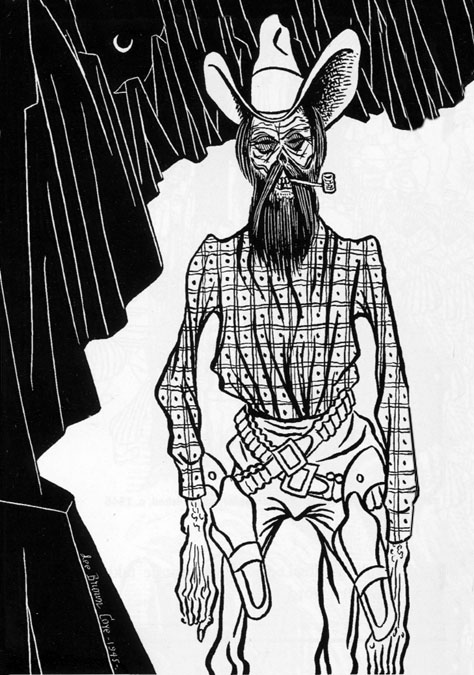
Lee Brown Coye was born in Syracuse, New York and, with the exception of one night class that he took when he was a young man, was a totally self-taught artist.  Though Coye was best known for his horror and fantasy-related illustrations, he was also a painter, a photographer, a sculptor, and muralist.  Coye’s work can be found in many collections, including the Metropolitan Museum of Art in New York, the Everson Museum in Syracuse, and the Picker Art Gallery at Colgate University.

A small sampling of his horror-related work can be found below.

DagonFreedieShort StoriesThe Red RoomThe Voice In The NightWeird Tales 2 Weird Tales 3 Weird Tales Weirdisms Who Knocks

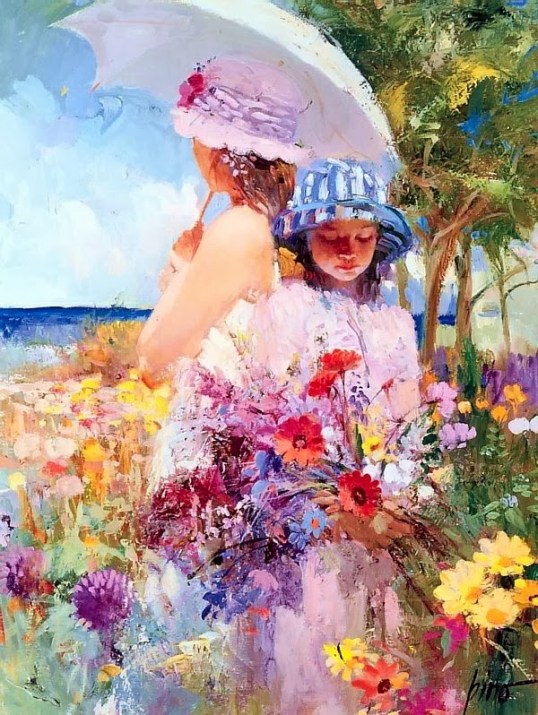
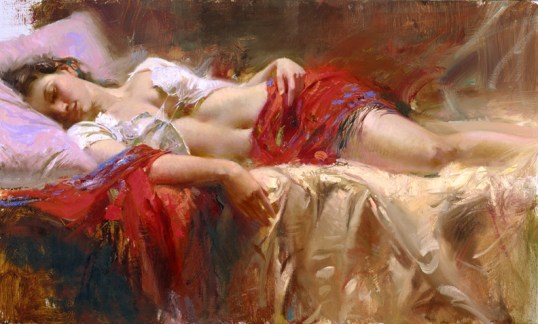
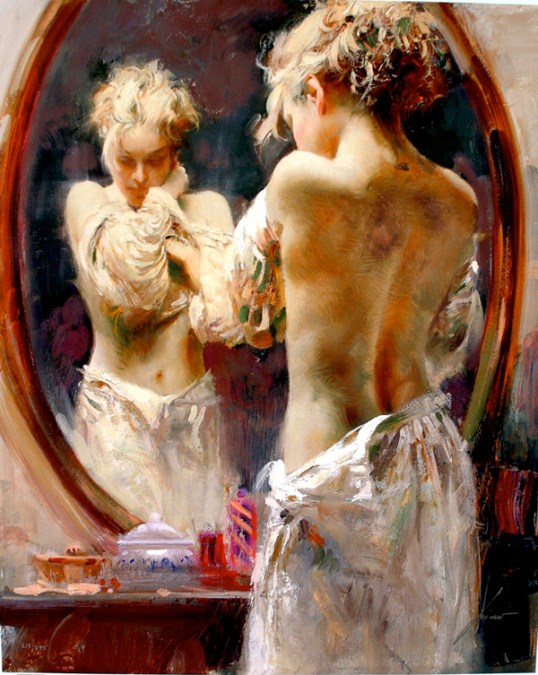
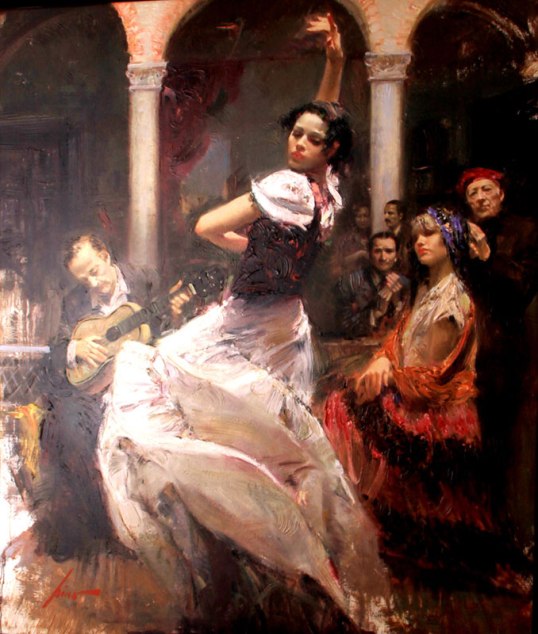
Artist Profile: Pino Daeni (1939–2010)


A Flame Run Wild

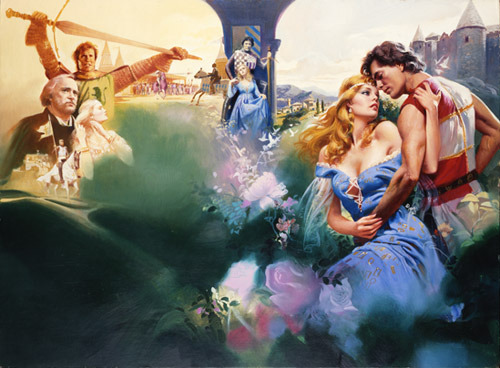
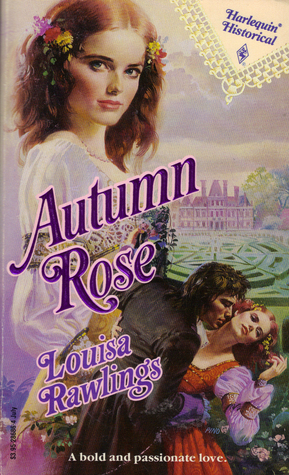
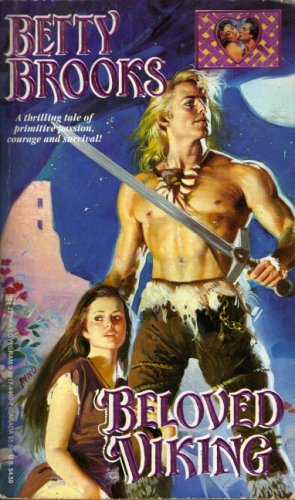
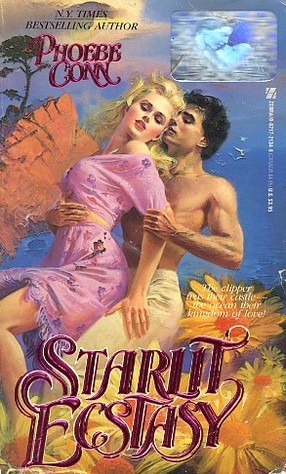
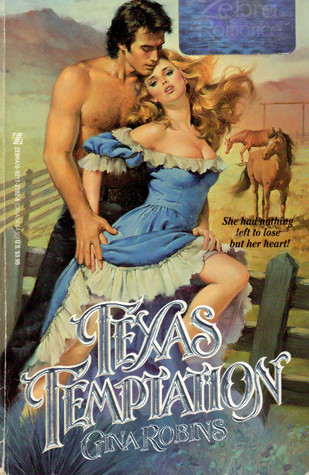
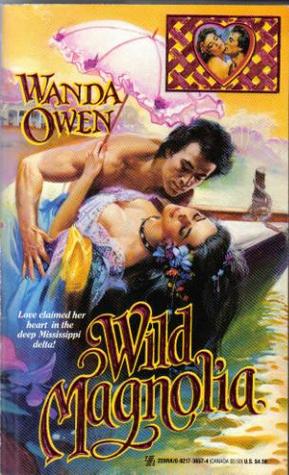
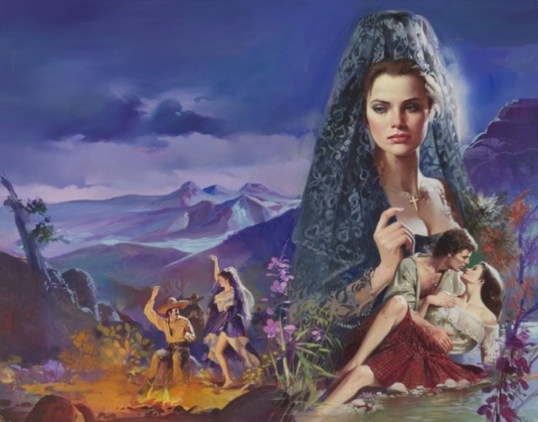
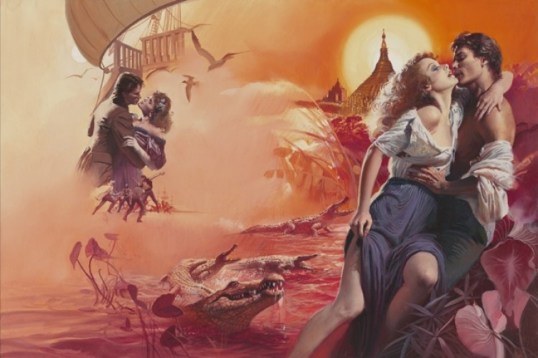
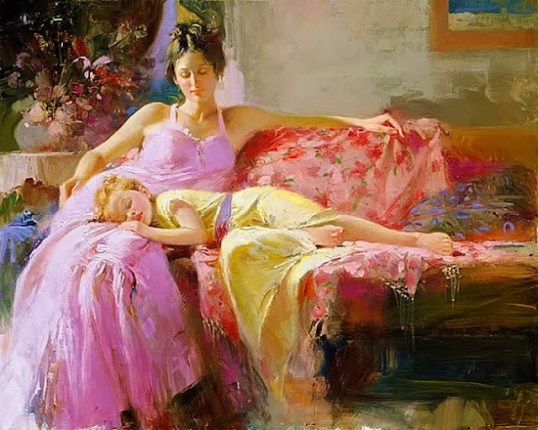
Pino Daeni was born in Bari, Italy and, because his father did not originally support his artistic interests, was originally a self-taught artist.  Eventually, Pino did enroll in the Art Institute of Bari and then the Academy of Brera in Milan.  After his paintings won several awards in Italy, he moved to New York.  In the U.S., his work caught the attention of both Dell and Zebra Book Publishers and he was soon one of the most active and highest book illustrators in the business.  Over the course of his career, he created over 3,000 book covers, movie posters, and magazine illustrations.  A small sampling of his work can be found below.

Autumn Rose Beloved Viking Starlit Ecstasy Texas Temptation Wild Magnolia 1 2 3 4 5 Restful 6 Contemplation 7 Sevile In My Heart 8 Let's Go Home

Artist Profile: Edd Cartier (1914 — 2008)


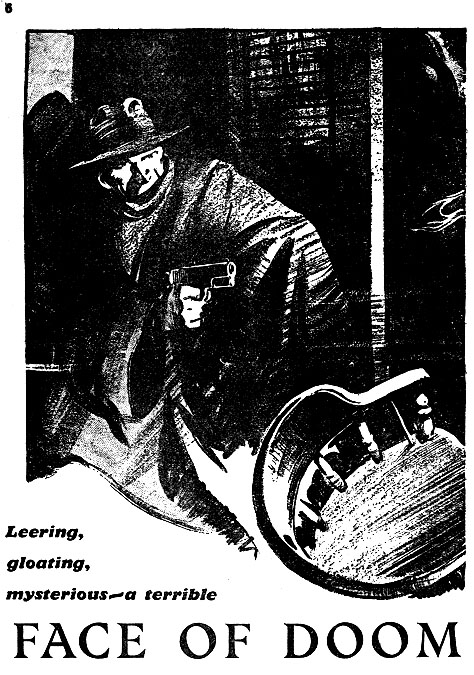
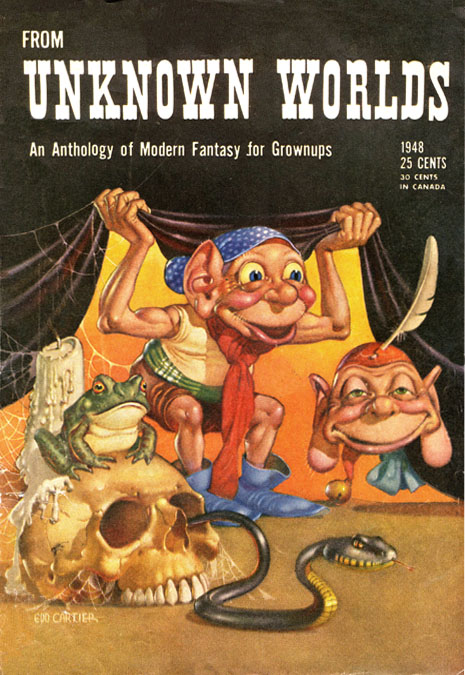
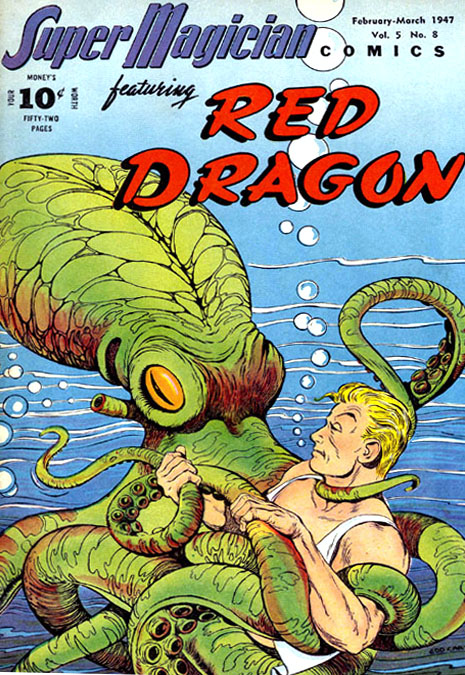
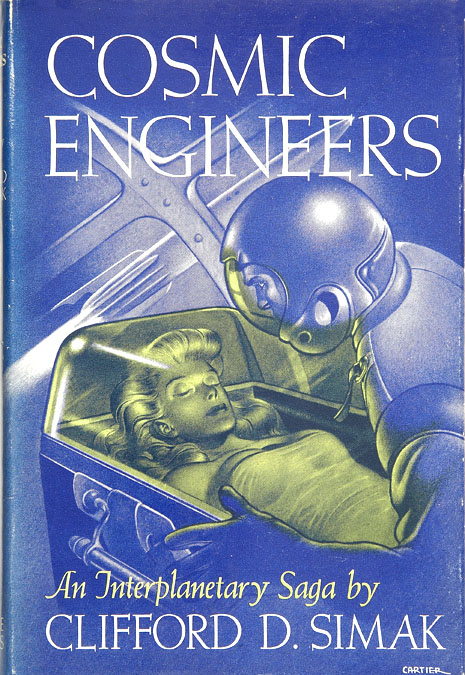
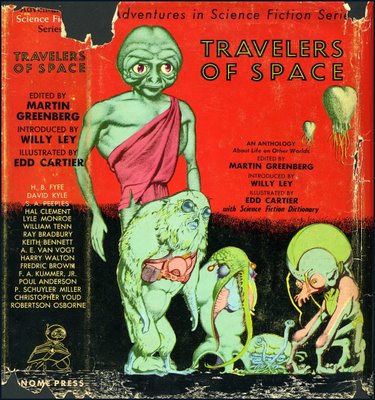
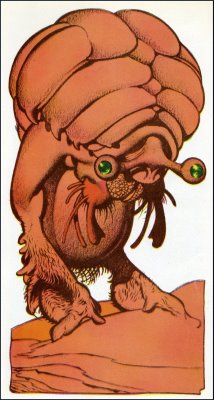
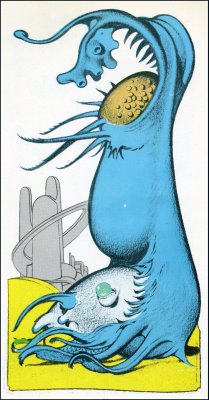
Born in New Jersey, Edd Cartier studied art at the Pratt Institute.  After his graduation in 1936, Cartier found work illustrating pulp magazines like The Shadow, Astounding Science Fiction, Doc Savage Magazine, Planet Stories, Fantastic Adventures, and Unknown.  He later served in the U.S. Army during World War II and was severely wounded at the Battle of the Bulge.  After returning to the United States, he continued to work as an illustrator until the 1950s when, frustrated by the low pay for freelance artists, Cartier retired from the pulps found work as a draftsman for an engineering firm.  In 1992, Cartier was given the World Fantasy Lifetime Achievement Award.

1 2 3 5 6 7 8 9 10 11 12 13 14

Artist Profile: Ed Emshwiller (1925–1990)


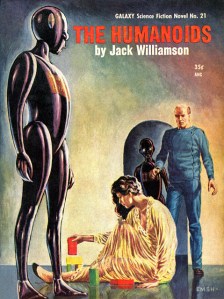
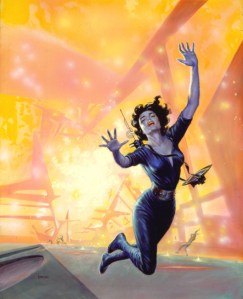
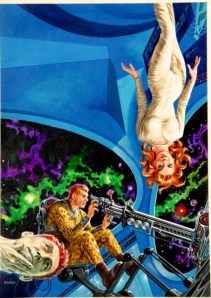
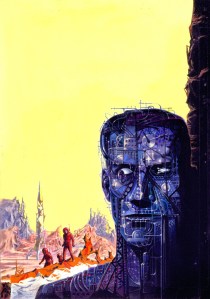
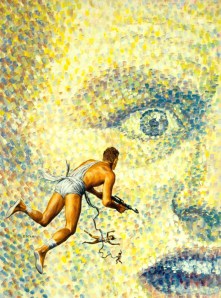
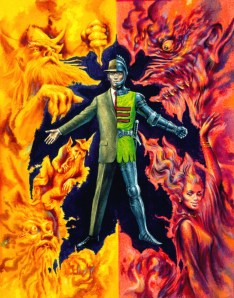
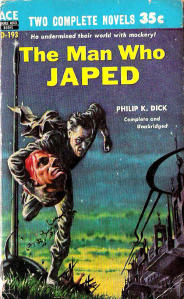
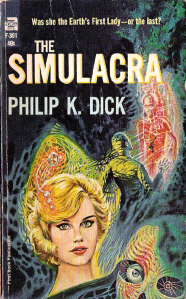
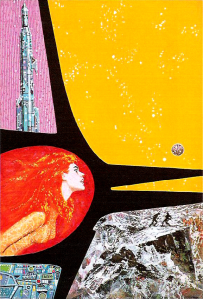
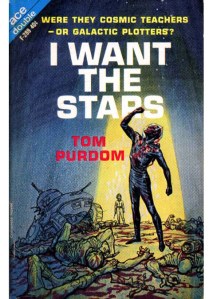
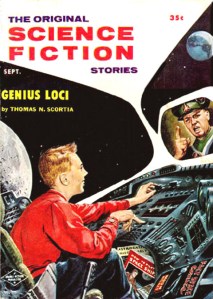
After studying at the École des Beaux Arts in Paris and at the Art Students League of New York, Ed Emshwiller created covers and interior illustrations for dozens of science fiction magazines and paperbacks.  Along with being a prolific illustrator, Emshwiller was also a pioneering experimental filmmaker.  In 2007, he became the third artist to be inducted into the Science Fiction Hall of Fame.

1 2 3 4 5 6 7 8 9 10 11 12 13 14 15

Game Review: Artist Survival Simulator


Artist Survival Stimulator

You’re looking at this post and you’re asking yourself, “Since when has Lisa cared about games?  I thought she only cared about Italian horror films and Lifetime movies!  Is Lisa seriously reviewing a game?”

Well, as a matter of fact, I am.

Why?

Because I love the Artist Survival Simulator.

The Artist Survival Simulator is a work of interactive fiction that was designed by using Twine.  As the title suggests, the Artist Survival Simulator allows you to live the life of an artist.  And who doesn’t want to be an artist, right?  But, as this game shows, the life of an artist is not an easy one.

The game begins by asking you three times whether or not you really want to embark on this life.  At the very least, you can’t say that you haven’t been warned.  After clicking yes three times, you are informed that you have just completed your studies in fine arts!  Yay!  Your inspiration is strong (though, as you’ll soon find out, your inspiration increases and decreases depending on your actions throughout the game).  You worked while you were in college so you’ve got 5,000 Euros saved up.

(That’s right — you’re European!  So, while the rest of your fellow Europeans are busy voting for the UKIP and the Front National, you’re saving the world through art!  Yay!)

Each month, you’re given four options.  You can make art, you can work for a living, you can apply for a grant, or you can go on an inspirational excursion.  Now, if you’re anything like me, you’re going to want to make art and that’s great.  Depending on how or low your inspiration may be, you might create anything from a “timeless painting” to a “controversial monument” to a “mediocre sound art work.”  But here’s the thing — regardless of what you create, you’re not going to make any money from it.

“That’s okay,” you say, “Art is not about money!”

Well, that’s all good and well and hey, good luck with that and enjoy your Occupy reunion, you moonbat.  The fact of the matter is that, in both the game and real life, you need money to live.  Each month, your living expenses total 1,000 Euros.  As soon as you’re out of Euros, the game ends.  So, go ahead and just concentrate on creating art.  The game will be over in 5 turns.

So, let’s say you decide to spend a month working.  Hey, that’s a good idea.  At least you can make money.  But here’s the problem — each month you spend working, your inspiration decreases.  And here’s the thing — as your inspiration decreases, your art becomes less and less impressive and once you have totally run out of inspiration, your artistic career is over.

Luckily, there is a way to increase your inspiration.  You can go on an “inspirational excursion,” which is also known as a vacation.  These excursions are great because you return from them ready to create something wonderful.  The only problem is that they cost 2,000 Euros, which means that as soon as you return, you’re in danger of running out of money.  And how do we make money?  By working, which decreases the inspiration that you just spent so much money to build up.

Okay, so how can you make money without destroying your inspiration?  Well, you can apply for a grant but — much as in real life — there’s no way to predict whether or not you’ll actually get that grant.  If you do get it, you’ll be able to spend a few months creating art but, if you don’t, it just means that you’ve wasted an entire month and you’re down another 1,000 Euros.

The challenge is to balance the need for money with the need for inspiration.  Because, as soon as you run out of money and/or inspiration, you’re informed that maybe its time to start thinking about paying back your student loans…

THE HORROR!

I love the Artist Survival Simulator because it proves something that I’ve always suspected.  If you want to survive as an artist, it helps to come from a rich family.

Play it here!
Art