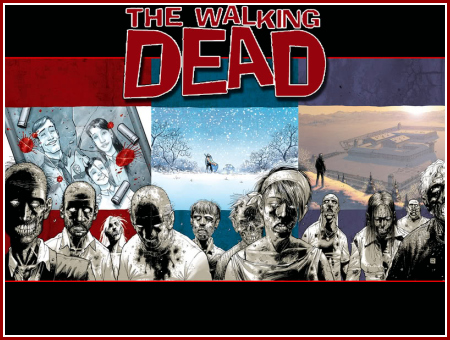
The Walking Dead gets the AMC greenlight


AMC greenlights “Walking Dead”

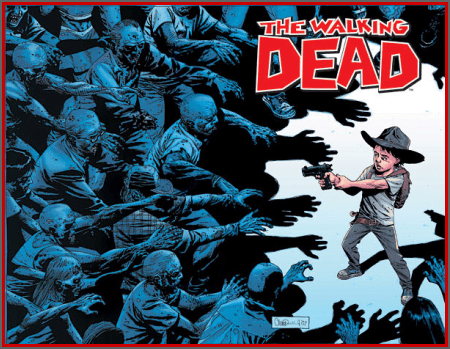
Just in from Variety is the news that cable channel AMC has greenlit the pilot for the Frank Darabont and Gale Anne Hurd produced adaptation of Robert Kirkman’s critically-acclaimed and popular zombie comic book series, The Walking Dead. The news in early 2009 that Darabont, Hurd and Kirkman have come to an agreement to pitch the series adaptation to AMC (home of Mad Men and Breaking Bad) was one of the big news for comic book fans and the industry.

The Walking Dead is about a band of survivors in a world which has undergone and succumbed to a zombie apocalypse. Police Officer Rick Grimes leads this band of people in search of a safe haven from the uncounted zombies which now roam the devastated American landscape. Author Robert Kirkman has written just under 70 issues of this on-going series, so far. Cast for the series have changed on a regular basis to illustrate the extreme danger of this new post-apocalyptic landscape. The danger doesn’t just come from the roaming undead but from other survivors as well as rules of civilization and society have crumbled away to be replaced by rules of survival.

The series is known for some exceptional writing with heavy emphasis on character dynamics and interactions. While the series does have zombies in it the highlight of every issue for fans and critics alike is Kirkman’s ability to posit moral situations on the survivors which sometimes doesn’t get the kind of answer we’re used to in our protagonists. I think this is what has drawn Frank Darabont and Gale Anne Hurd to the property. Kirkman has taken the societal commentaries inherent in all the great zombie films and stories and has created a series around it. As one guest commentator for one of the trade paperbacks have said about The Walking Dead, “The series picks up after the end credits have started in a George Romero zombie movie.”

With the pilot now greenlit by AMC the inevitable casting call rumors will start to ramp up. Fans of the series are some of the most loyal and have been talking of dream casting the series for years. I’m sure those dream castings will get brought back out into the light with fans arguing if actors chosen for the role are the right ones or not. The one thing this news doesn’t say is how much will AMC allow in terms of violence shown. The Walking Dead is not a superhero series with over-the-top violence. It’s violence is similar to Romero’s zombie films in that they’re brutal and extremely gory. While I can understand that some of the more extreme scenes in the film could be shortened and inferred, I do hope that AMC will allow for most of the brutality in the series to remain intact since they help in creating the tone for the series.

Now, all that’s left is the waiting game and wonderings of when the pilot will air on AMC.

Source Gateway: Horror-Movies.ca

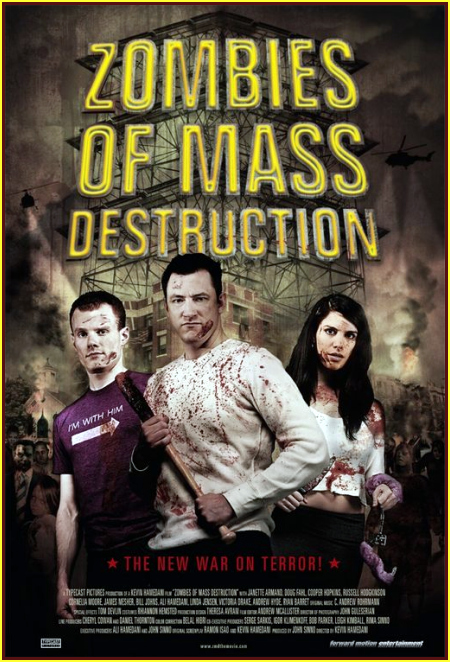
Zombies of Mass Destruction aka HAHAHAHAHA!


I must say that one thing which I find both great and awful about zombie films is how easy they are to make. When a great storyteller and/or filmmaker gets a hold of one they usually end up being some of the best allegorical horror stories and films out there. Now, those kinds are far and few to be read and seen. Most of the time anyone with a camera thinks they can make a zombie flick better than the next person. I see this as the film version of the so-called “The Next Great American Novel.” In the end, what they end up doing looks like something even the Mystery Science Theater 3000 guys wouldn’t find funny to even watch.

I’m not sure where Kevin Hamedani’s zombie flick or as he calls it, Zombies of Mass Destruction, stand on the good to awful meter. I will say that watching the trailer for this zombie flick, chosen to be part of After Dark Horrorfest’s latest 8 Films To Die For series, looks like it’s awful but with enough laughs to make it a fun flick. There’s one line in the trailer that just got me busting out laughing and it arrives at the 1:19 mark. There’s even a subtle crack at the Twilight team right at the end.

I definitely will be watching this once I can find a dvd of it. LOL.

Official Site: http://www.zmdthemovie.com/

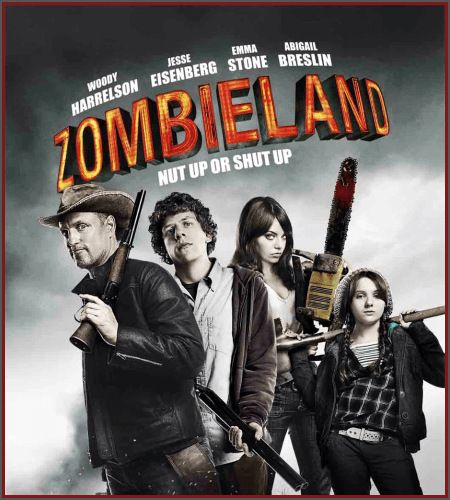
Review: Zombieland (directed by Ruben Fleischer)


Zombies have either oversaturated pop-culture and media or there’s just not been many good entertainment examples with zombies in it. Most zombies films usually end up taking the direct-to-video route or, even worse, the direct-to-cable path. The very good films about zombies are very limited in numbers. For every Shaun of the Dead we get truly awful examples like Zombie Wars, Automaton Transfusion and the Day of the Dead remake. I blame this flood of bad zombie films on what makes the zombie such an interesting monster for filmmakers to use: they’re a blank slate. The zombie as envisioned by Romero are quite young in comparison to other monsters of film. They do not have the culturual and mythical history of vampires and werewolves.

Zombie films are easy to make thus we get every amateur filmmaker thinking they’re the next Romero, pick up a digital camera and attempt to make the next zombie c!assic. What we get instead are dregs which give the genre a bad name. It is a breath of fresh air that Ruben Fleischer (using a screenplay penned by Rhett Reese and Paul Wernick) has made a zombie film which deserves to be seen in a theater and not on video or cable. Zombieland is a fun and hilarious romp which succeeds in delivering what it’s preceding hype had promised and ends up being a very good film despite first-time jitters from a first-time filmmaker.

Zombieland makes no bones about what it’s about right from the get-go. This is not a film where the audience watches the world fight for its existence against the growing undead. No, this film drops the audience to a world that’s beyond gone to hell and one that now belongs to the zombies which explains the title. We’re quickly introduced to the rules which now governs this new world. With narration from the film’s first lead (played by Jesse Eisenberg) we learn the so-called “rules” of how to survive zombieland. There’s a funny and inventive use of on-screen reminders of these rules throughout the film which looks similar to the captions Youtube uploaders add to their videos. The film quickly introduces Columbus’ (the film’s narrator) soon-to-be partner-in-survival. Where Columbus is quite obsessive-compulsive and more than just a touch cowardly Tallahassee (in a hilarious turn by Woody Harrelson) is the reckless, A-type personality and more than the opposite of Columbus. These two unlikely pair soon meet up with a pair of sisters who also happens to be veteran grifters who, on more than one occassion, give our hapless duo trouble in their journey through a devastated landscape.

The film has been called a zombie comedy and will be compared to the successful British zombie-comedy, Shaun of the Dead. While some are not wrong to compare Fleischer’s film to Wright’s the comparison really ends at both being zombie-comedies. While Wright’s film was a zombie film with comedic aspects mixed in it was first and foremost a horror film. Zombieland is the opposite and the way it starts, unfolds and finishes it’s really a comedy road trip like the National Lampoon Vacation films but this time with zombies instead of in-bred relatives, clueless motorists and tourist-traps. The film is quite funny froom beginning to end with the funniest and most hilarious being a surprise cameo of a well-known comedic actor playing himself right around the beginning of the second-half. This sequence got the most laughs and cleverly played up this actor’s particular quirks. Most of the comedy and gags in the film comes courtesy of the aforementioned rules and the interaction between the characters of Columbus, Tallahassee and the two con sisters, Wichita and Little Rock (they use the city of their origins for names throughout the film).

While the film’s story is quite basic what Fleischer and his small cast were able to do with them they did well. There really wasn’t a false note in any of the actors’ performances. Eisenberg and Harrelson played off each other well right from the time the two meet. Emma Stone as the punk-rock older sister Wichita to the younger Little Rock played by wunderkind child actor Abigail Breslin (girl has a future beyond her child role past). The road-trip of a story even has its own little quirks from Tallahassee’s irreverent quest for the final stock of Twinkies to the sisters’ goal of reaching the West Coast and an amusement park called Pacific Playland rumored to be free of the zombie menace.

Zombieland is not without its flaws. Some of the editing in the climacting reel of the film was to uneven at times. There were instances when the film was close to being bogged down but fortunately it never came to that end. The violence and gore in the film wasn’t as high as one would think for a film about zombies that have literally devoured the world. One could almost sense that the filmmakers were hedging their bet when it came to the grue and violence. It seemed as if they were being overly cautious about trying to get an R-rating instead of an NC-17. The film barely makes it past the PG-13 territory. While these flaws could be attributed to jitters and a somewhat unsure first-time director in the overall execution of the film all involved did very well in sticking to the plan.

Even the look of the film makes it seem more big-budgeted than it really was (rumored to be between 9-10 million). Most filmmakers with years to decades of experience make a mess of trying to shot a film fully inn HD using HD-cameras, but Fleischer and his cinematographer Michael Bonvillain acquit themselves in their use of Sony’s Gensis HD camera. The film looks crisp and clear, but without the glaring rough edges HD sometimes gives a film. The use of the Genesis camera makes possible the well-done intro sequence done in slo-mo to the tune of Metallica’s “For Whom the Bell Tolls”.

Zombieland is a good start to what could be a very promising career for one Ruben Fleischer. There’s skill in his work on this film despite some nitpicks that could be seen as flaws. The film in the end was very funny and fun to watch from start to end. While to story was very simplified (this probably helped in minimizing the pitfalls Fleischer had to avoid in his first major film production) with characters that was fleshed out just enough for the audience to connect with the final product delivered on the hypse which preceded this film. Zombie film fans would get a huge laugh and kick out of this very quick under-90 minute production while even those who are not into zombies much would still find themselves laughing and being entertained. Zombieland may not be scary in comparison to some of the great zombie films of past but it more than makes up for that with energy, life and a genius of a cameo scene that would be the talk of the town.

10 Favorite Comic Books of the Past Decade


The first decade of the new millenium found me in a weird place when it came to one of my big hobbies after high school. From 1989 all the way through the 90’s I was a major comic book reader and collector. I would say that I wouldn’t deny the charge that I might have helped the so-called “comic book speculator era” rise to the forefront of the hobby. Artists like Jim Lee, Whilce Portacio, Todd McFarlane were like rock stars in that era and their titles would fly off the shelves the moment they came out. I and others would buy multiple copies, carefully board and bagged them (but also read them) and wait for their price to go up.

Some titles did go up in price and were sold for a profit thus feeding the notion that I could make a lot of money off of these comic books. I was one of the early adopters of the independent titles which really fed the speculator market. First there was buying up all the early Evil Ernie issues before most of the public got wind of just how awesome (and limited their printing were) then doing the same for William Tucci’s Shi title which I must say really defined a speculator’s dream title. It had buzz to it due to the bad girl art, the story was not bad and had an exotic taste to it and, best of all, the printing on the title character’s first appearance was practically non-existent.

By the time the speculator’s market finally burst it’s bubble and dragged the comic book industry down with it I was pretty much burnt-out on comic books. I still read them and bought the titles whcih caught my eye, but the days of buying every issue of most every title from Marvel/DC/Image were done with. I even stopped buying and reading them in the beginning of the 2000’s. The industry was in a creative rut in the early years of the new decade. While superhero titles were floundering and publishers (small and medium ones) were declaring bankruptcy and selling off properties to the highest bidder a curious thing happened. I got back into comic books and it wasn’t the hero titles which drew me back in but the mature, independent titles from Vertigo, Dark Horse, Image and small-indie publishers.

This was a very good thing since I missed having the books in my hands. I wasn’t buying them now to collect but to read. I still handled them with kid gloves but I wasn’t worried about whether they would turn me a profit anymore. So, for most of the decade I was an indie-fool who pretty much avoided most the titles from Marvel/DC. While I still read some titles from the two main comic book houses it wasn’t on the same level pre-2000’s.

Below is the list of the 10 titles that were my favorite of the decade. Some were considered the best of the decade and some just my favorite because they spoke to me as a reader. This time they will be in order of importance unlike my previous Best/Fave lists.

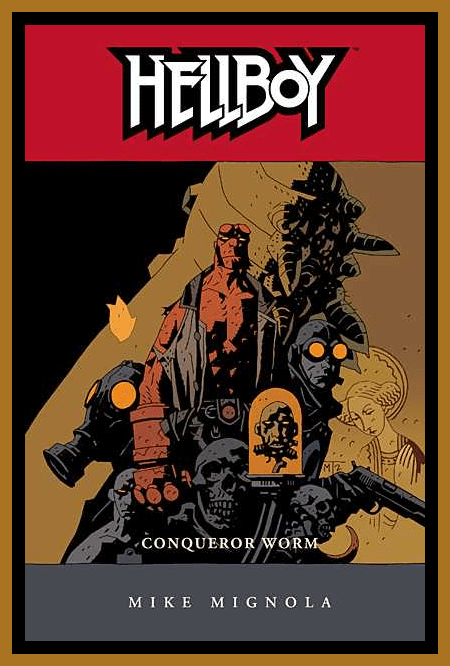
10. Hellboy by Mike Mignola (Dark Horse Comics)

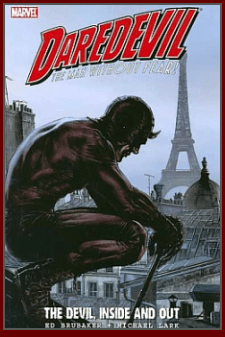
9. Daredevil by Brian Michael Bendis/Ed Brubaker (Marvel Comics)

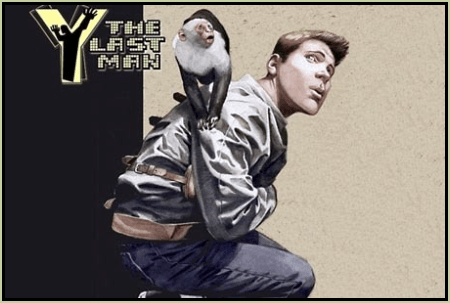
8. Y: The Last Man by Brian K. Vaughn (Vertigo)

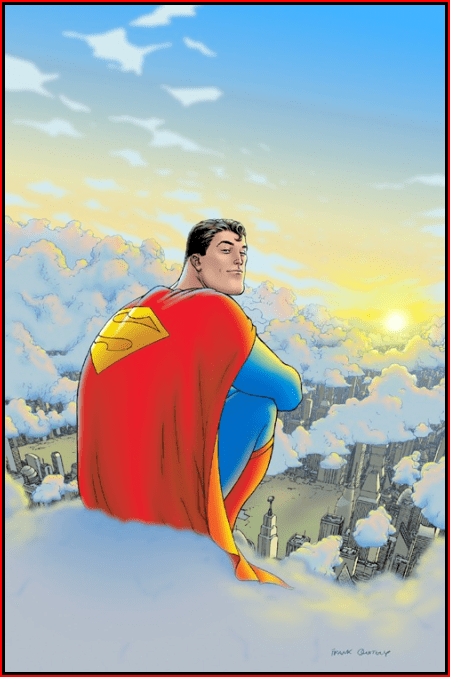
7. All-Star Superman by Grant Morrison (DC Comics)

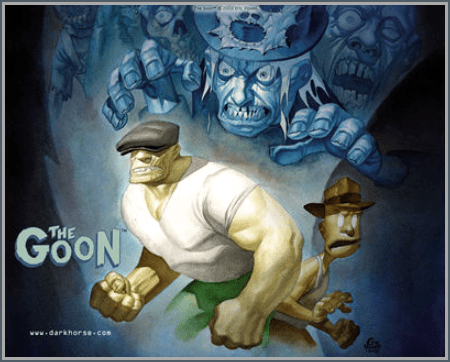
6. The Goon by Eric Powell (Dark Horse Comics)

5. Fables by Bill Willingham (Vertigo)

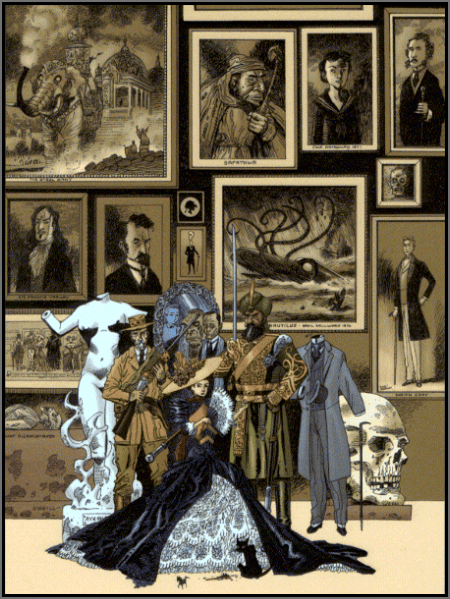
4. The League of Extraordinary Gentlemen by Alan Moore (America’s Best Comics)

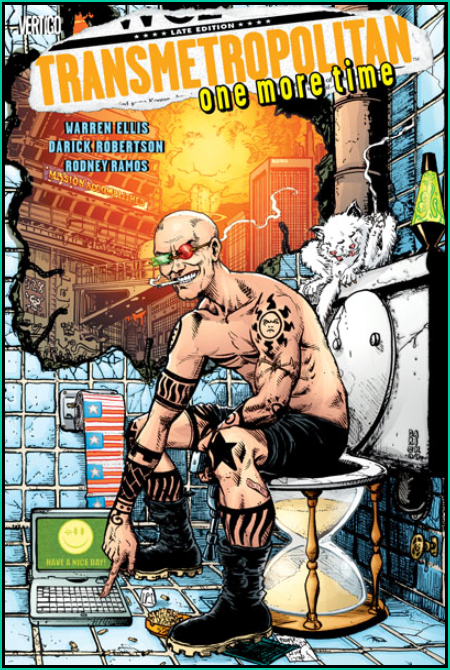
3. Transmetropolitan by Warren Ellis (Vertigo)

2. The Walking Dead by Robert Kirkman (Image Comics)

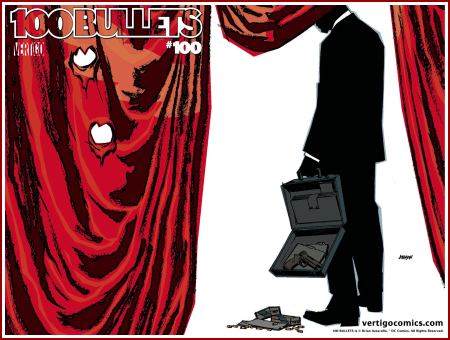
1. 100 Bullets by Brian Azzarello (Vertigo)


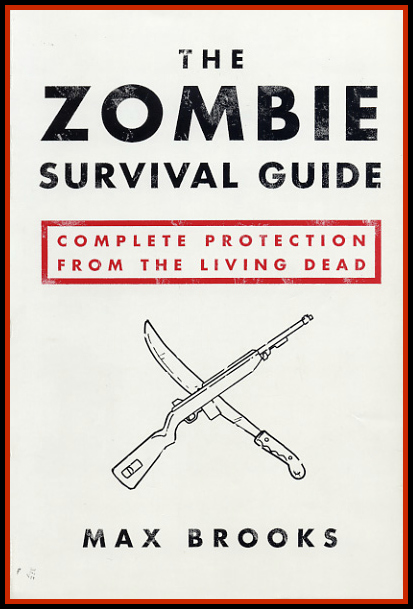
Review: The Zombie Survival Guide (written by Max Brooks)


I am what one would call an aficionado of all things zombie. The subject has been an interest of mine since I saw my very first true zombie film: Night of the Living Dead. Romero’s seminal work made such an impact in my young mind that, despite the primal sensation of fear I felt while watching it, my curiosity and imagination won out. I was stilled scared shitless for the next couple weeks once night arrived, but it didn’t stop me from thinking about it then letting my young mind start thinking of what I would do if put in a similar situation. It’s almost two decades since that moment and I still think about such things whenever the topic turns to things zombies.

I first came across Max Brooks’ book when I was browsing the web and decided to check out a site a fellow zombie-fan had recommended I visit: HomePageoftheDead.com. It was my first time visiting the site and right from the beginning I saw a link that had Brooks’ book title on it. I clicked it to see what it was all about. Lo and behold it was a for real survival guide on what to do if and when a zombie outbreak ever occurred. I knew it was one of those satire, gag books taking a ludicrous, albeit funny situation and writing a faux-serious work of instructions and guidelines around it. It didn’t take me long to check if Amazon had the book for sale and it did to my surprise. The moment I received the book I sat down and read it from beginning to end in a day’s time.

Max Brooks’ experience as a comic staff writer for Saturday Night Live and being Mel Brooks’ son probably helped in keeping the book from being too campy and also overly serious. Brooks’ hit the right balance of seriousness and yet giving every procedural instructions on how to survive and the optimal way of surviving a darkly black comedic tone to it all. Part of me was thoroughly amused and even laughed out loud a few times as I read through the guide, but part of me also felt a bit of dread in how real his descriptions were and how much common sense his survival guide had for the reader to take note of. I thought the final chapter describing documented reports of zombie outbreaks throughout man’s history was especially well-done. It sure made some of the darker moments in man’s history take on a much more horrifying note.

Max Brooks’ Zombie Survival Guide has been a great addition to my collection of dvds, comics and novels about the zombie subgenre. It also helped continue my on-going interest in the what-if scenarios of such an event from ever happening. His writing balances both satire and horror and the book is much better than it should be because of it. Being a zombie aficionado I would highly recommend this to like-minded readers and would gradually introduce it to those who have no notion of such a topic. One never knows when the fantastic suddenly becomes horrifyingly real. When and if it ever does happen, I know this book will have served me and mine well.

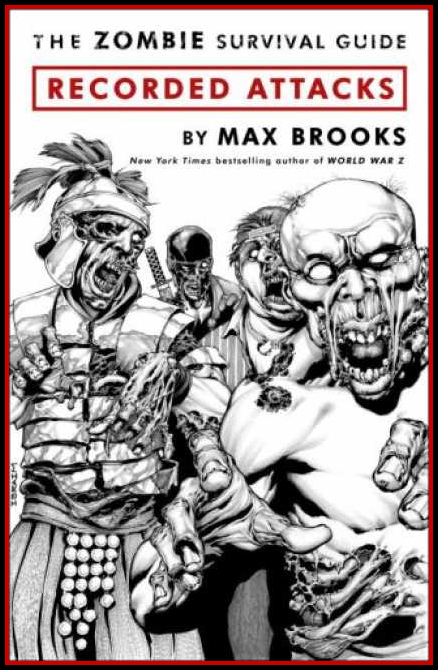
I would also like to point out that in addition to this book is a companion volume released by the comic book publisher, Avatar Press which takes those so-called historical accounts of zombie outbreak incidents and creates a graphic novel out of it. Again, Max Brooks has a hand in writing this book. He took some of the longer entries in the survival guide’s last chapter and rewrites them to better fit the comic book format.

The artwork by Ibraim Roberson for The Zombie Survival Guide: Recorded Attacks are some of the finest black & white inks I’ve seen and definitely one of the best zombie artwork. Roberson really captures the grotesque and hungry nature of the undead as Brooks’ describes them. Even though there’s no color involved in all the visuals it still doesn’t diminish the scenes of gore. I think it actually makes the scenes even more effective as the reader imagines the colors being there while reading them. There was no need to add to the shock value when it was already shocking.

While I wish they could’ve included every historical entry from The Zombie Survival Guide in this graphic novel I understand that to do so would mean a book at least over a hundred pages or more in size. Maybe there’ll be a plan to make a second volume if this first one sells well. Fans of Max Brooks’ guide can only hope that this indeed is what he and Avatar Press have in mind. Despite not having everything I expected it to the graphic novel was still a find companion piece to Brooks’ Zombie Survival Guide with some of the best looking zombie artwork outside of The Walking Deads Tony Moore and Charlie Adlard.

The Zombie Survival Guide

The Zombie Survival Guide: Recorded Attacks


20 Best Horror Films of the Past Decade


The Aught’s, as some people have come to call this decade about to end, was actually a pretty good decade in terms of the amount of quality horror that showed up on the big-screen. We had some channeling the nastiness of the 70’s exploitation era while a couple ushered in this decade’s era of the so-called “torture porn.” There were more than just a few remakes of past horror films. Most of these remakes were quite awful compared to the original, but more than a few managed to end being good and held their own against the original.

Some of the titles I will list will eschew gore and the shock scares for a more subtle and atmospheric approach. More than a few straddled not just horror but other genres like comedy, drama and sci-fi. If there was one major observation I was able to make, when collating what I thought was the 20 best horror films of the decade, it was that the Foreign studios really came into the decade with a vengeance.

While I consider these horror films on this list as “the best of…” it is still my opinion and I am sure there will be people who will disagree, but even if people do not agree with all my choices it would be hard to dispute any of them as not being good to great in their own way. Like my similar Sci-Fi list this one will be numbered but only for organizational sake and doesn’t determine which film is better than rest. They’re all equal in my eyes.

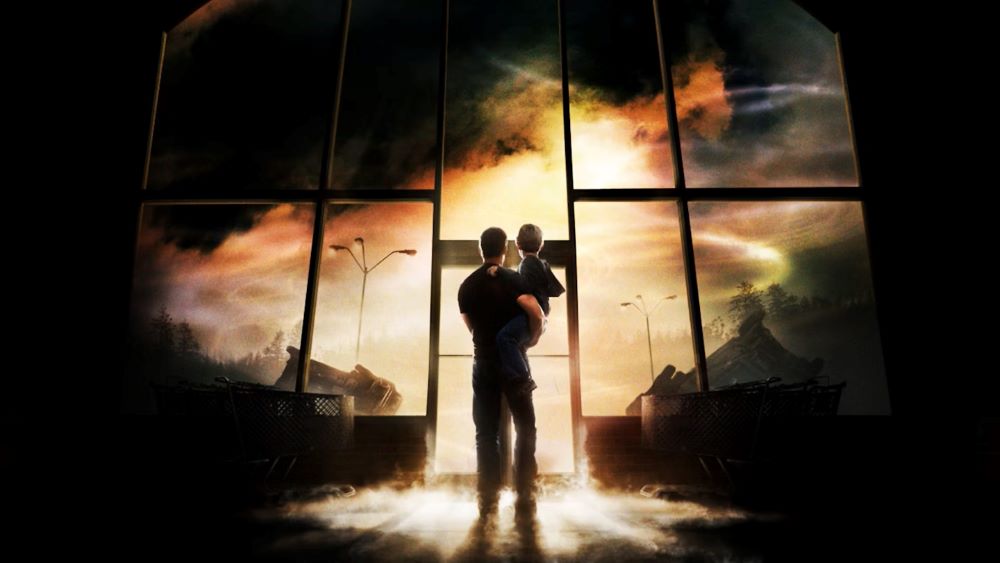
  1. The Mist (dir. Frank Darabont)
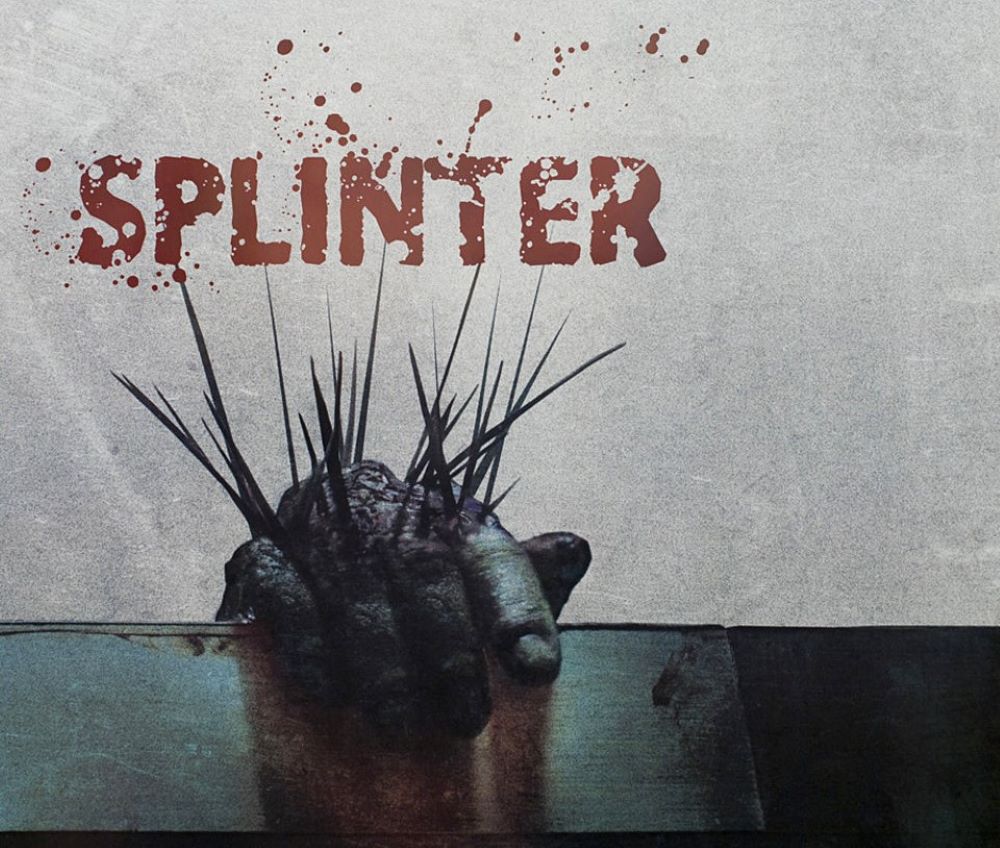
  2. Splinter (dir. Toby Wilkins)
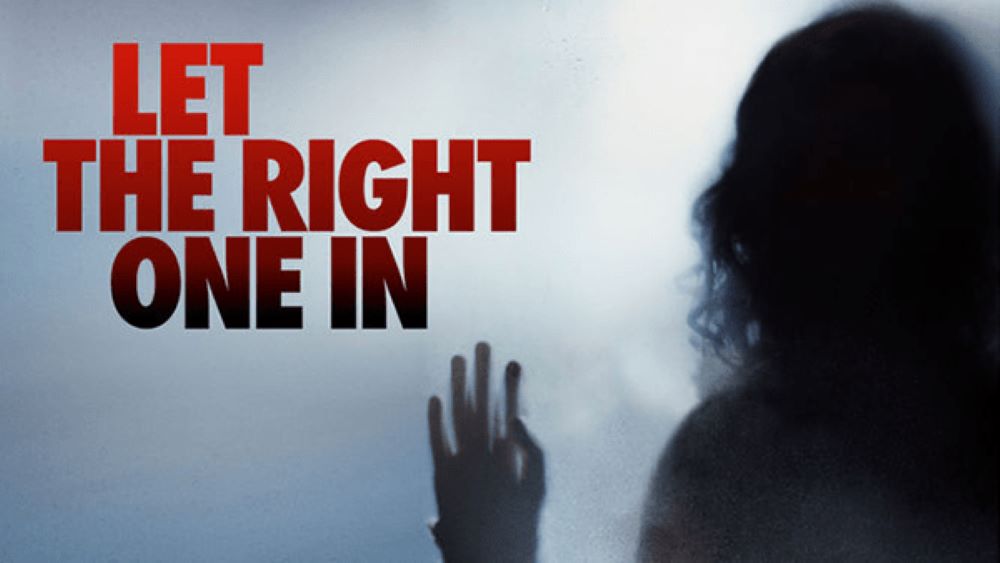
  3. Let the Right One In (dir. Tomas Alfredson)
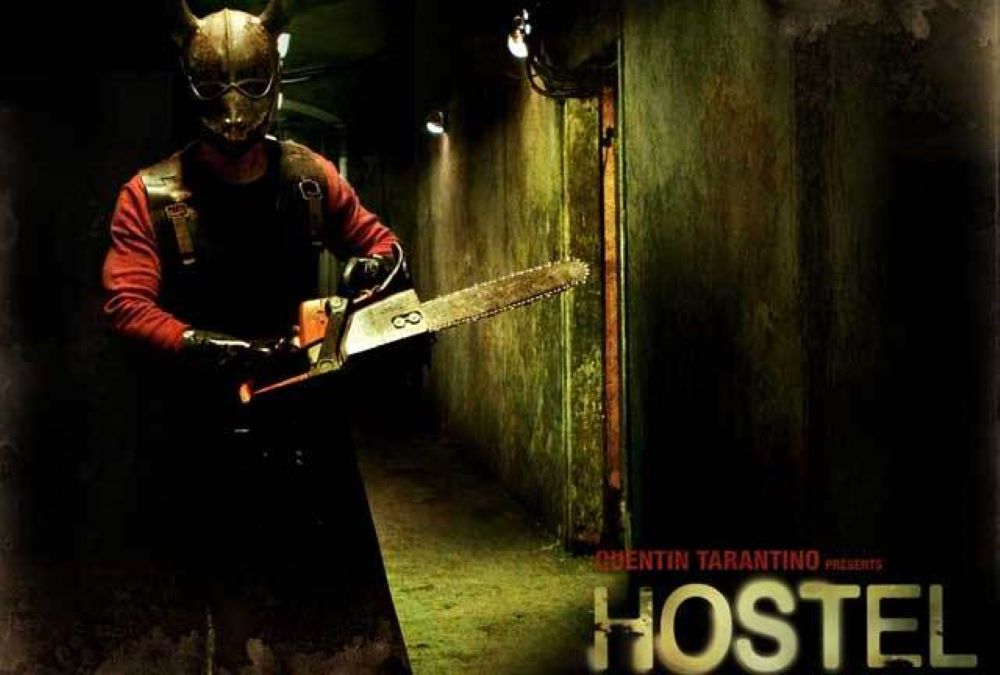
  4. Hostel (dir. Eli Roth)
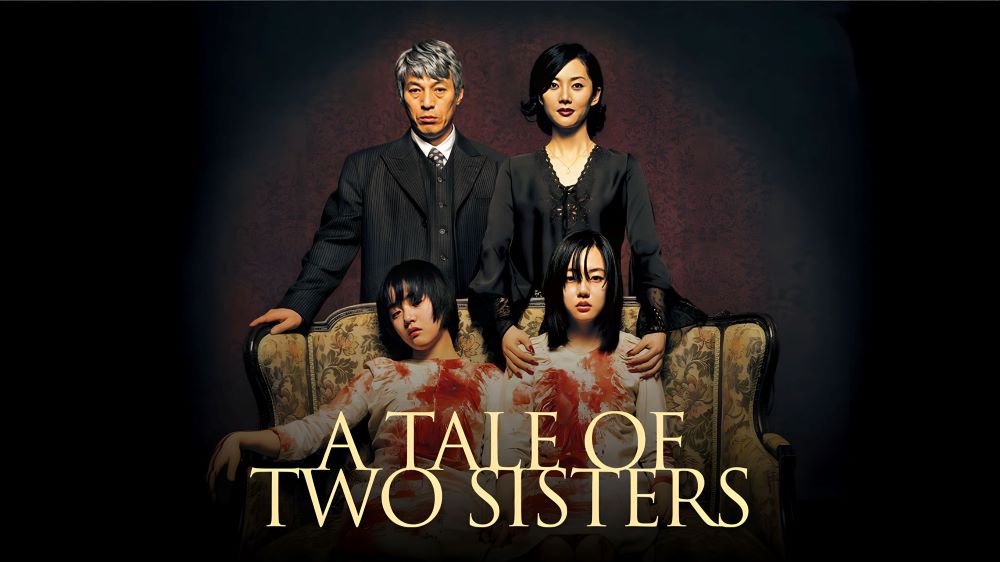
  5. A Tale of Two Sisters (Kim Ji-woon)
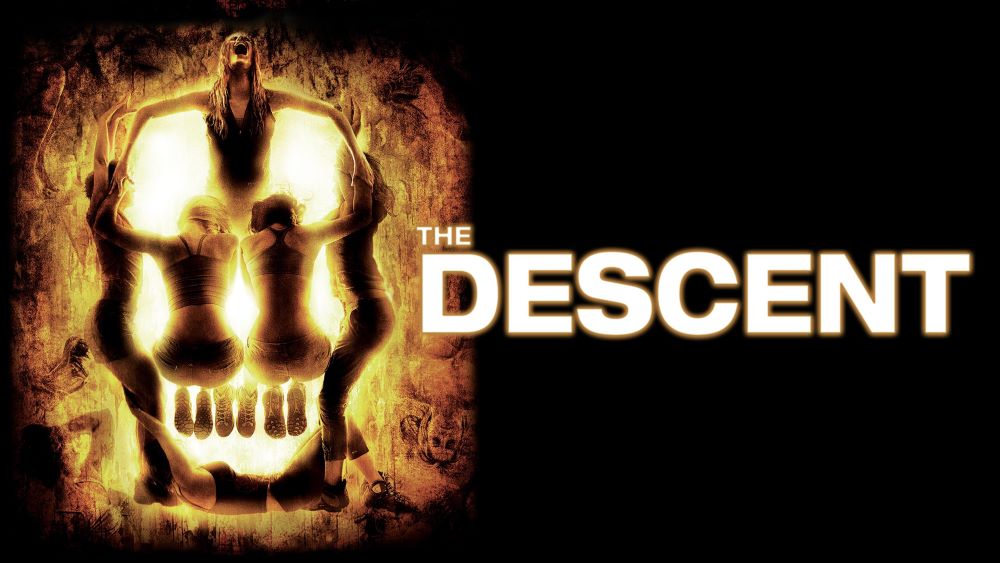
  6. The Descent (dir. Neil Marshall)
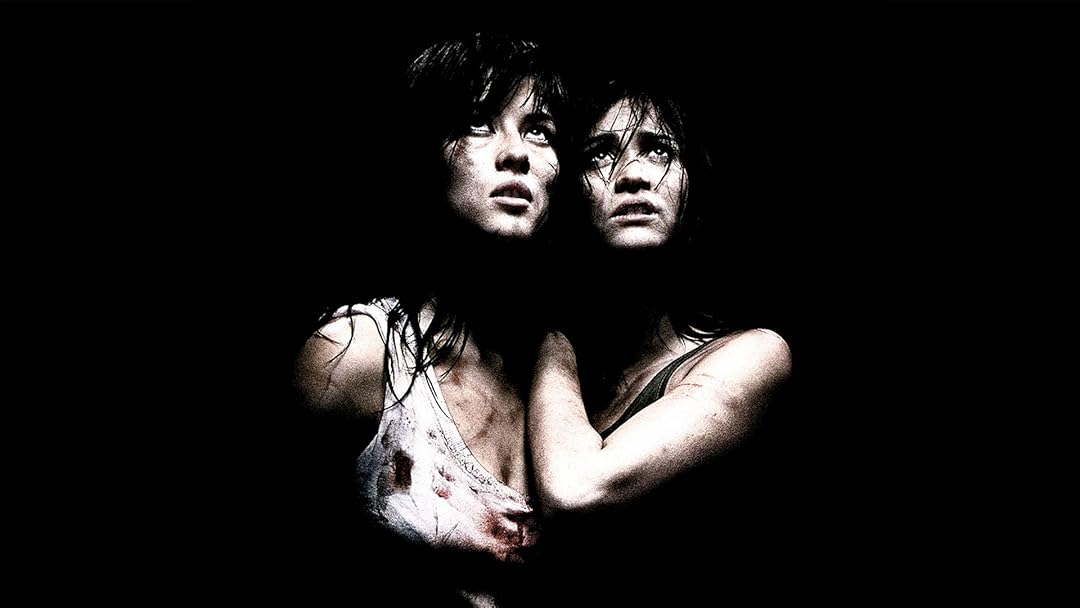
  7. Martyrs (dir. Pascal Laugier)
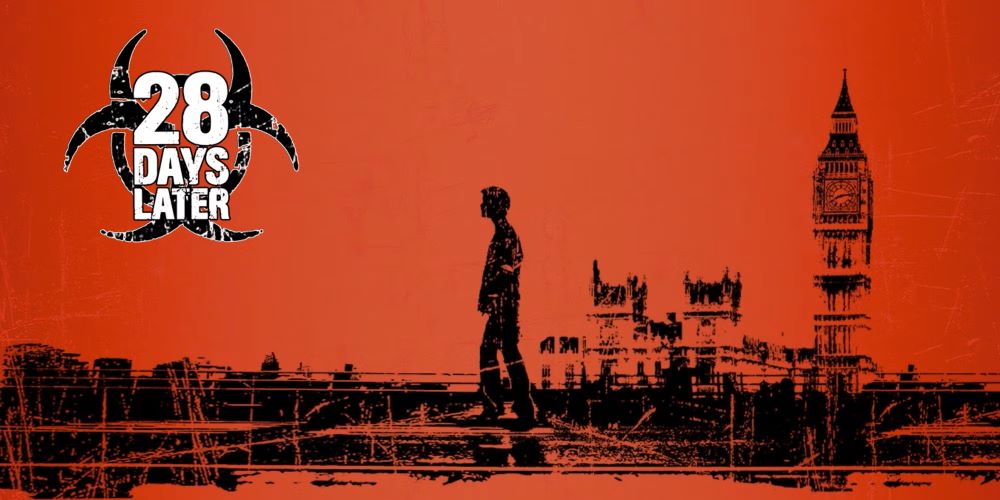
  8. 28 Days Later… (dir. Danny Boyle)
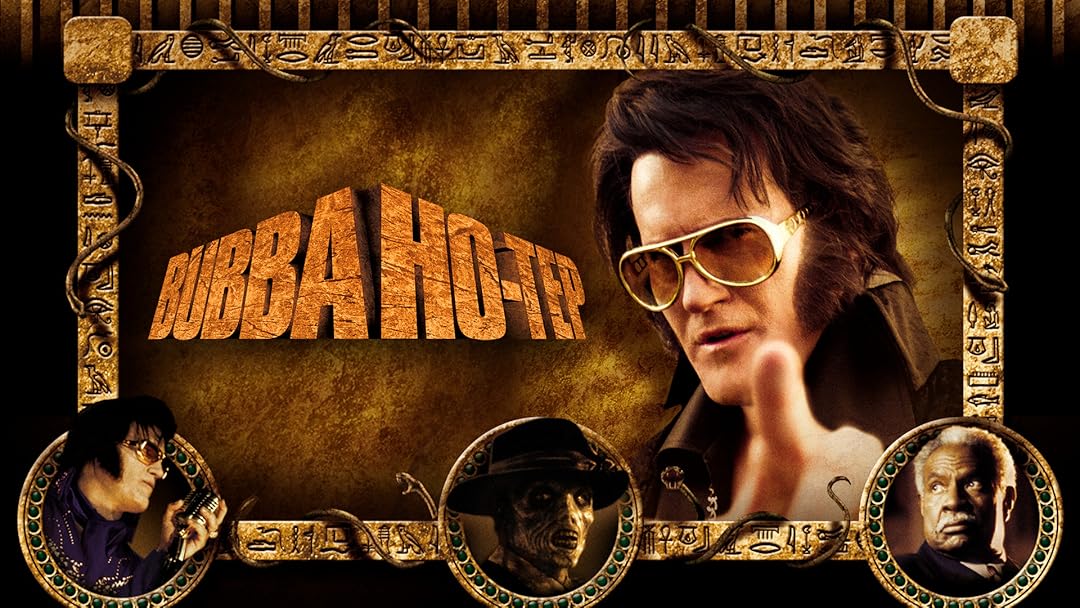
  9. Bubba Ho-Tep (dir. Don Coscarelli)
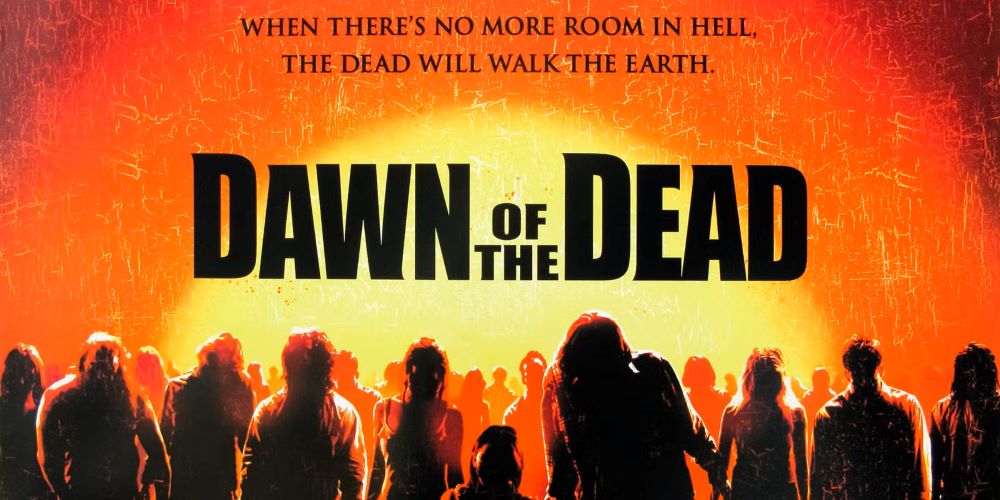
  10. Dawn of the Dead (dir. Zack Snyder)
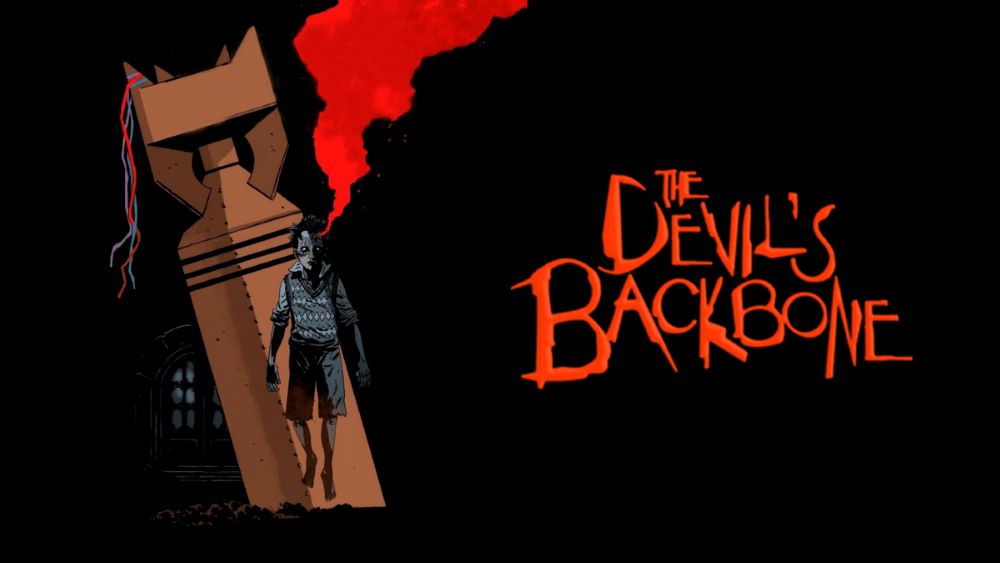
  11. The Devil’s Backbone (Guillermo del Toro)
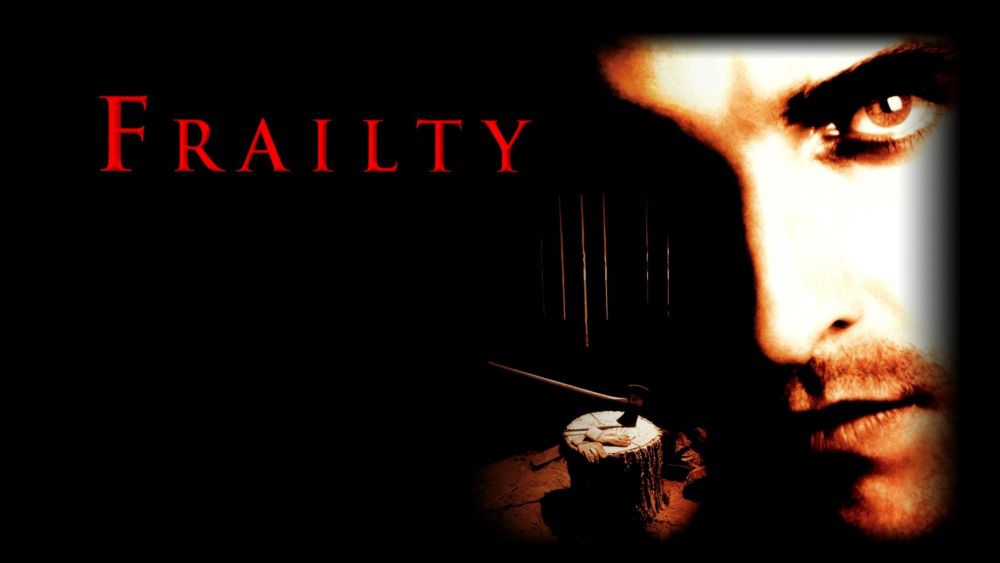
  12. Frailty (dir. Bill Paxton)
  13. Kairo (dir. Kiyoshi Kurosawa)
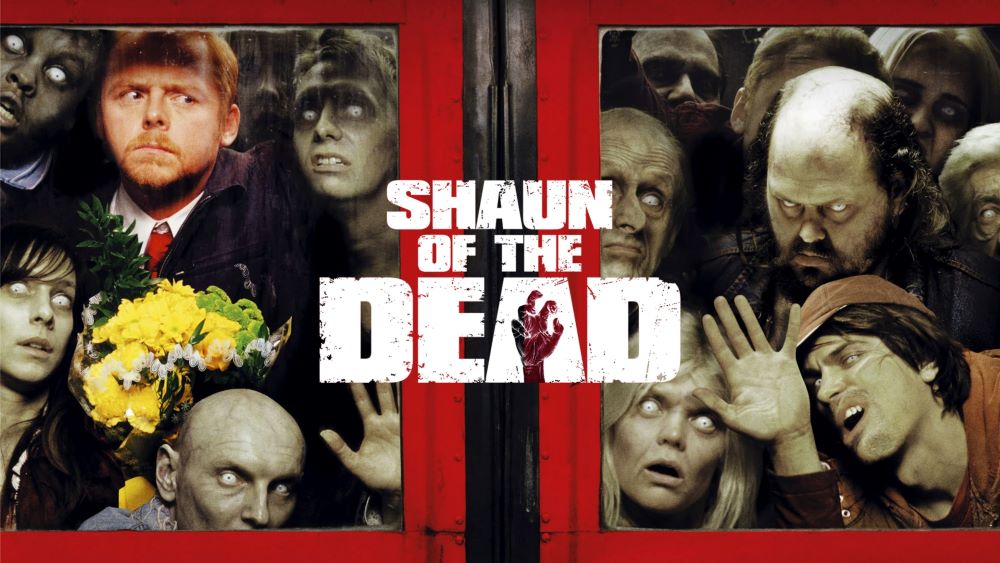
  14. Shaun of the Dead (dir. Edgar Wright)
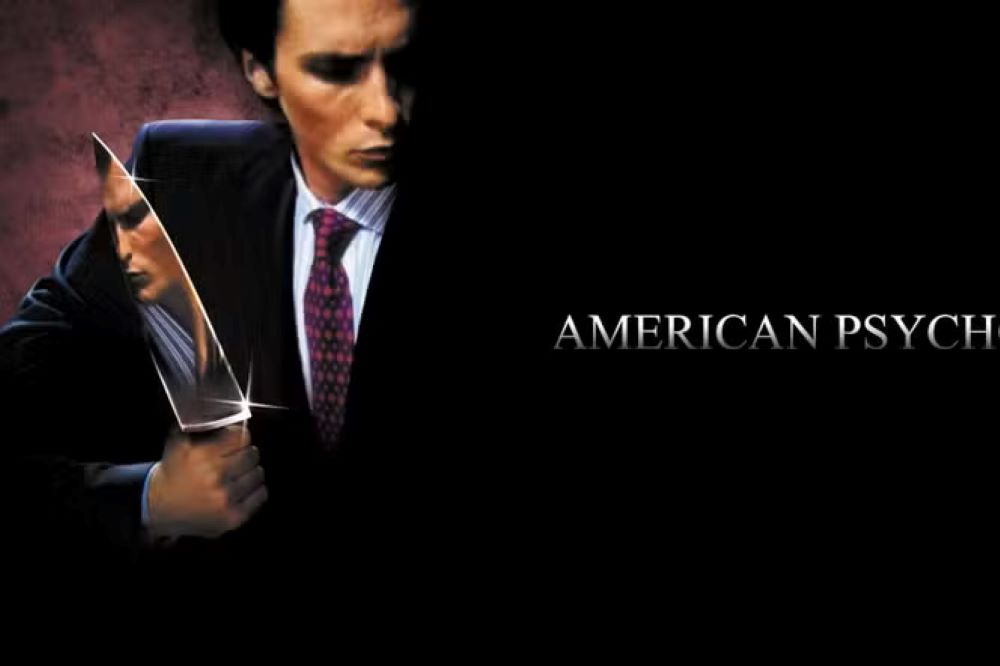
  15. American Psycho (dir. Mary Harron)
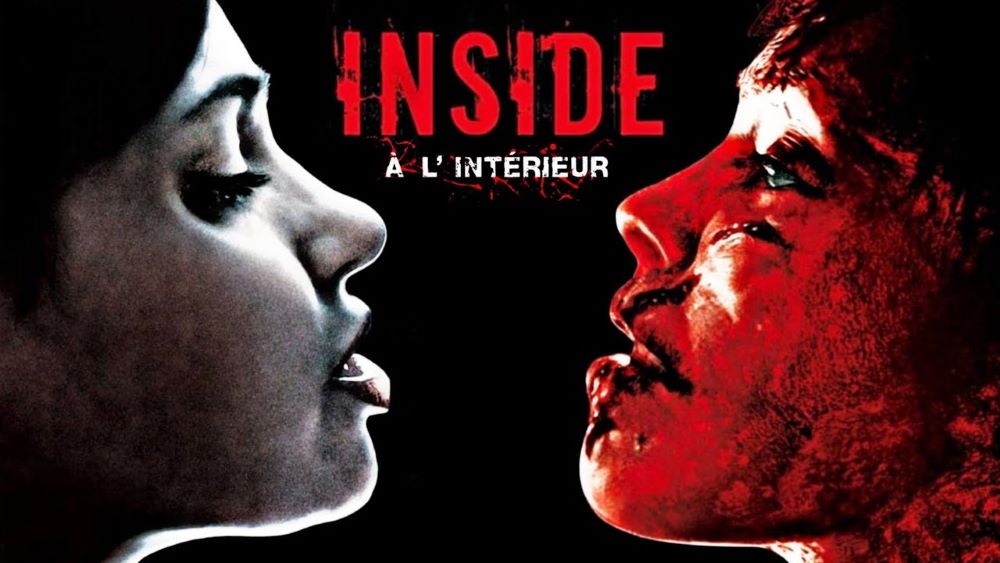
  16. Inside (dir. Alexandre Bustillo & Julien Mary)
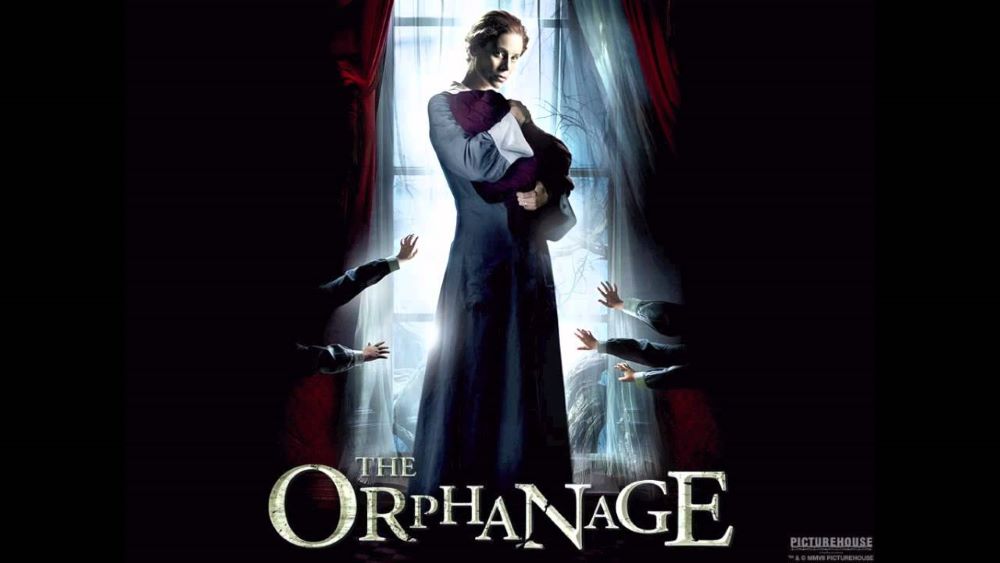
  17. The Orphanage (dir. Juan Antonio Bayona)
  18. The Devil’s Rejects (dir. Rob Zombie)
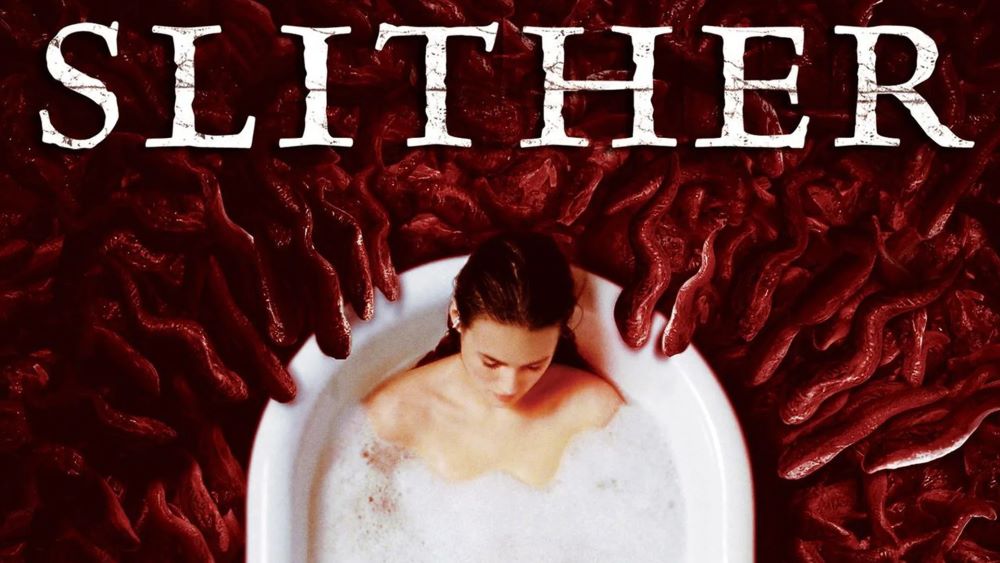
  19. Slither (dir. James Gunn)
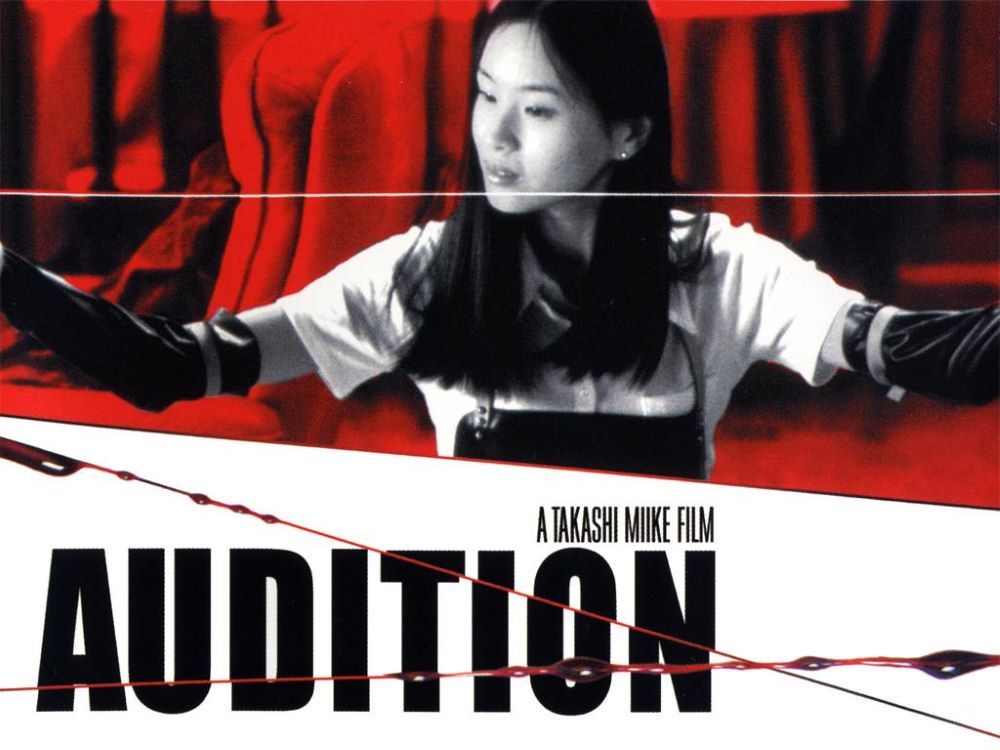
  20. Audition (dir. Takashi Miike)

Honorable Mentions: Saw, Haute Tension, Drag Me To Hell, Trick ‘r Treat, Dog Soldiers, Ju-On, May, Midnight Meat Train, The Ruins, Jeepers Creepers, Ginger Snaps, Funny Games (remake), Shutter, Frontier(s), Behind the Mask: The Rise of Leslie Vernon…just to name a few.

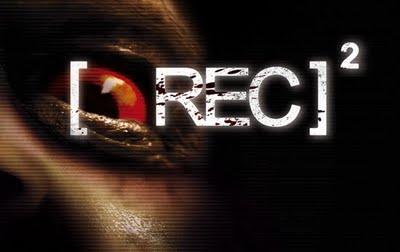
[REC]2 Teaser Trailer


I wasn’t that too big a fan of the first film ([REC]) and definitely not a huge fan of the American remake which got renamed, Quarantine. The “in-the-moment” video footage made popular by films such as The Blair Witch Project and Cloverfield really stretched the need to suspend one’s disbelief while watching the original Spanish-language film and it’s American remake. But then again I seem to be in the minority when it comes to not liking those two films.

With the popularity of both films having made its studios profits it didn’t come as a surprise to see a sequel greenlit by the original Spanish studio with the original filmmakers, Jaume Balaguero and Paco Plaza, returning. The sequel is to take place immediately after the events of the first film. From the trailer that has been released of the film the same camera-style as the first film remains, but (if I’m to go by how the trailer was put together) this sequel may actually capture my interest. There’s a sense of this sequel looking like a live-action survival-horror FPS game. I’m sure the sequel won’t just be trying to be like a video game, but the trailer sure makes the sequel seem more interesting and just a bit more energetic.

International Trailer

U.S. Trailer

Review: World War Z (written by Max Brooks)


I was one of many who heard about Max Brooks’ satirical guide book The Zombie Survival Guide: Complete Protection from the Living Dead. Being a huge fan of George A. Romero’s Dead series of films and just the zombie subgenre in general, I was intrigued by the release of this guidebook. From the first page to the last I was impressed, entertained, and hooked on Brooks’ serio-comic take on how to survive a zombie outbreak. One section of the book which really caught my interest and has remained a favorite to reread over and over was the final one which details the so-called “historical” instances of past zombie outbreaks throughout history. From as far back as Ancient Egypt and Rome up to the late 1990’s. My only gripe about that section of the book was that it was all-too-brief. I felt that it could’ve been made longer and even would’ve made for a fine book on its own. Maybe I wasn’t the only one to have wished for such a thing to happen for it seems that Brooks himself might have thought the same thing. His latest book in his trip through the zombie genre is titled World War Z: An Oral History of the Zombie War and it takes the final chapter of his previous book and expands on it. But instead of using past “historical events” to tell his story Brooks goes into the near future to describe what would happen if the zombies ever did bring the human race to the brink of extinction and how humans finally learned how to fight back and take back the world.

World War Z is a fictional account of a worldwide outbreak of the living dead in the near future and judging from some of the descriptions of places and events in the beginning of the book it won’t be too far in the future. WWZ is done in an interview-style format with each chapter consisting of first-person interviews of individuals who lived through the Zombie War from its initial outbreak to it’s final battles and mop-up operations. The sampling of survivors interviewed range from soldiers who fought the losing battles in the early going of the war when lack of information, outdated tactics, and illogical reactions to the zombie outbreak contributed to humanity almost losing the war. These soldier survivors explain how humanity became its own worst enemy when it came to protecting its own and combating the growing ranks of the zombies. Some of the mistakes were unavailable as information on how to combat the zombies were far and few and even then most were unreliable. Some mistakes on the other hand many today would consider as unconscionable as war-profiteers and those willing to keep a hold on their own power and who would sacrifice their own people to keep it so.

There’s also the regular people who survived the war and who made great contributions during the dark days when humanity were pushed into isolated and fortified pockets of resistance as everywhere around them the zombie army grew exponentially. Some of these people were just children when the outbreak first began as rumors and unsubstantiated news reports. It’s the words of those children now adults that show how war and conflict really takes the biggest toll on the smallest and helpless. One could substitute the wars in Iraq, Afghanistan, The Balkans and even Africa in lieu of Brooks zombie war and this book would still resonate. There’s a particular entry of how children left to their own devices to try and survive alone in the wild with zombies all around have turned feral to the point that their capacity to learn and develop into adulthood has become stunted or even halted permanently.
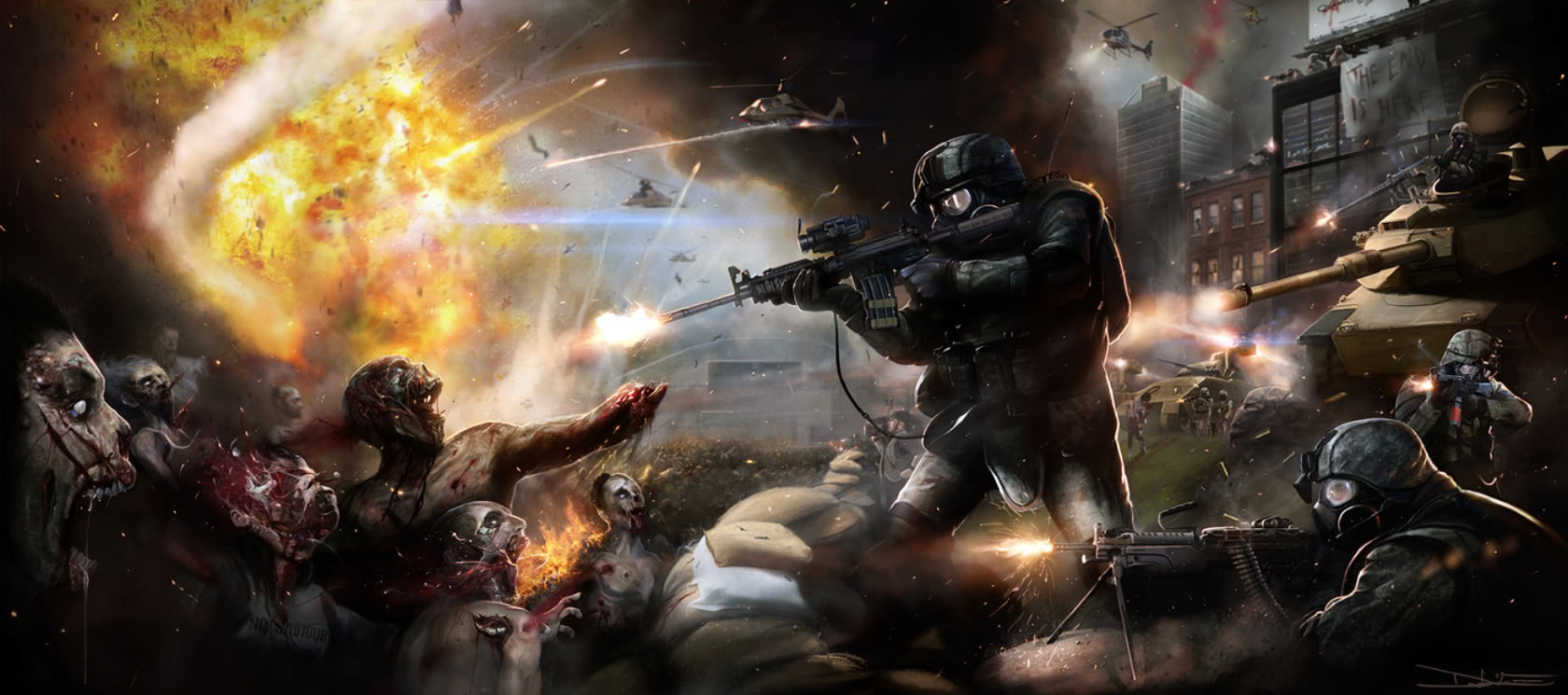
World War Z: Battle of Yonkers

Battle of Yonkers

Brooks’ novel also puts in little veiled references to the events occurring now in the real world. There’s mention of the unpopular war in the Persian Gulf as having a detrimental effect on the morale of troops once they returned home and how this helped make the initial fight to stem the tide of the zombies a losing proposition from the outset. There’s also mention of Iran as having acquired a nuclear arsenal and how this leads to an incident early in the Great Panic of the zombie outbreak that speaks volume of what could happen if unstable states acquire weapons of mass destruction. Brooks’ also gives a prescient look into a near future where the US and Europe stop being the economic superpowers of the world and step aside for the economic juggernaut that is China and India. All these inferences of today’s geopolitical and economical events mirrors what might just come into fruition.

The interview format really gives the book a sense of realism despite the outrageous and fantastical nature of the book. As I read the book I was reminded of Stephen A. Ambrose’s books on the men and women who fought during World War 2. Ambrose also used interviews and personal accounts to make up the bulk of his books like in Citizen Soldiers and Band of Brothers. Having a personal take on the events gave his books more emotional impact and really brought the emotions of the conflict to those who never experienced it. The same could be said about Max Brooks’ World War Z. Even though the novel was speculative fiction from beginning to end it still made the reader think of how such an event, if it ever came to pass, could be so tragic, disheartening but in the end uplifting as it once again shows that humanity could still pull itself together through all its petty misunderstandings to survive. On a more stylistic point, Brooks’ novel shares some similarities to Theodore Judson’s sci-fi epic Fitzpatrick’s War. Judson’s book also tries to chronicle a future war which was shaped by religious and ideological forces. Where Judson goes way into the future of an alternate Earth, Brooks smartly stays to a more foreseeable future that readers of his book would most likely see happen; hopefully a much brighter and less-zombified one.

Brooks’ decision to forgo the usual linear and narrative style for this book also allowed him a certain bit of freedom to introduce one-shot characters in addition to those who appear regularly. In a more traditional novel such one-shot characters would seem useless and even unnecessary, but in this interview format it makes more sense since it’s really just a collection of personalities trying to describe their own take of the Zombie War they lived through. Some people I know who have read the novel have said that there’s little or no talk of love and relationships in World War Z. I, for one, was glad that Brooks didn’t try to force certain “interviews” where it talks of survivors finding love and relationships during the outbreak, through the war and all the way to the mop-up. This book chronicles tales of survival and horror. As much as a tale of love would’ve been a change of pace to all the death and horror in the interviews it would’ve been too drastic a change of pace. I would think that the last thing that most people would have in their minds when trying to survive day-to-day, if not hour-to-hour would be to stop for a moment and have sex, cuddle or other less-than survival behaviors.

All in all, Max Brooks’ World War Z: An Oral History of the Zombie War takes a serious look at a fictional and fantastical premise and event with a serious eye. The book manages to be tragic and terrifyingly spot-on about how the world governments today could fail when confronted by such a horror of tremendous proportions. Unlike his more satirical first book on the zombie subject, World War Z shows the flaws and failings of humanity and how it almost led to its extinction, but it also shows humanity’s stubbornness in the face of total annihilation and how it could come together in cooperation to not just survive but take back the world. In times of extreme adversity man can be brought to his knees but also show his resilience. A great novel and one that deserves reading from not just fans of the horror and zombie subgenre, but those who enjoy taking a peek into what could be, no matter how outrageous.

20 Best Science-Fiction Films of the Decade


I consider these the best and greatest science-fiction films of this closing decade. Some of the films in the list could be labeled as being hard scifi while some definitely have their roots in the pulp storytelling traditions of the 1950’s scifi publications and novels. Some could be considered horror while others more action or comedy. In the end, they all have a basis in the traditions of science-fiction as their common denominator.  They will not be in any particular order since I couldn’t truly determine which one deserved to be top on the list or which was just 20th. In my eyes they are all equally great in their own way.

Do you agree with the choices? Do you think another film belongs on the list and, if so, which one? I’m interested to know what your favorite sci-fi films of the last 10 years happen to be.

1. District 9

2. Children of Men

3. Iron Man

4. Primer

5. Sleep Dealer

6. Pitch Black

7. Minority Report

8. Moon

9. Los Cronocrimenes

10. Eternal Sunshine of the Spotless Mind

11. The Fountain

12. 28 Days Later

13. The Prestige

14. Wall-E

15. Star Trek

16. Idiocracy

17. Avatar

18. Sunshine

19. War of the Worlds

20. Serenity