8 Shots From 8 Horror Films: 1997–1999


4 Or More Shots From 4 Or More Films is just what it says it is, 4 shots from 4 of our favorite films. As opposed to the reviews and recaps that we usually post, 4 Shots From 4 Films lets the visuals do the talking!

This October, I’m going to be doing something a little bit different with my contribution to 4 (or more) Shots From 4 (or more) Films.  I’m going to be taking a little chronological tour of the history of horror cinema, moving from decade to decade.

Today, we take a look at 1997, 1998, and 1999!

8 Shots From 8 Horror Films: 1997 — 1999

I Know What You Did Last Summer (1997, dir by Jim Gillespie, DP: Denis Crossan)


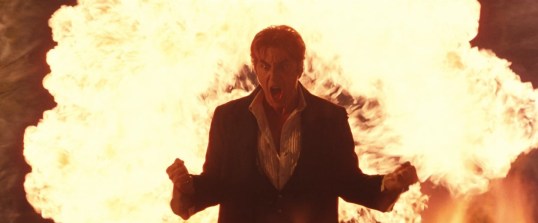
The Devil’s Advocate (1997, dir by Taylor Hackford, DP: Andrzej Bartkowiak)


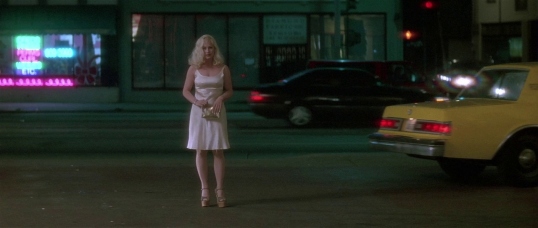
Lost Highway (1997, dir by David Lynch, DP: Peter Deming)


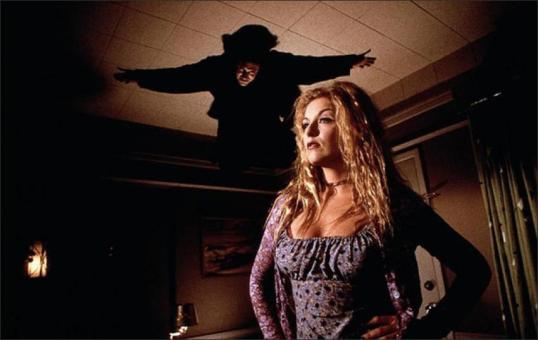
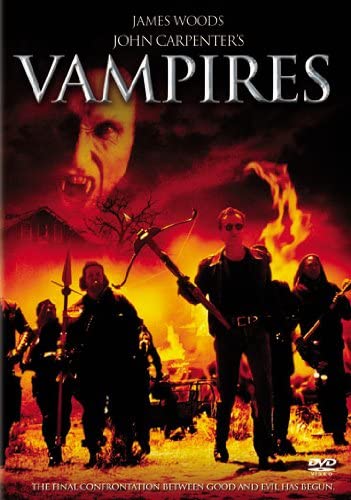
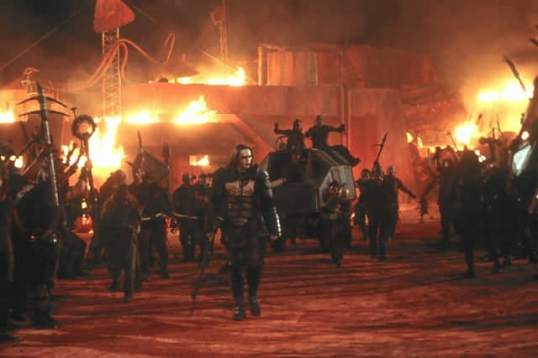
Vampires (1998, dir by John Carpenter, DP: Gary B. Kibbe)


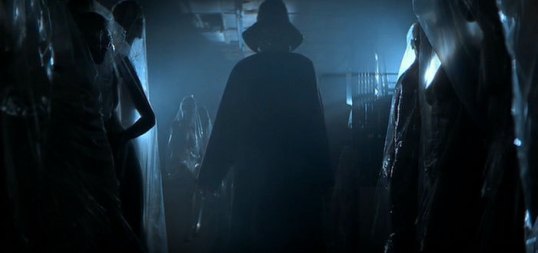
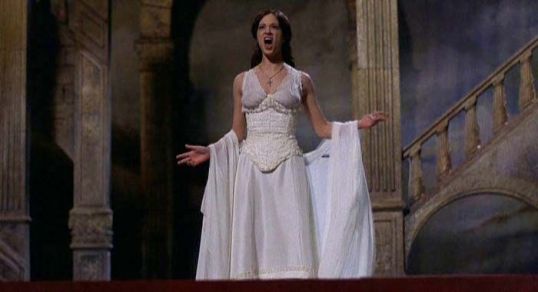
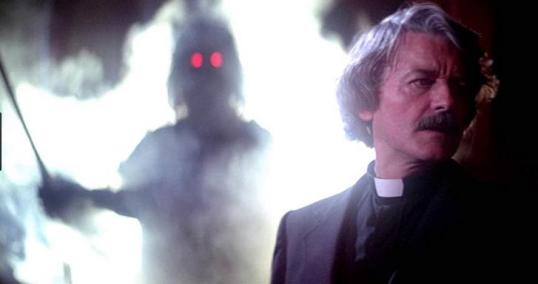
The Phantom of the Opera (1998, dir by Dario Argento, DP: Ronnie Taylor)


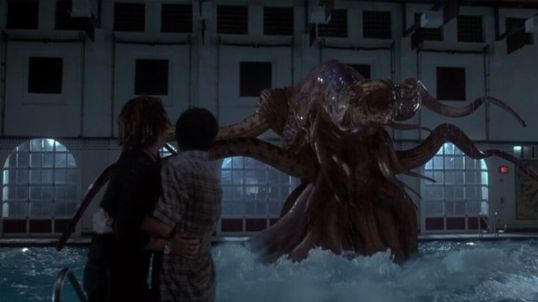
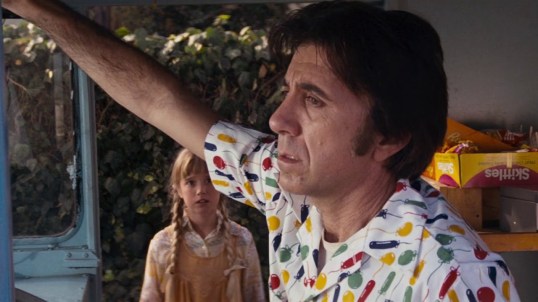
The Faculty (1998, dir by Robert Rodriguez, DP: Enrique Chediak)


The Rage: Carrie 2 (1999, dir by Katt Shea, DP: Donald M. Morgan)


The Sixth Sense (1999, dir by M. Night Shyamalan, DP: Tak Fujimoto)

Horror on the Lens: The Night Stalker (dir by John Llewelyn Moxey)


For today’s horror on the lens, we have a real treat!  (We’ll get to the tricks later…)

Long before he achieved holiday immortality by playing the father in A Christmas Story, Darren McGavin played journalist Carl Kolchak in the 1972 made-for-TV movie, The Night Stalker.  Kolchak is investigating a series of murders in Las Vegas, all of which involve victims being drained of their blood.  Kolchak thinks that the murderer might be a vampire.  Everyone else thinks that he’s crazy.

When this movie first aired, it was the highest rated made-for-TV movie of all time.  Eventually, it led to a weekly TV series in which Kolchak investigated various paranormal happenings.  Though the TV series did not last long, it’s still regularly cited as one of the most influential shows ever made.

Anyway, The Night Stalker is an effective little vampire movie and Darren McGavin gives a great performance as Carl Kolchak.

Enjoy!

The TSL’s Grindhouse: John Carpenter’s Vampires (dir by John Carpenter)


Wow, there certainly are a lot of vampires in New Mexico!

Well, I guess I can understand the logic behind it.  My family used to visit New Mexico frequently.  We even lived there for a few months when I was a kid.  If you’re looking for a place to hide out, New Mexico is a good place to do it.  You can drive for hours without seeing another car or another person.  Add to that, New Mexico is state where people respect your privacy.  No one’s going to show up at your house demanding to know why you only come out at night.

Of course, if I was a vampire, I might avoid New Mexico because of the bright sunlight.  Seriously, if you’re trying to escape being touched by the sun, the New Mexico desert might not be the ideal place to hide out.  I don’t know, though.  I’ve never been a vampire.

In John Carpenter’s 1998 film, Vampires (actually, John Carpenter’s Vampires because everyone know the power that the Carpenter name holds for horror fans), Jan Valek (Thomas Ian Griffith) is the world’s oldest vampire and he’s looking to perform a ceremony that will take care of that whole sunlight issue.  If he can perform the ceremony, he’ll be the most powerful creature in the world.

Fortunately, the Vatican has put together a team of ruthless vampire exterminators.  Led by Jack Crow (James Woods), these guys have no problem tracking down vampires and riddling their undead bodies with bullets that have probably been dipped in holy water.  Unfortunately, with the exception of Jack and his second-in-command, Tony (Daniel Baldwin), the vampires hunters aren’t too smart because Valek gets the drop on them while they’re partying at a hotel with a bunch of prostitutes.  The only survivors are Tony, Jack, and Katrina (Sheryl Lee), a prostitute who was previously bitten by Valek.

After teaming up with an enthusiastic but inexperienced priest named Father Guiteau (Tim Guinee), Jack tries to find a way to stop Valek. Meanwhile, Tony finds himself falling for Katrina despite the fact that Katrina will soon be transforming into a vampire and he and Jack have pledged to destroy every vampire that they come across.  It leads to several chases, several bloody shootouts, and a lot of panoramic shots of the New Mexico desert.

The first time I ever watched Vampires, I thought it had its moments of demented fun and I thought that James Woods gave a wonderfully frantic performance as Jack Crow but overall, I got a little bit bored with the film’s constant violence.  There’s only so many times that you can watch people die in slow motion before you get tired of it.  The second time I watched the movie, I was able to better appreciate the film’s self-awareness.  As directed by John Carpenter, it’s intentionally over-the-top in just about every regard and it’s definitely not meat to be taken seriously.  It’s a mix of a western and a vampire film and Carpenter is basically saying, “If we’re going to do this, let’s go crazy with it.”  The film still has its flaws, of course.  Daniel Baldwin seems lost in the role of Tony and the film is oddly paced,  It ends awkwardly, with the promise of a direct sequel that was never made.  (There were sequels, don’t get me wrong.  But Jon Bon Jovi is no substitute for James Woods at his most nervy.)  But the important thing is that, on a second viewing, those flaws were overshadowed by John Carpenter’s kinetic direction and the performances of James Woods, Sheryl Lee, and Thomas Ian Griffith.  

The first time I watched the film, I thought it was just another movie about modern-day vampires killing people while being hunted by unconventional extrerminators.  However, the second time that I watched it, I found myself considering that Vampires is actually a movie about Catholics kicking ass!  Yay!  The lesson here is to always do a second viewing.  Flaws and all, Vampires was far better than I remembered.

18 Shots From 18 John Carpenter Films


4 Shots From 4 Films is just what it says it is, 4 shots from 4 of our favorite films. As opposed to the reviews and recaps that we usually post, 4 Shots From 4 Films lets the visuals do the talking.

Today, Through the Shattered Lens wishes a happy 72nd birthday to one of the patron saints of the movies, John Carpenter!  Though often criminally underrated, John Carpenter is one of the most important filmmakers in modern film.

Every sci-fi spoof that you’ve seen owes a debt to Dark Star.  For that matter, so do quite a few serious sci-fi films, like Alien.

Every horror film owes a debt to Carpenter’s direction of Halloween.

How many apocalyptic, dystopian films have been influenced by Escape From New York?  While today it’s somewhat of a cliché for people to say that they have to escape from New York, John Carpenter imagined it long before Bill De Blasio made it into a reality.

Prince of Darkness and In The Mouth of Madness are two of the only films to capture the feelings of existential dread and the ominous atmosphere of H.P. Lovecraft’s most effective stories.

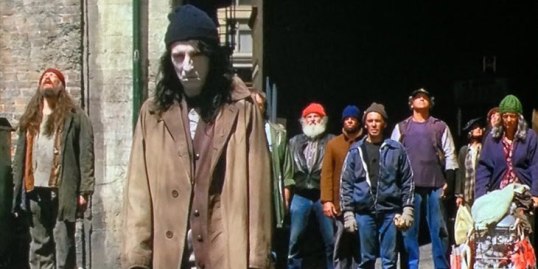
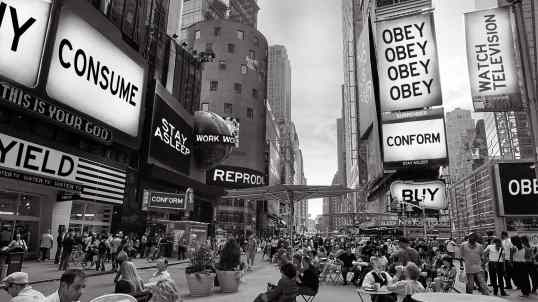
They Live may have been critically dismissed when it was released but today, many see it as being a work of prophecy.

“I wanted a vanilla twist.”  With Assault on Precinct 13, John Carpenter taught viewers that sometimes, it’s better to just take whatever ice cream you can get.

Meanwhile, films like The Thing, Big Trouble In Little China, The Fog, and others continue to find new fans every day.

Christopher Nolan may have Hans Zimmer but John Carpenter needs only himself to create a memorable musical score!

Even a film like Carpenter’s remake of Village of the Damned has a few undeniably effective moments!

Our point is that John Carpenter is one of the best around and, today, on his birthday, we’re going to honor him.  It’s not just 4 shots from 4 films for John Carpenter!  Instead, it’s time for….

18 Shots From 18 John Carpenter Films

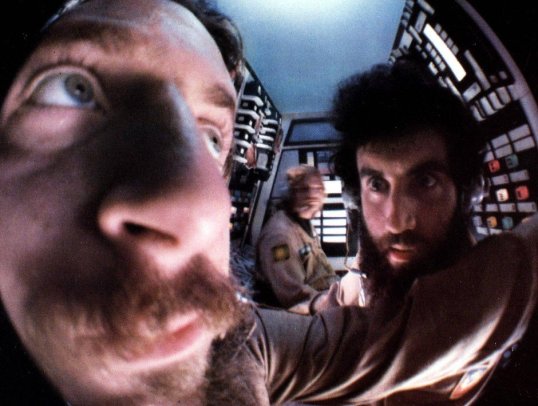
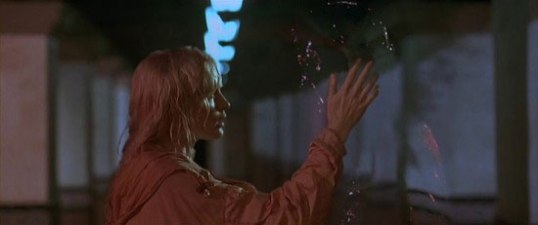
Dark Star (1974, dir by John Carpenter, DP: Douglas Knapp)

Assault on Precinct 13 (1976, dir by John Carpenter. DP: Douglas Knapp)

Halloween (1978, dir by John Carpenter, DP: Dean Cundey)

The Fog (1980, dir by John Carpenter, DP: Dean Cundey)

Escape From New York (1981, directed by John Carpenter, DP: Dean Cundey)

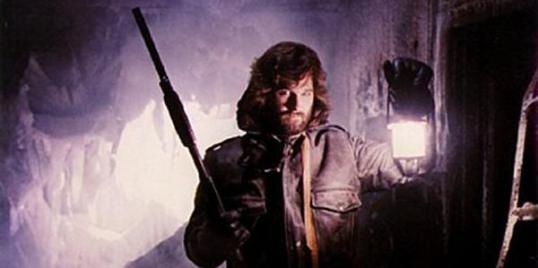
The Thing (1982, dir by John Carpenter, DP: Dean Cundey)

Christine (1983, dir. John Carpenter, DP: Donald M. Morgan)

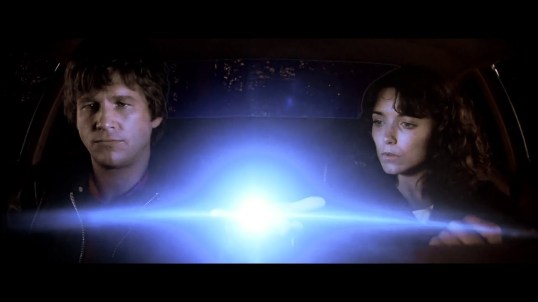
Starman (1984, dir by John Carpenter. DP: Donald M. Morgan)

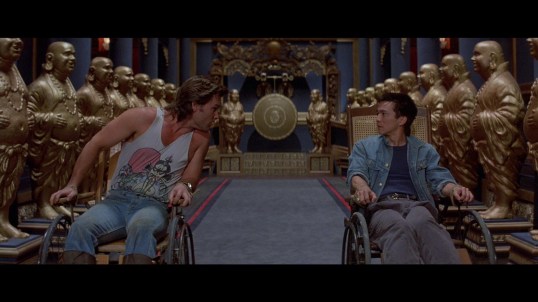
Big Trouble in Little China (1986, dir by John Carpenter, DP: Dean Cundey)

Prince of Darkness (1987, dir by John Carpenter, DP: Gary B. Kibbe)

They Live (1988, dir by John Carpenter, DP: Gary B. Kibbe)

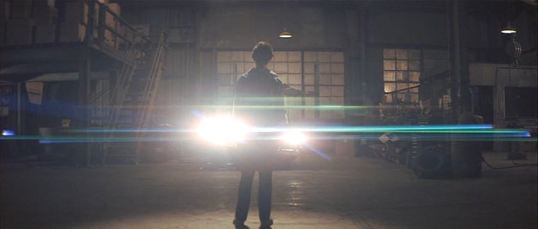
Memoirs of an Invisible Man (1992, dir by John Carpenter, DP: William A. Fraker)

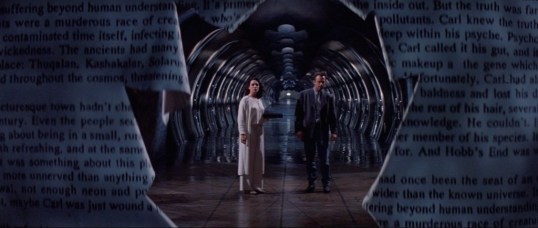
In The Mouth of Madness (1994, dir by John Carpenter, DP: Gary B. Kibbe)

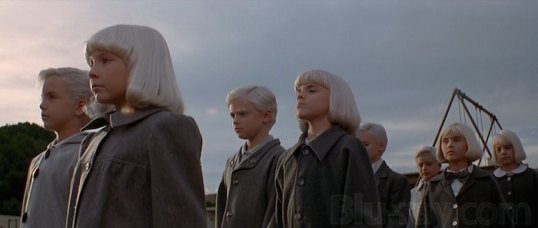
Village of the Damned (1995, dir by John Carpenter, DP: Gary B. Kibbe)

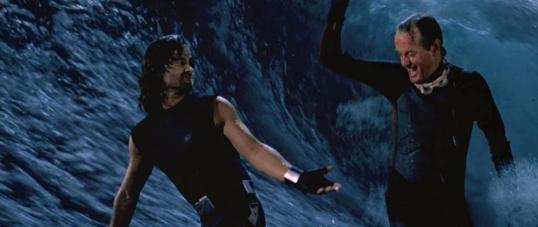
Escape From L.A. (1996, dir by John Carpenter, DP: Gary B. Kibbe)

Vampires (1998, dir by John Carpenter, DP: Gary B. Kibbe)

Ghosts of Mars (2001, dir by John Carpenter, DP: Gary B. Kibbe)

The Ward (2010, dir by John Carpetner, DP: Yaron Orbach)

Dracula Part 2 (Netflix), Review by Case Wright


Happy Horrorthon! Dracula is saaaaaaailing, sailing takes me away to where I’ve always heard it could be and he’s eating every one the boaaaat. This episode was almost a bottle episode. Dracula REALLY wants to go to England. I love meat pies too; I can relate! Drac spends the episode eating …. EVERYONE!!! Dracula, Food does not equal love!

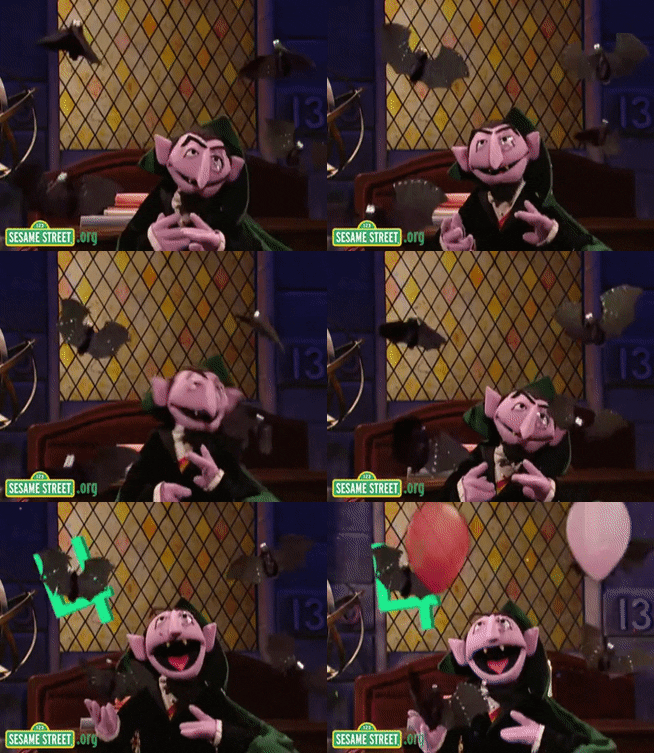
Mmmmm Talking Fudge!!!

I enjoyed the episode, but it was kinda rediculous. Dracula was eating everyone and NO ONE really suspected him until the end? Really? Nah, couldn’t be the weird Eastern European guy whose cabin smells like rotting flesh. Really, just look at the guy! No suspicions?!

Dramatization:

SEE WHAT I MEAN!!!!

There are some interesting people on board, but really I just felt like they were kind of a distraction from the much more Frost/Nixon style debate between Dracula and Agatha. Their dialogue was masterful. It pulled you in and it was SUNDAY SUNDAY SUNDAY – Enlightenment Vs Reason! We’ll sell you the whole seat, but you’ll only need the EDGE!!!!

It turns out that Agatha is Dinner. When Agatha awakens, she and the remaining snacks manage to blow up the ship and Dracula is off the coast of England. He’s next to a hole, a hole, a hole at the bottom of the sea! When he wakes, he walks ashore and it’s MODERN DAY with helicopters! I didn’t see that coming, but why not? This was fun!

4 Shots From 4 Films: Blade, The Faculty, The Phantom of the Opera, Vampires


4 Shots From 4 Films is just what it says it is, 4 shots from 4 of our favorite films. As opposed to the reviews and recaps that we usually post, 4 Shots From 4 Films lets the visuals do the talking!

This October, we’re using 4 Shots From 4 Films to look at some of the best years that horror has to offer!

4 Shots From 4 1998 Horror Films

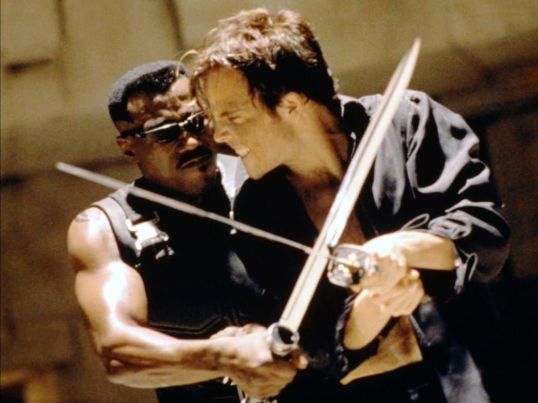
Blade (1998, dir by Stephen Norrington)

The Faculty (1998, dir by Robert Rodriguez)

The Phantom of the Opera (1998, dir by Dario Argento)

Vampires (1998, dir by John Carpenter)

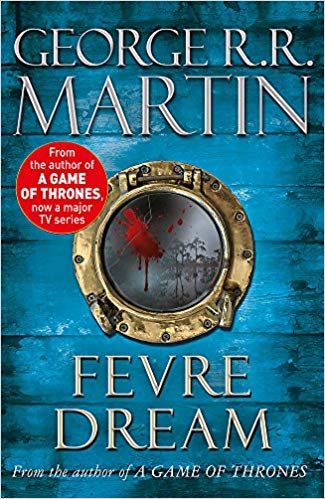
Horror Book Review: Fevre Dream by George R. R. Martin


First published in 1982, George R. R. Martin’s Fevre Dream is a novel that centers on two men.  Captain Abner Marsh may be considered physically unattractive and lacking in certain social graces but he’s also known as one of the best steamboat captains in pre-Civil War Mississippi.  Joshua York may be wealthy and charming (if a bit pale and fond of a strange-tasting red liquor) but he knows little about how to actually run a steamboat.  That said, as York explains it to Marsh, he wants to build the fastest and most luxurious steamboat ever made.  Marsh may initially be weary of the seemingly eccentric York but he needs the money.

When the steamboat (which is christened the Fevre Dream) is eventually constructed, it turns out to be everything that York said it would be.  Soon, Marsh is sailing the boat up and down the Mississippi River.  The command of the boat and its passengers is largely left in Marsh’s hands.  York requests is that he and his friends be left alone in their cabins.  York doesn’t particularly enjoy coming out during the day….

Could York be a vampire?  Of course, he is!  But he’s not the type of vampire that everyone’s read about.  Instead, York is a visionary vampire.  His dream is to set his people free from their compulsive blood-drinking.  However, there’s another vampire moving up and down the river.  His name is Damon Julian and he has plans of his own for the Fevre Dream….

A vampire novel by George R. R. Martin!?  Indeed, it is!  Of course, since this is a Martin book, the vampires of Fevre Dream aren’t like the traditional vampires that we all know and love.  These vampires are a totally different species of being and one of the key points of the book is that humans cannot be transformed into vampires.  Indeed, the vampires view human as being mere “cattle,” being bred for their hunger.  York’s concern is that, if the vampires continue to feed on humans, the humans will eventually rise up and destroy them.  Damon, of course, is far less concerned about that.  Just as how the white slave owners arrogantly assume that their slaves have no desire to free, Damon and his followers arrogantly assume that the humans will always stay in their place.  Damon even has a human servant, Billy Tipton, who has been fooled into thinking that he might someday become a vampire as long as he does everything that Damon orders him to do.

It’s an interesting novel, one that does a good job of incorporating it’s paranormal story into an authentic, historical background.  If you’re really into vampires and steamboats, there’s a lot of both to be found in this book.  Unfortunately, I get the feeling that the people reading for the vampires will probably get bored with all pages devoted to steamboats while steamboat enthusiasts might not care much for the vampires.  Myself, I’m a history nerd and a lover of all things vampiric so there’s no way I wouldn’t appreciate a novel about vampires in 19th century Mississippi.

It may not be for everyone but Fevre Dream is a well-written and compulsively readable historical vampire epic.

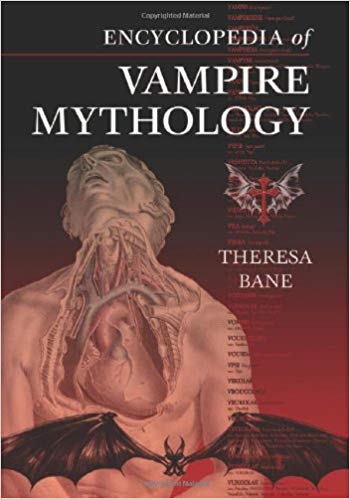
Horror Book Review: Encyclopedia Of Vampire Mythology by Theresa Bane


Now, here’s the interesting thing about vampires:

They’ve been around forever.

Seriously, long before Bram Stoker first put pen to paper, there were legends about vampires.  Of course, they weren’t always called vampires.  In the Middle East, there was talk of the Afrit, which was the soul of a murdered person who would return to the spot of its death and drink the blood of anyone unlucky enough to cross it.  In Macedonia, it was said that certain people who had lived wicked lives and never eaten pork would return to life as a blood-drinking wild boar.  In Iceland, it was the Alfemoe who sucked blood while the ancient Greeks could tell you all about Empusa, who drank blood to maintain a youthful appearance.

Of course, we all know that vampires don’t exist, or at least they don’t exist as supernatural creatures.  Still, it is somewhat amazing that all of these different societies and cultures developed essentially the same myth at roughly the same time, despite not having much contact with each other.  There is just something universal about both the threat and the allure of the vampire.

With all of the different legends out there, it can be difficult to keep your mythological vampires straight.  Fortunately, the Encyclopedia of Vampire Mythology is here to help!  Written by a vampirologist (albeit one who goes out of her way to make sure that we understand that she personally doesn’t believe in them), this encyclopedia has entries for all of the various mythological vampires and their legends.  With the exception of Dracula, this encyclopedia doesn’t include any of the “fictional” vampires from television or film.  If you’re looking for an entry on Angel or Edward Cullen, this is not the place to look.  But what the book does have is entries on the legendary beings who came before the celebrity vampires of today.  It makes for interesting reading and it also serves as a reminder that there’s more to the vampire legend than what we’ve seen in the movies or read in novels.
For both authors and readers of vampire fiction, the Encyclopedia of Vampire Mythology is a valuable resource.


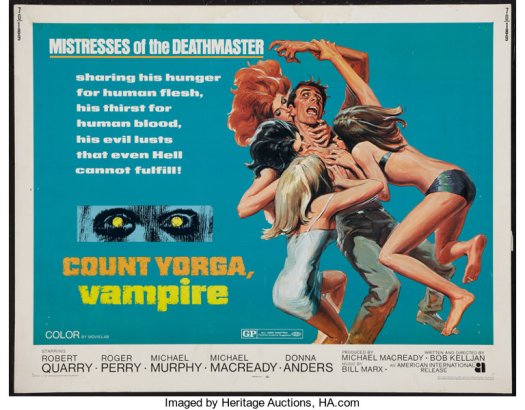
Bloody Good Show: Robert Quarry as COUNT YORGA, VAMPIRE (AIP 1970)


gary loggins's avatarcracked rear viewer

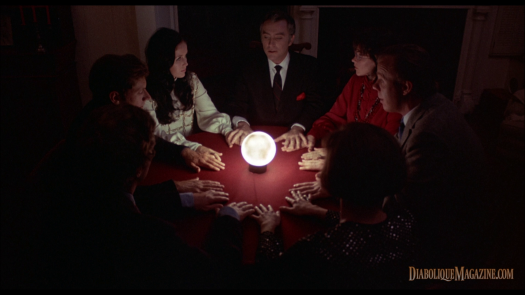
Robert Quarry’s screen career wasn’t really going anywhere by 1970. He had a good part in 1956’s soapy noir A KISS BEFORE DYING , but mostly he was relegated to uncredited bits in movies and guest shots on episodic TV. Quarry kept busy on the stage, until being approached by producer/actor Michael Macready to star in THE LOVES OF COUNT IORGA, originally envisioned as a soft core porn flick with horror elements. The actor said he would accept the job but only if it were turned into a straight modern-day vampire tale, and thus was born COUNT YORGA, VAMPIRE, launching Quarry into a new phase as a 70’s horror movie icon.

The plot is an updated version of Stoker’s DRACULA, with a few changes. Here, the Bulgarian-born Count Yorga is a recent transplant to California, and we first meet him conducting a séance on behalf of Donna, whose late…

View original post 758 more words

Horror Film Review: Nadja (dir by Michael Michael Almereyda)


When we first meet Nadja (Elina Löwensohn), the title character of this odd, 1994 film, she is walking around New York, wearing a cape and picking up men in bars.  She speaks with a thick, Eastern European accent and when she’s asked what she does, she explains that she comes from an old and very wealthy Romanian family.  As we quickly guess, Nadja has lived for centuries.  She’s a vampire, a daughter of Count Dracula.  Everything she says and everything she does is drenched in the ennui of someone who wishes to be set free but who knows she is destined to live forever in the prison of her existence.  Even when she has visions of her father getting a stake through the heart, it doesn’t provide her with the relief for which she was hoping.

It probably won’t come as a surprise to learn that it was a member of the Helsing family that drove the stake through Dracula’s heart.  However, having killed the vampire, Van Helsing (Peter Fonda) finds himself in trouble with the police.  Apparently, the cops don’t believe Van Helsing when he insists that he was just killing a vampire.  As far as they can tell, Van Helsing just killed a man with a sharp piece of wood.  Fortunately, Van Helsing’s nephew, Jim (Martin Donavon), also lives in New York and can bail his uncle out of jail.

While Jim is dealing with his uncle, Nadja is meeting a woman in a bar, a woman named Lucy (Galaxy Craze).  Both Lucy and Nadja feel empty and unfulfilled.  Lucy, who happens to be married to Jim, is soon inviting Nadja back to her home and becoming obsessed with her.  However, Nadja is more concerned with her brother, Edgar (Jared Harris).  Edgar lives in Brooklyn with his lover and nurse, Cassandra (Suzy Amis).  When Nadja visits Edgar, she decides to take Cassandra away from him.  Of course, Cassandra just happens to be Van Helsing’s daughter and Jim’s cousin!

Nadja is an odd film.  On the one hand, it’s pretentious in the way that only a mid-90s, New York art film can be.  Director Michael Almereyda shot the majority of film at night and a good deal of it with a PXL-2000, which was basically a toy video camera that was specifically marketed to children.  As a result, the black-and-white images are usually dark and grainy.  Sometimes, it’s a bit of struggle to tell just what exactly is happening on-screen.  And yet, at the same time, it kinda works.  Those hazy images, combined with the largely deadpan performances of the cast, give the film an undeniably dream-like feel.  When we see Nadja walking through the city, we feel her ennui and otherworldly presence.  At its best, the film achieves a hypnotic visual beauty.  If ever there was an American city that benefits from being filmed in grainy black-and-white, it’s New York City.

The film plays out like a satire of the typical decadent vampire film.  (Nadja even has a Renfield of very own.)  Nadja is so obviously a vampire that it’s impossible not to be amused by the fact that hardly anyone else seems to pick up on it.  However, the film’s most subversive element is Peter Fonda’s performance as Van Helsing.  With his long hair and a demented gleam in his eye, Fonda totally upends all our assumptions about who someone named Van Helsing should be.

In many ways, Nadja plays out like an elaborate inside joke but it’s just strange enough to always be watchable.  David Lynch, whose influence is obvious, has a cameo as a morgue attendant and he feels right at home.  This deadpan vampire film many not be for everyone but then again, few worthwhile films are.