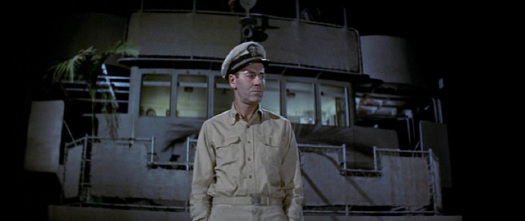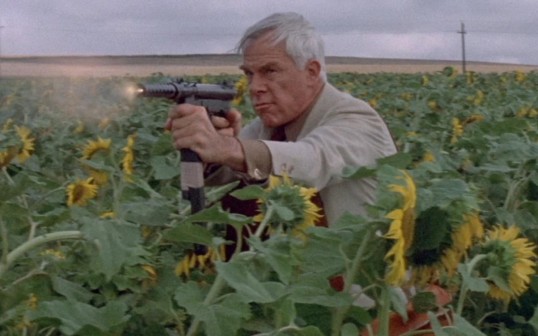
Scenes I Love: “Print The Legend” From The Man Who Shot Liberty Valance


The legendary director John Ford was born 129 years ago today, in Maine.  As I sit here writing this, you can go see The Fabelmans, which ends with a scene in which a young Steven Spielberg (or Sammy Fabelman, whatever) meets John Ford (played by David Lynch).  The meeting is based on a meeting that a young Spielberg actually had with Ford shortly before Ford’s death in 1971.

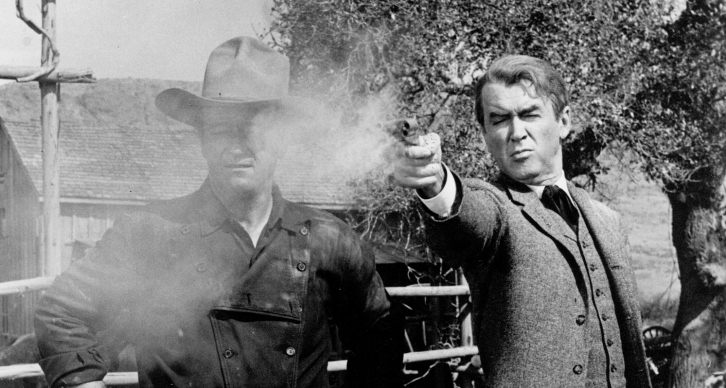
However, long before John Ford met Steven Spielberg, he directed one of my favorite films, The Man Who Shot Liberty Valance.  Today’s scene that I love comes from the end of that 1962 film and it features a line that would become a classic.  “Print the legend.”  That was a line that Ford understood and I imagine it’s one that Spielberg eventually came to understand as well.

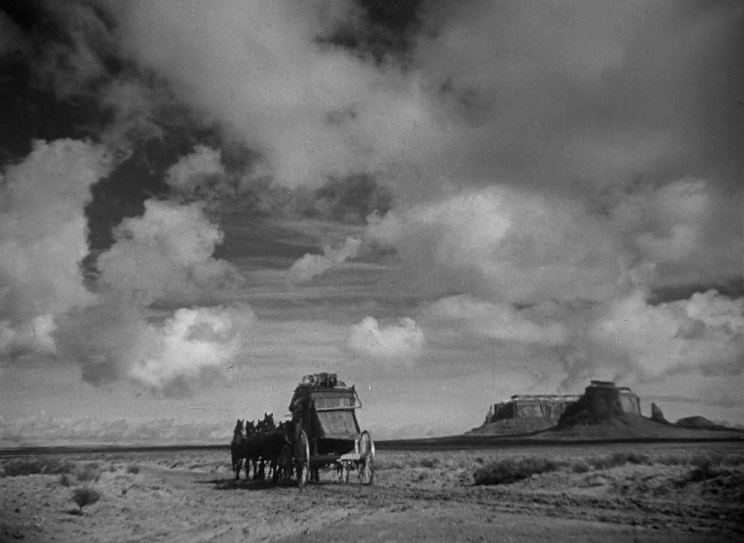
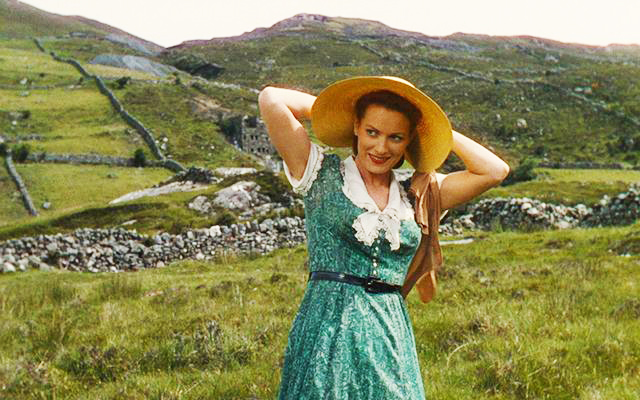
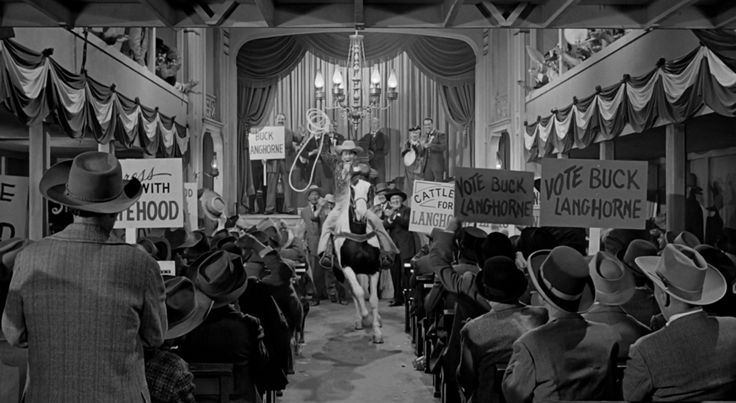
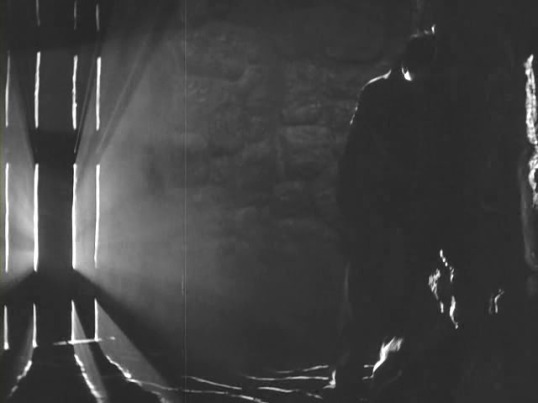
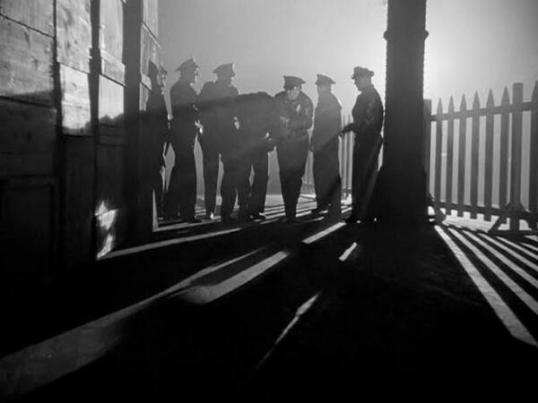
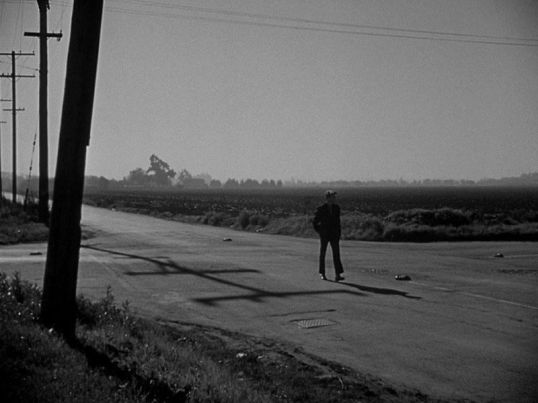
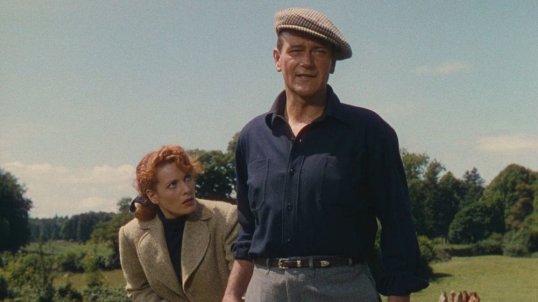
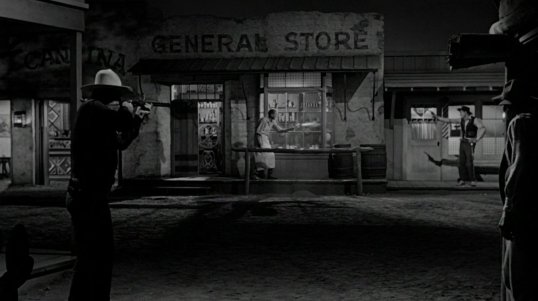
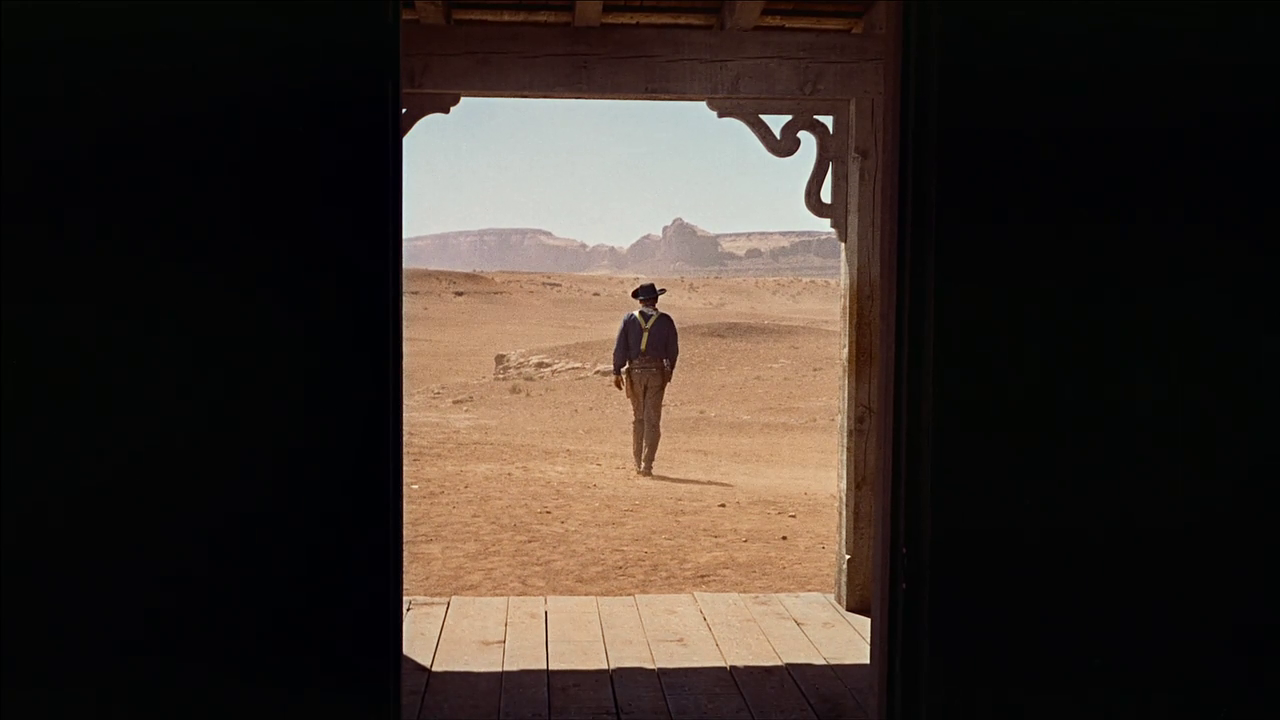
4 Shots From 4 John Ford Films: The Informer, Stagecoach, The Quiet Man, The Man Who Shot Liberty Valance


4 Or More Shots From 4 Or More Films is just what it says it is, 4 shots from 4 of our favorite films. As opposed to the reviews and recaps that we usually post, 4 Shots From 4 Films lets the visuals do the talking!

Yesterday was John Ford’s birthday.  Better late than never, here are four shots from four of my favorite John Ford films!

4 Shots From 4 John Ford Films

The Informer (1935, directed by John Ford. Cinematography by Joseph August)

Stagecoach (1939, directed by John Ford, Cinematography by Bert Glennon)

The Quiet Man (1952, directed by John Ford. Cinematography by Winton C. Hoch)

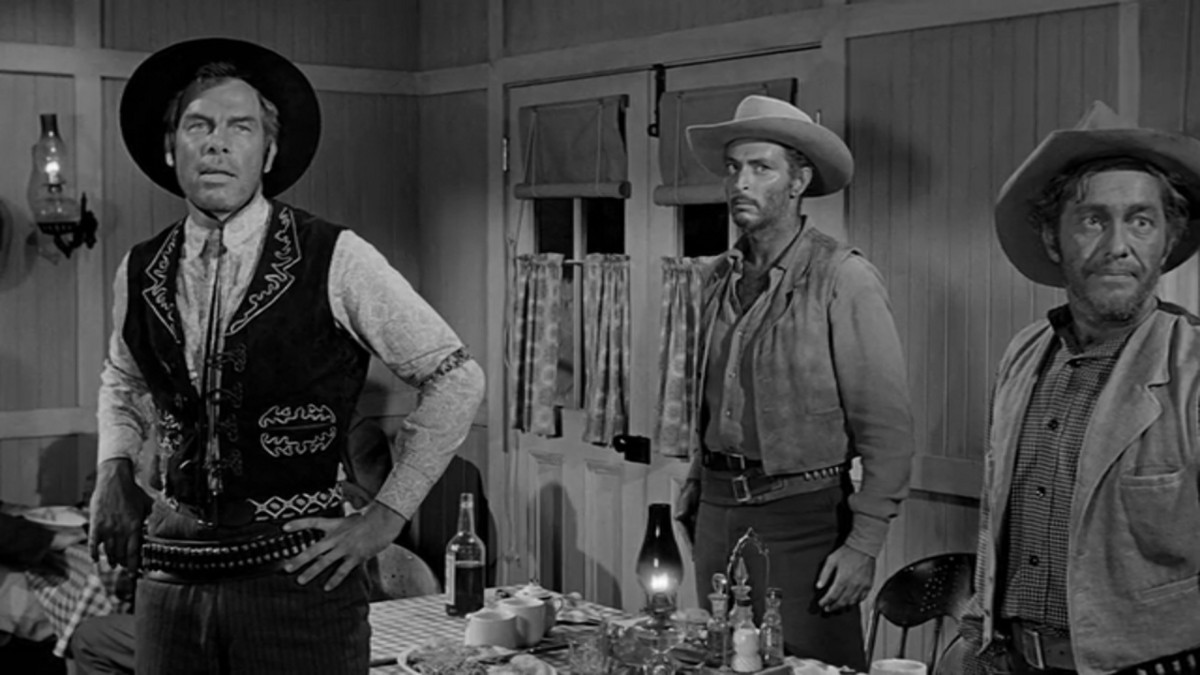
The Man Who Shot Liberty Valance (1962, directed by John Ford. Cinematography by William Clothier)

6 Shots From 6 Films: Special John Ford Edition


4 (or more) Shots From 4 (or more) Films is just what it says it is, 4 (or more) shots from 4 (or more) of our favorite films. As opposed to the reviews and recaps that we usually post, 4 (or more) Shots From 4 (or more) Films lets the visuals do the talking.

John Ford was born 127 years ago today, in Maine.  Seeing as how John Ford is one of the most influential and important directors of all time, it was pretty much guaranteed that we were going to share a few shots from his filmography on the Shattered Lens.  As a challenge to myself, I decided that I would only picks shot from Ford’s non-westerns.

However, I then remembered just how much I love The Man Who Shot Liberty Valance and that plan pretty much went out the window.

Anyway, in honor of John Ford, here are….

6 Shots From 6 Films: Special John Ford Edition

The Informer (1935, dir by John Ford, DP: Joseph H. August)

The Long Voyage Home (1940, dir by John Ford. DP: Gregg Toland)

The Grapes of Wrath (1940, dir by John Ford. DP: Gregg Toland)

They Were Expendable (1945, dir by John Ford. DP: Joseph H. August)

The Quiet Man (1952, dir by John Ford, DP: Winton C. Hoch)

The Man Who Shot Liberty Valance (1962, dir by John Ford. DP: William H. Clothier)

Scenes That I Love: The Steak Scene From The Man Who Shot Liberty Valance


Since today is the 113th anniversary of the birth of John Wayne, I decided to watch the 1962 classic, The Man Who Shot Liberty Valance!  And then I decided to share a scene that I love from the film.

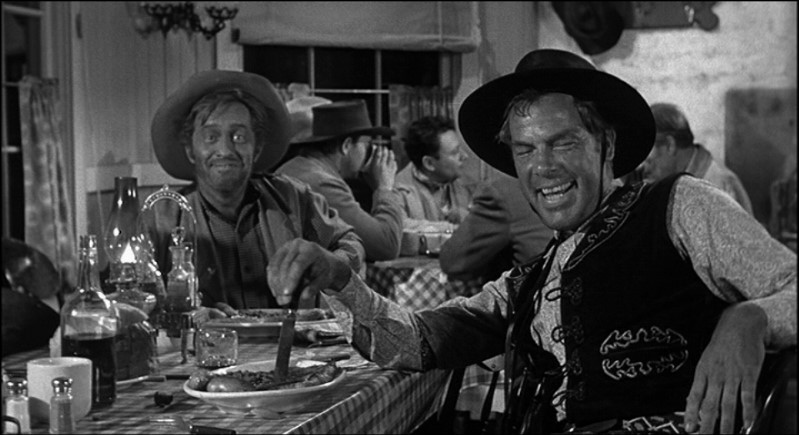
The famous steak scene features three of the greatest screen icons of Hollywood’s golden age: James Stewart, John Wayne, and Lee Marvin.  Lee Marvin is the bully who is terrorizing the entire town.  James Stewart is the idealist who thinks that the law, and not violence, is the answer.  And John Wayne is …. well, he’s John Wayne.  He’s the only man in town who can stand up to Lee Marvin but, at the same time, he’s also aware that his time is coming to a close.  In the scene below, all three of the characters display their different approaches to life and a disagreement with steak nearly leads to violence.

This scene — and really, the entire film — features these three actors at their best.  John Wayne is an actor who is often described as having “just played himself” but that’s really not quite fair.  While Wayne’s outsized persona definitely does influence how the audience reacts to any character that he plays, he was a better actor than he’s often given credit for being.  That’s especially evident in The Man Who Shot Liberty Valance, in which Wayne plays a confident man’s man who knows that fate is closing in on him.  The coming of civilization (represented by James Stewart) will be great for the town of Shinbone but it will also leave men like Wayne’s Ton Doniphon with nowhere to go.  The coming of civilization means that the heroes of the past are destined to become obsolete.

Enjoy this scene from The Man Who Shot Liberty Valance:

4 Shots From 4 Films: Special Henry Fonda Edition


4 Shots From 4 Films is just what it says it is, 4 shots from 4 of our favorite films. As opposed to the reviews and recaps that we usually post, 4 Shots From 4 Films lets the visuals do the talking!

Today, we celebrate the birthday of Henry Fonda!  Fonda was born 115 years ago today and, over the course of his long career, he was often cast in role the epitomized everything great about America.  It’s rare to find a Henry Fonda film in which he played an out-and-out villain, though he did just that in Sergio Leone’s Once Upon A Time In The West.  (Leone, in fact, cast Fonda as the evil Frank because he knew audiences would be shocked to see Fonda coldly gunning down settlers and their families.)

In honor Henry Fonda’s legacy, here are….

4 Shots From 4 Films

My Darling Clementine (1946, dir by John Ford)

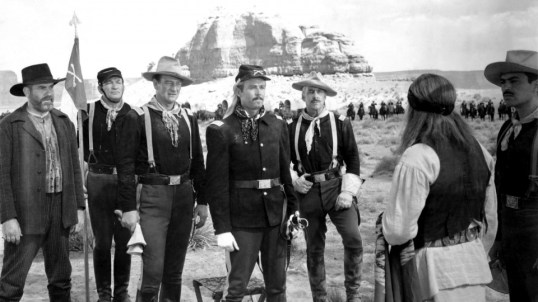
Fort Apache (1948, dir by John Ford)

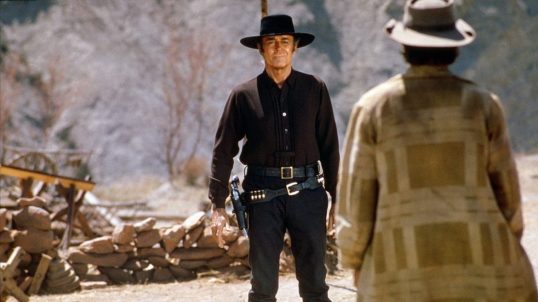
Once Upon A Time In The West (1968, dir by Sergio Leone)

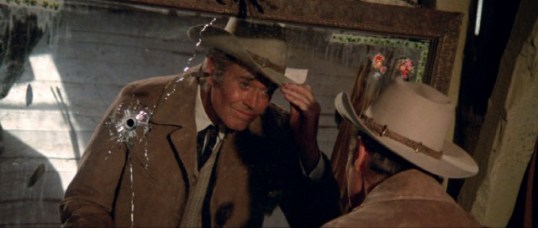
My Name Is Nobody (1973, dir by Tonino Valerii)

4 Shots From 4 Films: Special Lee Marvin Edition


Prime Cut (1972, directed by Michael Ritchie)

4 Shots From 4 Films is just what it says it is, 4 shots from 4 of our favorite films. As opposed to the reviews and recaps that we usually post, 4 Shots From 4 Films lets the visuals do the talking!

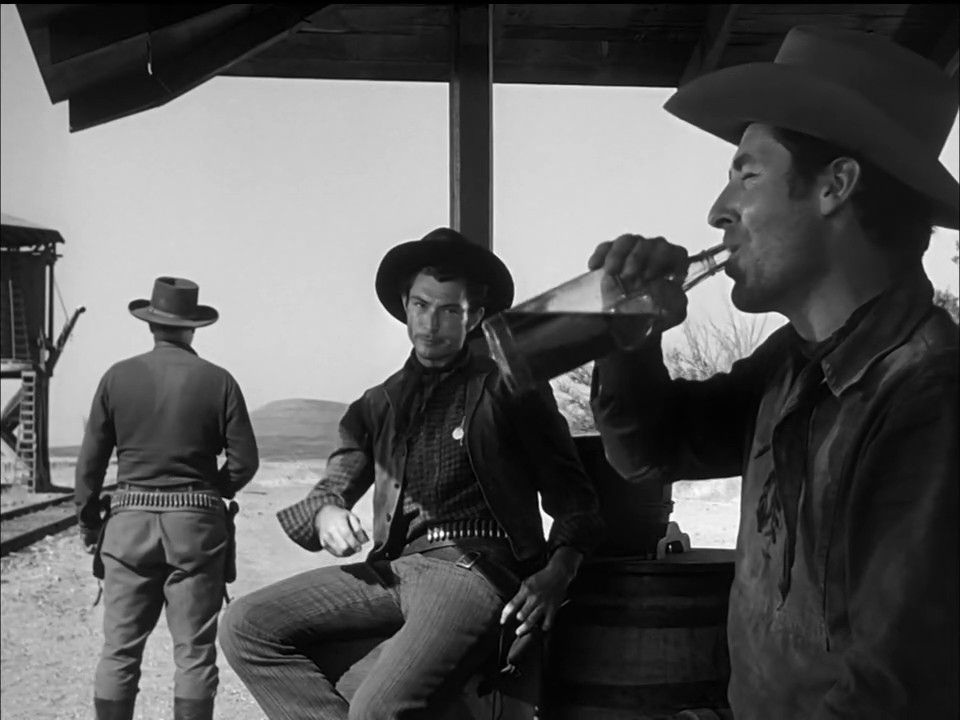
96 years ago, Lee Marvin was born in New York City.  After getting kicked out of several prestigious prep schools for “bad behavior,” 18 year-old Lee Marvin enlisted in the Marin Corps, was briefly a corporal before getting demoted back to private (again, because of “bad behavior”), and was wounded in action during the Battle of Saipan.  (Marvin was one of the few members of his unit to survive the battle.)  After he was discharged from the Marines, he worked as a plumber’s assistant at a local community theater and, after being asked to temporarily replace an actor who had fallen ill, Marvin decided to pursue a career as an actor.

Marvin became one of Hollywood’s premier tough guys.  He played his share of gangsters, cops, and cowboys but, because of his background, he was a natural for playing military men.  Whether it was The Dirty Dozen, The Big Red One, or The Delta Force, Lee Marvin was a natural leader and brought authenticity to every military role the played.  His final film was The Delta Force, which just happens to be the greatest film ever made.

In honor of Lee Marvin’s birthday, here are:

4 Shots From 4 Films

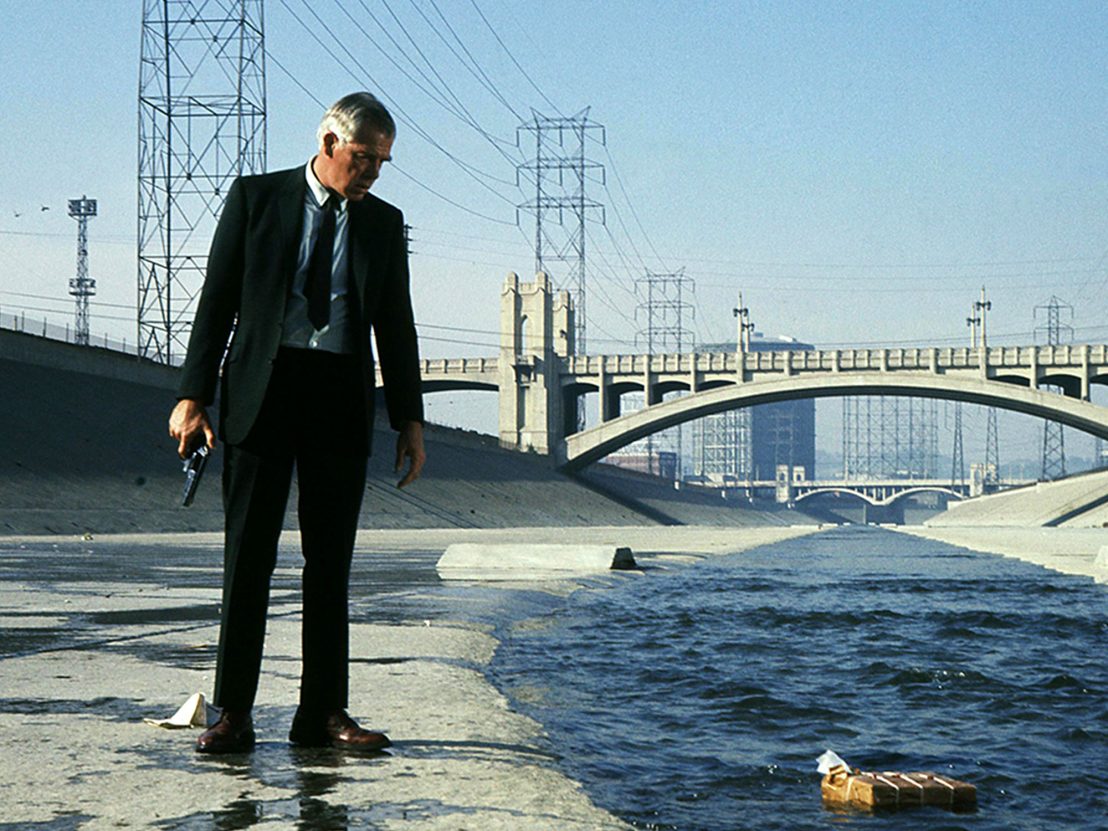
The Man Who Shot Liberty Valance (1962, directed by John Ford)

Point Blank (1967, directed by John Boorman)’

The Big Red One (1980, directed by Sam Fuller)

The Delta Force (1986, directed by Menahem Golan)

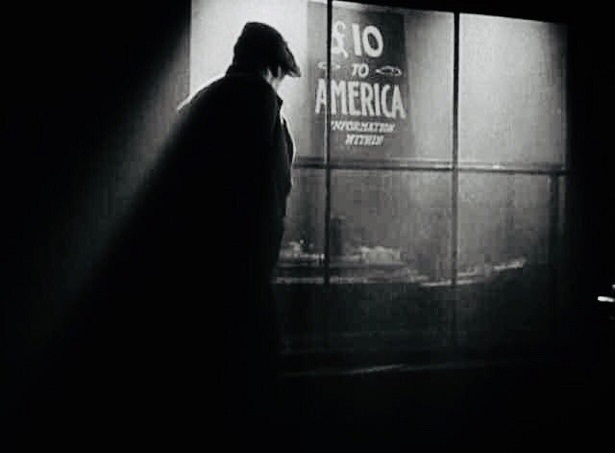
4 Shots From 4 Films: Special John Ford Edition


4 Shots From 4 Films is just what it says it is, 4 shots from 4 of our favorite films. As opposed to the reviews and recaps that we usually post, 4 Shots From 4 Films lets the visuals do the talking!

John Ford.

The very name brings to mind sweeping vistas, the grandeur of the old west, and stories about men doing what men had to do.  John Ford began his directing career during the silent era and he continued to work through the 1960s and, along the way, he created a unique and very American sort of cinema.  Though Ford may be known for his westerns, he also directed his share of war films, historical epics, and even a classic romantic comedy.  The son of Irish immigrants, Ford made several films that took place in Ireland.  The Quiet Man featured one of the greatest fight scenes in film history.  Stagecoach introduced the world to John Wayne and The Searchers proved that he could act.  With The Grapes of Wrath, Ford provided, for future generations, the definitive look at the Great Depression.  Twenty-two years later, The Man Who Shot Liberty Valance told us to always “Print the legend.”

John Ford was born 126 years ago today.  In honor of his legacy, here are 4 shots from 4 films.

4 Shots From 4 Films

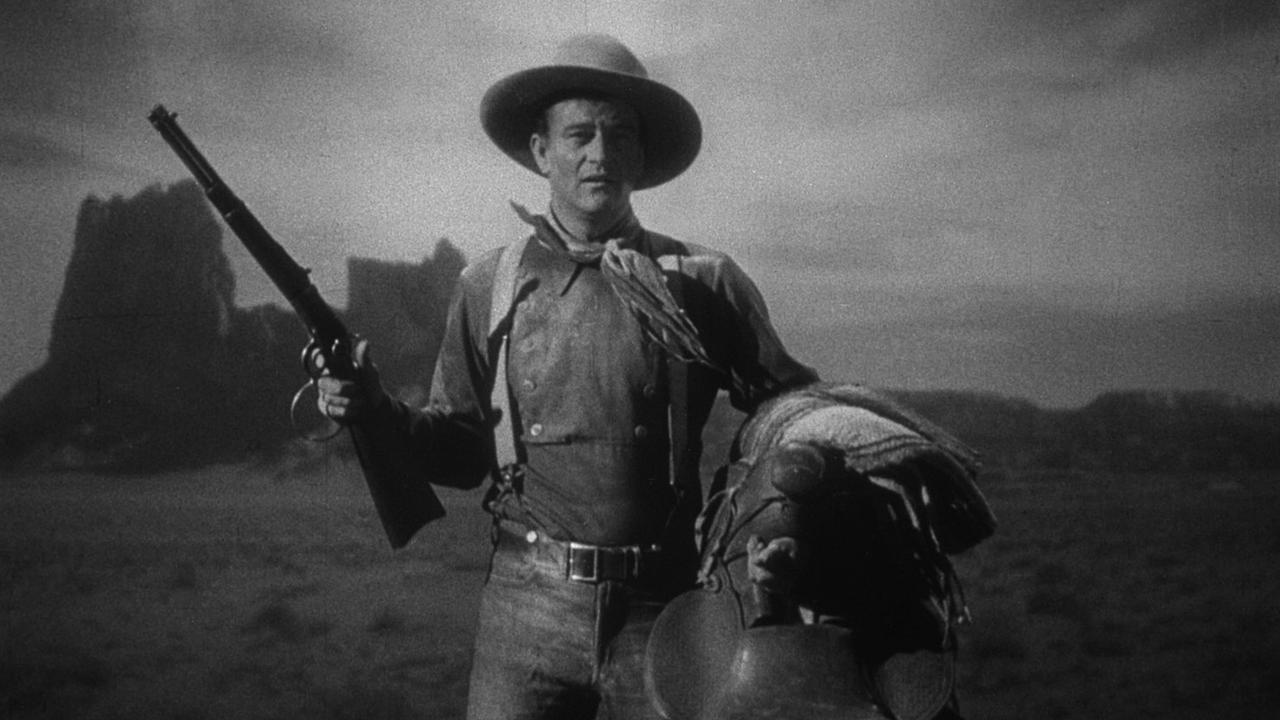
Stagecoach (1939, directed by John Ford)

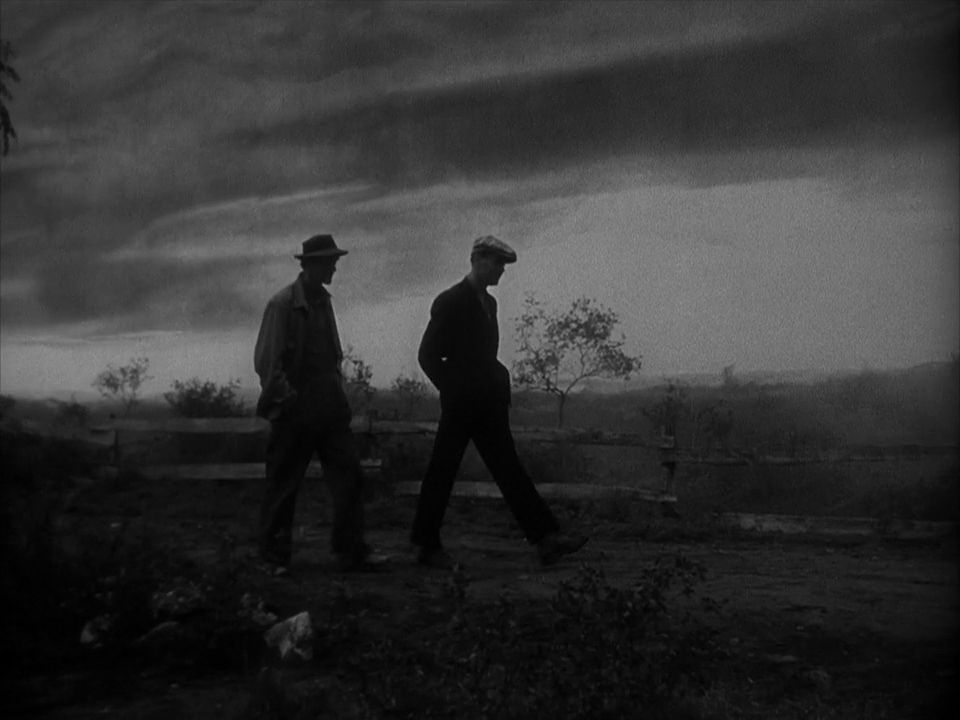
The Grapes of Wrath (1940, directed by John Ford)

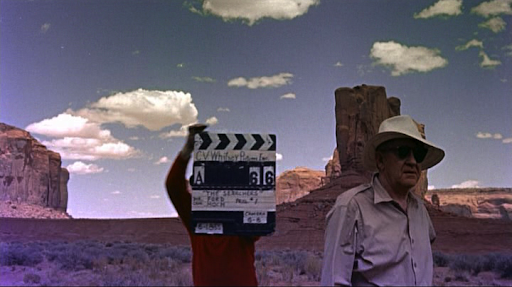
The Searchers (1956, directed by John Ford)

The Man Who Shot Liberty Valance (1962, directed by John Ford)

4 Shots From 4 Films: Happy Birthday Lee Van Cleef!


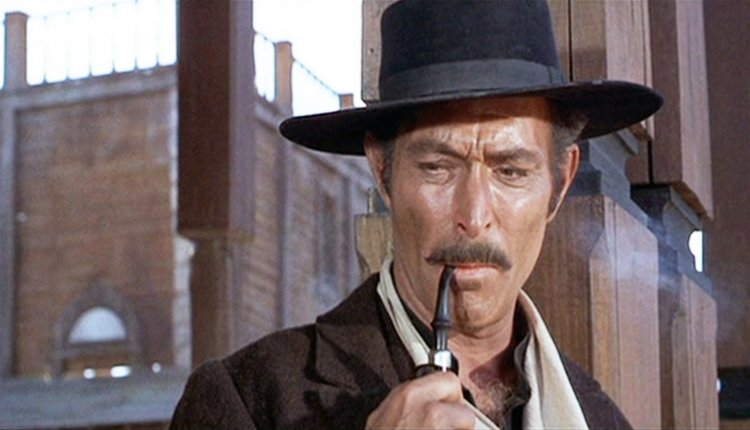
Lee Van Cleef in The Good, The Bad, and the Ugly

4 Shots From 4 Films is just what it says it is, 4 shots from 4 of our favorite films. As opposed to the reviews and recaps that we usually post, 4 Shots From 4 Films lets the visuals do the talking.

Today is the 95th birthday of the great, late Lee Van Cleef!  Van Cleef got his start playing western outlaws in Hollywood westerns like High Noon and The Man Who Shot Liberty Valance.  In the 1960s, Van Cleef did what many American actors of the time.  He went overseas to find better roles and bigger paychecks.  A series of roles in Spaghetti westerns made Van Cleeef one of the biggest stars in Europe and it also made him a timeless film icon.

In honor of the career and legacy of Lee Van Cleef, here are 4 shots from 4 films.

 4 Shots From 4 Lee Van Cleef Films

High Noon (1952, directed by Fred Zinnemann)

The Man Who Shot Liberty Valance (1962, directed by John Ford)

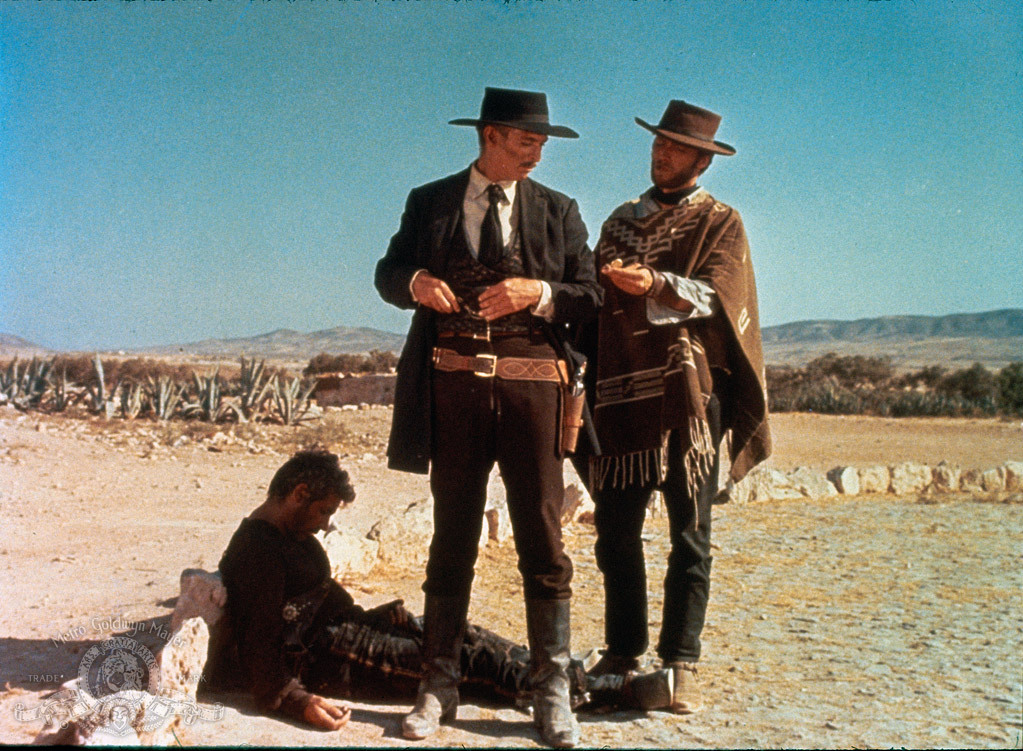
For A Few Dollars More (1965, directed by Sergio Leone)

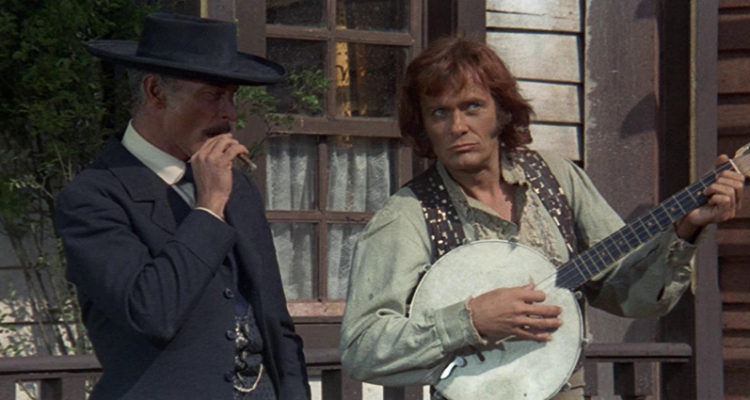
Sabata (1969, directed by Gianfranco Parolini)


Man of the People: John Ford’s THE LAST HURRAH (Columbia 1958)


gary loggins's avatarcracked rear viewer

This post has been preempted as many times as tonight’s State of the Union Address! 


John Ford’s penchant for nostalgic looks back at “the good old days” resulted in some of his finest works. The sentimental Irishman created some beautiful tone poems in his 1930’s films with Will Rogers, and movies like HOW GREEN WAS MY VALLEY and THE QUIET MAN convey Ford’s sense of loss and wistful longing for simpler times. The director’s THE LAST HURRAH continues this theme in a character study about an Irish-American politician’s final run for mayor, running headfirst into a new era of politics dominated by television coverage and media hype instead of old-fashioned boots-on-the-ground handshaking and baby-kissing. It’s not only a good film, but a movie buff’s Nirvana, featuring some great older stars and character actors out for their own Last Hurrah with the Old Master.

Based on Edwin O’Connor’s 1956 novel, the…

View original post 818 more words

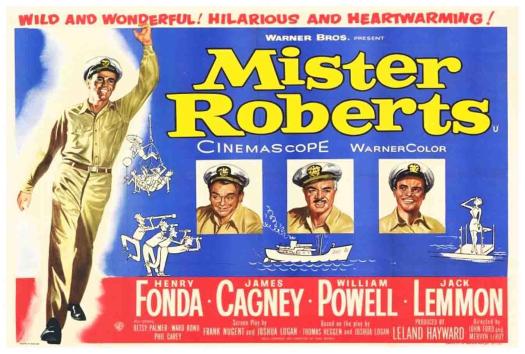
Navy Blue & Gold: MISTER ROBERTS (Warner Brothers 1955)


gary loggins's avatarcracked rear viewer

I grew up a “Navy brat”, often accompanying my dad to bases in Newport, RI. and Bethesda, MD. I’d hang out at the Enlisted Men’s Club he ran, watching Bugs Bunny and Road Runner cartoons with the sailors while dad did the books. I remember going aboard ship plenty of times, and saw one of my first movies with the crew on Family Night (the Cary Grant/Doris Day flick THAT TOUCH OF MINK). So naturally, I have a soft spot for nautical tales, and one of my favorites has always been MISTER ROBERTS.

The film marked Henry Fonda’s return to the screen after an eight year absence. Fonda had starred in the original Broadway production to great acclaim, and his performance is imbued with his own experiences during WWII. Douglas Roberts is a lieutenant (j.g.) assigned to the cargo ship Reluctant in the South Pacific, run by the vain…

View original post 733 more words