The Eric Roberts Collection: Bonnie And Clyde: Justified (dir by David DeCoteau)


2013’s Bonnie and Clyde: Justified opens with a long-haired Eric Roberts introducing himself as legendary Texas Ranger Frank Hamer.  Speaking straight to the camera, Roberts-as-Hamer warns us against idolizing the notorious Depression-era outlaws Bonnie and Clyde.  They were murderers!, Hamer tells us with all the fervor of a tent revival preacher.

We then flashback to Bonnie (Ashley Hayes) and Clyde (Jim Poole) driving down a country road.  Clyde is behind the wheel.  Bonnie, a redhead like me!, reads aloud her latest poem about what it’s like to be a notorious outlaw.  Suddenly, Hamer and his men appear on the roadside and open fire.

We then start yet another flashback.  15 year-old Bonnie marries good-for-nothing Roy (Julian Brand) while Clyde and his brother Buck (Hagen Mills) steal a truck full of turkeys.  Jump forward to 1929 and Bonnie is unhappily married and working in a diner that we’re told is in Dallas, Texas.  Oddly enough, there’s a lot of mountains in the background.  I live in North Texas and I can assure you that, as much as things have changed here over the past few years, one thing has always remained the same.  There are no mountains in Dallas County.

Eventually, Bonnie meets Clyde, they fall in love, and they rob banks.  At least, that’s what we’re told.  The majority of the film is told through sepia-toned still shots and newspaper headlines.  Clyde attempts to escape from prison but we don’t actually see him do it.  Instead, we just see a headline.  Bonnie and Clyde rob banks but, again, we don’t really see it as much as we hear about it.  Even when people die during the robberies, we don’t really learn the exact circumstances that led to Clyde opening fire.  Ashley Hayes actually gives a good performance as Bonnie and her scrappy interpretation of the character is probably closer to the truth than Faye Dunaway’s.  As for Jim Poole, he’s much better-looking than the real Clyde Barrow and that’s a good thing.  Who wants to watch an ugly bank robber?  There’s a reason why my distant-relation Pretty Boy Floyd remains a legend.  As for the title, you may be wondering what exactly was justified about Bonnie and Clyde.  You can argue that they were justified in doing what they had to do in order to survive during the Great Depression.  Or you can argue that Frank Hamer was justified in ambushing them.  Or you can assume the film was trying to appeal to (or perhaps just tricks) fans of the Justified television series.  Or you can just not worry about it.

This is the story of Bonnie and Clyde on a budget.  It came out in 2013, presumably to coincide with a 4-hour Bonnie and Clyde miniseries that was airing on A&E at the time.  To be honest, you have to respect the nerve of a film about Bonnie and Clyde that doesn’t actually feature much of them doing what they were famous for.  Cheers to director David DeCoteau for sticking with it and giving Eric Roberts top-billing for a cameo appearance.  And cheers to Eric Roberts for just being Eric Roberts.

Previous Eric Roberts Films That We Have Reviewed:

  1. Star 80 (1983)
  2. Blood Red (1989)
  3. The Ambulance (1990)
  4. The Lost Capone (1990)
  5. Love, Cheat, & Steal (1993)
  6. Love Is A Gun (1994)
  7. Sensation (1994)
  8. Dark Angel (1996)
  9. Doctor Who (1996)
  10. Most Wanted (1997)
  11. Wolves of Wall Street (2002)
  12. Mr. Brightside (2004)
  13. Six: The Mark Unleased (2004)
  14. Hey You (2006)
  15. In The Blink of an Eye (2009)
  16. Enemies Among Us (2010)
  17. The Expendables (2010) 
  18. Sharktopus (2010)
  19. The Dead Want Women (2012)
  20. Deadline (2012)
  21. The Mark (2012)
  22. Miss Atomic Bomb (2012)
  23. Lovelace (2013)
  24. The Mark: Redemption (2013)
  25. Self-Storage (2013)
  26. This Is Our Time (2013)
  27. Inherent Vice (2014)
  28. Road to the Open (2014)
  29. Rumors of War (2014)
  30. Amityville Death House (2015)
  31. A Fatal Obsession (2015)
  32. Stalked By My Doctor (2015)
  33. Enemy Within (2016)
  34. Joker’s Poltergeist (2016)
  35. Prayer Never Fails (2016)
  36. Stalked By My Doctor: The Return (2016)
  37. The Wrong Roommate (2016)
  38. Dark Image (2017)
  39. Black Wake (2018)
  40. Stalked By My Doctor: Patient’s Revenge (2018)
  41. Clinton Island (2019)
  42. Monster Island (2019)
  43. The Savant (2019)
  44. Seven Deadly Sins (2019)
  45. Stalked By My Doctor: A Sleepwalker’s Nightmare (2019)
  46. The Wrong Mommy (2019)
  47. Exodus of a Prodigal Son (2020)
  48. Free Lunch Express (2020)
  49. Her Deadly Groom (2020)
  50. Top Gunner (2020)
  51. Deadly Nightshade (2021)
  52. Just What The Doctor Ordered (2021)
  53. Killer Advice (2021)
  54. The Poltergeist Diaries (2021)
  55. The Rebels of PT-218 (2021)
  56. A Town Called Parable (2021)
  57. Bleach (2022)
  58. My Dinner With Eric (2022)
  59. Aftermath (2024)
  60. The Wrong Life Coach (2024)
Scenes That I Love: Nicolas Cage in Zandalee


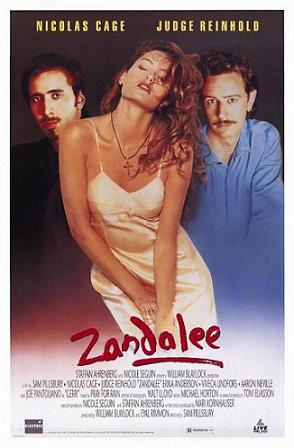
Today, the Shattered Lens wishes a happy 61st birthday to the great Nicolas Cage.  Over the years, Cage has become an icon of everything that we love about the movies.  He’s appeared in great films.  He’s appeared in bad films.  He’s done films that barely had a budget and he’s appeared in blockbusters.  He can do drama.  He can do comedy.  He can do horror.  He can do action.  His performances are often so wonderfully bizarre that will sit through the worst films ever made just to catch a Nicolas Cage cameo.  And yet, for every strange Cage performance, there’s a Cage performance that is undeniably brilliant, like his performance in Pig.

Today’s scene that I love comes from 1990’s Zandalee.  In this scene, Nicolas Cage and Judge Reinhold share a dance on a Louisiana pier.

4 Shots From 4 Films: Special Roger Pratt Edition


4 Shots From 4 Films is just what it says it is, 4 shots from 4 of our favorite films. As opposed to the reviews and recaps that we usually post, 4 Shots From 4 Films lets the visuals do the talking.

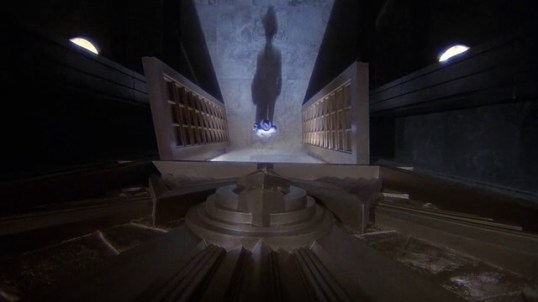
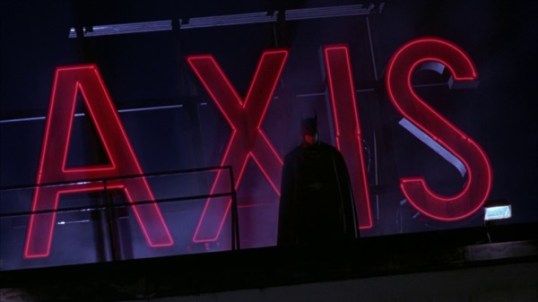
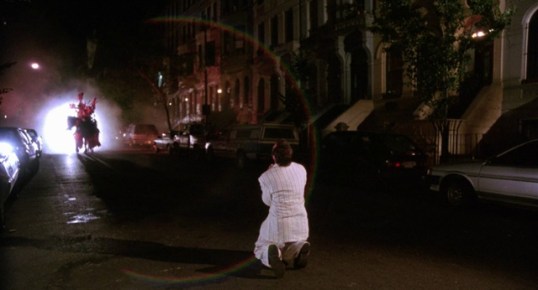
Yesterday, it was announced that the veteran cinematographer Roger Pratt passed away in December.  Known for his work with Terry Gilliam and Tim Burton, Pratt left behind a legacy of visually stunning films.  It’s time for…

4 Shots From 4 Roger Pratt Films

Brazil (1985, dir by Terry Gilliam, DP: Roger Pratt)

Batman (1989, dir by Tim Burton, DP: Roger Pratt)

The Fisher King (1991, dir by Terry Gilliam, DP: Roger Pratt)

12 Monkeys (1995, dir by Terry Gilliam, DP: Roger Pratt)


Film Review: The Great Smokey Roadblock (dir by John Leone)


First released in 1977, The Great Smokey Roadblock tells the story of Elegant John Howard (Henry Fonda).

Elegant is not really his first name.  It’s a nickname, one to let us know that, in the world of independent truckers, John Howard was one of the good guys.  He never crashed his rig.  He never overcharged for a job.  He always arrived on time and in good shape.  John Howard was a good man but then he turned 60 and he got sick.  He spent months in the hospital, unable to work.  His truck was repossessed.  The movie starts with John sneaking out of his hospital room, stealing back his truck, and hitting the road in search of one final job.  Though John says he just wants to make enough money to get his truck back, the truth is that John is terminally ill.  If he’s going to die, he wants to die doing what he loves.  Of course, dying while driving could lead to some trouble for anyone else who happens to be on the road at the time but still, you have to respect John’s determination.  He’s a true American, independent to his core.

(My Dad occasionally made a living driving a truck so perhaps that’s why I’m partial to films like this one.)

John picks up a hitchhiker, a religious young man named Beebo Crozier (Robert Englund).  John picks Beebo up because Beebo was walking through the desert in a suit.  Beebo claims that he’s walking to Florida but John tells him that he can’t do that.  John will drive Beebo to Florida.  Of course, John also expects Beebo to pay for the gas that his truck uses because it’s not like John has any money.  At first, Beebo accuses John of cheating him.  (Henry Fonda cheating someone!?  Perish the thought!)  Soon, however, John has become Beebo’s mentor.

Everyone respects John but no one wants to hire him.  The only offer that John gets is from sleazy Charlie Le Pere (Gary Sandy), who has an agenda of his own.  Finally, John visits his old friend, Penelope (Eileen Brennan).  Penelope is a madam whose brothel has just been closed down.  John agrees to transport Penelope and her girls (including Susan Sarandon) to a new location on the East Coast.  Penelope offers to help John pay the bills.  Elegant John’s a pimp now!  (I was about to say that this seemed like an odd turn-of-events for Henry Fonda but then I remembered that he starred in The Cheyenne Social Club with Jimmy Stewart.)

There’s not really much of a plot to The Great Smokey Roadblock.  John, Beebo, Penelope, and the girls travel from one location to another.  They get thrown in jail by a notoriously corrupt deputy named Harley Davidson (Dub Taylor).  After they escape, they become minor celebrities.  Two counterculture journalists (played by Austin Pendleton and John Byner) show up and help them broadcast their story and the film comes to a halt while Pendleton and Byner exchange what sounds like improvised dialogue.  The police attempt to set up a roadblock to stop Elegant John and his Six Mystery Women.  I guess that’s the Great Smokey Roadblock of the title.

It’s a weird movie, in that the humor is extremely broad and often crude but Henry Fonda is playing a man who is not only terminally ill but who actually looks like he’s terminally ill.  (Henry Fonda himself was reportedly very ill during the filming of The Great Smokey Roadblock.)  As such, it’s a rather melancholy comedy, one in which every joke seems like it might be the last one that Elegant John will ever hear.  In the 70s, not even a trucker comedy could have a happy ending and, as such, The Great Smokey Roadblock feels like a drive-in film for the existential set.  The film’s plot doesn’t really add up to much and is full of plot holes that serve as evidence of a troubled production.  That said, there’s something rather charming about seeing a pre-Nightmare On Elm Street Robert Englund playing a gentle guy who ends up as Henry Fonda’s protegee.  Fonda and Englund play off each other well and their scenes together are the best thing about The Great Smokey Roadblock.

Lisa Marie Reviews An Oscar Winner: From Here To Eternity (dir by Fred Zinnemann)


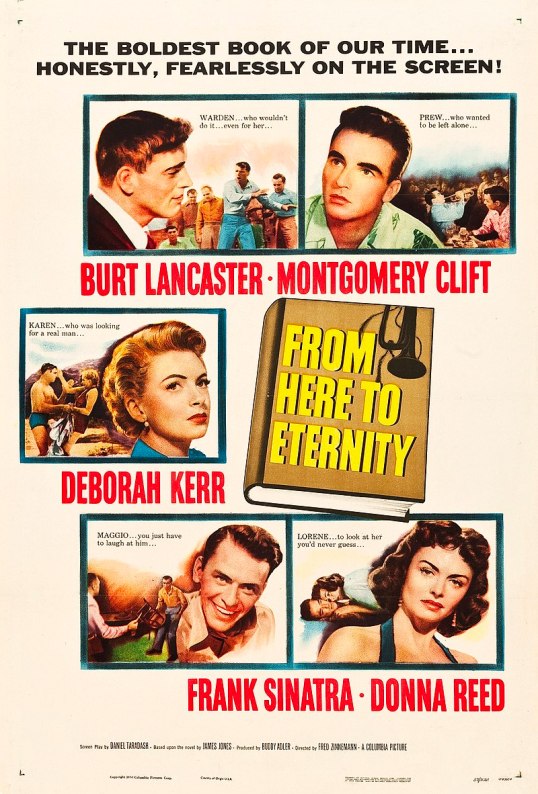
“The boldest book of our time,” shouts the poster art for 1953’s From Here To Eternity, “honestly, fearlessly brought to the screen!”

And indeed, James Jones’s novel was brought to the screen about as boldly as a studio film could be brought in 1953.  The book told the story of several soldiers in the days immediately before the attack on Pearl Harbor.  The Production Code was still in effect and, as a result, a few changes were made to the film’s plot.  Donna Reed played Lorene, a character who is described as being a “hostess” at social club but who, in the book, worked at a brothel that was popular with the soldiers from a nearby army base.  In the book, an unfaithful husband gives his wife a venereal disease that leads to her getting a hysterectomy.  In the movie, Karen’s (Deborah Kerr) hysterectomy was the result of a miscarriage that occurred after she discovered her husband was being unfaithful.  The book was critical of the Army and featured officers who faced no consequences for their actions.  The movie definitely presents the enlisted men as being at the mercy of officers but the worst of the officers is ultimately disciplined.  The movie was made with the cooperation of the U.S. Army and, as a result, the film’s villains — like Captain Holmes (Philip Ober) and the monstrous Fatso Judson (Ernest Borgnine) — were portrayed as being aberrations who did not represent the Army as a whole.  That said, the film version of From Here To Eternity is still a powerful, moving, and daring film.  What couldn’t be shown on screen is still suggested.  One might not see the specifics of what Fatso Judson does to Maggio (Frank Sinatra) in the stockade but it’s not difficult to figure out.

The film follows one company of soldiers as they laugh, fight, and fall in love while stationed in Hawaii.  They spend time training for a war that most of them think will never come.  Captain Holmes is more concerned with his regimental boxing team than the prospect of going to war and is confused when Private Prewitt (Montgomery Clift) refuses to stop back into the ring.  Prewitt, who takes pride in his ability as a bugler, quit boxing after he blinded an opponent in the ring but Holmes doesn’t care.  Holmes wants another trophy for his office.  He orders Sgt. Warden (Burt Lancaster) to make life Hell for Prewitt until Prewitt agrees to box.  Warden, who has seen a lot of officers come and go and who has been tempted to become an non-commissioned officer himself, is having an affair with Holmes’s wife, Karen.  Meanwhile, Prewitt and his friend Maggio spend their time looking forward to the weekends they’re allowed to spend off the base.  Prewitt has fallen in love with Lenore but, as with all the men in From Here To Eternity, Prewitt’s true love is for the army.  Even with Holmes pressuring him to box, Prewitt’s loyalty is to the men with whom he serves.  There’s a lot of drama, a lot of death, and a lot of romance.  This is the film in which Burt Lancaster and Deborah Kerr make out on the beach while the tide rolls in.  But, when Pearl Harbor is attacked, all of the drama and all of the romance is forgotten as America goes to war.

From Here To Eternity is one of the best films of the 1950s and certainly one of the more worthy winners for Best Picture.  Intelligently directed, wonderfully acted, deliriously romantic, and finally rather sad, it’s a film that embraces the melodrama without ever hitting a false note.  Burt Lancaster’s rugged weariness, Montgomery Clift’s method sensitivity, Frank Sinatra’s naturalism, Ernest Borgnine’s crudeness, Deborah Kerr’s classiness, and Donna Reed’s earnestness all come together to create a film in which the characters feel real and alive.  Warden, Prewitt, Lenore, Karen, and Maggio are all interesting, multi-faceted people, trying to find some sort of happiness in the shadow of an inevitable war.  The viewer may sometimes have mixed feelings about their actions (and Borgnine’s Judson is one of the most loathsome roles that the normally likable Borgnine ever played) but you never cease to care about them and their stories.  With all of the characters and the affairs and the secrets, From Here To Eternity can feel like a soap opera but it’s also a portrait of a world that is on the verge of changing forever.

A few years ago, I attended a screening of From Here To Eternity at the Dallas Angelika.  This is a film that definitely deserves to be seen on the big screen.  From the famous scene on the beach to the attack on Pearl Harbor to the tragic final moments, this is a big movie that deals with big emotions and big moments.  It’s one of the best.

Happy Birthday to actress Jan Gan Boyd, Charles Bronson’s co-star in ASSASSINATION (1987)!


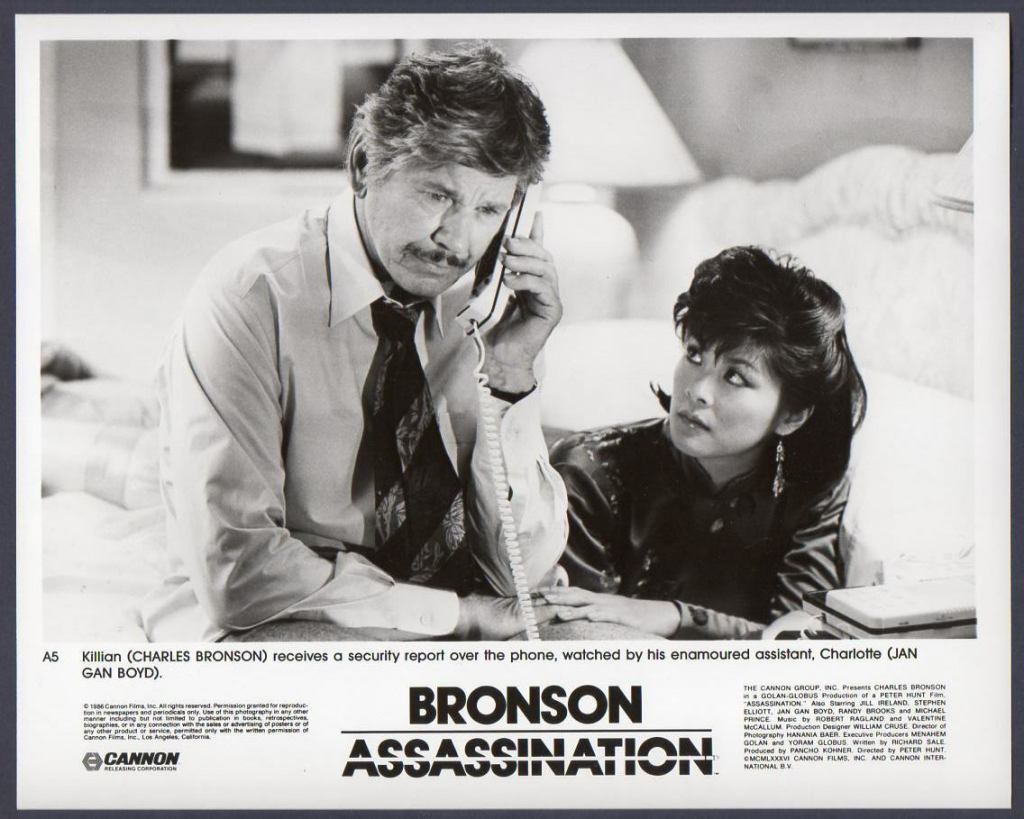
I wanted to take a moment and show some appreciation for actress Jan Gan Boyd on her birthday. Jan has been a part of my life since I was 13 years old since she co-starred with Charles Bronson in the 1987 Cannon film ASSASSINATION.

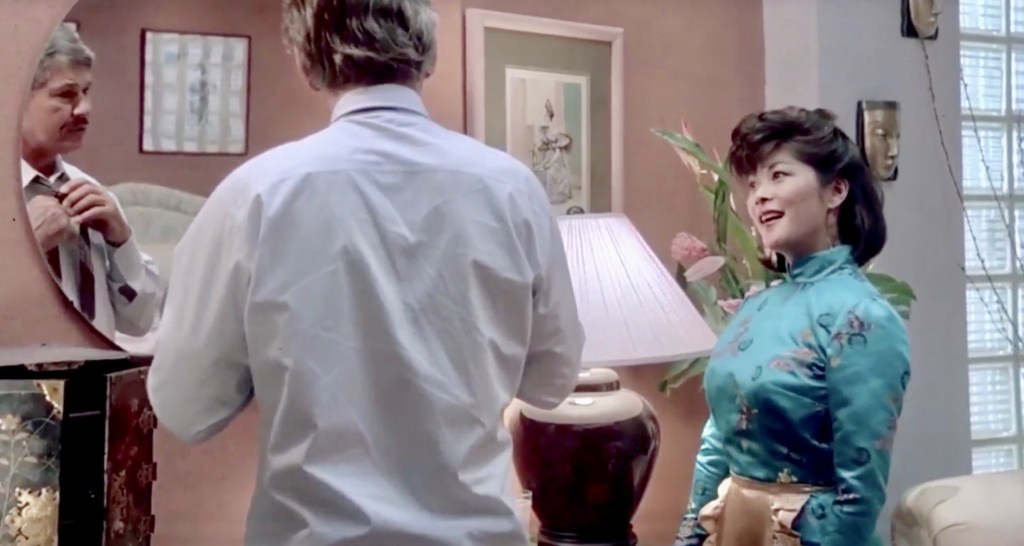
In a nutshell, the plot of ASSASSINATION revolves around secret service agent Jay Killian (Bronson), who finds himself in the position of trying to protect an extremely strong-willed first lady (Jill Ireland) from assassins trying to kill her. Jan plays Charlotte “Charlie” Chang, a member of the team assigned to protect the first lady, who has an extra special relationship with Killian. And while ASSASSINATION is not one of Charles Bronson’s best movies, I always liked Jan in the film. She had spunk and attitude, and her relationship with Bronson’s character is definitely unique in Bronson’s 80’s filmography. Believe it or not, Killian and Charlie had casual sex, and she survived the end of the movie to talk about it! As a matter of fact, her exchange with Killian the next morning leads to one of the great moments of Bronson dialogue:

Charlie Chang: “Killy, why don’t you move in here permanently?”

Jay Killian: “I don’t want to die of a terminal orgasm!”

I guess lines like that bond actors for life and Jan stayed friends with Charles Bronson and Jill Ireland all the way up to each of their deaths.

Jan got her start in the movies through her abilities as a trained dancer when she co-starred with Michael Douglas in the 1985 film, A CHORUS LINE, directed by Richard Attenborough. I think she’s one of the best characters in the film. And 1987 was a very busy year for Jan. After filming ASSASSINATION with Bronson, she would co-star with Martin Kove in the film STEELE JUSTICE, and then with David Soul in HARRY’S HONG KONG. She would spend the next few years of her career doing guest spots on shows like CHEERS, SISTERS, and SILK STALKINGS. It was at this point that she took a break from her career to get married and raise a family. Over the last few years, she has started to get involved in voice-over work, as well as appearing on shows like “Dance Dish,” where she discussed her time as a dancer and her work on A CHORUS LINE.

On a personal note, I must say that Jan Gan Boyd is one of the sweetest ladies I’ve ever met. My partner Eric Todd and I got the opportunity to interview her for an episode of the THIS WEEK IN CHARLES BRONSON podcast a couple of years ago. She told us some of the best stories about Charles Bronson and Jill Ireland, as well as what it was like to work with them on ASSASSINATION. She truly loved them in real life, and it was so fun sharing that time with her. As a matter of fact, over on our TWICB Facebook page, every January is now Jan-Gan-uary! I’ve attached a link to the podcast episode if you would like to hear more from Jan about her career and her work with Bronson, Michael Douglas, and Richard Attenborough.

Song of the Day: The Power of Love by Huey Lewis and the News


Since we’re in a Back to the Future sort of mood at the site today, today’s song of the day is an obvious one.  Here is The Power of Love, by Huey Lewis and the News!

The power of love is a curious thing
Make a one man weep, make another man sing
Change a hawk to a little white dove
More than a feeling, that’s the power of love

Tougher than diamonds, rich like cream
Stronger and harder than a bad girl’s dream
Make a bad one good, mm, make a wrong one right
Power of love that keep you home at night

You don’t need money, don’t take fame
Don’t need no credit card to ride this train
It’s strong and it’s sudden, and it’s cruel sometimes
But it might just save your life
That’s the power of love

First time you feel it, it might make you sad
Next time you feel it, it might make you mad
But you’ll be glad, baby, when you’ve found
That’s the power makes the world go ’round

And it don’t take money, don’t take fame
Don’t need no credit card to ride this train
It’s strong and it’s sudden, it can be cruel sometimes
But it might just save your life

They say that all in love is fair
Yeah, but you don’t care (ooh)
But you know what to do (what to do)
When it gets hold of you
And with a little help from above
You feel the power of love
Can you feel it?
Hm-hm

It don’t take money, and it don’t take fame
Don’t need no credit card to ride this train
Tougher than diamonds and stronger than steel
But you won’t feel nothin’ ’til you feel

You feel the power, just feel the power of love
That’s the power, mm, that’s the power of love
You feel the power of love
Feel the power of love

Songwriters: Huey Lewis / John Victor Colla / Christopher John Hayes

Monday Live Tweet Alert: Join Us for The Wraith!


As some of our regular readers undoubtedly know, I am involved in hosting a few weekly live tweets on twitter and occasion ally Mastodon.  I host #FridayNightFlix every Friday, I co-host #ScarySocial on Saturday, and I am one of the five hosts of Mastodon’s #MondayActionMovie!  Every week, we get together.  We watch a movie.  We snark our way through it.

Tonight, for #MondayActionMovie, the film will be The Wraith, starring Charlie Sheen, Sherilyn Fenn, Randy Quaid, Clint Howard, and Nick Cassavetes!

It should make for a night of fun viewing and I invite all of you to join in.  If you want to join the live tweets, just hop onto Mastodon, pull up The Wraith on YouTube, start the movie at 8 pm et, and use the #MondayActionMovie hashtag!

Enjoy!


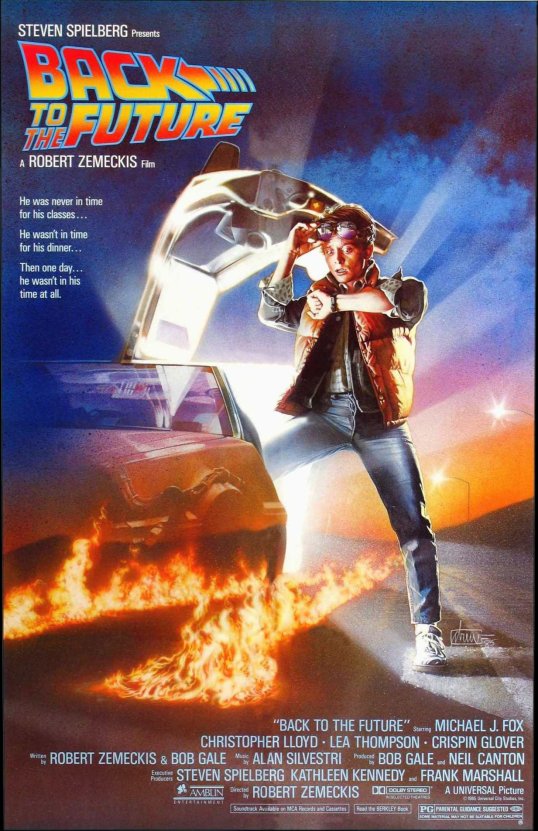
Scenes That I Love: Back To The Future


Today would have been the 100th birthday of inventor and would-be automotive tycoon, John DeLorean.  Today’s scene that I love comes from 1985’s Back To The Future and it features DeLorean’s most famous contribution to world of driving (not to mention Doc Brown’s most famous invention, as well!).

Thank you, John DeLorean, for giving us a car so cool that it could travel through time.

4 Shots From 4 Films: Special John Singleton Edition


4 Shots From 4 Films is just what it says it is, 4 shots from 4 of our favorite films. As opposed to the reviews and recaps that we usually post, 4 Shots From 4 Films lets the visuals do the talking.

As I mentioned earlier, today would have been the 57th birthday of John Singleton, the first black filmmaker to ever receive an Oscar nomination for Best Director.  It’s time for….

4 Shots From 4 John Singleton Films

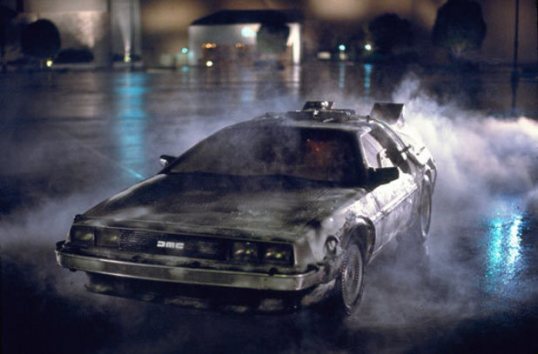
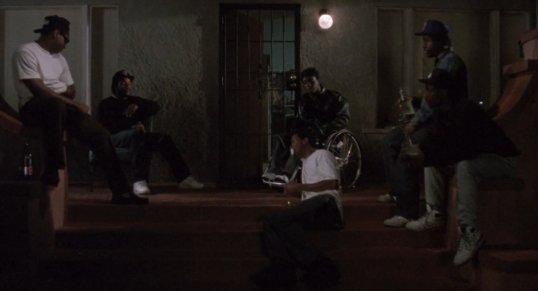
Boyz N The Hood (1991, dir by John Singleton, DP: Chuck Mills)

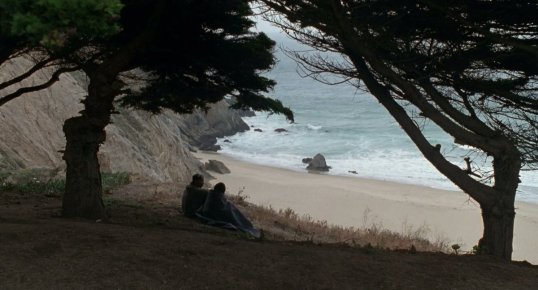
Poetic Justice (1993, dir by John Singleton, DP: Peter Lyons Collister)

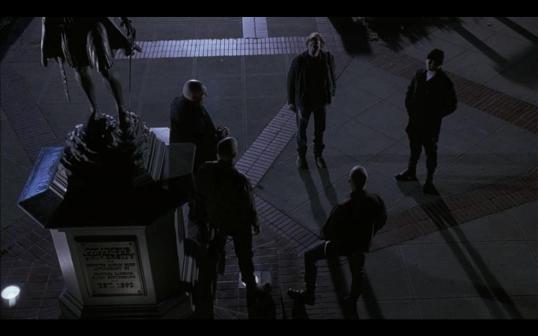
Higher Learning (1995, dir by John Singleon, DP: Peter Lyons Collister)

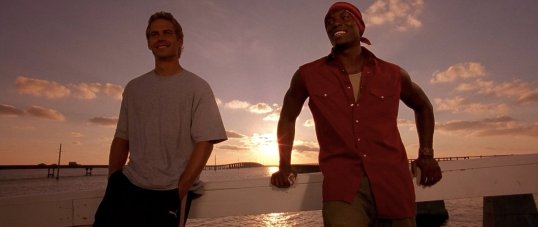
2 Fast 2 Furious (2003, dir by John Singleton, DP: Matthew Leonetti)