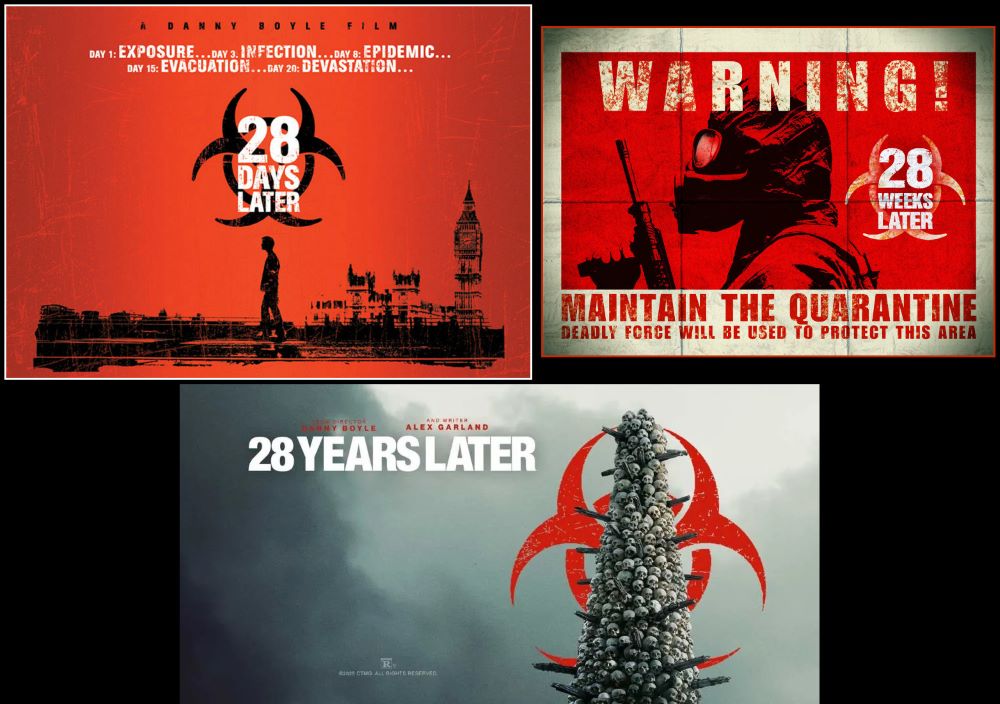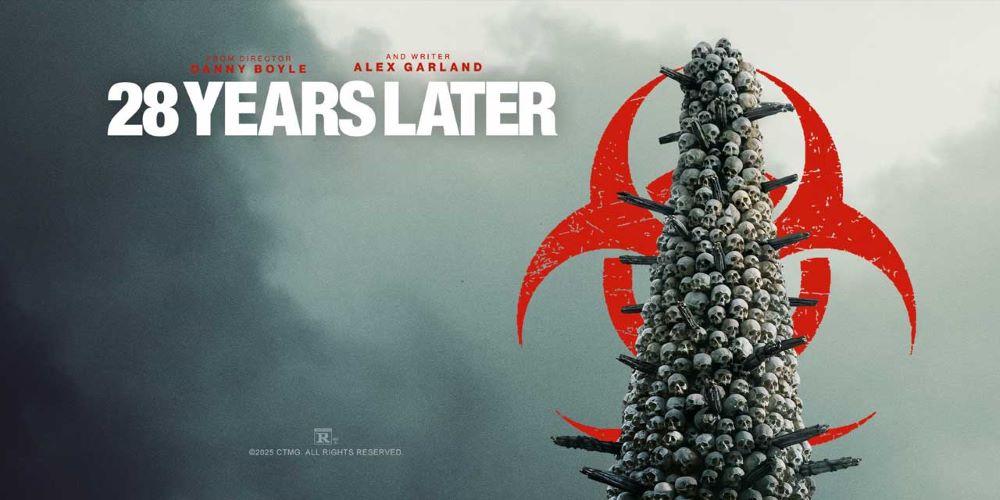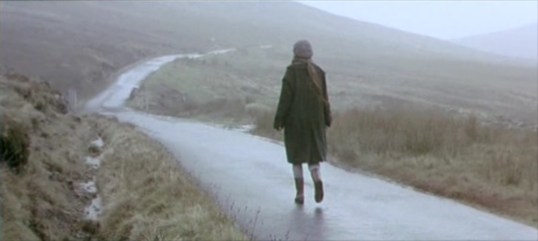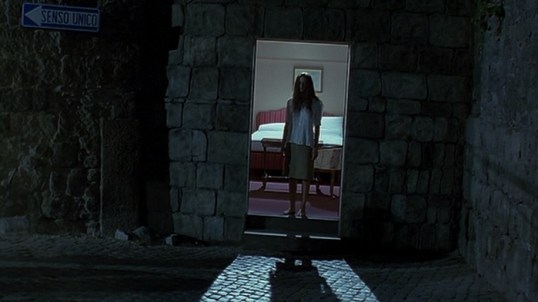
This October, I’m going to be doing something a little bit different with my contribution to 4 Shots From 4 Films. I’m going to be taking a little chronological tour of the history of horror cinema, moving from decade to decade.
Raw Urgency and Psychological Horror in 28 Days Later
The original 28 Days Later broke new ground in horror filmmaking with its raw depiction of societal collapse fueled by a bioengineered rage virus. Danny Boyle and cinematographer Anthony Dod Mantle’s decision to shoot on early digital video cameras gave the film a distinct grainy, handheld aesthetic that enhanced the feeling of immediacy and disorientation. This style was pivotal in immersing the audience in the eerie emptiness of a London ravaged by infection and abandonment. The stark realism allowed viewers to viscerally experience the isolation and relentless threat surrounding the protagonists.
Unlike traditional zombie films that relied on the supernatural or undead creatures, 28 Days Later introduced infected humans whose fast, uncontrollable aggression metaphorically represented not just a physical virus but the eruption of primal rage and societal breakdown. The tension escalates beyond the infected themselves, focusing sharply on human nature’s darker side through the militarized faction led by Major West, whose corruption and moral decay pose threats as dangerous as the virus itself. This potent blend of external horror and ethical decay elevated the film into a profound exploration of survival, despair, and moral ambiguity in post-apocalyptic conditions. The film resonated deeply with early 21st-century anxieties about sudden disaster and social breakdown, marking a revitalization of horror that has influenced countless works since.
Expansion and Escalation in 28 Weeks Later: A Cinematic Allegory of Its Time
Five years later, 28 Weeks Later expanded the series’ scope significantly. Director Juan Carlos Fresnadillo shifted the narrative from personal survival to the complexity of institutional attempts at restoring order. The film’s polished 35mm cinematography reflected its larger budget and ambition, with expansive urban destruction, dynamic action sequences, and a broader focus on systemic chaos. The narrative unfolds against the backdrop of a militarized “Green Zone” in London, an unmistakable cinematic parallel to the fortified American-controlled zone in Baghdad during the Iraq War.
This allegory extends beyond setting: it captures the tangled failures and ethical dilemmas inherent in the military occupations of Iraq and Afghanistan. The film’s military forces struggle to differentiate friend from foe, ally from insurgent, mirroring the real-world complexities and frequent tragic mistakes of those conflicts. The virus and subsequent resurgence symbolize not only physical contagion but institutional and social rot—highlighting how the rage of war, betrayal, and corruption can infect governance and community trust. The film’s grim depiction of fractured family relationships echoes a society strained by war and occupation, portraying how betrayal and mistrust pervade all levels of social interaction. Through this lens, 28 Weeks Later critiques the hubris of militarized control and the illusion of security, underscoring the fragile, often illusory nature of civilization under stress.
The film’s slicker, high-production-value style distances the viewer somewhat from the intimate immediacy of 28 Days Later but serves its themes by creating a sensation of broad and relentless turmoil. Thematically, this sequel embraces a darker cynicism by portraying militaristic and bureaucratic responses to crisis as part of the problem rather than the solution, intensifying the series’ meditation on rage to encompass political and social failure as well as personal violence.
Reflection and Maturation in 28 Years Later: Evolution of Horror, Philosophy, and a Pandemic Mirror
Returning to the director’s chair decades after the original, Danny Boyle’s 28 Years Later marks a tonal and stylistic evolution that reflects not only the temporal distance from the initial crisis but also a deepening philosophical introspection. The film depicts a Britain still struggling under the long shadow of trauma left by the rage virus. Its infected are no longer iconic red-eyed figures vomiting blood but more mutated, less defined threats, symbolic of how trauma itself can evolve into something less visible but more pervasive.
Cinematographically, 28 Years Later blends moody, shadowy aesthetics with intimate, often handheld shots. Notably, the production’s use of modern digital technology, including iPhone cameras, allowed the film to maintain an intimate feel despite technological shifts. This stylistic choice reflects the thematic focus on memory, decay, and fragile attempts at normalcy. The film’s visual language speaks to a world where the horrors of the past persist beneath the surface, influencing human behavior and societal structures.
Importantly, 28 Years Later serves as a cinematic allegory to the global COVID-19 pandemic and its aftermath. In interviews, both Boyle and Garland acknowledged how the experience of living through the COVID crisis deeply informed the film’s narrative and tone. The pandemic effectively turned empty urban landscapes and daily precautions—once confined to dystopian fiction like 28 Days Later—into real shared experience. The film’s story of a society struggling to live with the virus, navigating quarantine zones and adapting to endemic conditions, echoes how the world has contended with COVID-19’s ongoing impact. Themes of risk, resilience, and generational divide are foregrounded: characters grapple with what it means to live “28 years later,” taking long-term risks even as uncertainties remain. This mirror between fiction and reality deepens the film’s resonance, showing how past speculative fears have become present-day lived realities.
The tonal shift to a more contemplative and somber horror reflects how the pandemic shifted global consciousness from immediate crisis to endurance and adaptation. The film acknowledges grief, loss, and the cultural memory of lives disrupted and taken. Notably, a character’s act of creating memorials to victims reflects real-world efforts to remember those lost to COVID-19, underscoring cinema’s role in processing collective trauma. While this evolution away from pure terror to introspection divides audiences—some missing previous visceral scares—it represents a mature reckoning with the lasting scars pandemics imprint on humanity.
Pandemic Parallels: The Trilogy as a Cinematic Allegory for COVID-19 and Endemic Realities
While each film in the 28 Days Later trilogy originally reflected the anxieties and socio-political contexts of its own era, together they now resonate profoundly as a prophetic allegory of the global COVID-19 pandemic and humanity’s ongoing struggle to live with viral threats as part of everyday life. The trilogy’s trajectory—from sudden catastrophic outbreak to institutional collapse to long-term trauma and adaptation—mirrors the historical arc the world has experienced with COVID-19, offering viewers insight into the psychological, societal, and cultural impacts of pandemics.
28 Days Later anticipated much of the early pandemic experience—fear of rapid contagion, empty cityscapes, social disintegration, and the terrifying vulnerability of individuals isolated amid a global crisis. Jim’s awakening into an eerily deserted London strikingly parallels the empty streets during COVID lockdowns around the world, turning what was once dystopian fantasy into frightening reality. The film’s exploration of panic, isolation, and distrust toward institutions echoes widespread experiences of confusion, fear, and uncertainty during the first months of the pandemic when COVID-19 was unfamiliar, unpredictable, and devastating.
28 Weeks Later deepens this pandemic allegory by portraying the consequences of failed institutional responses and attempts at control. The militarized “Green Zone” concept eerily parallels the real-world challenges of creating “safe zones” amid outbreaks, with tensions between enforcement, mistrust, and community survival. The film’s depiction of fractured families and systemic collapse reflects how social solidarity frays under the pressure of prolonged crisis, political distrust, and ethical quandaries surrounding public health measures experienced globally during COVID waves. The allegory isn’t just about physical infection but social contagion—fear, misinformation, and political polarization as viral threats themselves.
With 28 Years Later, the trilogy fully embraces its role as a cultural mirror to COVID-19’s enduring legacy. Danny Boyle and Alex Garland have openly discussed how the realities of the pandemic shaped the film’s narrative and tone, with characters navigating life decades after the outbreak under quarantine and endemic conditions. The film presents a world where viral infection is an ongoing condition to be managed rather than eradicated, reflecting how many experts now view COVID-19’s transition from acute pandemic to endemic presence. This shift from immediate horror to long-term social and psychological adaptation speaks to the global experience of living alongside risk and uncertainty, balancing caution with the human drive to reconnect and rebuild.
Visual motifs such as quarantine zones, memorial walls, and generational divides throughout the film underscore real-world pandemic realities about loss, resilience, and the passing of collective trauma. The story’s focus on a new generation born into post-virus society echoes global concerns about children’s—educational, emotional, and social—impacts during and after COVID. The film’s meditative tone reflects the world’s evolving understanding that recovery from a pandemic is neither swift nor purely scientific but deeply human, requiring reckoning with grief, memory, and ethical questions about care and sacrifice.
Together, the trilogy transcends traditional horror storytelling to become a cinematic meditation on humanity’s confrontation with biological catastrophe—capturing the terror of sudden collapse, the anguish of institutional failure, and the fragile hope of enduring and adapting to an altered world. In doing so, the 28 Days Later series offers both a chilling warning and a compassionate reflection on survival in an age defined by viral uncertainty.
Stylistic Evolution: From Gritty Realism to Reflective Sophistication
The trilogy’s visual evolution is a testament to the shifting thematic priorities and growing artistic ambition of the filmmakers. 28 Days Later’s raw digital aesthetic—with grainy textures and handheld immediacy—rooted the audience in the chaos of sudden societal collapse, pioneering an immersive and tangible horror. The decision to film real, unpopulated London streets added an authentic eeriness that fueled the film’s power.
With 28 Weeks Later, the move to 35mm film signaled a turn toward cinematic polish, spectacle, and scope. The expansive shots, precise lighting, and dynamic action sequences reflect the film’s thematic scale, portraying systemic collapse and institutional failure with cinematic authority. The surveillance-like camerawork amplifies feelings of observation and control that echo its allegorical engagement with military occupation themes.
28 Years Later rebalances styles, fusing intimate handheld shots with shadowy, atmospheric imagery, aided by modern digital filmmaking tools including smartphone cameras. This blend cultivates mood and emotional depth over traditional jump scares, visually representing a society haunted by trauma and in cautious recovery. The stylistic shift underscores the trilogy’s journey from immediate survival panic to measured reflection on long-term consequences.
Thematic Progression and the Metaphor of Rage
Rage is the fundamental metaphor animating the trilogy, but its form and focus evolve significantly. In 28 Days Later, rage manifests as an explosive primal force embodied in the infected—visible, aggressive, and terrifying, stripping away thin veneers of civilization to reveal instinctual violence.
28 Weeks Later expands rage to include institutional rot, betrayal, and the failure of governance. The infected remain threats but rage’s more insidious expressions appear in military violence, political cynicism, and fracturing communities. Rage becomes a societal contagion undermining cohesion as thoroughly as any virus.
28 Years Later shifts to a metaphor of inherited trauma and enduring wounds. Rage here is less overt but deeper—passed through generations in memory, ethics, and societal dysfunction. The virus and its mutated infected echo how psychological and cultural trauma evolve and persist, questioning humanity’s capacity for healing or self-destruction.
Characters and Emotional Depth: From Intimate Survival to Generational Reckoning
Character arcs reflect this thematic evolution. 28 Days Later centers on individual survival and fragile relationships formed amid chaos. Jim’s transformation from bewildered victim to protector provides audiences emotional grounding in a shattered world.
28 Weeks Later explores family ruptures wrought by betrayal and trauma, mirroring broader social breakdowns. Characters’ struggle with trust and loss enriches the narrative with psychological realism.
28 Years Later depicts survivors burdened by collective memory and ethical dilemmas, often across generations. Its characters wrestle not only with the immediate horrors but with legacies of violence and the search for reconciliation, offering psychological and moral complexity rare in horror narratives.
Cultural Impact and Legacy
28 Days Later transformed horror by replacing slow, supernatural zombies with fast, rage-fueled infected who symbolize contemporary fears about sudden collapse and human savagery. It revitalized a moribund genre and influenced popular culture globally.
28 Weeks Later expanded on this foundation with action spectacle and socio-political allegory, polarizing audiences but enriching thematic depth, especially with its projection of military occupation anxieties.
28 Years Later confronts the real-world pandemic experience directly, integrating cultural trauma into its narrative and style. It challenges genre boundaries by emphasizing reflection and resilience over instant terror, heralding a new phase for horror cinema aware of global trauma.
The Future of the “28 Days Later” Series: Continuing the Journey
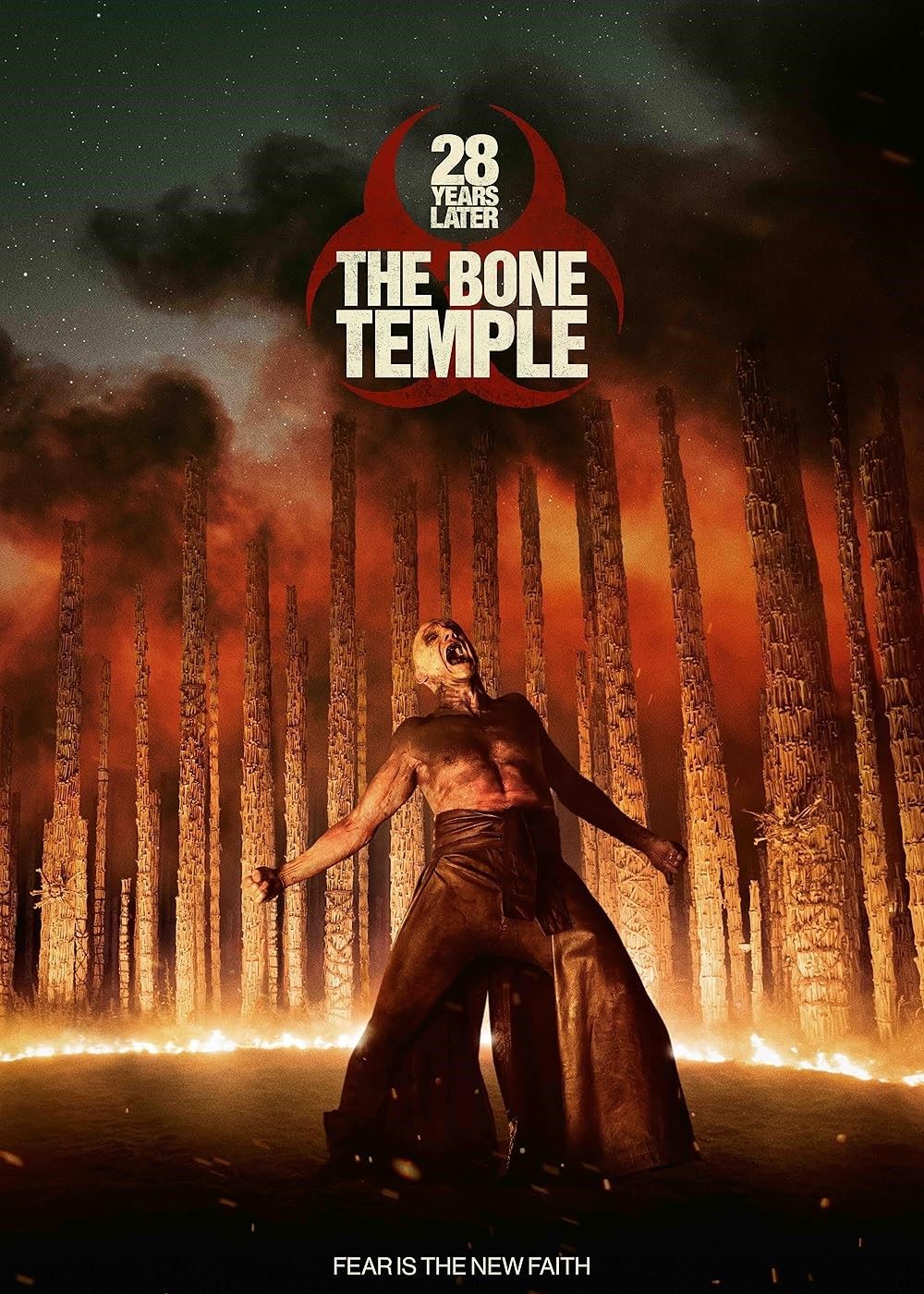
Building on the foundation of its groundbreaking predecessors, the “28 Days Later” series is set to continue with two more films that promise to expand its intricate narrative and thematic depth. 28 Years Later: The Bone Temple, directed by Nia DaCosta and scripted by Alex Garland, is scheduled for release in January 2026. This film, shot back-to-back with 28 Years Later (2025), will deepen the post-apocalyptic exploration with returning characters and new threats, continuing the saga of trauma, survival, and societal collapse.
Additionally, a fifth film in the series is currently in development, though its title and release date remain unannounced. With Danny Boyle and Alex Garland involved in these projects, audiences can expect a thoughtful continuation that balances horror with reflective inquiry into humanity’s resilience. The return of Cillian Murphy as Jim further ties the new films to the series’ emotional origins, ensuring that the evolving mythology stays grounded in personal stakes.
As these future films approach, the 28 Days Later series remains ripe for ongoing critical and cultural re-examination, especially given its enduring power to mirror contemporary fears—from early 2000s anxieties to the global experience of the COVID-19 pandemic and beyond. The series stands as a dynamic, evolving reflection on rage, ruin, and the hope for redemption in an uncertain world.
Danny Boyle waited nearly two decades to return to the world he helped redefine with his groundbreaking 2002 film 28 Days Later, which reshaped the zombie subgenre by replacing the traditional, slow-moving undead with fast, feral infected that embody contagion, panic, and societal collapse. While purists continue to debate whether the creatures are technically zombies or infected, Boyle’s vision fundamentally changed how audiences engage with themes of epidemic, survival, and the breakdown of order on screen. The 2007 follow-up, 28 Weeks Later, directed by Juan Carlos Fresnadillo, expanded the Rage virus mythology and landscape but lacked the original’s haunting intimacy and innovation, leaving the franchise in a state of uncertainty until Boyle and writer Alex Garland reunited for 28 Years Later, a film that feels less like a conventional sequel and more like an elegy for a deeply changed world.
The film opens with a short, brutal prologue: young Jimmy Crystal’s family is consumed by the Rage virus while watching Teletubbies, and the boy flees to find safety only to discover his minister father welcoming the infected as a sign of apocalyptic judgment. This early scene deftly establishes the film’s unease, blending visceral horror with spiritual inquiry and foreshadowing a narrative caught between faith, grief, and chaos. Boyle reasserts his command of visceral set pieces while signaling that this film is more concerned with memory and ritual than with relentless terror.
Decades later, the British Isles have been sealed off; NATO forces enforce a quarantine and blockade, isolating the mainland as a toxic exclusion zone. On the tidal island of Lindisfarne, a small community clings to a fragile existence, protected by a causeway that floods at high tide—a detail that metaphorically underscores themes of isolation and dangerous connection. It is here that the emotional core emerges in Jamie and his son Spike, played by Aaron Taylor-Johnson and the remarkable newcomer Alfie Williams. Their spare, heartfelt relationship grounds what otherwise wanders into meditative and often surreal territory.
Alfie Williams emerges as one of the year’s most impressive new talents. His portrayal of Spike avoids the usual survivor archetype; instead, he presents a boy deeply shaped by inherited trauma and cautious curiosity. Boyle’s camera lingers on Williams’ face, capturing silent shifts of fear, wonder, and resilience, making his quiet moments as powerful as the film’s larger set pieces. Williams shines particularly in a sequence where Spike and his mother, portrayed with subtle grace by Jodie Comer, navigate a moss-covered village reclaimed by nature; Williams embodies awe and terror with a single glance. His encounters with the evolved infected—some sedentary and tree-like, others organized into predator packs—are charged with terrifying authenticity and emotional depth. Early reviews label Williams a breakout star, praising his ability to hold the screen alongside veteran actors.
Visually, Boyle and cinematographer Anthony Dod Mantle experiment with a striking mix of techniques, blending the use of iPhone 15 Pro Max cameras and drones with traditional film methods to create a language that oscillates between intimate human moments and sweeping, documentary-style landscapes. The Britain depicted is no longer a lifeless wasteland but an ecologically regrown terrain—lush, eerie, and indifferent. This verdant backdrop reflects the Rage virus’s own evolution. The infected have adapted in ways both terrifying and fascinating: some feed off the earth and fungus, becoming near-plantlike and sedentary, while others form packs ruled by alpha mutants, suggesting emergent social structures even after humanity’s collapse. This biological and ecological evolution amplifies the film’s central theme: survival transcending humanity.
Anchoring the film’s philosophical inquiry is Ralph Fiennes’s performance as Dr. Ian Kelson, a former general practitioner who has exiled himself to live among the infected. Fiennes crafts Kelson with haunting solemnity and layered ambiguity—part caregiver, part fanatic, part recluse—who has created the eponymous “Bone Temple,” a shrine assembled from bones and memories to honor the dead and the changed world they inhabit. The role requires quiet intensity, and Fiennes delivers; his interactions with Spike are charged with both menace and melancholy. Kelson’s reverence for the infected and his willingness to coexist with them challenge traditional survivalist narratives, injecting the film with a solemn meditation on loss, acceptance, and the possibility of new forms of life.
28 Years Later opts for a deliberately slower, more contemplative pace than its predecessors. Boyle and Garland invest their energy in exploring grief, adaptation, and collective memory. The infected become symbolic forces of transformation rather than mere antagonists, while survivors seek meaning through ritual and remembrance as a bulwark against despair. This approach has divided fans: some lament the absence of the unrelenting terror and pace that characterized the earlier films, while others welcome the franchise’s intellectual maturity and thematic depth.
Certain scenes—such as the stranded NATO patrol subplot and glimpses of emerging cult-like human factions—hint at a larger, more complex world but never overshadow the film’s intimate father‑son narrative. Jodie Comer complements Williams with a nuanced portrayal of Spike’s mother, and Taylor‑Johnson brings grounded emotional weight to Jamie, embodying a parent wrestling with how to protect the next generation in a broken world and dealing with his own inner demons.
The interplay between Williams and Fiennes forms the film’s core dynamic, uniting youthful vulnerability with somber reflection. Kelson’s philosophical acceptance of the apocalypse contrasts with Spike’s struggle for identity and belonging, producing compelling, often unsettling exchanges that elevate the narrative’s moral complexity.
Toward the film’s conclusion, a jarring tonal shift occurs with the sudden arrival of a grown-up Jimmy Crystal, whose unsettling presence and cult leadership drastically change the mood. The moment is so discordant that viewers are left questioning whether it is literal or a fevered hallucination—an ambiguity that effectively sets the stage for the sequel.
The upcoming follow-up, 28 Years Later: The Bone Temple, is set for release in January 2026 and will be directed by Nia DaCosta, with Alex Garland returning as screenwriter. This sequel is expected to explore the role of Kelson’s Bone Temple more deeply and develop the cult gathering led by Jack O’Connell’s Jimmy Crystal, expanding on the fractured post-apocalyptic world and the characters introduced in the current film.
Ultimately, 28 Years Later is a film about evolution—of species, storytelling, and filmmaking itself. It balances raw dread with haunting visuals and somber themes, anchored by Alfie Williams’s quietly compelling Spike and Ralph Fiennes’s enigmatic Dr. Ian Kelson. Boyle has not merely revived the franchise; he has transformed it into an unsettling, elegiac meditation on rage, loss, and the fragile hope that survives beyond apocalypse.
6 Shots From 6 Films is just what it says it is, 6 shots from 6 of our favorite films. As opposed to the reviews and recaps that we usually post, 6 Shots From 6 Films lets the visuals do the talking!
Today, we take a look at a classic cinematic year. It’s time for….
6 Shots From 6 1996 Films
Breaking the Waves (1996, dir by Lars Von Trier, DP: Robby Muller)
The Stendhal Syndrome (1996, dir by Dario Argento, DP: Giuseppe Rotunno)
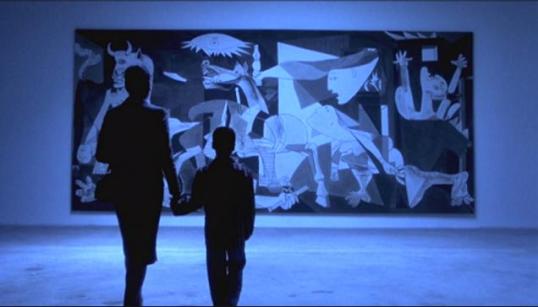
Fargo (1996, dir by the Coen Brothers, DP: Roger Deakins)
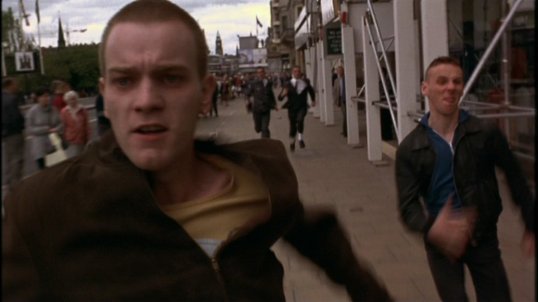
Trainspotting (1996, dir by Danny Boyle, DP: Brian Tufano)
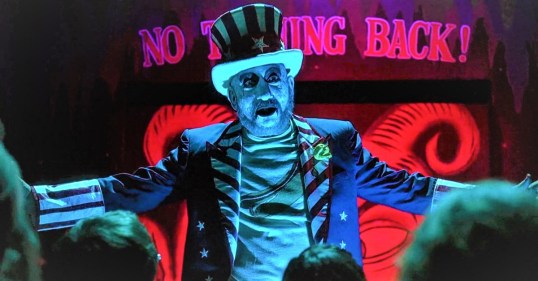
Basquiat (1996, dir by Julian Schnabel, DP: Ron Fortunato)
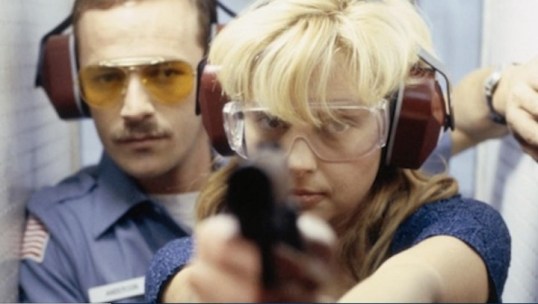
Normal Life (1996, dir by John McNaughton, DP: Jean de Segonzac)
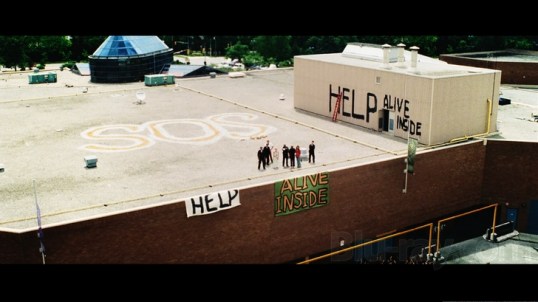
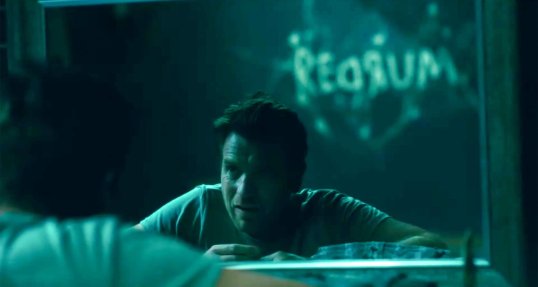
In a film full of disturbing and frightening moments, this is the one that always gets to me. I think it’s a combination of how apologetic the clueless Jim is and also just the way those heads pop up when he says, “Hello?”
4 Or More Shots From 4 Or More Films is just what it says it is, 4 shots from 4 of our favorite films. As opposed to the reviews and recaps that we usually post, 4 Shots From 4 Films lets the visuals do the talking!
This October, I’m going to be doing something a little bit different with my contribution to 4 (or more) Shots From 4 (or more) Films. I’m going to be taking a little chronological tour of the history of horror cinema, moving from decade to decade.
Today, we take a look at 2002, 2003, and 2004!
6 Shots From 6 Horror Films: 2002 — 2004
28 Days Later (2002, dir by Danny Boyle, DP: Anthony Dod Mantle)
The Ring (2002, dir by Gore Verbinski, DP: Bojan Bazelli)
Bubba Ho-Tep (2002, dir by Don Coscarelli, DP: Adam Janeiro)
House of 1,000 Corpses (2003, dir by Rob Zombie, DP: Alex Poppas, Tom Richmond)
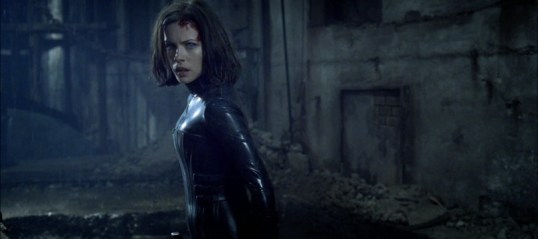
Underworld (2003, dir by Len Wiseman, DP: Tony Pierce-Roberts)
Dawn of the Dead (2004, dir by Zack Snyder, DP; Matthew F. Leonetti)
4 Shots From 4 Films is just what it says it is, 4 shots from 4 of our favorite films. As opposed to the reviews and recaps that we usually post, 4 Shots From 4 Films lets the visuals do the talking!
Today is not just Christoper Walken’s birthday! It’s also the birthday of another one of my favorite actors, the only and only Ewan McGregor! And you know what that means. It’s time for….
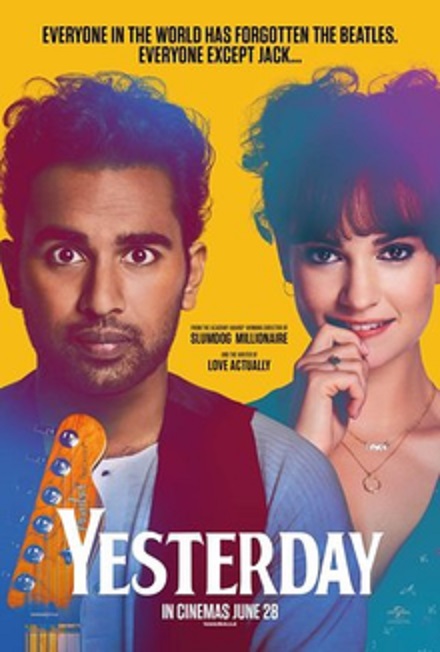
Himesh Patel plays Jack Malik, a singer-songwriter who has struggled to find much success. The only person who believes in him is his manager, a school teacher named Ellie Appleton (Lily James). (Given the film’s subject matter, Ellie’s last name is a significant one.) One night, the entire world is hit by a brief blackout. Jack misses most of the excitement because he’s in a coma, having been hit by a bus.
When Jack wakes up from his coma, he’s shocked to discover that he’s lost several teeth and now looks kind of silly whenever he speaks, sings, or even smiles. However, he also eventually discovers that he is now apparently the only person in the world who remembers The Beatles!
Somehow (it’s never explained how), that global blackout changed history. It’s not that the Beatles ceased to exist as individuals. In one of the film’s more affecting scenes, Jack drives out to the country and meets John Lennon (Robert Carlyle), who never became a superstar and who, as a result, was never assassinated. However, in this new world, the Beatles never came together as a group and, as a result, some of the most beloved songs in history were never written. Only Jack knows the lyrics and music for Eleanor Rigby, Yesterday, The Long and Riding Road, Let It Be, Back in the USSR, and …. well, everything!
(Oddly enough, the Beatles no longer existing has also led to several other things no longer existing. It’s impossible not to laugh when Jack discovers that, without the Beatles, there was never an Oasis. At the same time, there’s also no Coke or Harry Potter books. I guess the Beatles weren’t around to inspire J.K. Rowling but why Coke would vanish is a bit more confusing. Since Coke predates the Beatles by a century, perhaps the the film is less about how strange the world is without Sgt. Pepper’s Lonely Hearts Club Band and instead about how we owe everything good in the world to John Pemberton.)
Needless to say, this leads to Jack becoming a huge star. He’s soon touring with Ed Sheeran and recording his debut album. And yet, through it all, Jack is haunted by the fact that the music isn’t truly his. Will Jack continue to plagiarize his way to stardom? And will Jack and Ellie ever realize that they’re in love and totally meant to be together? Watch to find out, I suppose!
As I said at the start of this review, Yesterday is a bit of an odd film. Directed by Danny Boyle and written by Richard Curtis, it’s a meeting of two talents that you wouldn’t necessarily expect to compliment each other. Surprisingly enough, though, the mix of Curtis’s sentimentality and Boyle’s more subversive instincts works well. This is to especially be found in the scene where Jack meets John Lennon. On paper, the scene shouldn’t work but it does work because Boyle is enough of a contrarian to direct his actors to play the scene with a wistful sadness. The script may have intended the scene to prove that Lennon would have found happiness no matter what but Boyle directs it as if to say, “It probably would have been better for John if the Beatles has never existed….” Stylistically, Boyle is too much of a cheerful anarchist to fully embrace Curtis’s romcom-style love of the Beatles. At the same time, Curtis’s more earnest dialogue often undercuts Boyle’s more excessive instincts. The end result is a sweet-natured movie with an edge.
Making his feature film debut, Himsh Patel is likable as Jack, even if he doesn’t quite have rock star charisma. (Then again, that’s also a part of the film’s humor. On his own, Jack is destined to forever be the opening act, the acceptable performer who is forgotten as soon as the headliners show up. It’s only after the Beatles are wiped from everyone’s memory that Jack is able to become a star.) Lily James does her best with an underwritten role and Ed Sheeran plays a hilariously vapid version of himself.
Yesterday is a good-natured tribute to the power of music and one band in particular.
4 Shots From 4 Films is just what it says it is, 4 shots from 4 of our favorite films. As opposed to the reviews and recaps that we usually post, 4 Shots From 4 Films lets the visuals do the talking!
This October, we’re using 4 Shots From 4 Films to look at some of the best years that horror has to offer!
4 Shots From 4 2002 Horror Films
28 Days Later (2002, dir by Danny Boyle)
Bubba Ho-Tep (2002, dir by Don Coscarelli)
Halloween Resurrection (2002, dir by Rick Rosenthal)
Here’s a lesson for any and all aspiring film bloggers:
Even if you’ve seen the movie before, always rewatch a film before you write about it. This is especially true if it’s been a while since you last saw the film. Often the pressure to say whether a film was bad or good can lead to your memory playing tricks on you.
That was certainly the case with me and the 2000 film, The Beach. For the longest time, I remembered The Beach as being a gorgeously shot but rather shallow film, one that featured one of Leonardo DiCaprio’s least impressive performances. Whenever I had to explain my theory that DiCaprio didn’t become a consistently good actor until 2003, The Beach was inevitably one of the film’s that I would cite as proof that, early on in his career, DiCaprio had a tendency to overact.
In short, if I hadn’t rewatched the film on Saturday morning, you would currently be reading a really negative review of The Beach. However, I did rewatch The Beach and I discovered that both the film and DiCaprio’s performance were a lot better than I initially remembered. Now, don’t get me wrong. The Beach is still a frustratingly uneven film and the voice over narration (which DiCaprio recites in a rather overwrought style) still makes me cringe. But still, it’s hardly the disaster that I initially remembered it being.
DiCaprio plays Richard, a privileged American who finds himself in Bangkok, searching for adventure. When he meets the appropriately named Daffy (Robert Carlyle), a bemused Richard listens as Daffy talks about an uncharted island in the Gulf of Thailand. Daffy swears that it’s a paradise that is populated by other travelers. When Richard smirks and asks Daffy if he’s “fucked in the head,” Daffy responds by drawing Richard a map and then promptly committing suicide. Richard and his two French friends, Françoise (Virginie Leydon) and Étienne (Guillaume Canet), go searching for the island.
And they find it! It turns out that Daffy knew what he was talking about. On the island, they discover a small but thriving commune. Soon, Richard is killing sharks, having affairs, and becoming close to the leader of the commune, Sal (Tilda Swinton). Unfortunately, Richard is also starting to lose his mind. He grows to love paradise so much that he chooses ignore the dangers all around. When a member of the commune is attacked by a shark, he’s left out in the middle of the jungle because no one wants to deal with the reality of his suffering. Even more dangerous are the neighboring marijuana farmers, who allow Sal and her followers to live only under the condition that they keep the island a secret. The problem is that Richard’s not good at keeping secrets. Before he even knew if the island was real, Richard showed the map to a group of American surfers. And now, the surfers are coming….
The Beach was directed by Danny Boyle, so it’s not a surprise that the film looks great and that it has an absolutely brilliant soundtrack. (The film makes great use of both Moby’s Porcelain and Out of Control by the Chemical Brothers.) At the same time, Boyle is too much of a subversive to fully buy into his film’s vision of paradise. From the minute that Richard and his friends reach the island, Boyle is offering up hints that utopia isn’t as wonderful as people assume. When Sal asks for a volunteer to accompany her to the mainland on a supply run, Boyle practically delights in showing everyone freaking out at the idea of having to indulge in responsibility. Boyle often contrasts Richard’s pretentious narration (which, at times, sounds like it could have been lifted from a Beto O’Rourke medium post) with the rather mundane details of living on the island. Though it may not be obvious from the start, The Beach works best when viewed as being a satire of middle and upper class ennui.
As for DiCaprio’s performance as Richard ….. well, let’s just say that he spends a lot of time yelling. During the early part of his career — essentially the pre-Scorsese years — DiCaprio had a tendency to overact. For all of his obvious talent, it took DiCaprio a while to really get to a point where he seemed as comfortable underplaying as he was just going totally overboard. The Beach has its moments where DiCaprio gets awkwardly shrill. (The scene where Richard talks about killing a shark always makes me cringe.) But, at the same time, DiCaprio’s performance gets better as the film progresses. (The scenes where DiCaprio is running around the jungle and trying to act like an animal are actually quite good.) If DiCaprio’s performance sometimes seems shallow or histrionic, that’s because that’s who Richard is meant to be as a character. (In one scene, Françoise even calls Richard out for being shallow and pretentious.) Just because Richard’s narrating and is played by the star of the film, that doesn’t meant that we’re necessarily meant to like him.
These are all things that I didn’t really understand until I rewatched the film. Maybe I was too immature the first time I saw the movie to understand what Boyle was really going for. Maybe I was just having an off night the first time that I watched The Beach. Or maybe my memory was just faulty. For whatever reason, I’m glad that I rewatched this often uneven but still rather interesting film. For all of its flaws. it was definitely better than I remembered.