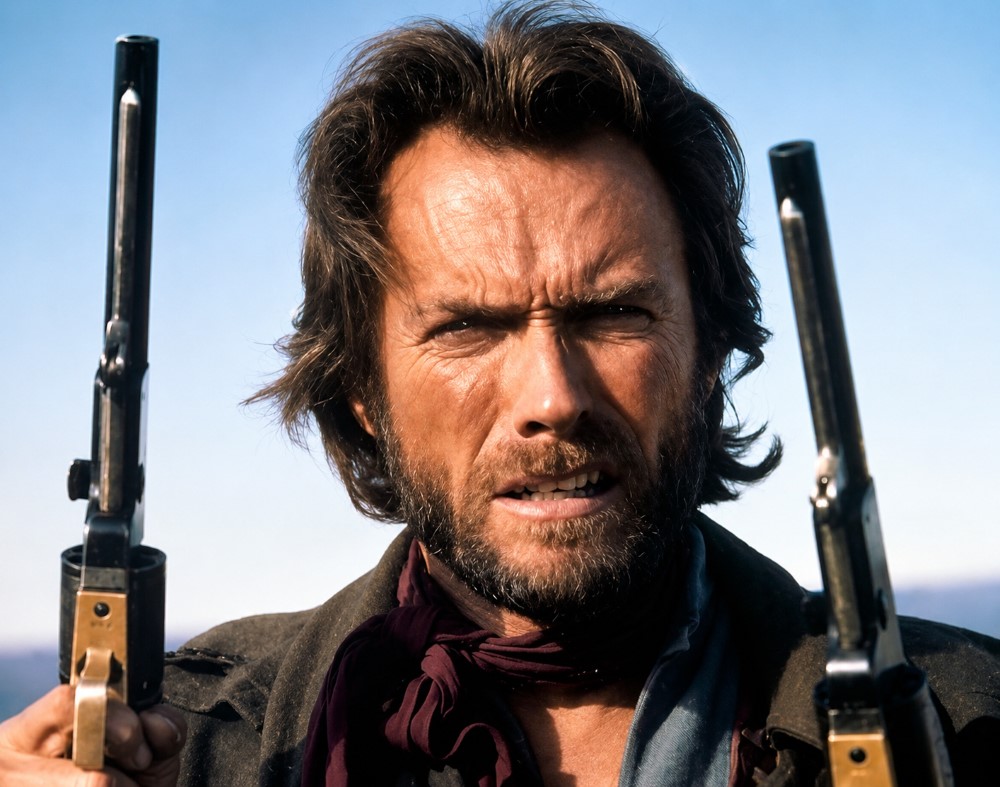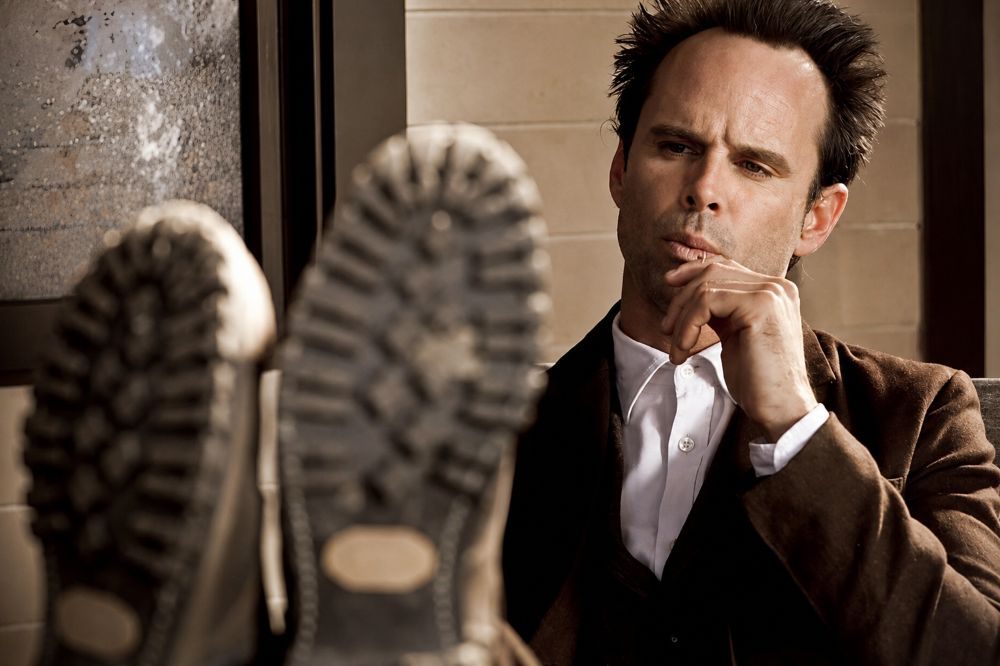
“I’ve been accused of being a lot of things, inarticulate ain’t one of them.” — Boyd Crowder
Boyd Crowder, as portrayed by Walton Goggins in Justified, stands as one of television’s most compelling villains, a character whose depth and complexity elevate him far beyond the typical antagonist. What makes Boyd so fascinating is his multidimensionality—he is at once a criminal mastermind, a charismatic preacher, and a man deeply rooted in the moral ambiguities of his Kentucky upbringing. Unlike one-dimensional villains who exist solely to oppose the hero, Boyd is a fully realized character with his own code of honor, twisted though it may be. His intelligence, wit, and ability to manipulate those around him make him a constant challenge for Raylan Givens, the show’s protagonist. Boyd doesn’t just oppose Raylan; he understands him, often mirroring his quick thinking and sharp tongue, which creates a dynamic tension that drives the series forward.
What truly sets Boyd apart is his ability to evolve throughout the series. He begins as a white supremacist with a violent streak, but his character arc takes him through a journey of self-discovery, reinvention, and even moments of redemption. Walton Goggins’ performance is a masterclass in balancing menace with charm, making Boyd both terrifying and oddly likable. His speeches, often laced with biblical references and folksy wisdom, reveal a man who sees himself as a kind of outlaw philosopher, justifying his actions through a warped moral lens. This intellectual and verbal sparring with Raylan—another man of sharp intellect and a complicated past—creates some of the show’s most electric scenes. Their relationship is less about good versus evil and more about two sides of the same coin, each man representing a different path taken from the same starting point.
Boyd’s role as a foil to Raylan is central to Justified’s appeal. Where Raylan is the cool, collected lawman who operates by a strict personal code, Boyd is the chaotic force who bends the rules to his will. Yet, both men share a deep connection to Harlan County and its culture of violence, loyalty, and survival. Their mutual respect, and even affection, adds layers to their rivalry. Boyd doesn’t just hate Raylan; he enjoys their cat-and-mouse game, often taunting him with a grin that suggests he’s always three steps ahead. This dynamic keeps the audience guessing—who will outsmart the other? Their confrontations are less about physical violence and more about psychological warfare, with Boyd frequently getting under Raylan’s skin by exposing his vulnerabilities.
Another aspect of Boyd’s greatness as a villain is his unpredictability. Just when it seems he’s cornered, he finds a way to flip the script, whether through sheer audacity, manipulation, or brute force. His ability to command loyalty from his followers, even as he betrays and discards them, speaks to his magnetic personality. Walton Goggins imbues Boyd with a physicality that’s both intimidating and mesmerizing—whether he’s calmly negotiating or exploding into rage, every movement feels deliberate and dangerous. This unpredictability makes him a constant threat, but it also makes him endlessly watchable. The audience is drawn to him, even as they root for Raylan to bring him down.
Ultimately, Boyd Crowder’s brilliance as a villain lies in his humanity. He’s not a monster; he’s a man shaped by his environment, his past, and his own flawed sense of justice. His relationship with Raylan is the heart of Justified, a dance between two men who are more alike than either would care to admit. Boyd forces Raylan to confront his own demons, while Raylan represents the path Boyd could have taken—if only he had chosen differently. Their final confrontation is a testament to the power of their dynamic: it’s not just about winning or losing, but about the legacy each leaves behind. Boyd Crowder, as written and performed, is a villain for the ages—one who challenges, fascinates, and lingers in the mind long after the screen fades to black.
Villain of the Day
- Anton Chigurh (No Country for Old Men)
- Willie Cicci (The Godfather & The Godfather Part 2)
- Griffith (Berserk)
- Klaus Wortmann (Antropophagus)
- Emilio Barzini (The Godfather)
- Gul Dukat (Star Trek: Deep Space Nine)
- Judge Holden (Blood Meridian)
- Vic Mackey (The Shield)
- Kefka Palazzo (Final Fantasy VI)
- Reinhard Heydrich (Conspiracy)
- Kai Proctor (Banshee)
- Matthew Hopkins (Witchfinder General)