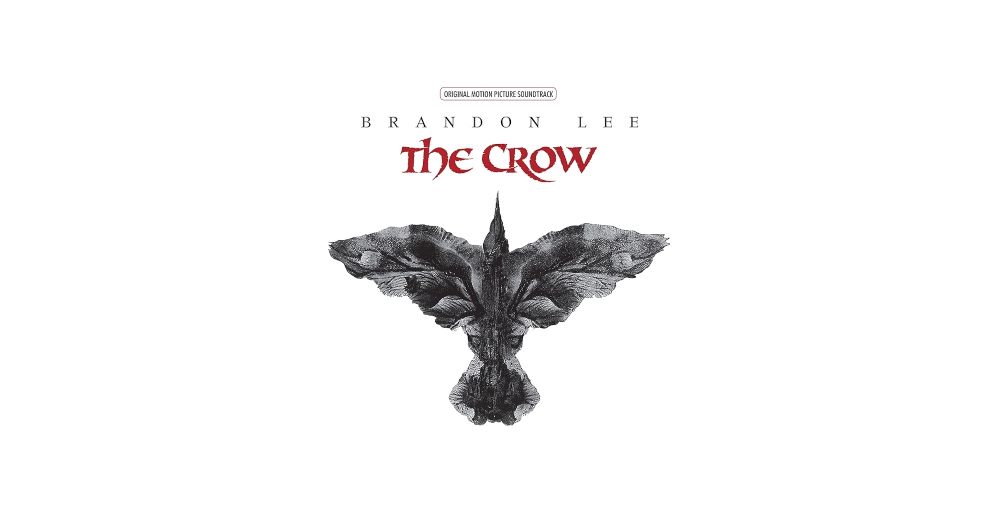
Review: The Crow (Original Motion Picture Soundtrack)


The Crow (1994) soundtrack stands as a cornerstone of mid-90s alternative rock, capturing the gothic essence of Alex Proyas’s film through a masterful blend of original tracks, re-recordings, and covers from the era’s heaviest hitters. Released on March 29, 1994, by Atlantic Records, this 14-track album clocked in at 63:50, peaking at number one on the Billboard 200 and earning triple platinum status with over three million copies sold in the U.S. alone. Its success wasn’t just commercial; it encapsulated the raw, brooding spirit of grunge, industrial, and post-punk at their commercial zenith, turning a superhero revenge tale into a sonic monument for disaffected youth.

Opening with Burn by The Cure, the album immediately plunges listeners into the film’s shadowy heart. Written specifically for the movie, this six-minute epic pulses with Robert Smith’s haunting vocals over swirling guitars and tribal drums, evoking Eric Draven’s resurrection and transformation. It’s a high point, perfectly syncing with the scene where Brandon Lee’s character applies his iconic black-and-white makeup, the song’s fiery intensity mirroring the crow’s vengeful rebirth. The Cure, fresh off their own chart dominance, deliver a track that feels both timeless and tailor-made, its gothic romance aligning seamlessly with James O’Barr’s original comic influences—like the page devoted to their earlier song The Hanging Garden.

Stone Temple Pilots follow with Big Empty, a mellow, blues-drenched lament that didn’t appear in the film’s body but bookends the credits. Initially, the band offered Only Dying, but after Lee’s tragic on-set death, they swapped it for this brooding gem, its introspective lyrics about loss resonating deeply with the movie’s themes of grief and redemption. Scott Weiland’s vulnerable croon over swirling psychedelia captures the quiet despair of Detroit’s rain-soaked nights, making it a fan favorite that lingers long after the album spins.

The pace shifts with Slip Slide Melting by For Love Not Lisa, a grungy alternative rocker that underscores the T-Bird gang’s Devil’s Night revelry. Its sludgy riffs and anthemic chorus fit the criminals’ bullet-swallowing bravado, though the track’s mid-tempo grind can feel formulaic amid the album’s bolder moments. Similarly, Rollins Band’s Ghostrider—a cover of Suicide’s 1977 punk staple inspired by the Marvel antihero—thunders in with Henry Rollins’ barked vocals and aggressive guitars. Heard as Top Dollar learns of the pawn shop arson, it injects punk fury, but its raw energy sometimes overshadows subtler nuances.

Nine Inch Nails’ take on Joy Division’s Dead Souls elevates the covers further, Trent Reznor’s industrial edge amplifying the original’s post-punk chill. Guiding the crow to its first target, Tin Tin, the song’s droning synths and pounding rhythm evoke inescapable fate, a nod to the comic’s Joy Division obsession—chapters titled after Atmosphere and Atrocity Exhibition. It’s a standout, bridging 80s goth roots with 90s aggression, though purists might prefer Ian Curtis’s spectral delivery.​

Helmet’s Milquetoast (often stylized Milktoast) brings math-rock precision, its staccato riffs and Page Hamilton’s yelps embodying mechanical rage. Less tied to a specific scene, it slots into the album’s industrial undercurrent, offering tight songcraft but lacking the emotional punch of neighbors like The Cure. Pantera’s The Badge, covering Poison Idea’s hardcore punk original, ramps up the metal as Top Dollar executes Gideon. Dimebag Darrell’s searing solos and Phil Anselmo’s snarls deliver brutality, fitting the film’s climax, yet the track’s extremity can alienate non-metal fans.

For Love Not Lisa’s inclusion feels slightly redundant after their opener, but Slip Slide Melting at least varies tempo. More intriguing is My Life with the Thrill Kill Kult’s After the Flesh, a re-recording of Nervous Xians from their nightclub cameo. Grooving with hip-hop beats, distorted samples, and sultry spoken-word, it pulses with sleazy underworld vibe, capturing the film’s seedy underbelly.​

The Jesus and Mary Chain’s Snakedriver adds shoegaze haze, Jim Reid’s drawl weaving through feedback-drenched guitars. Not featured prominently in the movie, it evokes serpentine cunning, though its dreamy wash occasionally drifts into monotony. Medicine’s Time Baby III, an evolved version of their film performance with Cocteau Twins’ Elizabeth Fraser on ethereal vocals, shimmers with shoegaze bliss. The original Time Baby II plays in the club, but this iteration’s Fraser guest spot adds haunting fragility, a brief respite in the aggression.

Rage Against the Machine’s Darkness—a reworking of their B-side Darkness of Greed—fumes with Zack de la Rocha’s righteous fury over Tom Morello’s jagged riffs. Soundtracking Albrecht and Sarah’s hotdog stand chat, it critiques urban decay, aligning with the film’s anti-corruption bent, but its preachiness might grate on repeat listens.​

Violent Femmes’ Color Me Once brings folk-punk twitchiness, Gordon Gano’s manic energy suiting the gothic whimsy, though it feels like an outlier amid the heavier fare. Closing with Jane Siberry’s It Can’t Rain All the Time, co-written with composer Graeme Revell from a film quote, the album ends on poignant hope. Its orchestral swell and Siberry’s tender delivery reunite Eric with Shelly’s spirit, shifting from vengeance to catharsis—an emotional anchor that ties the chaos together.

As a cohesive whole, The Crow soundtrack triumphs as a film companion, each track meticulously synced to amplify Proyas’s visuals: from the gang’s swagger to Draven’s flights of fury. Hits like BurnDead Souls, and Big Empty propelled it to cultural icon status, introducing casual listeners to acts like STP and NIN while honoring goth forebears. Commercially, it mirrored the era’s alt-rock boom—albums by The Cure, STP, and Pantera had topped charts—crystallizing a moment when industrial and grunge converged.

Yet balance demands critique: as a standalone album, it falters. The reliance on covers (GhostriderThe BadgeDead Souls) showcases reverence but rarely innovation, with some feeling like scene-setters over standalone statements. Lesser lights like Milquetoast or Snakedriver blur into a wall of distortion, lacking memorable hooks. Pacing sags mid-album, the industrial barrage overwhelming subtler gems like Time Baby III. Female voices—Fraser, Siberry—provide welcome contrast, but the male-dominated roster reflects 90s rock’s bro-ish tilt.

Thematically, it excels: rain, resurrection, and romance weave through lyrics, echoing the comic’s poetic vengeance. O’Barr’s Joy Division fandom shines, while custom tracks like Burn and It Can’t Rain All the Time feel organic. Post-Lee’s death, the album gained mythic weight, Big Empty‘s swap a somber tribute.​

In 2026, with vinyl reissues etched with crow motifs, it endures as a time capsule—flawed, ferocious, unforgettable. For fans of the film, it’s essential; for alt-rock purists, a thrilling if uneven ride. Its legacy? Proving soundtracks could outshine the screen, raining darkness and light in equal measure.
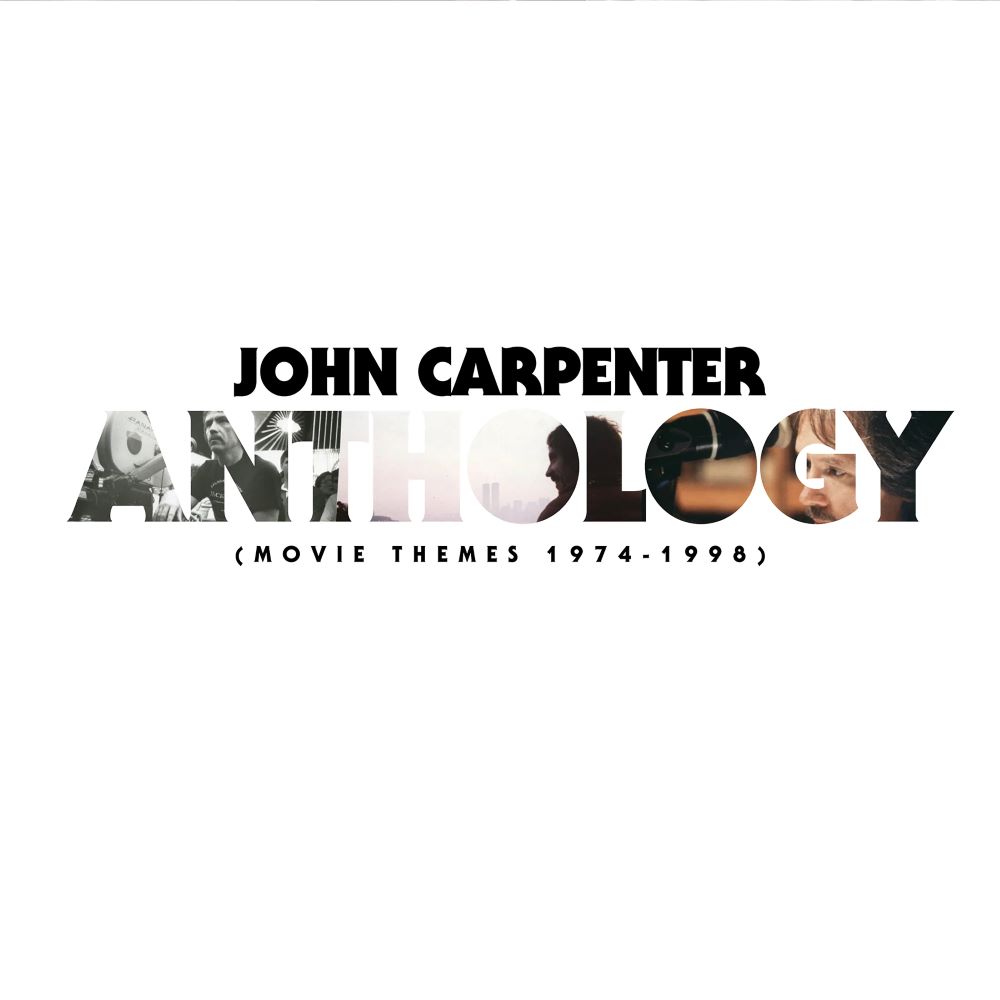
Anthology: Movie Themes 1974-1998 (by John Carpenter) Review


John Carpenter’s Anthology: Movie Themes 1974-1998 is an absolute gem of a compilation, breathing new life into 13 of his most unforgettable film themes with a killer mix of synth menace and live-band muscle that feels both nostalgic and freshly electrifying. Released in 2017 on the indie powerhouse Sacred Bones Records, this project pulls straight from Carpenter’s golden era of directing, spanning the lo-fi space oddities of Dark Star in 1974 all the way to the blood-soaked Western vibes of Vampires in 1998. Here, the master himself teams up with his son Cody Carpenter handling keyboards and his godson Daniel Davies ripping on guitar, delivering rerecorded versions that aren’t just facsimiles of the originals but revitalized beasts with modern production muscle. Clocking in at a tight 42 minutes, the album strikes that sweet spot between crystalline clarity and the warm, gritty analog fuzz of vintage synths, making it an essential spin for horror fans, synthwave enthusiasts, or anyone craving pure cinematic chills without firing up the projector. It’s the kind of record that turns your living room into a foggy, neon-lit nightmare factory, proving Carpenter’s scores were never mere background noise—they’re standalone monsters.

Right out of the gate, the album spotlights three absolute titans as its major standouts: the themes from The ThingHalloween, and Escape from New York. These aren’t just tracks; they’re the sonic DNA of horror and sci-fi tension, retooled here to hit even harder with the benefit of hindsight and better gear. Take the Halloween theme—it’s the undisputed king of the collection, that iconic, haunting piano riff slicing through stabbing synth accents and a relentless, mechanical beat that creates this perfect off-kilter unease. It mirrors Michael Myers’ unstoppable, shambling lurch so viscerally that you can practically hear the Shape breathing down your neck; the simplicity is its genius—repetitive enough to burrow into your skull like a parasite, yet layered just right with those eerie high-end whistles and a pulse that never lets up. In this rerecord, the piano feels more intimate and ominous, the synths sharper, turning what was already a cultural earworm into something that demands volume cranked to 11.

Then there’s Escape from New York, which cranks everything up to gritty, dystopian overdrive with its crunchy guitar riff chewing through swelling synth waves and pounding, no-nonsense drums. It evokes Snake Plissken’s lone-wolf crawl through a prison-island Manhattan like a bluesy battle cry—mid-tempo swagger that’s tailor-made for high-stakes heists, shadowy escapes, and that pure ’80s anti-hero cool. Fans often mix it up with his Big Trouble in Little China groove because of the shared tough-guy energy, but here the rerecord leans harder into the guitar’s snarl and the synths’ ominous undercurrent, making it feel tougher, meaner, and ready for a modern apocalypse playlist. And don’t sleep on The Thing—it grabs Ennio Morricone’s frosty original cue and mutates it into peak Carpenter dread: deep, throbbing synth pulses underpin eerie, isolated stabs and desolate windswept effects that build a suffocating frozen isolation. This one’s all about the paranoia of shape-shifting aliens in an Antarctic hellscape—slow-burn horror that creeps under your skin, rewarding patient listeners with layers of tension that unfold over multiple spins. Critics might tuck it behind the flashier hits, but its subtlety makes it a powerhouse, especially in this version where the low-end rumble feels like cracking ice underfoot.

While those three rightfully dominate every conversation about the album (and they should, as they’re the heart-pounding peaks that define Carpenter’s sound), two deeply underrated gems absolutely deserve way more shine: the Christine theme and “Santiago (Vampires).” Christine sneaks up on you, opening with these foggy, ambient synth washes that evoke a quiet garage at midnight before exploding into full-on rock fury—fuzzy guitars screech, driving rhythms kick in, and it all nails the possessed Plymouth Fury’s vengeful, supernatural roar. It’s often overlooked amid the bigger icons, but this rerecord injects fresh menace, highlighting its dynamic arc from subtle creep to all-out chaos; imagine the car’s headlights flickering to life as the music revs up—pure possessed-machine terror that lingers like burnt rubber. “Santiago (Vampires)” is the other hidden firecracker, completely ditching the synth-heavy storm for sparse acoustic strums and reverb-drenched electric guitar in a sun-baked, dusty groove that screams Southwestern vampire hunt. It’s a total mood shifter—breezy yet tense, like a standoff in a ghost town at high noon—and criminally underappreciated next to the heavier hitters; the modal twang and open spaces give it a unique flavor that breaks up the album’s darker pulse beautifully, begging for more road-trip spins.

The rest of the tracklist does a stellar job setting up and framing these peaks without ever overshadowing them. “Assault on Precinct 13” barrels in early with its oppressive synth riff and militaristic pounding, hammering home that raw siege-mentality dread—still a total banger, but it takes a slight backseat to The Thing‘s more nuanced chill. “In the Mouth of Madness” dives from aggressive guitar riffs into vast ambient drifts, perfectly suiting the film’s reality-warping madness. “The Fog” floats delicate piano over misty, reverb-soaked swells that build a supernatural haze, like fog horns calling from the deep. “Prince of Darkness” broods heavy with slow, echoing riffs and a sense of gathering evil, feeding right into the album’s cohesive horror heartbeat. “Porkchop Express (Big Trouble in Little China)” grooves with that infectious trucker-rock energy, echoing Escape‘s swagger but with brighter, adventure-ready lifts for Kurt Russell’s wild ride. “They Live” layers in bluesy harmonica and slide guitar for a laconic, consumerist snarl, while “Starman” blooms into warm, romantic synth-orchestral bliss—think soaring melodies and rolling timpani for heartfelt ’80s alien love. The ultra-brief “Dark Star” blasts a proto-synth drone in under 90 seconds, more historical sketch than full banger, but it nods to Carpenter’s early experiments. All these solid supporting players keep the energy flowing, ensuring the majors land with maximum impact.

What ties it all together is Carpenter’s effortlessly cool style: deep, pulsating synth bass locks in with fuzzy, overdriven guitars and tight, hypnotic drumming to create grooves that build tension like a jump scare coiled to spring. The production is a standout—crisp and punchy, with Cody owning the rumbling low end while Davies carves sharp midrange bite, sidestepping the muffled haze of some vintage OST pressings. These themes thrive completely standalone now, untethered from their films but still evoking every shadowy corner. Yeah, there’s a touch of repetition in the fuzzy guitar tones and mid-tempo plods that can make straight-through listens feel a bit samey—it’s more killer playlist than wildly eclectic LP—but that’s a tiny nitpick when the big guns (The ThingHalloweenEscape from New York, plus the slept-on Christine and Vampires) deliver one haymaker after another.

This collection doesn’t just compile; it cements Carpenter’s legacy as a shoestring-budget genius who scored generational nightmares with a handful of synths, guitars, and sheer instinct, directly inspiring synthwave legions like Perturbator, Carpenter Brut, and beyond. Don’t sleep on it; these tracks don’t just play—they haunt, they pump, and they endure for life, turning everyday moments into edge-of-your-seat thrills.