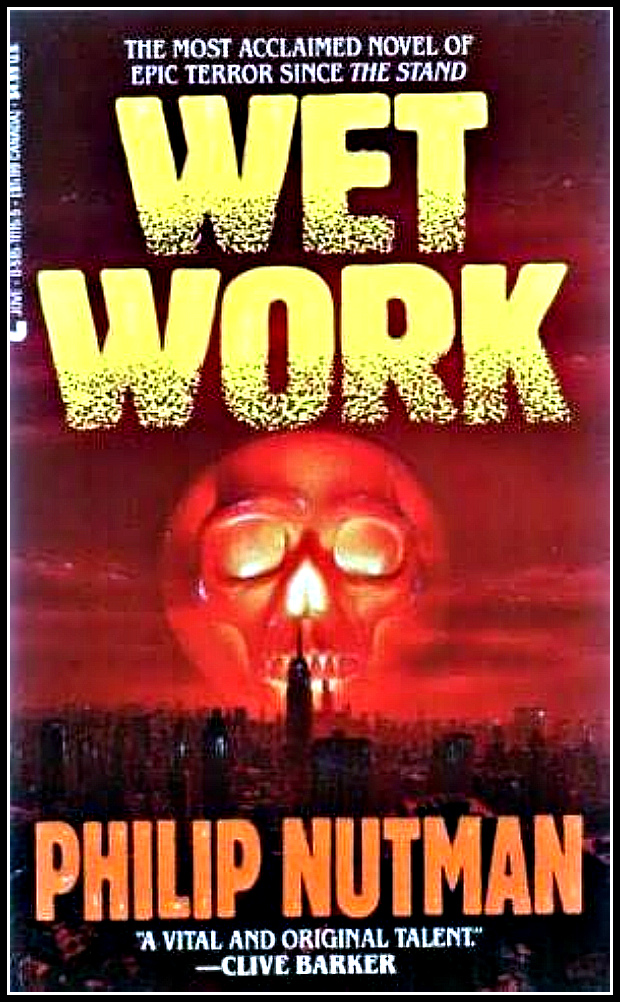
Horror Book Review: Wet Work (by Philip Nutman)


“Wet work” – intelligence community slang for covert operations involving assassination or killing, named for the ‘wet’ bloodshed such missions entail.

Philip Nutman isn’t a name most readers recognize outside of hardcore horror and zombie fiction circles, but within those communities, he’s remembered as an accomplished writer and journalist who carved out a unique space in the genre. For most of his career, Nutman worked as a freelance media journalist and film critic, contributing to magazines like Fangoria and Cinefantastique, where he covered the darker corners of cinema. As a fiction writer, he didn’t produce much in the way of novels, but the one he did publish—Wet Work (1993)—earned him lasting respect among fans who prefer their horror mixed with high-stakes action and cynical political undertones.

Wet Work began as a short story published in George A. Romero and John Skipp’s 1989 anthology Book of the Dead, a milestone collection that helped define zombie fiction as something literary rather than purely pulp. Even within that assembly of strong voices, Nutman’s story stood out for combining government espionage with apocalyptic horror. Expanding it into a full novel only amplified those elements, turning what had been a grim short tale into something closer to an action-horror epic with splatterpunk guts and a spy thriller’s pacing.

The novel opens with CIA operative Dominic Corvino, a member of an elite black-ops unit called Spiral, barely surviving a mission gone wrong in Panama City. From the start, Nutman gives the story a sense of distrust and paranoia—Corvino believes his team was deliberately sabotaged, their deaths engineered by someone inside the CIA. It’s an opening that reads more like a Cold War spy novel than a zombie tale, and that mix of tones is part of what makes Wet Work work so well. Nutman uses what he likely learned as a journalist—his knack for detail, the sense of how bureaucracies function (or fail to)—to give the early chapters an almost procedural authenticity. There’s a lived-in realism to the military and intelligence backdrop that keeps even the most outrageous elements of the story grounded.

Then comes the moment that shifts Wet Work from gritty reality into nightmarish surrealism. As the CIA plotline unfolds, a cosmic event takes place: the comet Saracen passes dangerously close to Earth and leaves behind some kind of invisible residue. It’s never fully explained whether it’s chemical, biological, or something beyond understanding, but its aftereffects begin to change life on the planet. Nutman uses the comet not just as a plot trigger but as a symbol of inevitability—a reminder that humankind’s end won’t always come from weapons or war, but sometimes from something as impersonal as celestial dust. It’s a bit of cosmic horror filtered through the lens of political and societal collapse, an end-of-days scenario that feels both mythic and strangely plausible.

Meanwhile, in Washington D.C., police officer Nick Packard becomes the reader’s main point of connection to the chaos on the ground. Packard starts the day leading a routine shift through the usual headaches of the city, but things unravel fast once Saracen’s effects take hold. Strange attacks start flooding police dispatch, cases of violence erupting in ways no one can explain, and what seem like random acts of brutality turn out to be part of something much larger. The city descends into panic as the dead begin returning to life. Nutman describes this breakdown with a sense of escalating dread that feels almost journalistic—each detail adds up, each scene observed as though through the eyes of someone trying to make sense of something senseless.

The zombies themselves are mostly what readers might expect from stories inspired by George A. Romero: slow-moving, decomposing, and relentless. But Nutman complicates things by hinting that not all of the reanimated are mindless. Some seem to retain fragments of human cunning or memory, enough to make them unpredictable and far more dangerous. This small twist gives the book a chilling edge, making it clear that intelligence doesn’t necessarily counteract monstrosity—it might even make it worse.

Corvino’s section of the novel runs parallel to Packard’s and serves as the darker, more psychological side of the story. He becomes consumed by his mission to find out who betrayed his team in Panama and make them pay. Physically, he’s battered and near his limits, operating in a world that no longer follows the rules of logic or hierarchy. Mentally, he’s trapped between loyalty, fury, and isolation—an operative trained for controlled violence now facing chaos that no training can manage. Nutman writes Corvino as a man unraveling in sync with the world around him. His search for answers feels less like a mission and more like an obsession, a desperate grasp at clarity in a world that’s literally stopped making sense.

Packard’s story, by contrast, brings everything down to a more personal survival narrative. As the crisis worsens, his only goal becomes reaching his wife, stranded in their suburban home outside the city. His journey across a collapsing Washington D.C. is one of the novel’s strongest threads, combining small moments of human connection with scenes of escalating horror. Through him, the reader gets a street-level view of societal breakdown—communications dying, infrastructure collapsing, and people reacting in unpredictable, often violent ways. What makes Packard’s arc compelling is its simplicity; amid government conspiracies and cosmic cataclysms, his is just a story about trying to save someone he loves.

Eventually, Corvino’s and Packard’s paths intersect, and both men come face to face with what’s left of the government. By this stage, authority itself has become just another form of predation. The people who once held power have adapted frighteningly well to the new world, shedding morality and decency like dead skin. Nutman doesn’t paint them as comic-book villains but as survivors whose ethics erode one decision at a time. In typical splatterpunk fashion, the line between humanity and monstrosity blurs completely.

Nutman’s writing in Wet Work is graphic, fast-moving, and unflinching. His descriptions of violence and gore are vivid without slipping into parody, and even when the pacing turns frenetic, it matches the story’s collapse into total madness. Where he stumbles is in a few awkward moments of dialogue and some stilted attempts at sexuality—scenes that read more forced than provocative. But those missteps never fully pull the story off course. If anything, they serve as reminders that Nutman, for all his journalistic precision, was still finding his rhythm in long-format storytelling.

The novel embodies everything bold about early 1990s horror fiction: big ideas, unrestrained violence, and a willingness to splice genres that didn’t normally coexist. Wet Work could just as easily sit beside Dawn of the Dead as it could a paranoid spy novel from the 1980s. Nutman understood that the systems people depend on—government, military, media—are fragile constructs that crumble the second survival becomes personal. That realism, drawn from his background in journalism, grounds the chaos he unleashes. Even at its most supernatural, Wet Work feels uncomfortably plausible because its human failures ring true.

After Wet Work, Nutman shifted back toward shorter forms, writing comics, novellas, and media journalism rather than more novels. In hindsight, that makes his one major book feel all the more significant. It’s the place where all his skills—his eye for detail, his fascination with moral gray areas, and his love of horror excess—come together.

For zombie fiction fans, Wet Work remains a hidden gem worth revisiting. It’s not just a gore-fest or survival tale but a demonstration of how horror doesn’t need to stay confined within its own walls. Nutman showed that the genre can bleed into others—melding espionage, political thriller, and cosmic dread into something distinct and alive. In a field that sometimes plays it safe, Wet Work reminds readers that horror thrives on experimentation, that it’s strongest when it’s hybridized and unpredictable. With Nutman’s death in 2013, any chance of seeing another full-length novel from him is gone, but what remains is proof that horror, when unafraid to evolve, can be far more than blood and fear—it can be reinvention itself.

AMV of the Day: Whatever It Takes (Spy x Family)


It is hard to say that when the anime series Spy x Family premiered in 2022 that it was a surprise hit. The manga it was adapted from (still ongoing) was and is still one of the popular manga currently in publication. It was a series that was going to be a hit even if it had been half-assed.

The latest AMV of the Day comes courtesy of azure ryn and combines Imagine Dragons’ “Whatever It Takes” with scenes from Spy x Family that highlights the balance of Loid Forger trying to balance his super-spy agent work with the fake family he has created as cover for his current assignment. The song really emphasizes the serious side of the series (the series itself is mostly the hijinks of the three characters that forms the Forger Family).

SongWhatever It Takes by Imagine Dragons

AnimeSpy x Family

Creatorazure ryn

Past AMVs of the Day

New Movie Posters for you to see (With trailers included!)


I know, I know, I have been away from posting my normal movie previews and reviews for a while, that is my fault!

But I’ll be back to posting my normal movie previews/reviews soon!

Until then here are some things you can look forward to me previewing and reviewing:

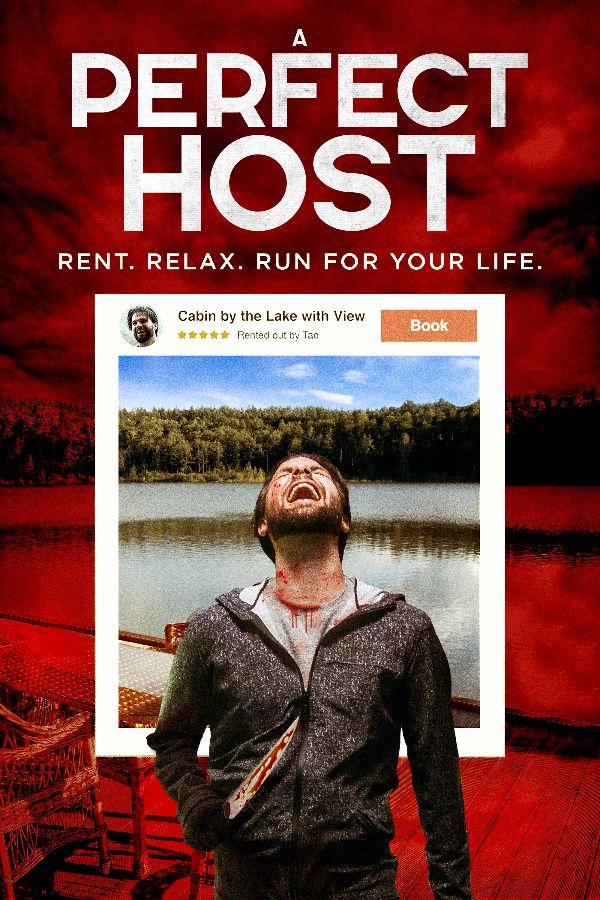
A Perfect Host

2020 movie posters

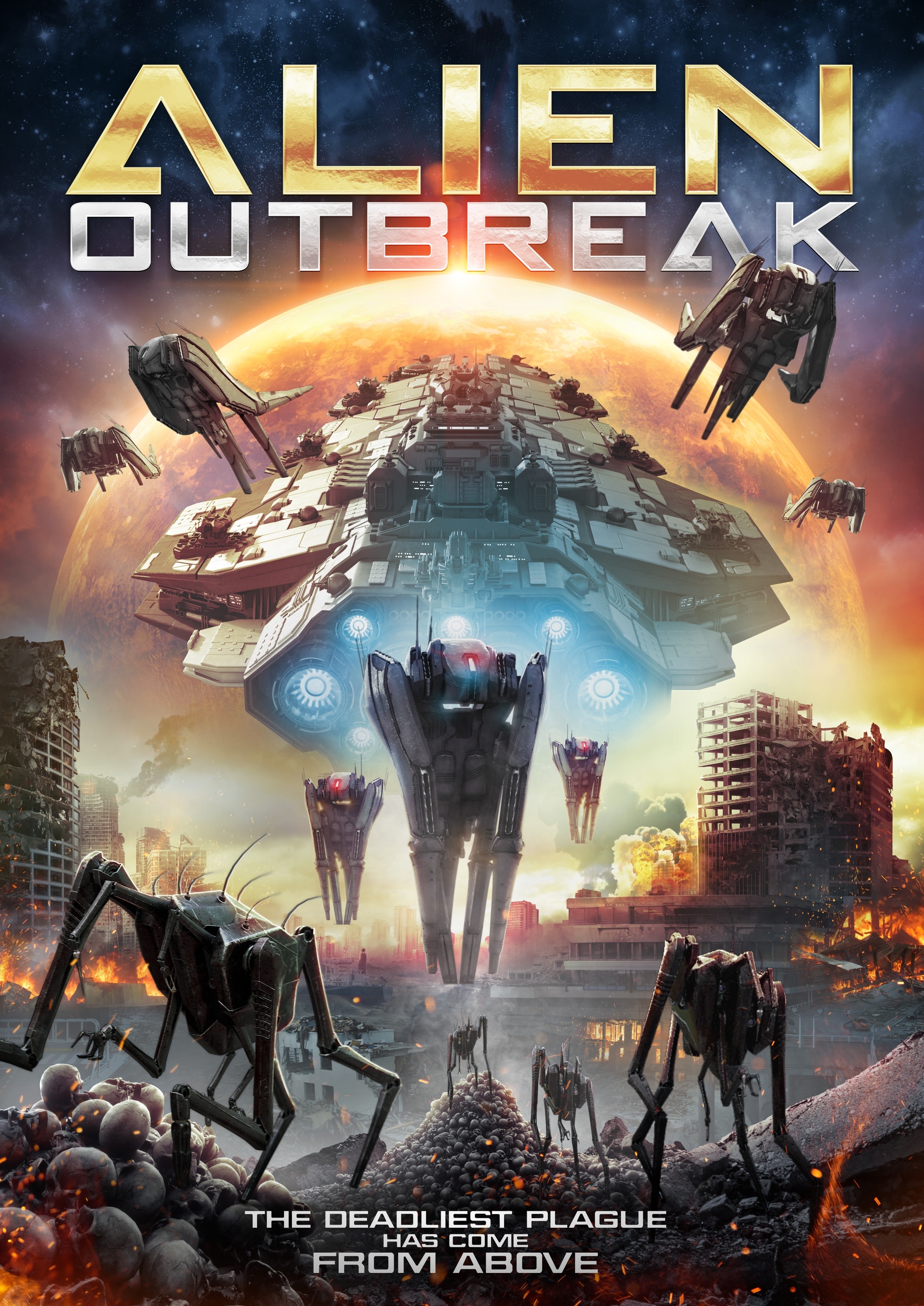
Alien OutBreak

Alien outbreak

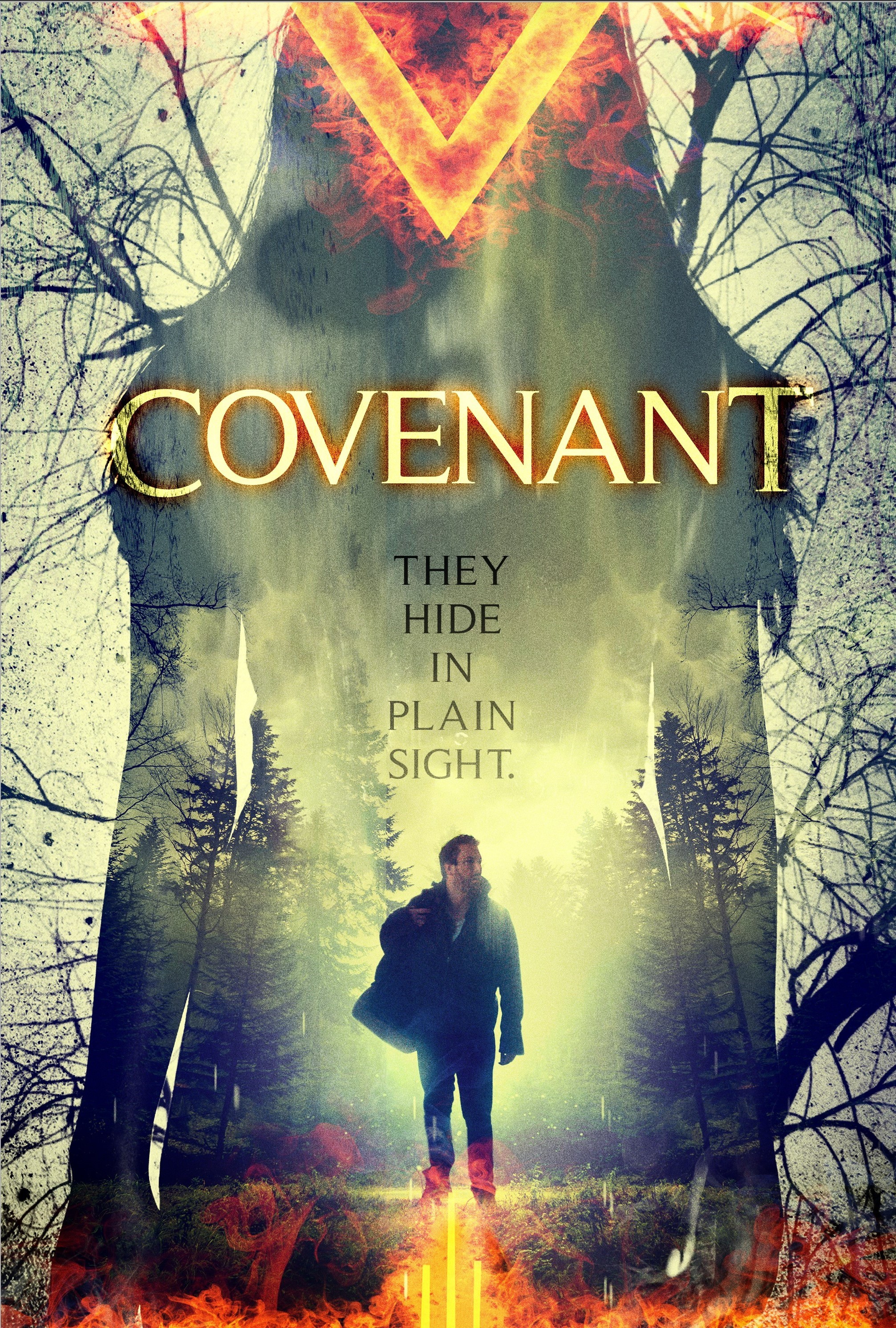
Covenant

Covenant


And last, but not least, You might have been…

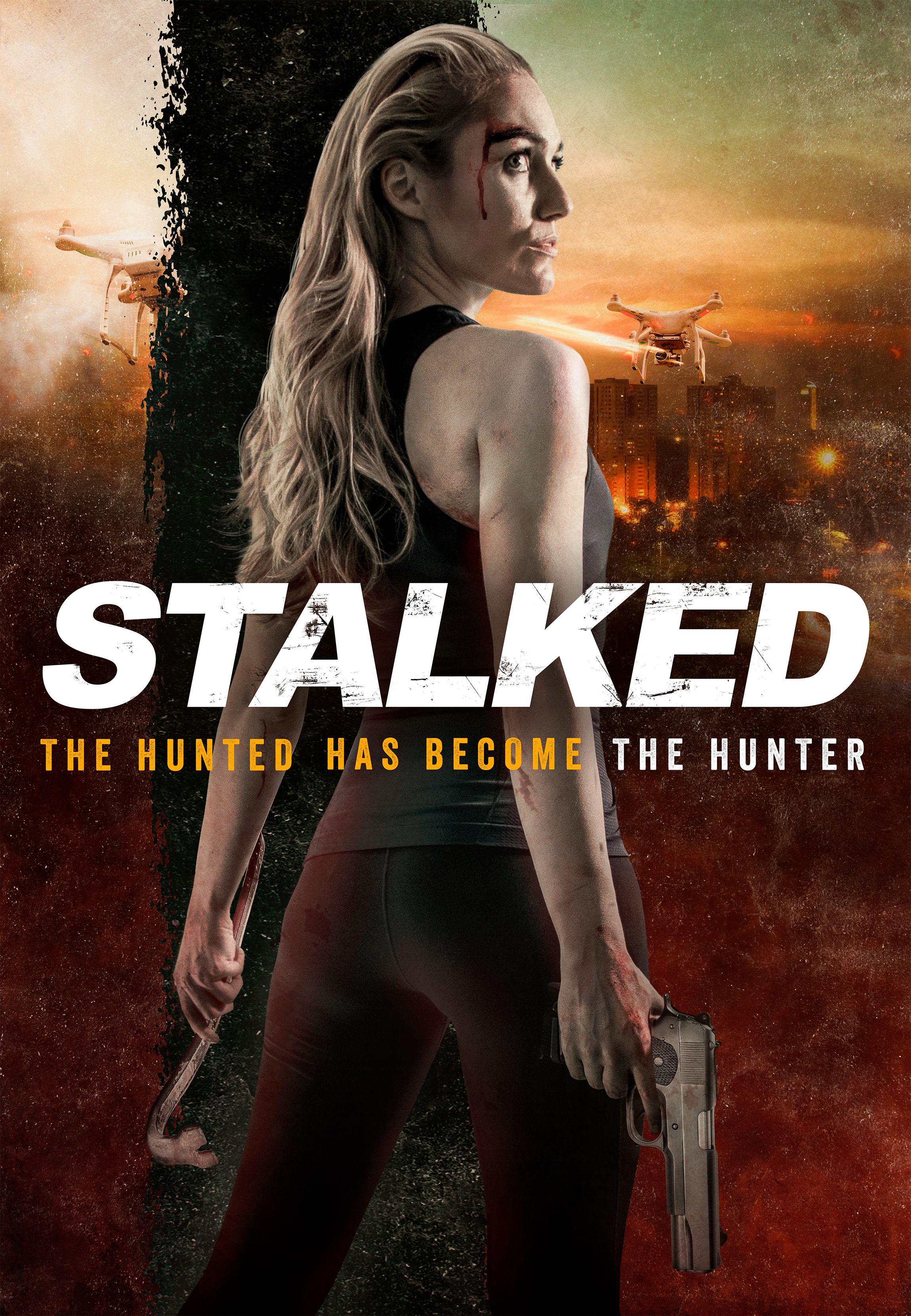
Stalked

Hope you all enjoyed my tour through my movie screeners I get to watch this month!

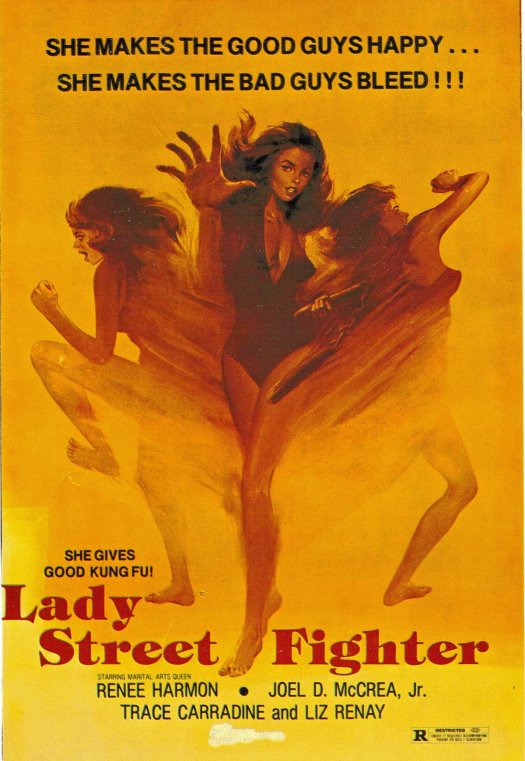
Is LADY STREET FIGHTER The Worst Movie Ever Made? (American General 1981)


gary loggins's avatarcracked rear viewer

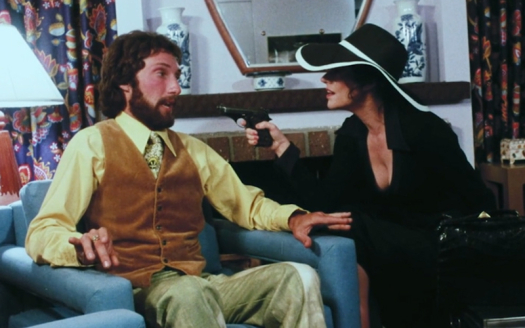
In all my years of watching movies, I’ve seen more than my share of stinkers. But nothing quite prepared me for the total ineptitude that is LADY STREET FIGHTER, starring the immortal Renee Harmon. This wretchedly made film features an incoherent script, horrific cinematography, murky sound, no direction, really bad acting, and an ersatz synth theme ripped off from Morricone’s THE GOOD, THE BAD, & THE UGLY . Let’s put it this way… when Jody McCrea (Bonehead of the Beach Party series) takes your film’s best acting honors, you KNOW you’re in for trouble!!

This senseless excuse for a movie finds Renee out to avenge the death of her sister at the hands of a gang called Assassins Incorporated, or something like that. I’m really not too sure, as the convoluted plot isn’t well defined. The movie starts off promising for Grindhouse fans with a gruesome torture scene (including a…

View original post 228 more words

Kung-Foolery: Jackie Chan in DRUNKEN MASTER (Seasonal Film Corp. 1978)


gary loggins's avatarcracked rear viewer

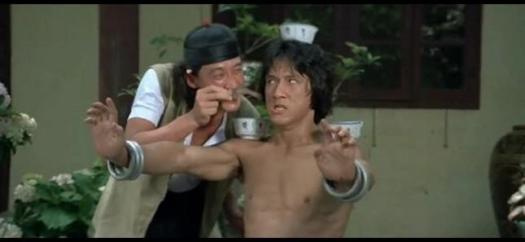
Jackie Chan’s  combination of slapstick comedy and kung-fu action helped make him a worldwide superstar, and DRUNKEN MASTER put him over the top as a cinematic force to be reckoned with. While I’m no expert on the genre, I’ve seen my fare share, and I can tell you this movie’s more than a few belts above because of Chan’s natural charm and comic timing.

As per usual with these films, the plot’s thinner as a Chow Mein noodle, which is okay because who needs a plot when you’ve got Jackie Chan? The dubbed version I saw casts Jackie as Freddie Wong, a rascally scamp whose father runs a kung-fu school. Pop tries to break the spirited Freddie without success, so he sends for Great-Uncle So Hi, a tough old buzzard with a fondness for saki (hence the title!). So Hi drives Freddie so hard with his grueling training the youngster…

View original post 350 more words

In The City: THE WARRIORS (Paramount 1979)


gary loggins's avatarcracked rear viewer


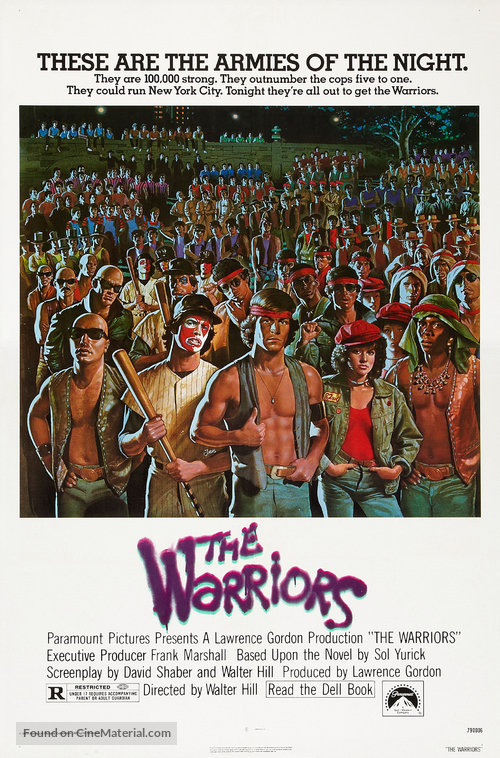
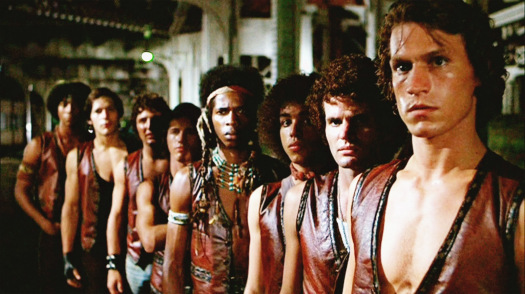
Back in the 70’s, the crowd I hung out with didn’t give a rat’s ass about STAR WARS … THE WARRIORS was THE movie to see! The film reportedly resulted in outbreaks of violence, vandalism, and even three deaths  – including one up in Boston! – and Paramount Pictures pulled all its advertising, because that’s what adults do! Didn’t matter to us, though… everyone already knew about THE WARRIORS and it’s glorification of violence, and all the neighborhood cool kids just had to catch it (including a certain long-haired wiseass who used to amuse his street corner friends with his “useless knowledge” of old movies).

The myriad street gangs of New York City have declared a truce and gathered together for a big meet called by Cyrus, leader of The Riffs. The charismatic Cyrus whips ’em into a frenzy proposing they all organize into one huge gang to control The…

View original post 937 more words

Fast Friends: THUNDERBOLT AND LIGHTFOOT (United Artists 1974)


gary loggins's avatarcracked rear viewer

Clint Eastwood  is posing as a preacher in a small Montana town, giving his Sunday sermon. Meanwhile, carefree Jeff Bridges steals a Trans Am off a used car lot and goes for a joyride. Clint’s sermon is interrupted by a hit man who opens fire in the church, chasing Eastwood down through a wheat field, when Bridges comes speeding along, running the killer down. Clint hops in the Trans Am, and the two become fast friends, setting up THUNDERBOLT AND LIGHTFOOT, a wild and wooly tale that’s part crime caper, part character study, and the directorial debut of Michael Cimino.

Clint plays Korean War veteran John Mahoney, a criminal known as “The Thunderbolt” who pulled off a successful half-million dollar armory robbery. His ex-gang members (George Kennedy ,Geoffrey Lewis ) think he betrayed them, and are out to kill him, but not before finding out where the loot is…

View original post 511 more words

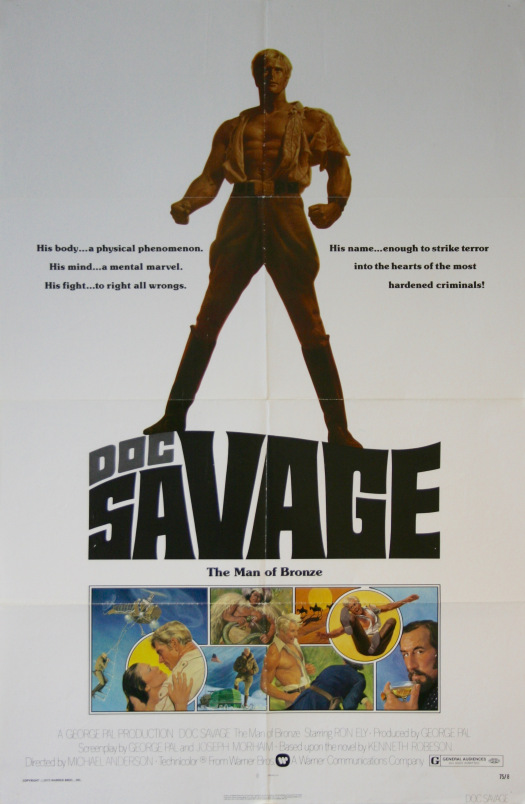
I’ll Be Superamalgamated!: DOC SAVAGE, THE MAN OF BRONZE (Warner Brothers 1975)


gary loggins's avatarcracked rear viewer

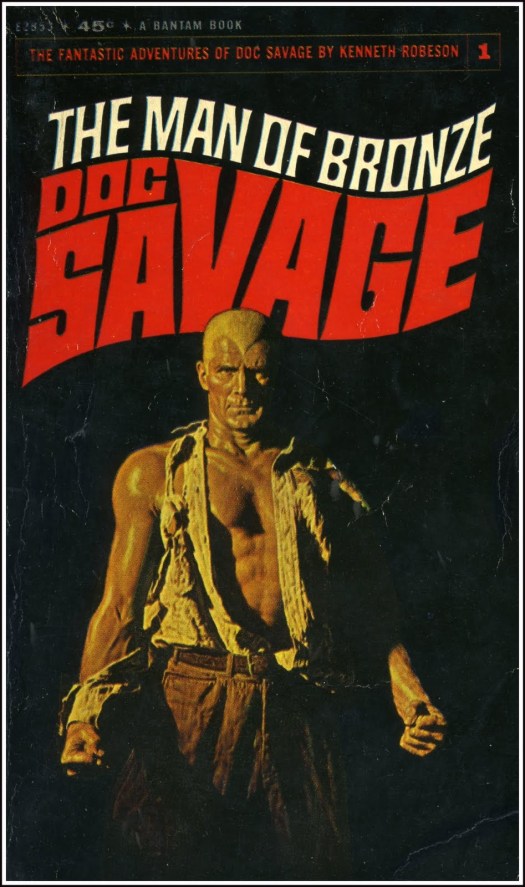
I used to devour those Doc Savage pulp novels reissued as paperbacks by Bantam Books. You know, the ones with those cool James Bama covers? They were filled with action, adventure, intelligence, and good humor, as written by Lester Dent under the pseudonym ‘Kenneth Robeson’. Doc himself was a paragon of goodness, trained from birth in the arts and sciences, a perfect physical specimen adept at all the fighting disciplines with near super-human strength. In fact, one could make a case for Doc Savage as the world’s first mass-market superhero, the Man of Bronze predating DC’s Superman (The Man of Steel) by a good five years.

Doc’s amazing adventures screamed for a screen treatment, but it wasn’t until 1975 that producer George Pal bought the character’s rights from Dent’s widow Norma and made DOC SAVAGE: THE MAN OF BRONZE. Pal, whose credits include sci-fi classics like WHEN WORLDS COLLIDE, WAR…

View original post 442 more words

Circus Kane: Preview, Review and posters


Just be warned this movie review might not be safe for work! Read at your own discretion!

Let the games begin!

Circus Kane

Let’s get the technicals out of the way:

Studio: Uncork’d Entertainment
Director: Christopher Douglas-Olen Ray
Cast : Jonathan Lipnicki, Mark Christopher Lawrence, Nicole Fox, Jonathan Nation, Mike Jerome Putnam, Scott Thomas Reynolds, Bill Voorhees

Preview:

The notorious and disgraced circus master, Balthazar Kane, invites an unsuspecting group of social media stars to the revival of his CIRCUS KANE by promising $250,000 to any of them who can make it through the night. Kane’s true plan quickly proves to be far more sinister as the contestants realize more than money is on the line. The group must fight for their lives to escape Kane’s demented house of horrors.

Jonathan Lipnicki (Jerry Maguire) and Mark Christopher Lawrence (Cooties) head up the cast of Christopher Douglas-Olen Ray’s fantastic frighthouse Circus Kane, on VOD this September.

James Cullen Bressack and Zack Ward scripted, based on a story by Sean Sellars. Gerald Webb, Christopher Ray and James Cullen Bressack produce.

Review:

For 250K? What would you do? Step right up…or not? Save your friend…or not?

Admittedly  I  have coulrophobia: I am fracking scared of clowns! It took me several days to watch this movie; and I am not sure I am still okay! I tried to watch ‘Circus Kane’ over a several day time slot. Several days in fact. After a brief viewing I posted a short review; but this will be my final one.

Here are you some stills if you want to look at them:

clown2

download


Would I recommend this movie?

On my horror scale of 1-5

4.5 (and watch with your eyes closed!)

Here is is the trailer:

If you are a horror freak:

Circus Kane will be available on September 8th, 2017 on VOD

And to the Actors, Director and Executive Producers that follow me, I just want to say a big “Fuck you” for scaring me to death! Not sure I will ever sleep again! But love you all!

Now, Who wants to cuddle? 

clouwn


Oh, and Deinstiutionalized, I see you!

deistitutal


Quick Review: Mad Max – Fury Road (dir. by George Miller)


image

When Mad Max: Fury Road was first announced, I was skeptical. We saw what happened when a director returns to a franchise they excelled at. Neither Ridley Scott’s Prometheus nor Lucas’ work on the Star Wars prequels were as amazing as the originals. Fury Road may be the exception to that rule, at least when compared to The Road Warrior and Mad Max: Beyond Thunderdome. The visuals are bright and colorful, with chase sequences that left me smiling through it all. The 3D adds a nice touch, particularly in the chases (without giving too much away), the movie feels as if it was built for a 3D showing. I’m not sure how it comes across in a regular format.

Without looking at those films, Fury Road hits the ground running (almost literally) and continues to do so for most of the film. While the title of the film belongs to Tom Hardy’s character, Max takes something of a back seat to Charlize Theron’s Furiosa, who is the true heroine here. Max is the character that introduces the audience to the Wasteland, a world left barren after war and where Gas, Water & Blood are the richest commodities around. While I liked Hardy in this, I had the feeling that they could have put anyone in the role of Max and it wouldn’t have made much of a difference.
Furiosa is the one that carries the bulk of the story.

Fury Road’s plot is simple & thin, but given that it all takes place in a Wasteland made mostly of desert, it worked out okay for me. I wasnt expecting a whole lot on the story front, but was happily surprised with it. Imperator Furiosa is sent out with a crew for a Gas run, but decides to follow her own agenda, putting into motion the pursuit from the Immortan Joe (Hugh Keays-Byrne) and one of gis up and comimg lackeys, Nux (Nicholas Hoult).

From a pacing standpoint, Fury Road shifts it’s gears often while managing to still keep the engine purring. Some of the chases are chaotic, with cars flipping through the air and wanton destruction all over the place. You even have cycles riding over dunes and speeding through salt flats. However, it never reaches a point where you can’t see what’s occurring. The film has just one moment that I thought was slower than it should be halfway in, but it also serves to set up the 2nd act. The movie is mostly one big truck chase, but it’s done incredibly well. If you’re looking for something incredibly deep, this might not be the film you’re looking for, though the movie does try it’s best to accommodate with the script.

Another standout is the music. I’m used to hearing Tom Holkenborg (a.k.a. Junkie XL) as the remix track maker for most of Hans Zimmer’s scores. With Fury Road, Holkenborg has a number of pulsing drum rhythms and guitar pieces that fuel the chases. While it may sound a little like his work on 300:Rise of an Empire, the music fits. Note that I if you’re looking to buy the score, there’s a deluxe version with extended tracks, perfect background music for motorcycle rides on your favorite highway.

Fury Road is rated R, though I’ll admit that it wasn’t as violent as I expected it to be. It can get bloody at times, but the film never becomes a gore fest or anything along those lines. As far as nudity is concerned, there are only two instances of this and both are related to the story. In my showing, we had full families, but there didn’t seem to be any kind of reaction (as far as I can tell).

So far, we’re on track for an interesting summer.