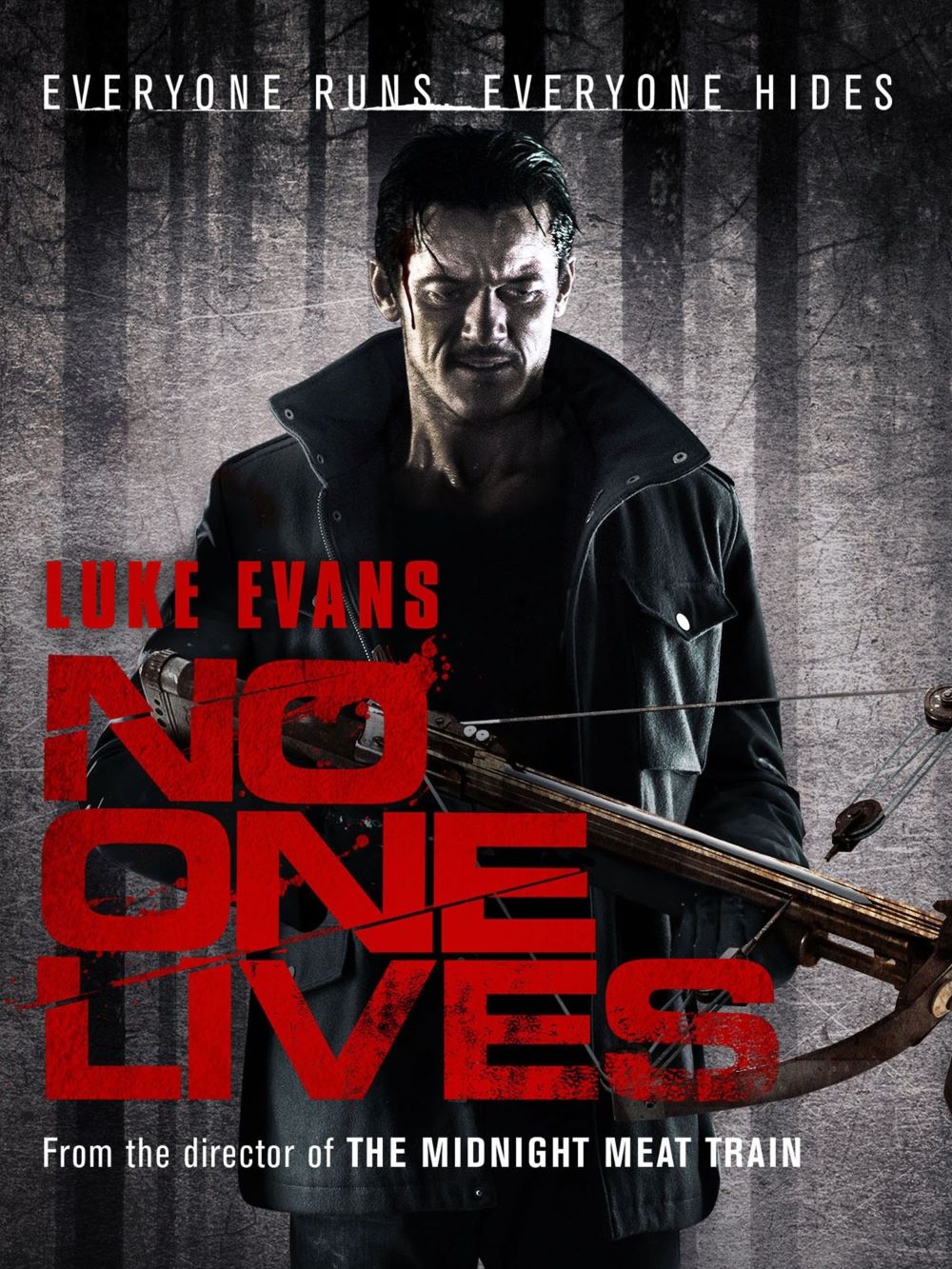
Guilty Pleasure No. 91: No One Lives (dir. by Ryuhei Kitamura)


Ryuhei Kitamura’s 2012 horror film No One Lives is a gritty, brutal revenge slasher that doesn’t aim for subtlety or depth but delivers a fast-paced, high-gore thrill ride. The story follows a couple traveling cross-country who are kidnapped by a ruthless gang, only for the man to reveal himself as a deadly predator on a violent rampage. Luke Evans, playing the mysterious and merciless Driver, leads the film with a performance that blends cold calculation and terrifying violence, keeping viewers glued to the screen.

What makes No One Lives stand out is how it leans heavily into its grindhouse and exploitation roots, which proves both advantageous and limiting. The film fully embraces the hallmarks of grindhouse cinema—fast pacing, gritty visuals, excessive gore, and an amoral story stripped down to revenge-fueled violence. This raw, unapologetic approach results in an intense, no-holds-barred experience that will satisfy fans of exploitation and grindhouse styles. The practical effects are impressively executed, with creative and shocking kills that maintain impact without descending into the ridiculous. This dedication to grindhouse aesthetics gives the film a charged energy and a cult appeal, making it a pulpy, heart-pounding experience for viewers who appreciate that sleazy, nihilistic flavor.

However, the grindhouse influence also shapes the film’s limitations. The focus on spectacle and shock means character development and thematic depth take a back seat, making the story feel thin and the characters largely unrelatable except as violent archetypes. Dialogue at times drifts toward camp, and some acting choices can feel a bit amateurish, which may pull some viewers out of the otherwise tense atmosphere. The film’s relentless brutality and amoral tone also create a polarizing effect; it’s unapologetically harsh and violent, which fits the exploitation tradition, but it’s not for everyone. Those expecting traditional horror with complex narratives might find the experience shallow and exhausting.

Luke Evans’s Driver is a compelling anti-hero/monster hybrid, a character who dominates the film with his cold efficiency and unpredictable savagery. The other characters—mostly the gang members—serve as fodder for the film’s violent set pieces, with minimal background or sympathy. This suits the film’s grindhouse style, where depth is often sacrificed for thrills and shock value. The script cleverly keeps some mystery around Driver, maintaining suspense about his origins and intentions, which helps to sustain interest amid the unrelenting carnage.

The film’s grindhouse and exploitation roots also explain its tone and style: it revels in zaniness and excess, the gore is gratuitous but skillfully done, and the revenges feel morally ambiguous and raw. The film doesn’t try to justify or soften its violence; it embraces the lawlessness and nihilism typical of exploitation cinema. While this results in a tight, entertaining 86-minute rush of thrills, it also means the film lacks subtlety or emotional resonance. The style is both a badge of authenticity for genre fans and a barrier to wider appeal.

No One Lives offers a high-energy, blood-soaked horror experience that fully embraces its grindhouse and exploitation influences. It is crafted with a strong focus on unapologetic violence, tight pacing, and a captivating anti-hero in Luke Evans’s Driver. This stylized approach gives the film its raw, relentless intensity that fans of exploitation cinema will appreciate. However, this allegiance to grindhouse aesthetics also means the film prioritizes style and spectacle over emotional depth and narrative complexity. While the movie is an engaging and brutal thrill ride for those who enjoy extreme horror, its minimal character development and abrasive tone might feel one-dimensional or grating for viewers seeking more meaningful storytelling. Overall, it succeeds as a wild, gritty exploitation flick but doesn’t aim to be more than that, making it ideal for audiences who like their horror unrefined and full throttle.

Previous Guilty Pleasures

  1. Half-Baked
  2. Save The Last Dance
  3. Every Rose Has Its Thorns
  4. The Jeremy Kyle Show
  5. Invasion USA
  6. The Golden Child
  7. Final Destination 2
  8. Paparazzi
  9. The Principal
  10. The Substitute
  11. Terror In The Family
  12. Pandorum
  13. Lambada
  14. Fear
  15. Cocktail
  16. Keep Off The Grass
  17. Girls, Girls, Girls
  18. Class
  19. Tart
  20. King Kong vs. Godzilla
  21. Hawk the Slayer
  22. Battle Beyond the Stars
  23. Meridian
  24. Walk of Shame
  25. From Justin To Kelly
  26. Project Greenlight
  27. Sex Decoy: Love Stings
  28. Swimfan
  29. On the Line
  30. Wolfen
  31. Hail Caesar!
  32. It’s So Cold In The D
  33. In the Mix
  34. Healed By Grace
  35. Valley of the Dolls
  36. The Legend of Billie Jean
  37. Death Wish
  38. Shipping Wars
  39. Ghost Whisperer
  40. Parking Wars
  41. The Dead Are After Me
  42. Harper’s Island
  43. The Resurrection of Gavin Stone
  44. Paranormal State
  45. Utopia
  46. Bar Rescue
  47. The Powers of Matthew Star
  48. Spiker
  49. Heavenly Bodies
  50. Maid in Manhattan
  51. Rage and Honor
  52. Saved By The Bell 3. 21 “No Hope With Dope”
  53. Happy Gilmore
  54. Solarbabies
  55. The Dawn of Correction
  56. Once You Understand
  57. The Voyeurs 
  58. Robot Jox
  59. Teen Wolf
  60. The Running Man
  61. Double Dragon
  62. Backtrack
  63. Julie and Jack
  64. Karate Warrior
  65. Invaders From Mars
  66. Cloverfield
  67. Aerobicide 
  68. Blood Harvest
  69. Shocking Dark
  70. Face The Truth
  71. Submerged
  72. The Canyons
  73. Days of Thunder
  74. Van Helsing
  75. The Night Comes for Us
  76. Code of Silence
  77. Captain Ron
  78. Armageddon
  79. Kate’s Secret
  80. Point Break
  81. The Replacements
  82. The Shadow
  83. Meteor
  84. Last Action Hero
  85. Attack of the Killer Tomatoes
  86. The Horror at 37,000 Feet
  87. The ‘Burbs
  88. Lifeforce
  89. Highschool of the Dead
  90. Ice Station Zebra

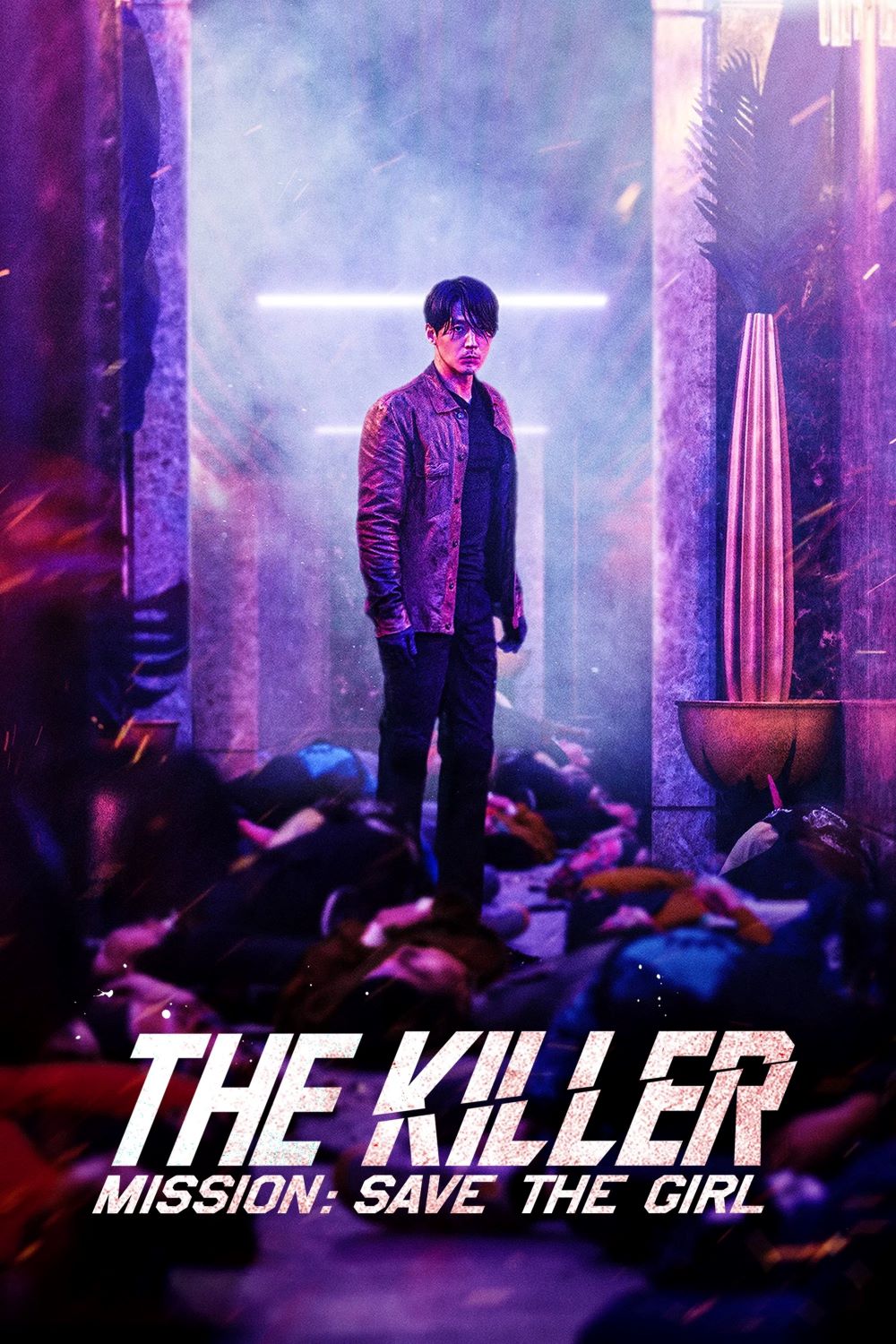
Review: The Killer (dir. by Choi Jae-hoon)


“Don’t give up hope, you might just live.” — Bang Ui-kang

The Killer: A Girl Who Deserves to Die (often just called The Killer) fits into a rich tradition of assassin films sharing this evocative title, tracing back to John Woo’s groundbreaking 1989 Hong Kong action thriller starring Chow Yun-fat, and more recently David Fincher’s 2023 intense character-driven thriller. Beyond the shared name, it belongs to a broader cinematic lineage of cold, lethal assassins portrayed by actors from Alain Delon’s enigmatic Jef Costello in Le Samouraï to Keanu Reeves’s vengeful and stoic John Wick. Bang Ui-kang, the protagonist in this South Korean entry, seamlessly carries forward this archetype—a retired professional killer who reluctantly returns to violence to protect a vulnerable life. The film doesn’t seek to win awards for depth or originality but triumphs at delivering a sleek, steady-paced, and brutal action experience anchored by a compelling central performance.

The film centers on Bang Ui-kang, who has put his violent past behind him to live quietly with his wife. This calm is shattered when his wife asks him to look after her friend’s teenage daughter, Kim Yoon-ji, for a few days. What seems like a simple favor quickly devolves into a nightmare. Yoon-ji finds herself targeted by dangerous criminals wrapped up in human trafficking and corruption, forcing Ui-kang back into the lethal world he thought he’d escaped. The narrative thrives on this inciting incident, propelling Ui-kang into a relentless mission to dismantle the forces that threaten the girl’s life.

What distinguishes Ui-kang from many action heroes is his emotional distance. He isn’t the traumatized, remorseful warrior seeking redemption; rather, he embodies the archetype of the pragmatic, unflappable professional. Jang Hyuk infuses the character with a measured quietude and dry wit, portraying a man whose expertise breeds calm rather than panic. His lethal skills feel like a burden he carries with stoic resolve, not rage or passion. This lends the movie a subtle, darkly humorous undercurrent, with Ui-kang’s cool demeanor standing in stark contrast to the chaos he unleashes.

Yoon-ji’s role is more than mere plot device; she carries the weight of a troubled adolescence marked by neglect and poor choices, which the film touches on just enough to make her predicament feel real and urgent. The movie refrains from turning her into a helpless victim, instead showing glimpses of resilience amid vulnerability. Their relationship eschews overt sentimentality in favor of a tense, urgent bond—he becomes her protector without unnecessary fuss or forced emotionality.

As Ui-kang pursues Yoon-ji’s abductors and their enablers, the storyline peels back layers of criminal enterprise—from street gangs and bent cops to a hidden network of officials and powerful figures. The script offers a steady stream of revelations involving betrayal within Yoon-ji’s family and the depths to which corruption runs. While these twists avoid being groundbreaking, they provide logical motivation and escalation, ensuring the action maintains clear stakes and direction.

Action scenes dominate and define the film’s identity. The fight choreography highlights physicality and precision, with Ui-kang moving not like an invincible superhero but as a seasoned expert executing practiced moves. These scenes unfold in varied, immersive locations—tight stairwells, claustrophobic hallways, grimy nightclubs—where the environment acts as both obstacle and weapon. A standout feature is the recurring confrontation with Yuri, a Russian-trained rival who challenges Ui-kang’s supposed dominance, adding a tense physical rivalry that punctuates the battle-heavy plot.

Visually, the film embraces a neo-noir aesthetic suffused with nighttime blues, shadowy corners, and vibrant neon lights. This creates an atmospheric backdrop that is as stylish as it is gritty, flattering the intense action without sacrificing realism. By employing steady, comprehensible camerawork, the film allows each punch and gunshot to land with tangible weight, distancing itself from the dizzying quick cuts common in the genre’s less disciplined examples.

Though the film gestures towards serious social issues—including human trafficking and systemic abuse—the narrative treats these primarily as catalysts rather than subjects for deep analysis. They provide necessary fuel for the protagonist’s crusade but never overshadow the film’s core focus on kinetic violence and revenge. The story’s cathartic thrust comes from watching evil dismantled by a greater force of cold retribution, rather than through expositional drama or social commentary.

Pacing is a major strength of The Killer. Clocking in at just over 90 minutes, it maintains tight control over the story’s progression, cutting swiftly between thematic setup and relentless action. Dialogue scenes are purposeful and minimal, just enough to clarify character motivations and plot mechanics before jumping back into the physical confrontations. This economy of storytelling makes it perfect for viewers craving a focused, adrenaline-charged experience without unnecessary detours.

On an emotional level, the film deliberately keeps its distance. Ui-kang’s past is briefly hinted at through flashbacks that imply personal loss but refuses to linger or over-explain. Yoon-ji’s peril is treated seriously, yet without descending into melodrama or manipulation. The characters’ emotions serve the plot’s momentum rather than the other way around, fitting the movie’s identity as a streamlined, gritty action thriller.

The Killer is a compelling modern installment in the assassin thriller genre. Jang Hyuk’s performance as Bang Ui-kang brings gravitas and charisma to a familiar archetype, reinvigorating it with a Korean sensibility that feels both fresh and respectful of the genre’s roots. With its sleek visuals, precise choreography, and unrelenting pace, the film satisfies genre fans looking for a no-nonsense, stylish, and violent late-night thrill ride. It confirms that even in a crowded field of cinematic killers, there’s room for new entries that deliver the goods with skill and attitude.

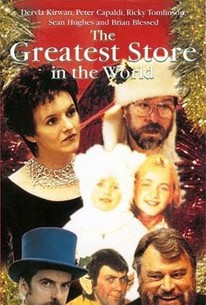
The Holidays On The Lens: The Greatest Store In The World (dir by Jane Prowse)


Here to help you get in the holiday spirit, we’ve got a British film from 1999!

The Greatest Store In The World tells the story of a single mother and her two daughters.  When the film begins, they’re living in a van but, after the van catches on fire, they upgrade things by moving into a luxurious London department store.  Along with coming together as a family and celebrating the holidays, they also thwart an attempt to rob the store.  It’s a good-natured little movie, one that reminds the viewer of how fun the world once was.  It was filmed in Harrods, though the name itself is not actually uttered in the film.  Fans of Doctor Who will want to keep an eye out for Peter Capaldi while fans of larger-than-life actors will be happy to see the great Brian Blessed.

(I should admit that, when I was little and my family was constantly moving from one state to another and I was always having to say goodbye to whatever new friends I had made, I used to fantasize about living in a big mall.  Perhaps that’s one reason why this sweet-natured film brought a tear to my mismatched eyes.)

Enjoy!

Join #MondayMania For Psycho Daughter!


Hi, everyone!  Tonight, on twitter, I will be hosting one of my favorite films for #MondayMania!  Join us for 2018’s Psycho Daughter!

(Psycho Daughter was originally broadcast as The Wrong Daughter but the title was later changed to avoid confusing with the Vivica A. Fox “Wrong” series.)

You can find the movie on Prime and then you can join us on twitter at 9 pm central time!  (That’s 10 pm for you folks on the East Coast.)  See you then!

Song of the Day: Crown On The Ground (performed by Sleigh Bells)


I could offer up a lot of reasons why Sleigh Bells’ Crown On The Ground is today’s song of the day.

I could say that it’s because the start of the Holiday Season is upon us and what better time to feature a song performed by Sleigh Bells.

But, ultimately, the main and most important reason is that I just happen to like the song.

4 Shots From 4 Christmas Films


4 Shots From 4 Films is just what it says it is, 4 shots from 4 of our favorite films. As opposed to the reviews and recaps that we usually post, 4 Shots From 4 Films lets the visuals do the talking.

Happy holidays!

Let’s get December started with….

4 Shots From 4 Christmas Films

The Godfather (1972, dir by Francis Ford Coppola, DP: Gordon Willis)

Lethal Weapon (1987, dir by Richard Donner, DP: Stephen Goldblatt)

Die Hard (1988, dir by John McTiernan, DP: Jan de Bont)

Die Hard 2 (1990, dir by Renny Harlin, DP: Oliver Wood)

A Scene That I Love: Charlie Brown Gets The Seasonal Blues In A Charlie Brown Christmas


Charlie Brown isn’t the only one who gets sad around the holidays.

A lot of people do.  I’m one of them.  I love Christmas but I still get sad thinking about those who are no longer with us and that another year is coming to an end.  I know that this holiday, just like last year, is going to be especially difficult for many people around the world.  Don’t be ashamed if you’re feeling down this month.  You’re not alone.

In this scene that I love, Charlie Brown is feeling down for the holidays too but he finds someone to talk to.  Unfortunately, that person is Lucy.  However, sometimes it’s most important just to have someone to talk to.

This year, I hope Lucy finally gets her real estate.

Monday Live Tweet Alert: Join Us for A Christmas Heist!


As some of our regular readers undoubtedly know, I am involved in hosting a few weekly live tweets on twitter and occasionally Mastodon.  I host #FridayNightFlix every Friday, I co-host #ScarySocial on Saturday, and I am one of the five hosts of Mastodon’s #MondayActionMovie!  Every week, we get together.  We watch a movie.  We snark our way through it.

Tonight, for #MondayActionMovie, the film will be A Christmas Heist!

If you want to join this watch party, just hop onto Mastodon, pull up A Christmas Heist on YouTube or Tubi, start the movie at 8 pm et, and use the #MondayActionMovie hashtag!

Enjoy!