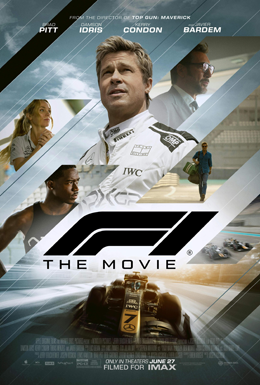
Those two lines of dialogue, uttered towards the end of the film, pretty much sums up F1, a terrifically entertaining movie about Formula One racing.
Brad Pitt stars as Sonny Hayes, a former FI prodigy who, in the early 90s, suffered a traumatic crash at the Spanish Grand Prix. The crash nearly killed him and it temporarily ended his career as an F1 driver. Sonny has spent the past thirty years as a drifter, gambler, and as a race car driver for hire. He lives in a van and is haunted by nightmares of his crash. When he wakes up in the morning, he groans as he stretches his tattooed, beat-up, but still muscular body. He dunks his face in a sink full of ice. He’s aging but he hasn’t surrendered just yet. The film opens with Sonny helping to win the 24 Hours of Daytona race. After his victory, he’s approached by his former teammate, Ruben (Javier Bardem). Ruben is in charge of the APEXGP F1 team. He needs a driver to partner with the young and arrogant Joshua Pearce (Damson Idris). Sonny agrees, though only after Ruben asks if Sonny wants a chance to show that he’s the best in the world. Sonny may be one of the oldest guys on the track but he’s still got something to prove.
If F1 came out in 80s, the 90s, or even the Aughts, it would be viewed as a well-made but predictable racing film, one in which a fairly by-the-numbers script was held together by Brad Pitt’s overwhelming charisma and Joseph Kosiniski’s kinetic direction. And that certainly is a legitimate way to view the film in 2025. On the other hand, coming after both the scoldy Woke Era and the authoritarian COVID Era, a film that celebrates competing without guilt, that says that it’s more fun to win than to lose, and which doesn’t apologize for embracing a culture of driving fast and breaking the rules feels almost revolutionary. Just as he did withTop Gun: Maverick, director Joseph Kosinski reminds the audience that it’s okay to be entertained. Not everything has to be a struggle session. Not everything has to be a rejection of the things that once made you happy. F1 is a film that invites you to cheer without guilt or shame.
It’s a good film, one that is full of exciting racing scenes and gasp-inducing crashes. After both this film and Top Gun: Maverick, there’s little doubt that director Joseph Kosinski knows how to harness the power of Hollywood’s few true movie stars. That said, as good as Brad Pitt is, Damson Idris is equally impressive, playing Joshua, a young driver who learns that there’s more to being a great driver than just getting good press. When we first meet Joshua, he’s young and cocky and arrogant and one thing that I respect about the film is that, even after Joshua learns the importance of teamwork and trust, he’s still more than a little cocky. He never stops believing in himself. He doesn’t sacrifice his confidence on the way to becoming the best. Though the film is definitely on Sonny’s side when it comes to their early conflicts (one can practically here the film saying, “Put down your phone, you young whippersnapper!”), it’s smart enough to not make Joshua into a caricature. Instead, he’s just a young man trying to balance celebrity and talent. Kerry Condon also gives a good performance as APEX’s technical director, though her romance with Sonny does feel a bit tacked on. (Far too often, whenever a female character says that she’s not looking for a relationship, movies refuse to take her word for it.)
When I first heard about F1, I have to admit that I wondered if Kosinski was deliberately following up the Top Gun sequel with a remake of Days of Thunder.It is true that F1 does have a lot in common with other racing films but, in the end, it doesn’t matter. Brad Pitt’s star turn and Joseph Kosinski’s direction makes F1 into an absolutely thrill ride and one of the best of 2025.
Kraven is Sony’s latest attempt to mine its Spider-Man-adjacent characters for cinematic gold, this time taking a stab at Sergei Kravinoff, better known as Kraven the Hunter. Even if you’re going in with rock-bottom expectations set by Morbius or the patchy Venom films, you might find yourself torn between mild intrigue and full-on indifference. The movie doesn’t bomb, but it certainly doesn’t soar either—it lands squarely in the “it’s fine, I guess” territory, buoyed by a handful of positive elements but weighed down by a laundry list of issues.
The film tries to position itself as a darker, grittier entry in Sony’s Spider-Man Universe but ultimately falls flat in several key areas. The movie follows Sergei Kravinoff (Aaron Taylor-Johnson), a man battling his toxic past and violent instincts, trying to define himself apart from his ruthless father, Nikolai (Russell Crowe). While Taylor-Johnson puts in a committed, physical performance and the action sequences deliver some visceral excitement—with brutal fight scenes and a snowy prison breakout standing out—the film struggles to transcend its predictable, shallow narrative.
One of the strongest aspects of Kraven is its commitment to visceral, intense action. The movie doesn’t shy away from bloody, fierce fights, embracing Kraven’s nature as a hunter rather than a hero. Physicality is a highlight here with Taylor-Johnson convincingly portraying the character’s power and agility. Some of the choreography—such as a snow-covered prison escape and a jungle chase—inject adrenaline into the movie, complemented by Russell Crowe’s imposing presence as the domineering father. Ariana DeBose’s Calypso and Alessandro Nivola’s Rhino provide interesting, if underdeveloped, counterparts that add flavor to the otherwise monochrome supporting cast.
However, the film is weighed down by a paint-by-numbers storyline that treads the well-worn path of antihero origin stories without adding fresh insight or emotional texture. The plot feels cliched and forgettable, with many moments so awkward and stilted that the dialogue and narrative flow could easily be accused of being AI-generated—and that accusation wouldn’t be out of place. This mechanical, artificial quality in the script creates a disconnect that makes characters seem like hollow archetypes rather than fully realized people. It’s as if the story was stitched together by a formula rather than human creativity, robbing the film of natural humor, depth, or emotional impact.
The biggest glaring example of this artificiality comes in the odd use of CGI for some of the characters’ facial movements. In particular, a scene with DeBose’s Calypso involved digital manipulation of her mouth and eyes to sync dialogue after filming, creating an uncanny, often distracting effect. This technique, reminiscent of the awkward, jarring movement of digitally animated mouths on still images, recalls the uncomfortable “Annoying Orange” vibe and highlights a troubling overreliance on technology rather than retakes or better production planning. It is a standout low point that further reinforces the impression of a rushed or overly engineered project.
The emotional core of Kraven revolves around the toxic father-son dynamic, which Crowe and Taylor-Johnson approach with convincing intensity, though the writing undermines their efforts with repetitive, obvious lines. The other characters, including Calypso, Rhino, and the Foreigner, suffer from limited screen time and one-dimensional arcs, often serving only to advance the plot mechanically rather than enrich the story. The film’s isolation from the broader Spider-Man universe also makes the stakes feel lower, leaving Kraven’s violent vendetta somewhat directionless and detached from broader consequences.
Visually, the film is inconsistent. While it nails gritty, physical action sequences, the CGI and digital alterations break immersion. The attempt at a darker, more grounded tone battles against these technical missteps and a narrative stuck in early-2000s superhero tropes.
Kraven offers some genuinely brutal action and committed performances but is hamstrung by a formulaic, AI-esque script and distracting technical glitches like the digital mouth-sync. It feels like a film caught between creative ambition and lazy execution, where flashes of potential are overwhelmed by awkward dialogue and uninspired plotting. For fans craving raw action or eager to see a Spider-Man villain on screen, it may be a mildly watchable diversion; for anyone seeking a fully fleshed-out, emotionally engaging story, Kraven is likely to disappoint.
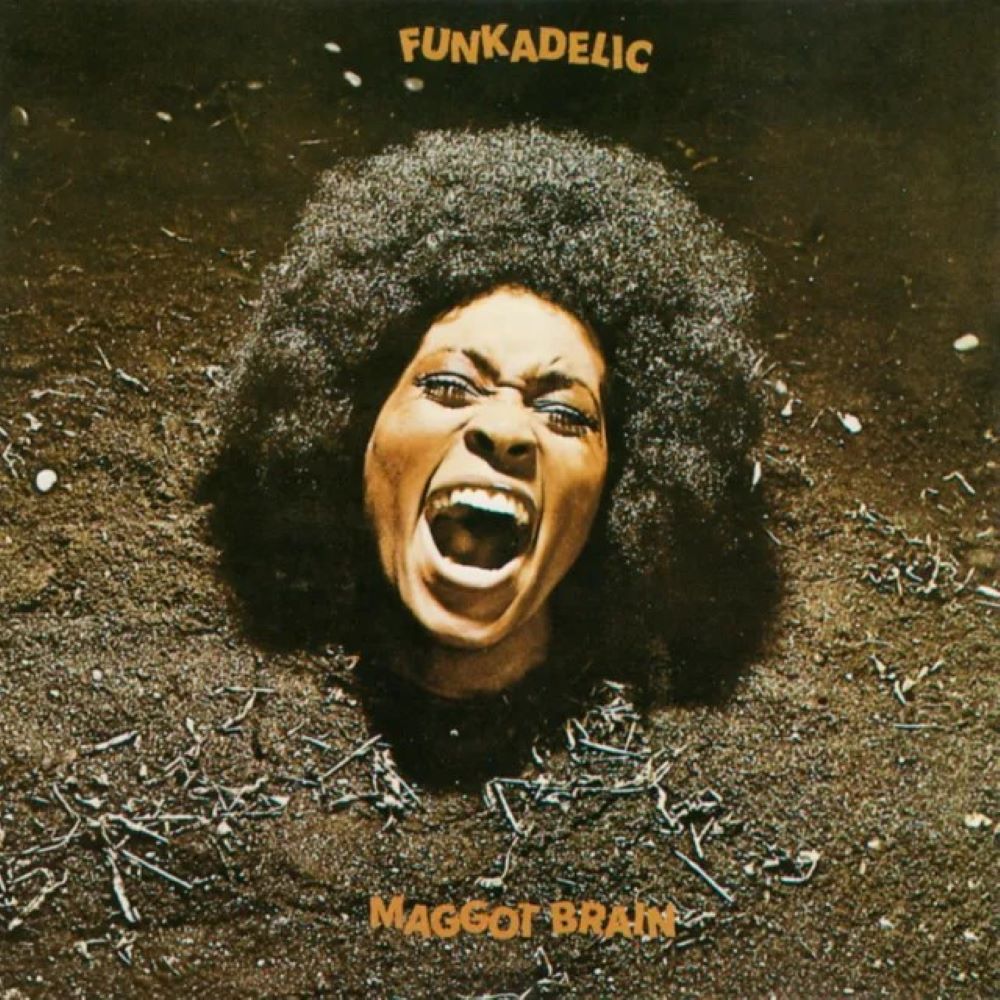
The latest “Song of the Day” is “Maggot Brain,” released by the funk rock band Funkadelic. The guitar solo starts around the 2:11 mark and instantly sets the tone for the track with raw emotion and vulnerability. This solo is deeply expressive, as if the guitarist is channeling powerful feelings through each note, creating an intimate and unforgettable experience.
George Clinton, the band’s visionary leader, played a crucial role in shaping the song’s sound and atmosphere. He encouraged the guitarist to tap into deep personal emotions while playing and made production choices—such as reducing other instruments in the mix and enhancing echo effects—that gave the solo an eerie, spacious, and haunting quality. Clinton’s guidance helped frame the solo as a centerpiece of the track, turning it into a profound musical statement full of emotional weight.
What stands out about the solo is its blend of restraint and intensity. Rather than relying on flashy technical skills, the guitarist uses space and sustained notes to tell a story of inner struggle and reflection. As the solo fades and the band softly returns, the song shifts from deep pain toward a fragile sense of hope. Spanning nearly the entire 10 minutes, this solo remains a masterclass in emotional storytelling through music, marking “Maggot Brain” as a timeless work in Funkadelic’s catalog.
Maggot Brain
Mother Earth is pregnant for the third time For y’all have knocked her up I have tasted the maggots in the mind of the universe I was not offended For I knew I had to rise above it all Or drown in my own shit
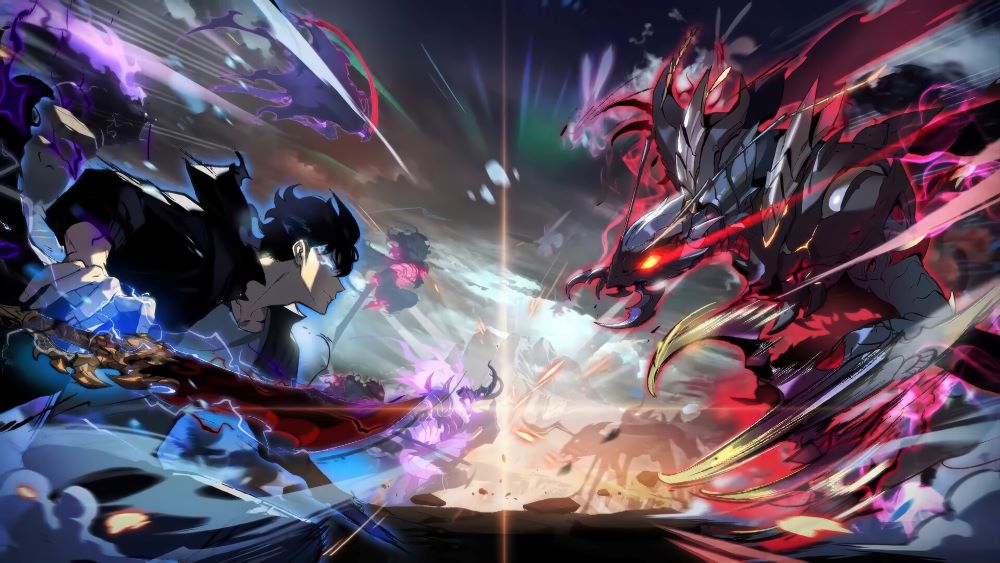
The latest AMV of the Day comes from the talented French creator DarinVisual, who has crafted an impressive anime music video featuring the main fight scene from the highly anticipated Season 2 of the hit series Solo Leveling. This intense battle showcases the protagonist, Sung Jinwoo, facing off against one of his toughest adversaries yet: the formidable Ant King Beru.
Set to the dynamic track “Royalty” by Egzod & Maestro Chives, the AMV captures the energy, suspense, and stunning animation that have helped Solo Leveling become a massive sensation over the past few years. Since the series was first announced and its inaugural season premiered, fans worldwide have been captivated by its compelling story, vivid fight sequences, and character development — all of which are brilliantly highlighted in this fan-made tribute.
DarinVisual’s skilled editing and careful synchronization of visuals with the music make this AMV a must-watch for both longtime fans and newcomers eager to experience why Solo Leveling continues to dominate the anime scene.
Song: Royalty by Egzod & Maestro Chives (feat. Neoni)
Anime: Corpse Party, Talentless Nana, Wandering Witch Elaina, Another, Mirai Nikki, Blood C, Tokyo Ghoul, Kara no kyoukai, Shin Sekai Yori, Ergo Proxy, Shiki, Ghost in a Shell, Owari No Seraph, Elfen Lied, Akame Ga Kill, Mahou shoujo site, Higurashi no naku koro ni
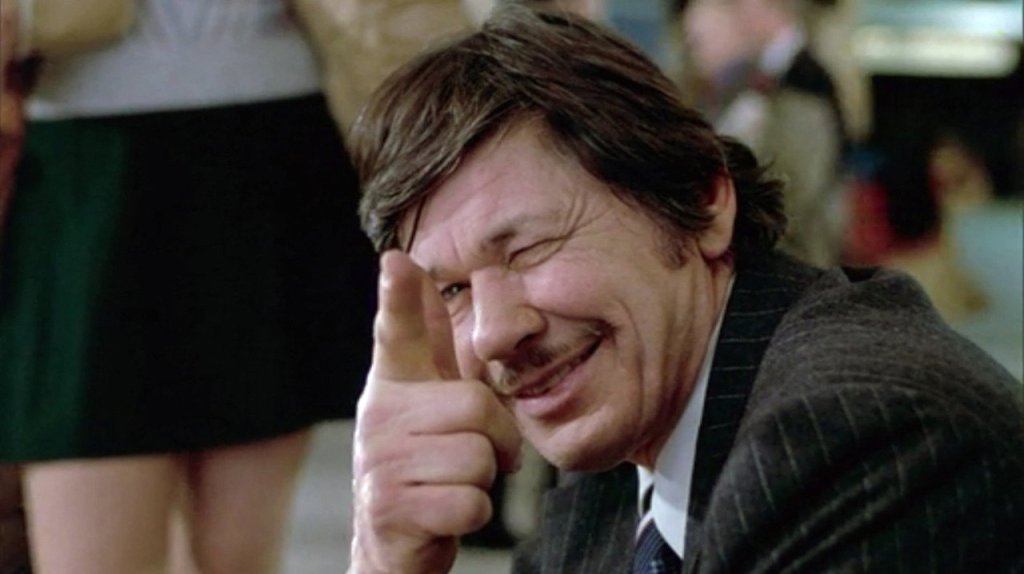
5 Shots From 5 Films is just what it says it is, 5 shots from 5 of my favorite films. As opposed to the reviews and recaps that we usually post, 5 Shots From 5 Films lets the visuals do the talking!
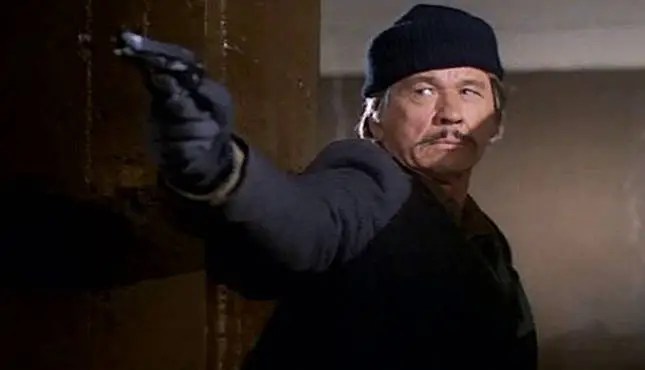
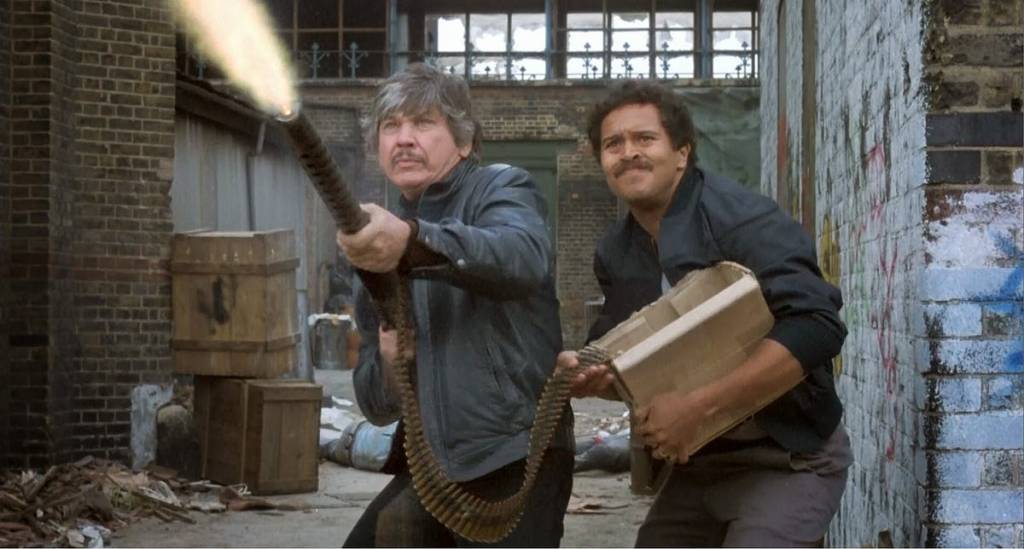
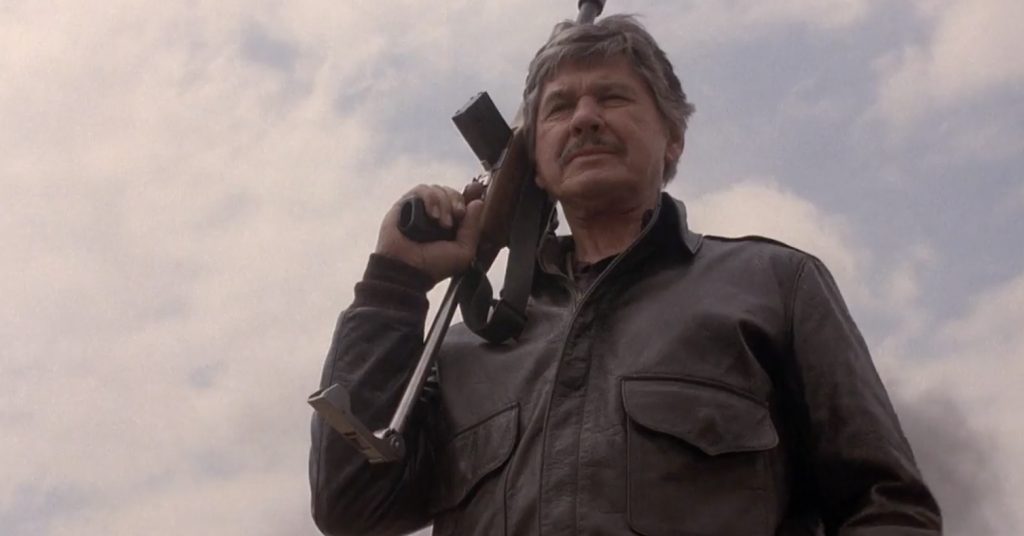
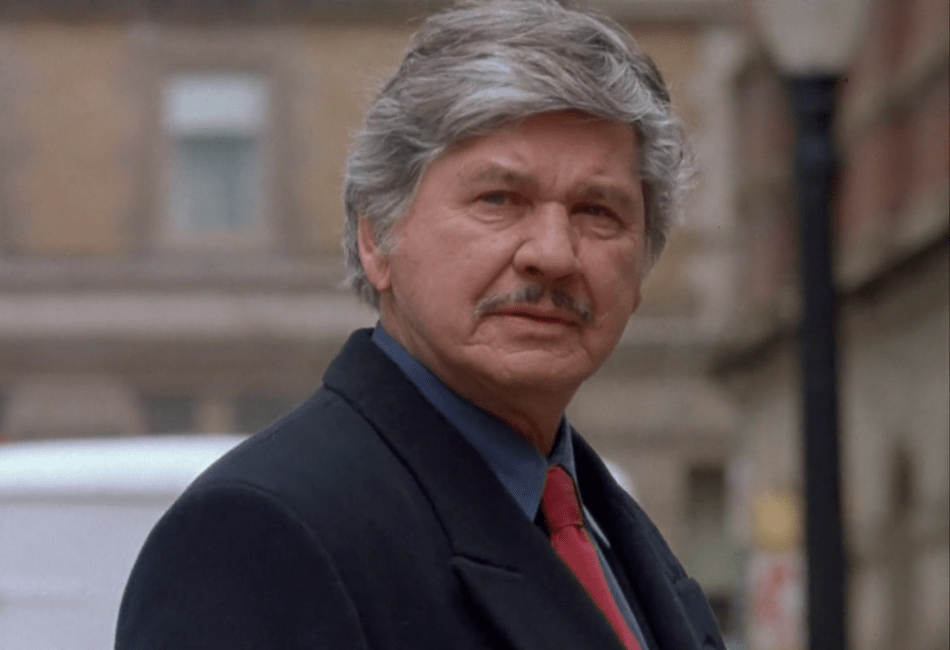
The greatest tough guy of the movies, Charles Bronson, was born 104 years ago today.
Death Wish (1974)Death Wish II (1982)Death Wish 3 (1985)Death Wish 4: The Crackdown (1987)Death Wish V: The Face of Death (1994)
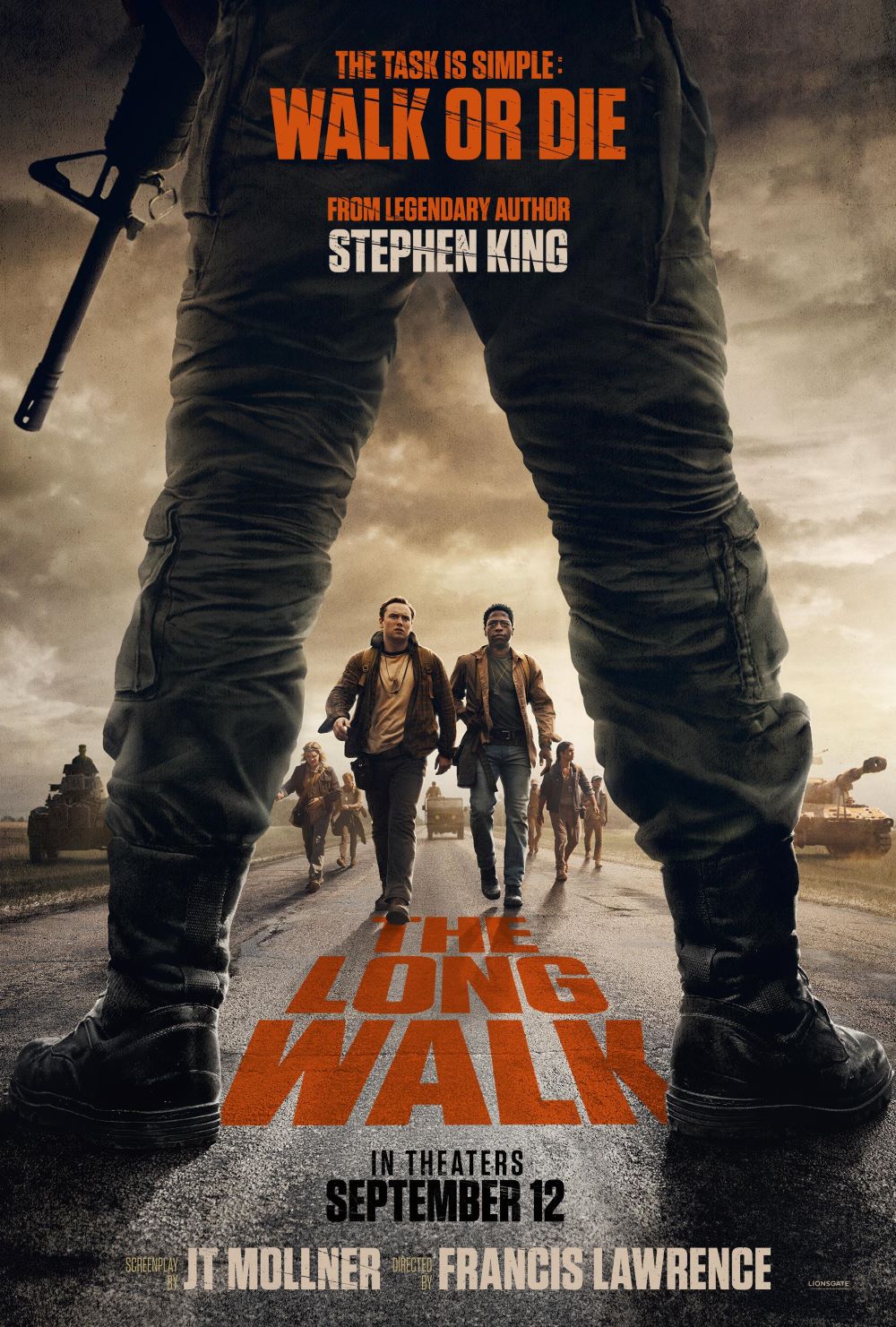
“In this Walk, it’s not about winning. It’s about refusing to be forgotten while the world watches us fade away.” — Peter McVries
Francis Lawrence’s The Long Walk (2025) delivers a relentlessly brutal and unyielding vision of dystopian horror that explores survival, authoritarian control, and the devastating loss of innocence. The film immerses viewers in a grim spectacle: fifty teenage boys forced to participate in an annual, televised event known as the Long Walk. To survive, each participant must maintain a constant pace, never falling below a minimum speed, or else face immediate execution.
At the heart of this bleak narrative is Raymond Garraty, played with earnest vulnerability by Cooper Hoffman. Garraty’s backstory, marked by the tragic execution of his father for political dissent, sets a somber tone from the outset. As the Walk drags on, Garraty forges fragile bonds with fellow contestants, particularly Peter McVries (David Jonsson), whose camaraderie and quiet resilience inject moments of hope and humanity into the harrowing journey. These relationships become the emotional core, grounding the film’s relentless physical and psychological torment in deeply human experiences.
The setting enhances this oppressive atmosphere. The time and place remain deliberately ambiguous, with evident signs that the United States has recently suffered a second Civil War. The aftermath is a landscape ruled by a harsh, authoritarian military regime overseeing a nation economically and politically in decline. Though visual cues evoke a retro, 1970s aesthetic—reflected in military hardware and daily life—the film resists pinning itself to an exact year. This timelessness amplifies its allegorical power, emphasizing ongoing societal collapse and authoritarianism without tying the story to one era specifically. The dystopian backdrop is populated by broken communities and a pervasive sense of hopelessness that mirrors the characters’ internal struggles.
Visually, The Long Walk employs stark, gritty cinematography that traps viewers in the monotonous expanse of endless roads and bleak environments. Lawrence’s direction is unflinching and unrelenting, echoing the merciless march to death and the broader commentary on institutionalized brutality. The atmospheric score complements this oppressive tone, underscoring the emotional and physical exhaustion pacing the narrative.
Performances elevate the film’s emotional stakes significantly. Hoffman’s portrayal of Garraty captures the youth’s evolving vulnerability and determination, while Jonsson’s McVries adds a poignant emotional depth with his steady, hopeful presence. Supporting actors such as Garrett Wareing’s enigmatic Billy Stebbins and Charlie Plummer’s self-destructive Barkovitch bring vital complexity and urgency. Stebbins remains a figure whose allegiance is ambiguous, adding layered mystery to the group dynamics. Judy Greer’s limited screentime as Ginny Garraty, Ray’s mother, stands out powerfully despite its brevity. Each of her appearances is heartbreaking, bringing a wrenching emotional weight to the film. Her panicked, anguished attempts to hold onto her son before he embarks on the deadly Walk amplify the human cost of the dystopian spectacle, leaving a lasting impression of maternal agony amid the surrounding brutality.
Mark Hamill’s role as The Major is a significant supporting presence, embodying the authoritarian face of the regime. The Major oversees the brutal enforcement of the Walk’s rules, commanding lethal squads who execute those who falter. Hamill brings a grim and chilling force to the character, whose cold charisma and unwavering commitment to the ruthless system make him a menacing figure. Despite relatively limited screen time compared to the young participants, The Major’s presence looms large over the story, symbolizing the chilling machinery of power and control that governs the dystopian world.
Yet, the film is stark in its depiction of violence. The executions and suffering are raw and often grotesquely explicit, serving as a damning critique of authoritarian cruelty and the voyeuristic nature of state violence televised as entertainment. This unfiltered brutality can, however, become numbing and exhausting as it piles on relentlessly, occasionally undercutting emotional resonance. The narrative embraces nihilism fully, underscoring the dehumanization and futility within the dystopian world it portrays.
The film’s overall pacing and structure reflect this bleakness but at times suffer from monotony. The heavy focus on walking and survival mechanics leads to a lack of narrative variation, testing the audience’s endurance much like the characters’. There is likewise a noticeable stretch of physical realism—the contestants endure near-impossible physical feats without adequate signs of weariness or injury, which can strain believability.
Character development is another area where the film falters slightly. While Garraty and McVries are well-drawn and immunize emotional investment, other characters tend toward archetypical roles—bullies, outsiders, or generic competitors—diminishing the impact of many deaths or interactions. Similarly, the repetitiveness of the setting and cinematography, relying mostly on basic shots following the walkers, misses opportunities for more creative visual storytelling that might heighten tension or spotlight key emotional beats.
The film’s conclusion, stark and abrupt, offers no real catharsis or closure, reinforcing the overarching theme of unyielding despair. While this resonates with the film’s nihilistic motif, it may alienate those seeking narrative resolution or hope. The visceral shock and bleak tone permeate to the end, leaving the viewer with a lasting impression of relentless suffering and sacrifice.
This demanding yet visually striking and emotionally intense film challenges viewers with its unrelenting bleakness and brutal thematic content. It critiques societal violence, media spectacle, and authoritarianism through starkly powerful performances and an oppressive, immersive atmosphere. Though it excels in evoking emotional rawness in key moments and maintaining thematic consistency, it struggles with pacing, character depth beyond the leads, and occasional narrative monotony. Its ambiguous setting in a post-second Civil War America ruled by a declining authoritarian regime adds a timeless, allegorical layer to its exploration of human endurance and societal collapse.
Ultimately, this film is best suited for viewers prepared for an uncompromising, intense vision of dystopia. It stands as a compelling, if bleak, meditation on youth, survival, and the human spirit under extreme duress, showcasing Francis Lawrence’s aptitude for crafting thought-provoking, provocative horror.
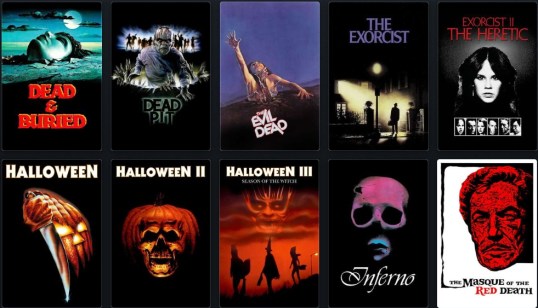
Here’s 20 suggestions, some of which are obvious and some of which are not.
The Essentials
What would Halloween be without watching Halloween (1978)? And, just to make clear, I’m talking about the John Carpenter Halloween and not any of that David Gordon Green crap. John Carpenter’s Halloween continues to be one of the most effective horror films ever made and it’s also the rare example of a slasher film in which the victims are just as memorable as the killer. I love Donald Pleasence’s performance as Dr. Loomis. Halloween can be viewed on Shudder.
Halloween II (1981) picks up right where the first Halloween ended. Jamie Lee Curtis doesn’t really do much in this version, other than spend her time limping through the hallways of Haddonfield’s nearly deserted hospital. However, that just means that we get to spend more time with Dr. Loomis! Halloween II is nowhere near as effective as the first film but it still introduced some really interesting ideas, like Samhain and Laurie being Michael’s sister. David Gordon Green decided all of that unnecessary. I disagree.Halloween II can be viewed on Peacock.
Halloween III: Season of the Witch (1982)does not feature Michael Myers or Laurie Strode or even Dr. Loomis. However, it does feature the Silver Shamrock theme song, Tom Atkins yelling like a badass, and Don O’Herlihy explaining the true meaning of Halloween. “….and Happy Halloween.” Halloween III can be viewed on Peacock.
The Exorcist (1973), William Friedkin’s masterpiece and the first horror film to ever be nominated for Best Picture, is one of the few horror film to remain frightening even after repeat viewings. I will add that you don’t have to be Catholic to get The Exorcist but it definitely helps. The Exorcist can be viewed on HBOMax.
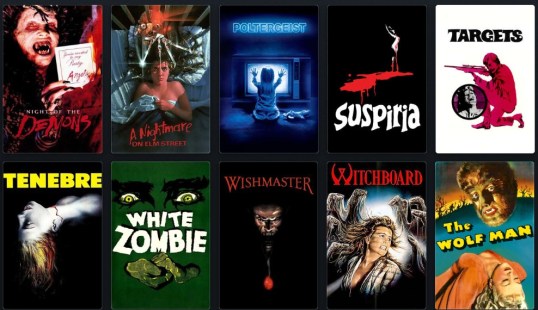
Suspiria (1977) remains Dario Argento’s best film, a dizzying masterpiece of horrific pop art that mixes blood, ballet, witches, music, and names that start with S. From the moment that Jessica Harper (giving a great performance) steps into the rainy night to the shocking double murder at the red apartment building to the mind-bending climax, Suspiria is a brilliant mix of suspense and horror. Do not see the remake. (What is the deal with pretentious schmucks remaking brilliant horror films?) The original is all you need. It’s on Tubi.
Inferno (1980) is one of Argento’s more unfairly overlooked films. A loose sequel to Suspiria, Inferno is a masterpiece of both horror and paranoia. Irene Miracle’s opening swim is one of Argento’s most haunting set pieces. The killer kitties are adorable. The ending features effects work from none other than Mario Bava. Sadly, the making of Inferno was not a happy experience for Argento and it temporarily soured him on working in America. This brilliant film is on Tubi.
After his bad experience with Inferno, Argento returned to his giallo roots with Tenebrae (1982). A series of murders in Rome are connected to an American writer. Argento reportedly did not get along with star Anthony Franciosa but he still got a good performance out of him. The wonderfully quirky supporting cast includes John Saxon, Daria Nicolodi, Christian Borromeo, John Steiner, Lara Wendel, Ania Pieroni, and Giuliano Gemma. This film features several frightening and suspenseful set pieces. The relentless dog still freaks me out. Tenebrae can be viewed on Tubi.
Poltergeist (1982)— the original, not the remake — also holds up well. JoBeth Williams finding the strength after being thrown around her room to limp down that ever expanding hallway to save her children continues to be both horrifying and inspiring. Craig T. Nelson’s over-the-top delivery of “YOU LEFT THE BODIES!” continues to make me smile. Poltergeist can be viewed on HBOMax.
It’s not Halloween without Bruce Campbell and Evil Dead (1981) — the original, though the remake isn’t bad — is available on Tubi. Though it lacks the humor of the sequels, the first Evil Dead holds up very well and one can definitely see why not only Bruce Campbell but also Sam Raimi went on to have active and successful career afterwards.
In my previous entry, I listed several Vincent Price/Roger Corman collaborations. Somehow, I failed to include The Masque of the Red Death (1964), which is the best of them all. Vincent Price is wonderfully evil. Roger Corman’s direction is appropriately intense. Nicholas Roeg’s cinematography is beautifully ominous. It can be viewed on Tubi.
The Wolf Man (1941) — the original, even though I like the remake — is one of my favorite Universal horror films, even if it does leave me wondering how Lon Chaney, Jr. could possibly be the son of Claude Rain. In future films, Larry Talbot would become a bit too whiny for his own good. In this one, your heart breaks for him and his father. The Wolf Man can be viewed on Peacock.
White Zombie (1932) is considered to be first feature-length zombie film. It’s a bit creaky but it does feature one of Bela Lugosi’s best performances. One should see it for its historical significance, if nothing else. It can be viewed on on Tubi!
Odds and Ends
One can debate whether or not Targets (1968) should be considered a horror film or a thriller but it features what is perhaps Boris Karloff’s best performance, playing an aging horror star who fears that his old movies can’t compete with reality. For once, Karloff is the hero, bravely confronting a madman who starts shooting at the people attending a showing of one of Karloff’s old films. Targets can be viewed on Pluto TV.
The Dead Pit (1989) is a personal favorite of mine. An amnesiac (energetically played by Cheryl Lawson) finds herself in an insane asylum where she spends a lot of time running around in her underwear while a doctor performs experiments and the dead rise. Lawson’s committed performance and director Bett Leonard’s atmospheric direction elevate the entire film. This is 80s, low-budget horror at its best and it’s on Tubi.
Night of the Demons (1988)asks the question, “Is it really a good idea to have a party in a deserted house?” Night of the Demons is enjoyable in its shameless and demented way. Linnea Quigley and Angela Kinkade throw themselves into the role of the two girls throwing the party. The film is energetic, surprising, witty, and occasionally even scary. It can be viewed on Tubi.
From the same director as Night of the Demons, Witchboard (1986) is the ultimate film about why one shouldn’t mess with a Ouija board. I relate to Witchboard because it’s about a redhead who never curses. Beyond that, though, this is a good horror film that features Stephen Nichols getting upset when everyone fails to take his Ouija board seriously. This film actually has its share of very real jump scares. It can be viewed on Tubi.
Wishmaster (1997) is well-remembered for Andrew Divoff’s creepy intensity as the Djinn but the cast is actually a who’s who of horror royalty. Robert Englund, Tony Todd, George “Buck” Flower, Kane Hodder, Reggie Bannister, Joe Pilato, they all made appearances. I like the fact that no one ever chooses their words carefully when speaking to Wishmaster. The film is on Tubi.
Dead and Buried (1981) features strange things happening in a coastal town. This film feels like a particularly gruesome episode of The Twilight Zone and features a strong performance from Jack Albertson as the coroner with a secret. It’s on Tubi.
Exorcist II: The Heretic (1977) has a terrible reputation that is largely deserved but I have to admit that I find it to be strangely fascinating. It’s such a misfire that you really can’t look away and it takes an all-star cameo approach to its story that feels so wrong that it leaves you wondering whether John Boorman was intentionally going for a parody or not. Richard Burton doesn’t waste any time with being subtle. See if you can figure out what’s going on during the flashback scenes. It’s on Tubi and I dare you to watch it.
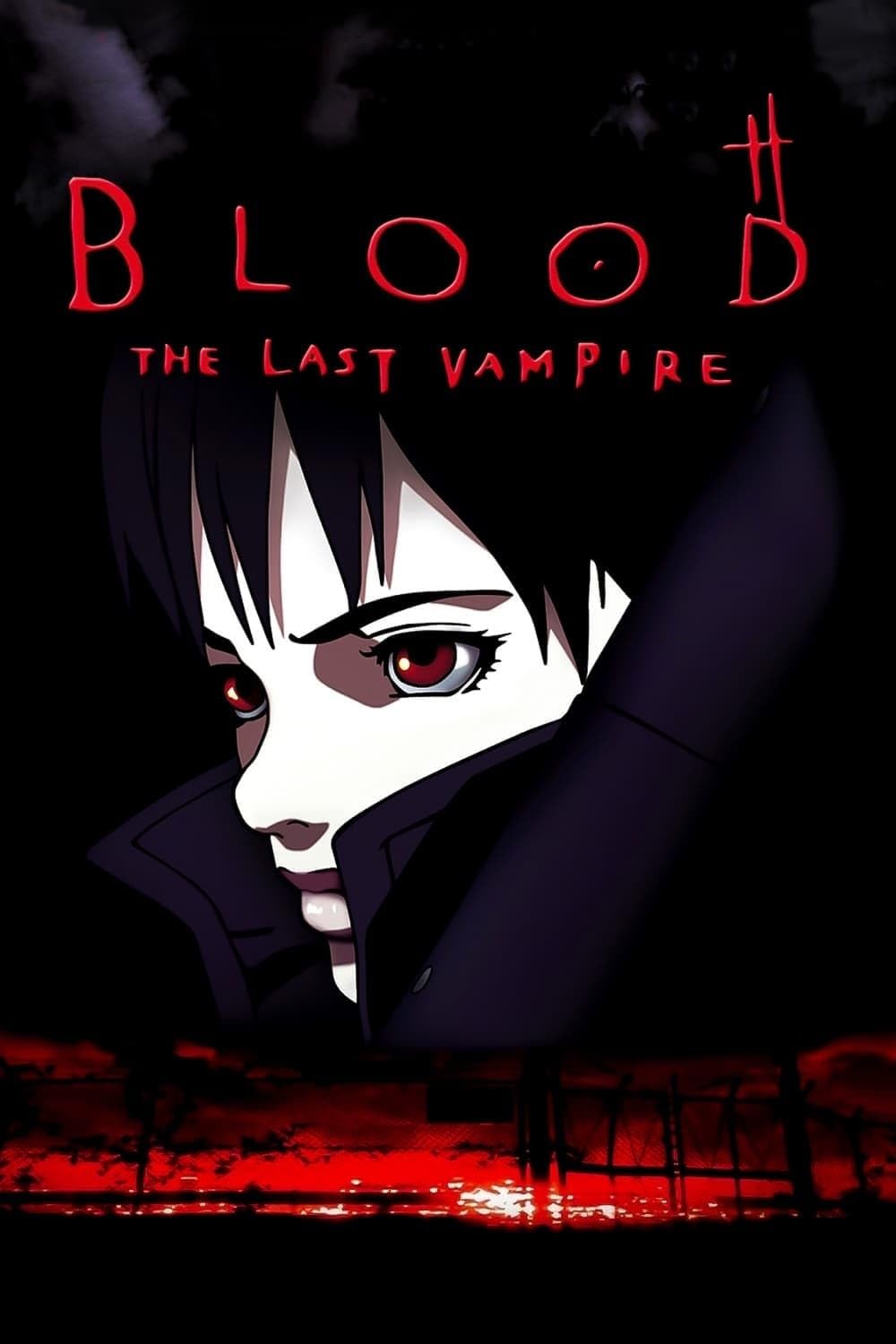
In 2000, Blood: The Last Vampire made quite an impact as a visually stunning and atmospherically intense anime horror film. It expertly combines military tension with supernatural thrills in a compact, sharply executed story. Directed by Hiroyuki Kitakubo and produced by Production I.G, this film helped define the vampire-action subgenre by delivering a haunting tale that’s as much about loneliness and identity as it is about monster hunting.
The story unfolds in 1966 at the Yokota U.S. Air Base in Japan, a setting infused with Cold War anxiety and the looming shadow of the Vietnam War. You follow Saya, a seemingly ordinary schoolgirl with a dark secret: she’s been enlisted by a secretive agency to hunt down bloodthirsty chiropterans—demons disguised as humans. Saya isn’t your typical vampire; she’s the last of her kind, wielding a katana with deadly precision while carrying the heavy burden of her immortal existence. Her cold, detached demeanor makes her an intriguing character, caught between humanity and monsterhood.
One of the film’s standout features is its incredible art and animation. Production I.G used a mix of traditional hand-drawn animation and early CGI to create a look that’s both detailed and immersive. In fact, James Cameron was an early fan, admiring the film’s innovative blend of 2D and 3D animation techniques that pushed technological boundaries to craft a visually striking experience. The backgrounds—military bases, grim hallways, and moody night scenes—feel tangible, while the fluid movements of the characters add grit and weight to every action sequence. The colors are muted but striking, with shadows dominating the frame and bold splashes of red that echo classic horror imagery.
While watching Blood: The Last Vampire, one can also spot clear influences from Western vampire horror, especially the live-action film Blade, which came out a few years prior, and the TV series Buffy the Vampire Slayer. The character of Saya shares traits with Buffy— a young, powerful woman wrestling with her role as a vampire hunter—melding gothic sensibilities with modern action heroine tropes. Director Hiroyuki Kitakubo has acknowledged in interviews that such Western influences, along with classic vampire literature like Dracula, shaped the film’s tone and character design. This fusion creates a uniquely cross-cultural vampire narrative that appeals broadly.
When it comes to horror, Blood goes for a raw, physical kind of fear rather than romanticized gothic vibes. Its monsters are grotesque and disturbing, bristling with sharp teeth and distorted faces. The fight scenes are swift and brutal, with blood sprayed in a way that’s more artful than gratuitous. The film wastes no time with filler; each moment serves to ramp up tension or deepen the mystery.
Saya herself is surprisingly well developed for such a short film. Her isolation and internal conflict give her depth beyond standard vampire tropes. You can sense the loneliness beneath her impassive exterior, along with a kind of weariness about her role as predator. Though the film leaves plenty unsaid, it effectively uses these shadows in the story to hint at a broader tragedy driving Saya on.
However, the film does have its drawbacks. Clocking in under 50 minutes, its brevity feels like a hindrance. The story’s short runtime leaves many threads underexplored, especially the wider world-building and deeper character background that fans of such a rich universe might crave. Some may find the pace hurried, with the narrative skimming over potentially fascinating lore and emotional beats. Additionally, Blood: The Last Vampire was mostly voiced in English, a decision by Production I.G. aimed at making the film more accessible to Western audiences. However, the English voice acting can be hit or miss, which may become distracting for anime viewers who prefer mostly Japanese voice acting with English subtitles.
Despite these flaws, the film’s soundtrack remains atmospheric and effective, supporting tension without overwhelming the visuals. The mix of Japanese and English dialogue fits the multicultural military setting, even if some performances falter.
Importantly, Blood: The Last Vampire served as a critical gateway for Western audiences at a time when anime was predominantly known through late-night broadcasts of child-friendly series like Sailor Moon and Dragon Ball Z. As one of the few adult-themed, violent anime films to achieve mainstream success in the West, it opened the door for a wider acceptance of mature anime stories. This paved the way for major franchises such as Attack on Titan and Demon Slayer, which have become some of the biggest and most influential anime series worldwide over the last 25 years.
Over time, Blood: The Last Vampire has gained a devoted cult following and inspired sequels like Blood+ and Blood-C, as well as live-action adaptations. Yet few have matched the original’s moody atmosphere and stylistic innovation.
All in all, Blood: The Last Vampire is a memorable and gripping piece of horror anime. It skillfully blends postwar unease, body horror, and existential themes into a sleek, powerful package that leaves a lasting impression. Whether you’re a fan of vampire tales, Japanese gothic horror, or intense animated action, this film proves that you don’t need hours to make a horror classic. It’s short, sharp, and packs a serious punch. It may not have delivered on every narrative promise, but its innovative visuals and haunting tone secure it as a must-watch for genre enthusiasts.
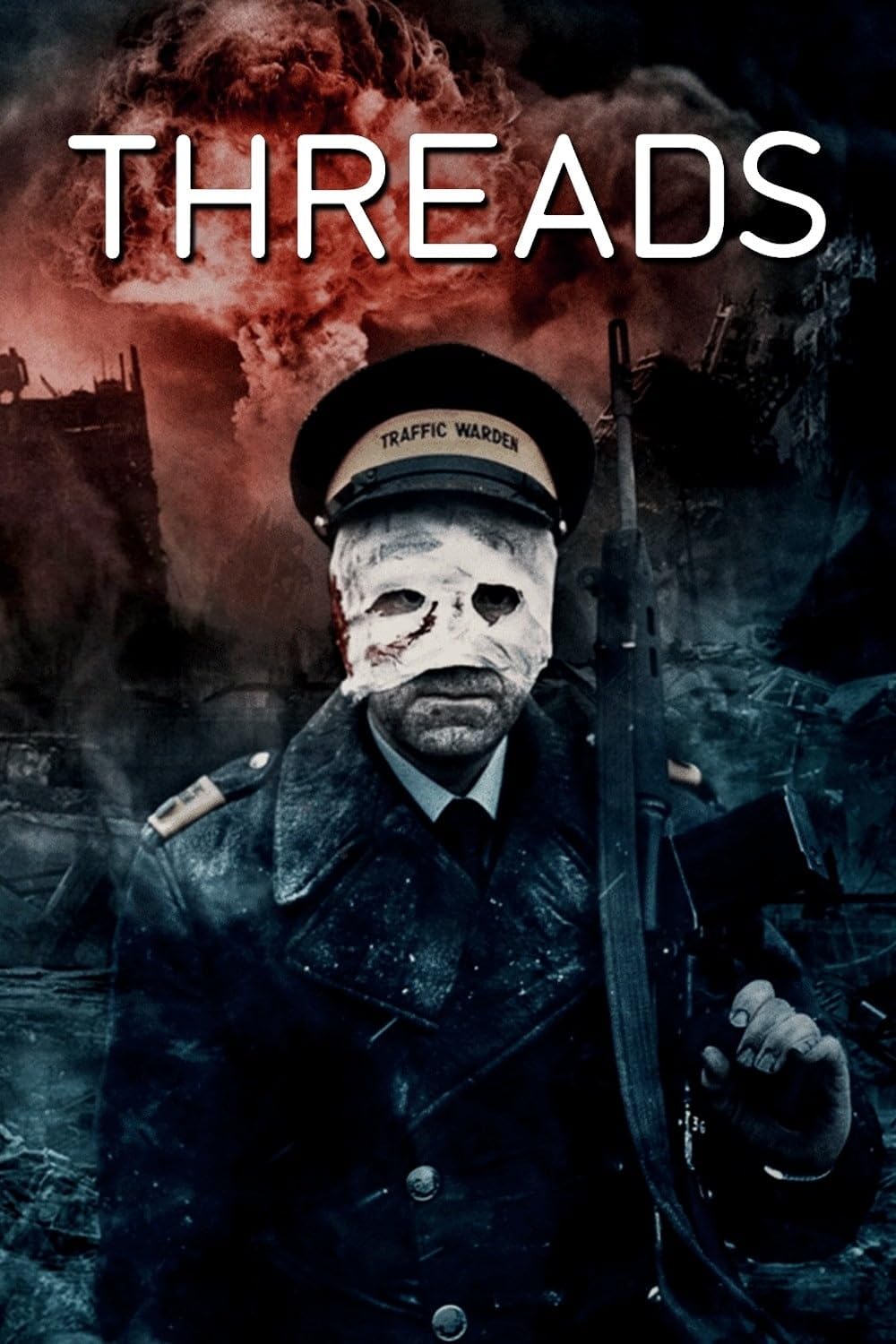
“You cannot win a nuclear war! Now just suppose the Russians win this war… What exactly would they be winning? All major centres of population and industry would have been destroyed. The Russians would have conquered a corpse of a country.” — Peace Speaker
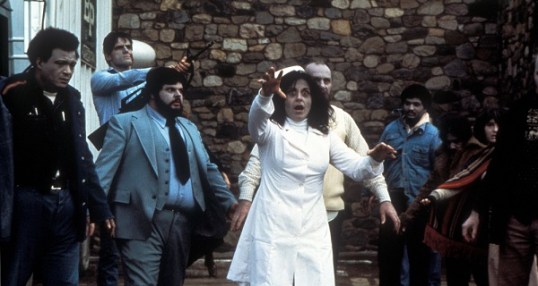
Mick Jackson’s Threads remains one of the most devastating and singular experiences in the history of horror cinema. Made for British television in 1984, it presents the end of the world without spectacle, sentiment, or escape. It is horror pared down to elemental truth—an autopsy of civilization staring directly into the void. What it reveals isn’t an invasion or a curse but something far more intimate and plausible. The apocalypse here is homemade.
The film’s dread begins in familiarity. Sheffield in the early 1980s looks ordinary, even dull. We meet young people planning families, moving furniture, going to work. Everyday life rolls forward in its small, reassuring cycles. But the news keeps playing in the background, and the background starts to change. Political tension builds quietly, buried inside the calm language of diplomacy and deterrence. The repetition of these news bulletins—so mundane at first—becomes unnerving because this is precisely how horror entered real life during the Cold War: through information, not imagination. The end of all things doesn’t announce itself with thunder or sirens. It arrives exactly the way it did in history—through headlines, warnings, updates, and comfortable denial.
What makes Threads so frightening is that it removes the supernatural shield that most horror films rely on. There are no vampires in the night, no zombies clawing at the door, no ancient curses waiting for foolish mortals to uncover. The threat here is invisible, mathematical, already built into the fabric of daily existence. The horror is bureaucratic and omnipresent: wires humming, missiles waiting, politicians rehearsing meaningless statements. Jackson’s approach traps viewers in the reality that haunted the Cold War decades—the understanding that extinction wasn’t a mythic event but a possibility hanging over breakfast tables and factory shifts alike. The monsters were human hands resting on launch buttons.
When the bombs finally fall, the destruction plays out without warning or beauty. The light is so intense it erases faces, streets, even color itself. There’s no music to prepare the viewer, nothing to stylize the moment. It looks less like cinema than an interference signal—white noise flooding the world. And when the noise fades, time stops. The air is grey and silent. This is where every cinematic idea of horror—jump scares, final girls, raging beasts—collapses. What’s left isn’t fiction but aftermath. Humanity’s extinction is not delivered by some otherworldly force. It’s the logical consequence of its own inventions.
In the post-blast silence, Sheffield turns into a landscape of wandering ghosts—ordinary people stripped of memory and meaning. The city becomes an enormous grave where speech and thought slowly decay. Threads spends the rest of its running time documenting how civilization erodes, not in minutes but in years. Crops fail, radiation poisons the newborn, and eventually language itself thins out until the survivors grunt out half-words. Watching it feels like witnessing evolution run backward. And all of it happens without villains or intent. The horror is simply that there’s no one left to blame, only ashes where institutions used to be.
That’s the heart of what makes Threads such a distinct kind of horror film. Its terror isn’t supernatural but logistical. The Cold War, for all its abstract politics, becomes the perfect horror setting because its apocalypse was designed, built, and maintained by bureaucrats and citizens who believed they were preserving peace. The film internalizes that historical anxiety and turns it against the viewer. Watching it now reveals how modern the fear remains—the quiet knowledge that our existence can still be undone by systems we built and barely understand.
This level of realism transforms ordinary images into nightmare language. The gray sky, the still streets, the cracked glass—all look completely real because they are. The production relied on weathered locations, handheld cameras, and non‑actors to erase any cinematic polish. That choice doesn’t just increase believability; it removes emotional distance. The audience isn’t safe behind the screen. It’s the same realism people felt in their bones during the Cold War years when the thought of nuclear annihilation hung above every ordinary activity—from going to school to buying groceries. Threads doesn’t invent horror; it recalls one that was already shared by millions, a psychological climate instead of a plot.
What follows after the detonation is not chaos in the traditional sense, but entropy. The world doesn’t explode; it unravels. Government collapses in slow motion, social order dissolves quietly, and hunger becomes the only law. By the time years have passed and humanity has regressed to primitive barter and suspicion, viewers understand that the true monster in Threads isn’t radiation or politics—it’s the continuity of existence stripped of meaning. The worst possible outcome is survival without civilization. Every journal entry and every voice-over that marks the passage of years feels like the universe keeping record of its own disappearance.
The film’s tone never changes. It stays cold, methodical, and precise, as if narrated by the last bureaucrat left alive. That neutrality becomes unbearable after a while, more suffocating than screaming terror. The dispassionate narration reporting the number of dead or the decline in literacy level is as unnerving as any demonic whisper. It’s the voice of civilization reduced to an algorithm, describing its own end with perfect grammar. That was perhaps the truest evocation of Cold War horror imaginable: the notion that when the world ended, it would sound exactly like a news broadcast.
For all its austerity, there’s also a strange poetry in Jackson’s imagery. The empty fields where ash falls like snow, the distant hum of wind through broken windows, the silhouettes trudging through a gray dusk—they linger like haunted photographs. It feels less like humanity has died than that it has become part of the landscape. The apocalypse in Threads isn’t theatrical fire but the slow bleaching of everything living. In a way, it makes the viewer complicit: this is what our collective imagination produced when fear became policy.
The final scene still carries the force of a psychological detonation. The young woman who has grown up in this ruin gives birth to a stillborn child, the last link of continuity severed. There’s no dialogue, no reaction—just a freeze-frame that seems to suspend time at its bleakest point. For a moment, the world stops existing altogether. Few films end so harshly, with no fade‑out or reflection, because Threads doesn’t need metaphor. It closes the loop on its own warning: the horror never came from outside, it came from within—from the quiet machinery of our collective choices and the weapons we built to enforce them.
Seen today, Threads remains deeply relevant because the foundation of its terror hasn’t disappeared. While new anxieties have replaced the Cold War, the sense of self-made extinction still lingers. Watching it feels like eavesdropping on a civilization rehearsing its own burial. Its power lies in showing that the apocalypse isn’t cinematic fantasy. It’s civic policy, historical precedent, and shared human guilt wrapped into the shape of a mushroom cloud. The film’s real horror is how close it remains.
Threads exposes the simplest and most terrifying truth of horror: that sometimes there is no invader, no contagion, no supernatural imbalance waiting for correction. There is only us. The apocalypse that consumed Sheffield was never distant or mythic. It was the reflection in the mirror, the sound on the news, the thing every citizen of that decade tried not to think about while going about ordinary life. That proximity—horror without distance—makes the film feel eternal. It tells us that the end of the world has always been near, not because of monsters waiting outside the window, but because of everything we’ve built inside it.
Dawn of the Dead (1978, dir by George Romero, DP: Michael Gornick)
Dario Argento not only produced and edited the European cut for 1978’s Dawn of the Dead, he also introduced George Romero to Goblin. The Italian band, famous for their horror movie soundtracks, provided the classic score to Dawn of the Dead.
(Admittedly, the score is is used far more prominently in Argento’s cut of the film than in Romero’s.)
For today’s horror song of the day, here is Goblin’s Main Theme From Dawn of the Dead.

 Through the Shattered Lens